
Quick Summary
To effectively prevent mold after water damage, property owners must control excess moisture and begin mitigation within the critical 24-to-48-hour window before fungal colonization takes hold. Emergency experts at Wade's Restoration explain that stopping water intrusion, executing rapid structural drying, and maintaining indoor humidity below 50 percent are essential to protect indoor spaces. Readers will understand how to evaluate salvageable materials and can contact Wade's Restoration immediately to schedule emergency extraction, visual inspections, and moisture mapping assessments.
Prevent Mold After Water Damage: Fast Action Guide
Excess moisture is the major cause of indoor mold growth, and moisture control is the most critical prevention measure. Clean and dry wet materials within 48 to 72 hours to help prevent mold growth; exact timing varies with moisture and material conditions. If a flooded home cannot be dried within 24 to 48 hours, occupants should assume mold growth has occurred and address the moisture problem and mold.
According to Wade’s Restoration, to prevent mold growth, follow this sequence: stop the water source, remove standing water, dry wet areas quickly, improve ventilation when appropriate, fix leaks, and discard materials that cannot be cleaned and dried completely.[5]
How to Prevent Mold After Water Damage
Action summary: Excess moisture is the major cause of indoor mold growth, making moisture control the most critical prevention measure. Stop the water source, remove standing water, dry wet areas quickly, improve ventilation when appropriate, fix leaks, and discard materials that cannot be cleaned and dried completely. Keep indoor humidity at no higher than 50 percent throughout the day.[3]
Moisture Control and Timing
Clean and dry wet materials within 48 to 72 hours to help prevent mold growth; exact timing varies with moisture and material conditions. If a flooded home cannot be dried within 24 to 48 hours, occupants should assume mold growth has occurred and address the moisture problem and mold.[1]
- Stop the water source: Shut off water valves or fix leaks immediately.
- Remove standing water: Extract all standing water from the area.
- Dry wet areas quickly: Improve ventilation when appropriate and dry materials thoroughly.
- Discard unsalvageable items: Discard materials that cannot be cleaned and dried completely.
Water Damage and Moisture Control
As noted by Wade’s Restoration, mitigating water damage requires removing moisture promptly to prevent mold development.
Water Removal and Drying
Extract standing water using pumps or wet vacuums, then deploy commercial air movers to accelerate structural drying. Keep indoor humidity at no higher than 50 percent throughout the day to help prevent mold growth.
Inspecting for Hidden Moisture and Mold
Thorough visual inspections and musty odors are more reliable for identifying mold problems than air sampling. Inspecting adjacent areas, as recommended by Wade’s Restoration, ensures hidden moisture problems are addressed promptly.
Flood Damage and Moisture Cleanup
Need prevent mold after water damage?
We’re available now - call for a fast, free estimate.
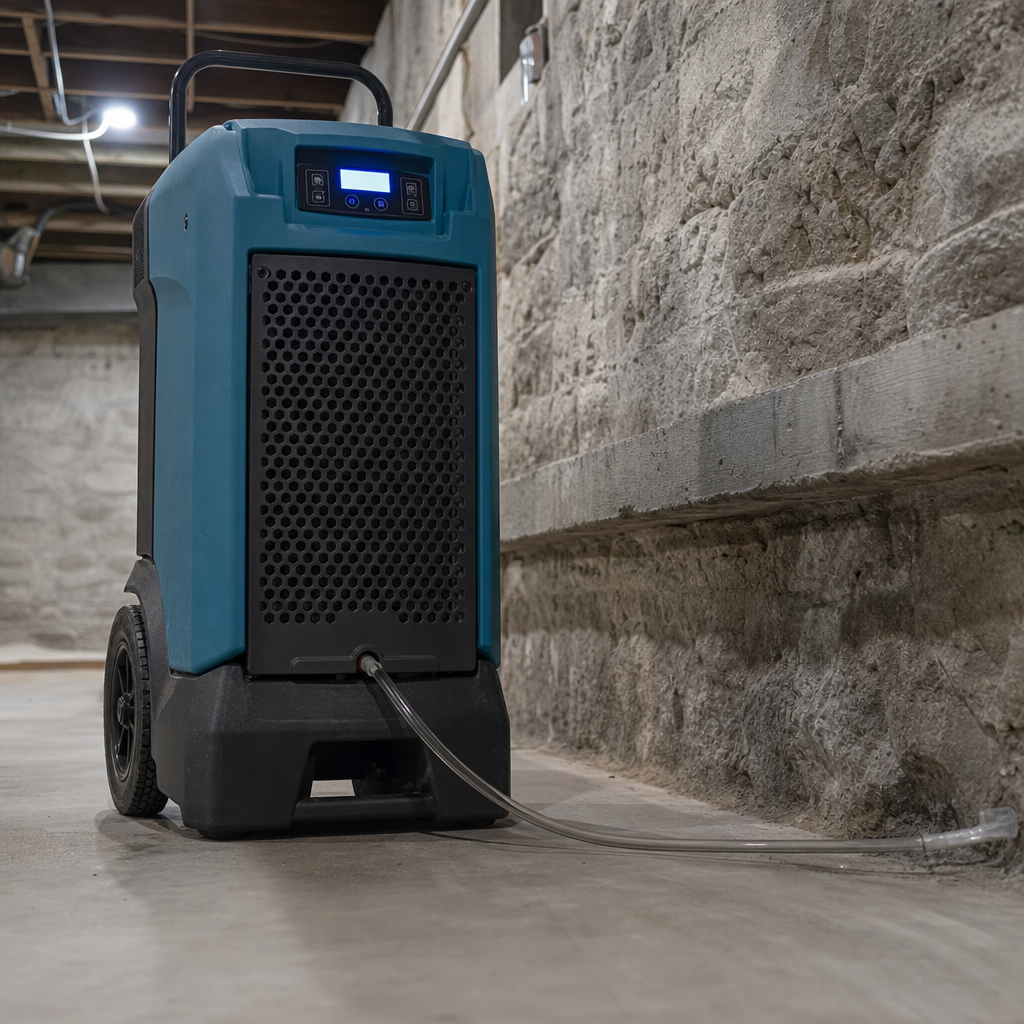
Flooding introduces heavy contamination, requiring rapid water extraction and commercial dehumidification to prevent mold after water damage.
Cleaning and Drying After Flooding
If a flooded home cannot be dried within 24 to 48 hours, occupants should assume mold growth has occurred and address the moisture problem and mold. Porous materials that cannot be cleaned and dried completely should be discarded.[2]
Surface Treatments and Maintenance
Painting or caulking over mold does not prevent mold growth; fix the moisture problem and clean the mold first.
Mold Remediation
When mold develops following water damage, proper removal and moisture control are necessary.
Addressing Mold Contamination
CDC advises considering professional removal when mold covers more than 10 square feet. Specialists at Wade’s Restoration emphasize that you must fix the water source and moisture problem to prevent mold from returning.[4]
Leaks and Hidden Moisture
Slow leaks can introduce excess moisture over time, leading to mold growth.
Detecting Mold and Moisture Problems
Thorough visual inspections and musty odors are more reliable for identifying mold problems than air sampling. If you detect musty odors or moisture, locate and fix the leak immediately.
Frequently Asked Questions About Water Damage and Mold Prevention
How fast does mold grow after water damage?
Clean and dry wet materials within 48 to 72 hours to help prevent mold growth; exact timing varies with moisture and material conditions. If a flooded home cannot be dried within 24 to 48 hours, occupants should assume mold growth has occurred and address the moisture problem and mold.
Can wet drywall be salvaged?
Wade’s Restoration notes that drywall may be dried in place if it has no obvious swelling and seams remain intact; replace it if swollen, structurally damaged, moldy, or too wet to clean and dry thoroughly.
When should you hire a professional for mold removal?
CDC advises considering professional removal when mold covers more than 10 square feet.
Need prevent mold after water damage?
We’re available now - call for a fast, free estimate.
Sources
- Preventing Mold | Natural Disasters | CDC – cdc.gov
- Mold Prevention Strategies and Possible Health Effects in the Aftermath of Hurricanes and Major Floods – cdc.gov
- A Brief Guide to Mold, Moisture and Your Home | US EPA – epa.gov
- Mold Prevention Strategies and Possible Health Effects in … – stacks.cdc.gov
- Revised: 11/17 – pa.gov
Frequently Asked Questions
How can hidden moisture behind walls be detected before mold starts growing?
Moisture trapped behind drywall and under flooring cannot always be seen, requiring non-invasive tools like infrared cameras and pinless meters for early detection. Wade's Restoration provides comprehensive moisture mapping assessments and thermal diagnostics to pinpoint concealed dampness before fungal colonization begins.
What equipment is required for complete structural drying to prevent mold after water damage?
Household fans are typically insufficient to lower indoor humidity below the required 50 percent threshold across deep building materials. Wade's Restoration utilizes commercial-grade water extraction units, high-velocity air movers, and industrial dehumidifiers to ensure rapid, scientific structural drying within the critical 24-to-48-hour window.
When is it necessary to call for professional emergency water extraction?
You should call for professional assistance if water covers large areas, has entered wall cavities, or cannot be fully dried within 24 to 48 hours. Scheduling an immediate visual inspection and emergency extraction with Wade's Restoration prevents mold spores from establishing roots in salvageable structural materials.
About the author
 |
Sarah Miller Sarah Miller is a certified water damage restoration specialist with over eight years of experience helping property owners navigate the complexities of mitigation and recovery. She holds an associate degree in Construction Management from New York City College of Technology and has extensive knowledge of local building codes and insurance claim procedures. Through her writing, Sarah provides actionable advice to help property managers and homeowners in the Astoria area understand the true costs and critical steps involved in emergency water damage restoration. |
Water damage, flood, or mold emergency?
We’re available now - call for a fast, free estimate.
Call Now - Free Estimate