
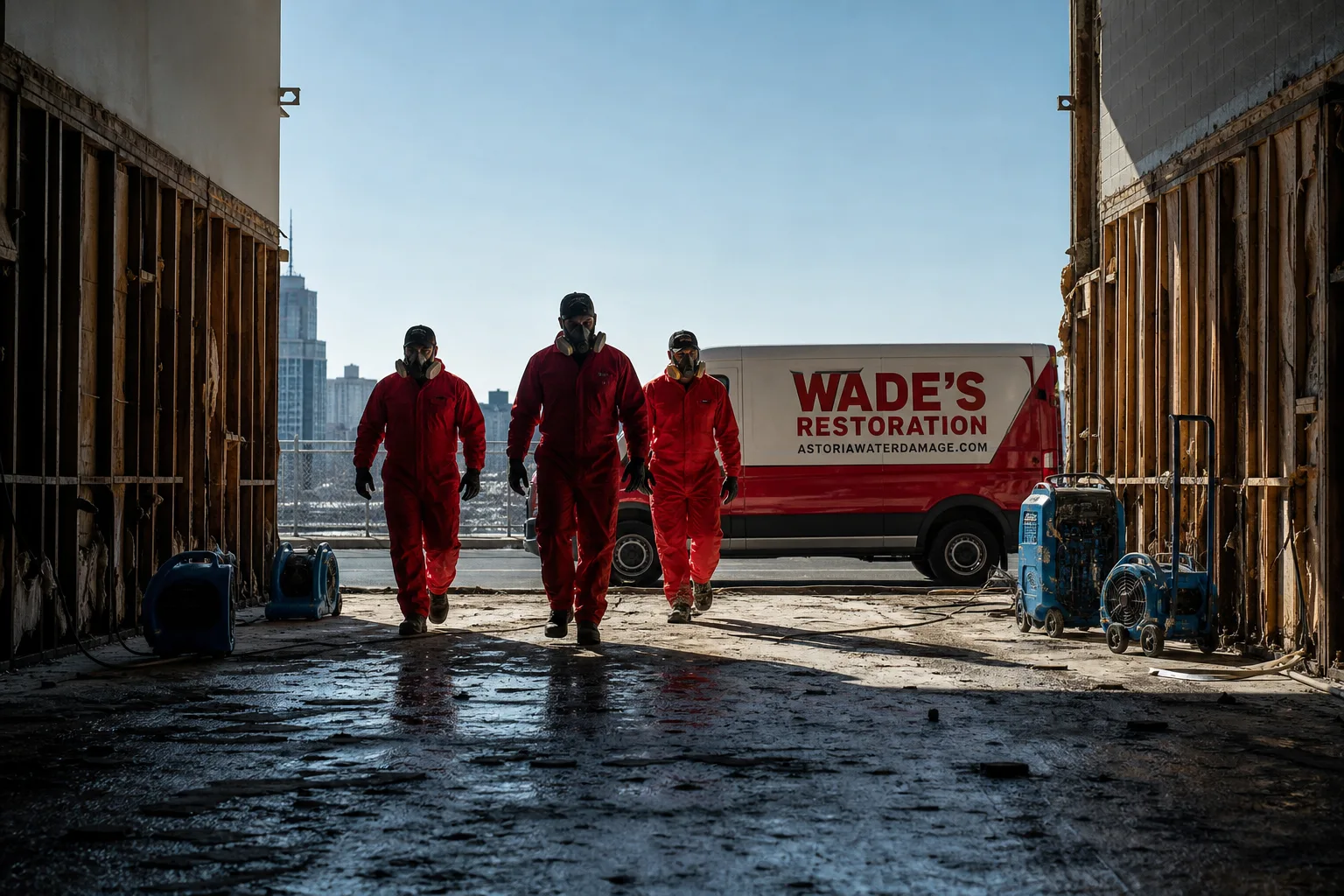
Free visual inspection and a written scope of work before any mitigation begins - photos, moisture readings, and drying logs go in your claim file
The scope we write is the scope we bill. Anything new gets shown to you, in writing, before we touch it.
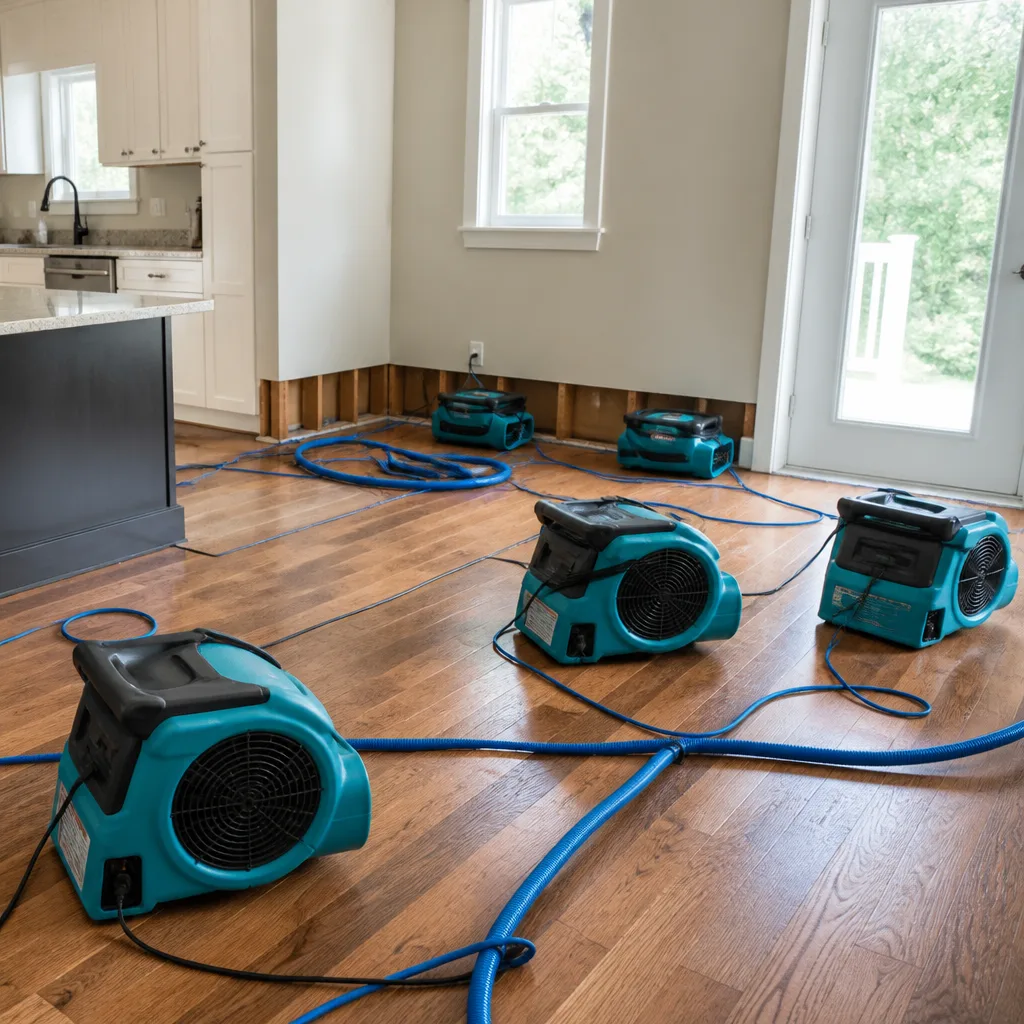
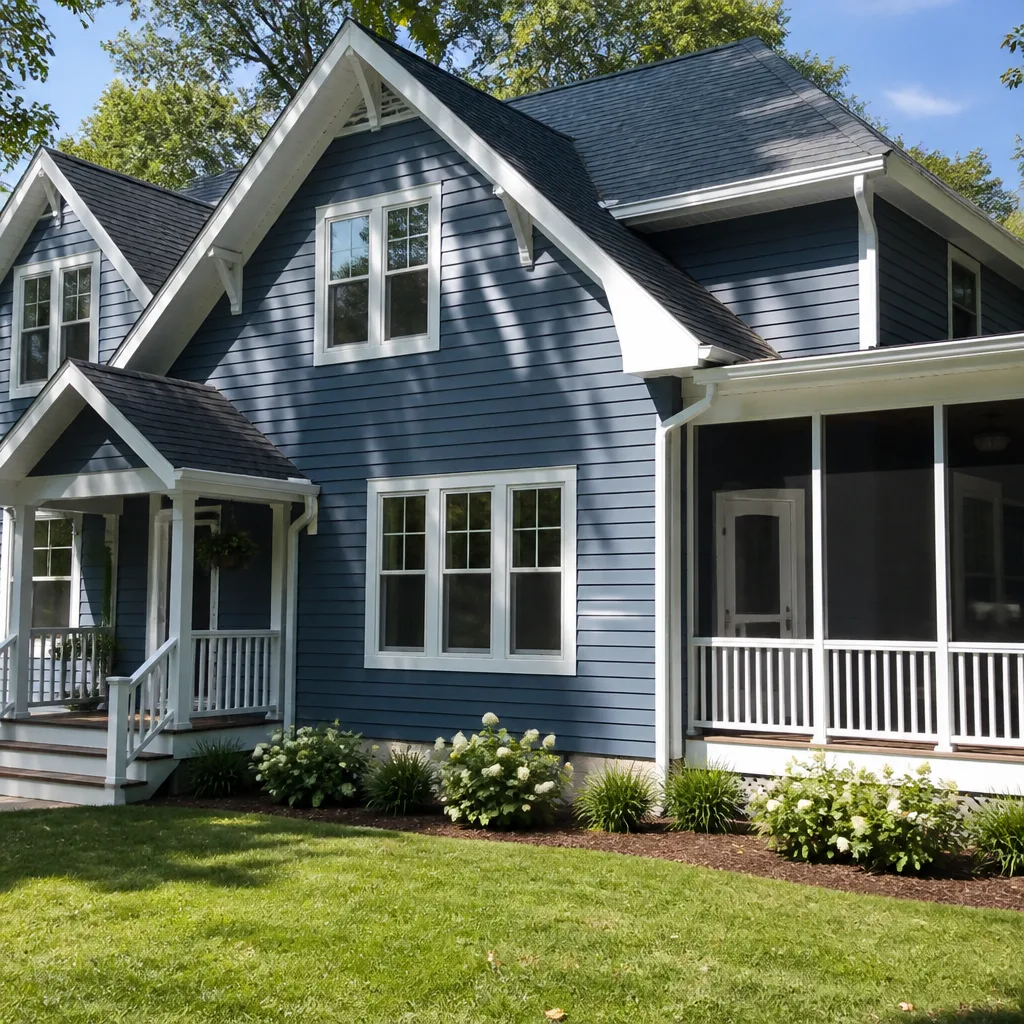
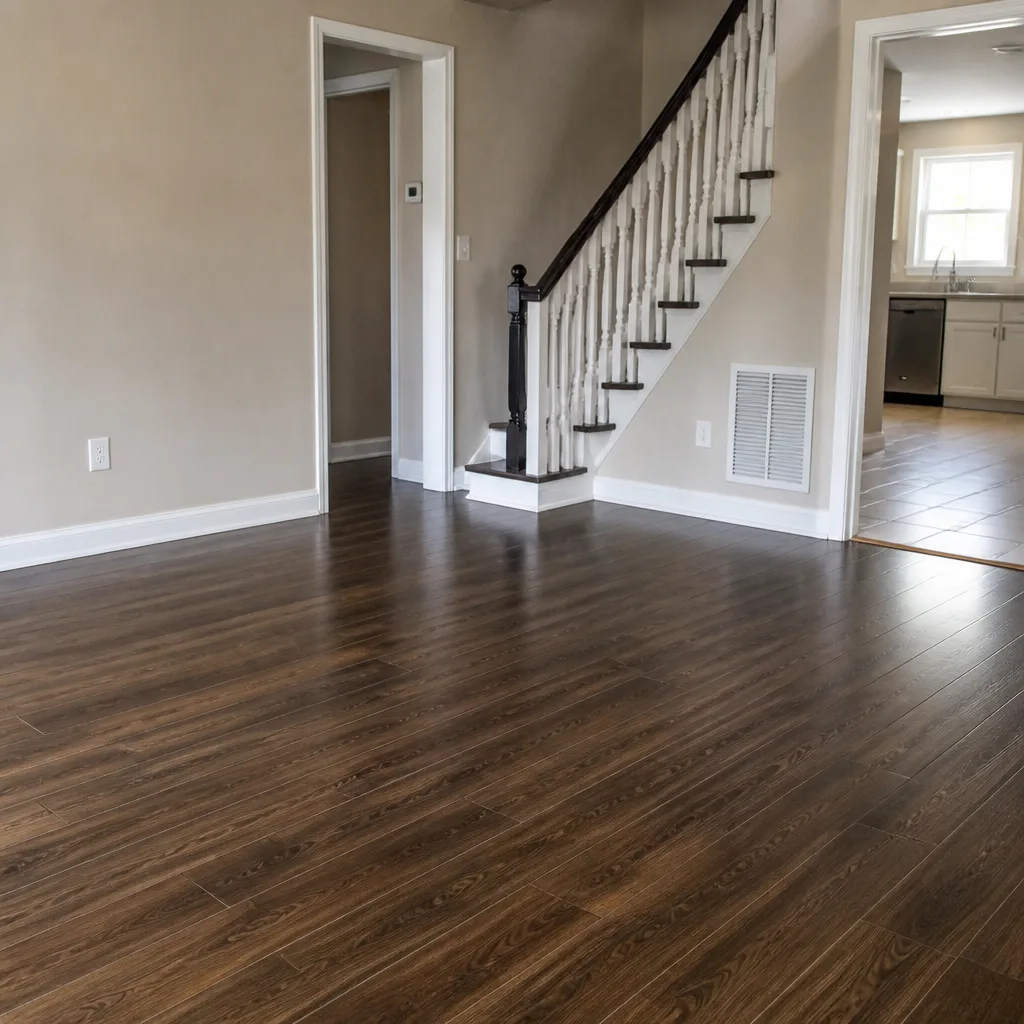
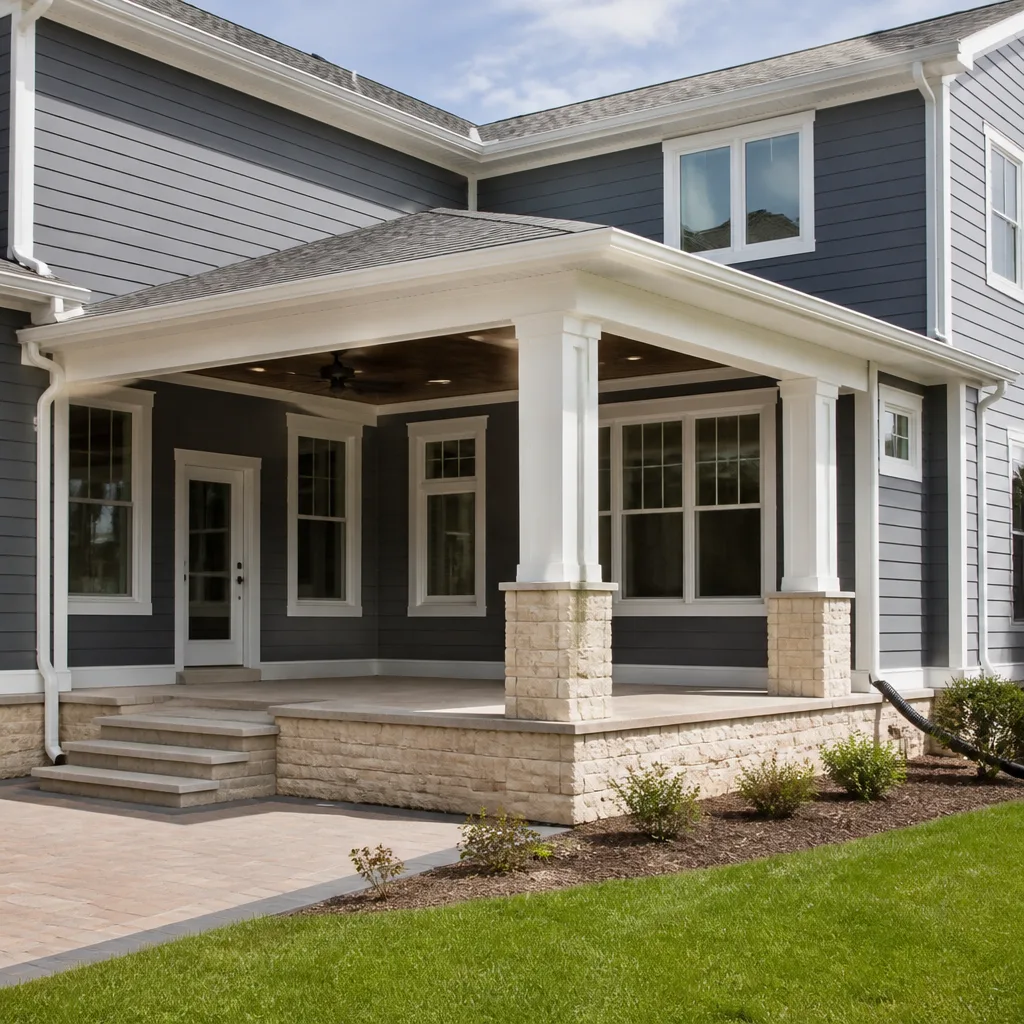
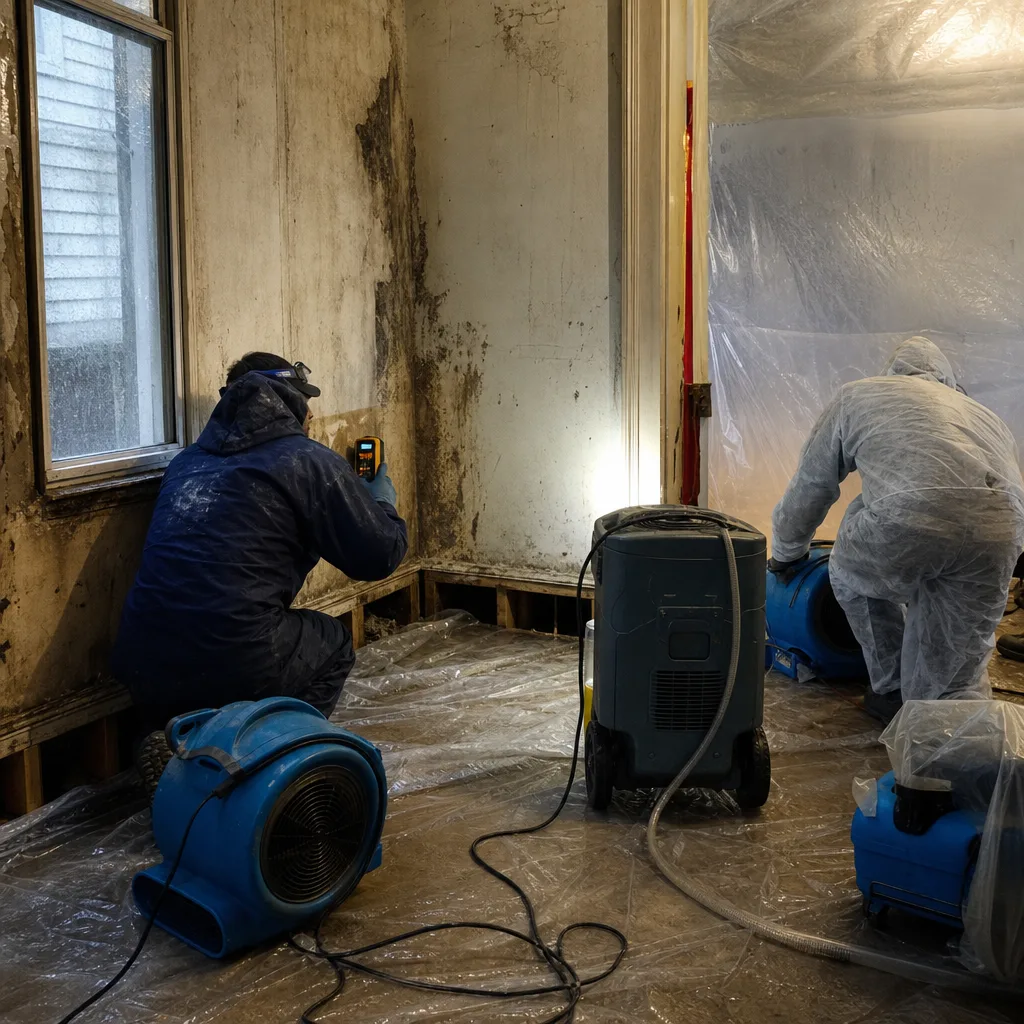 Before
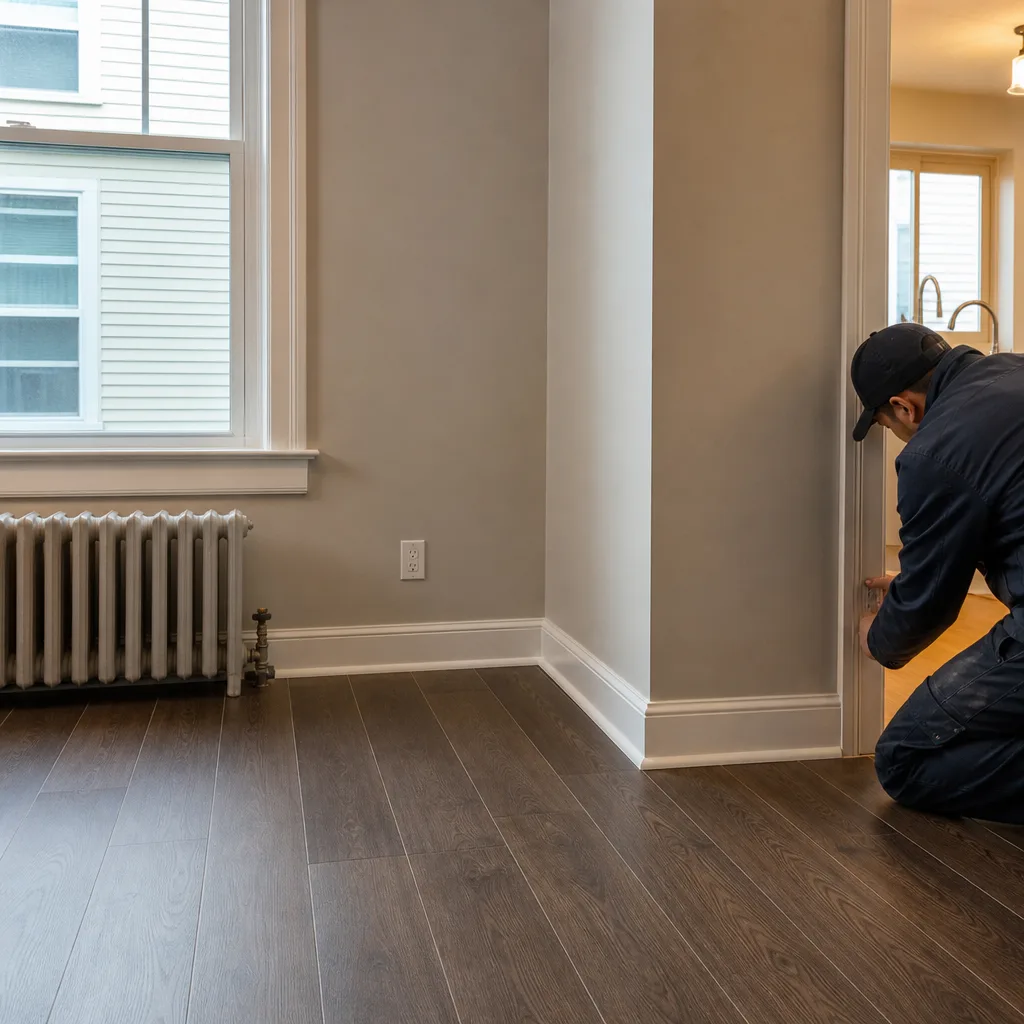 After
After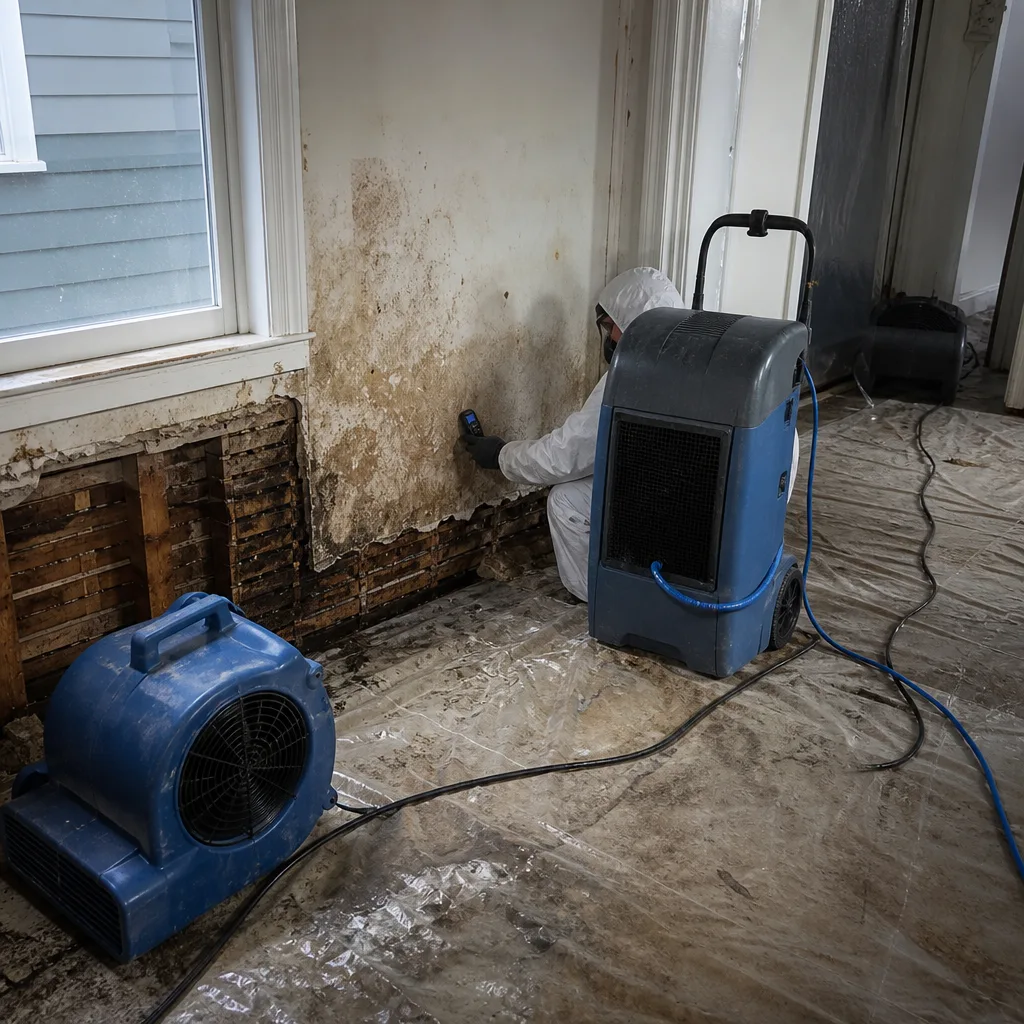 Before
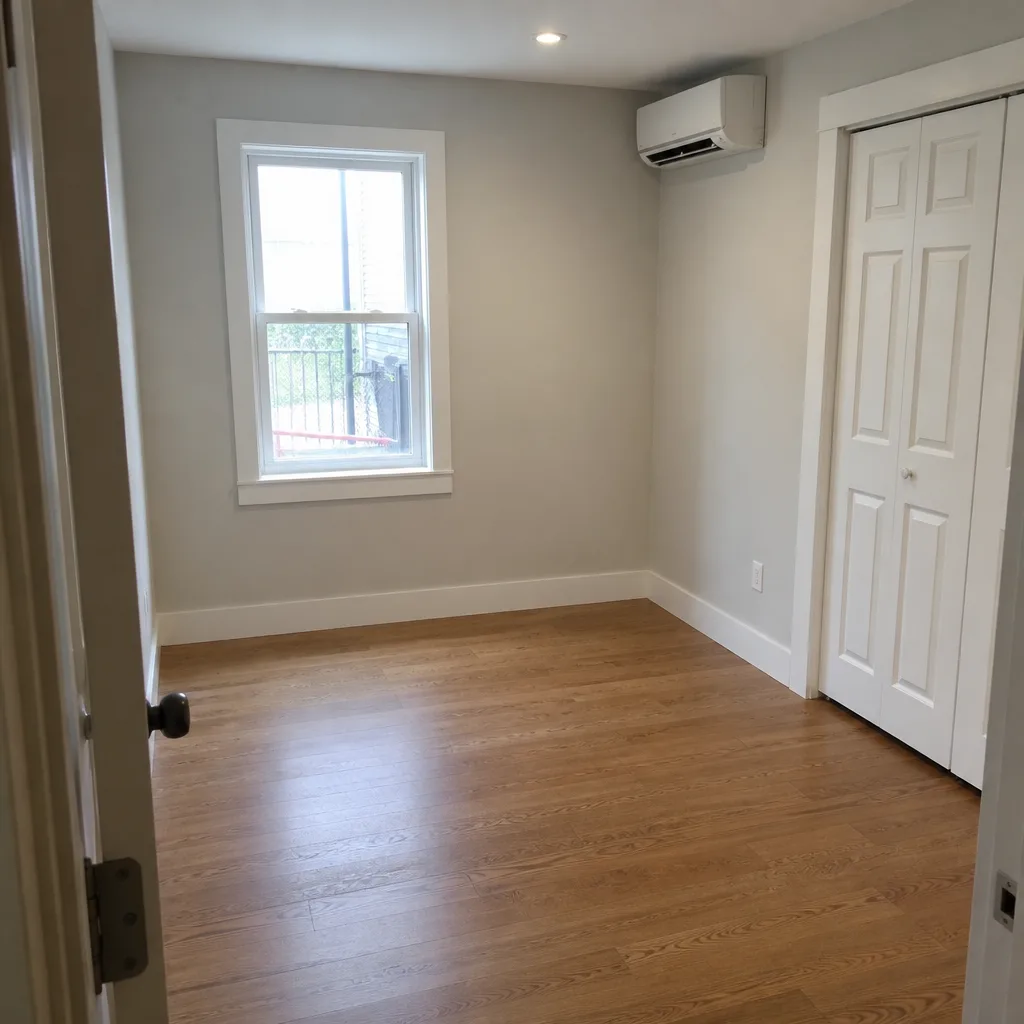 After
After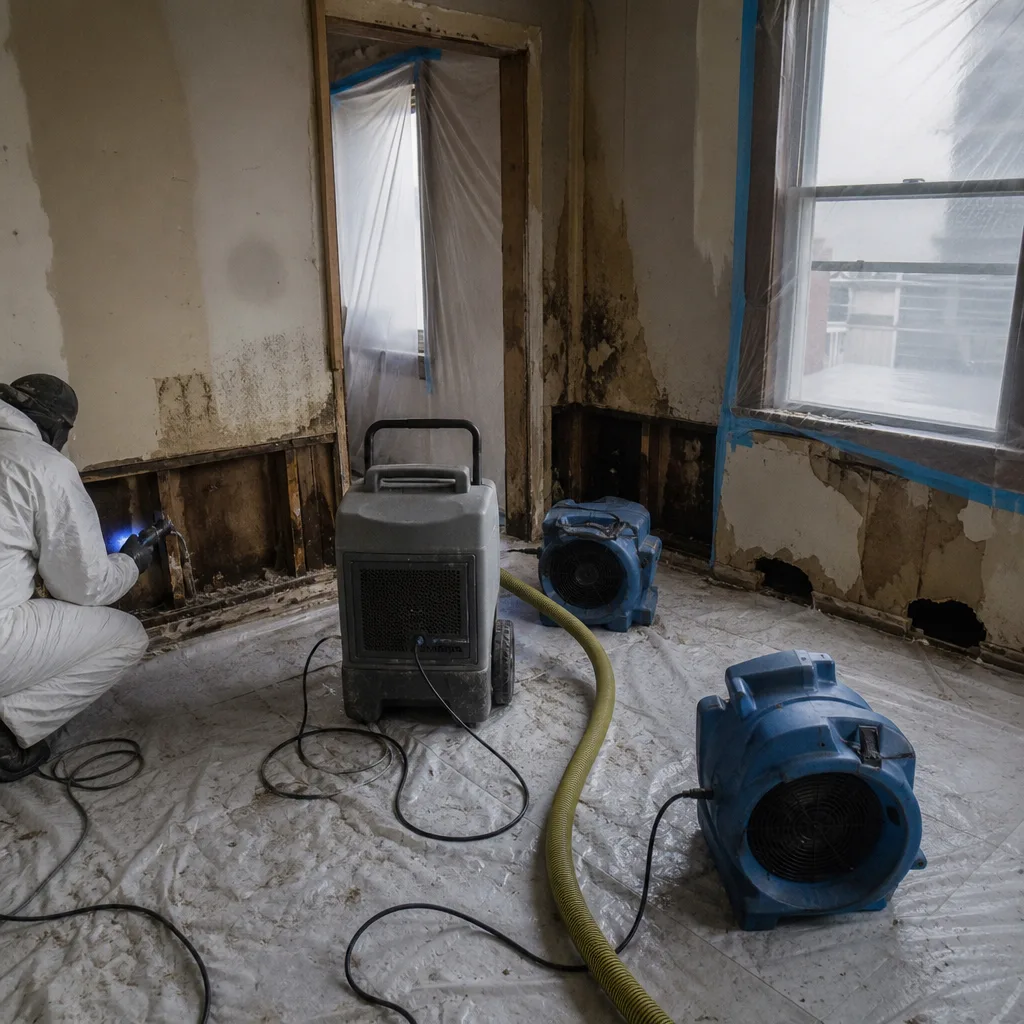 Before
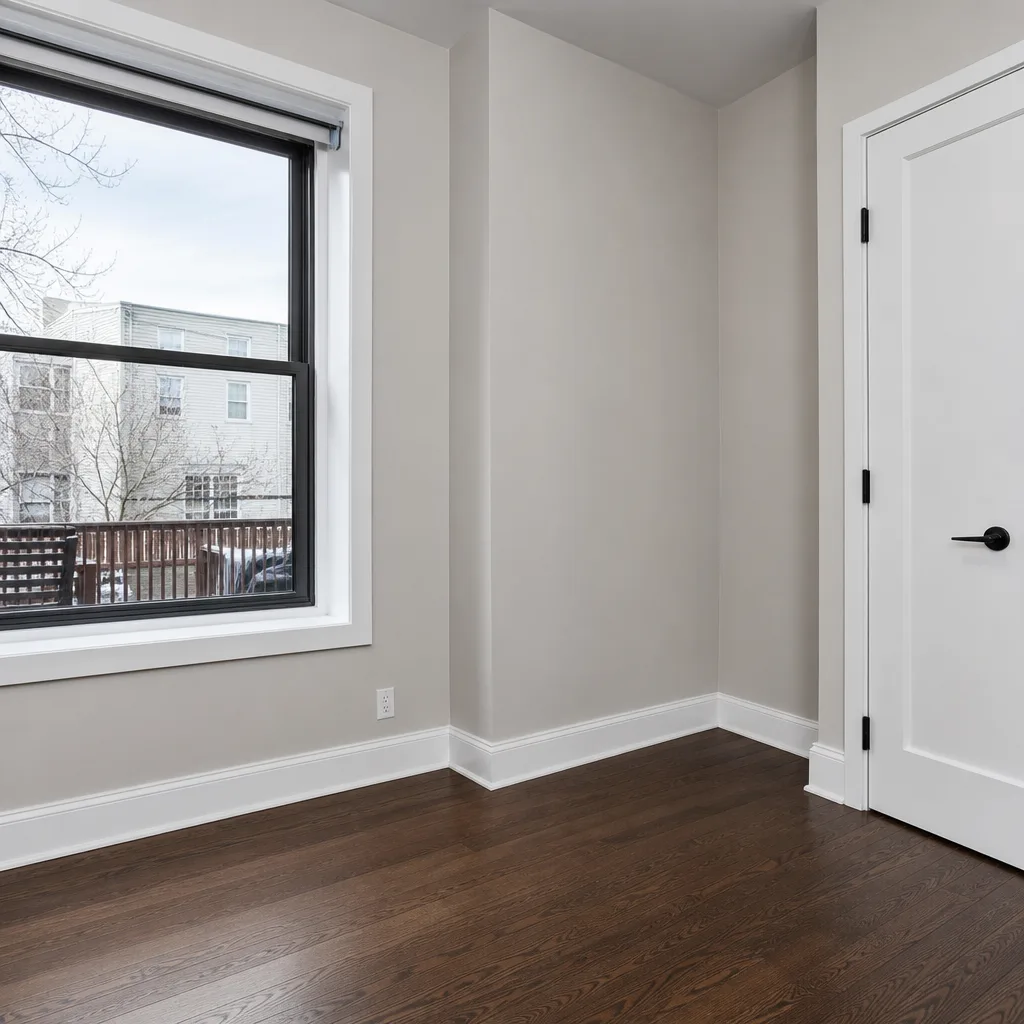 After
After24/7 Emergency Fire & Smoke Damage Restoration in Midtown West
Fire and smoke damage in Midtown West doesn’t wait for business hours, and neither do we. Call (363) 208-1526 any hour, day or night, and you’ll get a live person on the line. Not a call center. Not a voicemail box. Wade Ferris answers his own phone and can have a crew rolling toward Midtown West within 45 minutes. The first hour after a fire matters more than most people realize: soot is acidic and starts etching glass, corroding metal fixtures, and staining painted surfaces almost immediately. Smoke odor sinks into drywall, upholstery, and clothing fast. Get us on site early, and we can often save contents and finishes that would be unsalvageable a day later. Every Midtown West job starts with a free visual inspection.
Understanding Fire & Smoke Damage Restoration Severity in Midtown West Properties
We classify fire and smoke damage by soot residue type, because different fires leave different chemistry behind. Natural soot from burning wood or paper is dry, gray, and relatively easy to remove from non-porous surfaces. Protein soot from kitchen fires is nearly invisible, greasy, and viciously stubborn. It bonds to painted walls, cabinets, and even appliance interiors, and its odor intensifies each time the room warms up. Synthetic soot from burning plastics and foam – common in Midtown West’s mid-century apartment buildings – is oil-based and smears if you wipe it wrong, pushing the contaminant deeper into the surface. Wet smoke residue comes from low-heat smoldering fires and requires both chemical cleaning and aggressive drying. Dry smoke residue powder is finer and travels farther, which is exactly what causes odor complaints on floors far removed from a fire’s origin. Midtown West’s pre-war stock, with lathe-and-plaster walls and shared vent stacks, channels smoke along paths you can’t see until you know the building. Our Fire & Smoke Damage Restoration team maps soot migration before touching a single surface.
Why Midtown West Property Owners Choose Wade’s Restoration
- 45-minute response commitment. We’re not the biggest restoration company in New York, but we’re one of the fastest when it matters. Wade heads out himself on most Midtown West calls.
- 24/7 live answer, no automation. You call, a person picks up. Wade carries his cell around the clock. No “press 2 for emergencies.” No answering service that promises a callback within the hour.
- IICRC-certified crews. The people Wade sends carry FSRT (Fire and Smoke Restoration Technician) and OCT (Odor Control Technician) certifications, not just a company logo on a shirt.
- Free visual inspection. Before we quote a dollar, we walk the damage with you. You see what we see. If there’s no charge for that inside the county, there’s no charge.
- Direct insurance billing. We deal with the adjuster. We document everything in the format carriers expect, and we hand you the full photo log and moisture readings when the job closes.
- One team from extraction to reconstruction. The same crew that boards up your Midtown West building is the crew that hangs new drywall. No handoff to a sub you’ve never met.
Our Fire & Smoke Damage Restoration Process
Inspection & Assessment
We start with thermal imaging and a full visual survey of every affected room, including areas smoke may have reached through walls, chases, or shared ductwork. In Midtown West’s older buildings, we pay particular attention to the path between the fire origin and any vertical shafts or elevator cores. You get a written scope before any work begins.
Stabilization & Emergency Board-Up
We secure windows, doors, and any breached openings immediately. Midtown West properties can sit empty for hours or days while insurance paperwork moves, and an unsecured unit invites everything from weather intrusion to vandalism. Board-up and tarping are fast jobs for us, but they matter.
Smoke & Soot Removal
Soot removal requires the right chemistry for the residue type. We use dry sponges for natural soot, alkaline degreasers for protein residues, and HEPA vacuuming to lift loose particulates before wet cleaning begins. Rushing this step smears contaminants into paint and plaster, which is a rookie mistake we don’t make.
Odor Removal & Deodorization
Cleaning alone doesn’t kill smoke odor. It lives in porous surfaces and cavity spaces. We use hydroxyl generators, ozone in unoccupied spaces, and thermal fogging where appropriate. In Midtown West’s tight multi-unit buildings, we also seal HVAC vents and use air scrubbers with HEPA and carbon filtration to keep odor from migrating to neighboring units while we work.
Contents Cleaning & Pack-Out
Clothing, furniture, books, electronics. We inventory everything, photograph everything, pack it out to our facility or clean it on site when possible. For small pre-war apartments without freight elevators, our pack-out teams are used to hauling through six-story walk-ups. It’s slow work some days. It’s also the difference between saving a family’s belongings and writing them off.
Structural Repairs & Restoration
Once cleaning and drying are complete, we handle the rebuild: drywall replacement, plaster repair, trim, paint, flooring. Our Midtown West clients especially value this because they’re not juggling three different contractors after a fire. One call. One crew. One written scope from start to finish.
Need Emergency Fire & Smoke Damage Restoration in Midtown West Now?
Crews minutes away, answering live 24 hours a day. The sooner we start, the less it costs.
Working With Your Insurance Company
Here’s the truth from 18 years of fire restoration in New York: the contractor’s documentation is what gets your claim approved. Wade’s Restoration has been putting together claim packages since 2007, and we know exactly what adjusters look for. We photograph every room before we touch it. We log moisture readings and dehumidifier performance daily. We write line-item scopes that align with the insurance industry’s estimating software, and we send everything to your carrier directly. You’re not the messenger running between your adjuster and your contractor. Wade talks to the adjuster. If a second opinion on any written estimate would help, that’s a free service we offer. And because we bill insurance directly whenever possible, you’re not floating thousands of dollars out of pocket waiting on reimbursement.
What We Provide Your Insurer
- Thorough documentation of the loss
- Photos of all damage, room by room
- Moisture readings and drying logs
- A detailed, line-item scope of work
- Direct coordination with your carrier
Built for Midtown West’s Loss Calendar
What actually causes fire and smoke damage in Midtown West varies with the calendar. January deep freezes burst pipes in exposed penthouse mechanical rooms and along the wind-tunnel corridors between towers, and when water hits electrical panels, fires follow. Spring brings thaw and basement seepage into below-grade transformer vaults and sub-basements already damp from the Hudson River proximity. Summer thunderstorms drive lightning strikes into rooftop HVAC units. Nor’easters in early fall knock branches into service lines along 10th and 11th Avenue. And all year round, kitchen fires in high-turnover rental units and condos keep us busy. The Midtown West loss calendar isn’t theoretical. It repeats every year, and we’ve learned exactly which building types fail in which season. That’s why our trucks stay stocked for fire and water simultaneously. In this neighborhood, one usually follows the other.
Fire & Smoke Damage Restoration Across Midtown West’s Neighborhoods
Hell’s Kitchen’s pre-war walk-ups on West 45th through West 54th present the classic challenge: lathe-and-plaster walls that hide smoke channels inside stud cavities, cast-iron vents shared between units, and narrow stairwells that make equipment staging tricky. We’ve done enough jobs on this grid to know which buildings have interior service elevators and which require hand-carrying HEPA scrubbers up six flights. Over toward the Clinton district and the blocks near the Lincoln Tunnel, older tenement buildings have similar bones but different venting, which changes our containment strategy. The Hudson Yards corridor is a completely different animal: new curtain-wall construction, centralized HVAC, and property management teams that need documentation in a format their corporate office will accept. Along 7th and 8th Avenues, the hotel stacks dominate. Kitchen fires in hotel restaurants push smoke through ductwork into occupied guest floors, and we’ve had to set up overnight odor abatement before a 3 p.m. check-in window. Each stretch of Midtown West has its own failure modes. We’ve mapped them block by block, building by building.
Specialized Fire & Smoke Damage Restoration Services We Offer in Midtown West
Fire Damage Cleanup
From a small stovetop flash fire to a full apartment burn, we handle structural cleaning, debris removal, and surface preparation so restoration can begin. In Midtown West’s older high-rises, fire suppression water often causes as much damage as the fire itself, so our fire cleanup crews coordinate with water extraction from the first hour. You’re not waiting for two separate companies to show up.
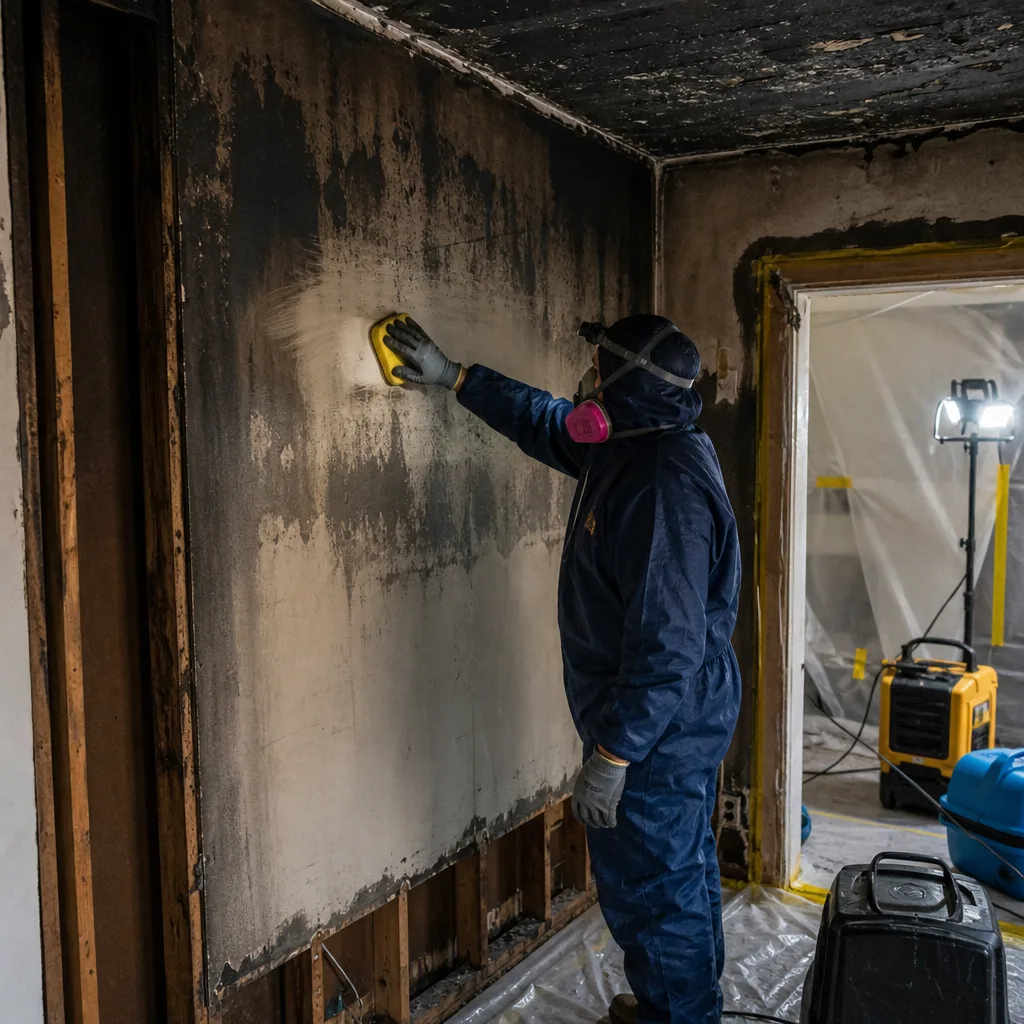
Smoke & Soot Removal
Soot doesn’t stay in the room where the fire started. It travels through elevator shafts, ceiling plenums, and shared bathroom vents. In Midtown West hotels and large co-ops, we contain and clean soot migration paths before we touch the fire room. That’s the difference between a one-unit cleanup and a building-wide complaint wave. Soot removal is chemistry, not just elbow grease.
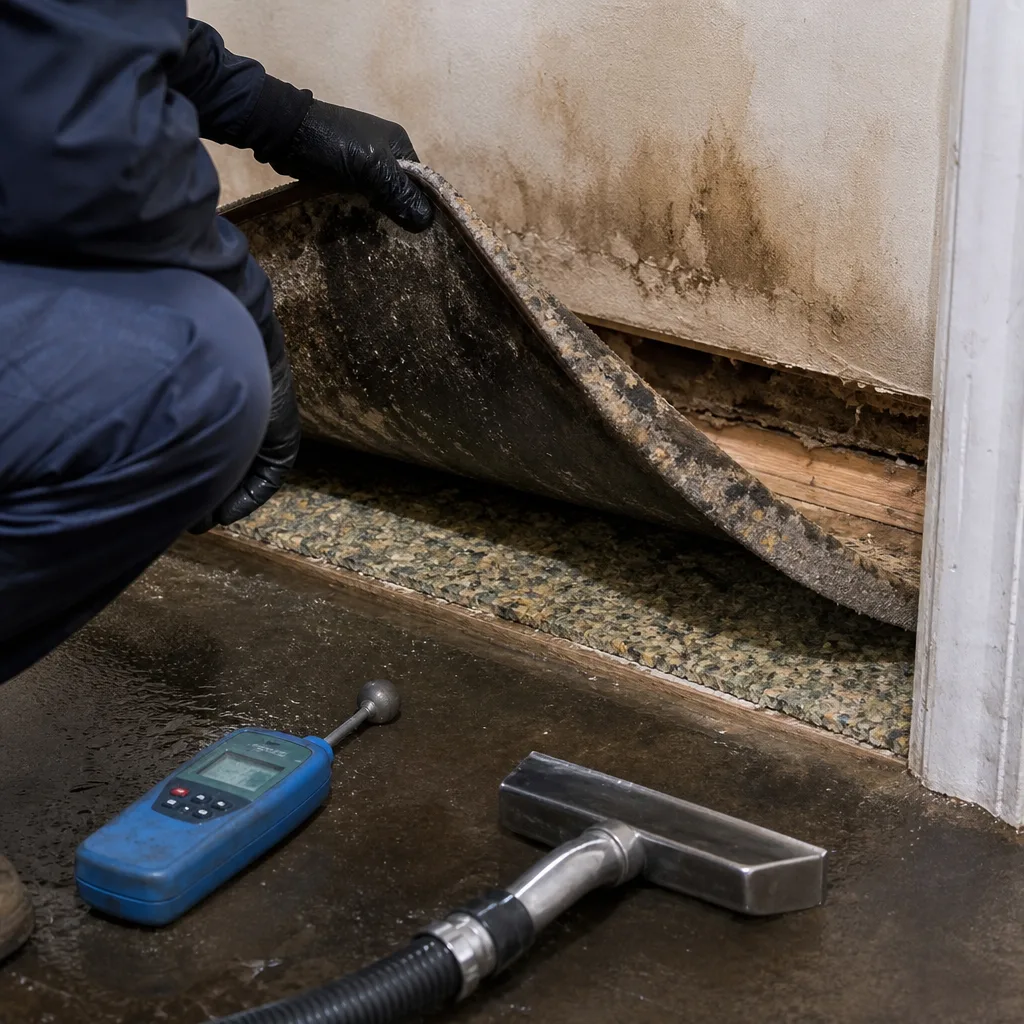
Odor Removal & Deodorization
Smoke odor is a vapor problem, not a surface problem. It rewrites itself into drywall, insulation, carpets, and even concrete. We run hydroxyl generators in occupied buildings and ozone in sealed, unoccupied spaces. Most of our fire and structural calls in this area involve at least one occupied floor where we can’t use aggressive chemicals, and that’s where our experience in high-occupancy Midtown West buildings pays off.
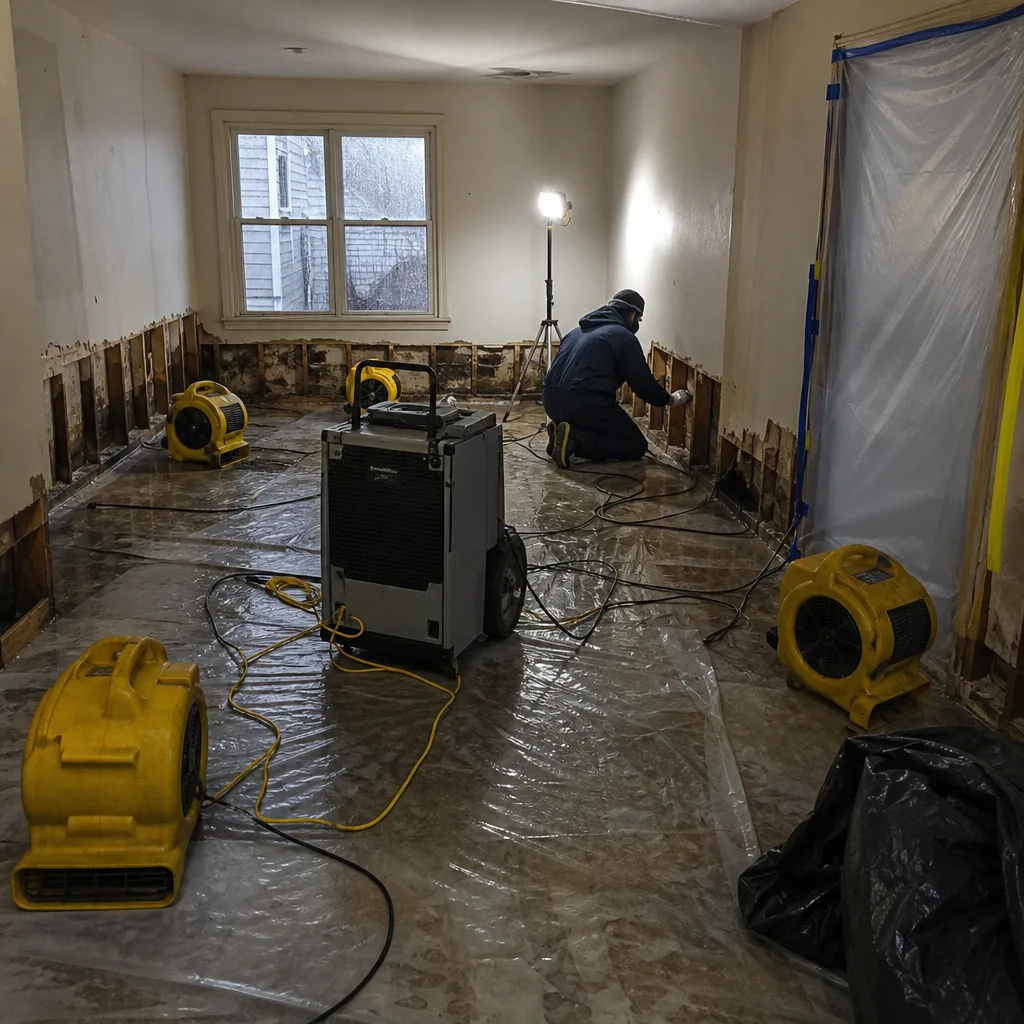
Contents Cleaning & Pack-Out
For small Hell’s Kitchen apartments, pack-out means hand-carrying smoke-damaged belongings down narrow stairs and documenting every item before it goes in a box. No freight elevator, no problem. Our crews do it regularly on West 46th Street, West 49th Street, and all through the 40s. We clean textiles at our facility, restore salvageable furniture, and return items with an itemized list your adjuster will accept without question.
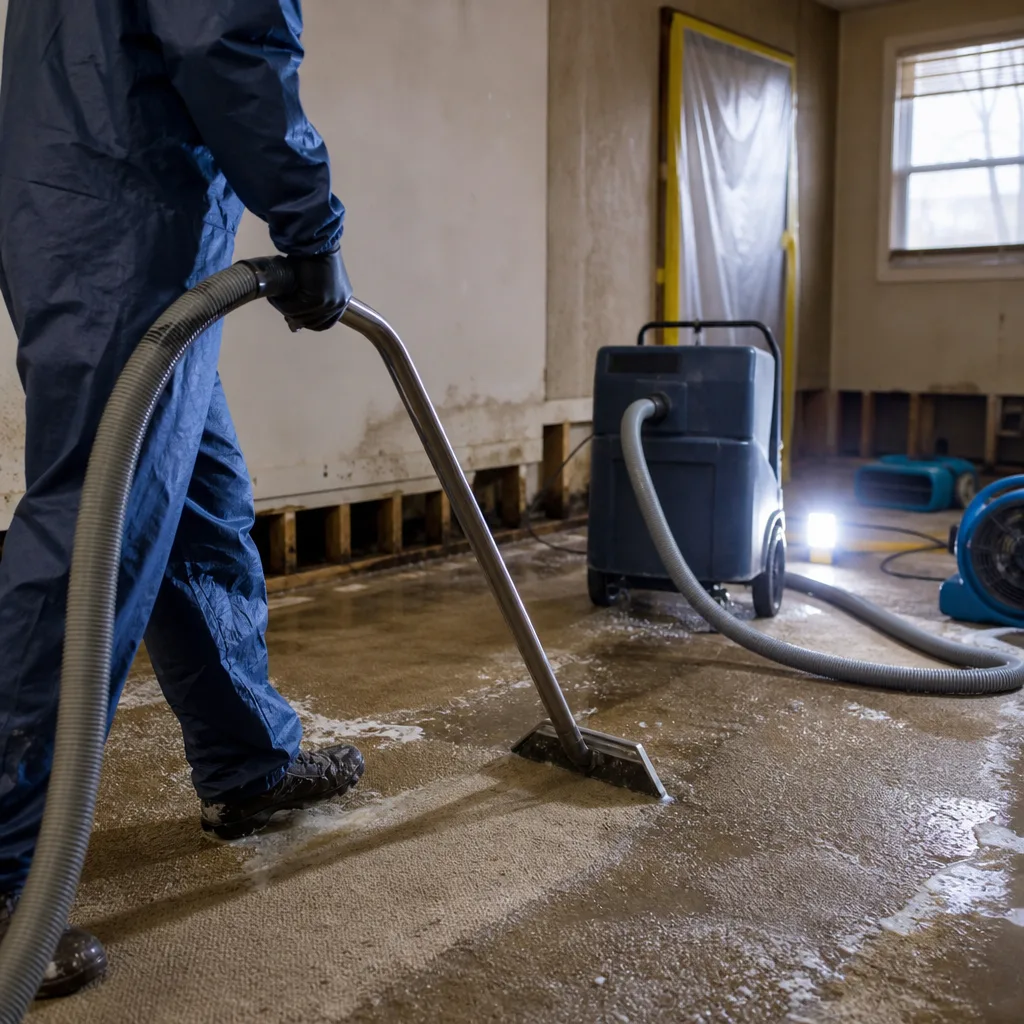
Emergency Board-Up & Tarping
After a fire, an open window or broken door is an invitation. We board up the same day, secure the unit, and make sure the building’s entrance and common areas are safe. For commercial properties facing street exposure along 8th Avenue, we use discreet, code-compliant board-up that doesn’t read as an abandoned property.
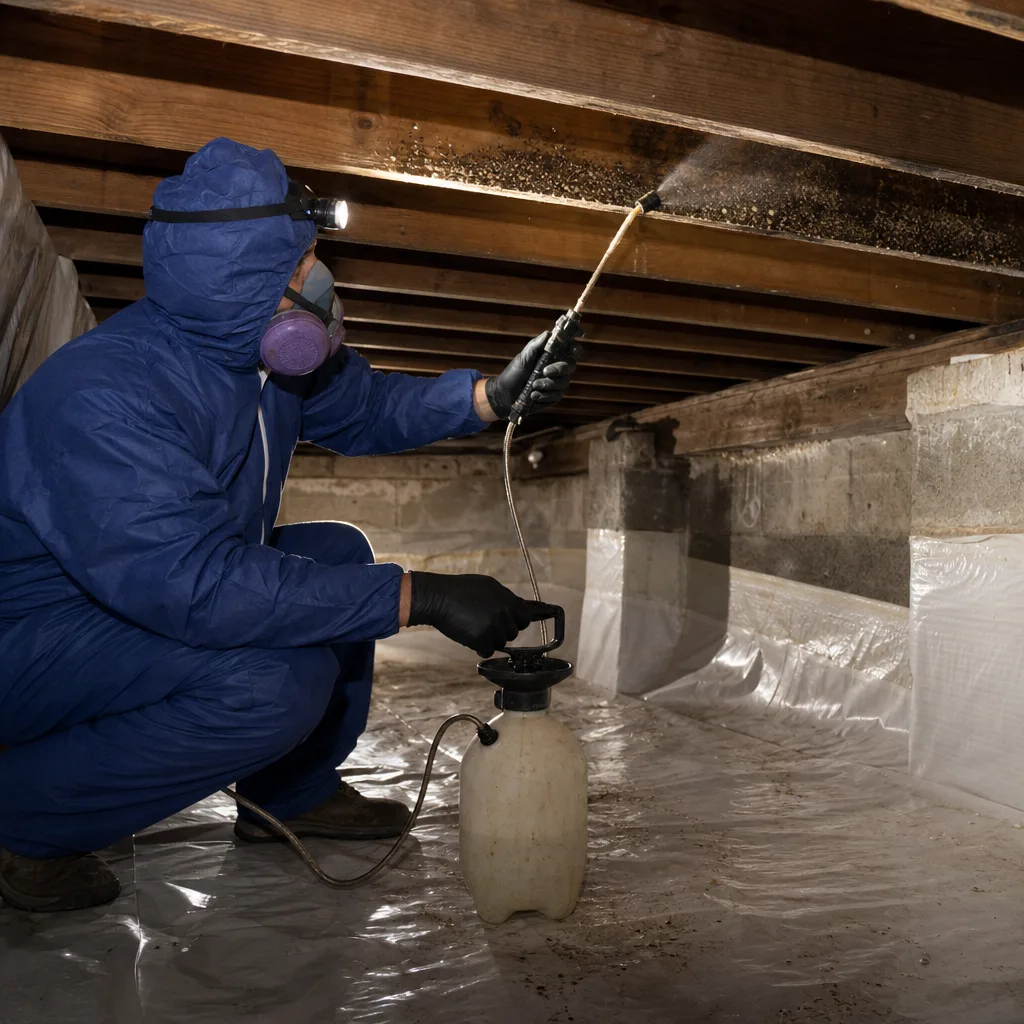
Structural Fire Repair
Once mitigation is complete, the rebuild begins. We replace fire-damaged framing, hang drywall, repair plaster walls with historically appropriate materials, and repaint. In pre-war buildings, we match trim profiles and floor finishes so the repair doesn’t look like a patch job. Wade’s Restoration is one crew from the first phone call to the final coat of paint.
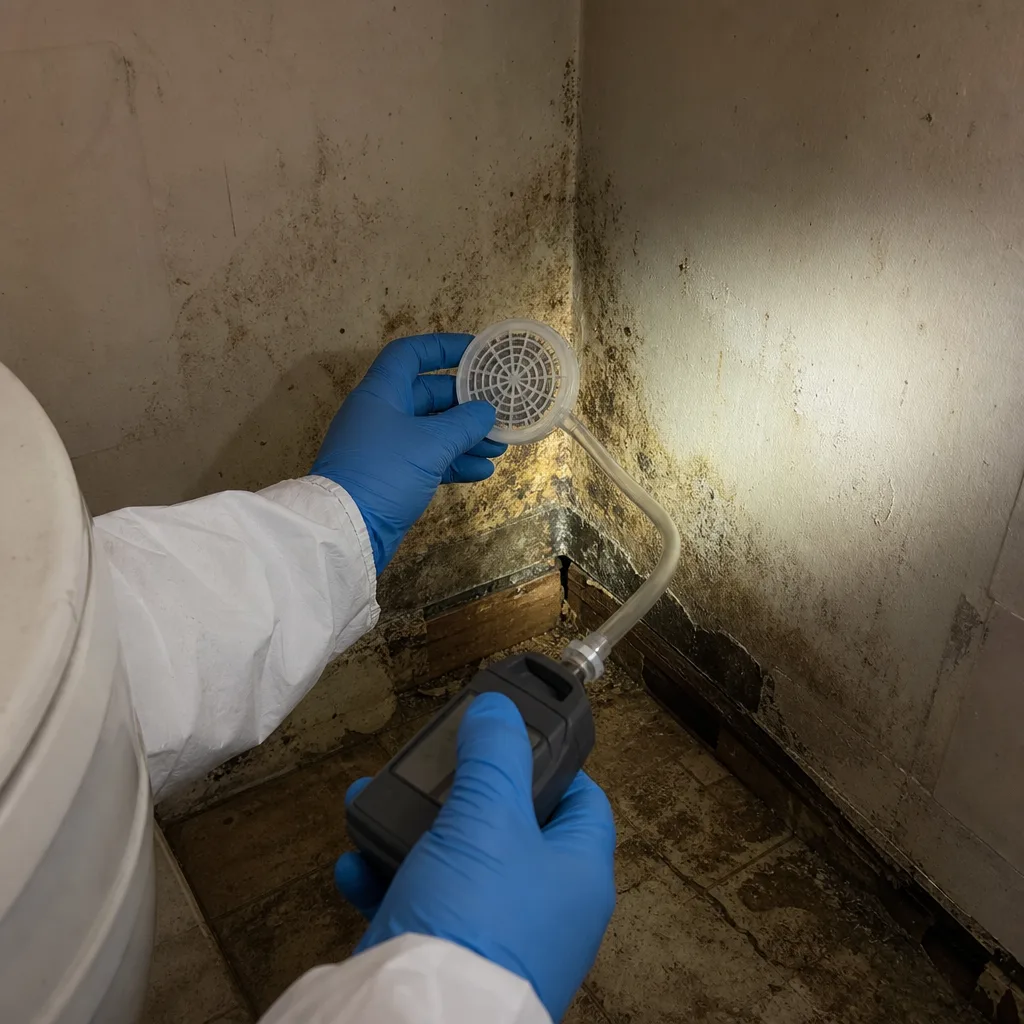
What happens when you call
- 1
A real person answersNo phone trees - you reach a local pro.
- 2
You get an upfront price rangeHonest numbers before anyone is dispatched.
- 3
A background-checked tech heads outLicensed & insured, dispatched right away.
- 4
You approve before work beginsNothing starts until you say go.
Fire & Smoke Damage Restoration Costs in Midtown West, NY
Midtown West fire restoration runs higher than outer-borough pricing because of building access constraints, union building requirements on some commercial jobs, and the density of occupied units. A small kitchen fire cleanup in a Hell’s Kitchen walk-up typically lands between $2,800 and $6,500. Smoke and soot remediation across multiple rooms in a pre-war apartment runs $5,000 to $14,000 depending on surface area and whether contents need pack-out. Hotel corridor smoke migration jobs with duct cleaning and odor treatment commonly fall between $12,000 and $40,000 depending on how many floors are affected. Structural repairs after a serious fire in a Midtown West co-op or condo often reach $60,000 and up. Insurance covers most fire losses, and we bill carriers directly. If you’re paying out of pocket, we write a scope you can take to a lender or manage in phases. A free visual inspection is the path to a firm number. Call (363) 208-1526 and we’ll walk the unit with you.
We Also Serve Cities Near Midtown West
Our crews cover the surrounding boroughs and neighborhoods daily. You’ll find us in Astoria for pre-war rowhouse fires, in the Financial District for commercial tower smoke events, across Lower Manhattan for mixed-use buildings, and in Flushing for apartment and retail fire losses. If you’re within an hour of Midtown West, we can be there.
Serving Midtown West, NY - Our Local Coverage Area
We’re based in the Midtown West area and know this community well. Use the map below to see our service coverage - if you’re nearby, we can almost certainly help.
Midtown West Fire & Smoke Damage Restoration Questions, Answered
How fast can you actually get to Midtown West?
We commit to a 45-minute response window for emergency fire and smoke calls in Midtown West. Wade answers his own phone and dispatches directly, which cuts the lag time a call center creates. For commercial hotel work where every hour of downtime costs money, we’ve had crews on site inside 30 minutes.
Will insurance cover smoke damage that spread to other floors in my building?
Usually yes, if the investigative report links the migration to the fire event. We document the full migration path with thermal imaging and photo evidence, then submit a scope that clearly separates fire-origin damage from collateral smoke damage. Your carrier needs to see the chain of causation, and we build it for them. Call (363) 208-1526 and we’ll explain what documentation we’ll need from your side.
Do I need full restoration or just a professional cleaning?
If soot is visible, you need more than surface cleaning. The difference is what’s inside the walls and vents. We do free visual inspections in Midtown West and won’t sell you a $15,000 remediation if a $3,500 cleaning is sufficient. But we also won’t tell you a $3,500 cleaning is enough when smoke has penetrated lathe-and-plaster cavities. You’ll see our evidence either way.
How does your crew handle smoke odor that has traveled through a Midtown West hotel’s shared ductwork?
First we identify which floors share the affected duct run. Then we seal off the fire floor, install negative air pressure, and run HEPA-filtered air scrubbers with carbon filtration in the affected zones. We clean accessible duct interiors where possible, but in most high-occupancy hotels the fastest effective treatment is hydroxyl generation in occupied areas paired with thermal fogging in sealed, unoccupied sections. Hotels reopen on schedule because we work nights to match their check-in windows. Call (363) 208-1526 and we’ll walk you through the timeline for your building.
Can you restore fire-damaged lathe-and-plaster walls in a Hell’s Kitchen pre-war building without full demolition?
Often yes. Lathe-and-plaster is repairable if the structural keys aren’t compromised and the soot hasn’t penetrated the full thickness. We use chemical sponges and specialized cleaning agents for surface soot, then seal with a stain-blocking primer before repainting. Where fire or water has destroyed the plaster keys, we cut out the damaged section and patch with compatible materials, matching texture and trim profiles. Full demolition is rare on most kitchen fire jobs we see in Hell’s Kitchen walk-ups.
What’s your protocol for a kitchen fire in a Midtown West commercial tower that affects multiple occupied floors?
We treat it as a containment problem first. The fire floor gets sealed and negative-air pressure established. We map smoke travel through ceiling plenums and stairwell pressurization. Then we clean from the affected floors inward toward the origin, not the other way around, so we don’t re-contaminate clean areas. We coordinate with building management and Con Edison on electrical isolation, and we produce a floor-by-floor scope your property manager can share with tenants and insurers. This is not a one-day job in most towers, but it’s a routine one for us. Call (363) 208-1526 and we’ll put a plan in motion.
How do you prevent mold growth after fire suppression in a Midtown West building with steam heat?
Fire suppression water doesn’t dry on its own, and steam-heated buildings add a whole extra layer of moisture from internal condensate and pipe leaks. We extract standing water first, then run dehumidifiers and air movers sized to the cubic footage, and we log moisture readings daily. In steam-heated pre-war buildings, we also check wall cavities near steam risers, because heat drives moisture into plaster in ways standard drying math undercounts. Mold doesn’t get a foothold because the drying never stops until we hit target moisture levels. That’s a documented log you’ll get at the end of the job.
What should I do in the first 30 minutes after a fire in my Midtown West apartment?
Call (363) 208-1526. Then get everyone out. Don’t wipe soot off walls, don’t turn on HVAC or ceiling fans, don’t plug in electronics, and don’t try to clean textiles. Every minute of delay lets soot etch deeper. If the fire department shut off gas or power, don’t restore either until we’ve inspected. We’ll be there within 45 minutes, and we’ll walk you through what’s next before anything gets touched. Estimates are free, and if you’re inside our county, there’s no trip charge.
Key Takeaways
- Midtown West fires spread smoke through elevator shafts, ductwork, and shared building cavities. Cleaning only the fire room leaves odor and soot in neighboring units.
- Pre-war lathe-and-plaster walls need a different cleaning and repair approach than modern drywall. We match plaster, trim, and finishes so repairs blend.
- Midtown West pricing runs $2,800-$6,500 for a small kitchen fire, $5,000-$14,000 for multi-room smoke remediation, and $12,000-$40,000 for hotel corridor smoke events.
- We answer live around the clock, reach most Midtown West addresses within 45 minutes, and bill insurance directly.
Fire restoration in Midtown West is not a generic job. The hotel stacks, the steam heat, the pre-war plaster, the shared ductwork. All of it changes how smoke moves and what it takes to clean it properly. Wade’s Restoration has been handling this neighborhood’s fire and smoke losses since the day Wade started taking calls in 2007. He still answers his own phone. His name is on the truck. And he’ll be the one walking your unit with a thermal camera, showing you exactly what he sees. Call (363) 208-1526 for a free estimate. The sooner you call, the less this costs.
Written by Wade Ferris, Owner at Wade’s Restoration, serving New York City since 2007.