
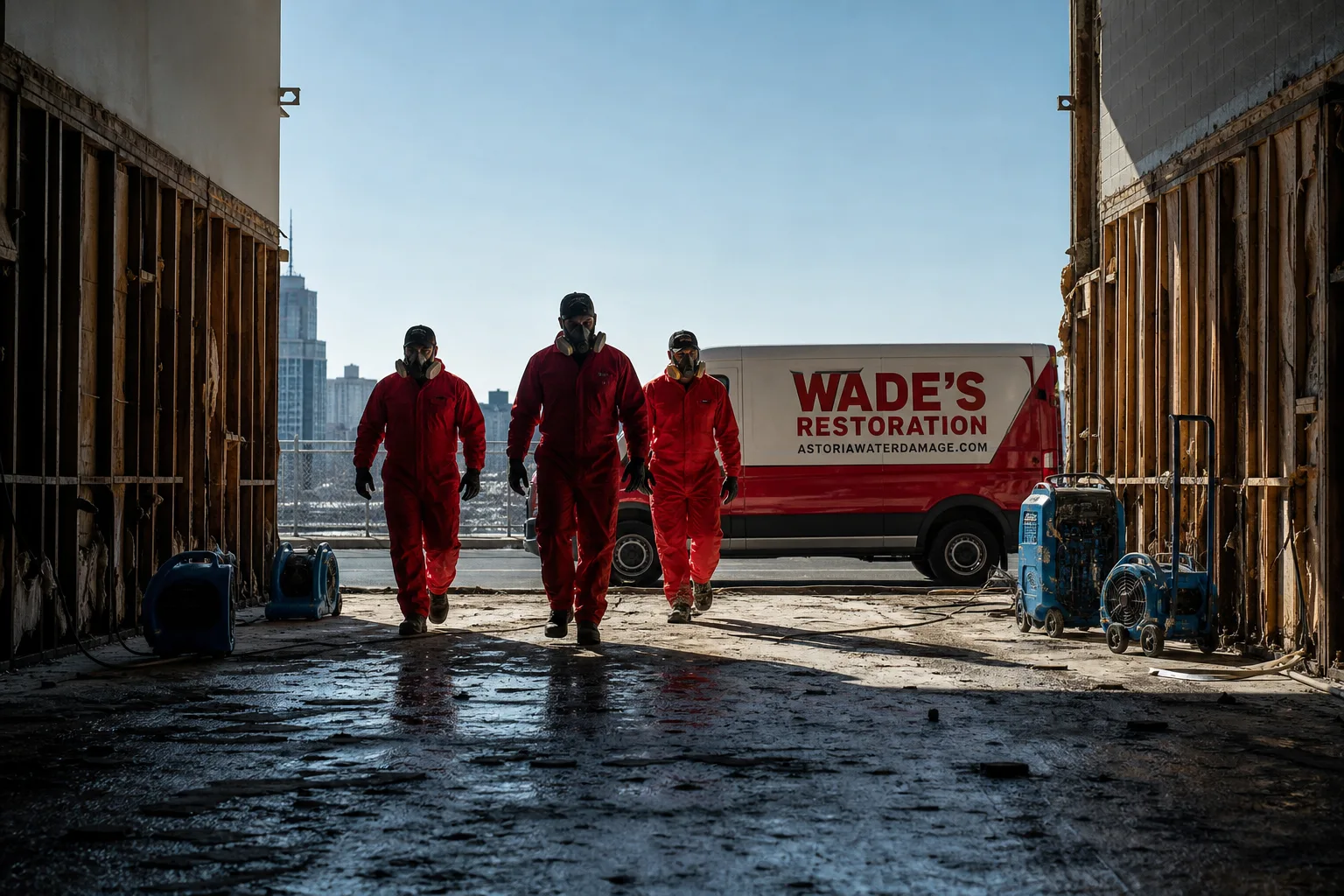
Free visual inspection and a written scope of work before any mitigation begins - photos, moisture readings, and drying logs go in your claim file
The scope we write is the scope we bill. Anything new gets shown to you, in writing, before we touch it.
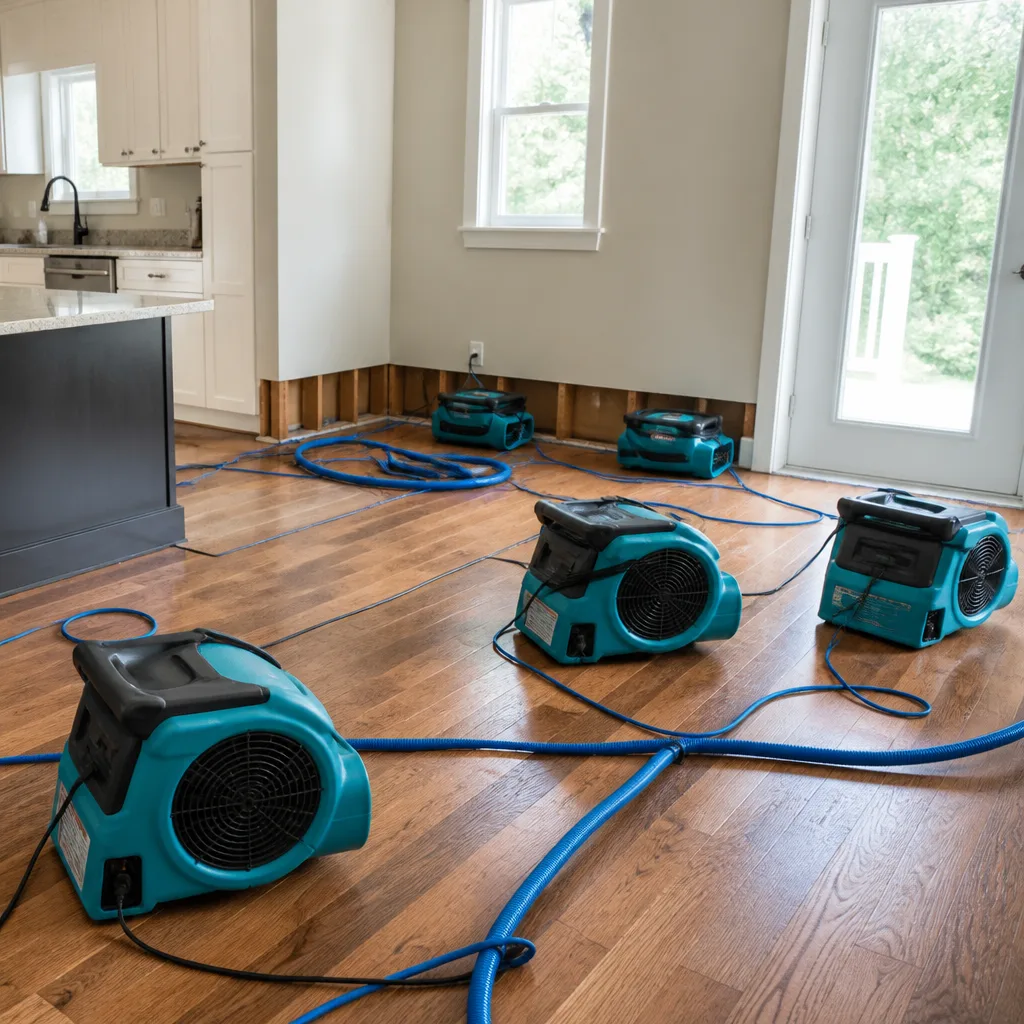
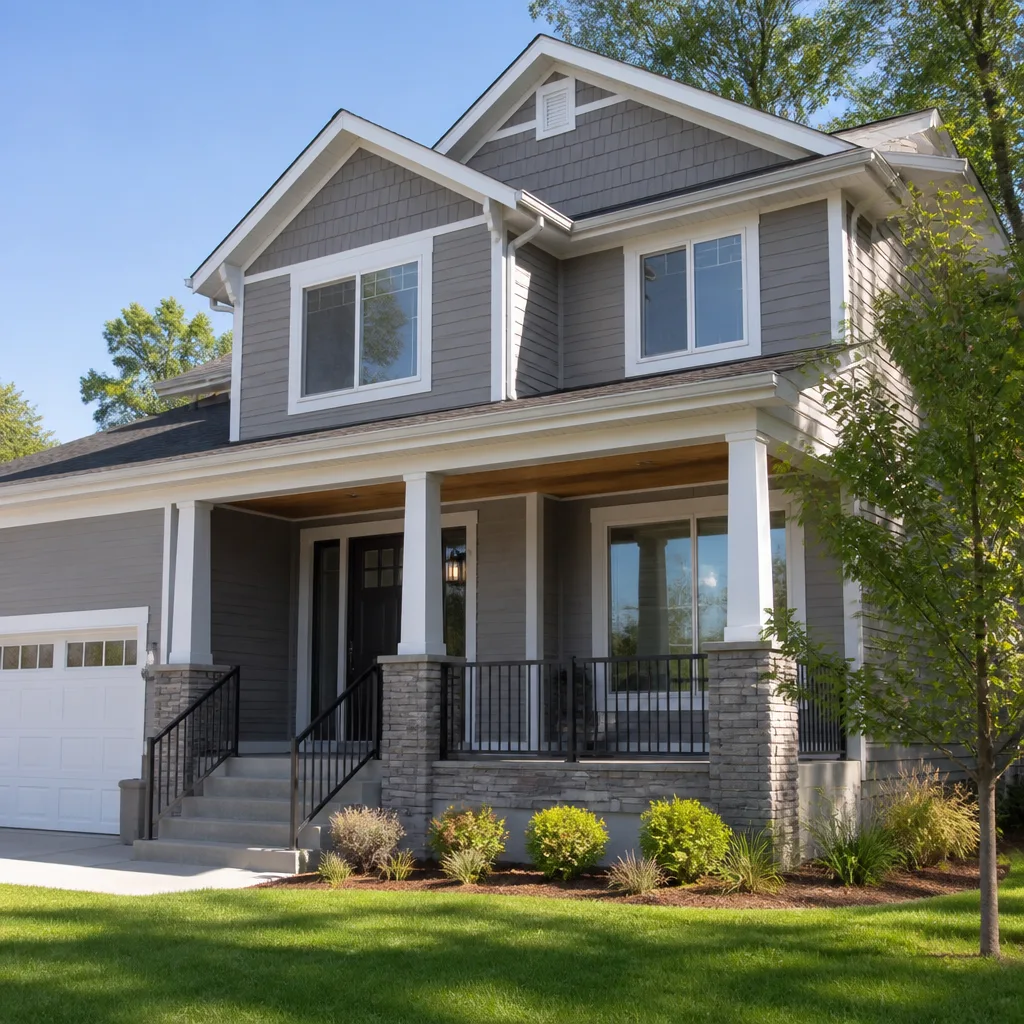
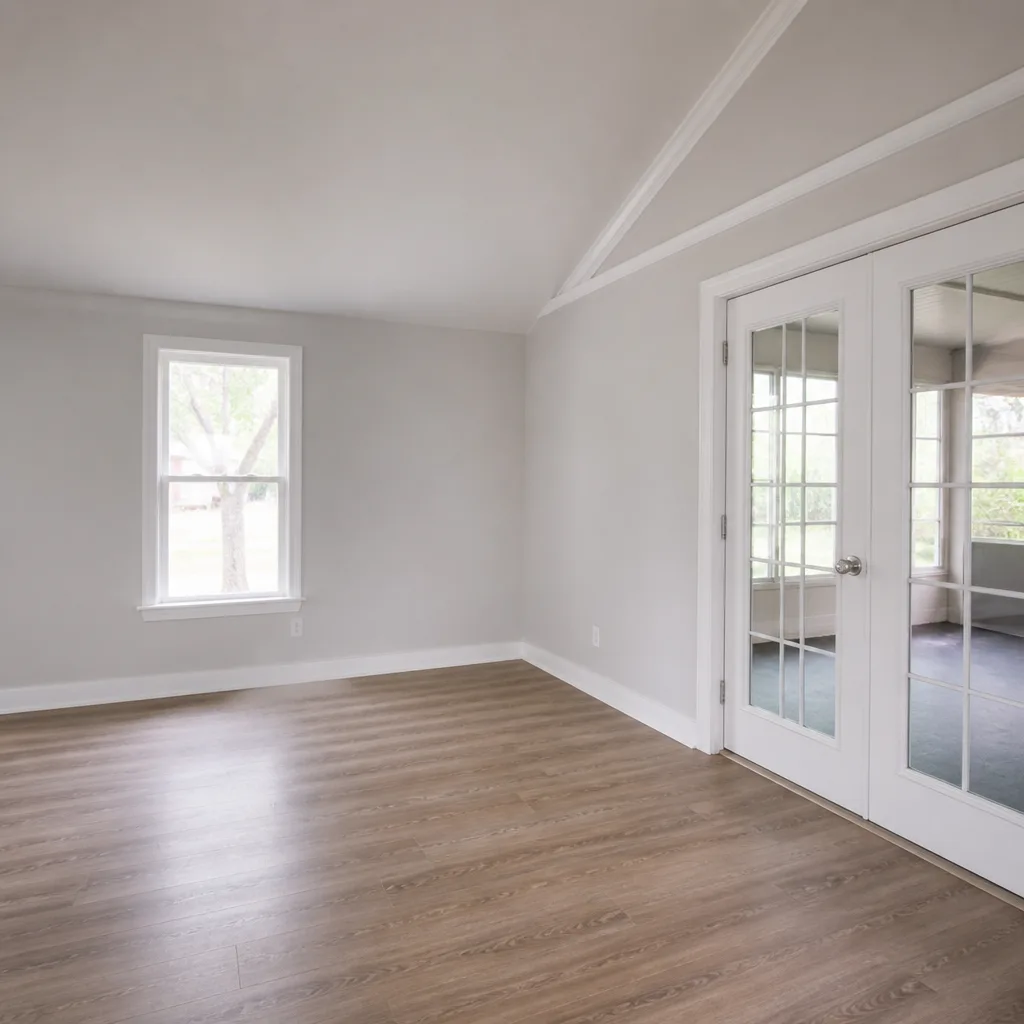
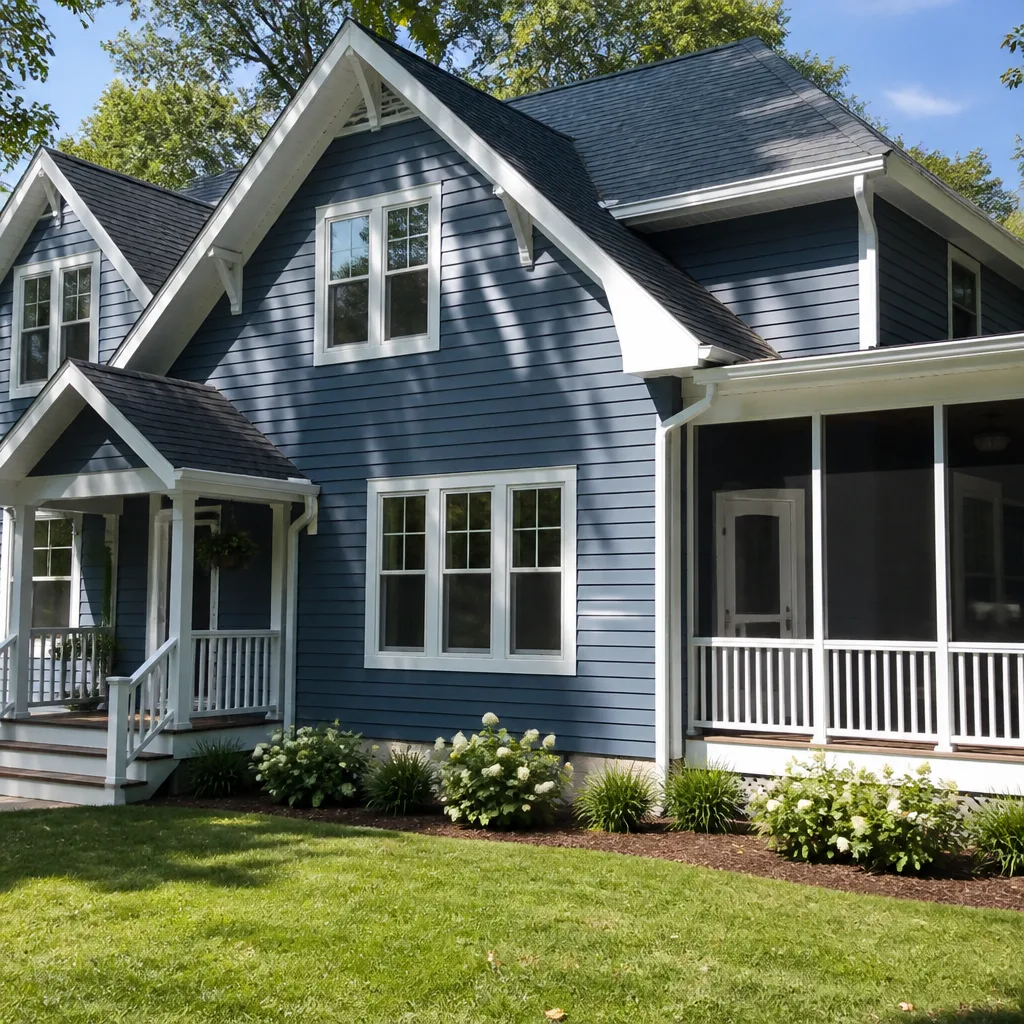
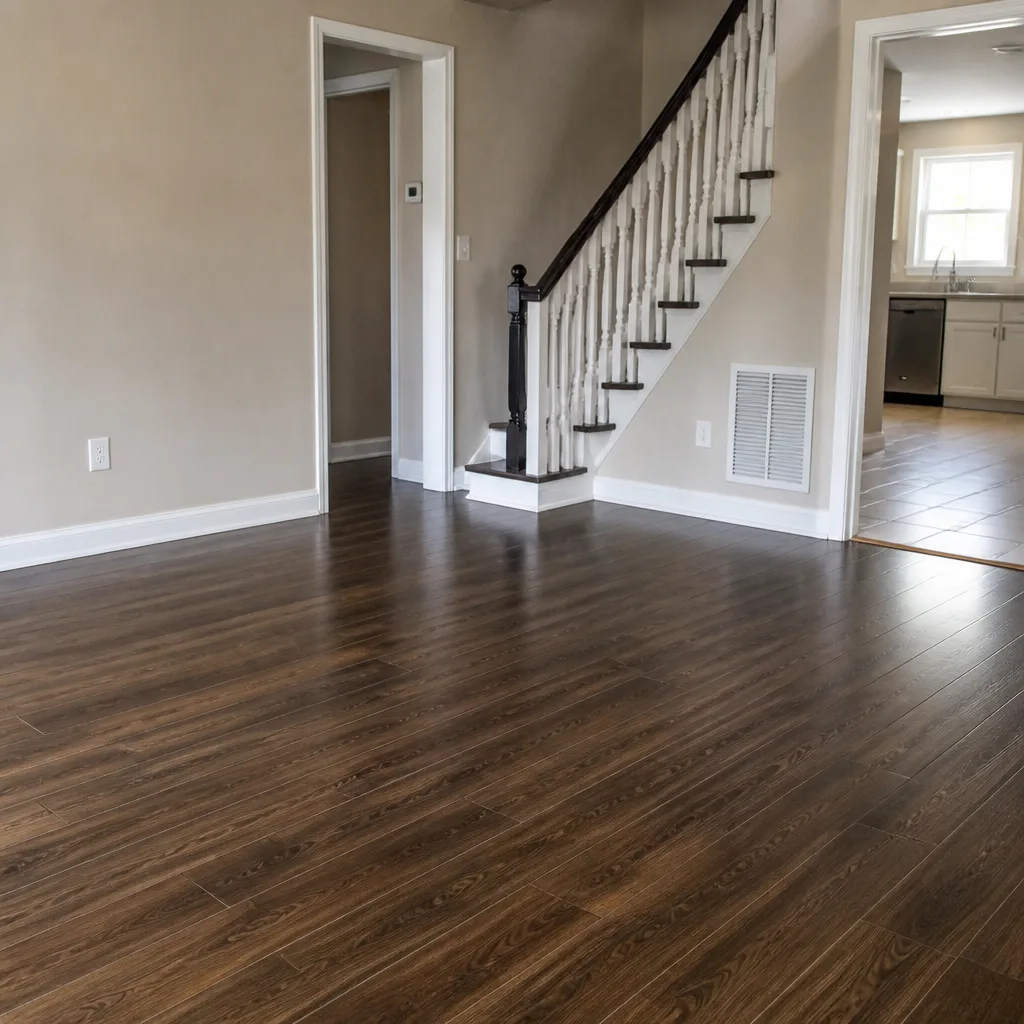
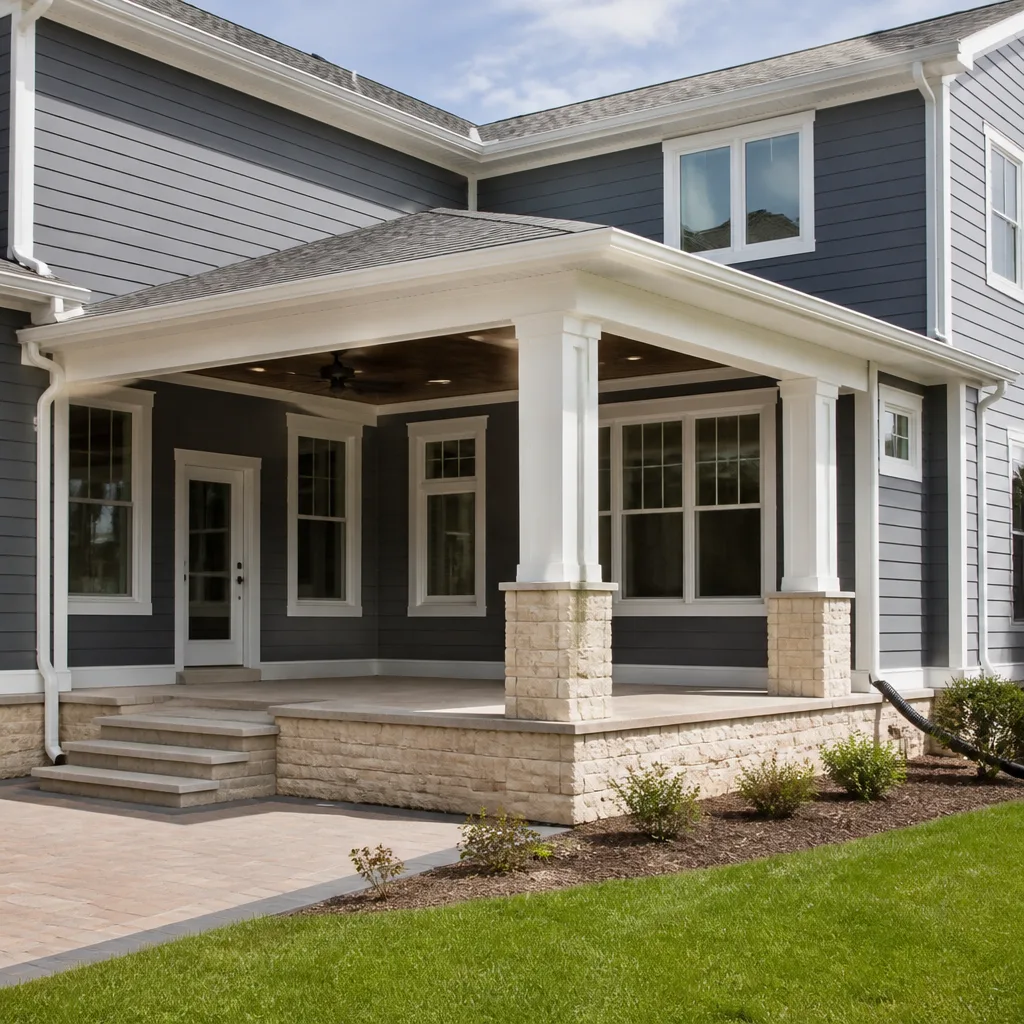
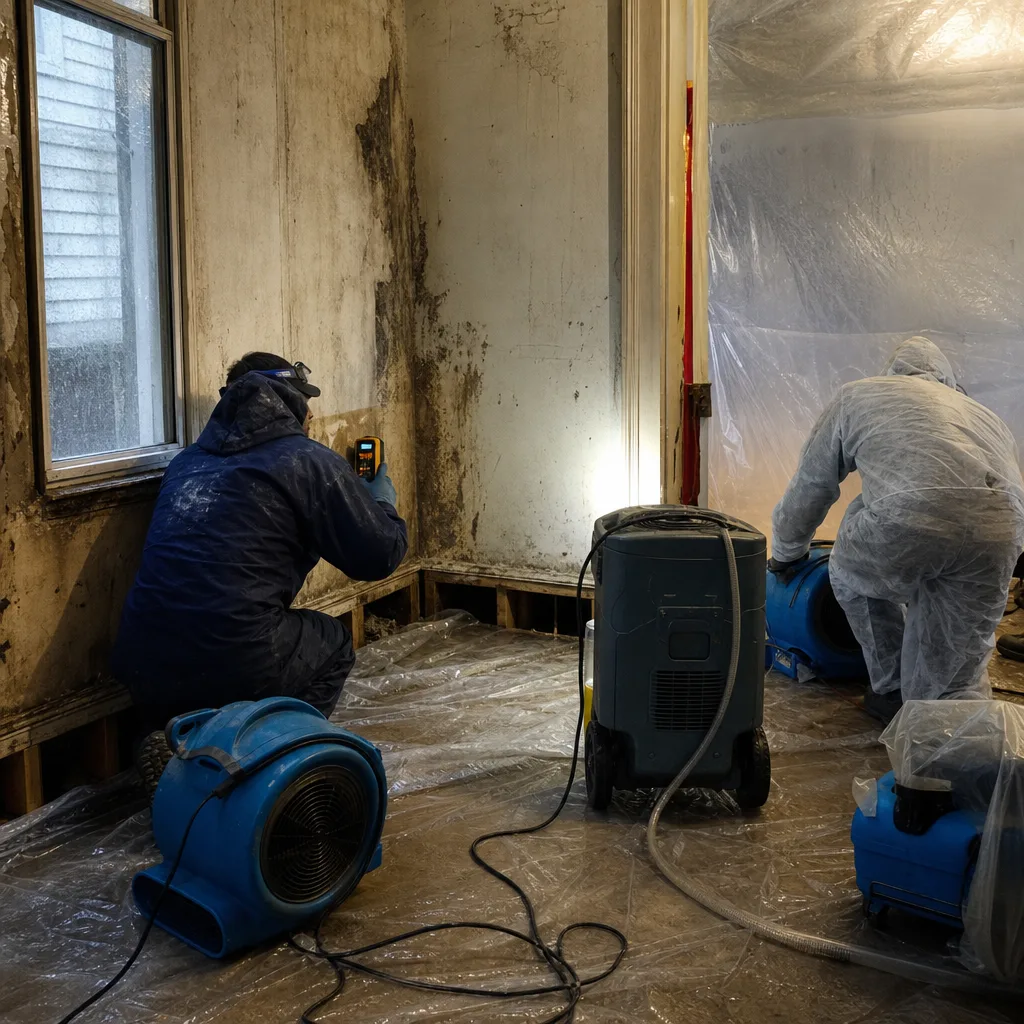 Before
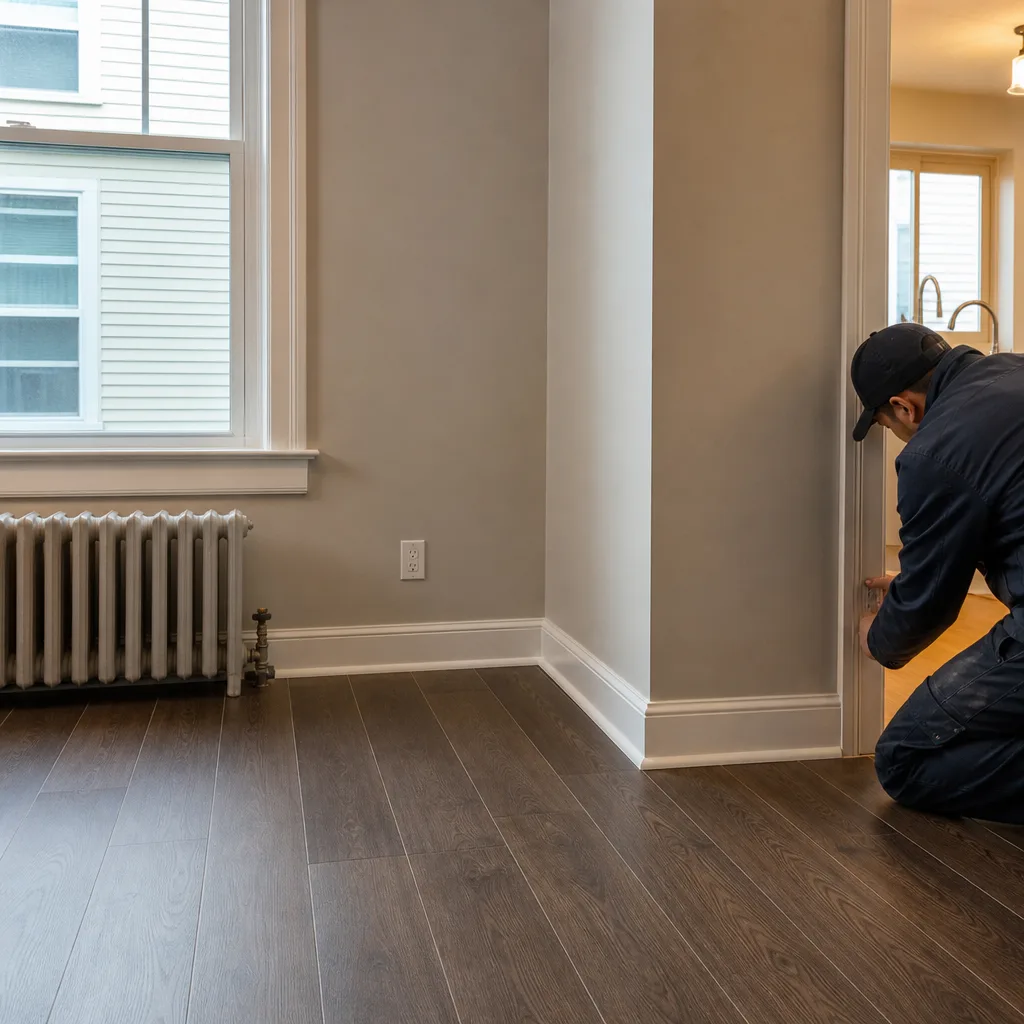 After
After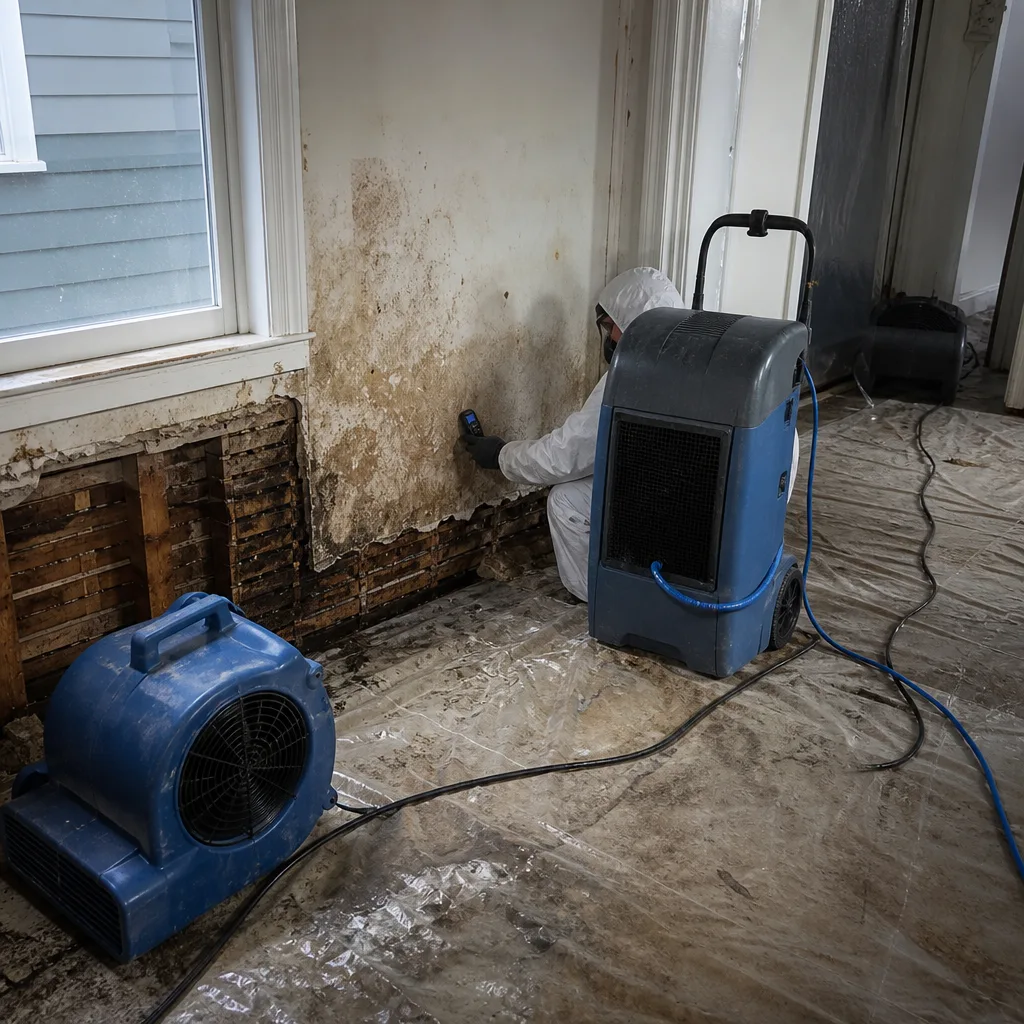 Before
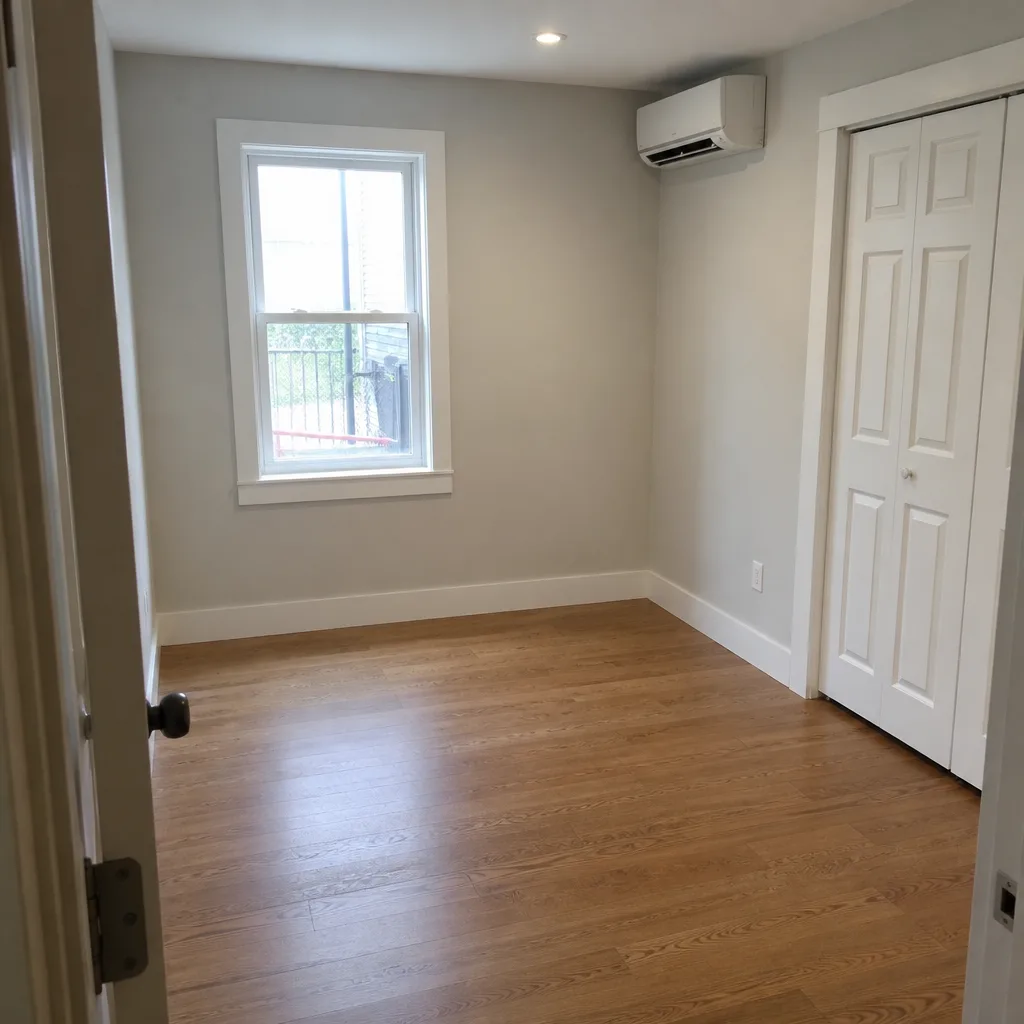 After
After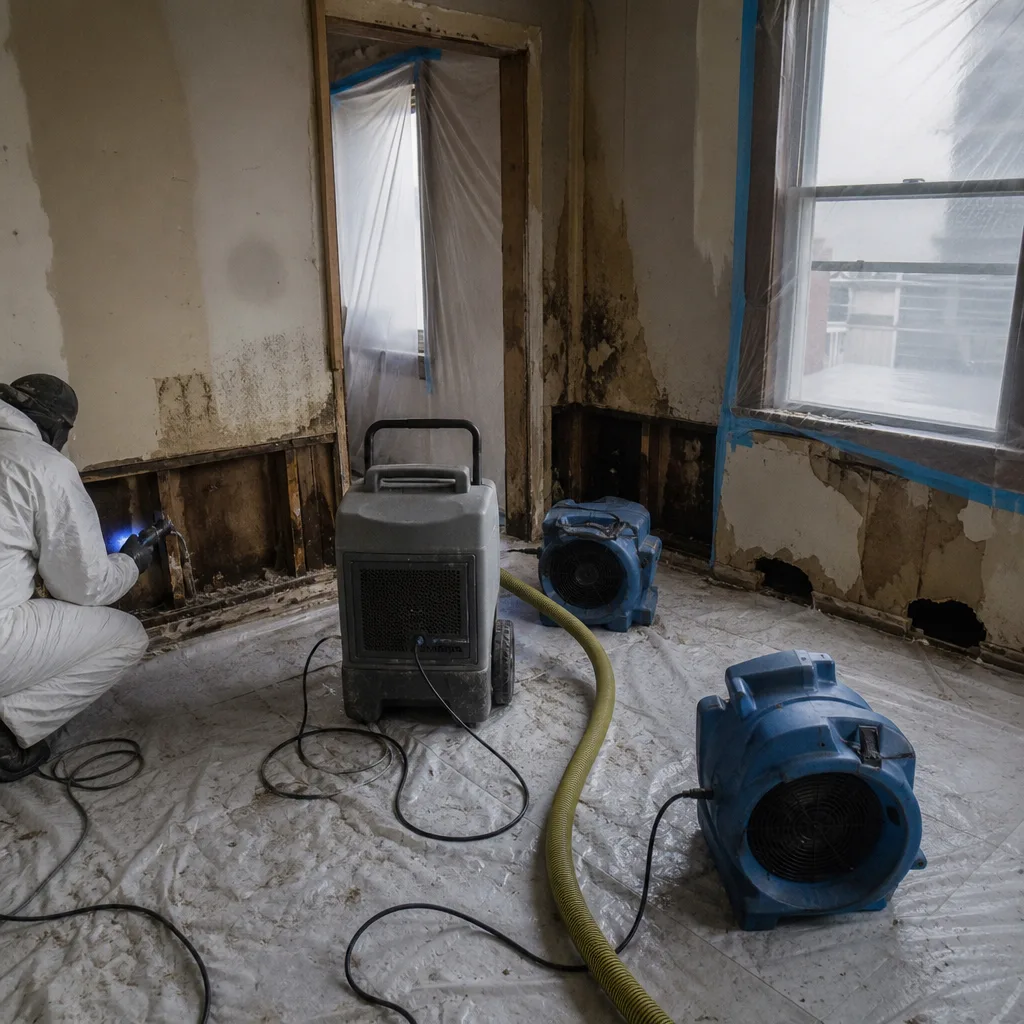 Before
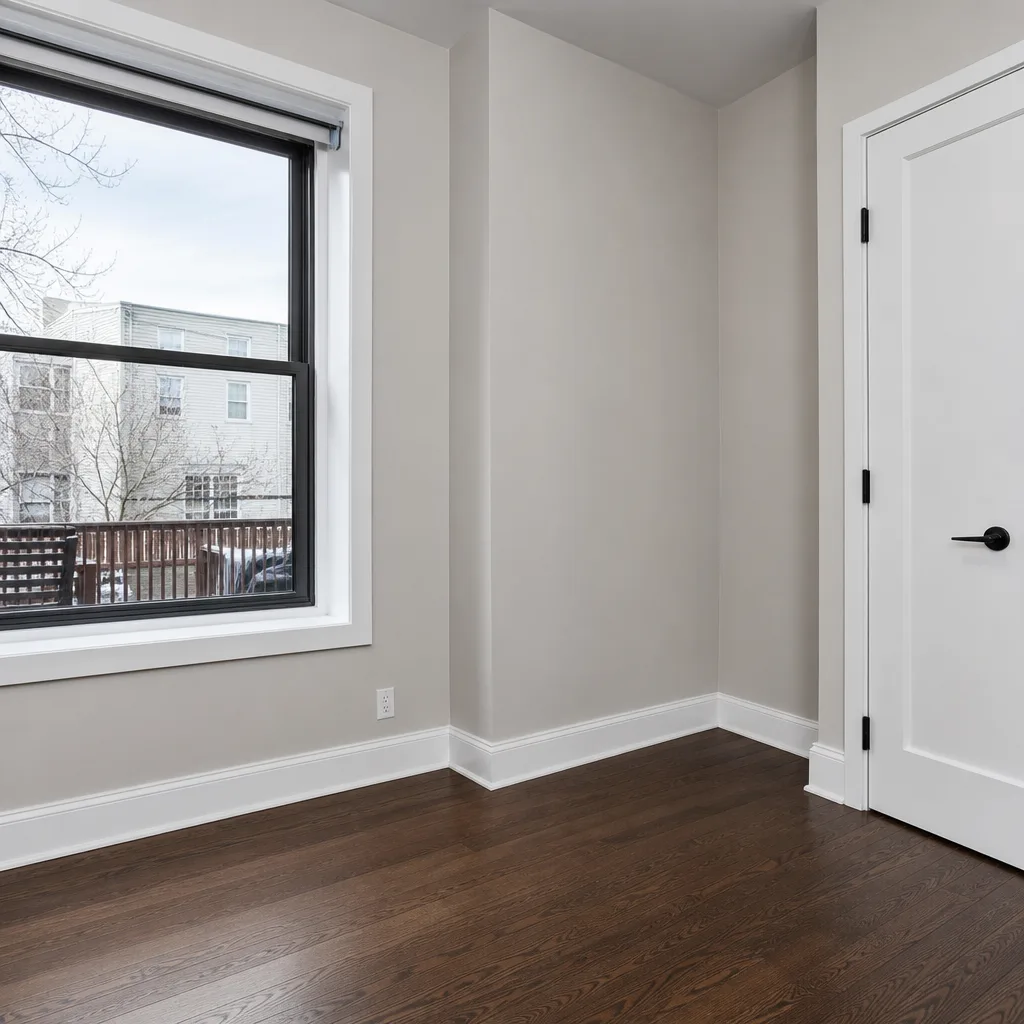 After
After24/7 Emergency Mold Remediation in Union City
Mold remediation in Union City typically runs $1,400-$4,200 for a contained, multi-room job in one of the city’s pre-war tenements, and we can have a crew on site within 45 minutes of your call. If you’ve found mold spreading across a wall or ceiling, or you’ve had a slow leak that’s been wicking for days, call (363) 208-1526 right now. Wade Ferris answers his own phone, and he’ll tell you straight what you’re dealing with before anyone steps foot in your building.
Union City’s brick masonry tenements give mold a head start that newer construction doesn’t. Shared wall cavities, original cast-iron stacks, and un-firestopped joist bays mean a small leak on the third floor is already feeding colonies on the second and first by the time you see the first dark spot. The faster we contain it, the less it costs to fix. That’s not a sales line. That’s how drying logs work.
Understanding Mold Remediation Severity in Union City Properties
Not every mold sighting is a full remediation, but in Union City’s 1900s-1940s masonry tenements, we treat every visible colony as a possible multi-unit event until proven otherwise. The building science is unforgiving: original cast-iron drain stacks deteriorate from the inside, flat tar-and-gravel roofs pond water that works downward through un-firestopped joist bays, and a kitchen sink leak in one unit feeds mold in the apartment below for weeks before anyone notices. We classify severity by moisture mapping, not by eye. Elevated readings two floors below the source tell us the colony has traveled through cavities we’ll need to access, contain, and treat.
The severity ladder runs from surface colonization (visible on paint or drywall, source identified and stopped) to deep-settled growth inside wall cavities and shared structural members. The second category is Union City’s specialty. A third-floor Category 2 supply-line leak in a 1920s walk-up doesn’t stay on the third floor. It follows the path of least resistance: down the cast-iron stack, through joist bays that were never firestopped, and into whatever organic material waits below. By the time we trace it, we’re usually negotiating access with two or three unit owners and their insurers. That’s the job here, and we’ve gotten good at it.
Why Union City Property Owners Choose Wade’s Restoration
- 45-minute response commitment to anywhere in Union City. Wade heads out himself when the call warrants it, and our crews are already staged in the area.
- 24/7 live answer. You call, a person picks up. Not a routing tree, not an answering service. Wade carries the phone.
- IICRC-certified crews with applied microbial remediation credentials, running HEPA scrubbers, air movers, and thermal imaging to find what’s hidden behind lath and plaster.
- Free visual inspection on the front end. We’ll tell you what needs remediation and what’s already dead mold that a wipedown handles. No charge for honesty.
- Direct insurance billing with photo documentation and line-item scopes your adjuster can actually read. Wade talks to the adjuster, not you.
- One crew from tear-out to rebuild. We contain, remove, dry, treat, and restore. No third-party subcontractors showing up who’ve never seen the building.
Our Mold Remediation Process
Inspection & Assessment
We moisture-map the affected unit and every adjacent space, including the shared wall cavities and floor bays above and below. Thermal imaging and hygrometers find what eyes can’t. You get a written scope before any demolition starts.
Containment & Stabilization
We build containment barriers with negative air pressure so spores don’t spread through hallways, stairwells, or into neighboring apartments. In occupied Union City buildings, this step is non-negotiable. Your neighbors shouldn’t breathe your mold.
Source Resolution
We find and stop the water. That might be a failing flat roof, a deteriorated cast-iron stack, or a supply line behind a shared wall. If the source isn’t fixed, remediation is just postponement.
Removal & HEPA Air Scrubbing
Affected drywall, plaster, insulation, and finishes come out under containment. HEPA-filtered air scrubbers run continuously to pull airborne spores down to acceptable levels. We use professional equipment from Dri-Eaz and Phoenix, sized for pre-war building envelopes.
Cleaning, Antimicrobial Treatment & Drying
Remaining structural surfaces get scrubbed and treated with registered antimicrobials. Then we dry the cavity to below 16% moisture content using commercial dehumidifiers and air movers, logging readings daily. You get the full log at the end.
Post-Remediation Verification & Restoration
We verify clearance with visual inspection and moisture readings, then rebuild what came out: drywall, plaster, paint, trim. One crew, start to finish. The 90-Day Done Right Promise covers it all, in writing.
Need Emergency Mold Remediation in Union City Now?
Crews minutes away, answering live 24 hours a day. The sooner we start, the less it costs.
Working With Your Insurance Company
Mold coverage gets complicated fast, especially in Union City where a single loss can pull in three insurers and four unit owners. That’s why we document everything from the first hour: photos of every affected surface, moisture readings before and after drying, daily logs showing the drying curve, and a line-item scope built to the same standard your adjuster uses. Wade talks to the adjuster directly. You shouldn’t have to translate between a restoration crew and a claims department. We’ve handled enough multi-unit Union City losses to know what carriers need to approve coverage, and we hand it to them in the format they expect.
What We Provide Your Insurer
- Thorough documentation of the loss
- Photos of all damage, room by room
- Moisture readings and drying logs
- A detailed, line-item scope of work
- Direct coordination with your carrier
Built for Union City’s Loss Calendar
Union City sits on the Palisades, which means we don’t get the Hudson River flooding that hits Hoboken and Weehawken. What we get instead is stormwater pounding downhill into foundation walls on the east-side cross streets, and freeze-thaw cycles working the flat roofs on pre-war tenements until something lets go. January and February bring the supply-line freezes, often in original galvanized piping that was never designed for a hundred years of service. March and April thaw brings seepage through those same foundations. Summer thunderstorms dump water on flat roofs that pond within minutes, and over the next few days the damp works its way down through joist bays, feeding mold in the ceilings of top-floor apartments. Nor’easters hit in fall, hammering the same flat roofs again. The cycle repeats. Every season here produces mold, just from a different source. That’s why our crews run moisture mapping on every call, even when the visible mold looks isolated. In Union City, it almost never is.
Mold Remediation Across Union City’s Neighborhoods
The building stock changes block by block, and so do the failure patterns. Around Bergenline Avenue, the commercial corridor, we see mixed-use masonry buildings where a restaurant’s plumbing leak migrates into the residential apartments above. Response routes on Bergenline mean parking for trucks is tight, so our crews travel light and stage equipment efficiently. In the dense residential blocks between Palisade Avenue and New York Avenue, the tenements share party walls and often share drain stacks. A toilet leak in one building can show up as mold in the building next door. Near Kennedy Boulevard and up toward the Washington Park boundary, larger pre-war apartment houses and converted condo buildings present the authorization problem: several owners, sometimes a condo board, and a property manager all need to sign off before we cut into a shared wall. We’ve done those jobs. We know how to run them. In the 07087 zip code’s converted industrial and warehouse buildings, older fire-suppression lines and long-abandoned plumbing create hidden moisture that no one discovers until the mold is fully established. Every neighborhood has a signature. We’ve learned them all.
Our crew managed a mold remediation in a 1920s walk-up near Bergenline Avenue where a third-floor Category 2 supply-line leak had been wicking for weeks. Using moisture mapping and drying logs, we traced elevated readings down two stories through shared joist bays and an original cast-iron stack. After containment and antimicrobial treatment, we coordinated pack-out and structural drying with four unit owners, two property managers, and three adjusters to restore all affected spaces to pre-loss condition.
Specialized Mold Remediation Services We Offer in Union City
Mold Inspection & Testing
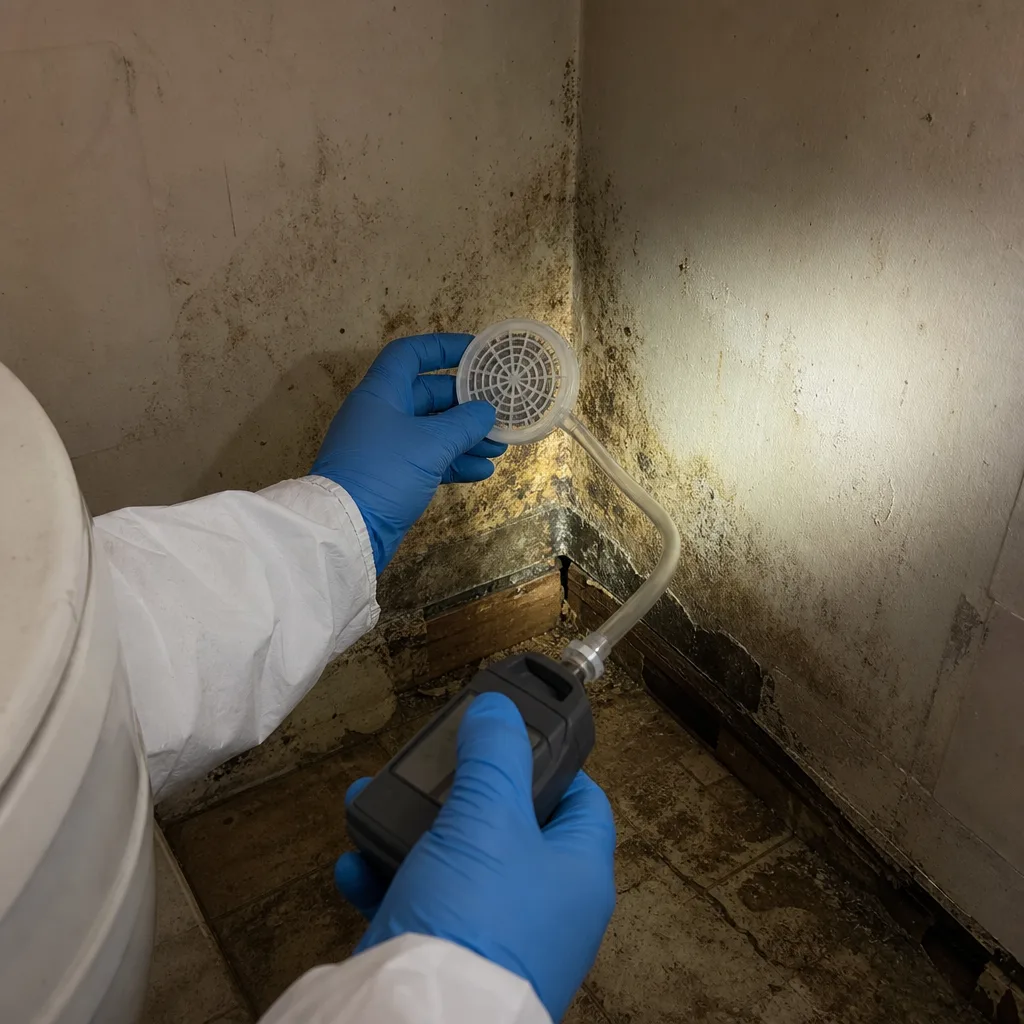
Before we tear anything out, we map the moisture. In Union City’s pre-war tenements, the visible mold is rarely the whole story. We test adjacent units, shared cavities, and the floors above and below. You get a written report showing exactly where the growth is, where it came from, and what needs to come out. No guesswork, no unnecessary demolition.
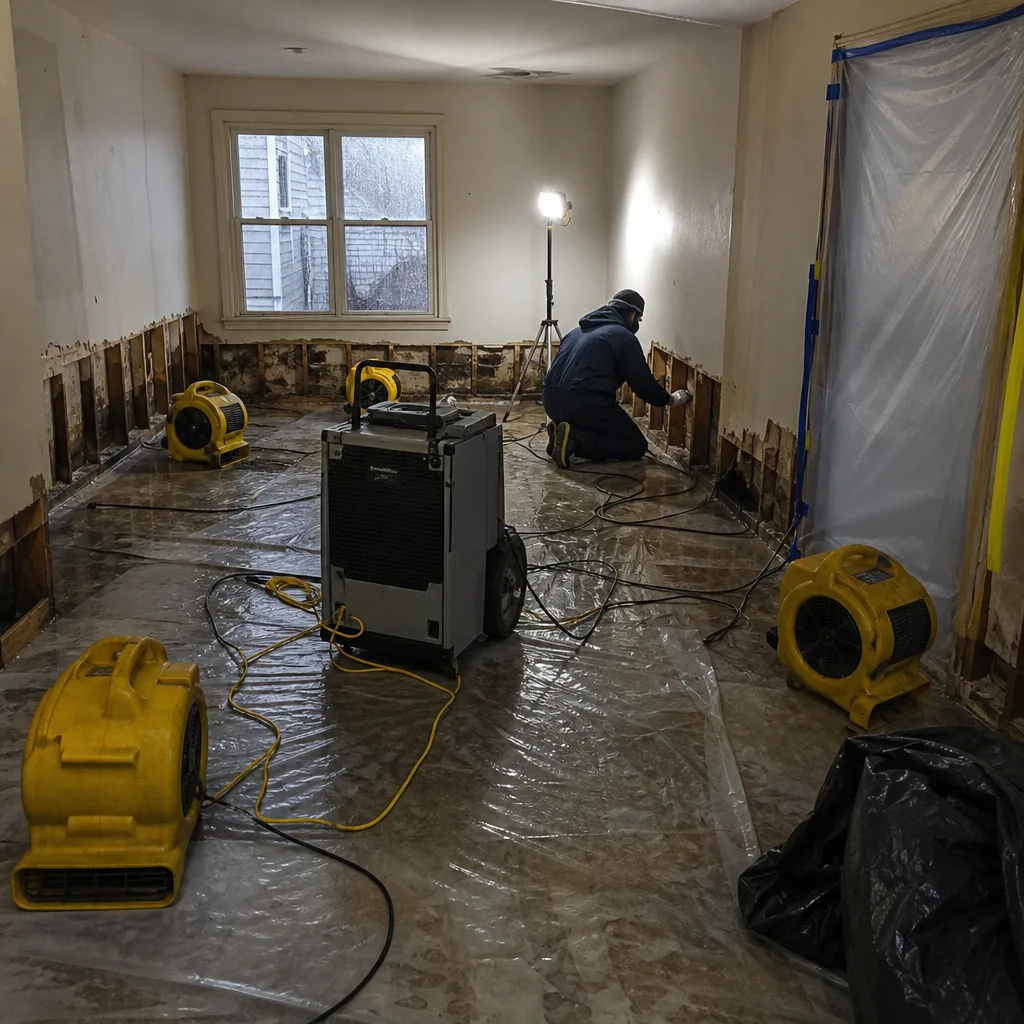
Mold Removal
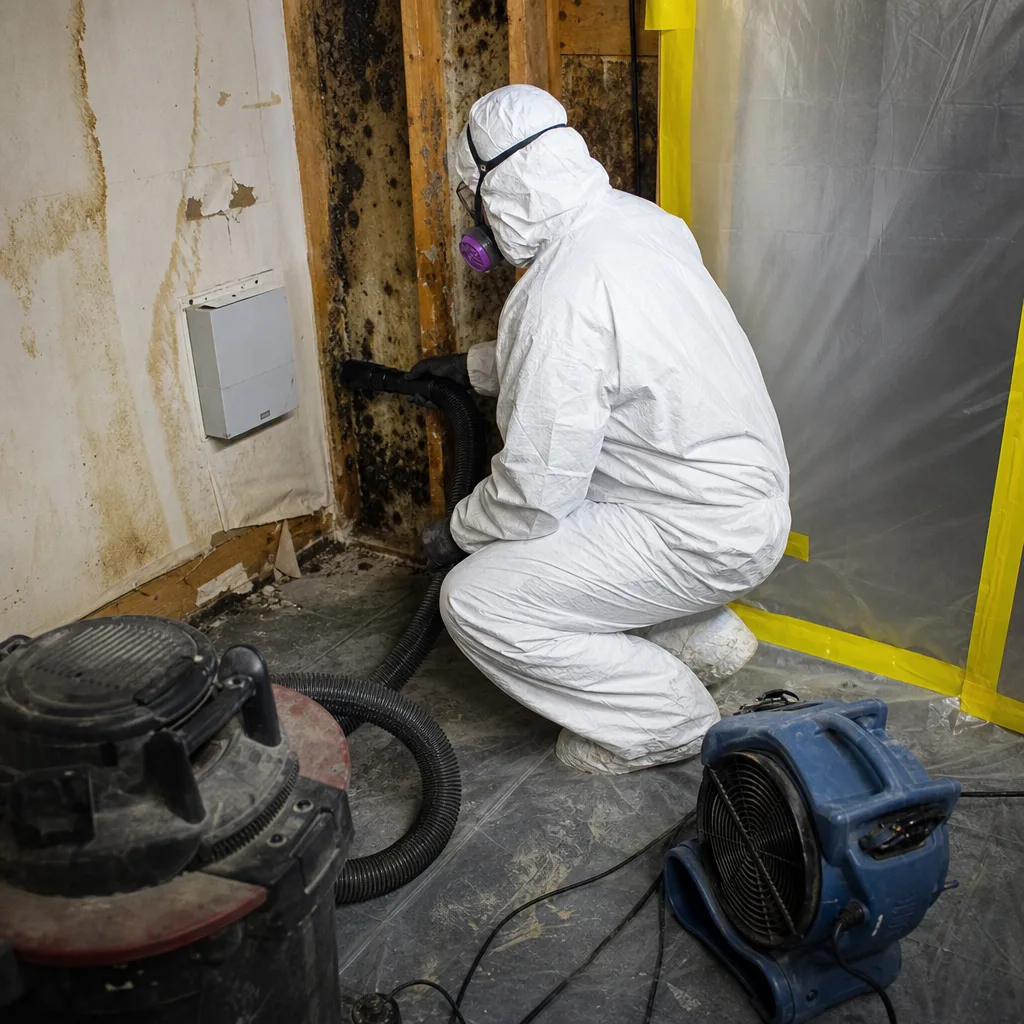
Containment comes first. Then we remove affected drywall, plaster, insulation, and finishes under negative air pressure so spores don’t migrate through hallways and stairwells. In occupied multi-unit buildings on streets like Bergenline or Palisade Avenue, this is the step that separates a real remediation from a cosmetic wipe-and-paint job.
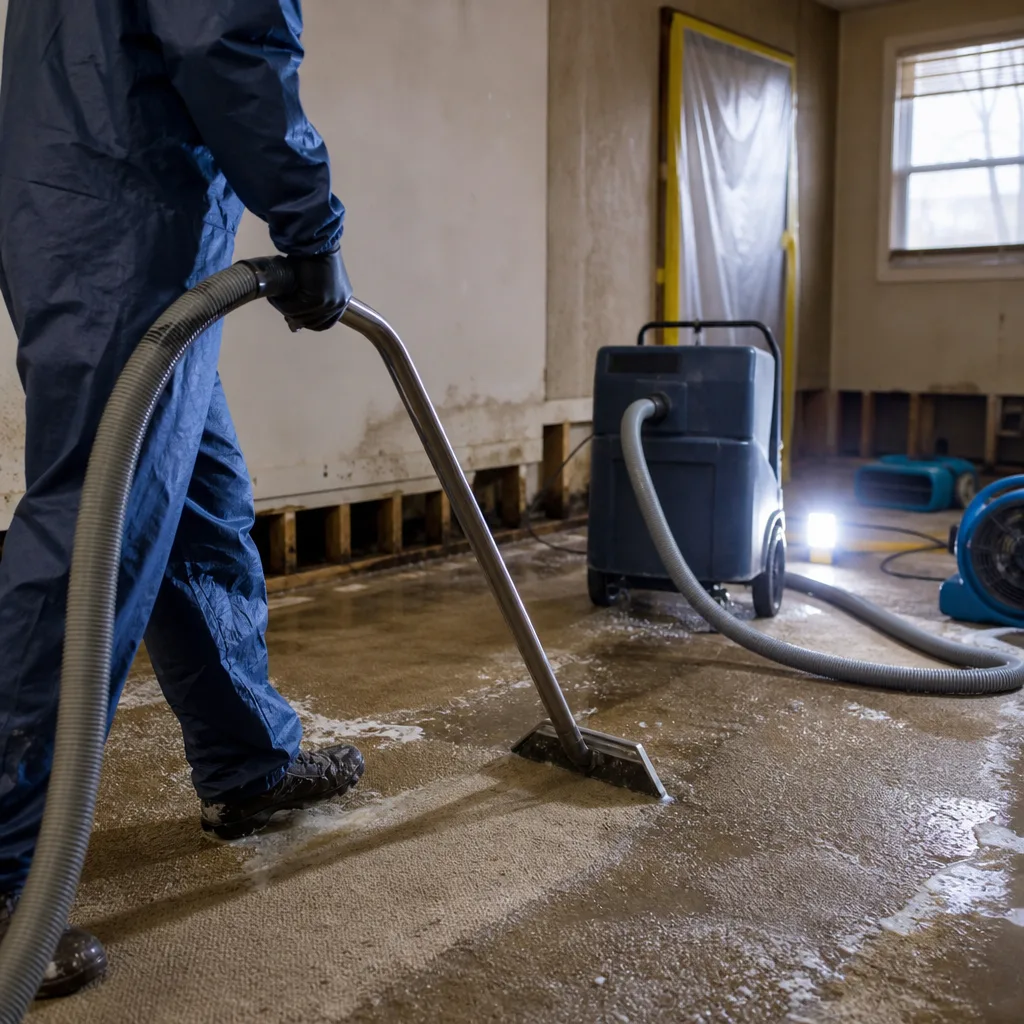
Black Mold Remediation
Stachybotrys, the black mold everyone worries about, loves cellulose: drywall paper, plaster backing, and old wood lath. Union City’s buildings have more of all three than almost anywhere else in Hudson County. We treat it the same way we treat every significant colony: containment, removal, antimicrobial treatment, and drying to below 16% moisture. The color doesn’t change the protocol, but it does mean we take the containment more seriously and run air scrubbers longer.
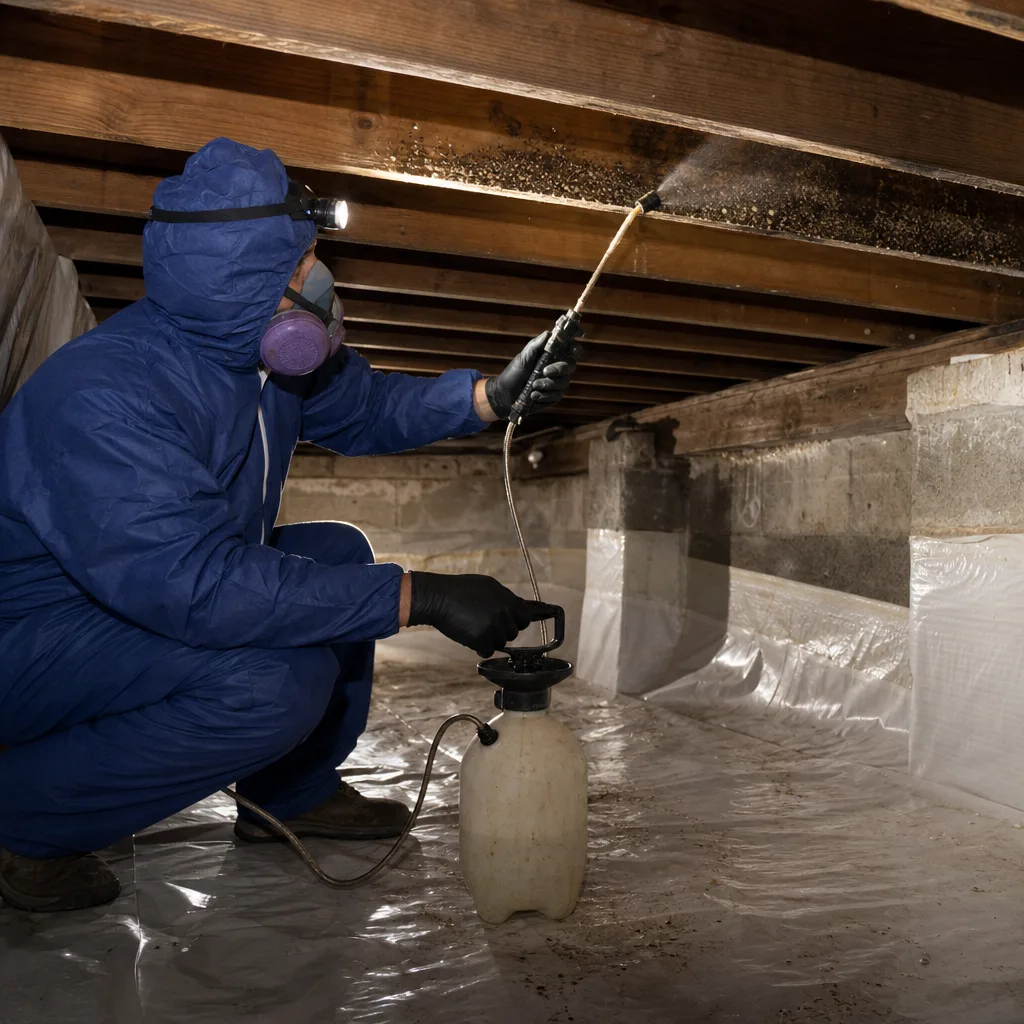
Air Quality Restoration
After removal and treatment, we run HEPA air scrubbers until airborne spore counts drop to acceptable levels. In old buildings with shared ventilation and minimal air sealing, this step takes longer than in modern homes. We factor that into the scope and the schedule, so you know what to expect before we start.
Crawl Space Treatment
A few Union City buildings have crawl spaces, usually under rear extensions or converted basement areas. They’re damp, dark, and often ignored until the musty smell travels up into living spaces. We treat the mold, then fix the moisture: drainage corrections, vapor barriers, and humidity control sized to the space. If we don’t fix the water, the mold comes back. That’s not a warning, it’s a promise about how biology works.
Moisture & Humidity Control
Post-remediation, a pre-war tenement wants to stay damp. Brick walls wick groundwater. Flat roofs leak slowly. Kitchen and bath moisture has nowhere to go in buildings that predate mechanical ventilation. We install and calibrate dehumidification and ventilation systems sized to the actual cubic footage and moisture load of your unit, and we log the readings to prove it’s working. Then we hand you the log.
What happens when you call
- 1
A real person answersNo phone trees - you reach a local pro.
- 2
You get an upfront price rangeHonest numbers before anyone is dispatched.
- 3
A background-checked tech heads outLicensed & insured, dispatched right away.
- 4
You approve before work beginsNothing starts until you say go.
Mold Remediation Costs in Union City, NJ
A contained mold removal in a single Union City apartment typically runs $1,400-$3,200 when the affected area is under 100 square feet and the source is quickly corrected. Larger multi-room jobs with shared-cavity access and multi-unit containment run $3,500-$7,500. Full black mold remediation across multiple floors of a pre-war tenement, with structural drying and rebuild, lands between $8,000 and $18,000 or more depending on access, authorization chains, and how long the moisture has been active. What moves the price: how many units are involved, whether we need to open shared walls, whether the flat roof or cast-iron stack is the source, and how many insurers need documentation. Insurance covers mold in many cases when the moisture source is a covered peril, like a sudden pipe break. Slow leaks and neglect are trickier. The free inspection is how you find out where you stand. Call (363) 208-1526 and Wade will walk it with you.
We Also Serve Cities Near Union City
Our crews cover Union City and the surrounding Hudson County waterfront communities, including Mold Remediation in Union City and nearby Weehawken, Hoboken, and North Bergen. Same live answer, same 45-minute response commitment, same owner on the phone. If you’re in one of those towns and wondering whether your building’s mold problem crosses municipal lines, it doesn’t. We handle it all.
Union City Mold Remediation Questions, Answered
How do you handle mold remediation when the source is an original cast-iron drain stack shared by multiple floors in a Union City tenement?
We contain the affected areas first, then trace the stack with moisture mapping and visual inspection. The stack usually has to be lined or replaced by a licensed plumber. Our job is to remove the mold the leak caused, dry the cavities around the stack, and document everything so the cost of the stack repair and the mold work are properly scoped. We coordinate that whole sequence.
Do you need permission from every floor owner before starting mold remediation in a converted condo building?
Yes, when the mold or the moisture source crosses into areas owned by other unit holders. We can start containment and emergency drying in your unit immediately, but opening shared walls, ceilings, or structural members requires authorization from each affected owner or their representative. We’ve run these authorization chains before. We handle the communication and keep the job moving.
Can mold from a neighbor’s leaking flat roof spread into my apartment in a Union City walk-up?
Absolutely. Flat tar-and-gravel roofs pond water, and when they fail, water travels down through un-firestopped joist bays, through the top-floor ceiling, and into the apartments below. You can have mold growing in your ceiling from a roof you’ve never seen and a leak that started in someone else’s unit. We treat the mold in your space, then document the source so the roof repair and your remediation are coordinated.
What makes mold remediation in Union City different from nearby towns like Hoboken or Weehawken?
Union City’s housing stock is almost entirely pre-war masonry tenements with shared walls and shared utilities. Hoboken and Weehawken have their own old buildings, but Union City’s density and the sheer proportion of 1900s-1940s brick construction means multi-unit, multi-owner mold jobs are the normal job here, not the exception. The mold doesn’t care about the difference. The scope and authorization process do.
How do you prevent mold from returning after remediation in an old Union City tenement?
You fix the moisture source and you dry the cavities below 16% moisture content. Then you control humidity going forward. In a pre-war building, that often means roof repair, stack lining or replacement, improved drainage against foundation walls, and mechanical dehumidification in chronically damp spaces. We don’t walk away from the water. That’s why our 90-Day Done Right Promise matters: if mold returns because we missed something, we make it right.
How fast can you get to my Union City building?
We commit to 45 minutes anywhere in Union City. Calls are answered live, 24 hours a day, by a real person. Wade Ferris often answers himself. Crews are staged in the area because responding to this city is what we do all day, every day.
Is mold remediation covered by insurance in Union City?
When the mold results from a covered peril, like a sudden pipe rupture, fire suppression water, or storm damage, remediation is often covered. Slow leaks and long-term neglect are where claims get denied. We document the loss in a way that gives your insurer what they need to make the right call, and Wade talks to the adjuster directly. Bring us in early and we’ll build the file from the first hour.
What should I do in the first 30 minutes after finding mold in my apartment?
Don’t disturb it. Don’t wipe it, don’t paint over it, don’t run a fan on it. Disturbing mold releases spores into the air and spreads the problem. Close the door to the room if you can, shut off any water source if you know where it is, and call (363) 208-1526. We’ll tell you over the phone whether we need to come now or whether it can wait for a scheduled inspection.
Serving Union City, NJ - Our Local Coverage Area
We’re based in the Union City area and know this community well. Use the map below to see our service coverage - if you’re nearby, we can almost certainly help.
Mold Remediation in Union City Done Right, or We Make It Right
Wade’s Restoration is the locally owned alternative to the big franchise outfits. The owner’s name is on the truck, his phone number is public, and if something isn’t done right, you call the same number and he picks up. Every mold job gets the 90-Day Done Right Promise in writing. That means it. Since 2007, Wade Ferris has been answering his own phone and standing behind the work his crews do in this city. Our Mold Remediation team knows Union City’s buildings the way only people who’ve worked inside hundreds of them can. Ask anyone on your street. Then call (363) 208-1526 for a free estimate, and Wade will tell you honestly what you’re dealing with.
Written by Wade Ferris, Owner at Wade’s Restoration. Serving Union City and Hudson County since 2007.