
Last updated August 26, 2026
Free visual inspection and a written scope of work before any mitigation begins - photos, moisture readings, and drying logs go in your claim file
The scope we write is the scope we bill. Anything new gets shown to you, in writing, before we touch it.
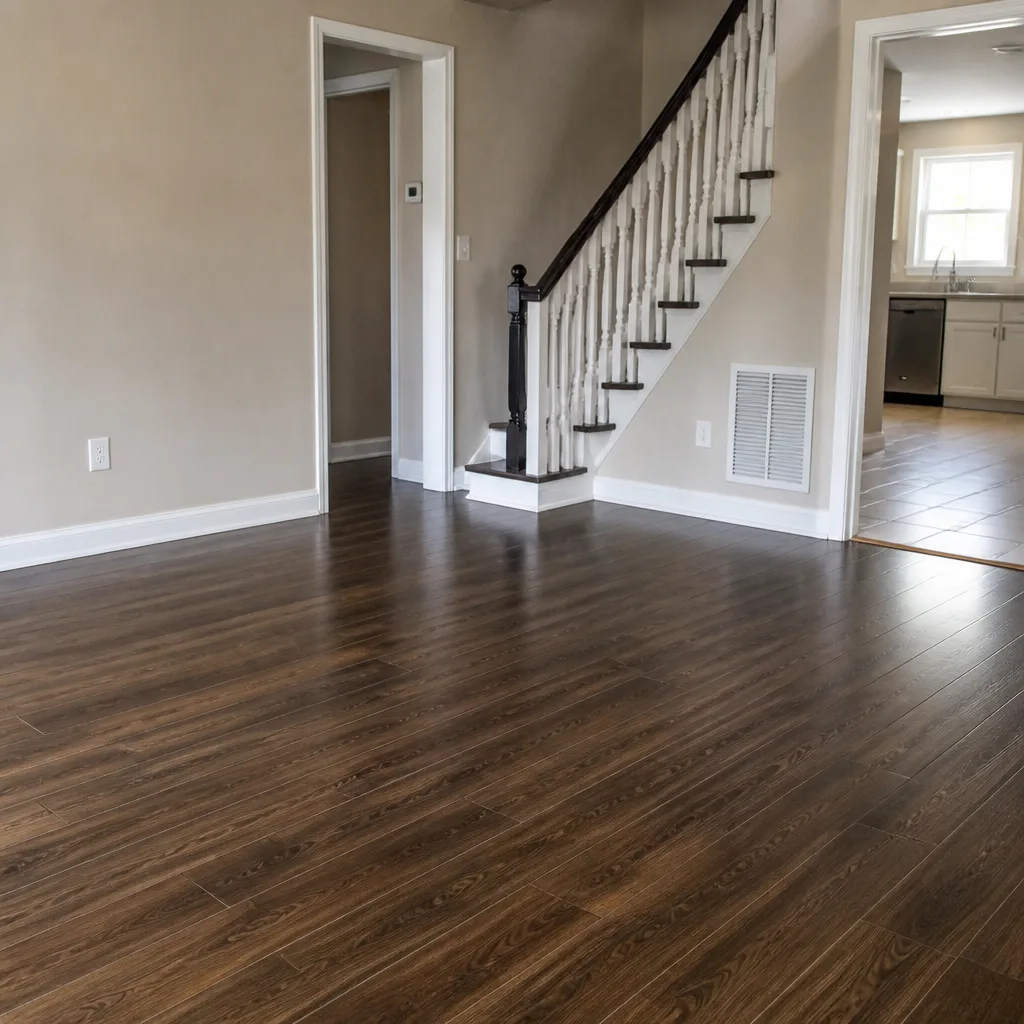
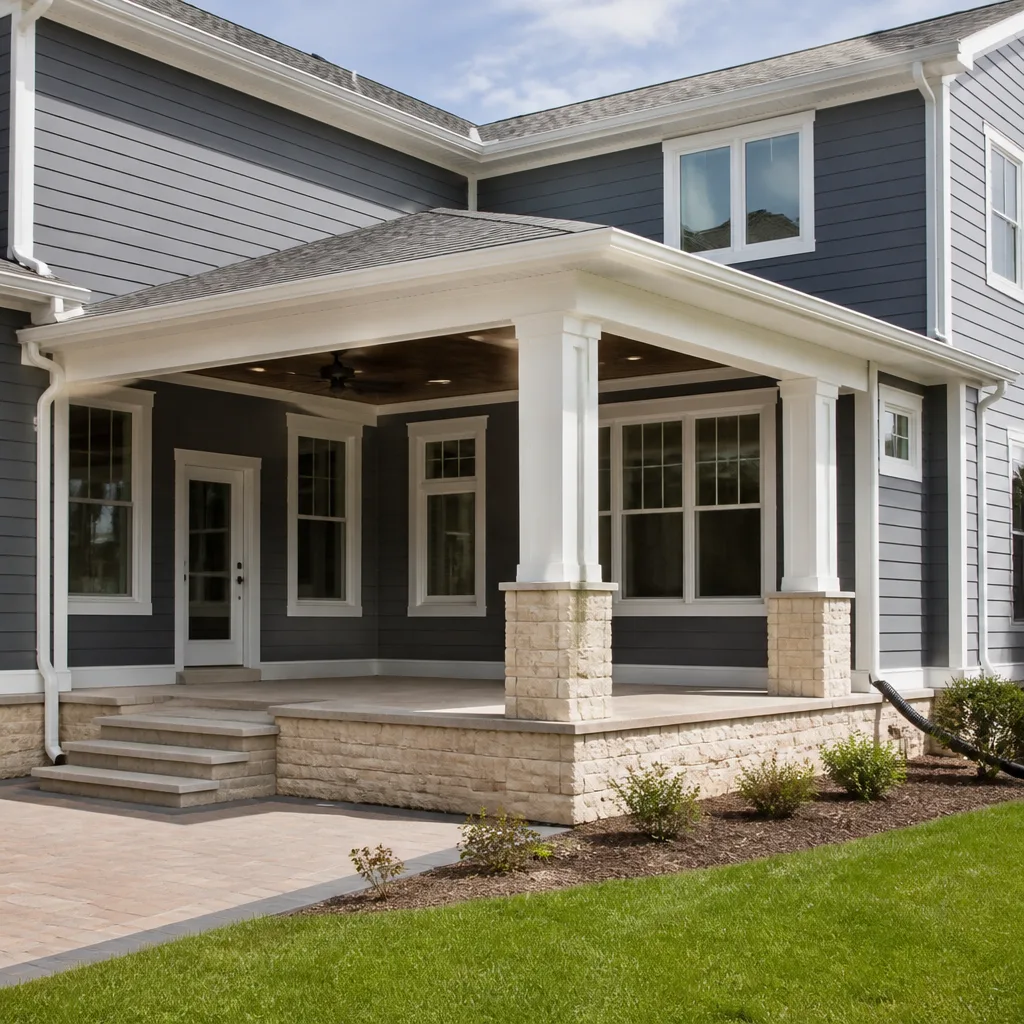
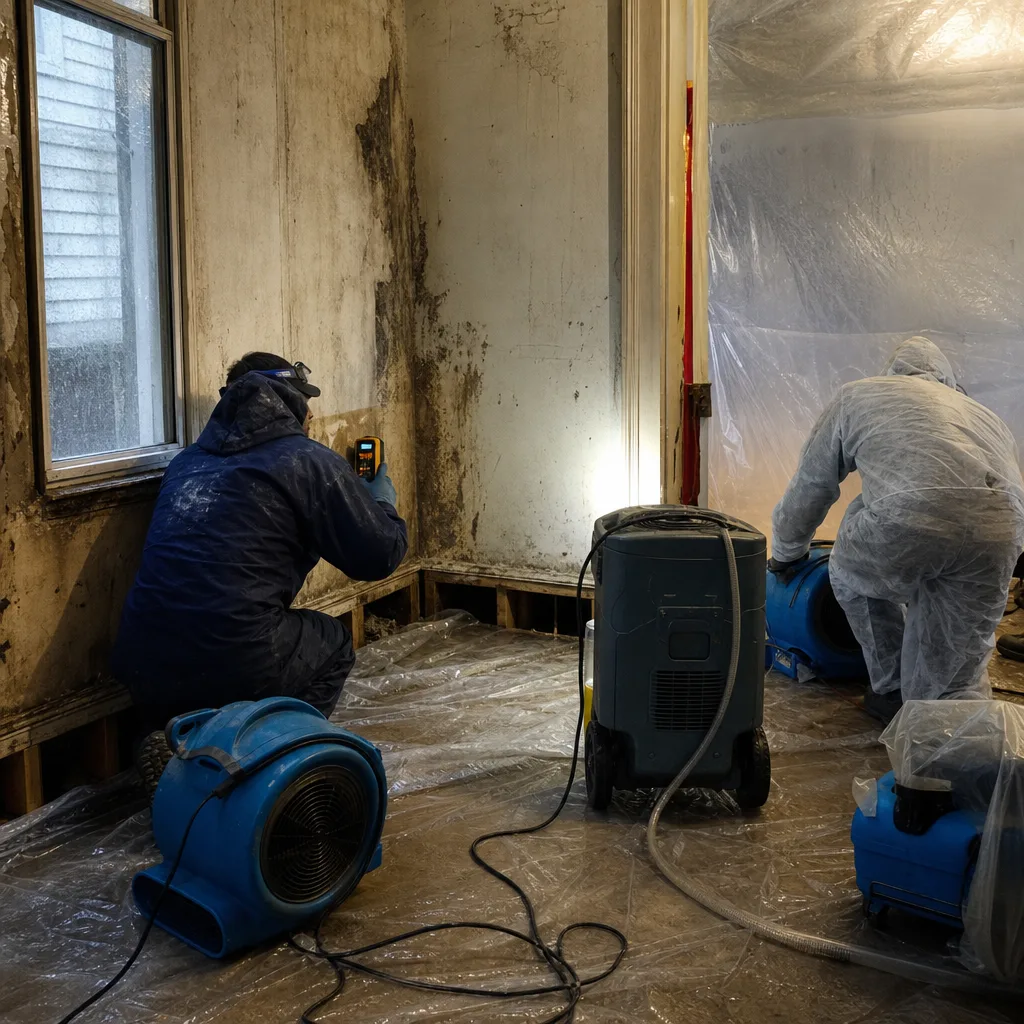 Before
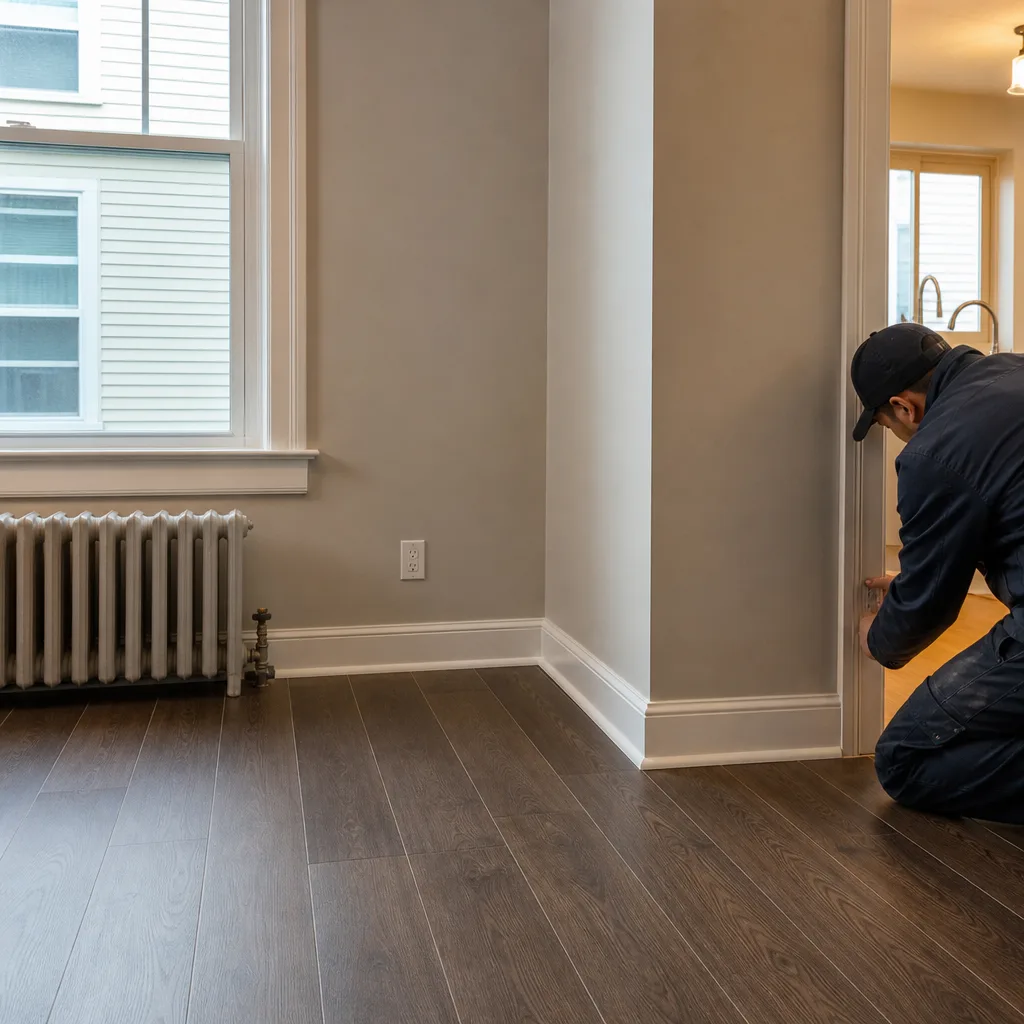 After
After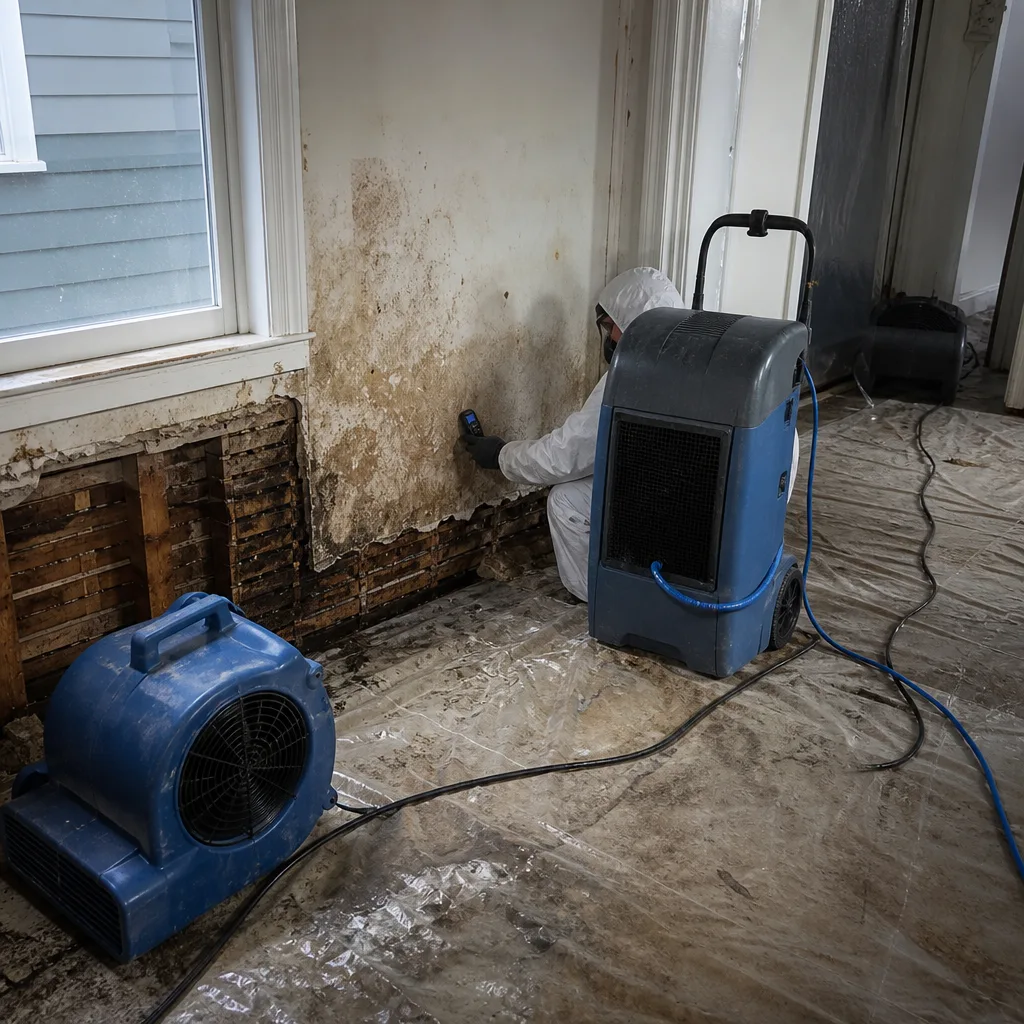 Before
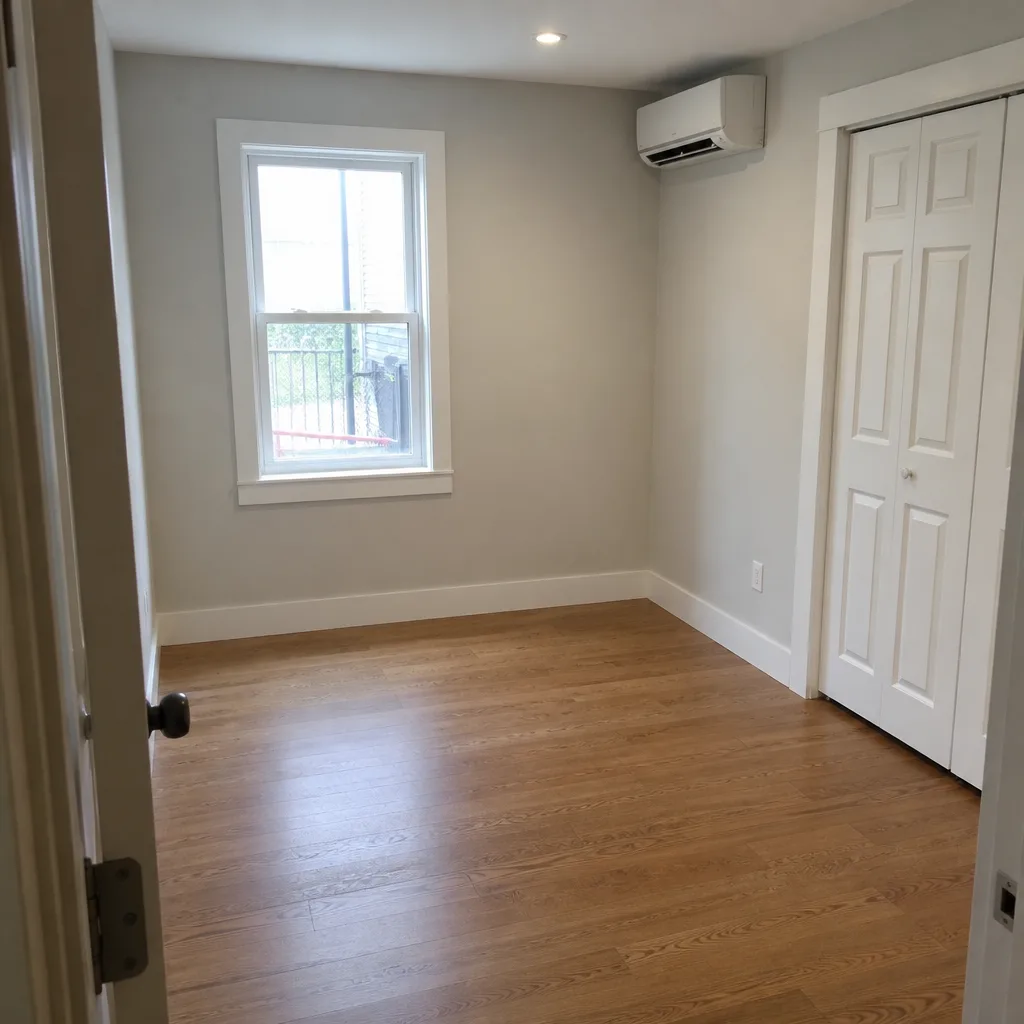 After
After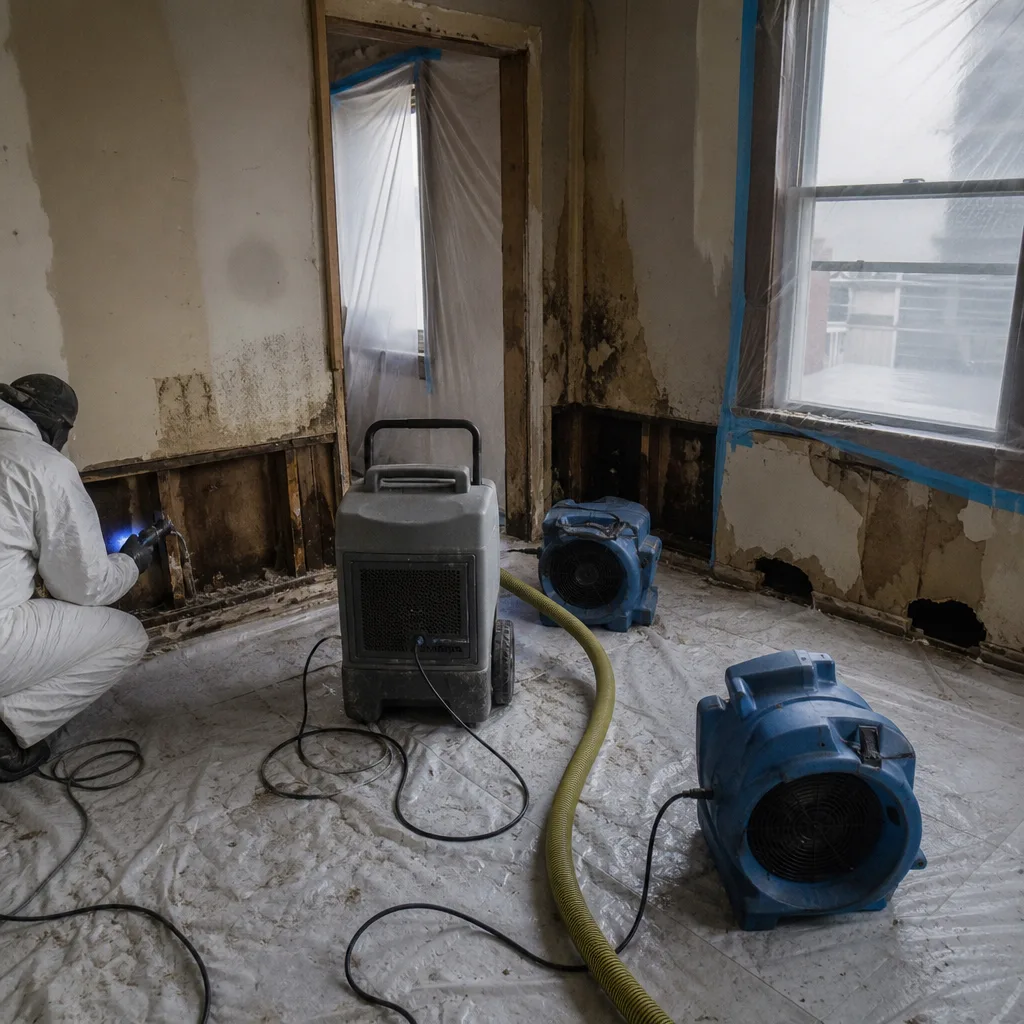 Before
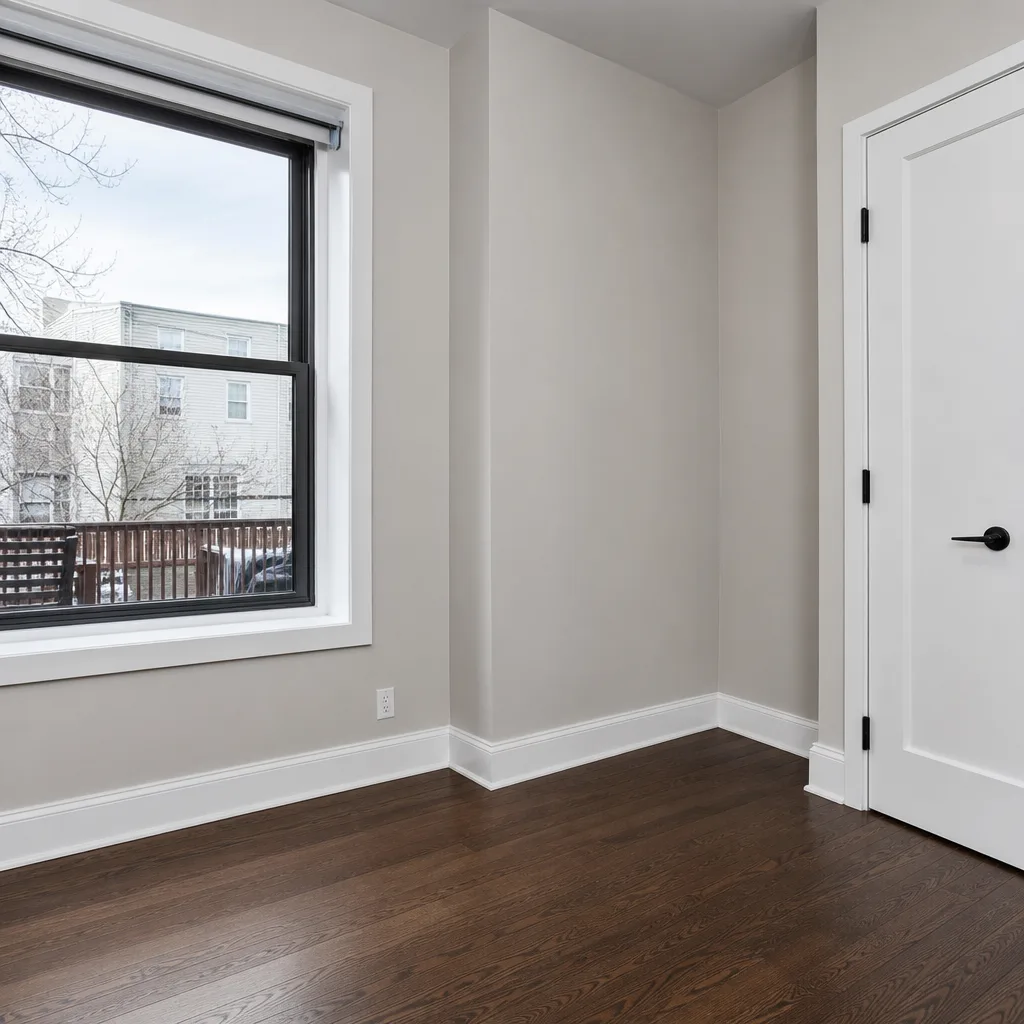 After
AfterDamage Restoration Cost Breakdown: The Astoria Homeowner’s Reference for 2026
Here’s a number that surprises most Astoria homeowners: the two estimates you get after a burst pipe can differ by $6,000 or more, and both contractors may be perfectly honest. The gap exists because restoration pricing is built line-by-line, not by square footage. One estimate includes daily moisture monitoring, cavity drying, and a final clearance test. The other doesn’t. This guide walks through what those line items actually cost in Queens County in 2026, why the cheaper initial number usually becomes the more expensive job, and how to read an estimate before you sign it. For more guides & resources, visit our blog.
Quick Answer
Water damage restoration in Astoria typically runs between $3,200 and $9,800 for a standard single-room incident in 2026, with full restoration (not just mitigation) adding $4,000 to $14,000 depending on finishes. The single biggest line-item driver is whether the estimate includes structural drying and moisture documentation, not which company wrote it.
Table of Contents
- Mitigation vs. Restoration: Why You’re Really Paying for Two Jobs
- The Line-Item Breakdown: What a Complete Water Job Actually Costs in Queens County
- Why Price Per Square Foot Is Misleading in Astoria’s Building Stock
- Containment, Air Scrubbing, and Daily Moisture Logs: The Line Items Contractors Cut First
- Supplemental Claims: Why They Happen and How a Good Initial Scope Prevents Them
- Fire and Mold Costs in Astoria: Where the Numbers Land in 2026
- How to Read a Restoration Estimate Before You Sign It
- Common Mistakes to Avoid
- When to Call a Professional
- Frequently Asked Questions
- The Bottom Line
Mitigation vs. Restoration: Why You’re Really Paying for Two Jobs
The first thing to understand about any damage restoration estimate in Astoria is that you’re almost always looking at two distinct scopes of work. Mitigation is the emergency response: stopping the water, extracting standing water, removing wet materials that can’t be saved, and setting up drying equipment. Restoration is what happens after the property is dry: replacing drywall, repainting, reinstalling flooring, rebuilding whatever was torn out.
This distinction matters because most initial estimates only cover mitigation. A contractor shows up at 2 a.m., extracts water, cuts out baseboards, places fans and dehumidifiers, and hands you an estimate for that work. What’s not on that first estimate is the rebuild, because nobody knows yet how much drywall needs replacing until the moisture readings come down.
In our experience in Astoria, homeowners who understand this split make better decisions. You’re not being tricked when the rebuild estimate arrives later. You’re seeing the second half of a two-phase job. The problem arises when the first estimate was underwritten so aggressively that the second phase becomes a surprise. That’s where the real cost battles begin.
A water job that looks like $4,200 on day one can be $11,000 by completion, and that’s not price gouging. That’s the difference between drying a room and rebuilding it. What you want is an estimate that tells you what’s being dried, what’s being removed, and what the likely rebuild range is before you sign.
For a more detailed walkthrough of the mitigation process, see our guide to Water Damage Restoration in Astoria.
The Line-Item Breakdown: What a Complete Water Job Actually Costs in Queens County
Restoration contractors in New York price work using software called Xactimate, which assigns a unit cost to every task based on local labor and material rates. Insurance adjusters use the same software, which is why a well-written estimate gets approved faster. Here’s what a complete water damage job in Astoria looks like line by line in 2026, based on a standard 12×14 living room with a burst supply line and soaked carpet, pad, and baseboard:
Category 3 Water Extraction (Initial Response)
- Emergency service call and after-hours dispatch: $150-$350 (waived by some local companies inside their own county; more on that later)
- Water extraction, carpet and pad: $0.45-$0.85 per square foot, so roughly $75-$145 for this room
- Removal of wet carpet and pad: $0.60-$1.10 per square foot, roughly $100-$185
- Baseboard removal and disposal: $1.50-$3.00 per linear foot, roughly $80-$160 for a standard room
- Drilling and draining drywall cavities: $20-$45 per opening, typically 8-12 openings, so $160-$540
Structural Drying (The Part That Takes Days)
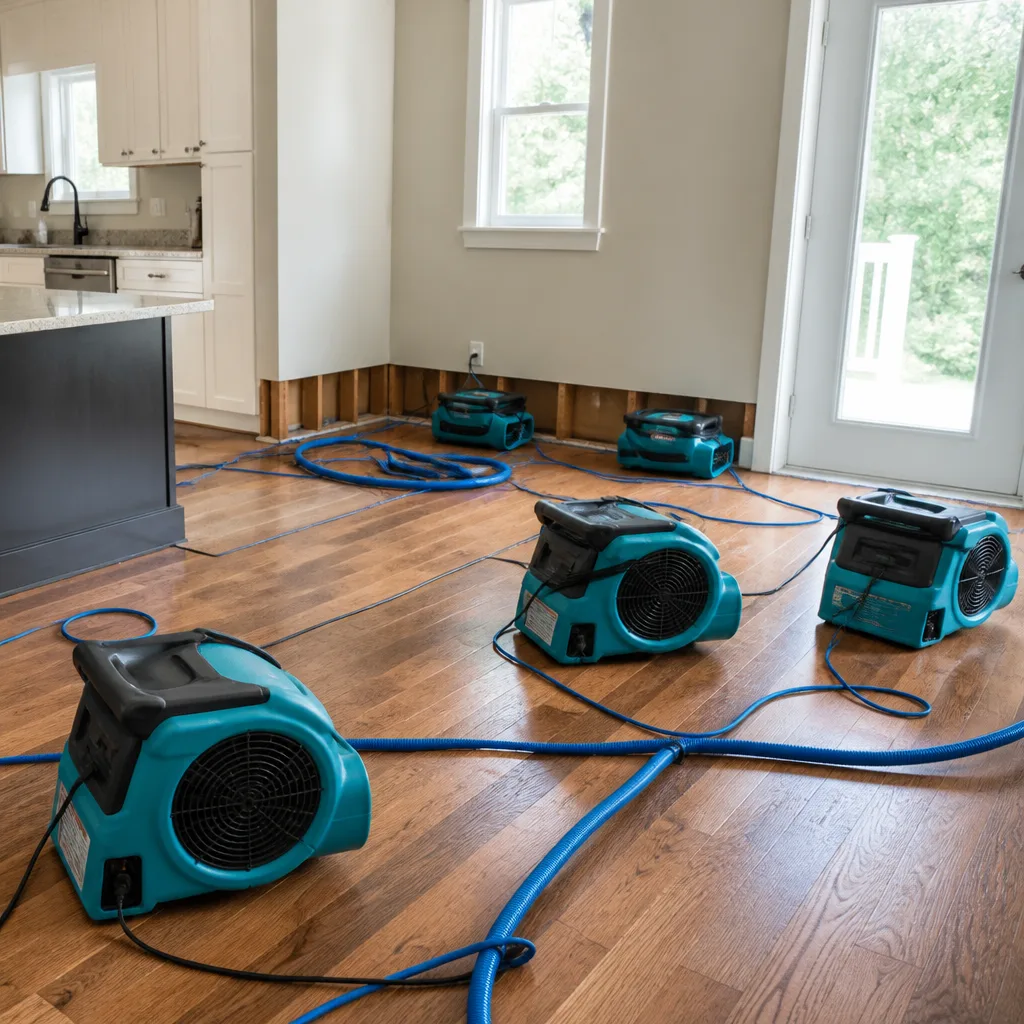
- Air movers (high-velocity fans), each: $25-$40 per day, with 4-8 units running for 3-5 days, so $300-$1,600
- Dehumidifier (LGR, commercial grade), each: $55-$90 per day, with 1-2 units for 3-5 days, so $165-$900
- Daily monitoring visits and moisture readings: $45-$75 per visit, totaling $225-$525 over a standard 5-day dry cycle
- Injectidry or equivalent cavity drying system (if needed): $150-$400 per setup
Rebuild and Finish Work
- Drywall replacement (hang, tape, mud, prime): $2.80-$4.50 per square foot of affected wall, so $800-$1,300 for typical cutouts
- Baseboard reinstallation and paint: $4-$8 per linear foot, roughly $210-$430
- Paint, walls and trim: $400-$900 for a standard room
- Flooring replacement (carpet and pad, mid-grade): $4-$7 per square foot installed, so $670-$1,180 for a 168-square-foot room
Add those ranges together and a complete job runs roughly $3,400 to $7,900 for this one room, with variance driven by how long drying takes and what finishes you choose. That’s the honest math. Anyone quoting you $900 for the same room is leaving out the drying, the monitoring, or the rebuild. The money shows up later, one way or another.
Why Price Per Square Foot Is Misleading in Astoria’s Building Stock
If you Google restoration costs, you’ll see numbers like $3 to $8 per square foot. That’s not wrong so much as it’s useless for Astoria. Most of this neighborhood’s housing stock is pre-war attached construction, which means party walls, shared floor joists, and plaster over lathe instead of modern drywall. Water doesn’t respect party walls. When a third-floor supply line lets go above a first-floor co-op, the water runs down inside the wall cavity and shows up two floors below.
Plaster is a different animal than drywall. It holds water longer, releases it slower, and costs more to replace when it can’t be saved. Pre-war buildings in the Ditmars and Broadway stretches often have plaster walls over wood lathe, and the cost to cut, remove, and replace plaster runs about 30-50% higher than standard drywall work. If you’re in a newer building near the waterfront or along 21st Street, you’re more likely dealing with standard drywall, and your costs land at the lower end of these ranges.
Another Astoria-specific factor: access. A ground-floor unit with a garden entrance means equipment rolls in and out easily, which keeps equipment setup labor low. A fifth-floor walkup or a unit in a building with a narrow service entrance adds time. Fans and dehumidifiers weigh 60-100 pounds each. Carrying four Phoenix dehumidifiers up four flights takes real labor, and that labor is a line item.
Finally, co-ops and condos in Astoria add a management layer. Building boards often require certificates of insurance, specific work hours, and sometimes their own mold clearance test before reconstruction can begin. Those are costs a contractor writing a quick estimate may not include. A local restoration company that has worked in Astoria co-ops knows to ask about the building’s requirements before the work starts, not after.
Containment, Air Scrubbing, and Daily Moisture Logs: The Line Items Contractors Cut First
When an estimate looks too good to be true, look for these three items. They’re almost always where the discount lives.
Containment is the plastic barrier and negative air pressure setup that keeps dust and mold spores from moving through the rest of your home during demolition and drying. In a standard water job, containment runs $300-$700. It’s not glamorous. It gets cut by low bidders because the homeowner never sees the benefit until the alternative happens, which is demolition dust in the kitchen and spores in the bedroom. In attached housing, which is most of Astoria, containment isn’t optional. It’s the difference between restoring one unit and paying for tests in three.
Air scrubbing uses HEPA-filtered air scrubbers to pull airborne particles out of the room continuously during drying. A Dri-Eaz HEPA 500 or equivalent runs $40-$70 per day. On a 4-day job, that’s $160-$280. Cutting it saves money on paper and risks leaving behind what insurance adjusters call a “post-construction air quality issue,” which is a polite way of saying the claim isn’t closed yet.
Daily moisture logging is the one that separates real restoration from guys with fans. A proper drying job requires daily readings: moisture content of walls, floors, and cavities, tracked against a drying goal. Those readings determine when equipment comes out and when rebuild can start. Wade Ferris takes readings every day and hands you the full log when the job ends. Most companies in the trade don’t, because it requires someone to come back every day and actually record numbers. But here’s why it matters to you: the insurance company uses that log to verify the job was done to standard. Without it, your adjuster may balk at equipment days, and you’re left fighting over $800 of dehumidifier rental that a log would have justified in five seconds.
When we work in Astoria, we see the difference these items make. A job with daily logs, containment, and air scrubbing closes clean. The homeowner gets their rebuild approved. The claim moves. A job without them stalls, and the homeowner is the one stuck in the middle.
Supplemental Claims: Why They Happen and How a Good Initial Scope Prevents Them
A supplemental claim is what happens when an insurance company approves an initial estimate, work begins, and the contractor discovers damage the first estimate didn’t account for. The contractor submits a supplement: additional costs beyond the original approval. Supplements are normal. They happen on most significant restoration jobs in Astoria because you genuinely cannot see everything on day one. Wet subfloor under tile, water that wicked up inside a plaster wall, framing that’s too wet to close up. These are discoveries made during the work, not negligence in the bidding.
The problem isn’t supplements themselves. The problem is supplements that result from an underwritten initial scope. When a contractor writes an estimate that understates the drying time, excludes monitoring, or omits containment to win the job with a low number, the supplement battle with the adjuster gets worse. The insurance company sees a contractor who lowballed the first number and now wants more. The adjuster digs in. The homeowner is stuck in the middle, and the job stalls.
A well-documented initial scope changes the dynamic. When the first estimate includes daily moisture readings, accurate equipment counts, and a realistic drying timeline, the adjuster understands the job is being run to standard. Supplements are approved faster because the documentation supports them. The work doesn’t stop. The homeowner isn’t making calls between the contractor and the carrier at 10 p.m.
At Wade’s Restoration home, Wade handles the adjuster conversation directly, because he knows that a scope written correctly on day one is the single biggest factor in whether a claim closes in three weeks or three months.
Fire and Mold Costs in Astoria: Where the Numbers Land in 2026
Water is the most common restoration call in Astoria, but fire and mold follow the same estimating logic: scope quality drives total cost more than any square-footage rule.
Fire damage restoration in Queens County runs $8,000 to $30,000 for a contained kitchen fire in 2026, with the range driven by smoke penetration rather than visible burn damage. Smoke gets into everything: wall cavities, closets, ducts, the inside of kitchen cabinets, clothing in the next room. A fire job includes demolition of charred materials, structural cleaning with specialized sponges and chemical agents, content cleaning or pack-out, ozone or hydroxyl treatment for odor, and full rebuild. The line item people forget is content cleaning. Restoring what’s in your kitchen cabinets and living room shelving can run $2,000-$6,000 on its own, and it’s often the difference between a home that smells like smoke for a year and one that doesn’t. For more detail on this process, see our guide to Fire & Smoke Damage Restoration in Astoria.
Mold remediation runs $1,800 to $7,500 for a typical Astoria bathroom or closet outbreak, with the big variable being whether the mold has spread into the wall cavity. Surface mold on drywall is one thing. Mold that has gotten into the framing because of a slow leak behind the shower valve is another. That second job requires cutting out drywall, treating framing with antimicrobial, replacing insulation, and retesting. The containment and air scrubbing costs from earlier apply here, and they’re not negotiable when mold is involved. Mold spores travel on air currents through baseboard gaps and around door jambs. If a contractor quotes you mold work without containment in that number, walk away. For the full guide to mold work, see Mold Remediation in Astoria.
How to Read a Restoration Estimate Before You Sign It
Here’s the skill that saves homeowners more money than any negotiation tactic: reading an estimate for what it doesn’t say. Here’s the step-by-step method we recommend to anyone in Astoria looking at a restoration estimate in 2026.
- Find the drying section. Every legitimate water estimate has a structural drying section with equipment counts and days. If it doesn’t, the estimate is incomplete and the supplement is coming. Look for dehumidifier count, air mover count, and estimated drying days. Ask what happens if drying takes longer than estimated. The answer should be that monitoring data determines equipment time, not the initial guess.
- Find the moisture monitoring line. It should say daily visits, moisture readings, and documentation. If monitoring is lumped into a single line item marked “drying” with no daily detail, ask for it broken out. This is the line that protects you later.
- Check for containment and air scrubbing. If the job involves demolition, sewage, or mold, these items should be present. In attached Astoria housing, they should be present on any significant water job too.
- Look at the scope boundary. An honest estimate includes a line or note that says something like “rebuild scope to follow after drying verification.” That’s not a dodge. That’s the phase-two reality. An estimate that claims to include full rebuild before drying has even started is guessing.
- Compare equipment, not just totals. Two estimates $1,500 apart might be the same job with different brands of equipment. Commercial LGR dehumidifiers from Dri-Eaz and Phoenix cost more to run per day than consumer-grade units from the hardware store, and they dry faster. The cheaper estimate might be cheaper because it’s using less effective gear.
- Confirm who writes the documentation. The most valuable thing your restoration contractor produces is the paper trail: moisture logs, photos, itemized scope. Ask who creates that documentation and whether you get a copy. If the contractor hesitates, that hesitation is expensive later.
Common Mistakes to Avoid
- Signing the first estimate because you’re panicking. Water is spreading, but the hour you take to verify a contractor’s license and read the scope is worth thousands. Emergency extraction should start fast, but the full work authorization can wait for understanding.
- Choosing the lowest number without comparing scopes. In Astoria, the gap between the low bid and the accurate bid is usually missing drying days, missing monitoring, or missing containment. You’ll pay for those items in the supplement, but with less leverage.
- Assuming your insurance adjuster and your contractor are on the same page. They’re not automatically. A contractor who documents properly and communicates with the adjuster directly is worth more than a $500 discount from someone who makes you the messenger.
- Ignoring the co-op or condo board requirements. In Astoria’s attached buildings, the board can stop a rebuild for weeks if the contractor’s insurance certificate isn’t filed or the work hours aren’t approved. Check before you sign.
- Running equipment without monitoring. Fans and dehumidifiers left running with no daily moisture readings is how you get over-dried framing, cracked plaster, and an insurance claim that drags on. Monitoring is not a luxury line item.
- Assuming mold work and water work are the same price. Mold adds containment, air scrubbing, clearance testing, and sometimes antimicrobial treatment. A mold job is a water job with a hazmat component. The pricing reflects that.
- Not getting the 90-day promise in writing. If a contractor won’t put a workmanship guarantee in writing, the guarantee doesn’t exist. At Wade’s Restoration, every water, fire, and mold job carries the 90-Day Done Right Promise, in writing, because a handshake doesn’t survive a dispute with an insurance carrier.
When to Call a Professional
You need a restoration professional, not a handyman with a wet-vac, when water has touched drywall, flooring, or insulation and sat for more than a few hours. Our DIY vs Professional Damage Restoration: The Astoria Homeowner’s Decision Guide covers this threshold in detail. That’s the threshold where hidden moisture, mold, and the beginnings of structural damage start. You need a professional when sewage is involved, when water came through a ceiling from a unit above, or when fire or smoke has penetrated beyond what you can see. You also need a professional when your insurance claim is involved, because the documentation standard matters. Handymen don’t write Xactimate scopes. Adjusters don’t approve handwritten receipts for equipment rental. If this is an insurance claim, you need someone who speaks the adjuster’s language.
Wade’s Restoration offers free estimates in Astoria. Call (363) 208-1526 and you’ll get Wade or someone on his team, a real person, who can be at your door inside the hour.
Frequently Asked Questions
Water damage restoration in Astoria typically costs between $3,200 and $9,800 for a standard single-room incident, with full rebuild work adding $4,000 to $14,000 depending on the finishes you choose. The final number depends on how long drying takes, whether walls need to be opened, and whether your building has co-op or condo requirements. Call (363) 208-1526 for a free estimate on your specific job.
Estimates vary because scope-writing is a skill, not a formula. A lower estimate almost always means missing line items: fewer drying days, no daily monitoring, no containment, or equipment priced for shorter runs. A higher estimate from a contractor who documents everything is often cheaper by the time the insurance claim closes. Ask for a line-item scope and compare what’s actually included.
Most homeowner and co-op policies in New York cover sudden and accidental water damage, like a burst pipe or an appliance supply line failure. For details on local requirements, see Damage Restoration Permits, Codes & Inspections in NY: What You Need to Know. Gradual leaks and long-term seepage are often excluded. The key to getting your claim approved is documentation: photos, moisture logs, and a scope written to Xactimate standards. A restoration company that handles adjuster communication directly makes this process significantly easier.
Drying a standard room takes 3 to 5 days with commercial equipment. Rebuild work after drying adds another 1 to 3 weeks depending on finishes, paint, and flooring. Attached buildings in Astoria can add time for board approvals and certificate requirements. A documented drying log keeps the timeline from stretching unnecessarily.
Mold remediation in Astoria runs $1,800 to $7,500 for a typical bathroom or closet outbreak in 2026. The range depends on whether mold has penetrated wall cavities and whether containment and air scrubbing are required. Surface-only mold is cheaper. Mold in framing behind a shower valve is a bigger job. Get the scope in writing before work starts.
You can dry out a small spill, but once water has wetted drywall or traveled under flooring, consumer fans won’t move enough air to prevent mold and structural damage. Commercial air movers and LGR dehumidifiers move dramatically more air and remove moisture from materials, not just the room. The cost of professional drying is almost always less than the cost of replacing flooring and drywall that got moldy because the DIY drying wasn’t enough. Call (363) 208-1526 and Wade will tell you honestly whether you need equipment or just time.
The Bottom Line
Restoration pricing in Astoria in 2026 isn’t a mystery. It’s a set of line items, and the contractors worth hiring are the ones who show you those line items and stand behind them with documentation. The cheapest estimate is usually a scope with holes in it, and those holes become your supplement fight with the insurance carrier a month later. What you want is an estimate that includes real drying time, daily moisture readings you can hold in your hands, containment where it’s needed, and a written promise on workmanship. Ask questions before you sign. Demand the documentation. And when in doubt, call someone whose name is on the truck.
Written by Wade Ferris, Owner at Wade’s Restoration, serving Astoria since 2007.