
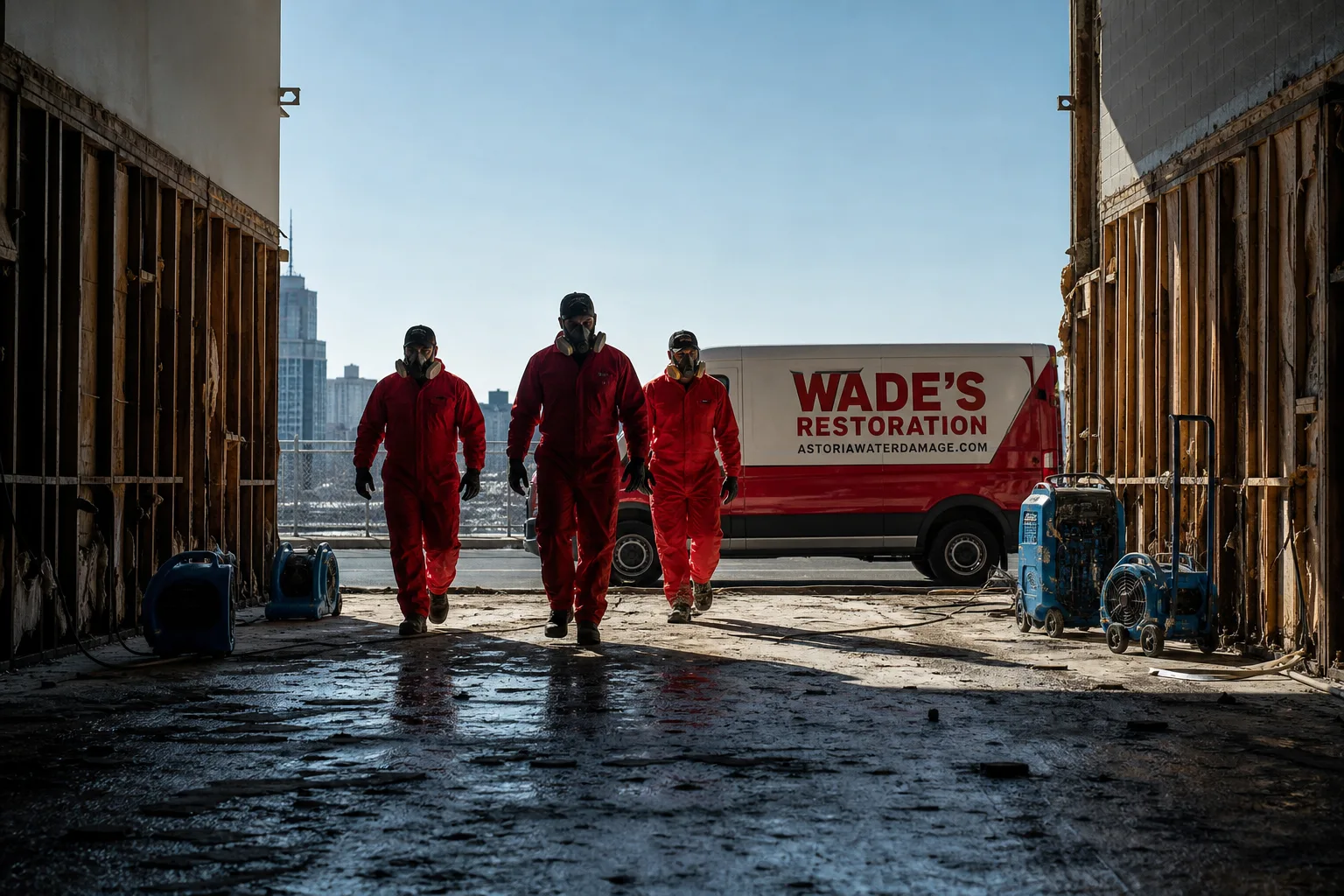
Free visual inspection and a written scope of work before any mitigation begins - photos, moisture readings, and drying logs go in your claim file
The scope we write is the scope we bill. Anything new gets shown to you, in writing, before we touch it.
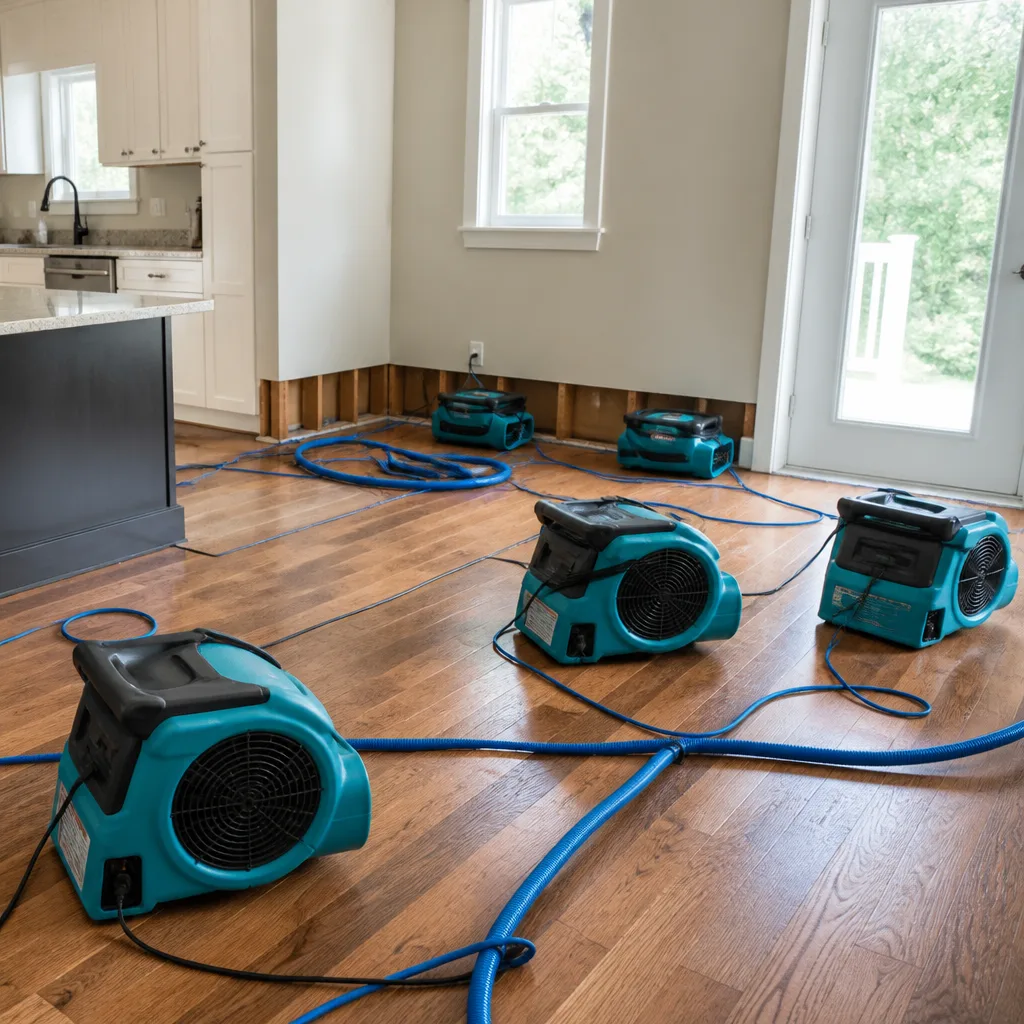
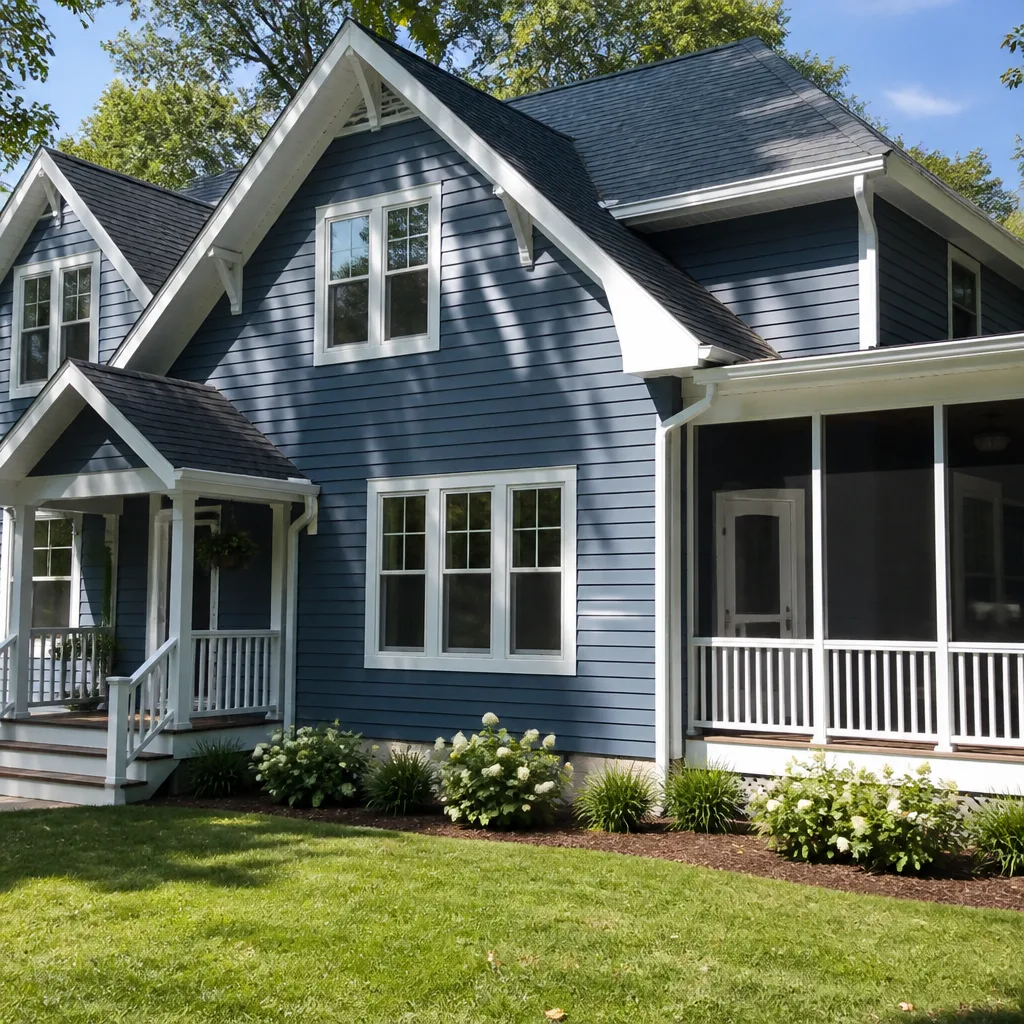
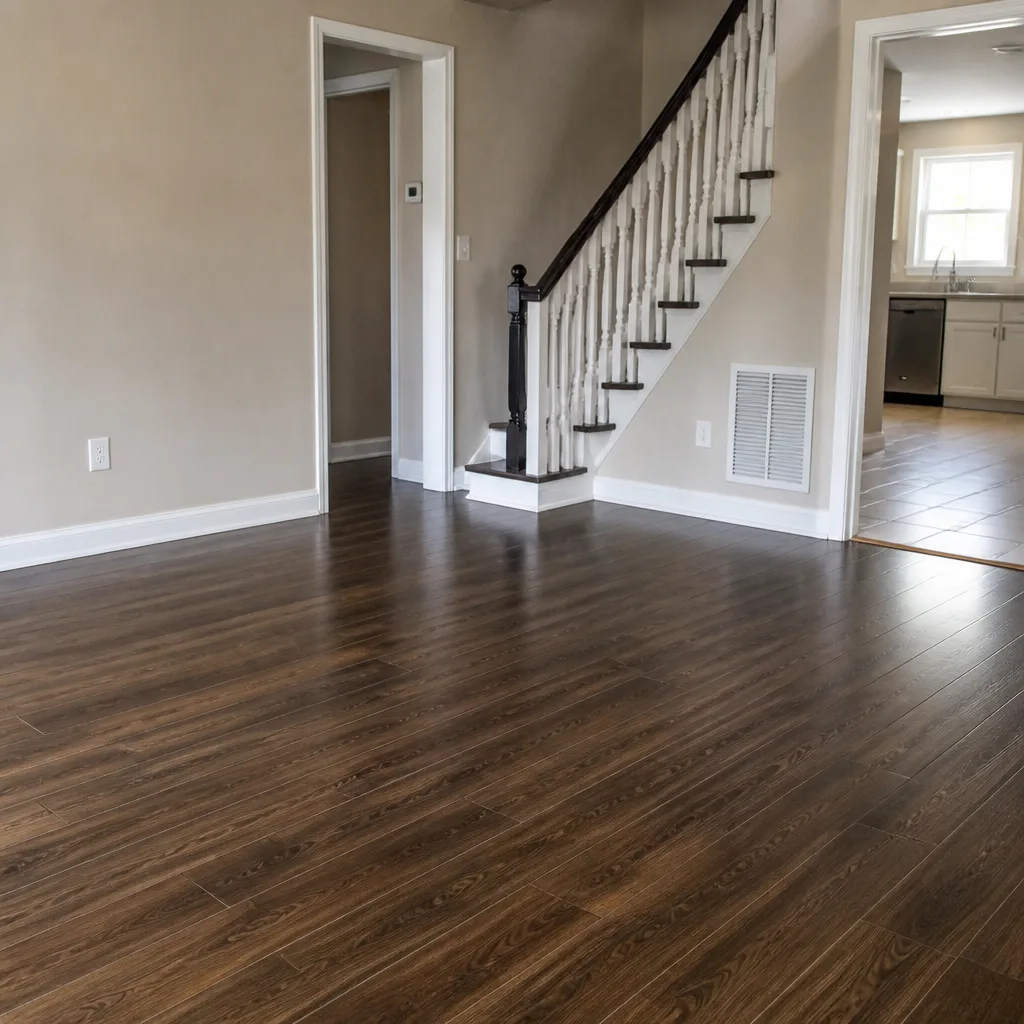
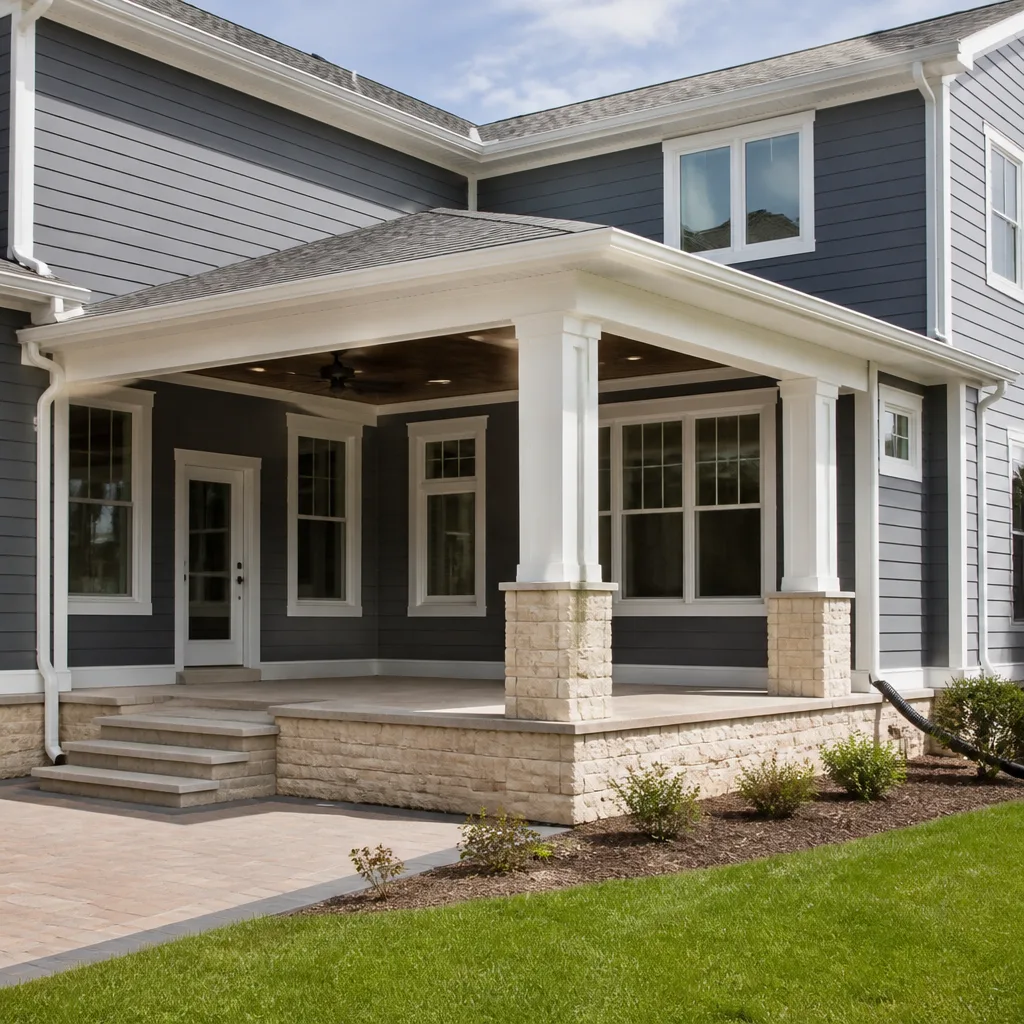
 Before
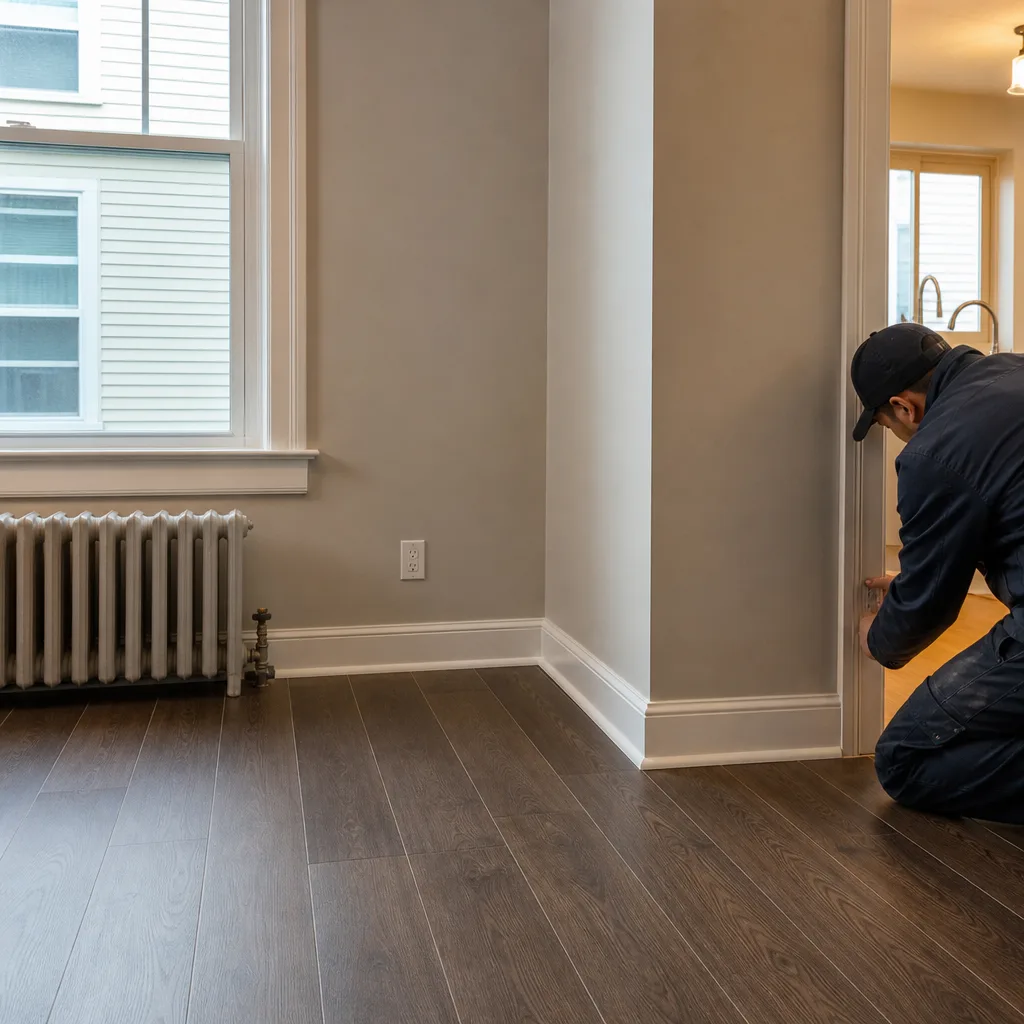 After
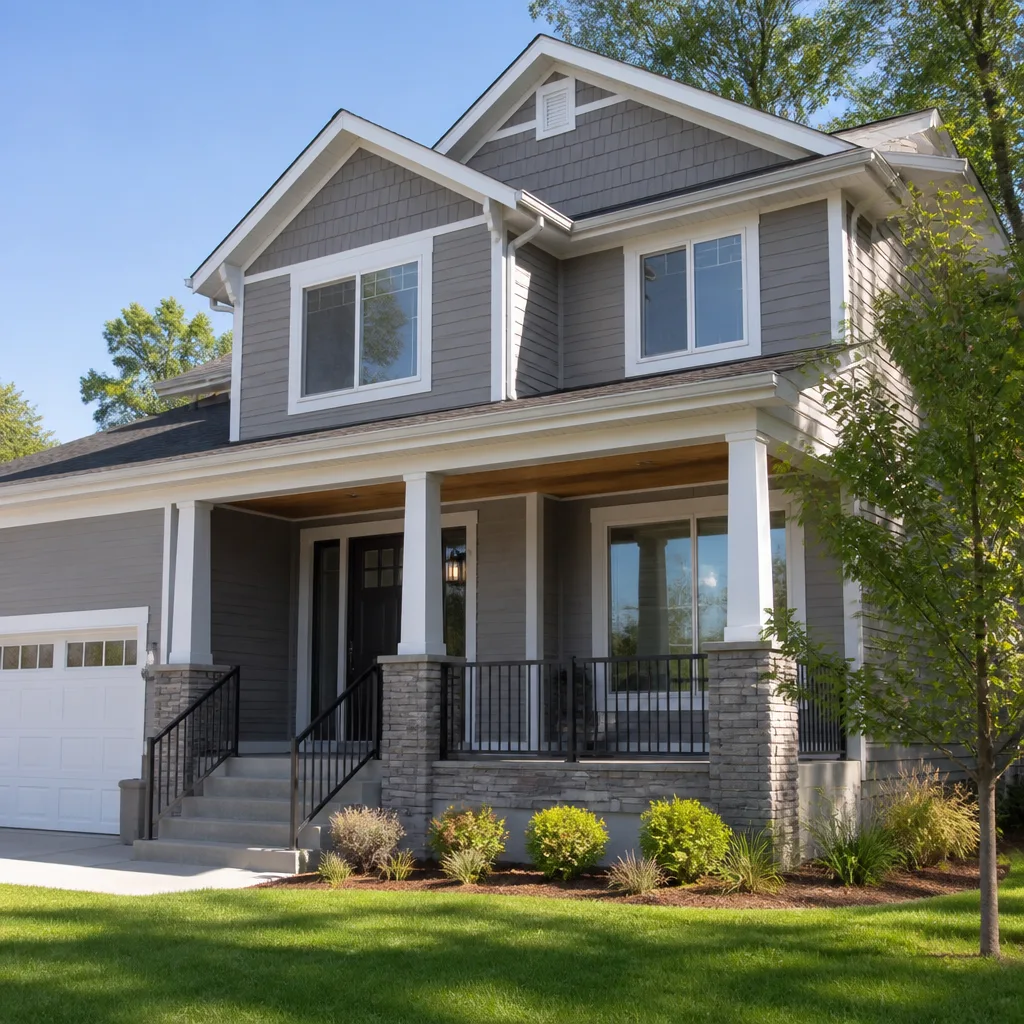
After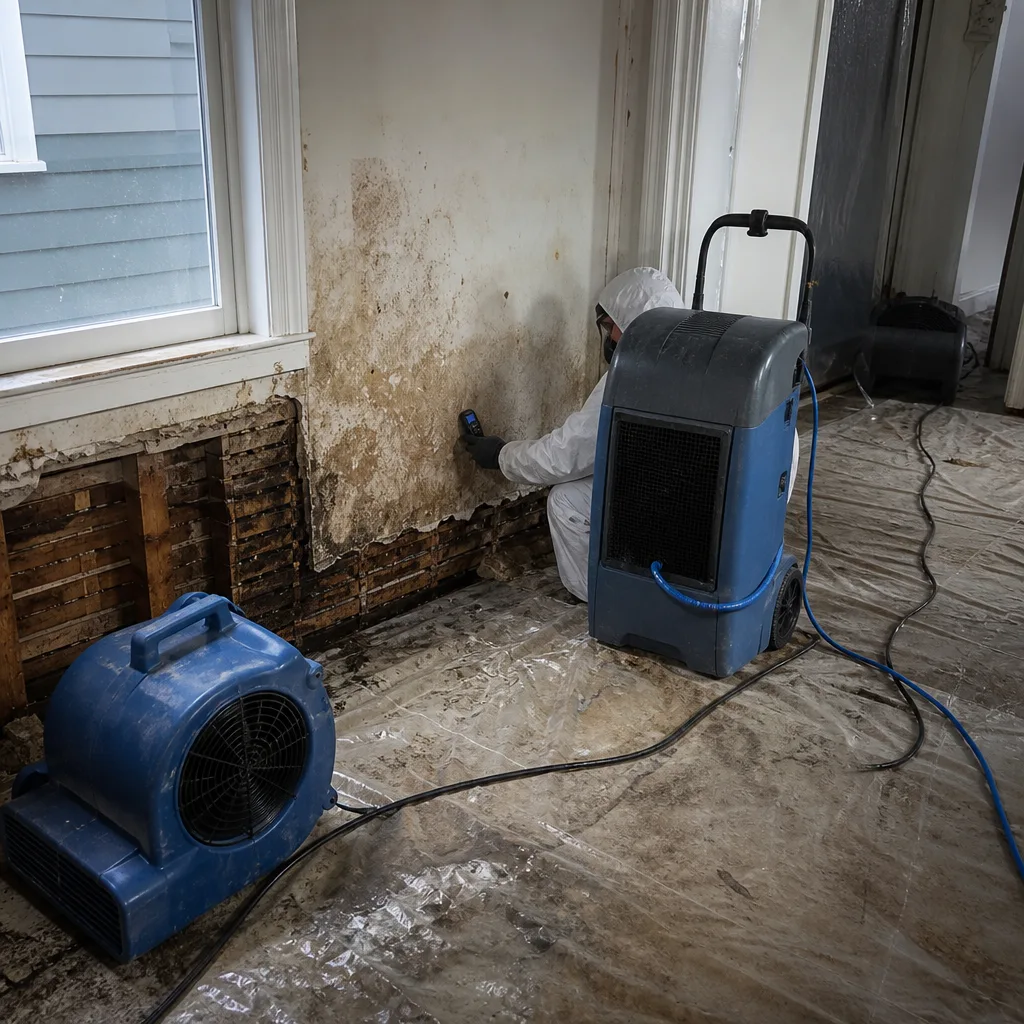 Before
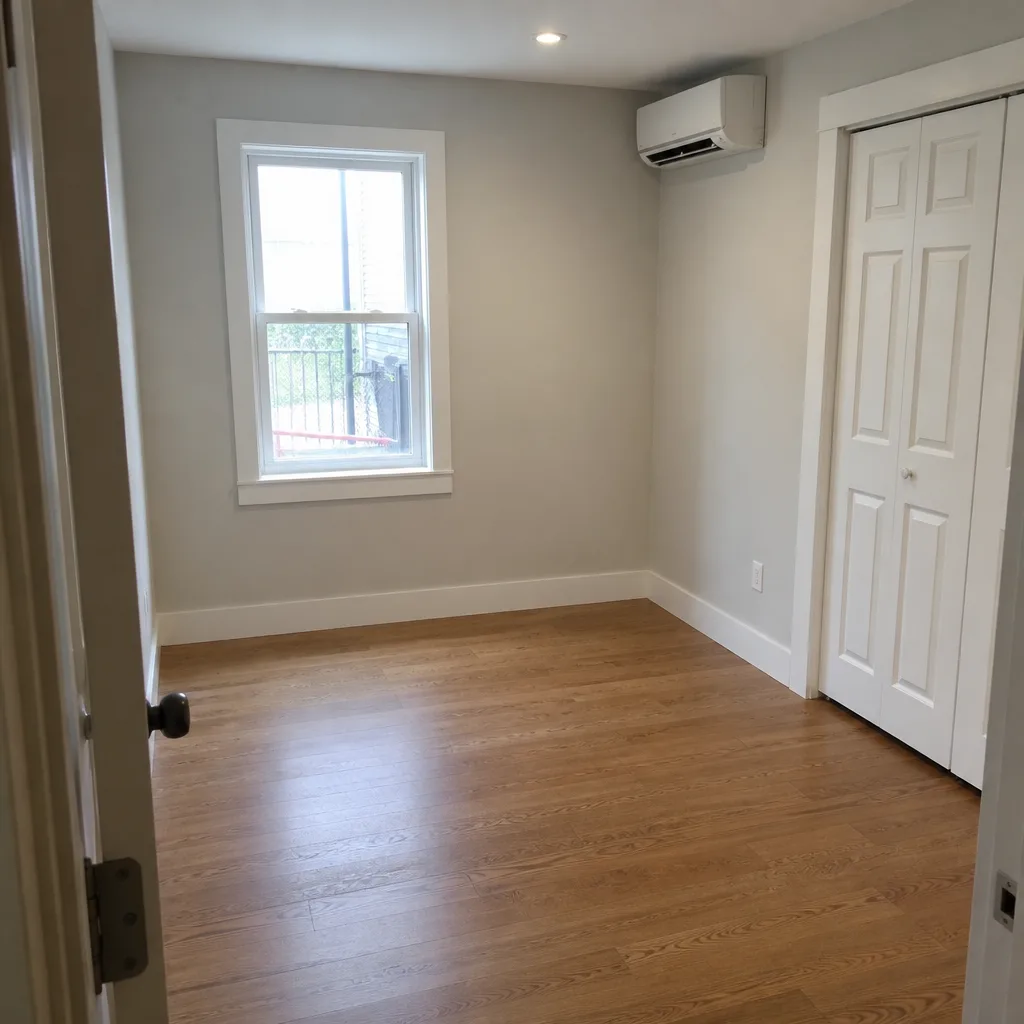 After
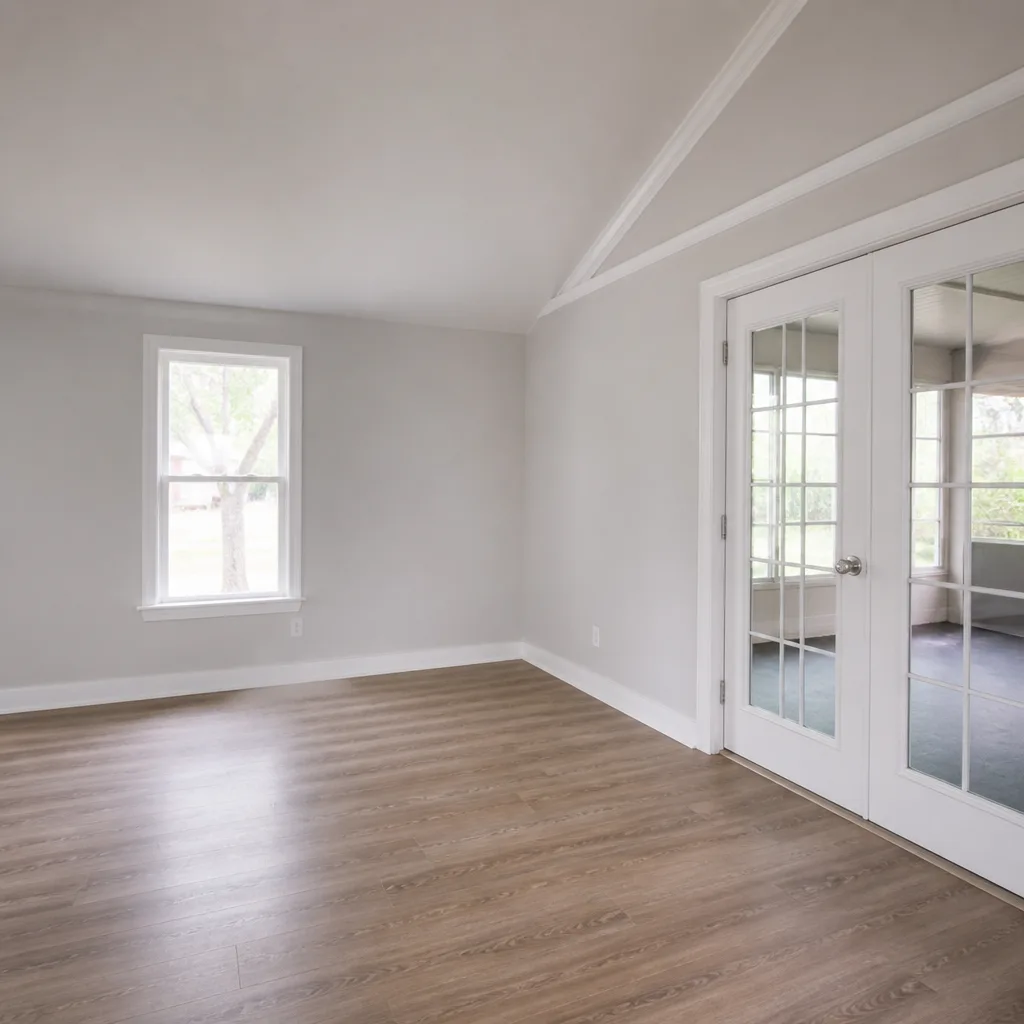
After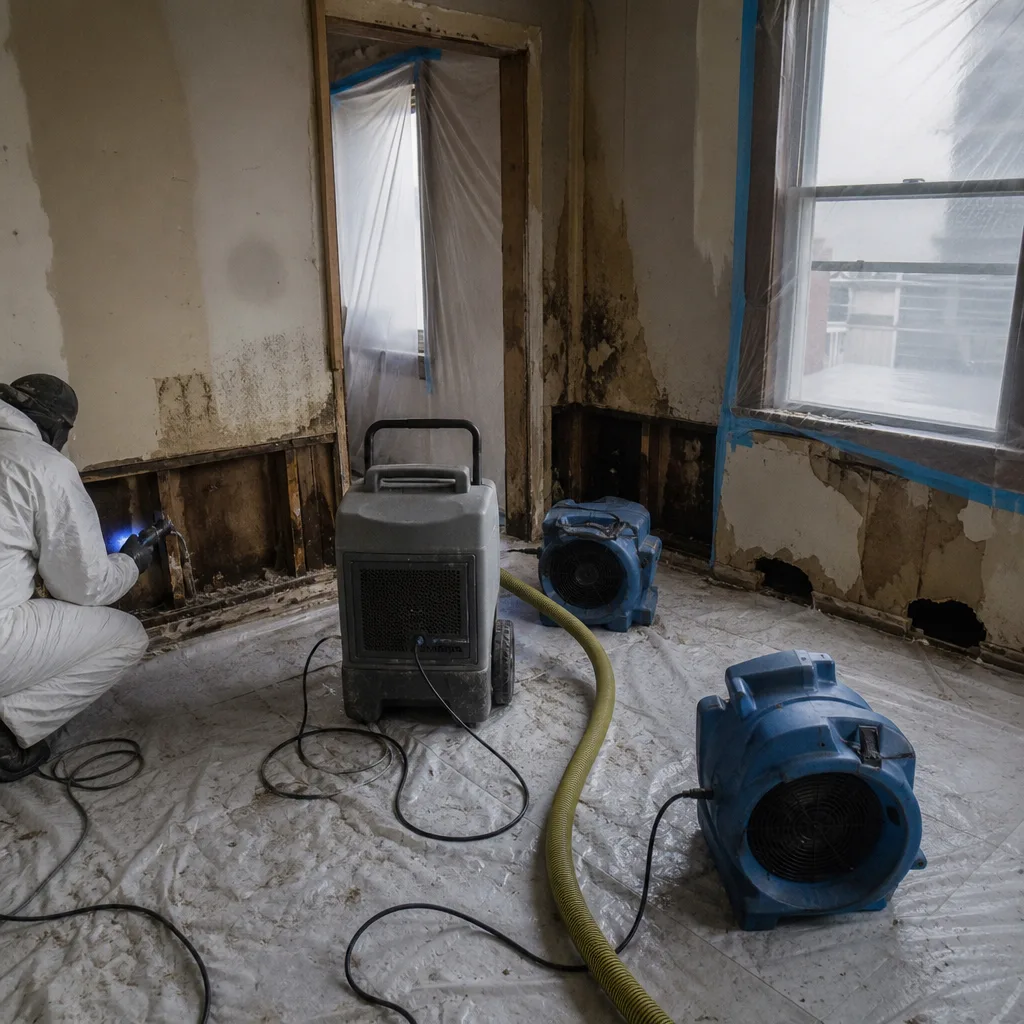 Before
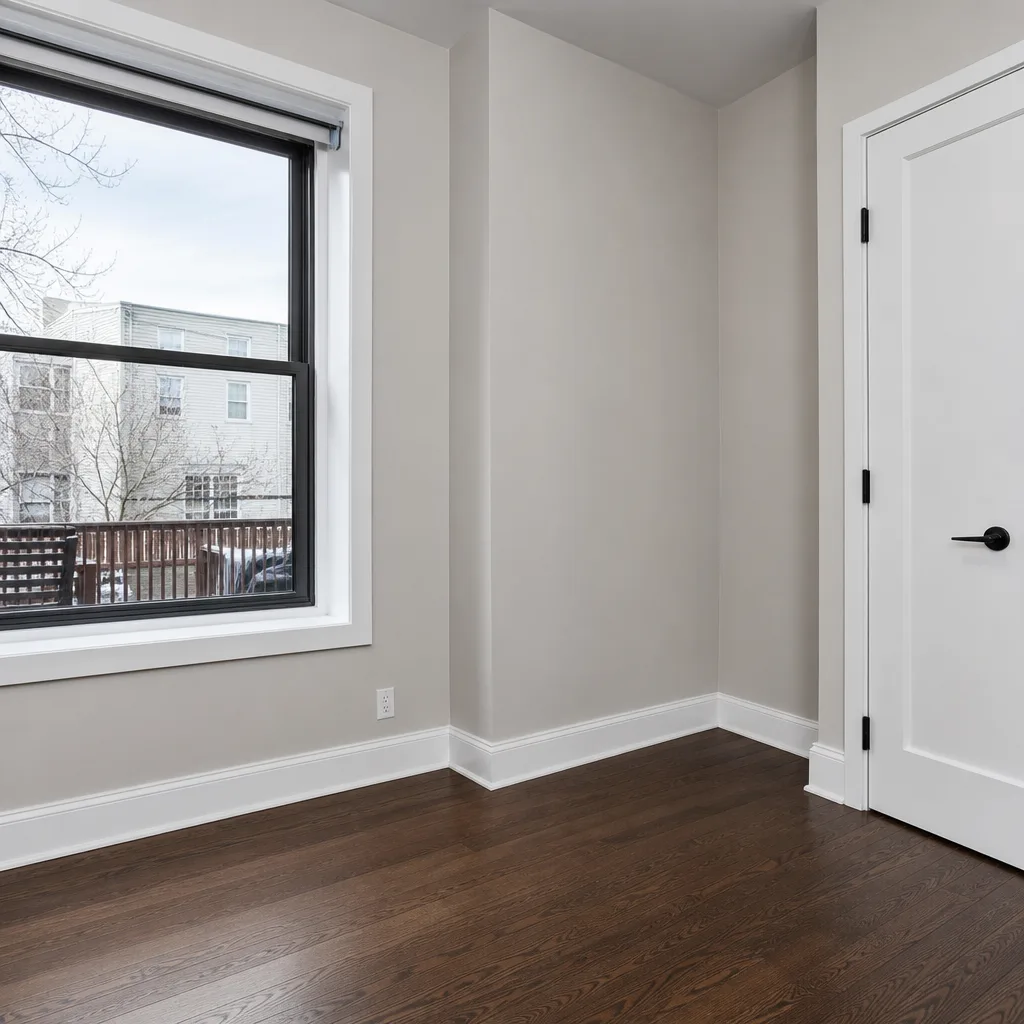 After
After24/7 Emergency Biohazard & Crime Scene Cleanup in Financial District
Biohazard and crime scene cleanup in Financial District costs between $1,500 and $8,000 for most residential cases, with trauma and unattended death cleanup typically running $3,000-$6,500 depending on how far contamination has spread through sub-basement masonry and shared ventilation shafts. We answer live around the clock, and Wade’s crew can be on-site in the Financial District within 45 minutes of your call. If you’re standing in a unit off Wall Street or Water Street right now looking at blood, bodily fluids, or worse, call (363) 208-1526 and Wade will pick up himself. The first hour matters because blood-borne pathogens sink into porous surfaces fast, and in FiDi’s converted pre-war buildings, those surfaces include cast-iron columns, original brick, and hundred-year-old subflooring that newer construction never has to deal with. We do a free visual inspection, we explain exactly what needs to happen in plain English, and we put the scope in writing before any work starts.
Understanding Biohazard & Crime Scene Cleanup Severity in Financial District Properties
Biohazard work gets classified by what’s present: blood and bodily fluids (which carry bloodborne pathogens like hepatitis B, hepatitis C, and HIV), decomposition fluids from unattended deaths, hoarding-related biological waste, and infectious disease contamination. Category 3 water, which is grossly contaminated with pathogens, often rides along in these situations, especially in Financial District buildings where a pipe has failed, a storm surge pushed saline water into a sub-basement, or a body has been undiscovered long enough for fluids to migrate through grout lines and into the building’s original masonry. Those fluids don’t just sit on top. They wick downward through the same capillary action that pulls groundwater up through foundation brick, and in FiDi’s deep multi-level sub-basements, that means contamination can travel through three or four floors of structural material before anyone sees a stain. Containment has to account for the building’s stack effect, which is aggressive in converted office towers: air rises through elevator shafts, old mail chutes, and pipe chases, carrying aerosolized pathogens into units that were never directly affected. This is why clearance testing in Financial District matters more than in a stand-alone house upstate. You can’t just wipe down the visible area and walk away. The air has already moved through the building.
Why Financial District Property Owners Choose Wade’s Restoration
- 45-minute response commitment: We know FiDi’s one-way streets, Stone Street’s pedestrian blocks, and the loading-dock-only buildings along Pearl Street. Wade’s crew gets there fast because we’ve been working these buildings for years.
- 24/7 live answer, never an automated system: Call (363) 208-1526 at 3 a.m. and you’ll get Wade or someone on his crew. No call center, no script, no “press 2 for emergencies.”
- IICRC-certified crews: Wade’s team holds IICRC certifications in trauma and crime scene cleanup, water damage restoration, and applied microbial remediation. We follow the same protocols hospitals and law enforcement agencies require.
- Free visual inspection: Before anything gets torn out or treated, we look, we explain, and we hand you a written scope. No charge for that, no pressure to sign anything.
- Direct insurance billing: Most biohazard and crime scene claims are covered under homeowner or commercial property policies, and we deal with the adjuster directly. You don’t relay messages between two sides.
- One team from containment to reconstruction: Wade’s crew handles the initial cleanup, the drying, the antimicrobial treatment, and the rebuild if drywall or flooring has to come out. Nobody hands your job off to a subcontractor you’ve never met.
Our Biohazard & Crime Scene Cleanup Process
1. Inspection & Assessment
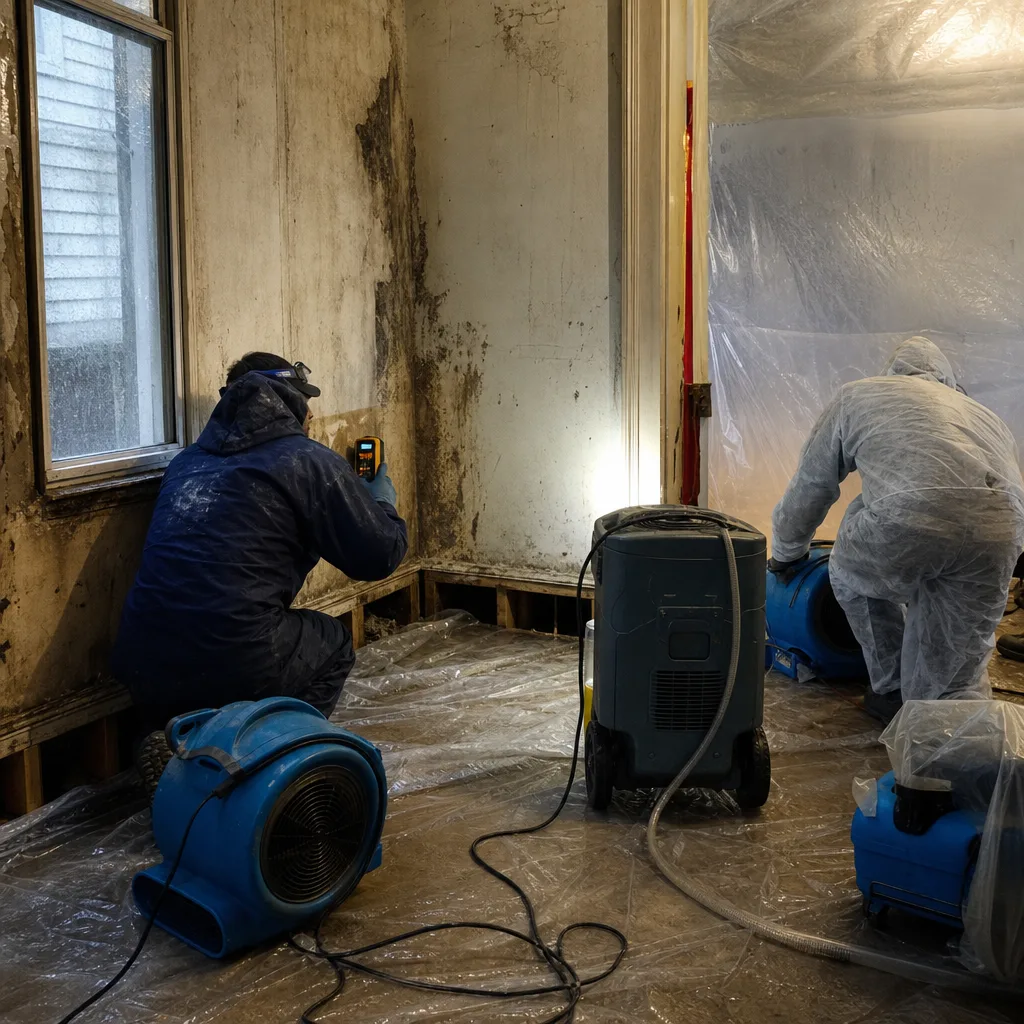
We walk the entire affected area, including adjacent spaces and any vertical chases or duct runs that could have carried contamination. Wade takes moisture readings and uses thermal imaging to find fluid migration that isn’t visible on the surface. You get a written scope and a firm price before anything moves forward.
2. Containment & Air Control
We seal the affected unit using 6-mil poly containment and negative air pressure so pathogens don’t circulate through the building’s shared ventilation. HEPA-filtered air scrubbers run continuously from the moment we arrive. In FiDi’s tightly stacked high-rises, this step is non-negotiable.
3. Removal of Contaminated Materials
Blood-soaked carpet, padding, drywall, baseboards, and any porous material that can’t be fully sanitized comes out under containment. We bag and dispose of biohazardous waste through licensed medical waste transporters, following NYC Department of Sanitation and OSHA regulations.
4. Cleaning, Sanitization & Decontamination
All remaining surfaces are cleaned with hospital-grade disinfectants, including EPA-registered antimicrobials effective against bloodborne pathogens. We treat cast-iron columns and masonry with products compatible with historic metals, because the wrong chemical will accelerate corrosion in salt-exposed brickwork.
5. Drying & Dehumidification
In Financial District buildings, drying takes longer than it does in modern construction. We run Phoenix and Dri-Eaz dehumidifiers and track moisture in masonry with hygrometers, keeping logs you can hand to your insurer. Saline-contaminated masonry takes three to five extra days to reach a stable pre-loss moisture level, and we don’t rush that.
6. Clearance Testing & Repairs
Before we call the job done, we verify with ATP surface testing and visual inspection that the space is safe. Then we handle repairs: drywall, flooring, paint, baseboards. One crew, start to finish. If anything isn’t right within 90 days, Wade comes back and makes it right, in writing.
Need Emergency Biohazard & Crime Scene Cleanup in Financial District Now?
Crews minutes away, answering live 24 hours a day. The sooner we start, the less it costs.
Working With Your Insurance Company
Most biohazard and crime scene cleanup is covered by homeowner’s insurance or a commercial property policy, and in the Financial District, many buildings also carry master policies that interact with individual unit coverage. Wade’s Restoration has handled hundreds of these claims. From the first hour, we’re taking photos and moisture readings that become the backbone of your claim. We write estimates using industry-standard pricing software that adjusters recognize at a glance. And Wade talks to the adjuster directly, so you’re never stuck in the middle trying to explain why an antimicrobial treatment on cast-iron columns costs what it costs. If the carrier has questions, we answer them. If they push back, we advocate for you. Our goal is simple: when the claim is settled, the work is paid for and done right, and you’re not out of pocket for things the policy should cover.
What We Provide Your Insurer
- Thorough documentation of the loss
- Photos of all damage, room by room
- Moisture readings and drying logs
- A detailed, line-item scope of work
- Direct coordination with your carrier
Built for Financial District’s Loss Calendar
Biohazard and crime scene cleanup in Financial District doesn’t follow a tidy little seasonal schedule, but certain patterns repeat. Winter brings cold-weather deaths in apartments that sit undiscovered, sometimes for weeks, in buildings where neighbors assume someone moved out. Spring and summer bring the discovery of hoarding situations when windows are open and neighbors notice what they didn’t notice all winter. Nor’easters and coastal storms push seawater into sub-basements along Pearl Street and South Street, and that saline water does ugly things: it accelerates decomposition of any organic material it touches, it feeds bacterial growth, and it leaves behind salt crystals that keep drawing moisture out of the air for months. Late summer in FiDi also brings increased demand for infectious disease disinfection, as heat and humidity inside converted commercial buildings make viral and bacterial contamination more persistent. Whatever the season, the call comes when someone is having one of the worst days of their life, and our job is to show up fast, handle the details, and let them breathe again.
Biohazard & Crime Scene Cleanup Across Financial District’s Neighborhoods
The Financial District isn’t one uniform place. The Stone Street corridor, with its 19th-century warehouses converted into residences, has deep sub-basements with original cast-iron columns and brick party walls, which means contamination in one unit can push laterally through masonry into the next building over. Along Water Street and South Street, buildings sit directly on the East River side, and those sub-basements take on saline groundwater during any significant storm event. The condo towers around Wall Street and Broad Street are different animals: newer curtain-wall construction with central HVAC systems that move air aggressively between floors, so containment has to account for shared ductwork and pressurized corridors. Over near the Battery, pre-war co-ops on Greenwich Street and Washington Street have the deepest sub-basement networks in the neighborhood, some descending five or six levels below grade and sitting below sea level. Wade’s crew knows which buildings have freight elevators that can’t handle our equipment, which ones require building management sign-off before we bring in HEPA scrubbers, and which loading docks we can actually park at without getting ticketed. That’s local knowledge you can’t fake and a franchise crew won’t have.
Specialized Biohazard & Crime Scene Cleanup Services We Offer in Financial District
Trauma & Unattended Death Cleanup
When a death goes undiscovered for days or weeks in a Financial District apartment, decomposition fluids don’t just stay in the room. They seep through floorboards, wick into subflooring, and penetrate grout and masonry. In converted pre-war buildings, that means the contamination can travel vertically through multiple levels. We remove all affected porous materials, treat structural elements with antimicrobials, and run dehumidification long enough that the masonry is genuinely dry, not just surface dry. Then we handle the insurance claim so the family doesn’t have to relive the details on the phone with an adjuster.
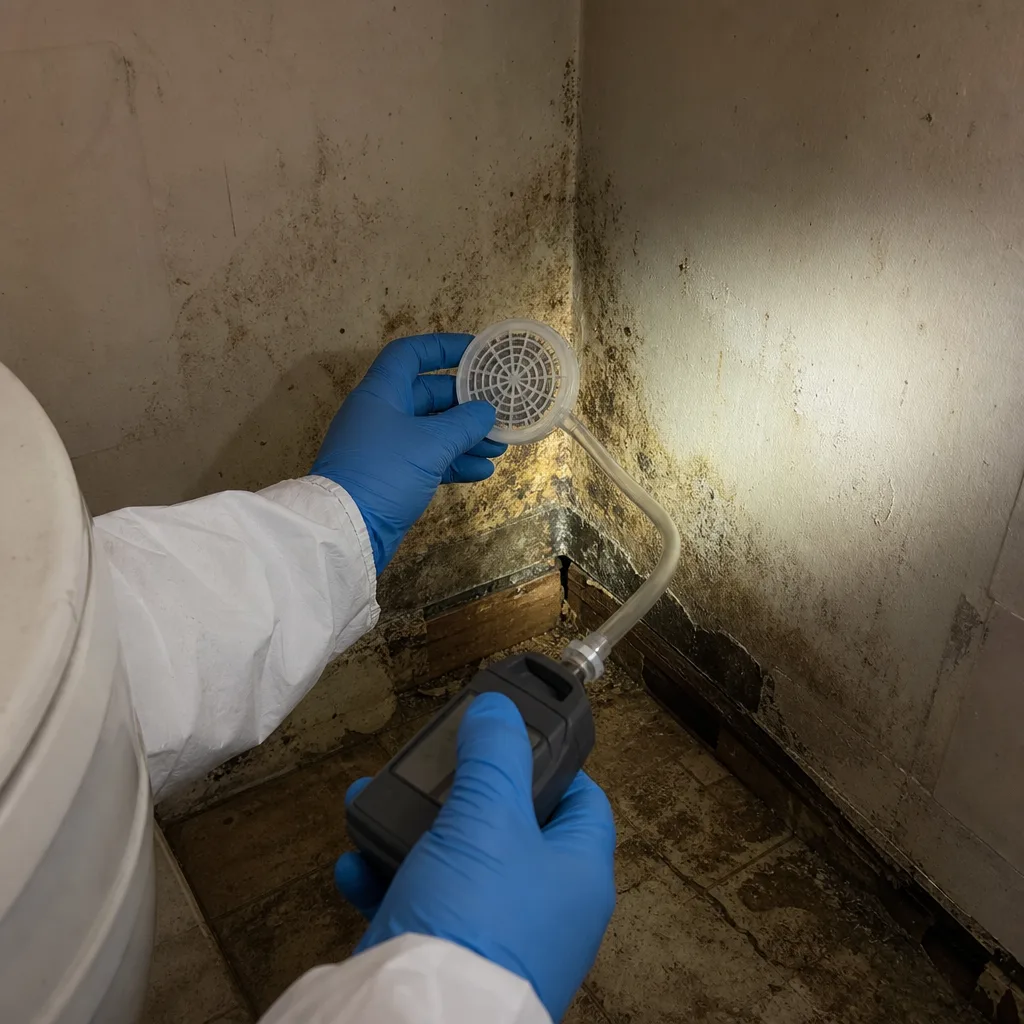
Blood & Bodily Fluid Cleanup
Blood spills in FiDi units require more than cleaning products from the hardware store. Bloodborne pathogens can survive on surfaces for days, and in the humid, salt-laden air near the Battery, they persist even longer. We use EPA-registered disinfectants, remove all contaminated porous materials, and follow OSHA’s Bloodborne Pathogen Standard from containment through disposal. If the incident happened in a sub-basement, we trace fluid migration into concrete and brick before we declare the space safe.
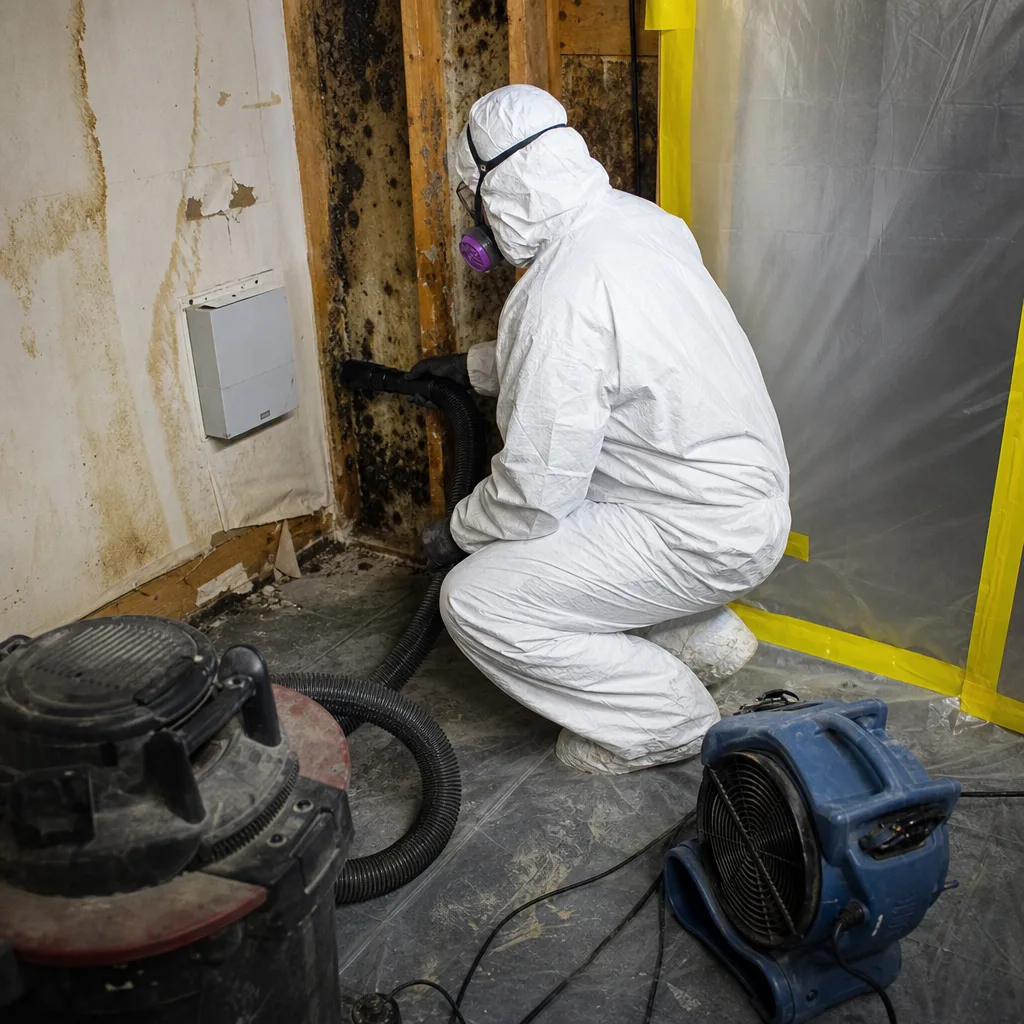
Infectious Disease Disinfection
After a confirmed or suspected infectious disease exposure, whether it’s norovirus, MRSA, COVID-19, or something the Health Department is still identifying, we treat the space top to bottom. In Financial District high-rises with shared ventilation, that means fogging or misting with EPA-registered disinfectants, treating high-touch surfaces, and sometimes coordinating with building management to address common areas, elevator cabs, and mail rooms. We provide written documentation of what was treated, with what, and when, which most condo boards and building managers require before they’ll clear a unit for re-occupancy.
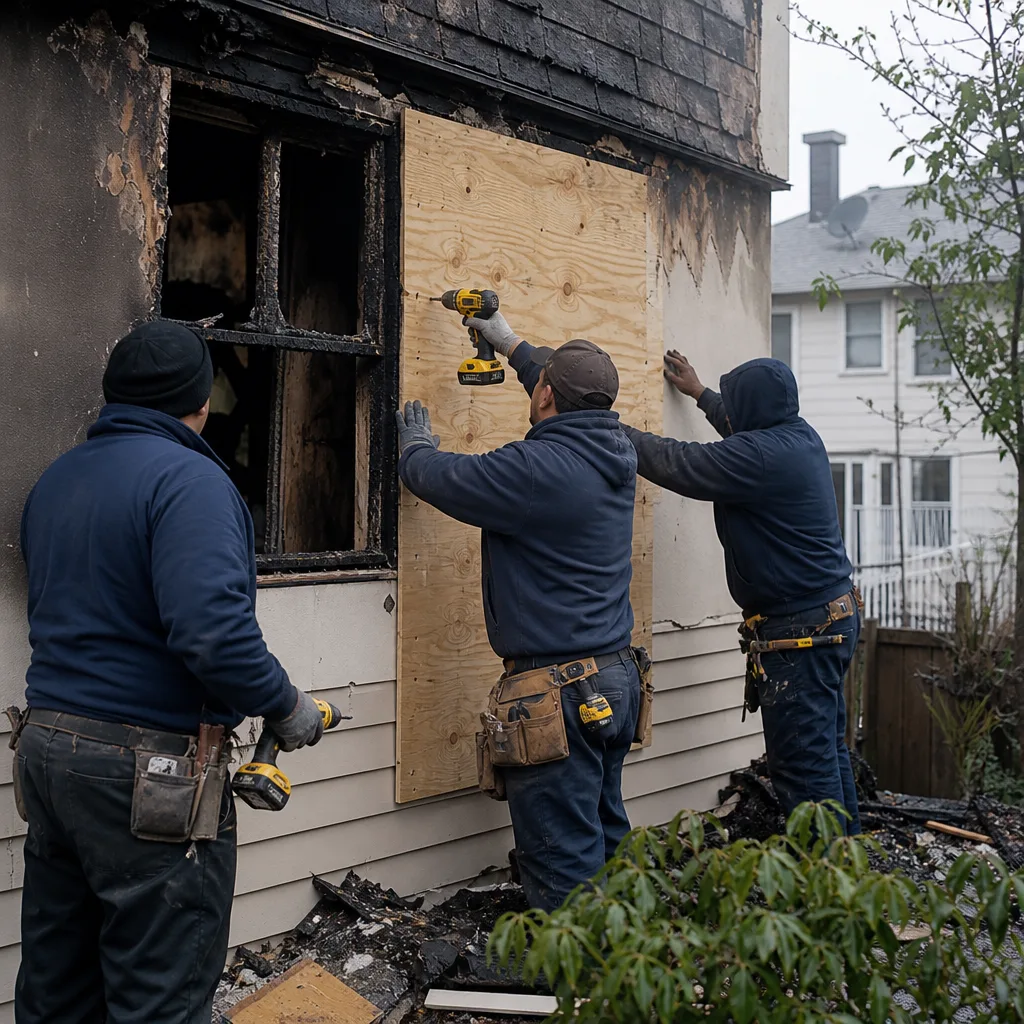
Hoarding Cleanup
Hoarding situations in FiDi’s smaller converted units present a specific challenge: dense material packed into spaces originally designed as offices, with shared ventilation that moves odors and particulates through neighboring units. We work respectfully, sorting salvageable items from biological waste, removing rodent and pest contamination, and coordinating with building management when waste removal requires freight elevator access or street permits. We’ve done enough of these to know that the person involved is usually embarrassed and overwhelmed, and our crew treats them with dignity.
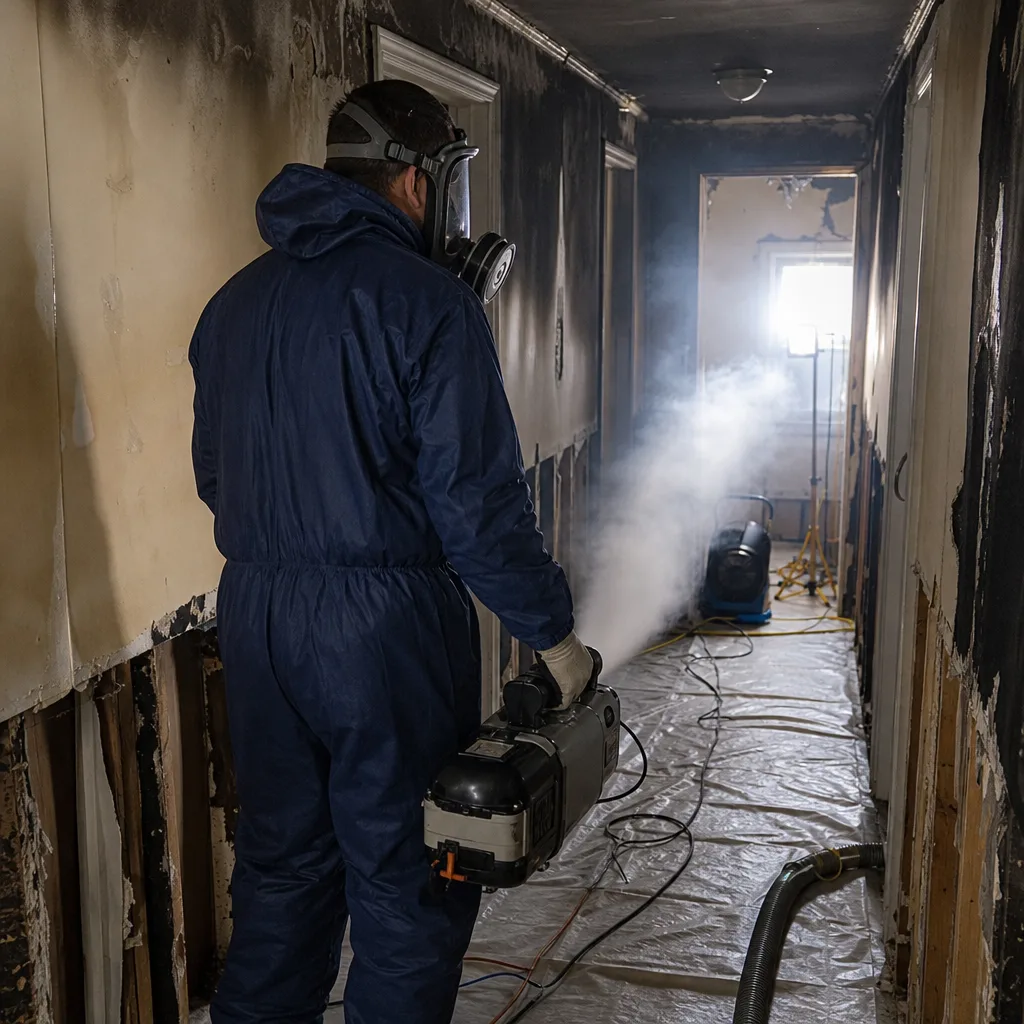
Crime Scene Cleanup
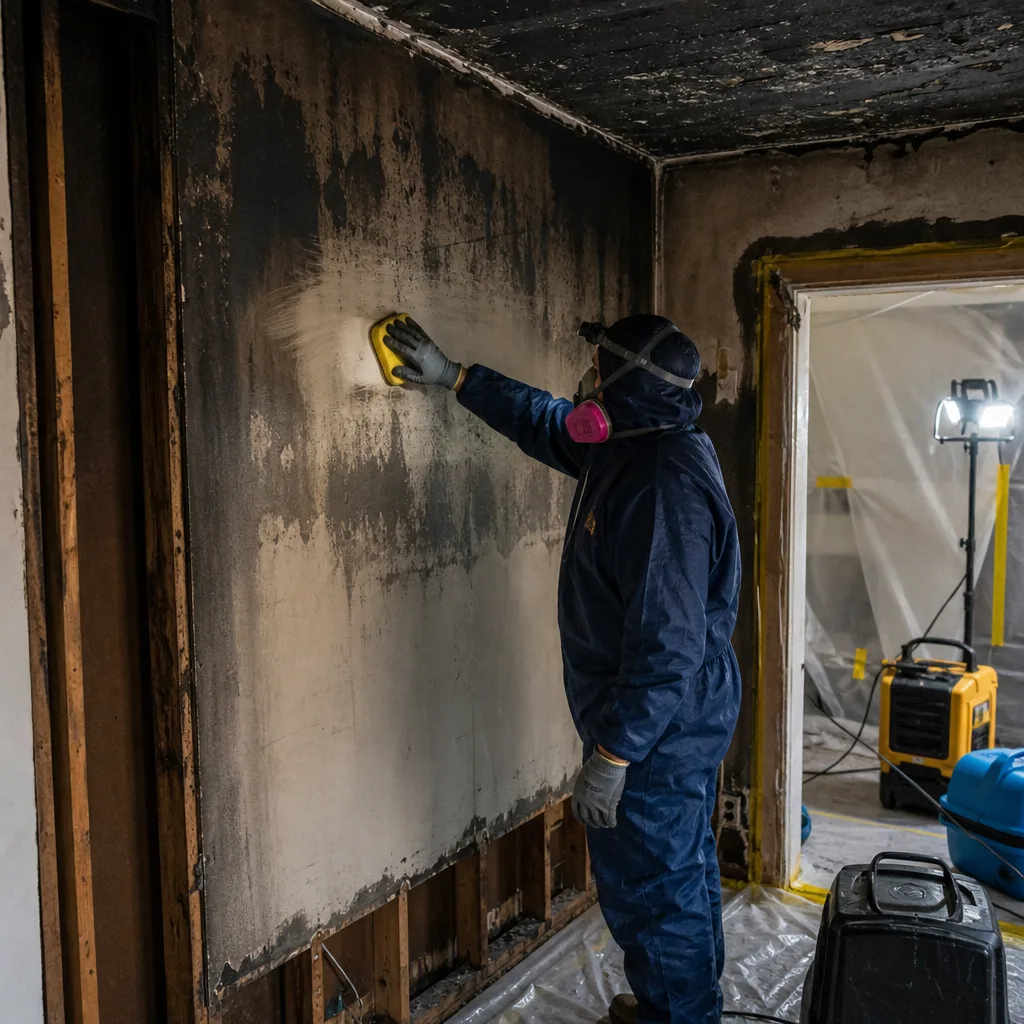
After law enforcement releases a scene, the family or property owner is responsible for cleanup, and that’s where we come in. We work with NYPD protocols, clear the scene safely, remove biohazardous materials, and restore the space to a livable condition. We also coordinate directly with your insurer and provide the documentation they need to process a crime scene claim. You should not be the one scrubbing blood out of floors on the worst day of your life. That’s what we’re for.
What happens when you call
- 1
A real person answersNo phone trees - you reach a local pro.
- 2
You get an upfront price rangeHonest numbers before anyone is dispatched.
- 3
A background-checked tech heads outLicensed & insured, dispatched right away.
- 4
You approve before work beginsNothing starts until you say go.
Biohazard & Crime Scene Cleanup Costs in Financial District, NY
In Financial District, a straightforward blood or bodily fluid cleanup in a single unit runs $1,500-$3,000 when the contamination is contained to a small area. Trauma and unattended death cleanup typically lands between $3,000 and $6,500, with the higher end reflecting situations where fluids have penetrated subflooring, baseboards, or masonry and demolition is required. Infectious disease disinfection of a full unit runs $800-$2,500 depending on square footage and whether common areas are included. Hoarding cleanup is the widest range: $2,000-$15,000 or more for severe cases in buildings where waste removal requires freight elevator scheduling and street-level permits. In a sub-basement unit with saline intrusion compounding the contamination, expect costs at the upper end of each range, because drying takes three to five extra days, antimicrobial treatment has to be compatible with historic metals, and clearance testing has to include masonry salt assays. We give you a written scope before work starts, and we never invent add-ons once we’re inside. If insurance is covering the loss, we handle the adjuster. Call (363) 208-1526 and Wade will walk you through what your specific situation will cost. No charge for the conversation.
We Also Serve Cities Near Financial District
Wade’s Restoration handles biohazard and crime scene cleanup across the metro. If you’re in Financial District, we’re already nearby. We also serve Astoria, Lower Manhattan, Flushing, and Midtown Manhattan, plus the surrounding boroughs. Same 45-minute response commitment, same owner-operated crew, same live answer when you call at 2 a.m.
Serving Financial District, NY - Our Local Coverage Area
We’re based in the Financial District area and know this community well. Use the map below to see our service coverage - if you’re nearby, we can almost certainly help.
Financial District Biohazard & Crime Scene Cleanup Questions, Answered
Can saltwater intrusion after a storm make a biohazard cleanup risk worse in Financial District buildings?
Yes, and significantly. Saline water from storm surges at the Battery enters sub-basements and wicks into porous masonry, where it leaves behind salt crystals that continuously attract moisture. That moisture re-activates bacteria and accelerates decomposition of any organic material present, so a biohazard situation that might be contained in an inland building becomes an ongoing contamination source here. Our cleanup protocols in FiDi include masonry drying logs that run days longer than standard jobs and salinity testing before we clear a space. Call (363) 208-1526 if your building took on surge water and you’re seeing staining, odor, or mold.
Do I need special clearance testing after a trauma cleanup in a pre-war Financial District building?
Yes. In pre-war structures with cast-iron framing and original brick, fluids migrate in ways surface cleaning doesn’t address, so we recommend ATP surface testing post-cleanup, plus moisture and salt assays on any masonry that was exposed. This isn’t something every restoration company does, and it’s a big reason Wade’s crew handles so many jobs in converted buildings around Stone Street and Pearl Street. The alternative is a passing surface test followed by odors returning three months later.
How does a hoarding cleanup differ in a FiDi high-rise with shared ventilation?
Shared ventilation changes everything. Odors, mold spores, and pest-related particulates from a hoarding unit circulate through common ductwork into neighboring apartments, so containment has to be tighter and air scrubbing has to run longer. Building management usually gets involved, freight elevator access has to be scheduled, and waste removal often requires street permits. We’ve handled enough of these in Financial District that we can coordinate the logistics without you having to chase the building’s management office.
What does Category 3 water mean for a biohazard situation in a sub-basement unit?
Category 3 water is grossly contaminated, meaning sewage, floodwater, or fluids from decomposition. In a FiDi sub-basement, this water often arrived via storm surge or a failed sewer line, and it carries pathogens that make any biohazard cleanup more complex. All affected porous materials come out, structural elements get antimicrobial treatment, and drying has to be verified at the masonry level, not just the surface. If Category 3 water is present, this is not a DIY situation and not a job for a janitorial service.
Why do I need dehumidification longer in a Financial District building after blood or bodily fluid cleanup?
Financial District’s coastal location means high ambient humidity year-round, and the sub-basement units in converted buildings sit at or below sea level, where moisture never fully leaves masonry on its own. After a biohazard cleanup, if we don’t run dehumidification long enough to pull moisture out of brick and concrete, residual dampness re-activates any remaining bacteria and creates conditions for mold. We run Phoenix and Dri-Eaz dehumidifiers and hand you the full moisture log at the end of the job.
How fast can someone actually get to my Financial District unit?
Within 45 minutes in most of FiDi. We know the loading docks, the one-way streets, the buildings that require management sign-off before elevator use. Call (363) 208-1526 and Wade will tell you exactly when his crew will be at your door, and he’ll be the one showing up or sending someone he’s trained himself.
Will insurance cover biohazard cleanup, and who deals with my adjuster?
Most homeowner and commercial policies cover biohazard and crime scene cleanup, and in FiDi many buildings have master policies that pick up portions the unit owner’s policy doesn’t. Wade’s Restoration has handled hundreds of these claims. We document everything from the first hour, we write line-item estimates adjusters recognize, and Wade talks to the insurance company directly. You don’t have to be the messenger.
What should I do in the first 30 minutes after discovering a biohazard situation?
Don’t touch anything. Don’t try to clean it yourself. Blood, bodily fluids, and decomposition material carry pathogens, and the wrong cleaning products on cast-iron or original masonry make things worse. Close the door to the affected area if you can, keep people and pets out, open a window if weather allows, and call (363) 208-1526. Wade answers live, and his crew will be on the road while you’re still on the phone.
Written by Wade Ferris, Owner at Wade’s Restoration, serving Financial District and the surrounding metro with Biohazard & Crime Scene Cleanup since 2007.