
Last updated August 26, 2026
Free visual inspection and a written scope of work before any mitigation begins - photos, moisture readings, and drying logs go in your claim file
The scope we write is the scope we bill. Anything new gets shown to you, in writing, before we touch it.
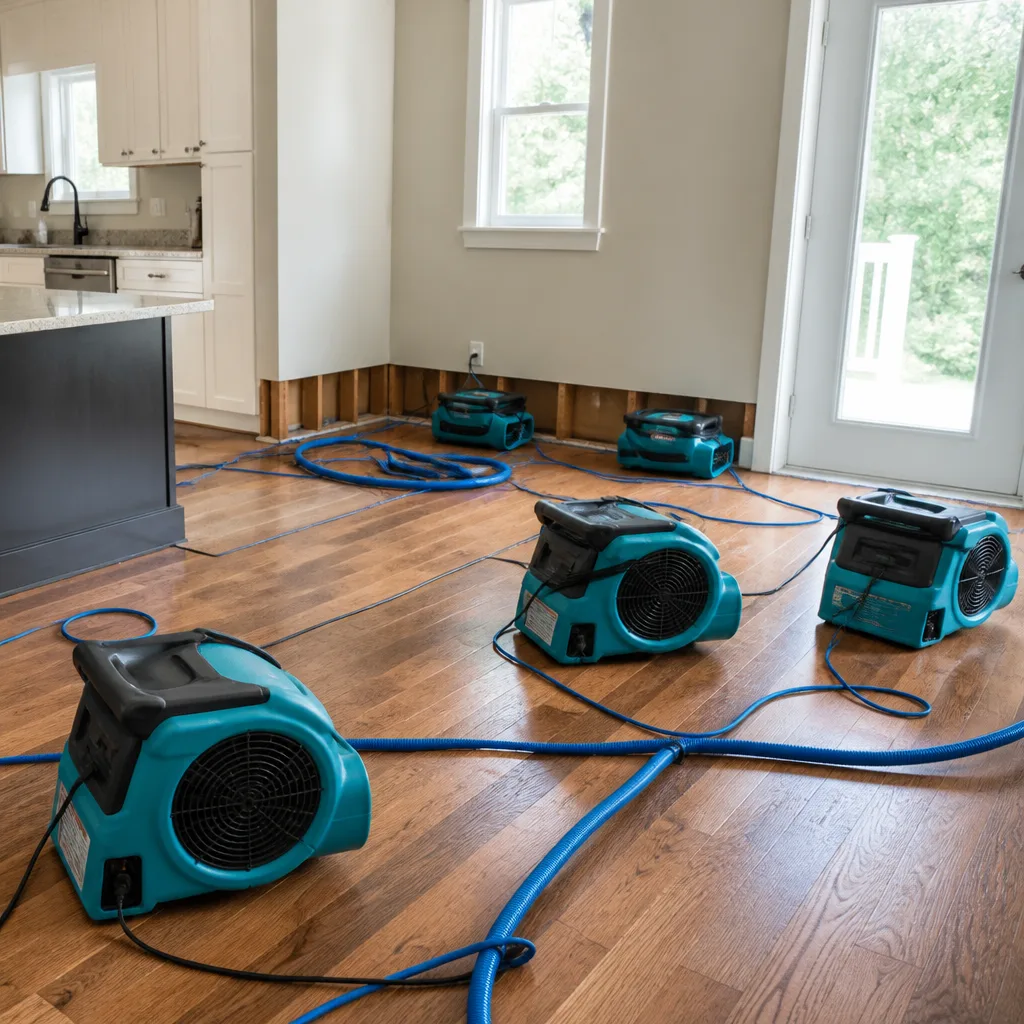
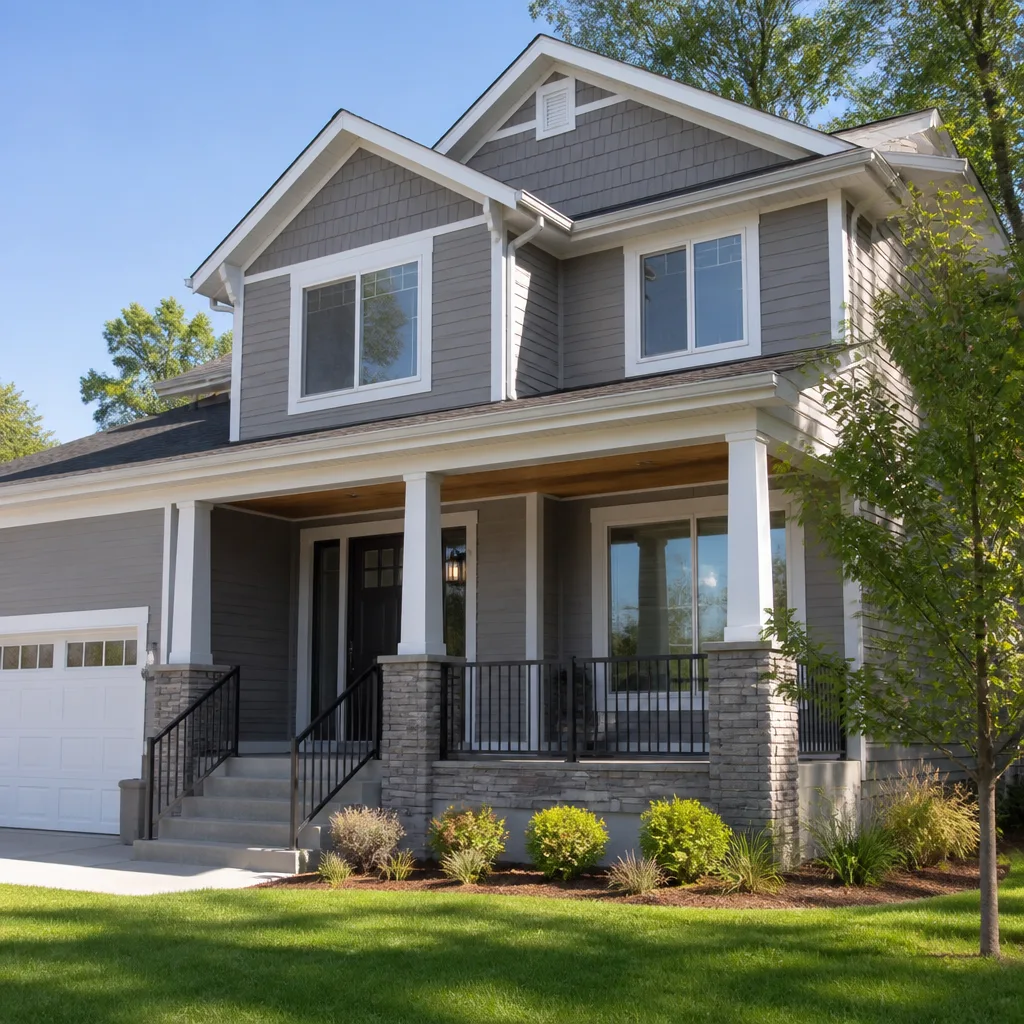
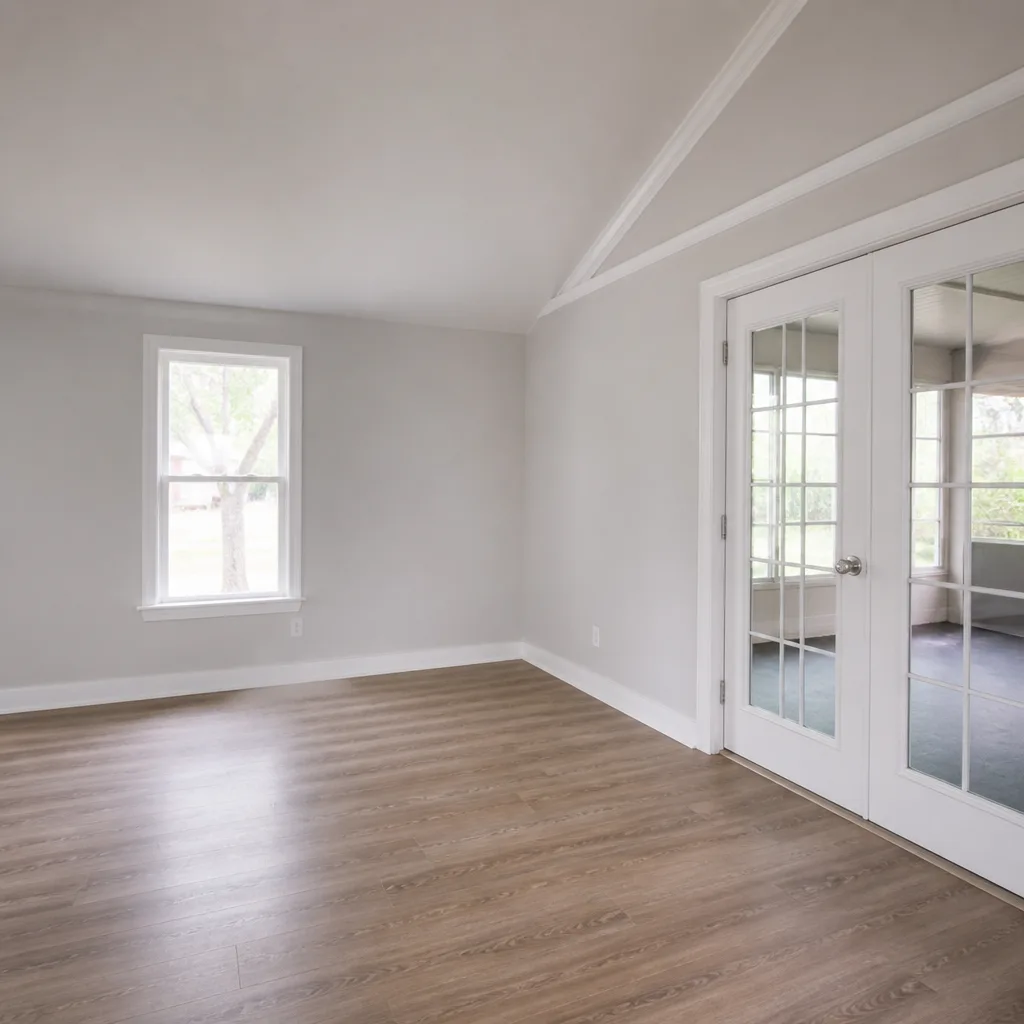
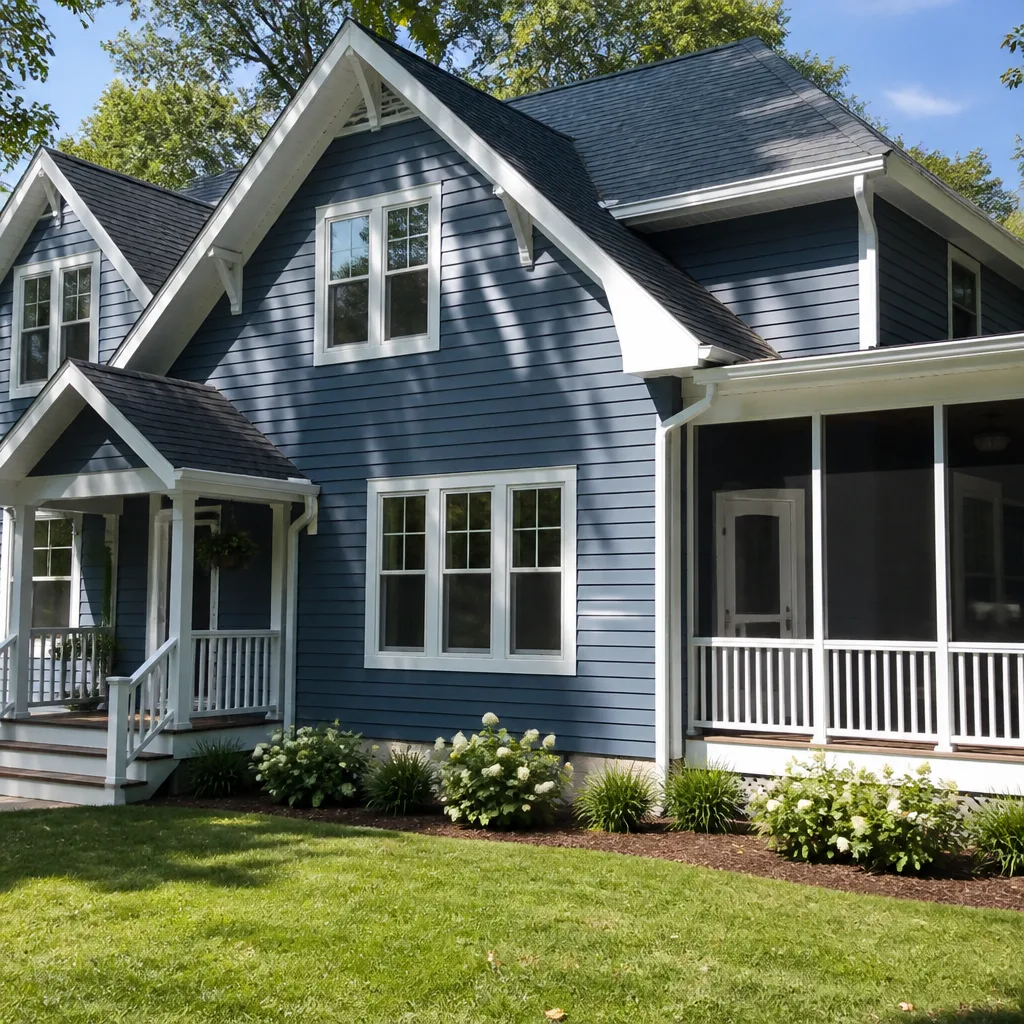
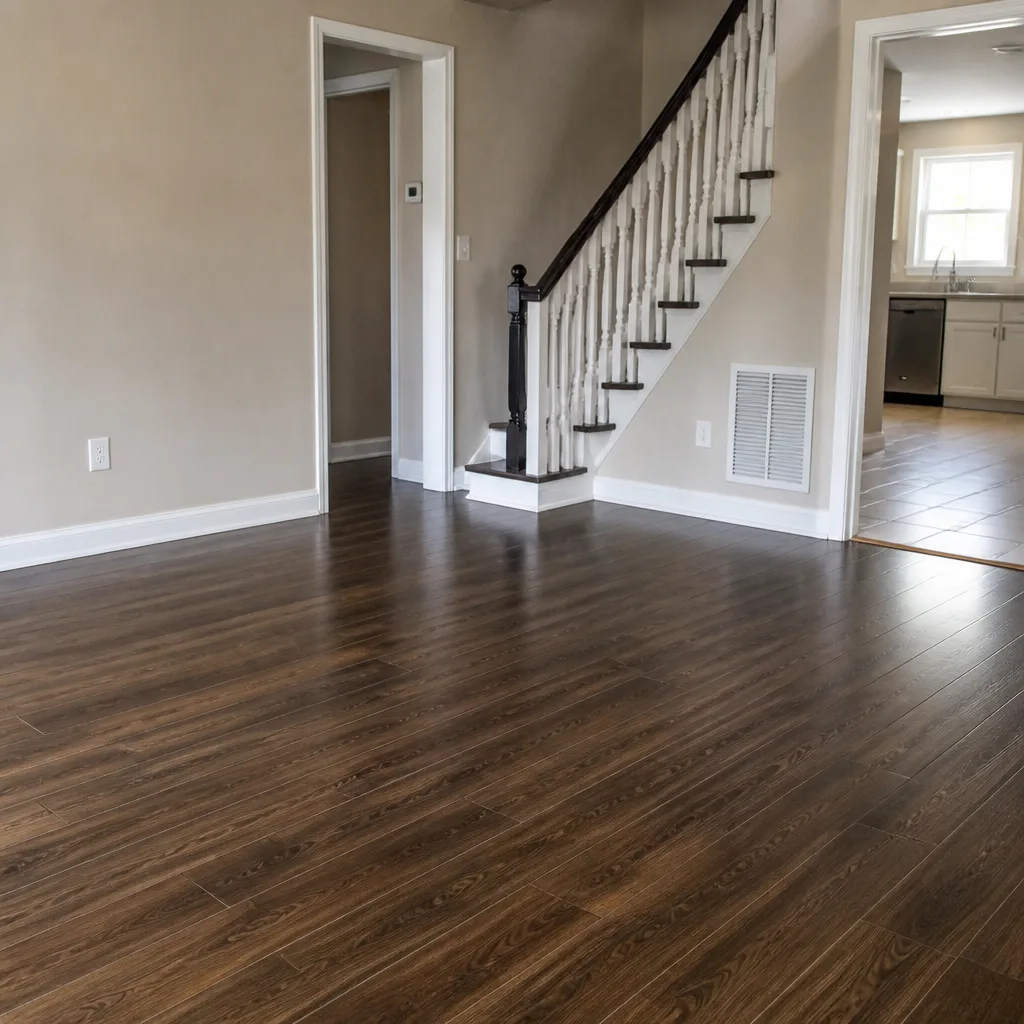
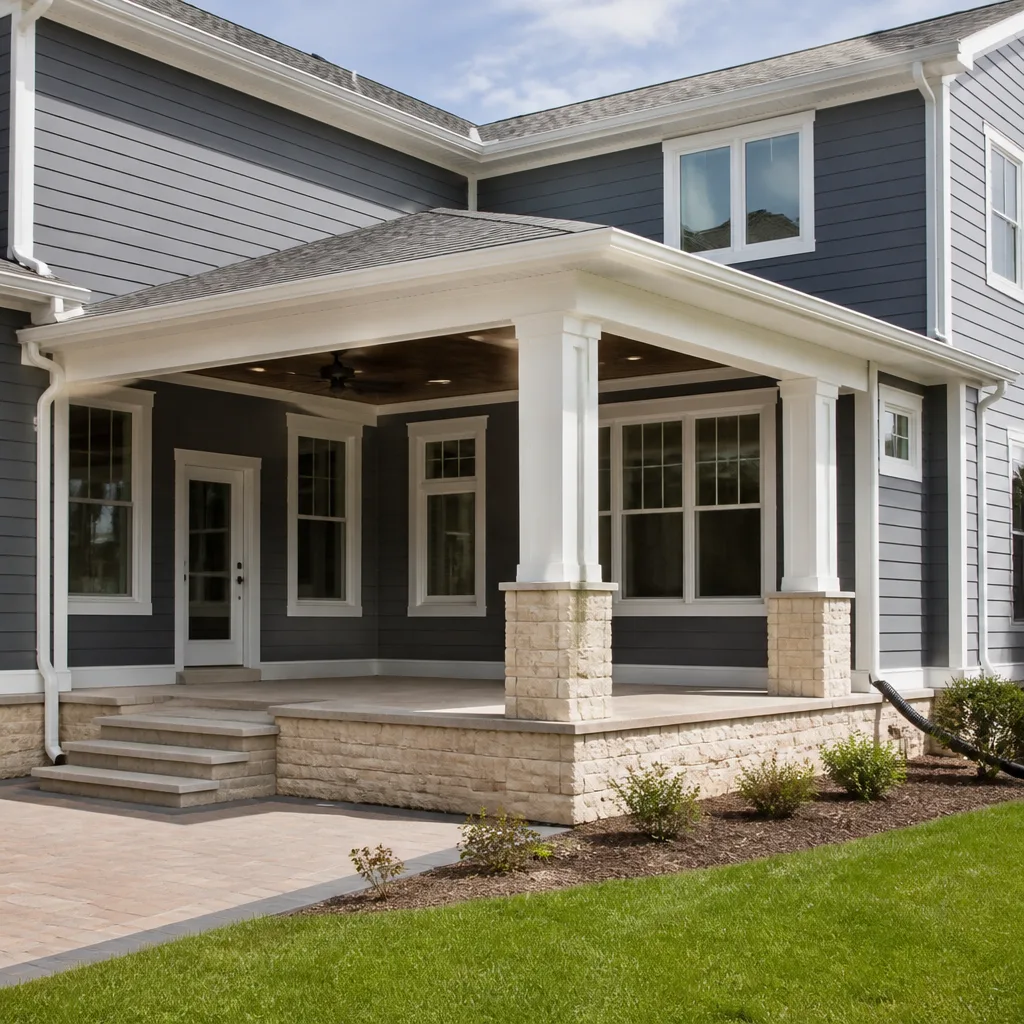
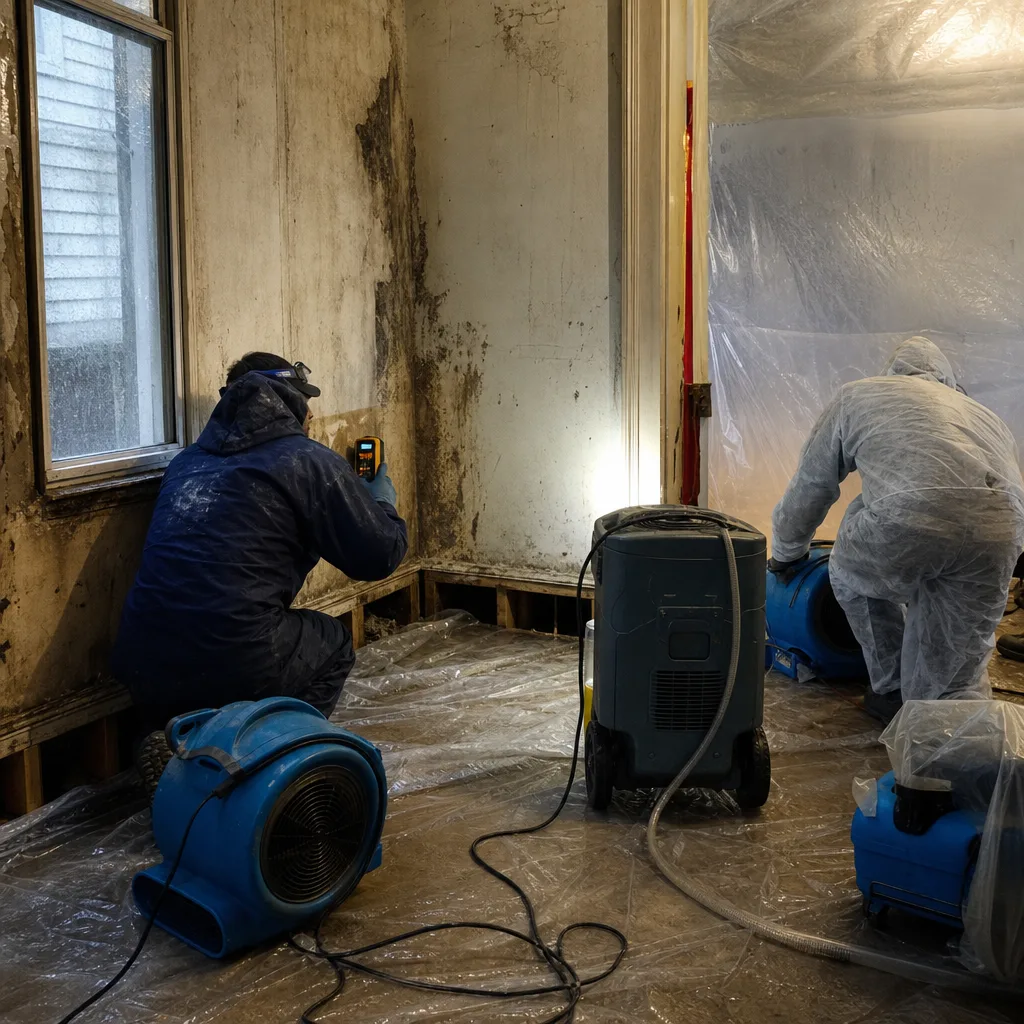 Before
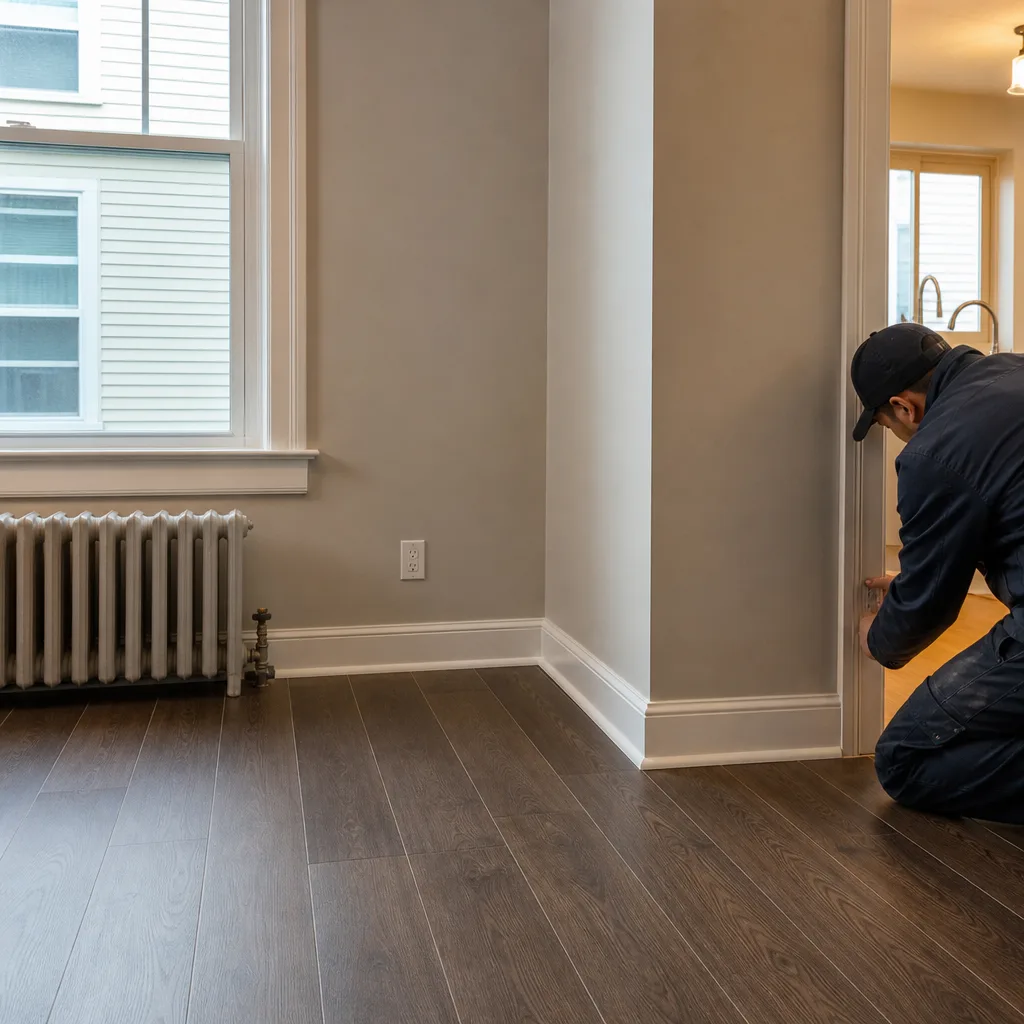 After
After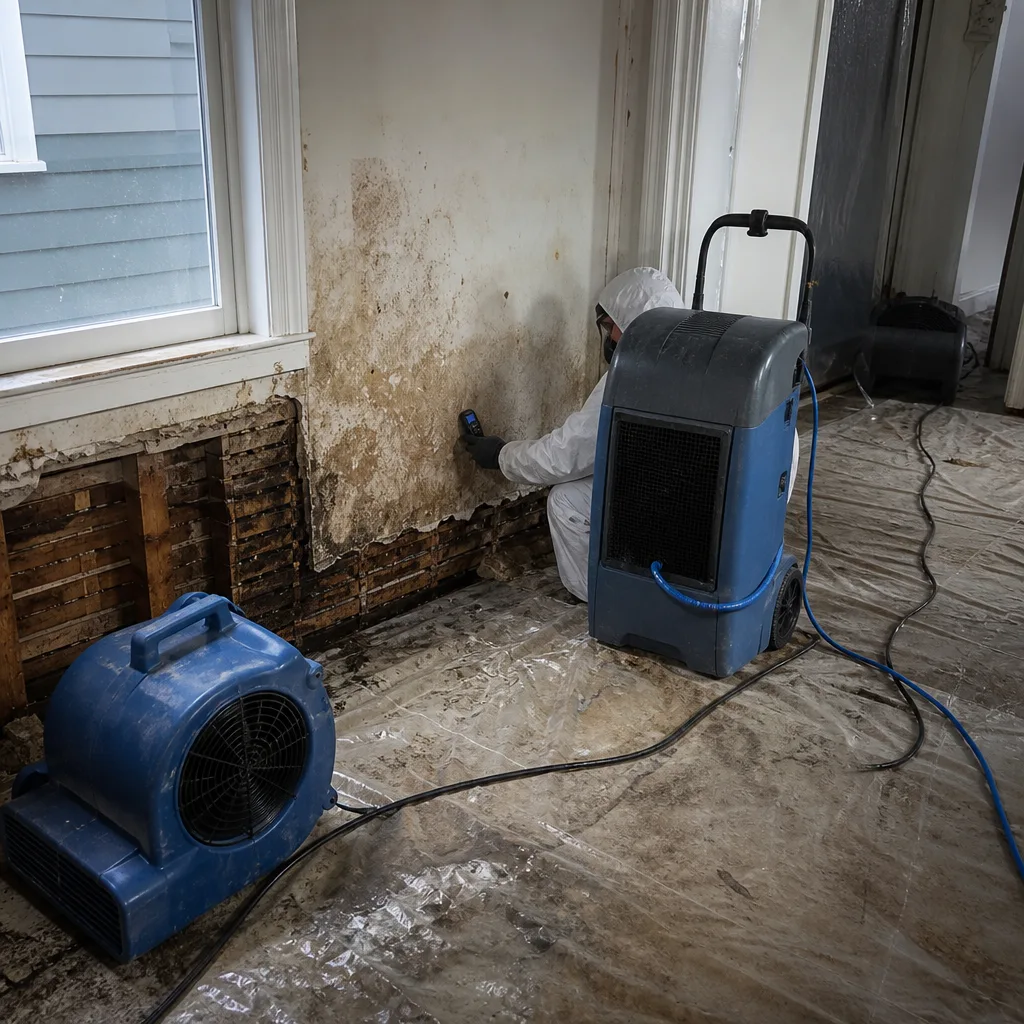 Before
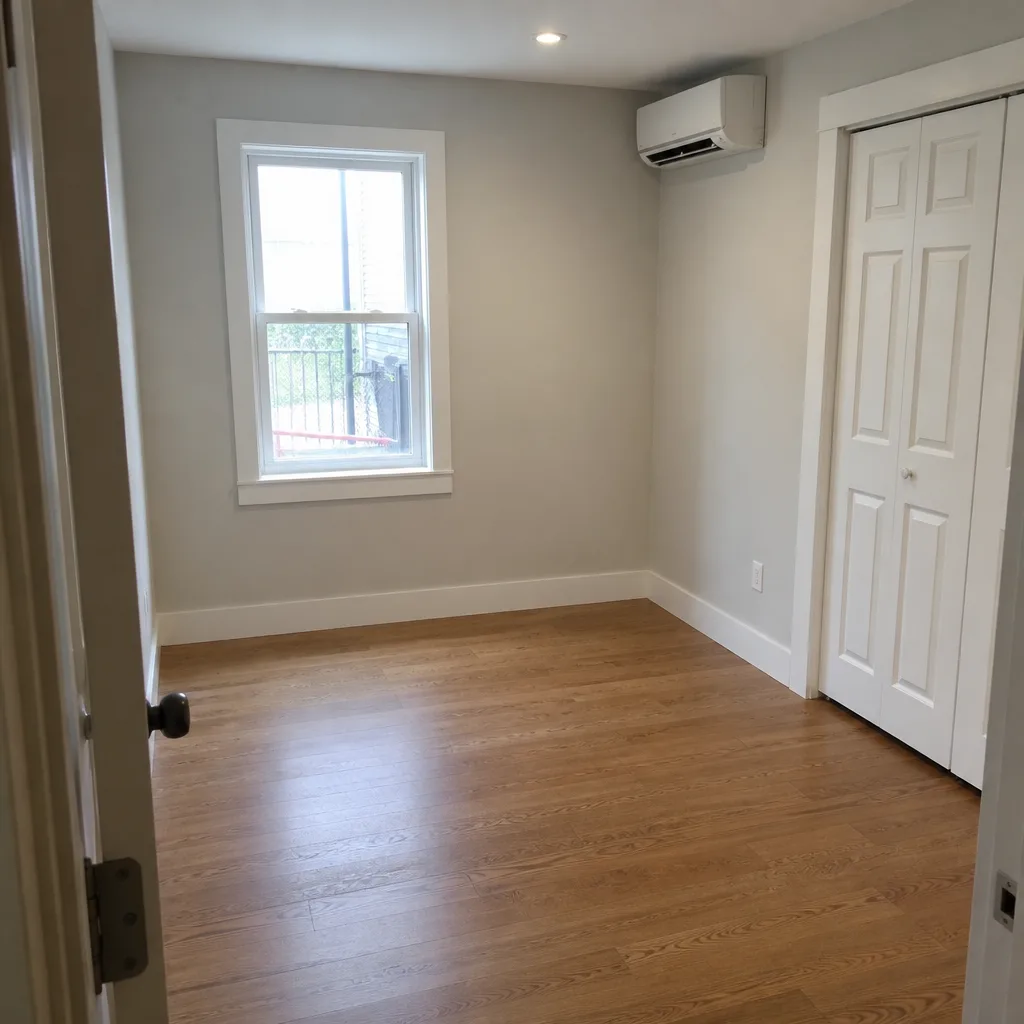 After
After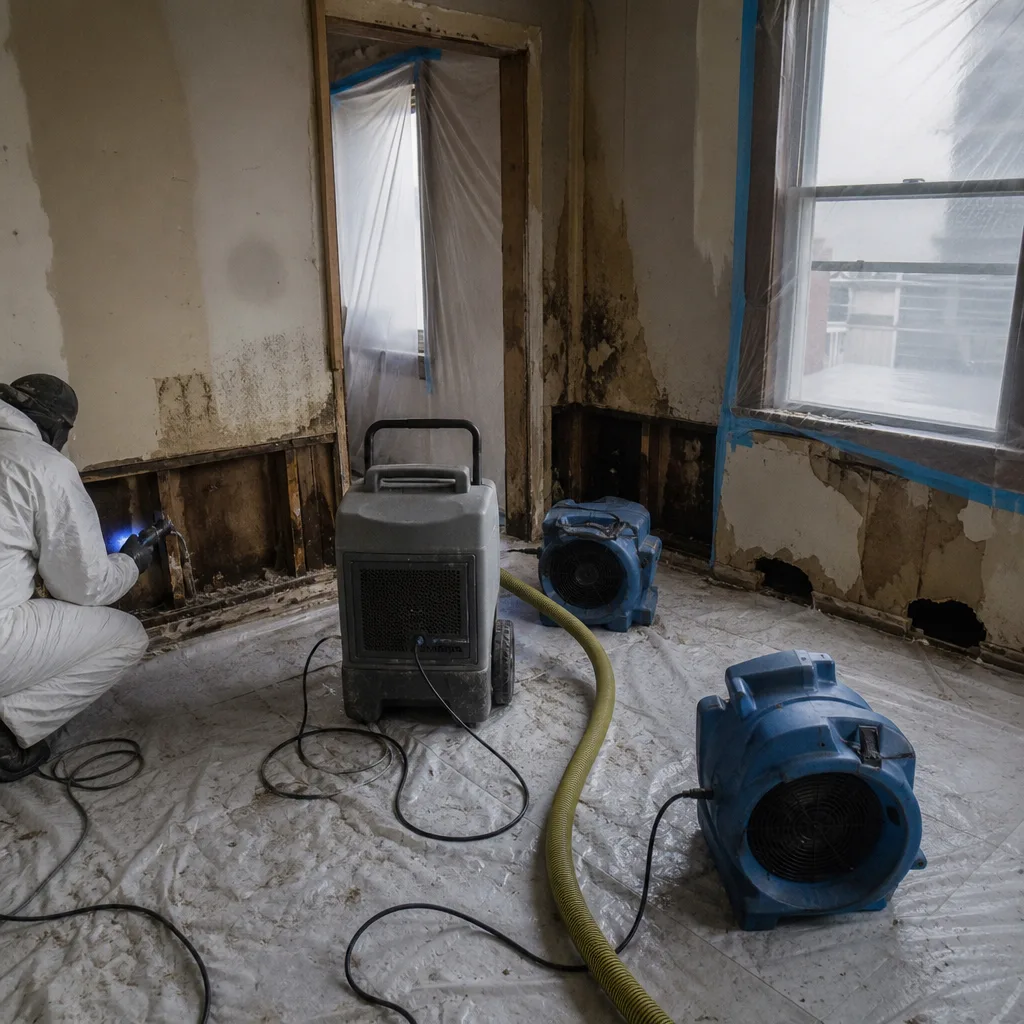 Before
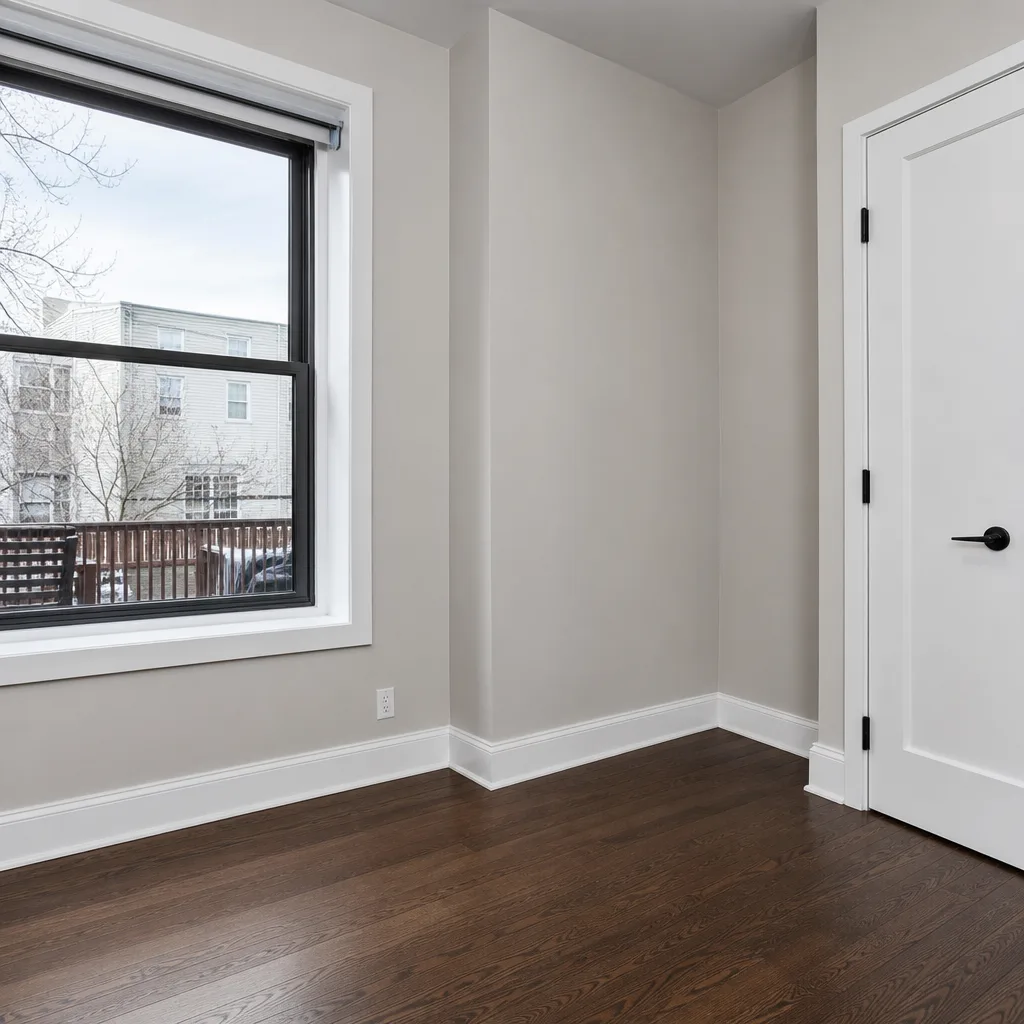 After
AfterThe Complete Guide to Damage Restoration in Astoria
In Astoria, the average attached rowhouse shares three walls with neighbors. That means a pipe burst at 3 a.m. isn’t just your problem. If the water travels, it becomes the problem of the family on the other side of the brick. Most restoration guides gloss over this because they’re written for standalone houses in generic suburbs. For more guides & resources, see our blog. This one is written for Astoria specifically. You’ll learn what shared-wall and basement apartment construction means for liability, why certain blocks near the East River flood more often than the FEMA map suggests, and how to avoid signing the wrong contract in the first 45 minutes after a disaster.
Quick Answer
Damage restoration in Astoria means three distinct phases: mitigation (stopping the active damage now), remediation (removing contaminated material), and restoration (putting the building back the way it was). What you sign in the first hour determines whether insurance pays, how long the job takes, and whether the mold comes back. A licensed, locally owned restoration company that documents everything with daily moisture readings and deals directly with your adjuster is worth more than any national chain’s call center.
Table of Contents
- Mitigation, Remediation, and Restoration: What Each Word Actually Means
- Why Shared-Wall Construction in Astoria Changes Everything
- The East River, Combined Sewers, and Recurring Water Intrusion
- The Documentation a Real Restoration Company Produces
- How to Verify a Contractor Is Licensed in New York State
- How the Insurance Process Actually Works in Astoria
- What Damage Restoration Costs in Astoria
- How Long Restoration Takes From Start to Finish
Mitigation, Remediation, and Restoration: What Each Word Actually Means
Here’s the direct answer: mitigation stops the water from doing more damage right now. Remediation removes what the water contaminated. Restoration rebuilds what had to be torn out. Knowing the difference matters because contractors quote these as if they’re interchangeable, and they’re not. A mitigation-only contract signed at 2 a.m. will stop the bleeding but won’t touch mold growth inside the wall cavity. A remediation contract without restoration language leaves you with open walls and a second bid to collect.
In Astoria’s pre-war housing stock, these phases blur in ways they don’t in newer construction. A 1920s rowhouse on 28th Avenue with original lath and plaster holds water differently than a drywall townhouse in Long Island City. When we open a wall in an old Astoria home, we frequently find three generations of previous patches, old knob-and-tube wiring that got wet, and framing that predates modern building codes. Mitigation in that environment means more than running fans. It means knowing where water travels in a balloon-framed wall before you start cutting.
- Mitigation is emergency work. Extract standing water, set drying equipment, take moisture readings, document everything. Done right, it runs 3 to 7 days.
- Remediation targets contamination. Mold, sewage, smoke residue, or lead dust from a pre-1978 paint job. It involves containment, removal of affected material, and sanitizing what remains.
- Restoration is the rebuild. Drywall, flooring, paint, trim. This phase is scheduled, scoped in writing, and priced like a remodel because that’s what it is.
Most homeowners in Astoria only ever hear the word “restoration” because it’s friendlier than “mitigation.” That single word choice can mean the difference between a cleanup crew showing up and a full rebuild contract being pushed across the table. Before you sign anything, ask the person in front of you which of the three phases you’re actually signing for.
For water-specific situations, see Water Damage Restoration in Astoria for a deeper breakdown of how the extraction-to-drying process works in local buildings.
Why Shared-Wall Construction in Astoria Changes Everything
In a detached house, your damage is your damage. In an Astoria rowhouse, your damage belongs to a shared system. The wall between you and your neighbor isn’t a single uniform barrier. It’s a cavity, often with a fire break, occasionally with a shared structural beam, and almost always with gaps where pipes, wires, and old chases cross the property line. Water travels through those gaps. So does smoke. So does the liability.
We’ve seen a burst supply line on the third floor of a rowhouse on Ditmars wet the basement of the house two doors down. Gravity finds the path of least resistance, and in attached construction, that path frequently crosses property lines. Here is what that means in practical terms:
- Insurance gets complicated. Your policy may cover the damage to your unit, but your neighbor’s policy covers theirs. If your pipe caused their damage, their insurer may subrogate against yours. Good documentation of where the water originated and when it was stopped becomes the evidence that decides who pays.
- Scope expands. You can’t just dry your side of a shared wall. The moisture between the studs is on both sides. A proper drying plan accounts for the neighbor’s side, even if you never step foot in their unit.
- Access matters. If the source is behind a shared wall, we need access to both sides. A neighbor who won’t cooperate is a real obstacle. A restoration company that knows how to talk to both parties and their insurers saves weeks of delay.
- Basement apartments multiply the stakes. Astoria has a significant number of legal and semi-legal basement units. A flood in the upstairs unit leaks into the basement apartment below. Now you have a tenant-landlord relationship involved, a second household displaced, and a second claim.
The point is not to scare you. The point is that restoration guides written for single-family suburban homes miss the single biggest variable in Astoria: your walls are not only your own. Hire someone who has worked in attached pre-war construction before. It’s a different skill set.
The East River, Combined Sewers, and Recurring Water Intrusion
Astoria sits on a peninsula. The East River bounds it to the north and west. That geography matters more than most homeowners realize, and it matters in a very specific way: New York City operates a combined sewer system in much of Queens. Stormwater and raw sewage share the same pipes. During heavy rain, the system overwhelms, and the excess discharges into the East River. When the river is high and the sewers are full, water has nowhere to go except backward through the drains in the lowest parts of the neighborhood.
Certain blocks in Astoria, particularly the lower-lying streets west of 21st Street and the areas around Astoria Park, see recurring water intrusion during major storms. This is not new. The FEMA flood map shows some of it. But the map doesn’t capture the whole picture because combined sewer backup isn’t a river flood. It’s an infrastructure failure that happens block by block, building by building, based on elevation, drain age, and pipe capacity.
What this means for you:
- If your basement has flooded once due to sewer backup, it will likely flood again. The system hasn’t been rebuilt; the water table hasn’t dropped.
- Insurance matters. Standard homeowner’s policies typically exclude sewer backup unless you carry a specific rider. Many Astoria homeowners find this out the hard way after the first flood.
- Documentation is your defense. If you make a claim, the adjuster will want to know whether this was “flood” (river water) or “backup” (sewage). The distinction determines coverage. Photo evidence of the water source, the height of the water line, and any standing water color or odor matters enormously.
- A backwater valve installed at the main drain line can prevent backup in many cases. It’s not cheap, and it requires a licensed plumber. But for homes on the known problem blocks, it’s the difference between a finished basement and a recurring claim.
This is a topic Wade has written about for years because he lives here. The East River isn’t a backdrop. It’s a plumbing variable.
The Documentation a Real Restoration Company Produces
Most restoration companies hand you a bill and leave. Wade hands homeowners a moisture log. Every day his crew works a water damage job, Wade takes moisture readings from every affected surface and records them. You get that log at the end of the job. Almost no one else in the trade does this, and that’s not a marketing line. It’s a cultural difference between an owner who lives in the neighborhood and a crew that’s trying to finish by Thursday.
Here is what proper documentation looks like on a professional restoration job in Astoria:
- Initial assessment photos. Before any work begins, photos of the water line, the affected materials, the visible damage. If a wall is opened, photos of what’s inside before anything is removed.
- Daily moisture readings. Taken with a professional moisture meter, logged by room and surface. These show the drying trend over time and prove the work was done.
- Equipment logs. What was set up, where, and for how long. A dehumidifier that ran for four days in a living room should be verifiable.
- Containment and removal records. How much material was removed, from where, and how it was disposed of. For mold and sewage, this is legally and medically relevant.
- Final clearance documentation. Post-remediation verification that moisture levels are back to normal and affected areas are clean.
Why does this matter? Because when your insurance adjuster pushes back, which they sometimes do, the documentation either proves the work was necessary or doesn’t. A bill that says “water damage - $8,400” with no supporting data is easy to dispute. A moisture log showing drywall at 33% moisture content on day one and 9% on day five is not. If the claim goes to a second adjuster or a subrogation review, that log is the difference between getting paid and eating the cost.
For mold-specific documentation and the verification process, see Mold Remediation in Astoria.
How to Verify a Contractor Is Licensed in New York State
New York State does not license general contractors the way California or Florida does. This surprises people. What exists instead is a mix of local requirements, trade-specific licenses, and industry certifications. For details, read Damage Restoration Permits, Codes & Inspections in NY: What You Need to Know. Here’s the simple version of what to look for in Astoria:
- Insurance is non-negotiable. General liability, workers’ compensation, and ideally pollution liability. Ask for the certificate of insurance and call the carrier to verify it’s active. This is not rude. It’s standard. A contractor who hesitates is telling you something.
- IICRC certification is the industry baseline for restoration work. The Institute of Inspection, Cleaning and Restoration Certification is a private trade body, not a state agency. But it’s the most recognized credential in water, fire, and mold restoration. A company can be IICRC-certified while individual technicians hold their own IICRC credentials. Ask for both.
- RIA affiliation indicates ongoing training and peer accountability. The Restoration Industry Association is a membership body. It doesn’t license anything, but it signals that the company takes continuing education seriously.
- NYC Department of Consumer Affairs requires a Home Improvement Contractor license for work over $200 within the five boroughs. This is the one local license that actually matters for Astoria homeowners. Verify the HIC license number, and check that it matches the company name on the contract.
- Specific trades have their own licenses. Electricians and plumbers are licensed by the NYC Department of Buildings. If your restoration involves rewiring or re-piping, the subcontractor should carry the appropriate DOB license.
The takeaway: don’t accept “licensed and insured” as an answer. Ask for the HIC number. Ask for the insurance certificate. Check the IICRC credential on the IICRC’s public directory. If someone can’t produce these, walk away before they produce a contract.
The team at Wade’s Restoration is IICRC-certified, RIA-affiliated, and carries the New York City Home Improvement Contractor license. Wade publishes his license number. Ask for it. He expects you to.
How the Insurance Process Actually Works in Astoria
Here is the version of the insurance process most restoration guides don’t explain: the adjuster is not your adversary, but the adjuster is not your advocate either. The adjuster’s job is to settle the claim for as little as the policy allows. That’s the job description. Your job is to prove the damage, the cause, and the necessary scope. The restoration company’s job is to produce the documentation that makes that proof possible.
In Astoria, where shared walls and basement apartments complicate claims, the sequence matters:
- Stop the active damage. Call a restoration company first, not your insurer. As soon as you’re safe, get extraction started. Waiting for an adjuster to call back while water spreads is how a $4,000 mitigation becomes a $22,000 rebuild.
- Document everything before anything moves. Photos. Video. Water line. Damage. The more visual evidence, the better.
- File the claim. Report the loss to your insurance company. Get a claim number. Write down the adjuster’s name and direct line.
- Have your restoration company communicate directly with the adjuster. This is the step most homeowners botch because they act as a middleman. The adjuster asks for a scope. You forward it to the contractor. The contractor responds. You forward it back. Information gets lost. Tone gets misread. Weeks pass. A restoration company that deals with the adjuster directly removes the homeowner from the relay loop. Wade does this on every job it’s relevant to. It’s not a service he sells separately. It’s how the work gets done.
- Get the scope approved in writing before reconstruction starts. Mitigation gets approved under emergency provisions. Remediation and restoration need a written scope and, in most cases, written approval. Signing a reconstruction contract before the adjuster has approved the scope is how homeowners end up holding a bill the insurer won’t pay.
If your home flooded from sewer backup, mention that explicitly to your adjuster. The coverage for sewer backup is different from the coverage for a burst pipe, and the policy language determines which one applies. Don’t let anyone assume.
What Damage Restoration Costs in Astoria
Restoration pricing is local. What it costs to dry a basement in Astoria is not what it costs in a Colorado suburb. See our Damage Restoration Cost Breakdown: The Astoria Homeowner’s Reference for 2026 for detailed local pricing. Labor rates, material costs, parking logistics, building access, and the age of the building all factor in. That said, here are the ranges we see in this specific market:
| Service | Typical Range in Astoria | What Affects the Price |
|---|---|---|
| Water extraction and drying | $1,200-$4,500 | Square footage, water depth, category of water (clean vs. sewage), drying time |
| Mold remediation (single room) | $800-$3,500 | Extent of growth, containment required, age of building, finish materials |
| Fire and smoke cleanup | $3,000-$15,000+ | Size of fire, smoke penetration into shared walls, soot type, content cleaning |
| Sewage backup cleanup | $2,500-$7,000 | Depth of backup, category of contamination, flooring removal, sanitization |
| Full rebuild (per room) | $4,000-$25,000 | Finish level, age of home, whether plumbing/electrical is affected, permit requirements |
These are honest ranges, not promises. The only way to get an exact number is to see the job. Wade gives free estimates in Astoria. There’s no trip charge inside the county. If you have a written estimate from another company, bring it. Wade will give you a free second opinion on it, and he’ll tell you honestly whether it’s fair, low, or padded.
For fire-specific pricing and the factors that drive smoke damage costs in older attached buildings, see Fire & Smoke Damage Restoration in Astoria.
How Long Restoration Takes From Start to Finish
The honest answer is that it depends on the category of water, the extent of the damage, and whether you’re in the mitigation phase or the reconstruction phase. A clean-water pipe burst in a single room might be extracted, dried, and rebuilt in two to three weeks. A sewage backup in a finished basement with mold behind the walls could run six to eight weeks when you include the insurance approval timeline, demolition, drying, remediation, rebuilding, and final inspection.
Here’s a realistic phase-by-phase breakdown for a typical Astoria water damage job:
- Emergency mitigation: 1-3 days. Extraction, equipment setup, initial tear-out if needed. Wade’s crew can have extraction running within the hour in most of Astoria.
- Drying: 2-5 days. Daily moisture readings govern how long the equipment stays. The log tells you when the job is actually done, not when the rental period ends.
- Remediation: 1-4 days if mold or contamination is involved. Containment, removal, sanitization, and final verification.
- Insurance approval: 3 days to 3 weeks. This is the wildcard. A restoration company that communicates directly with the adjuster consistently shortens this timeline because questions get answered in hours, not days.
- Rebuild: 1-4 weeks depending on scope. This is scheduled work, scoped in writing, and priced like the remodel it is.
The single biggest timeline killer in Astoria is not the work itself. It’s the gap between mitigation completion and reconstruction approval, when the homeowner is living in a house with open walls, waiting on a scope review. The way to shorten that gap is proper documentation from day one and direct adjuster communication. Wade handles both.
Common Mistakes to Avoid
- Waiting to call because you want to talk to your insurer first. Every hour of delay spreads the water. Mitigation should start immediately. The claim can be filed in parallel.
- Hiring a general contractor instead of a restoration company. A good GC builds. A restoration company stops the active damage, documents it properly, and handles the insurance interaction. These are different skill sets.
- Signing a reconstruction contract during the emergency call. Anyone who hands you a full rebuild contract at 2 a.m. while the basement is still flooding is not your friend. Sign for emergency mitigation only. Everything else waits until the scope is written.
- Ignoring the source. Drying the room you can see without addressing what’s behind the wall or under the floor means the problem returns. In Astoria’s old buildings, the source is often not where the water pooled.
- Assuming the landlord or the neighbor will handle it. In attached homes and basement apartments, responsibility gets legally murky. Document everything and protect your own claim from day one.
- Choosing the cheapest bid without checking credentials. The cheapest bid in Astoria is often from an unlicensed crew with no insurance. If they damage your neighbor’s wall or your own structure, you’re personally liable.
- Not asking about the documentation you’ll receive. A restoration job without a moisture log and photo documentation is a bill, not a service. You can’t prove what was done, and your insurance company knows it.
When to Call a Professional
Call a professional restoration company immediately if water from a burst pipe or sewage backup has affected more than a few square feet, if mold growth is visible or suspected behind surfaces, if smoke has penetrated into wall cavities or shared walls, or if the water source is contaminated. Learn the Damage Restoration Warning Signs: A Astoria Homeowner’s Reference Guide to spot problems early. These are not DIY situations, and in Astoria’s connected buildings, the damage rarely stays contained to one unit. If you’re dealing with high-tension equipment, electrical panels near water, or sewage, the health and safety risks are real. Call someone trained for it.
Wade’s Restoration offers free estimates in Astoria. Call (363) 208-1526 and Wade will answer. If he’s on a job, he’ll call you back. There’s no voicemail maze and no answering service.
Frequently Asked Questions
Most water extraction and drying jobs in Astoria run between $1,200 and $4,500, while full rebuilds after fire or sewage damage can range from $4,000 to $25,000 per room depending on scope and finish level. The only way to get an accurate number is a written estimate after an on-site assessment. Call (363) 208-1526 for a free estimate in Astoria.
Most standard homeowners policies cover sudden and accidental water damage, fire, and storm damage, but sewer backup and flood damage typically require separate riders or policies. The specific language of your policy determines coverage, not the contractor’s opinion. Your restoration company should communicate directly with your adjuster to match the scope to the covered peril.
Wade Ferris answers his own phone and can have extraction equipment running in most of Astoria within an hour, day or night. There’s no voicemail, no answering service, and no call center. When you call (363) 208-1526, you’re calling Wade directly.
If the water source is clean (a supply line break) and drying starts within 24 hours, a full remediation may not be necessary. If the water is sewage, groundwater, or sat for more than a day, the contaminated material must be removed, not cleaned. In Astoria’s older homes, hidden wall cavities often hold more moisture than visible surfaces suggest, which is why professional moisture readings matter before deciding.
Wade deals with the adjuster directly. He provides the documentation, the moisture logs, the photos, and the written scope, and he communicates with the adjuster in the adjuster’s language. You don’t get stuck as a relay. That’s the way it should work, and it’s the way Wade has done it since 2007.
Ask for the NYC Home Improvement Contractor license number, the certificate of insurance, and IICRC certification. Verify all three. A legitimate contractor in Astoria will produce these without hesitation. Wade publishes his license number and expects you to check it.
The Bottom Line
Damage restoration in Astoria is different from damage restoration anywhere else because the buildings are attached, the basements are occupied, and the East River is part of the plumbing picture. The contractor you choose in the first hour determines whether the work is documented properly, whether the insurance claim survives contact with the adjuster, and whether your neighbor’s wall becomes your liability. Hire someone local, licensed, and accountable. Hire someone whose name is on the truck and whose cell number you have in your phone. That’s the whole ballgame. If you need help now, call Wade at (363) 208-1526. He’ll answer.
Written by Wade Ferris, Owner at Wade’s Restoration, serving Astoria since 2007. Wade’s Restoration home