
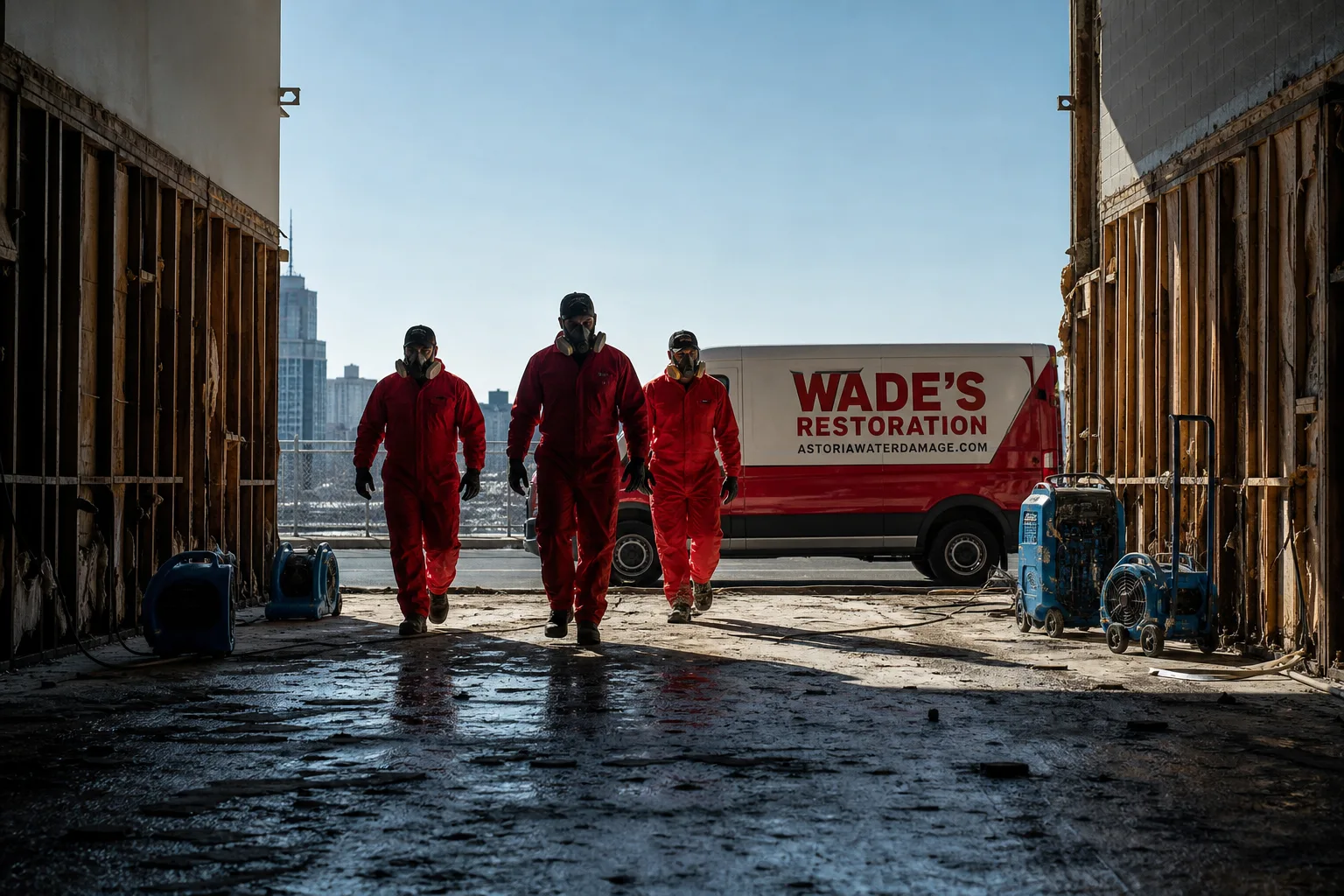
Free visual inspection and a written scope of work before any mitigation begins - photos, moisture readings, and drying logs go in your claim file
The scope we write is the scope we bill. Anything new gets shown to you, in writing, before we touch it.
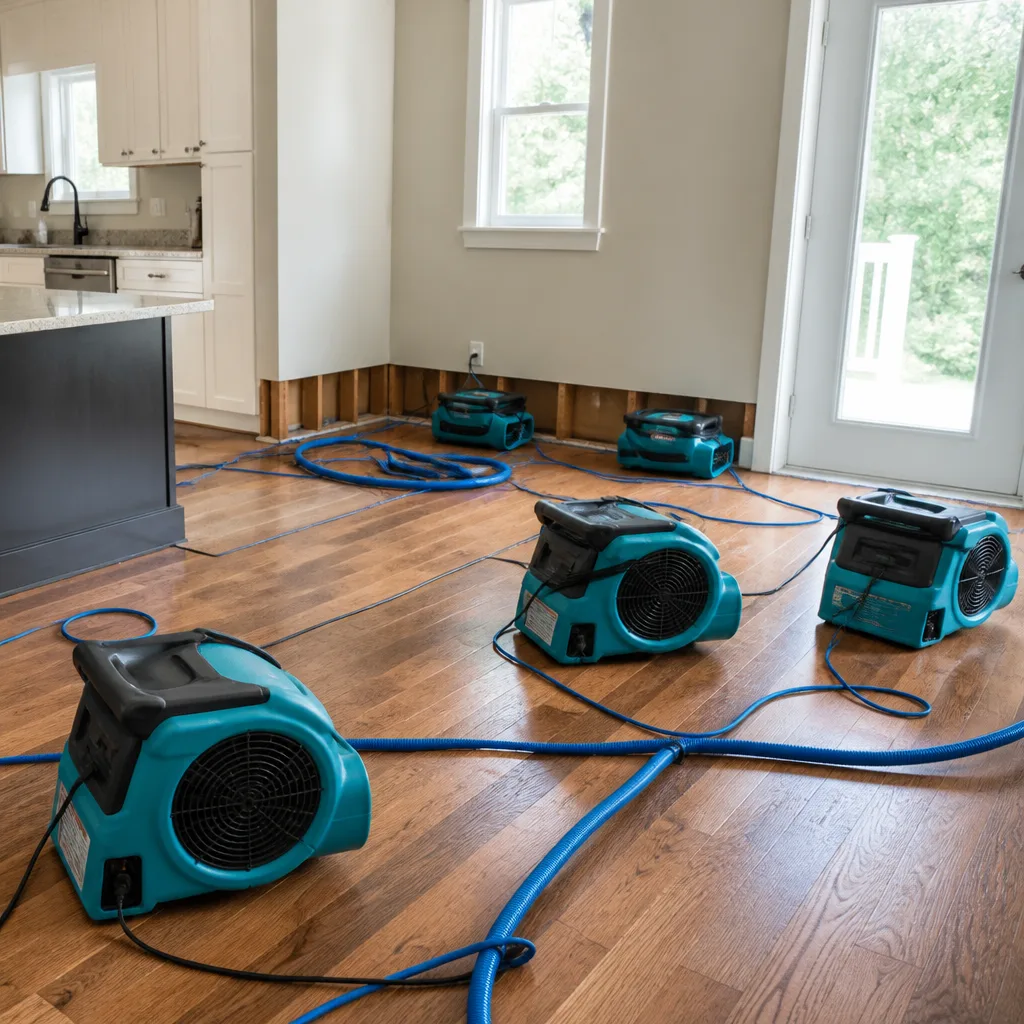
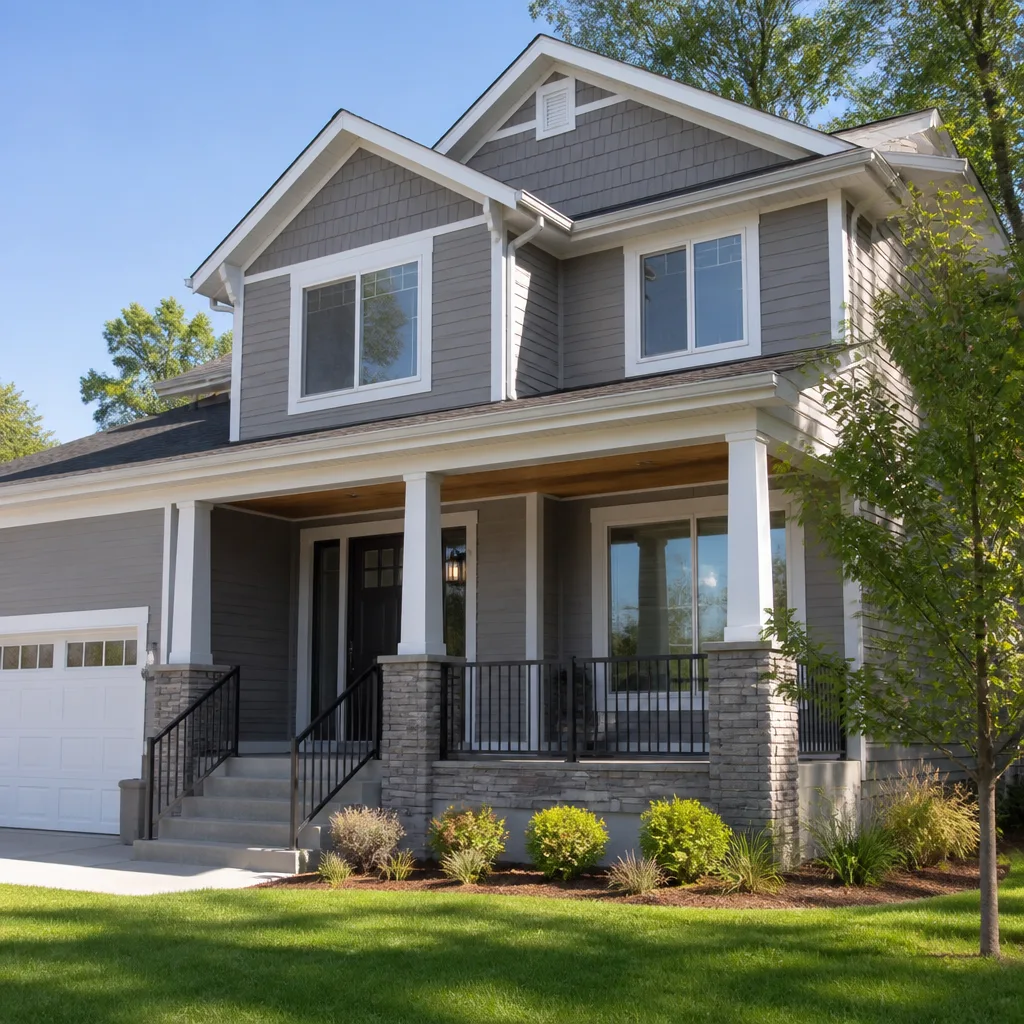
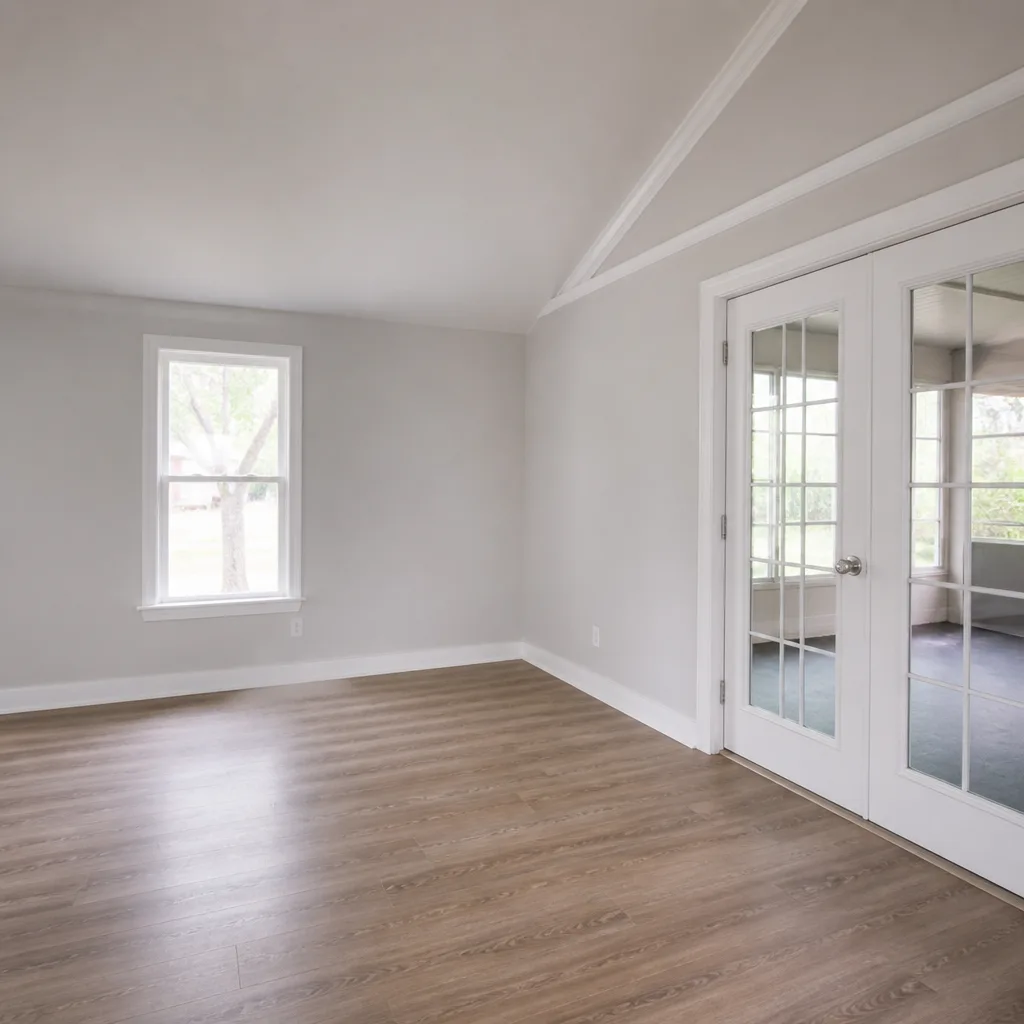
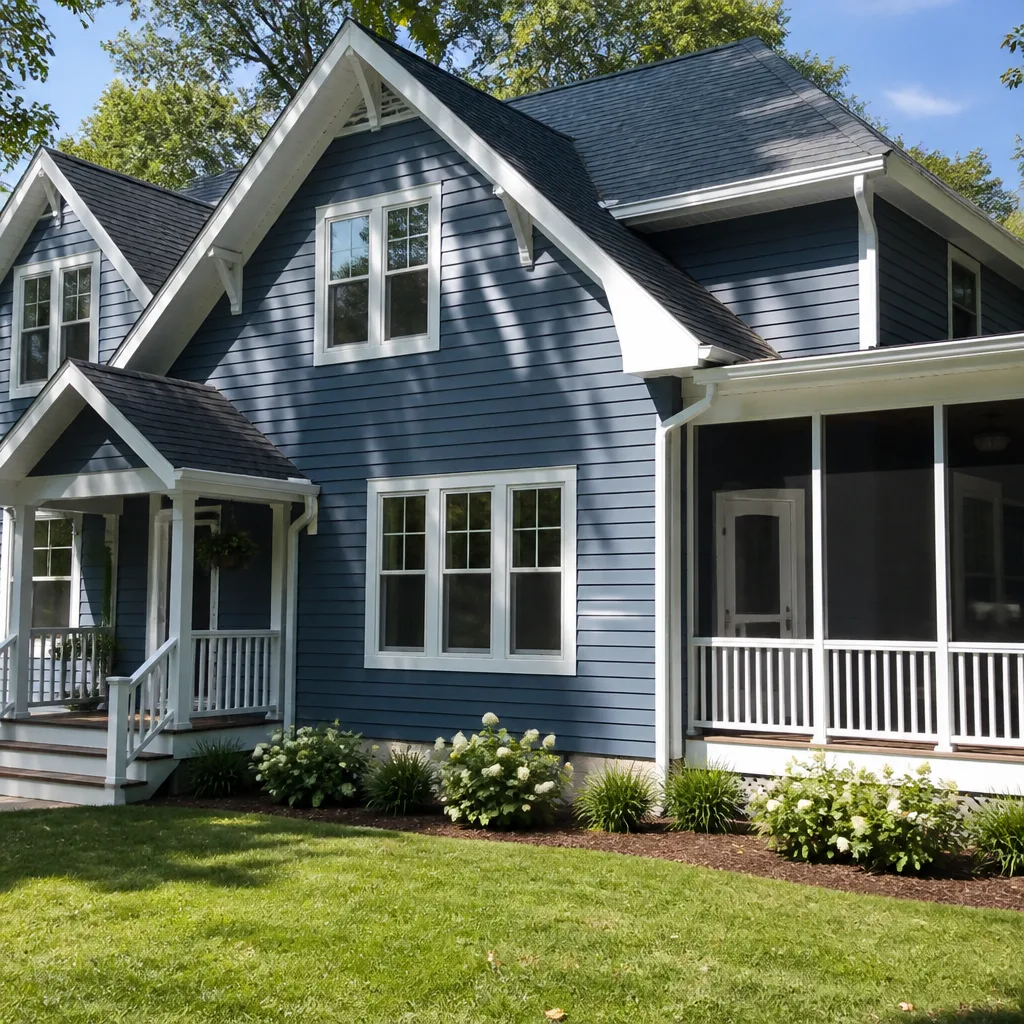
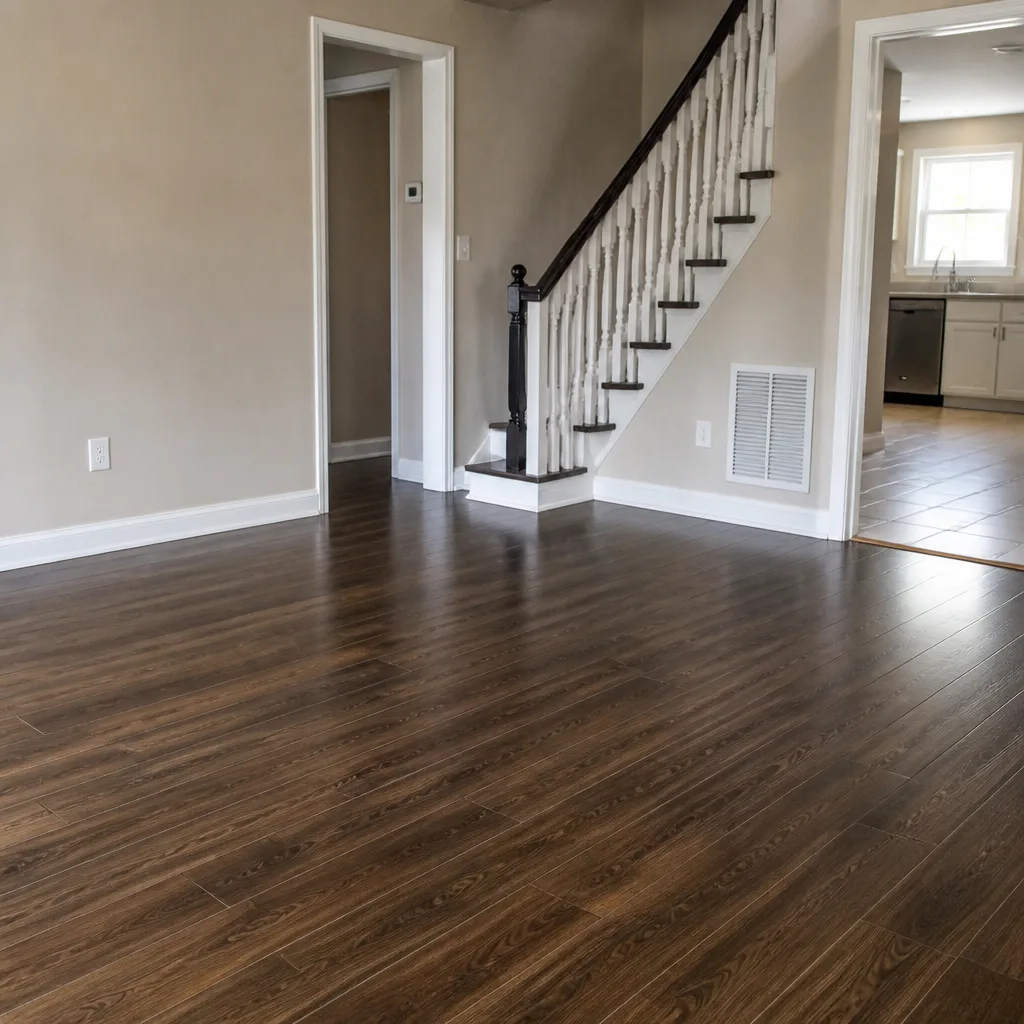
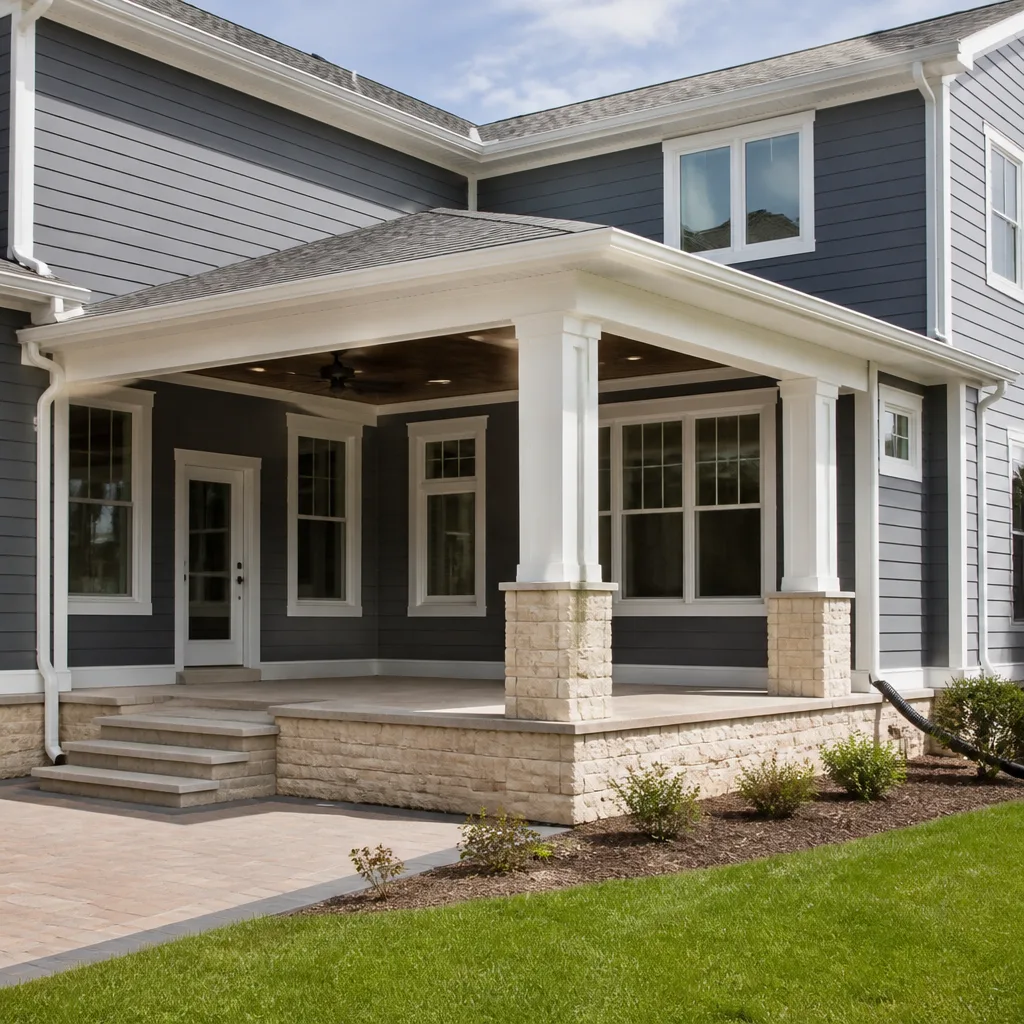
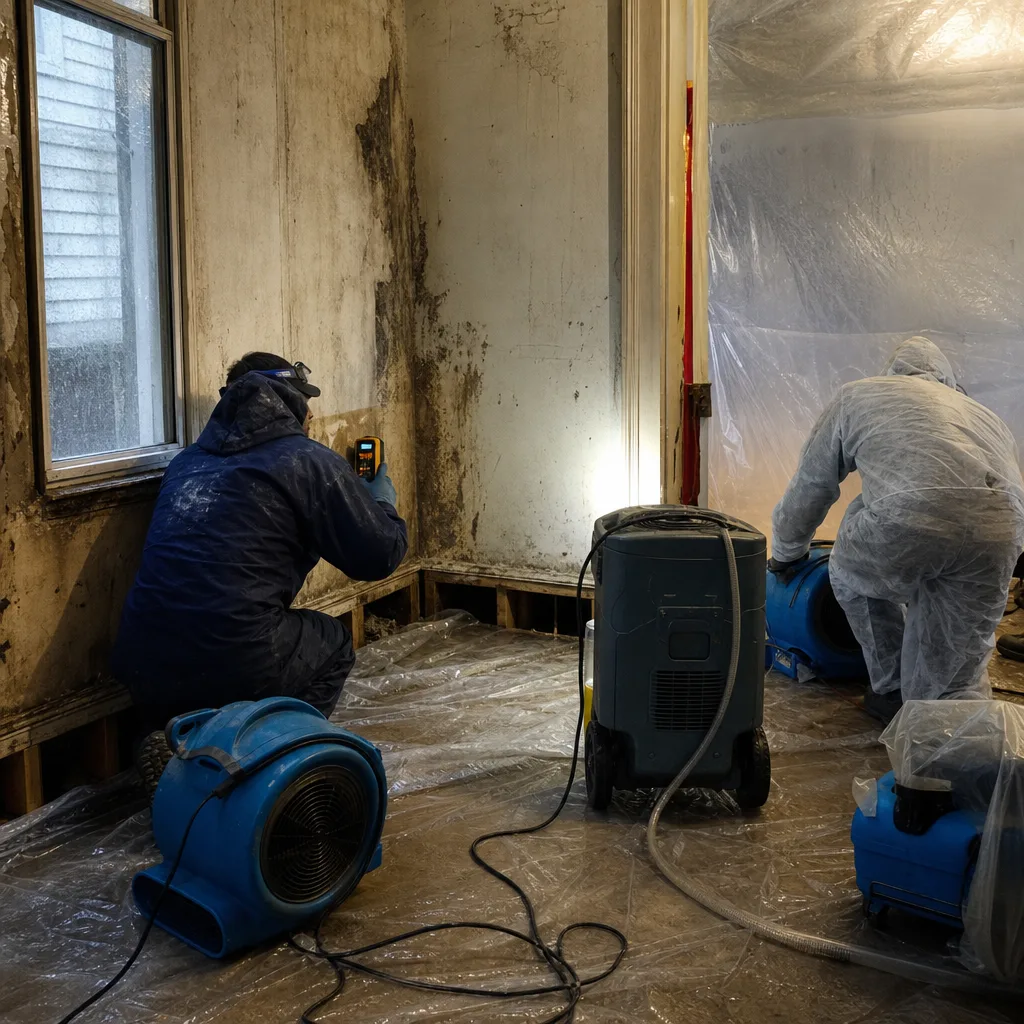 Before
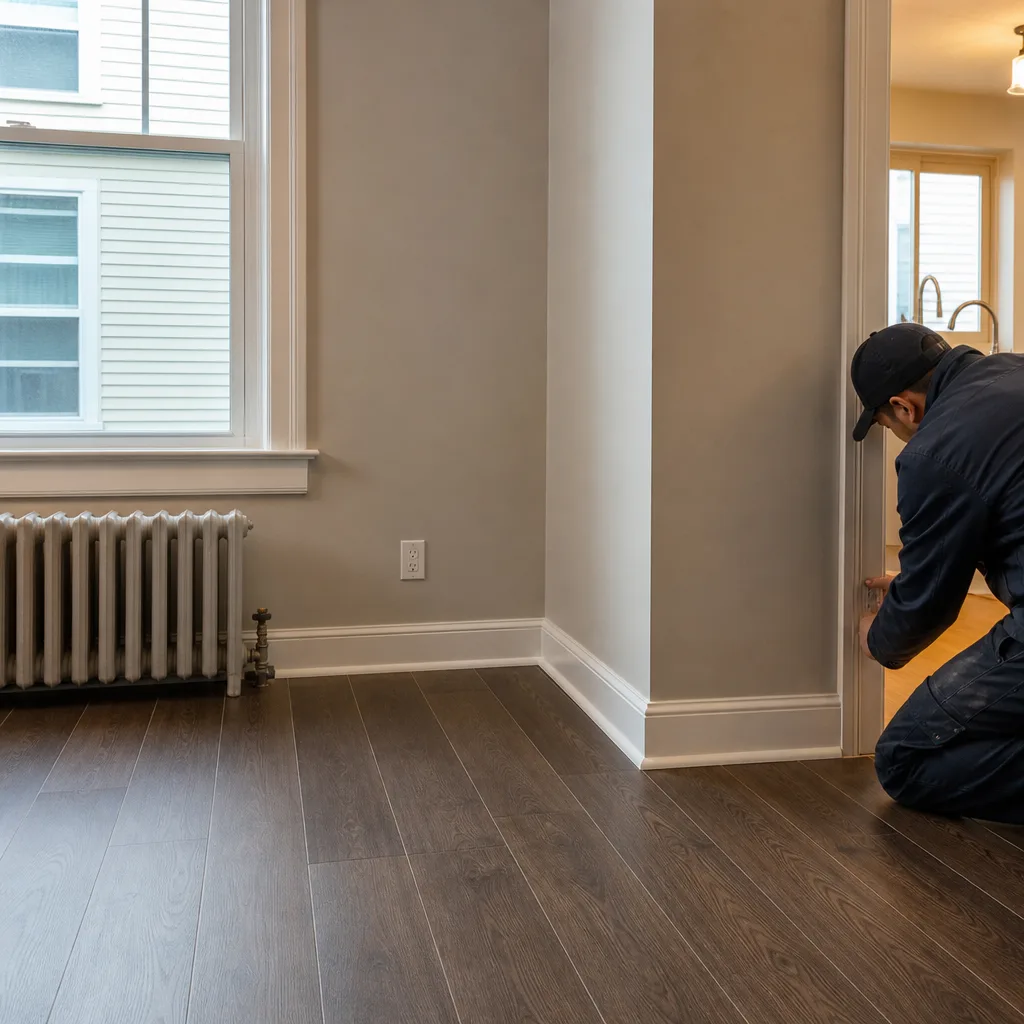 After
After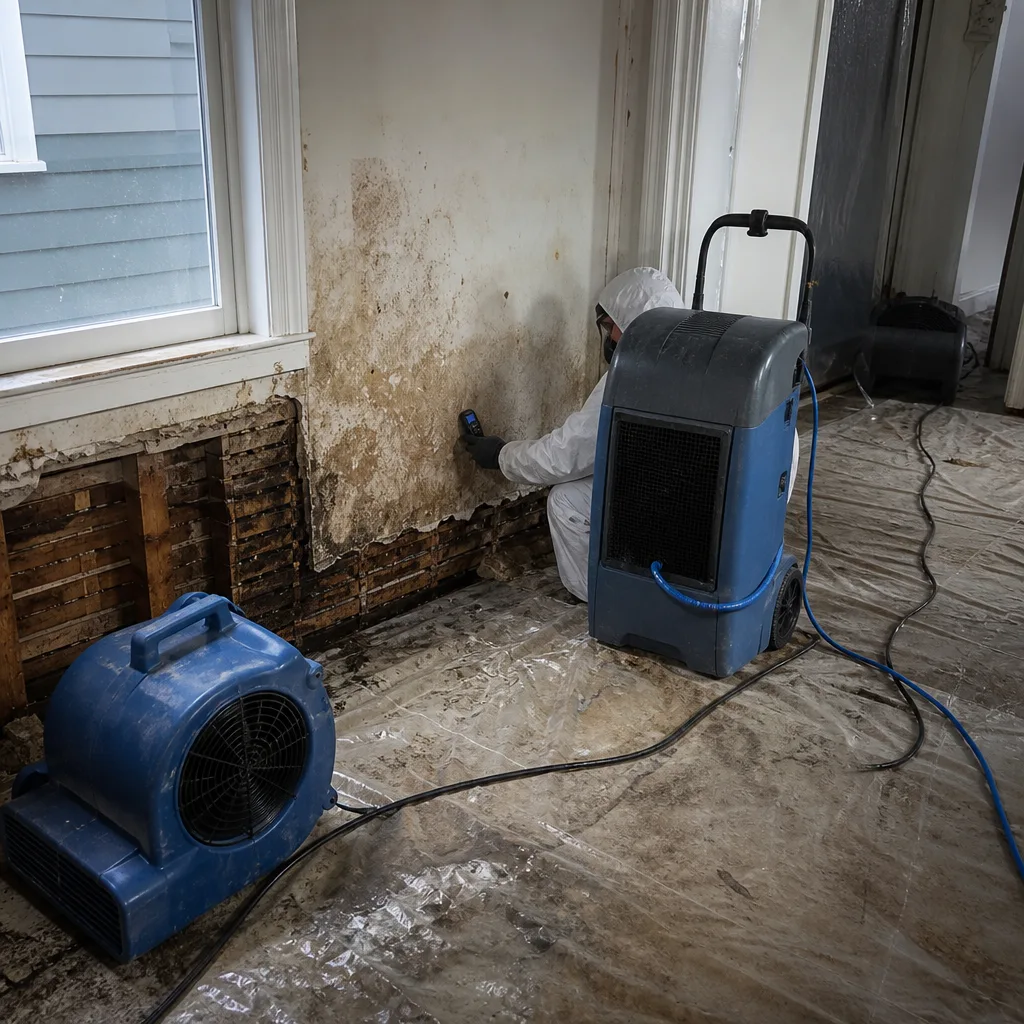 Before
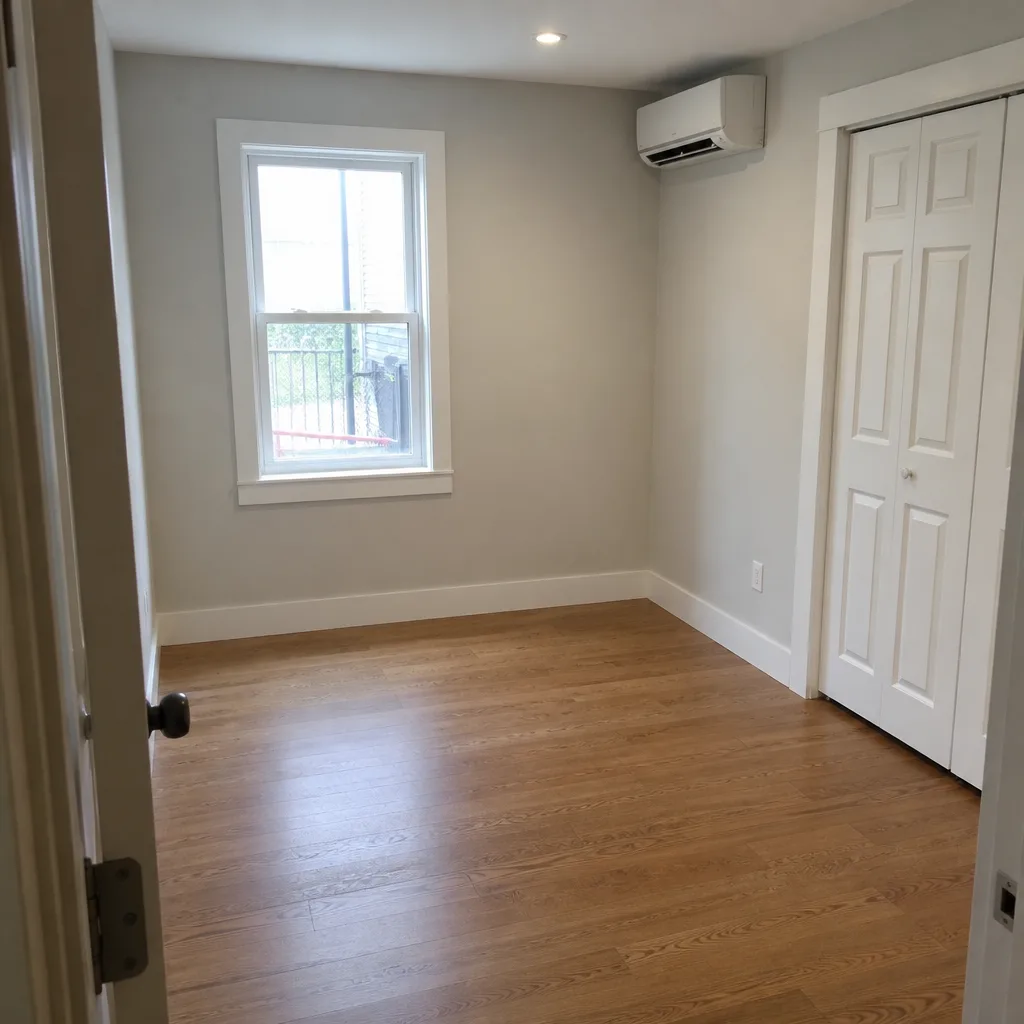 After
After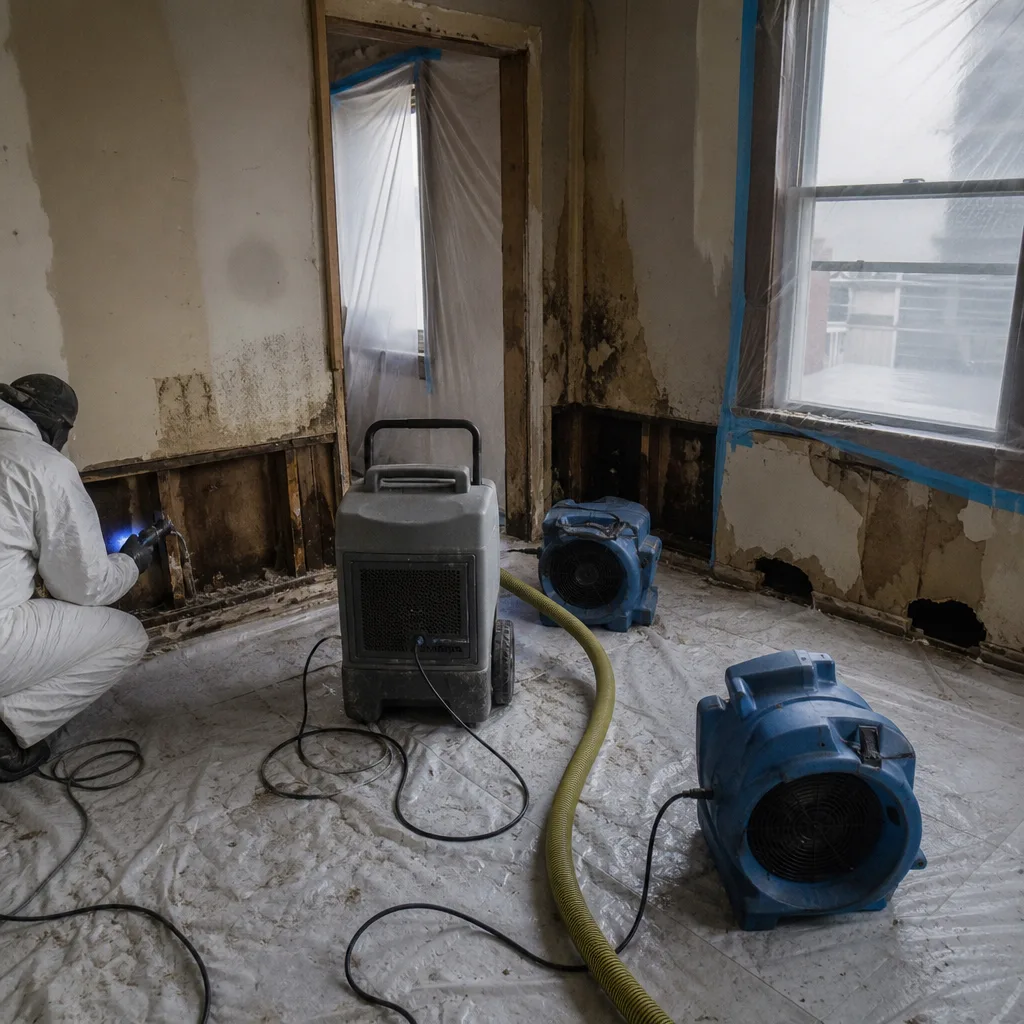 Before
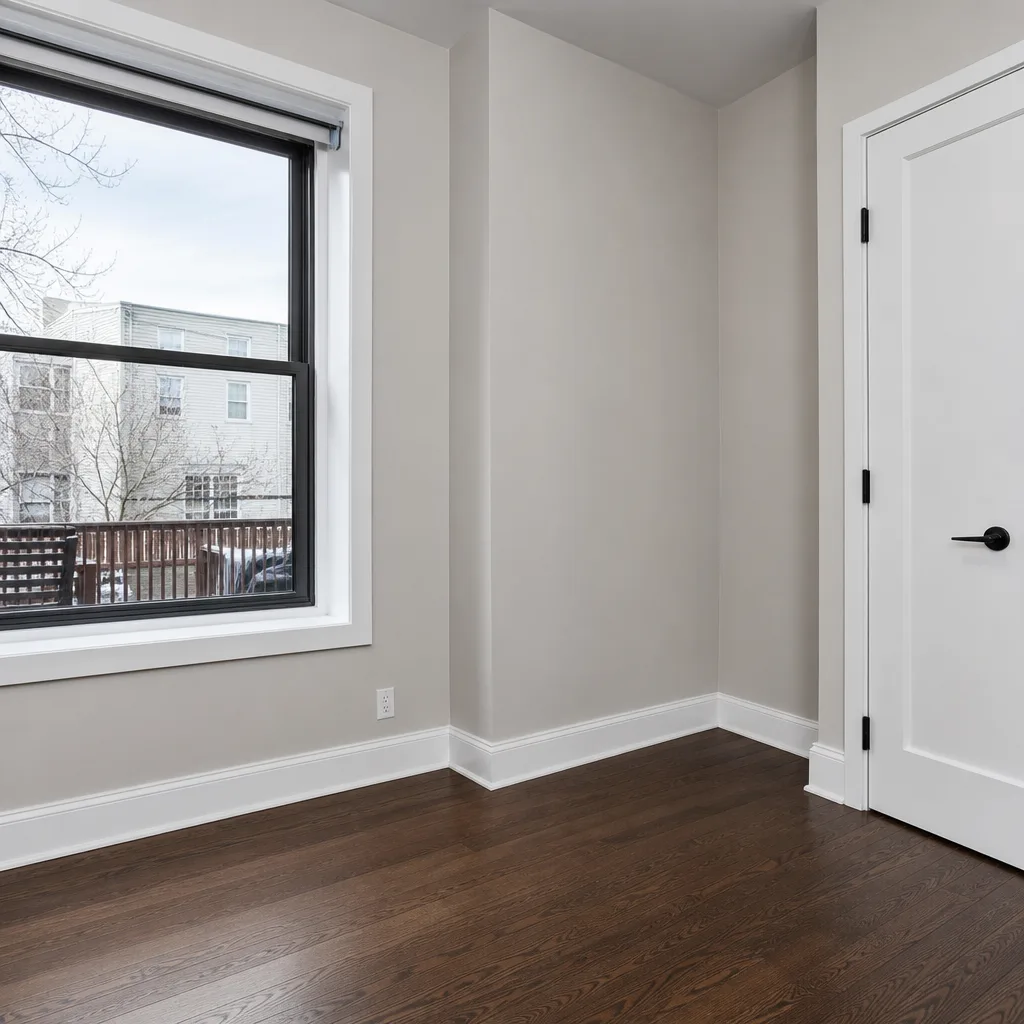 After
After24/7 Emergency Fire & Smoke Damage Restoration in Lower Manhattan
A kitchen fire in a Tribeca loft or an electrical fault in a Financial District conversion doesn’t wait for business hours, and neither do we. Wade Ferris answers his own phone at (363) 208-1526, any hour, and can have a crew rolling toward Lower Manhattan while smoke is still hanging in the stairwell. The first hour after a fire matters more than most people realize: soot is acidic, and every hour it sits on cast-iron columns, original timber joists, or 1920s plaster, it’s etching deeper into the surface. We offer a free visual inspection with no trip charge inside our own county, so you can get eyes on the damage before you commit to anything. Call now, and Wade himself will be there.
Understanding Fire & Smoke Damage Restoration Severity in Lower Manhattan Properties
Not all fire damage is created equal, and Lower Manhattan’s building stock makes severity assessment trickier than in the suburbs. We classify soot residue by type: dry soot from high-oxygen, fast-burning fires (typical in modern glass-and-steel towers) brushes off relatively cleanly, while wet, greasy soot from smoldering synthetic materials (common in converted lofts packed with furniture and electronics) bonds to surfaces and requires chemical agitation to remove. Protein residues from kitchen fires are nearly invisible but cling to every surface and stink for months if not neutralized. Add to this the reality of pre-war construction: original plaster and lath walls wick smoke into cavities that share air with neighboring units through original steam-pipe chases, and what looks like a one-room cleanup can be a three-floor odor migration problem by the time you call us. We map smoke travel with thermal imaging before we touch a wall, because in a masonry loft with a 1920s standpipe riser running through it, guessing wrong means opening a wall you can’t legally open without Landmarks Preservation Commission sign-off.
Why Lower Manhattan Property Owners Choose Wade’s Restoration
- 45-minute response commitment: Wade’s crew is staged to reach Lower Manhattan fast, because smoke doesn’t wait for the cross-town traffic to clear.
- 24/7 live answer, always: No voicemail, no answering service. Wade Ferris answers his own phone, even at 3 a.m. when a TriBeCa loft fire just got knocked down.
- IICRC-certified crews: Fire & Smoke Restoration Technicians (FSRT) and Water Restoration Technicians (WRT) on every job, trained on the salt-laced firefighting water unique to this district.
- Free visual inspection: No charge to walk the scene and tell you straight what needs doing and what can wait.
- Direct insurance billing: We document, photograph, and bill your carrier directly, so you’re not fronting money while your claim crawls along.
- One team, first call to final coat of paint: The same crew that boards up your window handles the pack-out, the drying, and the rebuild. No handoffs, no finger-pointing.
Our Fire & Smoke Damage Restoration Process
Inspection & Assessment
We walk the full loss area with you, document every surface, and map smoke migration paths through the building’s original chase ways and party walls. You get a written scope before any work starts.
Emergency Stabilization
Board-up, tarping, and utility shutoffs happen first. In Lower Manhattan, we’re often working in buildings where a broken window on a landmark facade needs fast, careful covering to keep weather and curious pedestrians out.
Smoke & Soot Removal
We clean surfaces by residue type: dry sponge methods on dry soot, chemical agitation on wet residues, and soda blasting on structural cast-iron where acidic soot has started to bite into flanges and original fireproofing.
Odor Removal & Air Scrubbing
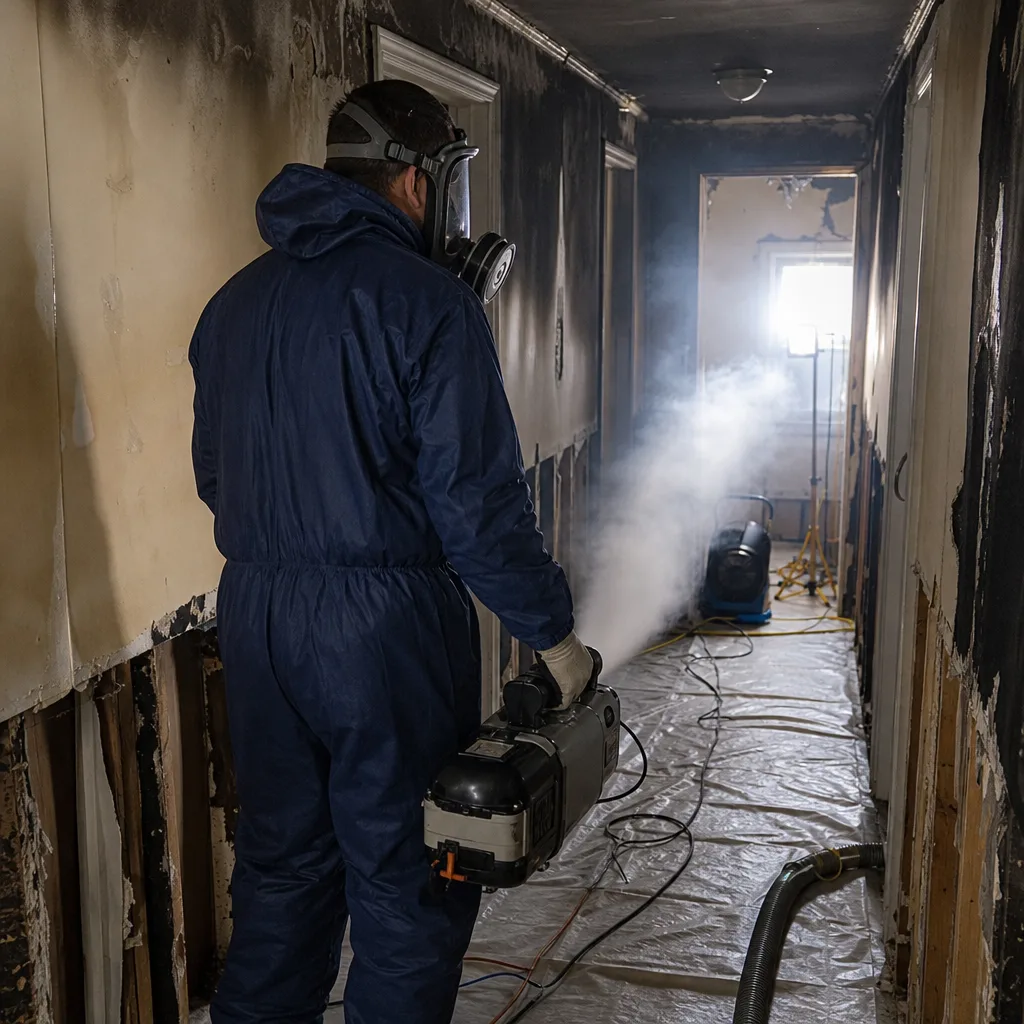
HEPA air scrubbers run continuously while we treat odor at the source. Thermal fogging and vapor modification neutralize smoke that has soaked into lath-and-plaster, original timber, and shared steam-pipe chases.
Contents Cleaning & Pack-Out
We inventory, photograph, pack, and clean salvageable contents off-site. That includes everything from sofa cushions to the cast-iron cookware that took the brunt of the fire.
Repairs & Restoration
From drywall and plaster repair to refinishing original timber joists to replacing salt-compromised wiring, our Reconstruction & Cleanup in Lower Manhattan brings the space back to pre-loss condition, with the 90-Day Done Right Promise in writing on every job.
Need Emergency Fire & Smoke Damage Restoration in Lower Manhattan Now?
Crews minutes away, answering live 24 hours a day. The sooner we start, the less it costs.
Working With Your Insurance Company
Insurance claims after a fire in Lower Manhattan carry extra layers: the adjuster may not understand why Landmarks Preservation Commission approval is holding up a wall opening, or why salt-laced firefighting water from a standpipe system means more than just drying the floor. Wade deals with the adjuster directly. From the first hour, we’re photographing room by room, logging moisture readings daily, and writing line-item scopes built around the actual conditions of your building, not a national template. You will never be the one stuck relaying information between two sides. And if your carrier questions whether a pre-war lath-and-plaster wall really needs to be opened, we’ll walk the adjuster through the smoke-travel evidence ourselves.
What We Provide Your Insurer
- Thorough documentation of the loss
- Photos of all damage, room by room
- Moisture readings and drying logs
- A detailed, line-item scope of work
- Direct coordination with your carrier
Built for Lower Manhattan’s Loss Calendar
Lower Manhattan’s fire losses follow a rhythm that’s different from the outer boroughs. January deep freezes burst supply lines in unheated pre-war basement mechanical rooms, shorting panels and starting electrical fires in some of the city’s oldest wiring. Spring brings the thaw-and-seepage cycle into converted cellar spaces, where water meets aging junction boxes. Summer thunderstorms can punch water through roofs of converted commercial lofts, where original roof drains clog and overflow into electrical rooms below. And nor’easter season, from October through March, pushes saltwater through below-grade infrastructure in Battery Park City and the Seaport, where seawater corrosion of electrical components becomes a hidden fire risk months later. Each of these seasons produces a different kind of fire or smoke event, and a different kind of wall cavity that needs to be opened, dried, and deodorized. That’s the calendar we work to.
Fire & Smoke Damage Restoration Across Lower Manhattan’s Neighborhoods
From the Financial District to Battery Park City, the building type dictates the job. In a Tribeca cast-iron loft, smoke travels vertically through original freight elevator shafts and horizontally through shared party walls, and we’re often setting containment barriers in stairwells to keep odor from reaching six other units. Battery Park City’s 1980s high-rises have their own challenges: fire-rated concrete cores channel smoke up through pressurization shafts, and the fire department’s seawater-adjacent hydrant water leaves chloride residue in every cavity it touched. South Street Seaport’s mixed-use buildings combine street-level retail exhaust systems with loft apartments above, so a restaurant fire on Water Street can push smoke into a family’s bedroom on the third floor through a shared exhaust chase no one flagged on a floor plan. And in the office-to-residential conversions along Broadway and Wall Street, original standpipe risers and steam-pipe chases cut through walls that are now part of a NYC Individual Landmark, so any wall opening requires LPC sign-off before drying can even begin. We know these buildings, these streets, and these bottlenecks because we work in them every week. When you search for Fire & Smoke Damage Restoration help in Lower Manhattan, you need a team that already knows which wall can be opened and which one needs a hearing date.
Specialized Fire & Smoke Damage Restoration Services We Offer in Lower Manhattan
Smoke & Soot Removal
Soot is the silent destroyer in Lower Manhattan’s older buildings. On 1920s cast-iron columns, acidic soot from burning synthetics accelerates corrosion on flanges and original fireproofing. We treat it before it becomes structural. On drywall partitions in Battery Park City condos, we remove surface residues without over-wetting, because the underlying wall cavity may already carry salt residue from a past surge event. The goal is clean, not just cleaner-looking.
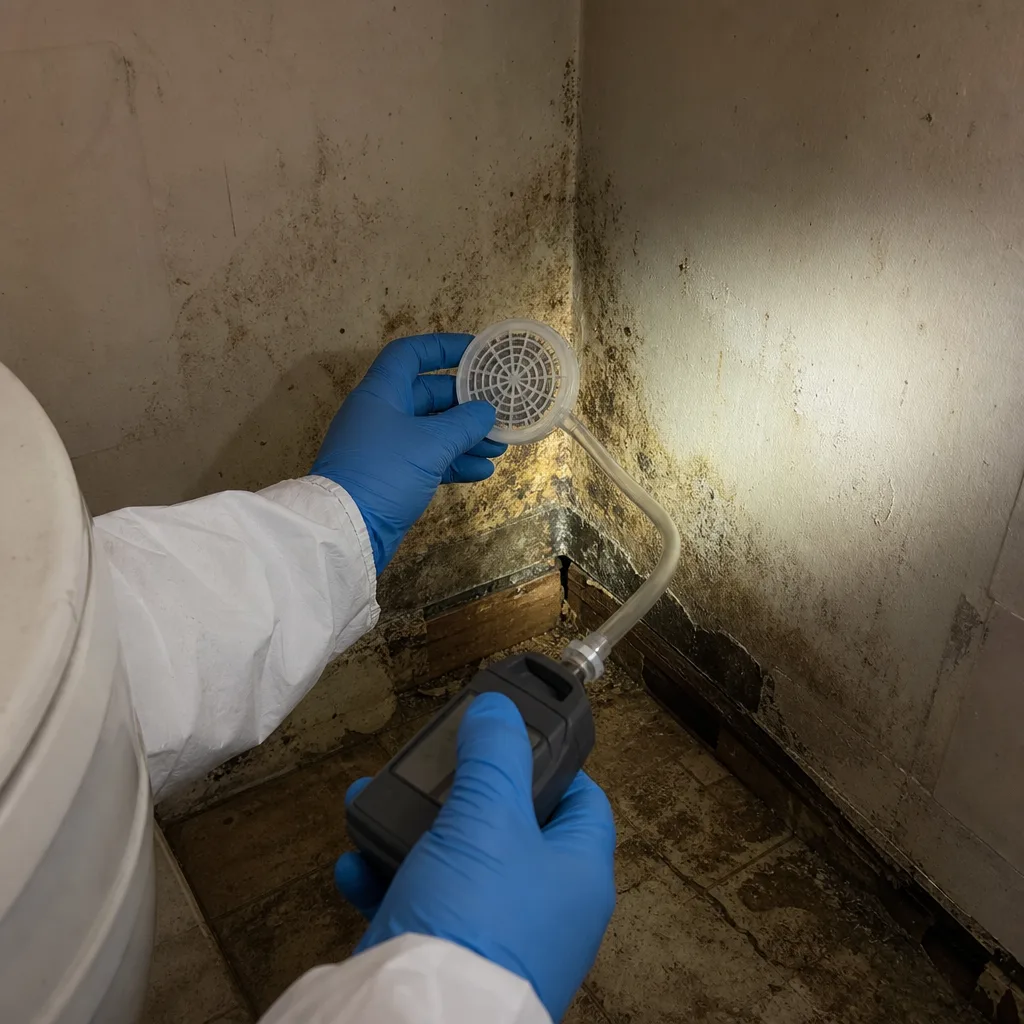
Odor Removal & Deodorization
Smoke odor in a pre-war loft doesn’t just hang in the air; it bonds to original plaster, soaks into timber floor joists, and travels through shared steam-pipe chases into units three floors away. We use thermal fogging and hydroxyl generators to neutralize odor at the molecular level, not just mask it with fragrance. In a Financial District conversion, that means treating the entire chase way, not just the unit where the fire started. The 90-Day Done Right Promise applies here too: if the odor comes back, Wade comes back.
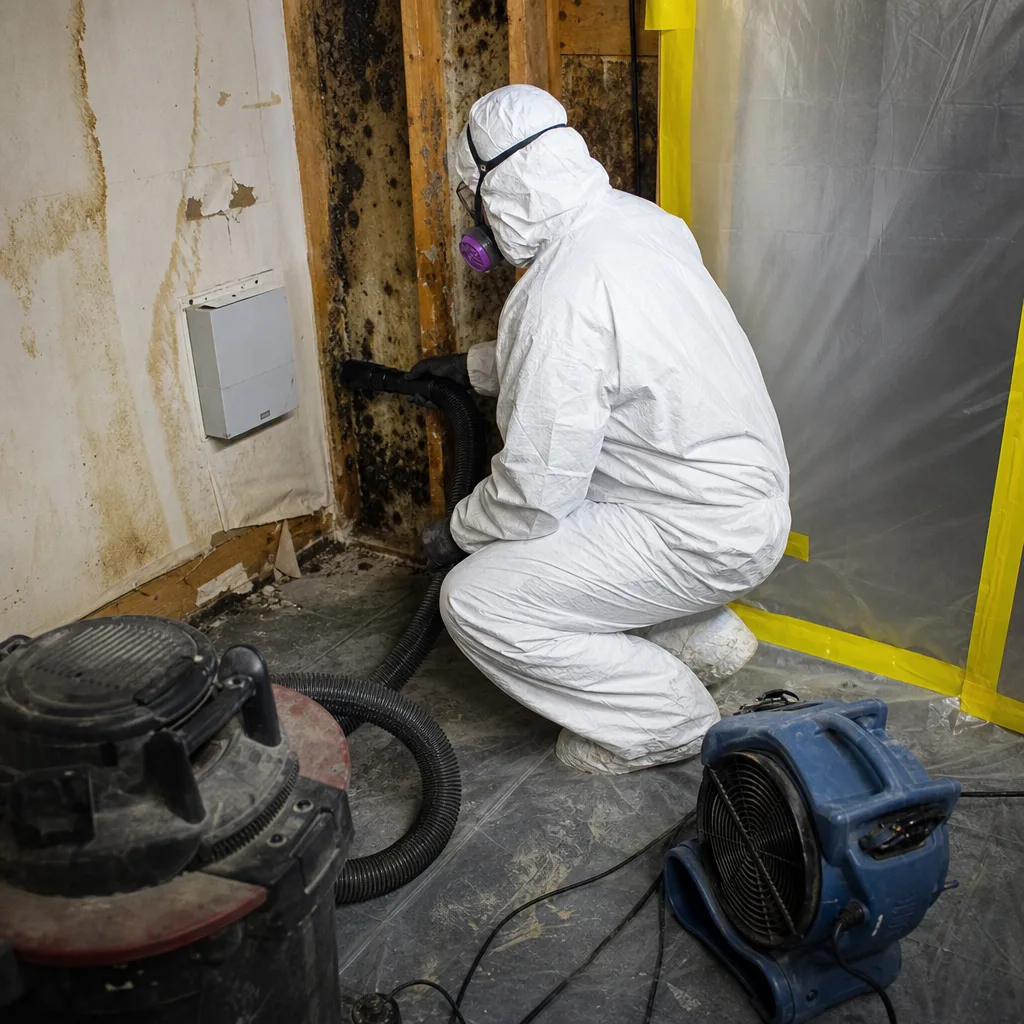
Contents Cleaning & Pack-Out
We pack out, inventory, and clean salvageable contents with the same care we’d give our own stuff, because sometimes that’s exactly what’s at stake: family photos, heirloom furniture, the cast-iron pan that survived three generations. Photo documentation goes to your insurer, and you get a full inventory before anything leaves the building. When contents return, they’re clean, deodorized, and ready to go back where they belong.
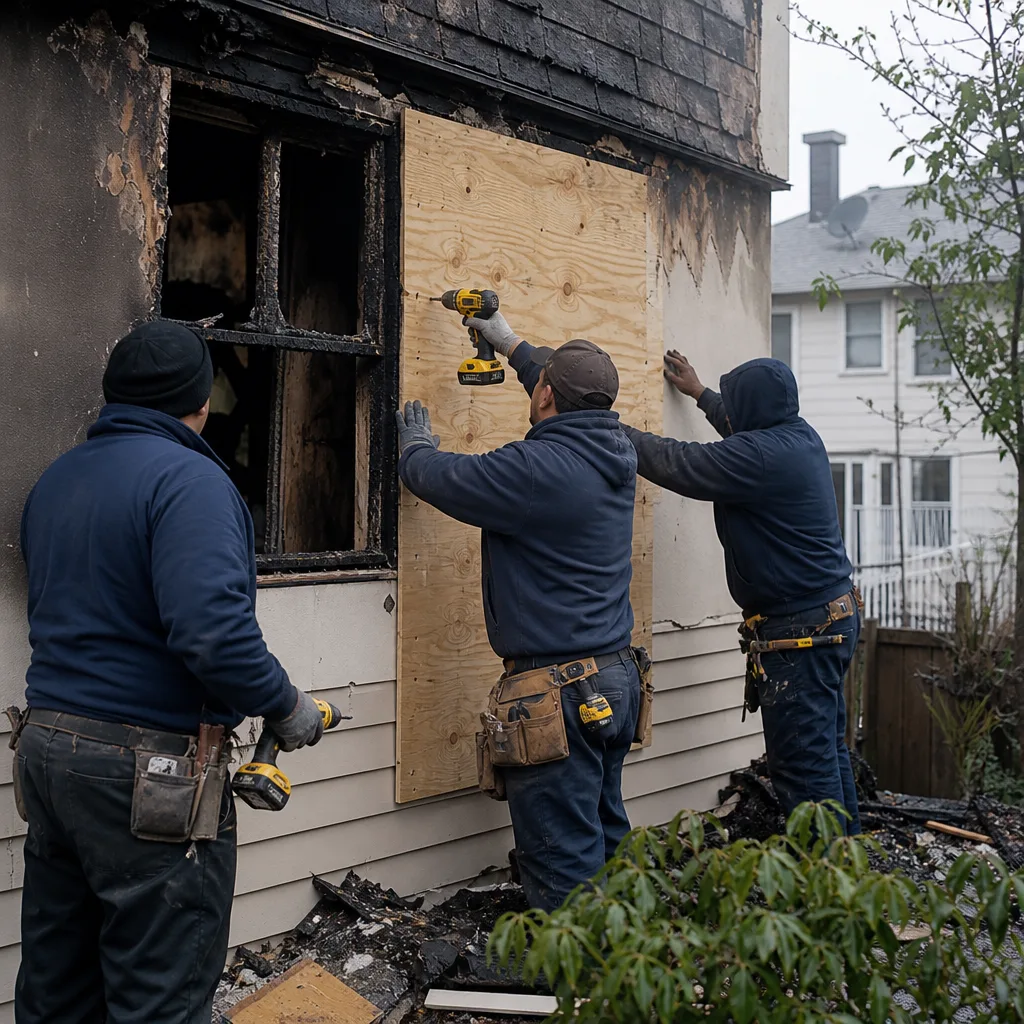
Emergency Board-Up & Tarping
After a fire in Lower Manhattan, broken windows and damaged entry doors leave your space exposed to weather, pests, and pedestrian attention. We board up and tarp fast, using methods that don’t damage landmark facades or trigger additional permitting review, as part of Lower Manhattan Biohazard & Crime Scene Cleanup protocols when hazardous conditions are present. A secure opening keeps the rest of the building safe while the cleanup begins.
What happens when you call
- 1
A real person answersNo phone trees - you reach a local pro.
- 2
You get an upfront price rangeHonest numbers before anyone is dispatched.
- 3
A background-checked tech heads outLicensed & insured, dispatched right away.
- 4
You approve before work beginsNothing starts until you say go.
Fire & Smoke Damage Restoration Costs in Lower Manhattan, NY
Straight talk on money: in Lower Manhattan, a typical smoke and soot cleanup in a single unit runs $3,500 to $9,000, depending on square footage and residue type. Full fire damage cleanup with content pack-out and structural drying runs $12,000 to $38,000 in most converted lofts and high-rise units. Odor removal and deodorization alone typically runs $2,000 to $6,000. Emergency board-up and tarping runs $800 to $2,500 on a typical Lower Manhattan street-level opening. What moves those numbers is the building itself: a pre-war lath-and-plaster wall that needs LPC sign-off before opening costs more in time and labor than a Sheetrock wall in a 2005 tower. Insurance covers most fire loss scenarios, but the exact amount depends on your policy’s coverage for building materials, contents, and any Landmarks-related requirements. We offer a free second opinion on any written estimate, and the free visual inspection means you’re never guessing. Call (363) 208-1526 for a firm number, not a phone quote that changes when we walk through the door.
We Also Serve Cities Near Lower Manhattan
Our crews regularly respond to Lower Manhattan calls from Astoria and the Financial District, and we work throughout Flushing and Midtown Manhattan as well. If you’re near Lower Manhattan and need fire or smoke help, call (363) 208-1526 and ask for Wade. He’ll tell you straight what he can do.
Serving Lower Manhattan, NY - Our Local Coverage Area
We’re based in the Lower Manhattan area and know this community well. Use the map below to see our service coverage - if you’re nearby, we can almost certainly help.
Lower Manhattan Fire & Smoke Damage Restoration Questions, Answered
Why does a fire-damage job in a Tribeca loft sometimes need Landmarks Preservation Commission approval just to dry the walls?
In many Tribeca lofts inside NYC Individual Landmarks or historic districts, original 1920s-1940s standpipe risers and steam-pipe chases run through walls that are protected by the Landmarks Preservation Commission. Opening an exterior-facing wall to dry a smoke-filled cavity requires LPC sign-off before any work begins. That can turn a 48-hour drying job into a weeks-long permitting exercise. We know which walls are affected and build our mitigation plans around hearing dates, not against them.
After a fire in a Battery Park City high-rise, the fire department used seawater-adjacent hydrant water - does that change the smoke cleanup?
Yes. Firefighting water drawn from hydrants near the Hudson or East River carries elevated chloride levels, and when it soaks into drywall, timber, or electrical components, it leaves behind corrosive salt residue that standard freshwater drying doesn’t address. In Battery Park City, where buildings sit on landfill at sea level, chloride contamination can accelerate corrosion and set up mid-winter electrical faults. We test for chlorides and adjust our drying and cleaning protocol accordingly, because a wall that looks dry can still be salt-compromised, which is why our Sewage Cleanup in Lower Manhattan team is trained to handle contaminated water scenarios.
How do you stop smoke odor from migrating through a Financial District office-to-residential conversion’s original steam-pipe chases?
You build containment before you open any wall, and you run HEPA air scrubbers continuously while treating the chase way itself, not just the unit where the fire started. In Financial District conversions, original steam-pipe chases run vertically through multiple floors, creating a chimney effect that pulls smoke odor into every connected unit. We seal the chases, create negative air pressure in the loss area, and use thermal fogging to neutralize odor inside the chase before it spreads. That’s the only way to stop migration at the source, not chase it after it’s gone.
What’s the first number you check before opening a wall in a Lower Manhattan cast-iron building after a fire?
We don’t check a number; we check the Landmarks Preservation Commission designation. If the building is an NYC Individual Landmark or lies within a historic district, exterior-facing walls and any original structural elements are protected, and we need LPC sign-off before opening them. That’s the first approval to secure. We also check the building’s fire code floor plans to locate standpipe risers and steam-pipe chases, so we know exactly where not to cut until the paperwork clears.
Can a fire in a South Street Seaport loft damage the building’s storm-surge resilience?
Indirectly, yes. South Street Seaport sits at sea level, and many buildings there rely on flood doors, strengthened basement walls, and sealed utility penetrations to resist storm-surge flooding. A fire that scorches or distorts those barriers, or that compromises the electrical systems that power sump pumps, undercuts the building’s flood defense. During restoration, we assess whether fire damage has touched any storm-surge resilience features and rebuild them to meet FEMA Flood Zone AE requirements, not just cosmetic pre-loss condition.
How fast can someone actually get to Lower Manhattan after I call?
Within 45 minutes in most cases. Wade’s crew is staged to reach Lower Manhattan fast, accounting for cross-town traffic and bridge access. For active emergencies, Wade himself will be on the phone with you while the crew is on the road, talking through exactly what to do in the first 30 minutes: shut off power to affected areas, don’t touch soot-covered surfaces, and open windows if weather allows. Call (363) 208-1526 now.
Do I really need full remediation, or just a cleaning?
That depends on residue type and building construction. Surface soot in a modern high-rise might only need professional cleaning. But in a pre-war loft or cast-iron building, what looks like surface soot often has acidic residue on original fireproofing, smoke odor soaked into plaster, or salt-contaminated firefighting water in wall cavities. The free visual inspection answers this question honestly. We’ll tell you if you need full remediation or just a thorough cleaning, with no charge for the assessment and no pressure either way.
Who deals with my adjuster?
Wade does. Directly. From the first hour of the claim, we provide your insurer with photos, moisture logs, line-item scopes, and any Landmarks-related documentation they need. We walk the adjuster through the building’s specific conditions ourselves, so you’re never stuck translating between a national carrier and a local landmark reality. It’s one of the biggest reasons people in Lower Manhattan call us instead of a franchise crew.
Written by Wade Ferris, Owner at Wade’s Restoration. Wade founded the company in 2007 and has been answering his own phone for Lower Manhattan property owners ever since. If you have a fire or smoke problem, call (363) 208-1526 and ask for Wade. He will be there himself.