
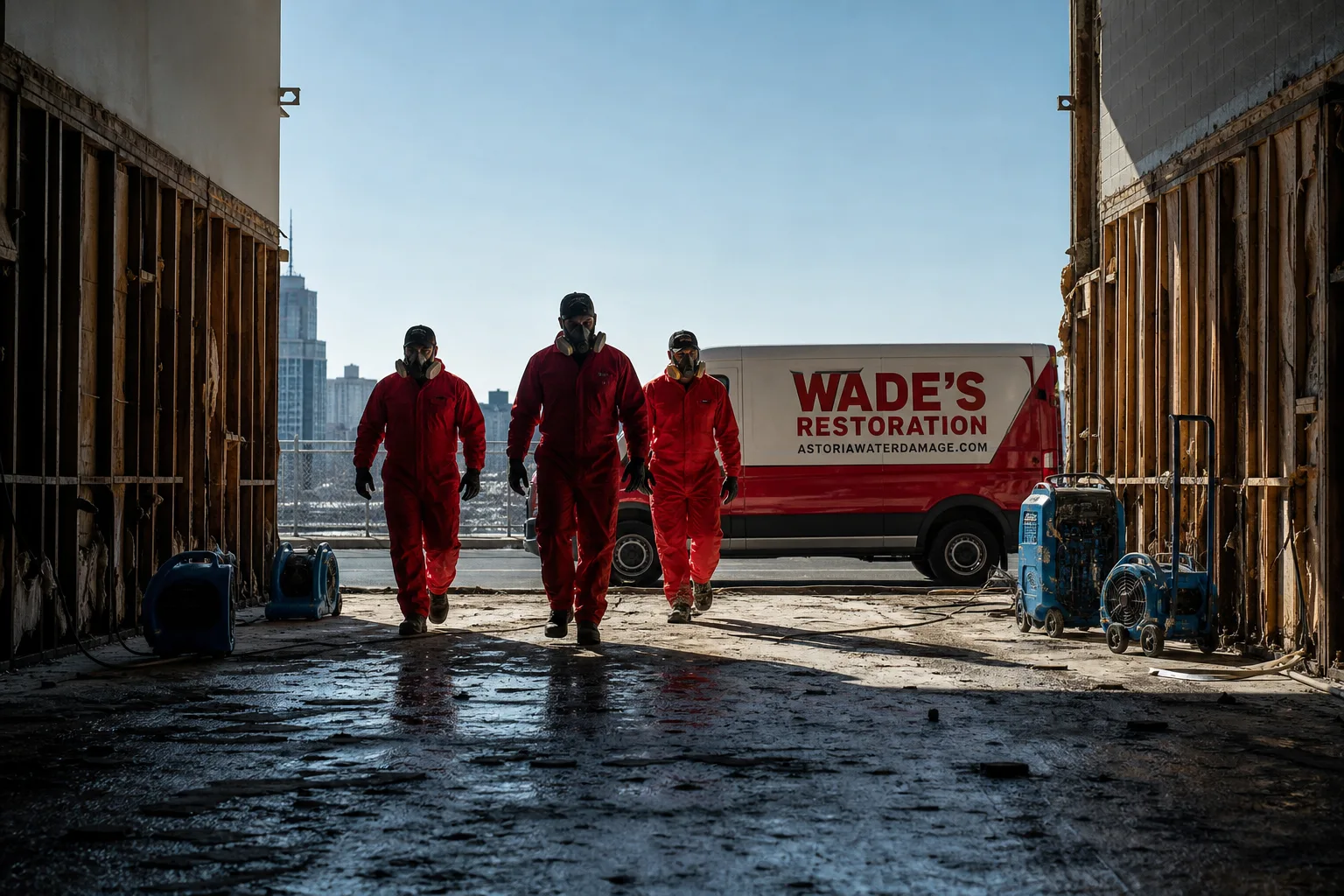
Free visual inspection and a written scope of work before any mitigation begins - photos, moisture readings, and drying logs go in your claim file
The scope we write is the scope we bill. Anything new gets shown to you, in writing, before we touch it.
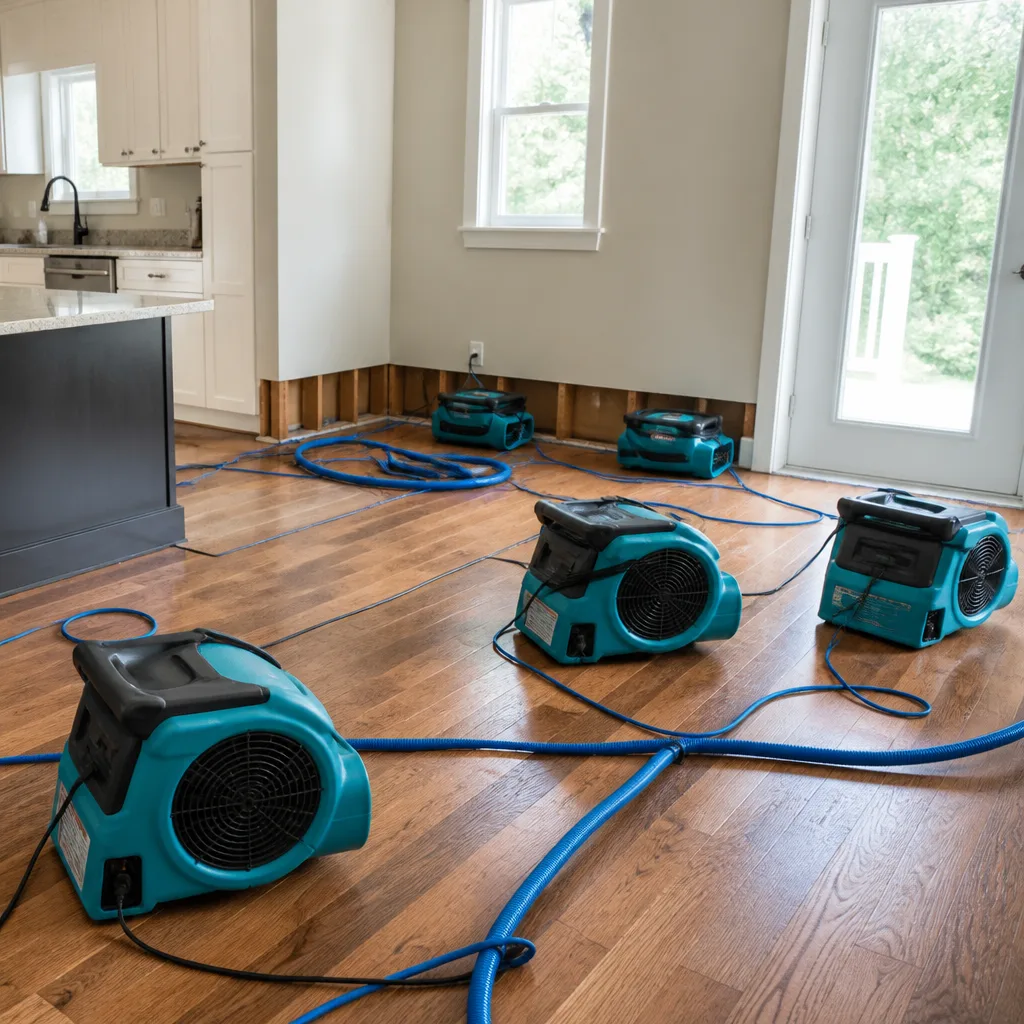
 Before
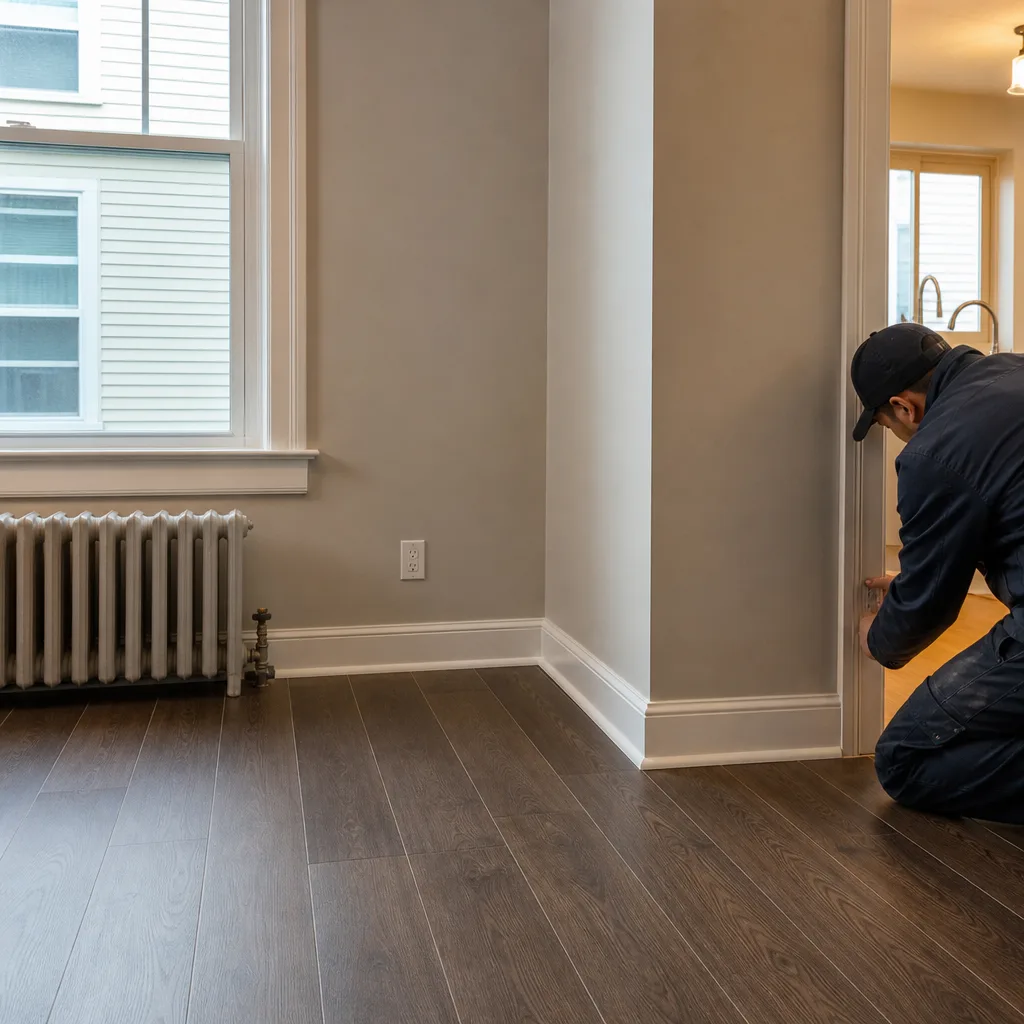 After
After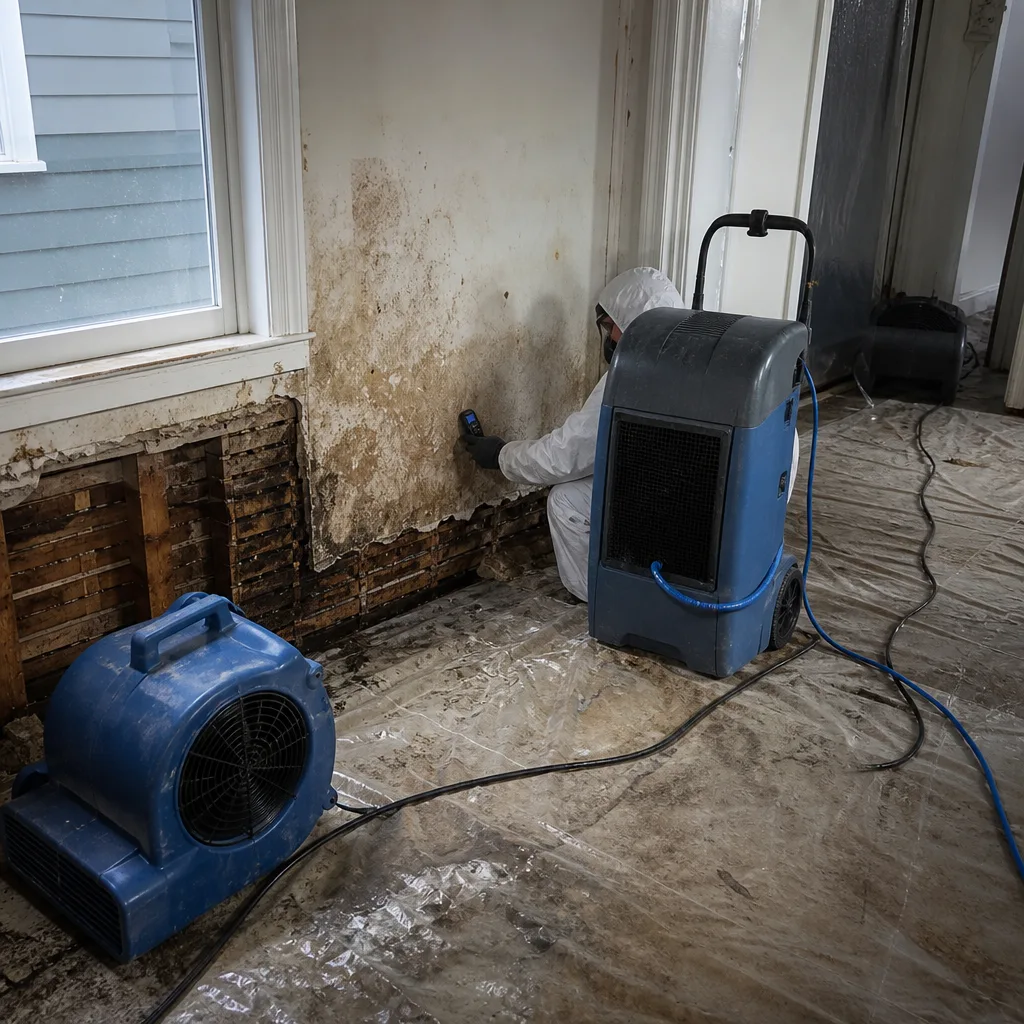 Before
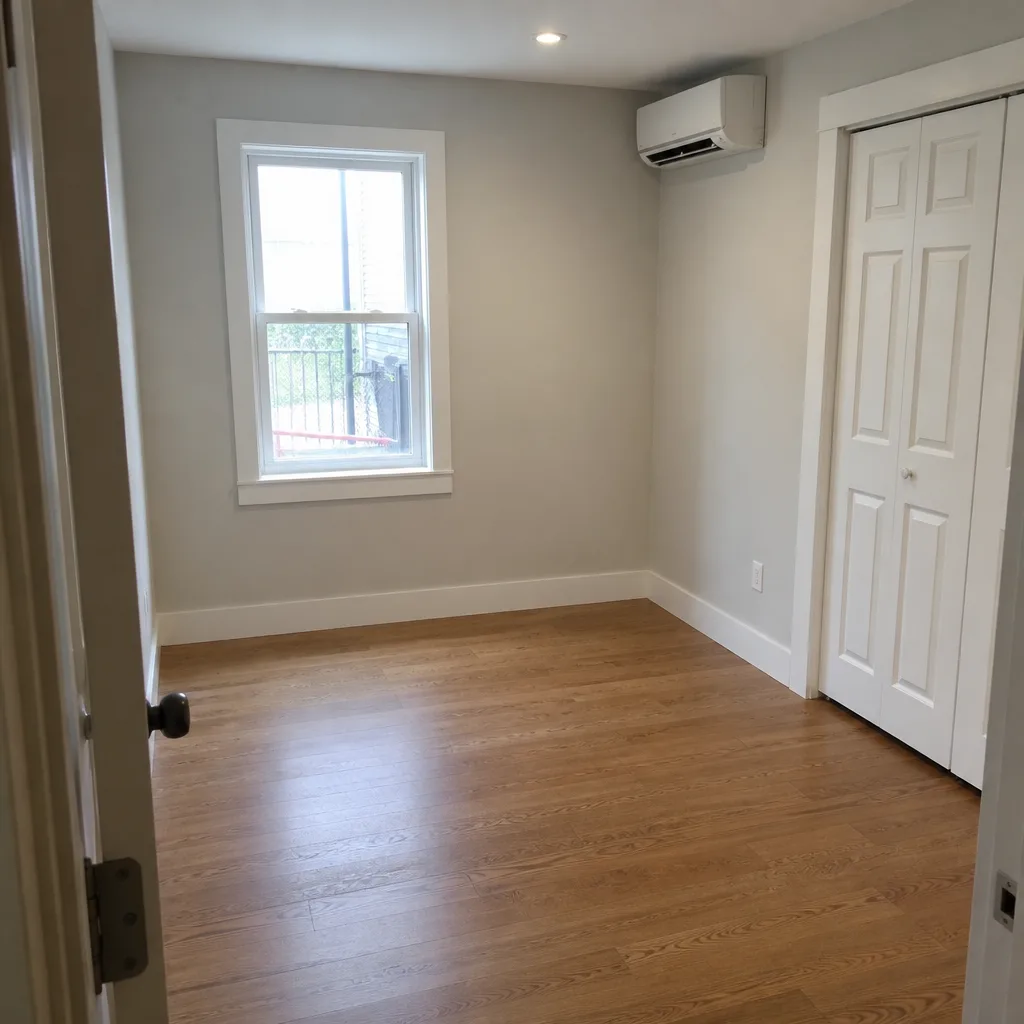 After
After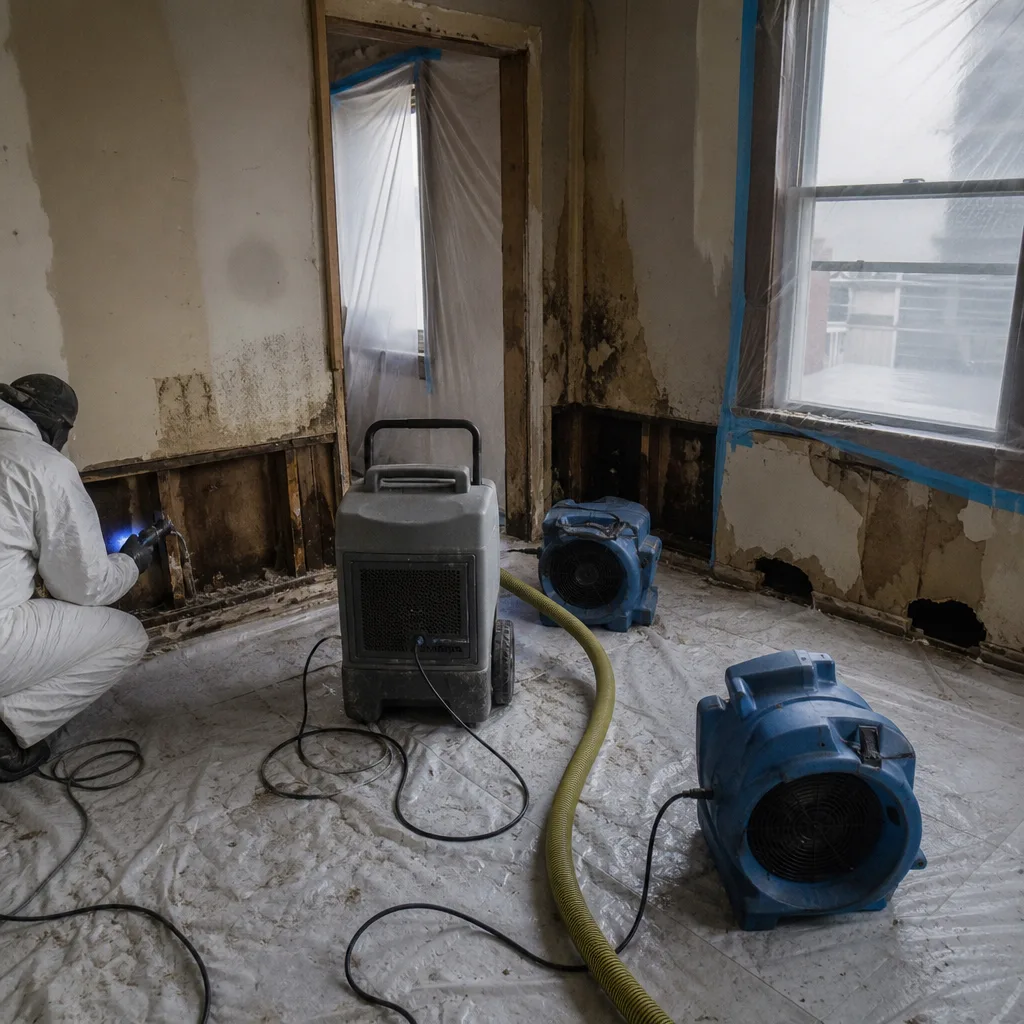 Before
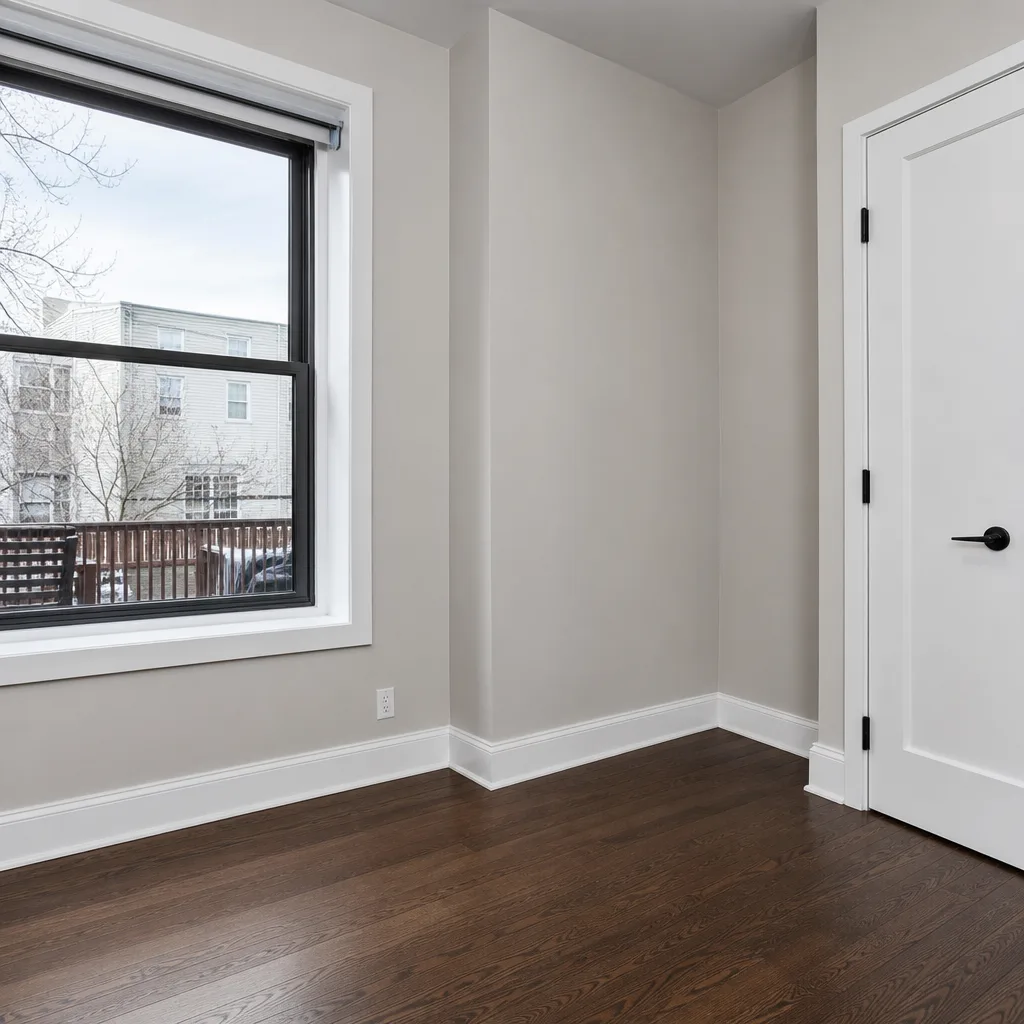 After
After24/7 Emergency Mold Remediation in East Bronx
Mold remediation in East Bronx starts with a phone call to (363) 208-1526, answered live by Wade Ferris himself, any hour of the day or night. We have crews stationed throughout the East Bronx area who can be at your door inside forty-five minutes for a free visual inspection. The first hour matters because mold colonies double every 24 to 48 hours once they get moisture, and in East Bronx buildings, that moisture rarely stays put. A ceiling leak in a Co-op City tower moves down through the stack. A damp crawl space in Throggs Neck spreads into your floor joists. Getting eyes on it fast is the cheapest move you will make. Wade himself answers the phone at 2 a.m. He will tell you honestly whether it is an emergency or whether it can wait until morning. No call center, no script, no runaround.
Understanding Mold Remediation Severity in East Bronx Properties
Mold is categorized by the water source that fed it. Category 1 water is clean – a supply line, a radiator overflow. Category 2 is gray water – a dishwasher discharge, a washing machine overflow. Category 3 is black water – sewage, storm surge, anything carrying bacteria. The category drives the remediation plan: containment, air scrubbing, material removal, clearance testing. In East Bronx, we rarely see simple Category 1 mold jobs. Co-op City’s towers were built between 1968 and 1973, and the original cast-iron risers and steam lines have decades of corrosion behind them. When those fail, the water soaks plaster ceilings, wets the 1960s vinyl asbestos floor tiles underneath, and travels down shared mechanical chases into the units below. Parkchester’s 1940s MetLife-era blocks have their own issues: original pipe chases, pre-1978 lead paint, and decades of deferred maintenance that let small leaks fester into full mold colonies behind plaster walls. In the low-lying single-families of Throggs Neck and City Island, we find the other pattern: storm surge from Sandy and Ida that wicked up foundation walls and never fully dried, leaving chronic mold in rim joists and crawl spaces that flares up after every heavy rain.
Why East Bronx Property Owners Choose Wade’s Restoration
- 45-minute response commitment. Wade himself is on the phone and crews are already rolling. In East Bronx, that often means we beat the building super’s own response time.
- 24/7 live answer, never an automated system. You call (363) 208-1526, a person picks up. No voicemail tree, no offshore answering service. Wade carries his own phone.
- IICRC-certified crews. Our team holds WRT, FSRT, and AMRT certifications. Mold requires AMRT specifically – Applied Microbial Remediation Technician – and we have it.
- Free visual inspection. We will walk your unit or house, find the moisture source, and tell you honestly what needs to happen. No charge for that. Ever.
- Direct insurance billing. We document everything, talk to your adjuster ourselves, and handle the claim paperwork so you are not the middleman.
- One team from extraction to reconstruction. We do not hand you off to a separate contractor. The same crew that dries your walls rebuilds them.
Our Mold Remediation Process
Inspection & Assessment
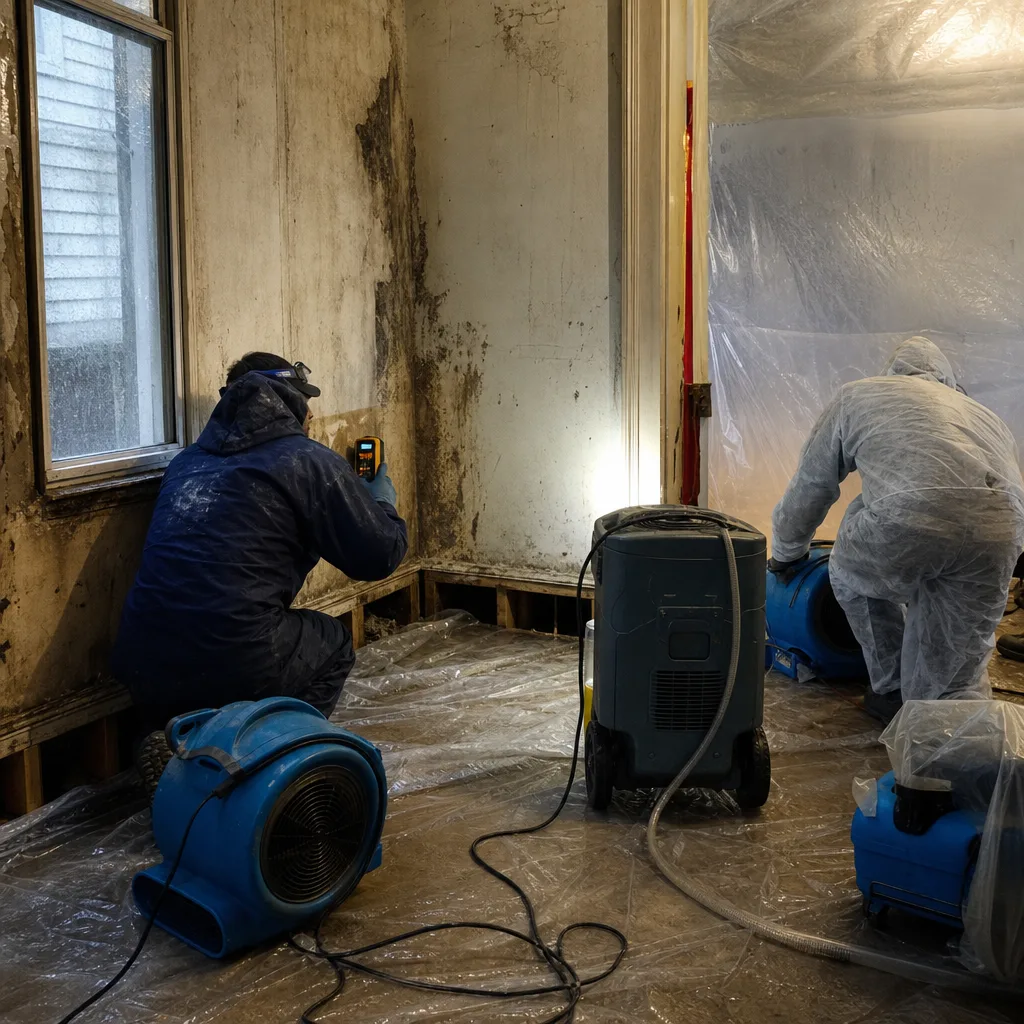
We start with moisture mapping using thermal imaging and hygrometers to find every wet cavity. In Co-op City, that means checking the shared chases above and below your unit. In a Throggs Neck bungalow, it means crawling the space under your floorboards. We hand you the full moisture log when we finish.
Containment Setup
Before we cut anything, we seal the work area with poly sheeting and run HEPA air scrubbers on negative pressure. This matters especially in East Bronx apartments, where mold spores traveling through shared mechanical chases can migrate into your neighbor’s unit. Containment keeps what is in your walls from getting into your lungs.
Material Removal & Stabilization
We remove water-damaged drywall, insulation, and flooring that cannot be salvaged. In pre-1978 East Bronx buildings, this step often uncovers asbestos-containing vinyl tile or pipe wrap – which legally halts demolition until abatement clears. We handle that coordination, not you.
Drying & Dehumidification
We position commercial air movers and Phoenix and Dri-Eaz dehumidifiers throughout the affected space. We take moisture readings daily and adjust the drying plan accordingly. Most East Bronx jobs dry fully in three to five days. Storm surge jobs in Throggs Neck crawl spaces can take longer.
Cleaning, Sanitization & Treatment
All remaining surfaces get HEPA vacuuming and antimicrobial treatment. For crawl spaces in low-lying East Bronx homes, we apply mold-resistant sealant to rim joists and foundation walls after drying. Air scrubbers run the entire time.
Clearance Testing & Repairs
We run post-remediation air sampling to confirm spore counts are back to normal. Then we rebuild: drywall, paint, flooring, trim. You get one crew, one warranty, and one phone number to call if anything is not right.
Need Emergency Mold Remediation in East Bronx Now?
Crews minutes away, answering live 24 hours a day. The sooner we start, the less it costs.
Working With Your Insurance Company
Insurance claims for mold are tricky. Most policies cover mold remediation only when it stems from a covered water loss – a burst pipe, a storm, an appliance failure. Gradual leaks and long-term humidity are harder to get approved. We know how to present the claim. From the first hour, we photograph everything, log moisture readings, and document the full scope of loss. Then we talk to your adjuster directly. You do not relay messages between us and them. We have spent years dealing with carriers on behalf of East Bronx homeowners, and we know what they need to approve a claim.
What We Provide Your Insurer
- Thorough documentation of the loss
- Photos of all damage, room by room
- Moisture readings and drying logs
- A detailed, line-item scope of work
- Direct coordination with your carrier
Built for East Bronx’s Loss Calendar
East Bronx mold losses follow a seasonal rhythm we have learned after years of working here. January and February bring deep freezes that split supply lines in uninsulated exterior walls, particularly in the 1968-1973 Co-op City towers where original piping runs through unheated mechanical chases. March and April bring spring thaw and rising water tables, which push ground moisture into the crawl spaces and basements of Throggs Neck and Pelham Bay homes. Summer thunderstorms dump inches of rain in hours, overwhelming catch basins near the Hutchinson River Parkway and Westchester Creek, sending street water into basement apartments and cellar units. And September through November is hurricane season – Sandy in 2012 and Ida in 2021 both pushed storm surge from Eastchester Bay and Long Island Sound into the bungalows of Edgewater Park, Clason Point, and the low blocks near Ferry Point Park. Those homes still carry mold in their framing. We see the same addresses cycle through every storm season because remediation was never done to full structural dryness. We do it right the first time, and we hand you the moisture log to prove it.
Mold Remediation Across East Bronx’s Neighborhoods
Co-op City is our most common mold call, and it is also the most complicated. Thirty-five high-rise towers, up to 33 stories, stacked vertically with shared mechanical chases. Water moves down. A 12th-floor dishwasher failure becomes a 26-unit problem before building staff shuts the riser. We plan containment across multiple floors and coordinate with Riverbay Corporation from the first day. Parkchester’s 1940s garden apartment blocks are different: older steam risers, original plaster over wire lath, and a management structure that requires approval before any structural work. Throggs Neck and Pelham Bay are mostly post-war brick single-families and semis, where the mold is usually in the crawl space and rim joists from coastal humidity and repeated flooding. City Island is a separate case altogether: wooden bungalows on pilings, saturated by decades of marine air, where mold hides under original hardwood floors and inside uninsulated wall cavities. And the industrial pockets along the Bronx River near West Farms and Soundview deal with elevated groundwater pushing moisture up through concrete slabs. Each neighborhood needs a different drying plan.
Our crew was called to a 12th-floor unit in Co-op City after a neighbor’s upstairs dishwasher supply line failed overnight. By the time building staff shut the riser, category 2 water had saturated the plaster ceiling and wetted the vintage 1968 vinyl asbestos floor tiles. We set up full containment in the living room while our industrial hygienist filed the abatement notice, then used moisture mapping and air movers to dry the structural cavities after asbestos clearance – a three-day delay the homeowner never expected. That is the reality of mold remediation in East Bronx. It is rarely a simple extraction. It is a coordination job: building management, abatement requirements, insurance adjusters, and a homeowner who just wants their apartment back.
Specialized Mold Remediation Services We Offer in East Bronx
Mold Inspection & Testing
In East Bronx, we always start with inspection and testing before any remediation quote. Air sampling, surface swabs, and moisture readings tell us which spores are present and how far the colony has spread. In Co-op City, we also inspect the shared chases above and below your unit, because mold travels vertically. In Throggs Neck basements, we test for Stachybotrys – black mold – which thrives on drywall that stayed wet after storm surge. You get a written report with spore counts and a remediation plan based on the actual data.
Mold Removal
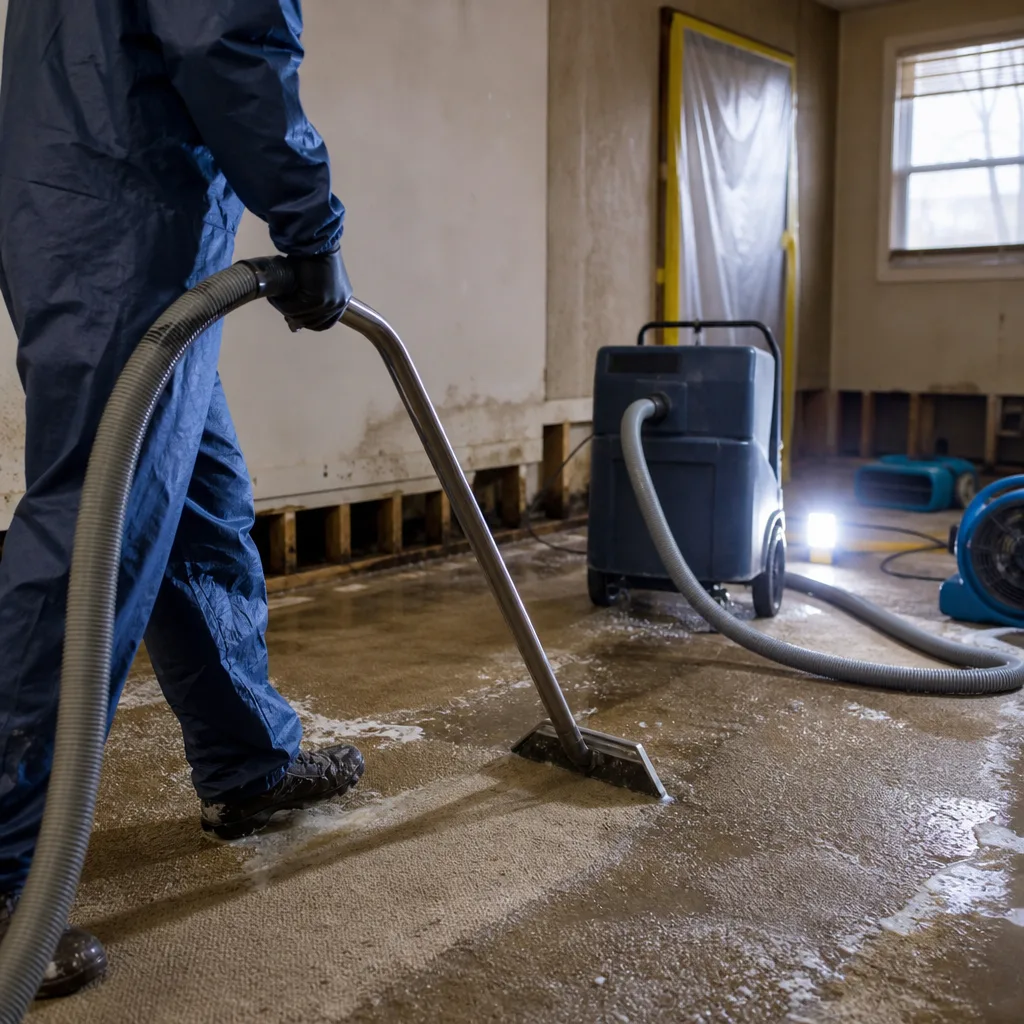
Mold removal in East Bronx means physically cutting out contaminated building materials and disposing of them under proper containment. We do not just spray bleach and paint over it. In the 1968-1973 Co-op City towers, we assume asbestos tile lurks under every floor and pipe wrap behind every wall. In Parkchester and Throggs Neck pre-1978 homes, we check for lead paint before disturbing any surface. Removal is done under negative air pressure with HEPA scrubbers running throughout.
Black Mold Remediation
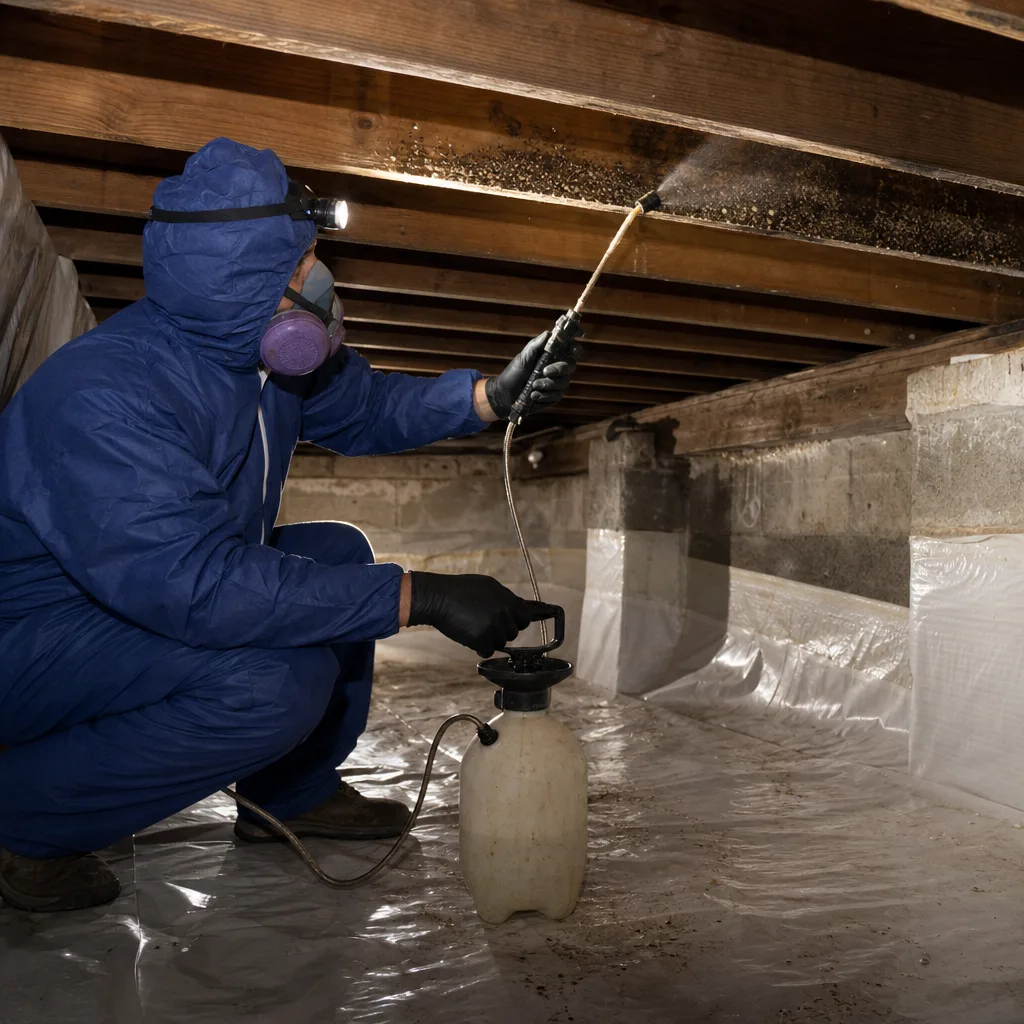
Black mold – Stachybotrys chartarum – shows up in East Bronx homes after chronic water exposure, not a single spill. We find it in crawl spaces where trap moisture never dries, behind baseboards in Sandy/Ida-flooded bungalows, and in the original steam riser chases of Co-op City. It needs full containment, full removal of contaminated materials, and clearance testing to confirm the air is safe before anyone moves back into the room. We handle it daily.
Air Quality Restoration
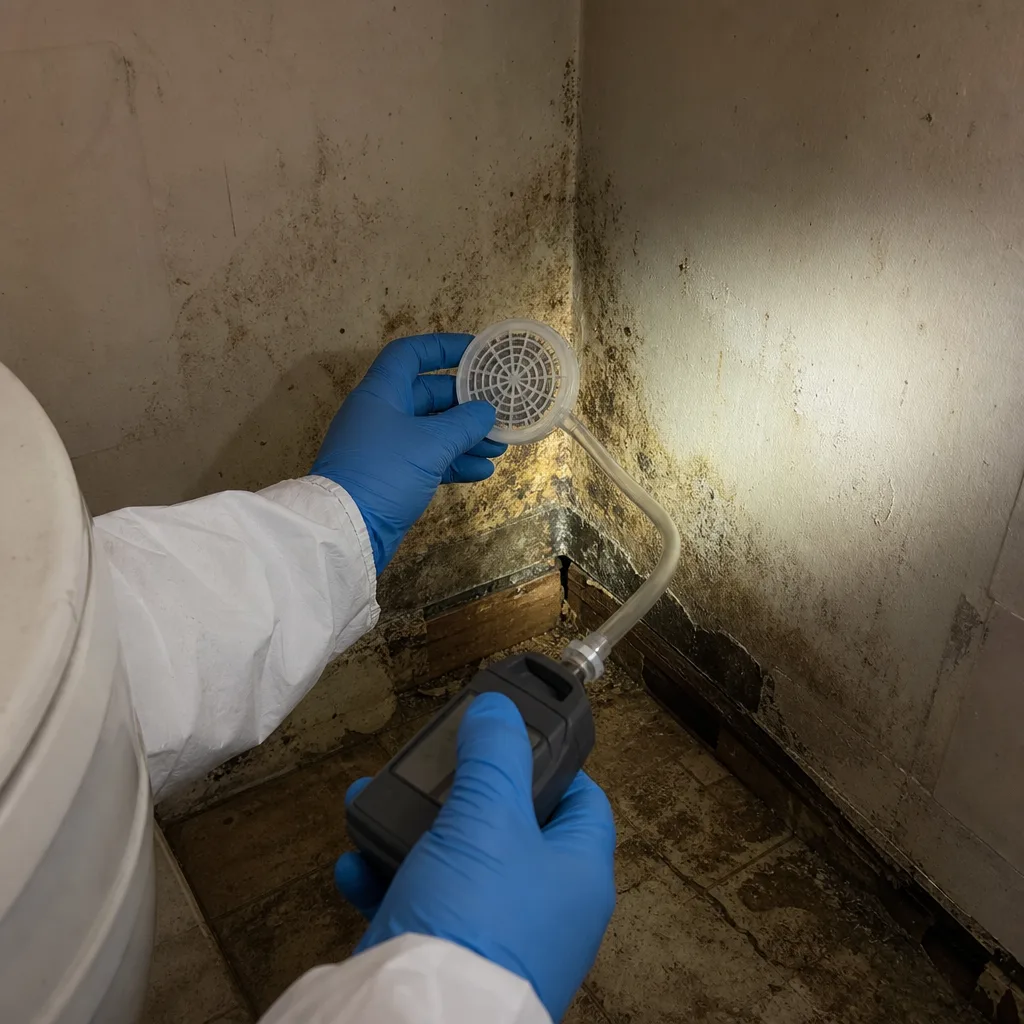
After any mold remediation, the air is what matters. We run HEPA air scrubbers throughout the job, then take post-remediation air samples and compare them to outdoor baseline levels. In East Bronx apartment buildings, we also pressurize the containment zone so mold spores from the work area do not migrate into neighboring units through original steam riser penetrations. You get a clearance report showing the air is clean. That report is what your insurance adjuster wants to see, and it is what your cooperative board needs for their records.
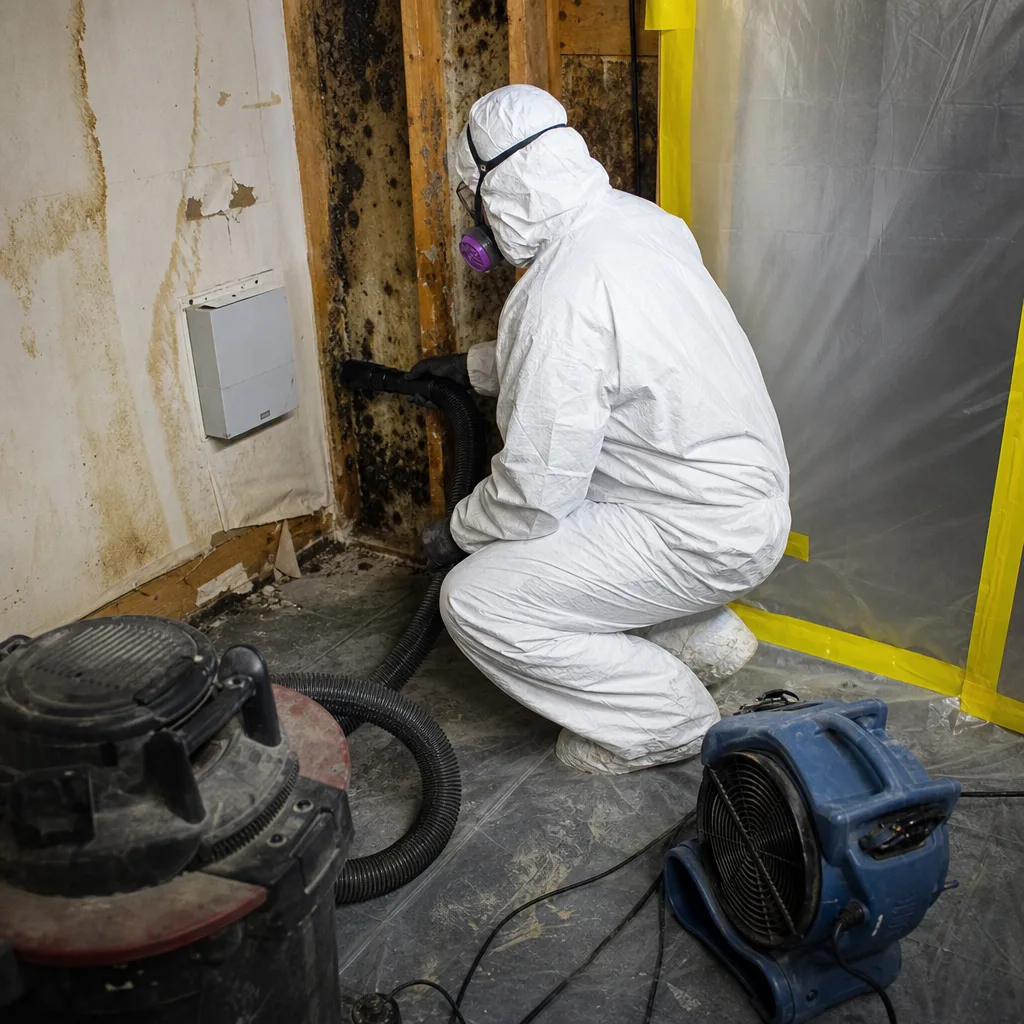
Crawl Space Treatment
Crawl spaces in Throggs Neck, Pelham Bay, and City Island are chronically damp. The East Bronx coastline along Eastchester Bay and Long Island Sound keeps ground moisture high year-round, and Sandy and Ida left saltwater in the soil that keeps wicking back up. We seal crawl spaces, install vapor barriers, dry the rim joists to below 15% moisture content, and apply mold-resistant treatment to the structural framing. This is not a one-day job. It is the only way to stop the cycle.
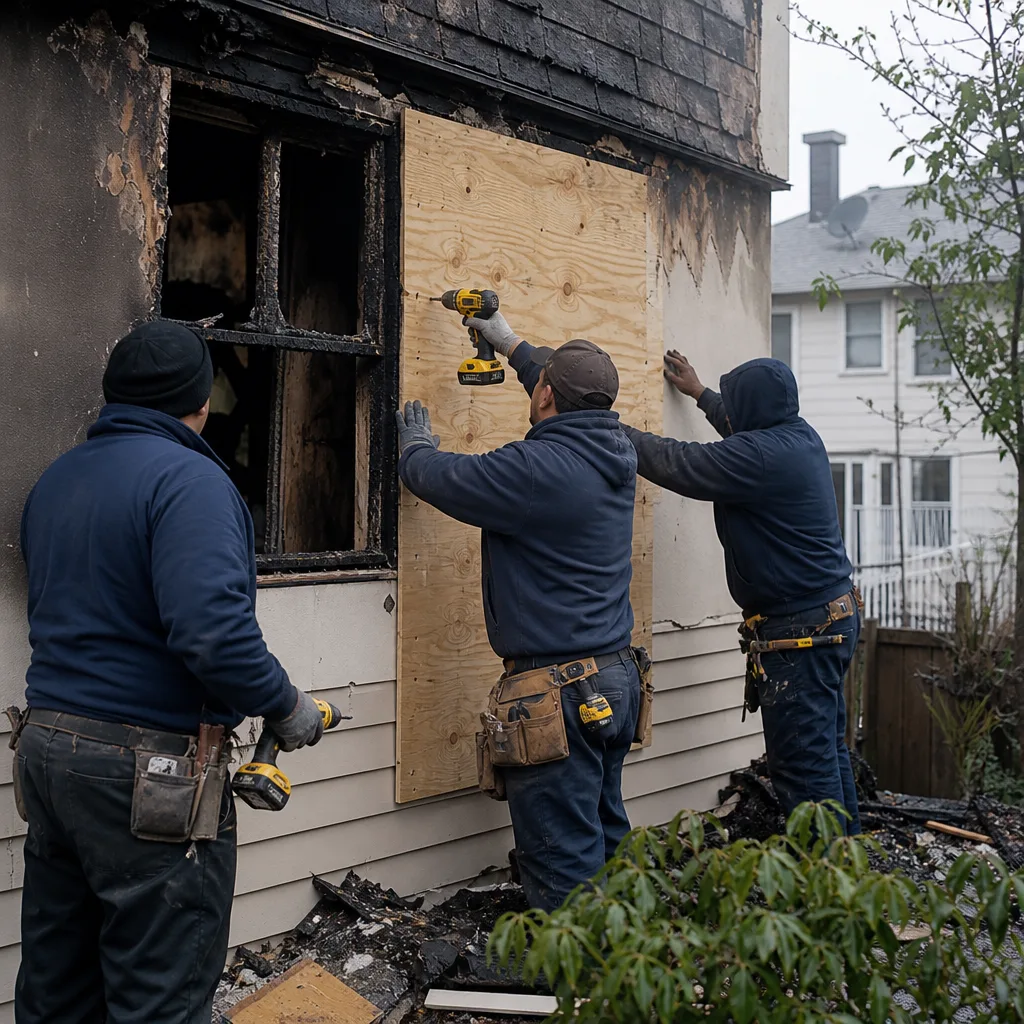
Moisture & Humidity Control
East Bronx homes trap humidity. Co-op City units run hot, with steam heat and poor ventilation, which feeds mold growth behind furniture and on exterior walls. Parkchester units have original radiators and no mechanical ventilation beyond a bathroom fan. We install dehumidifiers, improve airflow, and fix the building-envelope issues that keep moisture trapped. Mold is a moisture problem. If we do not fix the moisture, the mold comes back. We fix both.
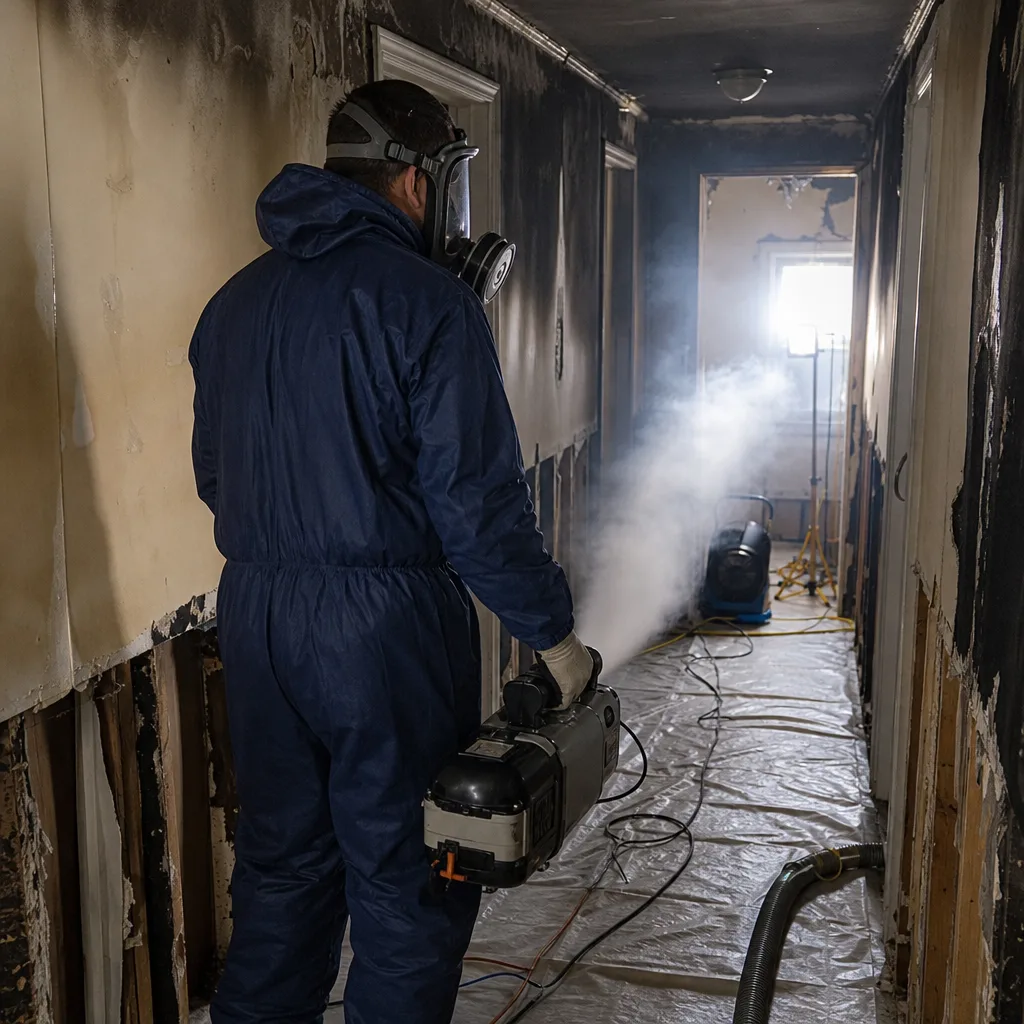
What happens when you call
- 1
A real person answersNo phone trees - you reach a local pro.
- 2
You get an upfront price rangeHonest numbers before anyone is dispatched.
- 3
A background-checked tech heads outLicensed & insured, dispatched right away.
- 4
You approve before work beginsNothing starts until you say go.
Mold Remediation Costs in East Bronx, NY
Honest numbers for East Bronx mold work. A basic mold inspection with air testing runs $300 to $500. A small contained remediation – a bathroom ceiling or a closet wall – starts around $1,200 to $2,500. A typical single-room mold removal in a Co-op City unit or Parkchester apartment runs $2,000 to $4,500, depending on how much drywall and flooring has to come out. A full crawl space treatment in Throggs Neck or City Island, with vapor barrier and structural drying, runs $4,000 to $9,000. The wild card in East Bronx is asbestos. If abatement is required – and in Co-op City it usually is – expect another $2,000 to $6,000 and three to seven added days. Your insurance covers mold remediation only when the moisture source was a covered loss, not a longstanding leak. We will tell you before we start which bucket you are in. Come get a free visual inspection. We will give you a firm written scope with real numbers, not a phone quote that changes at the door.
We Also Serve Cities Near East Bronx
Wade’s Restoration is based in the New York City metro area and handles mold remediation across the East Bronx and surrounding boroughs. The crew that works East Bronx also covers Mold Remediation in Astoria, the Financial District, Lower Manhattan, and Flushing. Same live answer, same 45-minute response, same 90-Day Done Right Promise. Call (363) 208-1526 and Wade will tell you honestly whether we can get to you fast enough.
Serving East Bronx, NY - Our Local Coverage Area
We’re based in the East Bronx area and know this community well. Use the map below to see our service coverage - if you’re nearby, we can almost certainly help.
East Bronx Mold Remediation Questions, Answered
What makes mold remediation in Co-op City different from a single-family home in Pelham Bay?
Scale and coordination. A single-family home in Pelham Bay is one structure with one owner. Co-op City is 35 towers, up to 33 stories, with shared mechanical chases running vertically through every unit. Water from a 12th-floor leak travels down through six, eight, a dozen apartments. Remediation requires containment plans spanning multiple floors, Riverbay Corporation approval before demolition, and asbestos abatement almost every time. The drying plan has to account for moisture in the chases themselves, not just your unit. It is a different job entirely.
After Hurricane Sandy or Ida flooding in Throggs Neck, how long before mold becomes a problem in my crawl space?
Mold starts growing within 24 to 48 hours of water intrusion. In Throggs Neck, where Sandy and Ida storm surge pushed saltwater into crawl spaces and it never fully dried, the mold has had years to establish. What we typically find is ongoing growth in rim joists and subflooring that flares after every rain. If your crawl space flooded and was never professionally dried, assume mold is present even if you cannot see it. Call (363) 208-1526 for a free inspection and we will tell you what the moisture meter shows.
If my contractor finds asbestos tile while doing mold remediation in Parkchester, what happens next?
Work stops immediately. It has to, legally. The area gets sealed, an abatement contractor takes samples, and demolition cannot resume until clearance is issued. In Parkchester’s 1940s MetLife-era buildings, vinyl asbestos floor tiles and pipe wrap insulation are common. The abatement process adds three to seven days and $2,000 to $6,000 to the job, but there is no legal way around it. We file the notice ourselves and coordinate the entire process. You do not have to hire a separate abatement company or manage the paperwork.
Can you handle category 3 water mold from a sewage backup in a City Island bungalow without gutting the whole kitchen?
Usually yes. Category 3 water – sewage – requires removing all porous materials that came into contact with it: drywall, insulation, cabinet bases, and any wood flooring that absorbed it. But not everything has to go. We remove what the sewage touched, sanitize what remains, and rebuild the rest to match. In City Island bungalows, where space is tight and the original pine flooring matters to homeowners, we are conservative about what gets cut. The scope is based on moisture readings and contamination testing, not a blanket gut.
How do you dry a Co-op City unit when the mold is behind the original steam riser chase?
We open the chase carefully, set up containment around it, and direct air movers into the cavity. The steam risers from 1968-1973 run through these chases, and they carry heat, which actually helps drying, but they also carry mold spores into every unit they pass through if not sealed. We run the chase under negative pressure, dry it with directed airflow, and then seal the penetrations so the next leak does not turn into another mold bloom. This is one of the most common mold sources in Co-op City and most remediation companies never even look inside the chase.
How fast can someone actually get to my East Bronx address?
Within 45 minutes, usually faster. We have crews stationed throughout the East Bronx and answer the phone live 24/7. Wade Ferris himself takes the call. If it is an emergency – water actively running, sewage backing up, mold spreading from a fresh leak – he heads out right away. You will not sit on hold, you will not get a call-back time from a call center in another state, and you will not be told to wait until Monday.
Will my insurance cover mold remediation in East Bronx?
It depends on the moisture source. Mold from a sudden, covered loss – a burst supply line, a storm, a covered appliance failure – is usually covered as part of that claim. Mold from long-term humidity, gradual leaks, or lack of maintenance is typically not. We will look at your specific situation, tell you honestly what your policy likely covers, and document the claim properly from day one. Photo documentation and moisture logs make the difference. We talk to your adjuster directly.
What should I do in the first 30 minutes after discovering mold in my East Bronx home?
Stop the water source if you can do so safely. Turn off the valve or shut the riser if you have access. Do not try to scrub or bleach visible mold – that releases spores into the air and can spread it further. Do not run a box fan in the room, because that also blows spores into clean areas. If the water is sewage or the mold is extensive, do not stay in the room. Call Wade at (363) 208-1526. He will walk you through the next steps on the phone and head out if it is an emergency.
Written by Wade Ferris, Owner at Wade’s Restoration, serving East Bronx since 2007.