
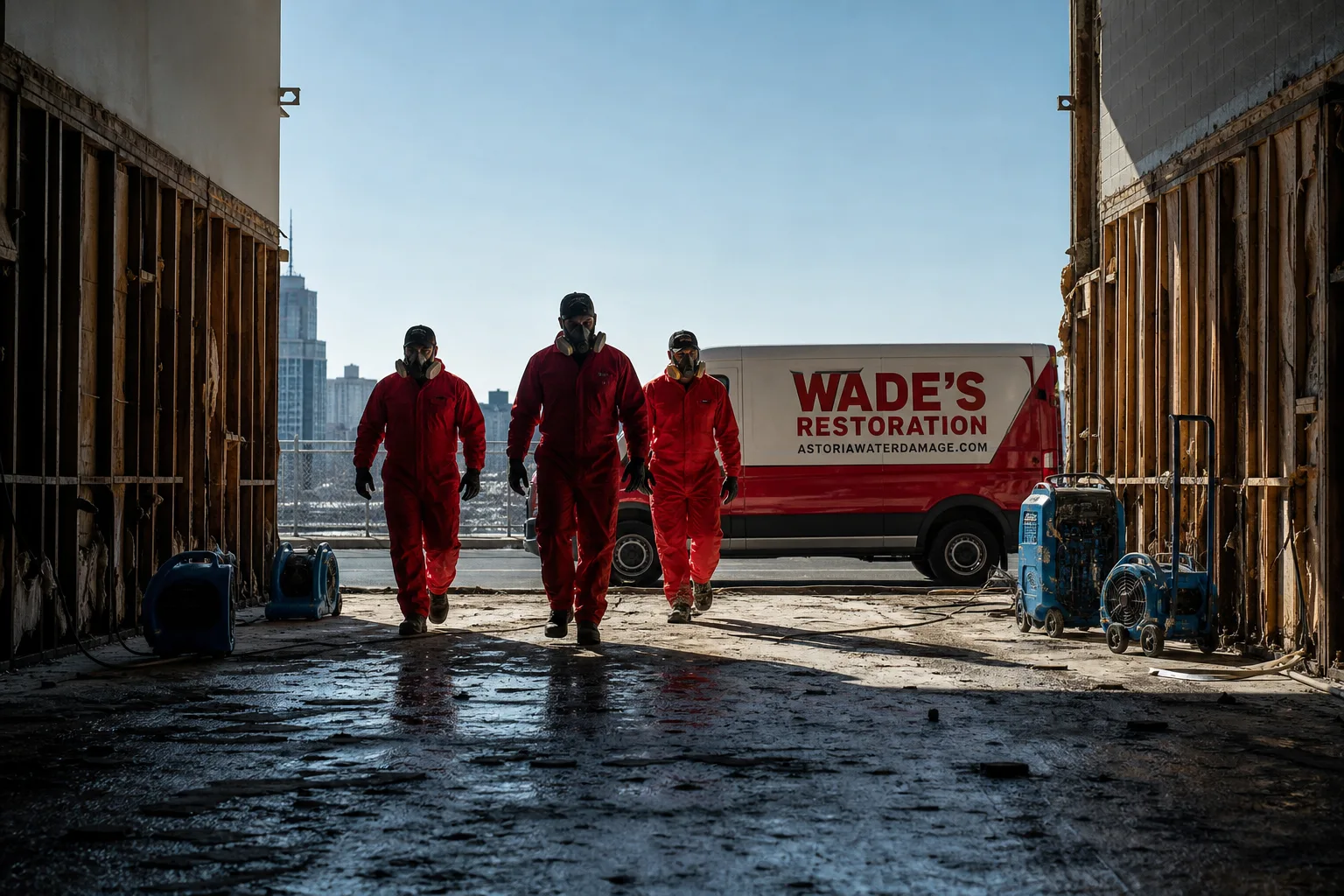
Free visual inspection and a written scope of work before any mitigation begins - photos, moisture readings, and drying logs go in your claim file
The scope we write is the scope we bill. Anything new gets shown to you, in writing, before we touch it.
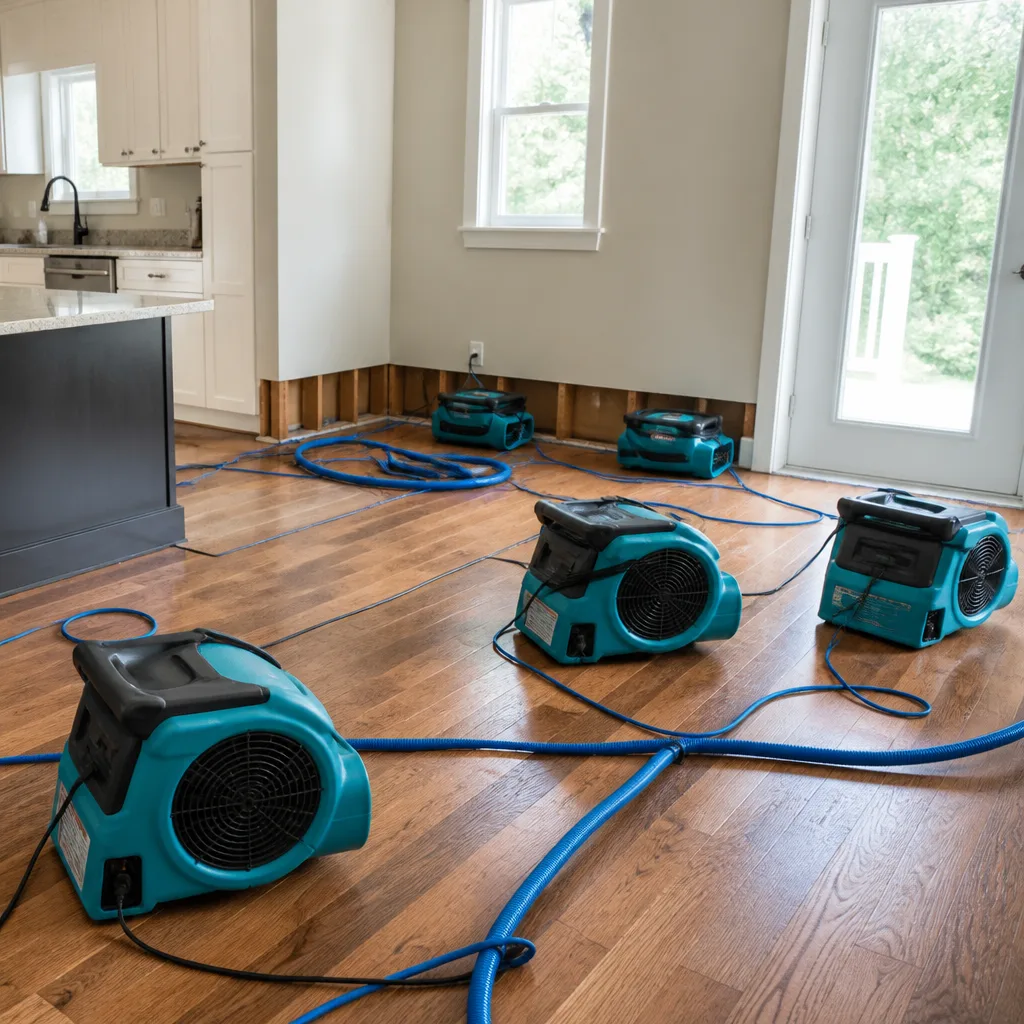
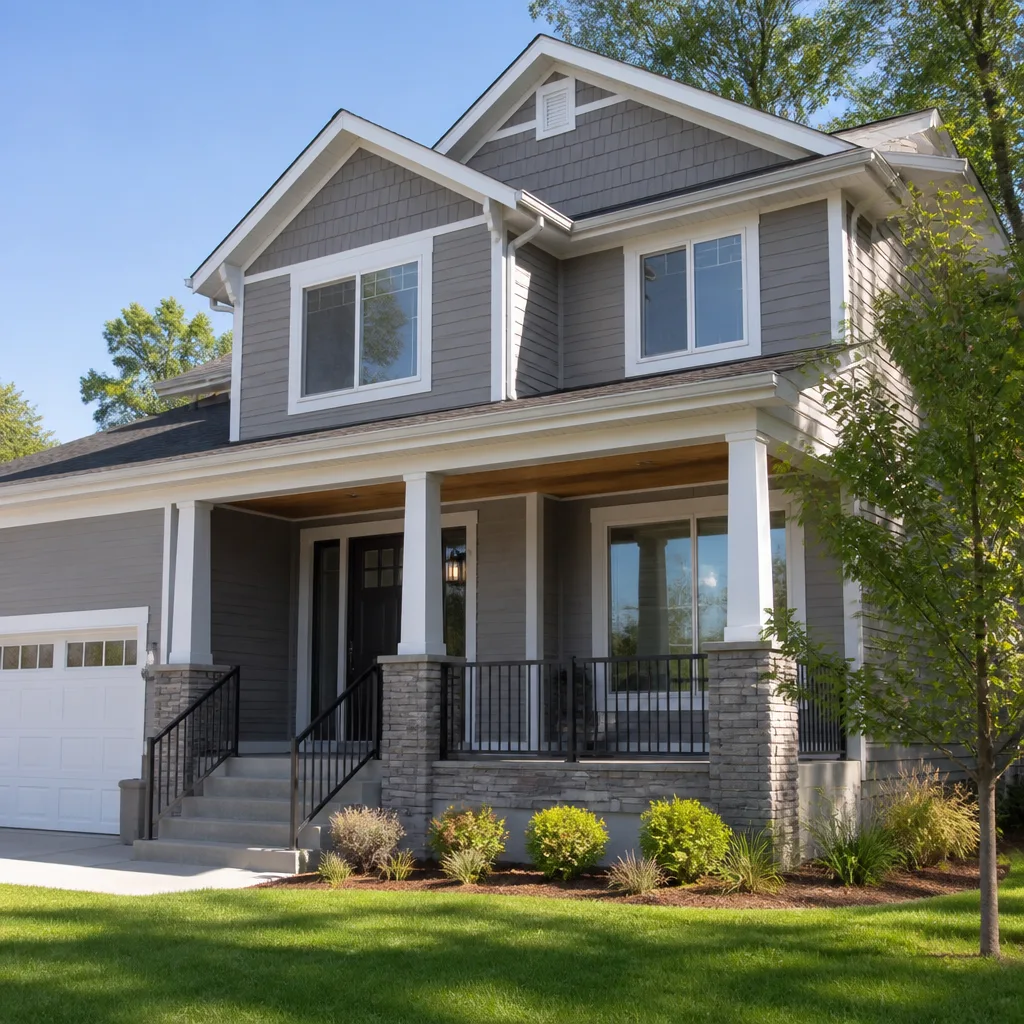
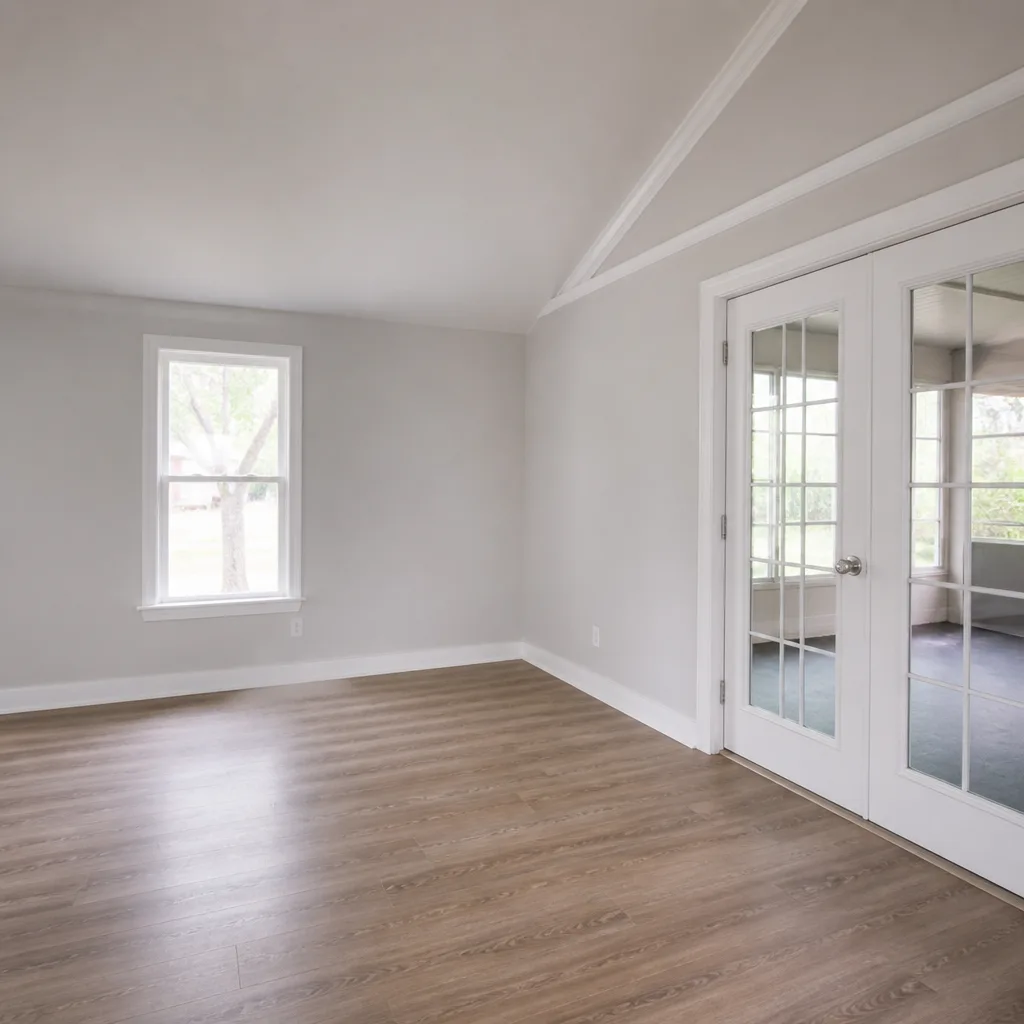
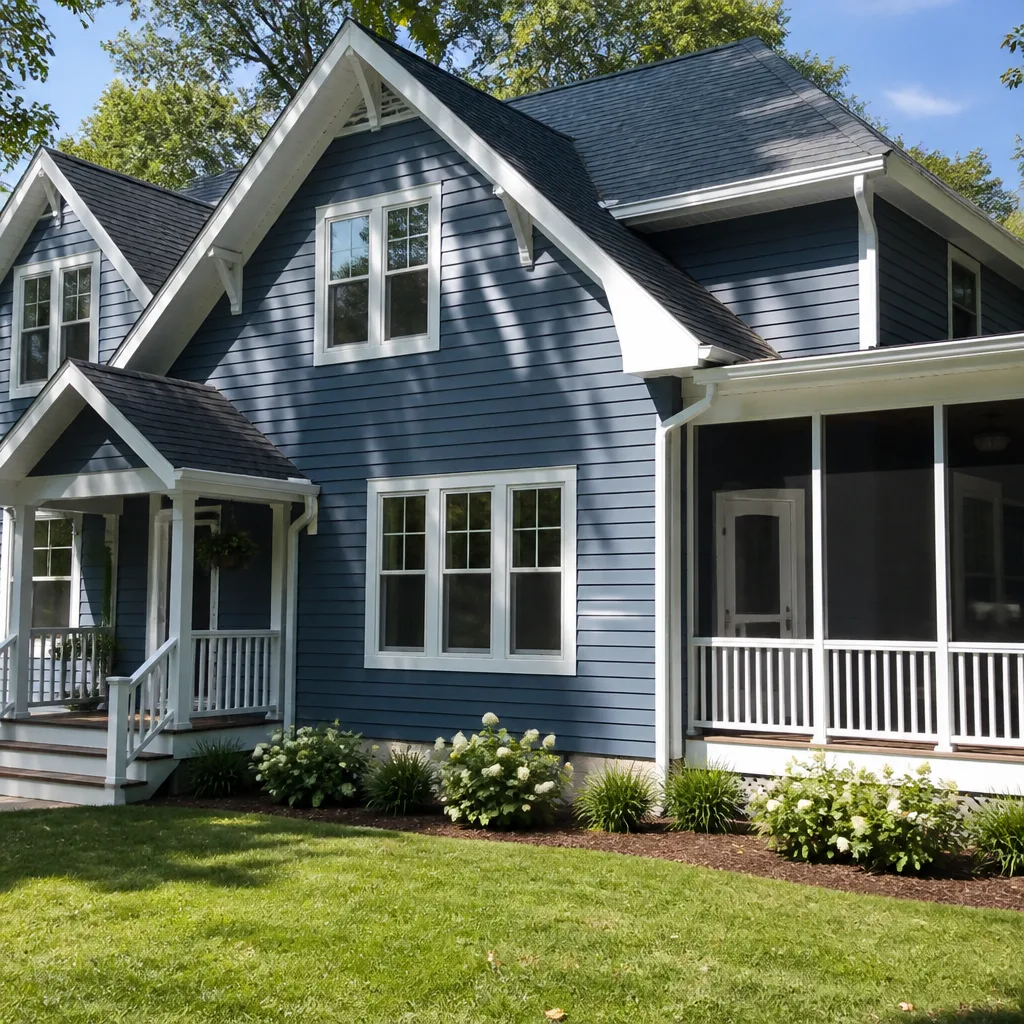
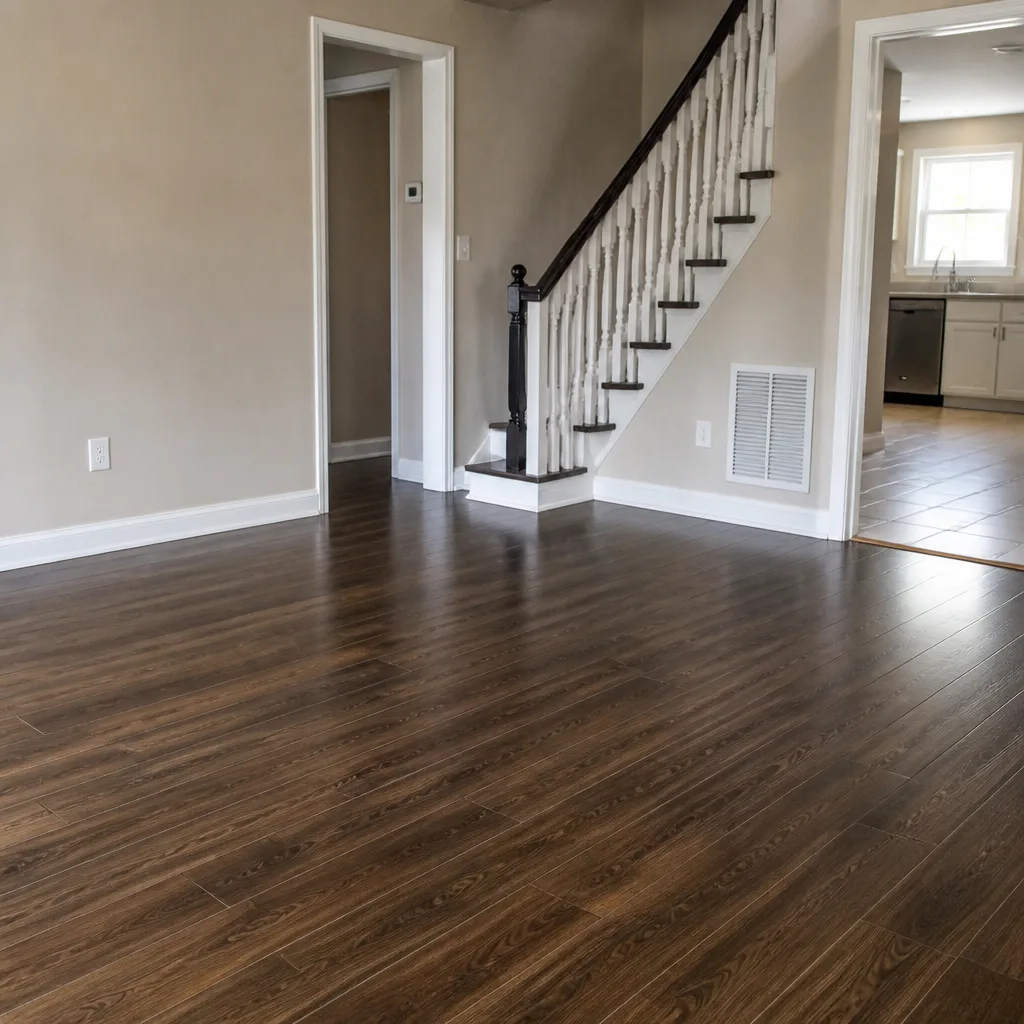
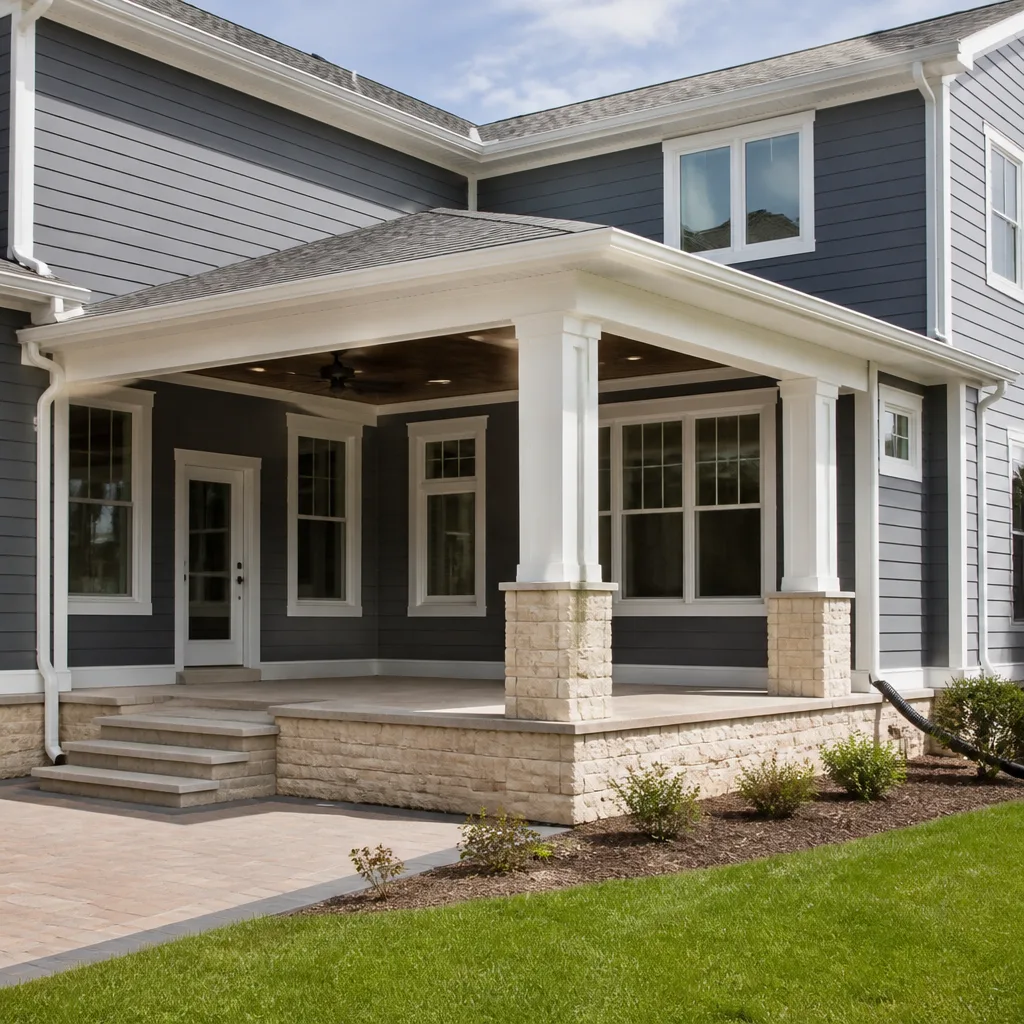
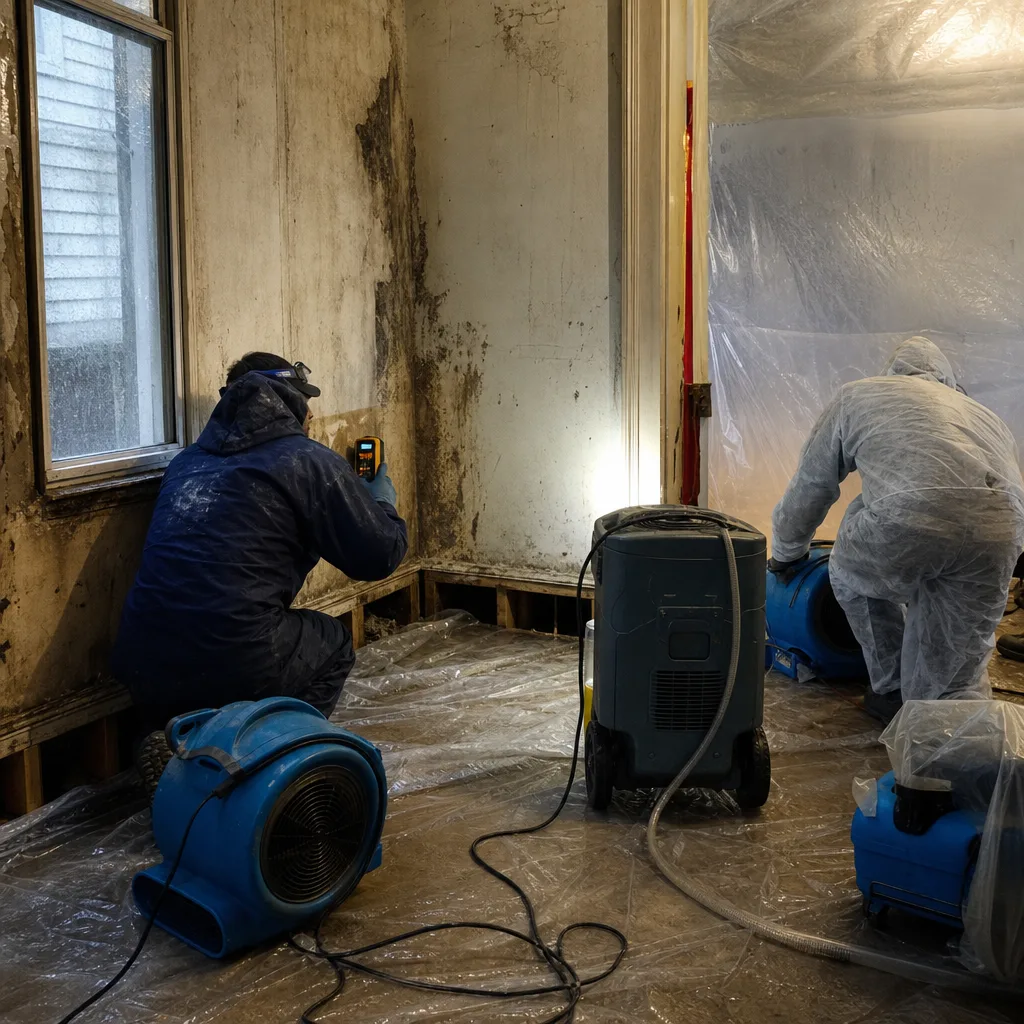 Before
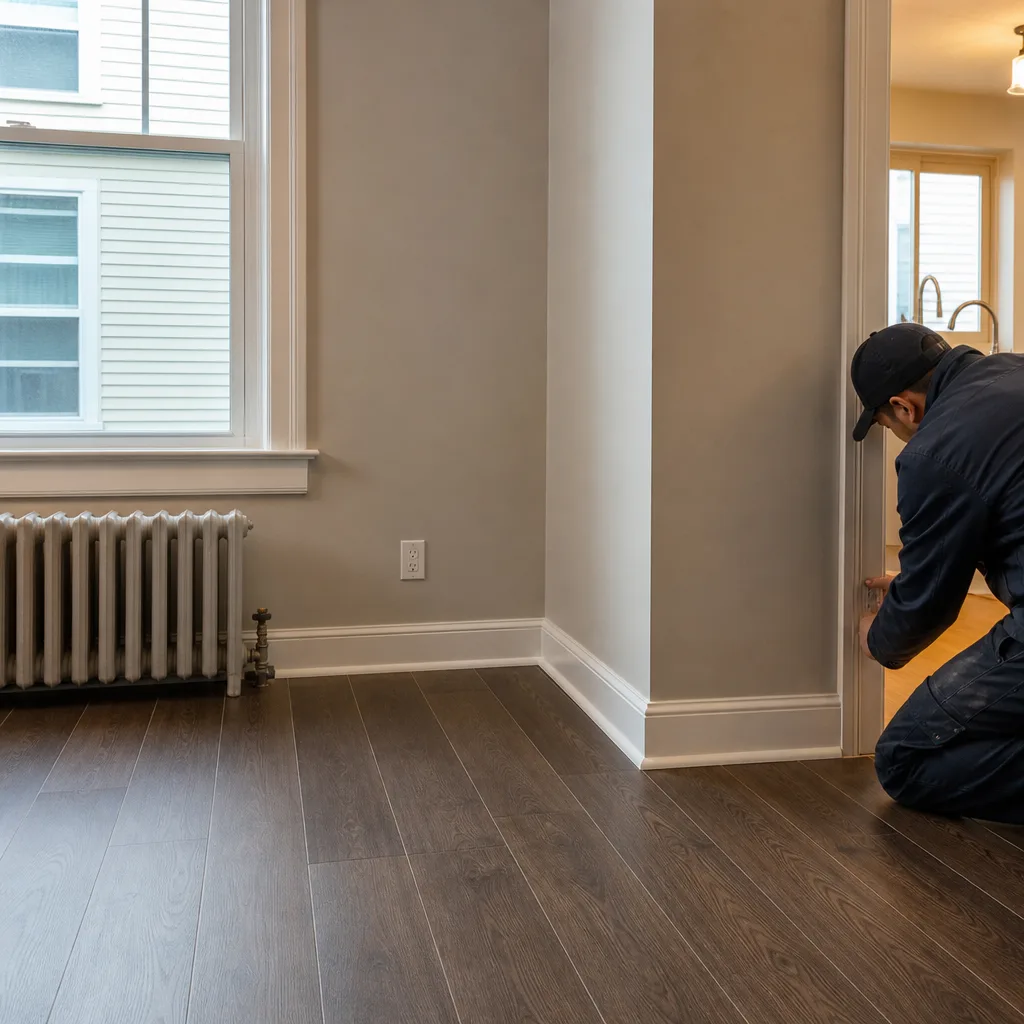 After
After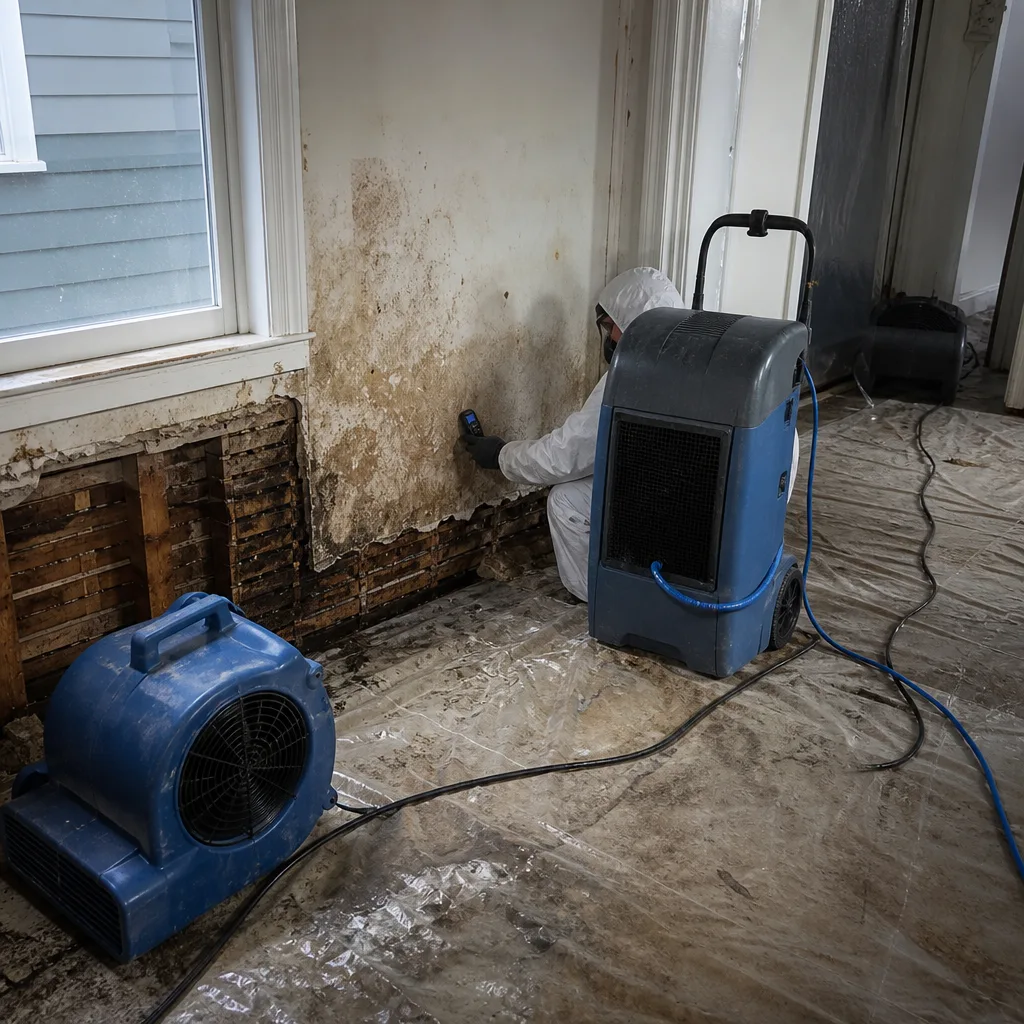 Before
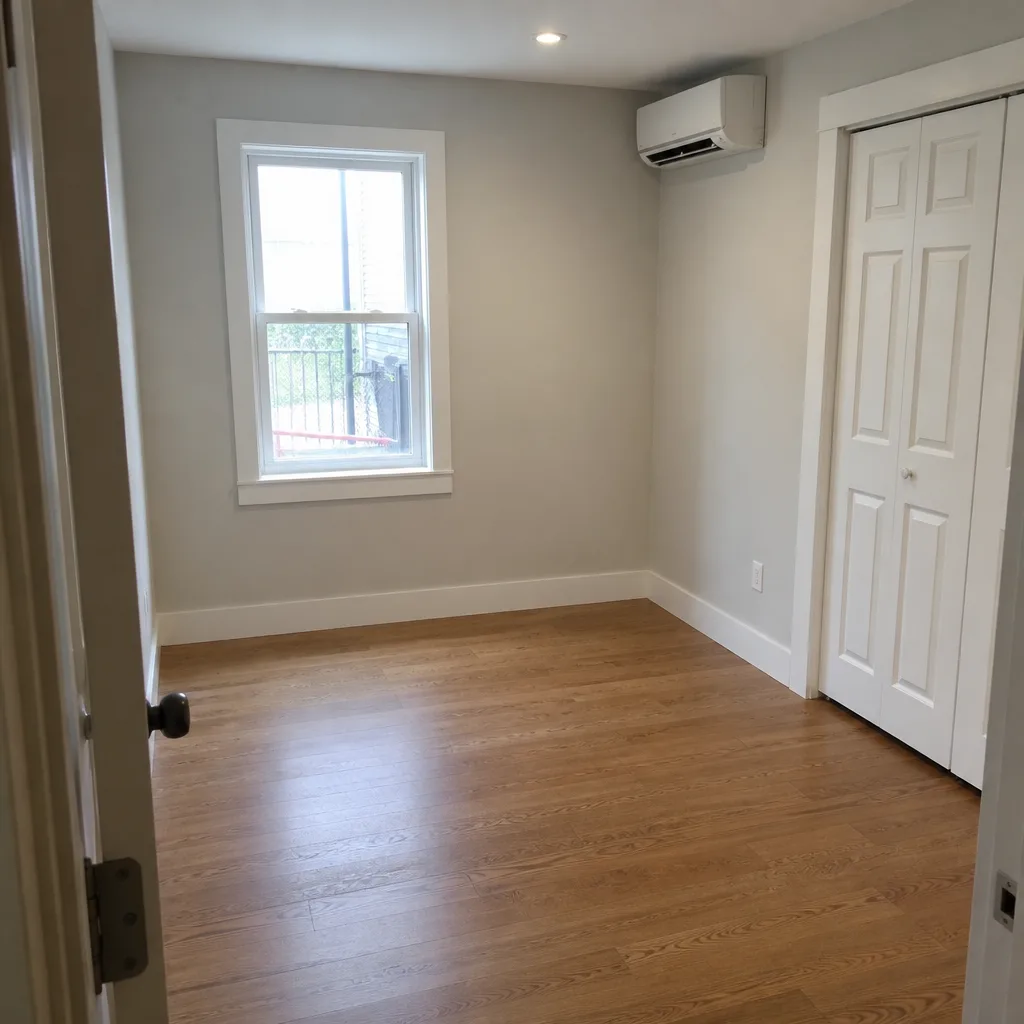 After
After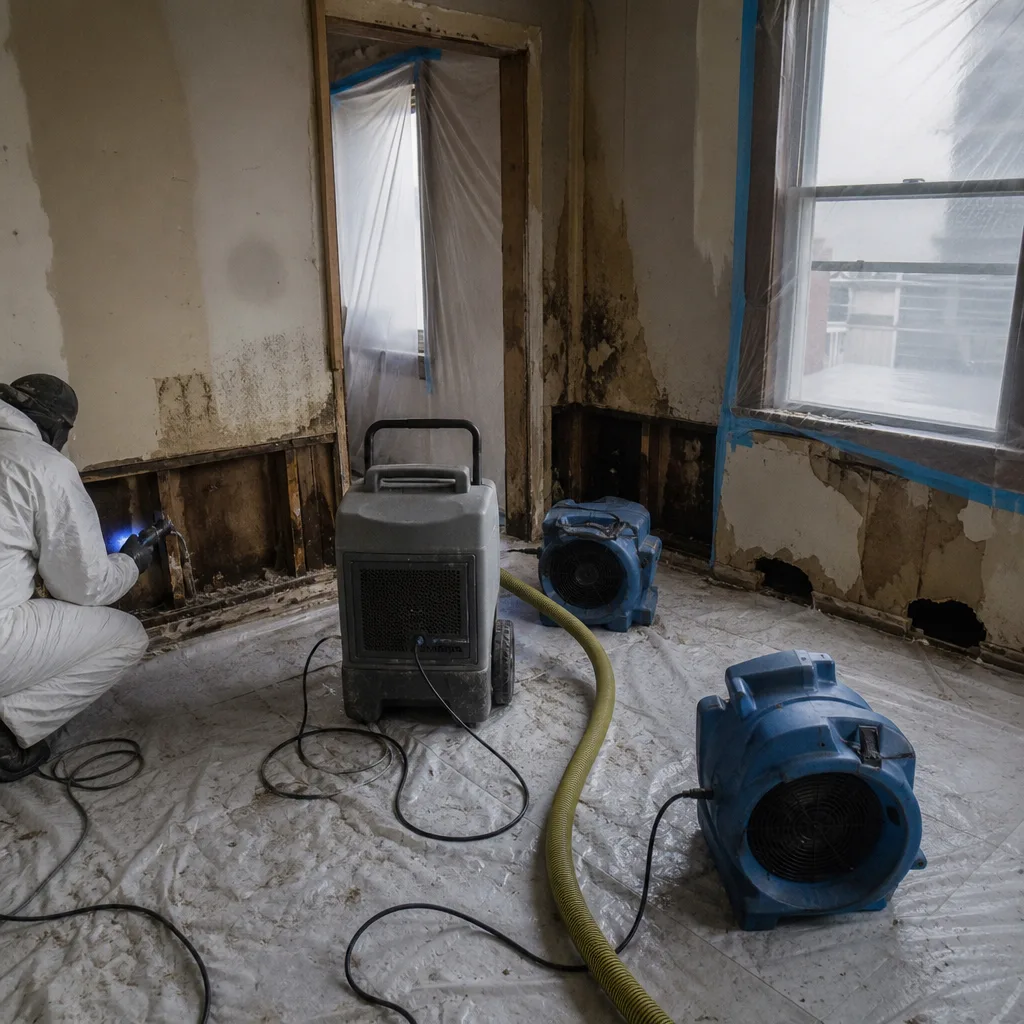 Before
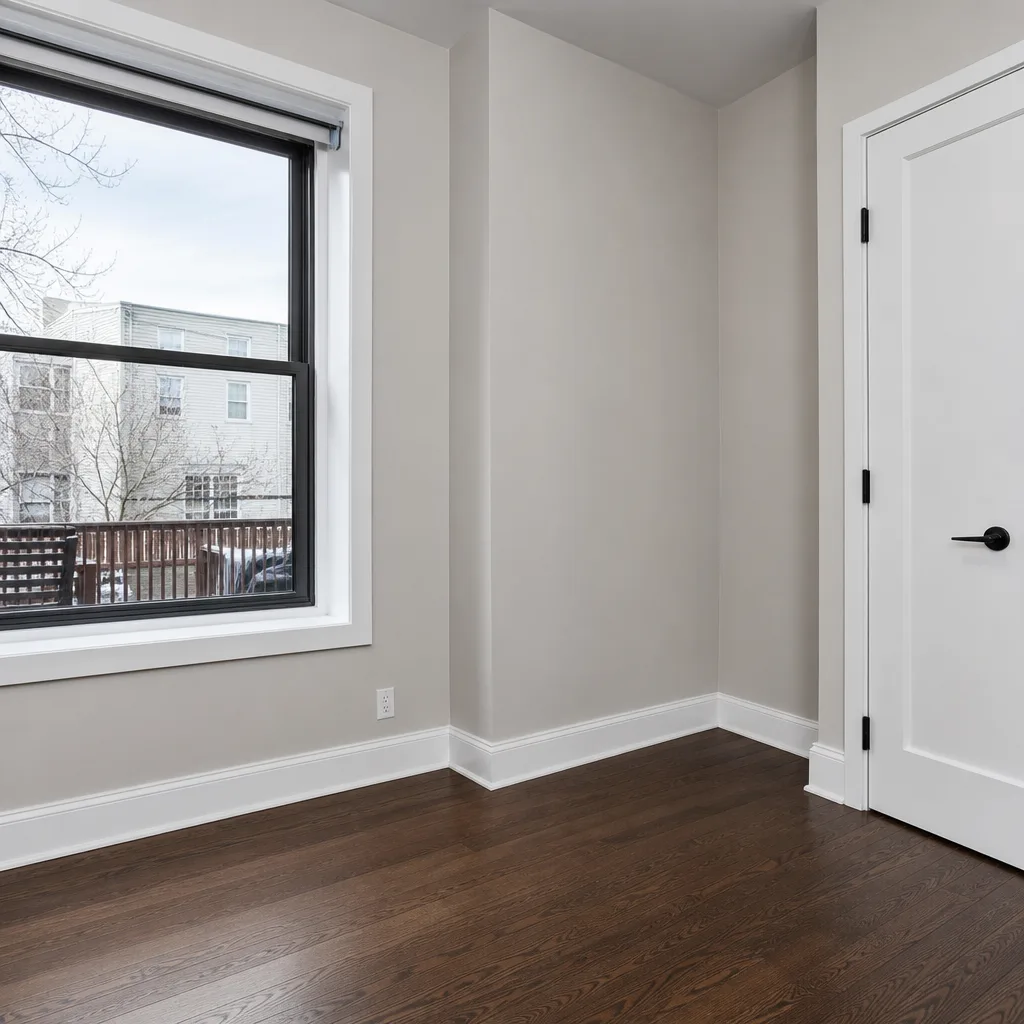 After
After24/7 Emergency Mold Remediation in Midtown West
Mold in a Midtown West apartment or commercial space spreads fast, and waiting even a few days turns a contained problem into a building-wide one. If you’ve spotted discoloration on walls, caught that musty smell in a walk-up hallway, or had water intrude from a burst pipe or roof leak, call Wade’s Restoration now at (363) 208-1526. We answer live around the clock, and Wade’s crew can be inside your building within 45 minutes for a free visual inspection. The first hour matters because mold colonization begins within 24 to 48 hours of moisture exposure in Midtown West‘s pre-war buildings, where lathe-and-plaster walls hold moisture longer than modern drywall. You’re not calling a call center. You’re calling Wade Ferris, who answers his own phone and will tell you straight what needs doing.
Understanding Mold Remediation Severity in Midtown West Properties
Not every mold problem is the same, and nowhere is that more true than in Midtown West, where the building stock ranges from 1890s tenements to 2010s glass towers. A small patch of surface mold around a bathroom vent in a Hudson Yards high-rise is a cleaning job. Black mold colonies behind lathe-and-plaster walls in a Hell’s Kitchen walk-up after decades of slow pipe leaks is a containment, demolition, and full remediation project. The difference comes down to three factors: the moisture source, the wall assembly, and how long water has been present. Lathe-and-plaster walls, common throughout the 5th and 6th story walk-ups between 9th and 10th Avenues, create dark, organic-rich cavities behind the plaster face. When a cast-iron drain stack inside that wall corrodes and leaks, the interior cavity becomes a mold incubator that surface cleaning never touches. Our Mold Remediation protocol starts with moisture mapping to find hidden reservoirs, then sets containment before any plaster is opened. We are IICRC-certified and follow the AMRT standard for mold remediation, which means HEPA air scrubbing, negative air pressure, and clearance testing before anyone reoccupies the space.
Why Midtown West Property Owners Choose Wade’s Restoration
- 45-minute response commitment: Wade heads out as soon as you hang up. Midtown West is our backyard, and we can be on-site from Times Square to Hudson Yards within the hour.
- A real person answers, 24/7: No voicemail, no answering service, no “press 2 for emergencies.” Wade Ferris answers his own phone, even at 3 a.m.
- IICRC-certified crews: Our people carry the WRT and AMRT certifications, which means they know the difference between surface mold and a hidden colony behind plaster.
- Free visual inspection: We’ll come look, tell you what you’re dealing with, and hand you a written scope before any work starts. No charge for that.
- Direct insurance billing: We deal with your adjuster directly, including photo documentation and daily moisture logs they can actually read.
- One team, start to finish: From containment and demolition to treatment and rebuild, the same crew sees the job through. No handoffs, no finger-pointing.
Our Mold Remediation Process
Inspection & Assessment
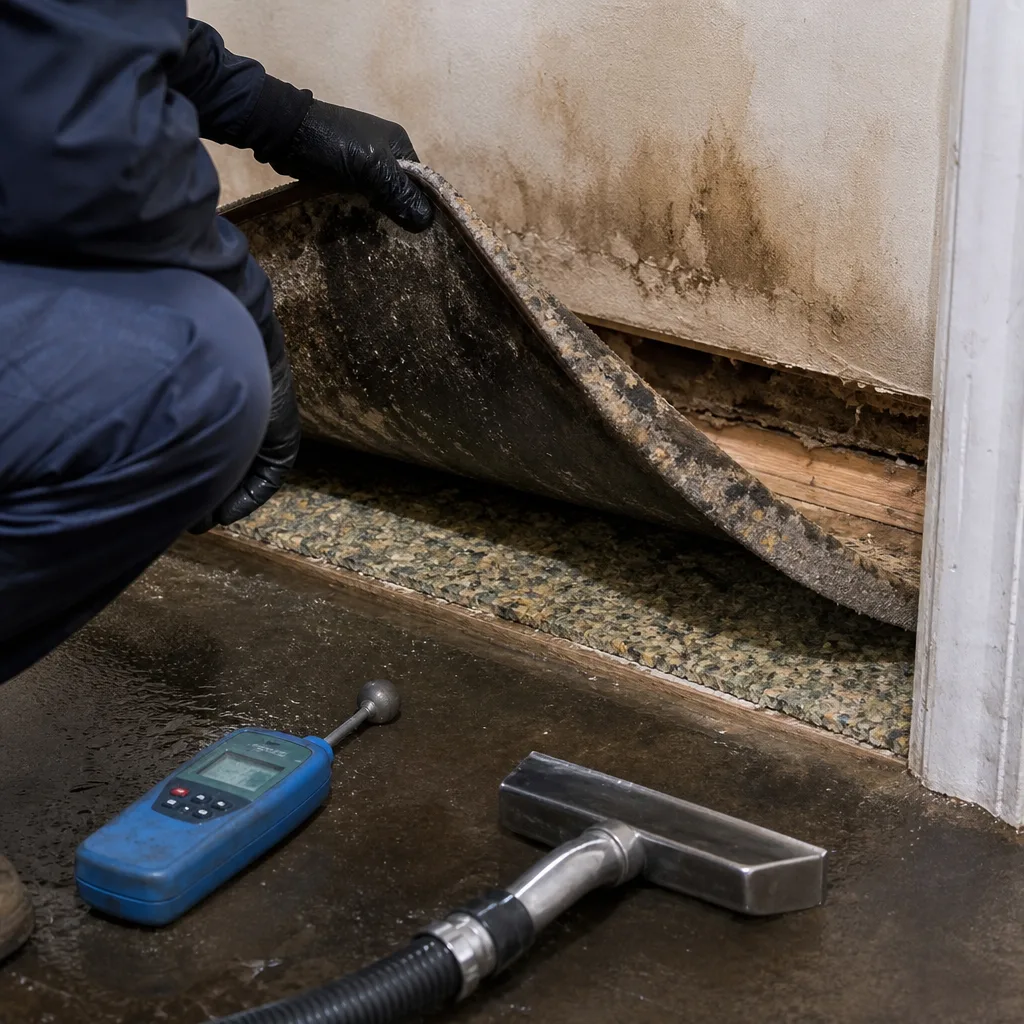
We start with a thermal imaging scan and hygrometer readings across all affected rooms. In Midtown West pre-war buildings, we check adjacent units and shared stairwells, because mold travels through wall cavities and settles in unexpected places.
Extraction/Stabilization
If standing water or active leaks are present, we stop the source first. That means shutting down a leaking condensate line, capping a corroded drain stack, or patching a roof penetration before any drying begins.
Drying & Dehumidification
We deploy Dri-Eaz dehumidifiers and Phoenix air movers sized to the cavity, not just the room. Lathe-and-plaster walls need longer drying cycles than gypsum board, and we log readings daily until the moisture content drops below the remediation threshold.
Cleaning & Sanitization
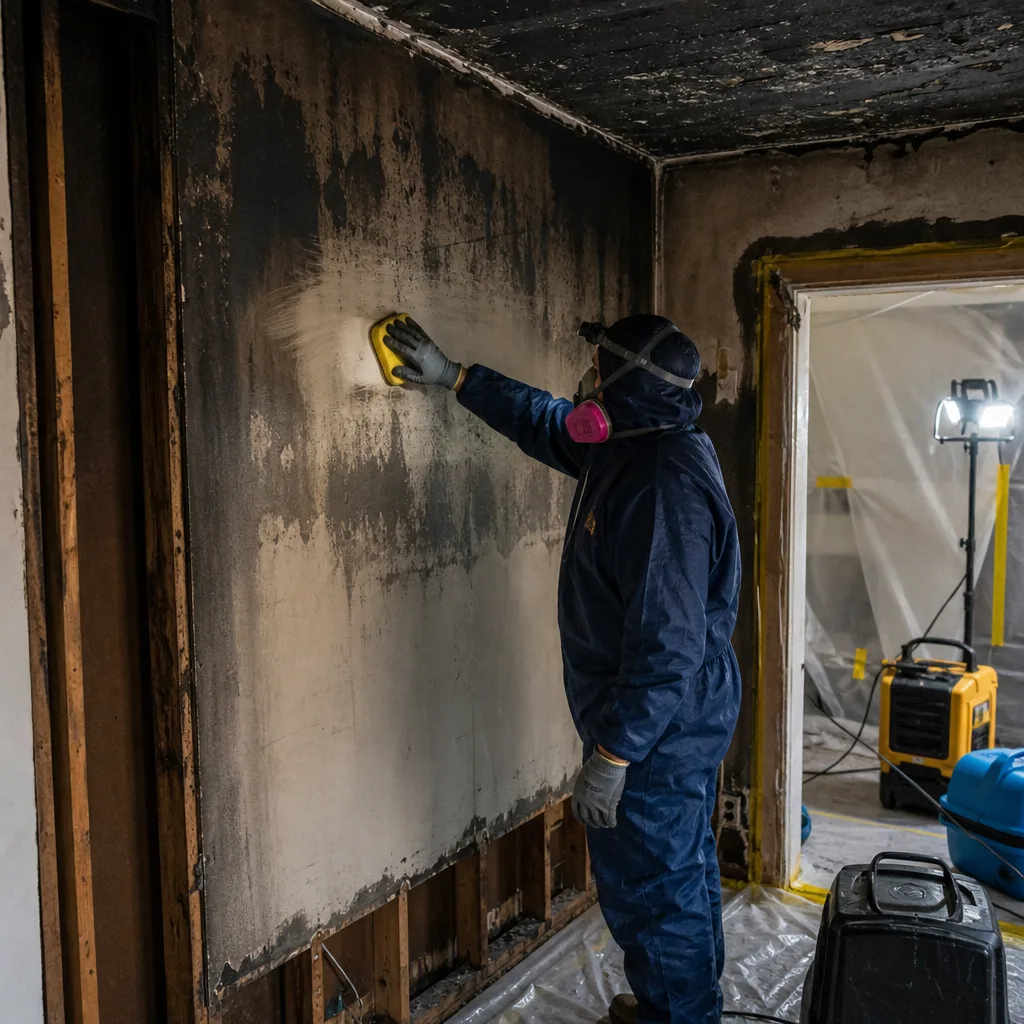
All affected surfaces are HEPA-vacuumed and wiped with antimicrobial treatment. We bag and remove contaminated plaster, lath, insulation, and flooring under containment so spores never reach the rest of your building.
Containment & Air Scrubbing
Negative air pressure machines with HEPA filters run throughout the job. In occupied Midtown West walk-ups, this step protects neighbors in adjacent units and shared hallways from cross-contamination.
Repairs & Restoration
We rebuild to pre-loss condition, matching lathe-and-plaster work where needed or transitioning to modern drywall where it makes sense. Every job gets a final clearance test and our 90-Day Done Right Promise in writing.
Need Emergency Mold Remediation in Midtown West Now?
Crews minutes away, answering live 24 hours a day. The sooner we start, the less it costs.
Working With Your Insurance Company
Mold claims in Midtown West move faster when the documentation is unimpeachable. Most policies cover mold remediation when it results from a covered water event, like a burst pipe or storm intrusion, but the adjuster needs to see exactly what we saw. That’s why Wade photographs every square foot of affected area before demolition, logs moisture readings daily, and writes a line-item scope that your carrier can approve without back-and-forth. We speak adjuster, and we handle that conversation for you. You hired us to fix the problem, not to become a project manager between two parties who don’t return calls.
What We Provide Your Insurer
- Thorough documentation of the loss
- Photos of all damage, room by room
- Moisture readings and drying logs
- A detailed, line-item scope of work
- Direct coordination with your carrier
Built for Midtown West’s Loss Calendar
Mold in Midtown West does not arrive randomly. It follows a calendar, and we plan for it. December through March is freeze-thaw season, when supply lines and sprinkler pipes in older buildings along 8th and 9th Avenues burst and dump water into walls and ceilings for hours before anyone notices. April and May bring roof ponding on flat tar roofs that have been patched too many times, sending water down interior wall cavities in Hell’s Kitchen walk-ups. July and August are air-conditioner condensate season, when window units and through-wall PTACs drip into wall cavities and under flooring in pre-war apartments. And September through November brings the remnants of hurricane season, when heavy rain overwhelms aging roof drains and sub-basement sumps in buildings that flood-proofed after Sandy but never quite finished the job. Every one of these events has a mold clock attached. Wade’s schedule is built around being ready before the first drop hits.
Mold Remediation Across Midtown West’s Neighborhoods
Hell’s Kitchen, the grid between 34th and 59th Streets west of 8th Avenue, holds the neighborhood’s densest concentration of pre-war walk-ups. Five and six story tenements with original cast-iron plumbing are our most frequent mold calls, usually not because of a single catastrophic leak but decades of small, ignored ones. Clinton, the quieter stretch from 59th Street down toward the Lincoln Tunnel approach, mixes older rowhouses with mid-century apartment blocks. Here we see roof ponding and parapet wall leaks in converted townhouses that hide mold above dropped ceilings. Times Square and the 7th Avenue corridor are dominated by hotels and commercial towers where steam-loop condensate failures and wet-pipe sprinkler discharges create large-scale, multi-floor mold events under revenue-manager pressure to reopen rooms the same week. Hudson Yards, the glass-and-steel district west of 10th Avenue, sees different problems entirely: curtain-wall failures, mechanical-room condensation, and new-construction defects that reveal themselves within the first few seasons. Each area demands a different approach, and our crews know the difference between opening a plaster wall in Hell’s Kitchen and pulling a soffit in a Hudson Yards amenity floor.
Specialized Mold Remediation Services We Offer in Midtown West
Mold Inspection & Testing
Before we cut a single hole, we map the moisture. In Midtown West’s pre-war apartments, that means checking not just the visible stain but the wall cavity behind it, the joist bay beneath it, and the neighboring unit beside it. We collect surface and air samples when a third-party lab is needed, and we hand you every reading in a log you can keep.
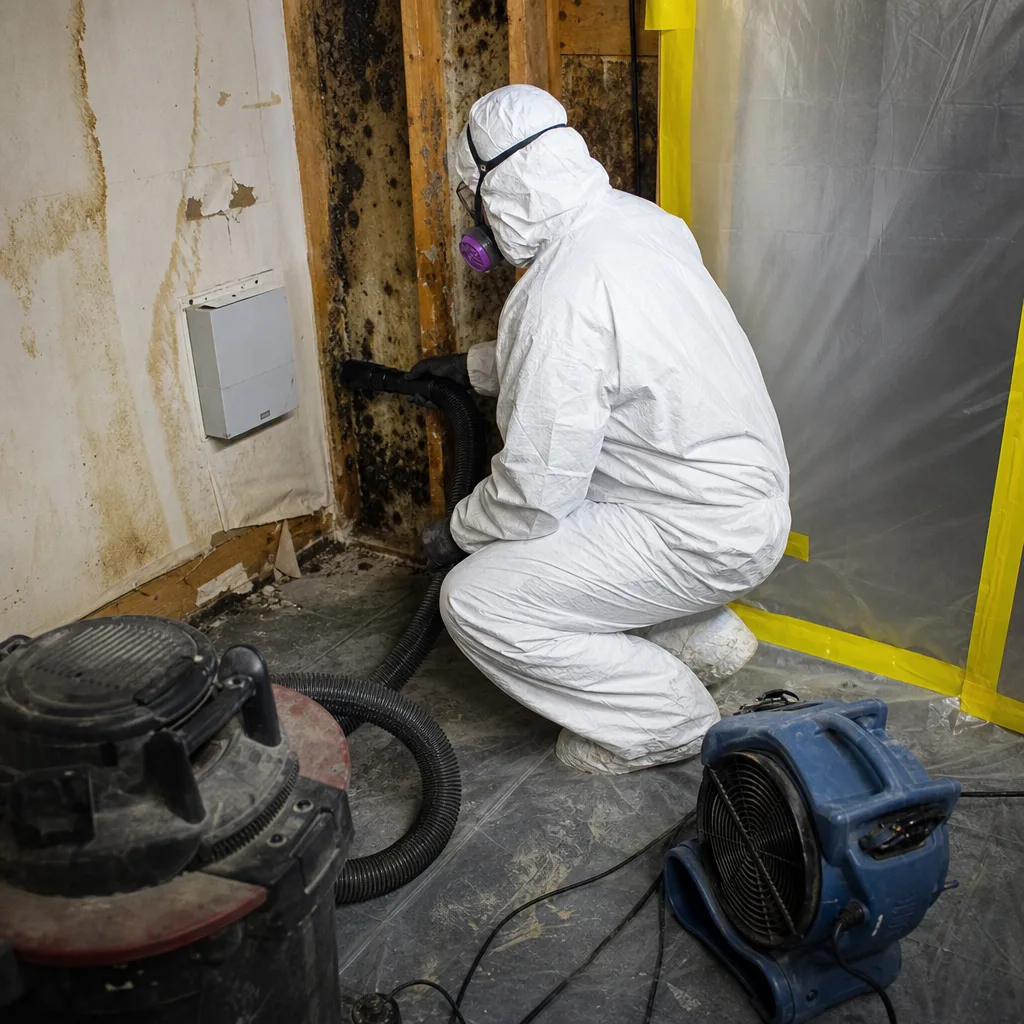
Black Mold Remediation
Stachybotrys, what people call black mold, needs cellulose and constant moisture. Old lathe-and-plaster walls lined with horsehair provide both. In a Hell’s Kitchen tenement off 9th Avenue, our crew traced a persistent musty odor to a corroded cast-iron drain stack inside a lathe-and-plaster wall. After moisture mapping showed elevated readings across three floors, we set containment and removed the plaster to expose black mold colonies that had spread behind the lath, requiring full antimicrobial treatment and structural drying before we rebuilt to pre-loss condition. That’s the reality behind most Midtown West black mold jobs.
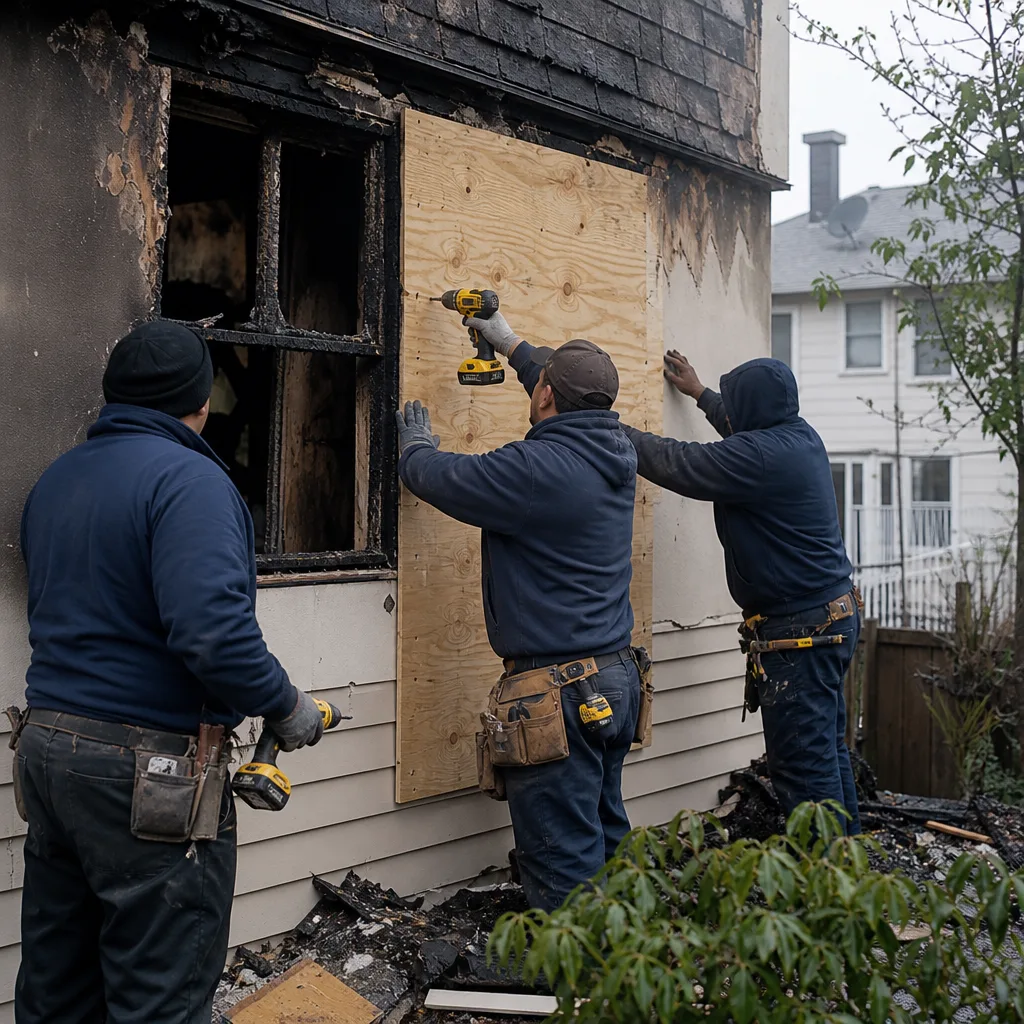
Moisture & Humidity Control
Mold returns when moisture returns. After remediation, we address the source: a dehumidifier sized to the apartment’s actual cubic footage, a vapor barrier in the crawl space, or a roof patch that actually holds. In Midtown West’s steam-heated buildings, we also check condensate return lines, because steam heat means warm, humid air pushing into wall cavities all winter long.
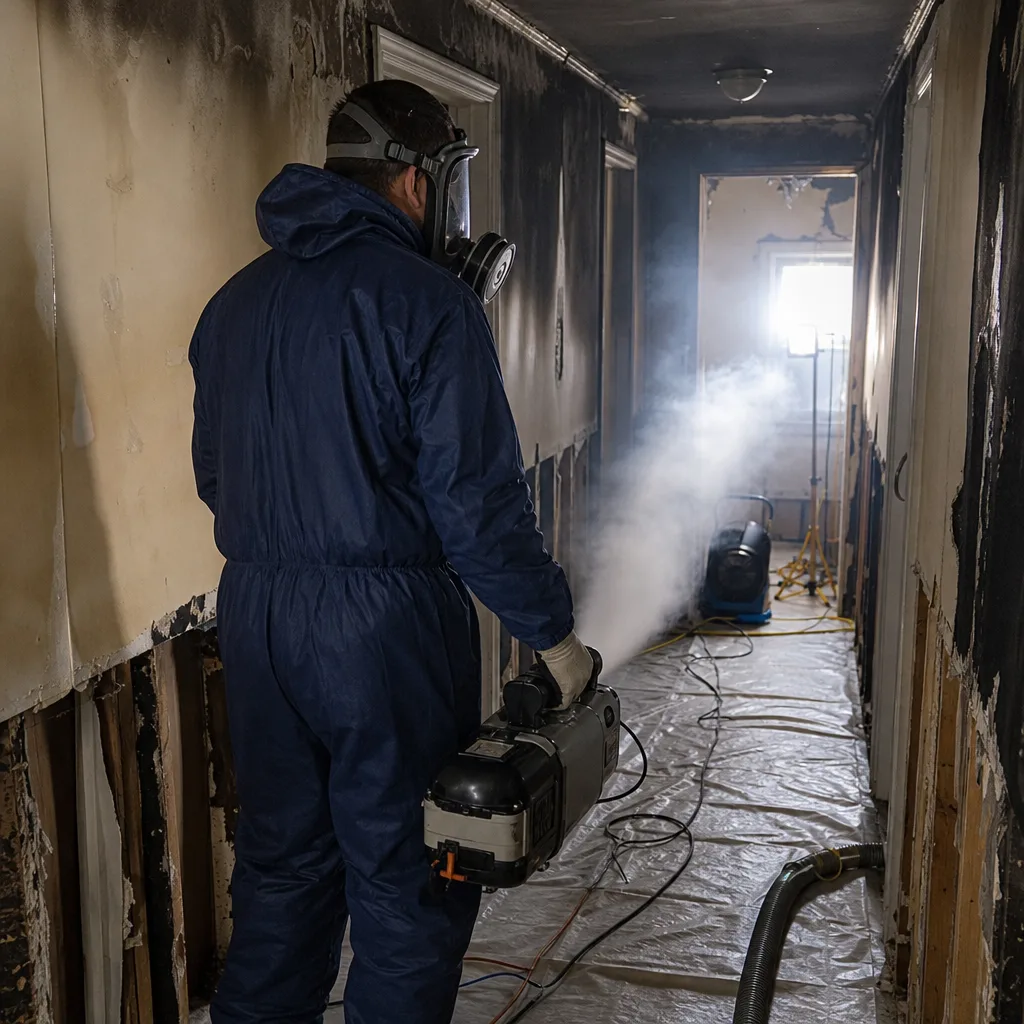
Air Quality Restoration
After demolition and treatment, we run HEPA air scrubbers until post-remediation verification shows spore counts back to normal background levels. In occupied walk-ups, this matters even more, because shared stairwells and dumbwaiter shafts move air between units whether you want them to or not.
Crawl Space Treatment
Midtown West rowhouses and converted tenements often have shallow crawl spaces opening from the cellar. These spaces trap humid air against floor joists and feed mold growth that rises through the building. We clean, treat, and seal them properly, which changes the entire building’s moisture profile.
What happens when you call
- 1
A real person answersNo phone trees - you reach a local pro.
- 2
You get an upfront price rangeHonest numbers before anyone is dispatched.
- 3
A background-checked tech heads outLicensed & insured, dispatched right away.
- 4
You approve before work beginsNothing starts until you say go.
Mold Remediation Costs in Midtown West, NY
Straight numbers: a contained bathroom mold cleanup in a Midtown West apartment typically runs $1,800 to $4,000. A single-room plaster-wall remediation with containment, demolition, treatment, and rebuild lands between $6,000 and $14,000 depending on wall area and finish work. Full multi-room or multi-floor remediation in a pre-war walk-up, where wall cavities have been feeding colonies for years, runs $20,000 to $60,000 and up. What moves the price: whether the plaster needs full removal or surface treatment, whether asbestos is present in old plaster (common in pre-1950 Midtown West buildings), how many floors the drying equipment has to cover, and whether neighbors need temporary relocation. Insurance-covered jobs follow the scope your adjuster approves. Out-of-pocket jobs get the same written scope, and Wade will tell you if a smaller repair makes sense first. The free visual inspection is the path to a firm number. Call (363) 208-1526 and we’ll walk you through it.
We Also Serve Cities Near Midtown West
Our crews regularly handle mold remediation in Astoria, Financial District, Lower Manhattan, and Flushing. Same response commitment, same documentation standards, same owner answering the phone.
Midtown West Mold Remediation Questions, Answered
How do you handle mold hidden inside original lathe-and-plaster walls in Midtown West walk-ups?
We open the wall. Surface treatment on old plaster is a temporary patch, not a fix. Lathe-and-plaster walls in pre-war Midtown West buildings create cavities that hold moisture and organic material, and mold grows on the back side of the plaster where you can’t see it. We set containment, remove the plaster, treat the lath and stud cavities, dry to a verified moisture content, and rebuild to match. Anything less and the colony returns in weeks.
Does your crew deal with mold caused by Con Edison steam loop failures in pre-war Midtown West buildings?
Yes, we see it regularly. When condensate return lines corrode or steam distribution valves fail, the leak carries mineral-laden moisture and sustained heat that warps wood and feeds mold in ways standard water-damage protocol doesn’t address. Our drying plan includes checking the entire heated cavity, not just the visible wet spot, because the heat spreads moisture further than a cold-water leak does.
Can you remediate mold in my Midtown West apartment without displacing neighbors?
In most cases, yes. We work under containment with negative air pressure, which means spores from your apartment don’t enter shared hallways or adjacent units. For larger jobs where we’re removing plaster from multiple rooms, neighbors may hear the work, but they won’t be exposed to airborne mold. We’ll post notices and coordinate with your building management as needed.
What’s the difference between Category 2 grey water and Category 3 black water in a Midtown West basement mold job?
Category 2 is contaminated water that can cause illness, like a sump pump overflow or a washing machine discharge. Category 3 is grossly contaminated, like sewage backup or floodwater from the street. Both can feed mold, but Category 3 demands full PPE, more aggressive antimicrobial protocols, and removal of more materials. In Midtown West sub-basements that took water during Sandy and have since been patched over, we often find latent mold from years-old Category 3 events.
How fast can mold start after a burst pipe in a Midtown West pre-war building?
Within 24 to 48 hours, mold spores in the air begin colonizing wet organic materials. In pre-war buildings with lathe-and-plaster walls, horsehair plaster, and old wood lath, colonization can happen faster because the materials are older and more porous. The first 30 minutes after you notice water: shut off the supply, call us, and move anything you value out of the wet zone. Don’t wait to see if it dries on its own. It won’t in a Manhattan apartment.
How long does mold remediation take in a typical Midtown West apartment?
A contained single-room job runs 3 to 5 days from setup to clearance. A lathe-and-plaster wall opening with full cavity treatment runs 5 to 10 days. Multi-floor jobs in larger buildings can run 2 to 4 weeks. The drying phase is what drives the timeline, and we log moisture readings daily so you always know where the job stands. We never rush drying to hit a calendar date.
What certifications do your mold remediation crews hold?
Our crews are IICRC-certified in Water Damage Restoration and Applied Microbial Remediation, and we’re affiliated with the RIA and recognized by the IFA. Wade is personally involved in every mold job, and our documentation standards reflect that. You get the full moisture log at the end of the job, not a vague “all done” email.
Will my insurance cover mold remediation in Midtown West?
Most policies cover mold remediation when it results from a covered water event, like a burst pipe, roof leak, or storm damage. What they typically don’t cover is mold from long-term neglect or a pre-existing condition. We document everything from the first hour, and we deal with your adjuster directly, so the claim doesn’t stall waiting for a photo or a reading. Call (363) 208-1526 and we’ll help you figure out where you stand before any work begins.
Serving Midtown West, NY - Our Local Coverage Area
We’re based in the Midtown West area and know this community well. Use the map below to see our service coverage - if you’re nearby, we can almost certainly help.
Contact Wade’s Restoration in Midtown West
If you’ve got mold or suspect it, don’t wait for the smell to get worse or the stain to spread. Call (363) 208-1526 now. Wade Ferris answers his own phone, and he’ll be straight with you about what you’re dealing with and what it will cost to fix. Free visual inspection, no trip charge inside our county, and a written scope before any work starts. Senior and veteran discounts always apply. You’ll see him again on the street, and that’s the whole point.
Written by Wade Ferris, Owner at Wade’s Restoration, founded 2007 and serving New York City’s five boroughs 24/7.