
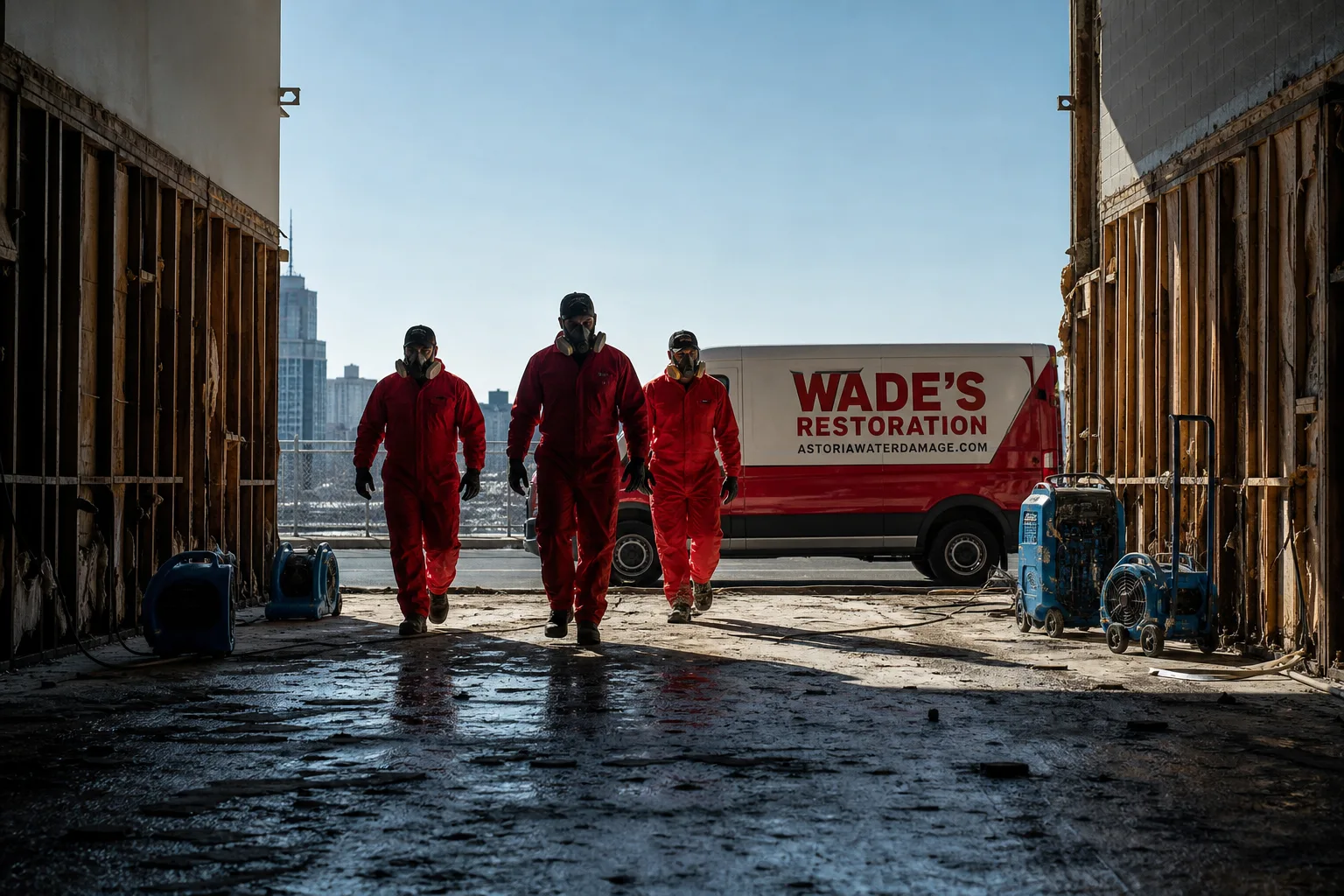
Free visual inspection and a written scope of work before any mitigation begins - photos, moisture readings, and drying logs go in your claim file
The scope we write is the scope we bill. Anything new gets shown to you, in writing, before we touch it.
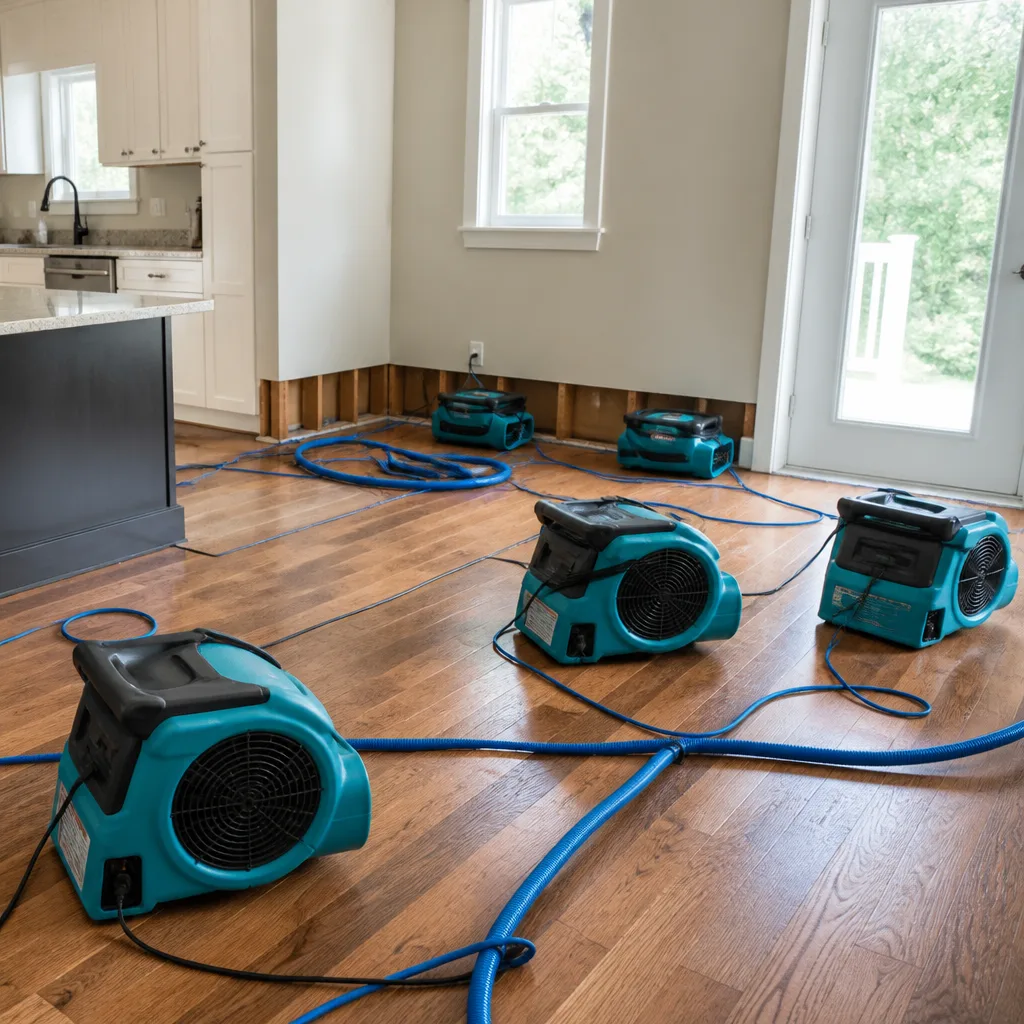
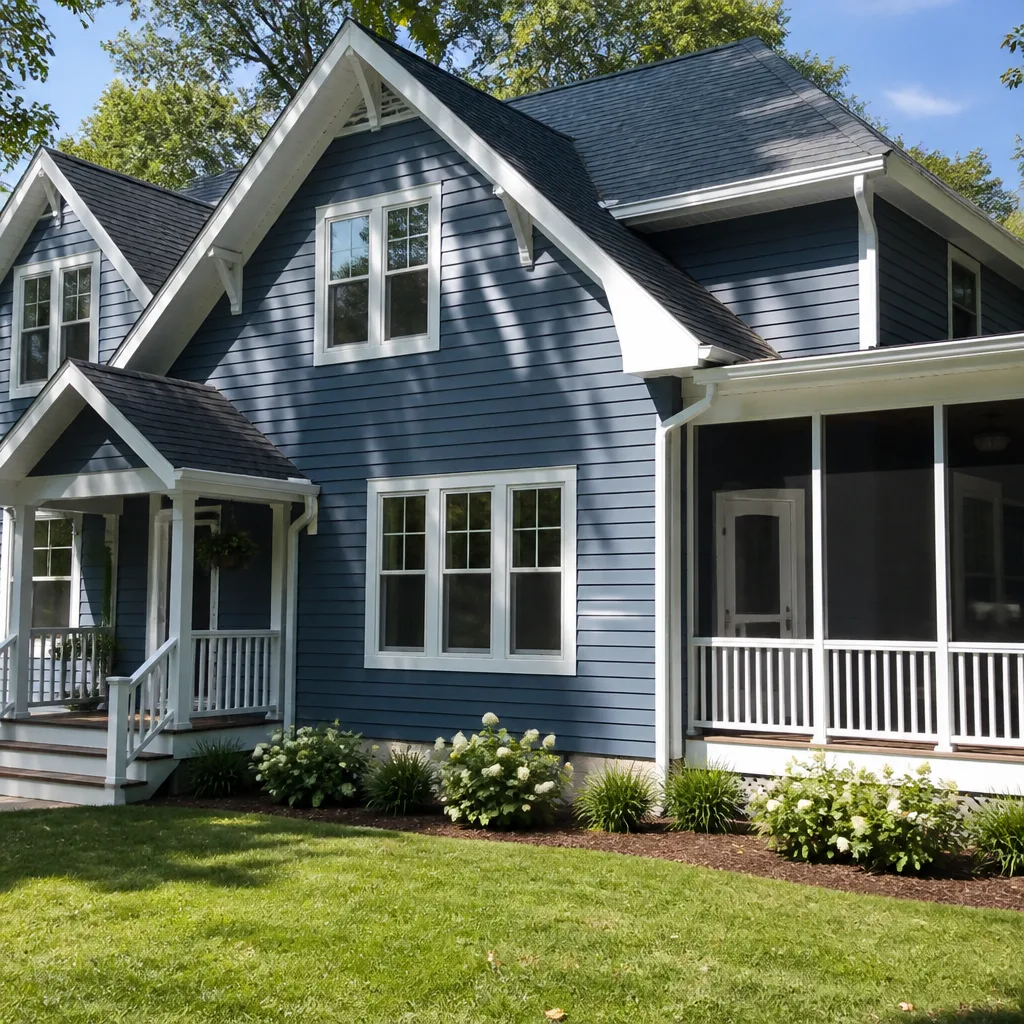
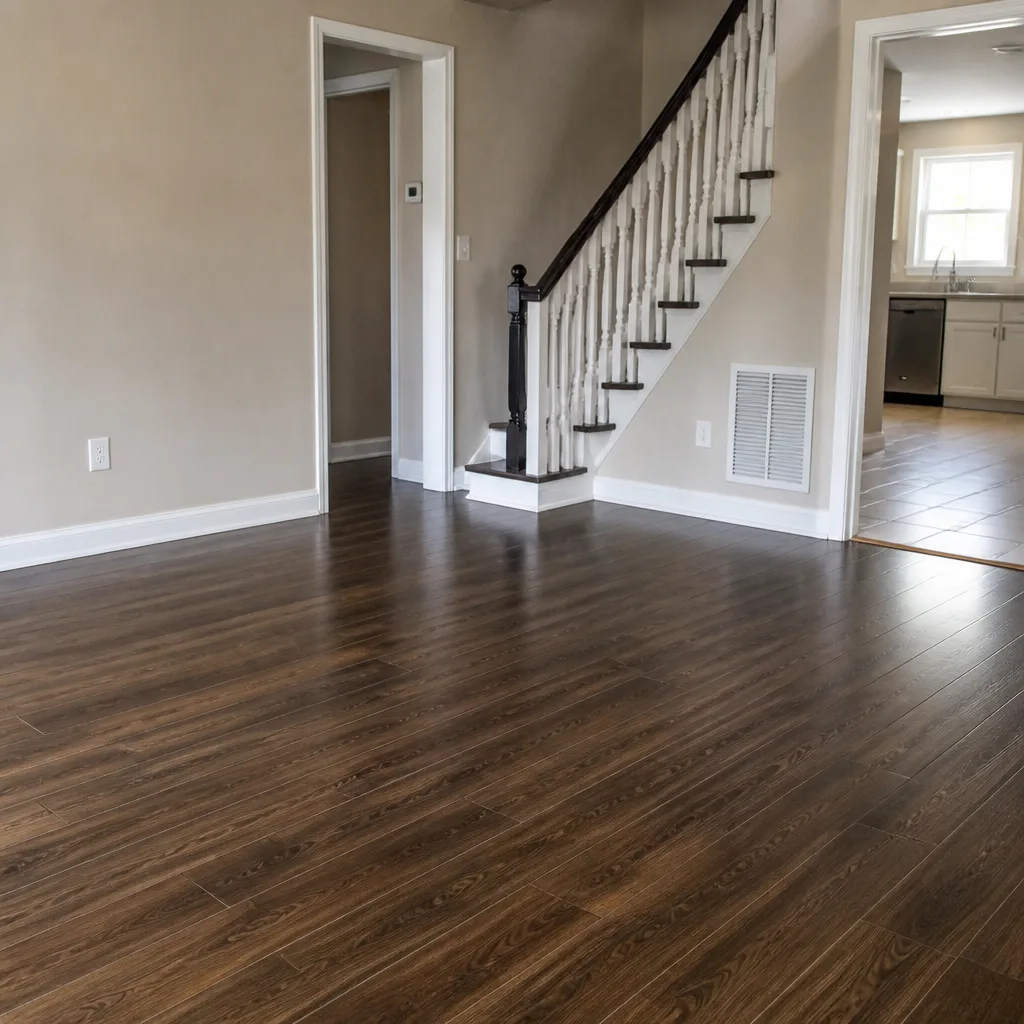
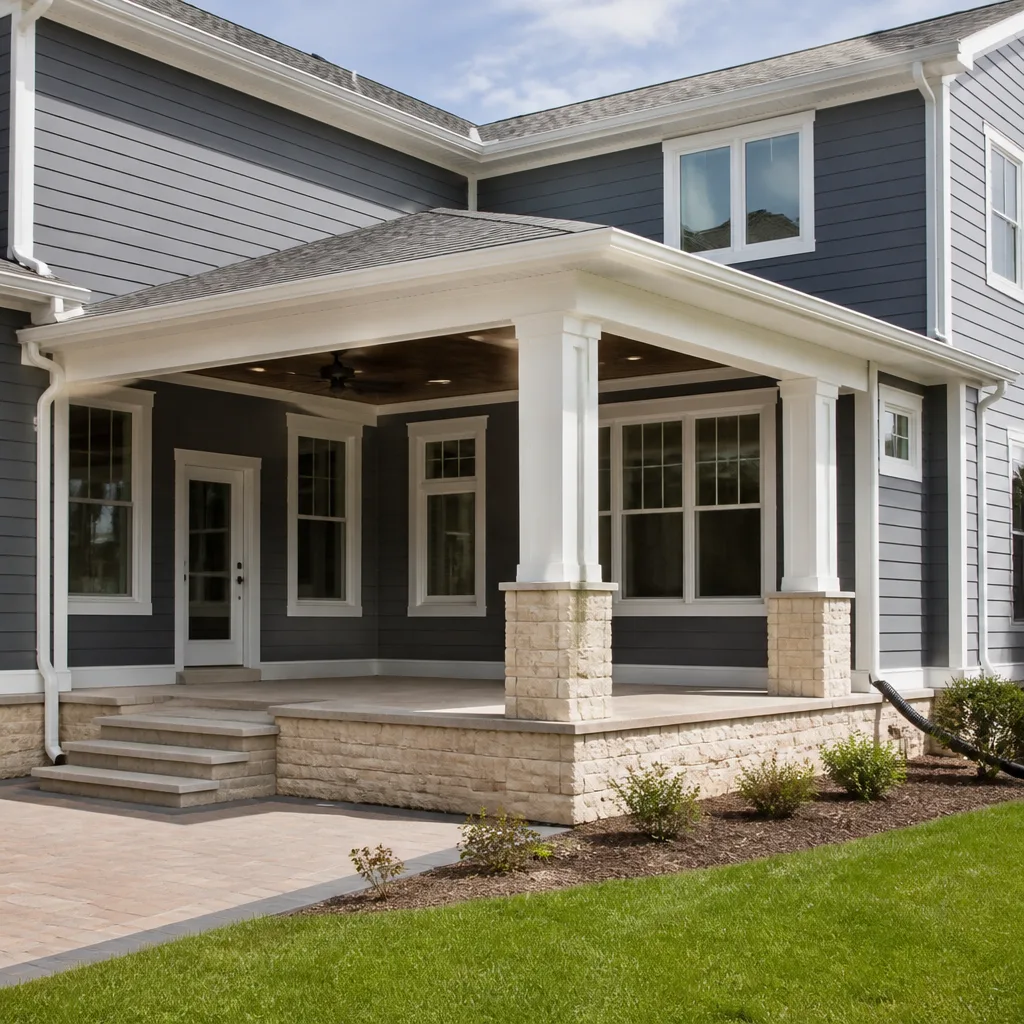
 Before
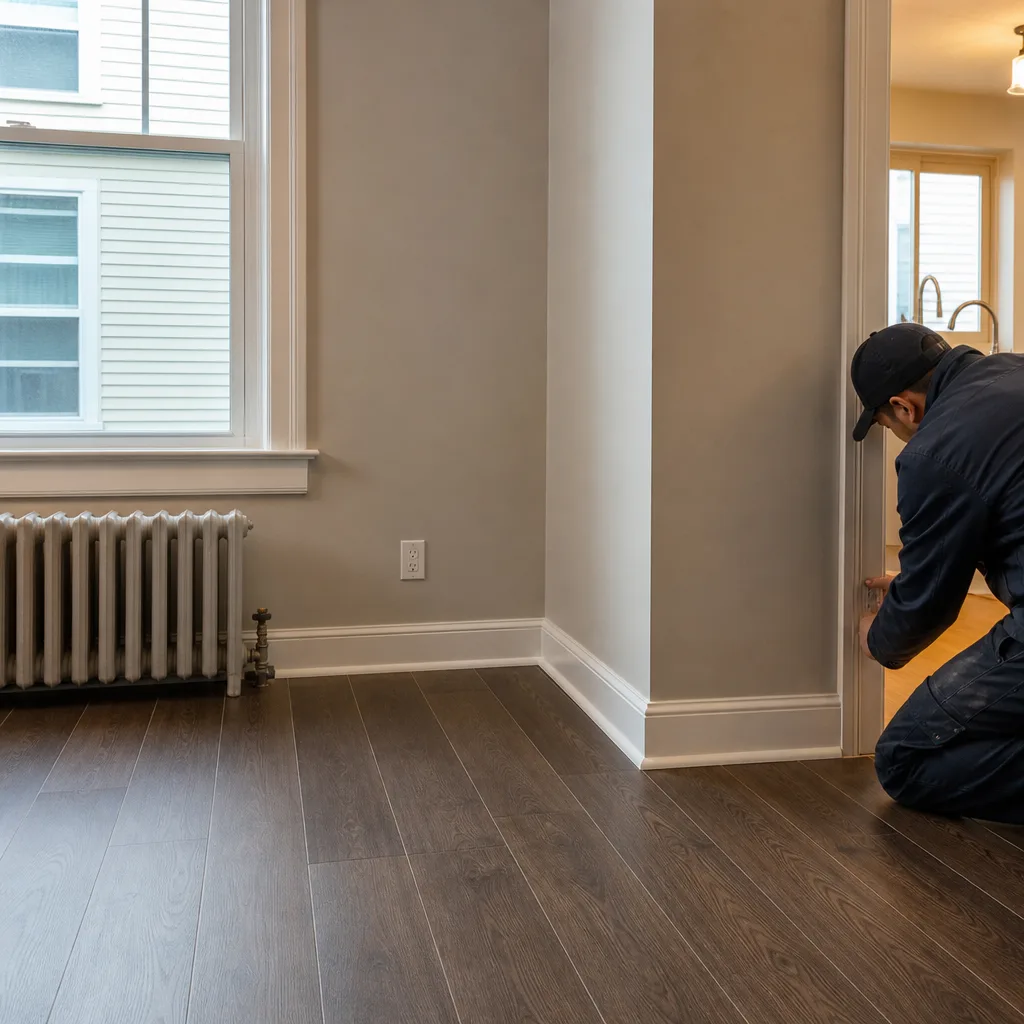 After
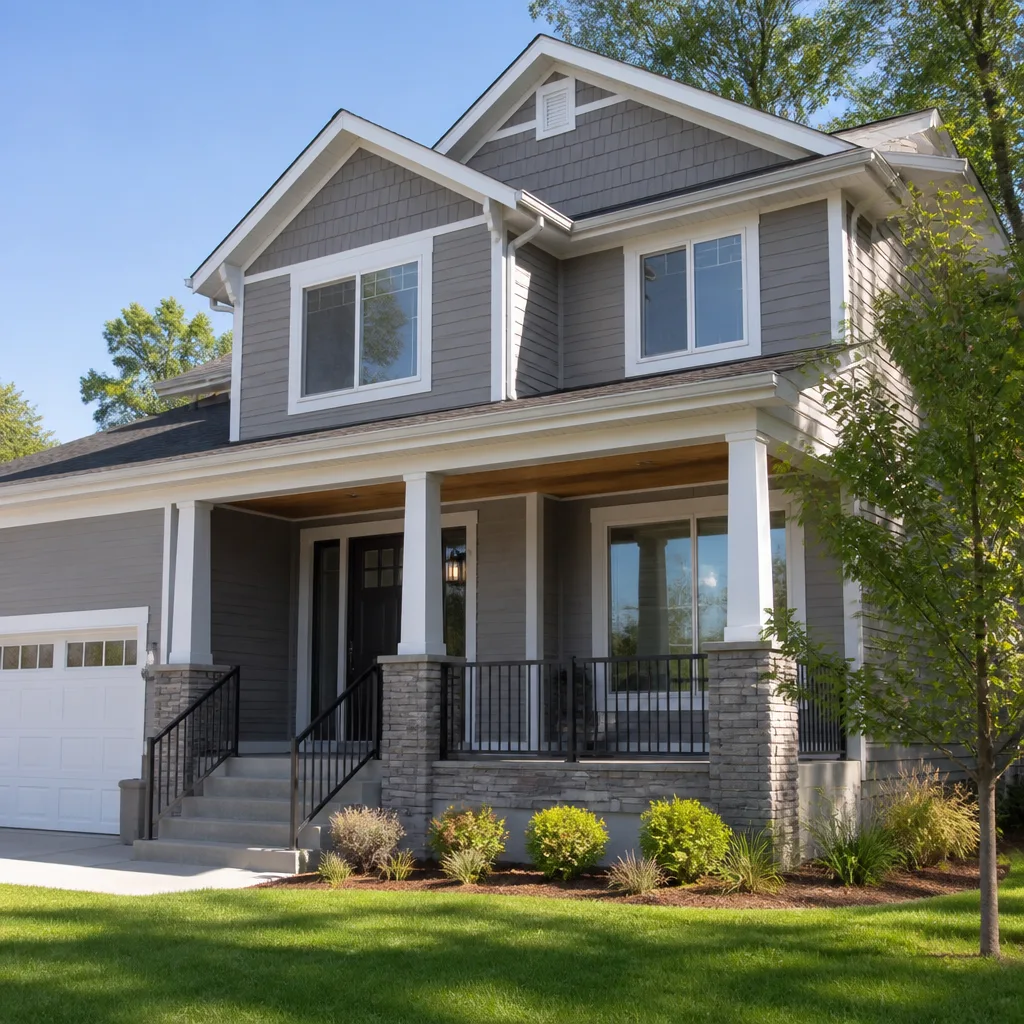
After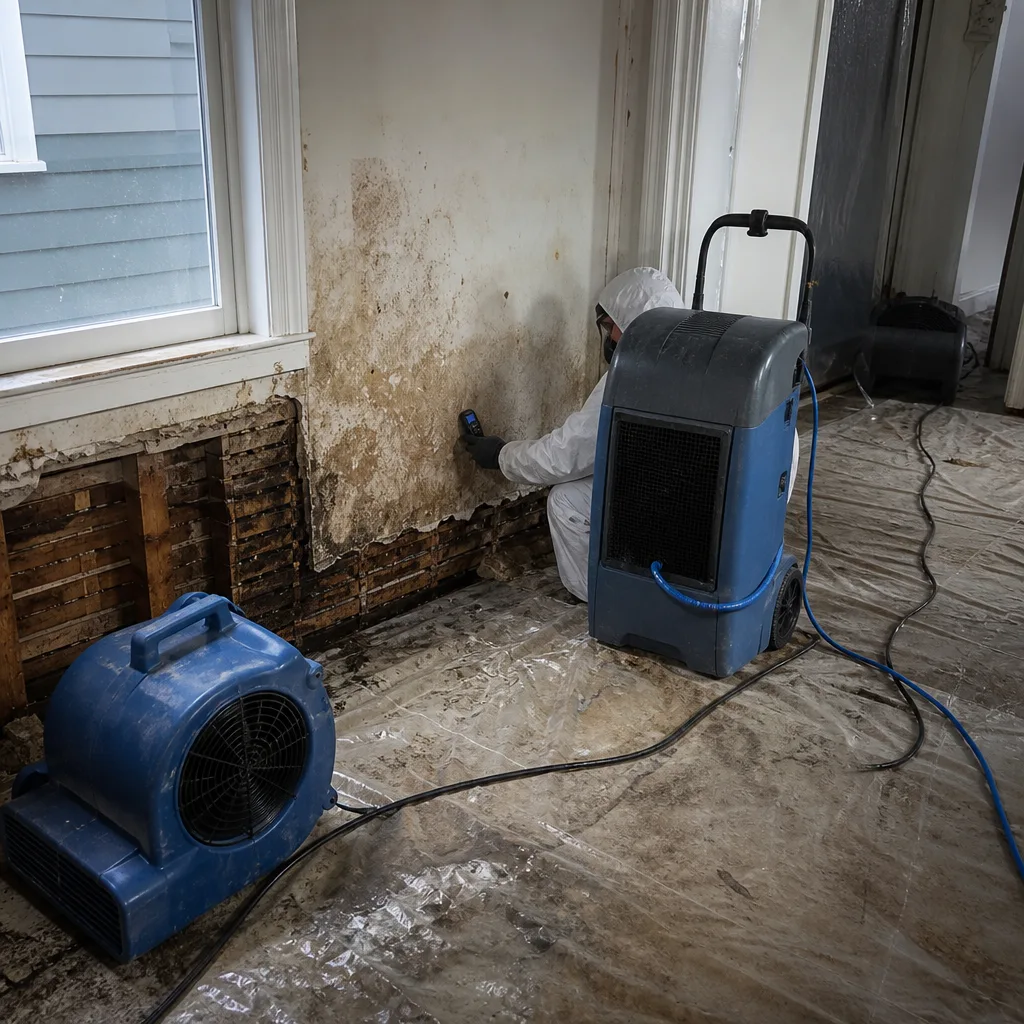 Before
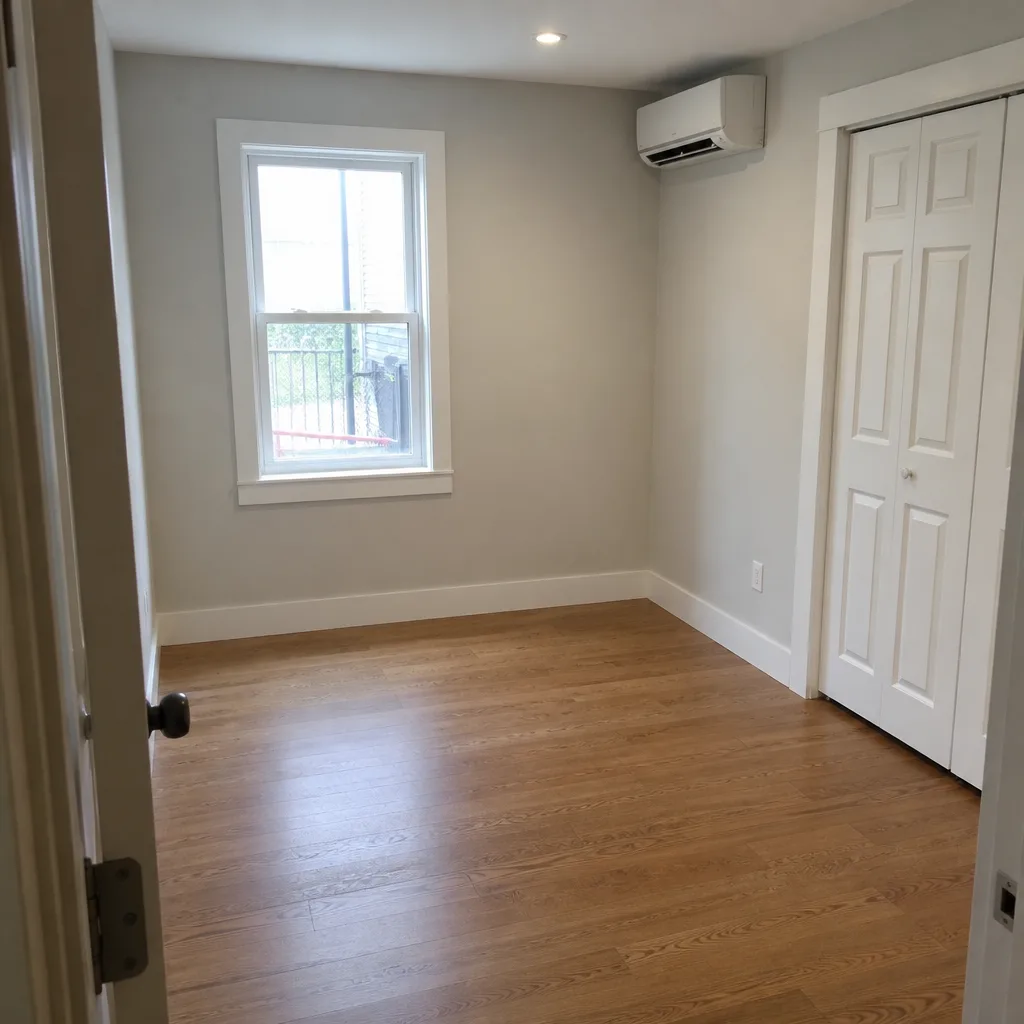 After
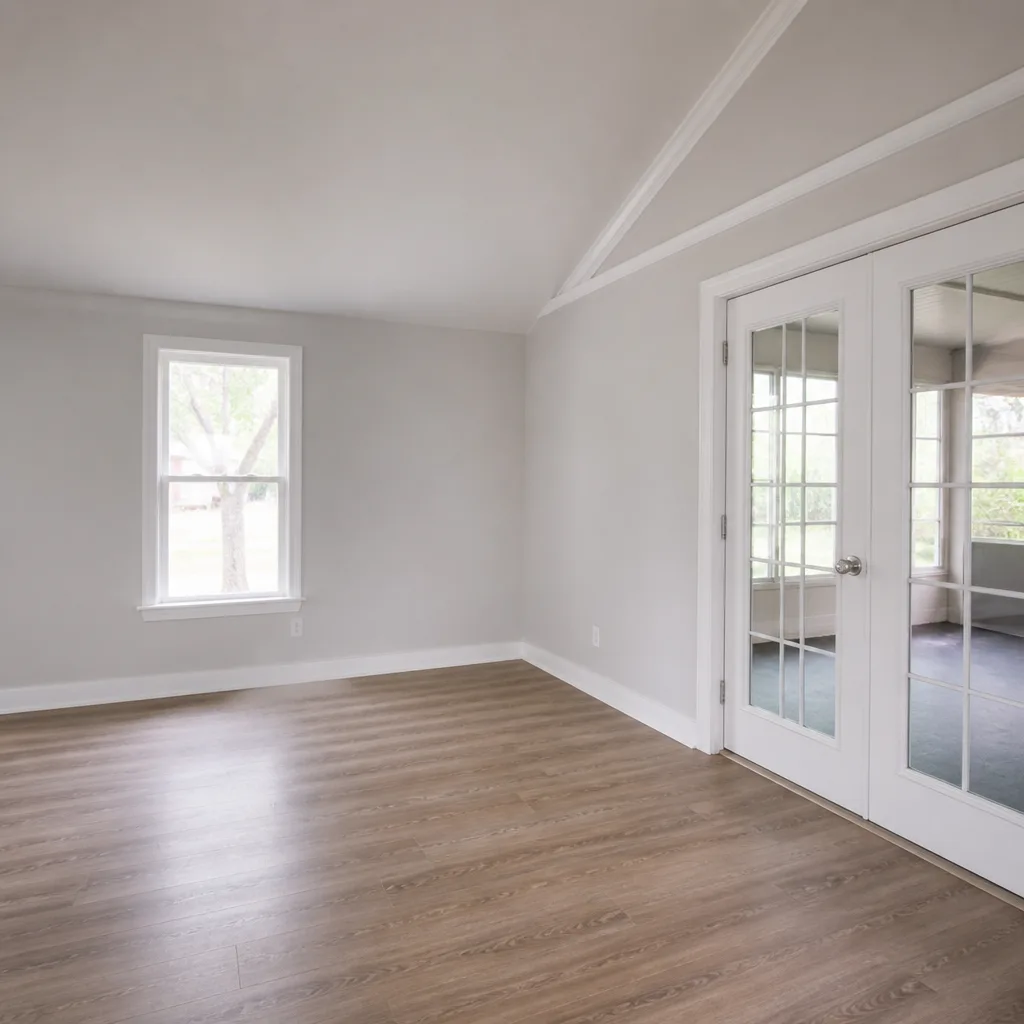
After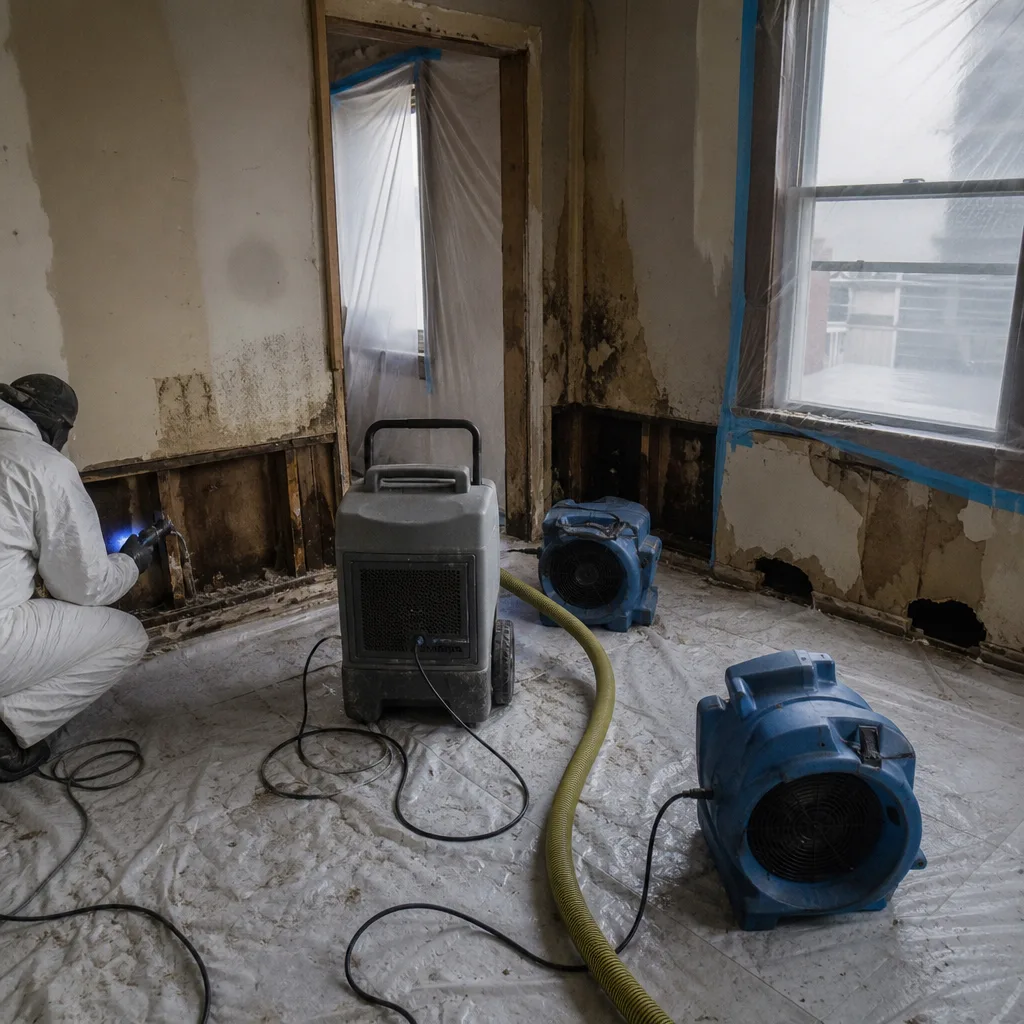 Before
 After
AfterMold Remediation in Upper West Side, NY: What It Costs, How It Works, and Who to Call
Mold remediation in Upper West Side typically costs $1,800-$6,500 depending on how far the mold has spread and whether original plaster, parquet, or structural framing is involved. Most jobs in this neighborhood run higher than the citywide average because you’re almost never just treating drywall-you’re preserving 100-year-old finishes that a co-op board will inspect with a magnifying glass. If you’ve spotted mold or you’ve had a water event in a pre-war building, call Wade’s Restoration at (363) 208-1526. Wade answers his own phone, and he’ll tell you straight whether you need full remediation or a targeted treatment.
Need Emergency Mold Remediation in Upper West Side Now?
Crews minutes away, answering live 24 hours a day. The sooner we start, the less it costs.
Key Takeaways:
- 1
Mold remediation in Upper West Side runs ul,800-$6,500 for typical apartment-scale jobs; stacked-unit contamination runs higher.
- 2
Pre-war co-op buildings add layers: board approval, building management sign-off, and historic finish preservation.
- 3
Mold can colonize within 24-48 hours of a water event, so speed genuinely matters.
- 4
We handle co-op paperwork, adjuster calls, and full documentation so you’re never the middleman.
- 5
Free visual inspection. No charge for that. Ever.
Why Mold Moves Fast in Upper West Side Buildings
Here’s the thing most people don’t realize until they’re standing in it: the Upper West Side’s housing stock is uniquely good at hiding mold. Those thick masonry walls, original horsehair plaster, and century-old hardwood parquet floors absorb water differently than modern sheetrock and carpet. Water doesn’t just sit on the surface-it wicks deep into porous lime plaster and lath, hangs out behind steam risers, and travels along brick party walls between units.
When a steam-heat supply valve blows during the first hard cold snap in November-and on the UWS, that’s practically a seasonal rite-scalding water doesn’t just affect one apartment. It cascades down a vertical stack. Five units. Ten units. Everyone below the break gets water in their ceilings, their walls, their floors. Within 24 to 48 hours, mold spores that were already present in the building’s air find all that moisture and start colonizing. By the time a co-op board meeting is scheduled to discuss it, the mold is already established.
This isn’t a suburban problem. In a single-family house, you find the leak, you fix the leak, you dry the wall. In a pre-war co-op on West 88th Street, you’re dealing with a vertical plumbing stack that serves a dozen apartments, a building super who may or may not be cooperative, and a board that has to approve any work touching common elements. That’s why our Mold Remediation team arrives ready to set up containment across multiple stacked units on the same vertical line-because we know that’s what the building actually needs.
We serve the full Upper West Side, from the high-rise co-ops along Central Park West to the pre-war elevator buildings off Riverside Drive and the post-war slabs along Broadway and Amsterdam.
Understanding Mold Remediation Severity in Upper West Side Properties
Mold in an Upper West Side apartment doesn’t have one severity level-it has a spectrum, and the building’s age determines where your problem falls. We classify contamination by square footage and depth: surface growth, cavity growth, and structural colonization. Surface growth on trim, tile, or painted plaster can often be treated with HEPA vacuuming, antimicrobial cleaning, and localized drying. Cavity growth-mold that’s moved behind wainscoting, inside wall cavities, or beneath floorboards-requires containment, negative air pressure, and selective demo. Structural colonization in old-growth floor joists or lath framing is the rarest but the most serious, because those timbers in a 1910 building are often denser than modern lumber and hold moisture longer.
The problem on the UWS is that standard moisture meters often can’t reach deep enough through thick plaster and masonry. A wall can read dry on the surface while the cavity behind it is holding 40% moisture. That’s why we use thermal imaging and probing moisture meters, not just pin-type surface readers. In a building with horsehair plaster over wood lath, you’re not just looking for damp drywall-you’re looking for the dark, warm, humid pocket behind it where mold does its quiet work.
And here’s a truth most restoration companies won’t say: in a pre-1978 building, water damage is rarely just water. It’s water plus decades of dust, lead paint particles, and possibly asbestos fibers from old pipe insulation. That changes the contamination class. A leak that looks like Category 1 water-clean supply-line water-can quickly become Category 2 or 3 once it picks up what’s already inside those walls. Proper abatement protocols matter, and they’re not optional in a building where toddlers and grandchildren crawl on the same floors.
Why Upper West Side Property Owners Choose Wade’s Restoration
- 45-minute response commitment. When mold is spreading by the hour, Wade heads out immediately. Not a call center. Not a scheduler. Wade himself, or a crew he’s already dispatched to your block.
- 24/7 live answer-a real person, never an automated system. Call at 2 a.m. on a Tuesday. Wade answers. That’s the whole model. It’s worked since 2007.
- IICRC-certified crews. We apply the WRT and AMRT standards to every job-Water Restoration Technician and Applied Microbial Remediation Technician. The certification matters when a co-op board asks who’s doing the work.
- Free visual inspection. Wade will look at the mold, tell you what you’re dealing with, and give you a straight answer. If it doesn’t need remediation, he’ll say so. No charge for that.
- Direct insurance billing. We submit directly to your carrier and coordinate with your adjuster, so you’re not faxing photos from your kitchen table.
- One team from containment to reconstruction. We don’t remediate and walk away. We restore the original plaster, the parquet, the crown molding-whatever was there before the mold.
Our Mold Remediation Process
Inspection & Assessment
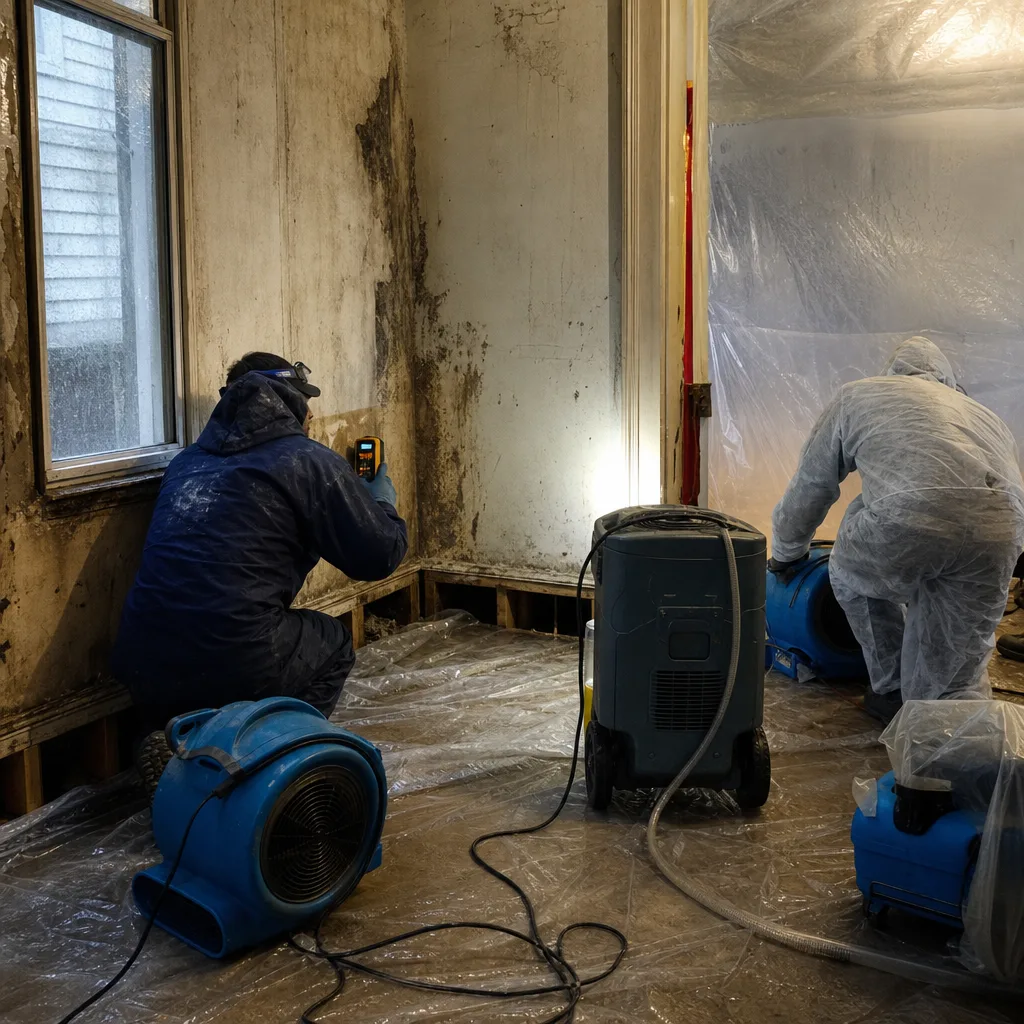
Wade walks the unit with a moisture meter and thermal camera. We document every reading, map the affected area, and identify whether mold is surface-level or buried in the plaster cavity. You get the full moisture log-every reading, every day, until the job is done.
Containment & Air Scrubbing
We set up negative-pressure containment with HEPA-scrubbed air barriers-especially critical in co-op buildings where mold spores travel through shared hallways and vents. Containment is non-negotiable when mold is in a wall cavity.
Drying & Dehumidification
Depending on the building, we run Dri-Eaz dehumidifiers and air movers around the clock until moisture readings in every affected material drop below the danger threshold. In thick masonry, this is measured in days, not hours.
Cleaning & Sanitization
We treat affected surfaces with antimicrobial cleaning and HEPA vacuuming. Original plaster and wood are handled with care-we clean, we don’t gut, unless the material is too far gone to save.
Air Quality Restoration
After remediation, we run post-treatment air sampling to verify spore counts have returned to baseline. You get a written clearance report to share with your board, your insurer, and your own peace of mind.
Repairs & Restoration
The last step is putting the apartment back together. We match original plaster profiles, restore parquet inlay, and re-create crown moldings. If a material can’t be saved, we replicate it faithfully-not with cheap modern substitutes.
Suspected Mold in Your Upper West Side Apartment?
Wade will look at it himself. Free visual inspection, straight answers.
Working With Your Insurance Company
Mold claims are the most scrutinized in the industry. Carriers want documentation from hour one: moisture readings, photos, containment logs, a clear scope of work. Wade has spent nearly two decades dealing with New York adjusters, and he does it directly-you are never the one relaying information between the co-op board, the insurance company, and the restoration crew. When mold in a pre-war building spans multiple units, claims get complicated fast. A dozen unit owners, the co-op corporation’s master policy, and individual HO-6 policies can all be in play. Wade knows which policy responds to what damage and how to present the loss so the claim doesn’t get denied on a technicality. He hands you the full moisture log at the end of every job-almost nobody in this trade does that-so you have proof of what was done and when.
What We Provide Your Insurer
- Thorough documentation of the loss from the first visit
- Photos of all damage, room by room, including cavities
- Moisture readings and daily drying logs
- A detailed, line-item scope of work
- Direct coordination with your carrier and adjuster
Built for Upper West Side’s Loss Calendar
Mold on the Upper West Side doesn’t strike randomly. It follows a pattern tied to the buildings and the seasons. In November, the first hard cold snap triggers a burst of steam-heat riser failures as supers crank boiler pressure after months of summer disuse. That’s the biggest mold-generating event of the year-scalding water through vertical stacks, affecting multiple units at once. January and February bring freeze-thaw cycles on the Hudson River side. Water gets into aging masonry, freezes, expands, and opens cracks, letting roof runoff and snowmelt seep into top-floor units. Spring thaw in March and April wakes up all that trapped moisture, and bathroom and ceiling mold blooms in buildings with original galvanized plumbing. Summer brings high humidity off the Hudson and the urban heat island effect, which is worse in courtyard buildings where air stagnates. Central Park’s eastern moisture microclimate adds another layer on lower floors. Every one of these seasonal events has a mold timeline attached, and each one is a reason to call sooner rather than later.
Mold Remediation Across Upper West Side’s Neighborhoods
The Upper West Side isn’t one building type-it’s a patchwork of eras, and each one fails differently. Along Central Park West, you’ve got the grand co-ops of the 1900s and 1910s: massive masonry walls, original steam stacks, decorative plaster that costs a fortune to replicate. Mold behind those walls is usually a byproduct of riser leaks or roof drainage issues, and restoration work requires board approval on nearly everything. Over on Riverside Drive, the pre-war layouts are similar, but the western exposure to the Hudson means freeze-thaw masonry damage is the year-round enemy. Water gets in through spalled brick, travels down the wall cavity, and mold follows. The Broadway corridor, with its mix of pre-war elevators and 1950s-70s slab buildings, presents a different problem: modern materials over old infrastructure. A 1960s renovation may have covered original plaster with drywall, and that drywall traps moisture against the old masonry like a lid on a pot. Down around Lincoln Square and the southern blocks near 59th Street, newer construction and conversions mean more owner-occupied units with different insurance considerations. Wherever you are-West 72nd, West 96th, Amsterdam, Columbus-the mold doesn’t care about your ZIP code. But the building does. And we know the buildings.
Specialized Mold Remediation Services We Offer in Upper West Side
Mold Inspection & Testing
Before you tear open a wall, you need to know what you’re dealing with. We inspect visually, map moisture, and when needed, take air and surface samples for lab confirmation. In Upper West Side co-ops, a written inspection report from an outside certified firm can be the difference between board approval and endless delay.
Mold Removal
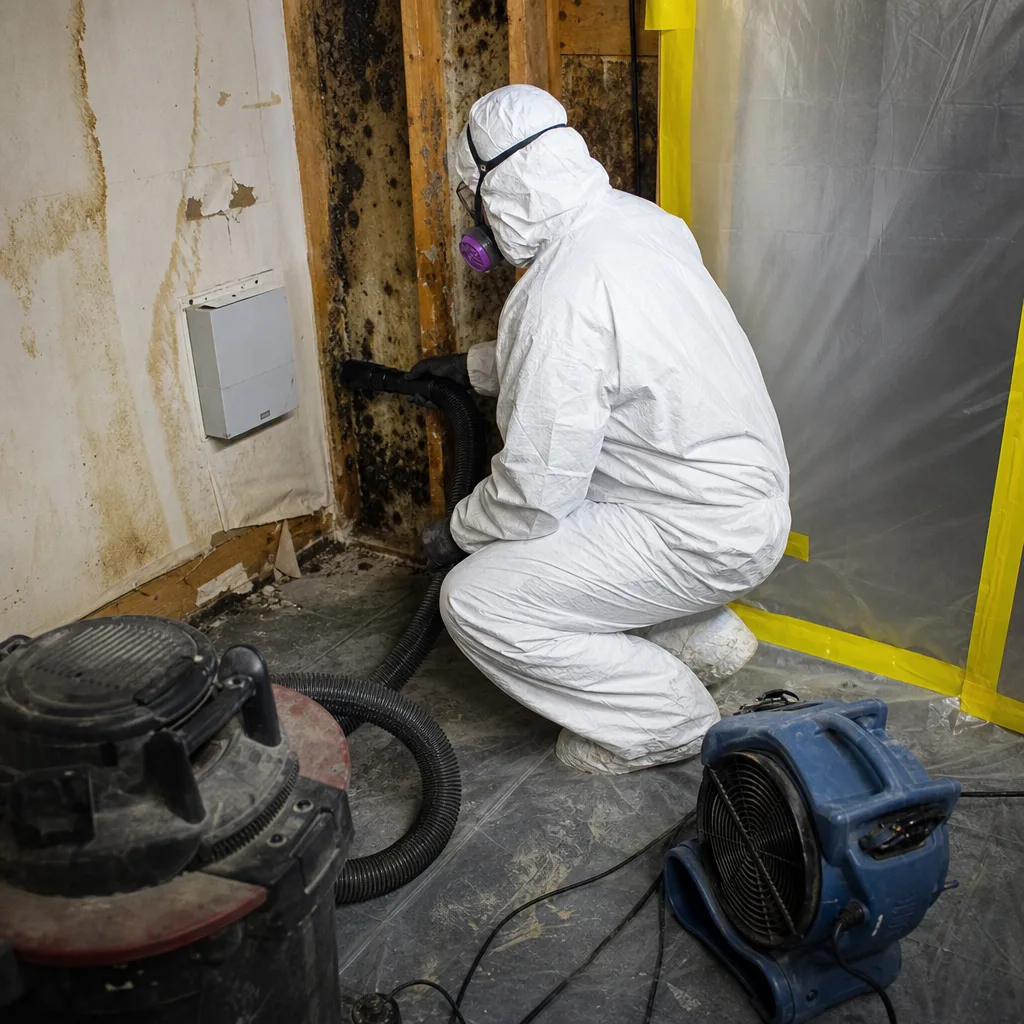
Once mold is confirmed, we remove it-not just from what you can see, but from what you can’t. That means treating wall cavities, the back side of baseboards, and the space behind steam risers. In pre-war units, removal often means carefully cutting access into original plaster rather than gutting whole rooms. Less demo, less cost, less heartbreak.
Black Mold Remediation
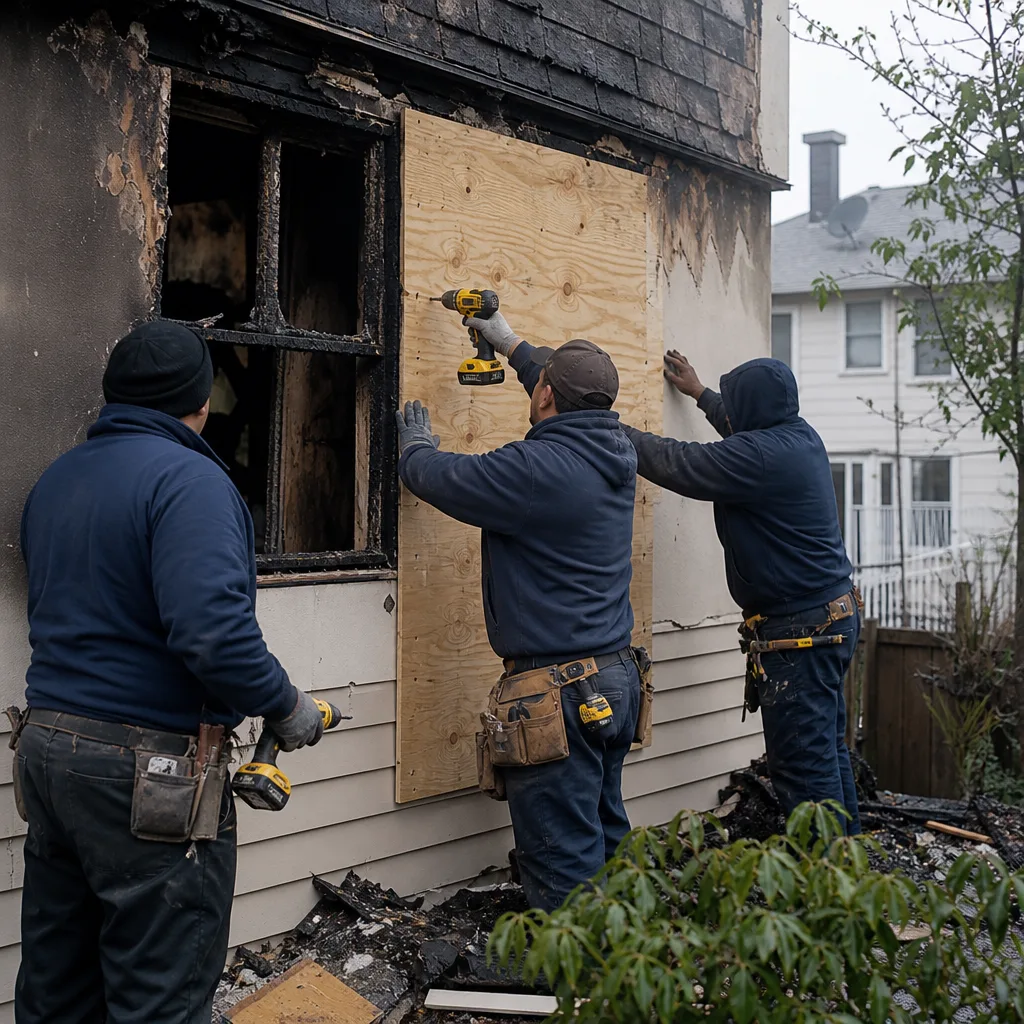
Stachybotrys-what people call black mold-gets the headlines for a reason. It produces mycotoxins that are genuinely harmful to breathe, especially for older adults, small children, and anyone with respiratory conditions. The UWS has a lot of all three. We treat black mold with the same protocol: full containment, HEPA air scrubbing, antimicrobial treatment, and post-remediation clearance testing.
Air Quality Restoration
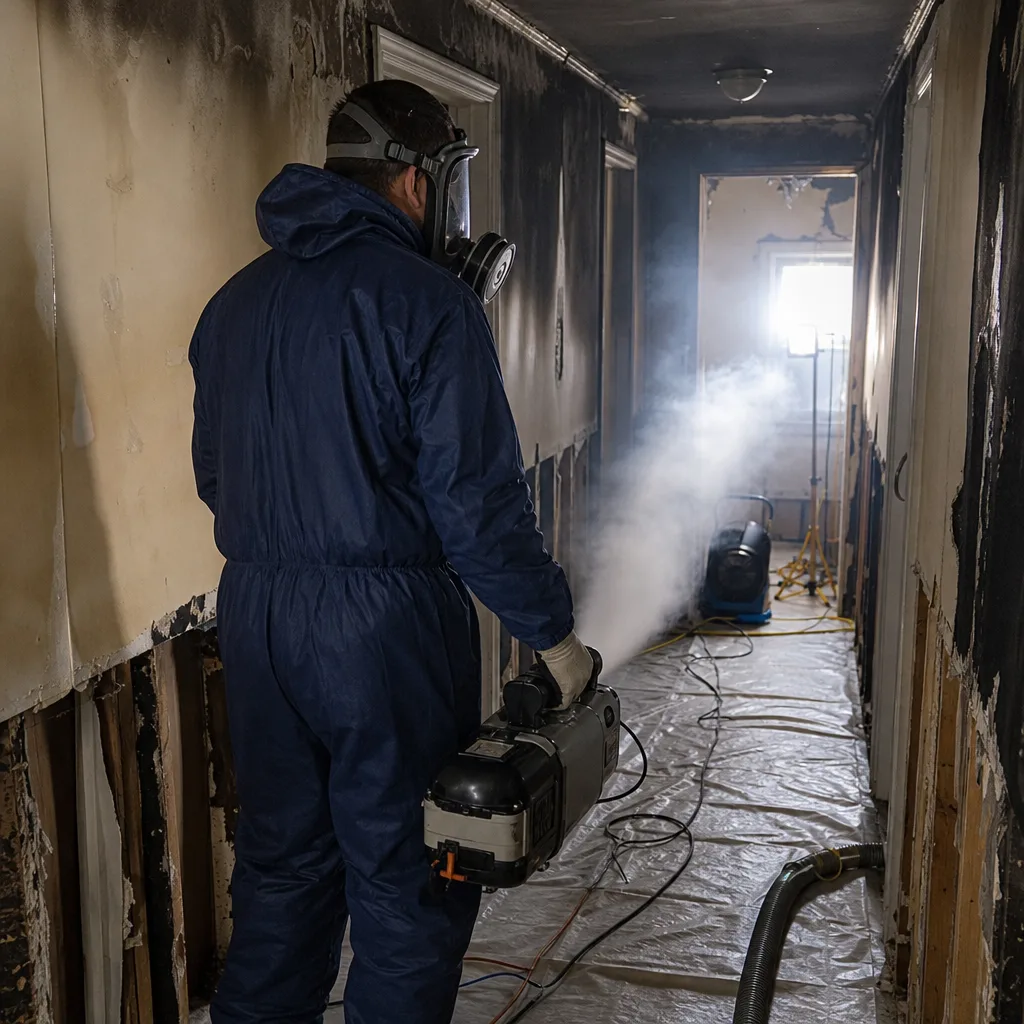
Mold doesn’t have to be visible to be in the air. Spores circulate through steam risers, shared hallways, and bathroom vents in multi-unit buildings. After remediation, we run post-treatment air sampling and HEPA filtration to bring spore counts down to safe levels. You’ll get a written report confirming the air in your apartment is clean.
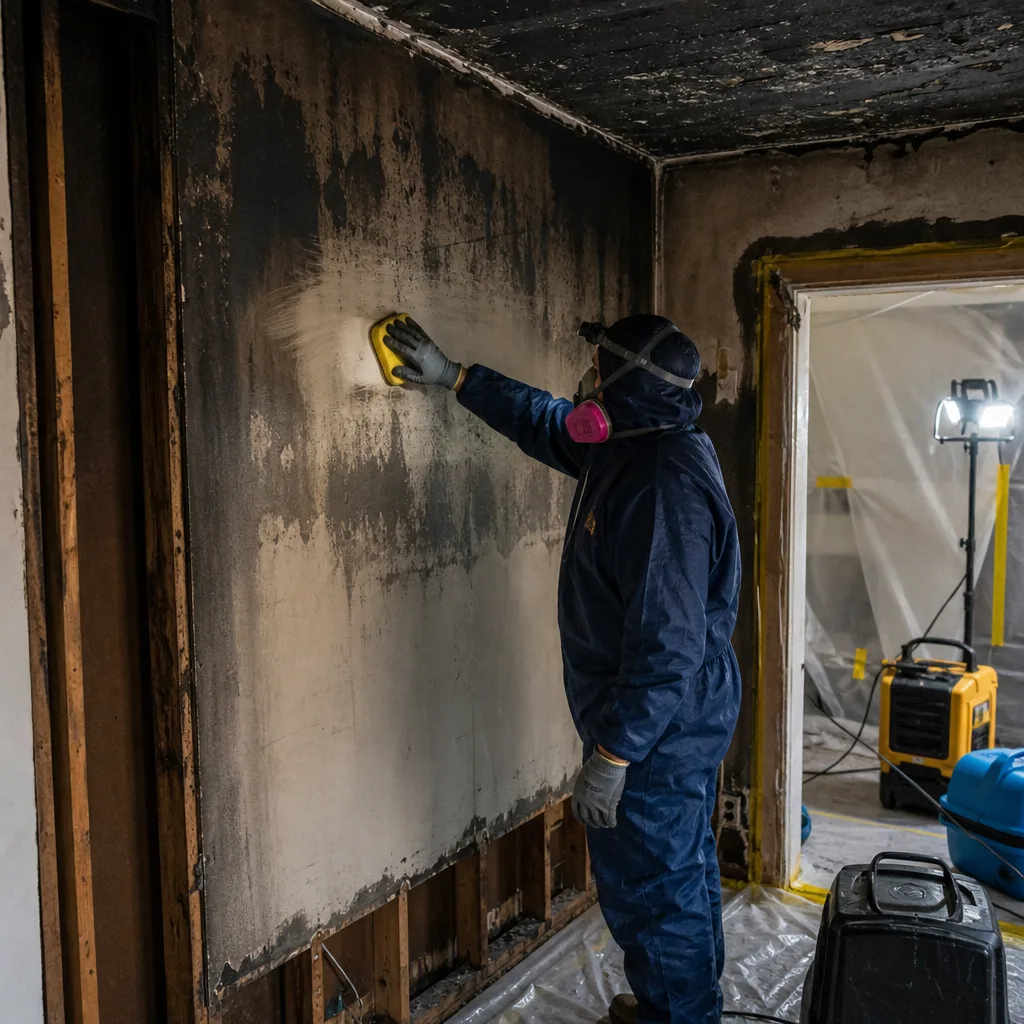
Crawl Space Treatment
Not every UWS building has a crawl space, but townhouse conversions and street-level units sometimes do, and they’re mold magnets. We treat these spaces with specialized drying, vapor barriers where appropriate, and antimicrobial application to stop spores at the source.
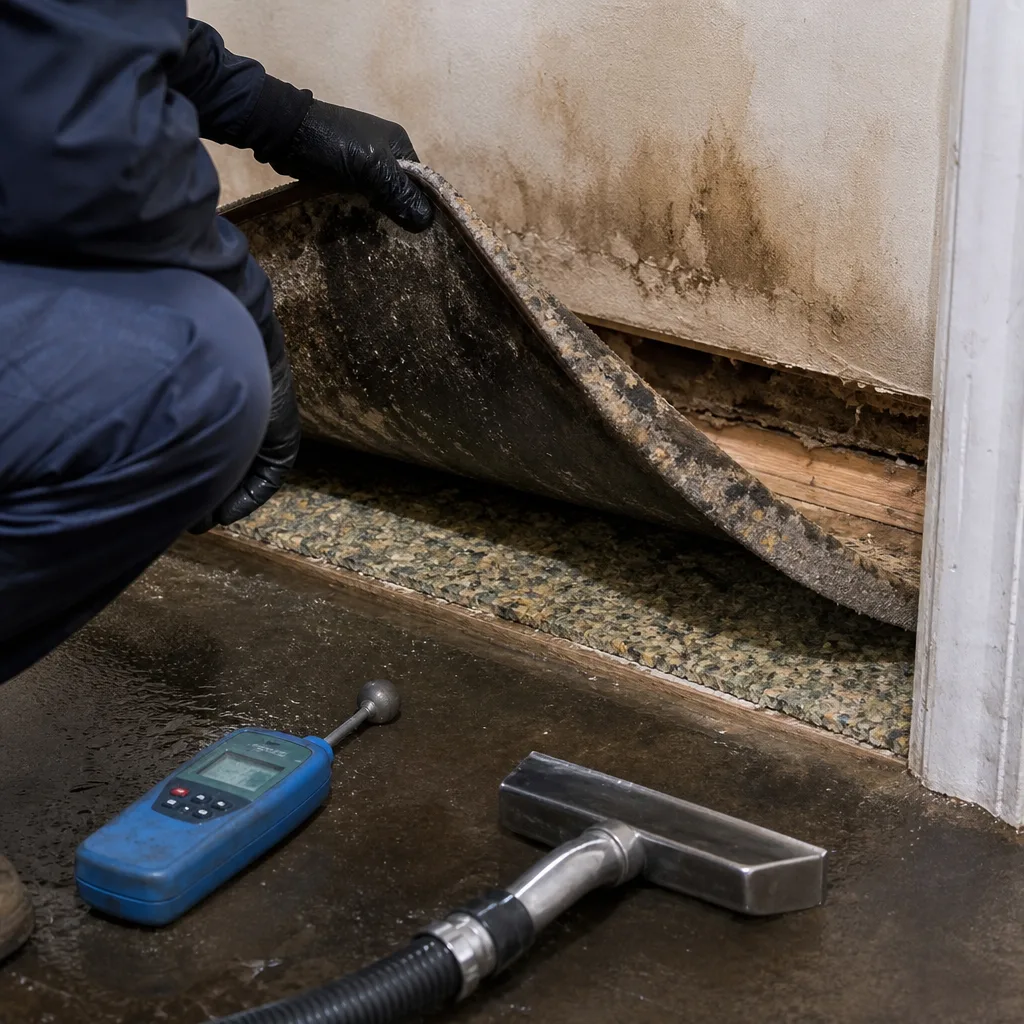
Moisture & Humidity Control
Even after mold is removed, the conditions that caused it can return. In pre-war apartments with radiator heat and poor ventilation, indoor humidity can spike in winter as steam systems run hot and cold. We assess your unit’s humidity profile and recommend practical solutions-dehumidifiers in problem rooms, ventilation upgrades, and simple monitoring habits that keep mold from coming back.
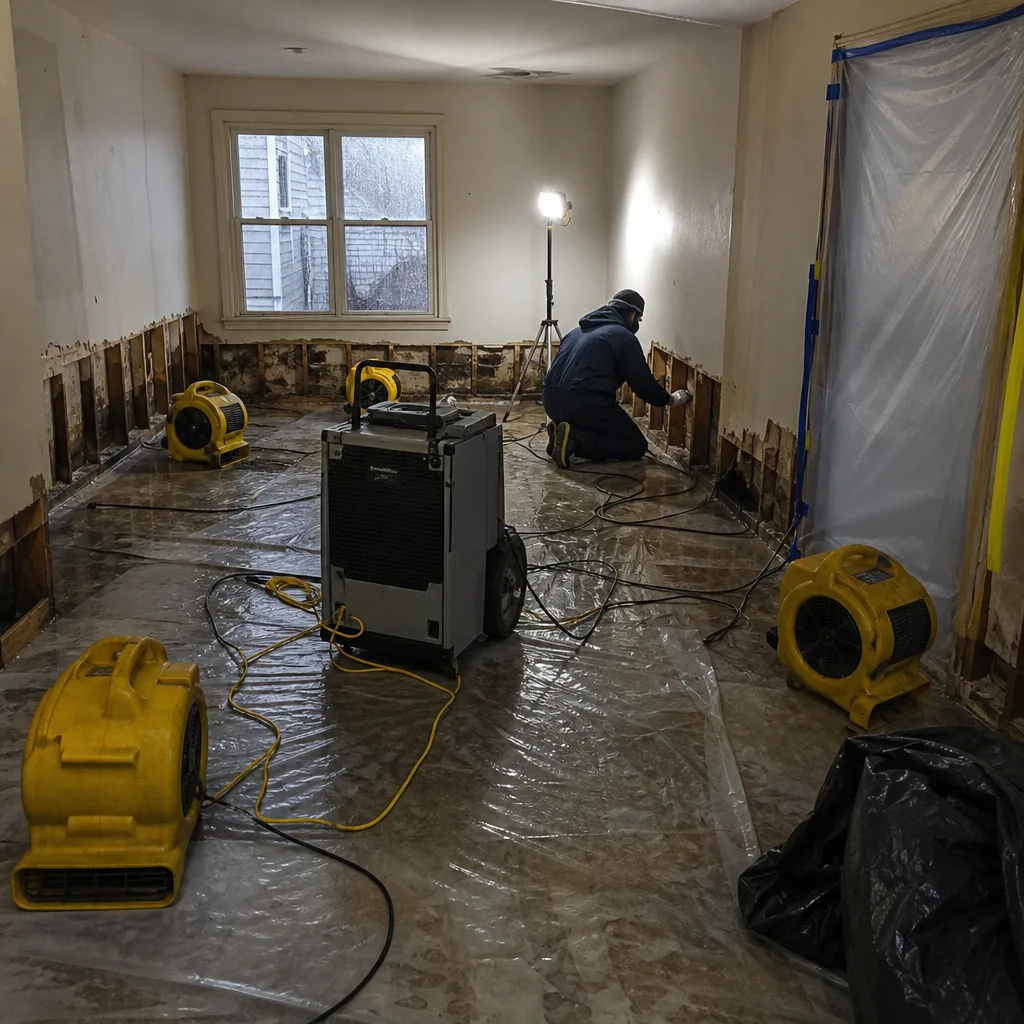
What happens when you call
- 1
A real person answersNo phone trees - you reach a local pro.
- 2
You get an upfront price rangeHonest numbers before anyone is dispatched.
- 3
A background-checked tech heads outLicensed & insured, dispatched right away.
- 4
You approve before work beginsNothing starts until you say go.
Mold Remediation Costs in Upper West Side, NY
The honest answer: mold remediation on the Upper West Side costs more than it does in the outer boroughs, and there’s a reason. You’re not paying for drywall demo and replacement. You’re paying for containment in a building where that containment may span three floors. You’re paying for plaster restoration, not Sheetrock patches. You’re paying for a crew that knows how to work around co-op rules and building supers who have opinions about everything.
Here’s what to expect:
- Containment setup: $800-$1,500 depending on unit size and the number of stacked units involved
- Surface mold treatment (one wall, one ceiling): $1,800-$3,200
- Cavity remediation (mold inside walls or behind plaster): $3,500-$6,500
- Multi-unit vertical stack contamination: $10,000-$35,000+ depending on the number of affected apartments
- Air sampling and clearance testing: $400-$900
What moves the price? Plaster restoration, parquet repair, asbestos abatement, lead-paint protocols, co-op board requirements for licensed and insured contractors, and whether the building’s master policy or your individual HO-6 policy responds. That last one matters-a lot. Some UWS co-ops have master policies that cover original building elements, while your unit-owner policy covers interiors. Wade deals with both, and he’ll sort out which one applies before work starts.
And here’s the standing offer: a free visual inspection. Wade will look at the mold and tell you what it actually is. If it’s not a big deal, he’ll say so. No charge for that.
We Also Serve Cities Near Upper West Side
While this page is all about the Upper West Side, Wade’s Restoration also handles mold remediation for neighbors across the city. We regularly work in Astoria, the Financial District, Lower Manhattan, and Flushing-same owner-operated approach, same 24/7 live answer.
Upper West Side Mold Remediation Questions, Answered
Does my Upper West Side co-op board have to approve mold remediation before your team can start?
In most cases, yes-especially if the work touches common elements like walls behind radiators, steam risers, or structural framing. We’ve navigated co-op boards for years and can provide the documentation boards typically require: insurance certificates, IICRC certifications, a written scope of work, and photos of the affected areas. We’ll help you get the sign-off faster, because every day of delay is another day mold spreads.
How do you handle mold in original horsehair plaster walls without destroying the historic finishes?
We treat plaster walls as restorable whenever possible. Instead of gutting entire rooms, we make strategic access cuts, treat the cavity with antimicrobial cleaners, dry thoroughly with dehumidifiers and air movement, and then restore the plaster from the lath up. The finish coat is matched to the original texture and profile-not covered with a modern skim coat that looks wrong.
What happens if the mold is behind a steam riser in an old West Side apartment-can you still treat it?
Yes, but it’s trickier than a standard wall-cavity job. We often have to work around a live riser, which means coordinating with the building super, creating a small containment chamber around the riser itself, and treating the mold without shutting down heat to the whole stack. We’ve done this hundreds of times in pre-war UWS buildings. It’s a very Upper West Side kind of problem.
Are the old cast-iron pipes in my UWS building more likely to cause mold than newer pipes?
Yes, and it’s not close. Cast-iron and galvanized pipe from the early 1900s corrodes from the inside out. By now, the inside diameter is often half what it was, and the pipe walls are thin and brittle. They leak. They fail. And when they do, the water goes into plaster, subfloor, and wall cavities where mold grows unseen for weeks before you smell it or see the stain.
How can I prevent mold in my UWS apartment during the winter when radiators blast and humidity drops?
Winter mold in pre-war apartments usually comes from steam leaks inside walls and around radiator valves, not from ambient humidity. The dry air actually slows surface mold growth but does nothing for moisture trapped in a wall cavity. The prevention is simple: check your radiator valves each fall before the boiler cranks up, look for signs of water stains on ceilings below radiators, and if you see any sign of a small leak, report it to your board and call us before it becomes a vertical-stack disaster.
How fast can you get to the Upper West Side when mold is suspected?
Usually within 45 minutes to an hour. Wade answers his own phone at (363) 208-1526, day or night. If you’ve had a water event and you’re worried about mold starting, the clock matters. Call sooner, not later.
Can I stay in my apartment during mold remediation?
Depends on the severity. For surface mold in one room, yes, with containment in place. For cavity mold or black mold across multiple rooms, we often recommend temporary relocation-especially for older adults, small children, or anyone with respiratory issues. Wade will tell you straight. He’s not selling displacement; he’s keeping you safe.
What should I do in the first 30 minutes after I discover mold or a water leak in my UWS apartment?
Don’t panic, don’t scrub the mold with bleach, and don’t open the walls. Take photos. Turn off the water source if you can identify it. Call your building super for a quick shutoff if it’s a riser issue or supply-line break. Then call Wade at (363) 208-1526. The sooner we get eyes on it, the less likely you’ll need full remediation. Free visual inspection. No charge for that.
Why the 90-Day Done Right Promise Matters Here
When Wade Ferris started this company in 2007, he built it on one idea that seemed radical at the time: if the work isn’t done right, the job isn’t finished. Every mold remediation project we do on the Upper West Side comes with the 90-Day Done Right Promise in writing. If mold returns within 90 days, we come back and make it right. One call brings Wade back. Not a customer-service department. Wade himself.
In a neighborhood where co-op boards scrutinize every contractor and unit owners have already been burned by national outfits that quoted one price on the phone and another at the door, that promise is the whole point. Ask anyone on your street. The West Side talks. Wade’s name gets passed around at shareholders’ meetings and in laundry rooms. That’s the accountability that a national brand can’t manufacture.
Serving Upper West Side, NY - Our Local Coverage Area
We’re based in the Upper West Side area and know this community well. Use the map below to see our service coverage - if you’re nearby, we can almost certainly help.
Call Wade’s Restoration for Upper West Side Mold Remediation
If you’ve got mold-or even suspect it-call (363) 208-1526 and talk to Wade. He’ll tell you what he thinks over the phone, come look at it in person, and give you a straight answer about what needs to happen. No pressure, no upsell, no national-call-center runaround. Just a locally owned, owner-operated restoration company that’s been doing this work since 2007, with the IICRC certifications and the old-building knowledge to do it right.
Free visual inspection. Senior & Veteran 10% discount, always. Free second opinion on any written estimate. And if you’re in the county, there’s no trip charge. Call now, before the mold gets another day.
Written by Wade Ferris, Owner at Wade’s Restoration, serving Upper West Side and the greater New York City area since 2007.