
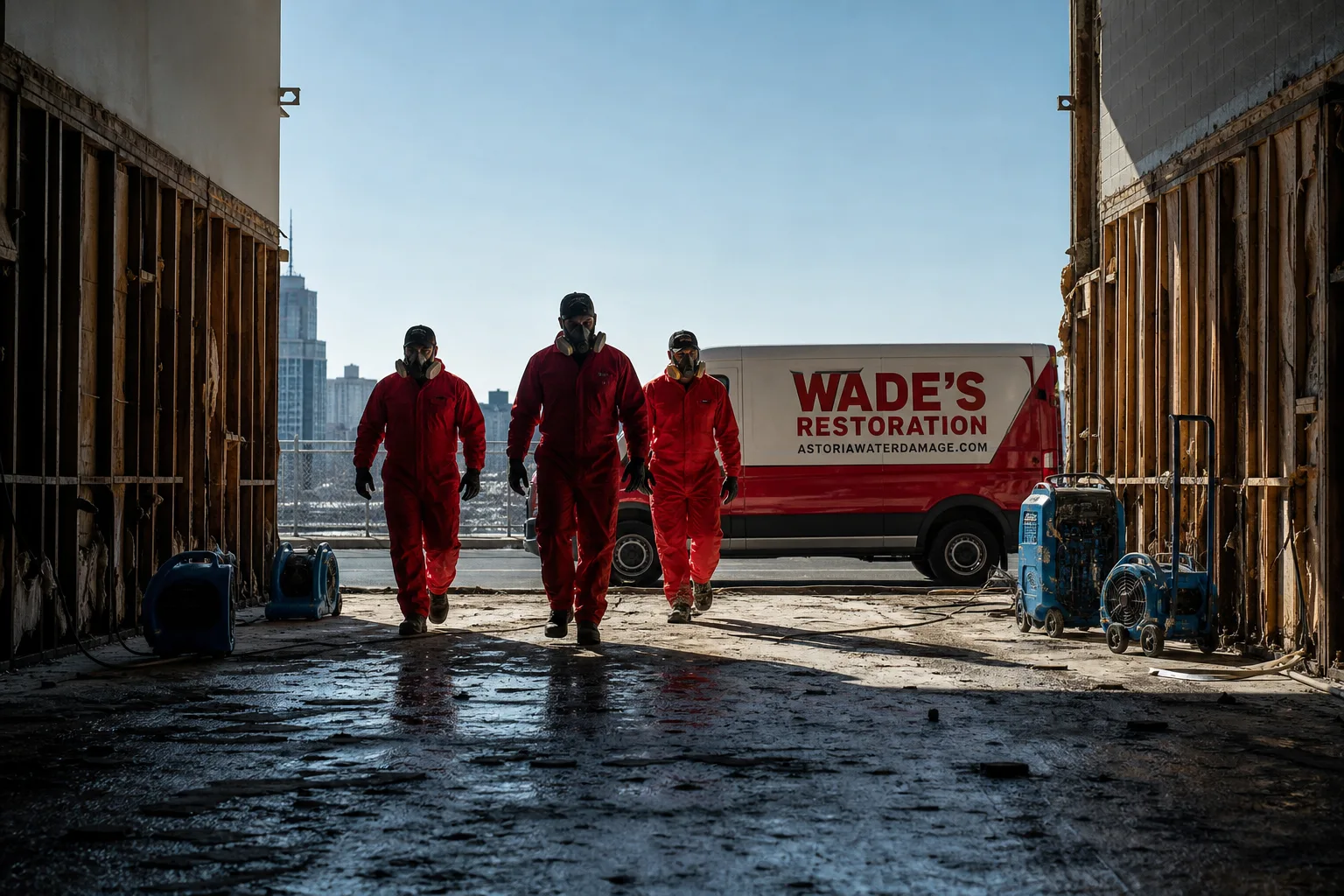
Free visual inspection and a written scope of work before any mitigation begins - photos, moisture readings, and drying logs go in your claim file
The scope we write is the scope we bill. Anything new gets shown to you, in writing, before we touch it.
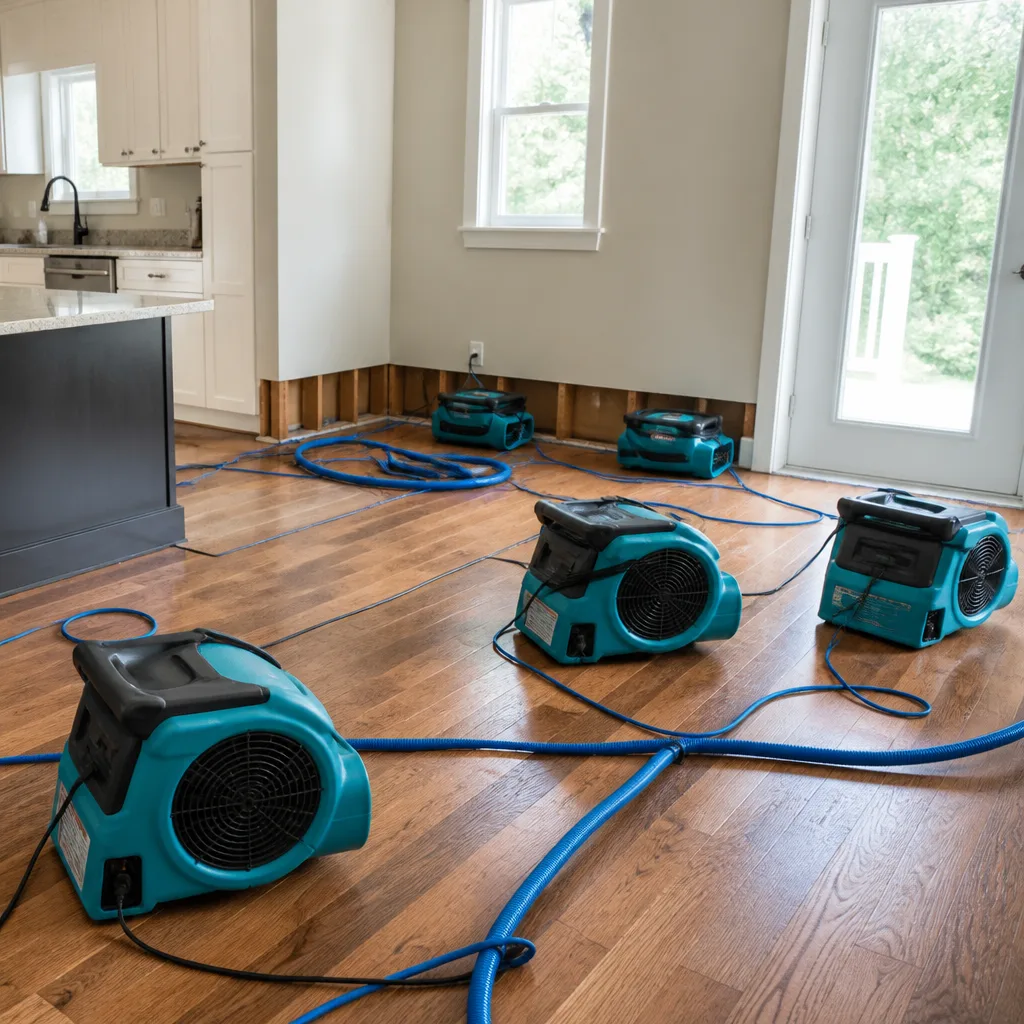
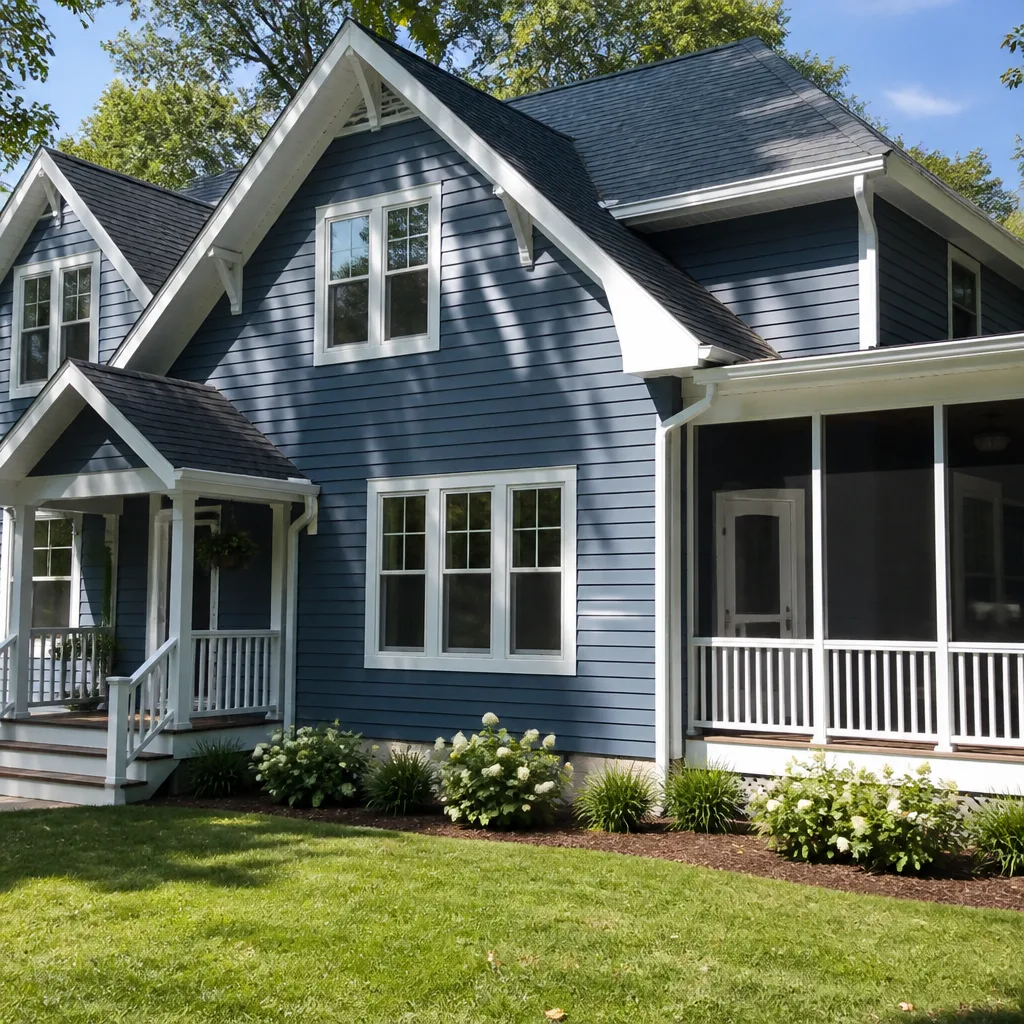
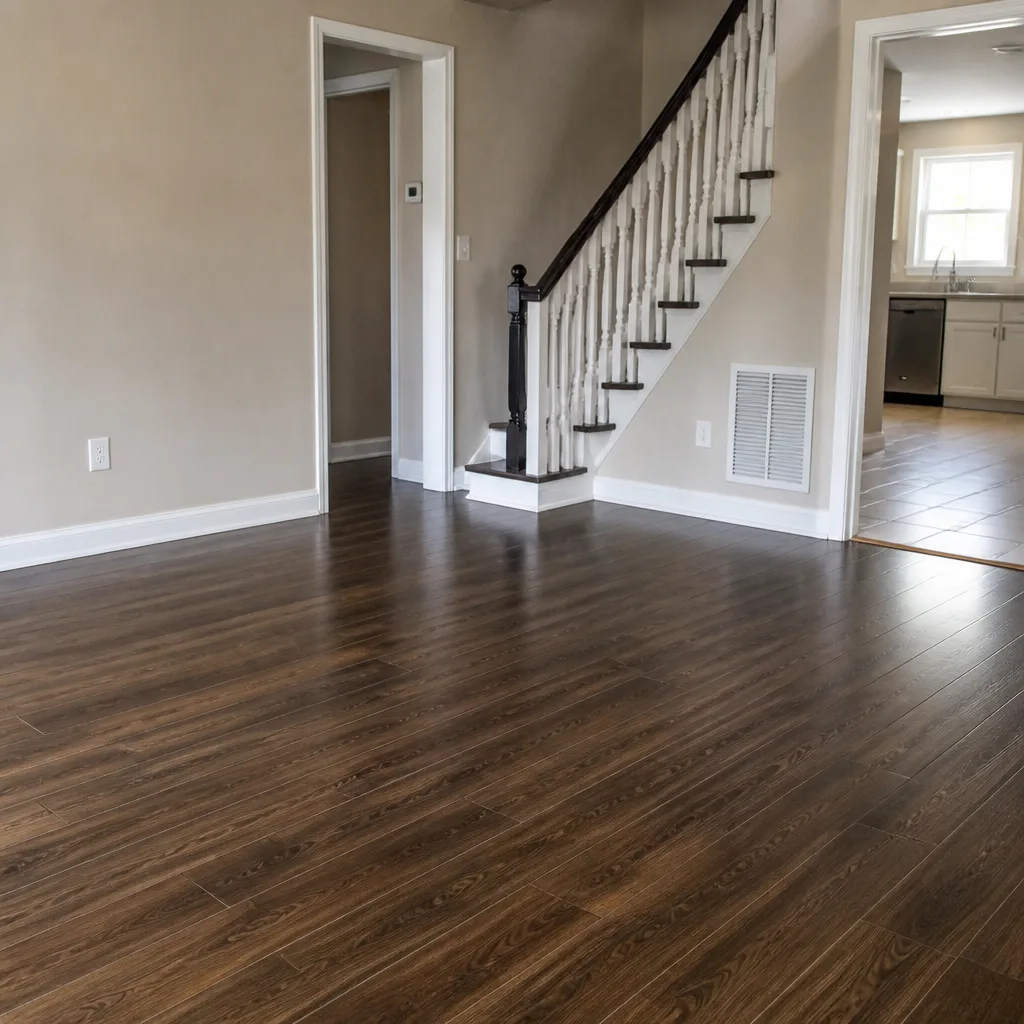
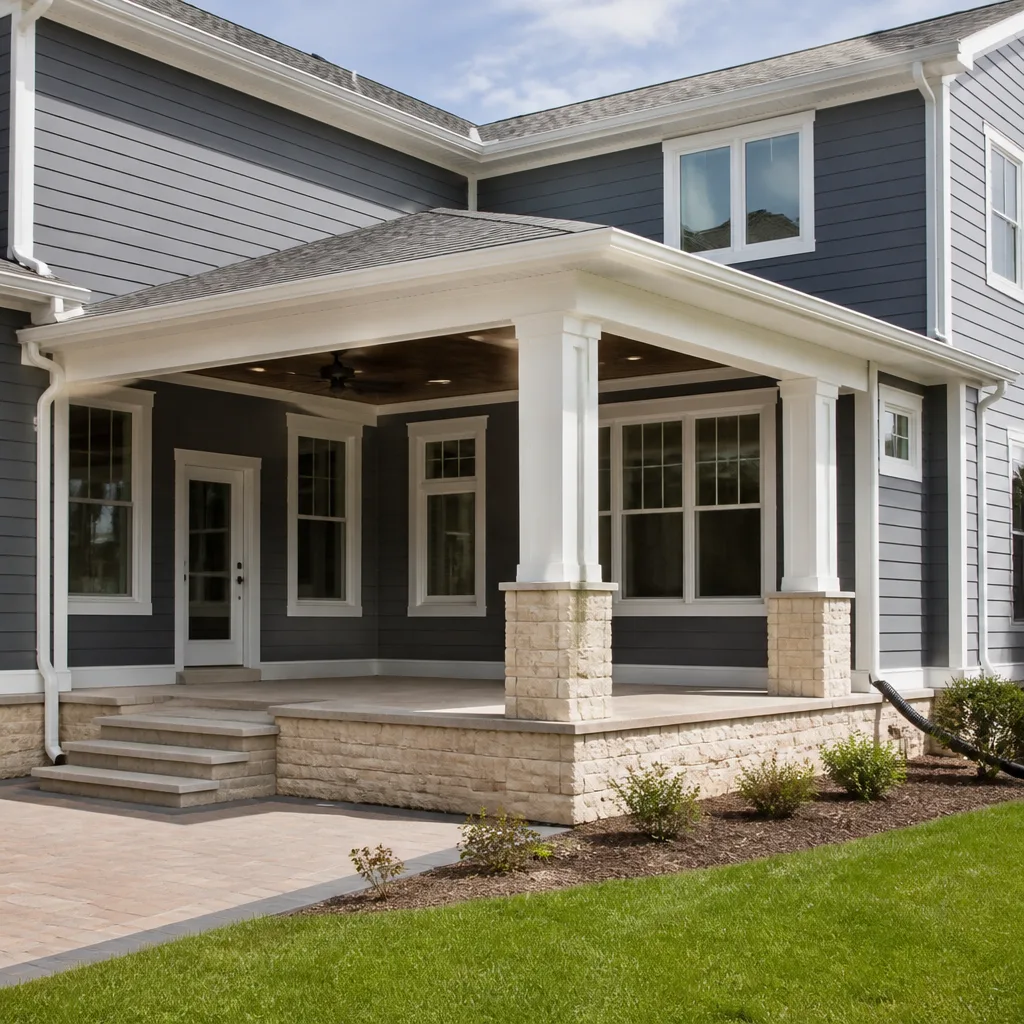
 Before
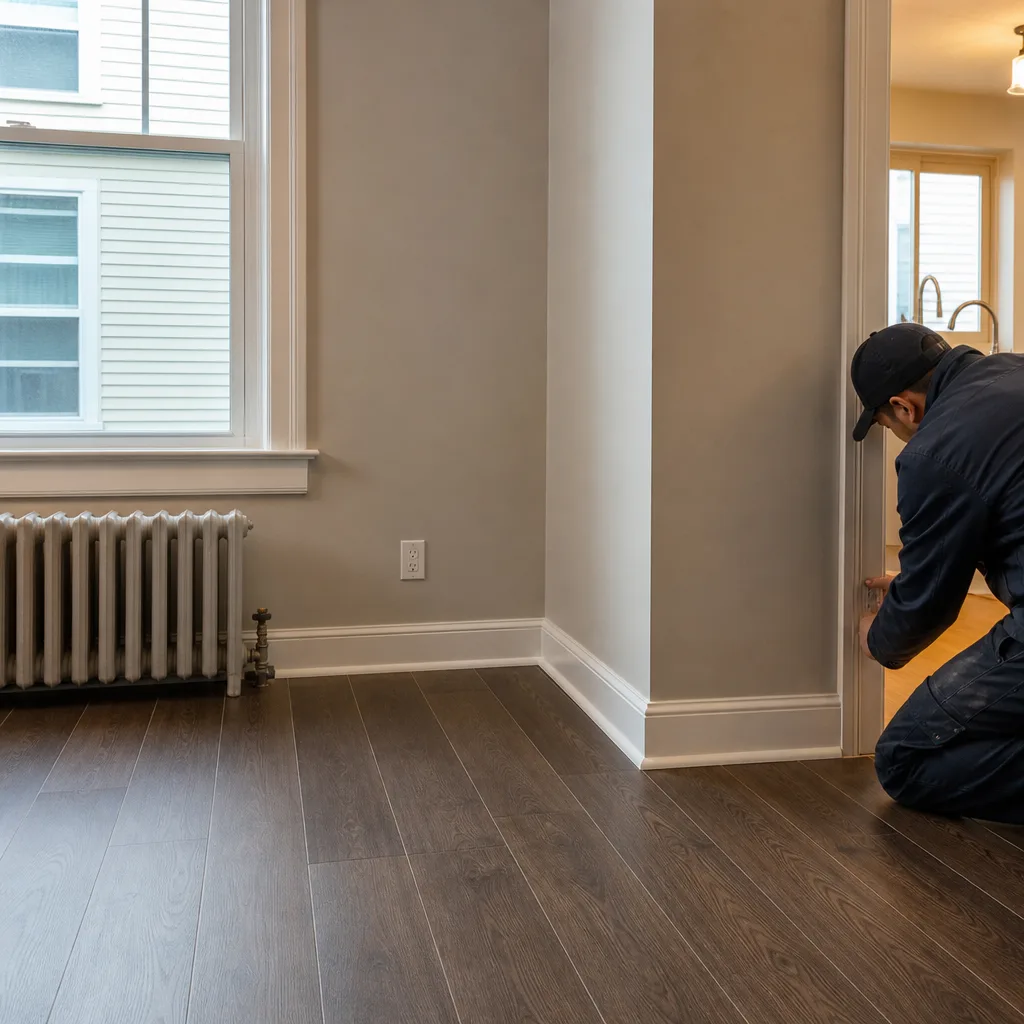 After
After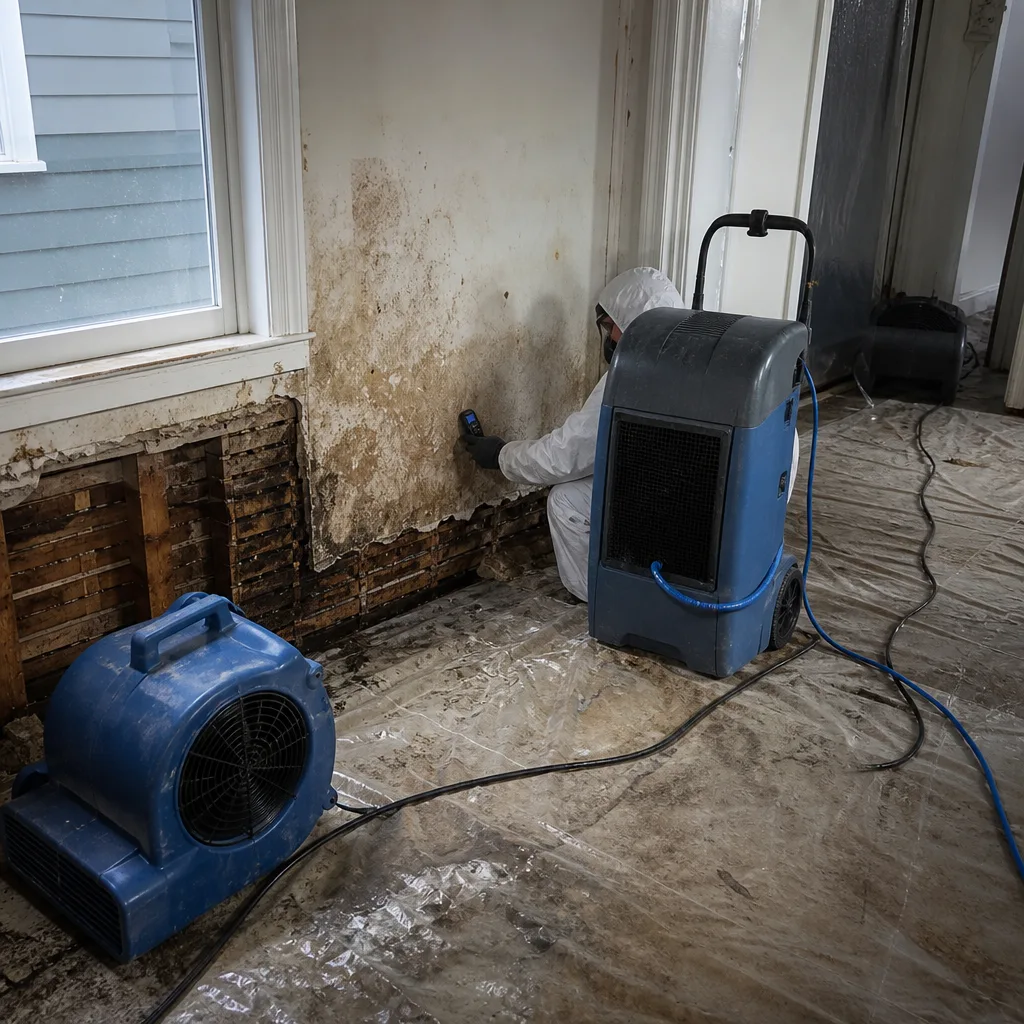 Before
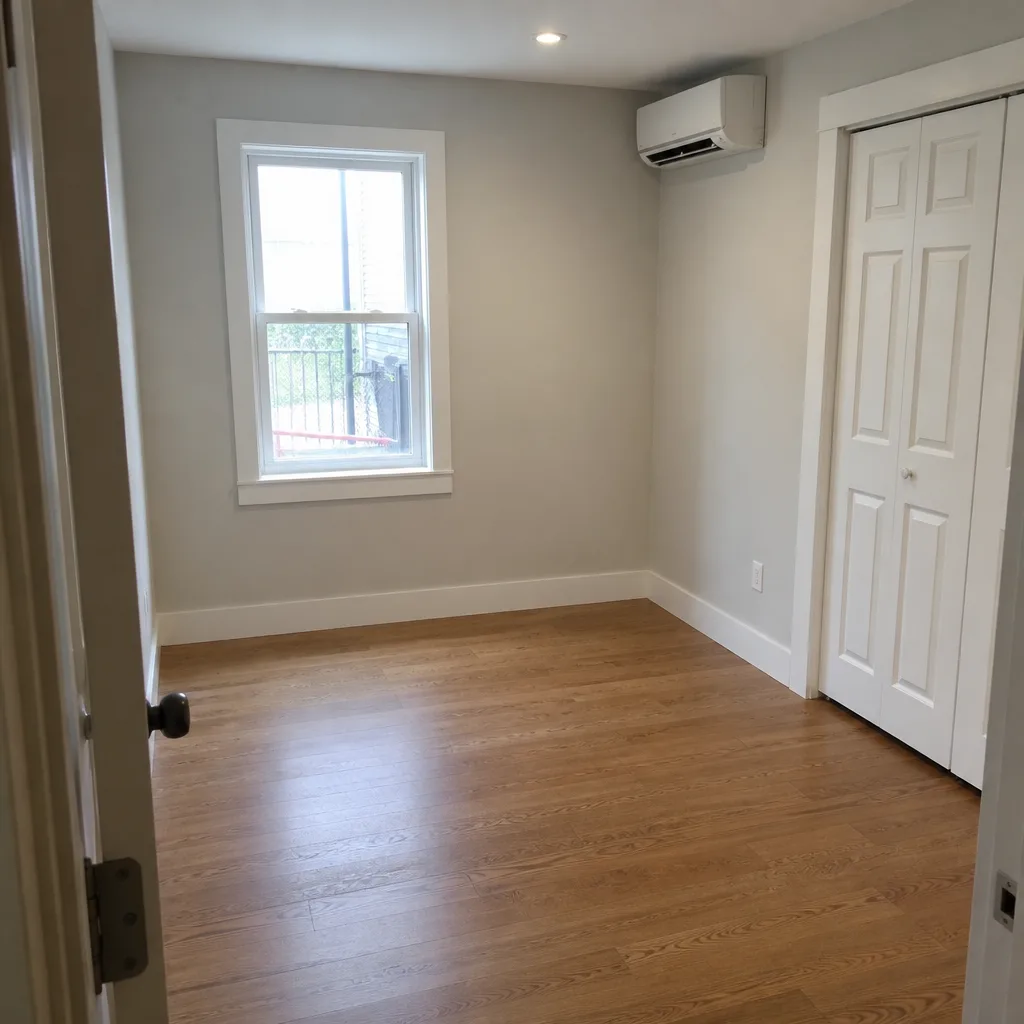 After
After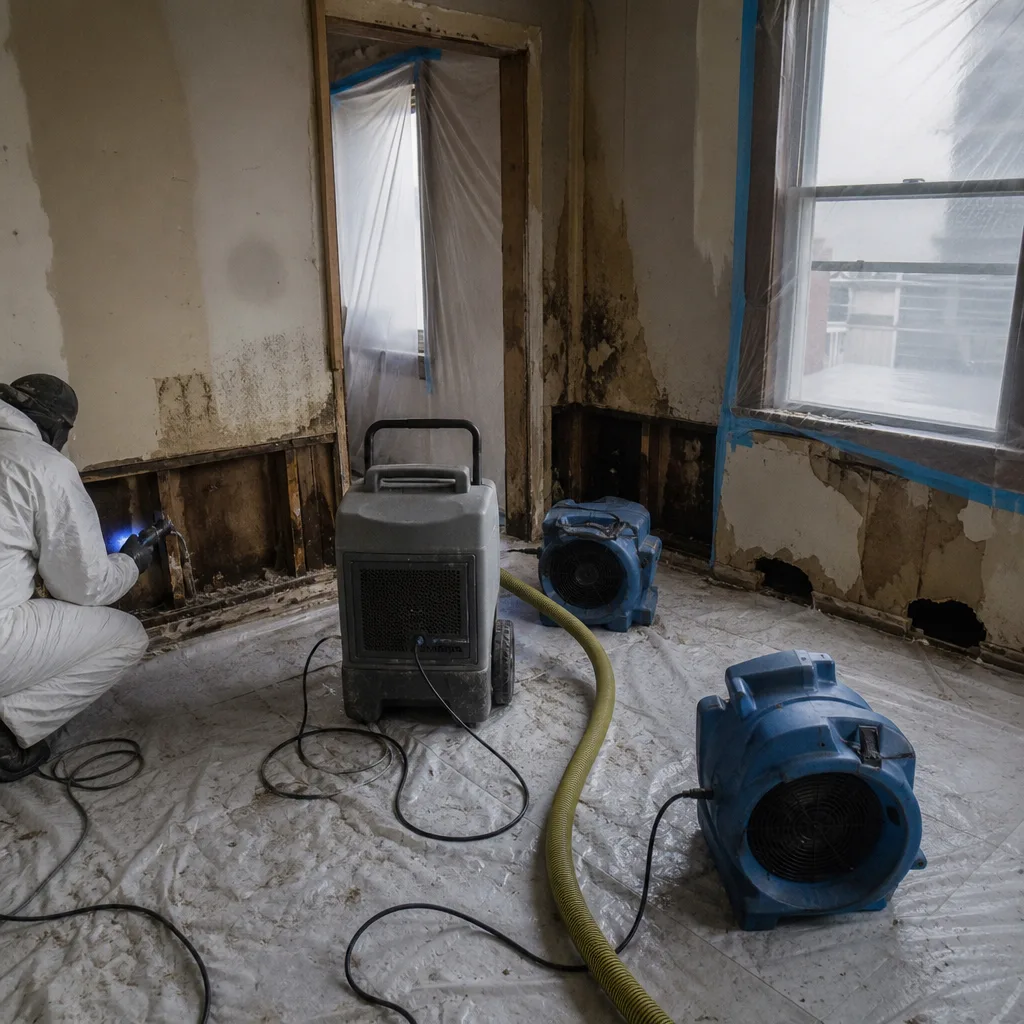 Before
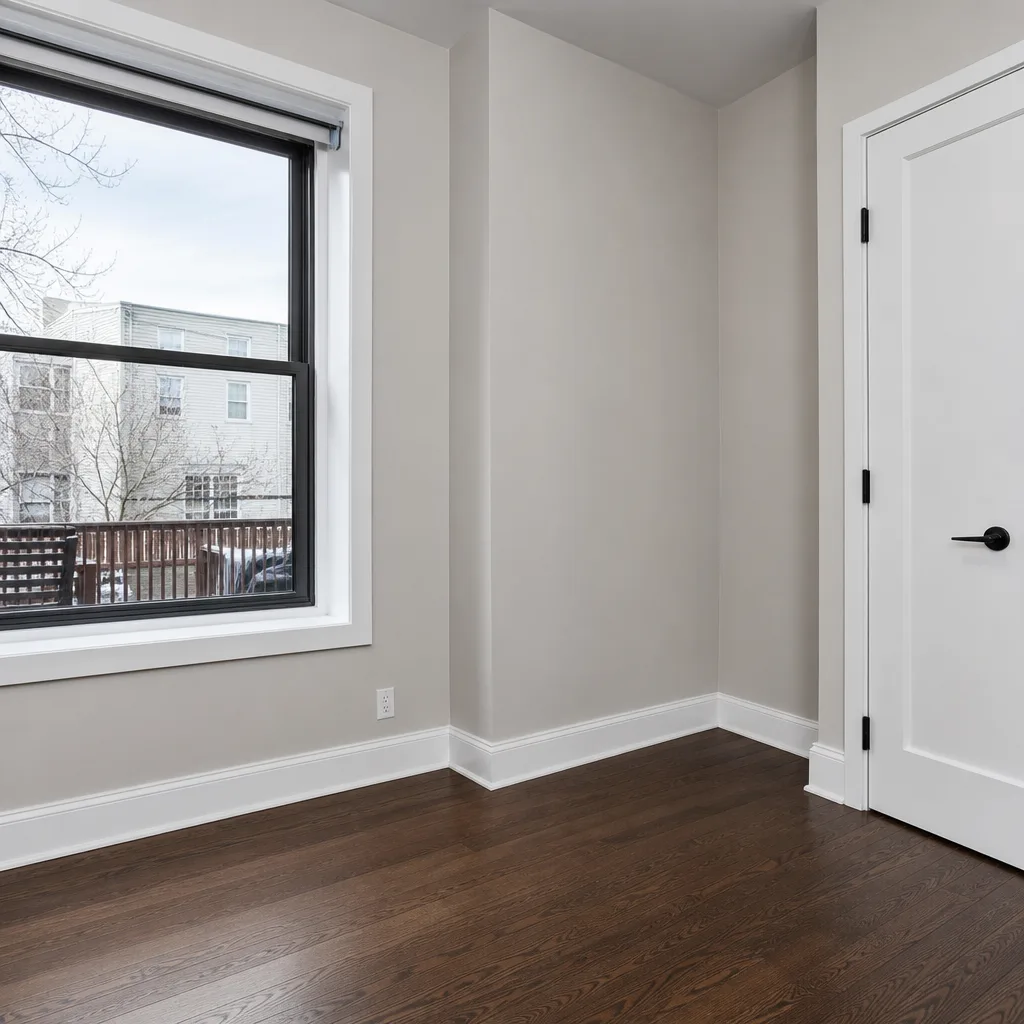 After
After24/7 Emergency Mold Remediation in West Bronx
A mold problem in a West Bronx apartment building does not wait for business hours, and neither do we. If water has been sitting in a pre-war walk-up for more than 48 hours, you are past the point of wipe-it-down-and-pray. Call Wade at (363) 208-1526. A real person answers, any hour, and Wade heads out himself with a moisture meter, a flashlight, and enough HEPA equipment to stop the spread before it crosses into the next unit.
The first hour matters because mold moves through horsehair plaster and lath like water through a sponge. In West Bronx’s 1920s and 1930s buildings, a ceiling stain in apartment 4B is rarely just 4B’s problem. By the time you see discoloration, hyphae are already threading through the plaster keys and into the joist cavities. Start containment early and you might save the original plaster. Wait until Monday and you’re looking at gut-to-the-lath demolition across multiple floors. We’d rather show up at 2 a.m. than have you call us at noon on a weekday with a building-wide problem.
Understanding Mold Remediation Severity in West Bronx Properties
We categorize mold work by how much of the building’s original structure is involved, not just by square footage of visible staining. A small patch behind a bathroom vanity in a Kingsbridge Heights co-op is a one-day containment and HEPA scrub. A water stain spreading across an original Art Deco plaster ceiling on the Grand Concourse is a different animal entirely.
The reason is simple: pre-war West Bronx buildings were built with horsehair-reinforced plaster over wood lath, and hidden cavities between floors act like incubation chambers. When a roof leak or a failed cast-iron drain stack introduces moisture, mold grows in the interstitial space where you cannot see it. Moisture mapping with thermal imaging shows us the full footprint, usually two to three times larger than the visible stain. Severity also depends on the water source: clean water from a supply line is manageable, but water that has passed through a century of building dust, rodent activity, and deteriorated pipe wrap sits on the border of Category 2 and Category 3. That distinction drives the containment protocol, the air scrubbing requirements, and the clearance testing at the end.
Why West Bronx Property Owners Choose Wade’s Restoration
- 45-minute response commitment: When you call with water actively leaking into a ceiling, Wade is on the road. He covers West Bronx neighborhoods personally, not through a call center in another state.
- 24/7 live answer: The phone number on this page rings to a real person. At 3 a.m. that person is often Wade Ferris, the owner, who has been doing this work since 2007.
- IICRC-certified crews: The people we send are trained to IICRC standards, including AMRT (Applied Microbial Remediation Technician) certification for mold work. They run negative-air containment and air scrubbers the way the protocol actually requires, not the way a shortcut looks.
- Free visual inspection: If you’re not sure whether that stain is mold or just old water marking, Wade will look at it and tell you straight. No charge for that.
- Direct insurance billing: We deal with the adjuster, the landlord’s carrier, the NYCHA paperwork, whatever the situation requires. You are not the middleman relaying messages between two sides.
- One team from first response to final clearance: The same people who set containment are the ones running the drying logs and scrubbing the air. Nobody gets handed off to a subcontractor who’s never seen your building.
Our Mold Remediation Process
Inspection & Assessment
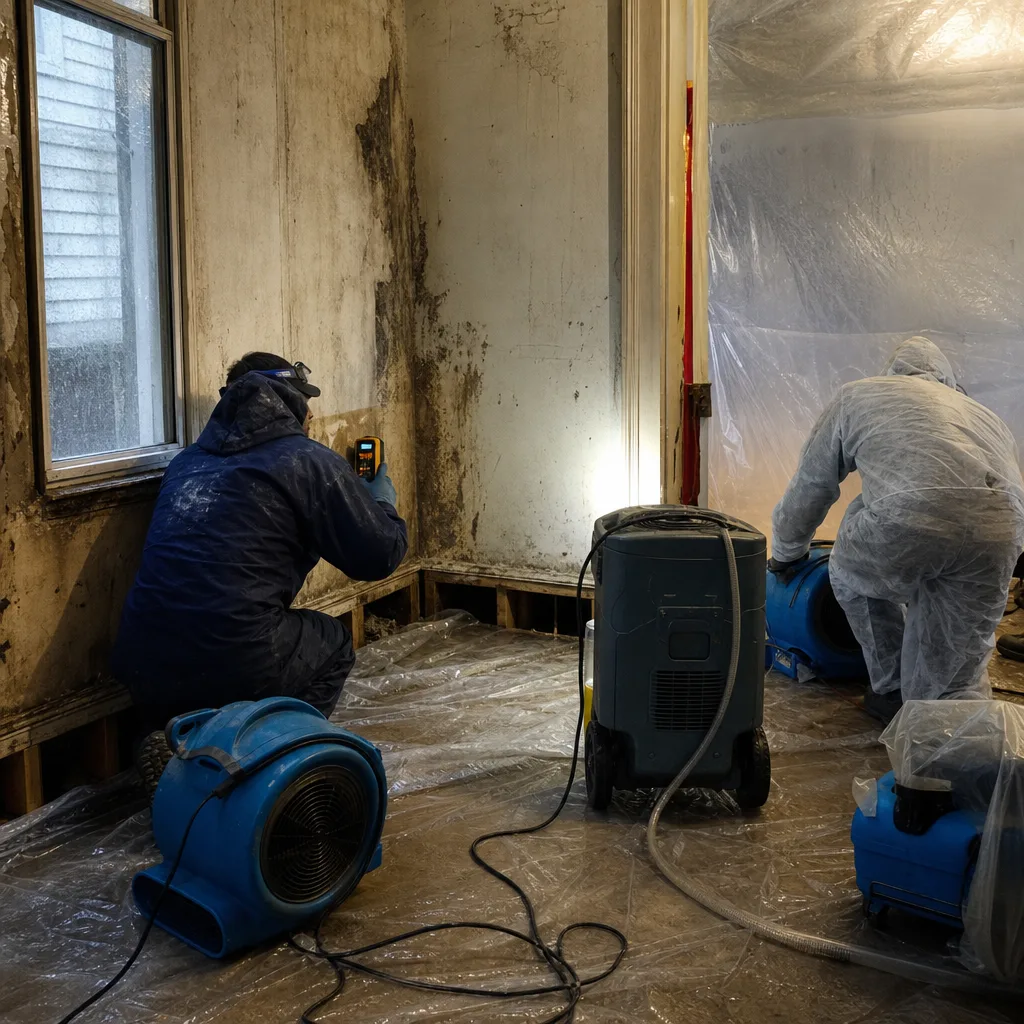
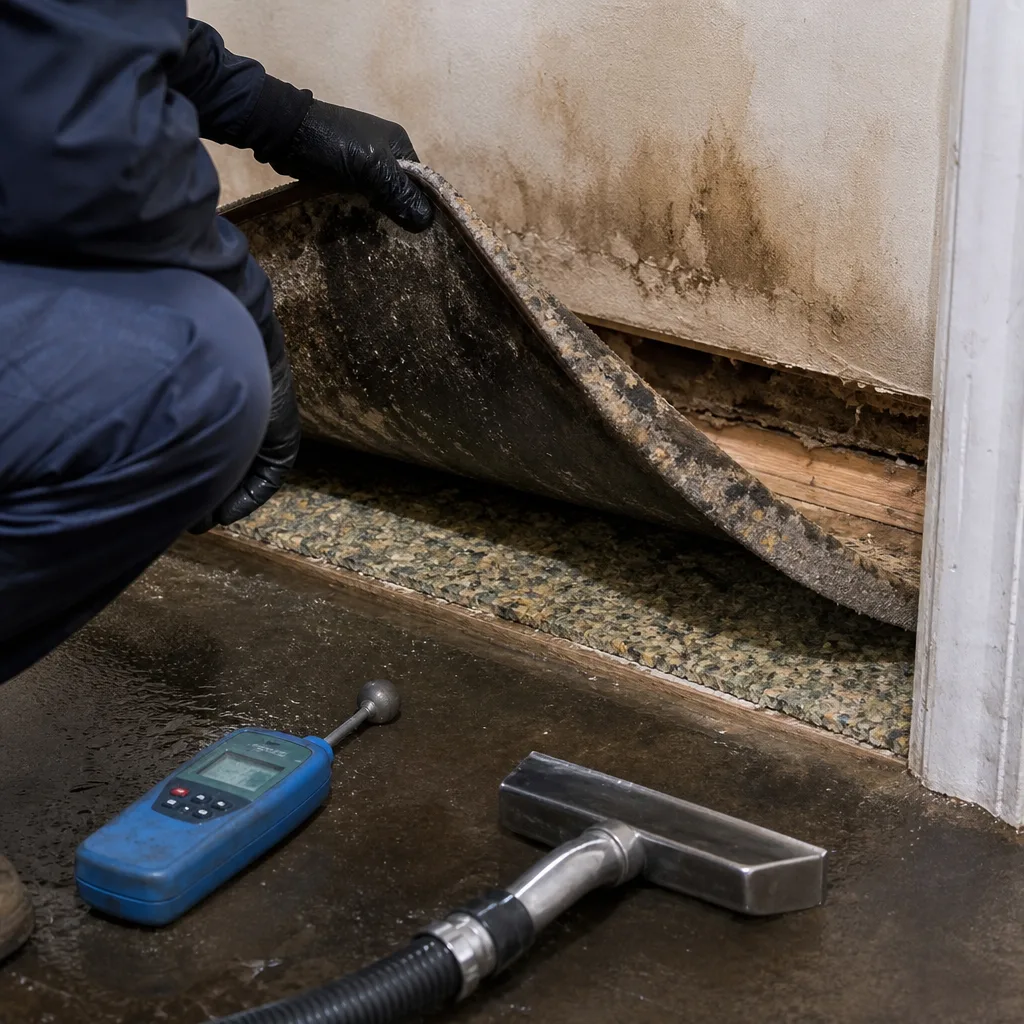
We map the moisture with thermal imaging and pin-type meters, trace the water source, and document everything photographically. In West Bronx pre-war buildings, that includes checking the cast-iron drain stacks and steam-heat riser chases that run through the walls behind the visible damage.
Containment & Stabilization
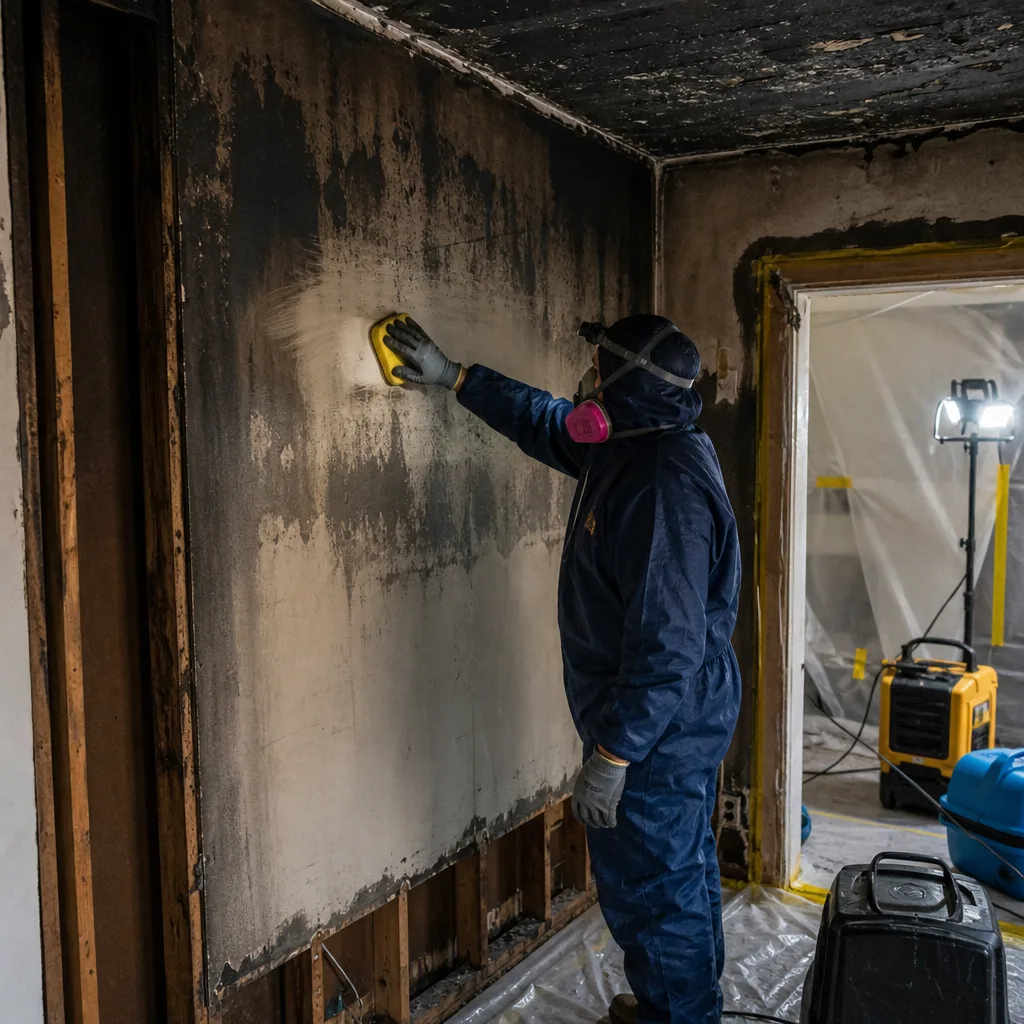
Negative-air containment goes up before we touch anything that might aerosolize spores. For ceilings in pre-war units where the finish coat may contain asbestos, we stop and coordinate the required survey with the building owner before any scraping or demolition begins. That’s not a delay we invent; it’s the law in these buildings.
Drying & Dehumidification
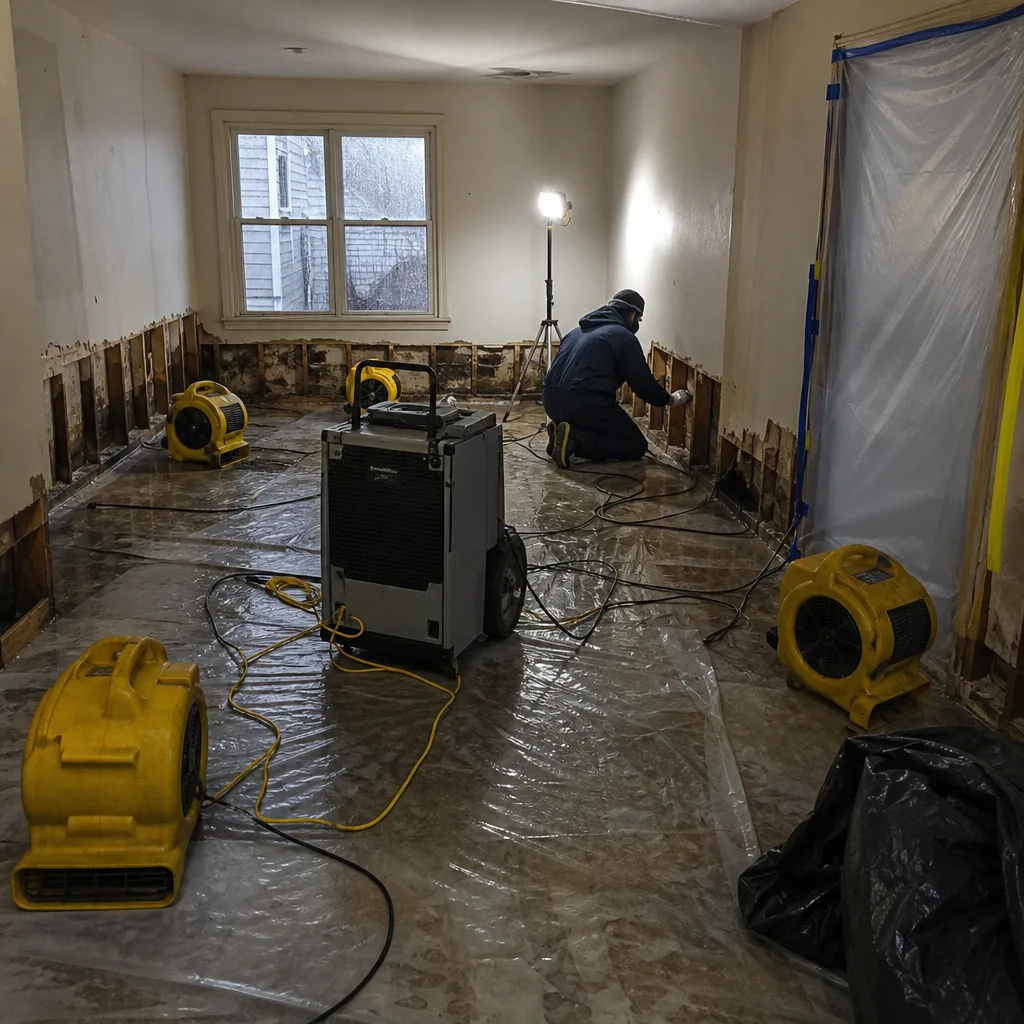
We run Dri-Eaz and Phoenix dehumidifiers with air movers positioned for cross-flow through wall cavities, not just across the surface. Daily moisture readings get logged, and at the end of the job you receive the full log. Almost nobody in this trade hands over their drying data. Wade does.
Cleaning & Sanitization
HEPA vacuuming of all affected framing and surfaces, followed by antimicrobial treatment appropriate to the surface. Plaster that can be saved gets cleaned in place. Plaster that has lost its structural keys comes out, but only after the asbestos question is answered.
Clearance Testing
After cleaning, we verify the space with post-remediation sampling. The unit is not reopened until the air and surface samples show the spore counts are back to normal background levels for West Bronx’s building stock, not some national average.
Repairs & Restoration
We rebuild what had to come out: plaster patching and skim-coating to match the original surface, paint, trim, whatever it takes to put the unit back the way it should be. The same team that did the remediation handles the restoration, so there is one line of accountability and one warranty, the 90-Day Done Right Promise, in writing.
Need Emergency Mold Remediation in West Bronx Now?
Crews minutes away, answering live 24 hours a day. The sooner we start, the less it costs.
Working With Your Insurance Company
Insurance claims for Mold Remediation in West Bronx buildings turn on documentation. The carrier wants to know: when did the water event happen, what did you do about it, and what does the moisture data show. We build that file from the first hour on site. Photos of the loss before anything moves. Thermal imaging showing the full moisture footprint. Daily drying logs that prove we kept working until the materials hit their pre-loss moisture content, not their pre-loss appearance.
The 90-Day Done Right Promise matters here too. If mold comes back because the drying was incomplete or a cavity got missed, we come back and make it right. That’s in writing on every contract, and it’s the thing that makes adjusters stop fighting the scope. They know we won’t leave a half-dried wall behind and call it done.
What We Provide Your Insurer
- Thorough documentation of the loss
- Photos of all damage, room by room
- Moisture readings and drying logs
- A detailed, line-item scope of work
- Direct coordination with your carrier
Built for West Bronx’s Loss Calendar
The West Bronx mold season runs on a schedule that has not changed much since the buildings went up. January and February bring freeze-thaw cycles that crack the built-up roofing on flat-roofed pre-war buildings. Water tracks down interior walls and sits in plaster ceilings for weeks before anyone notices the stain. Spring brings the thaw, and with it, basement seepage in the lower valley blocks where the ridgeline channels runoff down toward the Harlem River side of University Heights and Kingsbridge Heights.
Summer means sudden, heavy thunderstorms that overwhelm the combined sewer system and push water into basement-grade units through floor drains. Late summer and early fall bring the remnants of tropical systems that can park over the Bronx for days. The local housing stock in West Bronx, with its original cast-iron drain stacks and steam-heat riser chases, gives hidden moisture plenty of pathways from one apartment to the next. A roof leak on the sixth floor of a Grand Concourse building is, by Friday, a mold problem on the fourth floor.
Mold Remediation Across West Bronx’s Neighborhoods
We know the buildings between Kingsbridge Heights and the Grand Concourse corridor, and we know how they fail. Kingsbridge Heights sits on high ground, but the older six-story walk-ups along Sedgwick Avenue and Reservoir Avenue have flat roofs and parapets that funnel water into the top-floor units. We get called when a tenant on the top floor notices a brown stain spreading across the bedroom ceiling; by then, the mold has usually been growing in the roof sheathing for a month.
University Heights runs along the ridge above the Harlem River, and the buildings there, many from the 1920s and 1930s, have elevated moisture problems after heavy rain because the stormwater from the higher blocks flows downhill and pools against basement walls. We handle a steady stream of below-grade remediation work there, especially in the spring.
Along the Grand Concourse, the Art Deco buildings from the 1930s are the hardest hit. Those original plaster ceilings are beautiful, but they hide everything. A leak in one top-floor apartment feeds mold across four to six floors if the water follows a pipe chase. We’re also in and around Fordham, where the mix of pre-war walk-ups and post-war brick buildings means two different playbooks for two different construction types on the same block.
Specialized Mold Remediation Services We Offer in West Bronx
Mold Inspection & Testing
The first thing you need in a West Bronx pre-war building is an honest read on what’s actually there. We use moisture mapping and air sampling to find the mold you can’t see: inside wall cavities, above dropped ceilings, under baseboards. If you’re buying a co-op in a Grand Concourse building and the inspector flagged a water stain, call us before you close. Free visual inspection, and Wade will tell you flat-out whether you need full remediation or a good cleaning.
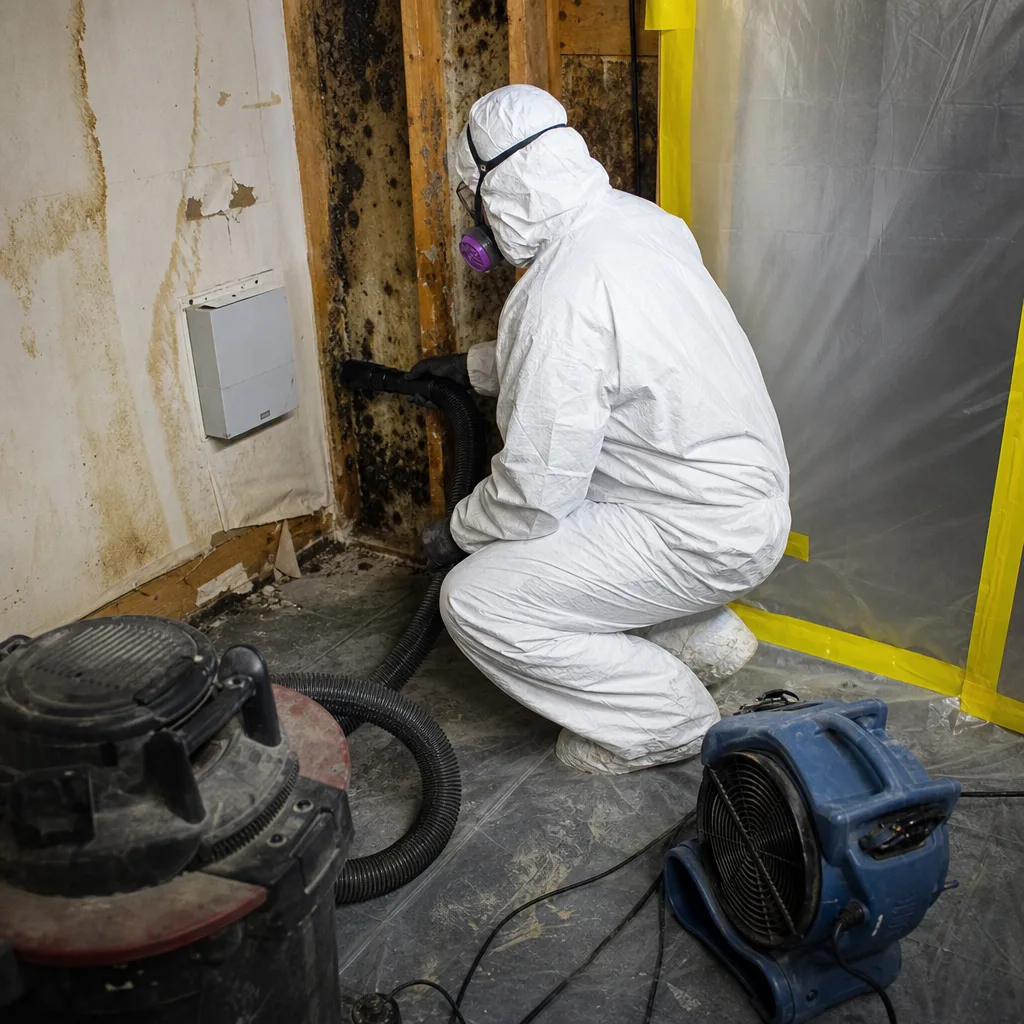
Mold Removal
Actual mold removal, the kind that involves containment, HEPA air scrubbers, and physically cutting out contaminated material, starts with stopping the water source. In West Bronx buildings, that often means tracing the leak through multiple floors. We remove the mold-damaged plaster, framing, or flooring under containment, and we do not demo anything until the asbestos question is settled. That’s the part the out-of-town franchises skip, and it’s the part that gets landlords fined.
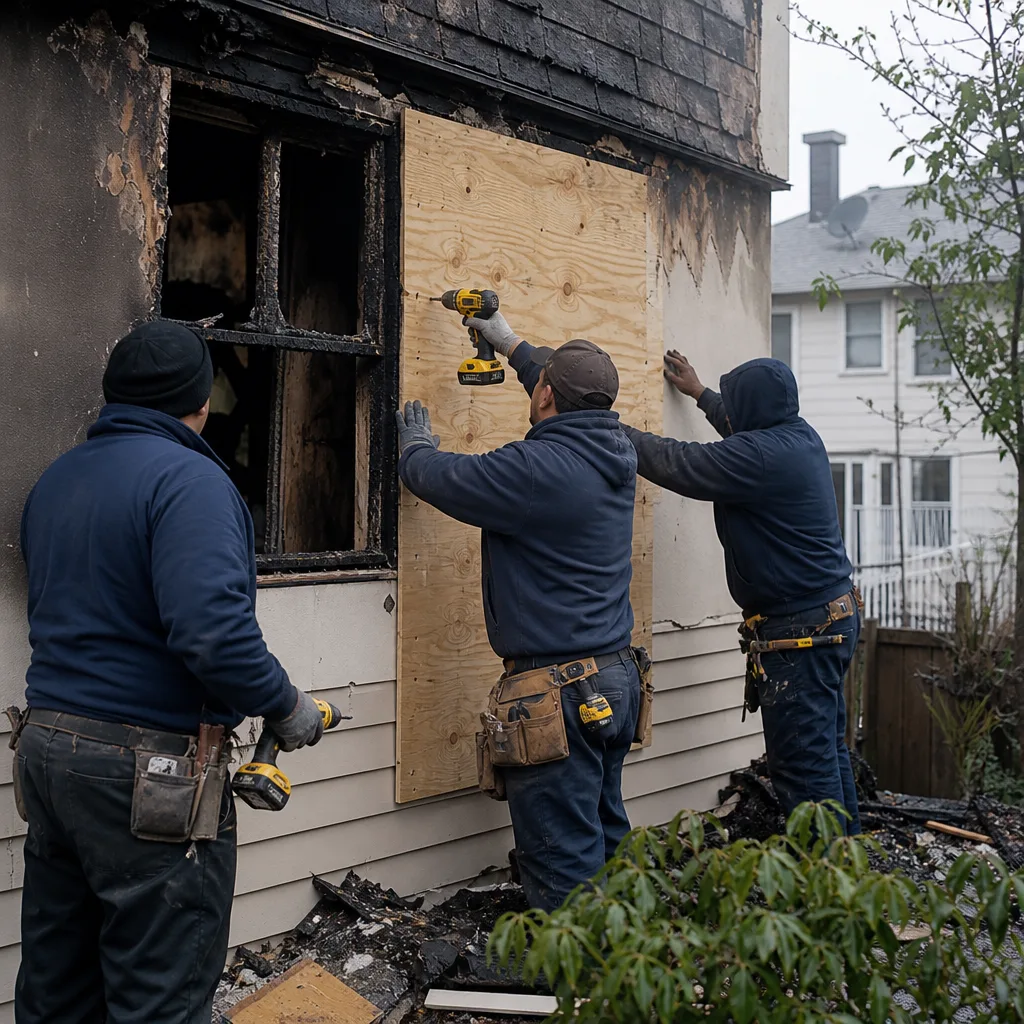
Black Mold Remediation
When the mold is Stachybotrys, the black stuff that grows on chronically wet cellulose, the protocol tightens. Full containment, HEPA scrubbing, and clearance testing before anyone reoccupies. In pre-war buildings, black mold often means the water has been sitting for weeks inside a wall cavity or behind a steam riser. We find the source and remove both the mold and the moisture that fed it.
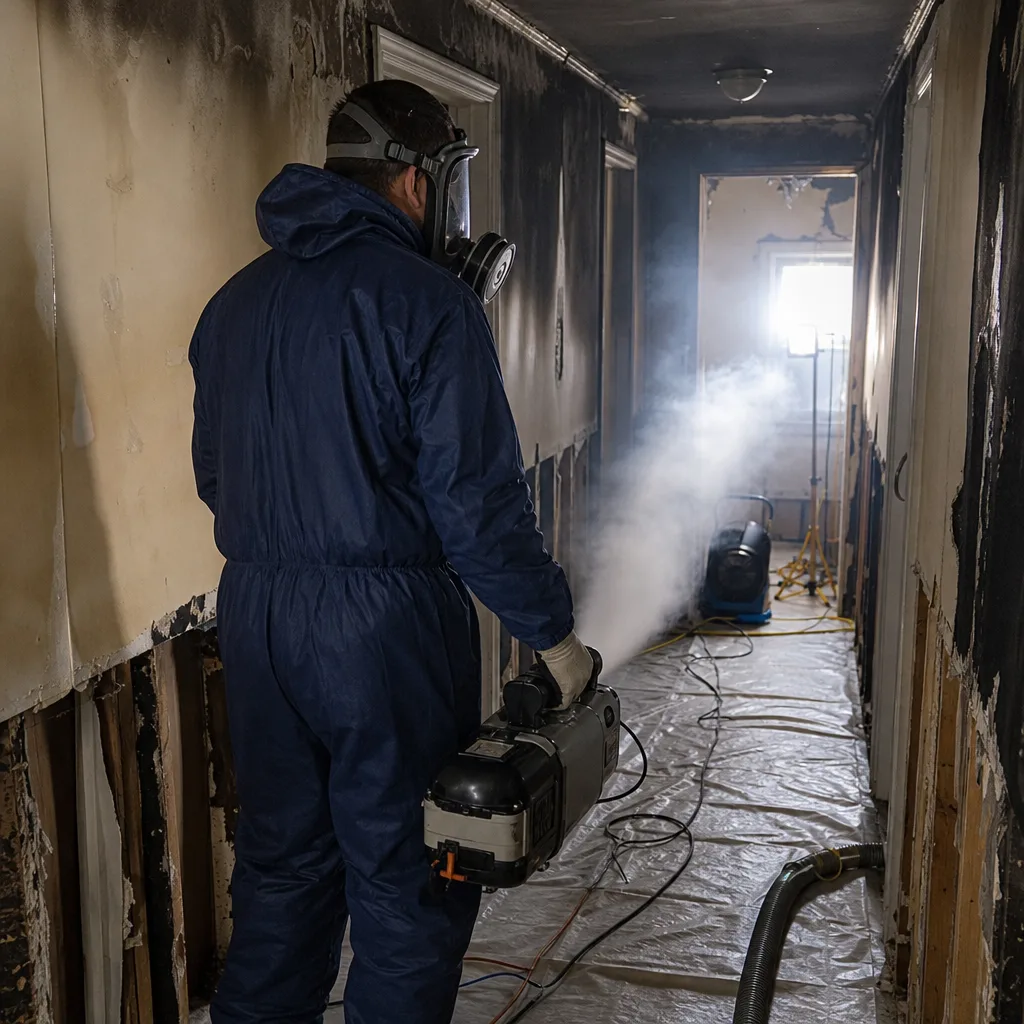
Air Quality Restoration
After the demolition and cleaning, the air itself needs to be clean. We run HEPA air scrubbers during remediation and verify with post-remediation sampling. If your apartment shares a ventilation shaft or corridor with a neighbor’s problem, airborne spores can move in even after your unit is clean. We test for that and tell you if the building itself needs attention, not just your apartment.
Crawl Space Treatment
Some West Bronx row houses and smaller buildings have crawl spaces under the first floor, and those spaces are mold farms if they’re not ventilated. We treat the framing, install vapor barriers where needed, and bring the relative humidity down to where mold can’t grow. The work is not glamorous, but it stops the musty smell from seeping up into the living space.
Moisture & Humidity Control
Mold is a moisture problem. If we dry a unit and leave the relative humidity above 60%, we’ll be back. In West Bronx buildings with original steam heat, the pipes radiate enough heat to dry the air in winter, but summer humidity is a different story. We spec dehumidifiers and ventilation improvements sized for the actual square footage and the building’s construction, not a one-size-fits-all unit from the hardware store.
What happens when you call
- 1
A real person answersNo phone trees - you reach a local pro.
- 2
You get an upfront price rangeHonest numbers before anyone is dispatched.
- 3
A background-checked tech heads outLicensed & insured, dispatched right away.
- 4
You approve before work beginsNothing starts until you say go.
Mold Remediation Costs in West Bronx, NY
A straight containment-and-clean job in a single room of a West Bronx apartment, no asbestos complications, typically runs $1,500 to $4,000. Add an asbestos survey because the ceiling is original pre-war plaster: figure $600 to $1,200 for the survey itself, plus the cost of an abatement contractor if the finish coat comes back positive, which adds $2,000 to $8,000 depending on the area. A multi-floor roof-leak job on the Grand Concourse with containment, drying, remediation, and restoration across six units can hit $25,000 to $60,000 before insurance adjustments.
What moves the price: whether the plaster can be saved or has to come out, whether asbestos is present, whether the leak source is actively wet or already stabilized, and whether the building is privately owned or NYCHA-managed, because NYCHA jobs carry additional documentation requirements. We document everything, bill your insurer directly when coverage applies, and offer a free visual inspection so you’re looking at a real number before you commit. Senior and Veteran discount: 10%, always.
We Also Serve Cities Near West Bronx
Our crews cover the neighborhoods around West Bronx regularly. If you’re across the river or downtown, we work in Astoria, Financial District, Lower Manhattan, and Flushing as well. Same live-answer phone, same owner-operated accountability.
Serving West Bronx, NY - Our Local Coverage Area
We’re based in the West Bronx area and know this community well. Use the map below to see our service coverage - if you’re nearby, we can almost certainly help.
West Bronx Mold Remediation Questions, Answered
Does every mold remediation job in West Bronx pre-war buildings require an asbestos survey?
No, but any job that involves scraping, sanding, or demolishing original plaster ceilings or walls in a building constructed before the 1980s legally requires an asbestos assessment under NYC regulations. In practice, that means most overhead mold remediation in West Bronx walk-ups needs a survey before we can demo. If the survey comes back clean, we proceed immediately. If it shows chrysotile in the finish coat, we coordinate with a licensed asbestos contractor, and you’ll see that line item on the scope before work starts. Call (363) 208-1526 and we’ll walk you through what applies to your building.
How do you stop mold from a roof leak from spreading to the apartments below in a Grand Concourse walk-up?
Containment first, drying second, direction matters. We set negative-air containment on the affected floor and the floors immediately below, because air moves upward through the pipe chases and stairwells in these buildings. Then we trace the water path with thermal imaging and moisture meters, because the leak rarely travels straight down. It follows the lath, the floor joists, the electrical chases. Every apartment on that path gets its own containment and its own drying plan. That’s the only way to stop a sixth-floor roof leak from becoming a fourth-floor mold problem. Call (363) 208-1526 for an exact quote, and estimates are free.
Can you save the original plaster walls and ceilings during mold remediation, or do they have to be replaced?
We save them when we can. If the plaster keys are intact and the mold is on the surface, we clean in place, treat, and re-seal. If the plaster has lost its bond to the lath or the mold has grown through the plaster body into the lath behind it, that section has to come out. The deciding factor is the moisture data from our logs, not a guess. We hand you the full moisture log at the end of the job, so you can see for yourself what was saved and why.
My basement unit in University Heights floods after heavy rain. Is that Category 3 water and does it change the mold remediation approach?
Water that comes up through a floor drain after heavy rain, especially in West Bronx combined-sewer neighborhoods, is generally treated as Category 3: it has been in contact with sewage and exterior contaminants. That means the remediation protocol tightens: full personal protective equipment for our crew, removal of porous materials that absorbed the water, and antimicrobial treatment before drying. Drywall, carpet, and insulation that wicked up Category 3 water usually can’t be saved. Hard surfaces get cleaned, treated, and verified before the space is released.
How do you handle mold in a NYCHA building where the housing authority manages the property?
NYCHA jobs run on documentation. The housing authority has its own protocols for mold complaints, and the contractor has to produce moisture logs, clearance testing results, and a scope that matches NYCHA’s line-item requirements. We’ve done that work. We coordinate with both the tenant and the property management office, document everything to pre-loss condition, and keep the paperwork moving so the remediation doesn’t stall waiting on an approval.
How fast can you actually get to a West Bronx apartment for a mold emergency?
If you call (363) 208-1526 right now, a live person answers, and Wade is on the road within the hour for active water or visible mold. We’re not dispatching from a call center. The person who shows up lives with the same West Bronx buildings you do. For non-emergency inspections, we’ll schedule a time that works, usually same day or next morning.
Will my insurance cover mold remediation in a West Bronx apartment or co-op?
Most policies cover mold remediation when it results from a covered water event: a burst pipe, a roof leak, a fire suppression discharge. The sticking point is usually whether the mold damage was “sudden and accidental” or the result of long-term neglect. That’s where our documentation matters. Daily moisture logs, time-stamped photos, and a clear line from water event to mold growth make the adjuster’s job easier, and we deal with the adjuster directly so you’re not stuck in the middle. Call us and we’ll help you figure out what your policy actually covers.
What should I do in the first 30 minutes after discovering mold or a water leak in my West Bronx apartment?
Stop the water source if you can do so safely. Move furniture and belongings away from the wet area. Take photos of everything before you touch it. Do not run a fan or open windows to “dry it out” if there’s visible mold; that just spreads spores into the rest of the apartment. Then call (363) 208-1526. The first 30 minutes are about not making it worse, and a free phone call to someone who actually knows these buildings is the fastest way to do that.
Written by Wade Ferris, Owner at Wade’s Restoration. Wade has been doing restoration work since 2007, and he still answers his own phone. If you have a mold problem in West Bronx, call him at (363) 208-1526.