
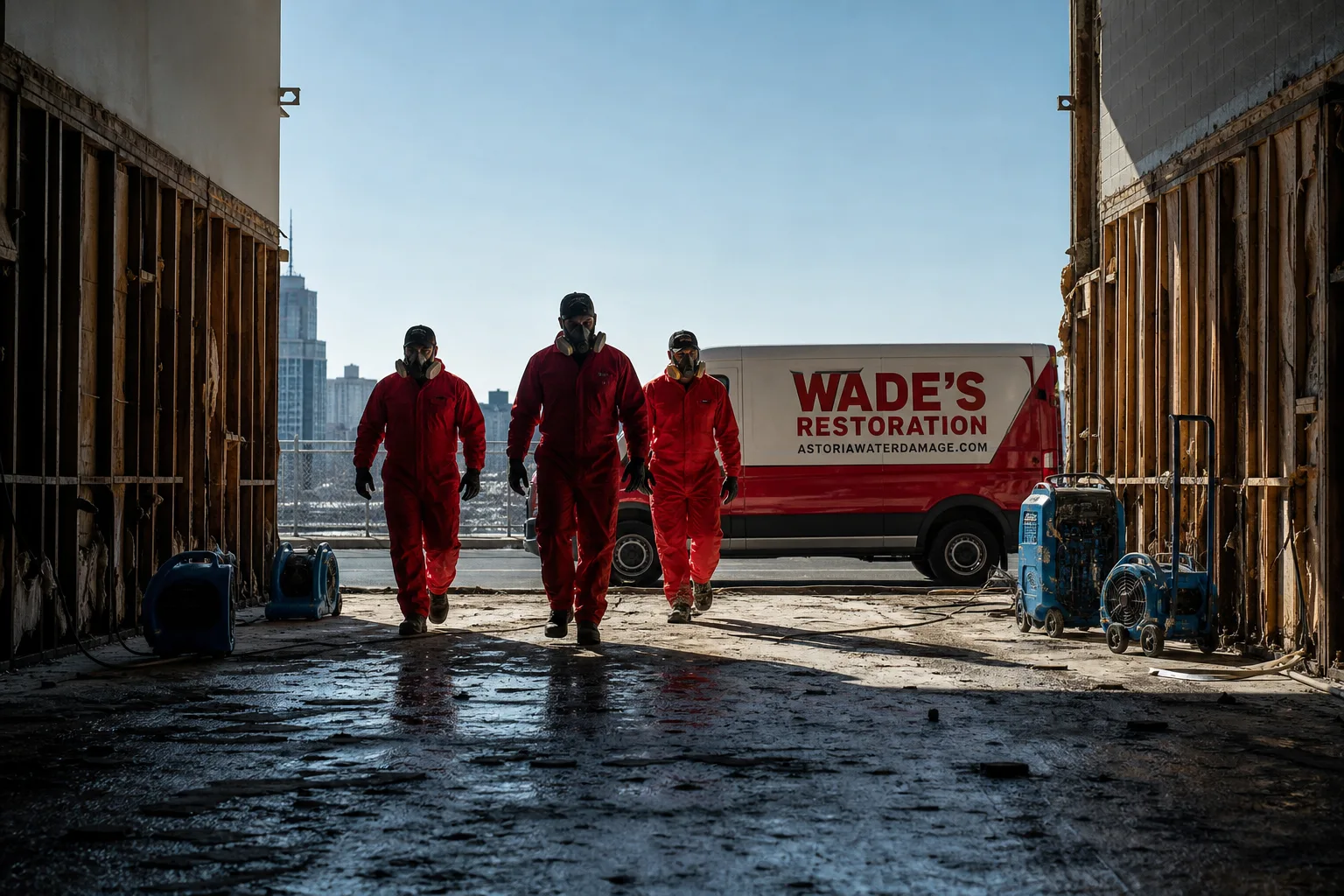
Free visual inspection and a written scope of work before any mitigation begins - photos, moisture readings, and drying logs go in your claim file
The scope we write is the scope we bill. Anything new gets shown to you, in writing, before we touch it.
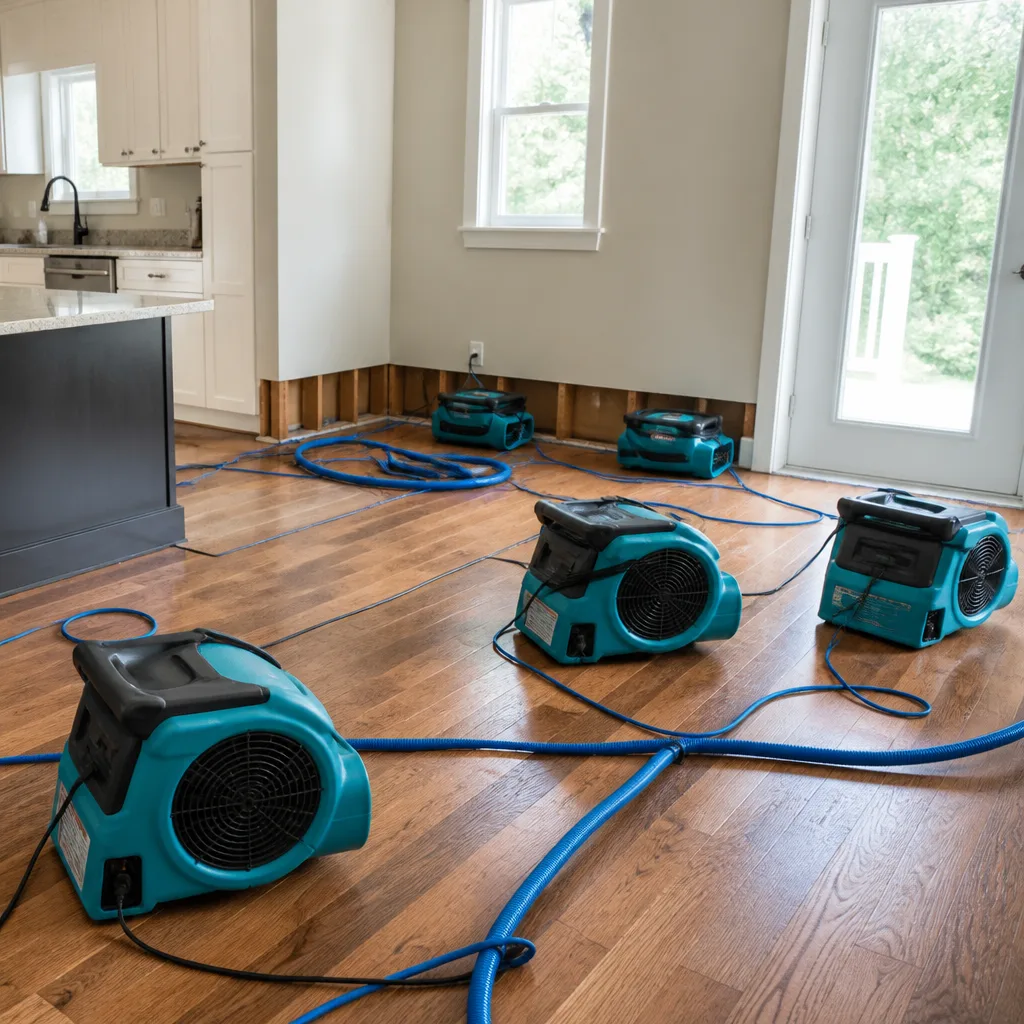
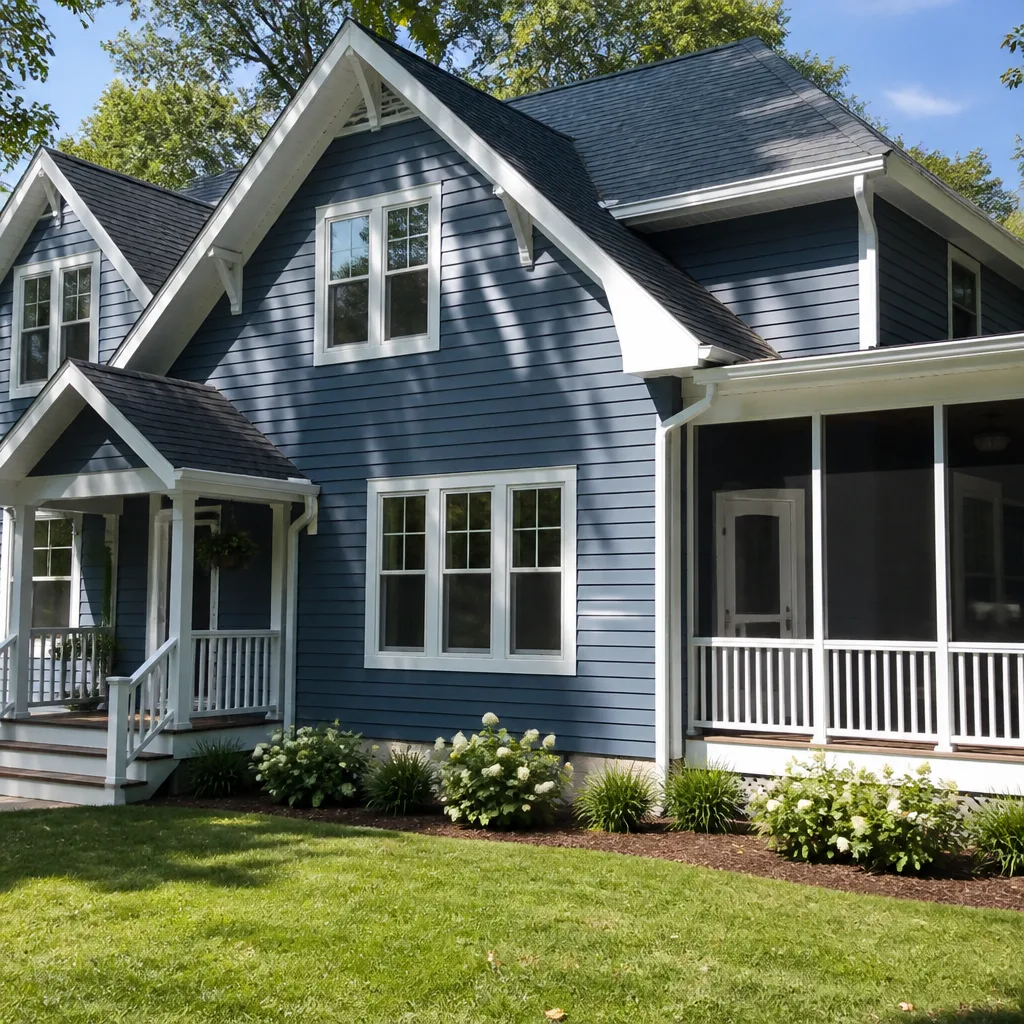
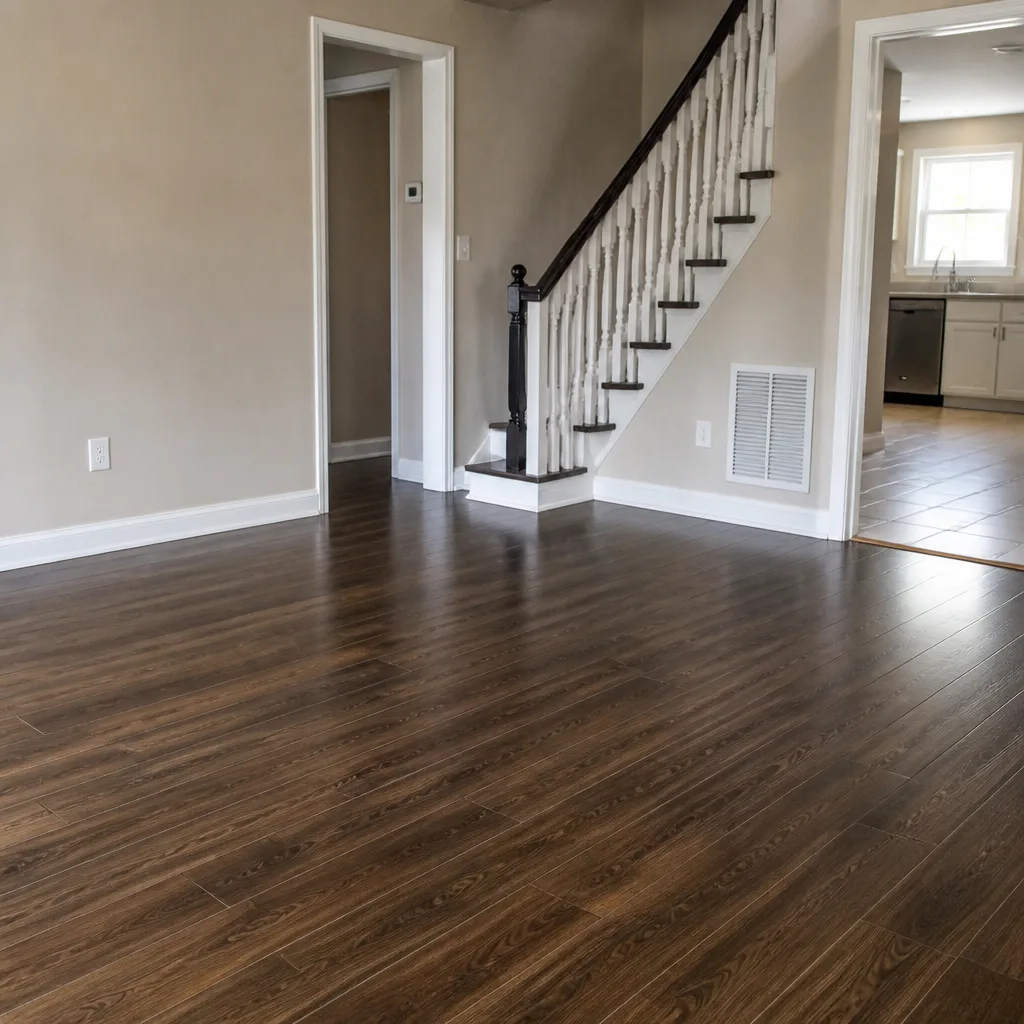
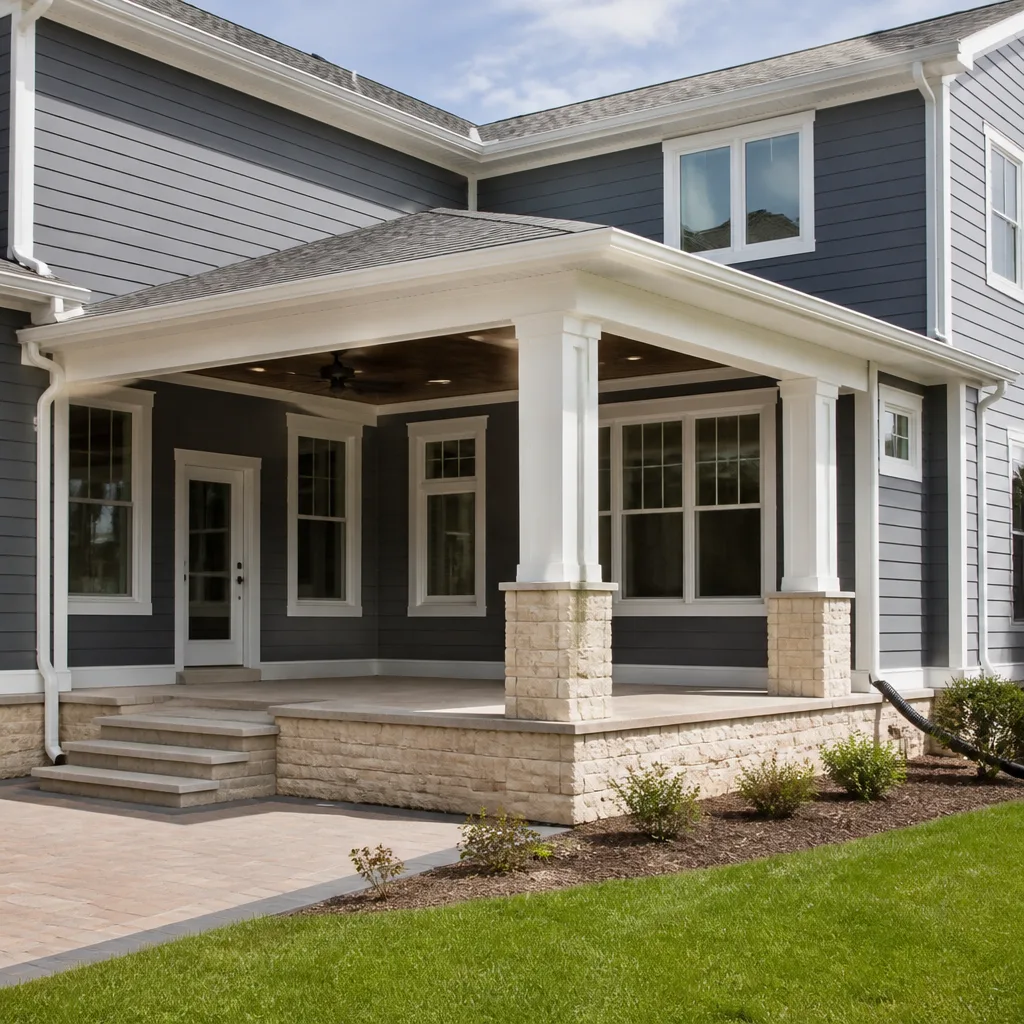
 Before
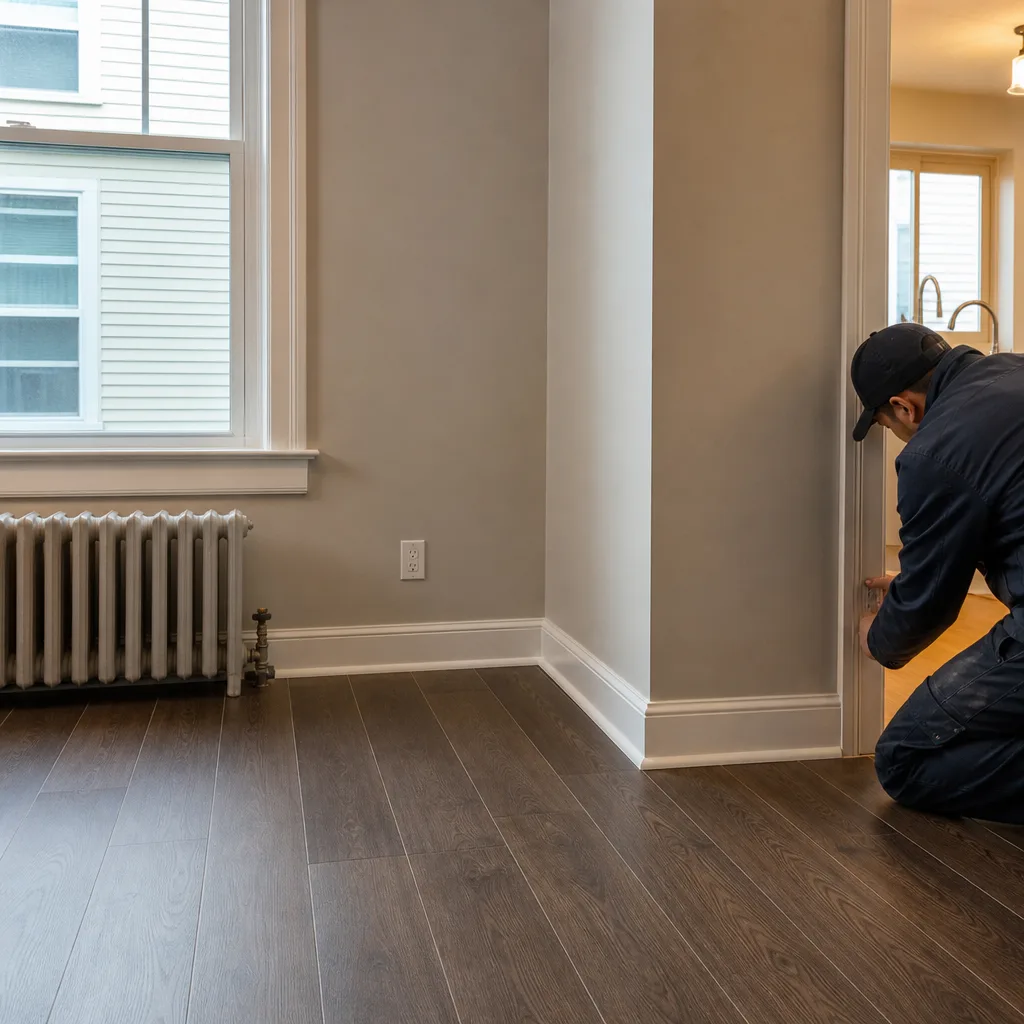 After
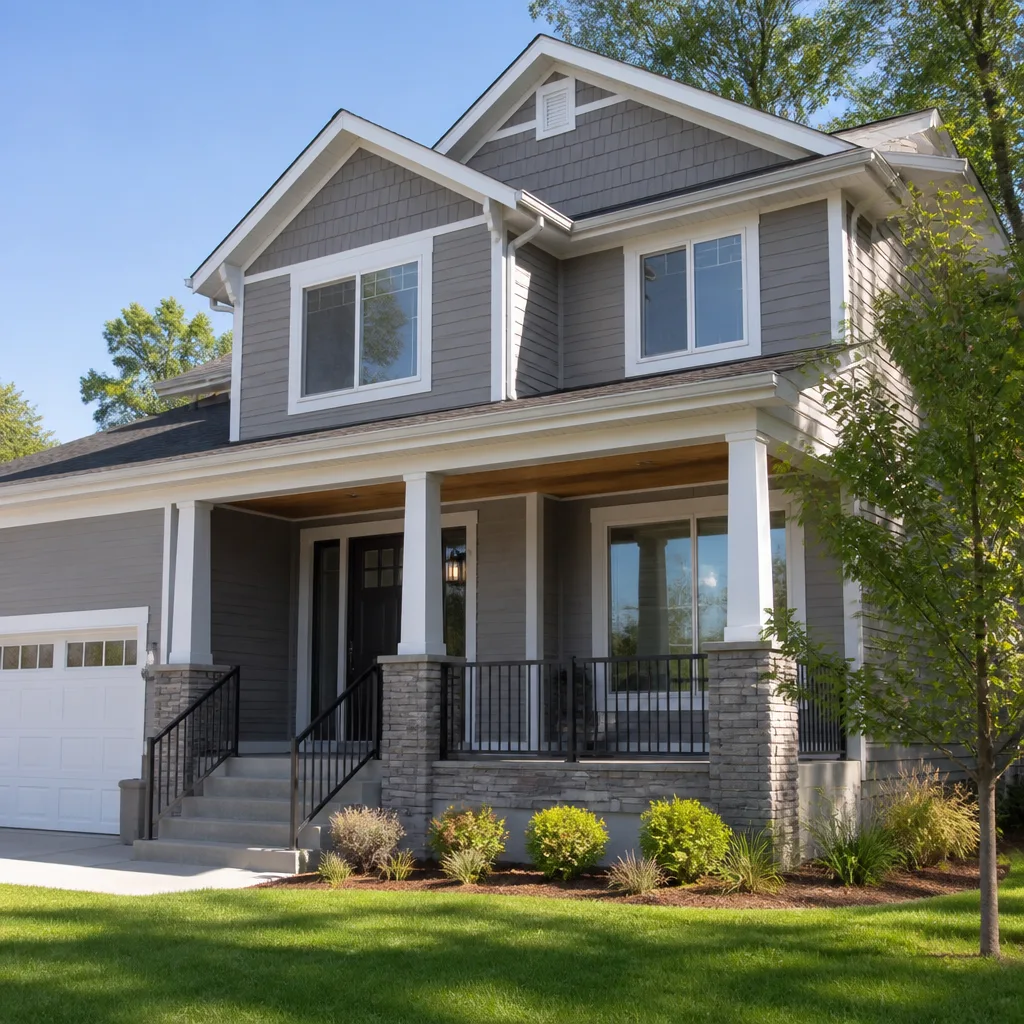
After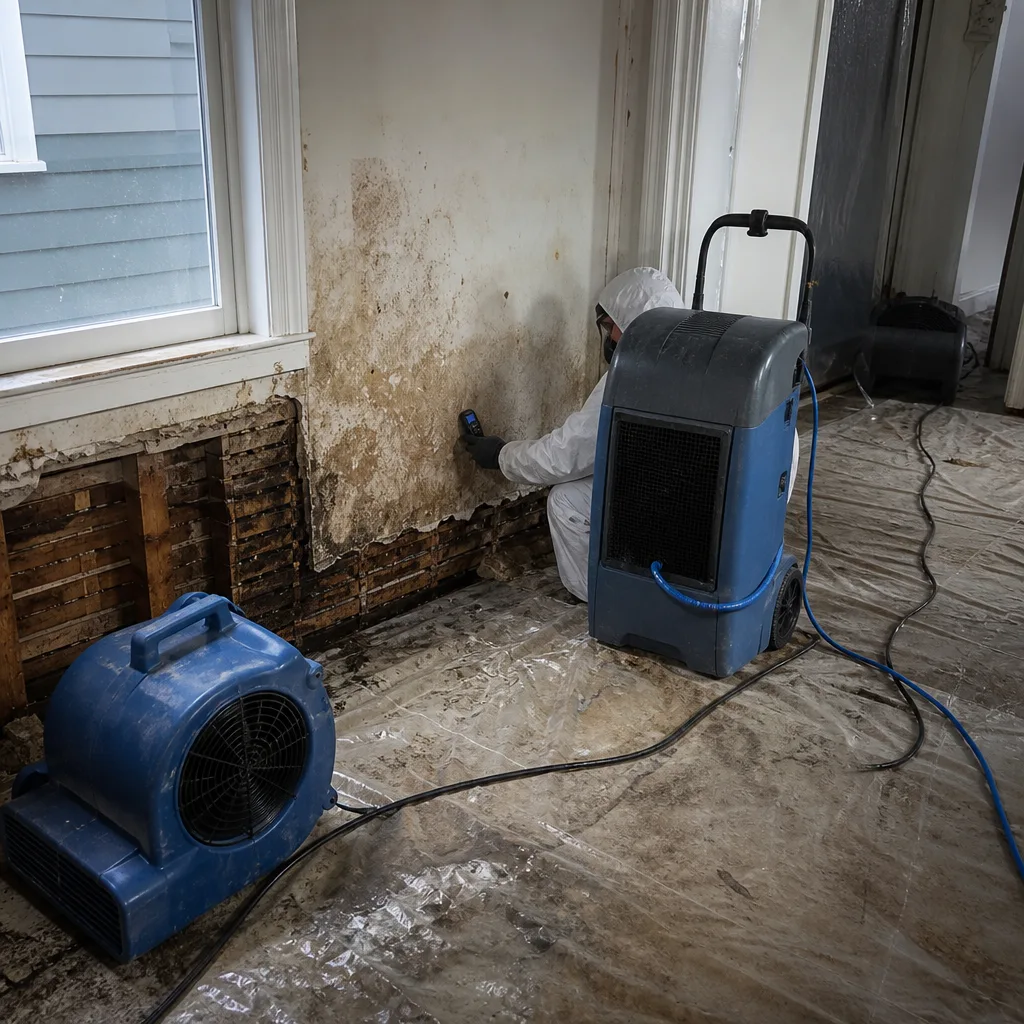 Before
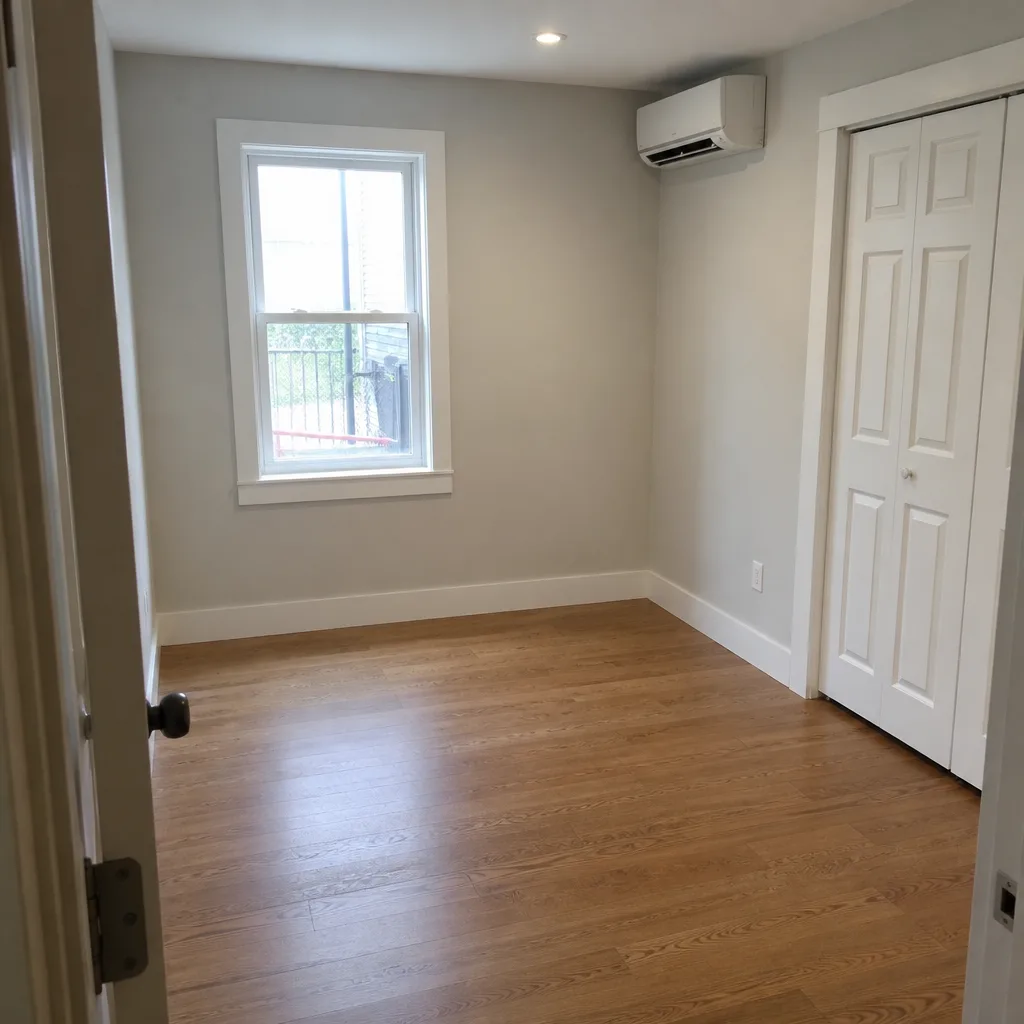 After
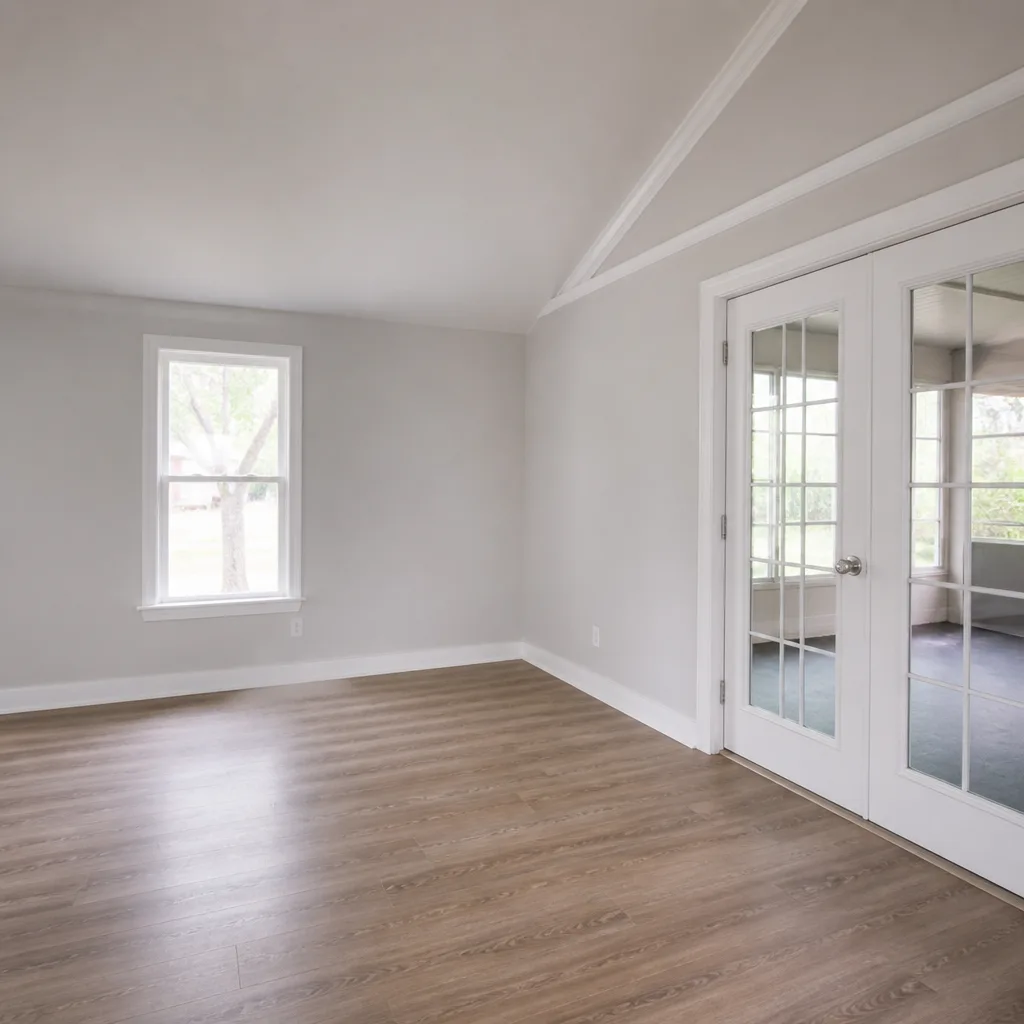
After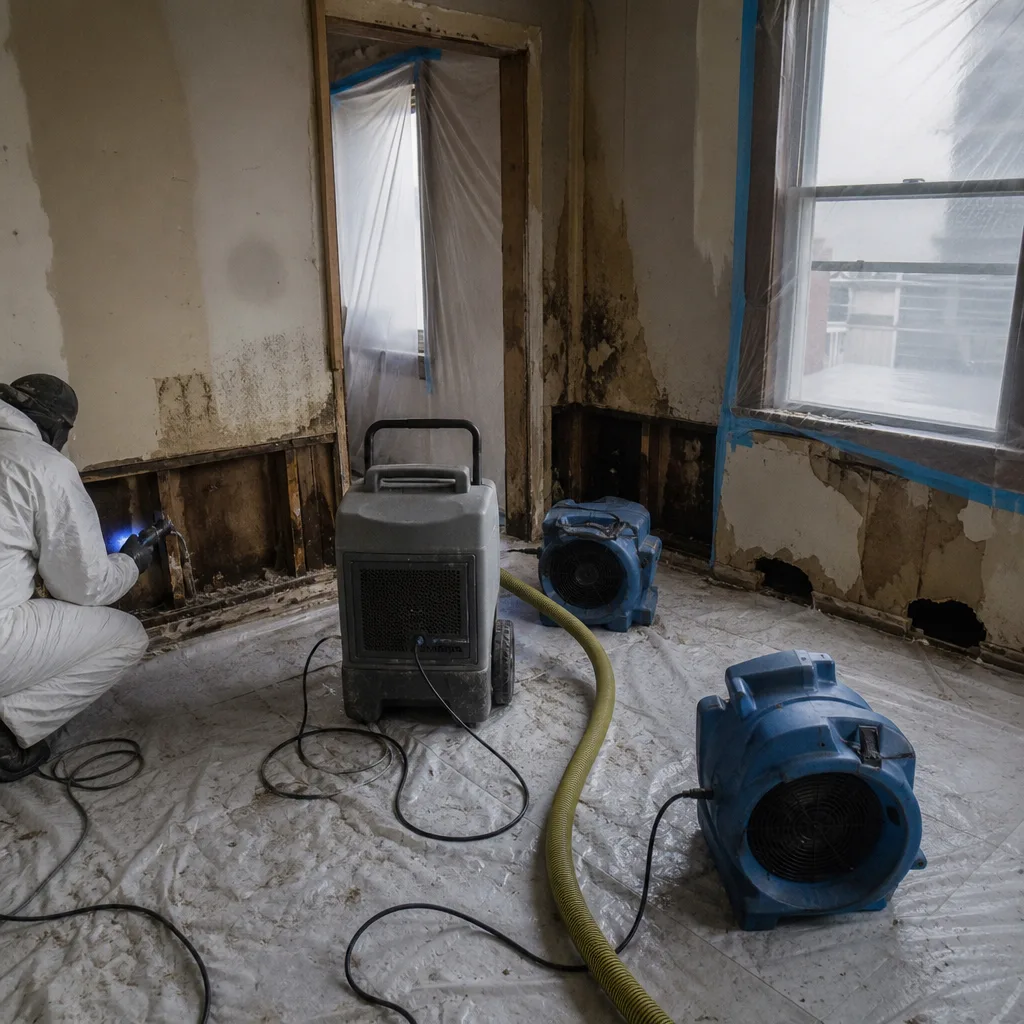 Before
 After
After24/7 Emergency Mold Remediation in West New York
Mold in a West New York apartment or house is never a wait-until-Monday problem. The humidity off the Hudson keeps feeding it, and in buildings packed together the way ours are, spores move through shared walls and utility chases faster than most people realize. If you’ve found mold, call (363) 208-1526 right now. Wade Ferris answers his own phone, day or night, and he’ll have a crew headed to your part of West New York within the hour. The first 60 minutes matter because mold that’s still contained can often be treated surgically. Mold that’s had a weekend to colonize behind plaster and through floor assemblies becomes a multi-unit problem. We do free visual inspections, and we’ll tell you straight what you’re looking at before any money changes hands.
Understanding Mold Remediation Severity in West New York Properties
Mold remediation severity depends on three things: how much water fed the growth, what materials are involved, and how long it’s been growing. In West New York, that third factor is the one that bites hardest. Most of our housing stock predates 1960. Pre-WWII brick walk-ups and postwar frame buildings were built without vapor barriers, with cast-iron drain stacks that have spent 80 years corroding, and with plaster walls directly over brick. When water gets into those assemblies, there’s no cavity to open, no clear path for air to circulate, and the mold colonizes the plaster itself. We classify contamination in containment zones: Condition 1 is normal, Condition 2 is settled spores from a known source with moderate contamination, and Condition 3 is active growth spread beyond the original water source. In West New York walk-ups near Bergenline Avenue, we regularly arrive to find Condition 3 already established across multiple floors because a slow leak ran unnoticed behind masonry party walls for weeks.
The newer towers along the waterfront are a completely different animal. Modern high-rises have fire-rated assemblies, mechanical ventilation, and condo-board protocols that shape how rapidly remediation can begin. Our approach changes based on the building type, because what works in a three-story brick walk-up does not work on the 20th floor of a glass tower.
Why West New York Property Owners Choose Wade’s Restoration
- 45-minute response commitment. When you call about mold in West New York, we commit to having eyes on the problem within 45 minutes. Not a callback. Not an appointment window. A person standing in your unit.
- 24/7 live answer. You get a real person on the phone at 3 a.m., not an automated menu. Often that person is Wade himself.
- IICRC-certified crews. Our technicians hold IICRC certifications in mold remediation (AMRT) and water damage restoration (WRT). That means containment protocol, clearance testing, and documentation that holds up with insurance carriers.
- Free visual inspection. We’ll look at the problem, tell you what you’re dealing with, and give you a straight answer. If it’s not mold, we’ll tell you that too.
- Direct insurance billing. We bill your carrier directly and handle the paperwork. You get line-item documentation, not vague line items.
- One team, start to finish. From the first moisture reading to the final coat of paint, the same crew handles your job. No handoffs, no subcontractor roulette.
Our Mold Remediation Process
Inspection & Assessment
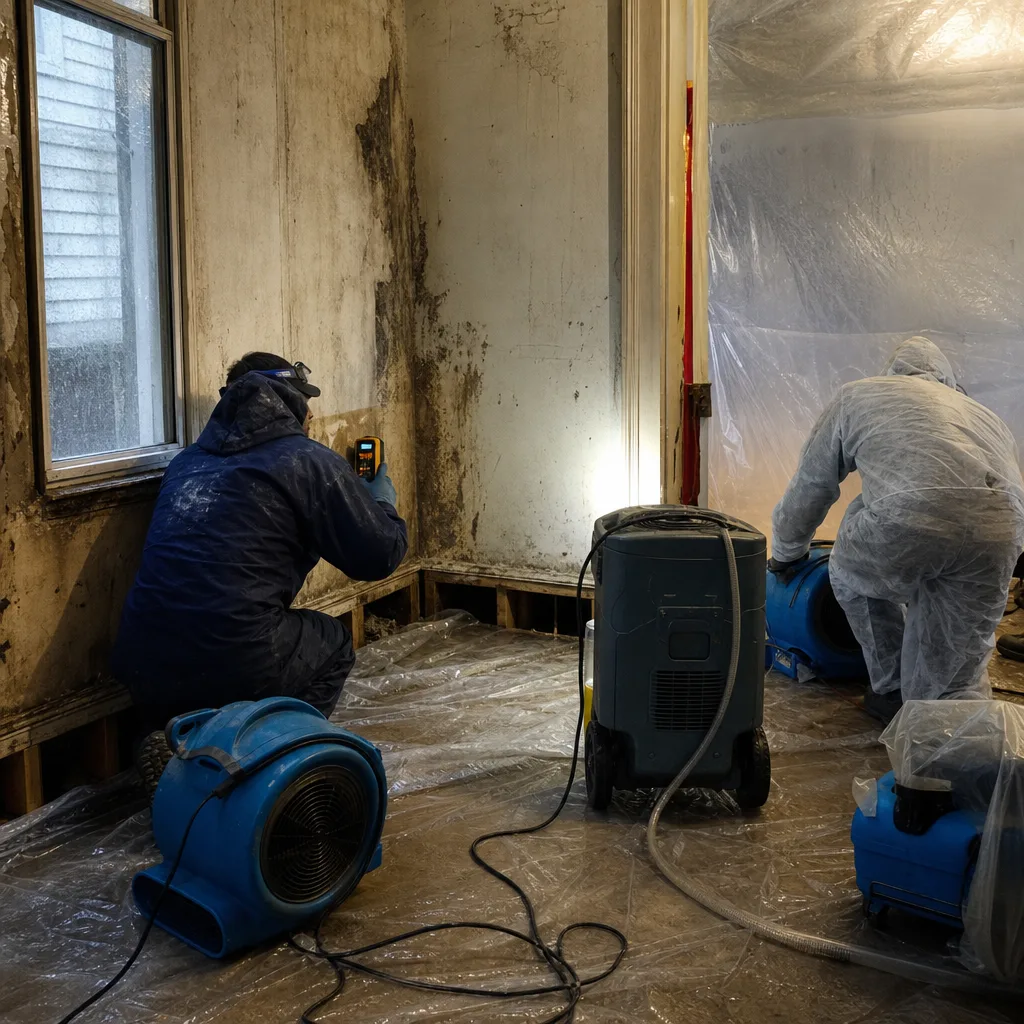
We start with moisture mapping and thermal imaging to find every wet surface, including the ones behind walls and under floors. In West New York’s brick buildings, that means using penetrating and non-penetrating moisture meters side by side, because surface readings don’t tell the whole story. We also identify the water source, because mold remediation without stopping the water is just a temporary fix.
Containment & Source Control
Before we disturb any mold, we contain the affected area with negative air pressure and physical barriers. In a shared building, this is non-negotiable. Spores that escape containment will find their way into neighboring units through utility chases and party walls. We use HEPA-filtered negative air machines and seal off every opening, including HVAC vents and plumbing penetrations.
Drying & Dehumidification
Where there’s mold, there’s moisture. We deploy professional-grade dehumidifiers and air movers from Dri-Eaz, Phoenix, and XPOWER to pull moisture out of structural materials. In pre-WWII brick buildings where no wall cavities exist, we use Injectidry systems to force dry air into the plaster itself. We take moisture readings every single day and hand you the full log when the job is done.
Cleaning & Sanitization
We remove mold from affected surfaces using HEPA vacuuming, antimicrobial cleaning, and physical removal of contaminated materials where necessary. Porous materials like ceiling tiles and saturated plaster often can’t be salvaged and are bagged and removed under containment. Non-porous surfaces are cleaned and sanitized using EPA-registered antimicrobials appropriate for the building type.
Air Quality Restoration
After the source is removed and surfaces are cleaned, we run HEPA air scrubbers to capture airborne spores and particulates throughout the contained area. In West New York apartments, this step is critical because shared ventilation and pressurized corridors can carry spores to units that were never directly wet. We confirm with post-remediation verification that the air is clean.
Repairs & Restoration
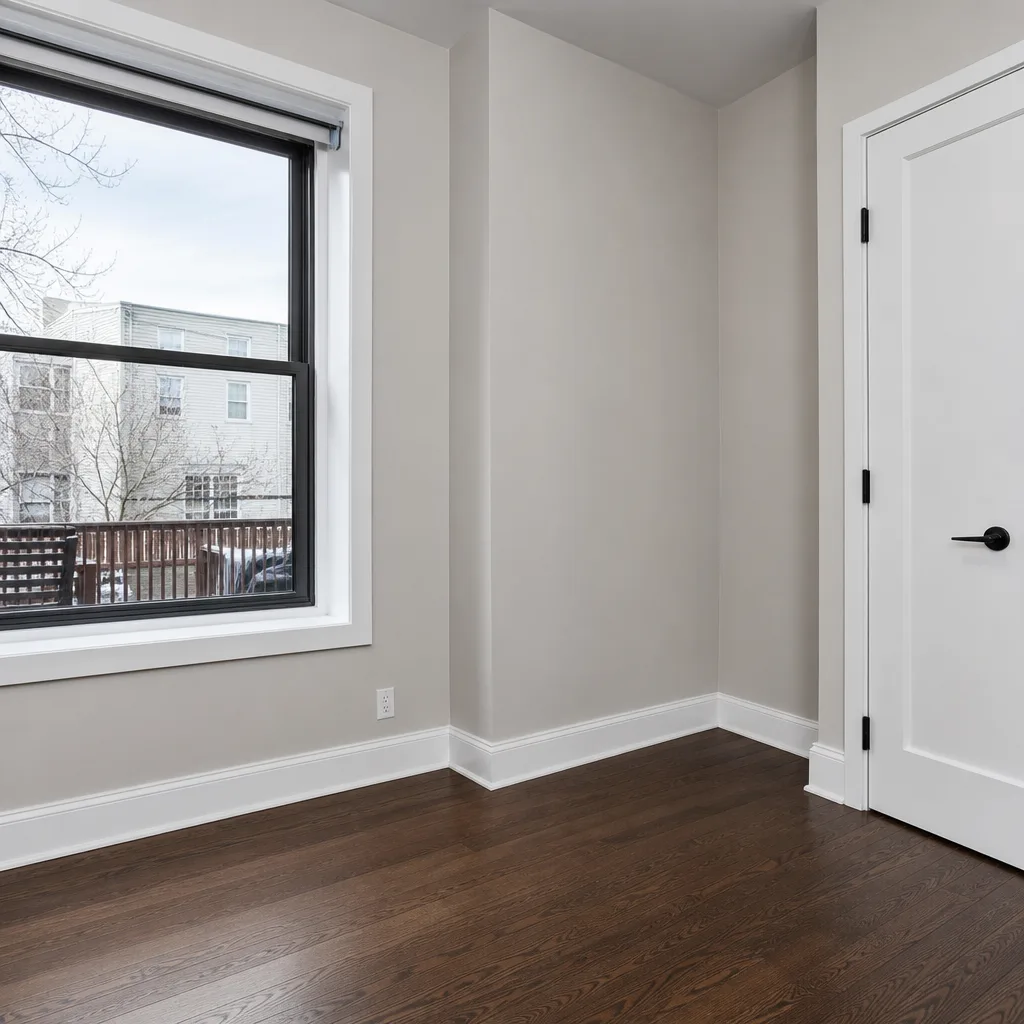
The last step is putting the unit back to pre-loss condition or better. New drywall, fresh plaster, paint, trim, flooring, whatever the space needs. Because we handle reconstruction in-house, you’re not waiting on a second company to show up after the remediation crew leaves.
Need Emergency Mold Remediation in West New York Now?
Crews minutes away, answering live 24 hours a day. The sooner we start, the less it costs.
Working With Your Insurance Company
Mold claims are where insurance carriers get picky. Many policies cover mold remediation only when the mold results from a covered water loss, and only up to a specific sub-limit, which is often in the $5,000 to $10,000 range unless you purchased additional coverage. That’s why documentation matters from the very first hour. We photograph everything, log moisture readings daily, and submit a line-item scope that speaks the adjuster’s language. Wade talks to your adjuster directly, so you’re never the one stuck relaying technical details between two parties who don’t know each other. If your policy covers the loss, we bill the carrier directly. If it doesn’t, we give you a straight answer before we start, not after.
What We Provide Your Insurer
- Thorough documentation of the loss
- Photos of all damage, room by room
- Moisture readings and drying logs
- A detailed, line-item scope of work
- Direct coordination with your carrier
Built for West New York’s Loss Calendar
West New York has its own distinct mold season, and it runs longer than most people think. January and February bring deep freezes that burst supply lines in uninsulated exterior walls, especially in the older brick walk-ups where pipes run through cold masonry. The water runs inside walls for days before anyone notices. Spring thaw and heavy March rains seep into basement foundations and through aging roofs, feeding mold in places homeowners never look. Summer brings the pattern West New York shares with every Hudson River town: thunderstorms that drop an inch of rain in 40 minutes, overwhelming aging drainage systems and sending seepage into ground-floor units. And the nor’easter season from October through December pushes water against waterfront buildings in ways inland Hudson County towns like North Bergen simply don’t experience. The river-adjacent microclimate keeps humidity higher here year-round, which shortens the window between “wet” and “moldy” to as little as 48 hours. In West New York, mold is not a seasonal problem. It’s a year-round pressure, and the only variable is where the water enters.
Mold Remediation Across West New York’s Neighborhoods
Every West New York neighborhood has its own rhythm, and its own mold pattern. Up along the Boulevard East corridor, those prewar brick buildings facing the river take the worst of the nor’easter-driven wind and rain on their west-facing walls, and we see recurring window-leak mold in the upper floors. Down around 60th Street near Bergenline Avenue, the dense apartment rows share masonry walls, and a leak that starts in one unit’s bathroom usually announces itself three floors down through a collapsed kitchen ceiling. The area between Hudson Avenue and Park Avenue has a mix of 1950s frame construction and older brick, and those frame buildings with crawl spaces are prone to crawl space mold from ground moisture that never gets managed. Over near Kennedy Boulevard, many buildings sit on the lower ground that collected water during Sandy, and owners there are still discovering mold in basements that were “cleaned” but never properly dried. If you’re in Weehawken or North Bergen and your building shares a wall with a West New York property, the same logic applies: mold doesn’t respect municipal boundaries.
Specialized Mold Remediation Services We Offer in West New York
Mold Inspection & Testing
We use thermal imaging, moisture meters, and air sampling to determine whether what you’re seeing is active mold, old staining, or something else entirely. In pre-WWII brick buildings, that means testing inside wall cavities where possible, and testing the air in common hallways, not just your unit. A mold inspection that only looks at the visible surface is not an inspection in West New York.
Mold Removal
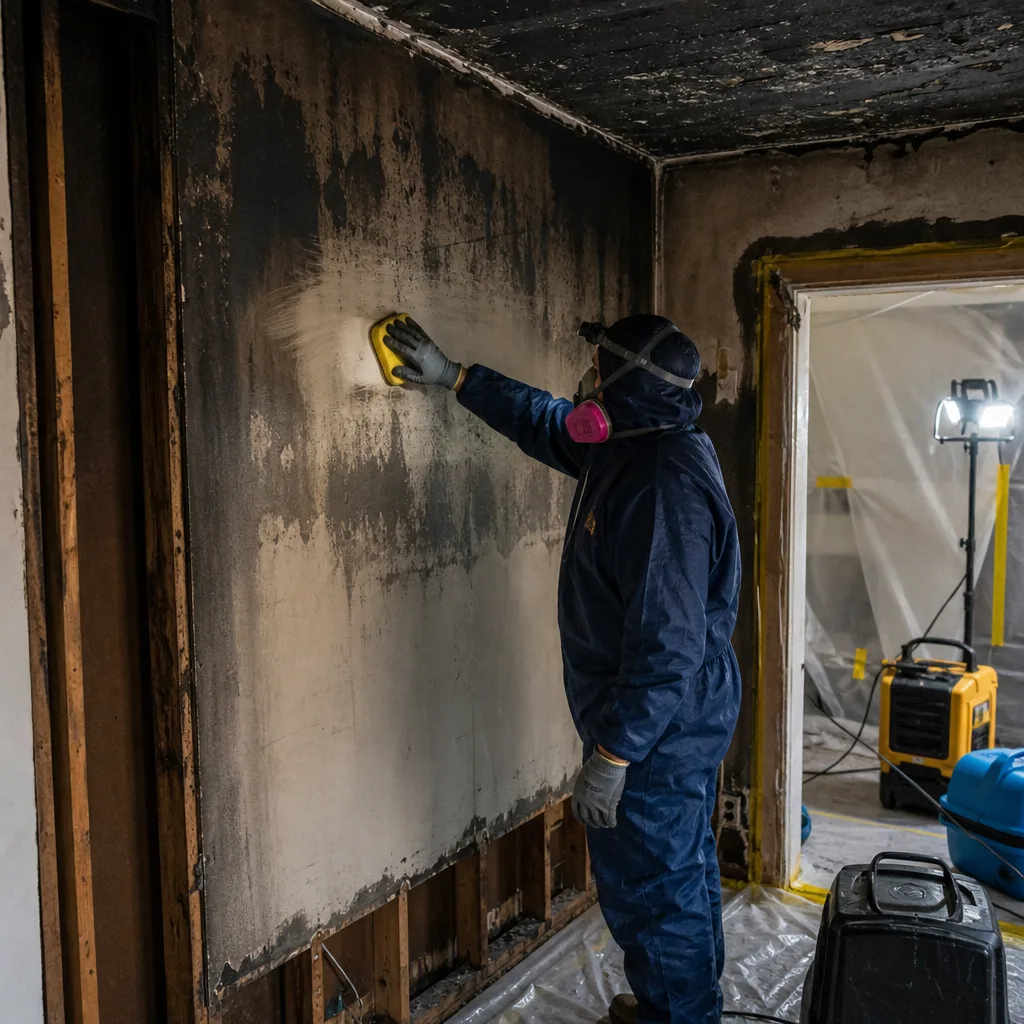
Removing mold means physically eliminating the growth, not painting over it or spraying it with bleach. In apartments near Bergenline Avenue, that often means coordinating with the building super to access the shared utility chase, because the mold you can see in your bathroom is frequently growing on plumbing that serves three other units. We handle the removal within proper containment, and we document everything for your landlord, condo board, or insurance carrier.
Black Mold Remediation
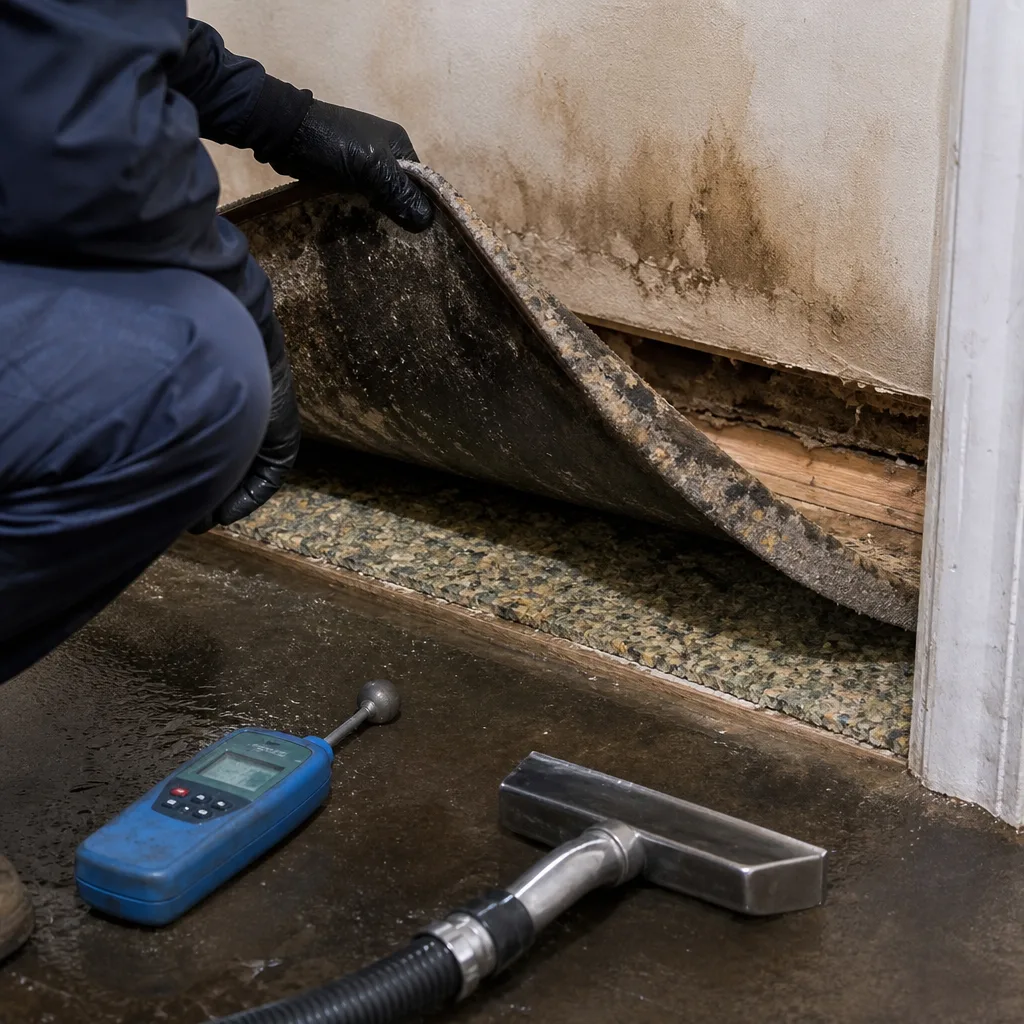
Stachybotrys chartarum, the “black mold” everyone worries about, is not more dangerous than every other mold species, but it is an indicator of chronic, prolonged moisture. In West New York, we find it most often in ground-floor units where water has been wicking through masonry for years, and in crawl spaces. Proper black mold remediation requires full containment, removal of porous materials, and clearance testing afterward. We do all three, and we don’t declare the job done until the post-remediation verification comes back clean.
Air Quality Restoration
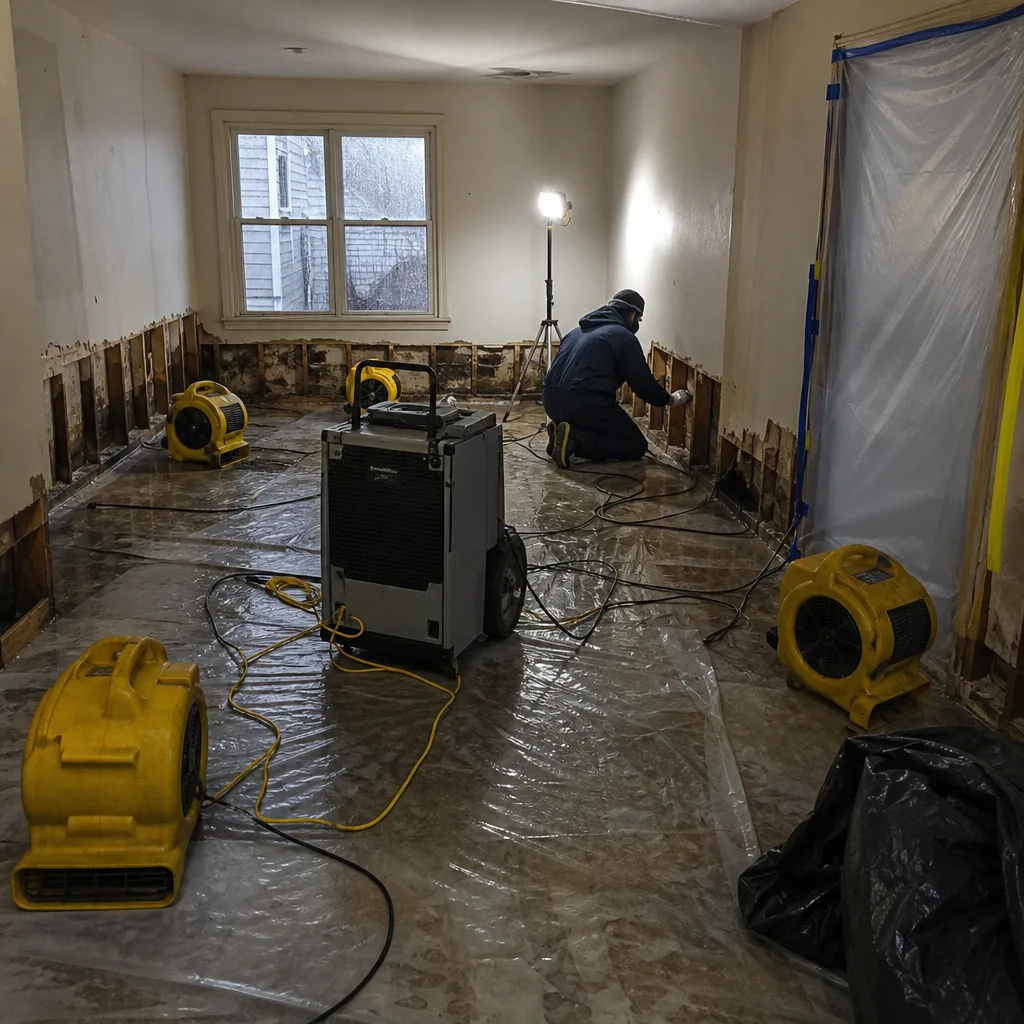
Mold releases spores that spread through air movement, and in a building where units share ventilation and corridors, your air is not just your air. We run HEPA air scrubbers during and after remediation, and we verify results with post-remediation air sampling. If you’re a landlord or condo board in West New York, this is the step that protects the units you didn’t know were affected.
Crawl Space Treatment
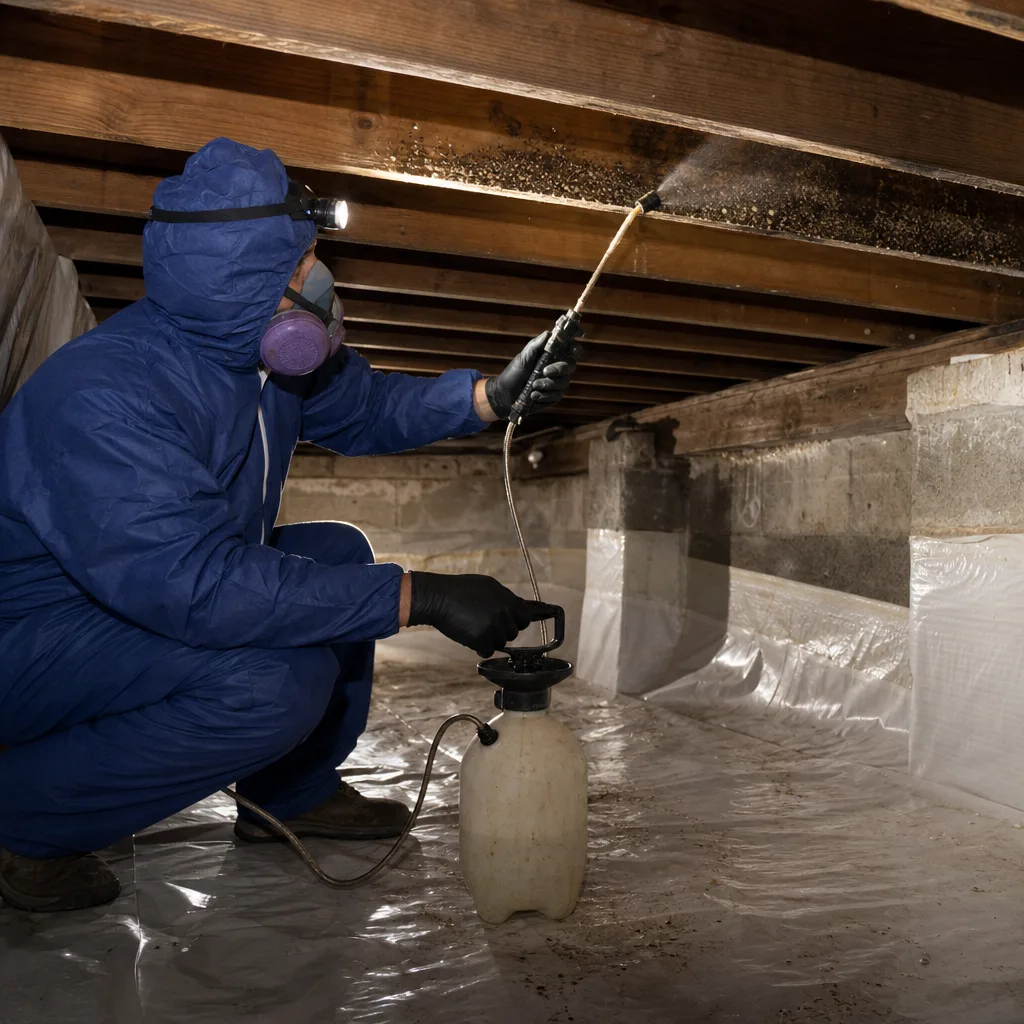
Crawl spaces in West New York’s frame construction are the most commonly ignored mold source in the entire town. Ground moisture rises, wood joists stay damp, and mold grows in the dark for years. We treat the source: encapsulate the crawl space, control the humidity, and clean the affected framing. A crawl space that stays dry is a mold problem you never have to revisit.
What happens when you call
- 1
A real person answersNo phone trees - you reach a local pro.
- 2
You get an upfront price rangeHonest numbers before anyone is dispatched.
- 3
A background-checked tech heads outLicensed & insured, dispatched right away.
- 4
You approve before work beginsNothing starts until you say go.
Mold Remediation Costs in West New York, NJ
A focused mold remediation job in a single West New York room typically runs $500 to $2,000 when the mold is contained to one wall or ceiling section. A kitchen or bathroom job where the mold has spread into the cabinetry or behind tile generally lands between $2,000 and $5,000. Full-unit remediation in a pre-war brick walk-up where multiple rooms are affected and containment requires sealing off the apartment runs $5,000 to $15,000 or more, depending on how much plaster and flooring has to come out. Mold inspection and testing alone is usually $250 to $500, which comes off the remediation price if you hire us for the work. The variables that move the price: how much water is still feeding the mold, whether the building super or condo board needs to coordinate access, and how much material has to be physically removed. Your insurance may cover some or all of it if the mold traces to a covered water loss. The fastest way to know is a free visual inspection. We’ll tell you what’s wrong, what has to happen, and what it costs. Call (363) 208-1526 any time.
We Also Serve Cities Near West New York
Wade’s Restoration handles mold remediation across the Hudson County shore. If you’re in Hoboken, Weehawken, North Bergen, or Union City, the same crew that works West New York apartments is minutes away. Same live-answer phone, same free visual inspection, same written scope before any work starts.
Serving West New York, NJ - Our Local Coverage Area
We’re based in the West New York area and know this community well. Use the map below to see our service coverage - if you’re nearby, we can almost certainly help.
West New York Mold Remediation Questions, Answered
How do you handle mold remediation in a West New York pre-WWII walk-up where there are no accessible ceiling or wall cavities?
We use Injectidry systems to force dry air directly into the plaster and masonry assemblies, since there’s no wall cavity to open up like there would be in modern construction. This is one of the main reasons West New York mold work requires a different approach than what works in newer buildings inland. We also use negative air containment so any spores disturbed during the process don’t migrate into neighboring units through shared walls and utility chases. Call (363) 208-1526 and we’ll walk you through what’s possible in your building.
Is it necessary to coordinate with the building super or property manager during mold remediation on Bergenline Avenue?
Almost always, yes. Because mold in dense Bergenline Avenue buildings moves vertically through shared utility chases and masonry party walls, treating just one unit without coordinating containment in the chases means the mold comes right back. We work with supers and property managers every day, mapping the full moisture path before we start. We’ll handle that coordination for you.
What category of water from a slow leak in a West New York apartment requires mold remediation?
Any water that’s been sitting for more than 48 to 72 hours, regardless of category, is a mold risk. But a slow leak from a sink drain or cast-iron pipe is typically Category 2 water, meaning it contains significant contamination, and by the time it reaches that 72-hour mark, mold colonization is already underway. In West New York’s brick buildings, we often find Category 2 leaks have been running for weeks before anyone reports them. If the leak is slow and you can smell must, call us before it spreads to the next floor down.
How does the Hudson River waterfront microclimate affect mold growth in West New York compared to inland towns like North Bergen?
West New York sits directly on the river, and the humidity here runs noticeably higher than it does even a half mile inland. That elevated humidity means surfaces that get wet stay wet longer, and mold spores that would die off in a drier environment find enough moisture to colonize. It also means that after any water event, the window to dry things out before mold takes hold is shorter in West New York than in North Bergen. It’s not a huge difference, but it’s consistent, and we account for it in every remediation.
Can you perform black mold remediation in a West New York high-rise without disrupting condo-board protocols?
Yes, but it takes coordination. High-rise condo boards in West New York have their own rules about work hours, elevator use, and contractor access, and we’ve navigated those protocols many times. We provide the board with a written scope, containment plan, and expected timeline before we set foot in the building. Remediation in a high-rise almost never involves your neighbors, but it may involve common areas and penetrations, which is why we handle the board communication directly.
How fast can you get to a West New York apartment for a mold emergency?
We commit to having someone in front of you within 45 minutes of your call, day or night. That’s not a scheduling window; that’s the actual response time. Mold doesn’t stop growing after business hours, and the sooner it’s contained, the smaller the repair. If you call (363) 208-1526 at 11 p.m., Wade is likely the person who answers, and he’ll be on the road shortly after.
Will my insurance cover mold remediation in West New York?
It depends on where the water came from and what your policy says. Most homeowners and condo policies cover mold remediation only when the mold results from a covered water loss, like a burst pipe, and up to a sub-limit that’s often between $5,000 and $10,000. We’ll review your policy with you at the free inspection, document everything in the format your carrier expects, and bill them directly if there’s coverage. If not, we’ll tell you what the out-of-pocket cost looks like before any work begins.
Should I stay in my West New York apartment during mold remediation?
Usually you can stay, but it depends on the scope. If we’re containing one bathroom or wall section, daily life can largely continue. If we’re tearing out saturated plaster and running negative air machines in multiple rooms, you may want to relocate for a few days. We’ll give you a straight recommendation before we start. The most important thing is not to ignore mold until it’s unlivable, because that’s when remediation becomes a full relocation project. Call (363) 208-1526 for a free visual inspection and we’ll tell you what’s realistic.
If you’ve found mold in a West New York apartment, walk-up, or home, don’t wait for it to get worse. Call (363) 208-1526 and you’ll talk to a real person who knows this town’s buildings because he works in them every week. Free visual inspection, straight answers, and a written scope before any work starts.
Written by Wade Ferris, Owner at Wade’s Restoration, serving West New York since 2007.