
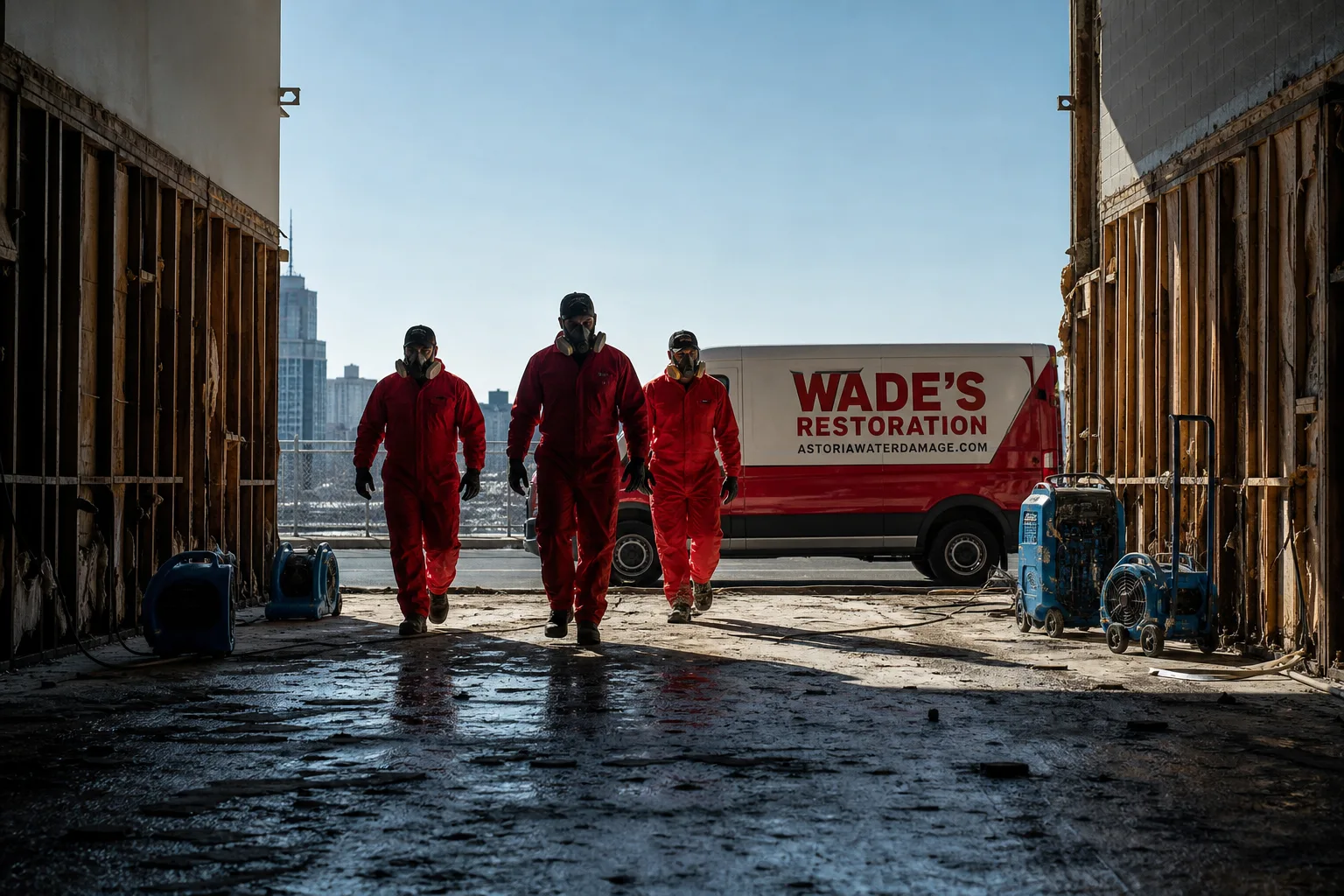
Free visual inspection and a written scope of work before any mitigation begins - photos, moisture readings, and drying logs go in your claim file
The scope we write is the scope we bill. Anything new gets shown to you, in writing, before we touch it.
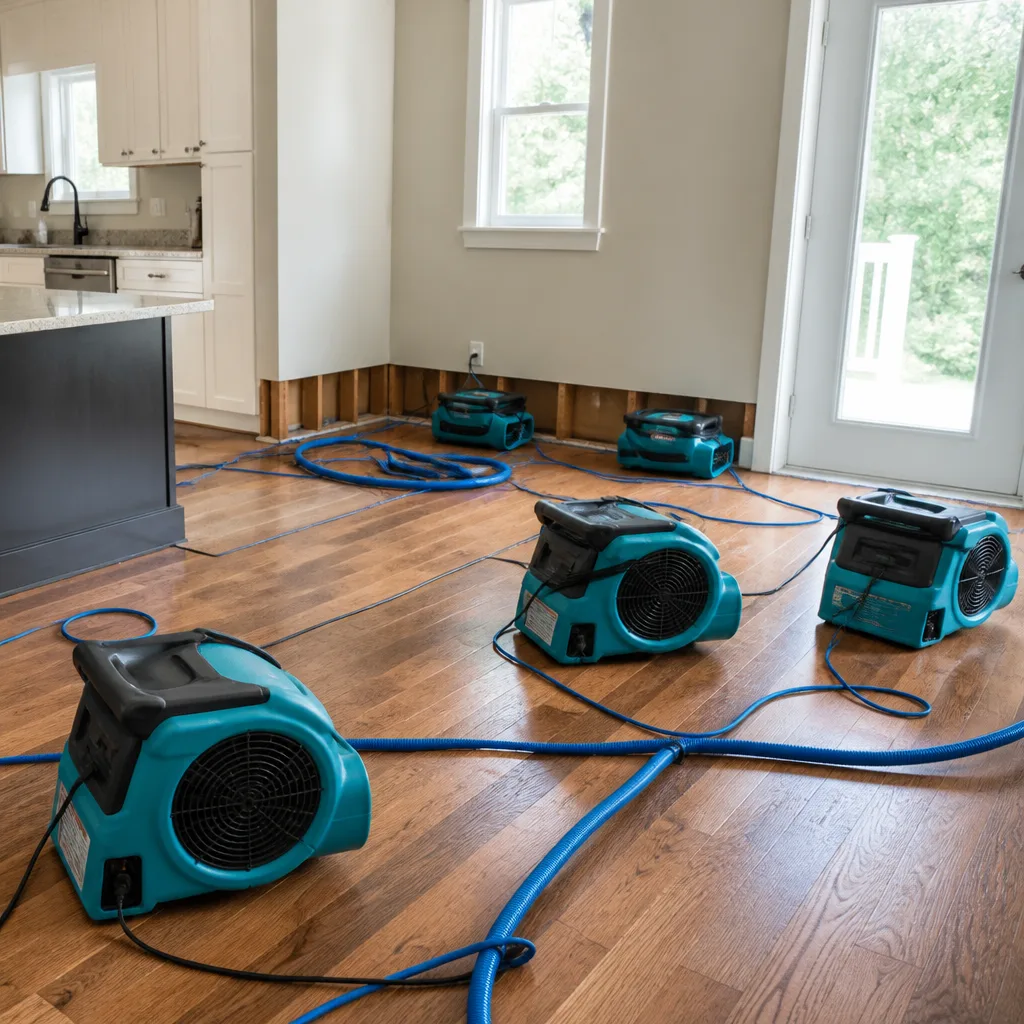

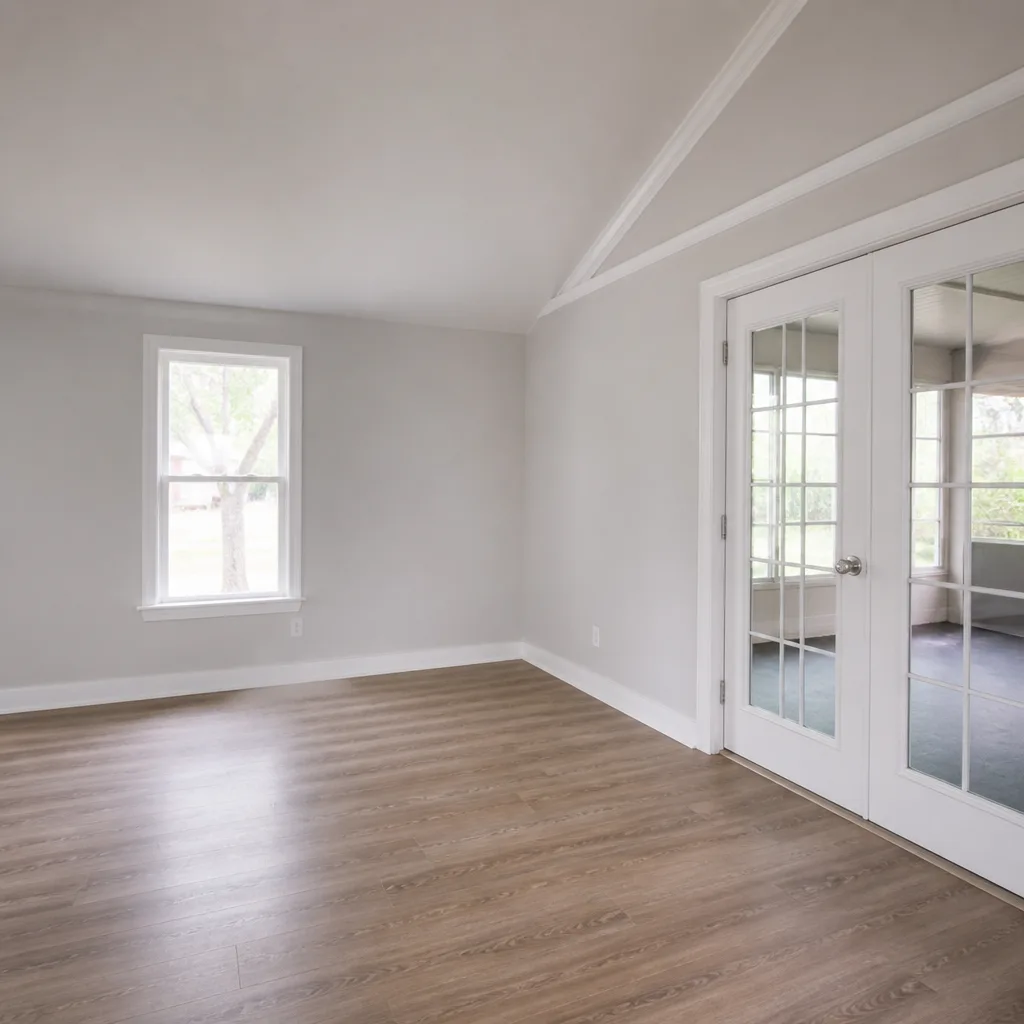


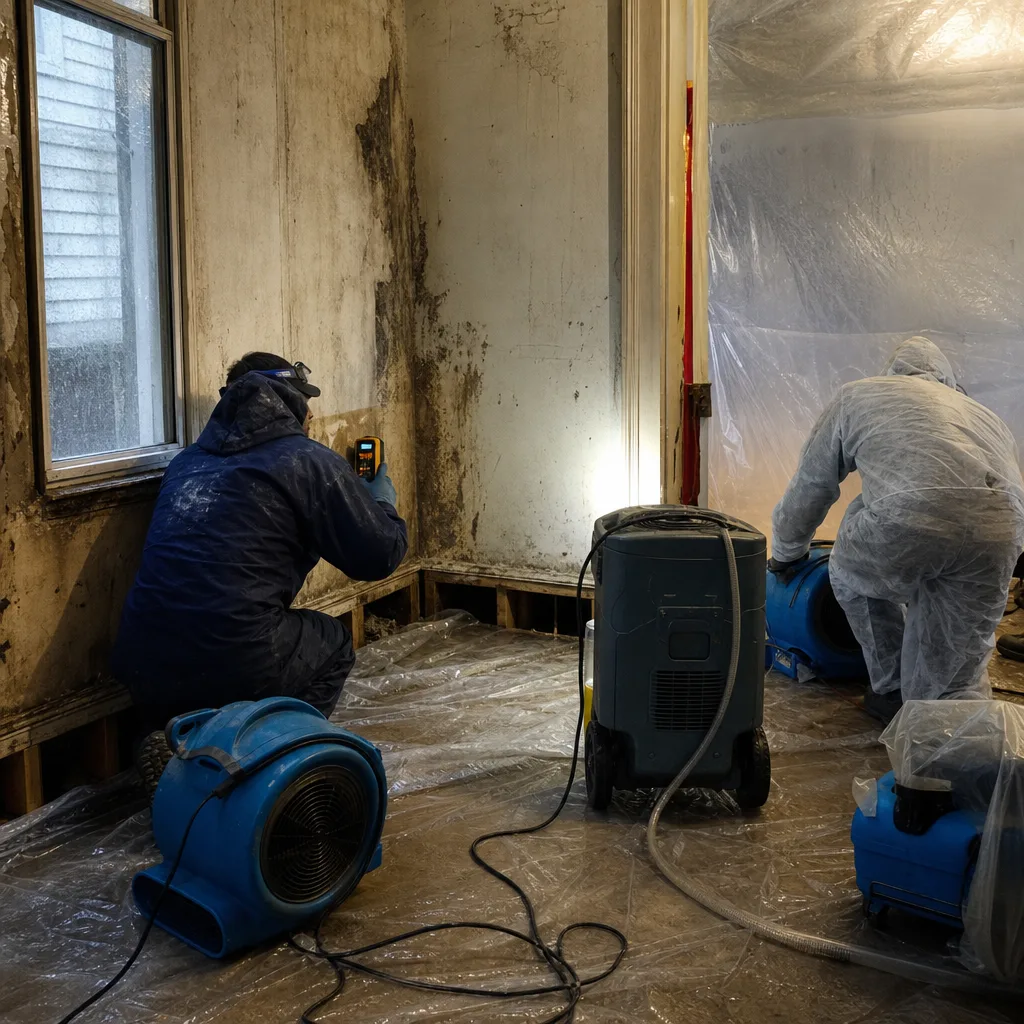 Before
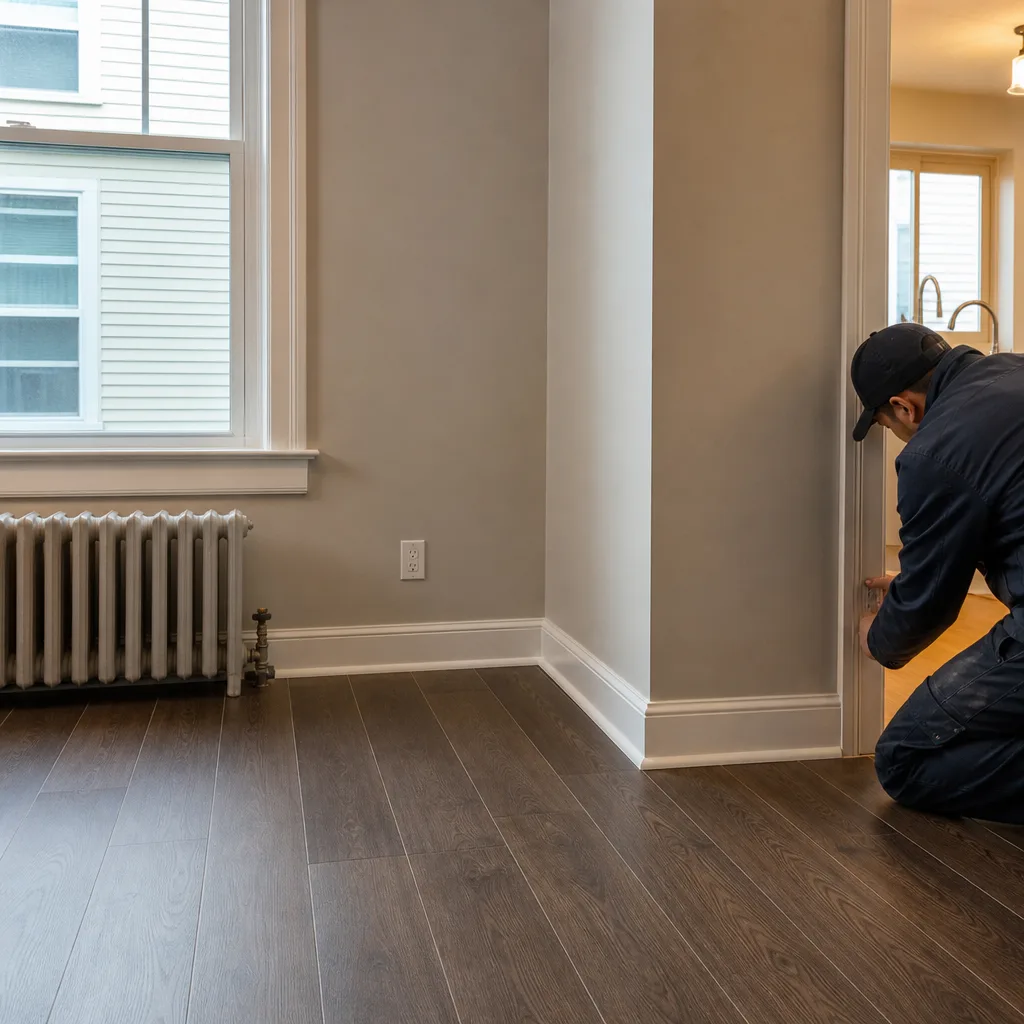 After
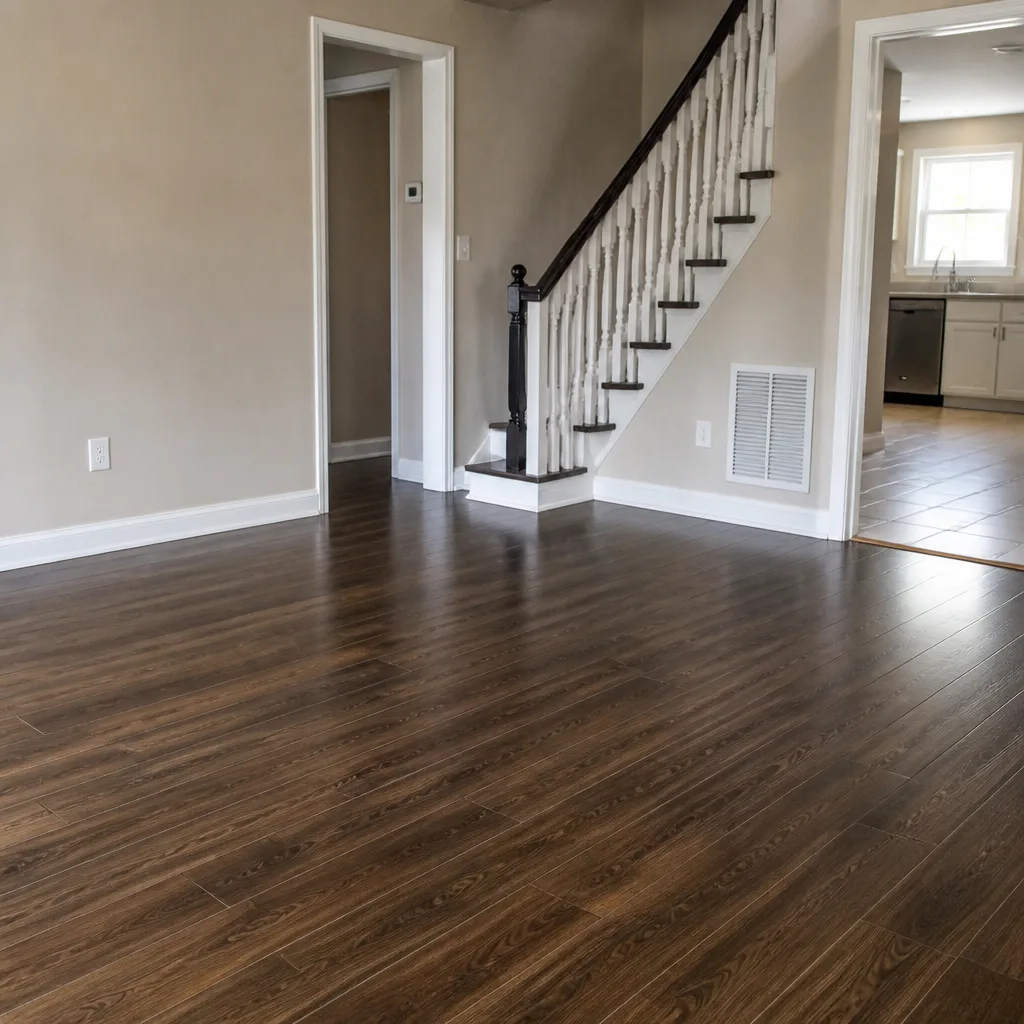
After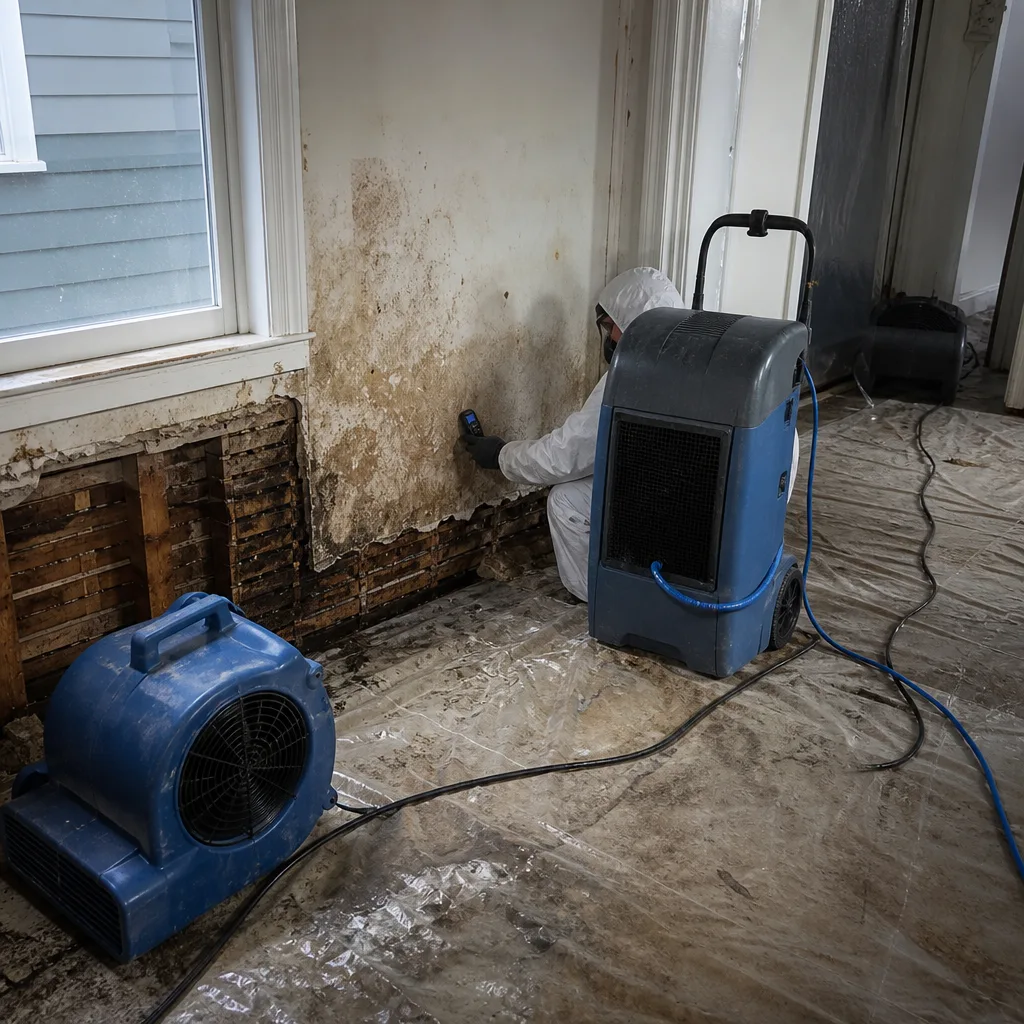 Before
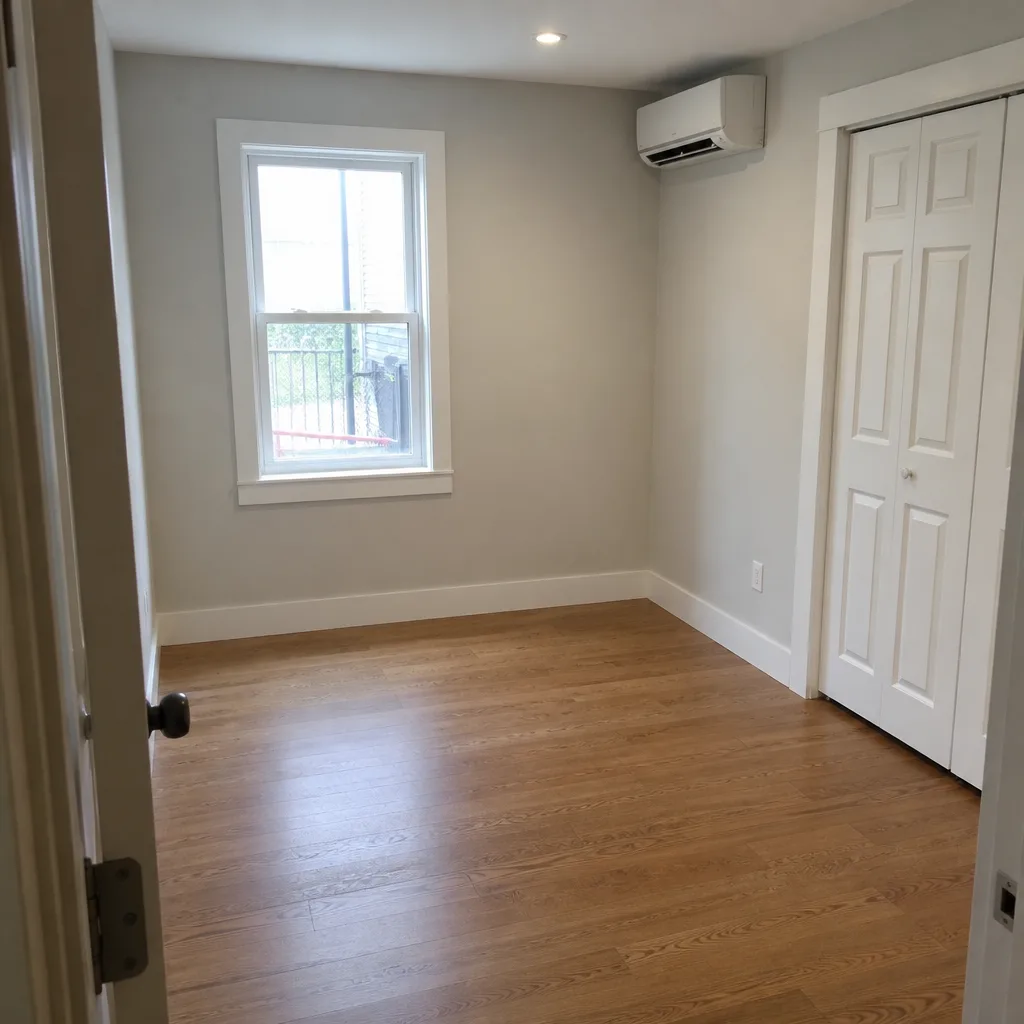 After
After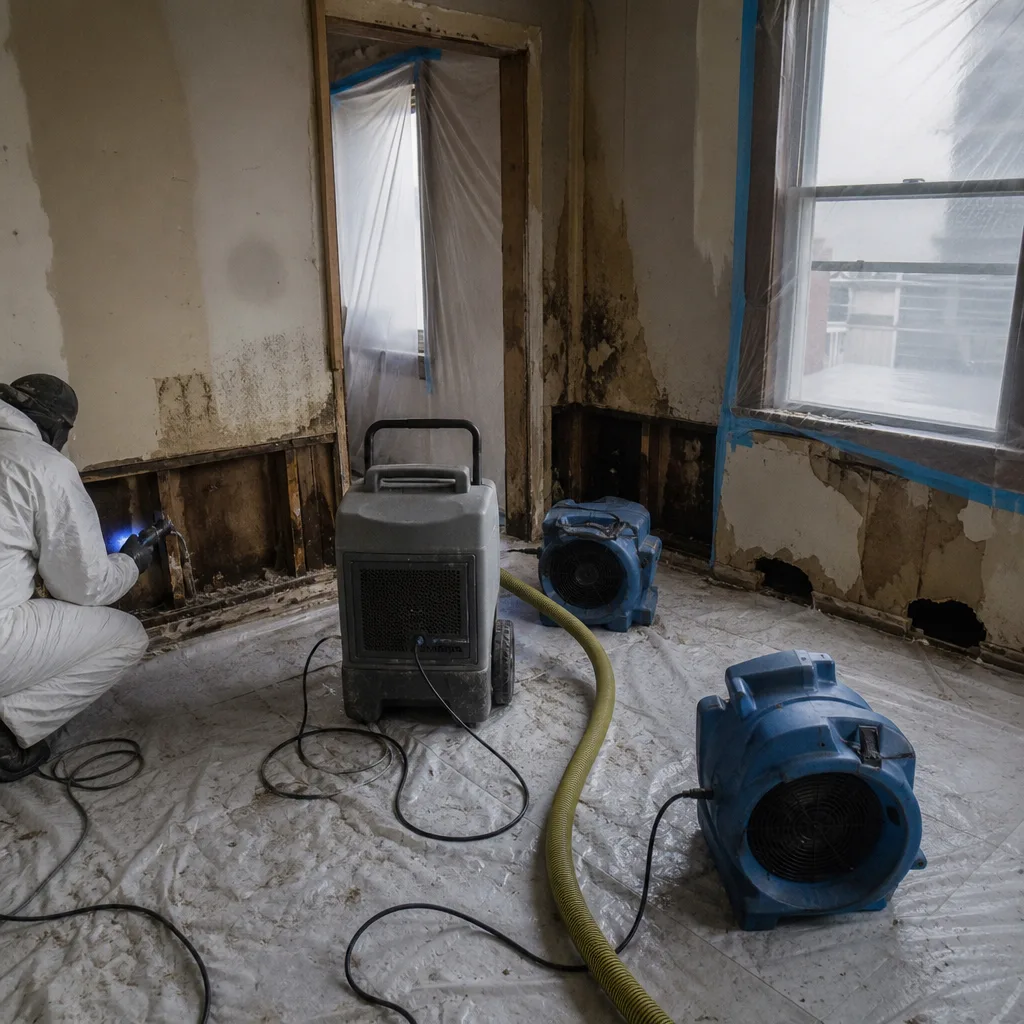 Before
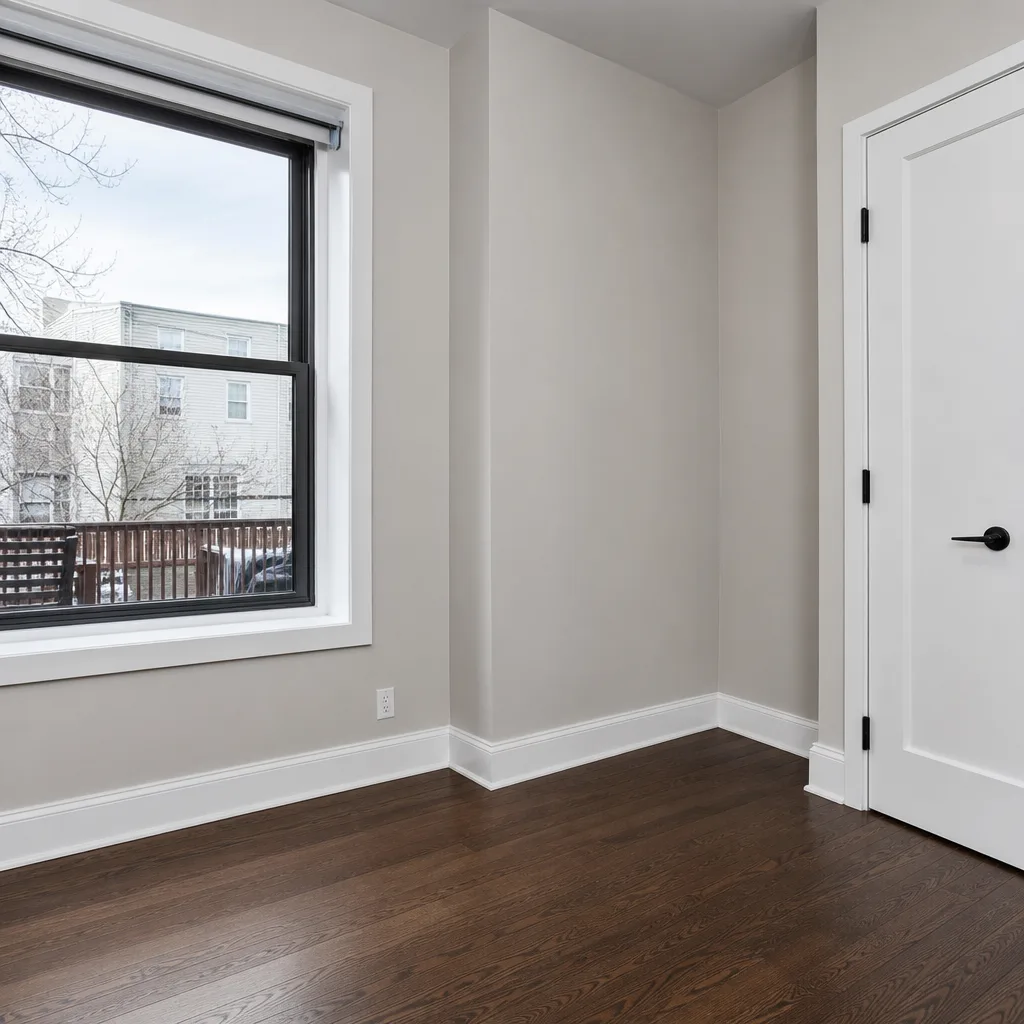 After
After24/7 Emergency Reconstruction & Cleanup in Hoboken
When water, fire, or sewage hits a Hoboken row house, you need a crew that understands the mile-square city’s specific restoration playbook. Wade’s Restoration answers live at (363) 208-1526 around the clock, and Wade himself heads out to Hoboken jobs, often arriving within the hour. The first hour after a water loss in Hoboken matters more than in most places because of the city’s tidal position and dense attached housing. Water moves laterally through shared party walls fast. A sewer backup that sits for a day in a basement off Washington Street becomes a Category 3 contamination requiring full containment, not just a mop and a fan.
We do Reconstruction & Cleanup as one team, one scope, one trip. That means extraction, drying, demo, rebuild, and the documentation your insurer needs all come from the same crew that showed up at two in the morning. Scheduling runs from our New York City office, but the crews serving Hoboken are local to the area and know the buildings, the flood zones, and the adjusters.
Understanding Reconstruction & Cleanup Severity in Hoboken Properties
Most of Hoboken’s housing stock went up between 1880 and 1920: four-to-six-story attached brick walk-ups, many with original horsehair plaster, lead paint, and asbestos-containing floor tiles or pipe insulation. A Category 2 water loss, gray water from a washing machine overflow, behaves differently in these buildings than in a drywalled suburban colonial. The plaster wicks moisture up the walls. The floor joists embedded in brick pockets stay wet longer. And the shared basement spaces mean the water does not stop at your floor plate.
Hoboken also sits low, at or below mean high water along the Hudson. That changes the contamination classification on any storm-related intrusion. Tidal surge pushing up through floor drains is Category 3 water: sewage-contaminated, carrying pathogens, and requiring protocol-driven disposal and antimicrobial treatment. If a crew shows up and treats it as clean water because the weather never actually rained, the cleanup was done wrong before it started. Moisture mapping with thermal imaging and daily hygrometer readings are not optional here. They are how you prove the building is actually dry, not just dry on the surface.
Why Hoboken Property Owners Choose Wade’s Restoration
- Wade answers his own phone. You call, a person picks up. Not a call center, not a queue. Wade Ferris carries his cell and can have a crew rolling toward Hoboken in minutes.
- One trip, done right. Our crews carry Dri-Eaz and Phoenix drying equipment, HEPA scrubbers, and thermal imaging cameras. We do not leave and come back three times because someone forgot a piece of gear.
- IICRC-certified crews, WRT and ASD. Water damage restoration and applied structural drying certifications mean the drying plan follows S500 standards written for exactly this kind of dense coastal housing.
- Free visual inspection in Hoboken. We will walk the loss with you, explain what we see, and hand you a written scope before any work starts. No charge for the visit in our own county.
- Direct insurance billing. We document from the first hour, communicate with your adjuster directly, and take the relay work off your plate.
- From extraction to rebuild under one roof. The crew that tears out the wet plaster is the crew that hangs the new drywall. Nobody hands you off to a subcontractor you have never met.
Our Reconstruction & Cleanup Process
Inspection & Assessment
We arrive, walk the property, and map the moisture. Thermal imaging shows us where water migrated inside walls and under floors. We classify the water category, check for asbestos or lead paint on pre-1978 surfaces, and give you a written scope with honest pricing.
Extraction & Stabilization
Standing water comes out with truck-mounted and portable extraction units. We set containment where needed, especially on Category 3 losses, to keep contaminated air from moving into upper floors or neighboring units.
Drying & Dehumidification
Dri-Eaz and Phoenix air movers and dehumidifiers go in, positioned for Hoboken’s humidity profile. Extended monitoring is standard here. We take moisture readings daily and hand you the full log at the end. Almost nobody else does that.
Cleaning & Sanitization
We clean salvageable surfaces, treat for microbial growth, and run HEPA air scrubbers where needed. On sewage losses, we follow IICRC S500 protocols for disposal and antimicrobial application.
Demolition & Specialty Treatment
Wet plaster, saturated flooring, and any asbestos-containing materials come out under the proper licensed abatement. We do not bury a wet wall behind new drywall and call it done.
Repairs & Restoration
New drywall, flooring, trim, paint. We rebuild to match the character of a pre-war Hoboken row house, not a generic white box. The 90-Day Done Right Promise applies in writing.
Need Emergency Reconstruction & Cleanup in Hoboken Now?
Crews minutes away, answering live 24 hours a day. The sooner we start, the less it costs.
Working With Your Insurance Company
Insurance claims in Hoboken have a rhythm, and Wade knows it. The adjusters who cover Hudson County see the same row house basements, the same sewer backups, the same tidal surge claims year after year. We document from the first hour: photos of every affected room, moisture readings taken daily, a line-item scope of work, and direct communication with your carrier. You should never be the person relaying information between a restoration crew and an insurance company. That is our job.
If your policy covers the loss, we bill directly. If it does not, you will see a written scope before any work begins, priced honestly, with the Senior & Veteran 10% discount applied automatically when it applies. No surprise change orders mid-job.
What We Provide Your Insurer
- Thorough documentation of the loss
- Photos of all damage, room by room
- Moisture readings and drying logs
- A detailed, line-item scope of work
- Direct coordination with your carrier
Built for Hoboken’s Loss Calendar
Hoboken does not have a quiet season, but the type of loss shifts through the year. January and February bring deep freezes that burst supply lines in uninsulated basement utility rooms. The old cast iron and galvanized piping in pre-war buildings gives out when ice expands inside it, and the resulting water runs through multiple units before anyone notices. Spring thaw and heavy April rains push groundwater up against foundation walls and through the aging combined sewer system, backing sewage into basement drains along the low-lying streets south of the rail terminal.
Summer thunderstorms in Hudson County drop inches of rain in an hour, overwhelming storm drains and sending Category 3 water into garden-level apartments. Fall nor’easters are the wild card. Because Hoboken sits at the base of the Palisades and along the tidal Hudson, a nor’easter does not need to bring much rain to flood basements near the waterfront. The tidal surge itself pushes water up through floor drains and sump pits before any rain accumulates, something that does not happen a few hundred feet up the bluff in Jersey City Heights or Weehawken. That changes the contamination classification, the disposal requirements, and the cleanup protocol.
Reconstruction & Cleanup Across Hoboken’s Neighborhoods
We work every block in Hoboken, and the buildings change character from one part of town to the next. Down along the Washington Street corridor, the attached brick row houses sit on some of the lowest ground in the city. Water problems there often come up from below: tidal surge through floor drains, combined sewer backups, groundwater seepage through old foundation walls. Crews working this area know to check the basement before they check the roof.
Up toward the viaduct and the streets running west of Willow Avenue, the grade rises slightly, but the buildings are the same attached walk-ups with shared party walls. A loss in an upper-floor unit on Bloomfield Street can travel downward and sideways within hours. The shared wall cavities in these buildings were never fire-stopped or moisture-blocked when they were built, which means smoke from a kitchen fire in one unit migrates into three others without ever crossing a hallway.
The blocks south of 4th Street, near the PATH terminal and the old freight district, mix residential with ground-floor commercial. We have worked in buildings there where the basement houses the building’s boiler, the residents’ storage, and the first-floor business’s inventory all at once. One sewer backup becomes three separate insurance claims with three different scopes. Around Stevens Institute of Technology, the mid-rise apartment buildings and converted brownstones have their own quirks: old steam risers running through closets, knob-and-tube wiring hidden above newer drop ceilings, and basements that have been reconfigured so many times the moisture mapping looks like a patchwork quilt.
Hoboken is small, roughly one mile square, and our crews know the streets by name. That means we can get to a block near Church Square Park or along Sinatra Drive fast, and more importantly, we know what we are walking into before we arrive.
Specialized Reconstruction & Cleanup Services We Offer in Hoboken
Full-Service Reconstruction
This is the part where a water or fire loss becomes a finished, livable space again. We rebuild walls, ceilings, and floors, matching the original detailing in pre-war Hoboken row houses: the trim profiles, the plaster finishes, the door casing that no big-box store sells anymore. The same crew that did the drying does the rebuild, so no one has to relearn the building’s story.
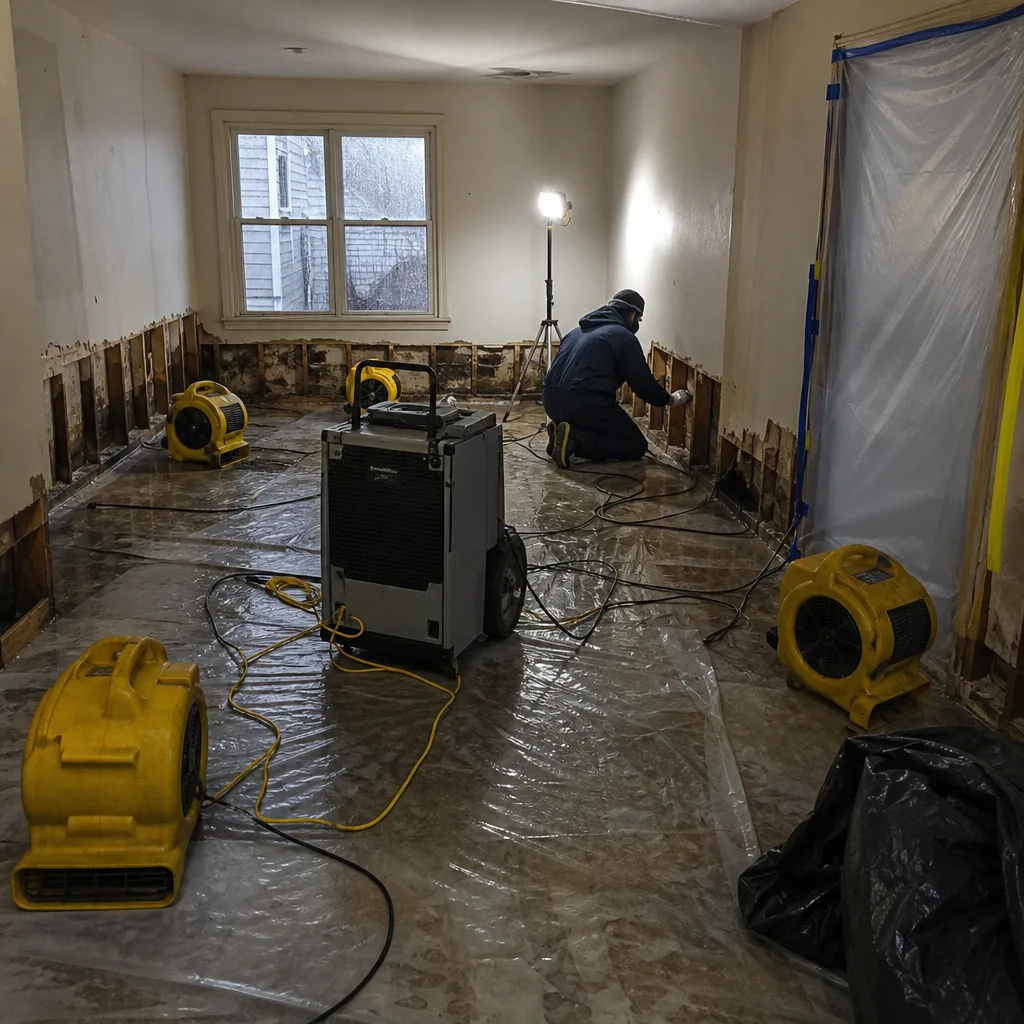
Drywall & Flooring Repair
Water wicks up through plaster and drywall in these old brick buildings and the damage shows up days later as bubbling paint and swollen baseboards. We cut out what is wet, treat the framing, and replace it. Flooring ranges from original wide-plank pine to tile over mud beds to sheet vinyl laid in the 1980s. Each gets a different approach, and we will tell you what can be saved and what cannot before we start cutting.
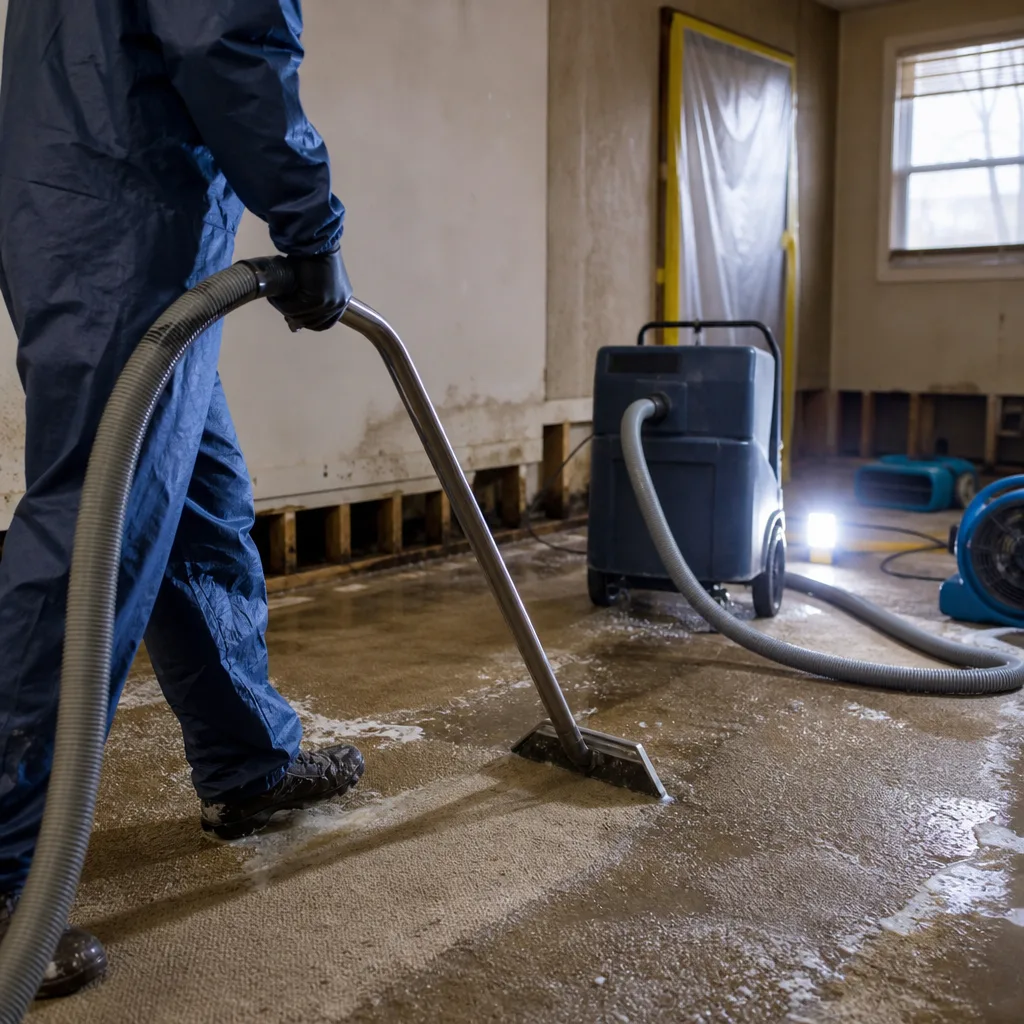
Contents Restoration & Pack-Out
When a Hoboken basement floods with Category 3 water, everything in it needs to be triaged: what can be cleaned, what can be restored, what has to be disposed of under protocol. We pack out, inventory, clean, store, and return your belongings. For a row house with shared storage spaces, we coordinate with neighbors so their items get the same treatment if the water crossed the property line.
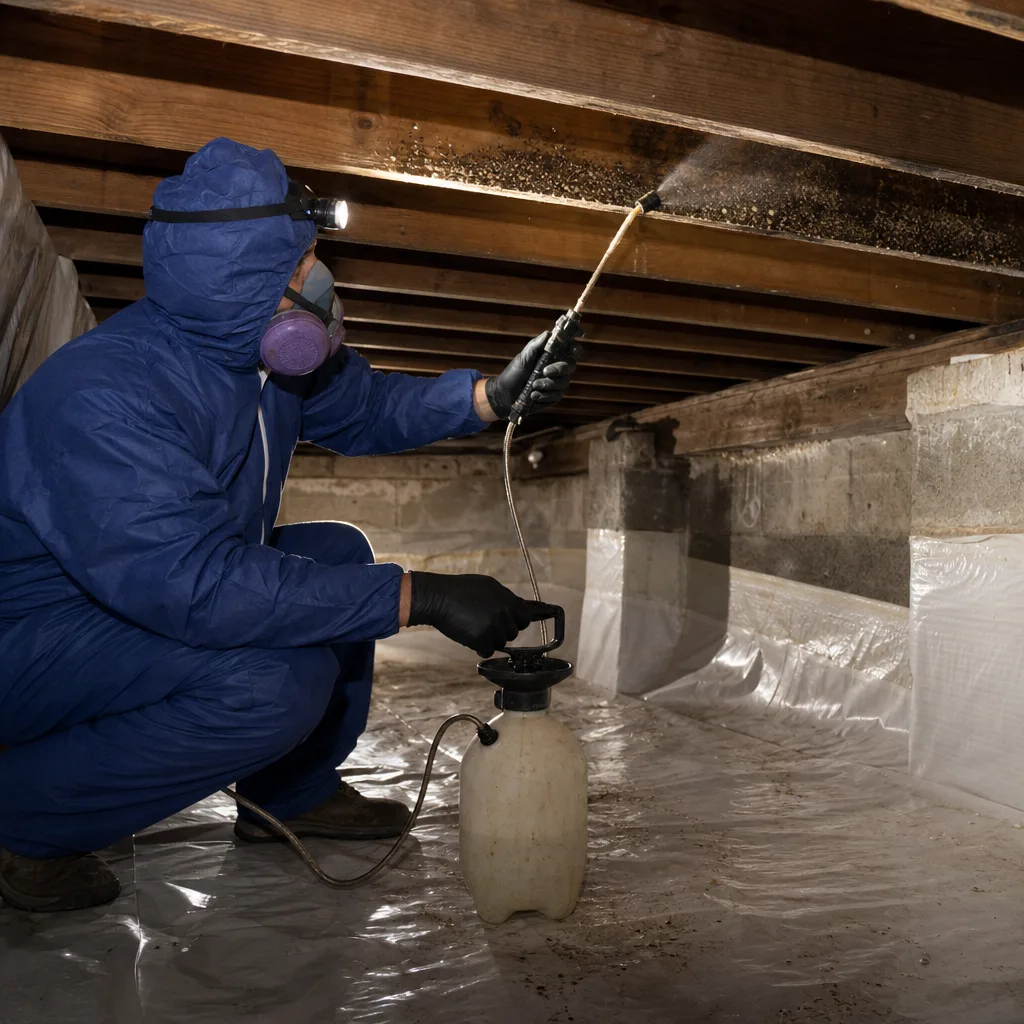
Carpet & Upholstery Cleaning
Not every water loss requires demolition. A small Category 1 overflow on a hardwood floor above a carpeted bedroom often just needs extraction, dehumidification, and a proper cleaning. We clean carpet, area rugs, and upholstery with professional-grade equipment, and we tell you honestly when cleaning is not enough.
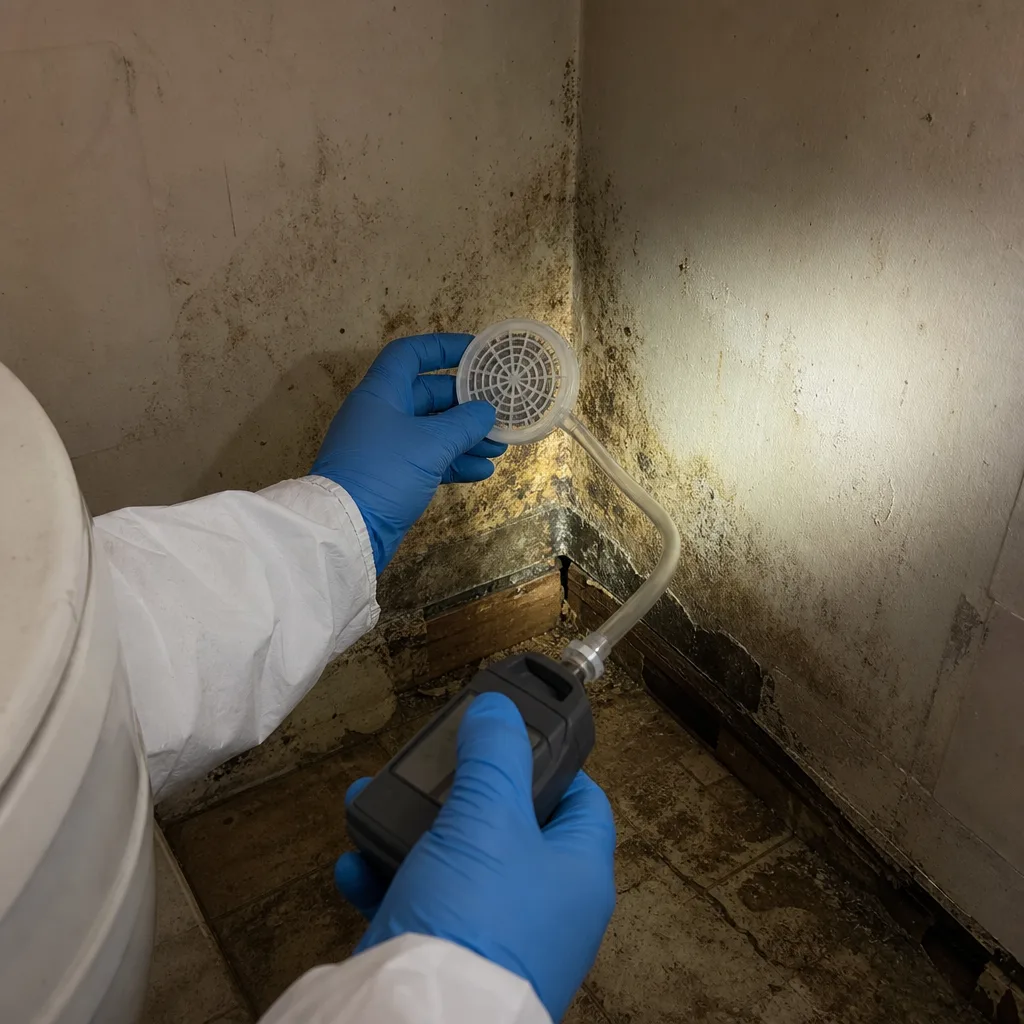
Post-Construction Cleanup
After the rebuild comes the dust. We strip out the construction debris, vacuum the ducts, wipe down every surface, and leave you with a space that is ready to live in, not a job site with a fresh coat of paint. We still show up in uniform and we still take the daily moisture readings until the final walkthrough.
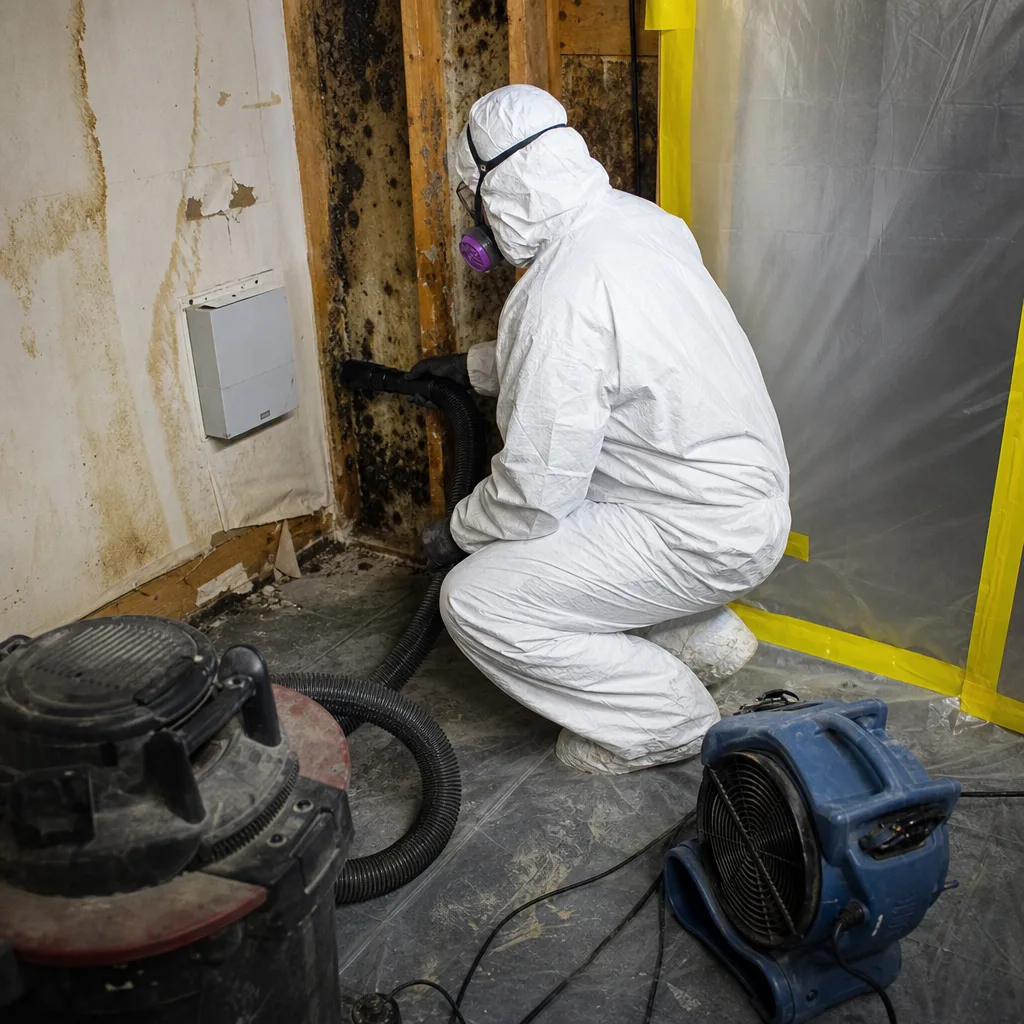
Insurance Claim Documentation
Hoboken insurance claims are not like inland New Jersey claims. The tidal surge classification alone can change the entire scope and the entire reimbursement. We document everything: pre-existing conditions, moisture readings, the Category of water, the date and time of every step. The paperwork stands up to an adjuster’s scrutiny because it is detailed, dated, and honest.
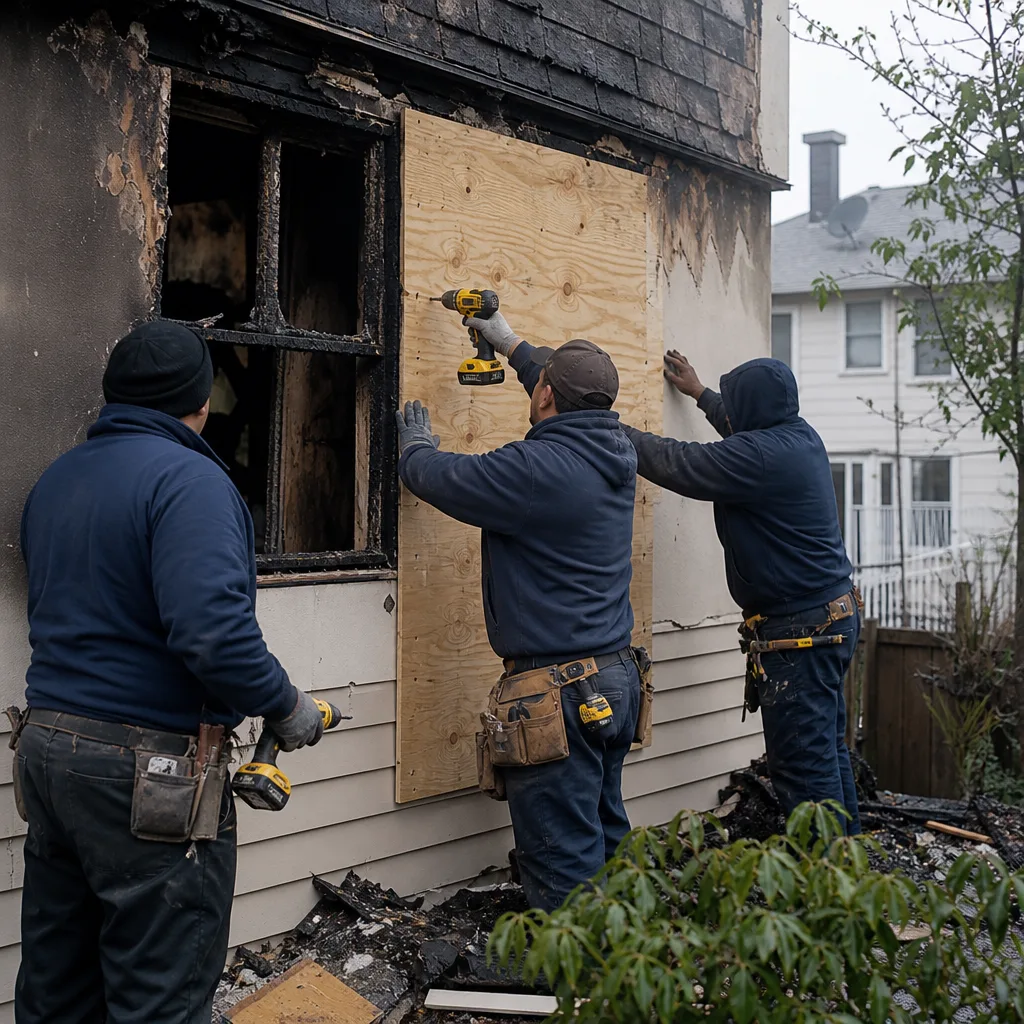
What happens when you call
- 1
A real person answersNo phone trees - you reach a local pro.
- 2
You get an upfront price rangeHonest numbers before anyone is dispatched.
- 3
A background-checked tech heads outLicensed & insured, dispatched right away.
- 4
You approve before work beginsNothing starts until you say go.
Reconstruction & Cleanup Costs in Hoboken, NJ
Nobody wants to sit through a vague “it depends” conversation while their basement is wet. Here are the actual ranges we see in Hoboken. A straightforward Category 1 clean-water extraction and drying job in a typical row house basement runs $2,800 to $5,400. A Category 3 sewage backup that requires containment, removal of contaminated materials, sanitization, and disposal runs $6,000 to $14,000 depending on how far the water traveled. Full reconstruction after a significant water or fire loss in a Hoboken walk-up typically lands between $18,000 and $65,000, with the higher end reflecting lead and asbestos abatement, custom trim matching, and the labor costs of working in occupied attached buildings.
What moves the price: the category of water, the number of units affected, whether original plaster needs to be replaced with plaster or can be swapped for drywall, and whether asbestos or lead paint is present. The free visual inspection gives you a firm written scope before any work begins, and that makes the insurance conversation a lot cleaner.
We Also Serve Cities Near Hoboken
Wade’s Restoration covers the nearby Hudson County communities of Union City, Weehawken, and North Bergen. Same live answer, same one-trip standard, same written 90-Day Done Right Promise. If you are above the Palisades in Union City or North Bergen, the tidal surge problem disappears, but the pre-war building stock and shared-wall migration issues remain.
Serving Hoboken, NJ - Our Local Coverage Area
We’re based in the Hoboken area and know this community well. Use the map below to see our service coverage - if you’re nearby, we can almost certainly help.
Hoboken Reconstruction & Cleanup Questions, Answered
How does Hoboken’s tidal flood risk change the category of water in my basement after a nor’easter?
Tidal surge that pushes up through floor drains is Category 3 water, meaning it carries sewage and pathogens, even if the street never flooded and no rain fell inside your home. Hoboken’s position along the tidal Hudson means this happens in basements south of 4th Street and near the waterfront during nor’easters that never actually drop much rain. The cleanup must follow sewage protocols: containment, removal of porous materials, antimicrobial treatment, and specific disposal rules. If a crew treats it as clean water, the job was done wrong. Call (363) 208-1526 and we will classify it correctly from the first hour.
How quickly do I need reconstruction after a water loss in a Hoboken row house?
Mold colonization starts within 48 hours in Hoboken’s humid coastal environment, faster than inland New Jersey. But “reconstruction” specifically should not start until the building is actually dry, and that takes extended monitoring in these pre-war brick buildings. The sequence is: extract, contain, dry, verify with moisture readings, then rebuild. Rushing drywall over a wet wall in a Hoboken row house means you will tear it out again in six months. We give you a drying log so you know the rebuild started dry.
What special considerations apply to old plaster and lead paint in Hoboken’s pre-1978 buildings?
Hoboken’s housing stock was overwhelmingly built before 1978, which means lead paint is presumed present and asbestos-containing floor tiles or pipe insulation are common. Disturbing those materials during demolition requires licensed abatement before rebuilding can proceed. Original horsehair plaster also absorbs water differently than modern drywall: it wicks moisture upward and holds it longer, often requiring removal rather than drying in place. We handle the abatement and the plaster restoration under one scope, one crew.
Can a water loss in my attached neighbor’s unit affect my Hoboken home?
Yes, and it happens constantly in Hoboken’s attached row houses. Shared party walls and common basement spaces mean water migrates laterally through wall cavities and under floor plates. We have responded to losses on Bloomfield Street where a third-floor supply line break saturated the second-floor unit below it and seeped into the adjoining building through the shared wall. Your neighbor’s loss becomes your loss, and both units need dry-out before either can be rebuilt. If this sounds like your situation, call us and we will map the moisture on both sides of the party wall.
Will your crew handle pack-out and contents restoration for a Hoboken basement flood?
Yes. We pack out, inventory, clean, and store contents from flooded Hoboken basements, including shared storage spaces in multi-unit buildings. Items that cannot be restored get documented for your insurer and disposed of under protocol. We coordinate with neighboring units when the water crossed a shared basement wall, so nothing gets left behind or double-handled.
How fast can you actually get to Hoboken?
Wade answers his own phone and can have a crew rolling toward Hoboken within the hour, day or night. The exact arrival time depends on where you are, what bridge traffic looks like, and what else is on the board, but you will get a straight answer from a live person when you call.
Will my insurance cover reconstruction and cleanup in Hoboken?
Most Hoboken homeowner policies cover water damage from burst pipes and storm-related losses, but sewer backup and tidal surge often require specific endorsements. We document everything from the first hour and talk to your adjuster directly. We will also give you a written scope so you know what the work will cost regardless of what the policy says. Call (363) 208-1526 for a straight read on your situation.
What should I do in the first 30 minutes after a water loss in Hoboken?
Shut off the water at the street or at the fixture if you can do so safely. Kill power to the affected area if water is near outlets or the panel. Call (363) 208-1526. Do not enter standing Category 3 water. Do not start ripping out drywall yourself. Take photos on your phone. Then let us do the assessment and the drying plan. The first 30 minutes sets the timeline for everything that follows.
Written by Wade Ferris, Owner at Wade’s Restoration, answering live for Hoboken and Hudson County since 2007.