
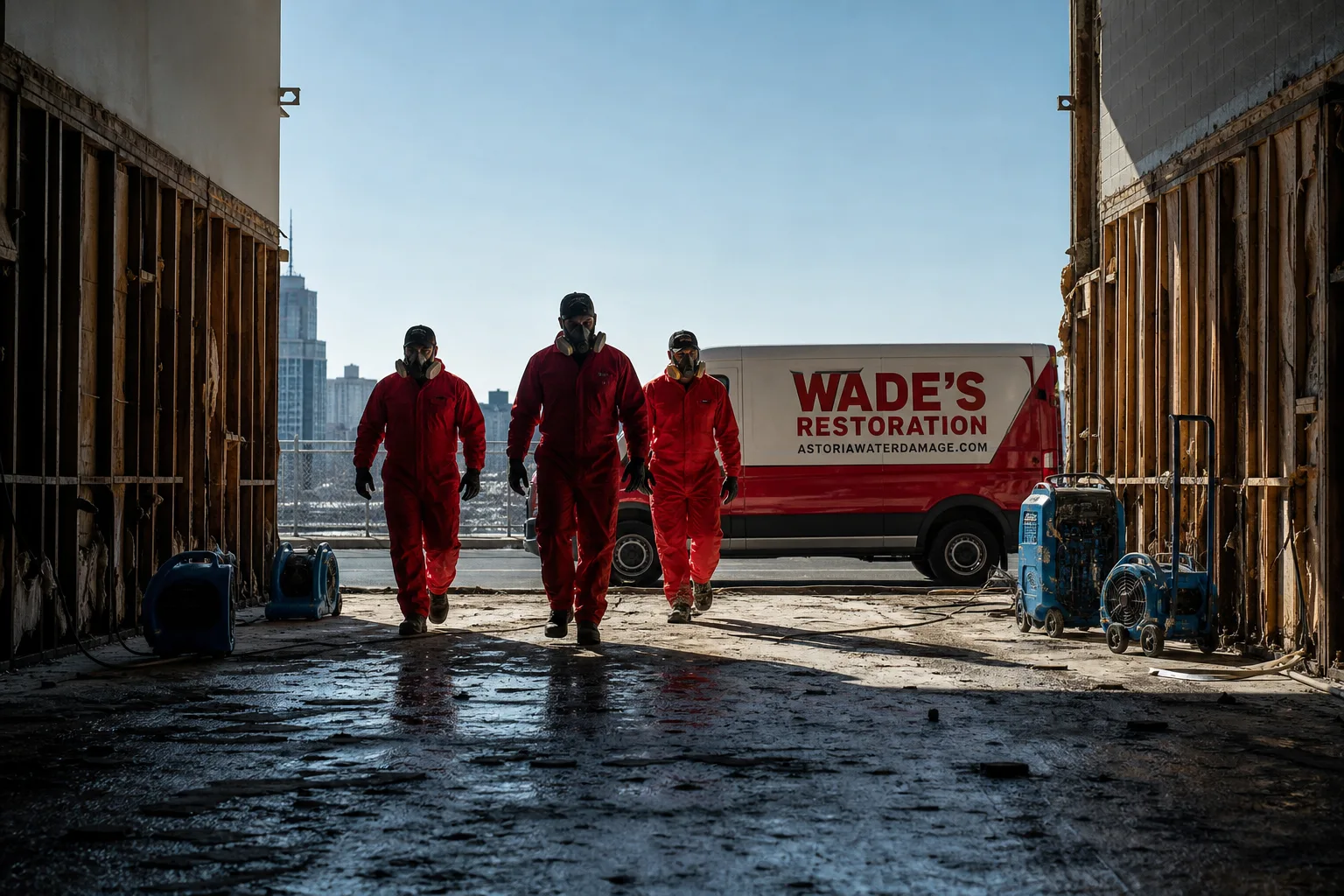
Free visual inspection and a written scope of work before any mitigation begins - photos, moisture readings, and drying logs go in your claim file
The scope we write is the scope we bill. Anything new gets shown to you, in writing, before we touch it.
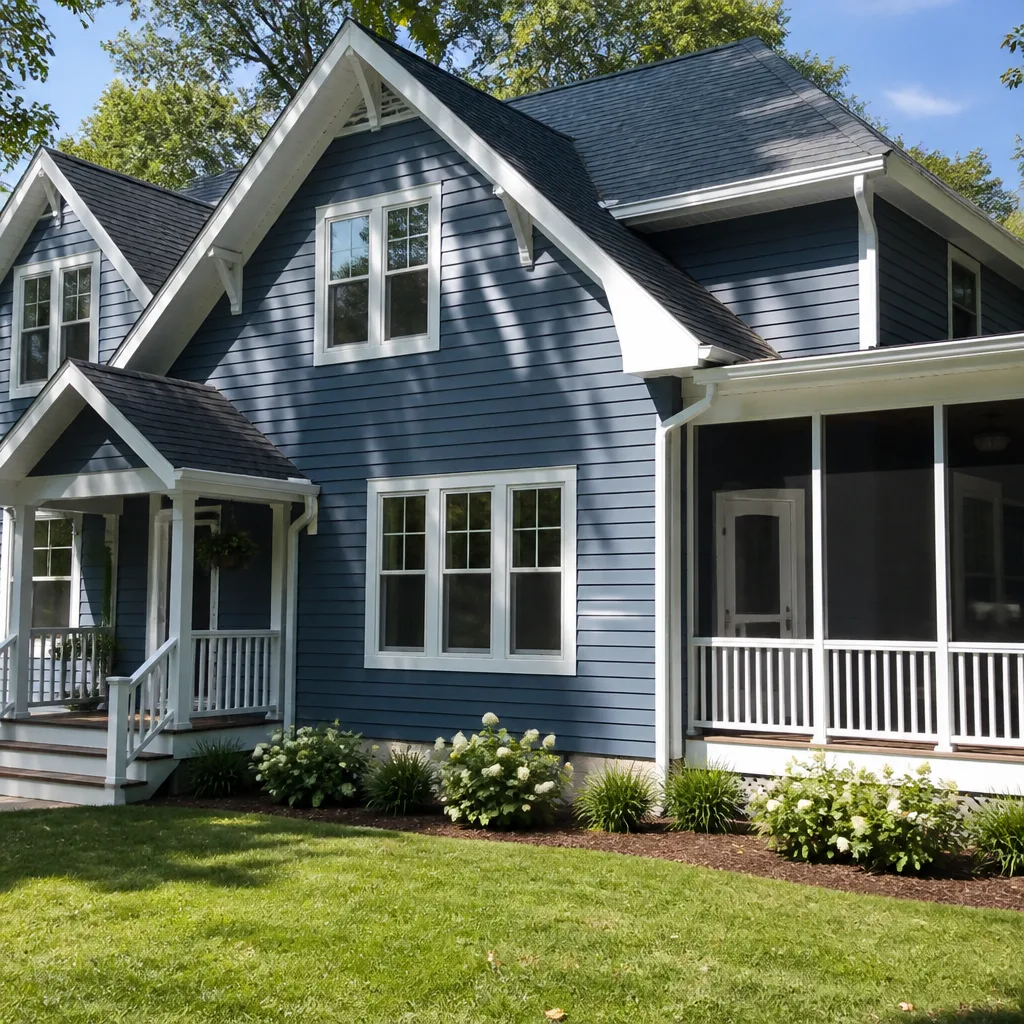
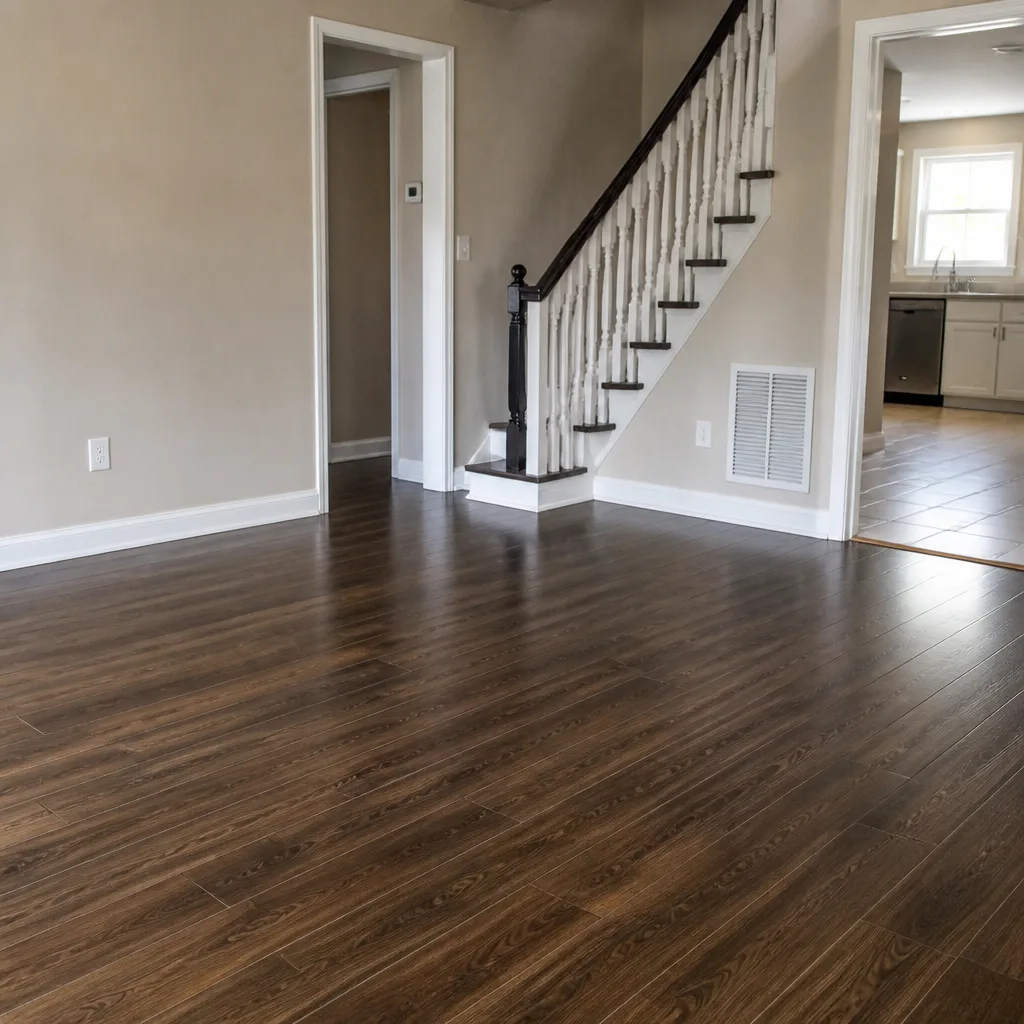
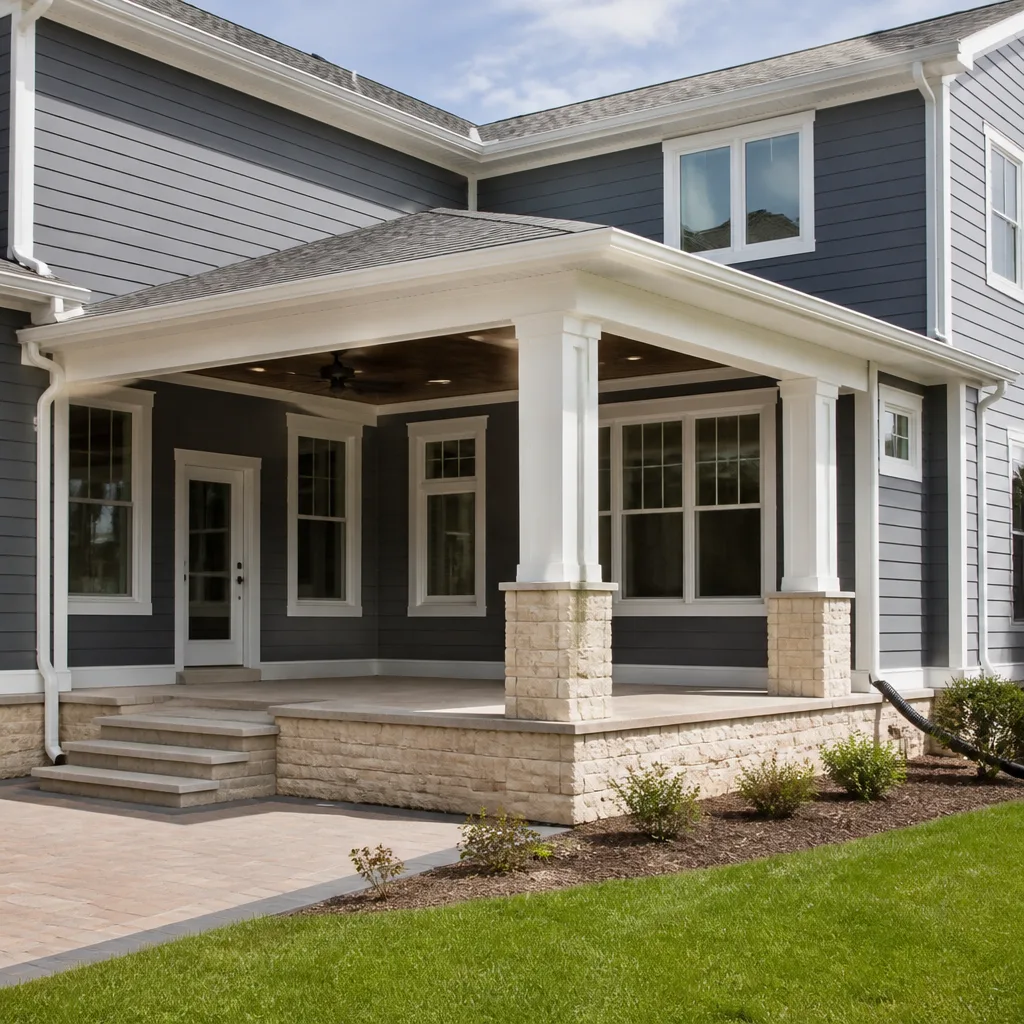
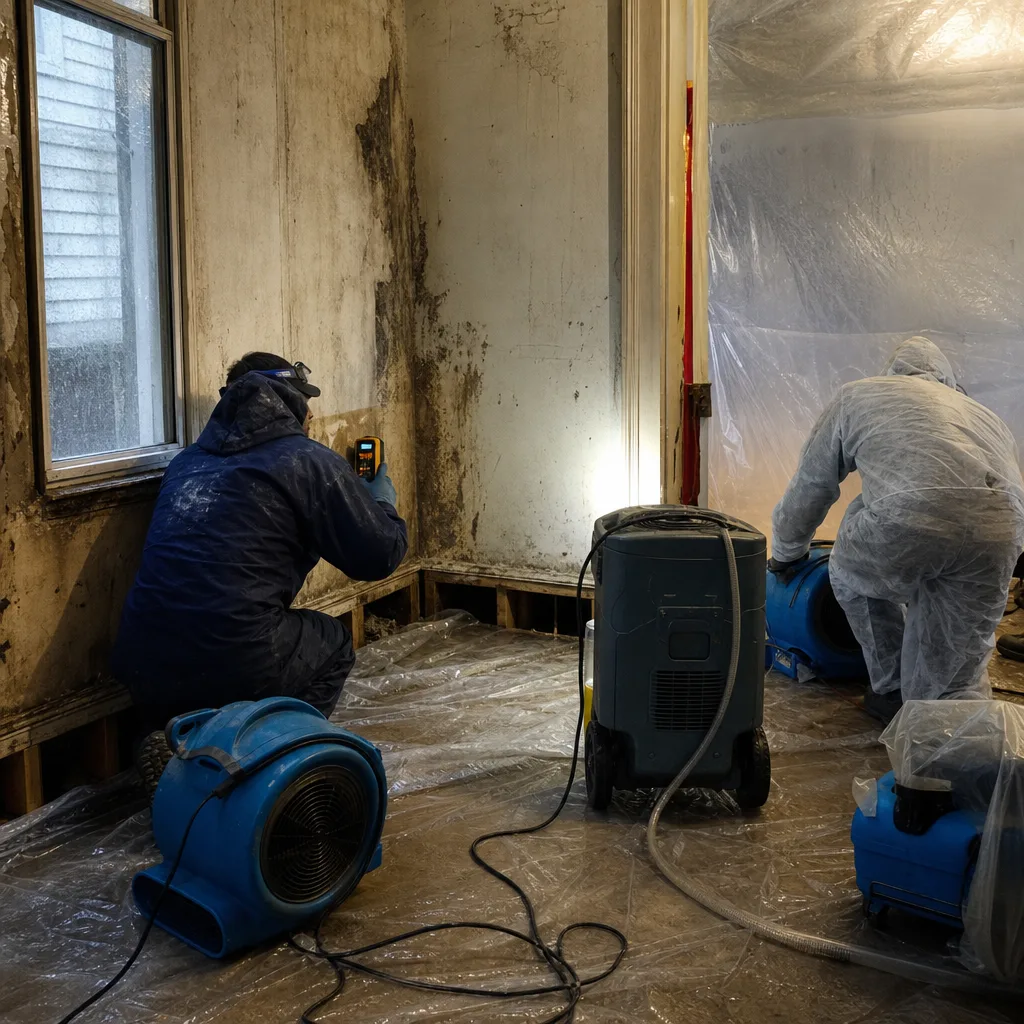 Before
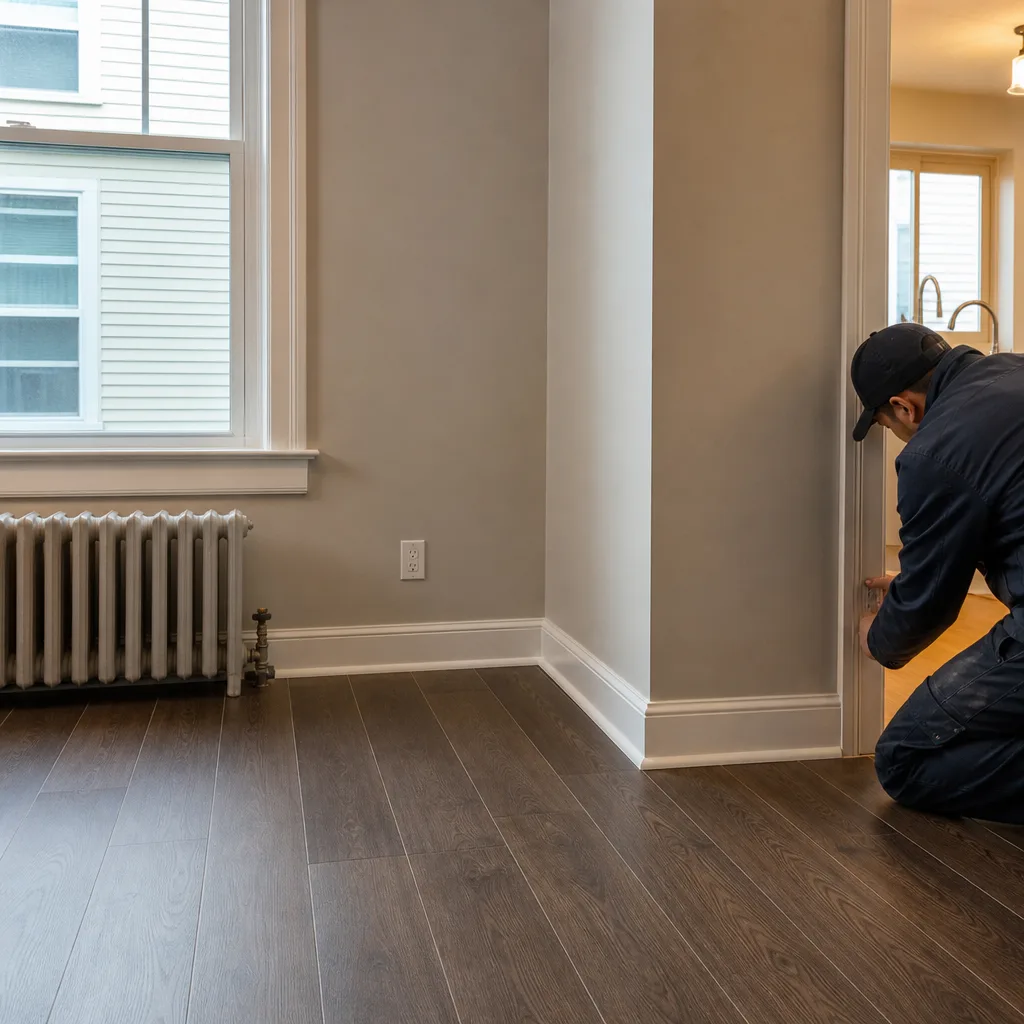 After
After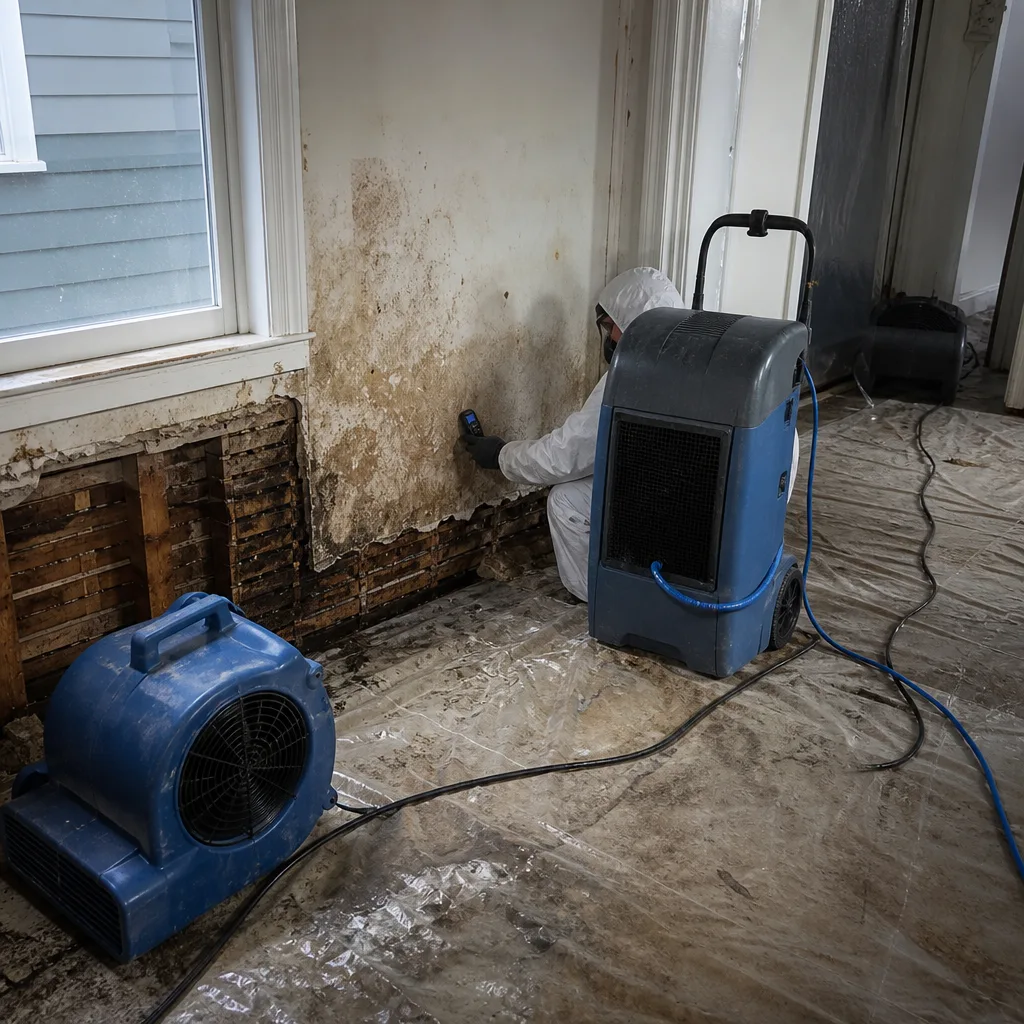 Before
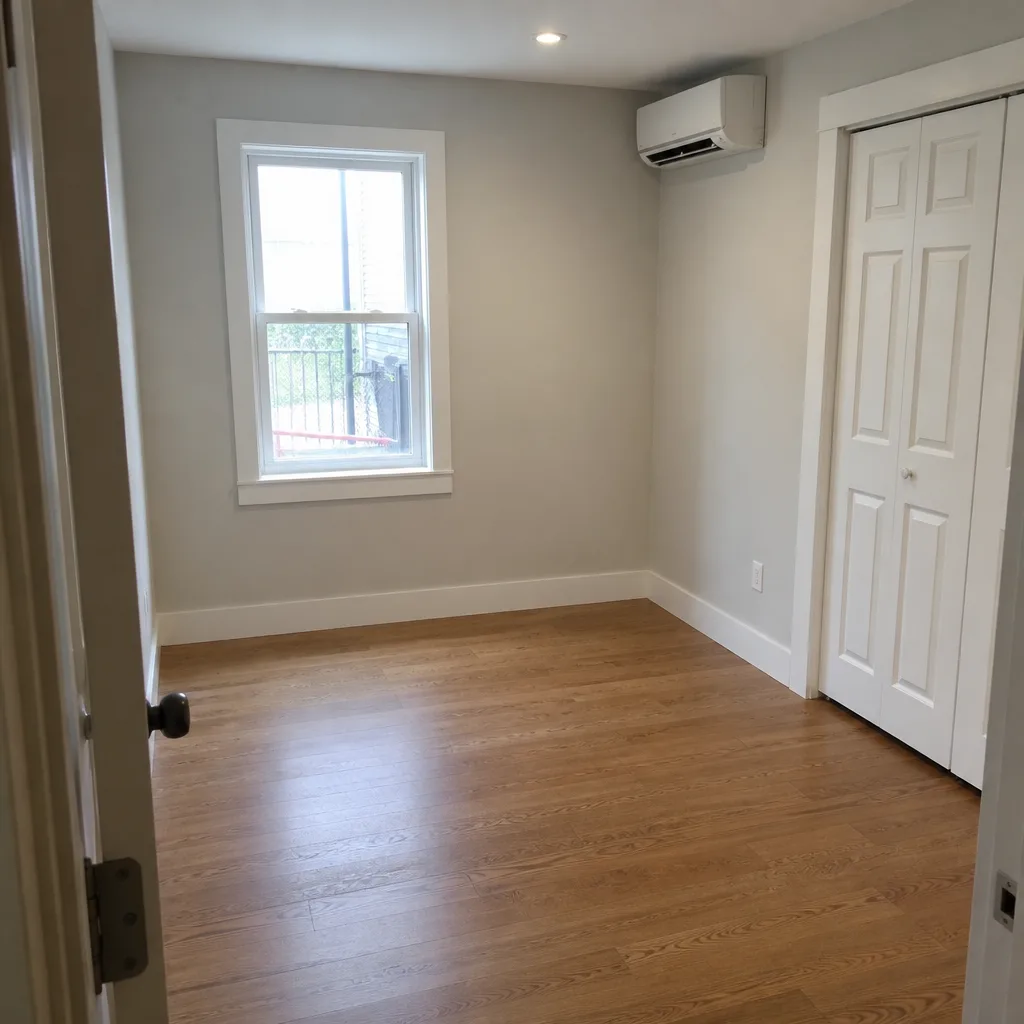 After
After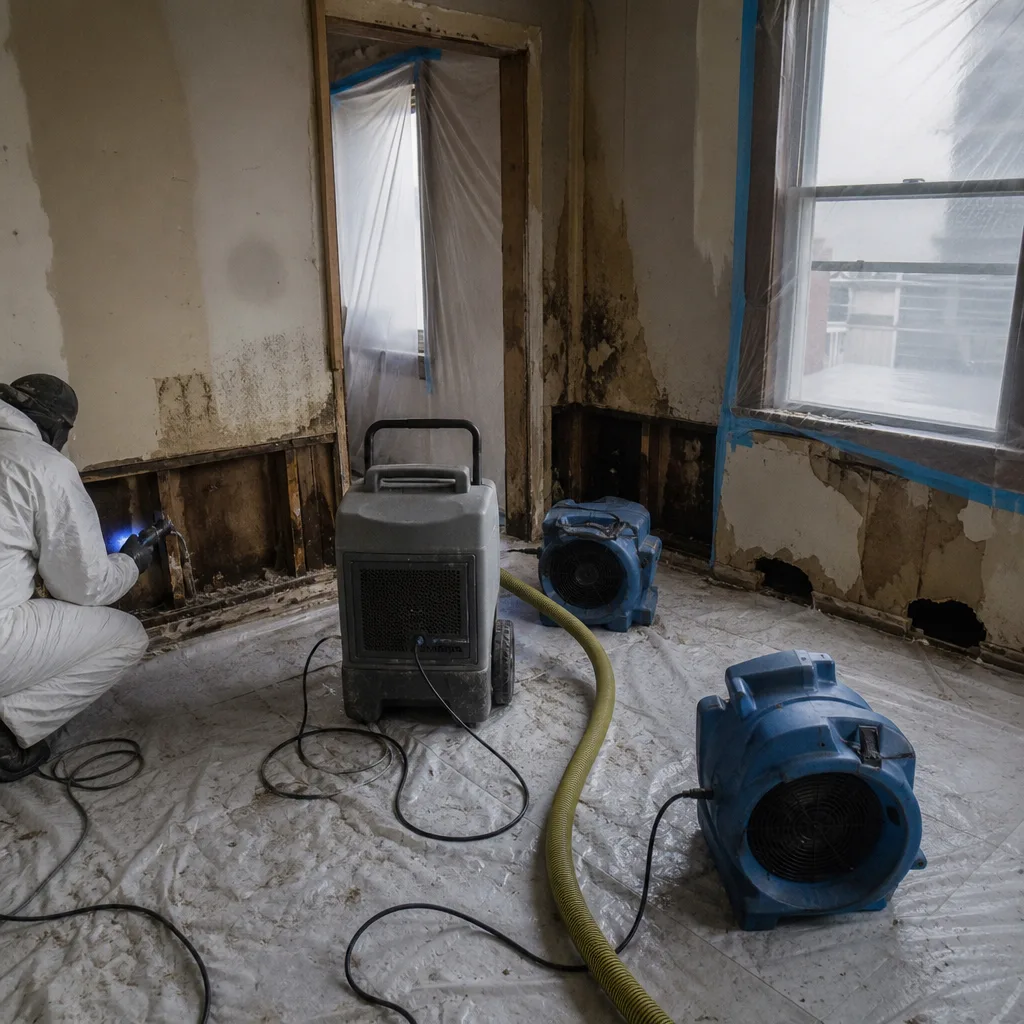 Before
 After
After24/7 Emergency Sewage Cleanup in Astoria
If you’ve got sewage backing up into an Astoria apartment or row house right now, stop reading and call (363) 208-1526. Wade answers his own phone, day or night, and can have a crew on the way to your block within 45 minutes. Sewage is Category 3 water: it carries bacteria, parasites, and viruses that don’t wait for business hours. Every hour it sits, the contamination spreads deeper into drywall, plaster, subfloor, and the cavities inside your walls. The first hour is when we can stop it cheapest.
We respond to Sewage Cleanup emergencies across Astoria around the clock, 365 days a year. A live person answers, not a machine. Wade is the one who picks up. He will ask you three questions: what’s coming up, where, and how long. Then he is on the road.
Understanding Sewage Cleanup Severity in Astoria Properties
Sewage backup is always a Category 3 water loss, which means it contains pathogens that can make people sick. Urine and feces are the obvious ones, but Category 3 also covers anything that came back up through a floor drain or toilet after passing through a sewer line. We treat every square inch of affected surface as contaminated, not just the spot you can see.
In Astoria’s pre-war stock that means something specific. The 3-to-6-story brick walk-ups and attached row houses built between 1920 and 1950 almost all share original cast-iron drain stacks. A backup on the fourth floor doesn’t stay on the fourth floor. It rides down the inside of that stack, seeps through cracked joints, and wicks into plaster-on-brick party walls. By the time a tenant reports the smell, Category 3 water has often migrated across two or three floors and into the adjoining unit. We run moisture mapping on every contiguous surface before we set containment, because the visible puddle is never the whole story here.
Why Astoria Property Owners Choose Wade’s Restoration
- 45-minute response commitment: Wade heads out as soon as you hang up, and our crews stage equipment before they arrive, so extraction starts fast.
- 24/7 live answer: No answering service, no voicemail, no “press 2 for emergencies.” A real person, usually Wade himself, picks up.
- IICRC-certified crews: Our team holds IICRC credentials including WRT (Water Restoration Technician) and ASD (Applied Structural Drying). RIA and IFA affiliations back the work.
- Free visual inspection: We come out and look. No charge for that. You get a written scope before any work starts, so there are no surprises.
- Direct insurance billing: We deal with your adjuster, send the photos and logs, and handle the paperwork so you are not stuck in the middle.
- One crew from start to finish: No handing you to a subcontractor. Extraction, drying, sanitization, and rebuild all run through Wade’s Restoration.
Our Sewage Cleanup Process
Inspection & Assessment
We map the full affected area, not just the visible spill. In Astoria walk-ups that means checking the unit below, the adjoining line, and the wall cavities behind the plaster. Thermal imaging shows us how far the water has traveled before we touch a thing.
Extraction & Stabilization
We remove standing black water with truck-mounted extraction. Then we contain the contaminated zone with critical barriers and negative air pressure so pathogens do not cross into clean rooms.
Drying & Dehumidification
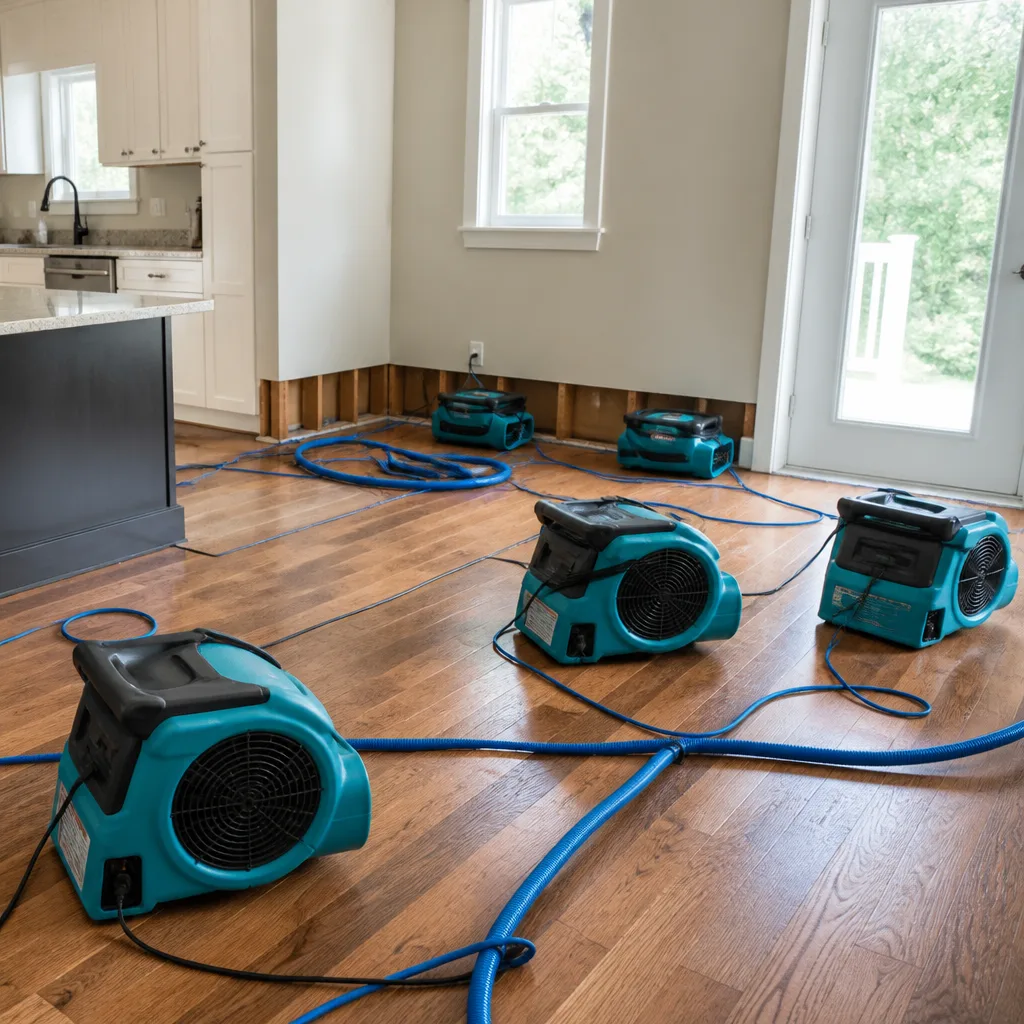
Dri-Eaz dehumidifiers and high-velocity air movers pull moisture from plaster, subfloor, and wall cavities. We log readings every single day and hand you the full moisture log at the end, so you can see exactly what dried and when it hit pre-loss condition.
Cleaning & Sanitization
We apply EPA-registered antimicrobial treatments to every affected surface and inject them into wall cavities where sewage has wicked behind plaster. Soft goods and porous materials that absorbed Category 3 water get documented and disposed of as biohazard waste.
Structural Drying Checks
Cast-iron stacks and plaster-on-brick assemblies dry slowly. We keep meters in place long enough to confirm the substrate, not just the surface, has returned to a stable moisture content before we clear containment.
Repairs & Restoration
If tear-out is required, we handle it and coordinate any city-mandated asbestos or lead surveys before walls or ceilings are opened. Then our crew rebuilds: new drywall or plaster patch, paint, trim, and flooring back to pre-loss condition as part of our Reconstruction & Cleanup in Astoria, covered by the 90-Day Done Right Promise.
Need Emergency Sewage Cleanup in Astoria Now?
Crews minutes away, answering live 24 hours a day. The sooner we start, the less it costs.
Working With Your Insurance Company
Sewage backup claims in Astoria get complicated fast. We document everything from the first hour so your carrier has what it needs to approve the claim without weeks of back-and-forth. Photos, room by room. Moisture readings taken every day and logged. A detailed, line-item scope of work with local pricing, not national averages. Wade talks to your adjuster directly, so you are not the one relaying information between two sides. We have done this thousands of times since 2007, and the biggest delay in any claim is almost always missing documentation, not the damage itself. Here is what we hand your insurer:
What We Provide Your Insurer
- Thorough documentation of the loss
- Photos of all damage, room by room
- Moisture readings and drying logs
- A detailed, line-item scope of work
- Direct coordination with your carrier
Built for Astoria’s Loss Calendar
Astoria’s sewage backup calls follow a pattern we know well. January and February cold snaps hammer old cast-iron and clay sewer laterals running under 31st Street, Broadway, and the side streets off Steinway. Freeze-thaw cycles crack brittle pipe, and tree roots find those cracks. Spring brings the thaw and a surge of backups as ground shifts around century-old lines. Summer thunderstorms in northwestern Queens overwhelm combined storm-sanitary sewers during heavy convective downpours, pushing sewage back up through basement floor drains along the low-lying blocks near the East River. And nor’easters in fall and winter can do the same on blocks around Hallets Cove. The building stock makes it worse: pre-war attached apartments and row houses share waste stacks, so one backup spreads sideways in ways a standalone house never experiences. That is exactly the kind of thing we plan for when we set drying and containment in an Astoria building.
Sewage Cleanup Across Astoria’s Neighborhoods
We know the territory by block, not just by zip code. Along the Ditmars corridor and Astoria Heights, we see a lot of fourth- and fifth-floor toilet overflows in pre-war walk-ups where a cracked cast-iron waste stack carries black water down through the building before anyone notices. In the 30th Avenue and Broadway strips, ground-floor restaurants and apartments deal with floor drain backups when aging building laterals meet street mains under pressure. Over by Astoria Park and the blocks near Hallets Point, the old two-family attached row houses along 14th Street and 21st Avenue have crawl spaces and shallow basements that hold sewage from line breaks until the smell forces a call. And along 36th Avenue near the N/W corridor, we are often in early-20th-century apartment buildings where steam radiators and waste stacks share a wall, which means a radiator condensate drip and a slow sewage seep look identical from the outside until someone opens the plaster.
On 31st Avenue near the Ditmars corridor, a 1927 six-unit walk-up had a toilet overflow on the fourth floor that tracked black water through a cracked original cast-iron waste stack. Our crew ran moisture readings across three floors, found the effluent had wicked into the party wall behind the plaster, and set containment on both the third and fourth units before extracting standing water, injecting antimicrobial treatment into the wall cavity, and logging structural drying with Dri-Eaz dehumidifiers and air movers until the pre-loss condition was restored.
Specialized Sewage Cleanup Services We Offer in Astoria
Sewage Backup Cleanup
When a floor drain or toilet backs up in an Astoria building, the first thing we do is find where the water actually went. In attached brick structures that means checking the unit below and the adjoined line. We extract, contain, provide Sanitization Services in Astoria, and dry to pre-loss condition. The 90-Day Done Right Promise covers every part of it in writing.
Toilet Overflow Cleanup
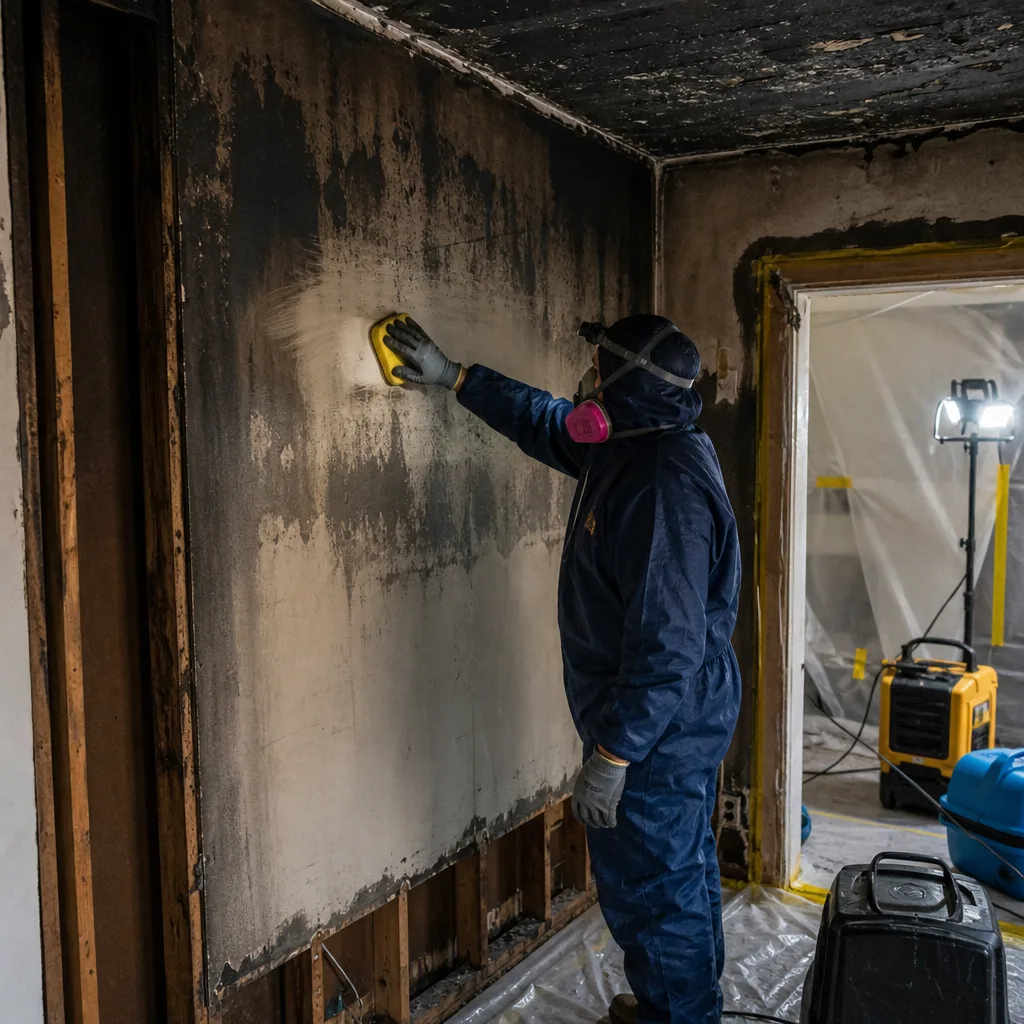
A toilet overflow on an upper floor of a pre-war walk-up is not a small job. The water travels down through the slab and ceiling assembly, and plaster ceilings hold it longer than drywall. We map the migration path before we pull anything apart, then extract and sanitize the full route.
Black Water Extraction
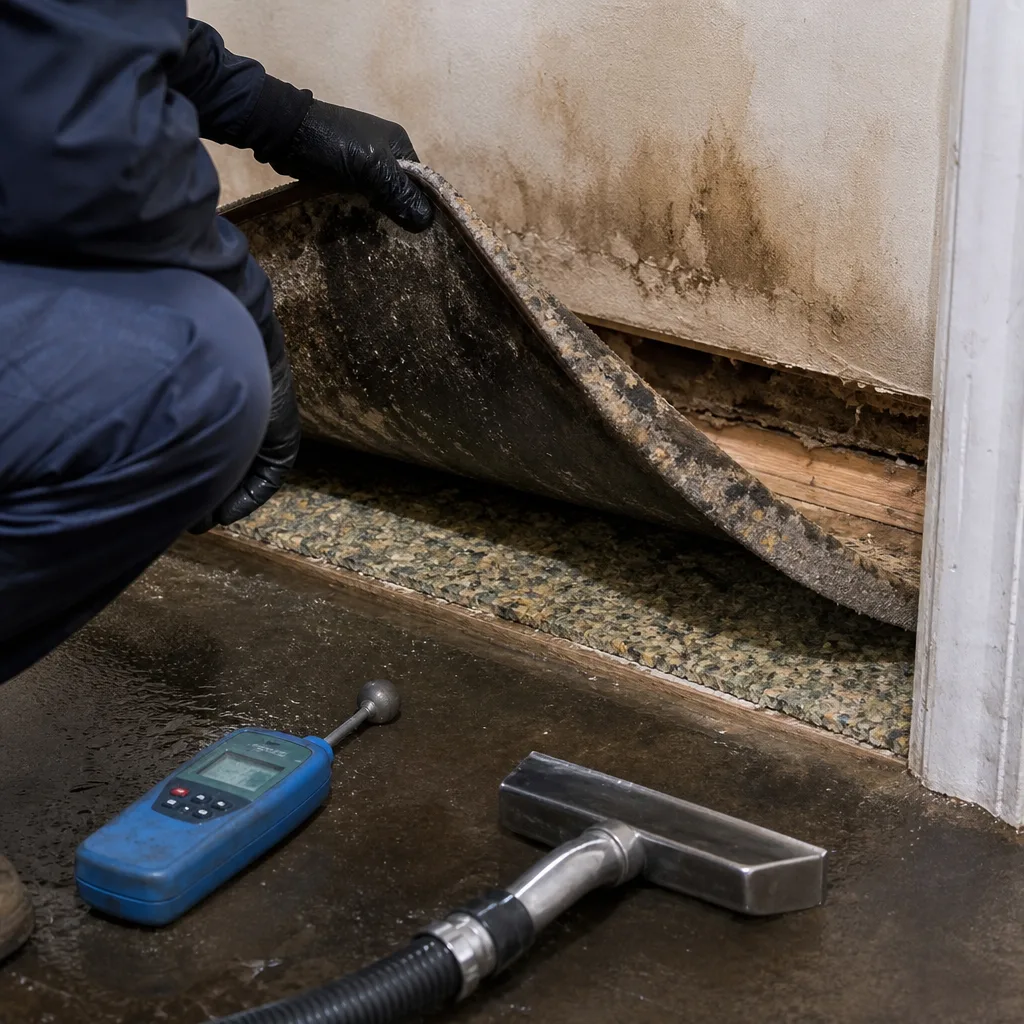
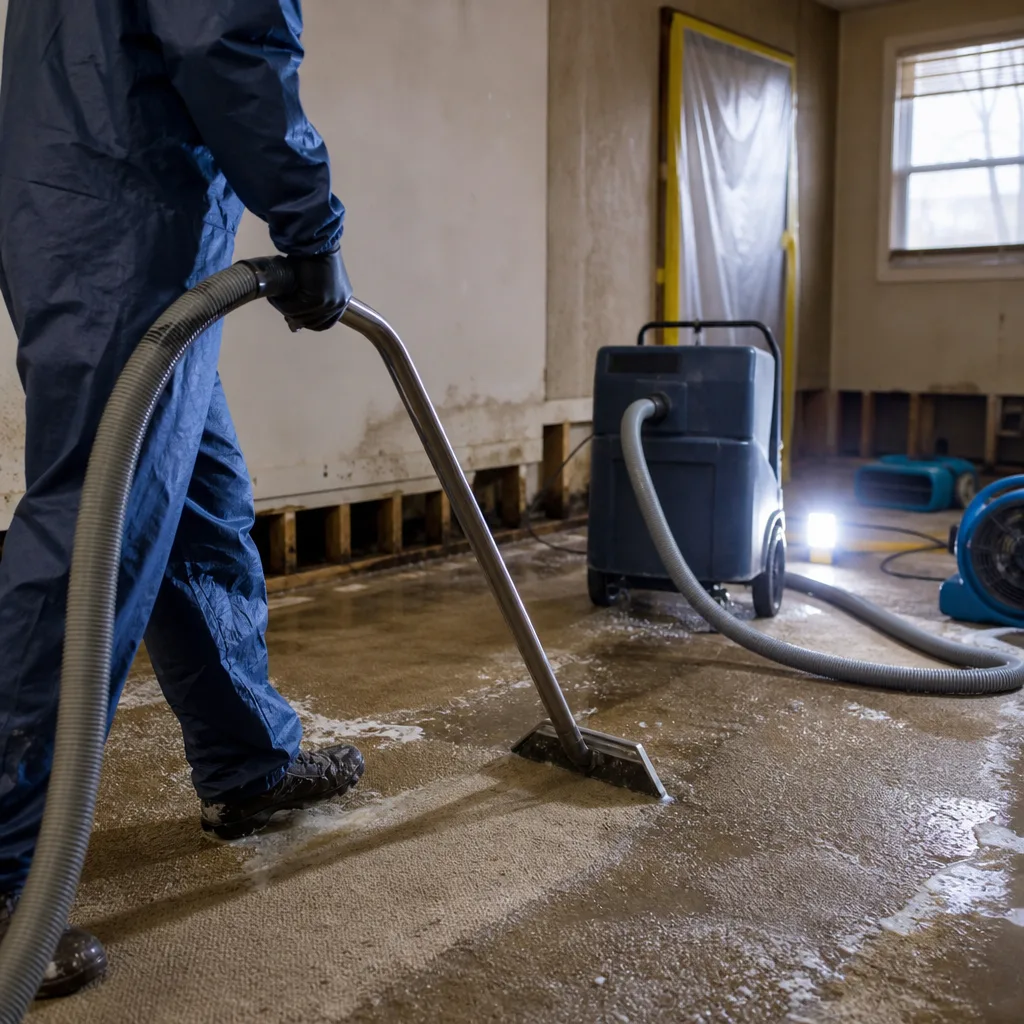
Category 3 water from a sewer or outside flood source needs more than a wet vac. We remove it with truck-mounted extraction, then treat every affected surface with EPA-registered antimicrobials. In crawl spaces and shallow basements around Astoria’s row-house blocks, we bag and remove contaminated porous material entirely.
Sanitization & Disinfection
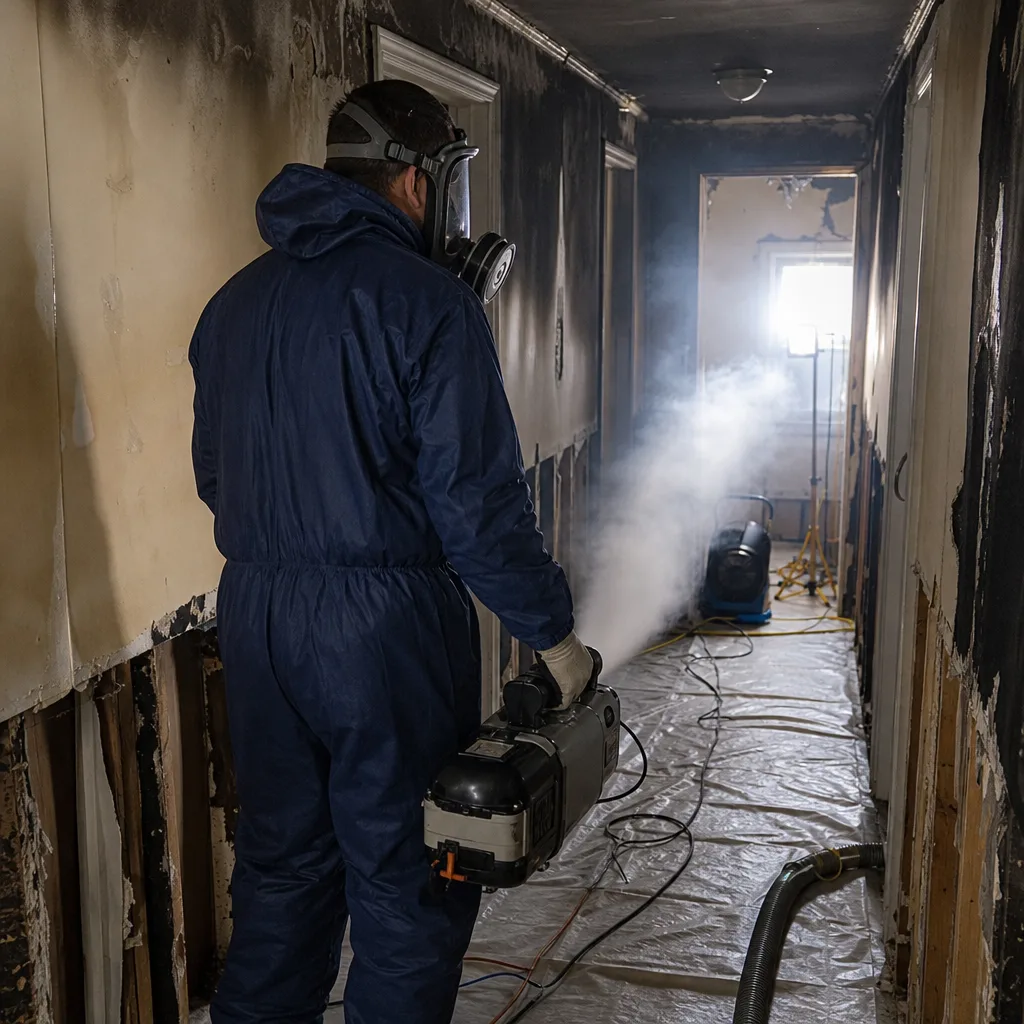
After the water is gone, the pathogens are not. We fog and wipe every contaminated surface, inject antimicrobial into wall cavities, and run HEPA air scrubbers until the air inside the contained zone tests clean. This is the step that decides whether the building is safe for tenants again.
Crawl Space Sewage Removal
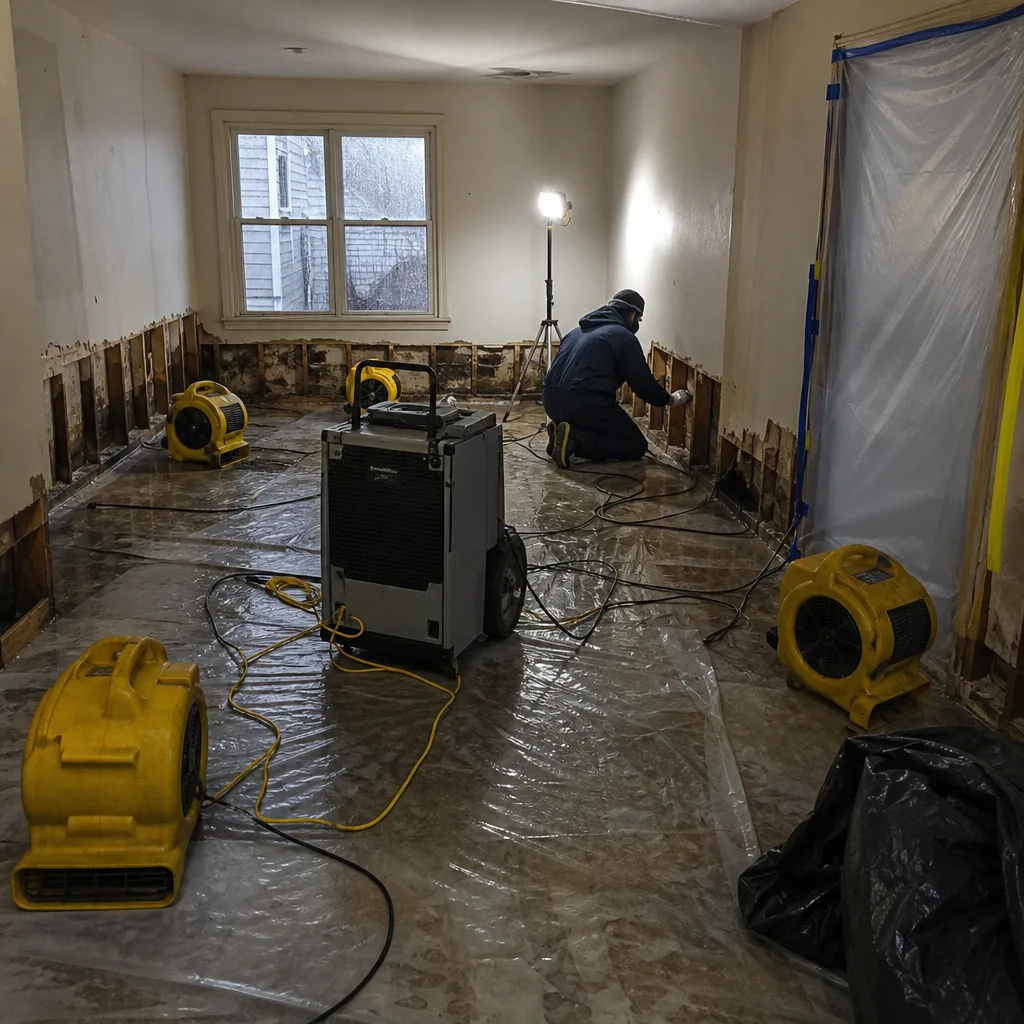
Astoria’s attached two- and three-family row houses often sit over shallow crawl spaces that collect sewage from a broken line running under the foundation. We pump it out, remove contaminated soil and debris, treat the framing and subfloor, and dry the cavity so mold does not take hold in the dark.
What happens when you call
- 1
A real person answersNo phone trees - you reach a local pro.
- 2
You get an upfront price rangeHonest numbers before anyone is dispatched.
- 3
A background-checked tech heads outLicensed & insured, dispatched right away.
- 4
You approve before work beginsNothing starts until you say go.
Sewage Cleanup Costs in Astoria, NY
A straightforward sewage backup cleanup in Astoria, where water is contained to one bathroom or a section of basement floor, typically runs $1,800 to $4,500. A multi-floor backup in a pre-war walk-up, where black water has tracked through a waste stack and wicked into party walls, runs higher: $6,000 to $18,000 depending on how many units are involved, whether containment and pack-out are required, and whether asbestos or lead surveys delay tear-out. Crawl space sewage removal under a row house usually lands between $3,500 and $9,500. Most homeowner policies cover sewage backup as a separate endorsement, not as standard water damage, so we verify coverage on the first call. In an Astoria cooperative or condo, the building’s master policy often covers structural components while the unit owner’s policy covers contents and betterments. We navigate both sides of that split with your adjuster. The free visual inspection turns all of this from guesswork into a line-item scope before you approve a dollar.
We Also Serve Cities Near Astoria
Our crews handle sewage emergencies in Astoria and the surrounding Queens neighborhoods, including Long Island City to the south and Flushing to the east. Same live answer, same 45-minute response, same written scope before work starts.
Serving Astoria, NY - Our Local Coverage Area
We’re based in the Astoria area and know this community well. Use the map below to see our service coverage - if you’re nearby, we can almost certainly help.
Astoria Sewage Cleanup Questions, Answered
How does a sewage backup in one Astoria apartment affect the unit next door?
It affects it directly, because pre-war Astoria walk-ups share drain stacks and party walls. Contaminated water from one unit’s backup travels through cracked cast-iron joints or wicks laterally through plaster-on-brick assemblies into the adjoining apartment before any visible stain appears there. We always moisture-map the floor below and the adjoined line before setting containment, because the visible spill is rarely the full extent of the loss. Call (363) 208-1526 and we will be there.
Do we need an asbestos survey before you open walls for sewage cleanup in a 1920s Astoria walk-up?
If the building predates 1987, New York City requires an asbestos and lead survey before any wall or ceiling is opened for tear-out. That survey can add a day or two before hands-on remediation starts, which is why we document the spread immediately and can often begin extraction, containment, and surface sanitization while the survey is being scheduled. For larger properties, we also coordinate Astoria Commercial Restoration planning during this phase. We coordinate the process so you are not stuck figuring out DEP requirements on your own.
What’s the difference between Category 3 sewage water and a clean water leak when it comes to drying an Astoria basement?
Clean water from a supply line breach dries with standard dehumidification and air movement. Category 3 water, which is what you get with any sewage backup, carries pathogens and requires containment, antimicrobial treatment, and disposal of porous materials that absorbed it. Drying alone does not make it safe. In a pre-war Astoria basement with concrete and old masonry, we also run moisture meters on the walls themselves, because brick soaks water like a sponge and holds it against the framing.
Why do sewage backups in Astoria row houses often require pack-out of the ground-floor unit?
Because the ground floor is where the water lands. In the attached two- and three-family row houses common around Astoria, a backup in the main waste line surfaces in the ground-floor bathroom or kitchen. Furniture, rugs, stored boxes, and personal items in the path of the flow absorb contaminated water and become unsalvageable. We document each item, photograph it for your adjuster, and remove what cannot be cleaned so the structure underneath can dry properly.
Can you restore a crawl space under an Astoria pre-war row house after a sewage line break?
Yes. We pump out the contaminated water, shovel out affected soil, bag and dispose of any sewage-soaked debris, then treat the framing and subfloor with antimicrobial and run drying equipment until the space reaches a stable moisture reading. Crawl spaces under old row houses are tight, dark, and rarely ventilated, which makes them a fast mold incubator, so speed matters. Call (363) 208-1526 and we will get started.
How fast can you actually get to my Astoria apartment?
Inside 45 minutes in most cases. We answer the phone live 24/7, no answering service, and Wade heads out as soon as we know the address. Crews stage in the area and carry extraction equipment on the truck, so work starts the moment we walk in the door.
Will my insurance cover a sewage backup in Astoria?
Most homeowner and condo policies cover sewage backup only if you have a specific backup endorsement. Many Astoria co-op and condo owners discover they do not have it until the first incident. We check your policy on the first call, talk to your adjuster, and if coverage is not there, you still get the free inspection and a line-item scope before you commit to anything.
What should I do in the first 30 minutes while I wait for you?
Do not flush anything else, do not run water in any fixture. Shut off the water supply to the affected fixture if you can reach it safely. Move people and pets out of the affected room and close the door. Do not try to clean sewage yourself. Do not run a fan, because that blows contaminated particles into clean rooms. Then call (363) 208-1526 and we will be there before you know it.
Written by Wade Ferris, Owner at Wade’s Restoration, serving Astoria since 2007.