
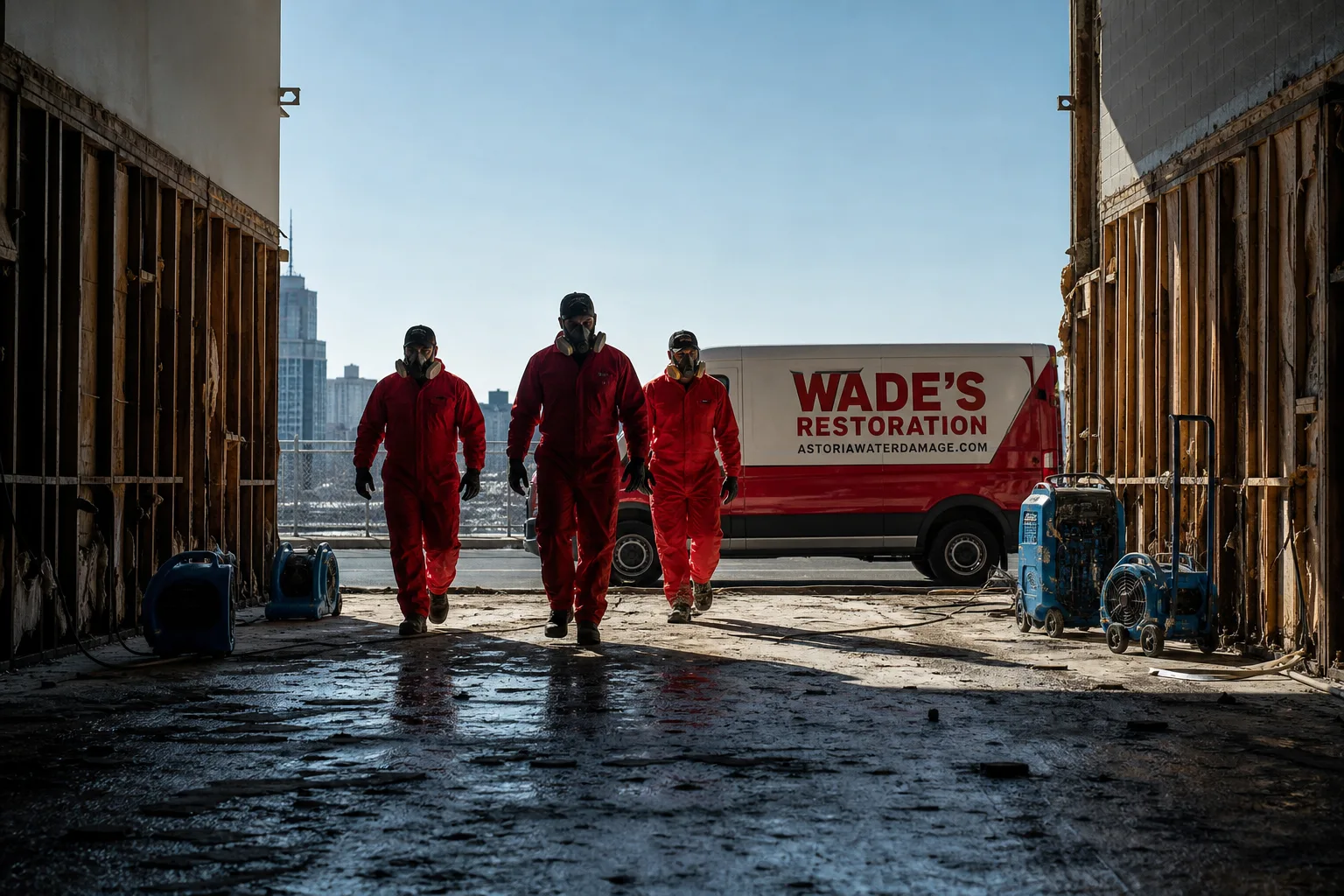
Free visual inspection and a written scope of work before any mitigation begins - photos, moisture readings, and drying logs go in your claim file
The scope we write is the scope we bill. Anything new gets shown to you, in writing, before we touch it.
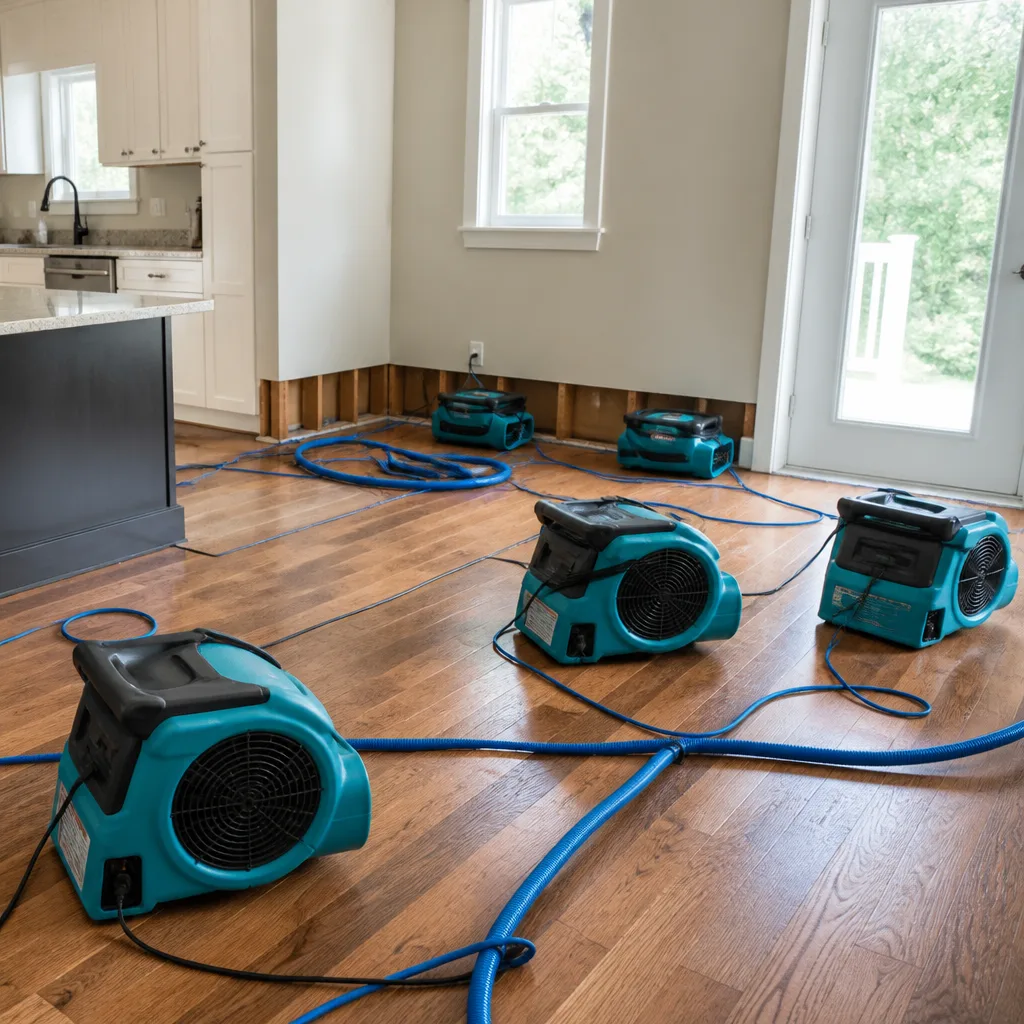
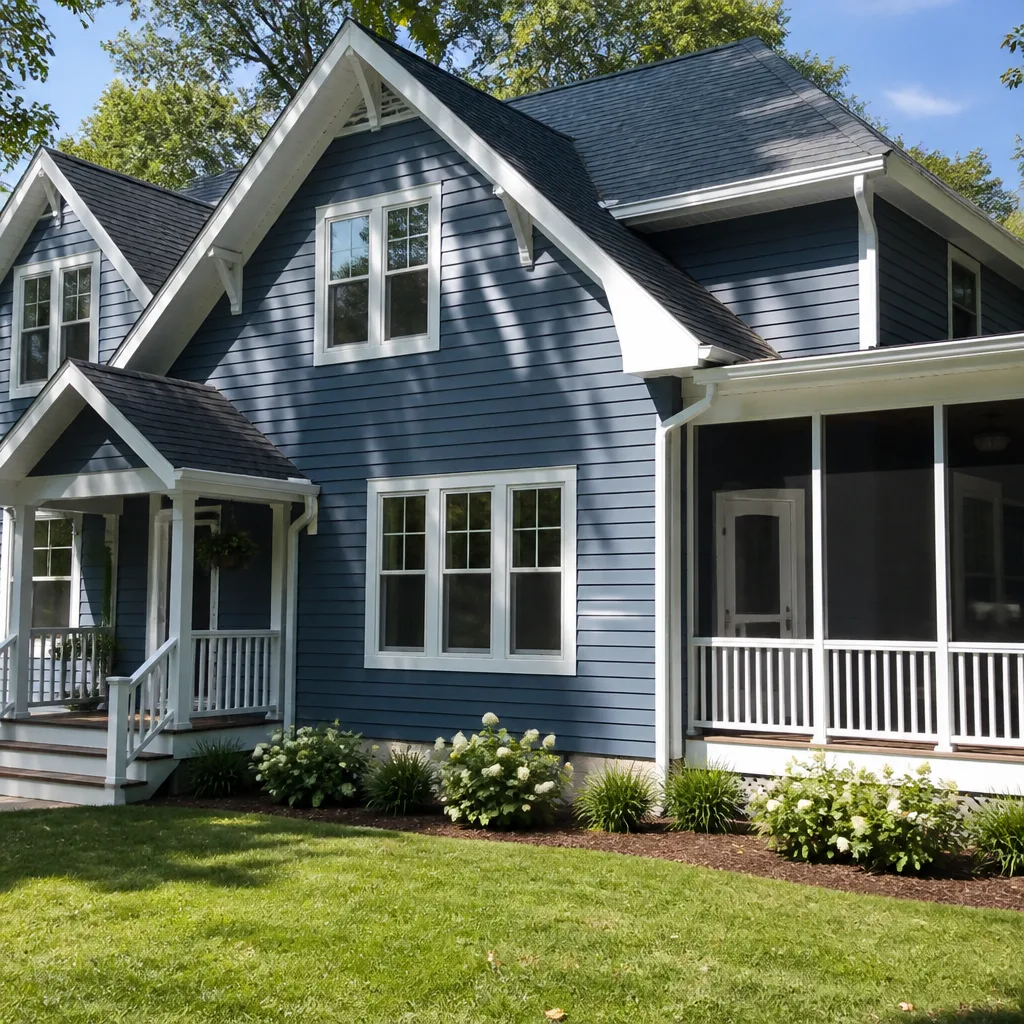
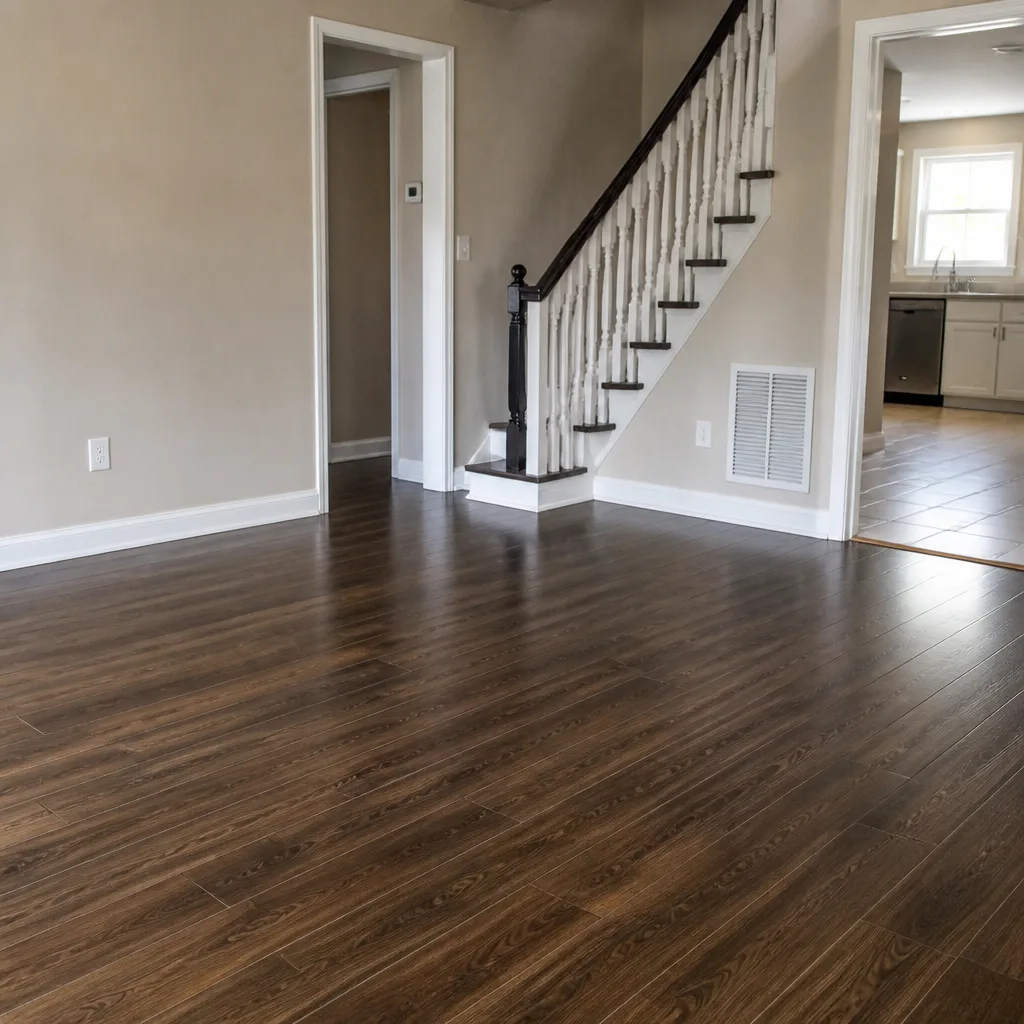
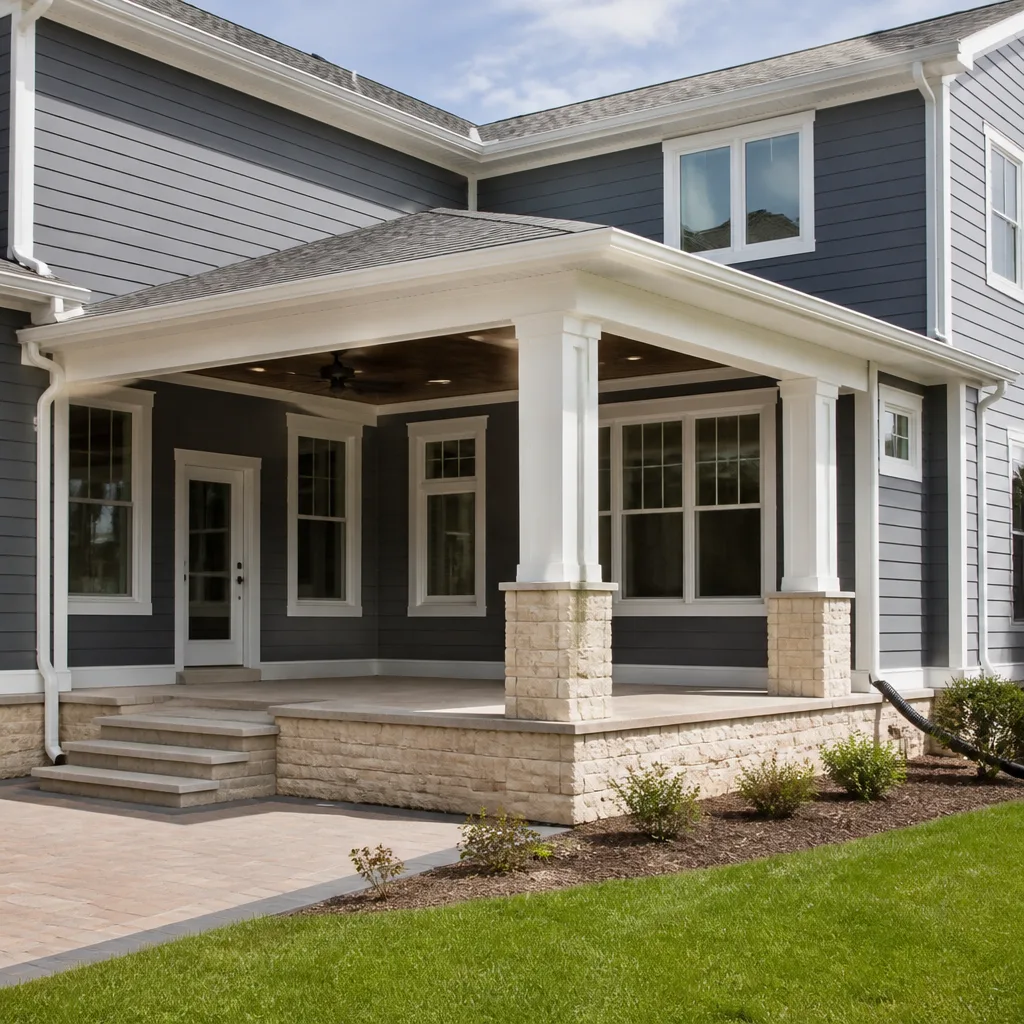
 Before
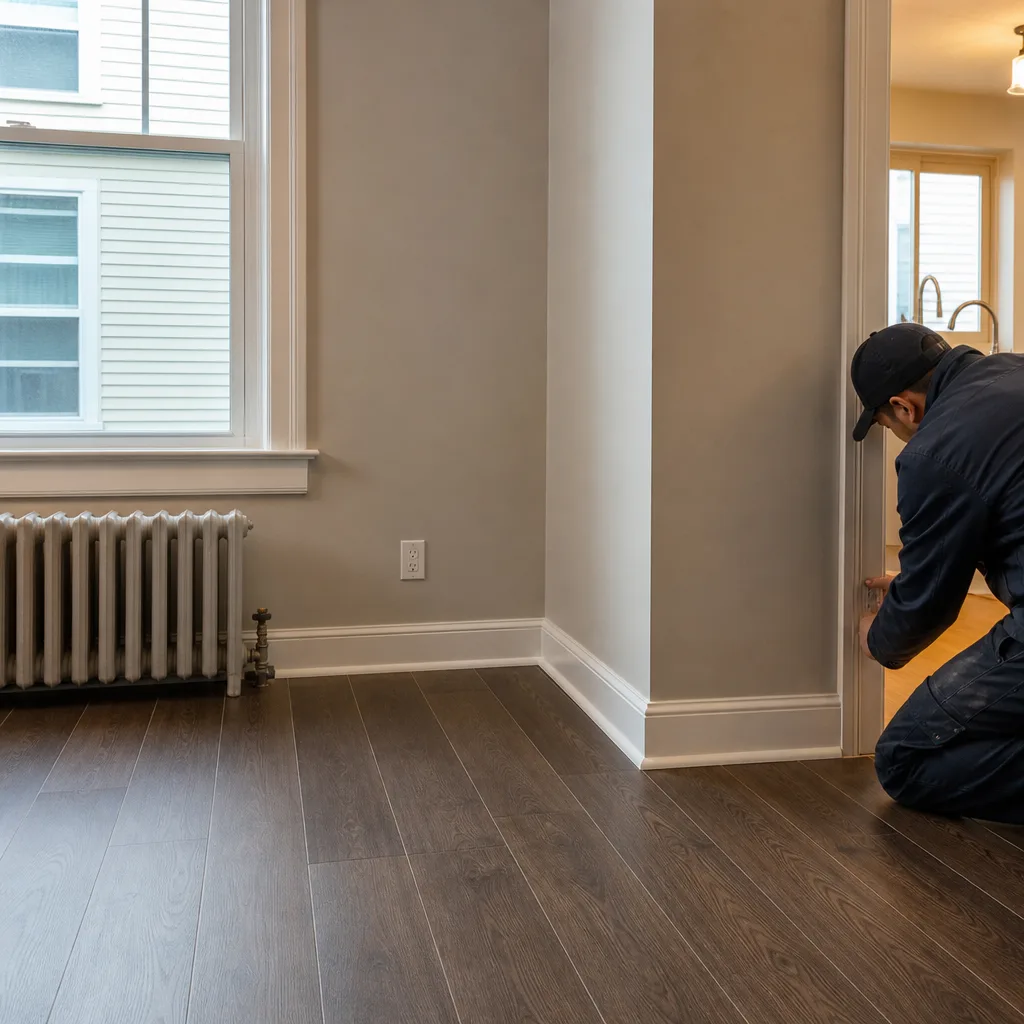 After
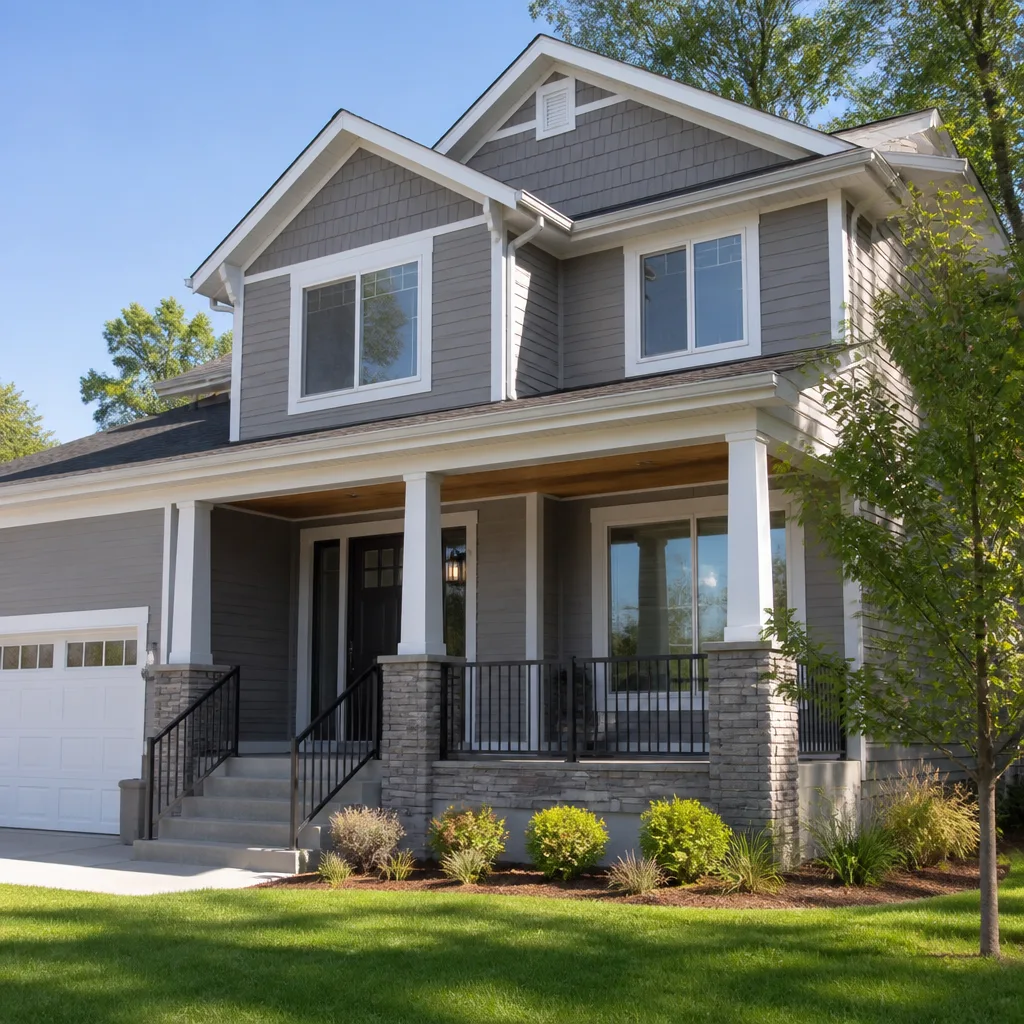
After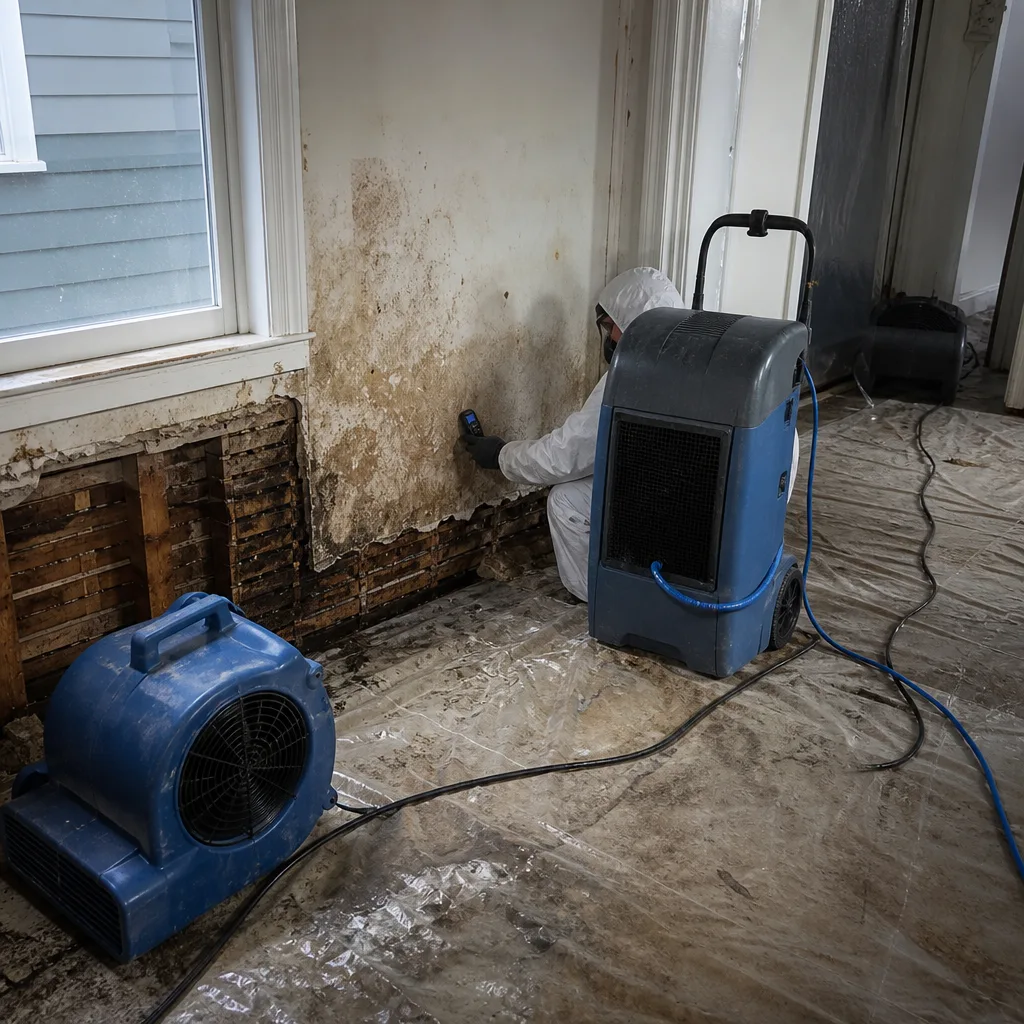 Before
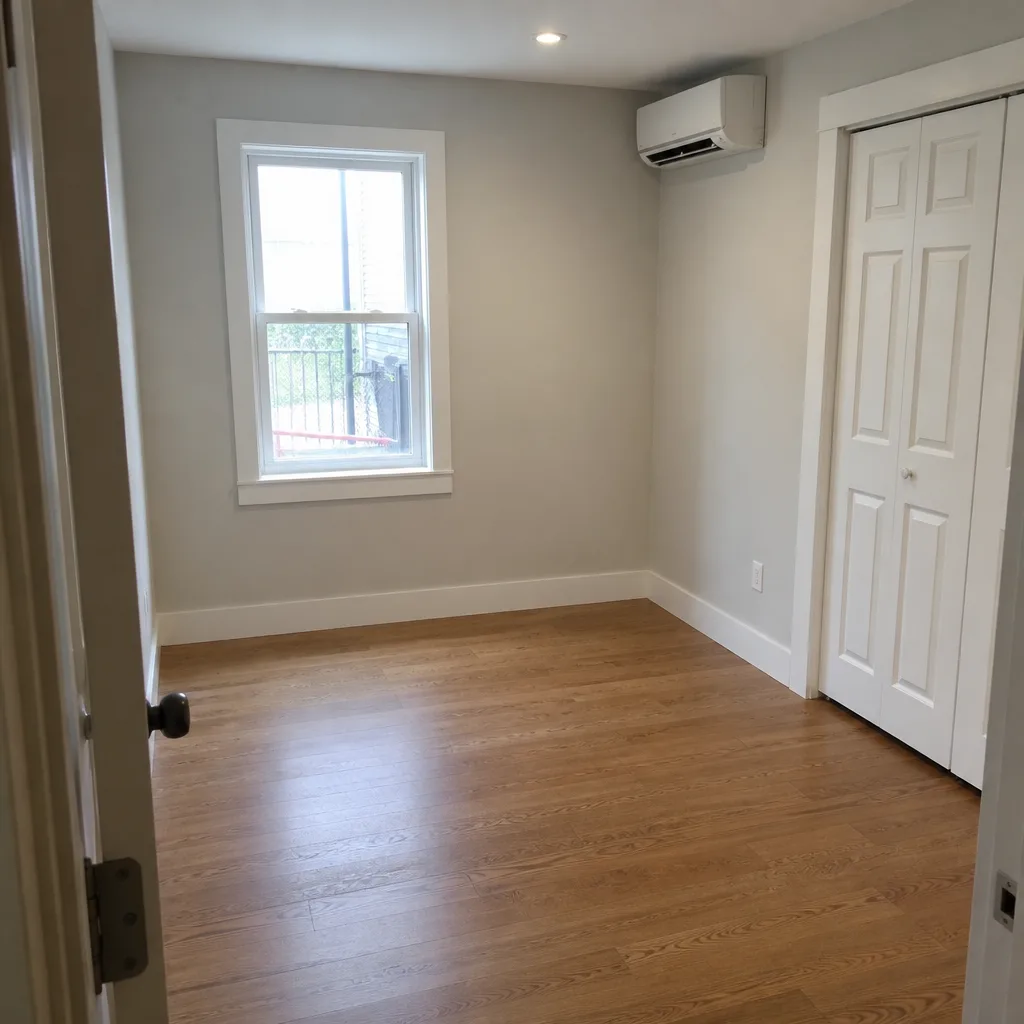 After
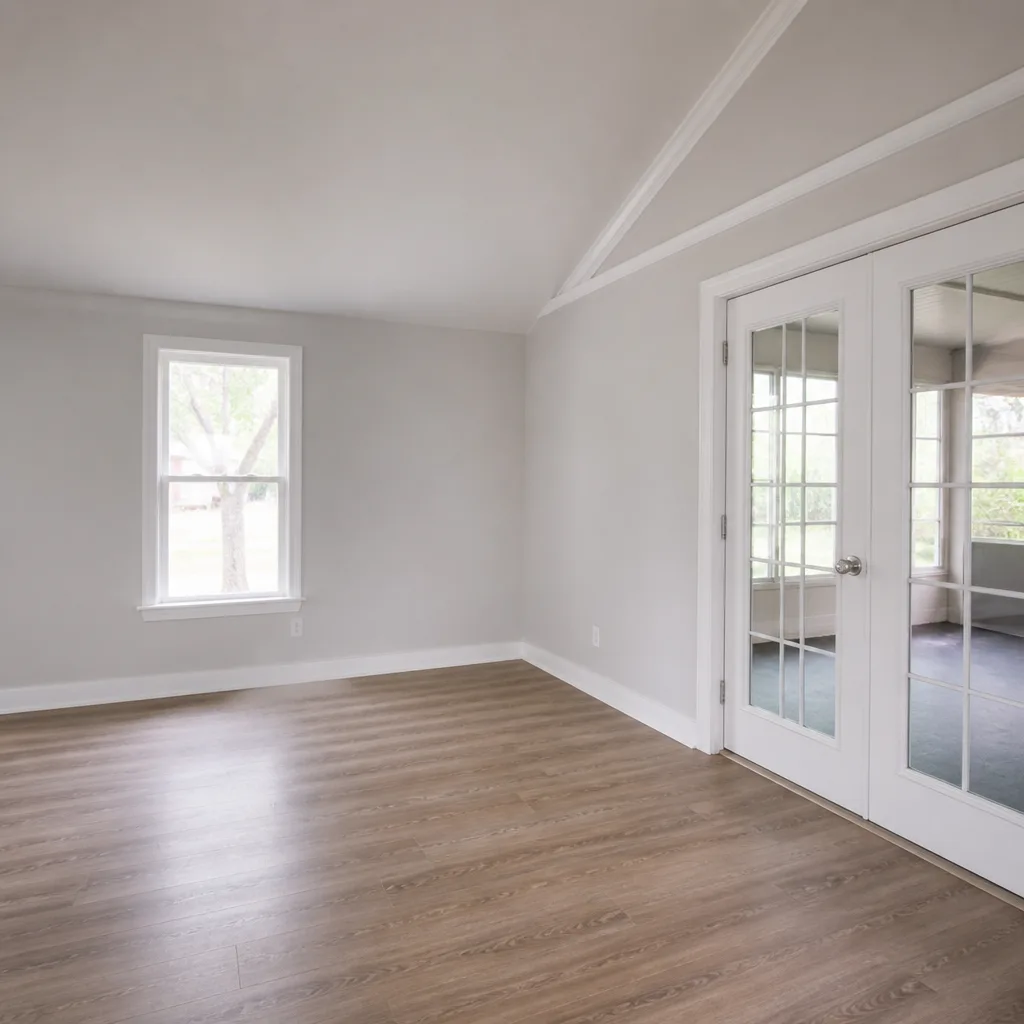
After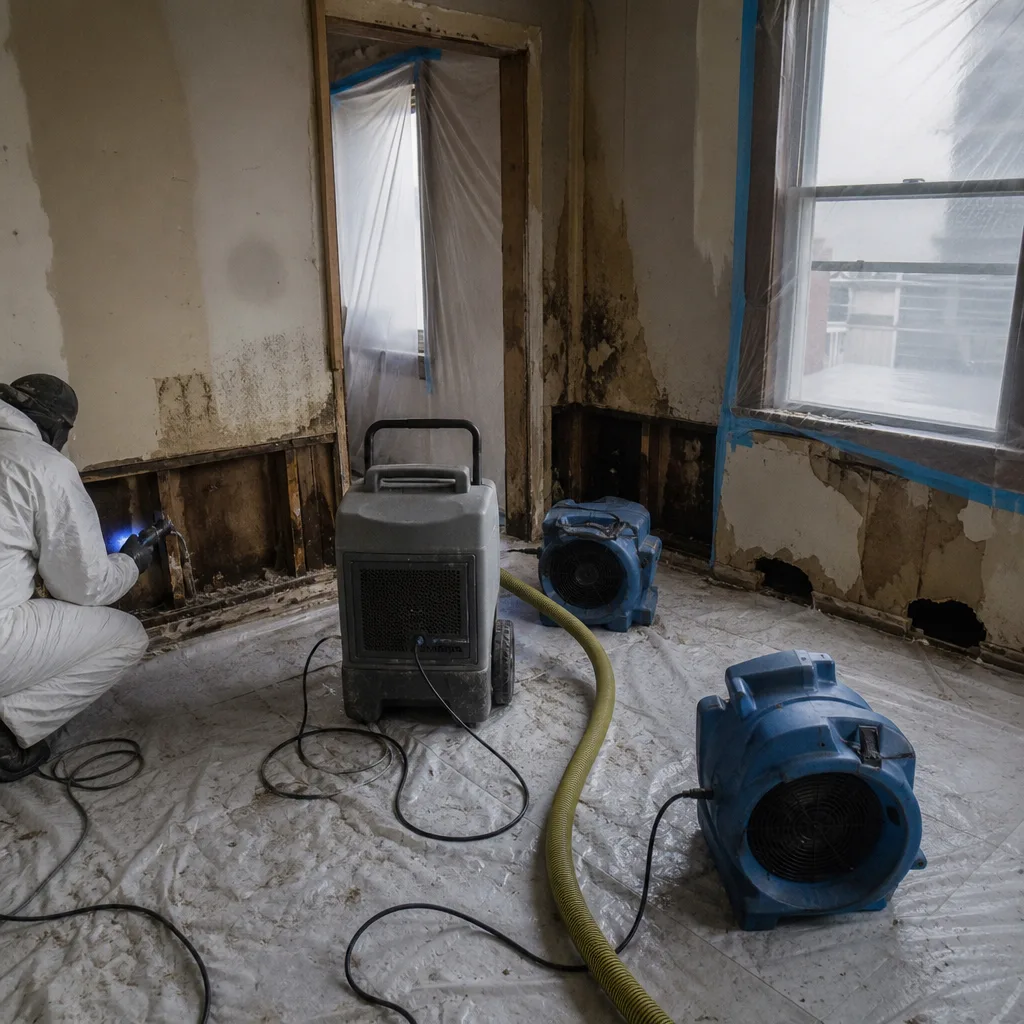 Before
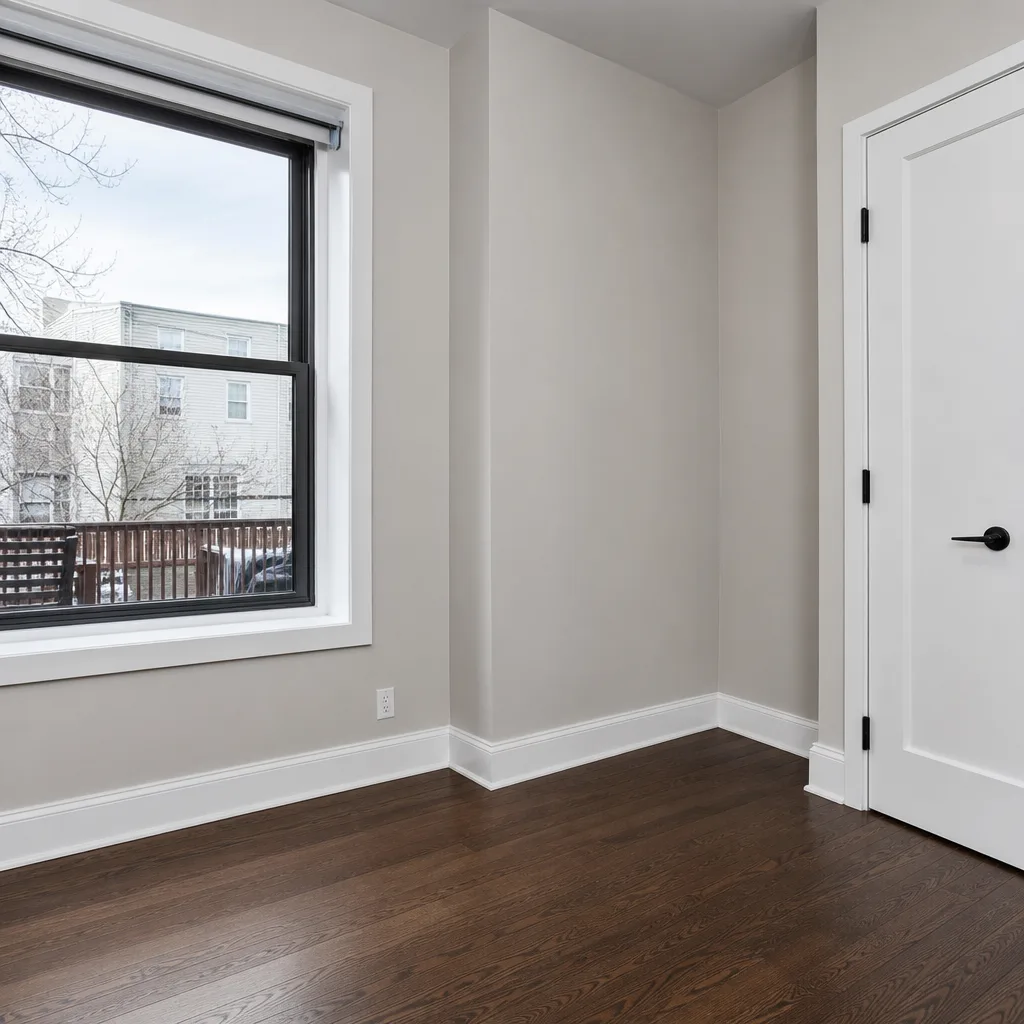 After
After24/7 Emergency Water Damage Restoration in Upper West Side
Water damage restoration in Upper West Side typically costs between $2,800 and $9,500 depending on how many rooms are affected, the water category, and whether asbestos abatement or plaster replication is required. Most co-op and rental units we respond to need 3 to 6 days of structural drying before repairs can begin. Call (363) 208-1526 any hour, day or night, and Wade himself answers the phone.
When a supply line bursts or a steam riser lets go, the first 60 minutes decide whether you’re facing a cleanup or a gut renovation. Water moves fast through pre-war construction. It drops through original plaster ceilings, soaks hardwood parquet, and wicks into lath behind century-old walls. Wade’s crew heads out from our New York City office the moment you call, with a free visual inspection and no trip charge inside our own county. We get extraction running before the co-op board even finishes their emergency meeting. That speed is the difference between drying in place and replacing original crown moldings.
Understanding Water Damage Restoration Severity in Upper West Side Properties
Not all water damage is the same, and on the Upper West Side the building itself often dictates how bad things get. Category 1 water comes from a clean source like a burst supply line or a failed radiator valve, and if extracted within hours, can often be dried in place without demolition. Category 2 water, which includes sump pump failures, dishwasher overflows, and standing water that has been sitting for more than 24 hours, carries bacteria and requires antimicrobial treatment and more aggressive drying. Category 3 water is sewage or flood water from outside, and demands full containment, disposal of affected porous materials, and professional-grade sanitization with HEPA air scrubbers running throughout the work.
In pre-war co-ops built between 1890 and 1940 on the Upper West Side, severity compounds quickly. Horsehair plaster absorbs water like a sponge and often holds it for weeks before visible staining appears. Original hardwood parquet over wood sleepers on concrete subfloors hides moisture in the gaps between boards. Moisture mapping with thermal imaging cameras and penetrating probes is not optional here; it is the only way to confirm drying targets have been reached behind walls and under finished floors. Without those readings, you will get a dry-looking surface and a mold problem behind it six months later.
Why Upper West Side Property Owners Choose Wade’s Restoration
- 45-minute response commitment for emergency calls inside the Upper West Side service area, extraction running inside the hour where board approval is already in place.
- 24/7 live answer, always a real person on the line, never an answering service or a callback queue. Wade answers his own phone.
- IICRC-certified crews holding WRT, FSRT, and AMRT certifications, plus RIA and IFA affiliations, working with Dri-Eaz and Phoenix professional drying equipment.
- Free visual inspection for every water damage call, with a written scope and moisture map before any work begins.
- Direct insurance billing and adjuster coordination handled by Wade himself, so you are never stuck relaying information between two sides.
- One team from extraction to reconstruction, including plaster replication, parquet restoration, and matching period trim on pre-war co-ops.
Our Water Damage Restoration Process
Inspection & Assessment
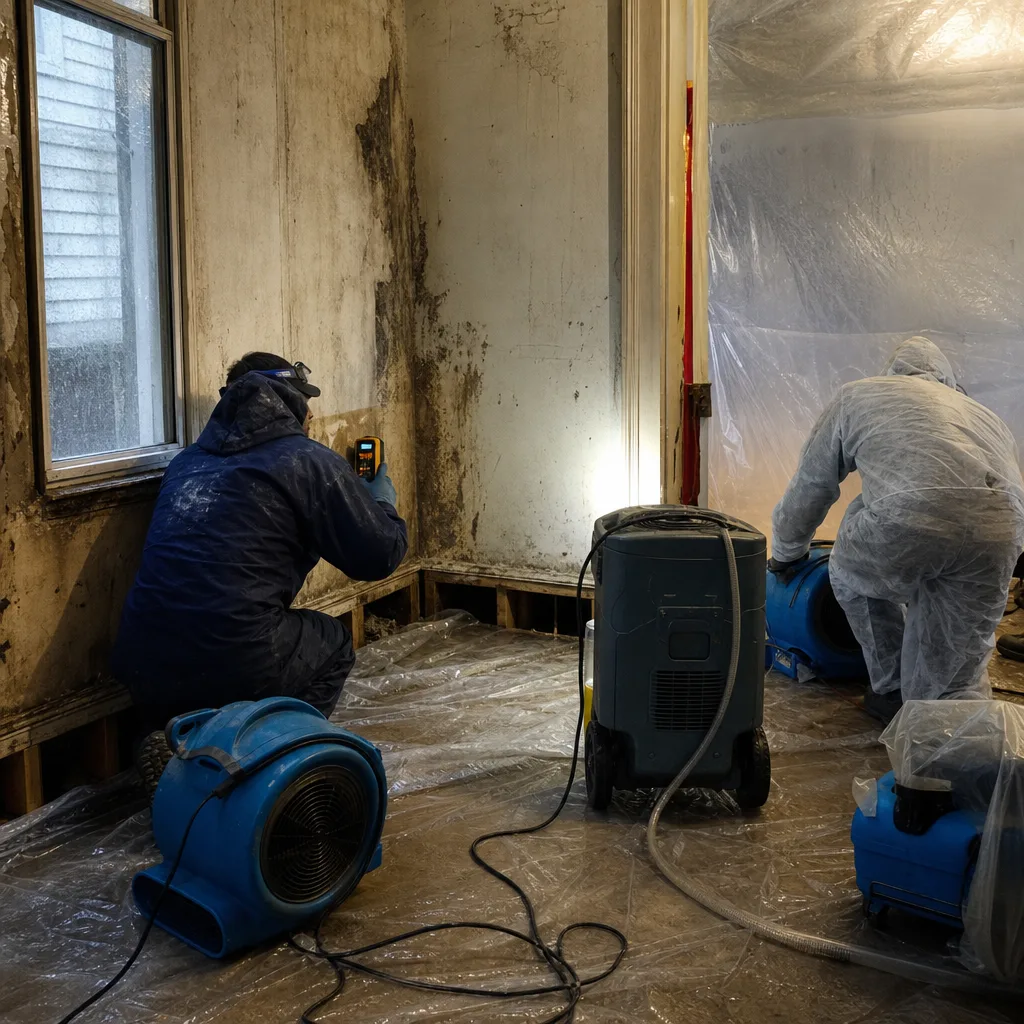
We start with a full moisture audit using thermal imaging and penetrating meters, mapping exactly where water has traveled and what materials are at risk. In a UWS co-op, this includes identifying asbestos and lead-paint concerns before any wall is opened.
Extraction / Stabilization
We bring in truck-mounted and portable extraction units to pull standing water from floors, carpets, and wall cavities. On a recent West 86th Street riser blowout, we had five stacked units extracted and stabilized before the co-op board’s next-day meeting wrapped up.
Structural Drying & Dehumidification
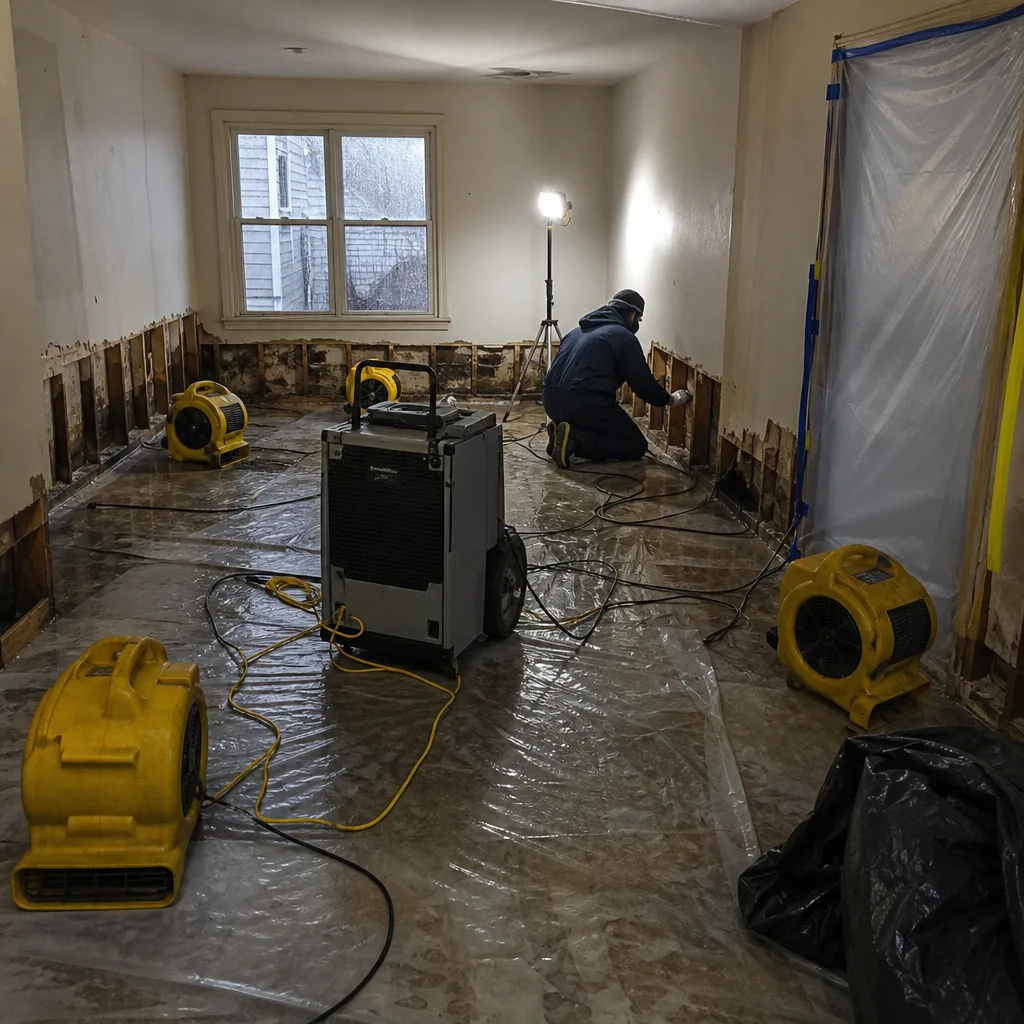
Dri-Eaz air movers, Phoenix dehumidifiers, and Injectidry floor drying systems run continuously with daily moisture readings taken by Wade’s crew. You get the full drying log at job’s end, showing pre-loss condition was restored.
Cleaning & Sanitization
Affected areas are treated with professional-grade antimicrobials, and HEPA air scrubbers run during and after the job to capture spores stirred up during drying. Hard surfaces are sanitized to Category 1 or 2 standards based on the water source.
Historic Plaster & Parquet Treatment
On pre-war Upper West Side buildings, we use skilled plaster replication and in-place floor drying rather than demo and replacement. Co-op boards routinely withhold move-out permits until the patch matches original profiles, and we have handled enough of these to get it right the first time.
Repairs & Restoration
From crown molding replication to parquet refinishing, we restore the unit to pre-loss condition with materials that match the building’s original character. Every job is covered by the 90-Day Done Right Promise, in writing.
Need Emergency Water Damage Restoration in Upper West Side Now?
Crews minutes away, answering live 24 hours a day. The sooner we start, the less it costs.
Working With Your Insurance Company
Water damage claims on the Upper West Side are rarely simple single-unit events. A burst steam riser can involve a dozen unit owners, the co-op corporation, and the building’s master policy all in one loss. That is why we document everything from the first hour, with photos of all damage room by room, daily moisture readings, and a line-item scope of work that holds up under adjuster review. Wade talks to the adjuster directly. You should not be the one explaining why the plaster needs replication instead of drywall.
What We Provide Your Insurer
- Thorough documentation of the loss
- Photos of all damage, room by room
- Moisture readings and drying logs
- A detailed, line-item scope of work
- Direct coordination with your carrier
Built for Upper West Side’s Loss Calendar
The Upper West Side has a distinct loss calendar shaped by its building stock and geography. The first hard cold snap each November is the busiest time of year for us, because pre-war buildings crank steam boiler pressure after months of disuse, and aging radiator supply valves and risers blow. That sends scalding water through original plaster ceilings across an entire vertical stack of units in under an hour.
Late winter and early spring bring freeze-thaw cycling against the western edge’s aging masonry facades near the Hudson River, where moisture seeps through brick and triggers roof-to-unit water intrusion. Summers bring thunderstorm flash flooding that overwhelms cellar drains in low-lying blocks near Riverside Drive. Nor’easters lash upper-floor windows and roof decks. And through it all, the slow leaks from 80-year-old cast-iron waste lines and galvanized supply pipes keep us busy year-round. If you live in a pre-war co-op on the Upper West Side, the question is not whether water will find a way in. It is when.
Water Damage Restoration Across Upper West Side’s Neighborhoods
Response routes and building types shift as you move across the Upper West Side. Along West End Avenue and Riverside Drive, we see the grand Beaux-Arts co-ops with deep floor plates and elaborate plaster work, buildings where drying in place is mandatory because replacement materials simply do not exist. Over on Amsterdam and Columbus Avenues, the mix shifts to smaller pre-war walk-ups with narrow stairwells and limited electrical capacity, which affects how many air movers we can run and how we stage equipment. The stretch along Central Park West carries a different kind of exposure, with courtyard buildings on the east side of Broadway where Central Park’s moisture microclimate adds early spring humidity that accelerates mold growth behind original plaster. Down toward Lincoln Square and the blocks around 72nd Street, the post-war slab buildings from the 1950s and 60s have concrete subfloors and different drying dynamics entirely. Each area demands a slightly different drying strategy, and our crew has run enough jobs in all of them to know what works before we even pull equipment off the truck.
Specialized Water Damage Restoration Services We Offer in Upper West Side
Emergency Water Extraction
Standing water on hardwood parquet or seeping through plaster needs to come out within the first hour to preserve original materials. We run truck-mounted and portable extraction units sized for co-op stairwells and freight elevator access, getting water out while the board is still getting signatures. Call (363) 208-1526 and Wade will be on the road immediately.
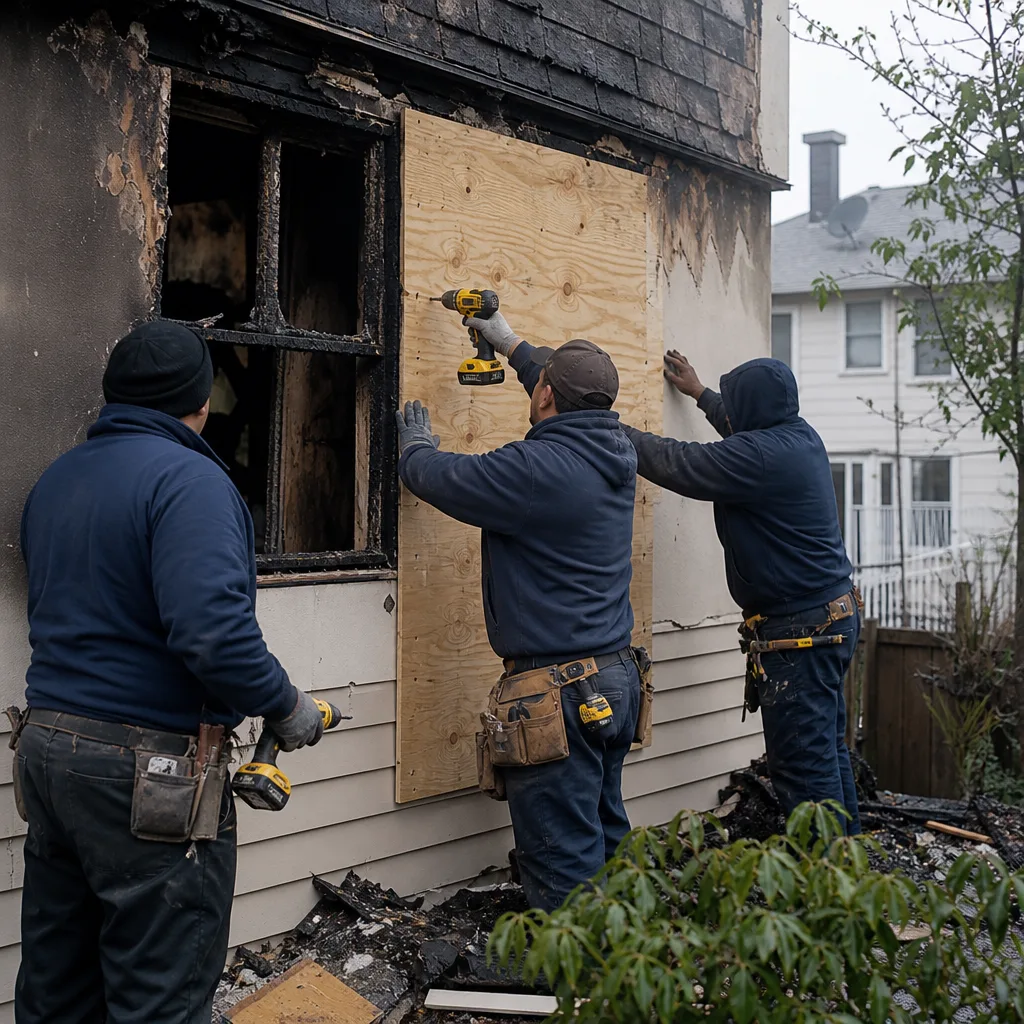
Structural Drying & Dehumidification
Pre-war horsehair plaster and original hardwood floors demand controlled drying, not aggressive heat. We use Dri-Eaz air movers, Phoenix dehumidifiers, and daily moisture readings to bring materials to target moisture content without cracking plaster or cupping parquet. You get the complete drying log when we finish, showing exactly what happened day by day.
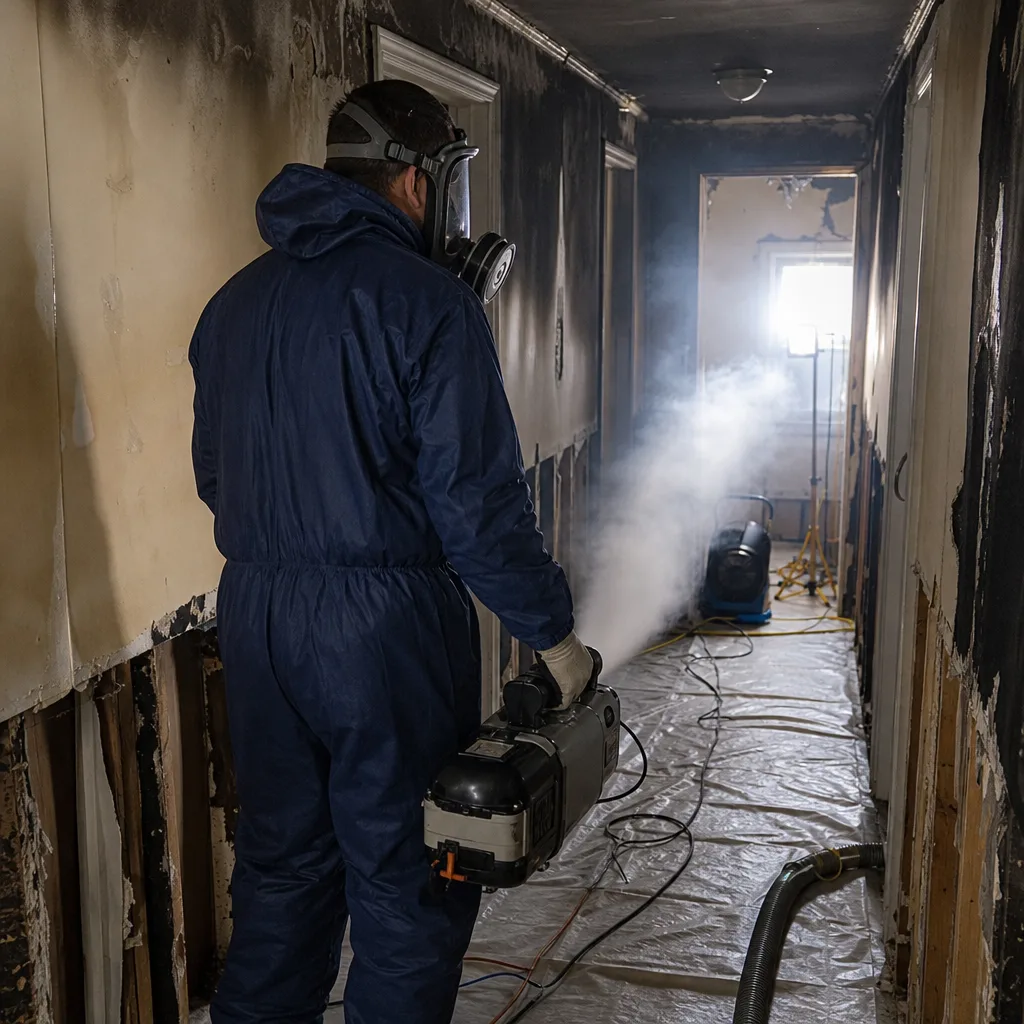
Flood Cleanup
Whether from a nor’easter driving water through a roof drain or a thunderstorm overwhelming a sump in a cellar over on Amsterdam, flood water requires Category 3 handling. Full containment, antimicrobial treatment, and disposal of saturated porous materials happen before we start thinking about drying. The goal is getting you back to pre-loss condition without a mold problem six months later.
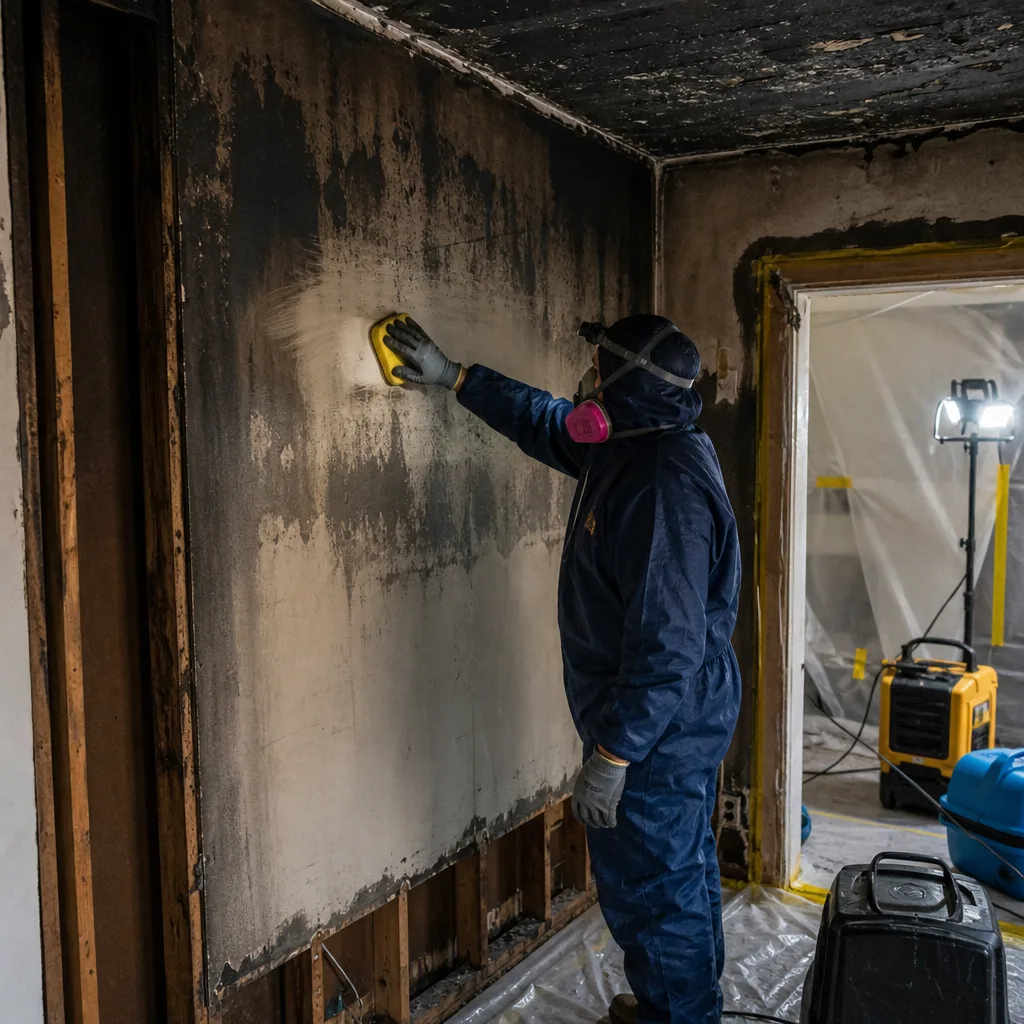
Burst Pipe Restoration
A burst supply line in a pre-war co-op does not just soak your unit; it flows down through as many as ten stacked units below. We coordinate with the building management and affected neighbors from day one, documenting every unit’s damage and drying each one to the same standard. This is our bread and butter on the Upper West Side, where aging plumbing stacks are a fact of life.
Basement Water Removal
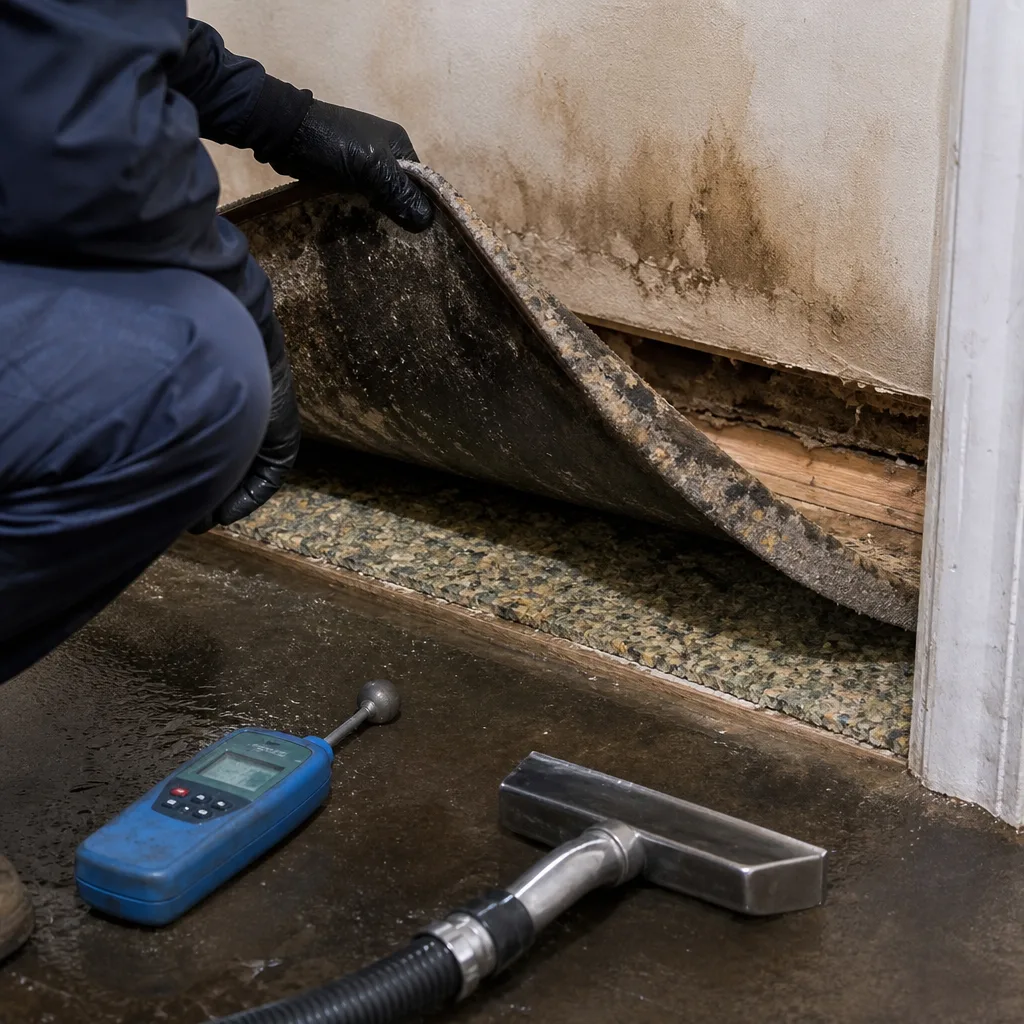
Cellar-level laundry rooms and storage units in pre-war buildings take on water from failed sump pumps, sewage backups, and exterior drainage issues near the west side’s river-adjacent water table. We extract, sanitize, and dry while working around storage cages and building mechanicals.
What happens when you call
- 1
A real person answersNo phone trees - you reach a local pro.
- 2
You get an upfront price rangeHonest numbers before anyone is dispatched.
- 3
A background-checked tech heads outLicensed & insured, dispatched right away.
- 4
You approve before work beginsNothing starts until you say go.
Water Damage Restoration Costs in Upper West Side, NY
A straightforward Category 1 clean-water extraction and drying of a single room in an Upper West Side co-op typically runs $2,800 to $4,500. A steam riser blowout affecting a full line apartment with plaster ceilings and parquet floors across multiple rooms usually falls between $6,500 and $12,000 depending on square footage and whether plaster replication is needed. Sewage backups requiring full Category 3 remediation and contamination disposal can exceed $15,000 when multiple units are involved.
What moves the price on the Upper West Side is rarely the water itself. It is the building. Asbestos testing before cutting into pre-1940 walls, lead paint protocols, co-op board meetings that delay start dates, and the cost of skilled plaster trades all add up. Insurance often covers the mitigation and structural drying when the source is a covered peril, but co-op owners are sometimes left holding the difference between standard drywall replacement and the plaster replication their alteration agreement demands. We give you a free visual inspection and a written scope before any work starts. That way you know exactly what the insurance adjuster is looking at and what your out-of-pocket exposure actually is, before you approve anything.
We Also Serve Cities Near Upper West Side
Our crews serve water damage restoration calls across the wider New York metro area. If you are in Astoria, the Financial District, Lower Manhattan, or Flushing, we can get a truck to you quickly. For full details on our service area, see our Water Damage Restoration page or the full Upper West Side city guide.
Serving Upper West Side, NY - Our Local Coverage Area
We’re based in the Upper West Side area and know this community well. Use the map below to see our service coverage - if you’re nearby, we can almost certainly help.
Upper West Side Water Damage Restoration Questions, Answered
How fast can you get a truck to the Upper West Side for a burst steam riser?
We commit to a 45-minute response for emergency water damage calls inside the Upper West Side, with extraction running inside the hour when board approval is already in place. Wade answers the phone himself, 24 hours a day, and his crew heads out from our New York City office the moment you call. No trip charge inside our own county.
How do you handle a water damage claim that affects multiple units in a UWS co-op building?
We document every affected unit with photos, moisture readings, and a line-item scope for each one, then coordinate directly with the building’s master policy adjuster and each unit owner’s carrier as needed. Wade has handled riser blowouts that affected ten or more stacked units, and he knows how to keep a multi-party claim moving without anyone getting lost in the paperwork. Call (363) 208-1526 for a free inspection.
Do you coordinate with co-op boards and building managers on the Upper West Side?
Yes, and this is where we earn our keep. Virtually every water damage restoration job on the Upper West Side requires co-op board or building management sign-off before our crew can set foot on site. We are fluent in co-op alteration agreements, emergency access protocols, and the insurance paperwork boards require before approving work. Often we can get emergency extraction approved the same day.
Can you dry original hardwood parquet floors in a pre-war UWS apartment without removing them?
In most cases, yes. We use Injectidry floor drying systems and penetrating moisture meters to pull water out of original parquet in place, avoiding the demo and replacement that would destroy a century-old floor. Drying in place only works when we get there within the first day or two, before buckling sets in. After that, refinishing may still be required but replacement is rarely necessary.
Do you test for asbestos and lead before opening walls in older UWS buildings?
We do not open any wall in a pre-1940 building without checking building records and, where needed, taking samples for asbestos and lead testing first. Pre-1978 construction almost always contains lead paint, and pre-war pipe insulation frequently contains asbestos. Cutting without testing can trigger a stop-work order and turn a $5,000 drying job into a five-figure abatement. We handle testing and coordinate with the board’s environmental consultant when required.
What should I do in the first 30 minutes after discovering water damage in my Upper West Side apartment?
Call (363) 208-1526 first, then shut off the water source if you can safely reach the valve, and move small valuables out of the water. Do not use a regular vacuum to pick up standing water. Do not open walls or pull up flooring yourself, especially in pre-war buildings where you may expose asbestos. Take photos for your insurer. Then get the co-op board or building manager on the phone while we are on the road.
How long does drying and water damage restoration take on the Upper West Side?
Most single-unit water damage jobs in UWS apartments take 3 to 6 days of active structural drying, followed by any needed plaster replication, parquet refinishing, and trim matching, which can add another week or more depending on the trades involved. We give you a realistic timeline at the free inspection, and you get daily moisture readings so you can see the drying curve yourself.
Will insurance cover water damage restoration in a co-op building on the Upper West Side?
Typically, the co-op corporation’s master policy covers damage to the building structure, while your individual unit owner policy covers your personal property and any improvements like custom moldings or upgraded fixtures. We document everything in the format insurers expect and coordinate directly with both adjusters so you are not stuck in the middle. Call for a free inspection and we will help you understand what your policy covers before any work begins.
Written by Wade Ferris, Owner at Wade’s Restoration, serving New York City since 2007.