
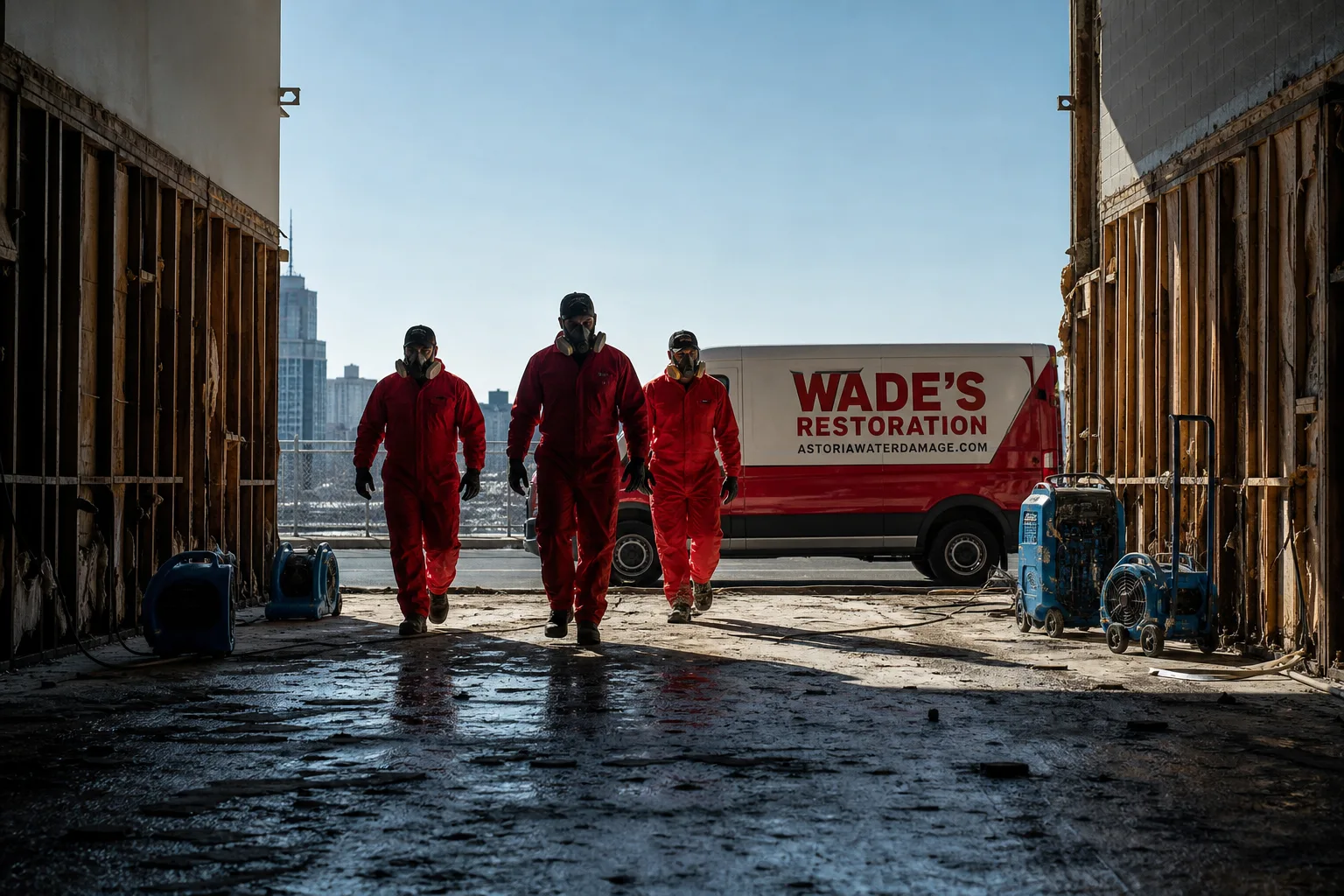
Free visual inspection and a written scope of work before any mitigation begins - photos, moisture readings, and drying logs go in your claim file
The scope we write is the scope we bill. Anything new gets shown to you, in writing, before we touch it.
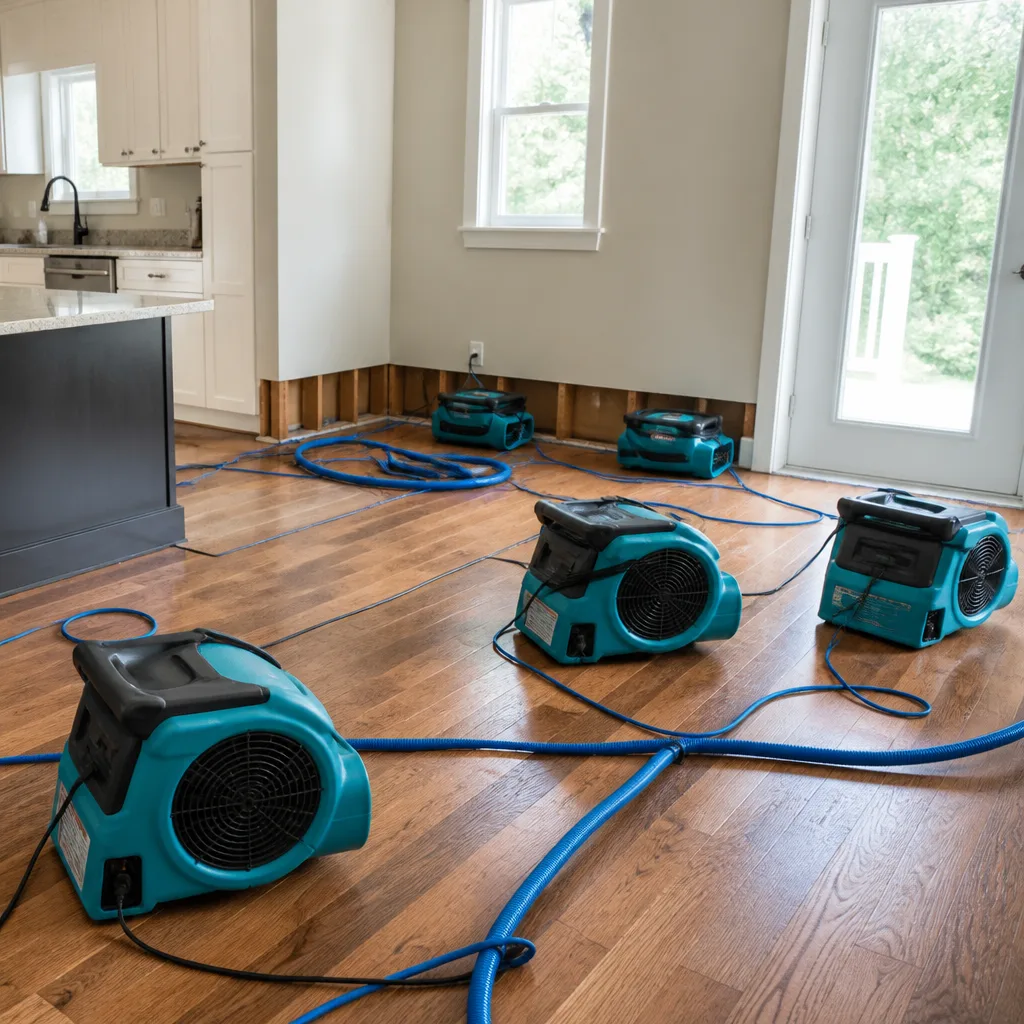
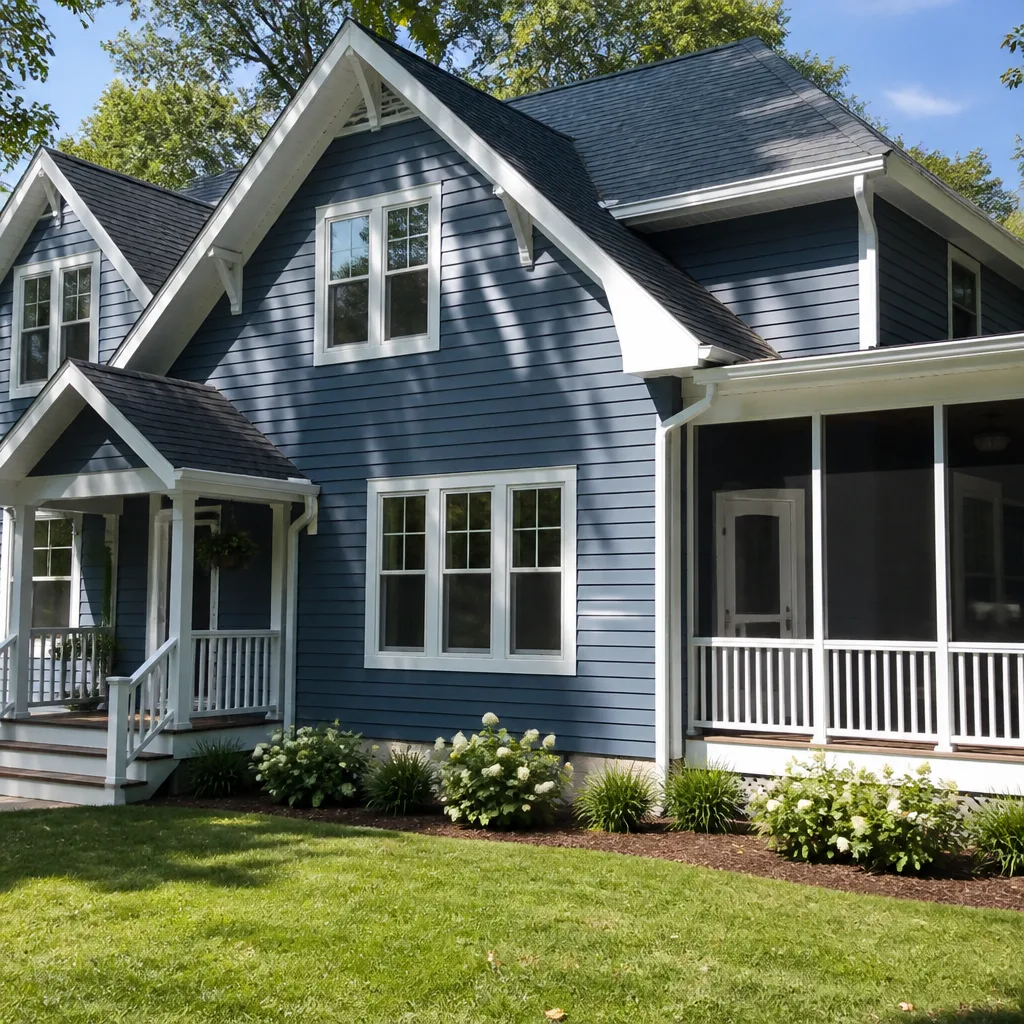
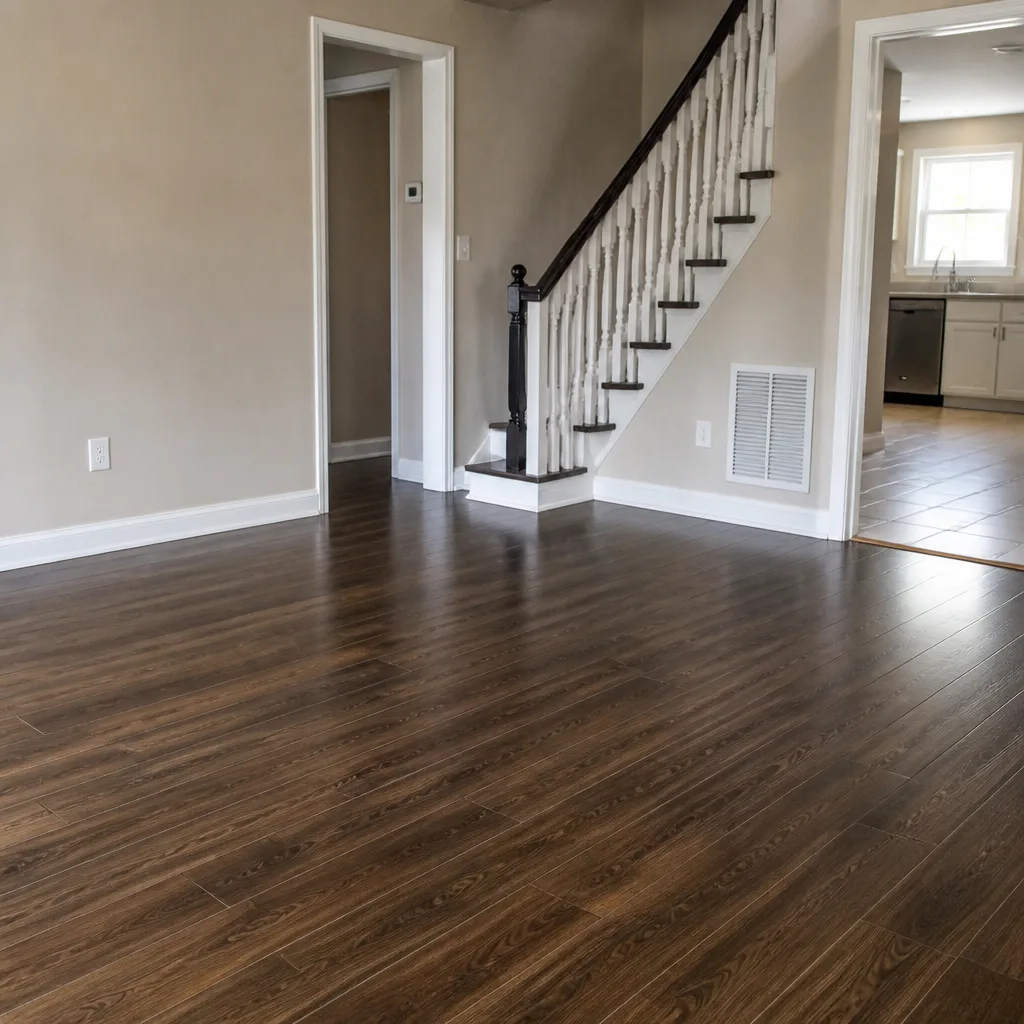
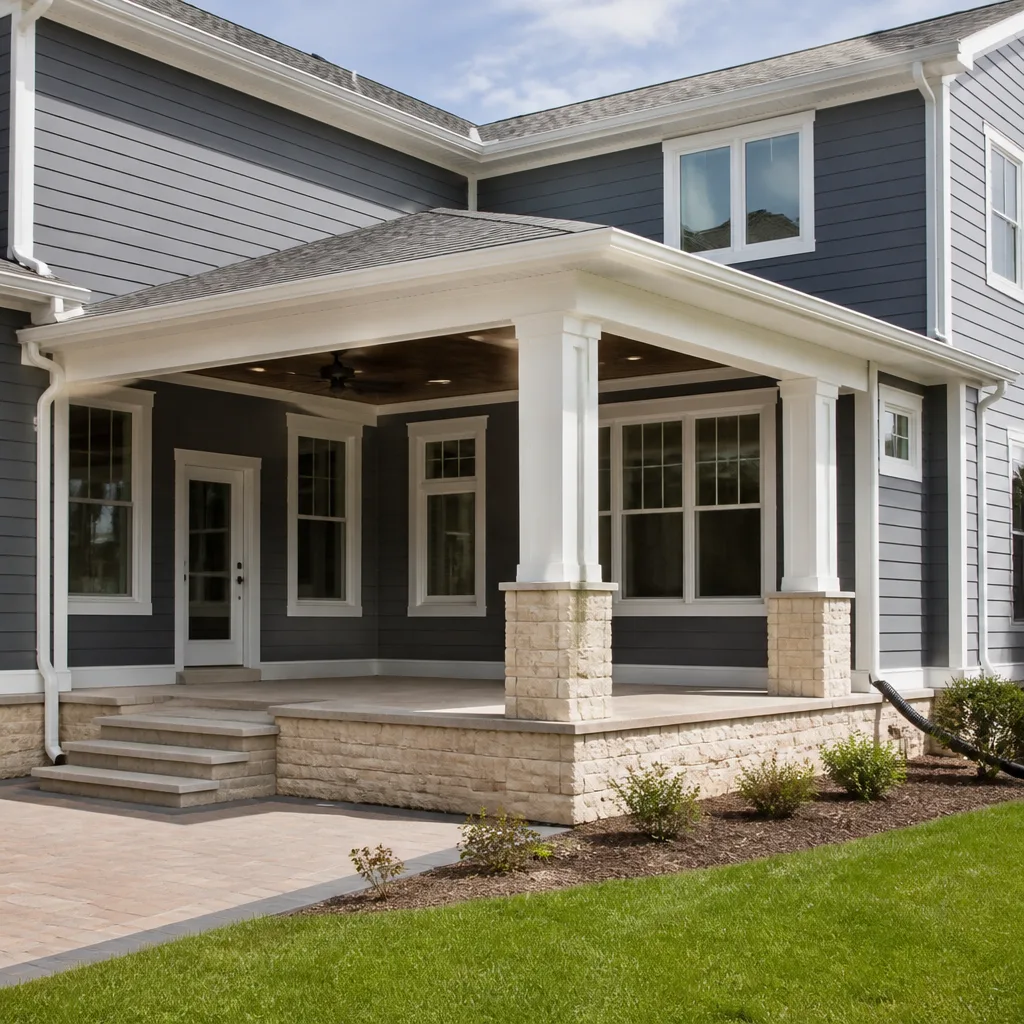
 Before
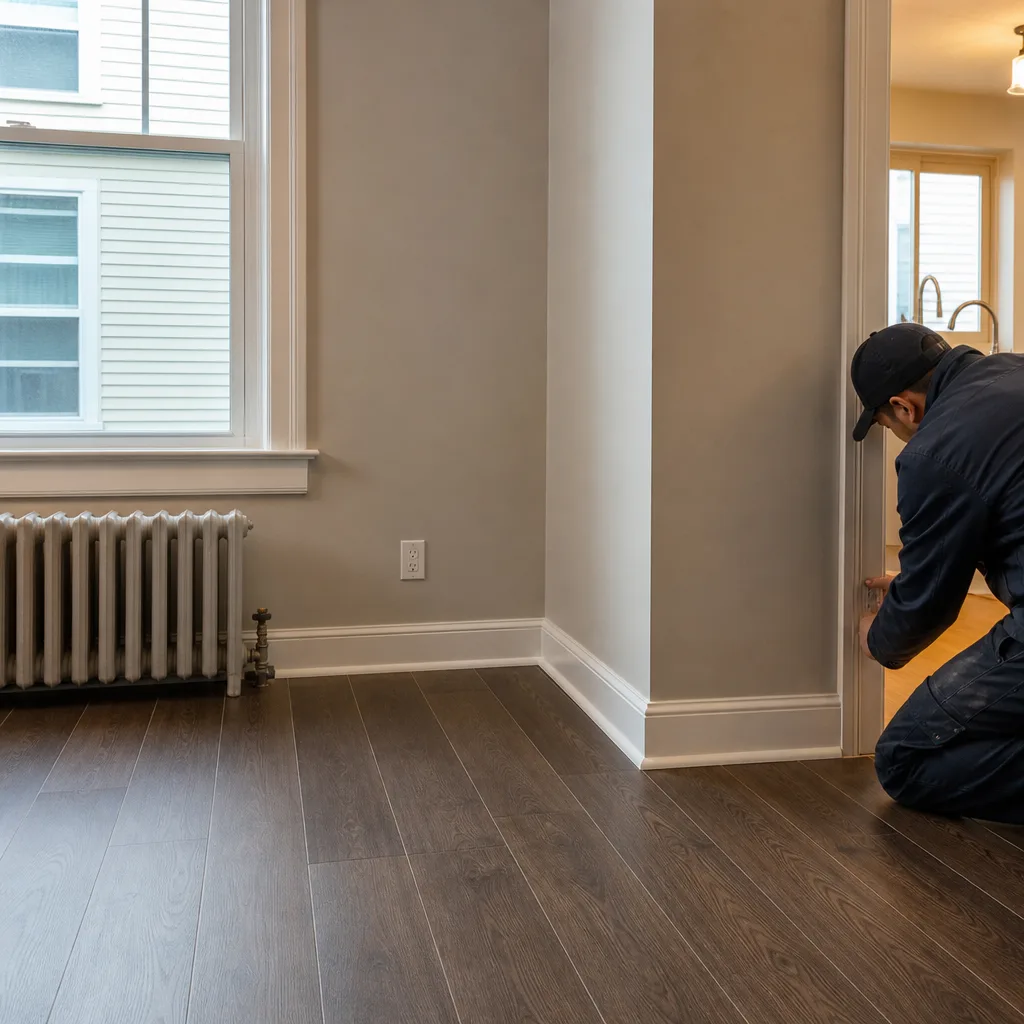 After
After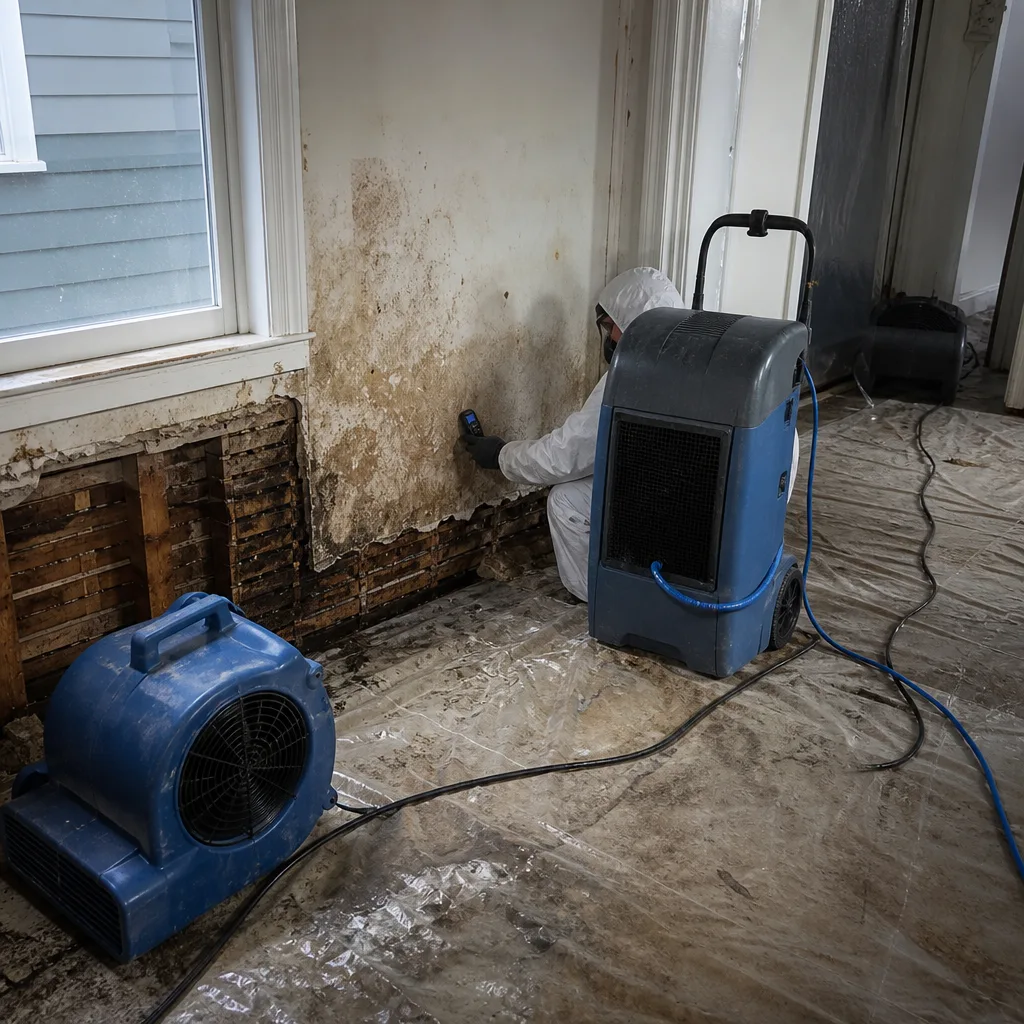 Before
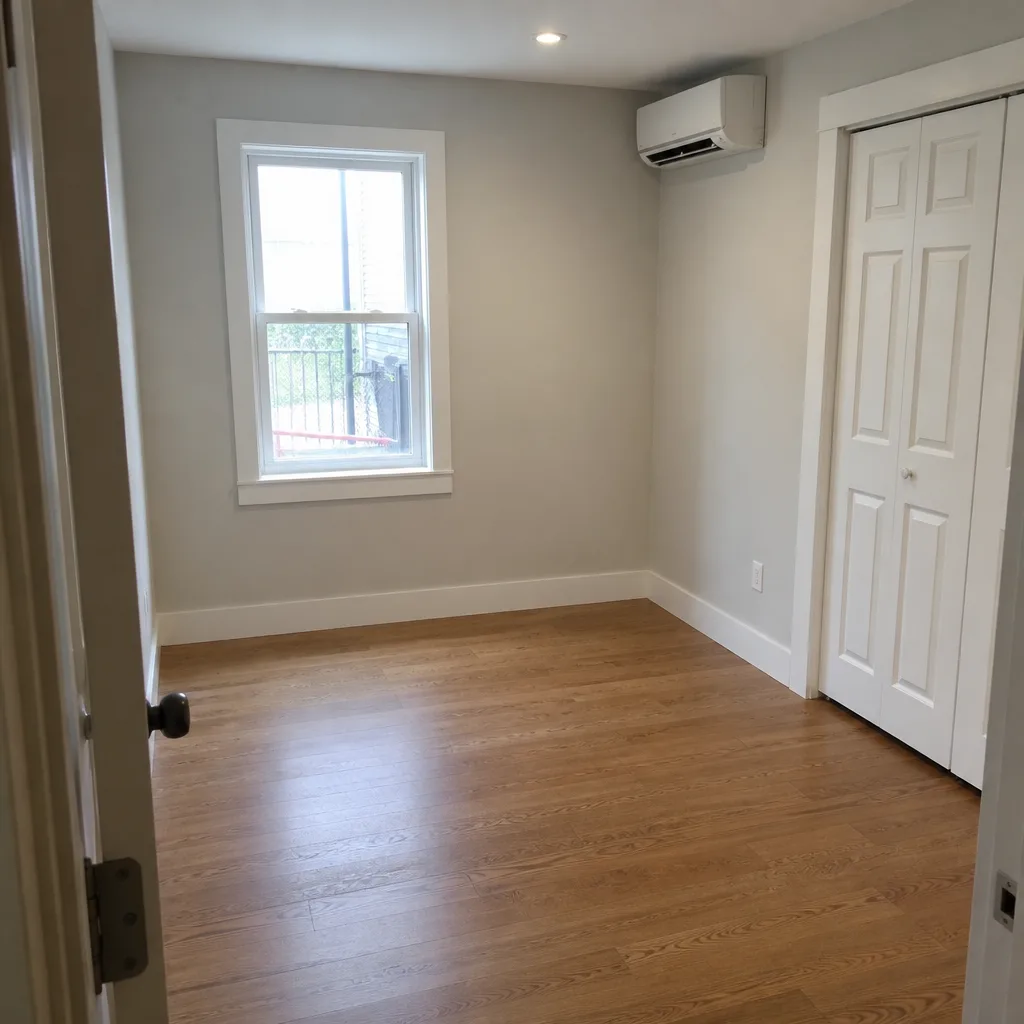 After
After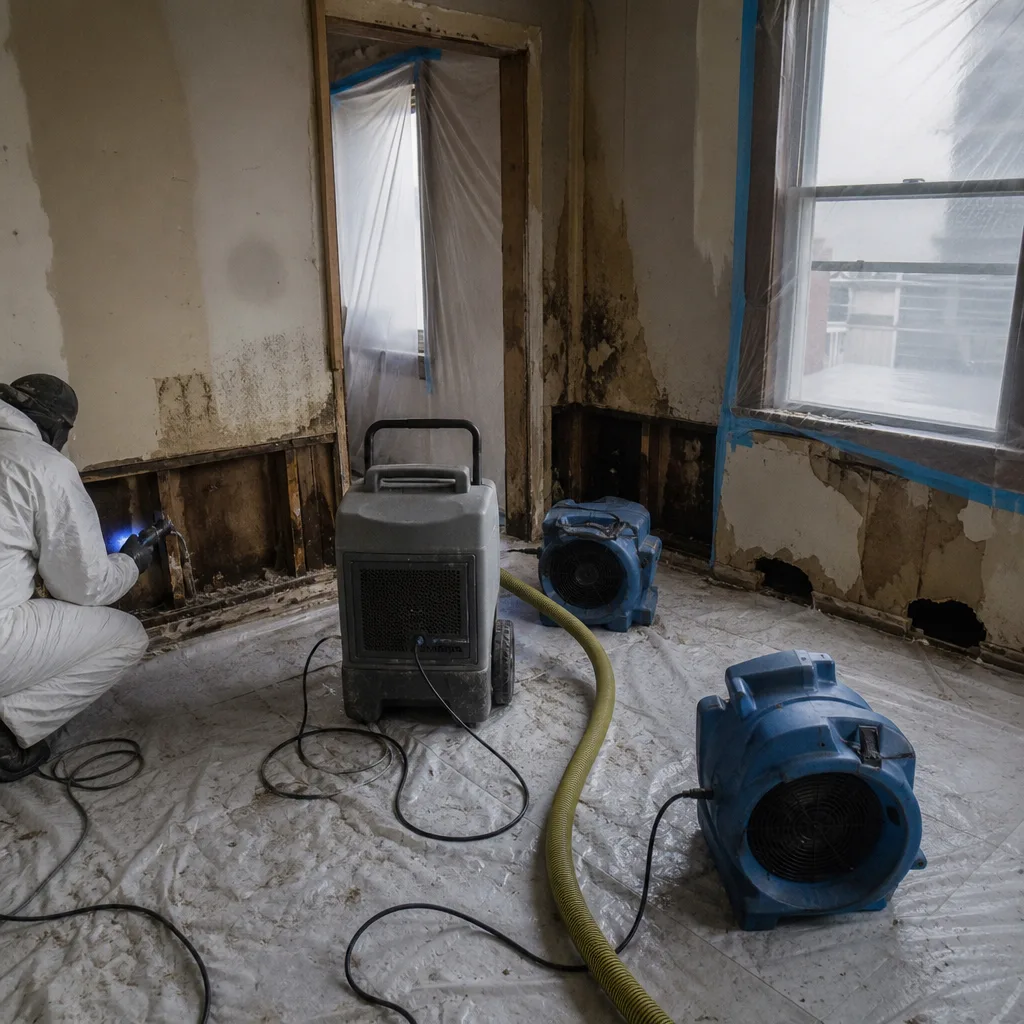 Before
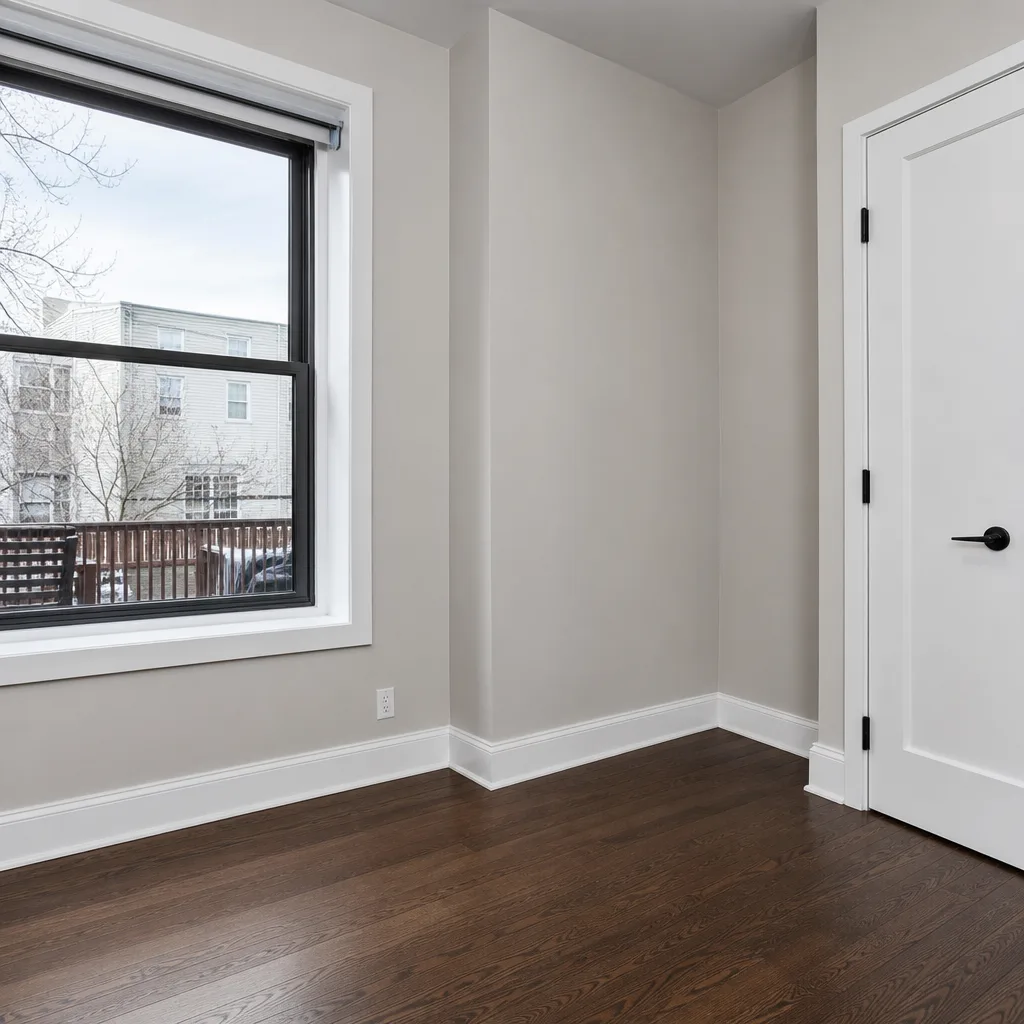 After
After24/7 Emergency Mold Remediation in Midtown Manhattan
Mold doesn’t wait for business hours, and neither do we. If you’re searching for mold remediation in Midtown Manhattan right now, you’ve likely found visible growth, smelled that damp mustiness that won’t go away, or had a water incident that’s now days old. Our crews answer live around the clock and can be inside your building within 45 minutes of your call to (363) 208-1526. The first hour matters more than most people realize: in Midtown’s pre-war stock with horsehair-plaster walls and original cast-iron risers, moisture keeps wicking inward long after the surface looks dry. Every hour that passes lets the colony feed, spread, and dig deeper into porous material. Call now. A free visual inspection tells you exactly what you’re dealing with, and we’ll give you a written scope before any work begins.
Understanding Mold Remediation Severity in Midtown Manhattan Properties
Mold severity is driven by two things: how much water got in, and how long it sat. In Midtown Manhattan, the building stock makes both those variables more punishing. Pre-war walk-ups in Hell’s Kitchen and Murray Hill often have horsehair-plaster walls that wick moisture laterally for days before any staining appears on the surface. Original cast-iron risers, unchanged since 1910 or earlier, fail at the threaded joints and dump Category 2 or 3 water inside wall cavities. By the time you see the mold, the hidden growth is often two to four days old. High-rise offices and converted residential towers present the opposite problem: mechanical rooms, elevator shafts, and sub-basements create dead-air zones where humidity condenses on cold concrete and feeds slow, silent colonization that staff breathe before anyone flags it. The severity ladder matters. Light surface growth on non-porous material is a cleaning job. Anything that has penetrated drywall, plaster, insulation, or carpet underlayment requires full containment, HEPA air scrubbing, and removal of affected material. In pre-war Midtown buildings, that second category is the one we see most.
Why Midtown Manhattan Property Owners Choose Wade’s Restoration
- 45-minute response commitment - Wade’s crew stages equipment for Midtown zip codes and moves on surface streets, not bridge crossings.
- 24/7 live answer, always a real person - No call center. No automated menu. Wade himself often picks up at 2 a.m.
- IICRC-certified crews with AMRT and WRT credentials - the people we send know containment protocol, antimicrobial application, and structural drying science.
- Free visual inspection - no charge to walk the unit, identify the moisture source, and give you a straight answer.
- Direct insurance billing and adjuster coordination - we document from hour one and talk to your carrier so you don’t have to relay messages.
- One team from extraction to reconstruction - the same crew that pulls wet material gets you back to pre-loss condition, no handoffs to strangers.
Our Mold Remediation Process
Inspection & Assessment
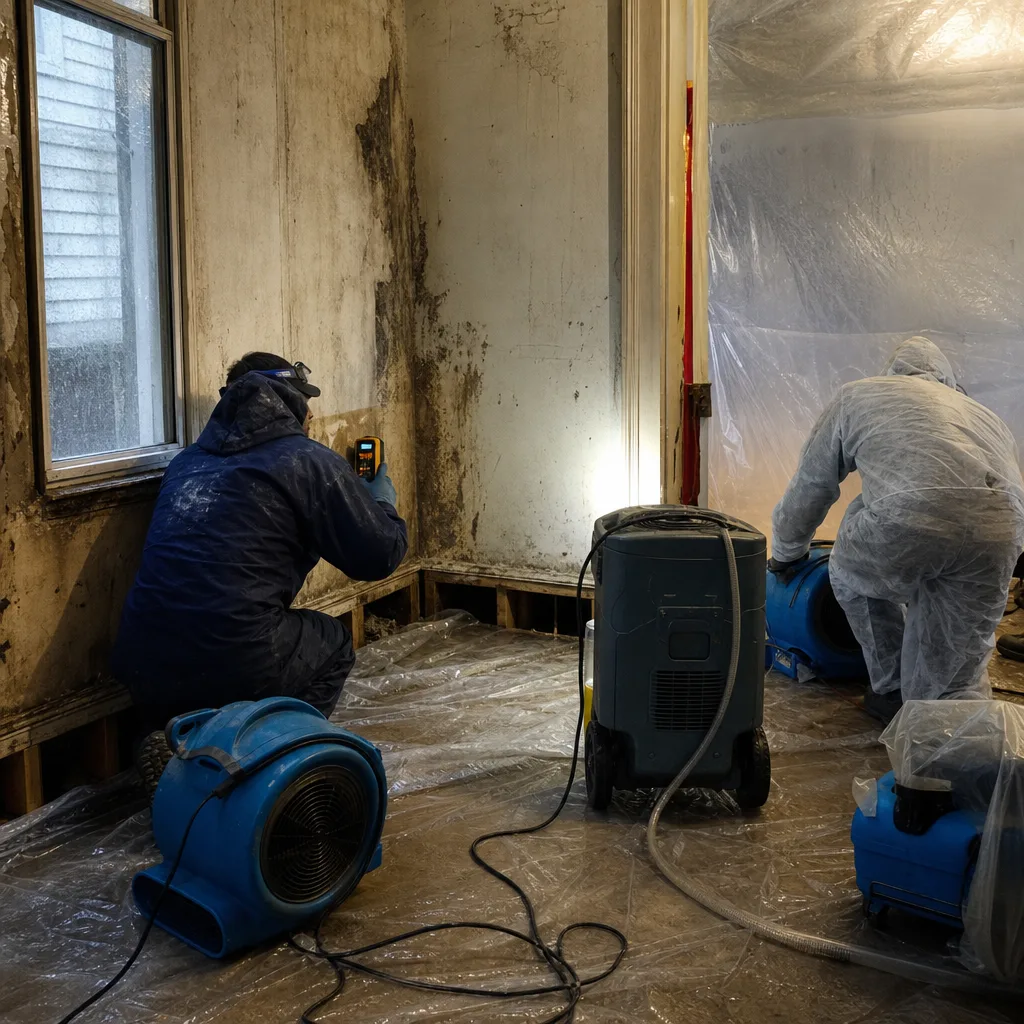
We map moisture with thermal imaging and hygrometers, identify the water source, and determine the affected square footage. In Midtown pre-war units, this includes checking cast-iron risers, roof drains, and window gaskets before we touch a single wall.
Extraction & Stabilization
Any standing water comes out first: truck-mounted extraction for sub-basements, portable extraction units for upper floors without elevator access. We remove saturated material that cannot be dried, including drywall, carpet underlayment, and plaster requiring demolition.
Drying & Dehumidification
We stage Dri-Eaz LGR dehumidifiers and Phoenix air movers inside the containment zone, then take moisture readings every single day. You get the full log at the end of the job, in writing. Nobody else in this trade hands over their drying logs as standard practice.
Cleaning & Sanitization
HEPA air scrubbers run continuously to capture airborne spores while we HEPA-vacuum surfaces. We apply antimicrobial treatments to all affected framing and remaining materials, then wipe down all reachable surfaces inside the containment zone.
Asbestos Coordination & Specialty Treatment
Midtown’s pre-war buildings frequently contain asbestos in pipe insulation, floor tiles, and plaster. Before any demolition, we coordinate asbestos surveying and, where needed, licensed abatement. For steam-main moisture events near Grand Central, we bring in industrial hygienists to test before drying equipment is even staged.
Repairs & Restoration
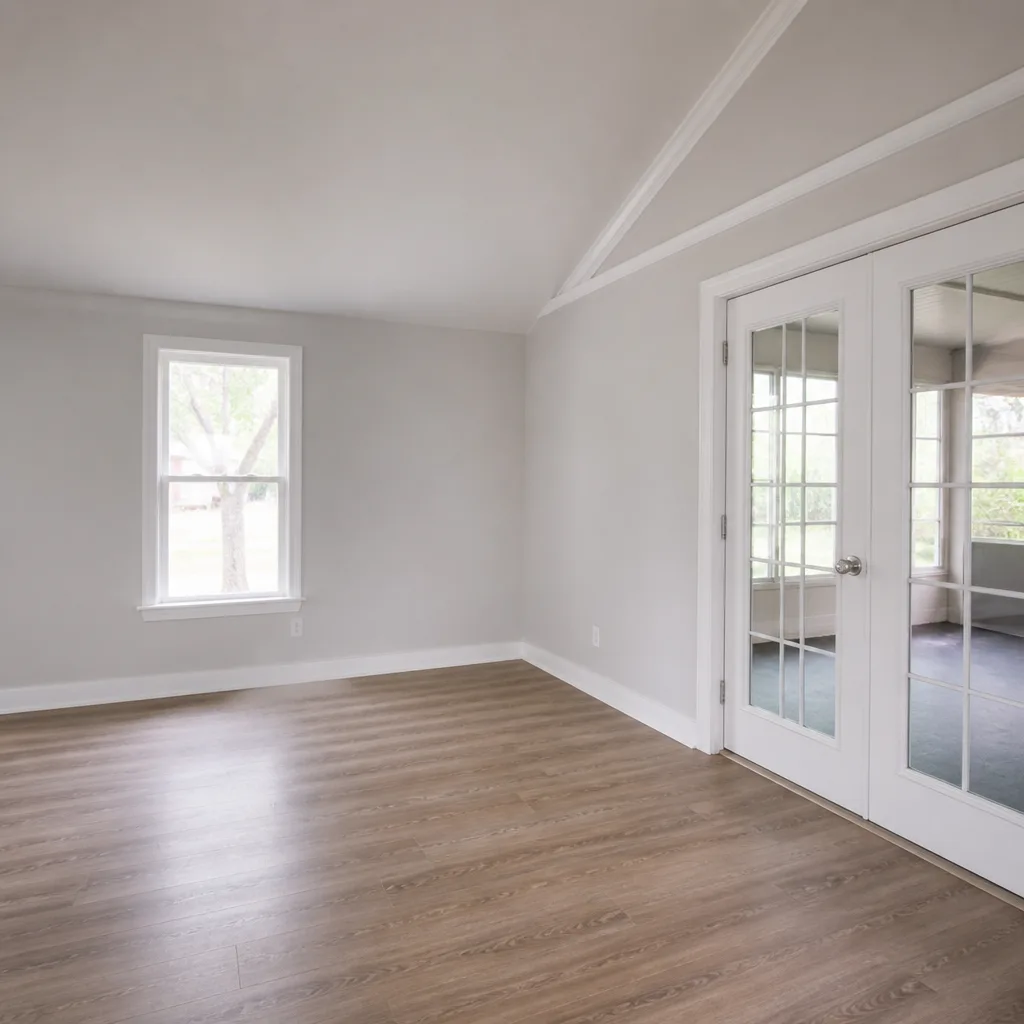
We rebuild what was removed: new drywall, plaster repair, paint matching, insulation replacement, and flooring. The same crew that opened the walls closes them. By the end, building management sees a unit that looks like nothing ever happened.
Need Emergency Mold Remediation in Midtown Manhattan Now?
Crews minutes away, answering live 24 hours a day. The sooner we start, the less it costs.
Working With Your Insurance Company
Mold claims in Midtown Manhattan move differently than in the suburbs. Your co-op board, building management, and insurance carrier all have documentation demands, and most policies cover mold only when it’s tied to a sudden, covered water event. We handle that from the first hour. Our team photographs every surface before demo begins, logs moisture readings daily, and builds a line-item scope that carriers recognize. Wade deals with your adjuster directly, so you’re never the one stuck relaying information between three parties. If your insurer disputes coverage, we help you assemble exactly what they need to move forward. That’s the difference between a claim that stalls and one that pays.
What We Provide Your Insurer
- Thorough documentation of the loss
- Photos of all damage, room by room
- Moisture readings and drying logs
- A detailed, line-item scope of work
- Direct coordination with your carrier
Built for Midtown Manhattan’s Loss Calendar
Midtown Manhattan’s mold season doesn’t follow the calendar. It follows the building’s plumbing, the weather, and the Con Edison steam network. January deep freezes split rooftop water-supply lines and cast-iron risers in the 1900s-era walk-ups off Ninth and Tenth Avenues. Spring thaw and nor’easters push water past aging window gaskets and parapet seals on the glass towers along Sixth Avenue and Park Avenue. Summer thunderstorm microbursts overwhelm roof drains on flat-topped pre-war buildings, sending water cascading down stairwells and through ceiling cores into offices below. And always, in the background, there’s the steam system. When a Con Edison main ruptures, moisture forces its way into sub-basements and mechanical rooms through concrete that has been saturated for a century. We’ve built our equipment inventory, our access planning, and our moisture-mapping protocols around exactly these failure patterns. If you own or manage property in Midtown Manhattan, you’ll face one of them eventually. When it becomes a mold problem, call before the colony spreads: (363) 208-1526.
Mold Remediation Across Midtown Manhattan’s Neighborhoods
Hell’s Kitchen’s pre-war walk-ups, clustered along Ninth and Tenth Avenues, are where we see the most cast-iron riser failures and stubborn horsehair-plaster wicking. Those buildings run narrow stairwells and tight doorways, which means our crews move extraction and drying equipment by hand floor by floor. Murray Hill’s converted townhomes and older residential towers have the opposite access profile: scheduled freight-elevator windows, loading-dock coordination, and building supers who need to be in the loop from minute one. Around Grand Central and the commercial core, office towers and hotels demand containment that doesn’t disrupt tenants, which is why we run negative air pressure and schedule noisy demolition for off-hours whenever possible. In the luxury residential glass towers west of Times Square, we work closely with building management because roof-drain leaks and window-gasket failures affect stacked units simultaneously, and one mold colony on floor 30 can push spores through shared ductwork. Every neighborhood in Midtown Manhattan has a different access puzzle. We’ve solved all of them.
Specialized Mold Remediation Services We Offer in Midtown Manhattan
Mold Inspection & Testing
We start with visual inspection, moisture mapping, and thermal imaging to find hidden growth inside Midtown Manhattan’s plaster walls and slab ceilings. Where testing is needed, we use accredited labs so co-op boards and insurers get results they recognize. This is the service that tells you whether you have a cleaning job or a remediation job before anyone opens a wall.
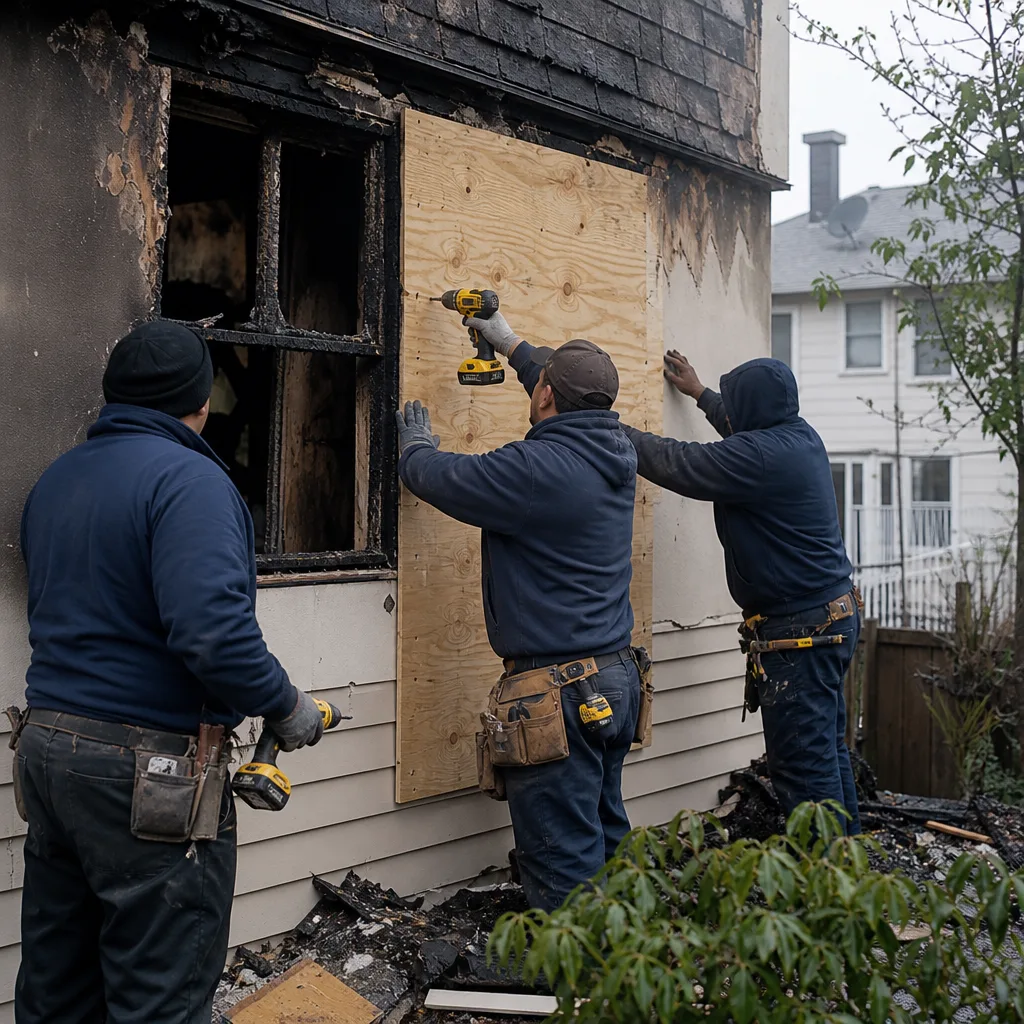
Black Mold Remediation
The dark colonies that spread across drywall and ceiling tiles in Midtown Manhattan are usually Stachybotrys or a related toxigenic species. We approach every black mold job the same way: full containment, HEPA air scrubbing, antimicrobial application, and removal of all affected porous material. No shortcuts, whether it’s a 200-square-foot unit or a floor plate.
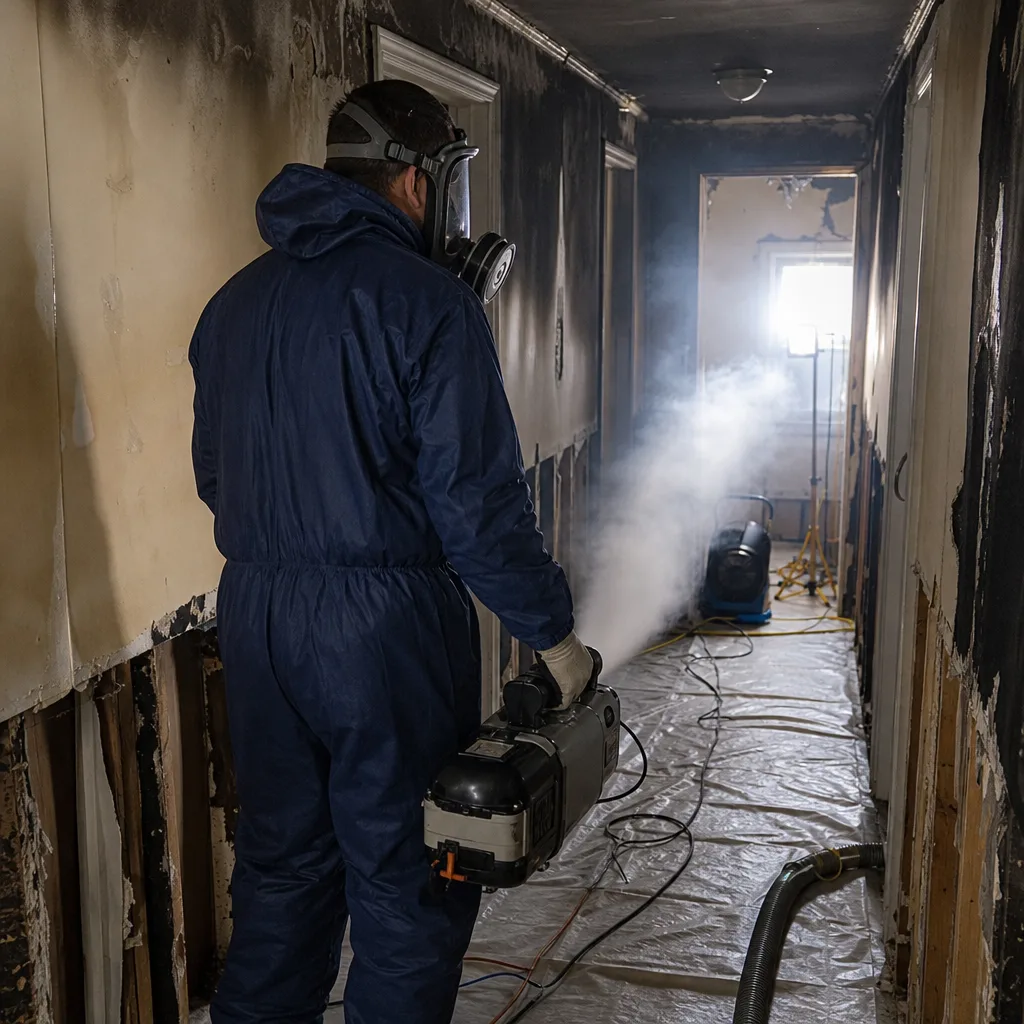
Moisture & Humidity Control
Midtown’s sub-basements and mechanical rooms are condensation factories. Cold concrete, dead air, and steam-pipe heat combine to keep relative humidity above 60% year-round, which is mold’s preferred climate. We install dehumidification systems, identify vapor barriers that failed decades ago, and correct airflow so the building stops feeding the colony.
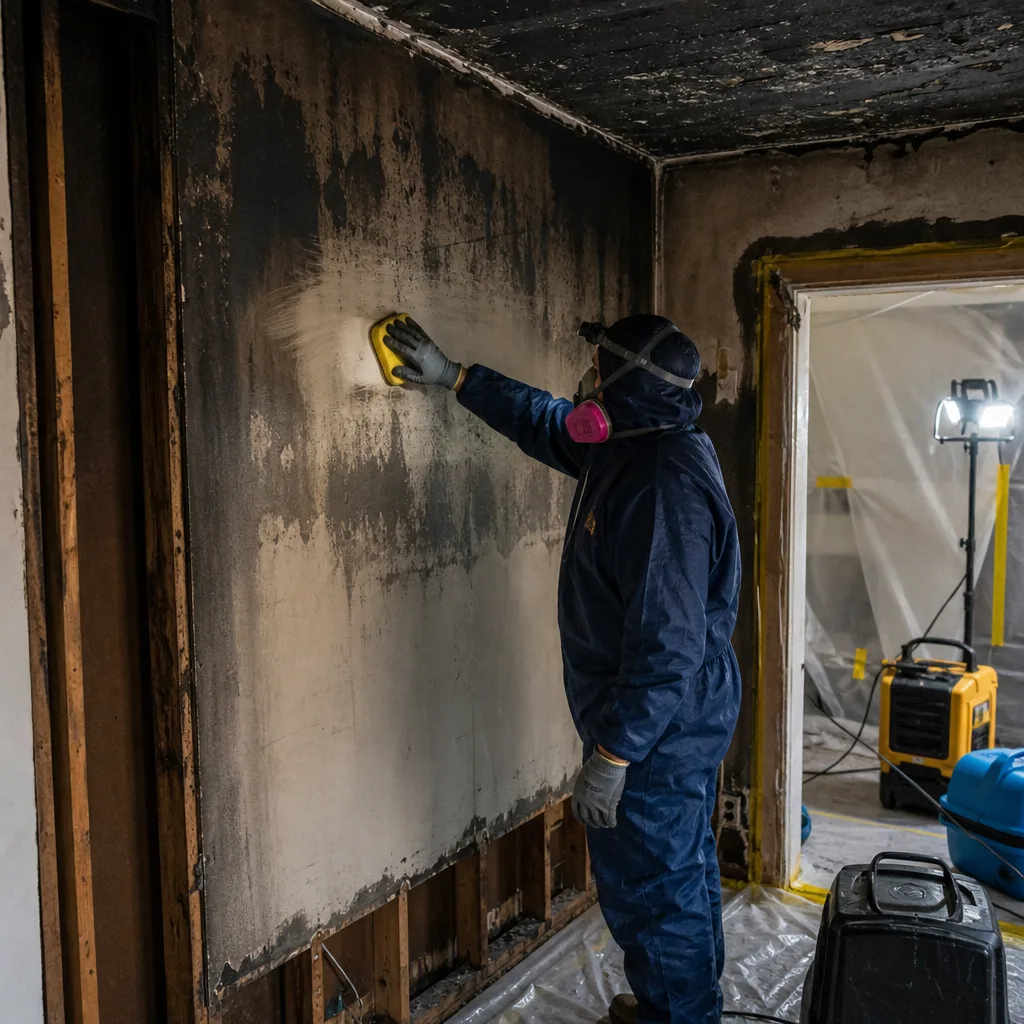
What happens when you call
- 1
A real person answersNo phone trees - you reach a local pro.
- 2
You get an upfront price rangeHonest numbers before anyone is dispatched.
- 3
A background-checked tech heads outLicensed & insured, dispatched right away.
- 4
You approve before work beginsNothing starts until you say go.
Mold Remediation Costs in Midtown Manhattan, NY
Mold inspection and testing in Midtown Manhattan typically runs $350 to $650 depending on the unit size and number of samples. A contained mold removal job in a typical one-bedroom pre-war apartment costs $2,500 to $5,000. Larger multi-room remediations or whole-floor treatments in office towers run $8,000 to $25,000. Black mold remediation adds somewhat due to stricter containment and clearance testing requirements. Several factors move the price in Midtown specifically: freight-elevator restrictions, asbestos survey requirements, and the need to schedule demo around business hours. Insurance frequently covers remediation when the mold resulted from a covered water event, and we bill carriers directly. Call (363) 208-1526 for a free visual inspection, and we’ll give you a firm written scope before any work begins.
We Also Serve Cities Near Midtown Manhattan
Our service area extends across the metro, including Mold Remediation in Midtown Manhattan and nearby communities like Astoria, the Financial District, Lower Manhattan, and Flushing. If you’re just outside the core, call and we’ll confirm whether we can get a crew to your building fast.
Serving Midtown Manhattan, NY - Our Local Coverage Area
We’re based in the Midtown Manhattan area and know this community well. Use the map below to see our service coverage - if you’re nearby, we can almost certainly help.
Midtown Manhattan Mold Remediation Questions, Answered
How do you handle mold remediation in Midtown high-rises where asbestos may be present in walls or pipe insulation?
We treat it as present until proven otherwise. Before any demolition in pre-war Midtown Manhattan buildings, we coordinate an asbestos survey of the affected materials. If anything tests positive, licensed asbestos abatement happens before our remediation crew opens the wall. It’s slower, but it’s the only way to do the job legally and safely.
Can you schedule mold remediation around freight-elevator restrictions and building super hours in Midtown Manhattan?
Yes. We’ve worked inside almost every major residential and commercial tower in Midtown Manhattan, so scheduling around freight-elevator windows is standard practice for us. Our crews stage equipment in advance and coordinate demolition and drying around whatever access schedule the building management gives us. Tell us your windows, and we’ll build the job around them.
What is the protocol for mold caused by Con Edison steam main breaks near Grand Central?
A steam event near Grand Central calls for industrial hygienist assessment before any drying equipment is staged. Steam moisture drives into concrete and legacy asbestos at the same time. We test first, then dry, applying antimicrobial treatments only after we know what’s in the air. That’s the sequence a professional mold remediation team follows in Midtown Manhattan when Con Edison is involved.
Do you handle category 2 or 3 water mold in Midtown office towers where businesses cannot close?
Yes. We run negative air pressure containments, HEPA filtration, and off-hours demolition schedules so tenants stay operational while mold remediation proceeds in Midtown Manhattan. Your offices keep running, and we keep the spores inside the containment zone where they belong.
How quickly can you respond to mold in a Murray Hill high-rise after a nor’easter roof leak?
We can be inside your Murray Hill building within 45 minutes of your call to (363) 208-1526. After a nor’easter, roof and window leaks create the exact conditions mold needs. The faster we extract, dry, and contain, the less damage you’ll have. Call now and we’ll get a crew moving.
What does mold remediation cost in Midtown Manhattan compared to nearby areas?
Midtown Manhattan mold remediation runs somewhat above the metro average due to freight-elevator coordination, asbestos surveys, and the logistics of working in dense high-rise stock. Expect $2,500 to $5,000 for a typical one-bedroom pre-war unit. A whole-floor office remediation runs $8,000 to $25,000. The difference is access, not markup.
How long does mold remediation take in Midtown Manhattan?
Most Midtown Manhattan residential remediations complete in three to six days from containment setup to final clearance testing. Commercial jobs run longer due to off-hours scheduling and larger floor plates. We’ll give you a day-by-day schedule before work starts so you know exactly when your unit is livable again.
Can we stay in our Midtown Manhattan apartment during mold remediation?
It depends on the size of the affected area and whether the colony is toxigenic. For small, contained growth in a bathroom or closet, staying in place is often feasible with proper containment and HEPA filtration. For whole-unit remediations where we’re cutting out saturated walls, you should plan to be elsewhere for three to six days. We’ll tell you straight before work begins.
If you see mold, smell mold, or just had water inside your Midtown Manhattan property and you’re not sure what it’s doing behind the walls, call (363) 208-1526. Wade’s Restoration handles Mold Remediation the way it should be handled in this city: with containment, documentation, daily moisture logs, and a written 90-Day Done Right Promise on every job. One call brings Wade and his crew, not a stranger from a national franchise. No trip charge inside our own county. Senior and veteran discount always. Free second opinion on any written estimate. Call now, before the colony spreads another foot.
Written by Wade Ferris, Owner at Wade’s Restoration, serving Midtown Manhattan with honest mold remediation, daily moisture logs, and a 90-Day Done Right Promise in writing.