
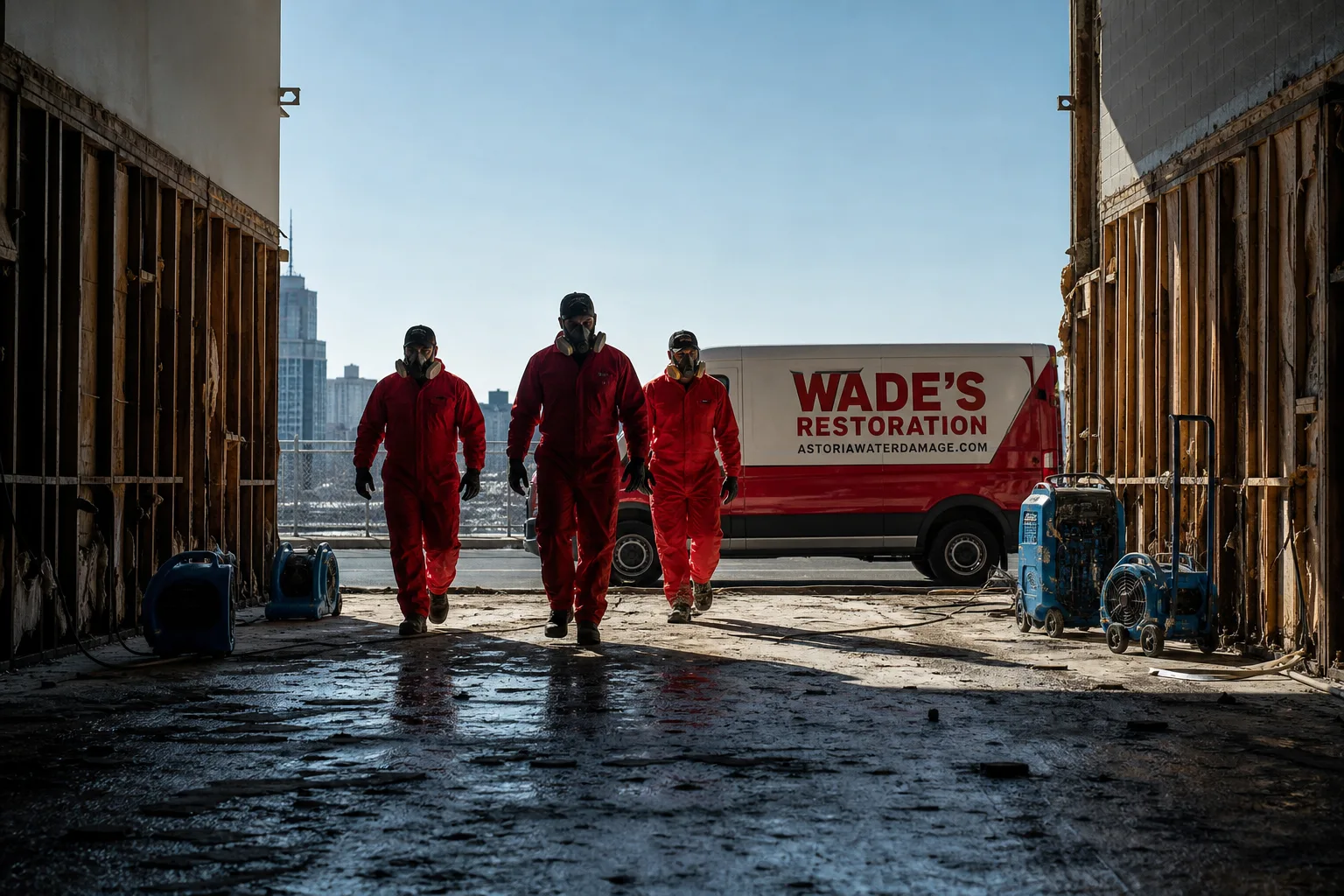
Free visual inspection and a written scope of work before any mitigation begins - photos, moisture readings, and drying logs go in your claim file
The scope we write is the scope we bill. Anything new gets shown to you, in writing, before we touch it.
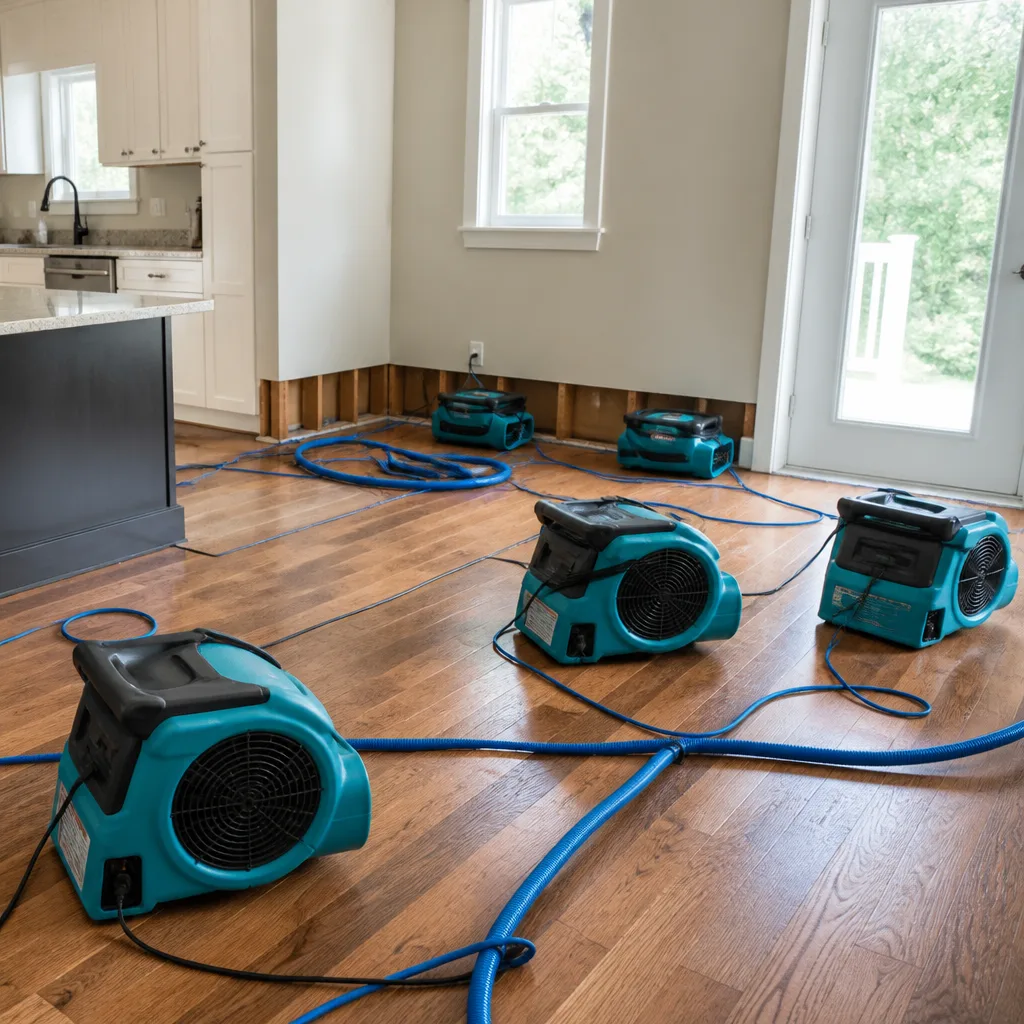
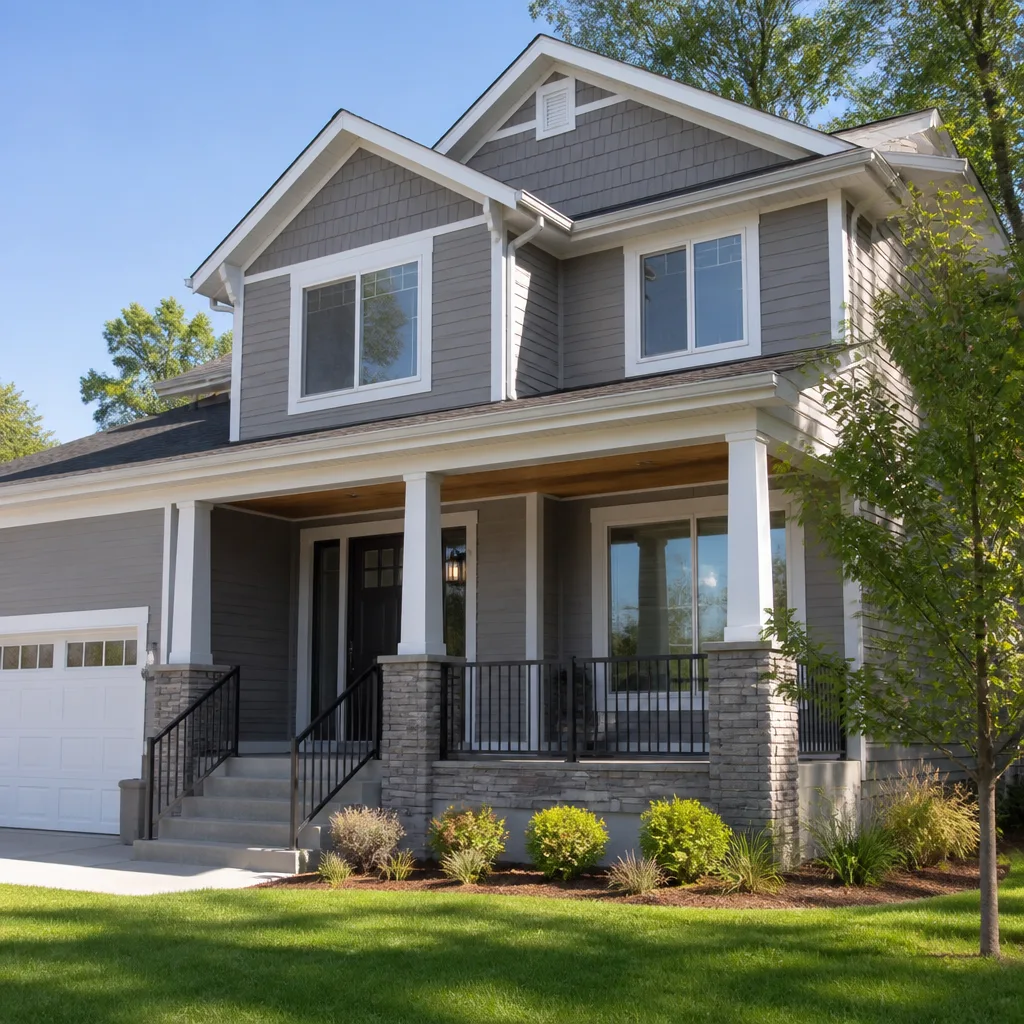
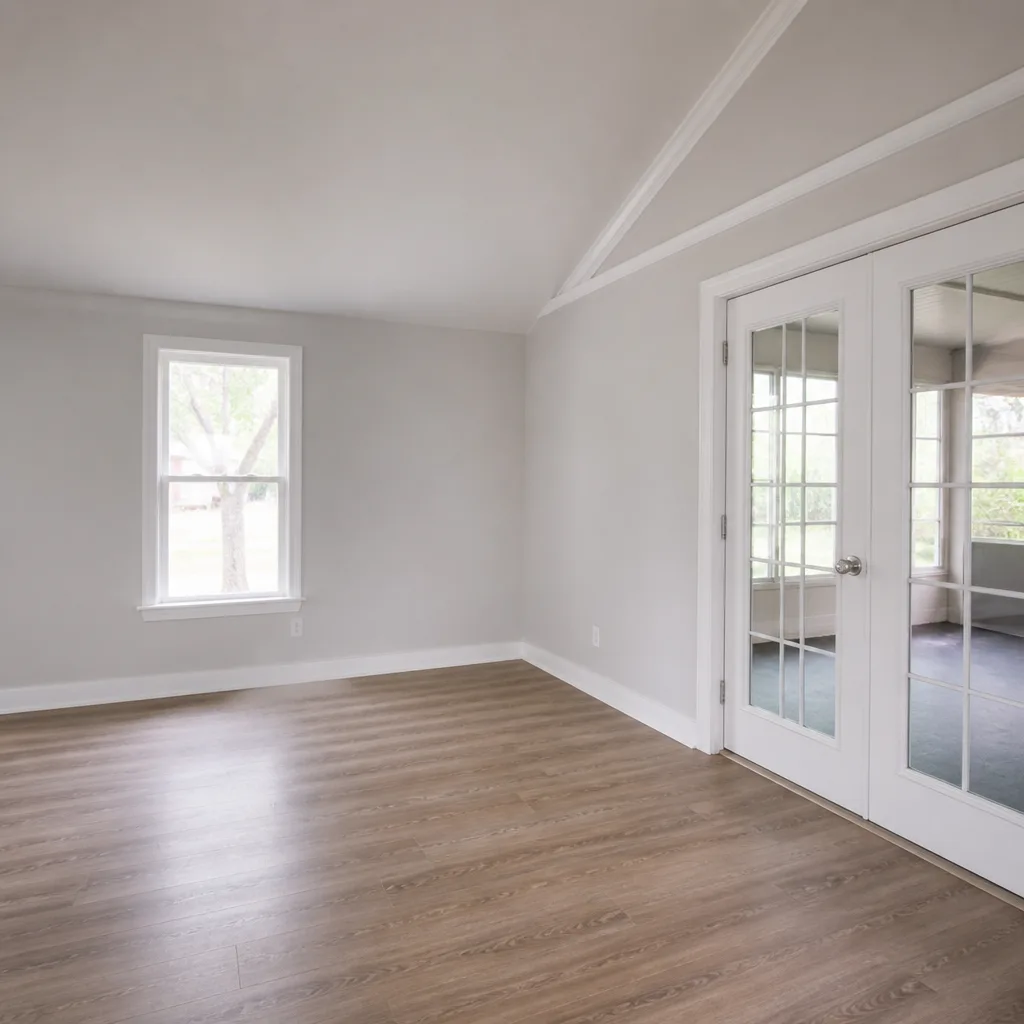

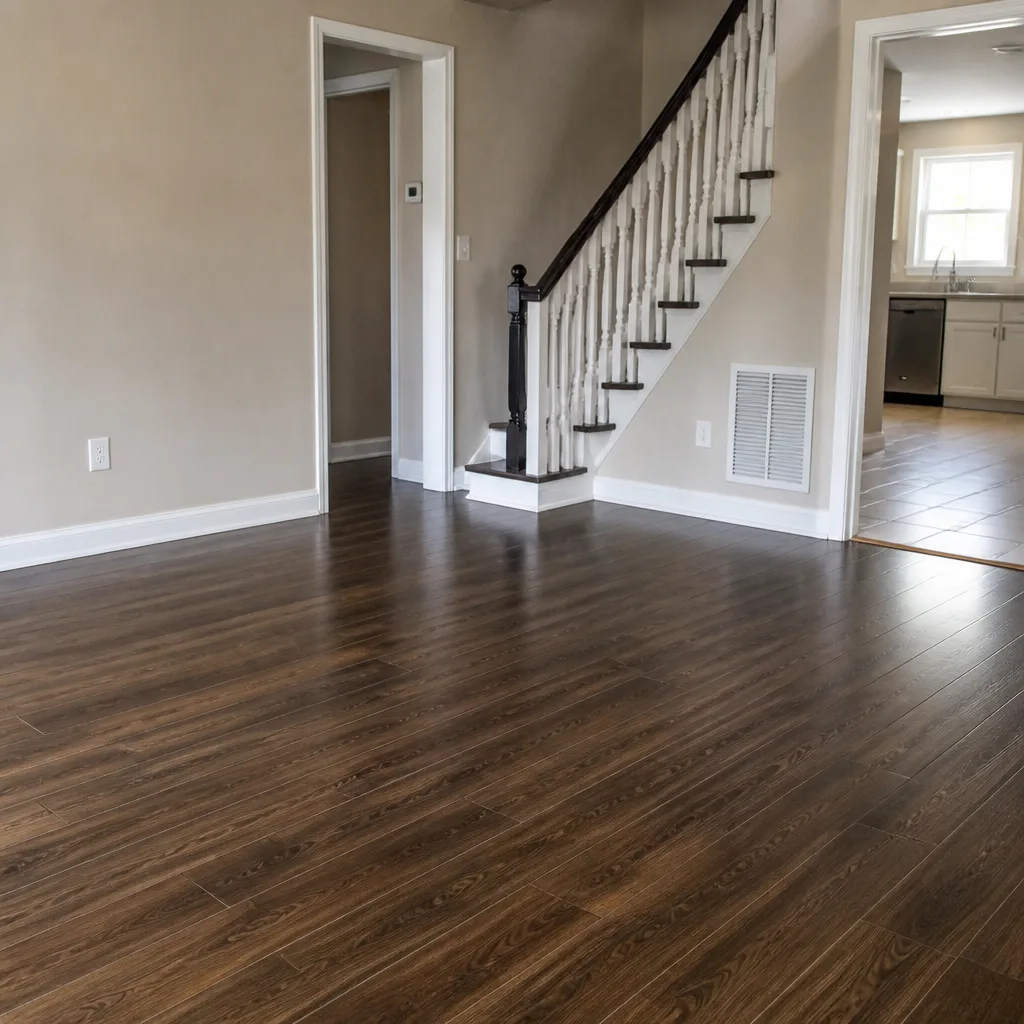

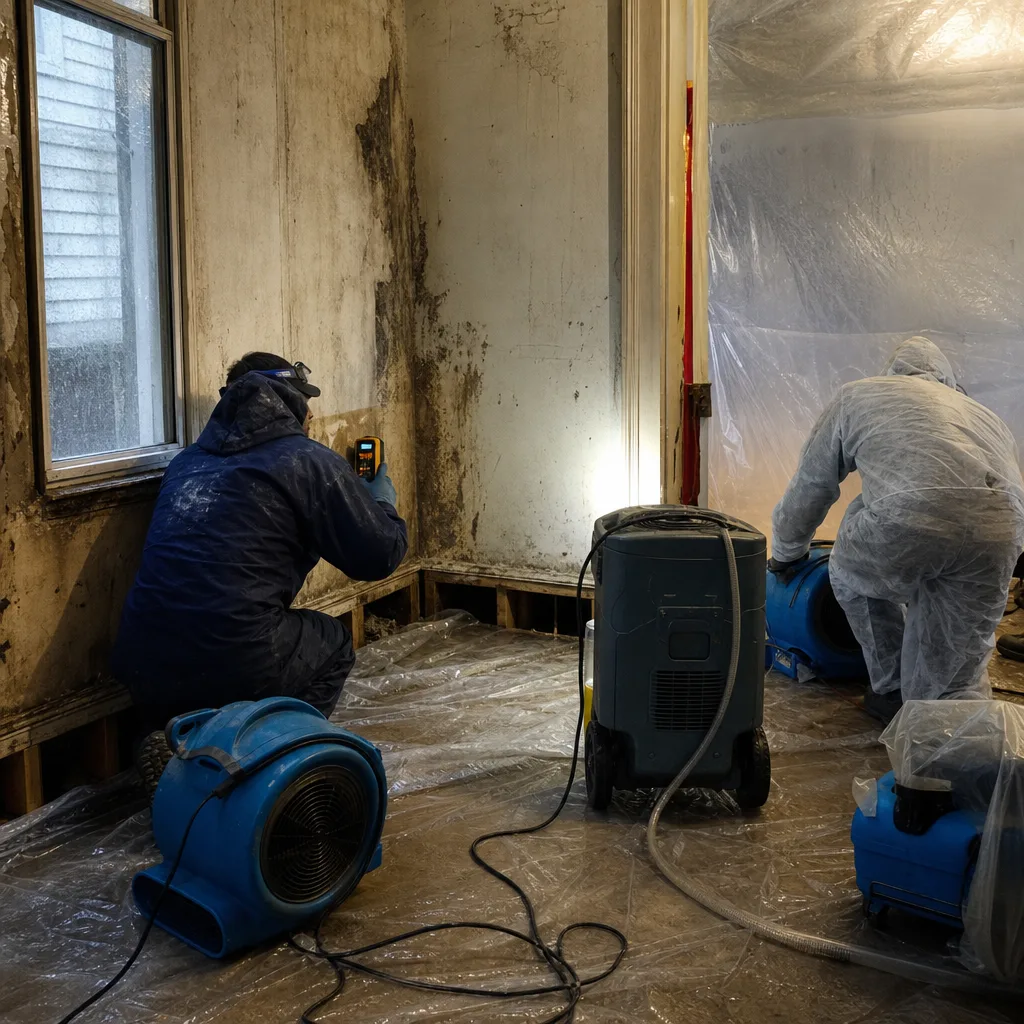 Before
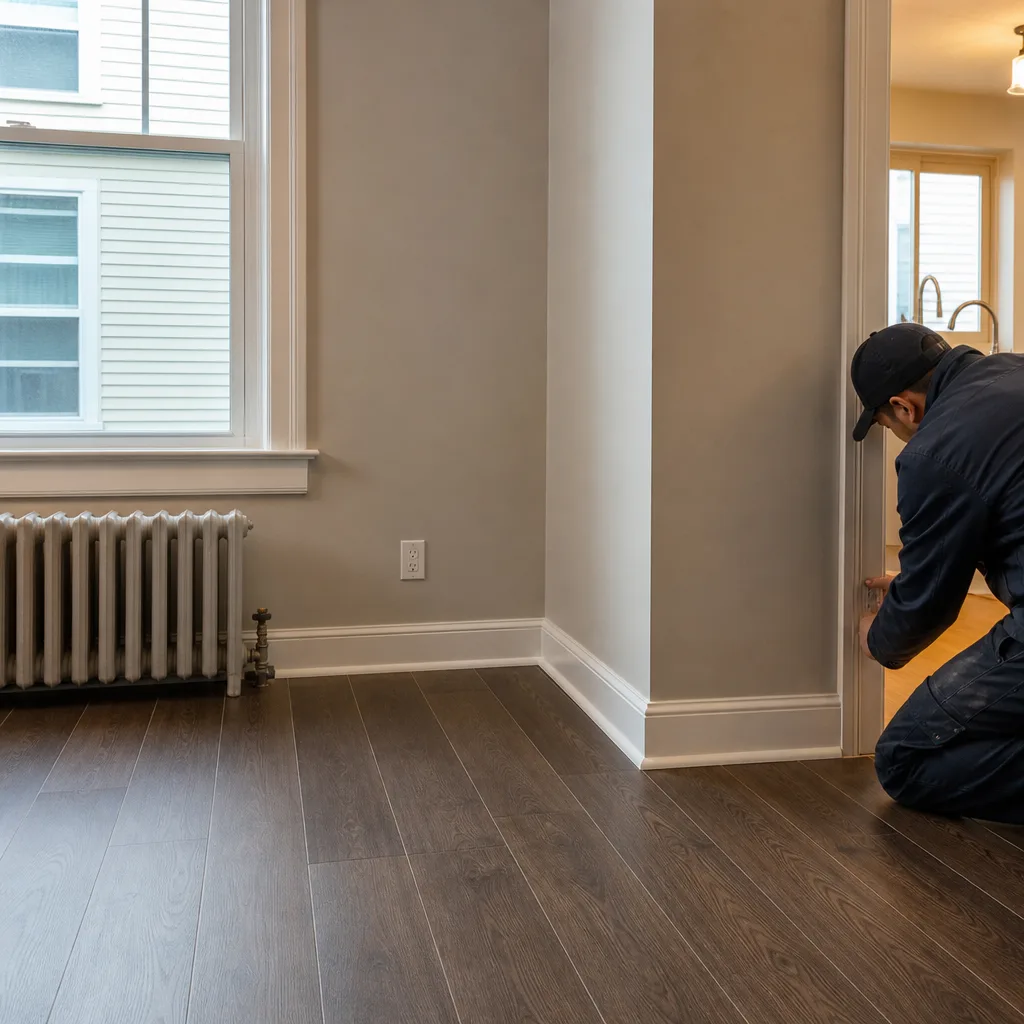 After
After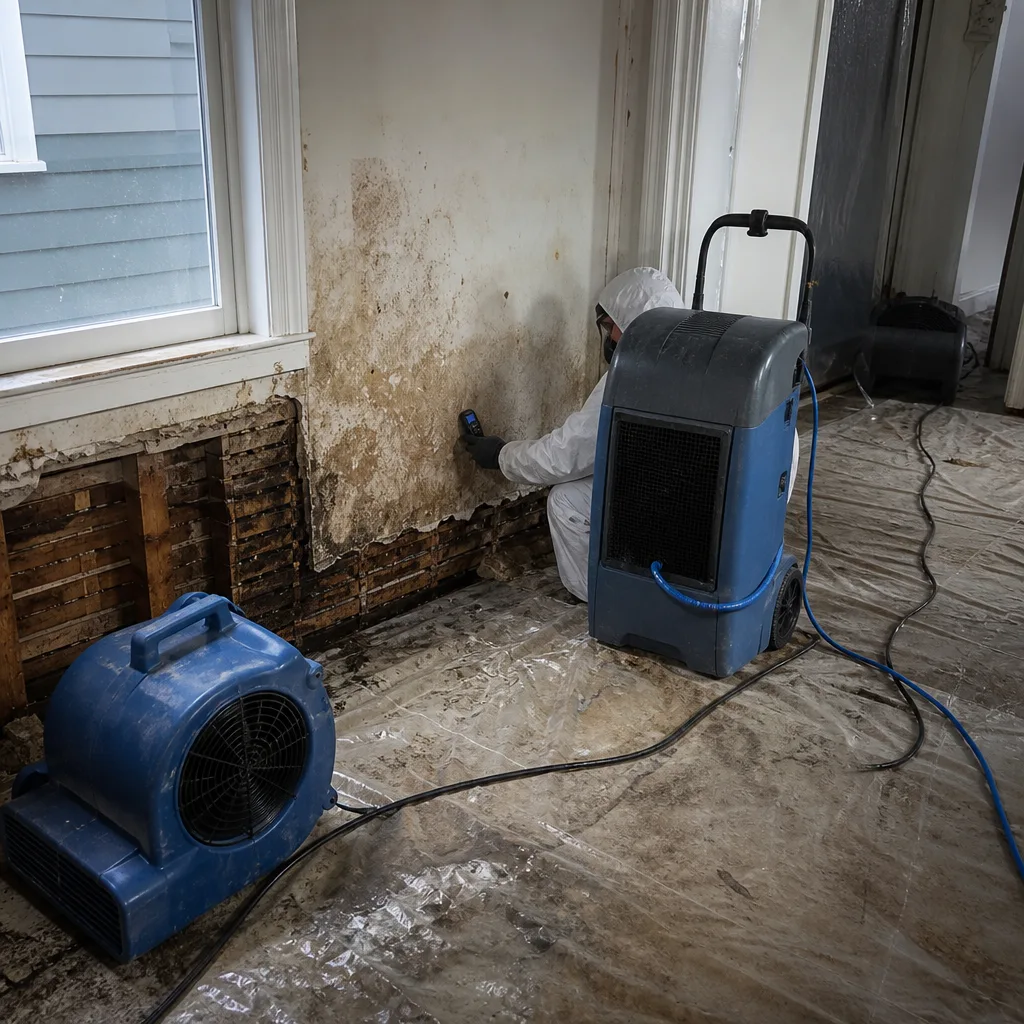 Before
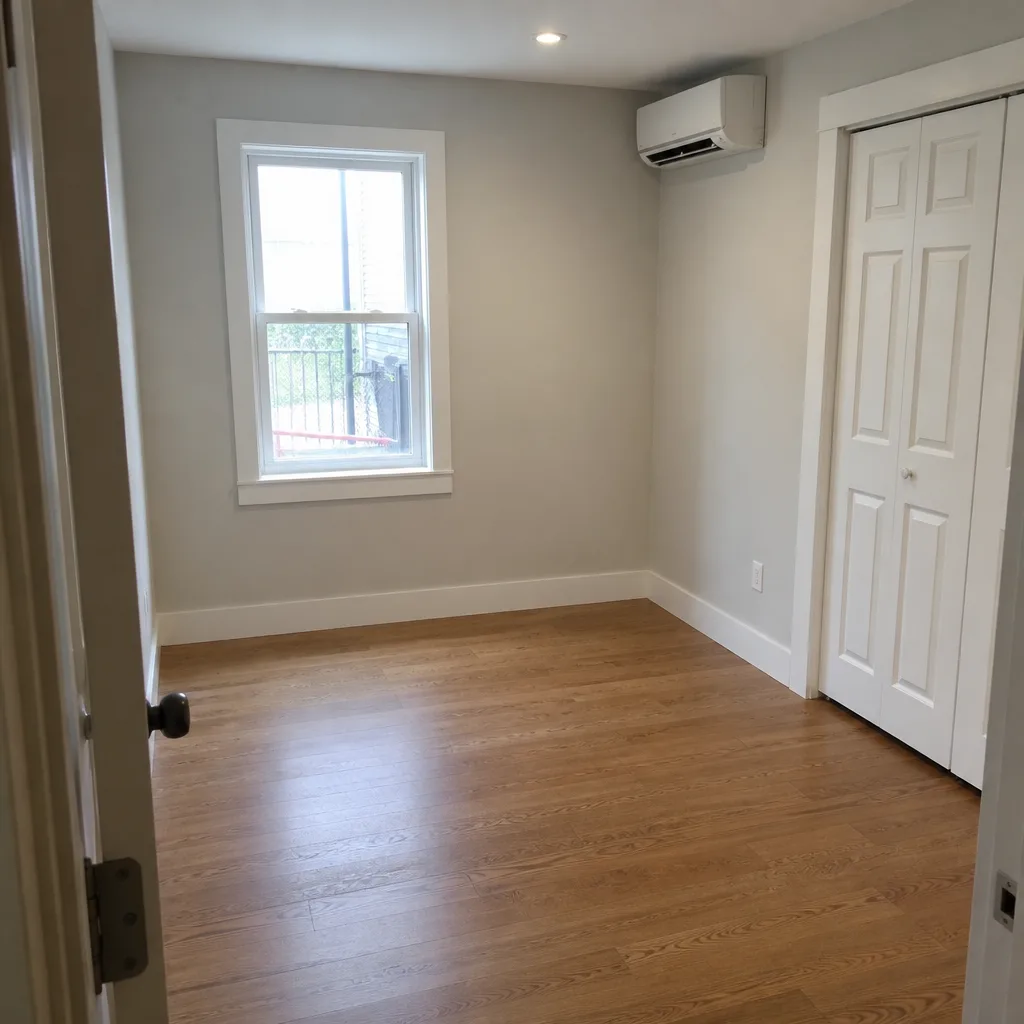 After
After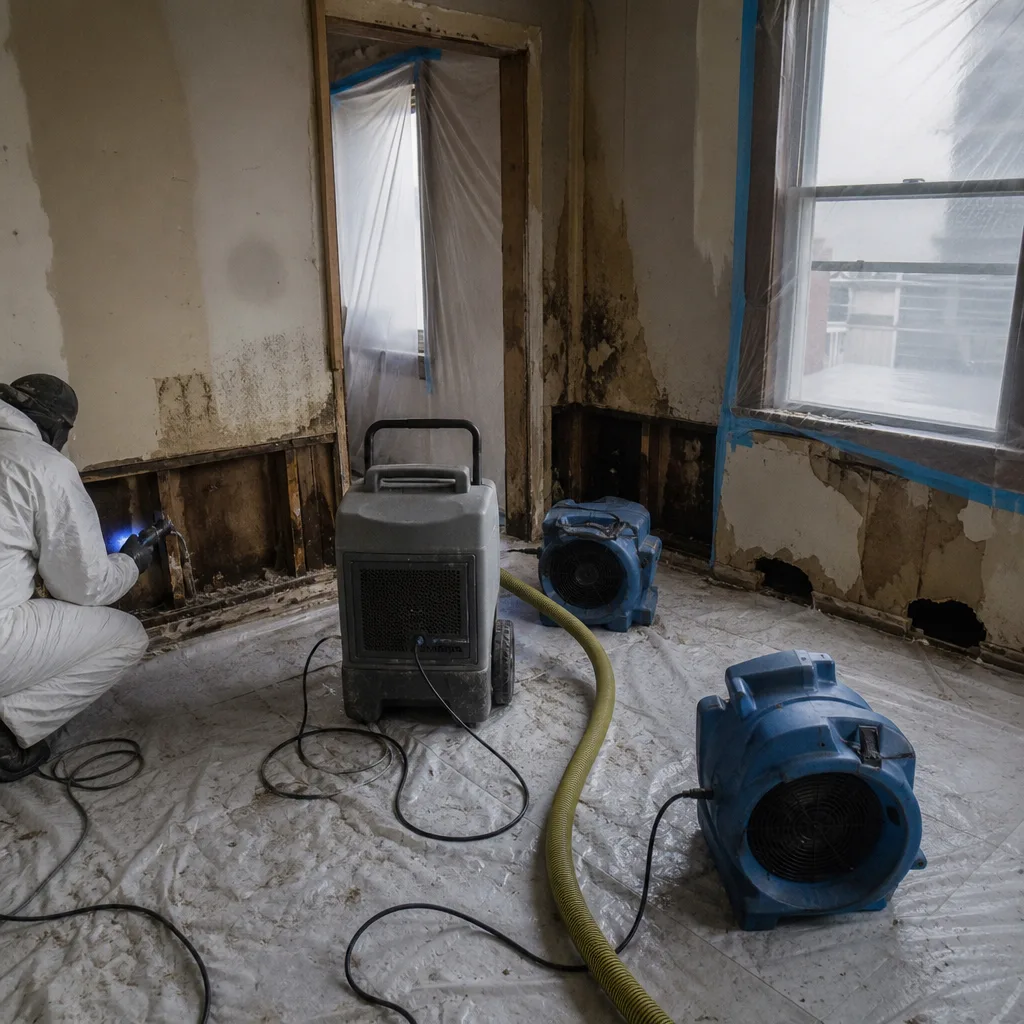 Before
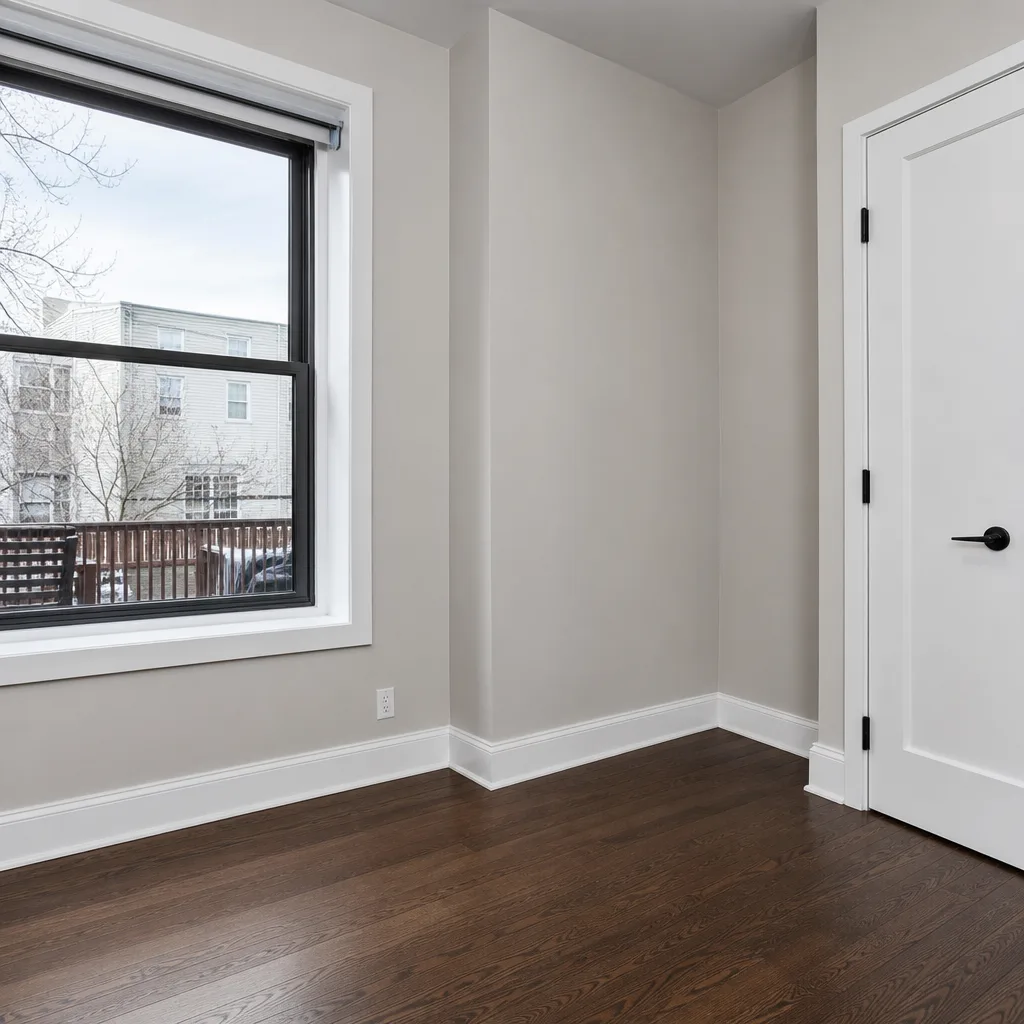 After
After24/7 Emergency Sewage Cleanup in Midtown Manhattan
Sewage backup in Midtown Manhattan is a Category 3 water event that needs immediate extraction and disinfection, and Wade Ferris answers his own phone at (363) 208-1526 around the clock. A live person picks up, not a call center, and a crew can be rolling toward your building within 45 minutes. Every hour Category 3 water sits in a pre-war apartment, horsehair plaster wicks contamination deeper into wall cavities and hidden framing. That turns a straightforward extraction into structural drying, plaster removal, and full antimicrobial treatment. We do not charge for the visual inspection, and we will tell you honestly what needs doing versus what can wait. Call (363) 208-1526 the minute you see sewage backing up. Do not flush, do not run water, and keep people and pets out of the affected area.
Understanding Sewage Cleanup Severity in Midtown Manhattan Properties
Sewage is Category 3 water. It carries bacteria, viruses, and parasites. It is never a mop-and-bucket job, and in Midtown Manhattan’s building stock the severity compounds fast. Here is why. Midtown’s pre-war high-rises and tenement walk-ups, especially in Hell’s Kitchen and Murray Hill, were built with original cast-iron waste risers and horsehair-plaster walls. Horsehair plaster acts like a sponge. It pulls contaminated water upward far beyond the visible waterline, often behind baseboards and into stud cavities before you ever see a stain. We use moisture mapping and thermal imaging to find where the Category 3 water actually traveled, not just where it pooled. In newer glass curtain-wall towers, the problem shifts: black water from a floor 20 backup can cascade down elevator shafts and through floor penetrations, spreading contamination across multiple tenant spaces. Those buildings have their own containment challenges we will get into below.
Why Midtown Manhattan Property Owners Choose Wade’s Restoration
- 45-minute response commitment. When sewage is spreading through a Midtown apartment, the clock matters. Wade and his crew get moving fast, and they know which buildings require freight-elevator scheduling before equipment goes up.
- 24/7 live answer, every time. You call (363) 208-1526 and a person answers. Often that person is Wade himself, standing in his own kitchen at 2 a.m. telling you he is on his way.
- IICRC-certified crews. The work is performed to IICRC standards including WRT and AMRT protocols. RIA and IFA credentials back the crew. When asbestos is a concern in a pre-war building, we know when to stop and call in a licensed abatement contractor before drying begins.
- Free visual inspection. We will show up, assess the damage, and give you a straight answer on scope. No charge for that in Midtown Manhattan.
- Direct insurance billing. We deal with your adjuster directly, send photo documentation from hour one, and push for the full scope your policy covers.
- One team from extraction to reconstruction. We do not hand you off to a third-party contractor halfway through. The same crew that extracts the sewage rebuilds the bathroom later.
Our Sewage Cleanup Process
Inspection & Assessment
We start with moisture mapping, thermal imaging, and a full visual walkthrough of the affected unit and any adjacent spaces. In Midtown pre-war buildings, that means checking for wicking in horsehair plaster, saturation behind baseboards, and contamination that migrated through wall cavities. We also identify any potential asbestos-containing materials before demolition starts.
Extraction & Stabilization
Black water is extracted using truck-mounted and portable extraction units. Contaminated porous materials, carpet, padding, and saturated drywall are removed and bagged for proper disposal. We set up containment with negative air pressure so sewage particulates do not migrate into clean areas of the building.
Drying & Dehumidification
Dri-Eaz dehumidifiers and XPOWER air movers are positioned based on the moisture map, not guesswork. In a Midtown high-rise, that means scheduling freight-elevator windows with the building super and running equipment on circuits that can handle the load. Daily moisture readings are logged and handed to you at the end of the job.
Cleaning & Sanitization
All affected surfaces are cleaned with antimicrobial agents registered for use on Category 3 contamination. Non-porous surfaces get disinfected. Porous surfaces that cannot be fully sanitized, like saturated plaster or insulation, get removed rather than masked.
Odor & Air Quality Treatment
Sewage odor embeds itself in building materials. We deploy HEPA air scrubbers and hydroxyl generators to pull particulates and break down odor-causing compounds. In dense Midtown buildings, this step matters because neighboring units share air paths through risers, pipe chases, and elevator shafts.
Repairs & Restoration
Once drying goals are met and clearance testing confirms the space is clean, we rebuild with our Reconstruction & Cleanup in Midtown Manhattan. That may mean new drywall, new plaster, flooring, cabinetry, or full bathroom reconstruction. One crew handles it from start to finish under the same 90-Day Done Right Promise.
Need Emergency Sewage Cleanup in Midtown Manhattan Now?
Crews minutes away, answering live 24 hours a day. The sooner we start, the less it costs.
Working With Your Insurance Company
Most Midtown Manhattan condo and co-op policies cover sewage backup damage, but the claim goes smoother when documentation starts in the first hour. We photograph everything before, during, and after extraction. We log every moisture reading. We write a line-item scope an adjuster can actually understand, not a lump-sum number with no backup. When your carrier sends an adjuster, Wade talks to them directly. He knows what questions they will ask, and he answers them with documentation rather than argument. That is the whole job: we prove the loss, prove the drying, and prove the rebuild. You should not be the one stuck relaying between your carrier and a contractor who will not pick up the phone.
What We Provide Your Insurer
- Thorough documentation of the loss
- Photos of all damage, room by room
- Moisture readings and drying logs
- A detailed, line-item scope of work
- Direct coordination with your carrier
Built for Midtown Manhattan’s Loss Calendar
Midtown Manhattan’s sewage backup season is shaped by three things: an aging cast-iron waste system, a canyon street grid that locks in cold, and a luxury residential market that never stops operating. January and February bring deep freezes that stress pre-war waste lines already cracked from decades of thermal cycling. When a cast-iron riser fractures in a Hell’s Kitchen tenement, sewage seepage can go unnoticed in a sub-basement for weeks, mistaken for groundwater until the odor forces a full scope. Spring thaw brings the opposite problem: rapid snowmelt entering combined sewer systems can back up into low-lying basements and mechanical rooms. Summer thunderstorms overwhelm storm drains near Times Square and along the avenues, sending street-level water mixed with sewage into below-grade commercial spaces. Nor’easters, when they hit, drive wind-driven rain into building envelopes that were never sealed for the pressure differentials of a 40-story tower. Each season has a signature failure mode here, and we have seen all of them.
Sewage Cleanup Across Midtown Manhattan’s Neighborhoods
Midtown Manhattan is not one neighborhood. Hell’s Kitchen has tenement walk-ups with narrow stairwells, original cast-iron waste lines, and horsehair plaster that hides contamination. Murray Hill runs to pre-war co-ops where a fourth-floor toilet overflow travels down three floors before anyone notices. The Garment District’s older commercial buildings pack multiple tenants onto each floor, so a sewage backup in one unit means coordinating containment around active fashion and textile operations. Times Square and the Theater District add hotel rooms and restaurant basements, where a sewage event can shut down a kitchen for health-code reasons inside an hour. Along Fifth Avenue and Park Avenue, luxury co-ops and condo towers demand discretion, scheduled freight-elevator windows, and crews in uniform who sign in with the concierge. We know which buildings on which blocks require a certificate of insurance filed before we can even park the truck. That is the unglamorous reality of Sewage Cleanup in this district, and it is why people call us instead of a national call center that never stepped foot in a Midtown co-op.
Specialized Sewage Cleanup Services We Offer in Midtown Manhattan
Sewage Backup Cleanup
A clogged cast-iron waste line in a Hell’s Kitchen walk-up forces Category 3 water up through a first-floor toilet. We contain the bathroom, extract the black water, and run moisture readings to see how far the horsehair plaster wicked the contamination. In a Midtown high-rise, the same backup can travel through floor penetrations and affect units below. We map it all before we start cutting.
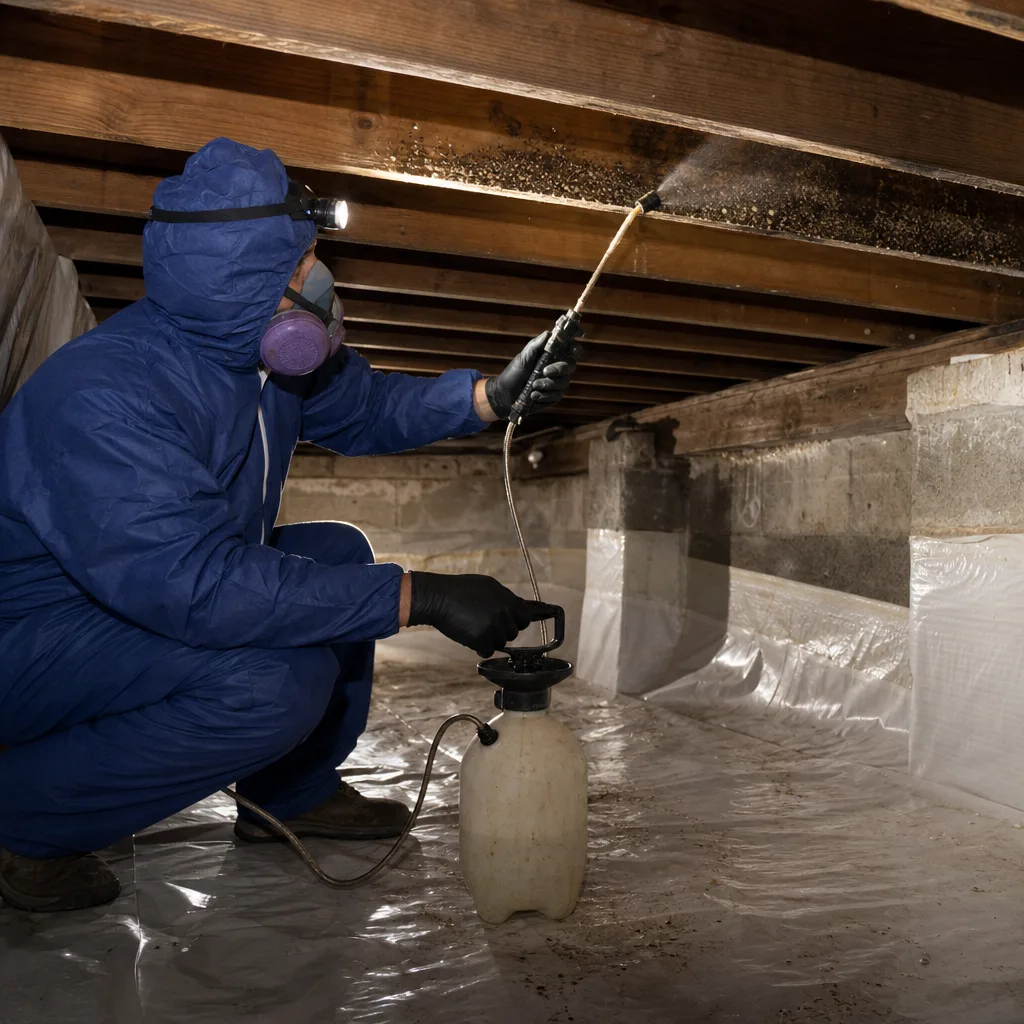
Toilet Overflow Cleanup
A toilet overflow in a Murray Hill co-op is not always contained to one bathroom. Contaminated water follows the path of least resistance, which in pre-war buildings means down through the floor and into the ceiling cavity of the unit below. We extract, sanitize with Sanitization Services in Midtown Manhattan, and dry before the neighbor below files a claim against your policy.
Septic Failure Cleanup
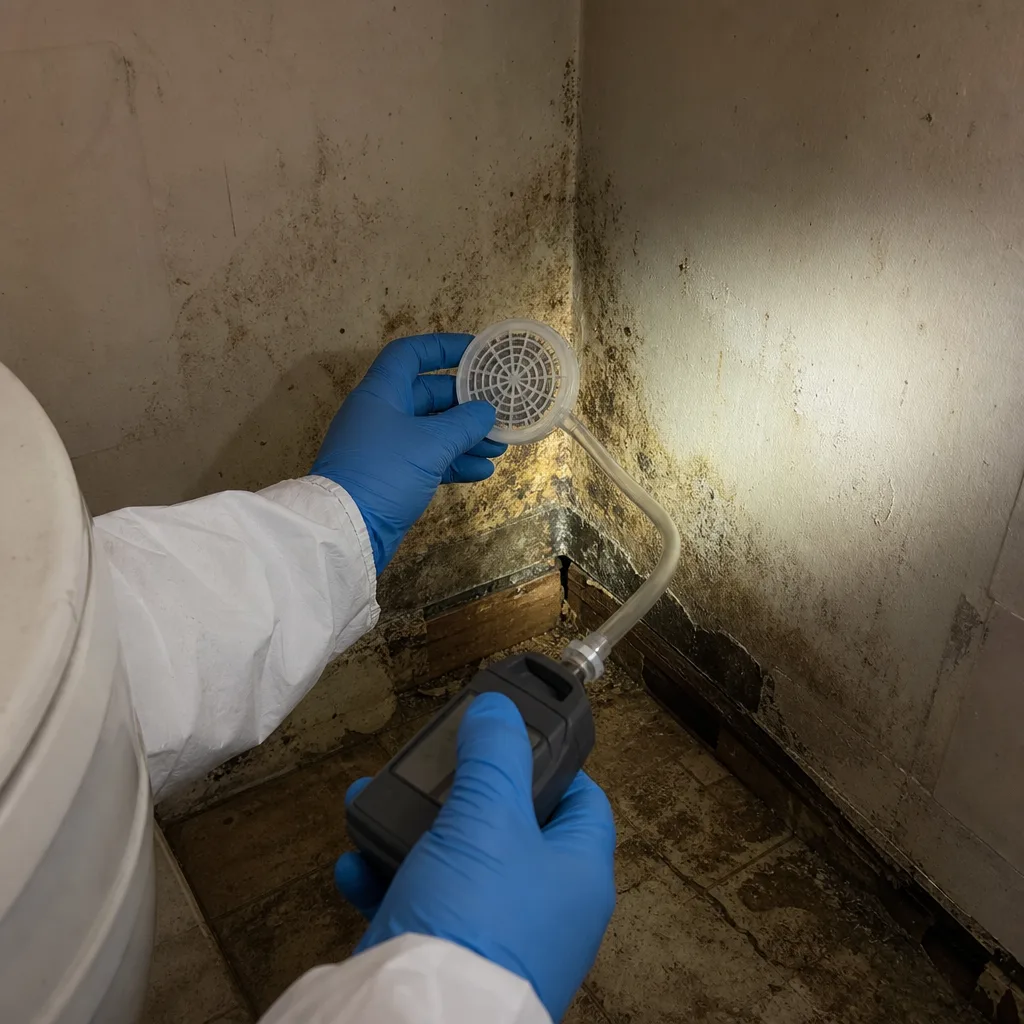
Some older buildings along the far western edge of Midtown still operate on legacy septic or holding systems. A failed pump or a collapsed line means sewage pooling in the basement. We handle the extraction, the sanitization, and the structural drying while you deal with the plumbing repair.
Black Water Extraction
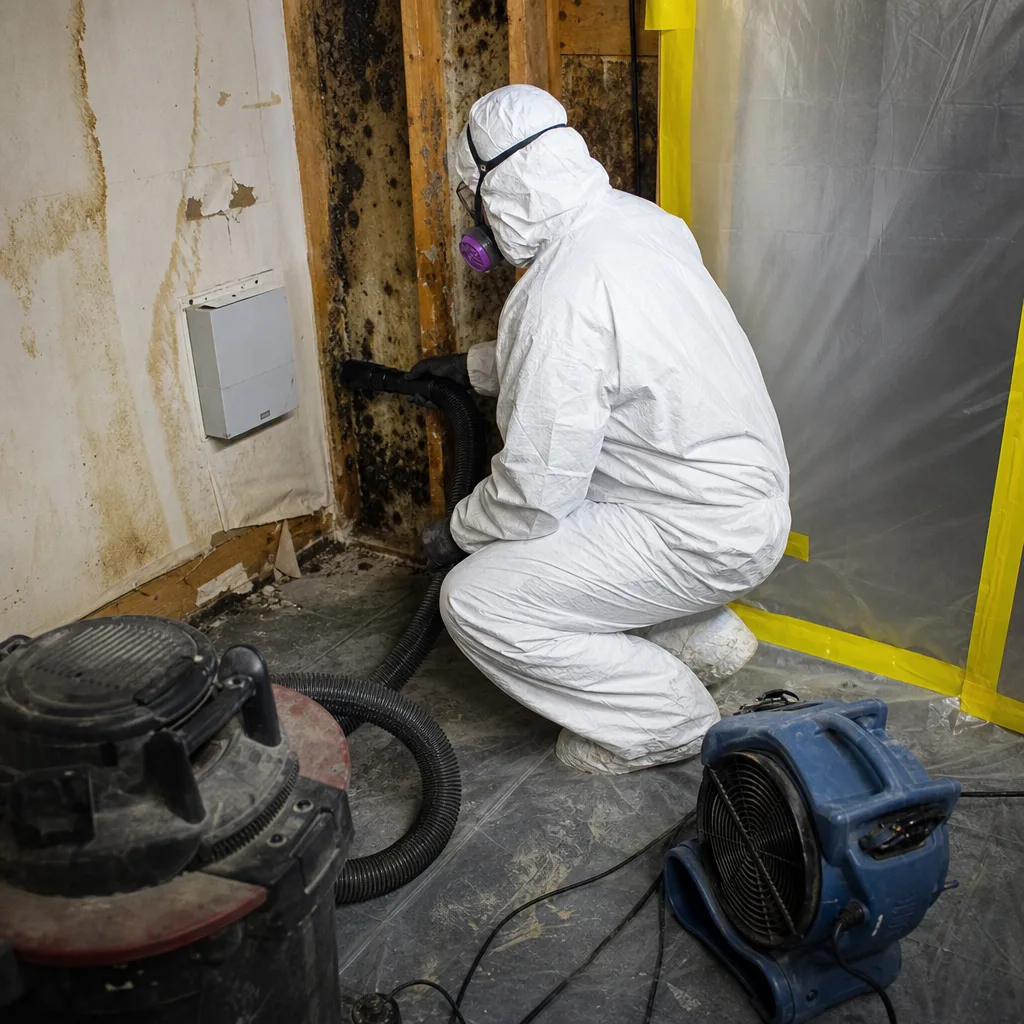
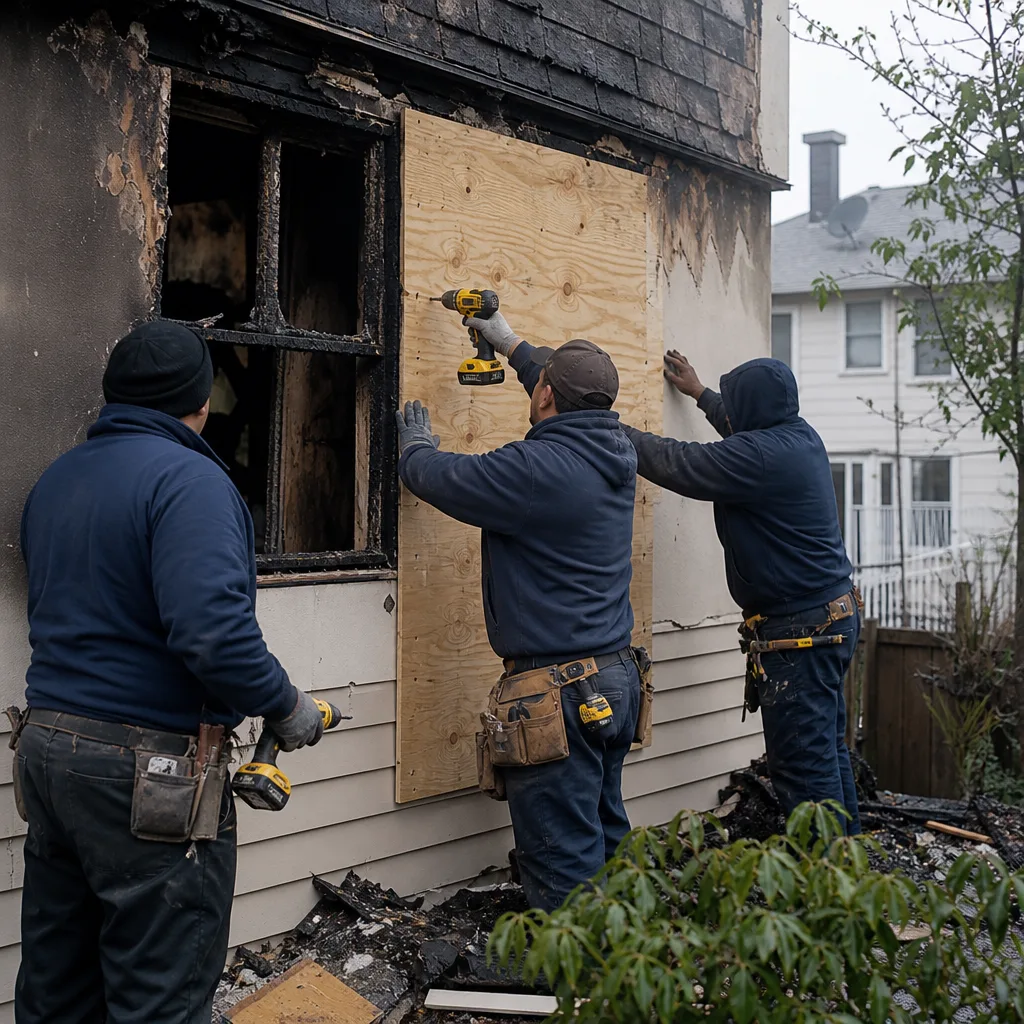
This is the core of what we do. Black water is sewage, and it demands immediate removal with proper containment. We use truck-mounted extraction units, set up negative air pressure, and remove contaminated materials the same day. In a dense vertical district like Midtown Manhattan, speed here is not a selling point. It is a health requirement.
Sanitization & Disinfection
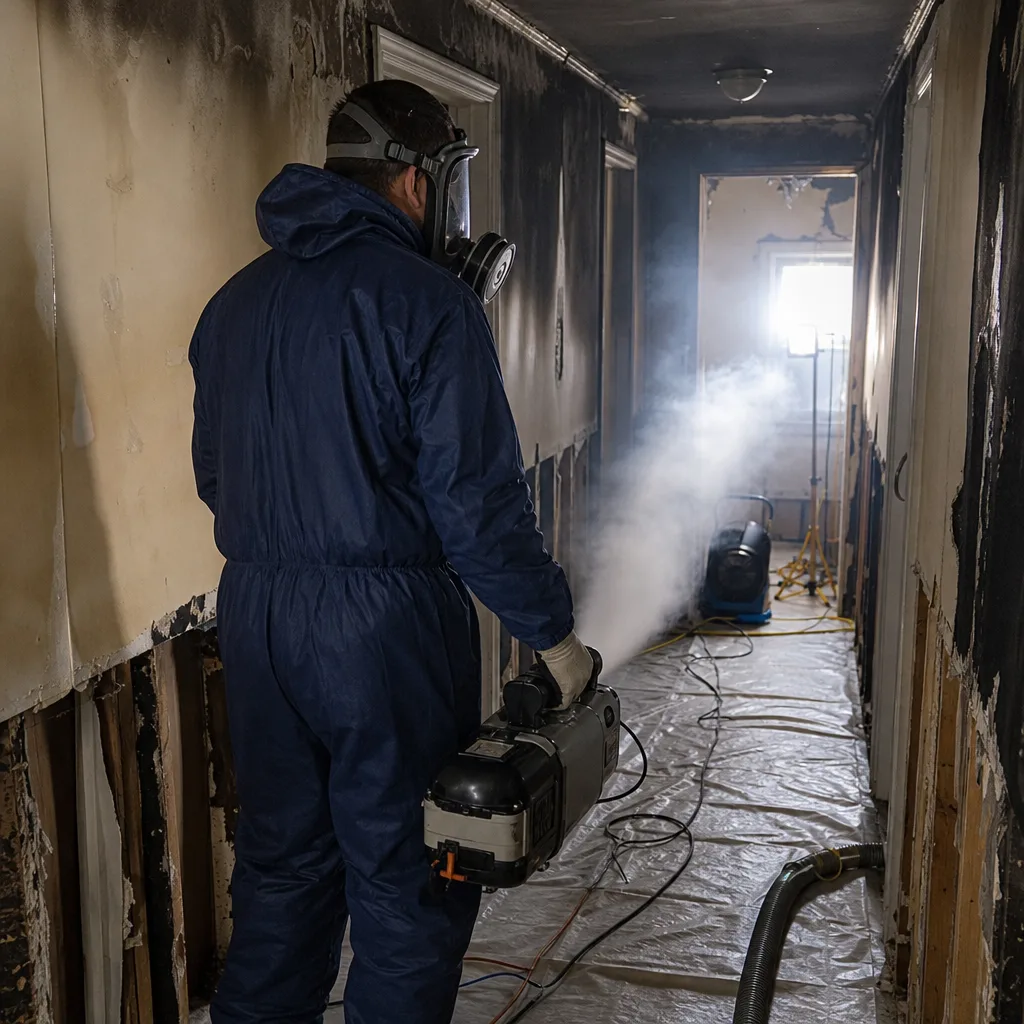
After extraction, every affected surface receives antimicrobial treatment rated for Category 3 contamination. Hard surfaces get disinfected. Porous surfaces that cannot be fully sanitized, including saturated horsehair plaster and insulation, get removed. We then run HEPA air scrubbers until air clearance testing confirms the unit is safe to reoccupy.
What happens when you call
- 1
A real person answersNo phone trees - you reach a local pro.
- 2
You get an upfront price rangeHonest numbers before anyone is dispatched.
- 3
A background-checked tech heads outLicensed & insured, dispatched right away.
- 4
You approve before work beginsNothing starts until you say go.
Sewage Cleanup Costs in Midtown Manhattan, NY
A straightforward toilet overflow contained to one bathroom in a Midtown Manhattan co-op typically runs $1,200 to $2,500 for extraction, sanitization, and drying. A full sewage backup that wicks into horsehair plaster walls, requires containment, and forces partial demo runs $4,000 to $9,000, sometimes more when asbestos abatement gets pulled into the scope. Black water extraction with structural drying in a high-rise unit, with freight-elevator logistics and building-management coordination, lands between $5,000 and $12,000 depending on square footage and how many rooms are affected. What moves the price: how far the contaminated water traveled, how much porous material must be removed, whether asbestos is present in the wall or floor assembly, and whether the building super requires union site labor or off-hours access. Most condo and co-op policies cover the bulk of the work after your deductible. Call (363) 208-1526 and we will do a free visual inspection and give you a written scope before any work begins.
We Also Serve Cities Near Midtown Manhattan
Our crews work throughout the city, covering Astoria, the Financial District, Lower Manhattan, and Flushing. The same IICRC-certified team that extracts sewage from a Hell’s Kitchen walk-up can be in Long Island City or TriBeCa inside 45 minutes.
Serving Midtown Manhattan, NY - Our Local Coverage Area
We’re based in the Midtown Manhattan area and offer Midtown Manhattan Commercial Restoration because we know this community well. Use the map below to see our service coverage - if you’re nearby, we can almost certainly help.
Midtown Manhattan Sewage Cleanup Questions, Answered
How does sewage cleanup differ in Midtown Manhattan’s pre-war walk-ups compared to newer buildings?
In pre-war walk-ups, horsehair plaster and original cast-iron risers change the whole job. Horsehair plaster wicks Category 3 water deep into wall cavities, so cleanup requires moisture mapping, plaster removal, and structural drying rather than surface sanitization alone. Newer buildings have more contained drain systems and drywall, but they still require containment and proper extraction. In both cases, we treat sewage as a health hazard, not a cosmetic issue.
What special access challenges do restoration crews face for sewage cleanup in Midtown high-rises?
Freight-elevator scheduling is the big one. You cannot haul truck-mounted extraction hoses or Dri-Eaz dehumidifiers through a lobby in a luxury tower. We coordinate with the building super, book freight-elevator windows, and sometimes work within strict hours set by the co-op board. We also file certificates of insurance before we can even bring equipment into many Midtown buildings.
Does a sewage backup in a Midtown commercial space require stopping business operations?
Usually yes, at least in the affected area. Health codes do not allow food service or retail to operate in a space with active Category 3 contamination. We set up containment so adjacent tenant spaces can stay open where possible, and we work to get your space dried, sanitized, and cleared as fast as the scope allows. We also coordinate directly with property management so the building is never in the dark about where we are in the process.
How long does it typically take to dry out a Midtown pre-war apartment after a sewage backup?
Three to five days is typical for a contained bathroom overflow. If sewage wicks into horsehair plaster and stud cavities, structural drying can stretch to seven to ten days. We log daily moisture readings with hygrometers and thermal imaging so you see the drying curve, not a promise. You get the full log at the end of the job.
Is asbestos ever a concern during sewage cleanup in older Midtown buildings?
Yes. Many pre-war buildings in Hell’s Kitchen and Murray Hill have pipe insulation, floor tile, or plaster containing asbestos. If demolition is needed as part of the sewage cleanup, a survey is required before we cut into anything. If asbestos is found, a licensed abatement contractor handles that portion before drying equipment is staged. We do not touch it, and we do not cut corners on it.
How fast can someone actually get to my Midtown Manhattan apartment for a sewage backup?
We aim to have a crew on-site within 45 minutes of your call. Midtown traffic is what it is, but we know the surface-street routes, the loading dock entrances, and which buildings let us park where. Call (363) 208-1526 and a live person tells you exactly when Wade is leaving and how long until he gets there.
Will my insurance cover sewage backup damage in Midtown Manhattan?
In most Midtown condo and co-op policies, sewage backup is covered, but the claim has a much better chance when documentation starts immediately. We photograph the damage in hour one, keep daily moisture logs, and submit a line-item scope your adjuster can actually follow. Wade talks to the adjuster directly so you do not have to translate between two parties.
What should I do in the first 30 minutes after discovering a sewage backup?
Stop using all water in the unit. Do not flush toilets, do not run sinks, do not use the dishwasher or washing machine. Keep people and pets out of the affected area. If sewage is backing up through a floor drain or toilet, turn off the water supply to the fixture if you can safely reach it. Then call (363) 208-1526. Do not attempt to vacuum or mop the sewage. It is a health hazard, and the wrong equipment spreads contamination.
Wade Ferris has been doing restoration work since 2007, and he still answers his own phone. In Midtown Manhattan, that means you get a person who knows the difference between a Murray Hill co-op and a Hell’s Kitchen tenement, and who has dealt with more freight-elevator schedules and co-op boards than he can count. He will tell you what needs doing, what it will cost, and whether insurance should cover it. Then he shows up and does it.
If you have sewage backing up right now, call (363) 208-1526. If you are dealing with an older backup that never got properly dried and now smells, call the same number. Free visual inspection, written scope before any work begins, and the 90-Day Done Right Promise in writing. That is how we work in Sewage Cleanup in Midtown Manhattan.
Written by Wade Ferris, Owner at Wade’s Restoration, serving Midtown Manhattan since 2007.