
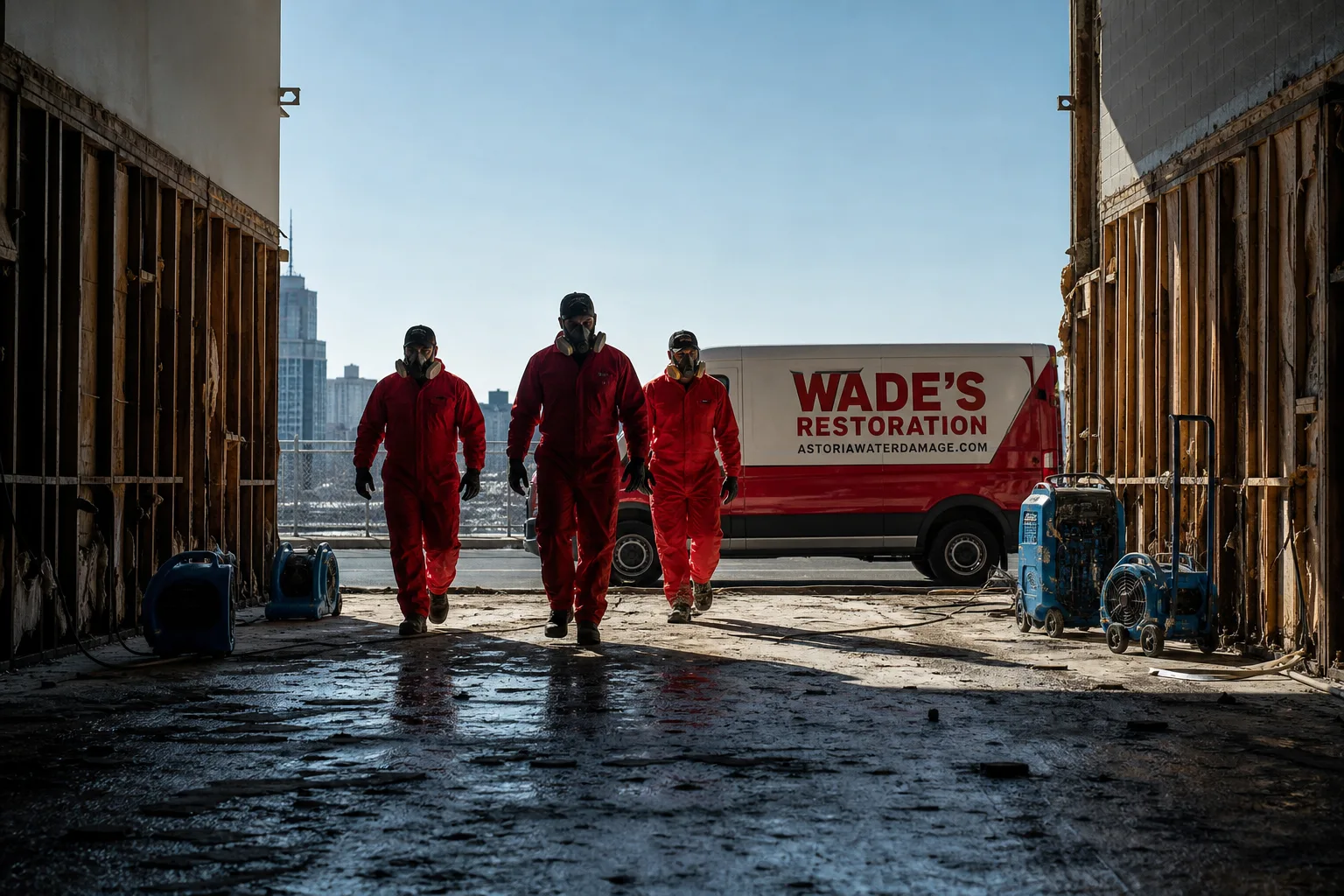
Free visual inspection and a written scope of work before any mitigation begins - photos, moisture readings, and drying logs go in your claim file
The scope we write is the scope we bill. Anything new gets shown to you, in writing, before we touch it.
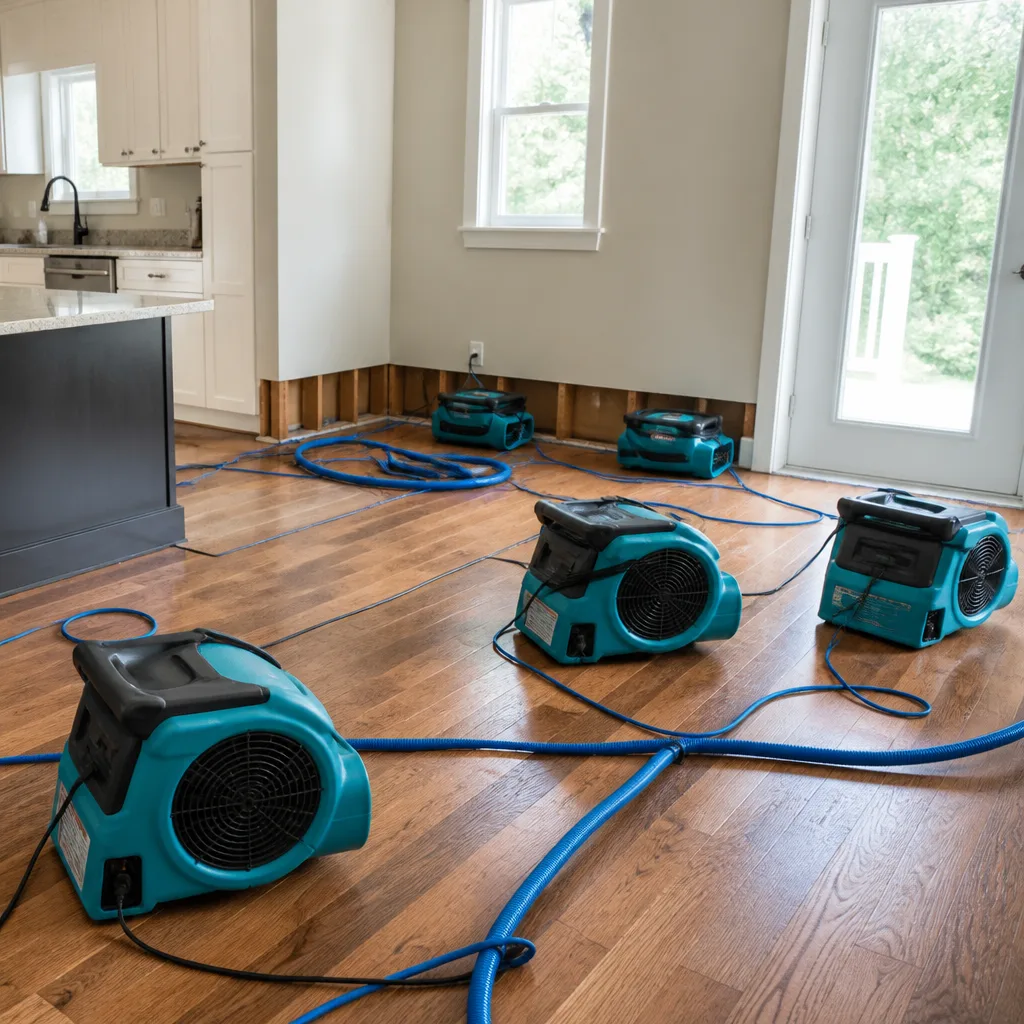
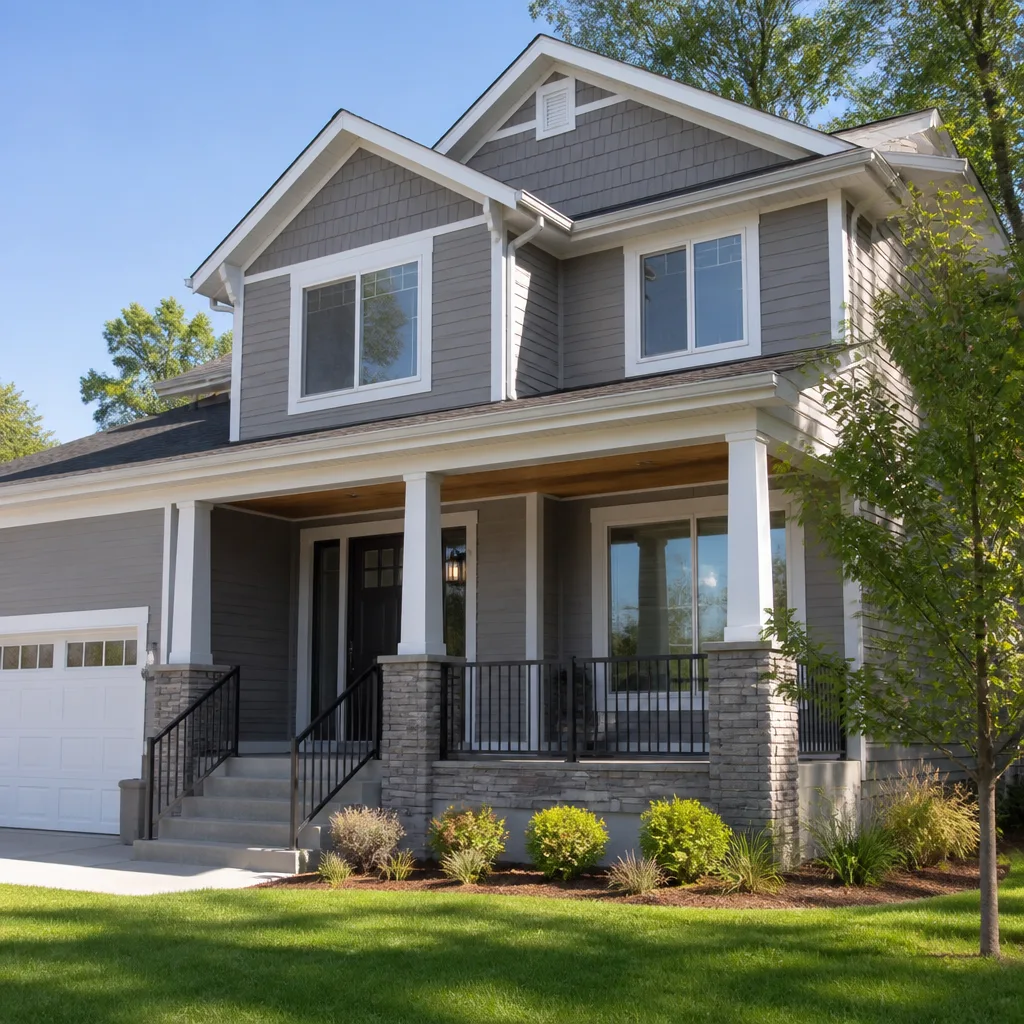
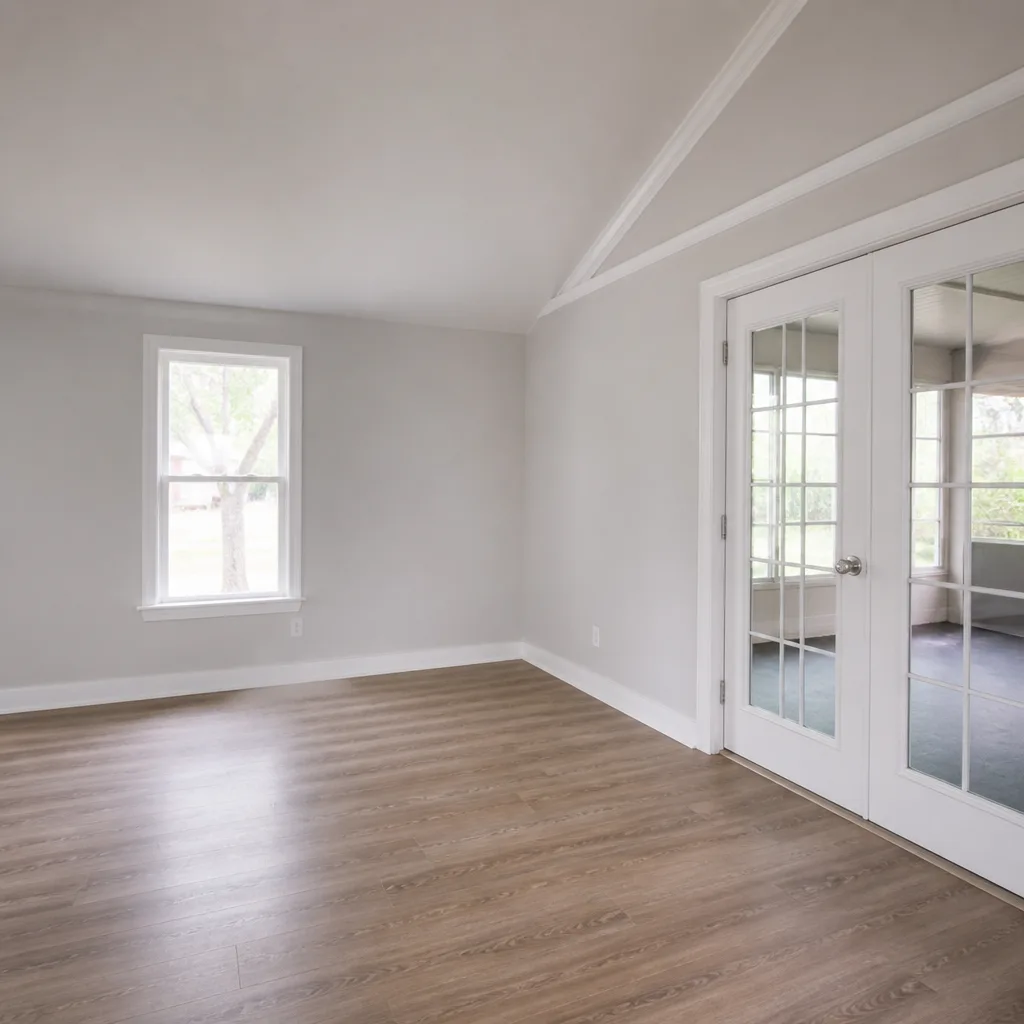
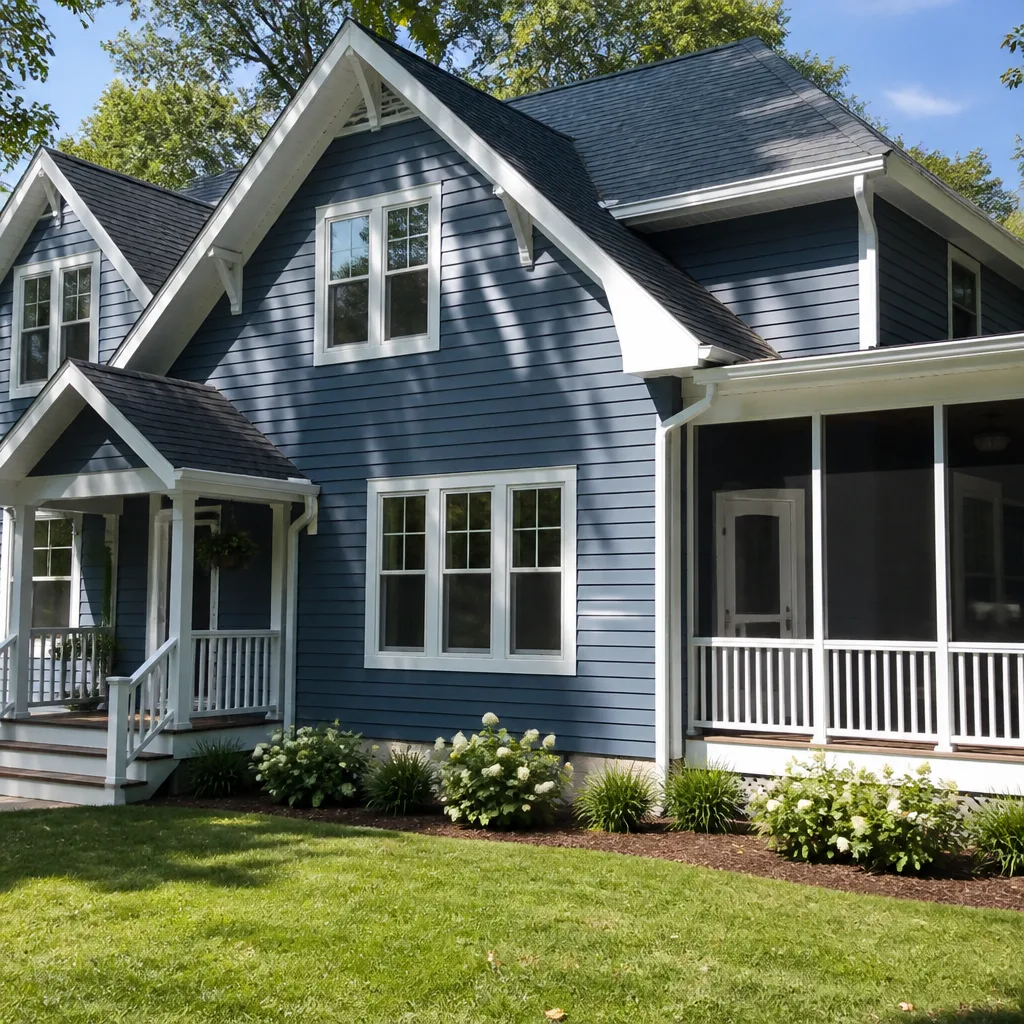
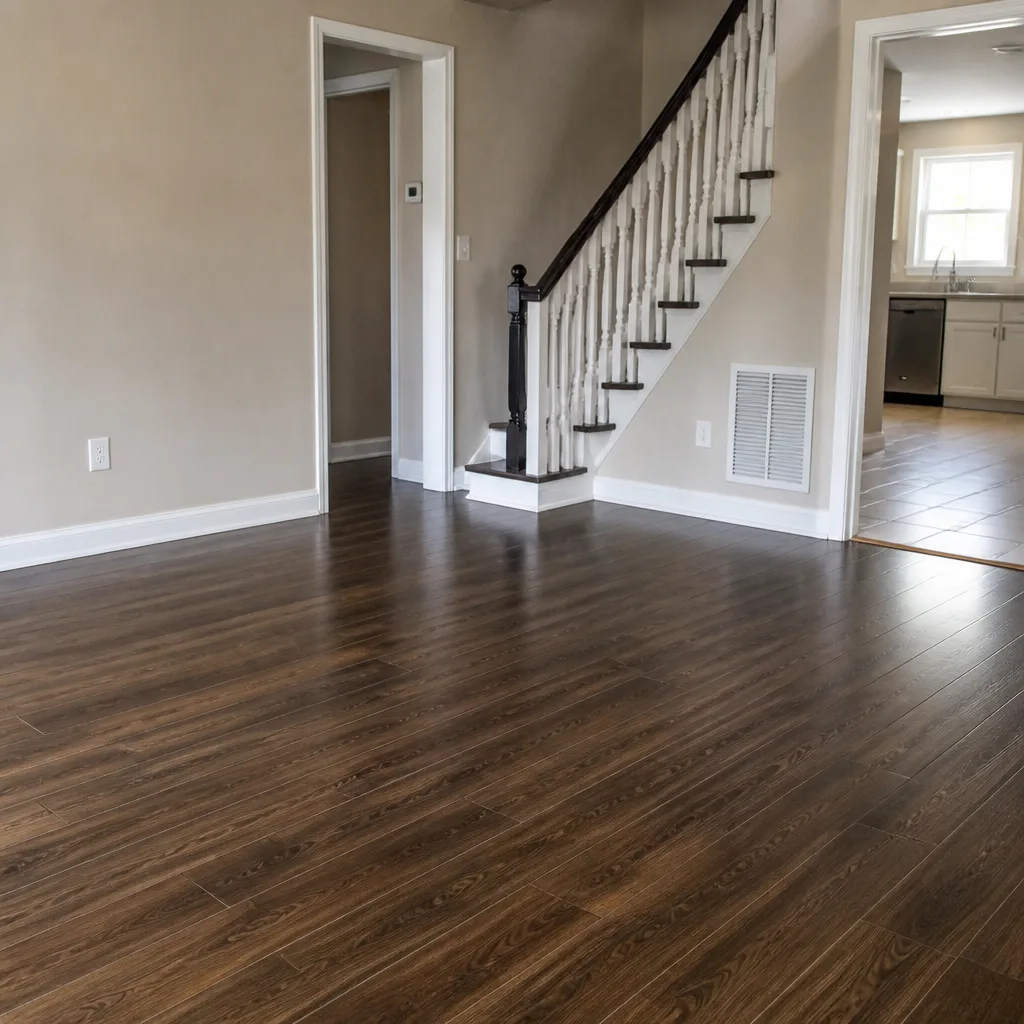
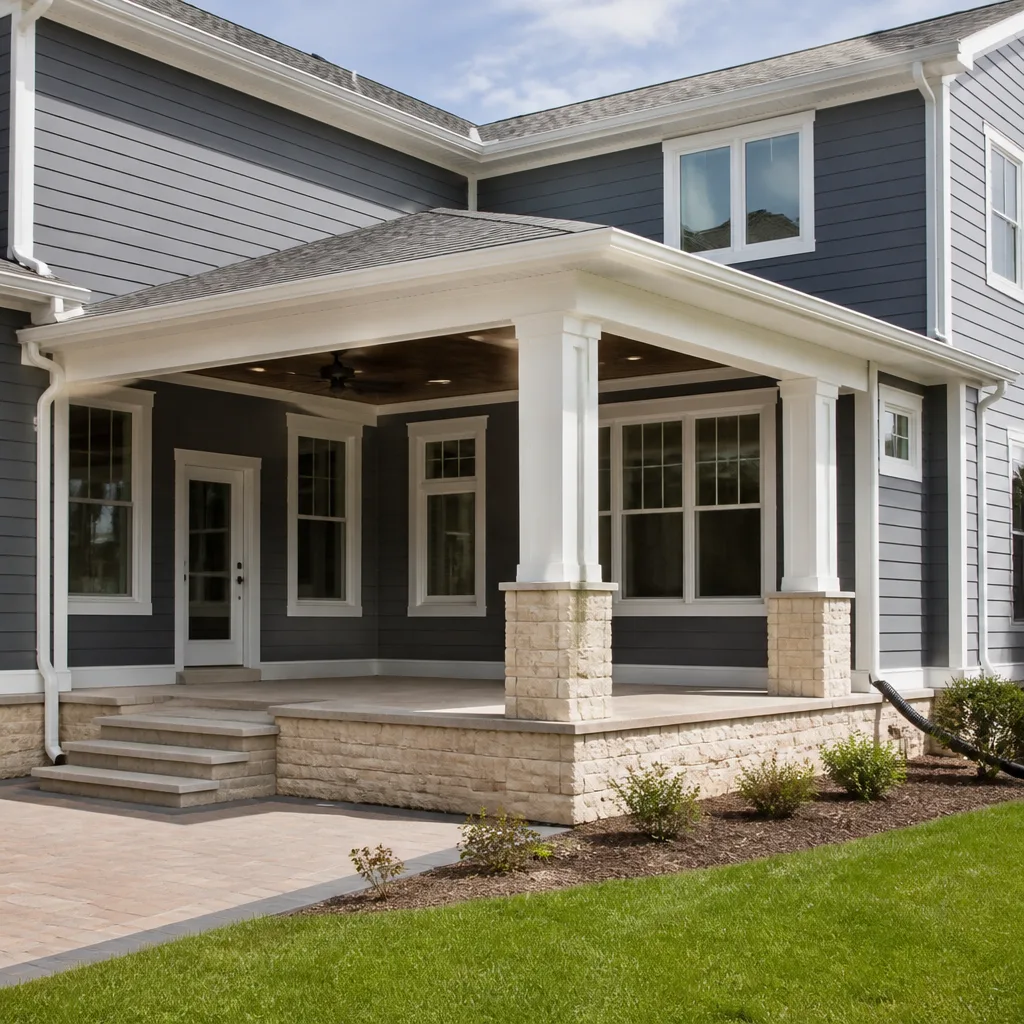
 Before
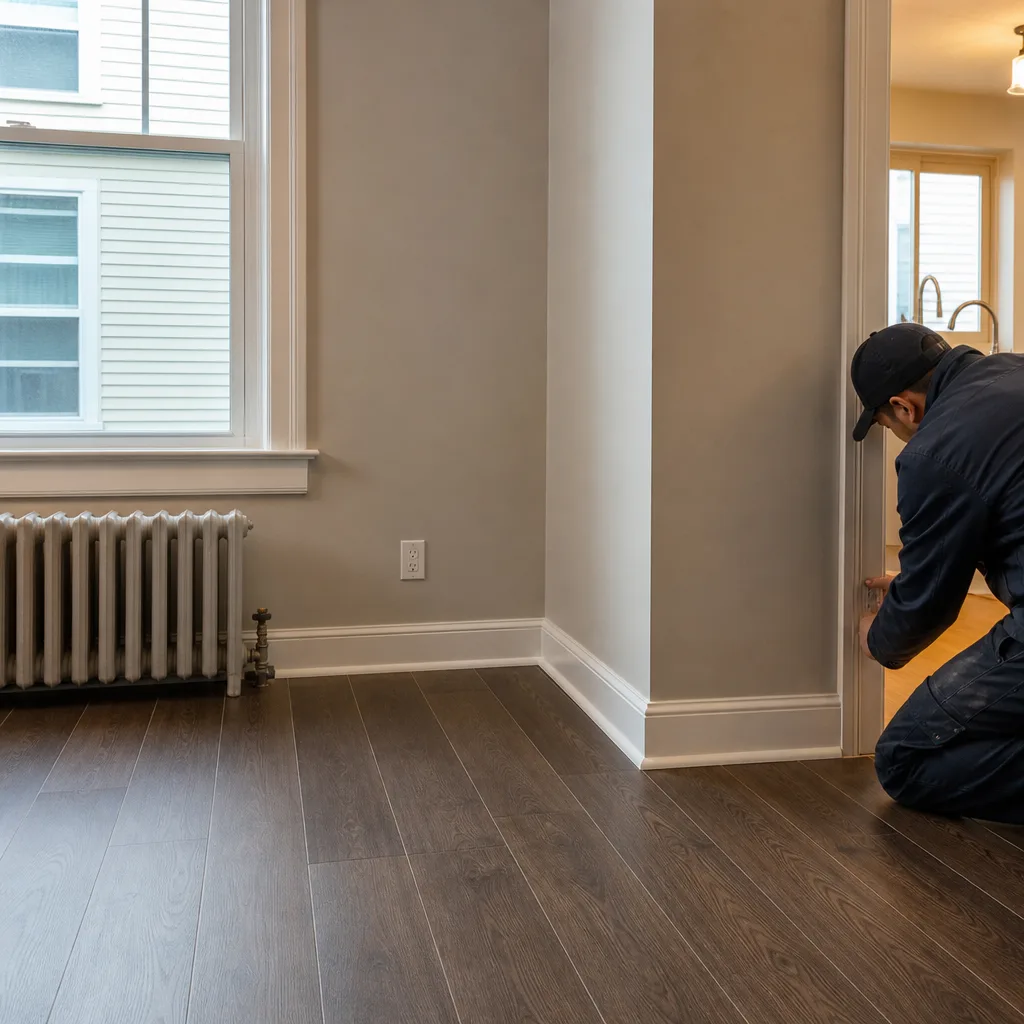 After
After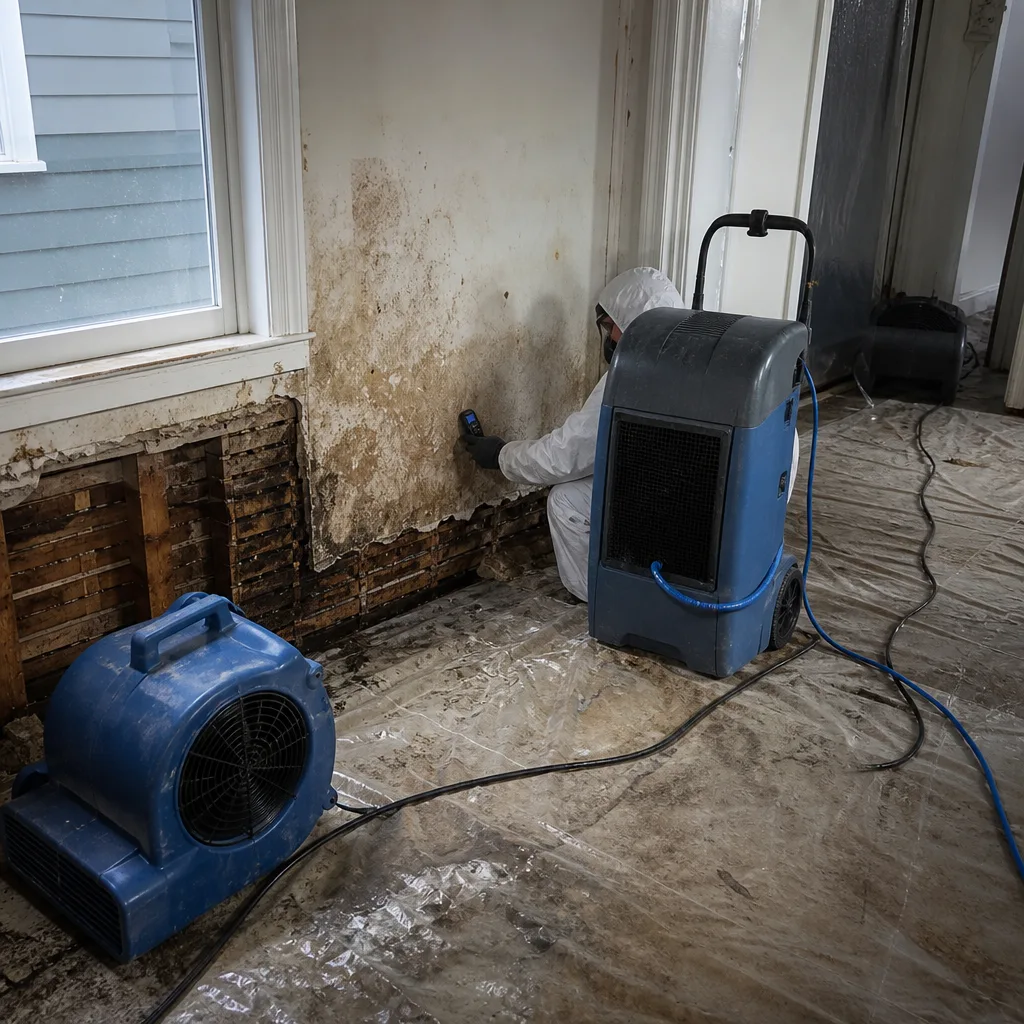 Before
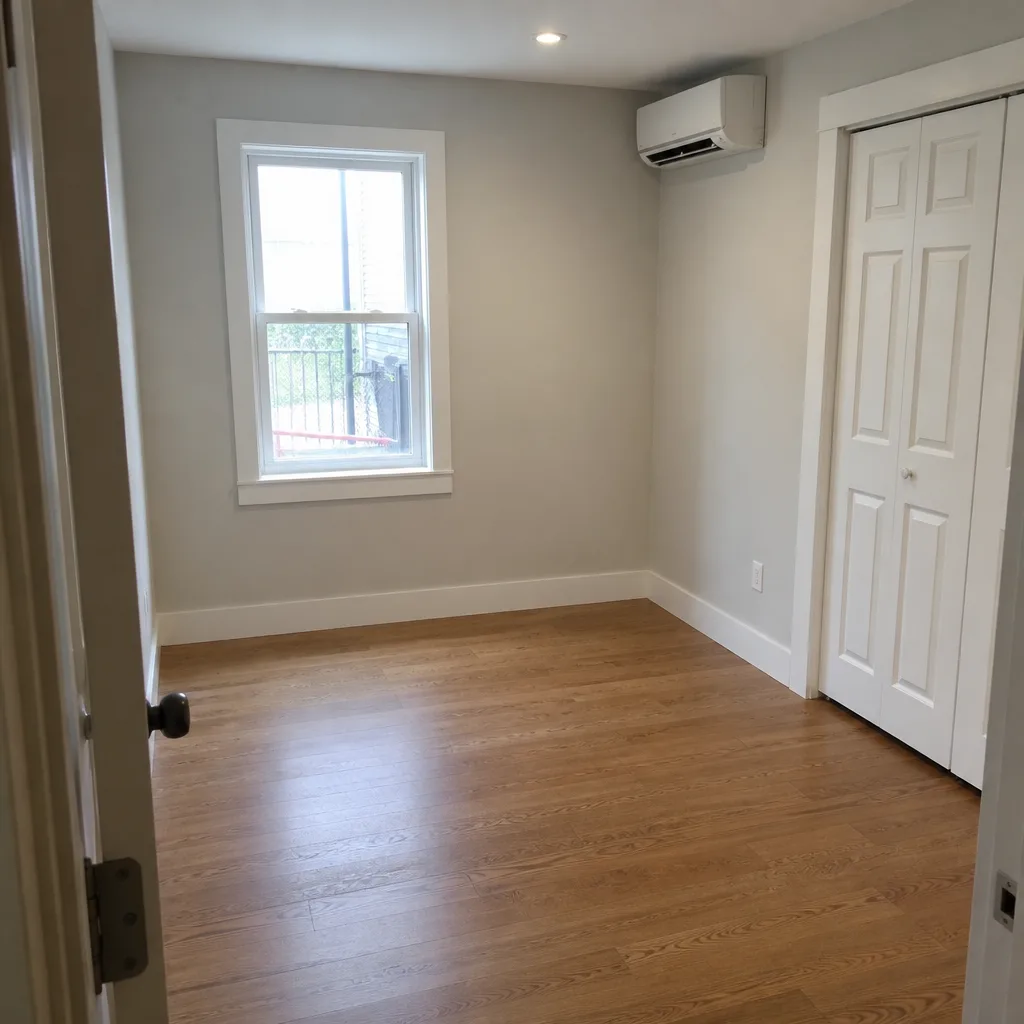 After
After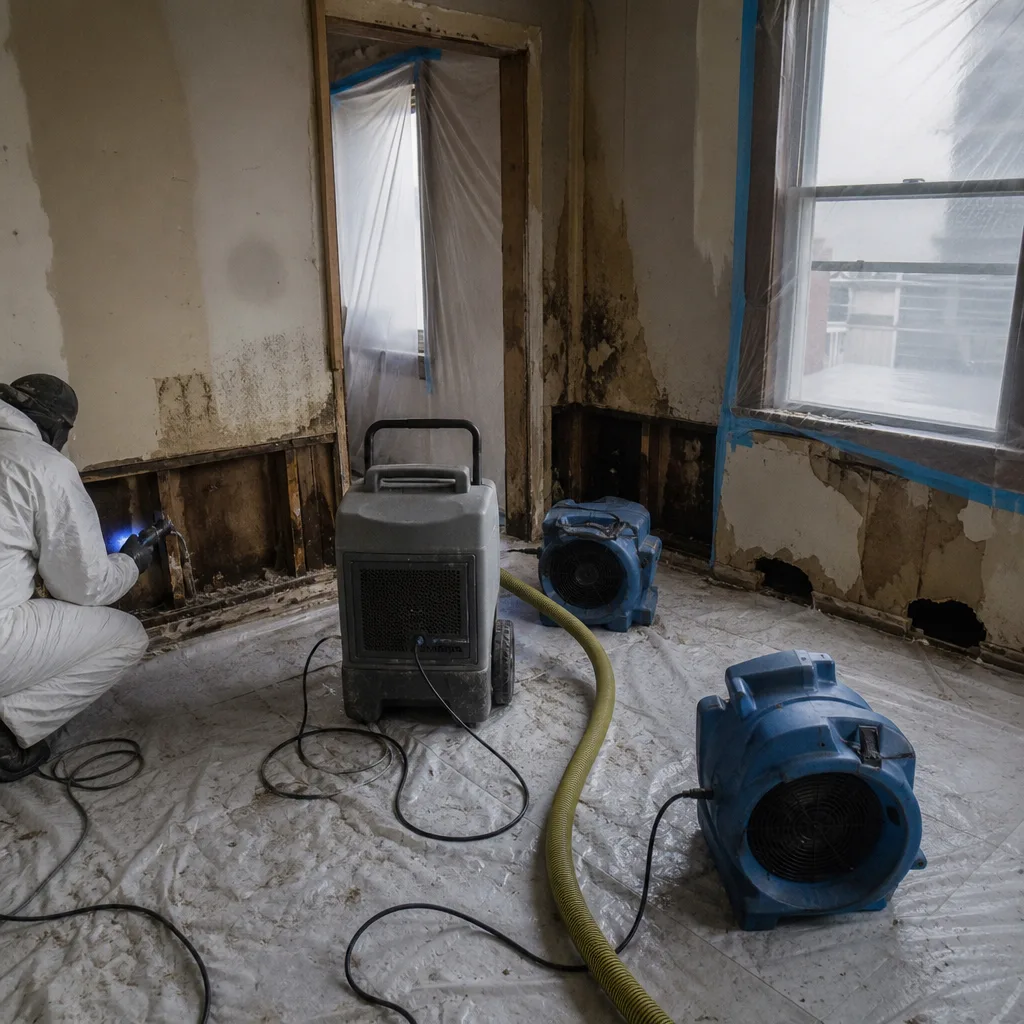 Before
 After
After24/7 Emergency Reconstruction & Cleanup in Union City
When a pipe bursts on the fourth floor of a Union City tenement, the damage is rarely confined to that unit. Water follows the original cast-iron stacks and un-firestopped joist bays down through every floor, and by morning you’re looking at a four-unit loss with four different owners and three insurance adjusters involved. That’s the reality of Reconstruction & Cleanup in this city, and it’s exactly the kind of job Wade’s Restoration has been handling since 2007. Call (363) 208-1526 any hour, day or night. Wade Ferris answers his own phone, and he’ll have a crew moving toward Union City within the hour.
The first hour matters because wet lath and plaster in a 1920s walk-up starts growing mold fast, especially in the humid months. The sooner we get moisture readings and containment started, the less demolition you’ll need, and the smaller the claim. We’ll walk the building vertically before we touch a wall. That’s not how the big franchises operate here, but union City demands it.
Understanding Reconstruction & Cleanup Severity in Union City Properties
Every restoration job starts with classifying the water. Category 1 is clean supply water from a burst line. Category 2 carries contaminants. Category 3, what we see when a cast-iron soil stack splits behind a kitchen wall, is grossly contaminated and requires full containment, antimicrobial treatment, and disposal of saturated porous materials. In Union City’s 1900s to 1940s brick tenements, we rarely see a Category 1 loss stay Category 1 for long. The water passes through decades of dust, rodent droppings in joist bays, and deteriorated pipe insulation on its way down, degrading as it travels.
Fire and smoke present their own severity ladder in Union City. The pre-war masonry buildings here share load-bearing walls and original balloon framing, which means smoke migrates vertically and laterally through wall cavities with almost no firestopping. We classify soot residue by type: dry protein soot from kitchen fires, oily hydrocarbon soot from furnace puff-backs, and the acidic synthetic soot from burning plastics and vinyl flooring. Each requires a different cleaning chemistry, and using the wrong one on lath and plaster walls can set the stain permanently.
Mold severity in Union City comes down to how long water sat before someone noticed. A slow leak inside a wall cavity that shares a stack chase with four other units can colonize for weeks undetected. We use moisture mapping and thermal imaging to find these hidden reservoirs before demolition starts. Simply treating visible mold without finding the moisture source is a waste of your insurance deductible.
Why Union City Property Owners Choose Wade’s Restoration
- 45-minute response commitment. When you call (363) 208-1526, Wade is already coordinating a crew. In Union City, where parking and building access slow everyone down, he knows the loading zones on Bergenline and the alley entrances off the numbered streets.
- A real person answers, always. Not a call center, not a queuing system, not a voicemail. Wade Ferris answers his own phone at 2 a.m., and he’ll be the one making decisions on your job. You’ll meet him. You’ll see him again at the bodega, which is its own guarantee.
- IICRC-certified crews with the right credentials for your loss. Water jobs require WRT certification. Fire and smoke require FSRT. Mold requires AMRT. The people Wade sends to Union City hold the relevant cert for the work they’re doing, not just a generic company credential.
- Free visual inspection with a written scope before work starts. You won’t get a phone quote and then a different number at the door. We walk the property, we map the damage, and we hand you a line-item scope. You sign off before we cut anything.
- Direct insurance billing with daily documentation. Wade talks to your adjuster directly, so you’re not the one relaying messages. Moisture readings, photos, drying logs, every day gets logged and sent to your carrier.
- One team from extraction to reconstruction. You won’t get a mitigation crew from one company, a drywall crew from another, and an electrician from a third. Wade’s team handles the whole path back to finished space, which matters when four different unit owners are watching the same stairwell.
Our Reconstruction & Cleanup Process
Inspection & Vertical Assessment
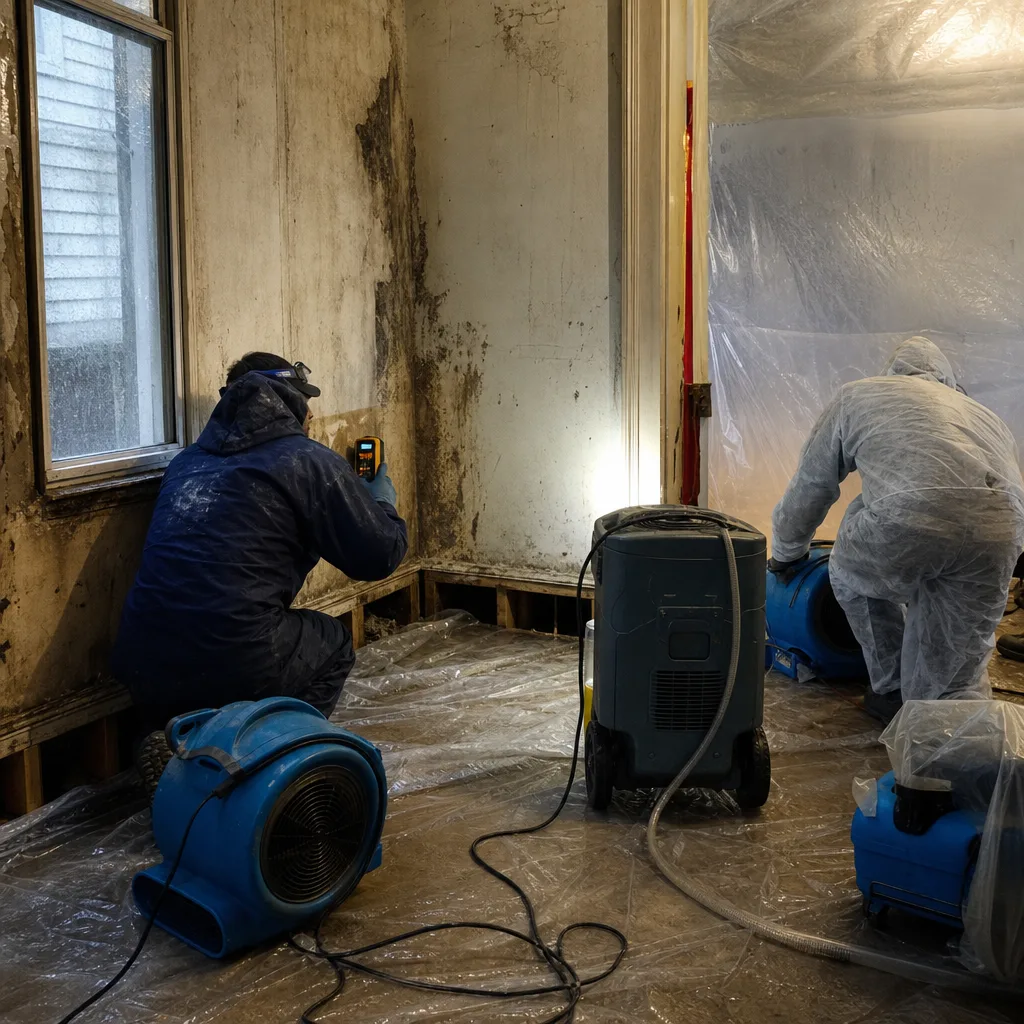
We start with thermal imaging and moisture meters, but in Union City we read the building vertically first. Water on the third floor means we’re checking the second floor, the first floor, and the basement ceiling before we write a scope. Tenements built before 1940 share stack chases and joist bays with almost no blocking.
Extraction & Stabilization
Standing water comes out first with truck-mounted and portable extraction units. We remove saturated carpet, pad, and baseboard where necessary, then stabilize any sagging plaster or delaminating wallboard. In multi-unit buildings, we also place plywood or poly barriers to control what migrates through common areas.
Structural Drying & Dehumidification
We deploy Dri-Eaz and Phoenix air movers plus LGR dehumidifiers, sized to the cubic footage of each affected room and the hidden cavities. Hygrometers and moisture probes track progress daily. You’ll see the log. In Union City’s high-humidity summers, drying a masonry building takes patience because brick holds moisture differently than stick-frame construction.
Cleaning & Antimicrobial Treatment
Dried surfaces get HEPA vacuuming and antimicrobial application where the water category requires it. We clean salvageable contents on site or at our facility. For fire losses, we use dry sponge and wet cleaning methods matched to the specific soot type on your walls and fixtures.
Contents Restoration & Pack-Out
When demolition is extensive, or when other units are still leaking, we pack out affected belongings, inventory them with photos, and clean or restore them off-site. In Union City’s small units, pack-out is often the only way to get enough working room for reconstruction.
Repairs & Reconstruction
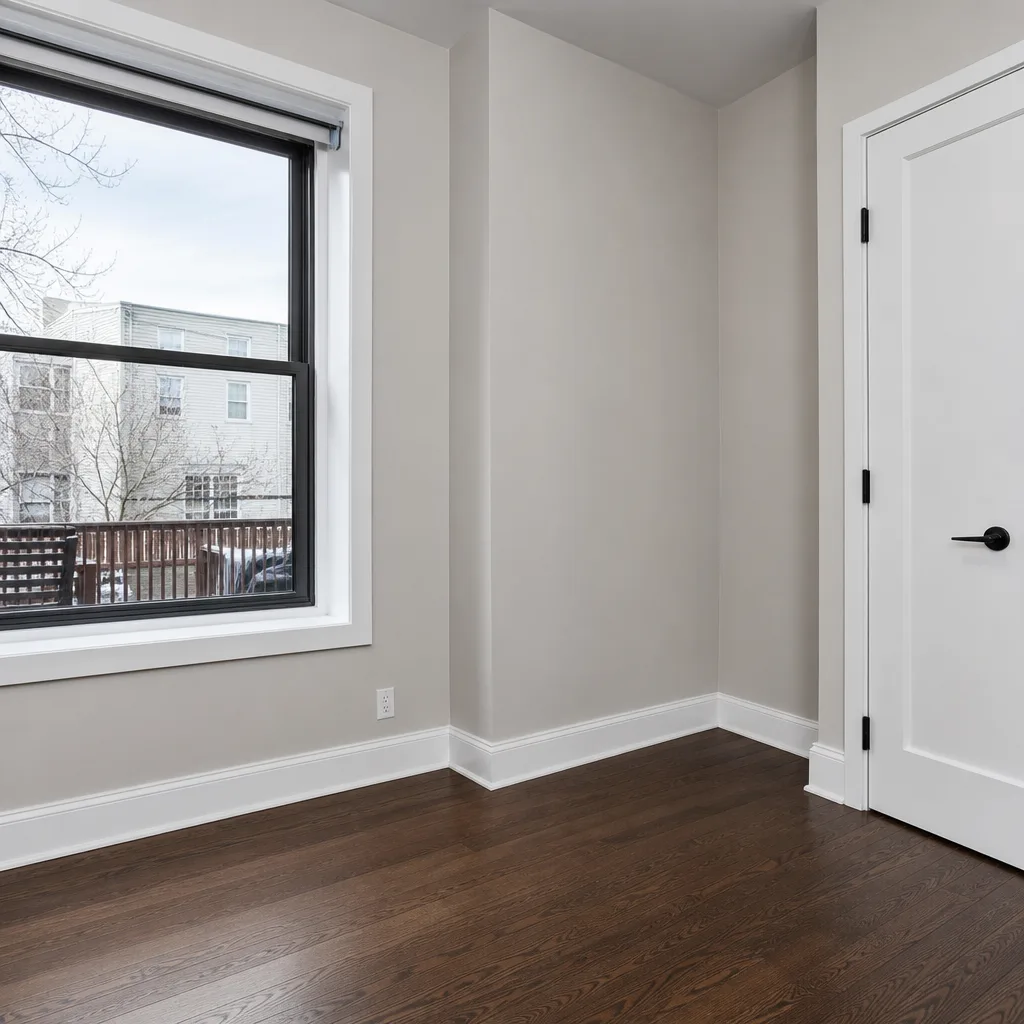
Drywall, flooring, paint, trim, tile, and cabinetry. We replace what was cut out and finish the space to pre-loss condition or better. The same crew has been on the job since hour one, so there’s no information lost between the mitigation company and the builder.
Need Emergency Reconstruction & Cleanup in Union City Now?
Crews minutes away, answering live 24 hours a day. The sooner we start, the less it costs.
Working With Your Insurance Company
In a city where one leak can involve four unit owners and three carriers, the claim paperwork can get tangled fast. Wade’s Restoration handles it directly. From the first hour on site, we photograph every affected area before demo, during demo, and after drying. We keep daily moisture logs with actual readings, not estimates. We write scopes in the format insurers expect, using industry-standard line items, and we send everything straight to your adjuster. You are never stuck as the middleman trying to explain why a basement reading matters to a third-floor claim. If the adjuster wants to walk the property, we’ll meet them there and walk it together. Photo documentation and straight-line communication are why Union City property managers call us back on the second loss, the third loss, and the one after that.
What We Provide Your Insurer
- Thorough documentation of the loss, from the first hour
- Photos of all damage, room by room and unit by unit
- Moisture readings and drying logs for every day on site
- A detailed, line-item scope of work with unit-level breakdowns
- Direct coordination with your carrier and your neighbors’ carriers
Built for Union City’s Loss Calendar
Reconstruction and cleanup work in Union City follows the calendar in patterns that anyone who’s lived here a few winters will recognize. January and February bring the freeze-thaw cycle that punishes flat tar-and-gravel roofs on the pre-war tenements. Water ponding on a flat roof freezes overnight, the ice expands any existing crack, and when it thaws, the water finds its way down through the roof deck and into the top-floor units. By late February, we’re running full weeks of multi-floor water intrusion jobs that started as a ceiling stain in a fourth-floor bedroom.
Spring shifts the problem to the foundation walls. Union City sits on the Palisades escarpment, high above the Hudson, which means we’re spared the street flooding that hits Hoboken and Weehawken. But the steep grade on downhill cross streets channels runoff hard into the foundations of buildings sitting lower than the street. Basement seepage, especially in buildings with original fieldstone or brick foundations, peaks in March and April.
Summer brings the opposite problem: humidity. After a June thunderstorm drenches a building, the masonry walls hold moisture, and indoor humidity keeps drying timelines long. We run dehumidifiers longer and watch the moisture logs closer. Fall nor’easters combine wind-driven rain against old windows and parapet walls, and the cycle starts again. That’s the year in Union City reconstruction work: freeze-thaw roof failures, spring foundation intrusion, summer humidity battles, and autumn nor’easter wind and water.
Reconstruction & Cleanup Across Union City’s Neighborhoods
Bergenline Avenue cuts through the commercial heart of Union City, and the buildings above the storefronts are some of the most complex restoration jobs we handle. A leak in a second-floor apartment above a deli or pharmacy means working around business hours, coordinating with the commercial tenant below, and scheduling noisy demo before opening time. Our crews have done it dozens of times, and we know which building supers will let us in the freight entrance and which ones require 24-hour notice.
Over near Palisade Avenue and the east side of town, the views are better and the buildings are older. These are the grander brick walk-ups with deeper floor plates and more elaborate original plaster details. When water gets into one of these spaces, the plaster work is harder to match, and the lath-and-plaster demo takes longer. We’ve done full plaster restoration on Palisade Avenue, not just drywall patches, and it matters if you’re trying to keep a 1920s unit looking right.
The numbered streets running west from Kennedy Boulevard toward the Weehawken border have their own character: attached row houses, some with converted attics and basement apartments, others with three generations sharing one stack. Here the biggest loss driver is that one owner’s renovation decades ago rerouted a drain line illegally, and now the shared stack does not line up. When those fail, the water goes everywhere except where the plumbing says it should.
Up near the North Bergen line and the area around Roosevelt Stadium (if you remember it, those were the games worth remembering), the housing shifts to smaller two-family homes and some post-war construction. The losses there are more typical: supply line bursts in kitchens, water heater failures in closets, and the occasional washer hose that lets go while the owner is at work. Easier jobs, but the water still finds its way down.
Specialized Reconstruction & Cleanup Services We Offer in Union City
Full-Service Reconstruction
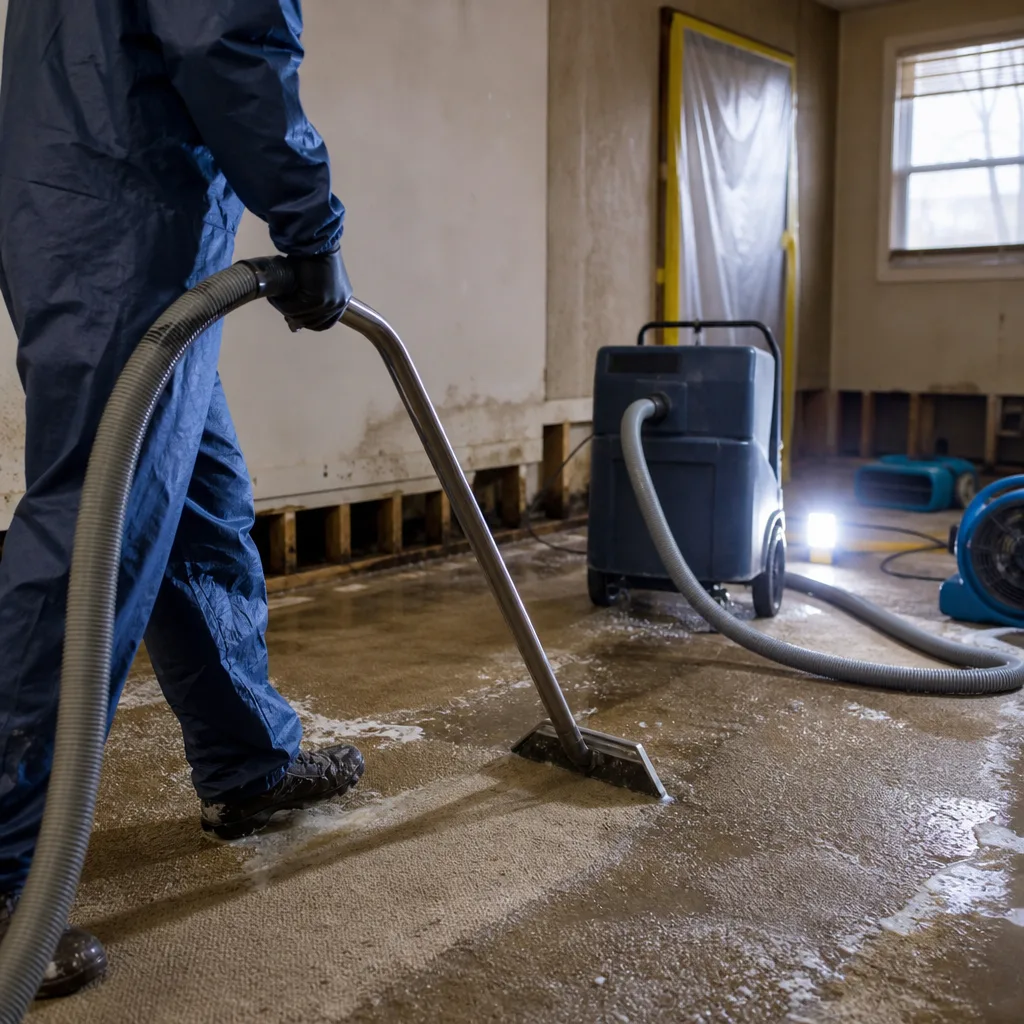
After mitigation is complete, someone has to put the building back together. We handle the entire rebuild: framing where needed, drywall, tape and mud, trim, paint, flooring, tile, and finish carpentry. In Union City’s older buildings, this often means matching existing plaster reveals, rebuilding a curved archway, or custom-cutting a piece of baseboard that has not been manufactured since 1960. We do that work in-house.
Contents Restoration & Pack-Out
When a 1920s Union City apartment gets smoked by a neighbor’s fire, every fabric surface holds the odor: couches, curtains, coats, bedding, rugs, and the contents of closets and kitchen cabinets. We pack out affected items, inventory everything with photos, and run them through the appropriate cleaning process, whether that’s ultrasonic cleaning for small items, dry cleaning for textiles, or HEPA vacuuming and hand-cleaning for larger pieces. Pack-out also gives us room to do the structural work properly.
Insurance Claim Documentation
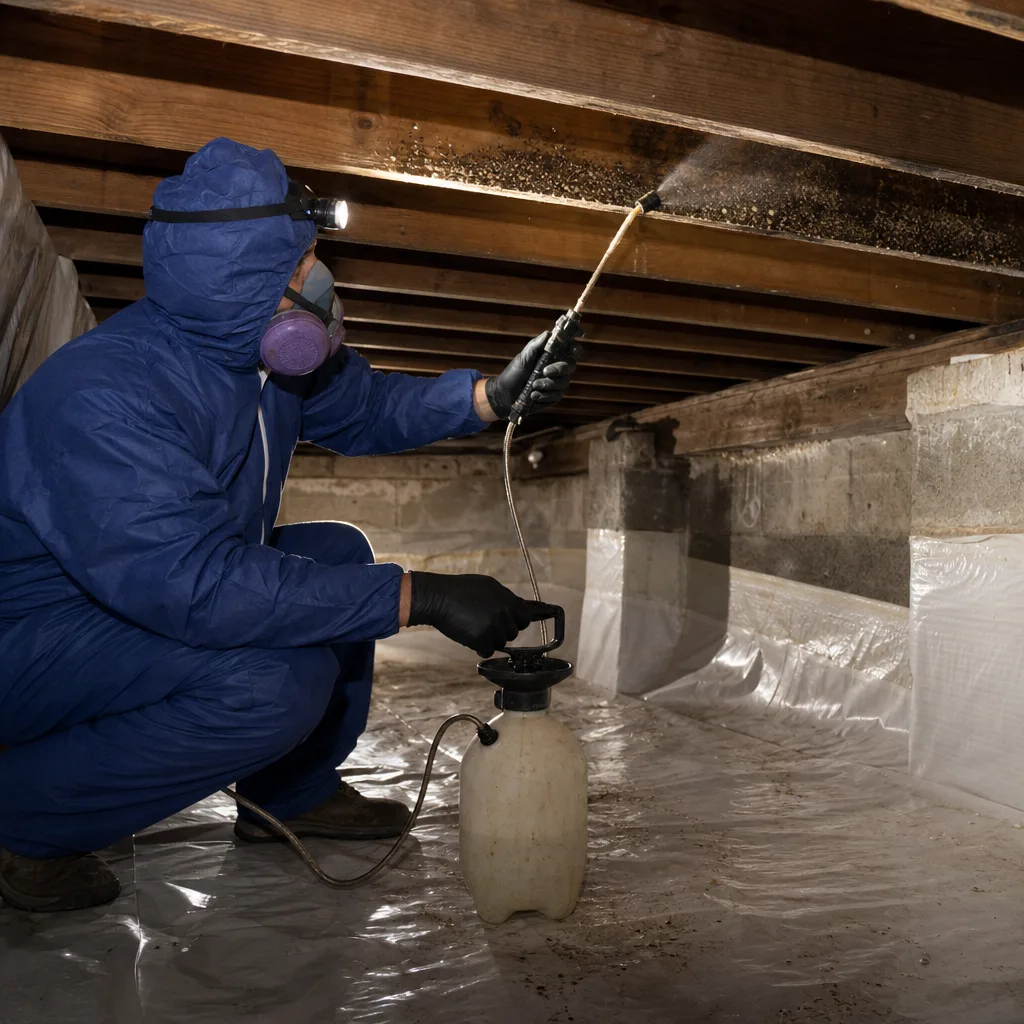
Multi-unit Union City losses generate claims for every affected owner. We document the loss per unit so each owner’s adjuster gets exactly what they need: unit-level photos, unit-level moisture readings, unit-level scope lines. When one pipe break involves four condos and two common areas, the documentation has to be split cleanly. Wade has testified to this documentation in disputes, and it holds up.
Post-Construction Cleanup
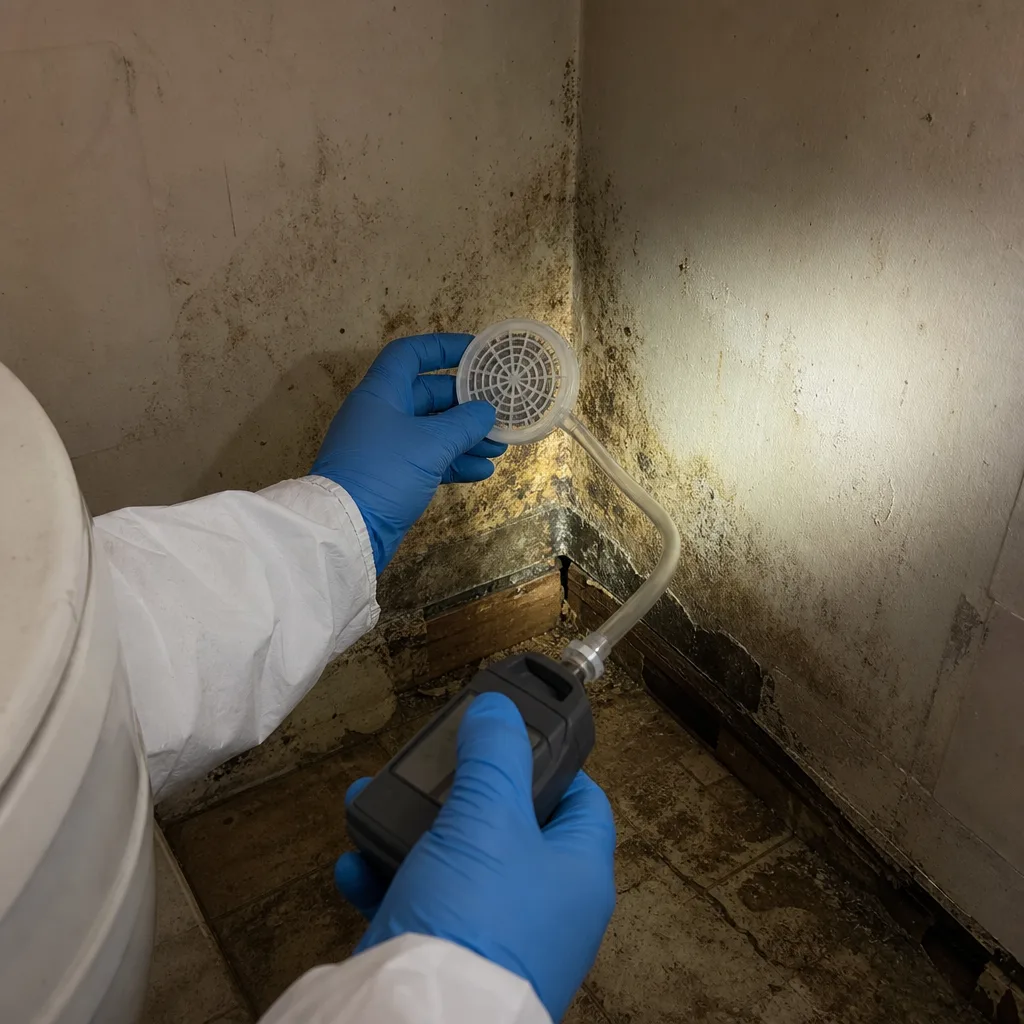
After the rebuild is finished, the dust from drywall sanding, tile cutting, and paint prep settles on every surface in every adjacent room. We run a full post-construction clean: HEPA vacuuming of walls and floors, wipedown of all fixtures, cabinet interiors, window tracks and sills, and final floor cleaning. You don’t want to move back into an apartment that still carries construction dust in the air ducts.
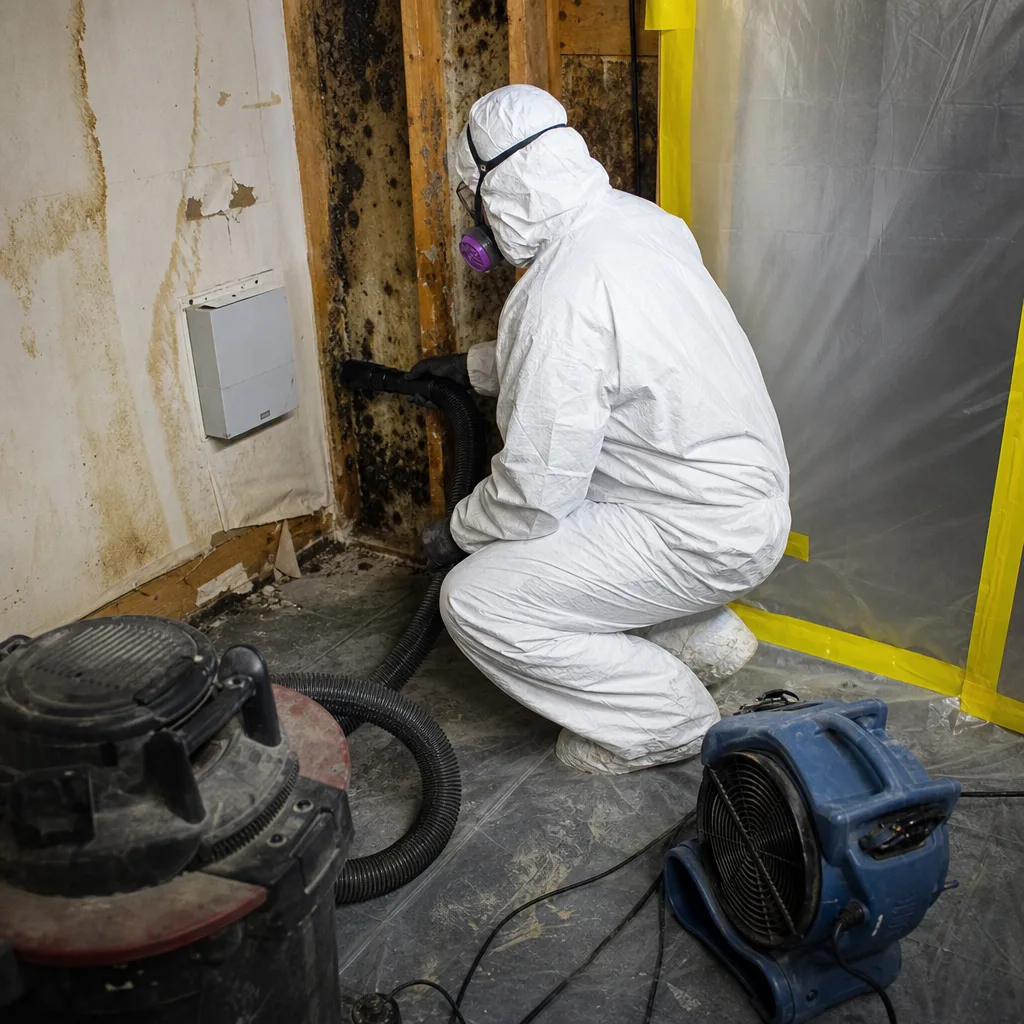
Carpet & Upholstery Cleaning
Not every Union City loss requires full restoration. Some calls are simpler: water damaged the carpet in one room, or the upholstery absorbed smoke odor from a neighbor’s kitchen fire. We clean carpets and upholstered pieces using hot water extraction, and in many cases we can restore them on site. This is also a common post-reconstruction request, once the dust clears.
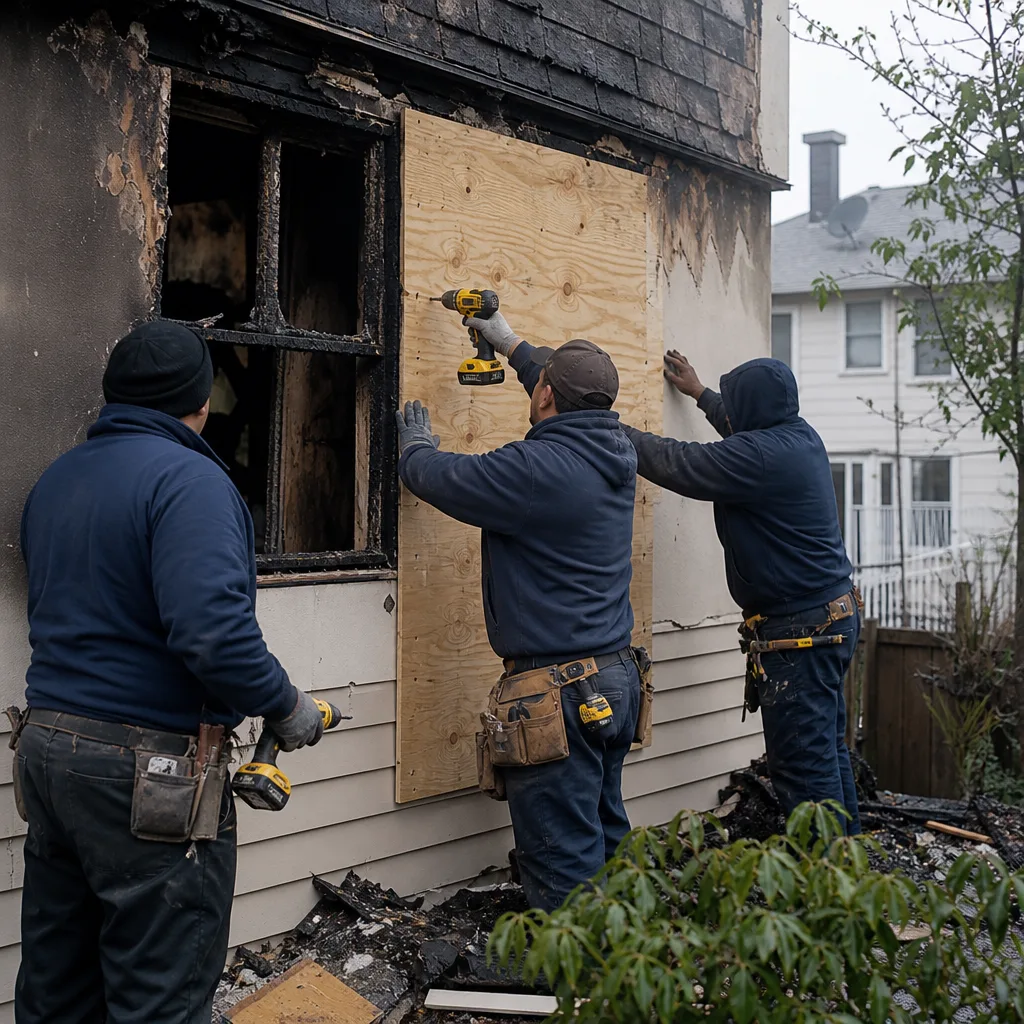
What happens when you call
- 1
A real person answersNo phone trees - you reach a local pro.
- 2
You get an upfront price rangeHonest numbers before anyone is dispatched.
- 3
A background-checked tech heads outLicensed & insured, dispatched right away.
- 4
You approve before work beginsNothing starts until you say go.
Reconstruction & Cleanup Costs in Union City, NJ
Let’s talk real numbers for Union City, not national averages that mean nothing here. A straightforward water mitigation and repair in a single unit, where the loss is caught fast and the water is Category 1, typically runs $2,800 to $6,500 once drying, demo, and drywall repair are included. When you add multi-floor involvement, which is the norm in Union City tenements, the total loss per building commonly lands between $12,000 and $40,000 depending on how many units are opened up and how much finish work is required.
- Single-unit water mitigation + repair: $2,800 - $6,500
- Multi-floor water loss in a pre-war tenement: $12,000 - $40,000 per building
- Contents pack-out and restoration for one apartment: $1,800 - $7,500
- Post-construction cleanup for a two-bedroom unit: $350 - $900
- Carpet and upholstery cleaning after smoke or water contact: $180 - $600 per room or piece
What moves the price in Union City: how many floors the water reached, whether the plaster is original and worth restoring versus replacing with drywall, whether asbestos testing is required before disturbing walls in older buildings, and how many unit owners and property managers need to sign off before demo starts. Many of these jobs are insurance-covered, and we’ll help you structure the claim so the coverage you have is used properly. A free visual inspection gets you a written scope with real numbers, not a range from a website. Call (363) 208-1526 and Wade will come look himself.
We Also Serve Cities Near Union City
Wade’s Restoration covers the tight cluster of Hudson County towns around Union City. We run crews into Weehawken, where the cliffside homes have their own drainage challenges, into Hoboken, where street-level flooding and walk-up buildings dominate the loss profile, and into North Bergen, where the housing stock shifts toward two-family homes and small apartment buildings. Same owner, same crew, same direct phone number.
Union City Reconstruction & Cleanup Questions, Answered
In Union City’s pre-war tenements, how do you determine whether to dry or demolish after water intrusion?
We dry in place when we can confirm the water was Category 1, the materials are not permanently damaged, and the hidden cavities will actually reach a dry standard within a reasonable timeline. Lath and plaster in Union City tenements often holds water longer than drywall because the material is denser and the wall cavities are smaller. If moisture mapping shows the water sat for more than 48 to 72 hours, or if the water picked up contamination along the way, we recommend demolition. The test is always the moisture log: if the readings are not trending down day over day, the wall comes out. Call (363) 208-1526 and we’ll map it before we touch it.
How does working in Union City’s multi-owner condo conversions affect the reconstruction timeline?
It slows the start, not the finish. Before we can cut into a shared wall or floor assembly, every owner with an interest in that assembly needs to authorize the work, and their insurers often need to be notified. In a three-story converted rowhouse where each floor has a different owner, that can add a day or two of coordination. We’ve managed dozens of these, and we know how to get the authorizations moving fast. But we will not start demo until the paperwork is right. Cutting into a shared assembly without authorization is a liability no legitimate contractor will accept, and it’s a fast way to stall the whole job mid-scope. Talk to us at (363) 208-1526 for a realistic timeline, not an optimistic one.
What is the fastest safe path to stop mold after a leak in a 1920s Union City walk-up?
Stop the water, remove the wet materials, and dry the cavities. Repeat visits are where the real protection happens. In an older building, the fastest safe path starts with shutting down the source, then cutting out saturated drywall and plaster that cannot dry in place, then running the right number of air movers and dehumidifiers sized to the cubic feet. Antimicrobial treatment follows on remaining structural surfaces. The key discipline is daily moisture readings; you cannot rush physics, but you can verify the drying is actually happening. In Union City’s humid summers, an under-sized drying setup grows mold weeks after the visible leak is gone. Call (363) 208-1526 and we’ll start today.
Why do Union City restoration jobs often need pack-out even when only one unit was damaged?
Because the units are small and the work is invasive. A fourth-floor leak that runs down through three other units means the fourth-floor owner’s hallway, kitchen, or bedroom is getting torn open, and the furniture in those rooms is in the way. Pack-out moves the belongings out, inventories them, cleans them, and stores them until the unit is ready. It also protects your belongings from the dust and debris of demo, and from the moisture that’s still leaving the building during drying. In many Union City jobs, pack-out is what makes the repair possible at all. We document every item with photos so your insurance claim includes contents, not just structure.
How do you handle insurance claim documentation for multi-unit Union City water losses?
We build a separate file for each unit and each carrier, but we build them from the same set of facts. Moisture readings taken at the same time in the same location, photos taken before and during demo, and scope lines that show exactly which portion of the work serves which unit. When three different adjusters are looking at the same building, they need to see their unit’s specific loss clearly documented. Wade talks to adjusters directly, every day if the claim needs it. You’re not the messenger, and you’re not responsible for explaining our readings to your neighbor’s insurance company. Call (363) 208-1526 and we’ll get the documentation started with the initial inspection.
How fast can you actually get to a Union City address?
We target 45 minutes from the moment you call (363) 208-1526. Union City’s density means parking is always the wildcard, but our crews know the buildings and the loading zones. In an active water loss, 45 minutes matters, especially if water is still running or the ceilings are sagging. Wade answers his own phone, so there is no dispatch delay. He is either on the road or getting someone on the road from the first minute.
Can we stay in the unit during reconstruction and cleanup?
Sometimes, but in Union City tenements we usually recommend relocating during the active demo and drying phase. Dust from plaster demo is aggressive, dehumidifiers are loud, and the hallways in old buildings get crowded with equipment and hoses. If only part of the unit is affected, we can often contain the work area and keep the rest livable. We’ll tell you straight either way. If your insurance policy includes loss-of-use coverage, relocation costs are often covered, and we’ll help you document the need for that coverage.
What should I do in the first 30 minutes after discovering water damage in my Union City apartment?
Shut off the water if you can find the shutoff, kill the electricity to affected rooms if water is near outlets or fixtures, and move what you can lift out of the water. Do not try to open walls or ceilings yourself, especially in older buildings where you might hit a live wire or an asbestos-containing material. Then call (363) 208-1526. Wade will walk you through the next steps over the phone and get a crew moving toward your address immediately. If water is coming from a neighbor’s unit above, document it with photos and contact your building super or property manager. The sooner we start extraction and drying, the smaller the final repair.
Serving Union City, NJ - Our Local Coverage Area
We’re based in the Union City area and know this community well. Use the map below to see our service coverage - if you’re nearby, we can almost certainly help.
Union City Reconstruction & Cleanup, Done Right
Reconstruction & Cleanup in Union City is stacked-light work. The buildings are old, the owners are many, and the water runs down through everything. Wade’s Restoration has been working these buildings since 2007, and the way we do the work reflects that: we map moisture vertically, we get authorizations before demo, we document daily for every owner and every adjuster, and we finish the rebuild with the same crew that started the extraction. If you’re looking at a water, fire, or mold loss in Union City, call Wade directly. You’ll get him on the phone, and you’ll get a straight answer about what happens next. The number is (363) 208-1526. Estimates are free, and if you have a written estimate from another company, bring it in, and we’ll give you a free second opinion. That’s the Wade’s Restoration promise, and it’s been that way for over 29 years across every job we’ve run.
Written by Wade Ferris, Owner at Wade’s Restoration, serving Union City since 2007.