
Last updated August 26, 2026
Free visual inspection and a written scope of work before any mitigation begins - photos, moisture readings, and drying logs go in your claim file
The scope we write is the scope we bill. Anything new gets shown to you, in writing, before we touch it.
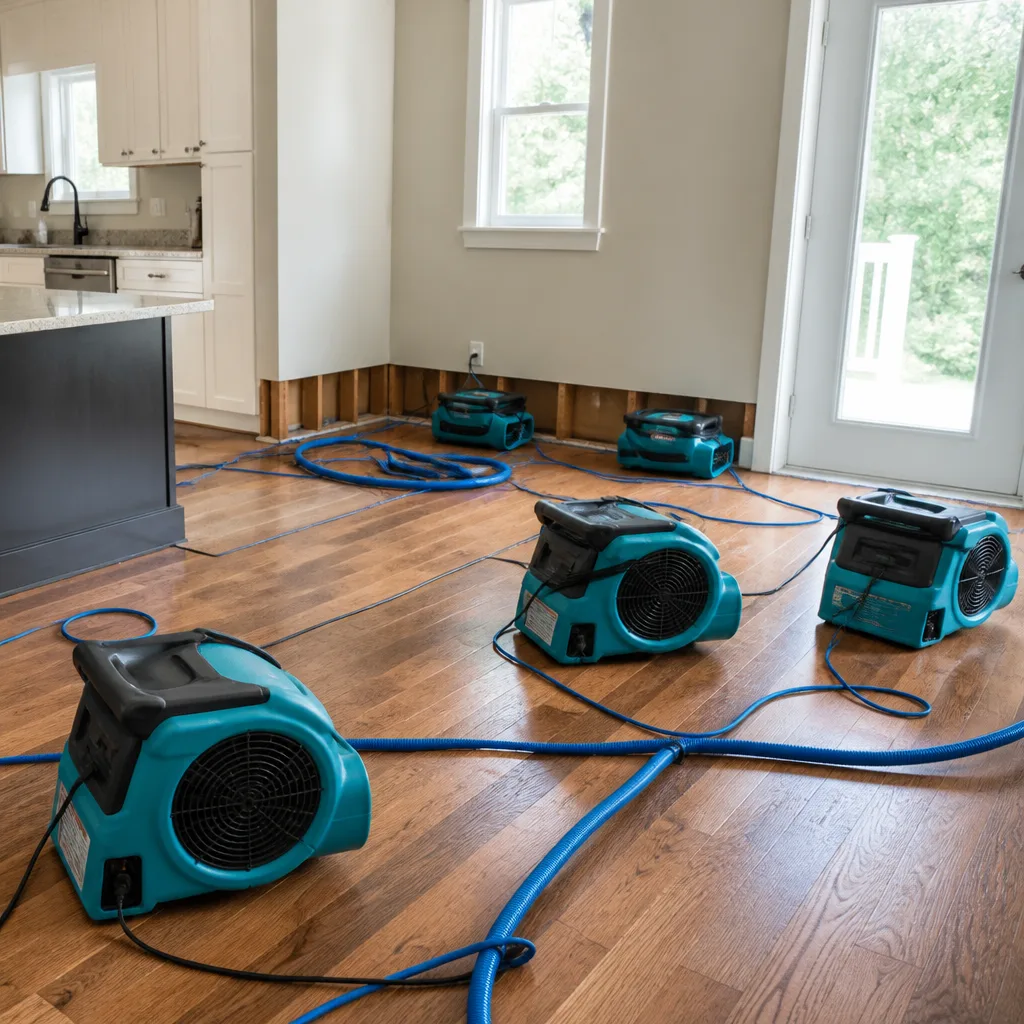
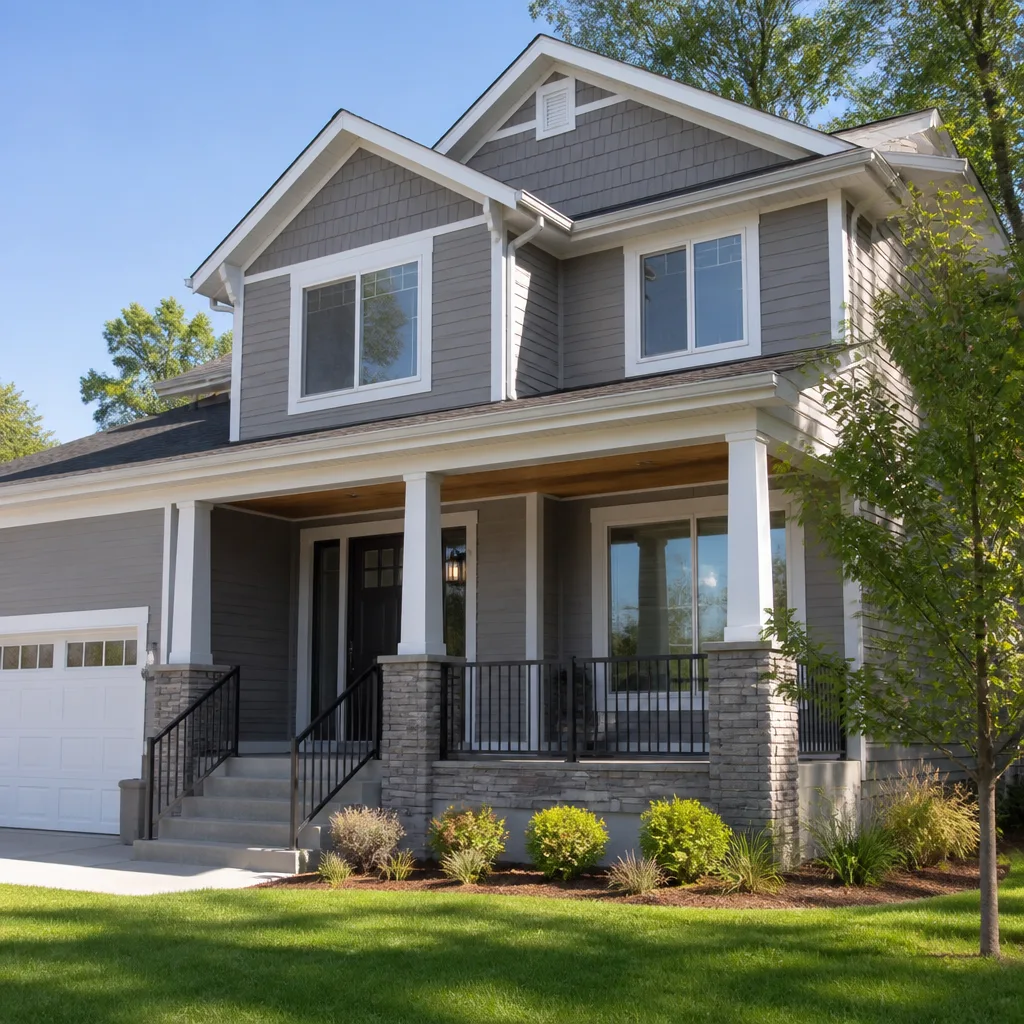
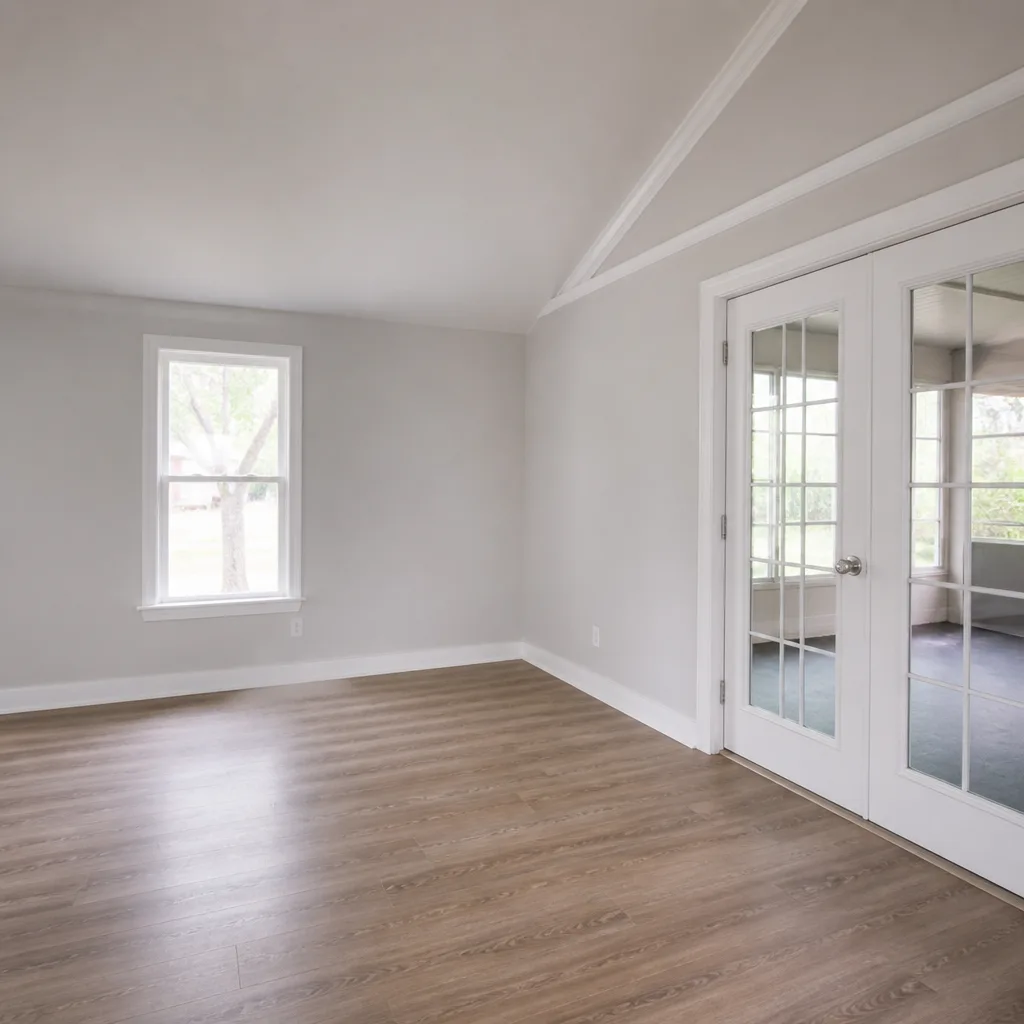
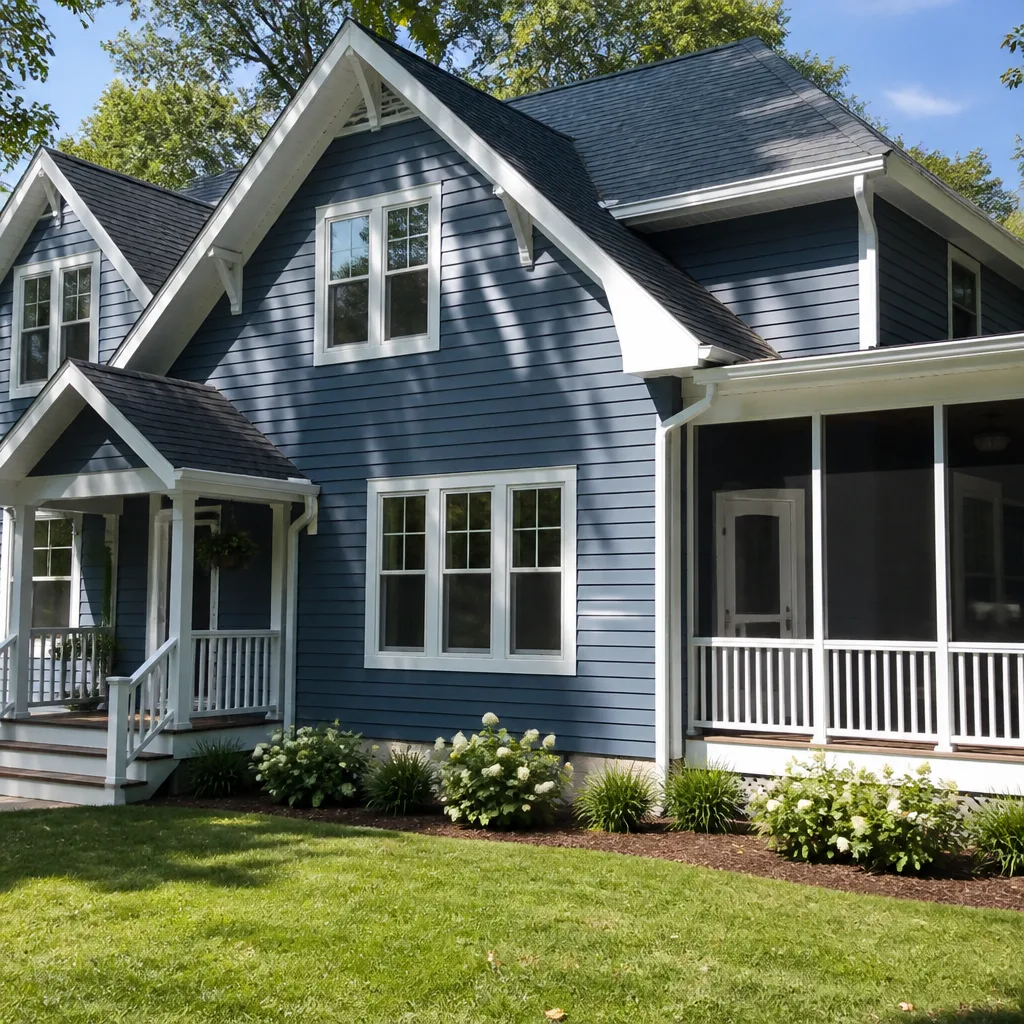
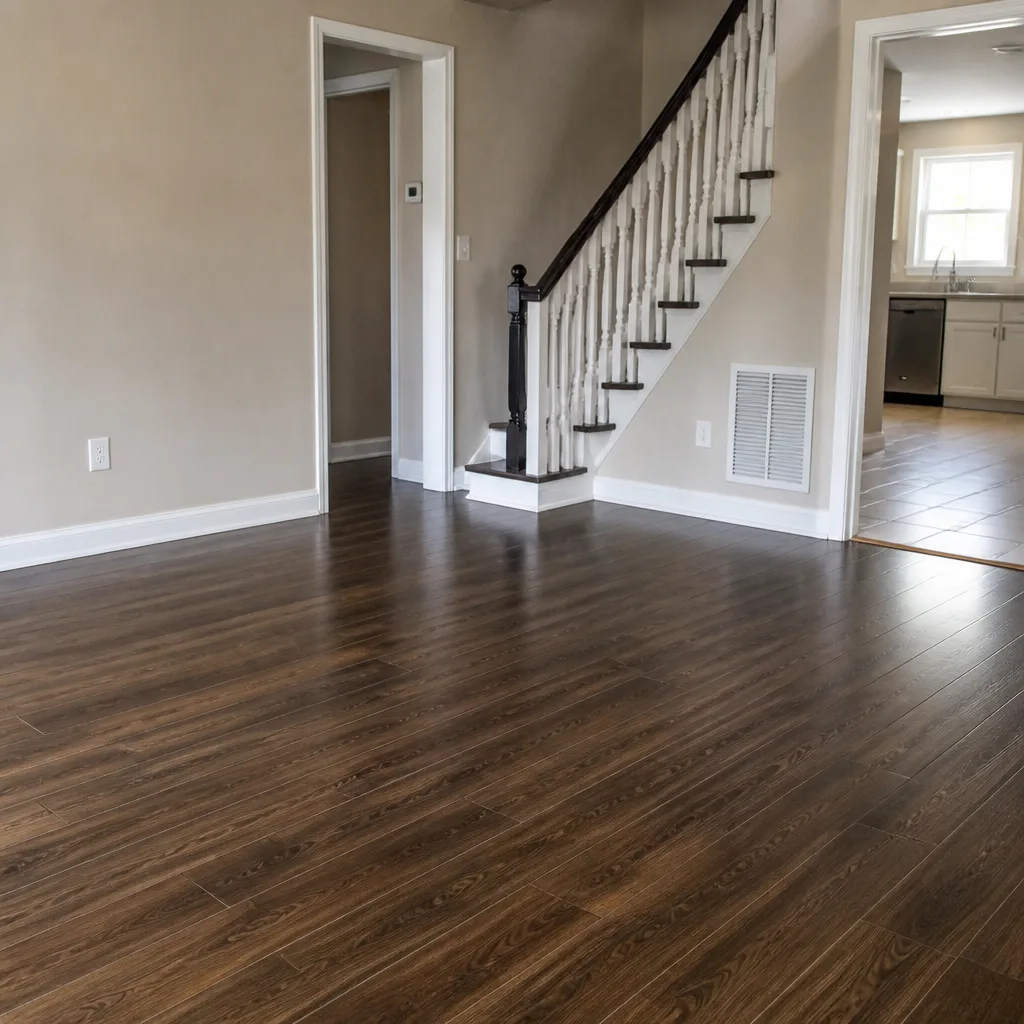
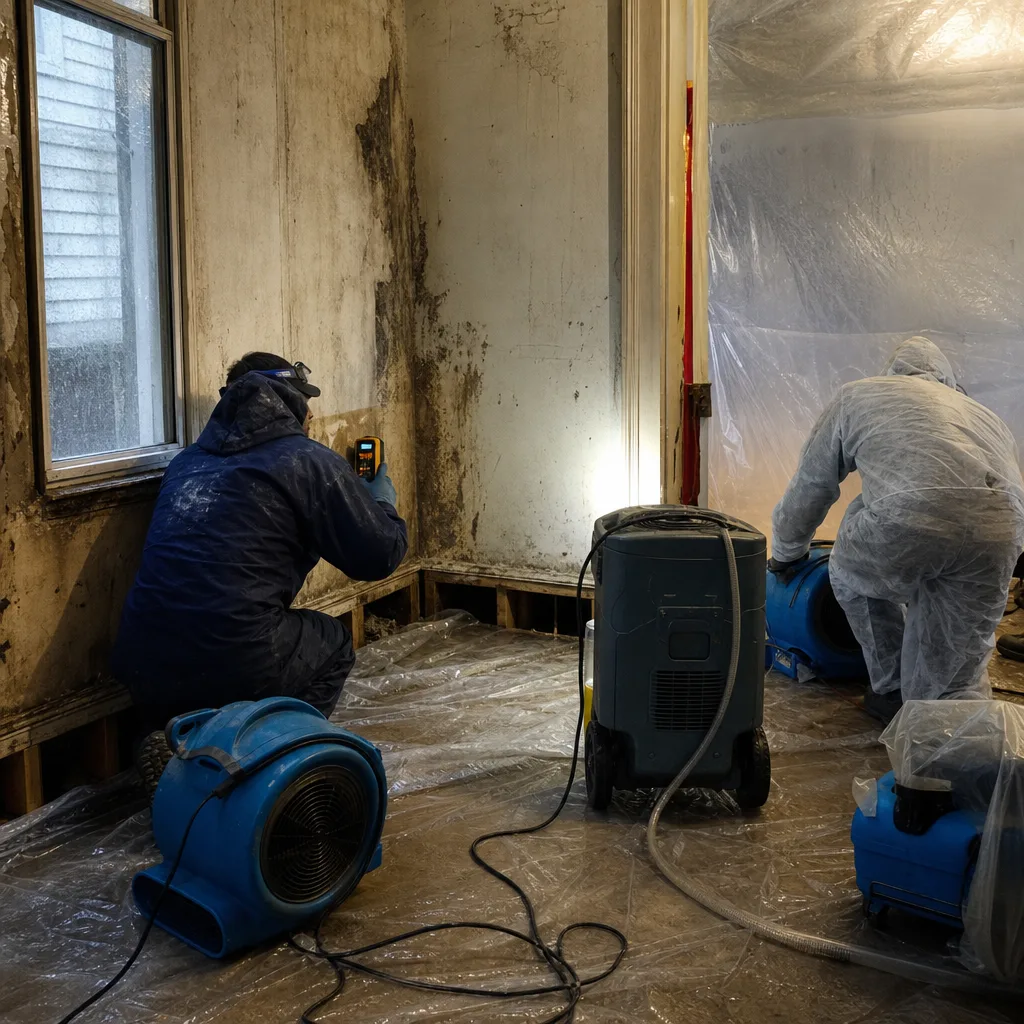 Before
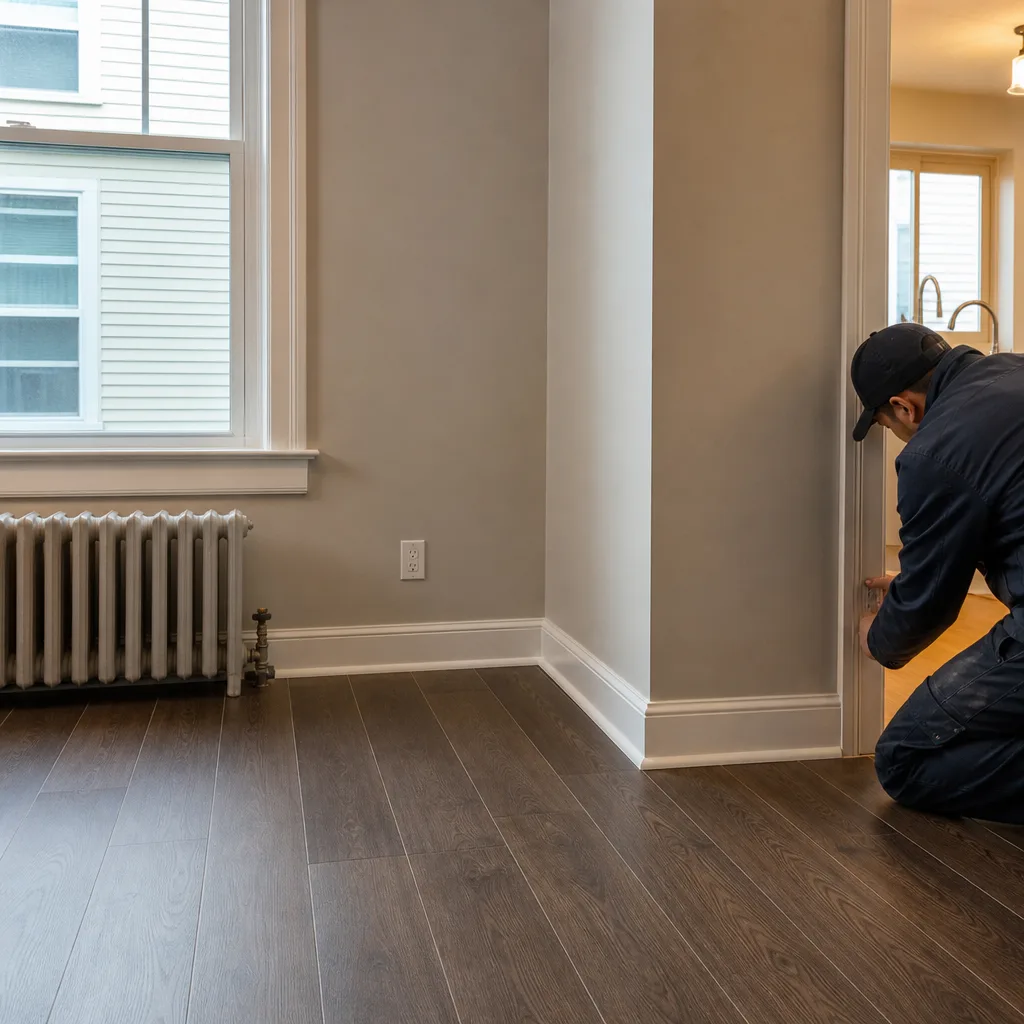 After
After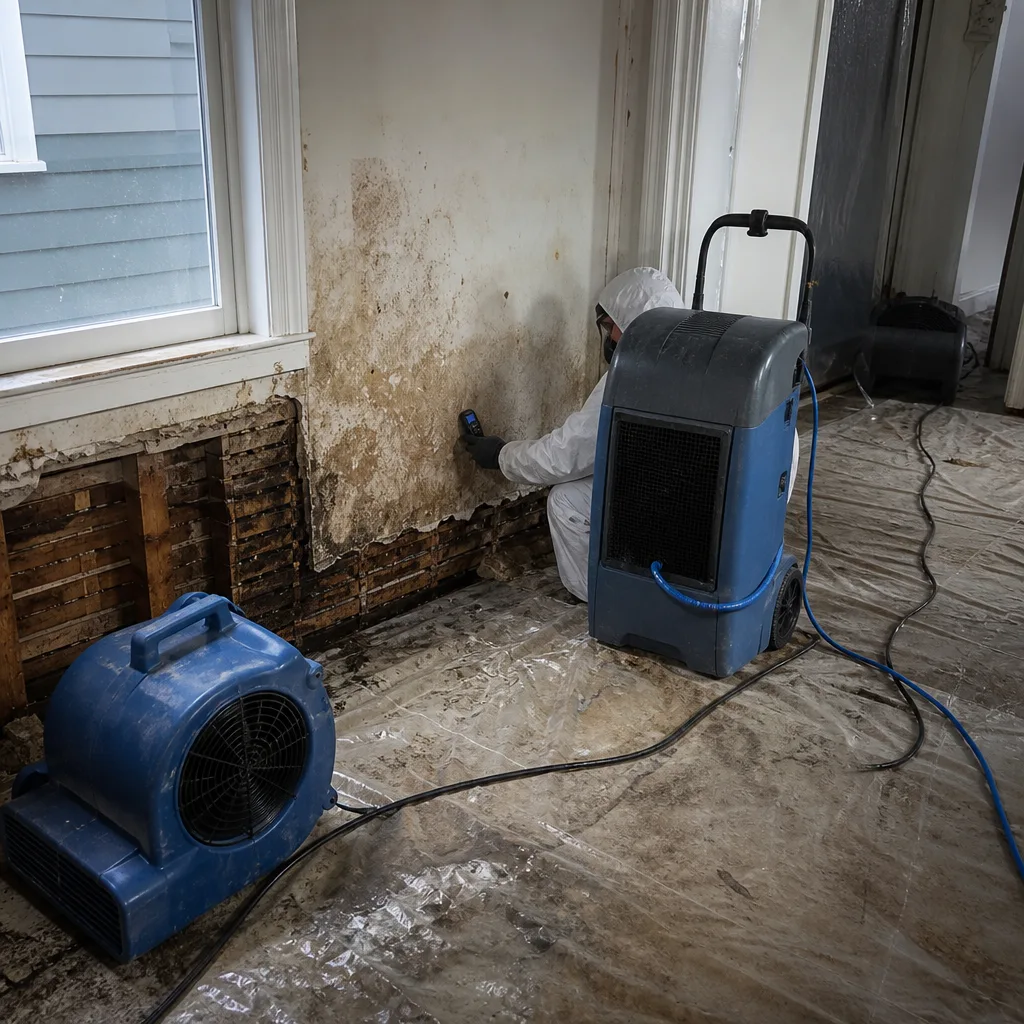 Before
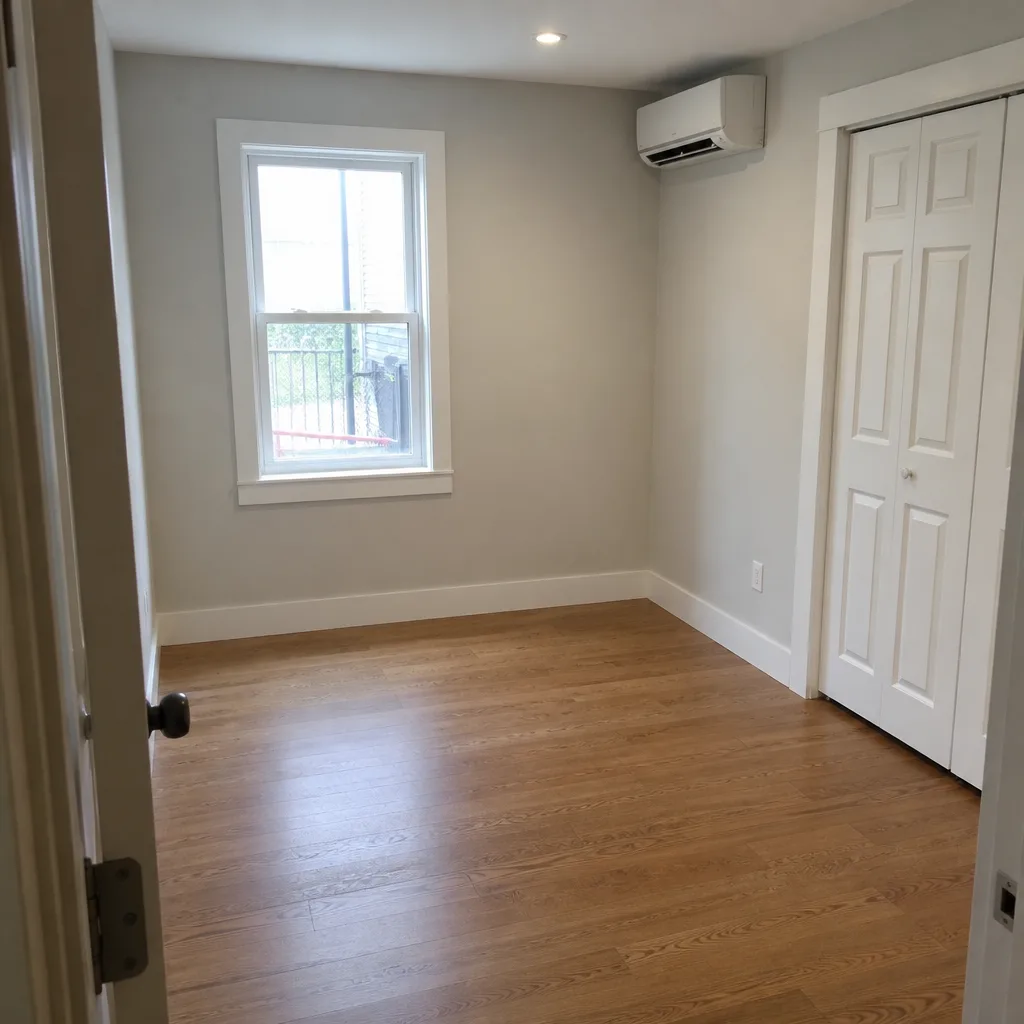 After
After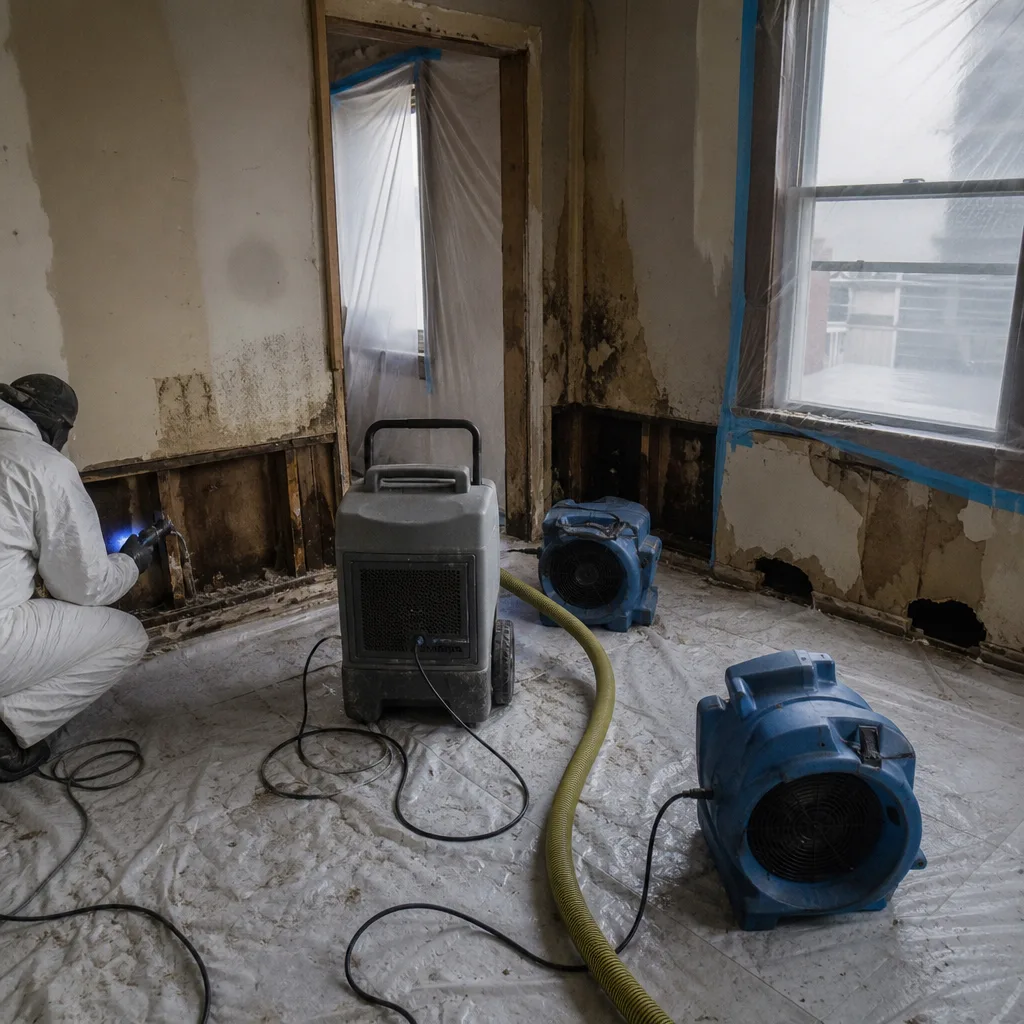 Before
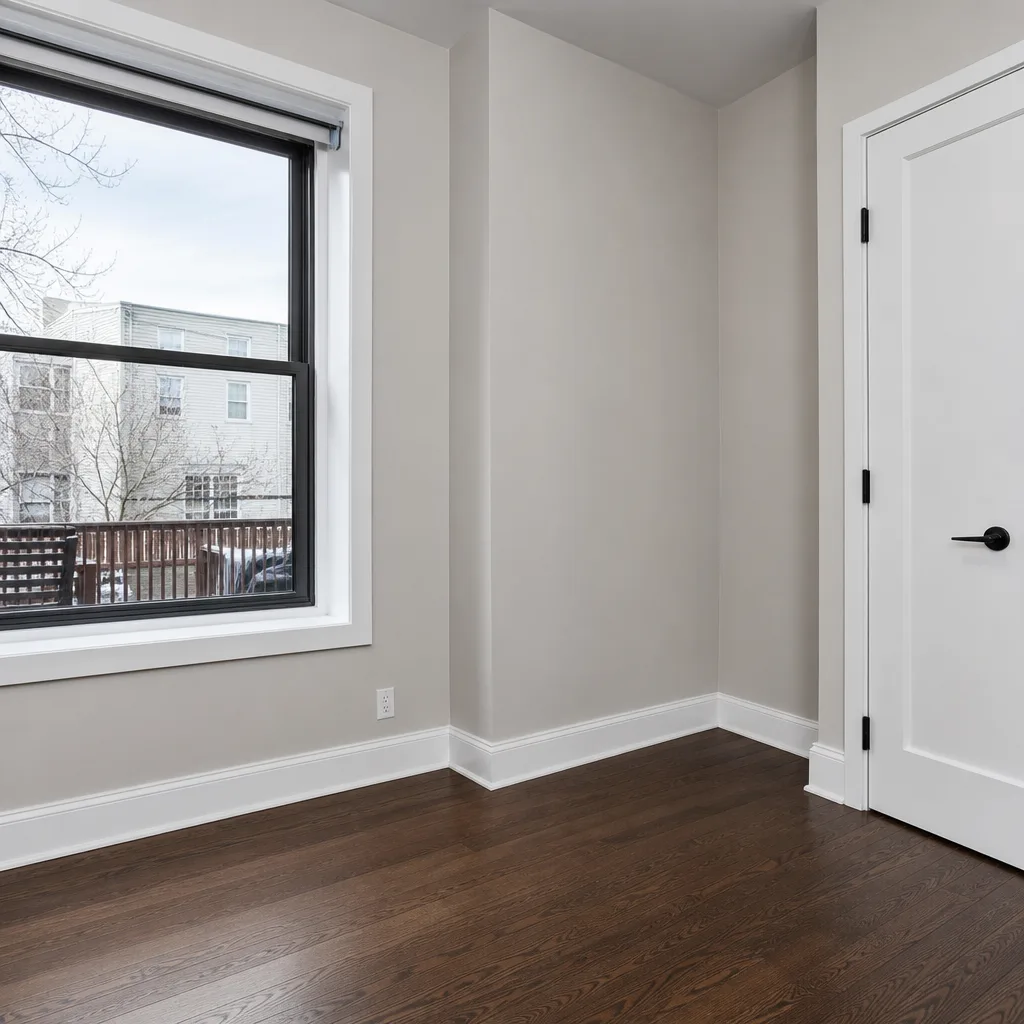 After
AfterDIY vs Professional Damage Restoration: The Astoria Homeowner’s Decision Guide
Most Astoria homeowners don’t realize that New York insurance policies contain specific language about “mitigation duties” that can be voided by a weekend of well-intentioned DIY work. You can legally dry out your own basement in Astoria, but if you can’t produce a moisture log when the adjuster asks, the insurer can deny the claim and your next buyer’s inspector will find what you missed. This guide lays out the real decision criteria: what your policy actually requires, what New York law mandates for mold, and when doing it yourself saves money versus when it quietly costs you a claim, a sale, or a slab of drywall you’ll replace twice.
Quick Answer
The DIY versus professional question isn’t really about skill. It’s about documentation, liability, and what your insurance policy and New York law require. For clean-water Category 1 spills under a few dozen gallons with no wall or floor penetration, DIY is reasonable. For gray water, black water, any mold colony larger than 10 square feet, any fire or smoke event, or anything involving structural materials, New York’s mold law and standard policy language make professional restoration the only defensible choice. A hybrid approach, where you do the immediate extraction and a pro handles drying verification and documentation, often gets you the best of both, and our Seasonal Damage Restoration Care for Astoria: Year-Round Homeowner’s Guide shows when timing matters most.
Table of Contents
- Why Water Categories Decide the DIY Question Before You Do
- What Your Insurance Policy Actually Says About DIY Restoration
- What New York Law Mandates for Mold That Most Homeowners Never Read
- The Documentation Gap: What DIY Produces vs. What a Professional Produces
- The Rental Property Distinction: Owner-Occupants vs. Landlords
- The Hybrid Approach: What You Can Safely Do Before Help Arrives
- How DIY Restoration Affects a Future Sale in Astoria
- Common Mistakes to Avoid
- When to Call a Professional
- Frequently Asked Questions
- The Bottom Line
Why Water Categories Decide the DIY Question Before You Do
The first thing any restoration professional asks is what category of water you are dealing with. That classification, not the amount of water, is the real gatekeeper on the DIY decision. The IICRC (the industry body for restoration standards) divides water into three categories, and each one carries a different level of risk and a different set of legal and insurance implications for an Astoria homeowner.
Category 1 water comes from a sanitary source: a broken supply line, an overflowing sink with clean tap water, a failed water heater tank (assuming no chemical additives), or rainwater that came straight through a roof breach without picking up contaminants. This is the only category where DIY drying is genuinely reasonable, and even then only when the affected area is small and the water did not penetrate walls, flooring, or subfloor cavities. If a Category 1 spill sits for more than 48 to 72 hours, bacteria multiplies and it degrades into Category 2. That’s a clock you need to actually watch.
Category 2 water, often called gray water, contains significant contamination. Think washing machine discharge, dishwasher overflow, sump pump failures, or toilet overflow with urine but no feces. This water carries microorganisms and nutrients for their growth. In New York, Category 2 water that touches porous materials, drywall, carpet padding, insulation, means those materials should be removed, not dried. That is not a preference; it’s the standard. The average homeowner does not own the containment equipment to remove contaminated drywall without spreading spores and bacteria through the rest of the house.
Category 3 water, black water, is grossly contaminated. Sewage backup, river or creek flooding, seawater intrusion, and any water that has been sitting long enough to grow pathogens all fall here. Category 3 water contains bacteria, viruses, and parasites that can cause serious illness. The NYC health code and standard industry protocols require full containment, negative air pressure, and proper disposal of contaminated materials through licensed haulers. This is never DIY. No exceptions. If you are standing in Astoria basement water that came up through a floor drain, treat it as Category 3 until proven otherwise.
The practical takeaway: before you grab a shop vac, ask what the water is and how long it has been there. If the answer is “sewage” or “more than two days,” the DIY question is already answered. Call a professional. If you’re unsure, the safer call is to treat it as the higher category. The cost of being wrong is a contaminated house and a denied claim.
What Your Insurance Policy Actually Says About DIY Restoration
Most homeowners never read the “Duties After Loss” section of their policy until an adjuster quotes it back to them. That section is small print, but it controls everything. And it changes the DIY calculation in ways that have nothing to do with how handy you are.
Standard homeowner policies in New York contain language that requires the policyholder to “protect the property from further damage” and “make reasonable and necessary repairs to protect the property.” That sounds like an endorsement of DIY, but the operative phrase is “reasonable and necessary.” It means temporary mitigation: shutting off the water, moving furniture, tarping a roof, extracting standing water you can reach with a wet-dry vac. It does not mean cutting out drywall, removing carpet, or doing a full structural dry-out on your own.
Here is the part most homeowners miss: the policy also requires you to “cooperate with the insurer in the investigation of the claim” and to “provide records and documents” the insurer requests. That’s where DIY drying falls apart. When you dry a space yourself with box fans and a dehumidifier from the hardware store, you produce no moisture readings, no psychrometric data, no record of daily drying progress. The adjuster asks for the drying log. You don’t have one. The insurer then argues it cannot verify whether the dry-out was actually complete, whether hidden moisture remains, or whether the mold discovered six months later is a new loss rather than a continuation of the old one. You lose that argument every time.
There’s also a subrogation angle. If a neighbor’s pipe burst and flooded your unit, your insurer may pursue the neighbor’s policy to recover costs. That process requires professional documentation. A DIY cleanup with no third-party records gives the other insurer an easy out. In Astoria’s multi-family and attached-row house stock, this scenario is common, and it’s a scenario where DIY documentation gaps cost real money.
We’ve seen how this plays out in Astoria homes more times than we can count. The homeowner who did everything “right” with fans and bleach then gets a partial denial because the insurer cannot confirm the drying met industry standard. The work itself may have been fine. The paperwork was not. That’s the gap, and it’s the gap professionals close.
What New York Law Mandates for Mold That Most Homeowners Never Read
New York has a specific law on mold remediation, and it applies to more situations than most homeowners realize. The law, Article 32 of the New York State Labor Law, took effect in 2016. It sets licensing requirements for mold assessors and remediators and requires specific work practices for mold abatement projects. It also defines what counts as a regulated mold project.
Here is what you need to know as an Astoria homeowner. The state law requires a licensed mold assessor and a licensed mold remediator for any mold remediation project covering more than 10 square feet of contiguous mold. That’s a square roughly three feet by three feet. Most visible mold growth by the time it is noticed exceeds that threshold. Below 10 square feet, a homeowner can legally do their own cleanup. Above it, the law says no.
The work practices required by the law are not optional guidelines. They are law. They include containment of the affected area to prevent cross-contamination, use of proper personal protective equipment, and post-remediation clearance testing by an independent assessor. A homeowner with a spray bottle of bleach and a sponge is not compliant with Article 32 for any project over 10 square feet. More importantly for the long game: a non-compliant mold cleanup followed by a future insurance claim, a future sale, or a future tenant complaint creates documentation that the work was done outside the law.
In Astoria’s prewar housing stock, mold hides behind walls, under window sills, and in cavities created by decades of renovations and roof leaks. The visible mold is rarely the whole story. We’ve pulled baseboards in Astoria basements where a six-inch patch of visible mold turned into six feet of hidden colonization behind the plaster. The legal threshold is based on the total contiguous area, not the part you can see. That’s why a professional mold assessment, before you decide whether this is DIY or not, is the cheapest insurance you’ll buy all year.
One more distinction that matters: the New York City Housing Maintenance Code imposes its own duties on property owners, separate from the state mold law. If you own a rental property in Astoria, you have a legal duty to maintain the premises free of mold, and the burden of proof for compliance is on you. More on that below.
The Documentation Gap: What DIY Produces vs. What a Professional Produces
If there’s one section of this guide that saves an Astoria homeowner five figures, it’s this one. The practical difference between DIY and professional restoration is not the equipment, though that matters. It’s the paper trail. And paper trails decide insurance outcomes and real estate transactions.
Here is what a DIY water damage restoration produces:
- Receipts from the hardware store for fans, a dehumidifier, and cleaning supplies.
- Maybe a few cell phone photos of the damage before you started.
- After-the-fact photos, if you remembered, of the area after you finished.
- Your word, backed by nothing, that the area was dry when you called it done.
- No moisture readings. No drying curve. No record of humidity levels over time. No proof that wall cavities behind the baseboard were dry before you closed them back up.
Here is what a professional restoration job produces:
- Initial moisture mapping: readings from every affected material, including hidden cavities, documented on a floor plan.
- Daily moisture logs showing the drying curve, the humidity levels in the room, the temperature, and the specific moisture content of wallboard, subfloor, and framing at each reading point.
- Photo documentation of every stage: initial damage, containment setup if needed, equipment placement, material removal if needed, and final condition.
- A final clearance report showing the affected materials are within acceptable moisture parameters for the building’s construction type.
- The complete file, handed to the homeowner, which can then be handed to an adjuster, a future buyer’s inspector, or a future buyer’s attorney.
The difference is stark, and it maps directly onto the insurance question. We’ve never seen an insurer deny a claim because the homeowner produced too much documentation. We’ve seen multiple denials, partial denials, and claim reductions because the homeowner could not prove the space was dry. The insurer’s position is predictable: if you can’t show it was done right, we can’t pay as though it was.
In Astoria’s real estate market, that documentation gap follows the property. When you sell, the buyer’s disclosure asks whether there has been any water damage or mold in the home. If you answer yes (and you must, legally), the next question is: who performed the remediation, and can you provide the records? A professional file answers that cleanly. A DIY story does not. The buyer’s attorney will flag it. The inspector will look closer. The deal can stall or the price can drop. The cost of professional documentation is often less than a single price concession in a negotiation.
The Rental Property Distinction: Owner-Occupants vs. Landlords
Here’s a line most guides never draw, and it matters enormously in a borough with as many two-family and three-family homes as Astoria. The DIY restoration question has a different answer if the property is rented out rather than owner-occupied.
First, the insurance distinction. A standard homeowner’s policy covers an owner-occupied dwelling. A rental property requires a dwelling fire policy or a landlord policy, and those policies are written differently. They often carry stricter mitigation duties, tighter timelines for reporting, and a lower tolerance for owner-performed work. If a tenant reports water damage and you fix it yourself with a wet-dry vac and a fan while the tenant stays in the unit, that is not “reasonable and necessary mitigation” in the insurer’s eyes if the work takes weeks or the tenant later reports mold. The liability stack gets taller, fast.
Second, the legal distinction. The New York City Housing Maintenance Code and the state’s implied warranty of habitability put a landlord under a duty to maintain rental units in habitable condition. Mold in a rental unit is a habitability violation, and tenants in New York have successfully withheld rent, sued for damages, and broken leases over unresolved mold. A landlord who performs their own mold cleanup, without clearance testing, without a licensed assessor, and without documentation, is walking into a tenant lawsuit with no armor. Even if the mold never caused measurable health problems, the work was not compliant with Article 32, and that alone is enough for a tenant’s attorney to build a case on.
Third, the practical distinction. In an owner-occupied unit, the homeowner bears the consequences of a bad dry-out personally. In a rental, the consequences spread: the tenant reports symptoms, the tenant’s attorney requests records, the court asks for the moisture log that doesn’t exist. The standard of care is higher because the duty is to another person under a lease, not just to your own household.
The bottom line for Astoria landlords: DIY restoration in a rental unit is a false economy. The professional cost is deductible as a rental property expense, and the documentation is your legal shield. Doing it yourself saves a few thousand dollars in the short term and exposes you to claims, rent abatements, and legal fees that dwarf that savings. If you own a two-family in Astoria and live in one unit, the math is simple: treat the rental unit like a commercial liability, because under New York law, it is one.
The Hybrid Approach: What You Can Safely Do Before Help Arrives
This is the section most people actually need. The binary choice, full DIY or full professional, misses the most practical option for many Astoria homeowners, as our How to Hire a Damage Restoration Contractor in Astoria: A Step-by-Step Guide also explains. A hybrid approach, where you handle the immediate mitigation and a professional handles the dry-out verification and documentation, gives you a faster response and a claim-ready paper trail. Here is what that looks like in practice.
What you can do immediately, before anyone arrives:
- Shut off the water source. If it’s a supply line break, turn the valve. If it’s a sewer backup, stop using water in the house entirely. The clock on contamination starts the moment water moves through the drain system.
- Kill electricity to the affected area if water has contacted outlets, the panel, or any wiring. Water and electricity in an Astoria basement with a subpanel at knee height is a real hazard. Do this from a dry location.
- Remove what you can lift. Furniture, rugs, boxes, anything that wasn’t submerged and can be moved to a dry area. The faster porous items come out of the water, the better the chance they survive.
- Extract standing water with a wet-dry vac. For Category 1 water only. If the water is gray or black, wait for professional extraction with proper PPE and containment.
- Open windows and run fans IF the outside air is drier than the inside air. In Astoria summers, with 70 percent humidity outside, open windows make it worse. In a dry October week, they help.
- Document everything: photos of the damage, the source, the affected area before you move anything. Your phone camera is your friend here. Take more pictures than you think you need.
What you should not do, regardless of how capable you are:
- Do not cut into walls or pull baseboards unless you have confirmed the water is clean and the affected area is small. You may be opening a cavity you can’t properly dry or contain.
- Do not use bleach on mold. Bleach does not kill mold on porous surfaces and can worsen air quality. It also creates a false sense of completion.
- Do not turn off the water to the whole building in a shared plumbing system. In Astoria’s attached housing, your neighbor’s supply may be on the same main.
- Do not run a gas-powered generator or pump inside. That kills people every year. Run it outside, away from windows.
The hybrid approach works because it gets the emergency stopped fast, limits secondary damage, and preserves the chance for professional documentation of the dry-out. When Water Damage Restoration in Astoria is needed, the first hour matters more than the next three days. You can own that first hour, then hand the technical work and the documentation to someone whose records will satisfy an adjuster.
How DIY Restoration Affects a Future Sale in Astoria
Astoria’s housing stock is old, dense, and increasingly scrutinized. Buyers here are not first-timers with no questions. They’re often second- and third-generation buyers, engineers, architects, and people who grew up in these buildings and know exactly what a water stain on a basement joist means. The disclosure process forces the DIY restoration question into the open, whether you want it there or not.
New York is a “material defect” disclosure state. That means you must disclose known conditions that materially affect the value or desirability of the property. Past water damage, past mold, and past fire damage all fall into this category, regardless of whether the issue was fixed. The standard Property Condition Disclosure Statement includes questions about water intrusion, mold, and repairs. Answering “yes” triggers the follow-up: who did the work, when, and can you provide documentation.
A professional restoration file answers those questions with a moisture log, a clearance report, and a paper trail from a company with a real address in the borough. A DIY restoration leaves the seller saying, “We had a little water in the basement a few years ago, we dried it out ourselves.” That sentence lands with a buyer’s inspector like a challenge. The inspector will probe deeper, run a moisture meter along the baseboards, and look for the secondary damage that DIY cleanups often miss: elevated moisture in the sill plate, mold on the back side of drywall, compromised insulation in the rim joist cavities.
We’ve seen Astoria sales go sideways over exactly this. A buyer’s attorney requests the restoration records. The seller has nothing but a hardware store receipt. The buyer’s confidence drops. The negotiation shifts. Sometimes the deal dies. The seller was not dishonest; they simply could not prove the work was done to a standard the buyer’s attorney considers defensible. In a competitive market, that documentation gap is a price concession waiting to happen.
The reverse is also true. A complete professional restoration file, with before and after photos, daily readings, and a clearance report, can actually strengthen a seller’s position. It shows the issue was handled properly, not papered over. It removes the fear of the unknown, and fear of the unknown is what kills real estate deals. For a deep dive on one piece of this, our guide on Mold Remediation in Astoria walks through what a compliant mold project actually looks like.
Common Mistakes to Avoid
- Treating all water as if it’s clean. A floor drain backup in an Astoria basement is not the same as a supply line leak under the kitchen sink. Category 3 water requires containment, not a mop. Assume the worst and verify downward.
- Waiting to see if it dries on its own. In New York’s climate, especially in enclosed basement spaces with limited air movement, wet building materials rarely dry on their own before mold colonizes. The 48-hour window is real, and it closes fast in humid months.
- Using bleach to “kill” mold. This is the most common DIY mistake in mold remediation. Bleach does not penetrate porous materials and the residual moisture from the bleach solution can actually feed mold regrowth. A professional mold assessment is a fraction of the cost of a bad DIY job made worse.
- Not documenting the before and after. Photos are free. A moisture meter is cheap compared to the claim you’ll lose without readings. If you do anything yourself, document it obsessively.
- Ripping out drywall before checking what’s behind it. Behind Astoria’s old walls, you may find asbestos wrap, knob-and-tube wiring, or lead paint layers. Disturbing those without testing creates a bigger and more dangerous project than the water damage you started with.
- Trusting a national franchise quote given over the phone. The number a call center gives you before anyone has seen the job is not a quote. It’s a marketing number. Get a written scope after someone has actually walked the basement. That’s the only number that means anything.
When to Call a Professional
Call a professional when the water is Category 2 or 3, when the affected area includes wall cavities or flooring systems, when visible mold exceeds 10 square feet, when there’s been a fire or smoke event, or when an insurance claim is already in motion and you need documentation that will hold up. These are not preference calls; they’re the conditions where DIY restoration becomes a liability. In Astoria’s older housing stock, with its shared walls, finished basements, and tenant occupancy patterns, the margin for error is thinner than in a suburban single-family home. Wade’s Restoration home is the place to start if you’re unsure. Wade Ferris will tell you straight if the job is DIY-reasonable. He’s answered his own phone since 2007, and he’ll give you a free estimate in Astoria, call (363) 208-1526. No obligation, no pressure, just a straight answer about what you’re actually dealing with.
Frequently Asked Questions
Yes, for Category 1 clean water in a limited area. New York law does not require professional restoration for sanitary water spills under 10 square feet of affected material. The risk is not legal for that scenario; it’s insurance. If you dry it yourself and later file a claim, the insurer may ask for drying documentation you don’t have, and the absence of that documentation can reduce or void the claim. Call (363) 208-1526 for a straight read on whether your situation crosses the line.
New York State Labor Law Article 32 requires a licensed mold assessor and licensed mold remediator for any mold remediation project involving more than 10 square feet of contiguous mold. Below that threshold, homeowners can legally perform their own cleanup. The challenge is that visible mold in Astoria’s old homes is often the small part of a larger hidden colony, which is why a professional assessment before any DIY decision is worth the cost.
Insurance pays based on the covered loss, not on who performs the work, but the practical answer is yes in many cases. Professional restoration produces the moisture logs, photo documentation, and scope-of-work records that insurers require to approve the full claim amount. DIY work without that documentation often results in lower payouts because the insurer cannot verify the loss or the mitigation. The documentation gap is a real money gap.
Shut off the water source, kill electricity to the affected area if water contacted outlets or wiring, move furniture and rugs to dry ground, extract standing water with a wet-dry vac if the water is clean, and document everything with photos. Then call a professional for moisture readings and drying verification. That sequence stops the loss from growing while preserving the claim documentation you’ll need later.
New York requires disclosure of past water damage and mold in a property sale. A professional restoration file answers the buyer’s follow-up questions with documentation. A DIY cleanup leaves you saying “we dried it ourselves,” which triggers deeper inspections and often leads to price concessions or failed deals. In Astoria’s competitive but scrutiny-heavy market, the professional file is worth more than its cost at the negotiation table.
Legally, only if the mold covers less than 10 square feet and the unit is owner-occupied. For rental units, the NYC Housing Maintenance Code and the implied warranty of habitability create a legal duty to maintain the premises free of mold, and the burden of proof sits with the landlord. Non-compliant DIY work on a rental unit exposes you to tenant claims, rent abatements, and legal fees that dwarf the professional remediation cost. For fire-related situations, see our Fire & Smoke Damage Restoration in Astoria page.
The Bottom Line
Restoration isn’t a handyman job with bigger tools. It’s a documentation and liability exercise wrapped in a construction project, governed by New York law and your insurance policy’s fine print. For small, clean-water spills in limited areas, DIY is reasonable and the hybrid approach can save real money. For more guides & resources on protecting your property, see our blog. For gray water, black water, visible mold, structural drying, fire and smoke, or any rental unit, professional restoration is not a preference. It’s the only option that protects your claim, your sale, and your legal position. In Astoria, with its aging building stock and multi-family density, the stakes are higher than they look on the surface. Wade Ferris has been doing this work in the borough since 2007, and he’ll tell you the truth about which side of the line your situation falls on. The first call is free, and it’s answered by a real person, 24/7.
Written by Wade Ferris, Owner at Wade’s Restoration, serving Astoria since 2007.