
Last updated August 26, 2026
Free visual inspection and a written scope of work before any mitigation begins - photos, moisture readings, and drying logs go in your claim file
The scope we write is the scope we bill. Anything new gets shown to you, in writing, before we touch it.
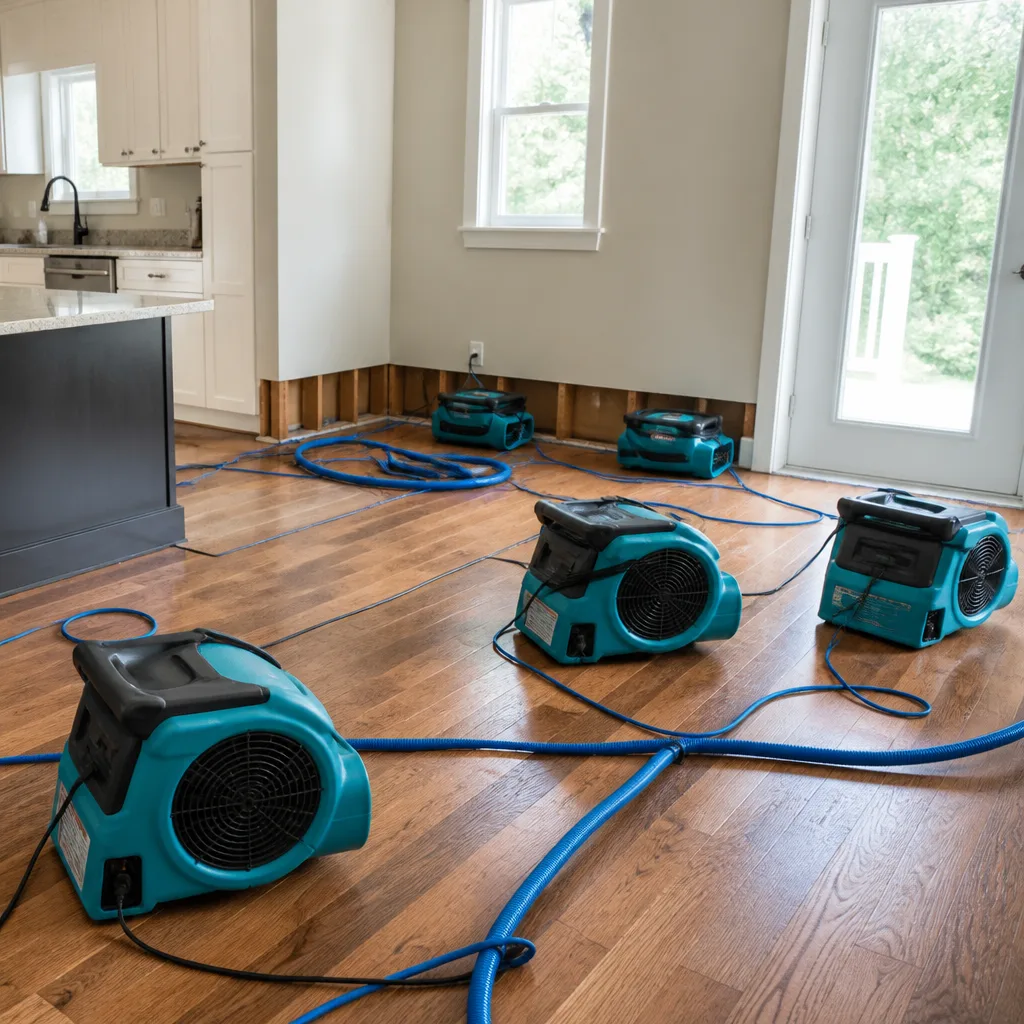

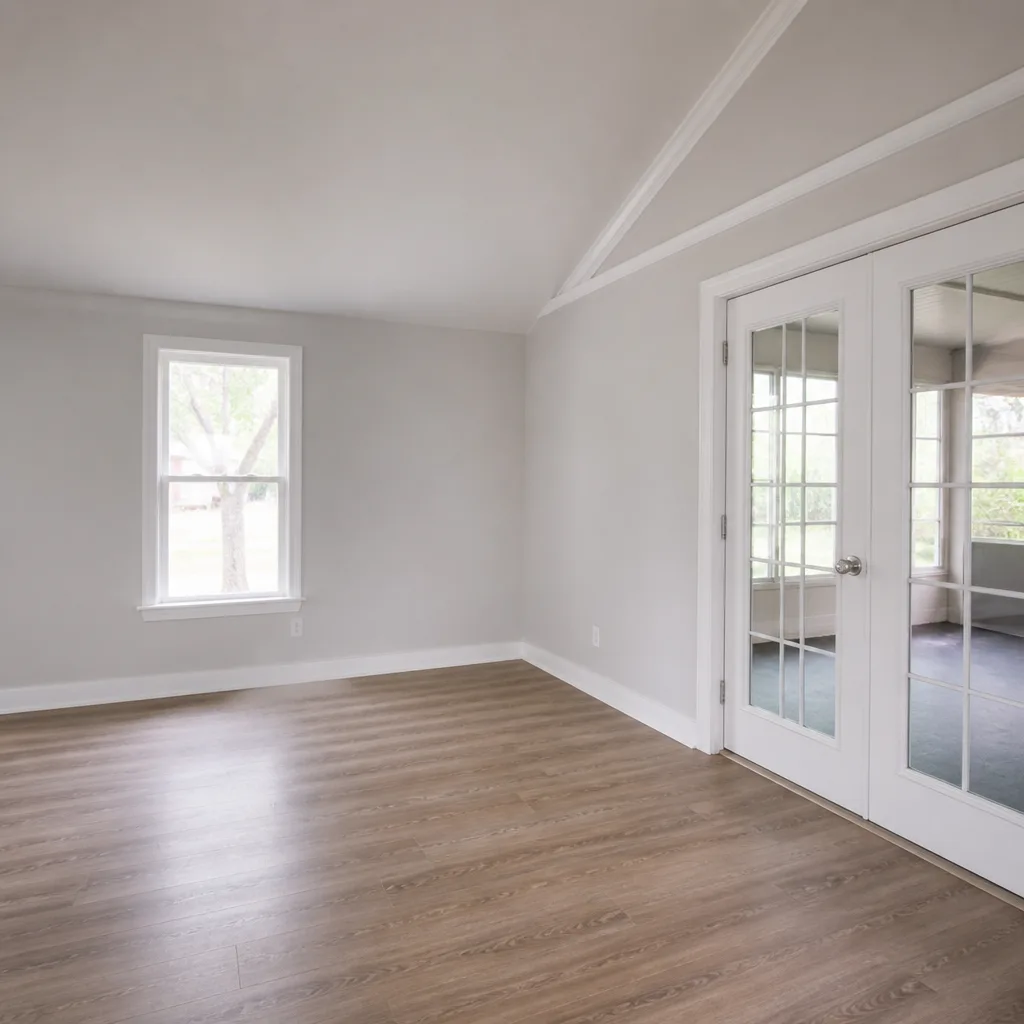

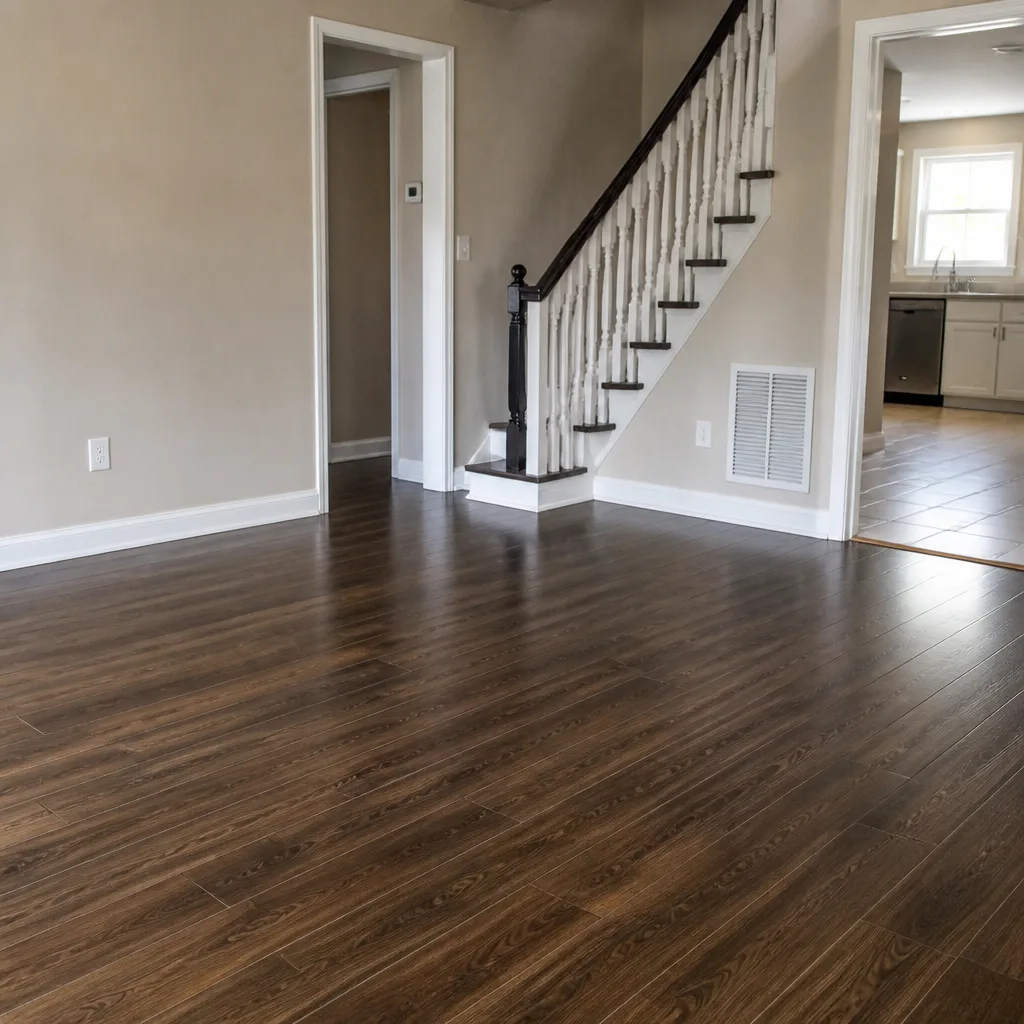

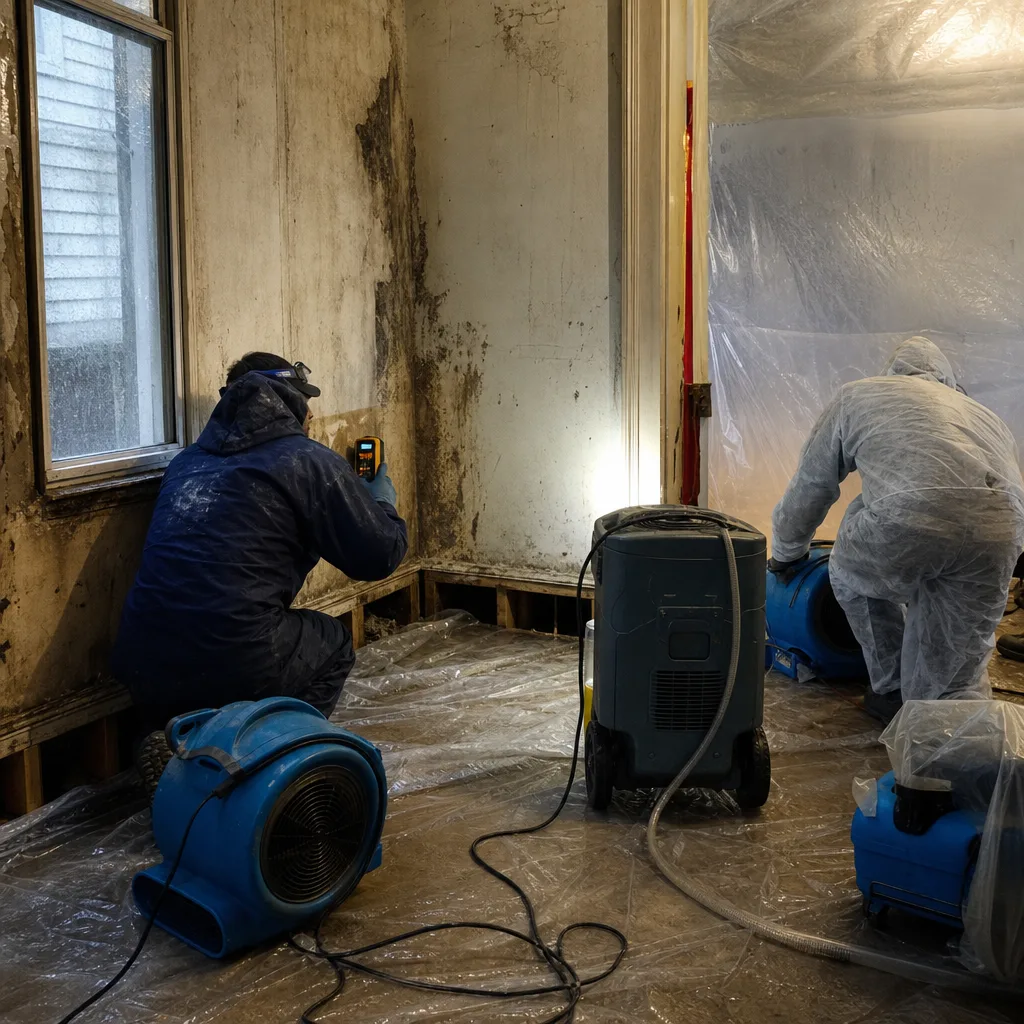 Before
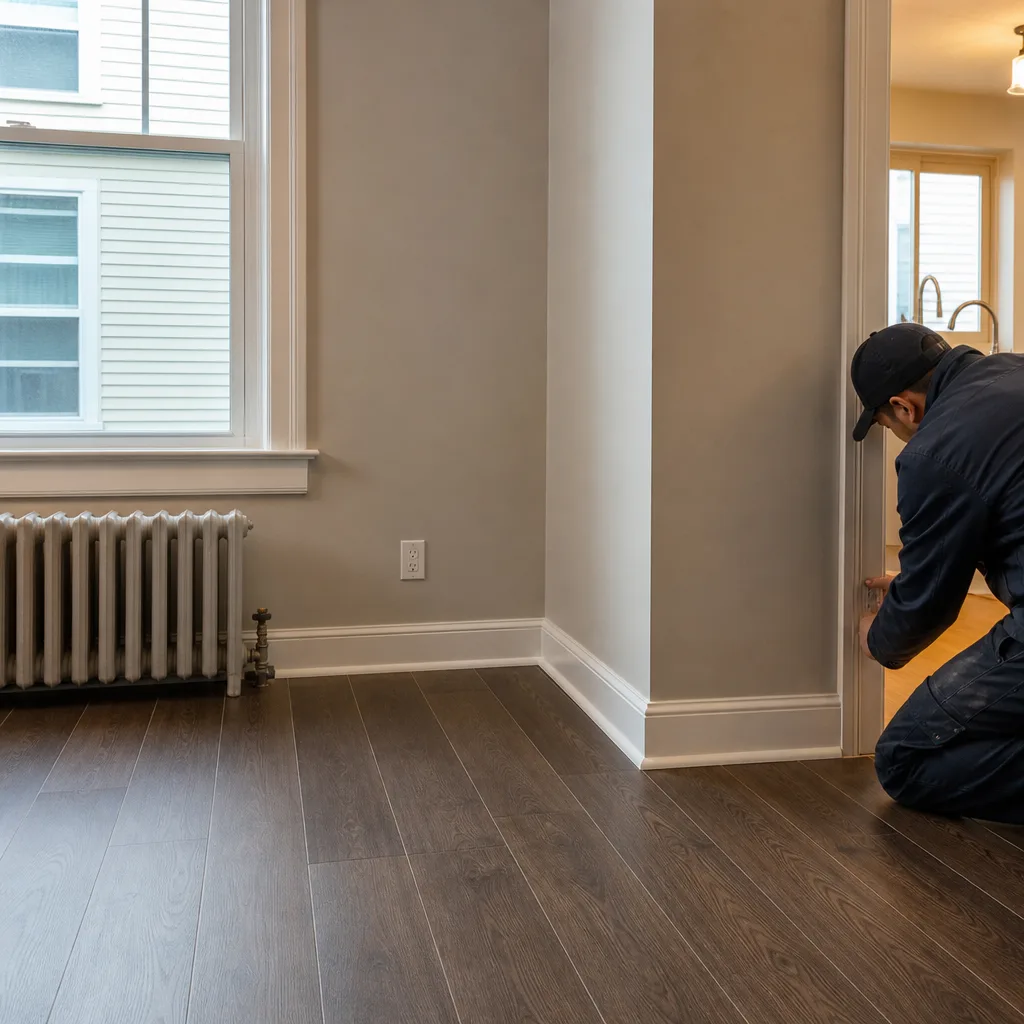 After
After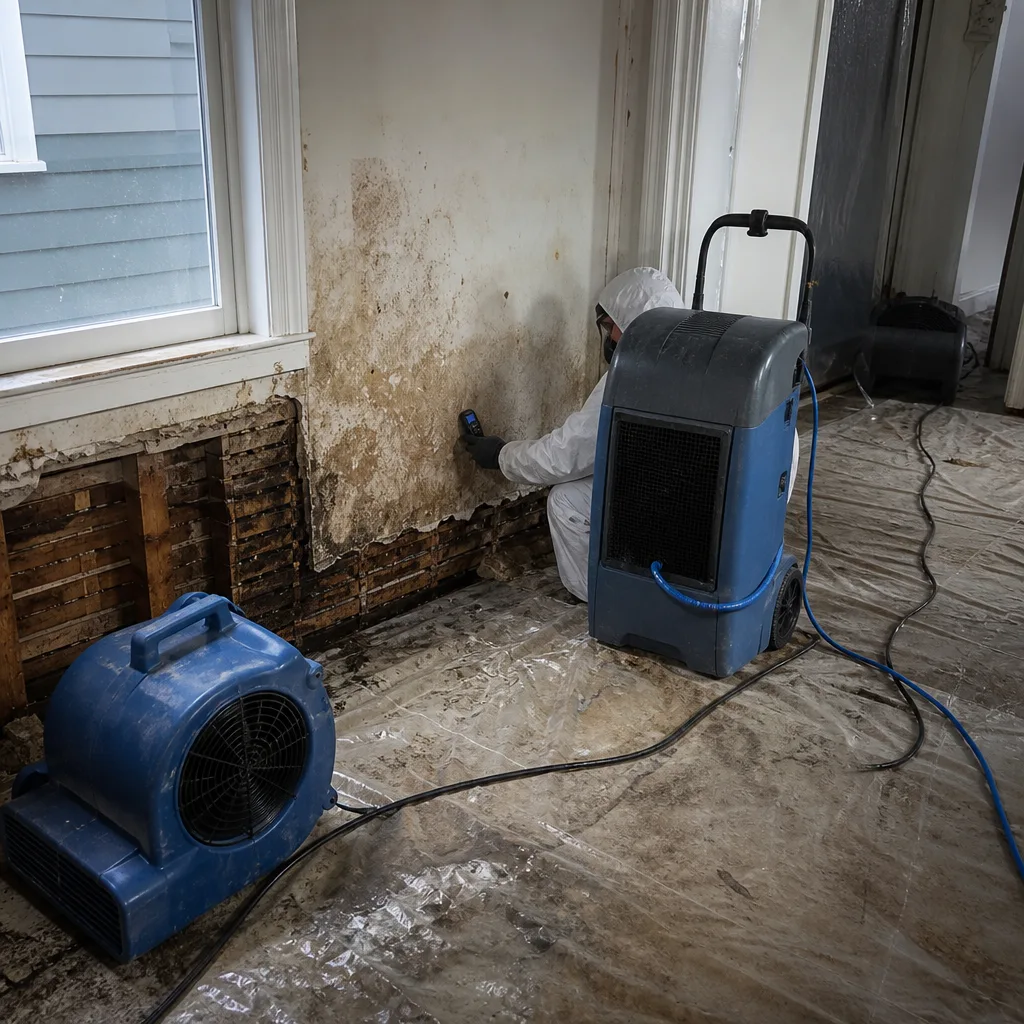 Before
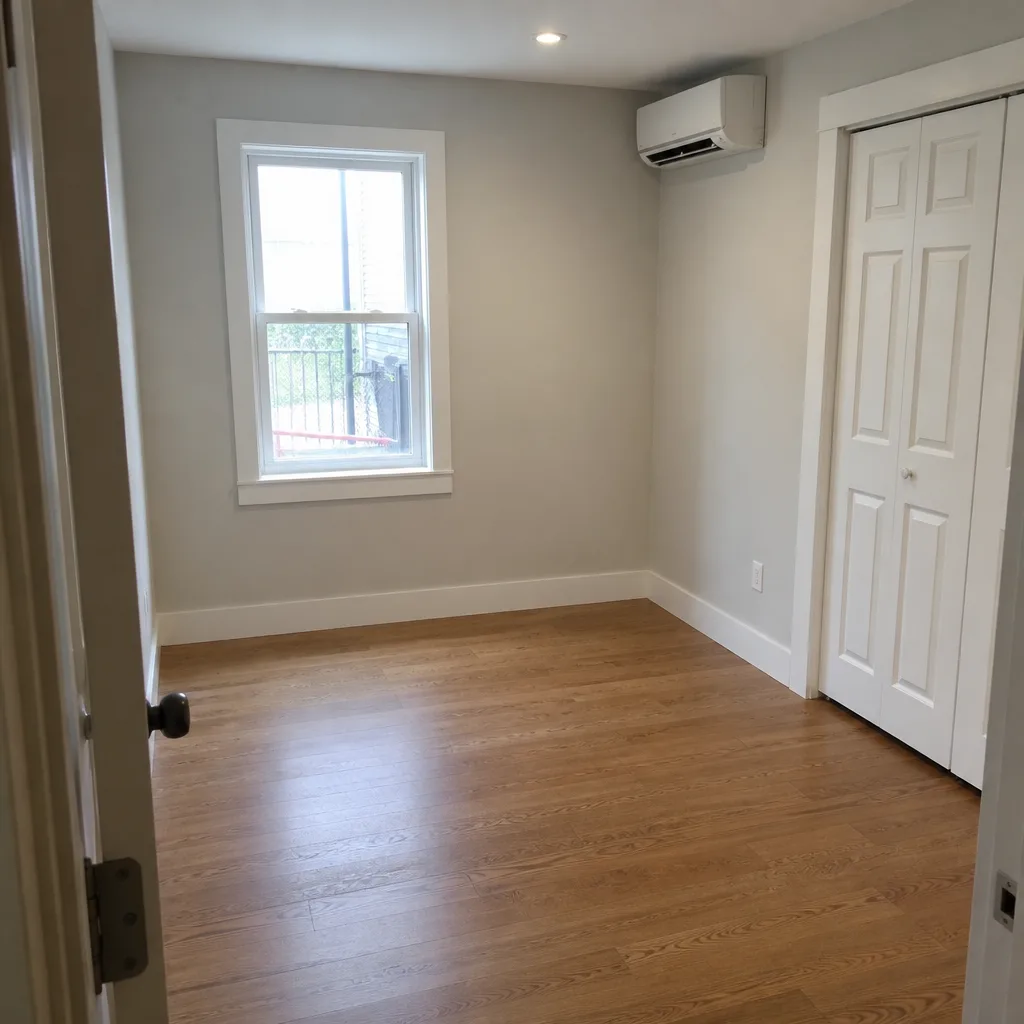 After
After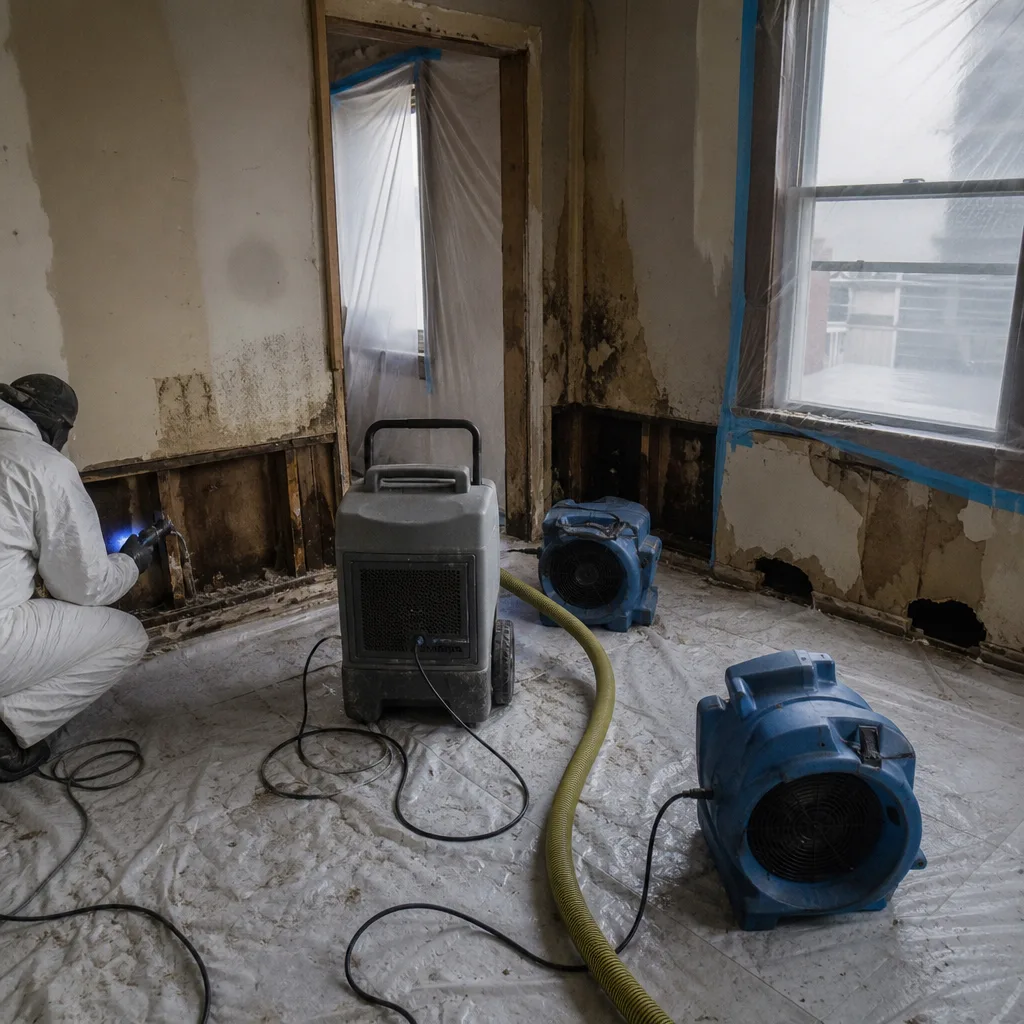 Before
 After
AfterSeasonal Damage Restoration Care for Astoria: Year-Round Homeowner’s Guide
February is statistically the worst month for pipe bursts in Queens, not January. That sounds backwards until you understand what’s actually happening inside your walls. January’s first hard freeze sets the stage: water freezes, expands, and stresses the copper. February is when the cumulative damage finally gives way, usually on a Tuesday morning when nobody’s home. This guide walks through the real seasonal rhythm of damage risk in Astoria, the months when your house is most vulnerable, and the specific steps that keep a cold snap from becoming a five-figure restoration bill. For a deeper dive, see The Complete Guide to Damage Restoration in Astoria.
Quick Answer
Astoria’s damage risk doesn’t follow a tidy four-season calendar. It follows freeze-thaw cycles in February and early March, nor’easter windows in March and April, and heat-expansion roof failures in August. The smartest Water Damage Restoration Maintenance Checklist for Astoria Homeowners matches that actual rhythm: inspect exterior walls and parapet caps during the freeze-thaw window, seal windows and doors before nor’easter season, schedule flat roof inspections in June before August heat causes blistering, and clear gutters in October before your neighbor’s clogged downspout puts water against your foundation.
Table of Contents
- The February-March Freeze-Thaw Window: What’s Actually Happening to Your Rowhouse
- Why Nor’easters Hit Astoria Differently Than Inland Queens
- Summer Flat Roof Maintenance: The June Timing That Prevents August Leaks
- Fall Gutter and Downspout Priority for Attached Homes
- The 48-Hour Pre-Storm Checklist: What to Do Before a Named Storm
- Heating Season and Hidden Water: Condensation, Boilers, and Basement Moisture
- Common Mistakes to Avoid
- When to Call a Professional
- Frequently Asked Questions
The February-March Freeze-Thaw Window: What’s Actually Happening to Your Rowhouse
Astoria’s housing stock is mostly attached rowhouses and prewar brick buildings, which means your exterior walls aren’t just yours. They’re shared, and they behave differently than a detached house in Nassau County. When temperatures swing from 18 degrees at night to 45 degrees by afternoon, the water that worked its way into small cracks overnight melts, expands, and pushes deeper. Repeat that cycle twenty times and a hairline crack becomes a channel for water. This is why we see more water damage calls in Astoria during late February and early March than any other time of year.
Here’s what to inspect on your exterior walls and parapet caps during this window:
- Walk around your home and look at the brick face. Fresh white chalky residue, called efflorescence, means water is moving through the masonry. That’s the early warning sign before a stain shows up inside.
- Check the parapet caps, the horizontal row of bricks or stone on top of your front or rear wall. Loose or missing caps let water pour directly into the wall cavity. In Astoria rowhouses, this is one of the most common entry points for water that eventually shows up on a bedroom ceiling.
- Look at window sills and lintels, the horizontal supports above windows. Cracks there funnel water behind the brick face, where it travels down inside the wall and exits through a baseboard two floors below.
- Check your bulkhead or roof hatch if you have one. The freeze-thaw cycle is brutal on the seal around these, and a failed bulkhead gasket means water running down your interior stairwell.
When we inspect freeze-thaw damage in Astoria, we use thermal imaging to see where water has actually penetrated, not just where it’s staining. Water behind a wall doesn’t always announce itself. Sometimes it sits in a stud bay for weeks before the drywall finally bubbles. For more on how we handle water damage when it does show up, see our Water Damage Restoration in Astoria page. The short version: the sooner you catch it, the less wall we have to open.
Why Nor’easters Hit Astoria Differently Than Inland Queens
Astoria sits close enough to the East River and the Long Island Sound that nor’easter winds hit differently here than they do in, say, Forest Hills or Kew Gardens. Inland Queens gets rain and gusty wind. Astoria gets driven rain hitting vertical surfaces at an angle, which finds every weakness in window flashing, door seals, and roof edges. Add in the fact that many Astoria homes sit on filled marshland with higher water tables, and you get a specific set of problems: window leaks during east-facing storms, basement seepage from hydrostatic pressure, and roof edge failures from wind-driven rain.
Here’s what to check before nor’easter season kicks in, which in Astoria typically means March through April but can run into May:
- Run a bead of exterior-grade caulk around window frames and door thresholds. Not just where you can see gaps. Run it along the entire perimeter, including the top edge where driven rain gets pushed up under the siding or brick.
- Check your roof edge flashing and fascia. Nor’easter winds lift shingles and pull flashing loose. Once water gets under the edge, it travels horizontally, and the leak shows up somewhere you don’t expect.
- Test your sump pump if you have one, and check that your basement floor drains are clear. A nor’easter in Astoria doesn’t just test your roof; it tests your foundation drainage. When the water table rises, basements in low-lying parts of Astoria seep through floor cracks and cove joints.
- Clear your window wells and any exterior stairwells. Debris that sits in a below-grade entry collects water, and that water has nowhere to go but through your foundation wall.
In our experience, the biggest nor’easter mistake in Astoria is waiting until the storm is on the radar to start sealing. Caulk needs dry weather to adhere. Once the storm front arrives, the window is gone. Do the exterior sealing work in February, before the first named storm of the season forms.
Summer Flat Roof Maintenance: The June Timing That Prevents August Leaks
Astoria has a lot of flat and low-slope roofs, mostly TPO, EPDM rubber, and modified bitumen. Here’s the thing most homeowners don’t know: the leak you get in August was usually created in June. Flat roof materials expand in heat. On a 95-degree Astoria afternoon, a black EPDM roof surface can hit 160 degrees. The membrane expands, and if the seams and flashing were already compromised, the expansion pulls them further apart. Then an August thunderstorm drops an inch of rain in twenty minutes, and the water finds the gap.
The fix is to inspect flat roofs in June, before the worst heat arrives:
- Look for blisters and bubbles in the membrane surface. These form when heat converts trapped moisture into vapor. A blister is a seam failure waiting to happen.
- Check all roof penetrations: vents, skylights, AC units, plumbing stacks. These are where eight out of ten flat roof leaks originate.
- Inspect the roof-to-parapet wall transition. On Astoria rowhouses, this is a chronic leak point because the parapet wall and the roof deck expand at different rates in the heat.
- Clear any debris that’s accumulated around roof drains. A clogged roof drain on a flat roof means standing water, and standing water accelerates membrane failure fast.
If you see blisters on your flat roof, don’t puncture them. That’s a DIY fix that turns a minor repair into a full roof section replacement. Have a roofer or a restoration company that handles roof water intrusion take a look. If a summer storm does get through, we’re set up to extract, dry, and repair the interior damage; see our Wade’s Restoration home page for how we handle storm intrusion from the inside out.
Fall Gutter and Downspout Priority for Attached Homes
In Astoria, your neighbor’s gutters are partly your problem. This is the thing national home maintenance guides miss. When homes share a party wall, water from a neighbor’s clogged or broken downspout can be directed against your shared foundation wall. You can keep your own gutters spotless and still end up with a wet basement because the downspout two doors down discharges against the foundation line that runs under your house.
Here’s the fall gutter protocol that makes sense for attached homes in Astoria:
- Clean your own gutters and downspouts in late October, after the leaves drop but before the first hard freeze. Not August. Astoria’s tree canopy, particularly the sycamores and maples on the residential side streets, drops leaves late.
- Check where your downspouts discharge. They should extend at least three to four feet from the foundation. In Astoria’s narrow side alleys, that often means an above-ground extension pipe, because a buried leader line may not be practical.
- Walk the property line and look at your neighbor’s downspouts. If one is disconnected, broken, or pointed at your foundation, have that conversation early, before winter rains make it a legal and structural issue. It’s easier to fix a downspout in November than to remediate a foundation leak in January.
- If you have an areaway or a below-grade entry, make sure the drain at the bottom is clear. A clogged areaway drain combined with fall rain is one of the most common sources of basement flooding we see in Astoria homes.
We carry professional-grade drying equipment from Phoenix and Dri-Eaz on every water damage call, which matters when a clogged gutter line or areaway drain floods a finished basement in Astoria. The faster the water is pulled out, the less demolition is required. For more on how that process works, see our Mold Remediation in Astoria page, since a basement that stays wet for more than 48 hours is a mold risk.
The 48-Hour Pre-Storm Checklist: What to Do Before a Named Storm
September and October are hurricane season in New York, and while Astoria rarely takes a direct hit, a glancing blow from a tropical storm or a slow-moving coastal system is enough to test every weak point in your home. The key is that preparation happens in the 48 hours before landfall, not the afternoon of. Here’s the specific checklist we recommend to homeowners in Astoria:
- Clear all exterior drains: roof drains, areaway drains, basement stair drains. Use a garden hose to check flow if you can. A clogged roof drain turns a moderate rain into a flooded top floor.
- Check and secure all window air conditioners. A loose AC unit in high winds lets driven rain straight into the house. If the unit is not secure, remove it.
- Clear your property of anything that can become a projectile: patio furniture, planters, grills, trash cans. A flying planter can break a window, and then the storm comes through the window.
- Test your sump pump by pouring water into the pit. If you don’t have a battery backup and the power goes out, your basement floor drains stop working. Consider a water alarm, which costs about $15 and gives you early warning when water starts rising.
- Take photos of your exterior, roof, and basement before the storm. If you end up filing an insurance claim, pre-storm photos are the single most useful piece of documentation you can have.
- Know where your main water shutoff is. If a falling tree branch fractures a pipe or the storm surge backs up your sewer line, shutting off water fast limits the damage.
We deal with insurance adjusters directly on every storm damage job. We provide documented moisture readings and photo logs, which means you’re not the one stuck relaying information between us and your insurance company. That’s been the standard at Wade’s Restoration since 2007, and it’s part of why we put the 90-Day Done Right Promise in writing on every job: if it’s not done right, we make it right. One call brings Wade back.
Heating Season and Hidden Water: Condensation, Boilers, and Basement Moisture
Most Astoria homeowners think of winter water damage as frozen pipes. The more common problem in our rowhouses is condensation. When warm, moist indoor air meets cold exterior walls, particularly on north-facing rooms and in unheated basement spaces, the condensation runs down the wall and collects at the base. Over a heating season, that repeated moisture can rot base plates, delaminate flooring, and create the conditions for mold growth behind furniture.
Here’s what to watch for during heating season in Astoria, which runs roughly from October through April:
- Check behind furniture placed against exterior walls. A dresser or couch pushed tight against a cold brick wall blocks airflow and creates a microclimate where condensation never dries out. Pull furniture two inches off the wall.
- Monitor your basement humidity. If you’re running a dehumidifier and still seeing condensation on pipes or windows, you’ve got a moisture source that needs to be found, not just dried out.
- Look at your boiler and heat distribution pipes. Small leaks from boiler systems are easy to miss because the water evaporates quickly on warm pipes. Check for green staining on copper and white mineral deposits at joints.
- If you have steam heat and you hear water hammer, banging pipes when the system cycles, get it checked. It’s a sign of trapped water in the lines, and over time it can stress joints until they fail.
A frozen pipe burst in February is dramatic, but slow condensation damage in January is the one that quietly destroys a finished basement over three winters. If you’ve got musty smells in a basement room that you can’t explain, that’s worth a call. Our Mold Remediation in Astoria service includes a full moisture assessment, every time, not just a visual once-over. And we hand you the moisture log at the end of the job, every reading, every day. Almost nobody in the trade does that.
Common Mistakes to Avoid
- Sealing a leaking brick wall from the inside. Water entering through brick needs to be stopped at the exterior face. Interior sealants trap water in the wall cavity, which accelerates brick spalling and makes the eventual repair more expensive.
- Ignoring efflorescence, the white chalky deposit on brick. It’s not cosmetic. It’s water moving through your masonry, and by the time it shows up as a stain inside, you’ve lost months of repair time.
- Waiting until August to inspect a flat roof. By August, the blistering that formed in June heat has already started to split. Late-season repairs are larger and more expensive.
- Running a dehumidifier without finding the moisture source. If you’re emptying a dehumidifier twice a day in a finished basement, the dehumidifier isn’t fixing the problem. It’s managing a symptom. The source is still putting water into the space.
- Assuming interior drainage systems make a basement waterproof. Interior French drains and sump pumps manage water that’s already entered. They don’t stop it at the foundation. In Astoria’s high-water-table areas, they’re a backup, not a solution.
- Not talking to your neighbor about their downspout. In attached rowhouses, this is the single most preventable source of shared foundation water damage, and it costs nothing to fix when caught early.
- Filing an insurance claim without pre-storm photos. Adjusters move faster and approve more when they can see the before condition. Photos taken the morning of the storm are worth more than any verbal description after the fact.
When to Call a Professional
Some seasonal maintenance is DIY. Re-caulking a window, clearing a gutter, pulling furniture off a cold wall. But when water has already entered the building envelope, or when you’re seeing signs of mold, or when a storm has opened a hole in your roof or wall, that’s not the time to experiment. Water damage in Astoria homes moves fast, and hidden moisture behind drywall or under flooring becomes a mold problem within 48 to 72 hours. If you can smell mustiness, see bubbling paint, or find water stains that are growing, call someone who carries professional-grade extraction and drying equipment and can document the moisture levels. Wade’s Restoration offers free estimates in Astoria, call (363) 208-1526. We’re local, owner-operated, and Wade Ferris answers his own phone. If you’ve got a fire or smoke issue from a seasonal heating problem, see our Fire & Smoke Damage Restoration in Astoria page for how we handle that from first call to final rebuild.
Frequently Asked Questions
February, not January. The first hard freeze typically comes in January, but pipes usually fail in the month after, when repeated freeze-thaw cycles have stressed the copper to its breaking point. Astoria rowhouses with uninsulated exterior wall cavities are particularly vulnerable.
Focus on parapet caps, window lintels, and the brick face itself. Look for fresh efflorescence, which is newly formed white powder indicating active water movement through the masonry. Also check bulkhead and roof hatch seals, which fail gradually during freeze-thaw cycling.
Flat roof leaks that appear in August are usually the result of June heat expansion. The membrane stretches and seams weaken during the hottest part of summer, then fail when a thunderstorm arrives. Inspecting the roof in June catches blisters before they split.
Yes, especially on attached rowhouses. A downspout that discharges against a shared foundation wall affects both homes. If your neighbor’s downspout is broken or misdirected, water can be driven against your foundation during storms, leading to basement seepage that originates on their side of the property line.
Wade answers his own phone and can usually have extraction equipment running inside the hour in an active water emergency in Astoria. No answering service, no dispatch queue. Call (363) 208-1526 and you’ll talk to Wade directly.
Most homeowner policies cover sudden and accidental water damage, like a burst pipe or storm-driven roof leak. Gradual damage from ignored maintenance, like a slow leak that’s been running for months, is often denied. We deal with adjusters directly and provide documented moisture readings and photo logs to support your claim, which makes the process smoother whether you’re in Astoria or anywhere else we serve.
The Bottom Line
Seasonal damage prevention in Astoria isn’t about a generic monthly to-do list. It’s about understanding when your specific home, in this specific neighborhood, is most likely to fail. February is pipe season. March and April are nor’easter season. June is flat roof inspection season. August is when the heat does its damage. October is when your gutters and your neighbor’s gutters matter most. If you stay ahead of that calendar, you’ll prevent most water damage before it starts. And when the calendar gets ahead of you, we’re here. Call (363) 208-1526 for a free estimate, or to just get a straight answer about what you’re seeing. No pressure. No trip charge inside the county. Wade will be there himself.
Written by Wade Ferris, Owner at Wade’s Restoration, serving Astoria since 2007.