
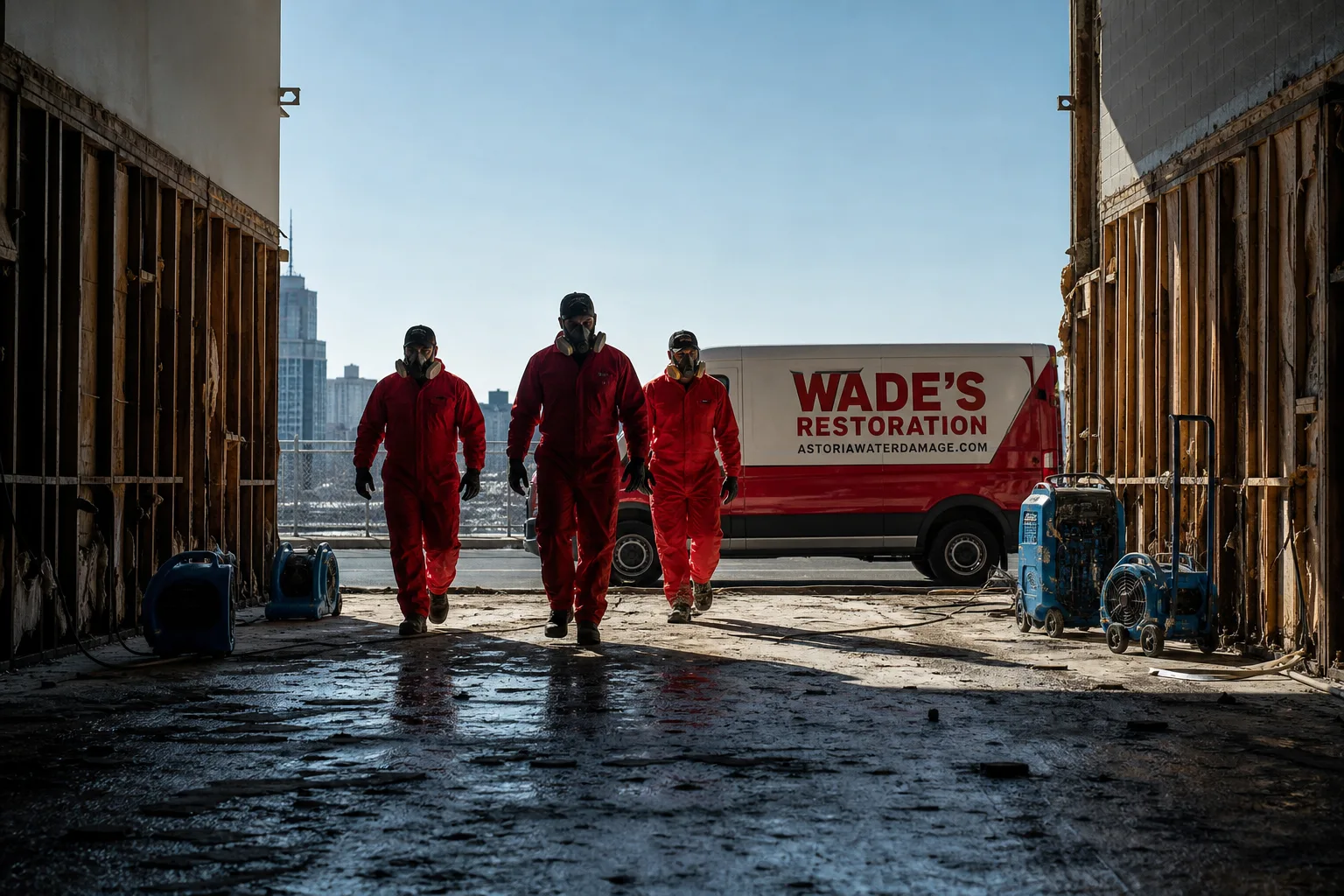
Free visual inspection and a written scope of work before any mitigation begins - photos, moisture readings, and drying logs go in your claim file
The scope we write is the scope we bill. Anything new gets shown to you, in writing, before we touch it.
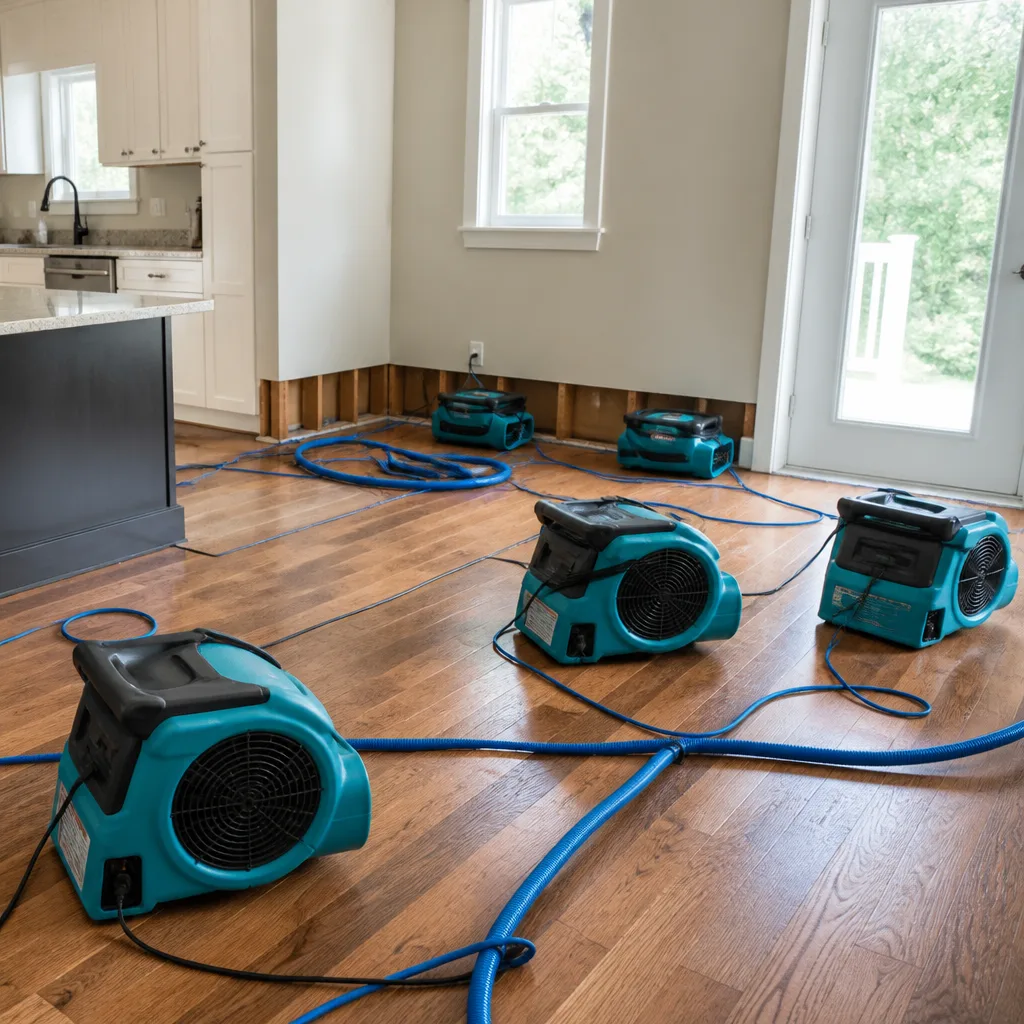
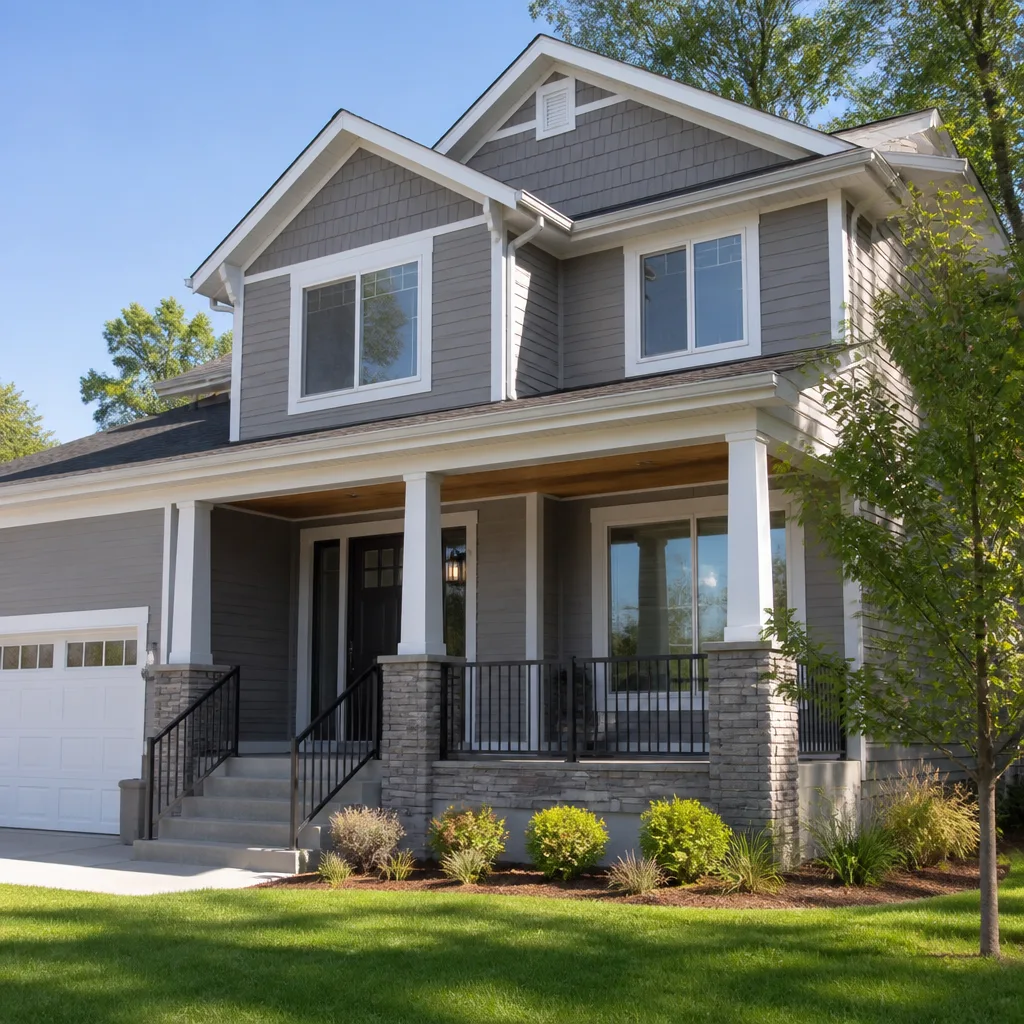
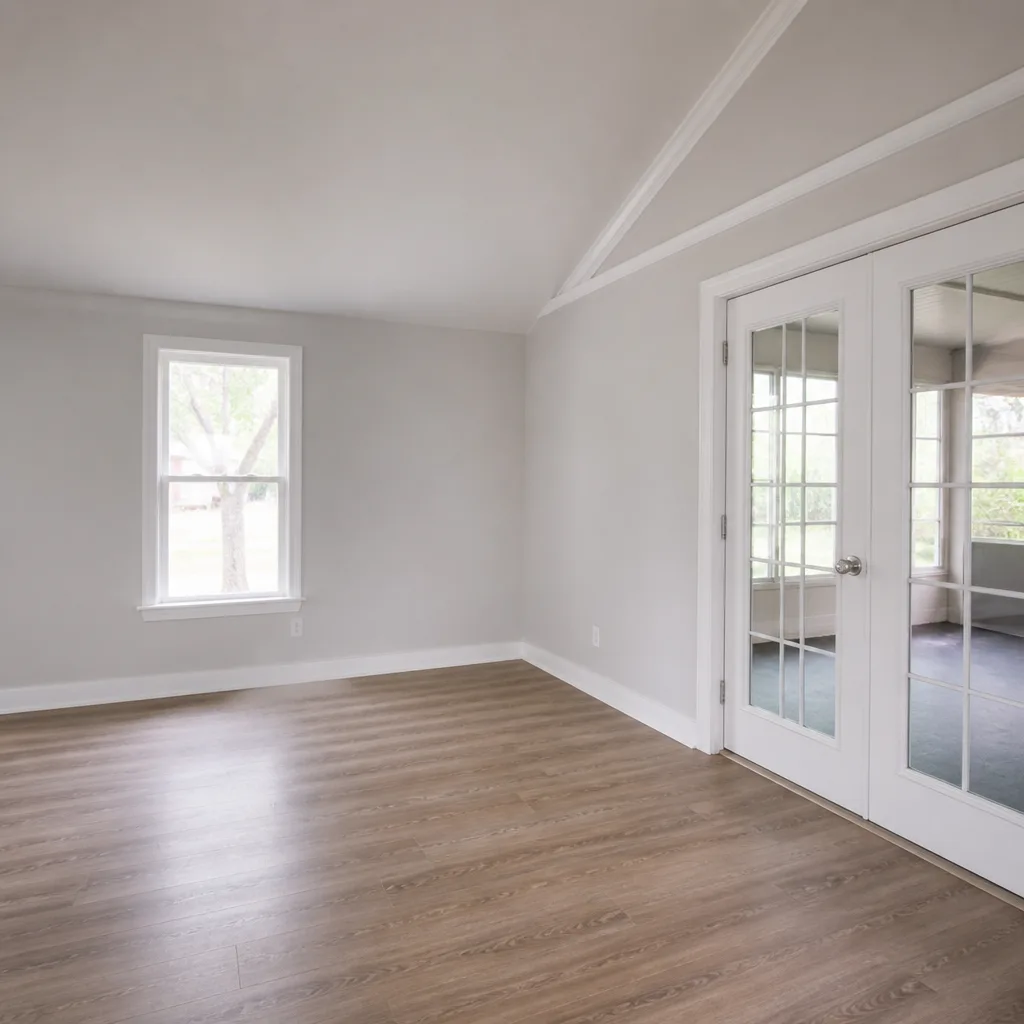
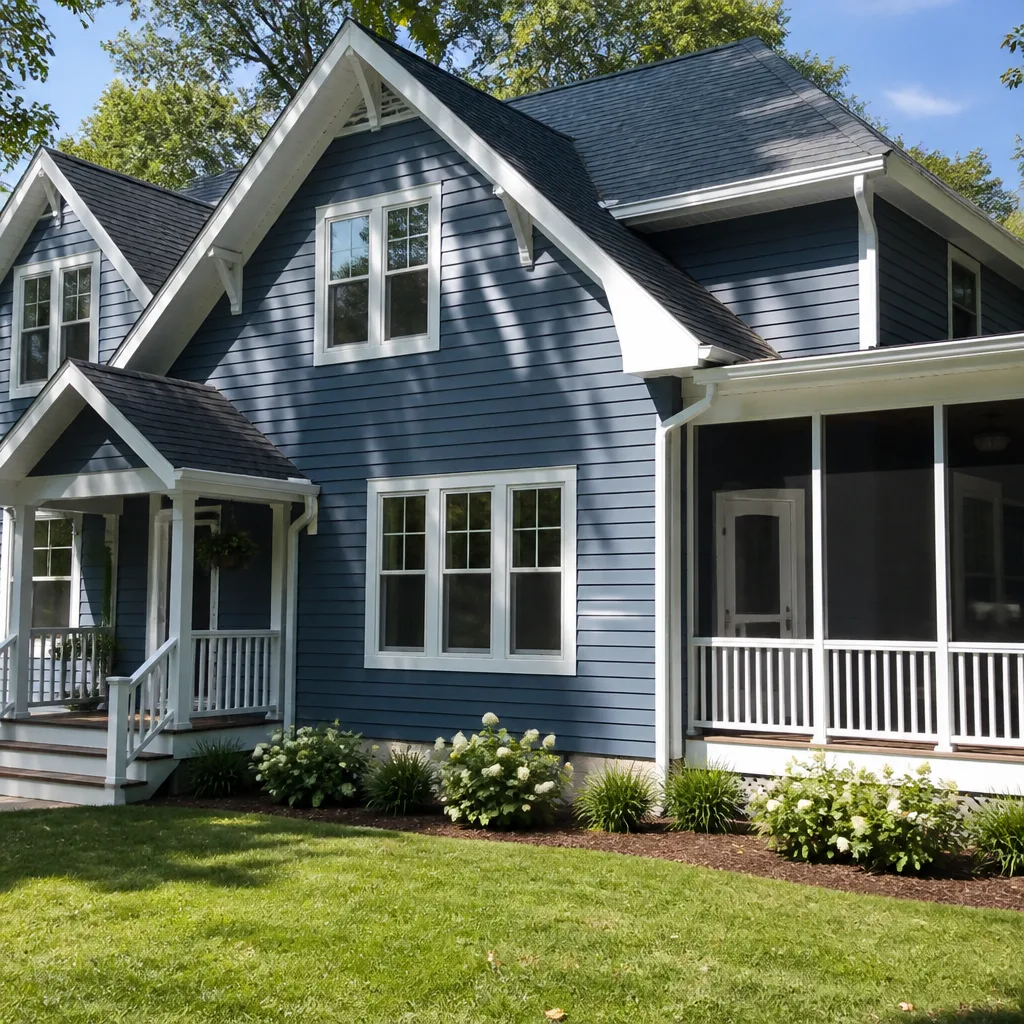
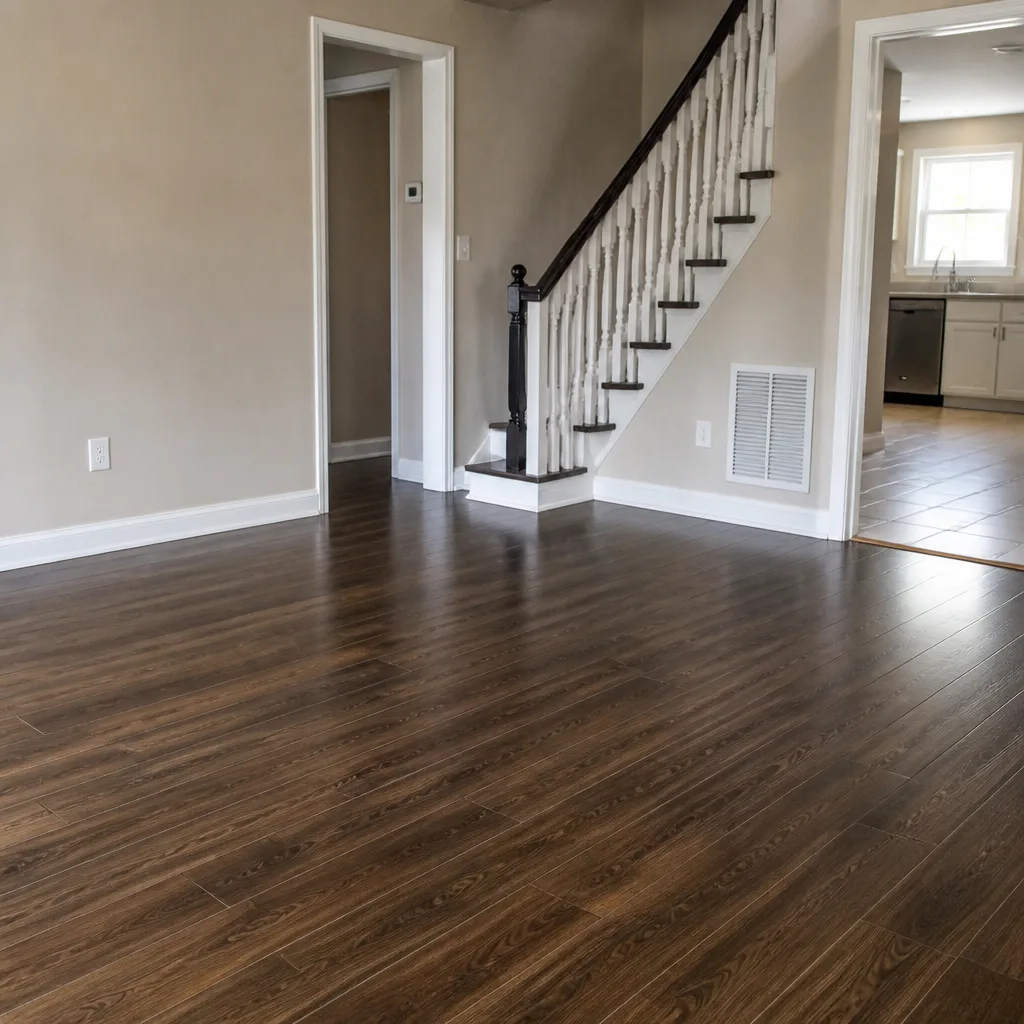
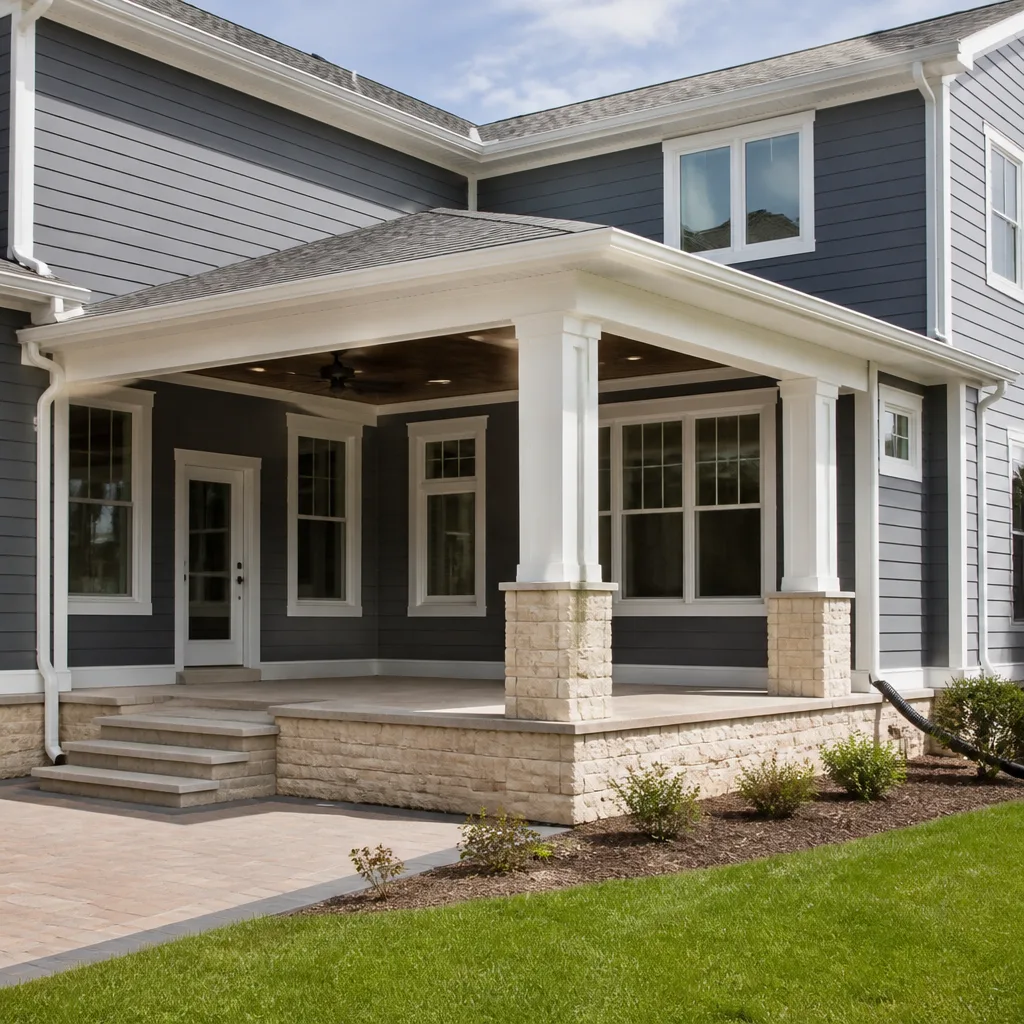
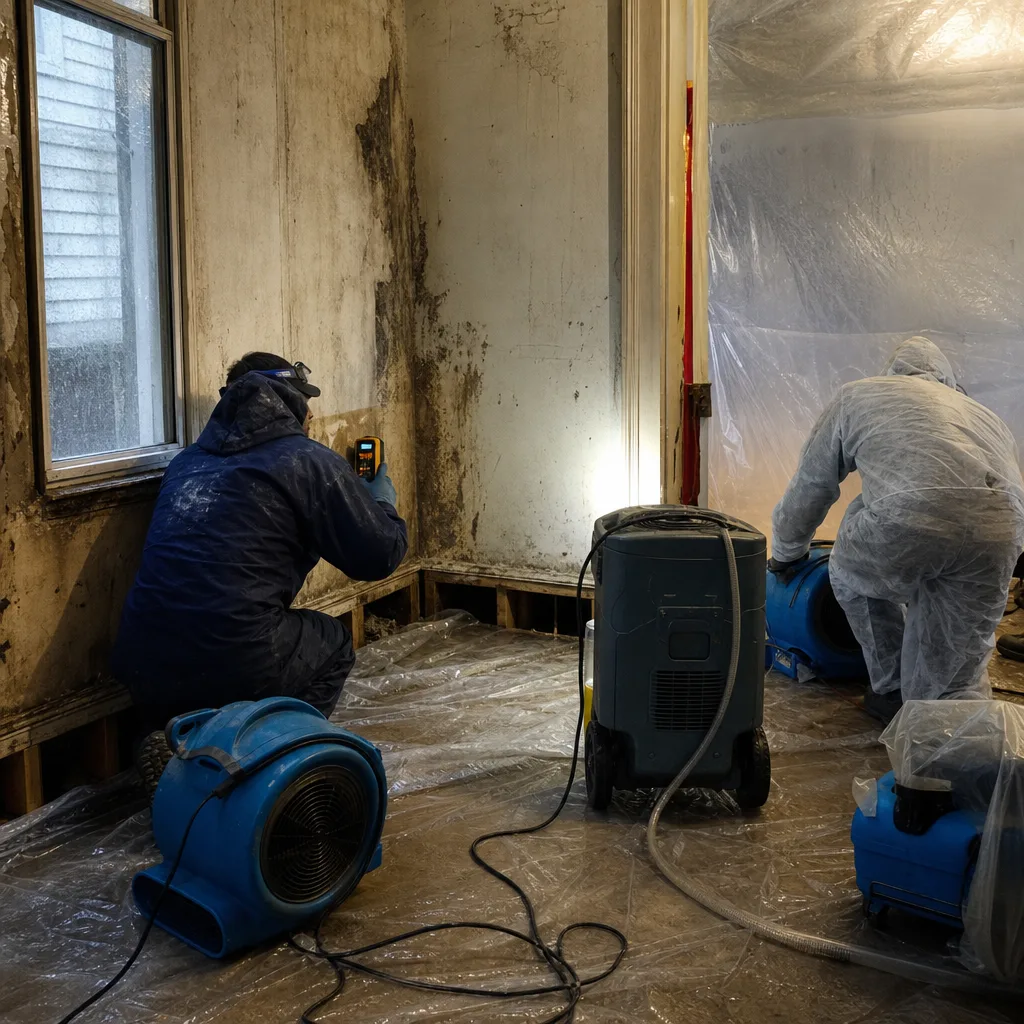 Before
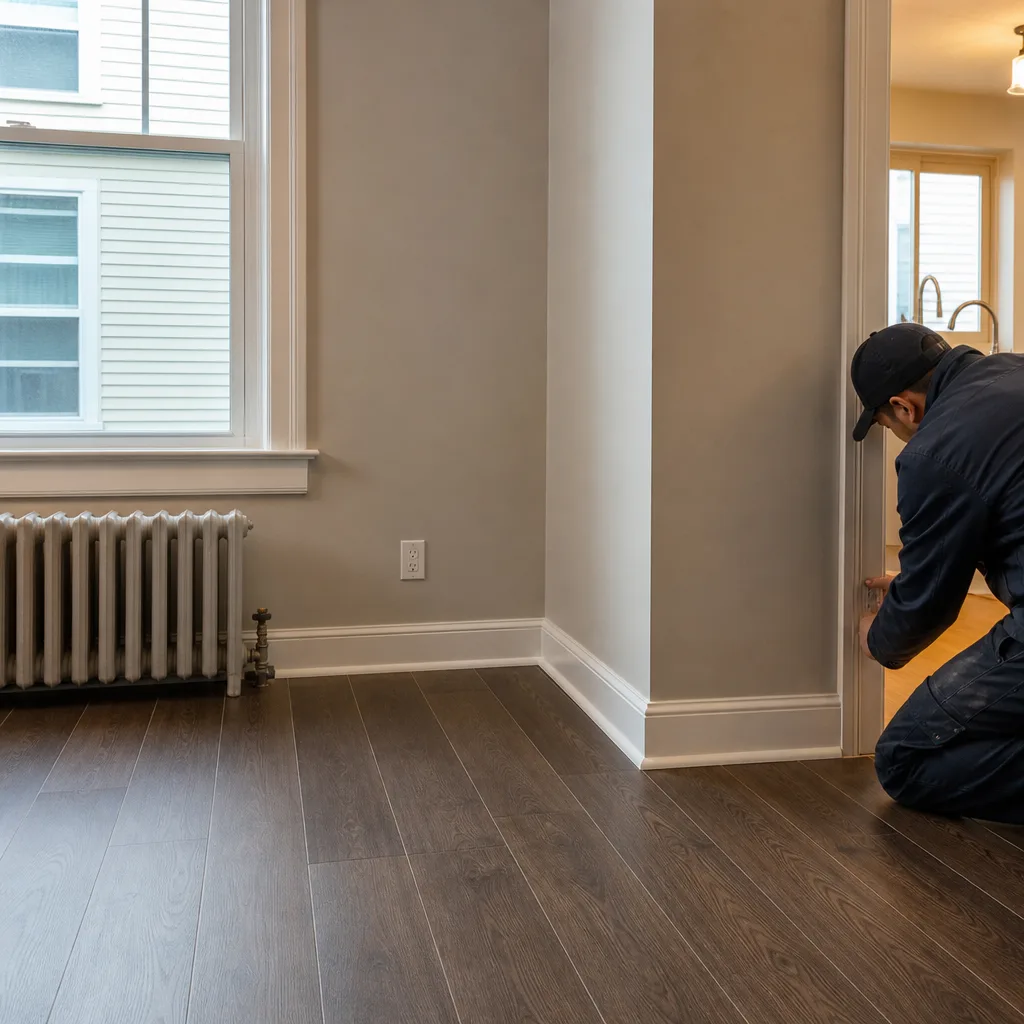 After
After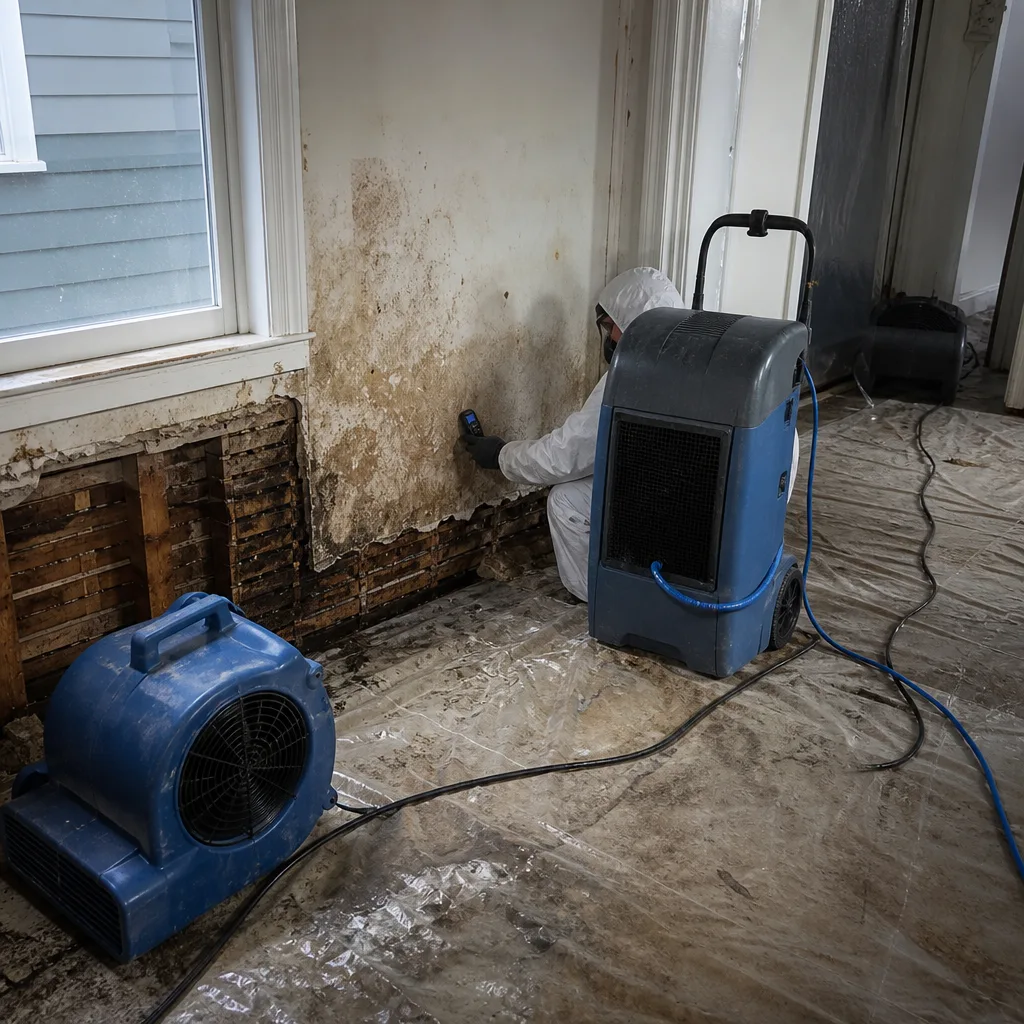 Before
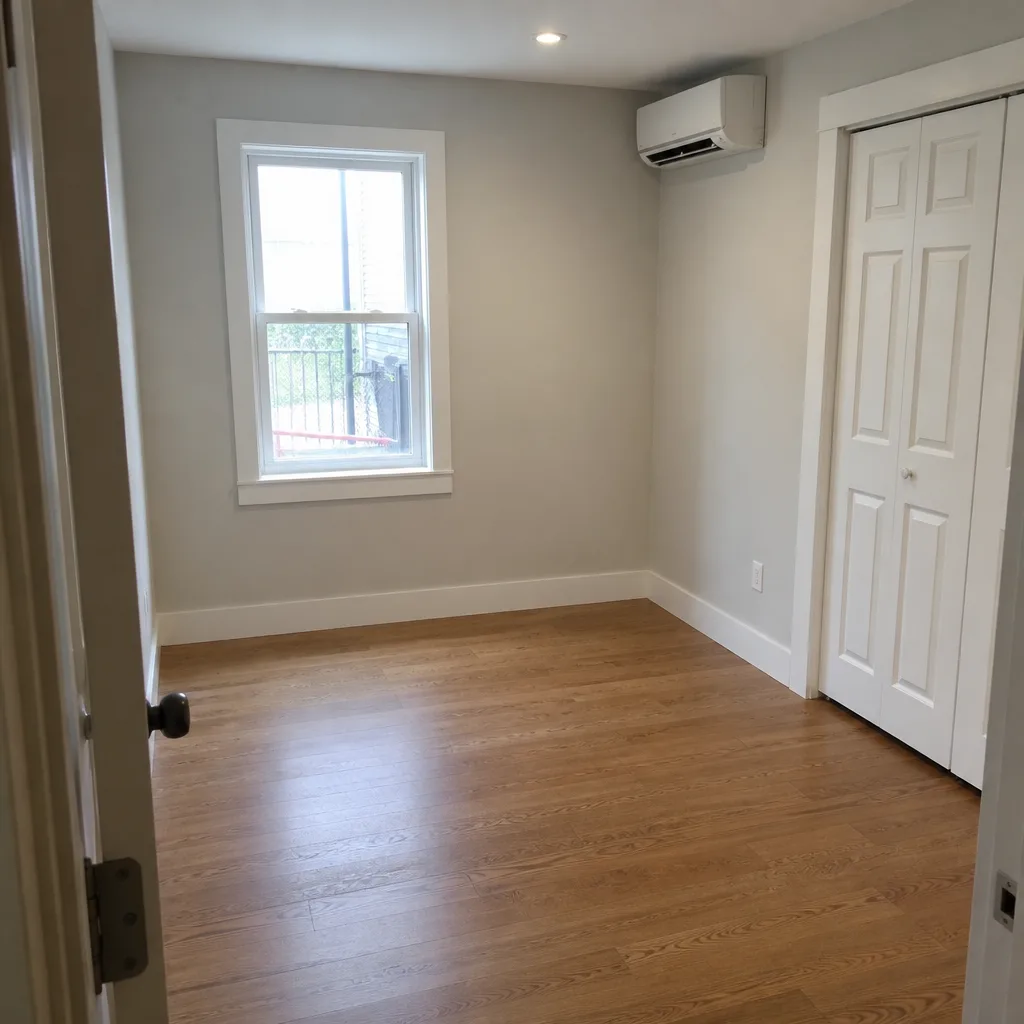 After
After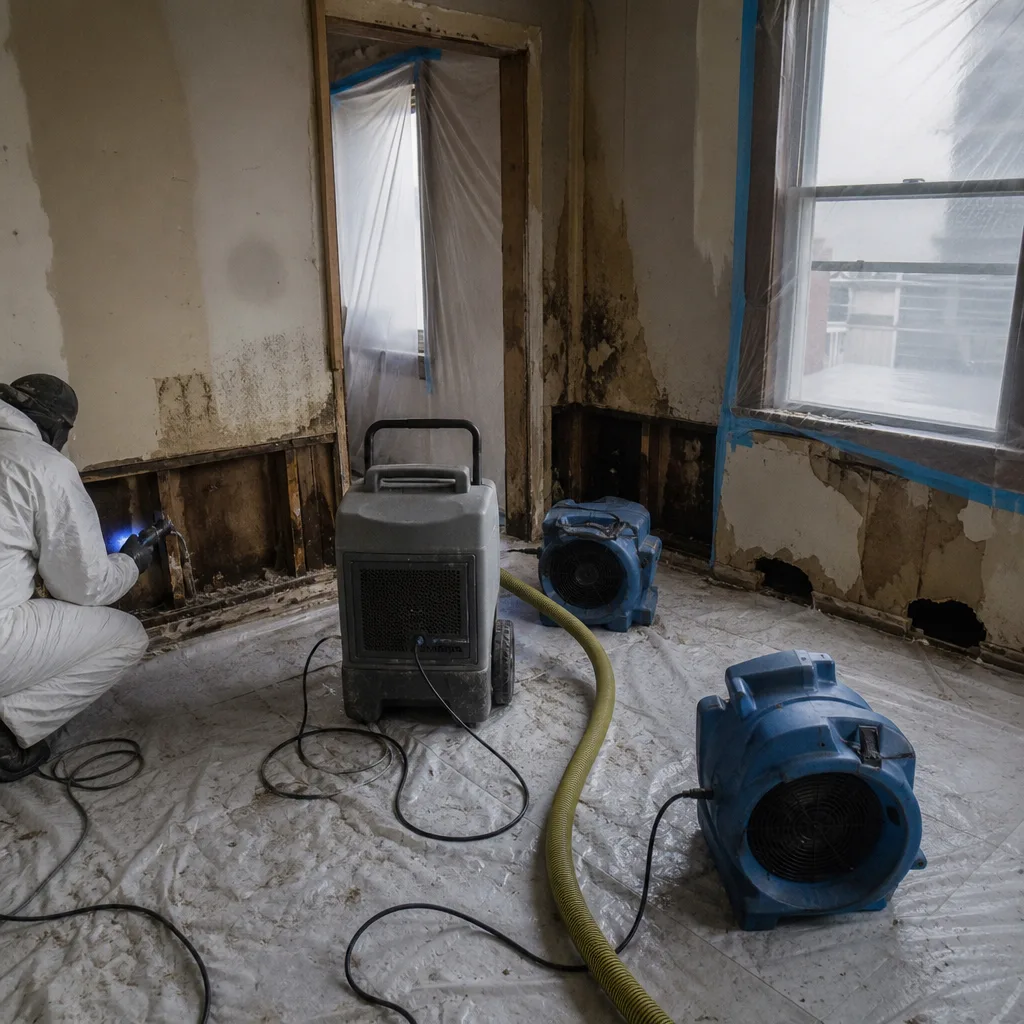 Before
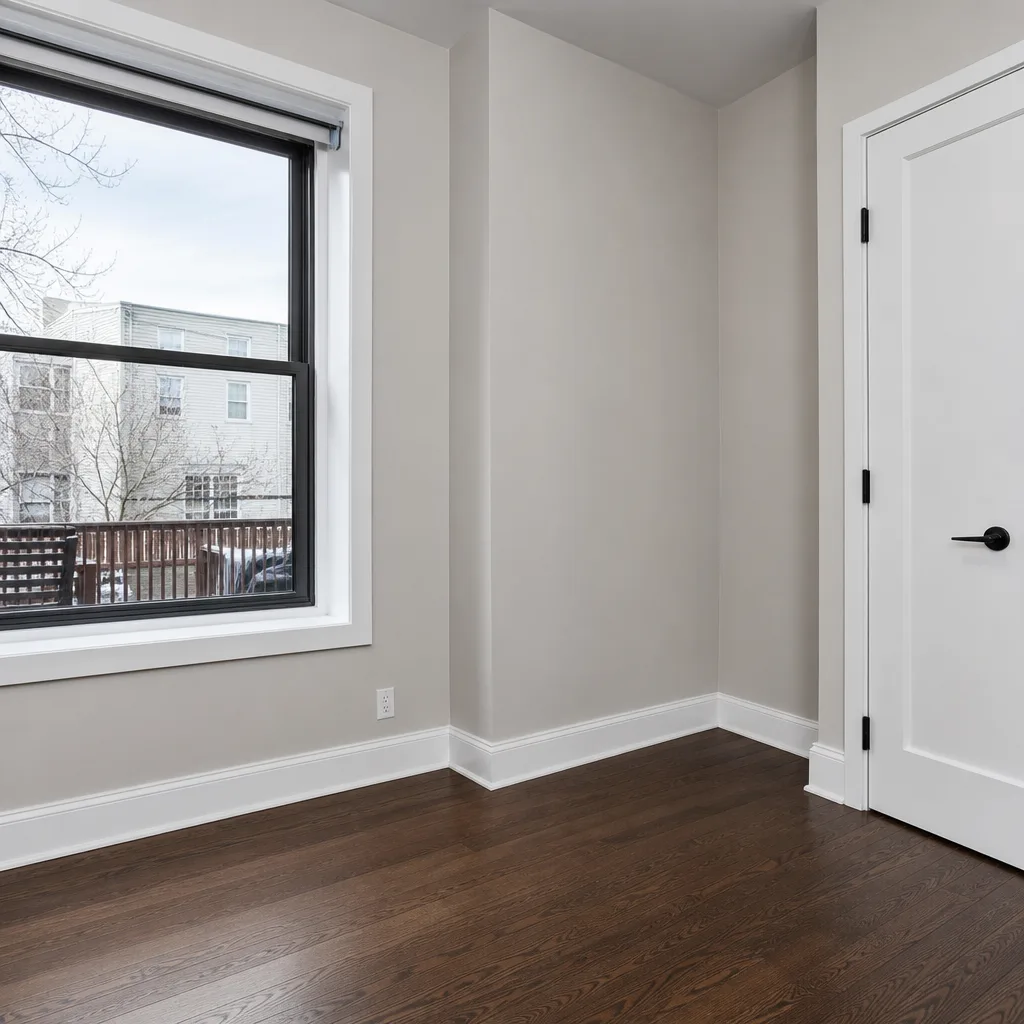 After
After24/7 Emergency Commercial Restoration in Weehawken
Weehawken commercial property damage rarely waits for business hours, so neither do we. Wade’s Restoration answers live around the clock, every day of the year. When a supply line bursts in a Port Imperial tower’s mechanical room at 2 a.m. or storm surge floods a Boulevard East retail basement, Wade himself picks up the phone and heads out. Call (363) 208-1526 right now and a crew can be on-site inside the hour, extraction equipment running before the water migrates another floor. The first 60 minutes determine whether you’re looking at a cleanup or a full gut-and-rebuild, because water wicks upward through elevator shafts and drywall at a rate most property owners never see coming. Our initial visual inspection is free, and we give you a written scope before any work begins. No answering service. No voicemail. A real person, 24/7.
Understanding Commercial Restoration Severity in Weehawken Properties
The scope of a commercial restoration job in Weehawken depends almost entirely on where your building sits in relation to the Hudson River and the Palisades. Water damage follows a three-category system. Category 1 is clean supply-line water. Category 2 carries contaminants. Category 3 is black water: sewage, storm surge, river water, parking-garage runoff. Port Imperial properties flooded by Hudson River surge are almost always Category 3, because river water carries salt, silt, and biological contamination into every surface it touches. That means antimicrobial treatment, full containment, and pressure washing with disinfectant, not just drying. Upper-bluff brick buildings on the Palisades face a different pattern: chronic, low-grade seepage through limestone-mortar foundations and cracked basalt rock. This is usually Category 1 or 2 on any given day, but left unaddressed it becomes a mold reservoir that spreads behind 100-year-old plaster walls. Our crews use thermal imaging and moisture mapping to find exactly how far water has traveled, because what you see on the surface is rarely the whole story in Weehawken’s mixed building stock.
Why Weehawken Property Owners Choose Wade’s Restoration
- 45-minute response commitment: From the moment you call, a Wade’s Restoration crew is rolling toward Weehawken. We work from a metro office minutes away, so we actually hit that window instead of telling you a truck is “on the way” for three hours.
- 24/7 live answer: Wade Ferris answers his own phone. Not a call center, not an answering service. You get the owner, and he’ll be the one walking your building with a moisture meter.
- IICRC-certified crews: Our technicians hold IICRC WRT and FSRT certifications, and we run professional-grade Dri-Eaz and Phoenix equipment. That’s the industry’s real standard, not a marketing phrase.
- Free visual inspection: Before anything gets torn out, we look, we test, we explain. You get a written scope of work and a straight answer on what’s actually wet. No charge for that.
- Direct insurance billing: We bill your carrier directly and talk to your adjuster ourselves. You don’t get stuck relaying messages between two sides.
- One team, start to finish: Extraction, drying, cleaning, and reconstruction all under one roof. No handoffs to a sub you’ve never met, and no gap between “dry” and “done.”
Our Commercial Restoration Process
Inspection & Assessment
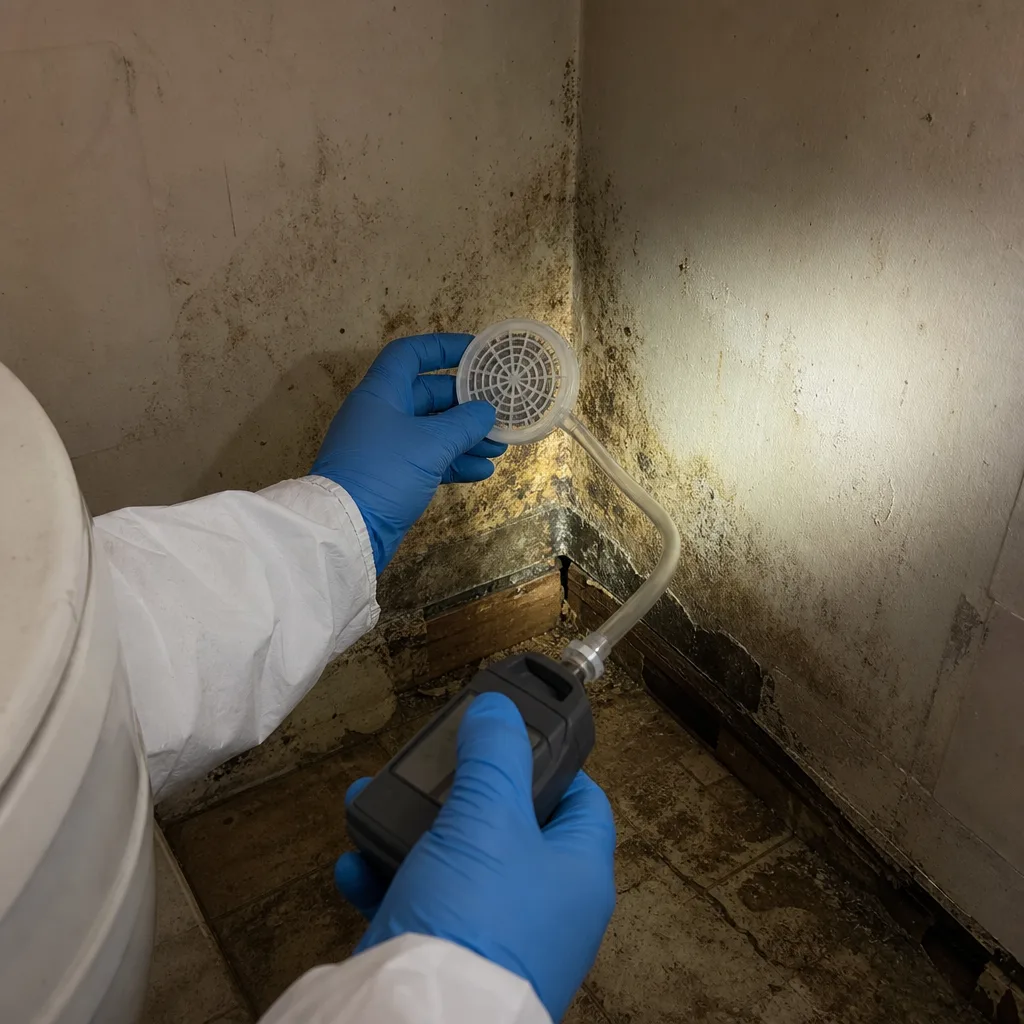
We arrive with thermal imaging cameras and hygrometers, map every affected area, and identify the water category and building materials involved. For Weehawken properties, we check elevator shafts, below-grade mechanical rooms, and foundation walls specifically. You get a written scope before we touch anything.
Extraction / Stabilization
Truck-mounted extraction removes standing water fast. We set up containment barriers where needed, shut off the water source, and protect unaffected inventory or fixtures. In Port Imperial garages, we isolate elevator shafts to stop vertical water migration.
Drying & Dehumidification
Dri-Eaz air movers and Phoenix dehumidifiers run on a calculated layout matched to the space volume. We take moisture readings every four hours and log everything. You see the drying curve, not just a claim that it’s dry.
Cleaning & Sanitization
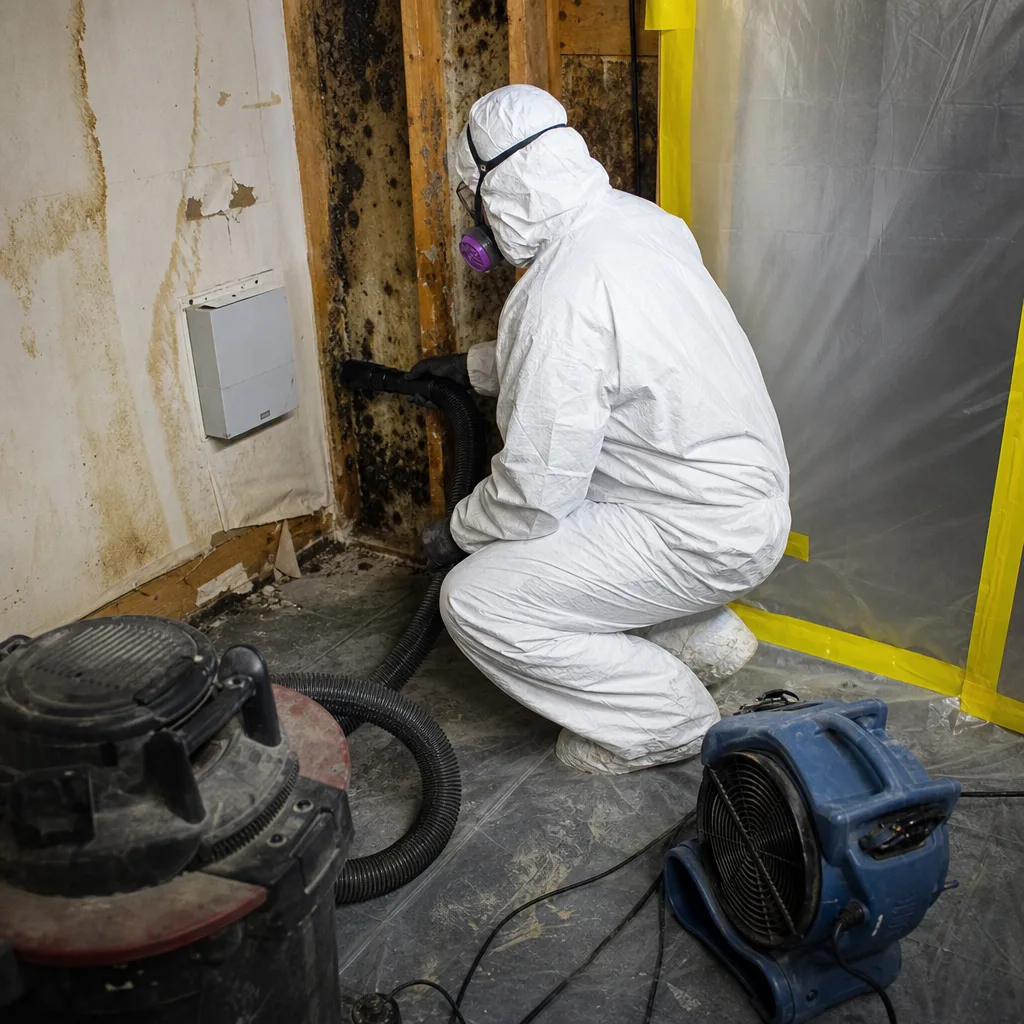
HEPA air scrubbers run throughout cleanup. Flood-contaminated surfaces get antimicrobial treatment. For fire and smoke jobs, we remove soot residue using dry sponges and chemical cleaners matched to the residue type. We don’t paint over problems.
Specialty Treatment
Commercial restoration in Weehawken often means document recovery, inventory triage, or business-continuity planning. We dry and clean salvageable records, coordinate pack-out when needed, and sequence the job to keep your operations moving wherever possible.
Repairs & Restoration
Once drying targets hit pre-loss condition, the rebuild starts. Drywall, flooring, paint, cabinetry, structural repairs. All covered by the 90-Day Done Right Promise in writing. If it’s not done right, we make it right.
Need Emergency Commercial Restoration in Weehawken Now?
Crews minutes away, answering live 24 hours a day. The sooner we start, the less it costs.
Working With Your Insurance Company
Commercial restoration claims in Weehawken get complicated fast, especially on Port Imperial properties where a single flood event can involve condo association master policies, unit-owner policies, and flood insurance all at once. We have handled hundreds of these. Our process starts with documentation from the first hour: photos of every affected room, moisture readings logged daily, and a line-item scope that your adjuster can actually work from. Wade talks to your adjuster directly. You don’t play telephone between a restoration crew and an insurance carrier. That alone saves most Weehawken property owners weeks of back-and-forth. And because we run the extraction, the drying, and the rebuild ourselves, the adjuster gets one coherent estimate instead of three competing ones.
What We Provide Your Insurer
- Thorough documentation of the loss
- Photos of all damage, room by room
- Moisture readings and drying logs
- A detailed, line-item scope of work
- Direct coordination with your carrier
Built for Weehawken’s Loss Calendar
January in Weehawken means deep freezes, and deep freezes mean frozen supply lines in unprotected mechanical chase walls, often in buildings that predate modern insulation standards. We get calls about burst pipes behind kitchen cabinets in upper-bluff pre-war buildings and in parking-garage sprinkler lines at Port Imperial. Spring thaw brings a different problem: saturated ground against Palisades bluestone foundations, pushing water through mortar joints that have been doing this job since the 1920s. Summer thunderstorms hit Weehawken hard because the streets above the bluff drain down toward River Road and the waterfront, overwhelming storm sewers and backing up into lower-level commercial spaces. Then from August through October, nor’easter season puts the entire Port Imperial waterfront on notice. We track the weather and pre-stage equipment when a storm tracks toward the Hudson. And because Weehawken’s building stock runs from century-old brick to glass-and-steel high-rise, the failure mode changes block by block. We know what to expect on Boulevard East versus River Road.
Commercial Restoration Across Weehawken’s Neighborhoods
Weehawken packs two worlds into a single square mile, and the restoration challenges shift block by block. The Port Imperial waterfront, stretching along River Road from the Lincoln Harbor area south to the Weehawken ferry terminal, is where we handle large-loss flood response: below-grade parking garages, elevator pits, and mechanical vaults built at or below Hudson flood elevation. Up on top of the bluff, the Heights and Shadyside corridors along Boulevard East are lined with pre-WWII brick walkups and mixed-use buildings, where the same torrential rain expresses itself as basement seepage, crumbling mortar, and gutter systems overwhelmed by the steep slope. Over near Park Avenue and Highwood Terrace, tightly packed brick row buildings share party walls, which means water in one unit will find the adjoining one through a shared joist cavity. Then there is the mid-bluff band around JFK Boulevard East, where buildings sit halfway up the Palisades: not quite in the flood zone, not fully out of the groundwater problem either. Each of these areas demands a different drying strategy, and a crew that treats them all the same is going to miss something.
Specialized Commercial Restoration Services We Offer in Weehawken
Office & Retail Restoration
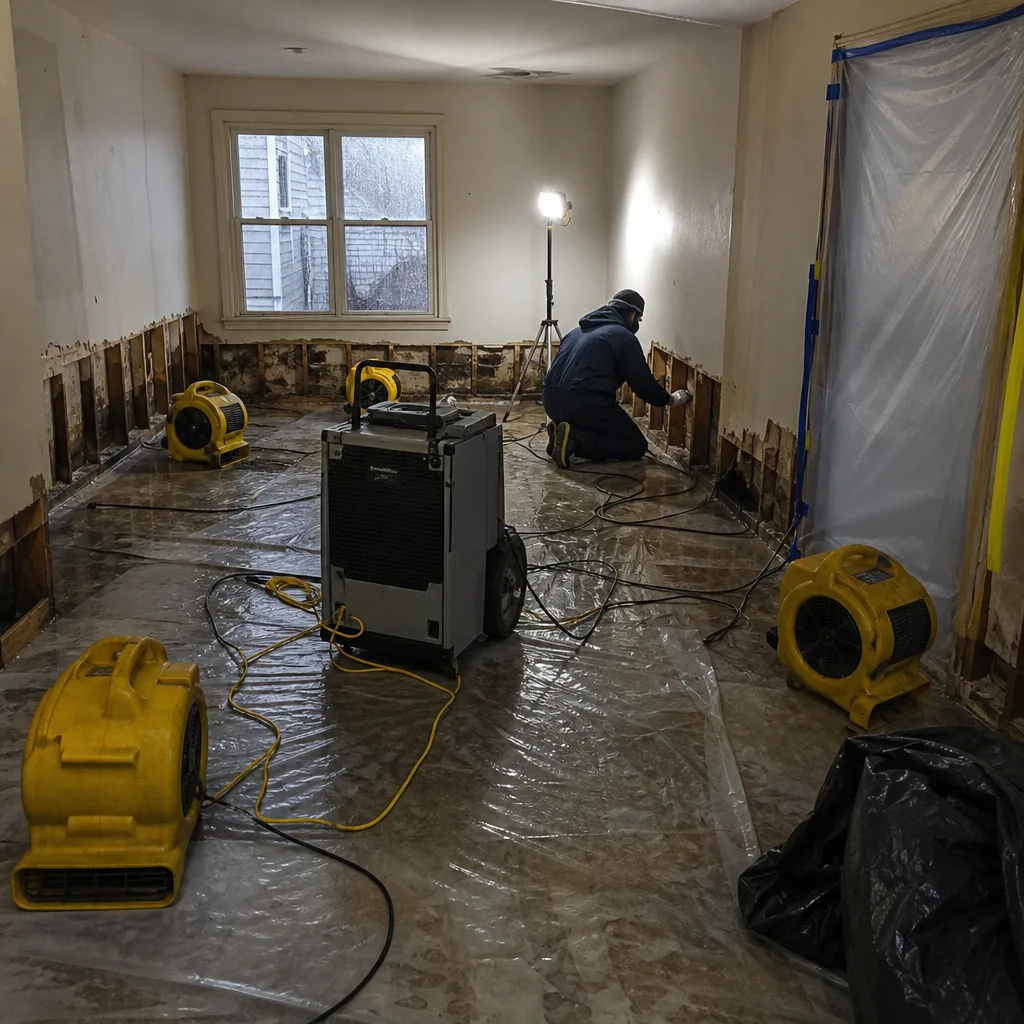
When a Weehawken retail space on Park Avenue takes water damage, every day closed is revenue lost. Our Commercial Restoration team prioritizes business continuity: we extract, dry, and clean while protecting salvageable inventory, then sequence reconstruction so you can reopen in phases. We have restored boutique offices, restaurants, and storefronts throughout Weehawken, and we understand the pressure of a lease that keeps running while your doors are closed.
Multi-Unit & HOA Restoration
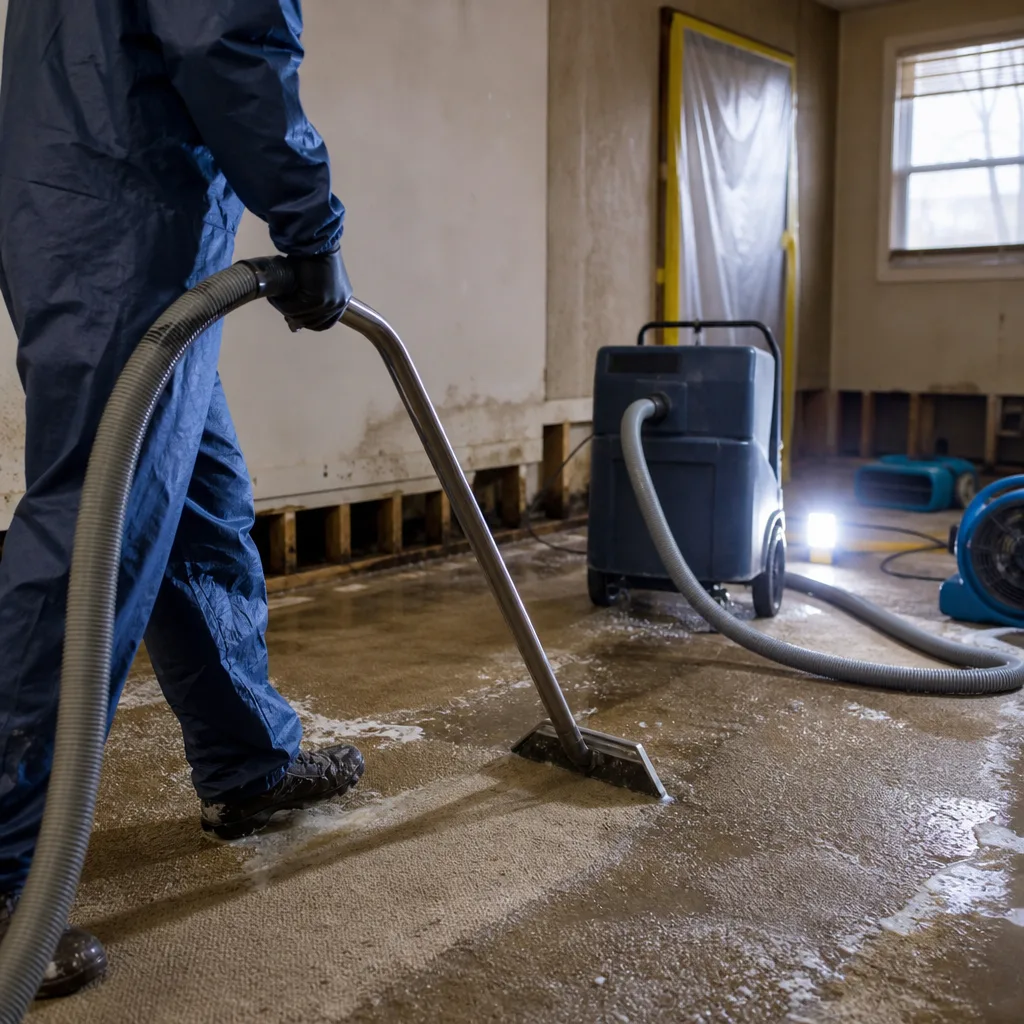
Weehawken’s condo and co-op boards face a particular challenge: a water event in one unit rarely stays in that unit. We work directly with HOA boards and property managers, document the loss for the master policy, and coordinate unit-owner claims separately. Our crew has handled tower-wide drying projects at Port Imperial properties where a single broken riser flooded multiple floors, and we sequence the work so occupied units stay livable while the worst-hit areas dry under containment.
Industrial Facility Cleanup
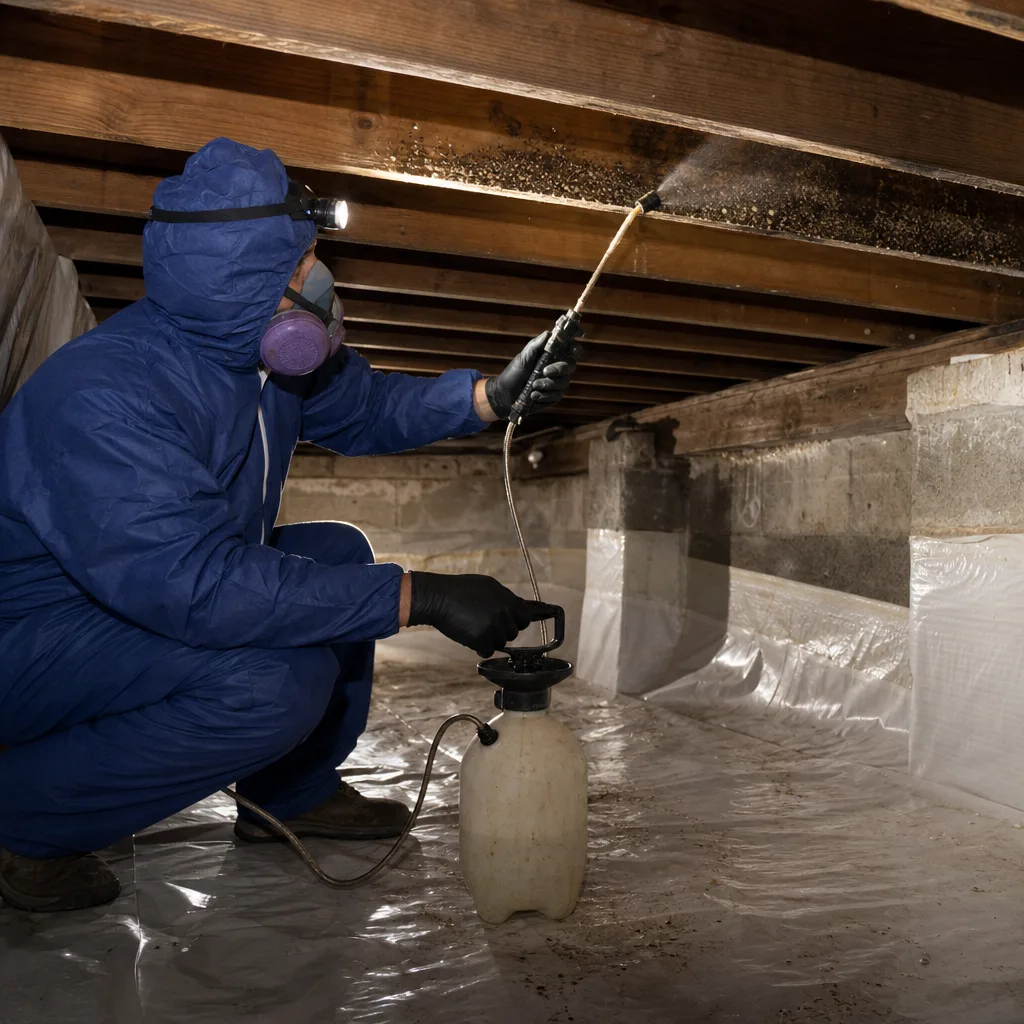
Weehawken’s small industrial pockets, particularly near the base of the bluff and the old rail alignment, hold machine shops, warehouses, and service facilities with specific restoration needs. Chemical containment, heavy equipment protection, and large-volume extraction are all in our wheelhouse. We bring truck-mounted extraction and industrial dehumidification, and we have worked around active operations without forcing a full shutdown.
Large-Loss Response
When multiple units, an entire floor, or a whole building takes water or fire damage, the job changes scale. We have the crew depth and equipment inventory to run simultaneous drying zones, multiple containment chambers, and round-the-clock monitoring. Port Imperial tower floods are the classic Weehawken large-loss scenario, and we treat them with the urgency they deserve: full response within the hour, dozens of air movers and dehumidifiers deployed same day, and daily moisture logs delivered to your adjuster.
Business Interruption Minimization
For a Weehawken business owner, the restoration itself is only half the problem. The other half is the clock. We reduce interruption by staging extraction and drying after hours where possible, running temporary power and climate control to keep front-of-house spaces usable, and rebuilding in phases so you can operate partially while demolition continues elsewhere. The goal is not just getting you back to normal. It is getting you back to open.
What happens when you call
- 1
A real person answersNo phone trees - you reach a local pro.
- 2
You get an upfront price rangeHonest numbers before anyone is dispatched.
- 3
A background-checked tech heads outLicensed & insured, dispatched right away.
- 4
You approve before work beginsNothing starts until you say go.
Commercial Restoration Costs in Weehawken, NJ
Commercial restoration pricing in Weehawken depends on the water category, the square footage affected, and whether we are dealing with a clean supply-line break or Hudson River surge. For context: a Category 1 clean water extraction and structural drying for a small office or retail space in an upper-bluff building typically runs $2,800 to $6,500. A Category 3 flood in a Port Imperial parking garage or mechanical room, with saltwater contamination, containment, antimicrobial treatment, and large-scale drying, usually lands between $12,000 and $45,000 depending on how many floors and elevator shafts are involved. Fire and smoke restoration in a mixed-use Boulevard East building with moderate soot damage generally starts around $5,000 and rises with square footage and content cleaning. The biggest cost drivers are elevator shaft containment, below-grade pump-outs, and debris disposal from salt-contaminated drywall. Most commercial flood claims land on a flood policy or a commercial property policy, and our direct adjuster coordination means the scope matches what the policy actually covers. The smart move is a free visual inspection: you get a firm written scope and numbers before you commit to anything. Call (363) 208-1526 and we will walk the site this week.
We Also Serve Cities Near Weehawken
Our crews run the same 45-minute response window into Union City, Hoboken, and North Bergen. Same local team, same written scope before work starts, same owner on the phone. If your commercial property sits just across the border in any of those towns, call and we will head your way.
Serving Weehawken, NJ - Our Local Coverage Area
We’re based in the Weehawken area and know this community well. Use the map below to see our service coverage - if you’re nearby, we can almost certainly help.
Weehawken Commercial Restoration Questions, Answered
How does Weehawken’s split geography-waterfront flood zone vs. upper-bluff seepage-change the scope of work for a commercial restoration job?
It changes almost everything. Port Imperial jobs are typically Category 3 flood losses requiring saltwater decontamination, elevator shaft containment, and large-scale structural drying. Upper-bluff jobs are usually chronic seepage problems: less dramatic on day one, but often involving decades of hidden moisture, deteriorated masonry, and mold behind old plaster. A restoration plan that ignores which side of the bluff you are on is the wrong plan. Call (363) 208-1526 and we will tell you which one you actually have.
Why do elevator shafts in Weehawken waterfront towers need containment during water damage restoration?
Elevator shafts act as vertical water conduits. When a below-grade garage floods, water travels up the shaft cavity, behind the elevator rails and through the door gaps, wicking into drywall and flooring on multiple floors above the original flood line. Without containment, you dry the basement and miss the second-floor damage. We set up containment barriers at shaft openings and monitor moisture at every floor penetration until the entire column reads dry.
Can a Weehawken commercial space be restored without interrupting business operations?
Often yes, especially for smaller Category 1 or 2 water losses. We stage extraction and drying after hours, run temporary climate control to keep customer areas comfortable, and build containment walls so dust and noise stay on the damaged side. The rebuilding phase can also be sequenced so the front of the business operates while the back dries out. We will tell you honestly if full shutdown is unavoidable. Call for a free site walk and we will map the options.
What is the biggest risk in restoring a Weehawken upper-bluff brick building’s wet basement?
Thinking the basement is the only problem. Upper-bluff buildings sit against saturated Palisades basalt and clay, and water that enters through the foundation will keep returning if the source is not addressed. If we dry the interior without dealing with the seepage path, the moisture comes back and mold takes hold in the walls. Our approach combines interior structural drying with drainage and mortar repair guidance specific to Weehawken’s bluff conditions. That is the difference between a one-time restoration and a recurring problem.
Does a commercial flood claim in Weehawken’s Port Imperial require different equipment than a typical water damage job?
Yes. Saltwater and silt contamination require more than standard extraction and drying. We run larger-capacity truck-mounted extraction, pressure washing with disinfectant for contaminated concrete, antimicrobial treatments on every affected surface, and HEPA air scrubbers during demolition. The drying load is also higher because salt attracts moisture, so we use more dehumidifiers and monitor readings more frequently. National-standard equipment brings national-standard results to a job that needs better.
How fast can a Wade’s Restoration crew actually get to my Weehawken property?
Forty-five minutes or less in most cases. We work from a metro office minutes from Weehawken, and Wade’s crew is on call around the clock. Call (363) 208-1526 and you will speak to a live person immediately, not a dispatch queue. For active water flow or flood conditions, we can often have extraction running within the hour.
Will my commercial insurance cover the full restoration?
Depends on your policy and the cause of loss. Commercial property policies typically cover sudden pipe bursts and fire damage. Flood damage from Hudson River surge requires a separate flood policy, which many Port Imperial associations and owners carry through the NFIP or private carriers. We document everything from the first hour and bill your carrier directly, so the claim has a foundation. Wade will talk to your adjuster himself. You will never be the one translating between two sides.
What should I do in the first 30 minutes after discovering water or fire damage in my Weehawken commercial space?
Shut off the water or power source if you can do so safely, document what you see with your phone, and call (363) 208-1526. Do not enter standing water in any space that may have electrical contact. Do not start pulling drywall or carpet yourself, because you may spread contaminated water and complicate the insurance claim. The first 30 minutes are about stopping the source and starting the response. One call gets both moving.
Written by Wade Ferris, Owner at Wade’s Restoration, serving Weehawken and the surrounding Hudson County communities since 2007.