
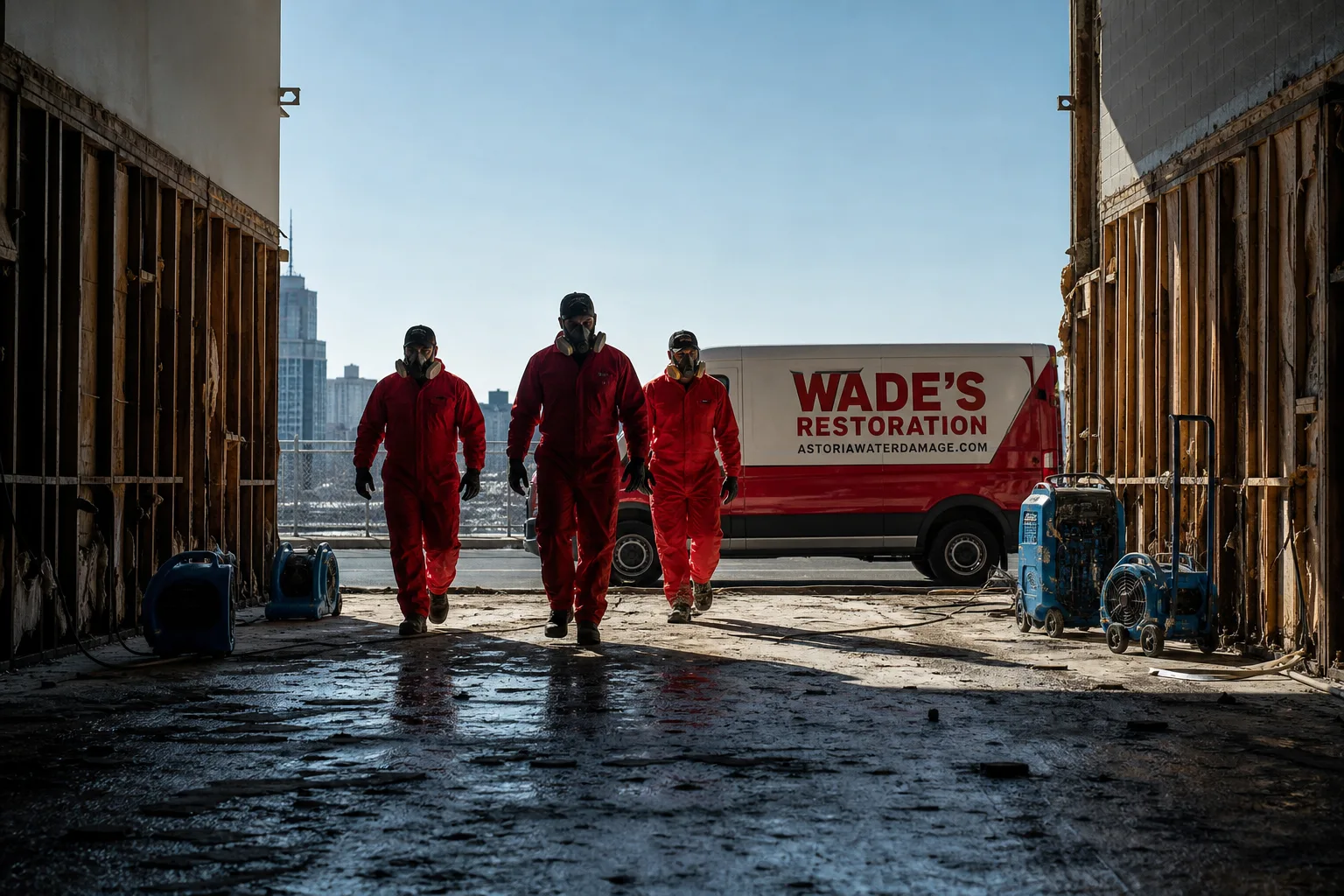
Free visual inspection and a written scope of work before any mitigation begins - photos, moisture readings, and drying logs go in your claim file
The scope we write is the scope we bill. Anything new gets shown to you, in writing, before we touch it.
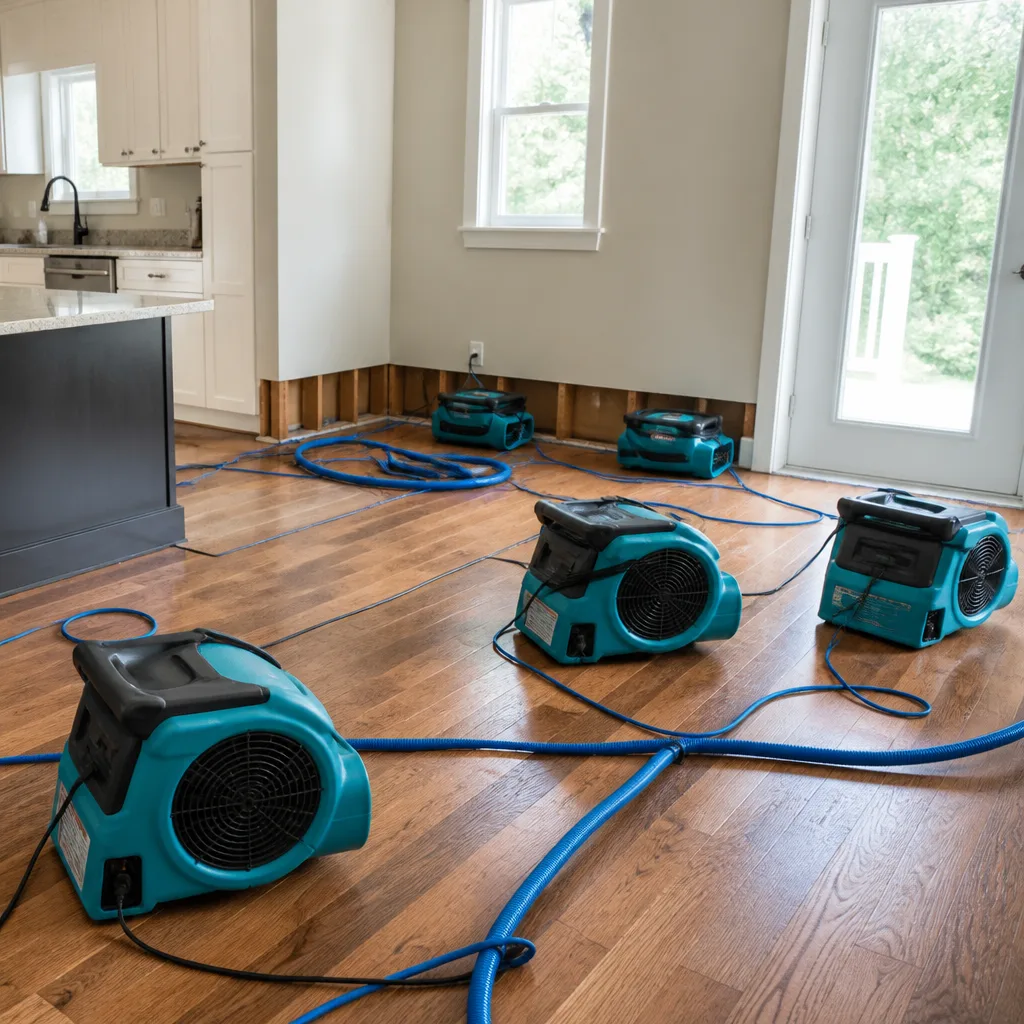
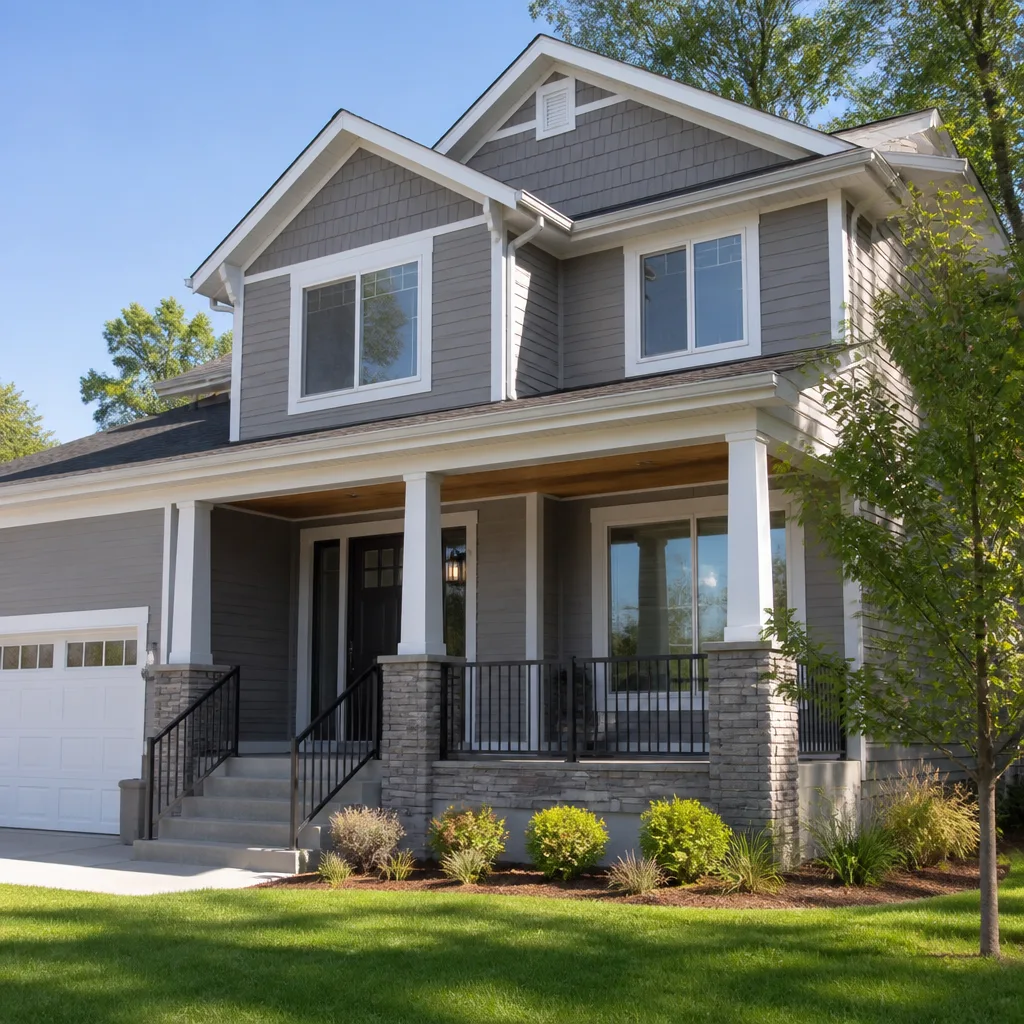
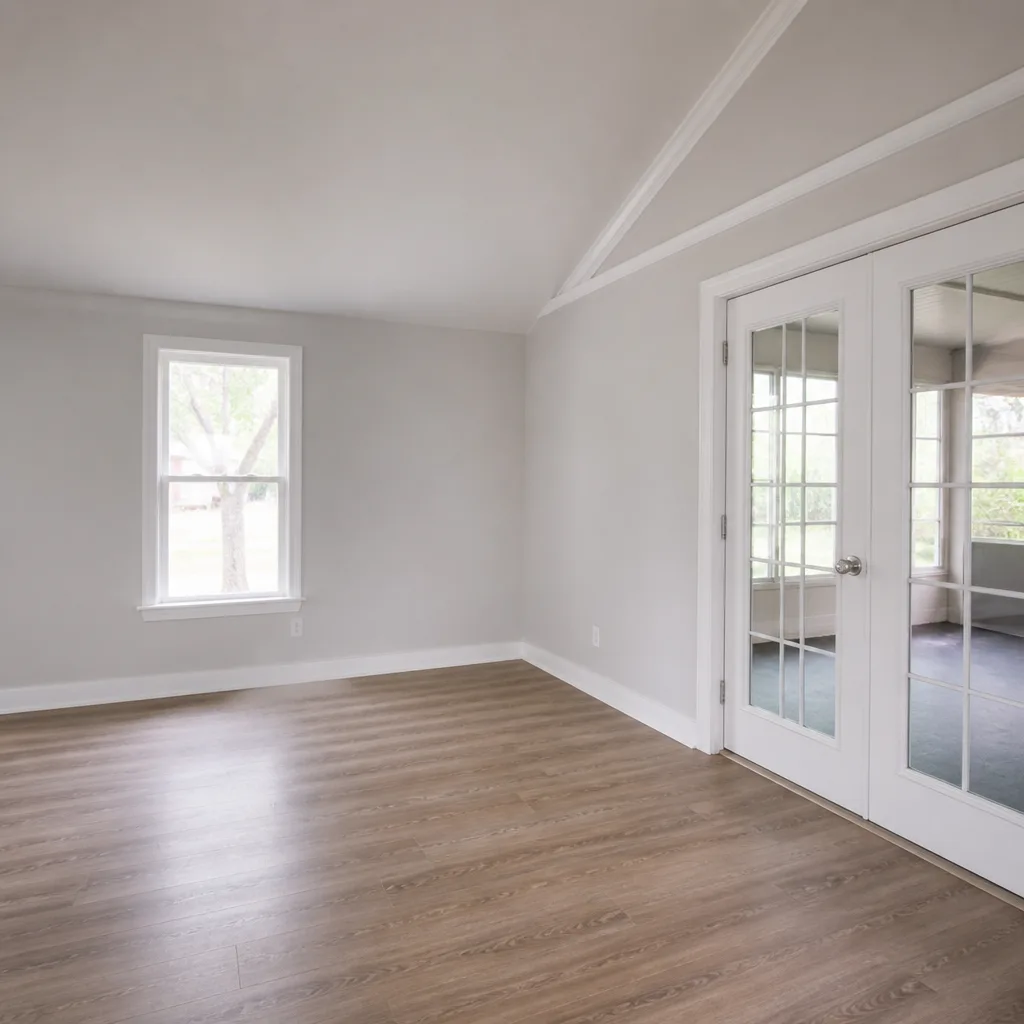
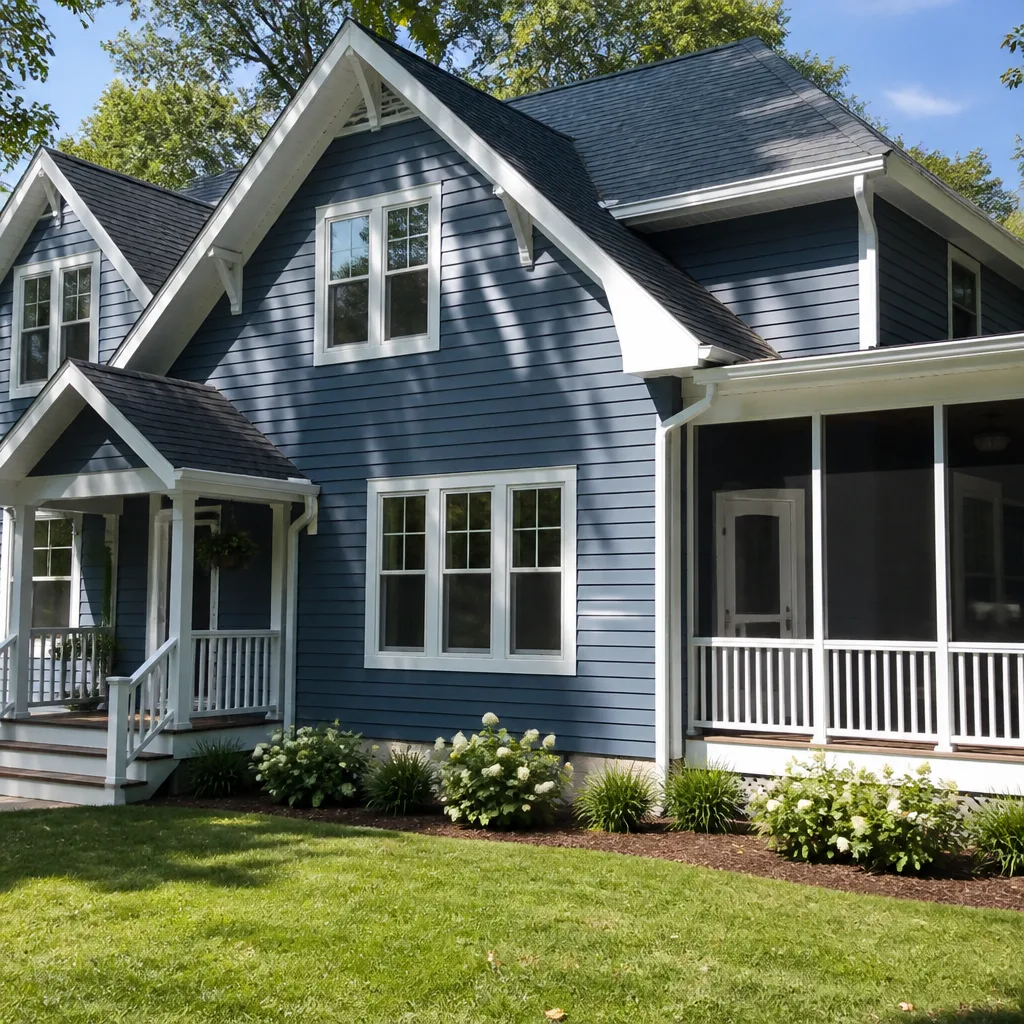
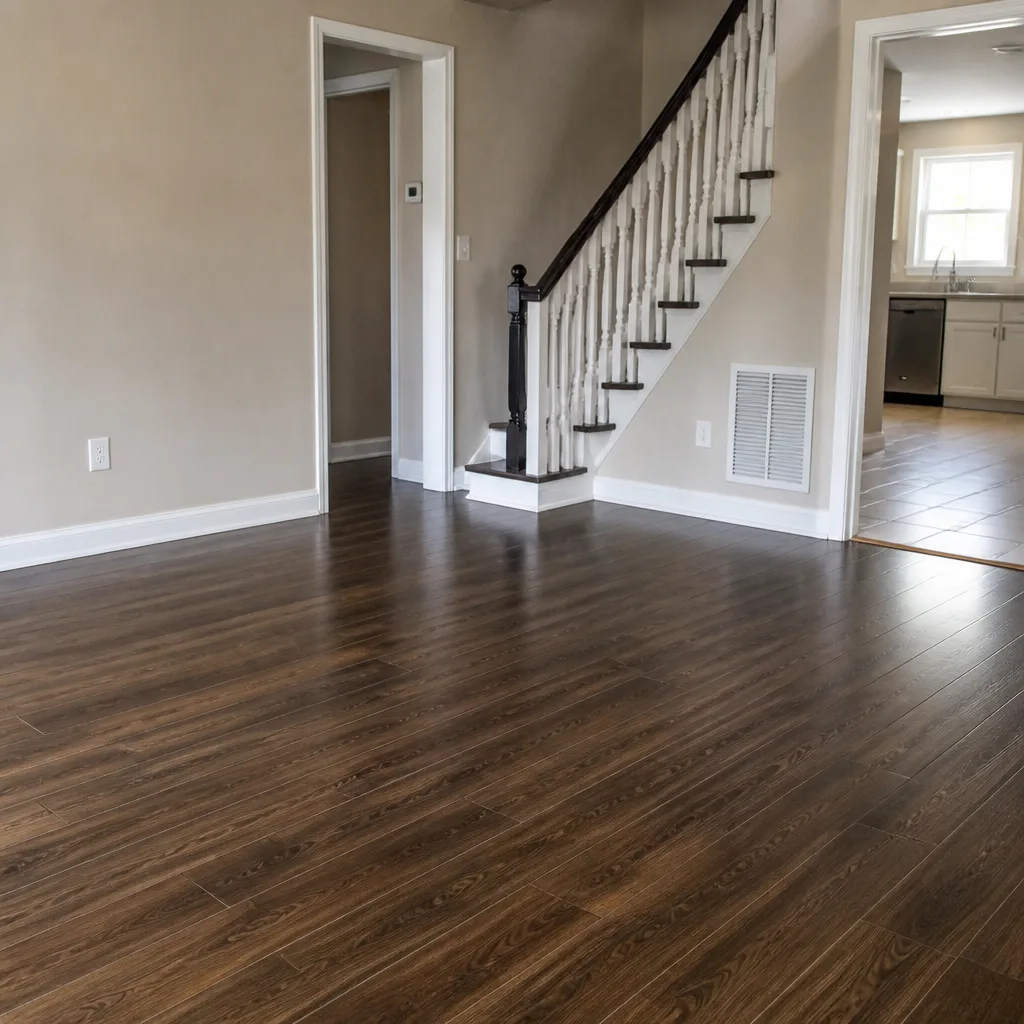
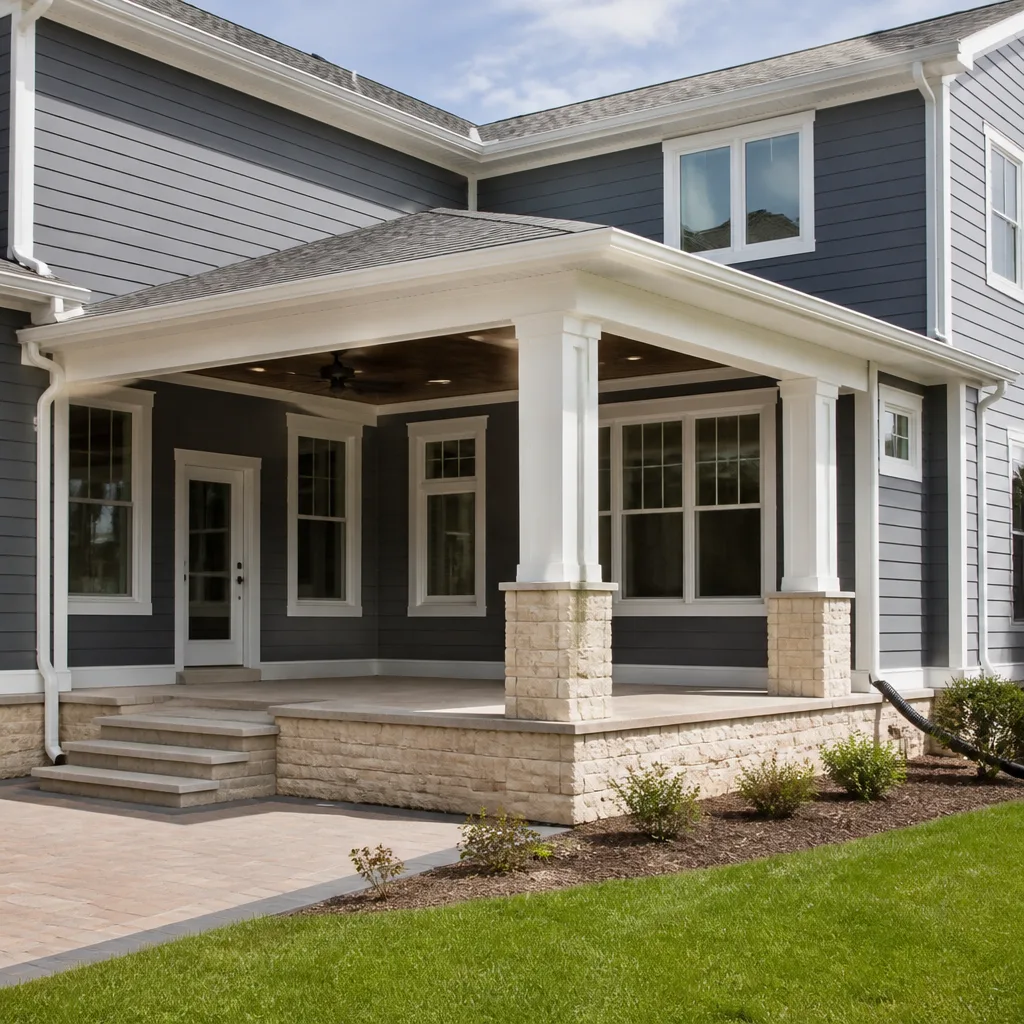
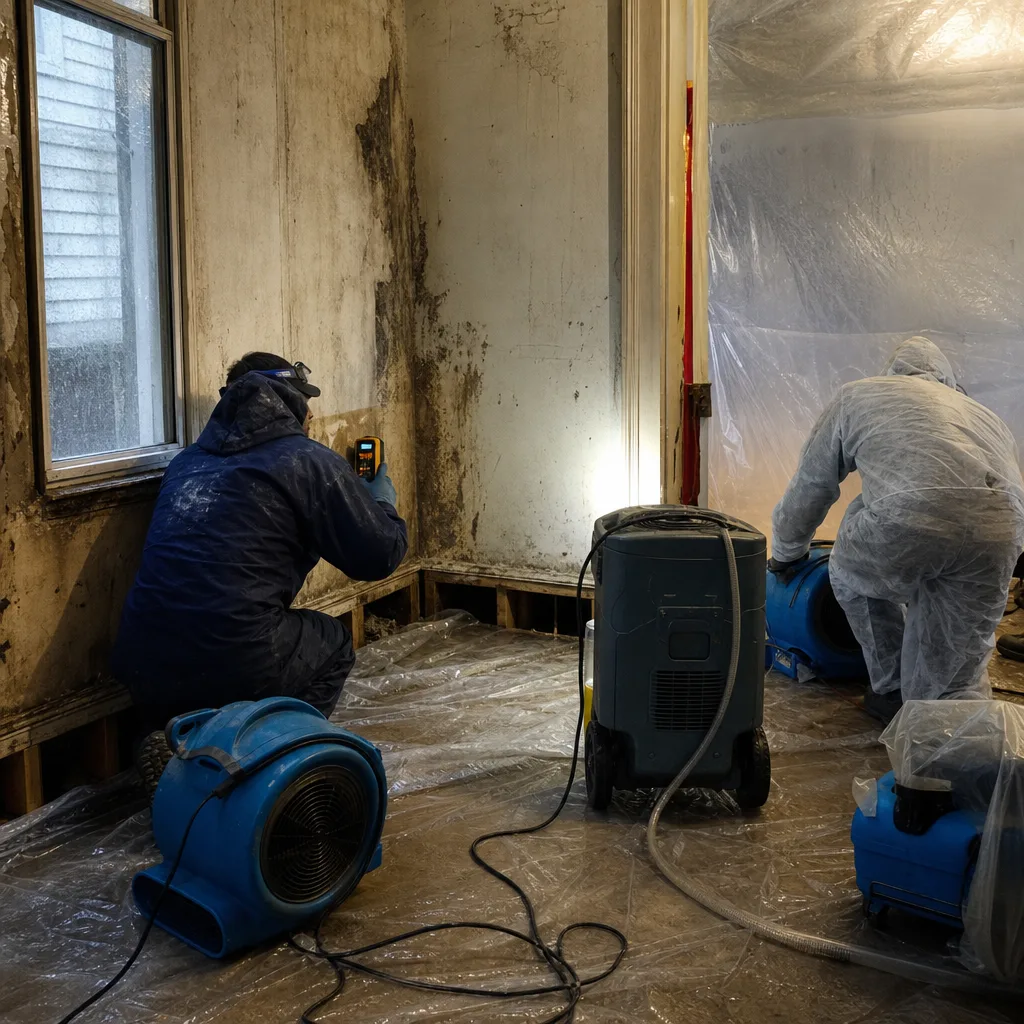 Before
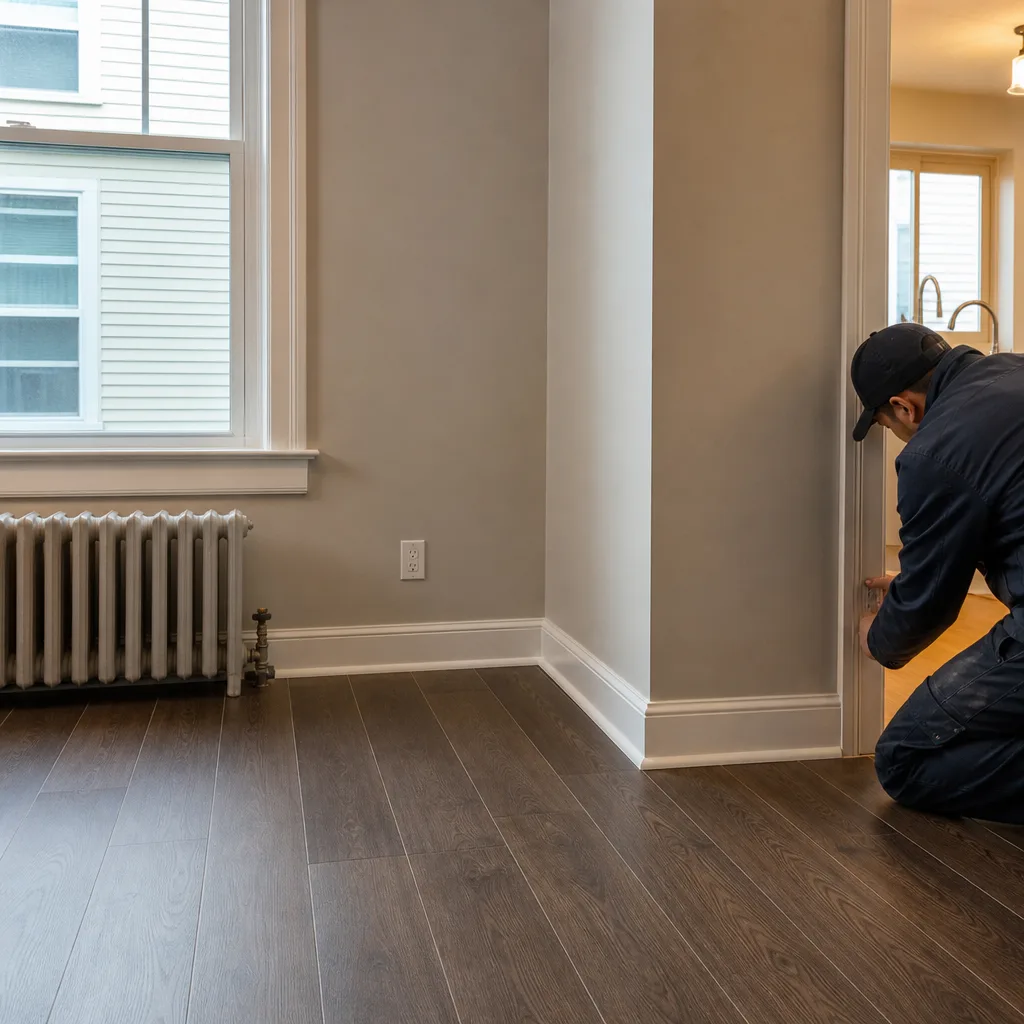 After
After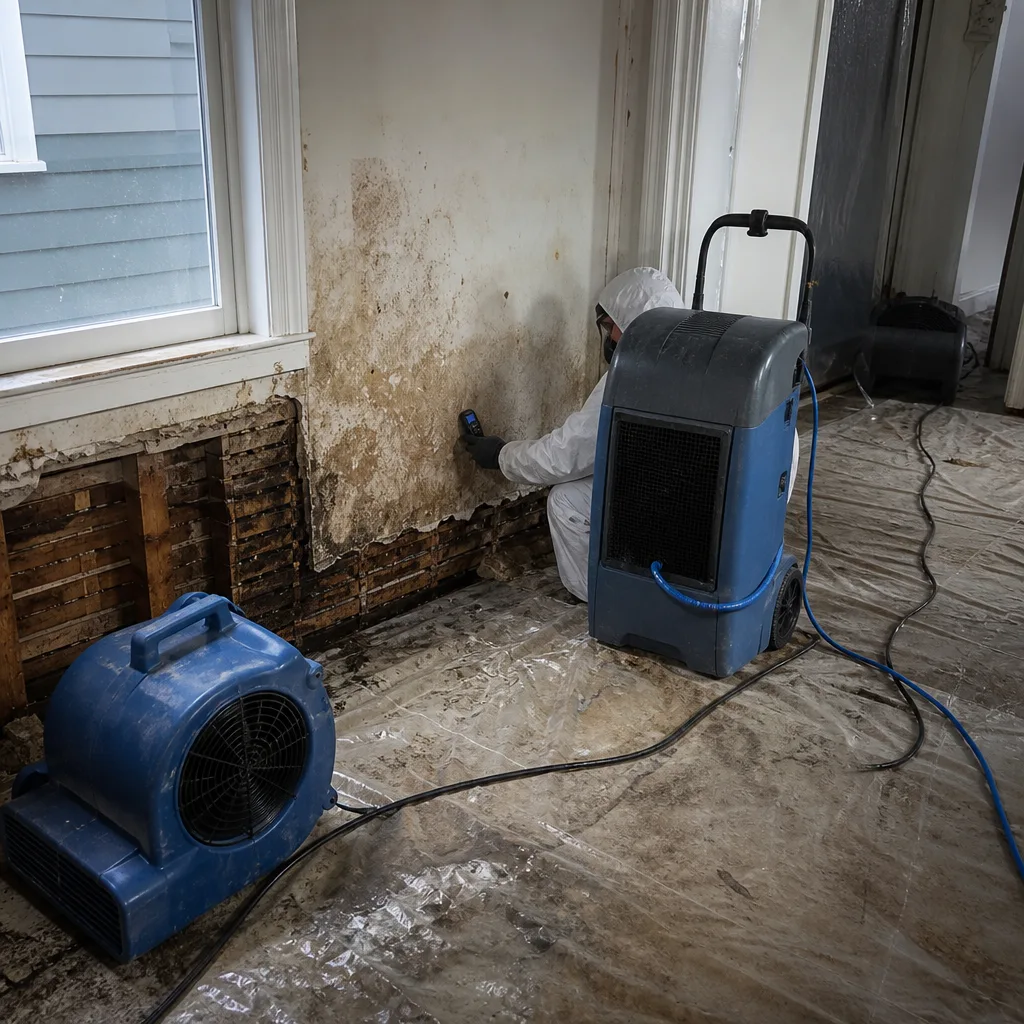 Before
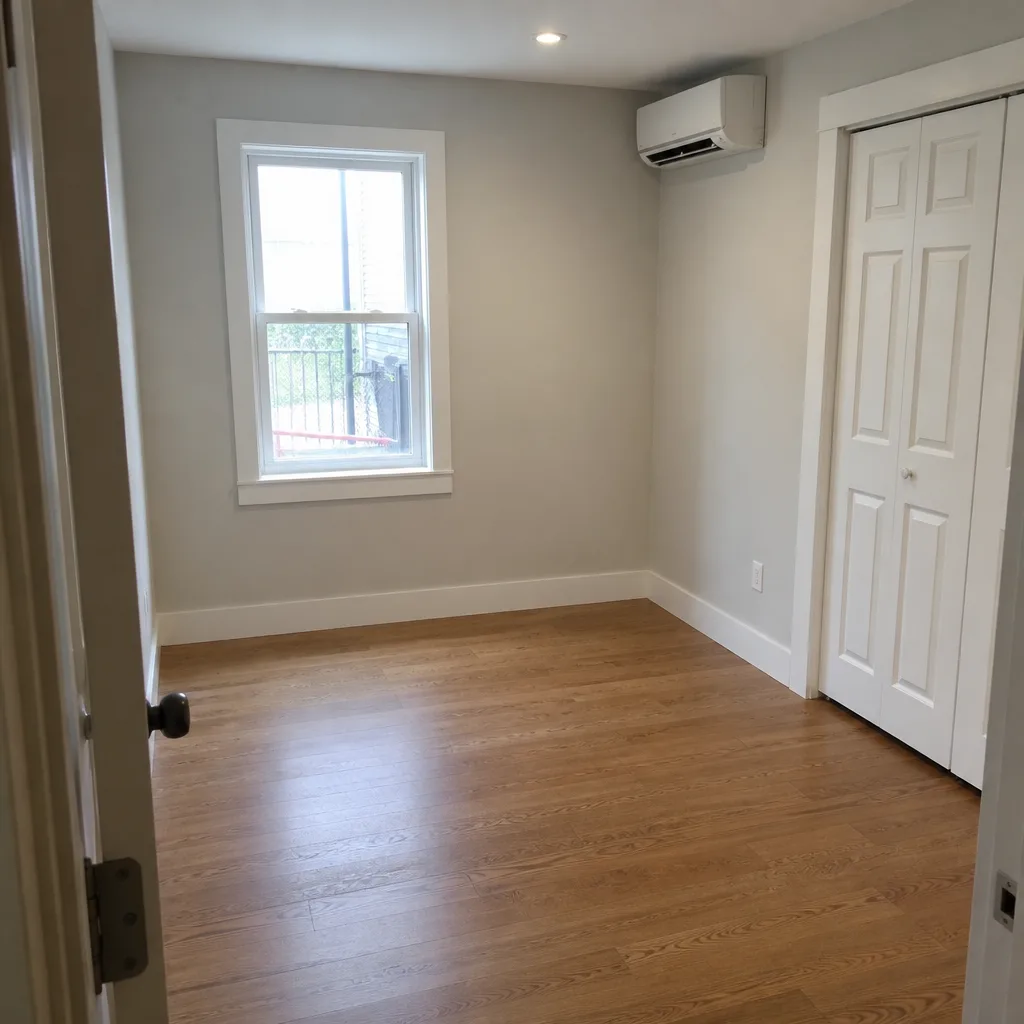 After
After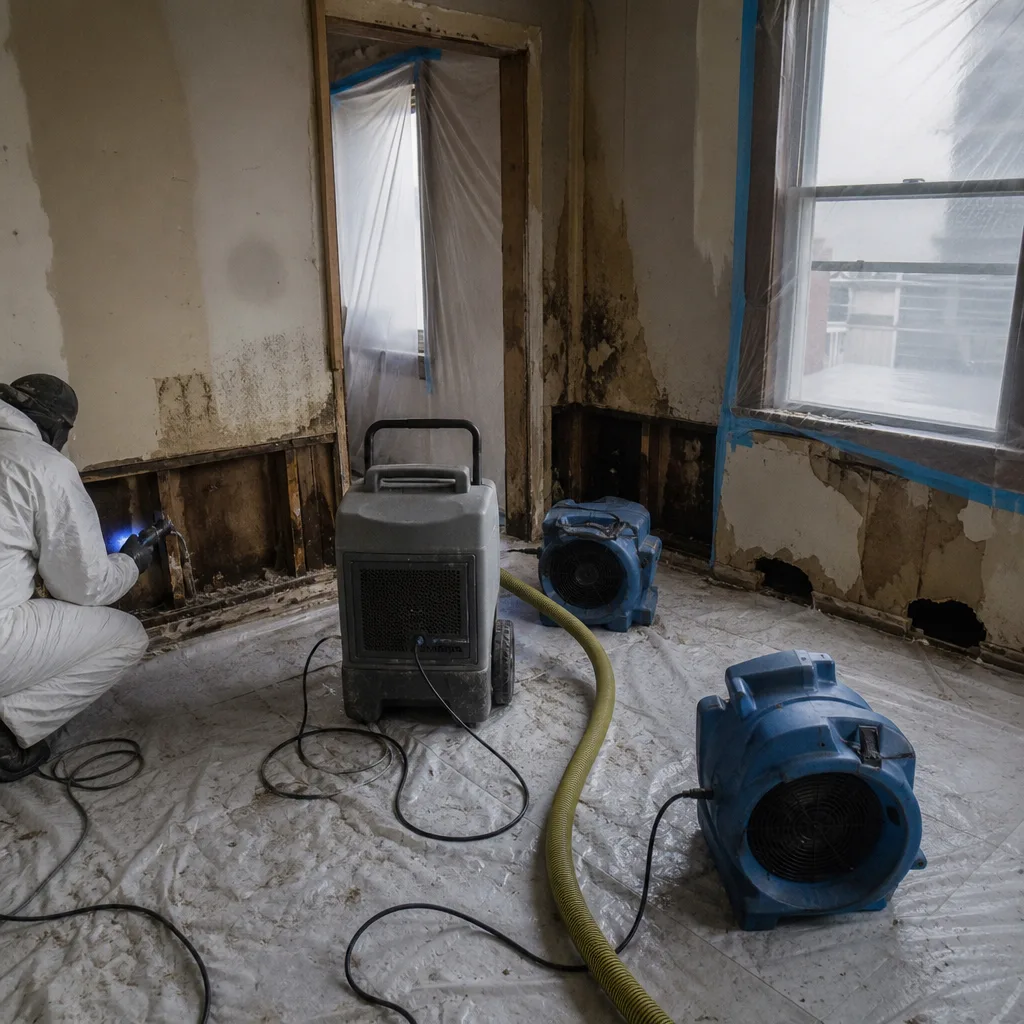 Before
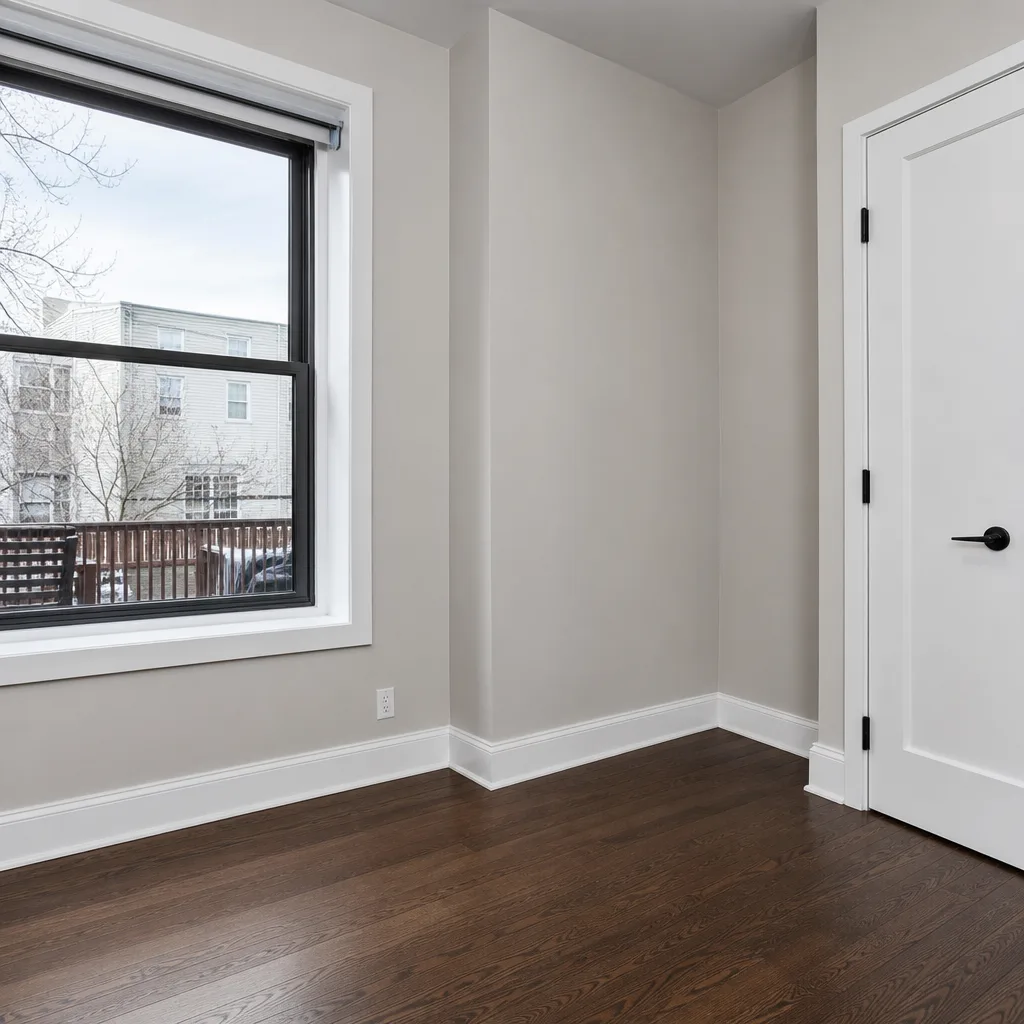 After
After24/7 Emergency Storm & Disaster Restoration in Weehawken
Storm damage in Weehawken tends to hit two very different ways: Hudson River surge flooding in the Port Imperial towers down by the water, and wind-driven rain plus groundwater seepage in the century-old brick row houses up on the Palisades. Either way, the first call you make matters more than almost anything else that day. Our crews answer live 24 hours a day and can be on site in Weehawken within 45 minutes, with extraction equipment running inside the hour where flooding is involved. Call (363) 208-1526 the moment water gets where it shouldn’t be, or the minute a tree limb puts a hole in your roof. We start with a free visual inspection, every time.
Understanding Storm & Disaster Restoration Severity in Weehawken Properties
Not all storm water is created equal. We categorize floodwater three ways: Category 1 is clean supply-line water. Category 2 carries contaminants. Category 3 is what we see most after coastal surge or street flooding in Weehawken – it carries sewage, fuel residue, and whatever the Hudson pushed ashore. The category determines how aggressive the gut, the antimicrobial treatment, and the structural drying plan have to be. In Port Imperial’s underground garages and below-grade mechanical vaults, we map moisture with thermal imaging and hygrometers before a single air mover goes in, because elevator shafts wick water vertically and turn a parking-level flood into multi-floor secondary damage within 48 hours. Up on the bluff, pre-WWII brick row houses hide a different problem: limestone-mortar saturation behind original lath-and-plaster walls, where mold growth starts quietly and spreads before anyone sees a stain.
Why Weehawken Property Owners Choose Wade’s Restoration
- 45-minute response commitment to Weehawken. Wade’s crew stages equipment nearby and heads out the moment you call. No callback queue, no “we’ll schedule you in.”
- 24/7 live answer, always a real person. You call, someone picks up. Often Wade himself. You will never explain your emergency to a voicemail tree.
- IICRC-certified crews who know Weehawken’s buildings. Our people carry WRT and FSRT certifications and have worked everything from narrow alley-load tenement rear doors to Port Imperial loading docks.
- Free visual inspection on every job. We do not charge to show up inside Hudson County, and we do not bill you for a second opinion on a written estimate.
- Direct insurance billing and adjuster coordination. Wade deals with your carrier’s adjuster directly so you are not stuck relaying details between two parties who have never met.
- One team from extraction to reconstruction. The same crew that stabilizes your flooded living room is the crew that rebuilds it. No handoffs to strangers, no misaligned scopes.
Our Storm & Disaster Restoration Process
1. Inspection & Assessment
We arrive, walk the entire property, and map the damage with moisture meters, thermal imaging, and old-school eyes. For Weehawken’s older brick buildings, that includes checking masonry saturation behind finished walls. You get a written scope and a straight answer about what needs doing now versus what can wait.
2. Extraction / Stabilization
Flooded spaces get truck-mounted extraction and submersible pumps where needed, starting the minute we’re on site. Roof damage gets emergency tarping and board-up that actually holds against Hudson River wind, not just against a calm day. The goal is stopping active loss before another hour of damage accrues.
3. Drying & Dehumidification
We build a drying plan per zone, not per building. A Port Imperial garage drying channel is different from a bluff-side row house parlor. Dri-Eaz dehumidifiers, Phoenix units, and XPOWER air movers are placed based on moisture mapping, and we log readings every day until the entire space hits its pre-loss condition.
4. Cleaning & Sanitization
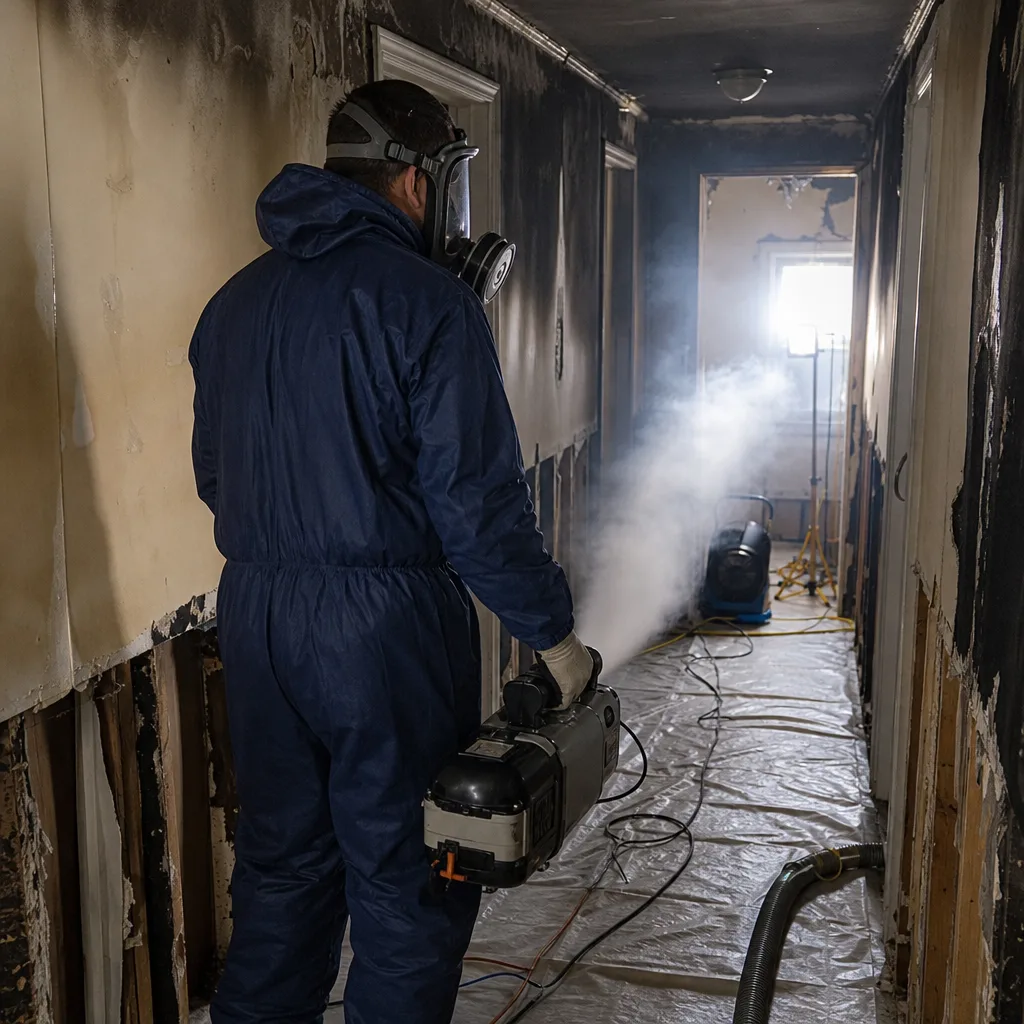
Category 2 and 3 water means antimicrobial application and removal of contaminated porous materials. HEPA air scrubbers run through drying to keep storm-spore and sewage-particle air from settling elsewhere in the home. We remove, clean, or restore per the actual contamination level, not per what a script says.
5. Specialty Storm Treatment
This is where Weehawken-specific work happens: elevator-shaft drying in high-rises, limestone-mortar stabilization in pre-WWII brick, basement drainage correction on bluff-slope row houses. These are not items on a national franchise checklist. They are what this town actually needs.
6. Repairs & Restoration
We rebuild what the storm tore open, matching the condition your building was in before the loss. No “restoration-adjacent” handoff to an unknown sub. Wade’s crew handles reconstruction, whether that means refinishing a waterfront condo unit or re-pointing a century-old brick facade up on the Palisades.
Need Emergency Storm & Disaster Restoration in Weehawken Now?
Crews minutes away, answering live 24 hours a day. The sooner we start, the less it costs.
Working With Your Insurance Company
Storm and flood claims in Weehawken are not simple. A Port Imperial condo unit might involve a master building policy, an HOA garage claim, and a personal contents claim all in one event. A bluff-side row house might have wind damage under one policy and seepage-sourced water damage under another, and the two get treated very differently. We document everything from the first hour: photographs before any demo happens, moisture readings room by room, a line-item scope in industry-standard software your adjuster can read without a translator. Wade talks to the adjuster directly, which means the person who saw your flooded garage is the same person explaining it to your carrier. That has saved Weehawken policyholders real money, and it is something almost nobody else in this trade actually does.
What We Provide Your Insurer
- Thorough documentation of the loss
- Photos of all damage, room by room
- Moisture readings and drying logs
- A detailed, line-item scope of work
- Direct coordination with your carrier
Built for Weehawken’s Loss Calendar
Weehawken’s storm damage follows a rhythm that anyone who has lived here a few years already knows. January and February bring deep freezes that burst original galvanized supply lines in pre-war tenements up by Boulevard East. March and April put snowmelt and spring rain against the basalt Palisades rock face, pushing groundwater through 100-year-old limestone foundations and into bluff-side basements. July and August thunderstorm microbursts tear at window seals on upper-tier facades where the Palisades funnels west winds hard. And from August through October, nor’easters push Hudson surge into Port Imperial’s below-grade spaces. Anyone restoring Weehawken losses needs to know these patterns, not just show up with a truck and a fan. When you call after a storm, you should be talking to someone who already knows which failure mode is most likely for your specific building and your specific block.
Storm & Disaster Restoration Across Weehawken’s Neighborhoods
The neighborhoods along Boulevard East – from the Weehawken Water Tower down toward Hamilton Park – are mostly pre-WWII brick row houses built tight against the cliff edge. Wind-driven rain hammering west-facing facades is the recurring story there, along with basement seepage through saturated masonry. Response means parallel parking a truck on a steep slope and carrying equipment up stone front steps. Farther south near the Lincoln Tunnel helix and along Park Avenue, the tenement-style multi-families have narrow rear alley access that standard equipment carts cannot fit through, which is a detail that separates an experienced local crew from a franchise team seeing it for the first time. Down on Port Imperial Boulevard and River Road, the post-2000 towers require loading dock schedules, freight elevator reservations, and building management protocols before a single dehumidifier climbs into place. Each of these areas has a different loss profile and a different access reality, and we work them differently.
Specialized Storm & Disaster Restoration Services We Offer in Weehawken
Storm Damage Cleanup
Tree limbs through upper-story windows, wind-blown debris inside living spaces, torn soffits and buckled front doors. We clear the immediate hazard, secure the opening, and document everything for your carrier. On Weehawken’s steep avenues, we also handle the reality that a broken window on a fourth-floor tenement facade is not reachable from a standard extension ladder set up on a sidewalk.
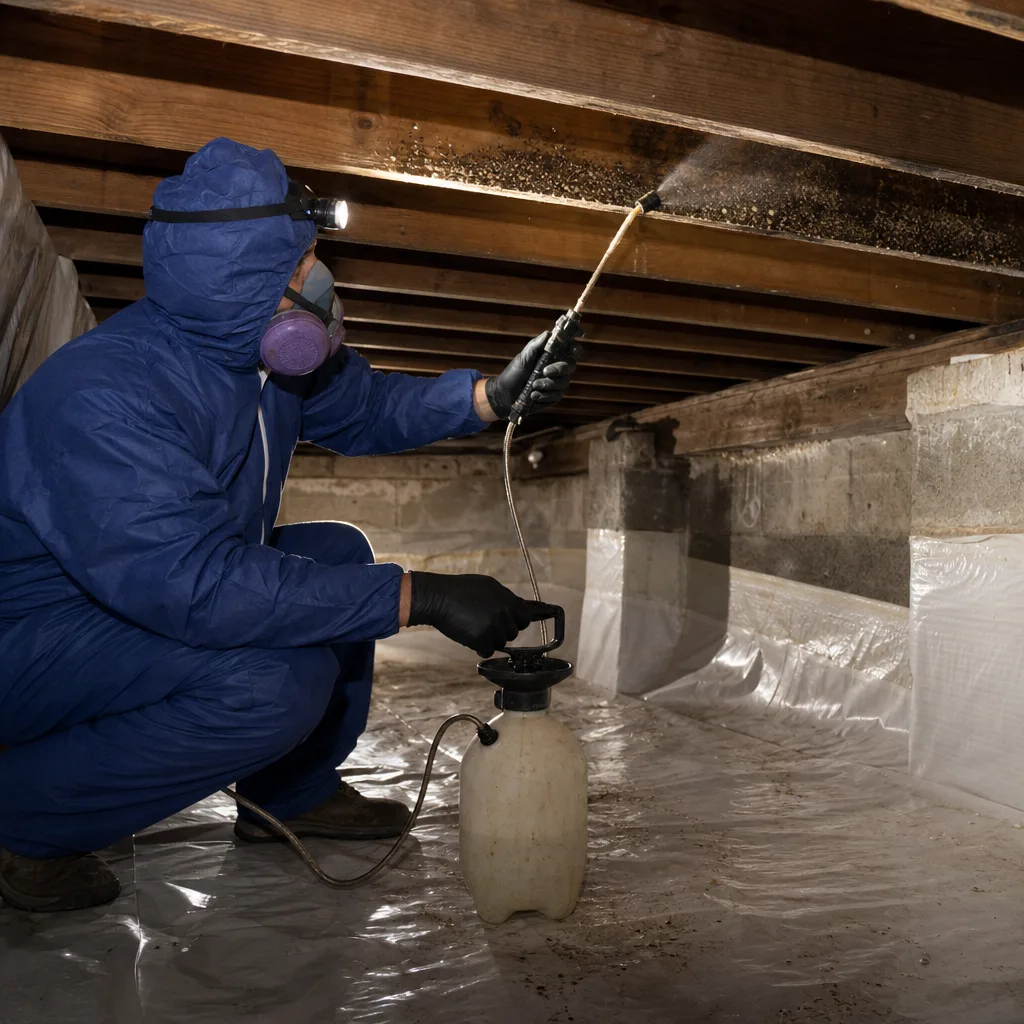
Flood Damage Restoration
This is the core of Weehawken storm work. Hudson surge into Port Imperial garages, mechanical vaults, and lobby floors. Seepage into bluff-side row house basements. The local pattern we have learned: water that starts below parking grade does not stay there. Elevator shafts turn it vertical, and every floor above becomes a drying zone. We set containment at each landing, log moisture every four hours, and do not stop until the highest affected floor hits its pre-loss number.
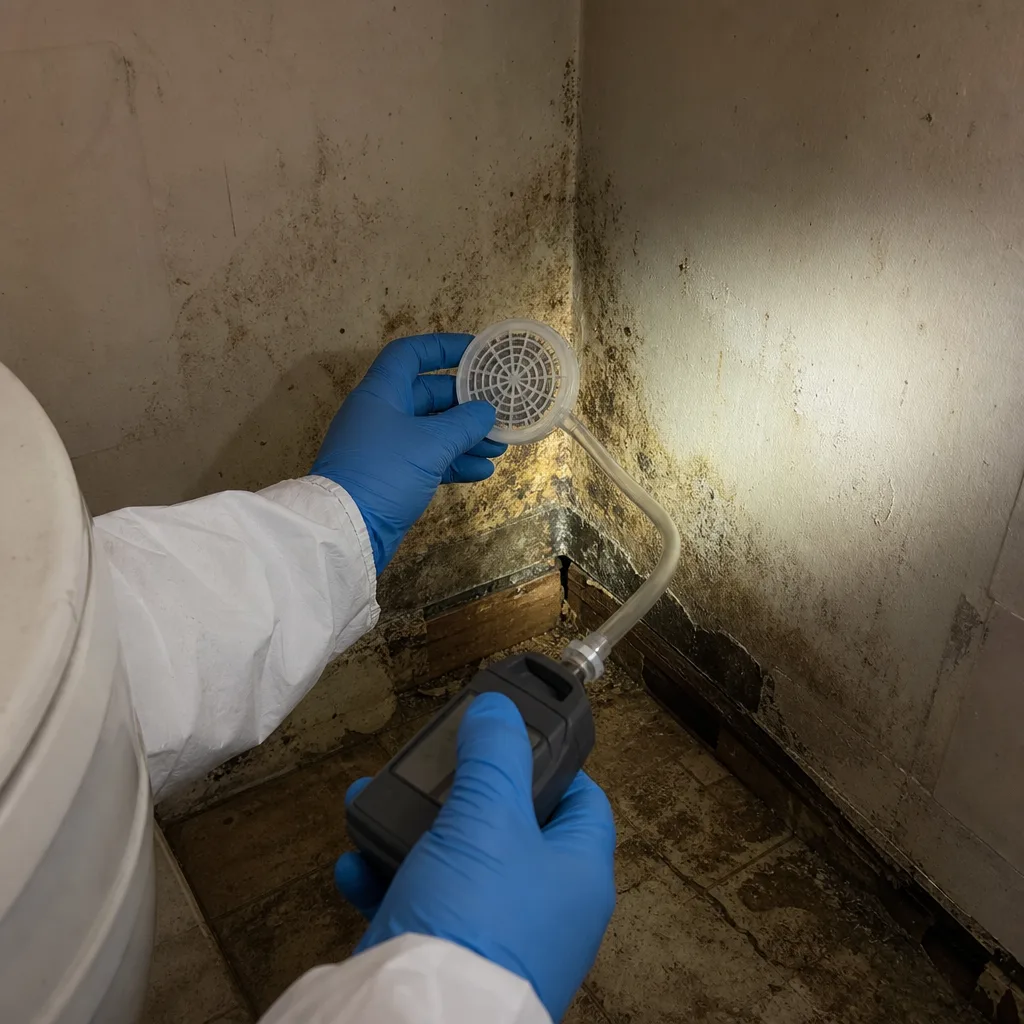
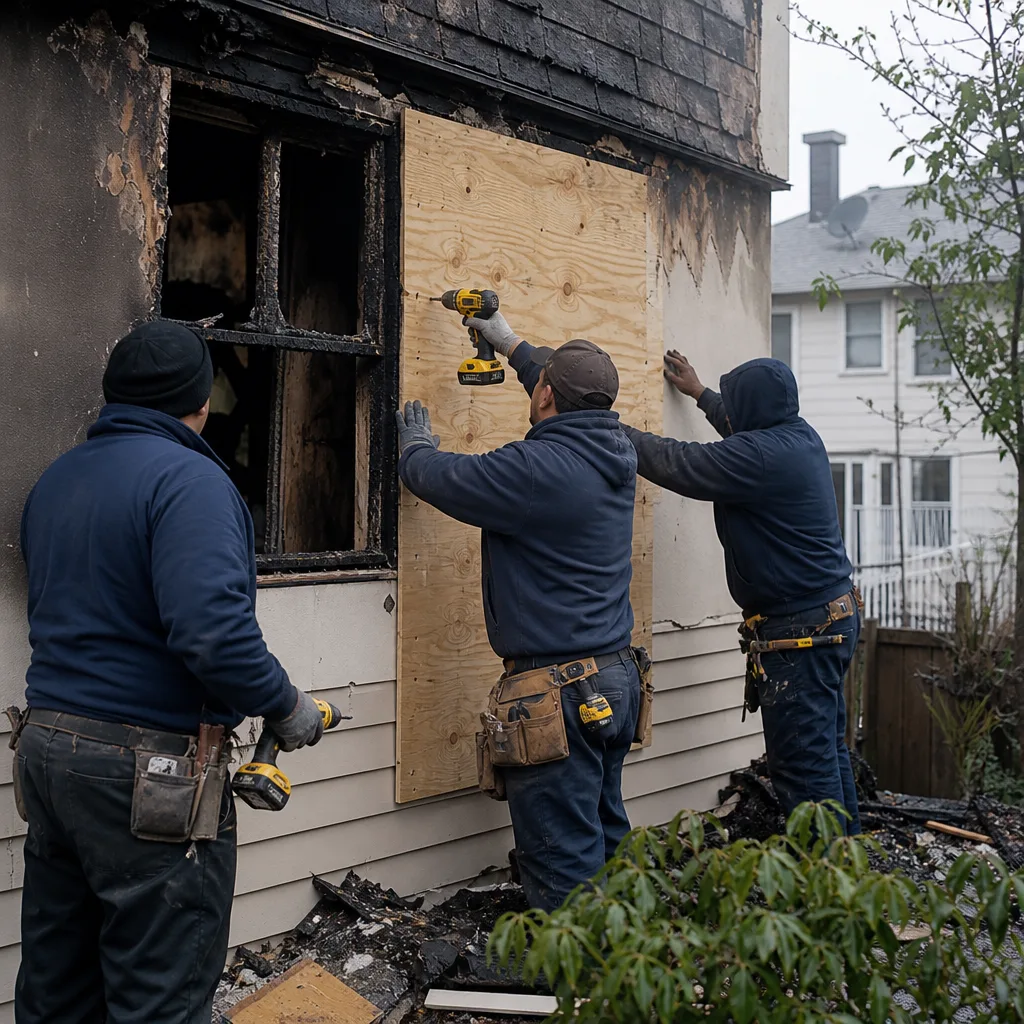
Emergency Board-Up
A windstorm in Weehawken will find the window that was already loose. When glass goes, you need more than plywood cut two inches short – you need a board-up that keeps rain out of an upper-story front room while you deal with your carrier. We cut pressure-fit panels that hold in Hudson River gusts, and we secure rear doors on alley-load tenements where a kicked-in door is a standing invitation to anyone walking the block.
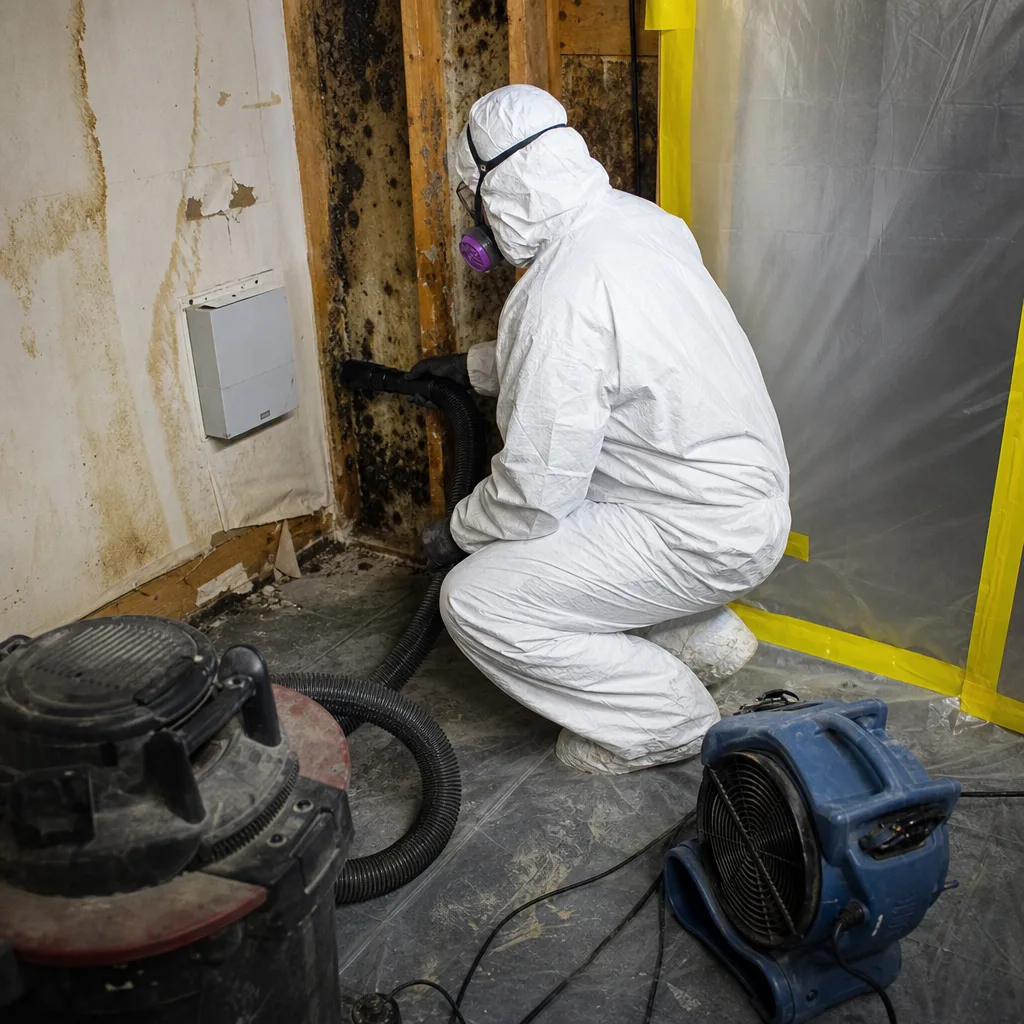
Roof Tarping
Nor’easter wind tears sections of roofing on older Weehawken homes faster than most people expect. The Palisades creates a compression effect that catches flat and low-slope roofs hard. We deploy fast-set tarps that survive the next storm while your permanent repair gets scoped and scheduled. Tarping is a stop-loss play, but done wrong it becomes a ceiling collapse 10 days later.
Debris Removal
Downed limbs, wind-thrown trash, saturated drywall, storm-contaminated carpet. We haul it out of tight back stairwells and steep-fronted row houses without dragging it through the only clean room left in the building. On Port Imperial jobs, we coordinate building management’s disposal rules and loading schedules, because a construction dumpster in a luxury tower’s guest loading zone is a problem your board will not appreciate.
What happens when you call
- 1
A real person answersNo phone trees - you reach a local pro.
- 2
You get an upfront price rangeHonest numbers before anyone is dispatched.
- 3
A background-checked tech heads outLicensed & insured, dispatched right away.
- 4
You approve before work beginsNothing starts until you say go.
Storm & Disaster Restoration Costs in Weehawken, NJ
Here are honest numbers for this market. Floodwater extraction from a single below-grade garage in Port Imperial typically runs $1,800 to $4,500, depending on how far the water wicked into finished spaces. Drying a flooded lobby corridor with elevator-shaft involvement lands between $3,000 and $7,000. Emergency board-up for a broken tenement window runs $250 to $600 per opening. Roof tarping starts around $500 and goes up based on roof pitch and access difficulty. Full remediation of a saturated bluff-side row house basement, including demolition of Category 3-contaminated materials and full structural drying, commonly lands between $5,000 and $12,000. What moves these numbers: contamination category, how many elevator landings are involved, whether limestone mortar needs re-pointing, and whether building management protocols add access delays. Insurance covers much of this when the loss is sudden and accidental. Seepage that built up over years is a different claim conversation entirely. Call (363) 208-1526 for a free visual inspection and we’ll give you a written scope before anything gets billed.
We Also Serve Cities Near Weehawken
Our crews take calls in Weehawken and roll into Union City, Hoboken, and North Bergen the same day. Different towns, different building stock, same 45-minute response commitment and the same no-charge visual inspection.
Serving Weehawken, NJ - Our Local Coverage Area
We’re based in the Weehawken area and know this community well. Use the map below to see our service coverage - if you’re nearby, we can almost certainly help.
Weehawken Storm & Disaster Restoration Questions, Answered
How quickly should I call for water extraction after a nor’easter floods my Port Imperial condo’s underground parking?
Call immediately, because a flooded Port Imperial garage becomes a multi-floor problem within 48 hours when elevator shafts wick water upward into lobby and corridor spaces. The first 24 hours determine whether you are drying one level or four. Our crews answer live around the clock and can be in Weehawken within 45 minutes, with extraction pumps running on arrival.
What does restoration of upper-bluff brick row house seepage actually involve in Weehawken?
It starts with finding how the water is entering through limestone mortar and original foundation drainage, not just drying what got wet. Then it means removing saturated plaster and lathe, treating the interior masonry for mold, and rebuilding the drainage path so a thaw or heavy rain does not repeat the loss. The call is (363) 208-1526 if you are seeing basement dampness after storms.
Do I need emergency board-up if my Weehawken tenement loses a window during a windstorm?
Yes, and quickly. An open window on an upper-floor tenement lets the next rainstorm inside, and it is also an access point anyone on the street can see. Board-up keeps the elements out, keeps the space secured, and gives you documentation your carrier can use right away. We board up same-day in Weehawken.
How do you handle floodwater that got into a Port Imperial elevator shaft?
We treat it as a vertical water migration event. We set containment at each landing, run Dri-Eaz dehumidifiers and XPOWER air movers on moisture-mapped zones, and log readings every four hours until each floor hits its pre-loss condition. Elevator shafts are water conduits, not just vertical spaces, and drying them requires pressure management, not just airflow.
What makes Weehawken storm damage different from a mile west in Union City or North Bergen?
Weehawken’s Port Imperial waterfront sits inside FEMA flood zones and took direct Hudson River surge during Hurricane Sandy, while the upper bluff fights chronic groundwater seepage through basalt Palisades rock. Union City and North Bergen sit above river grade and do not get surge flooding, and their housing stock does not include the same concentration of post-2000 high-rise towers with below-grade mechanical vaults.
Will my insurance cover storm and flood damage restoration in Weehawken?
Sudden and accidental losses – a nor’easter window blowout, wind-driven rain through a broken roof, surge water breaching a garage door – are typically covered by standard homeowners or condo policies, though flood insurance rules apply differently depending on your Port Imperial building’s FEMA designation. Seepage that built up over months or years is a separate and harder conversation. We walk through what your specific policy says and coordinate with your adjuster, before any work starts.
How long does storm damage restoration typically take in Weehawken?
Emergency extraction and board-up happen immediately, often within hours. Structural drying runs three to seven days for most spaces, though a Port Imperial garage with elevator-shaft migration can push past that. Repairs and rebuild follow the drying timeline and your insurance approval. A single-family row house water loss is typically livable during drying; a multi-floor high-rise flood event usually is not.
What should I do in the first 30 minutes after storm damage?
Shut off electricity to affected areas if you can do so safely, move valuables out of water, photograph everything as it stands right now, and call (363) 208-1526. Do not enter flooded below-grade spaces until power is confirmed off. Do not start ripping out wet materials before your adjuster has photos. A live person answers, 24 hours a day, and Wade will be on the road.
Call (363) 208-1526 for emergency Storm & Disaster Restoration in Weehawken, NJ. Free visual inspection, 24/7 live answer, and crews that know this town’s buildings from the Port Imperial waterfront to the Palisades bluff.
Written by Wade Ferris, Owner at Wade’s Restoration, serving Weehawken since 2007.