
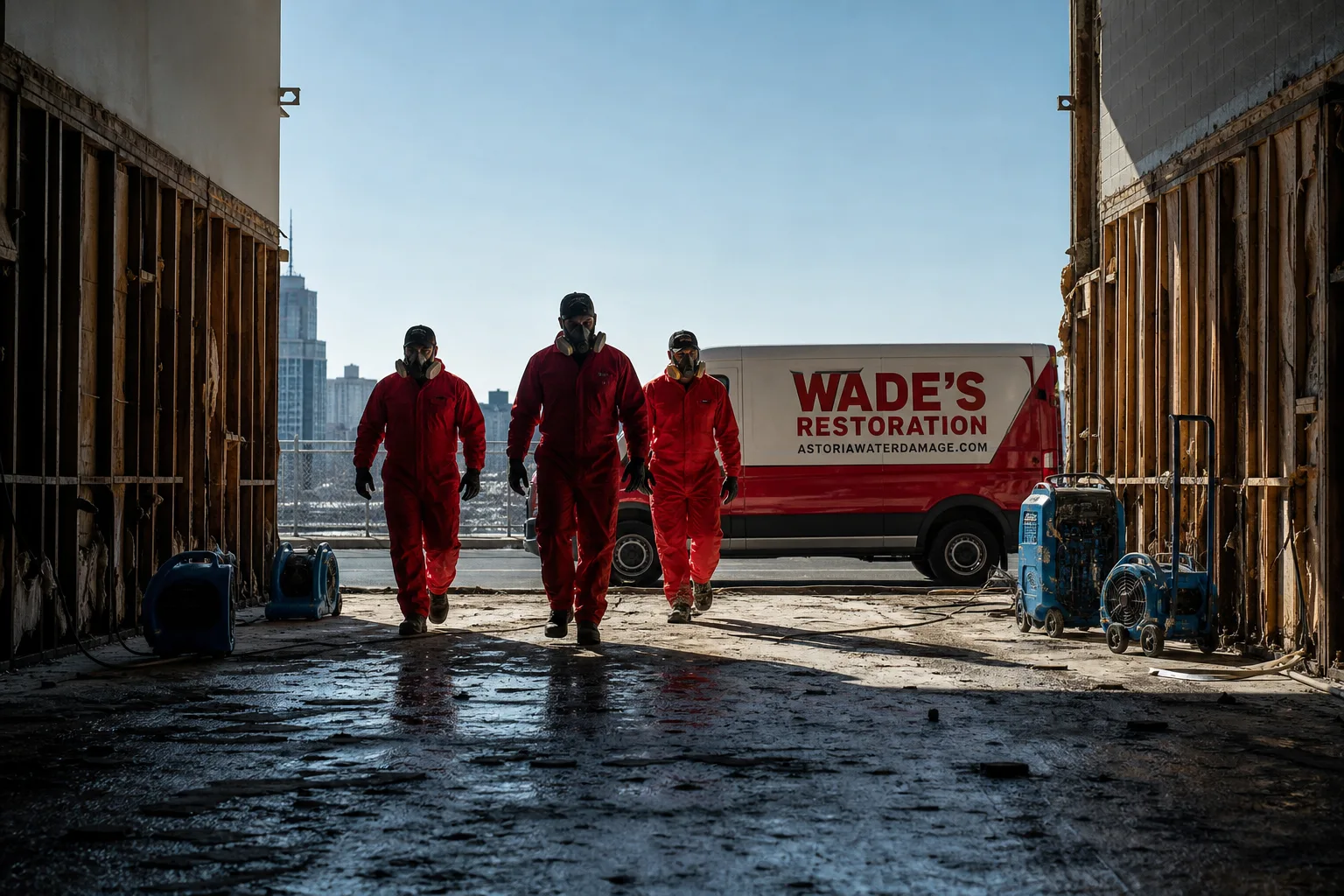
Free visual inspection and a written scope of work before any mitigation begins - photos, moisture readings, and drying logs go in your claim file
The scope we write is the scope we bill. Anything new gets shown to you, in writing, before we touch it.
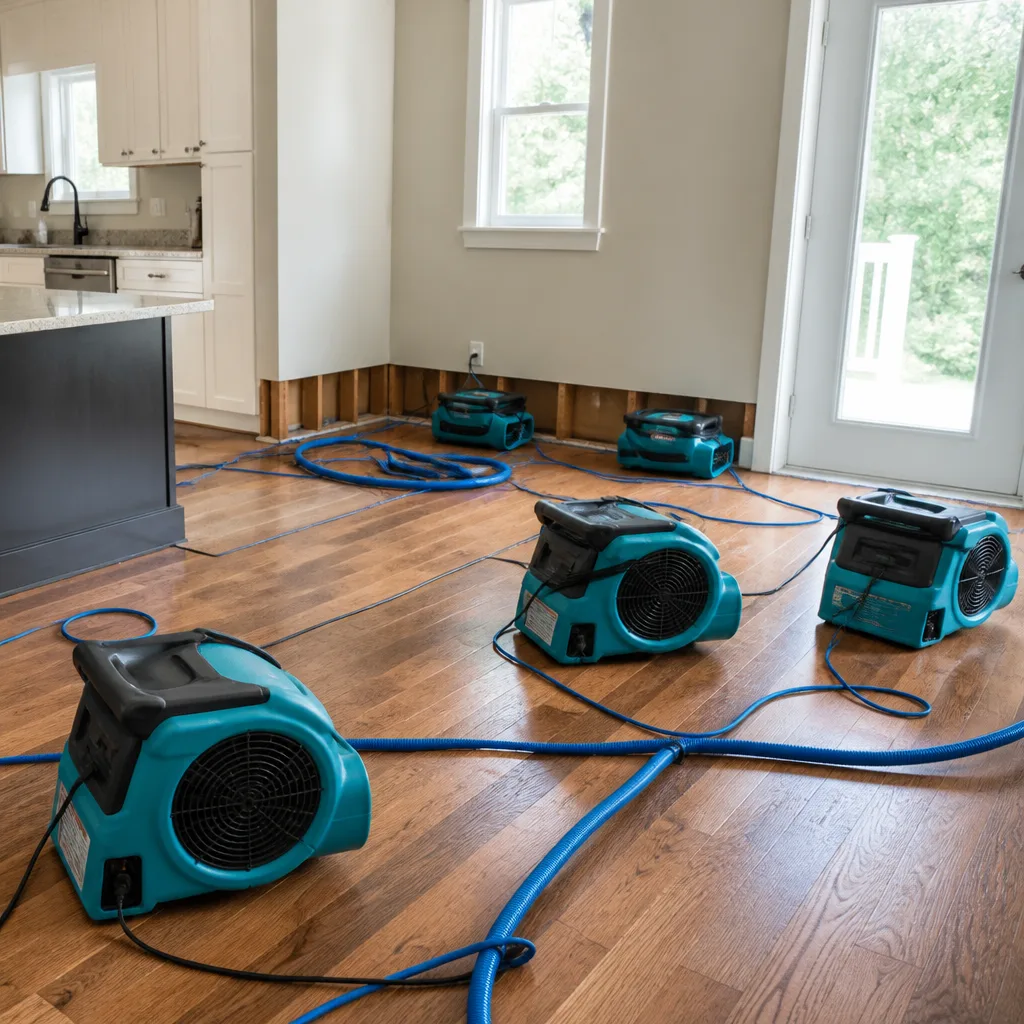
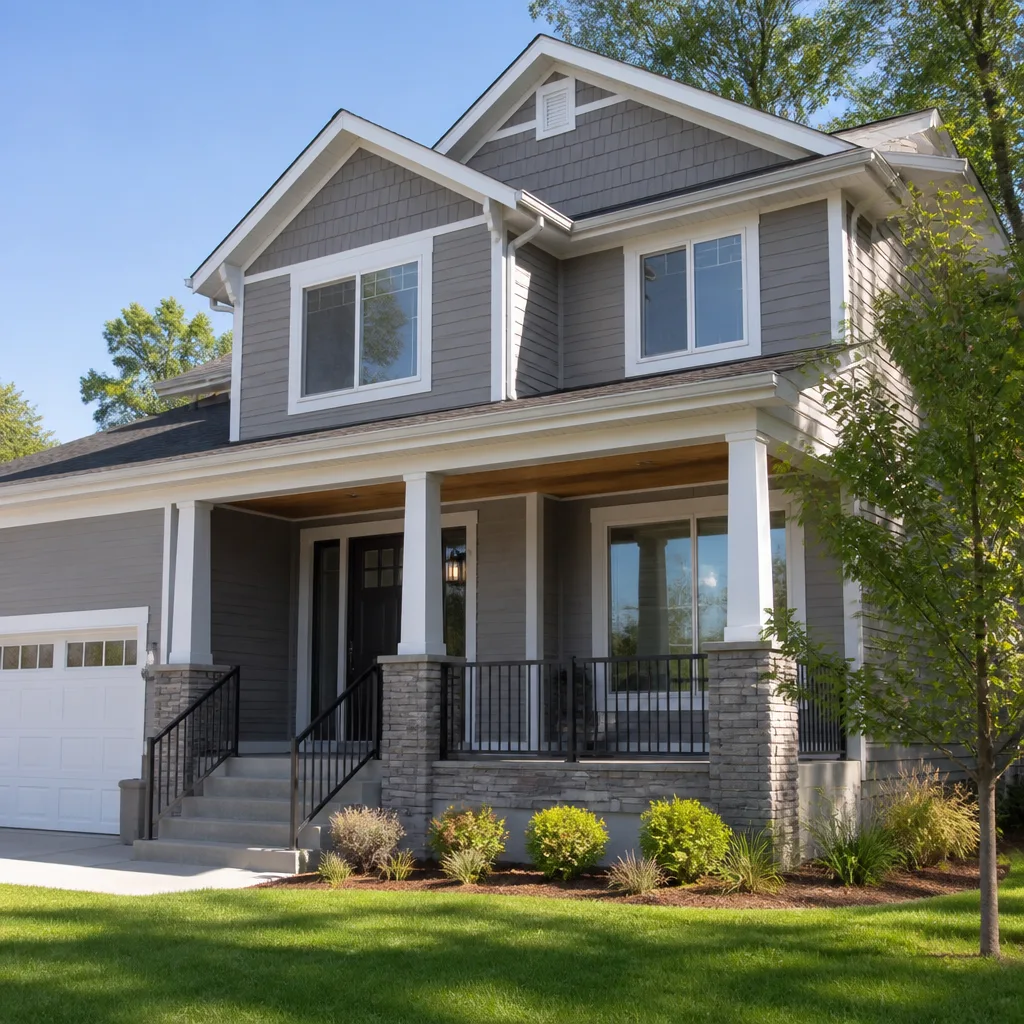
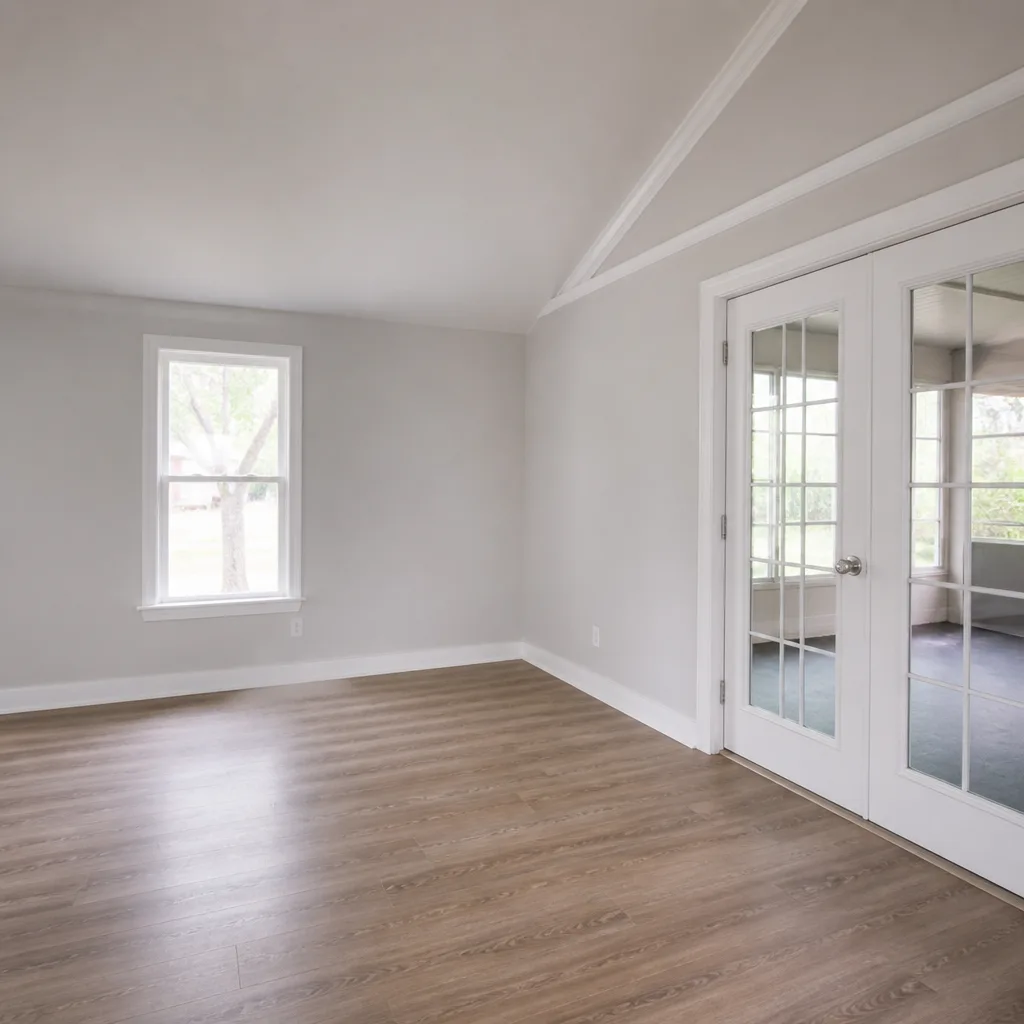
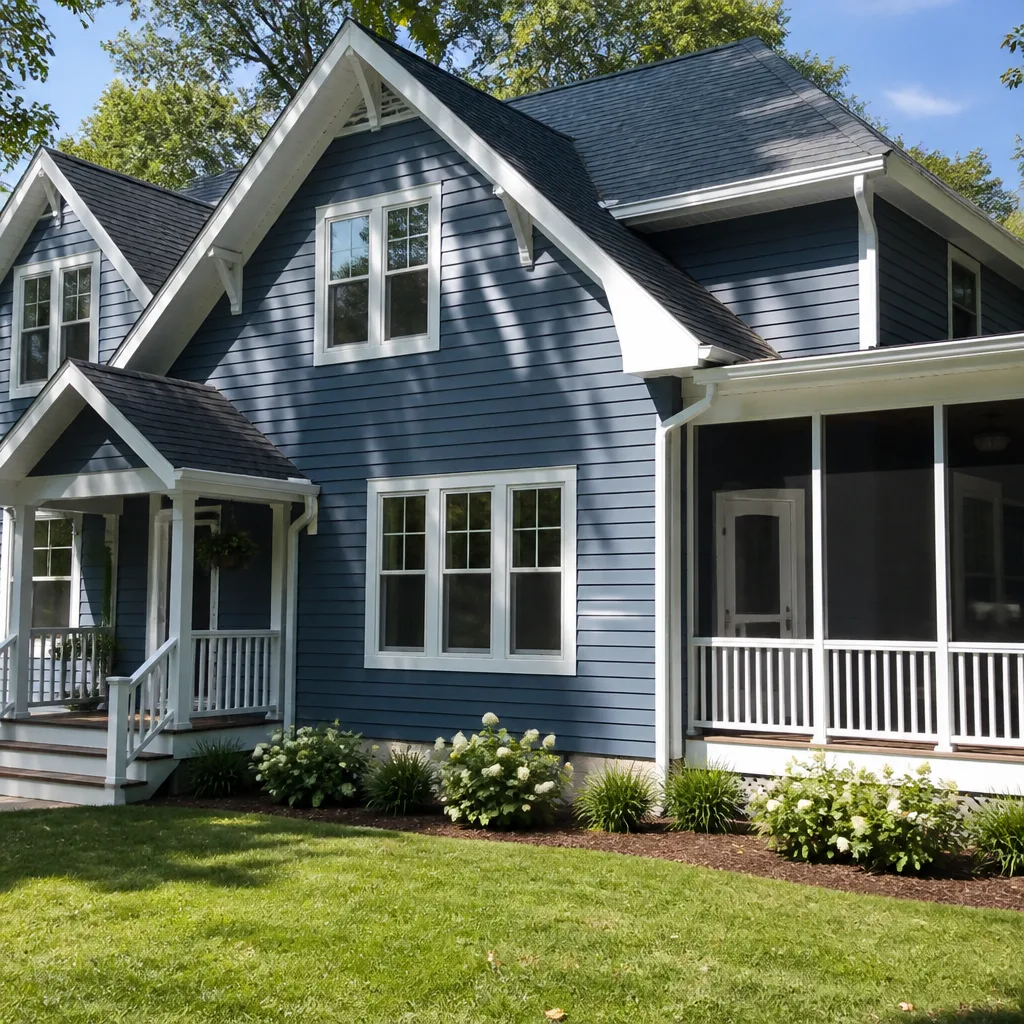
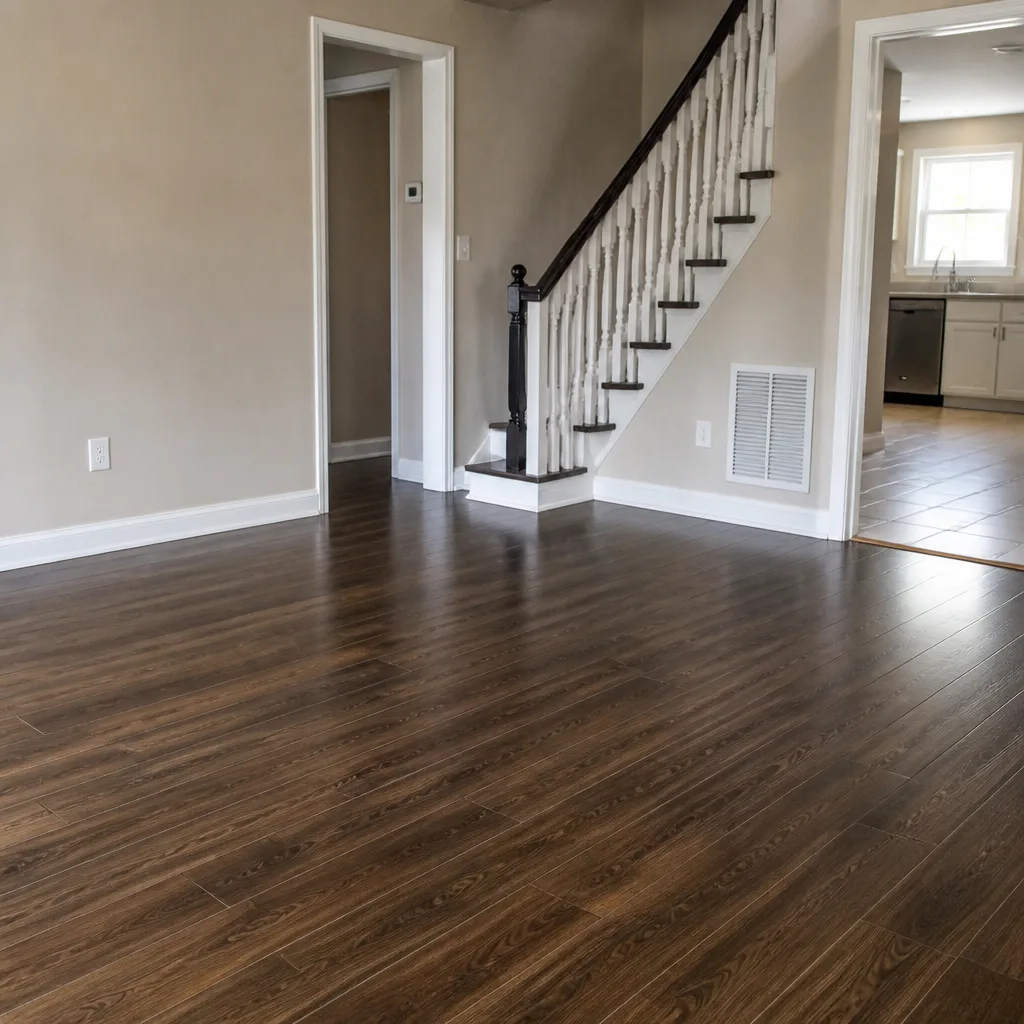
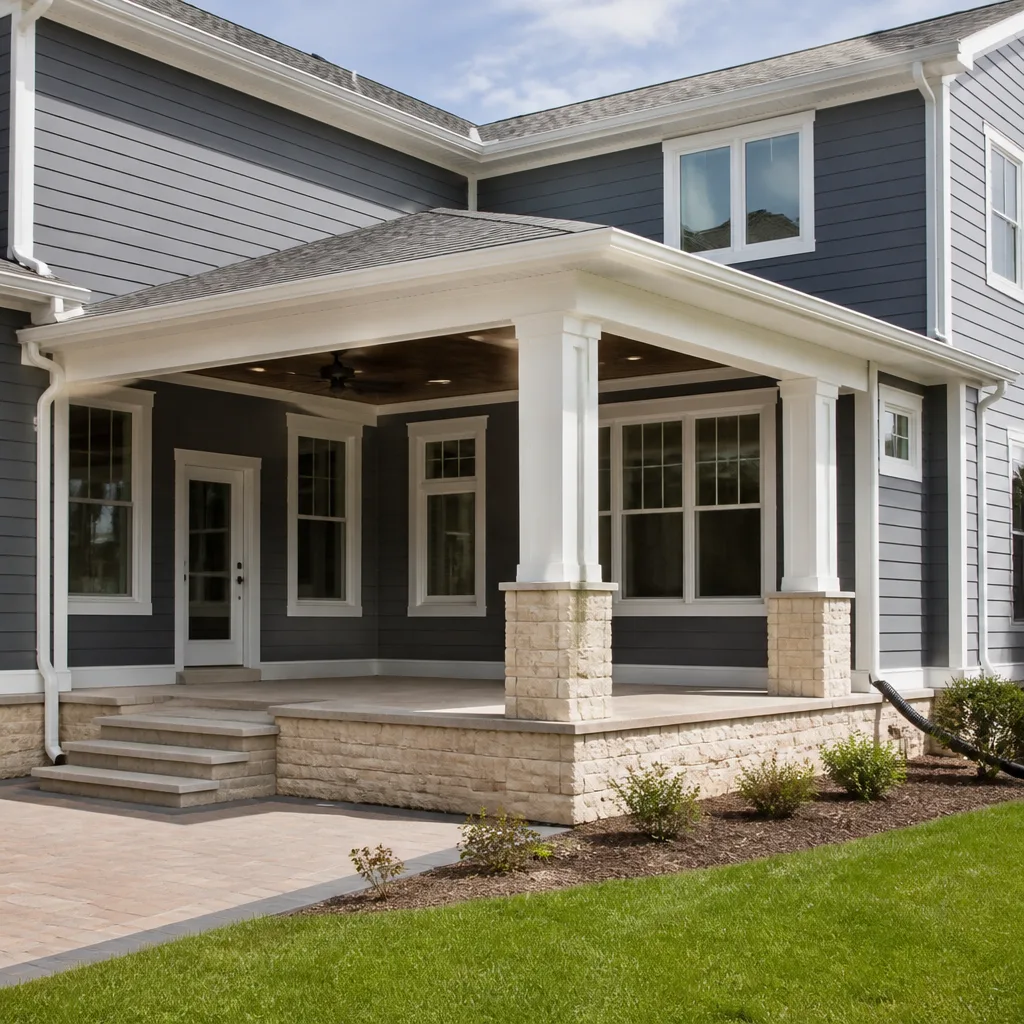
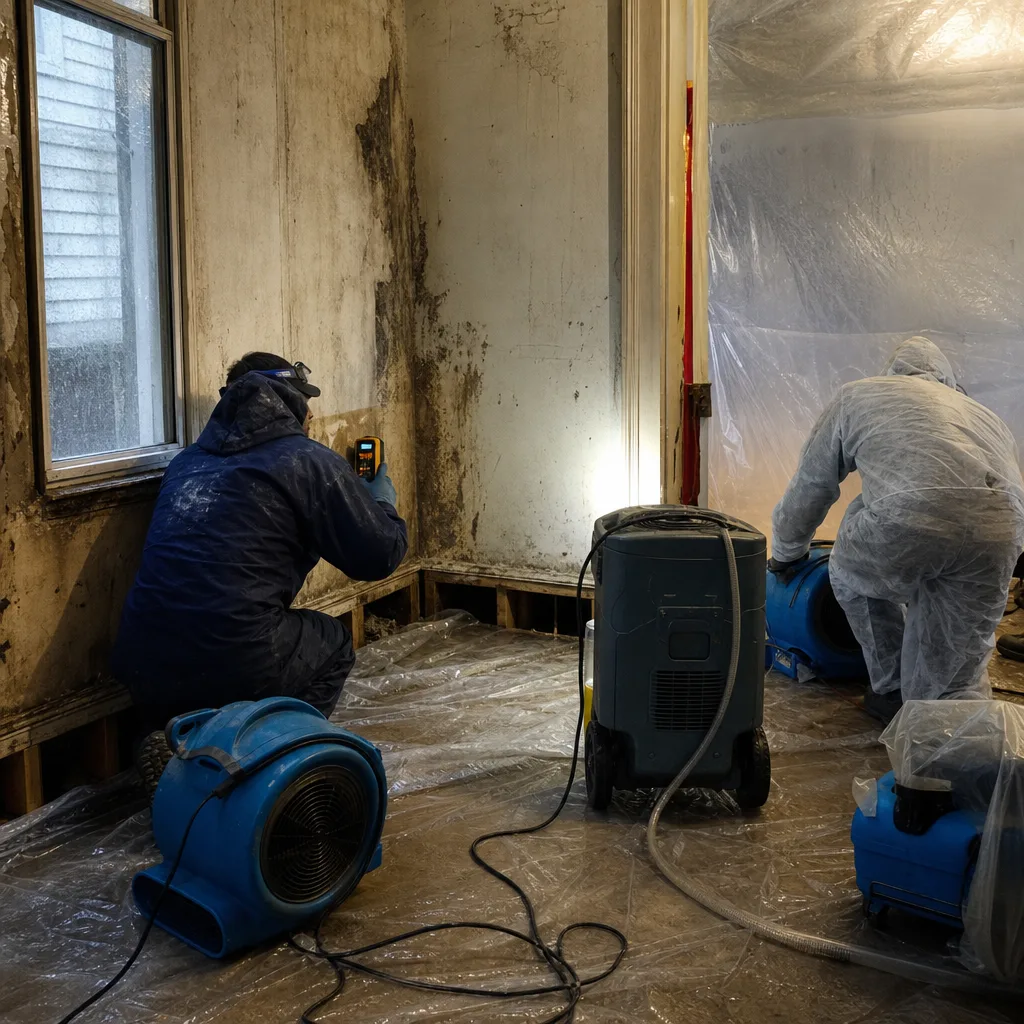 Before
 After
After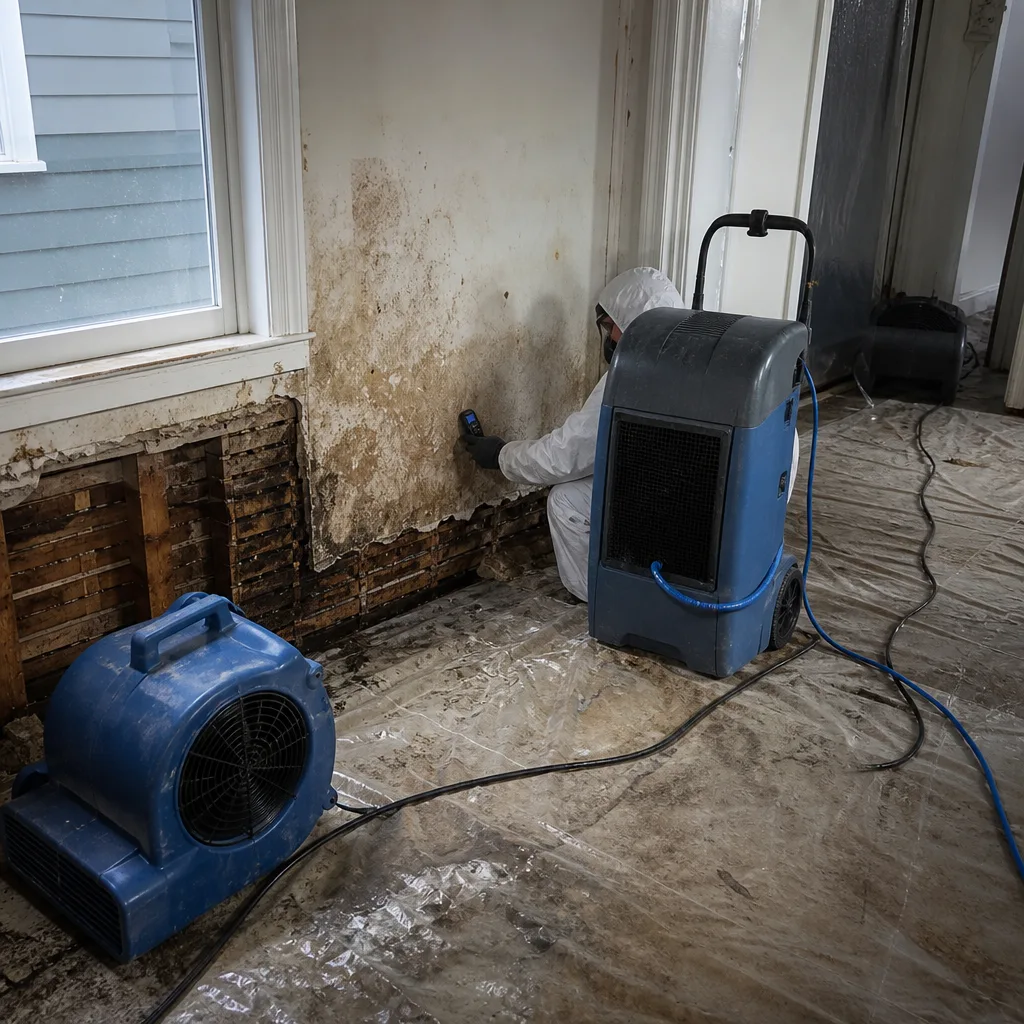 Before
 After
After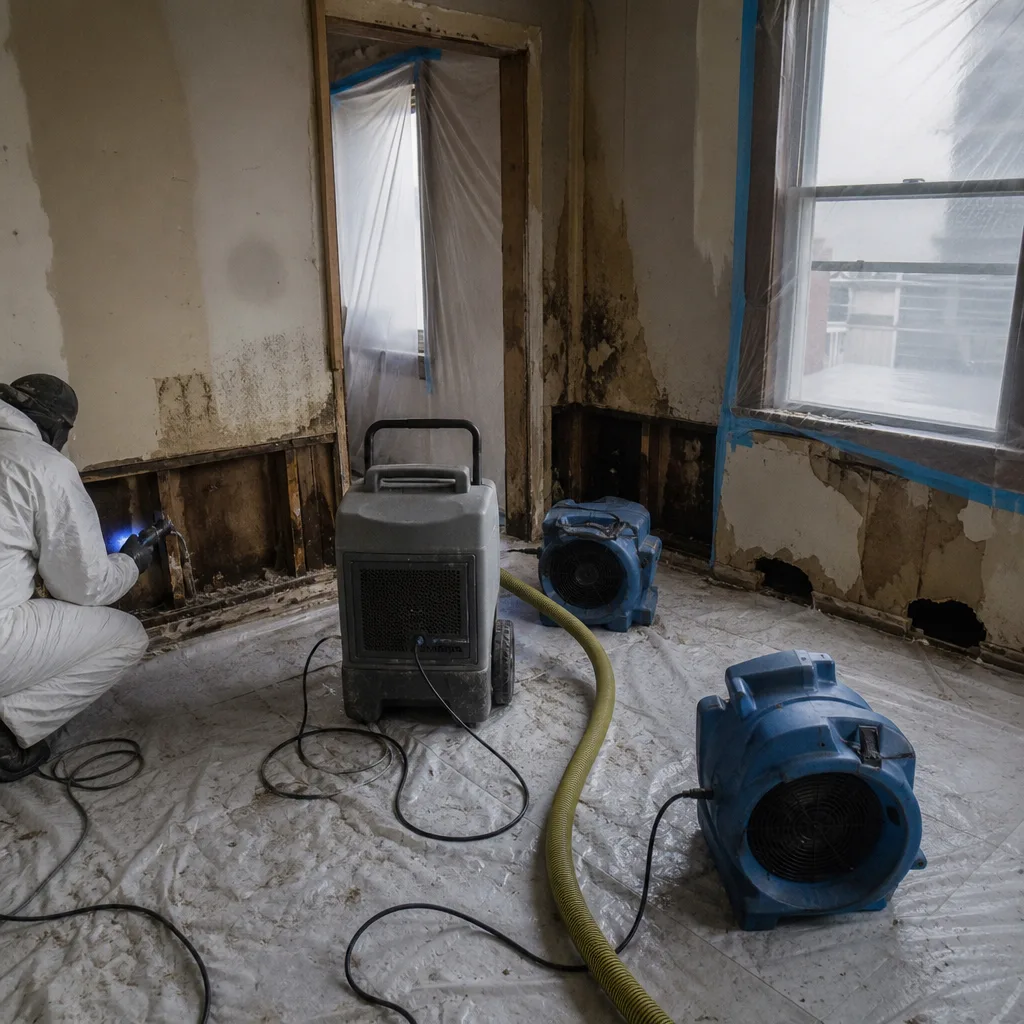 Before
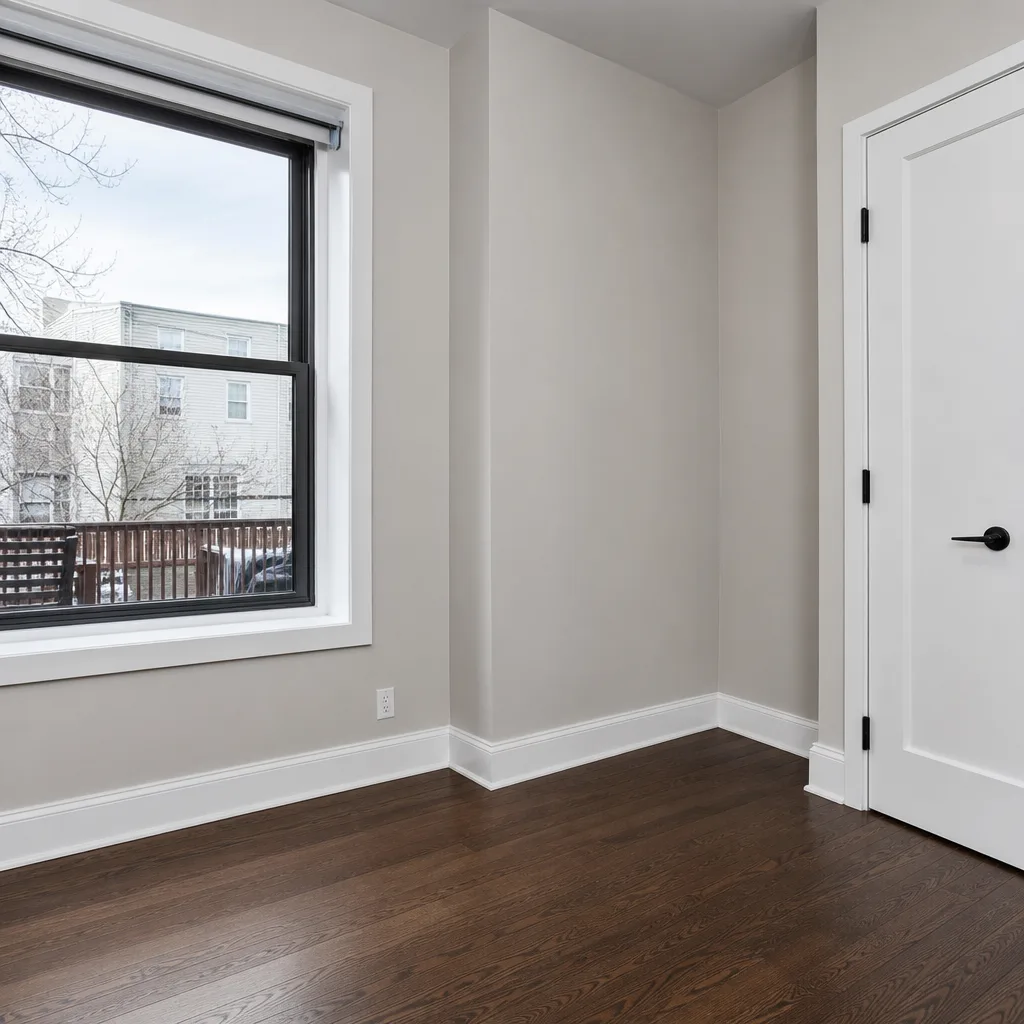 After
After24/7 Emergency Fire & Smoke Damage Restoration in Flushing
A kitchen fire in a 1930s brick row house off Northern Boulevard doesn’t stay in that one kitchen. Smoke pushes through shared attic voids, soot settles into every room, and firefighting water soaks into old framing. In Flushing, where attached two- and three-family homes share walls built nearly a century ago, the first hour determines whether a small fire becomes a two-unit or three-unit loss. That’s why Wade’s Restoration answers live around the clock and can have a crew rolling toward your block within 45 minutes. Call (363) 208-1526 the moment the fire department clears your property. Wade Ferris still answers his own phone at 2 a.m., and the visual inspection is free.
Understanding Fire & Smoke Damage Restoration Severity in Flushing Properties
Not all fire damage is the same, and Flushing’s building stock makes severity tricky to judge from the street. Light soot from a small stovetop fire may clean off surfaces, but the smoke odor has already moved through ductwork, wall cavities, and shared attic spaces. In attached row houses from the 1920s through 1950s, we regularly find smoke residue in the neighbor’s unit before any flame ever touched it. Wet smoke from smoldering synthetic materials leaves a sticky, corrosive film that keeps eating at metal fixtures and painted surfaces if it sits too long. Protein smoke from cooking fires is nearly invisible but clings to every surface and can embed odor deep in wood and drywall for months. The construction materials matter too: horsehair plaster, original pine floorboards, and cast-iron drain stacks all react differently to heat, smoke, and water. In Flushing’s mixed-use condo towers from the 1990s and 2000s, smoke travels vertically through elevator shafts and shared mechanical chases, which means a fire on the fourth floor can deposit soot in units five floors up.
Why Flushing Property Owners Choose Wade’s Restoration
- 45-minute response commitment - when you call, a crew is already being assigned. Wade heads out himself on serious jobs, and he’ll be there inside the hour in most of Flushing.
- 24/7 live answer, always a real person - no voicemail trees, no answering service, no call center. Wade carries his cell and picks up.
- IICRC-certified crews - fire and smoke restoration techs hold FSRT and OCT certifications, and we apply IICRC S700 standards for fire and smoke damage. The people in your home know what they’re doing.
- Free visual inspection - before any work starts, we walk the property with you, show you what we see, and write a clear scope. No charge for that, ever.
- Direct insurance billing - we submit the claim paperwork, photos, and moisture logs straight to your carrier. You’re not the messenger between two sides.
- One team from board-up to rebuild - same crew handles emergency stabilization, contents pack-out, structural fire repair, and final reconstruction. No handoffs, no finger-pointing.
Our Fire & Smoke Damage Restoration Process
Inspection & Assessment
We scope the fire unit first, then check every adjacent attached unit before writing anything down. Thermal imaging and moisture meters show where heat and water traveled inside walls and shared voids. You get a written scope with line-item pricing before any work begins.
Emergency Stabilization & Board-Up
Windows get boarded, roofs get tarped, and structural hazards get flagged immediately. We secure the building so weather, vandalism, and curious neighbors can’t add to the loss. This happens same-day, often within hours.
Water Extraction & Structural Drying
Firefighting water is usually Category 2 or Category 3, depending on what burned and what it came in contact with. We extract standing water from basements and cavities, set up Dri-Eaz air movers and Phoenix dehumidifiers, and document drying progress with daily moisture readings.
Smoke & Soot Removal
Every surface gets methodically cleaned. Dry-ice blasting, HEPA vacuuming, and chemical sponge cleaning draw soot out of brick, plaster, and wood without soaking it in. We treat both the fire unit and any adjacent unit smoke traveled into.
Odor Removal & Deodorization
Ozone and hydroxyl generators neutralize smoke odor at the molecular level. We also seal affected framing and ductwork once surfaces are clean so odor can’t off-gas back into living spaces weeks later. This is the step most franchises rush.
Structural Fire Repair & Restoration
Charred framing gets sistered or replaced, not just painted over. We coordinate with your insurer on scope approval, rebuild affected rooms to code, and finish with the same crew that started the job. The 90-Day Done Right Promise covers every part of this work, in writing.
Need Emergency Fire & Smoke Damage Restoration in Flushing Now?
Crews minutes away, answering live 24 hours a day. The sooner we start, the less it costs.
Working With Your Insurance Company
Insurance claims for fire damage are complicated, and the homeowner who gets stuck relaying messages between a restoration company and an adjuster is the one who waits weeks for approval. That doesn’t happen on our jobs. From the first hour, we photograph everything, room by room, and document soot coverage, water migration, and structural damage in a format your carrier accepts without back-and-forth. Wade deals with the adjuster directly, walks them through the scope on site if they show up, and provides the documentation they ask for the first time, not the third. Our estimates follow Xactimate pricing, which is the industry standard your insurance company already works from. You know exactly what’s being claimed because you approved the scope before we submitted it.
What We Provide Your Insurer
- Thorough documentation of the loss
- Photos of all damage, room by room
- Moisture readings and drying logs
- A detailed, line-item scope of work
- Direct coordination with your carrier
Built for Flushing’s Loss Calendar
Fire and smoke damage in Flushing doesn’t follow one predictable season, but certain patterns show up year after year. Winter months bring space heater and extension cord fires in older row houses where original knob-and-tube wiring still powers parts of the building. Those fires are often slow and smoky, leaving heavy soot throughout attached units before they’re discovered. Spring and early summer see a spike in electrical fires tied to window AC units running on overloaded circuits in pre-war buildings that were never designed for that load. Cooking fires peak in the weeks around Lunar New Year, when multi-generational households prepare large meals in small basement kitchens. And Flushing’s location at the inland terminus of Flushing Bay means coastal storm events can knock out power for days, pushing residents to rely on candles, generators, and improvised cooking setups that sometimes go wrong. We don’t just respond to fires; we watch the neighborhood’s calendar and know what’s coming.
Fire & Smoke Damage Restoration Across Flushing’s Neighborhoods
Our response routes take us from the dense commercial core around Main Street and Roosevelt Avenue through the residential blocks that spread east toward Kissena Park and north toward College Point Boulevard. In the blocks between Northern Boulevard and 35th Avenue, we see the classic 1920s and 1930s attached brick two-family homes, where a kitchen fire in one unit means scoping the adjacent unit’s attic and bedrooms before writing any estimate. Around Bowne Street and the historic district near Flushing High School, the housing stock shifts to semi-detached brick and frame homes from the 1940s and 1950s, where detached garages and back extensions create separate fire compartments, but shared driveways and narrow lots mean access for fire equipment is tight. The condo towers along Main Street and near Flushing Commons present a different challenge entirely: smoke migration through elevator shafts, shared mechanical rooms, and stacked plumbing chases can spread odor five or six floors up from the fire unit. And down along the Flushing Creek corridor, mixed-use buildings with below-grade storefronts and basement residential units combine fire damage with the flood risk that comes from being in a FEMA-designated flood zone. We scope every one of these differently.
Specialized Fire & Smoke Damage Restoration Services We Offer in Flushing
Fire Damage Cleanup
Ash, char, and firefighting residue get removed systematically, not just wiped off surfaces. We demo what can’t be saved, stabilize what can, and clean every surface to a paintable standard. In Flushing’s older homes, that often means working around original woodwork, plaster walls, and floors that are worth saving.
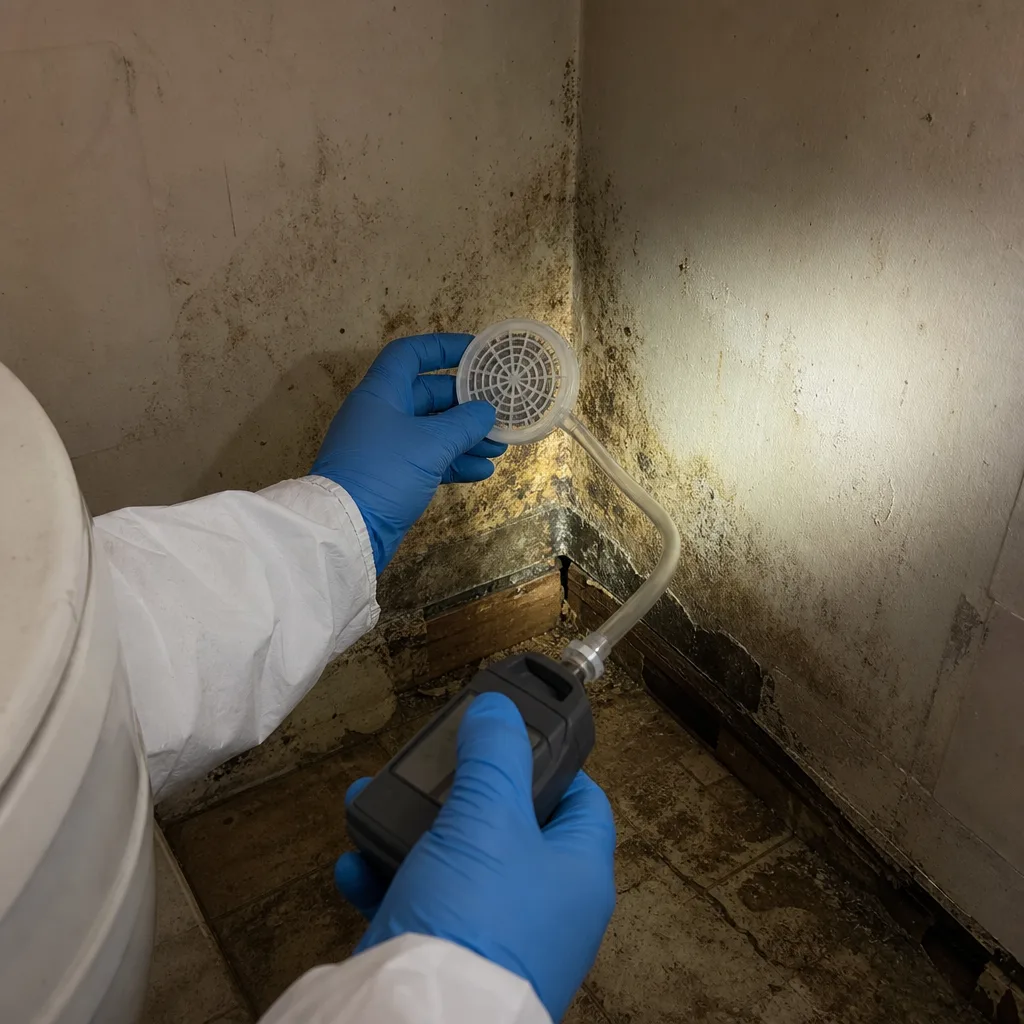
Smoke & Soot Removal
Soot from a fire is acidic and keeps damaging surfaces long after the flames are out. We use HEPA vacuums, chemical sponges, and dry-ice blasting to pull soot out of brick, plaster, wood, and fabrics without pushing it deeper. Our Fire & Smoke Damage Restoration team treats every room smoke touched, not just the room that burned.
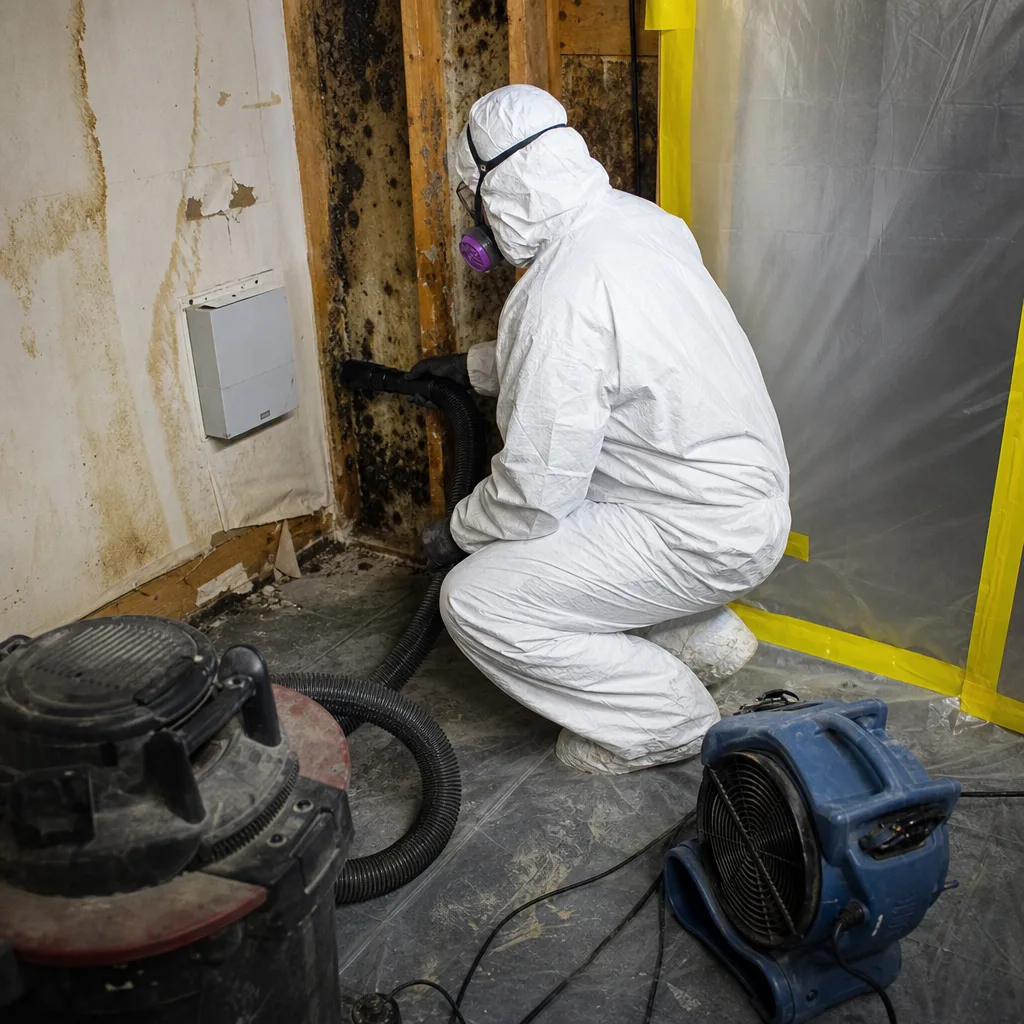
Odor Removal & Deodorization
Smoke odor hides in places you can’t see: inside wall cavities, under floorboards, behind plaster, in ductwork. Hydroxyl generators and ozone treatments neutralize odor molecules rather than masking them with fragrance. We seal porous surfaces after deodorization so the smell can’t return weeks later. This matters in Flushing’s attached row houses, where odor that isn’t fully removed in one unit drifts into the next.
Contents Cleaning & Pack-Out
Your furniture, clothing, documents, and valuables get inventoried, packed out, cleaned in our facility, and stored until your home is ready. We treat smoke-damaged contents with the same care as the structure itself, and we photograph everything so your insurance claim has a clear record of what was restored, what was cleaned, and what was beyond saving.
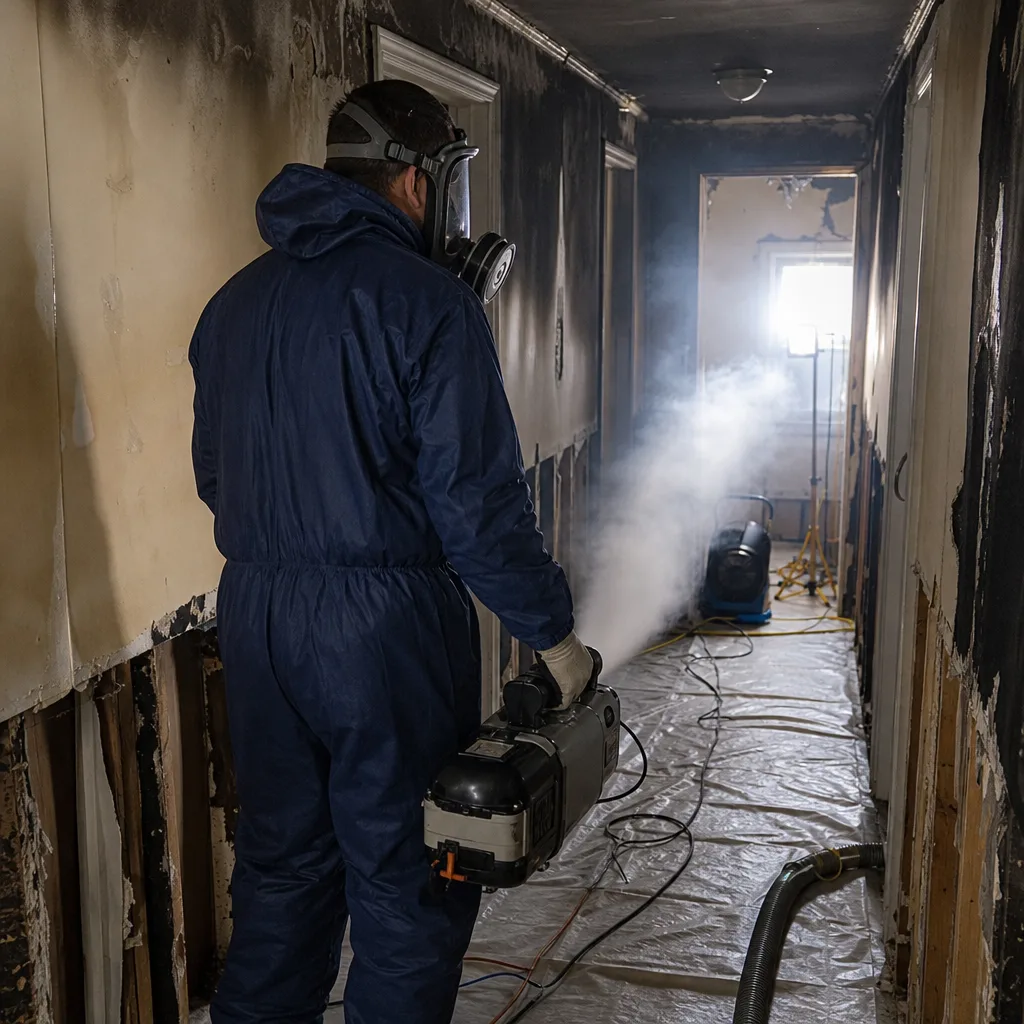
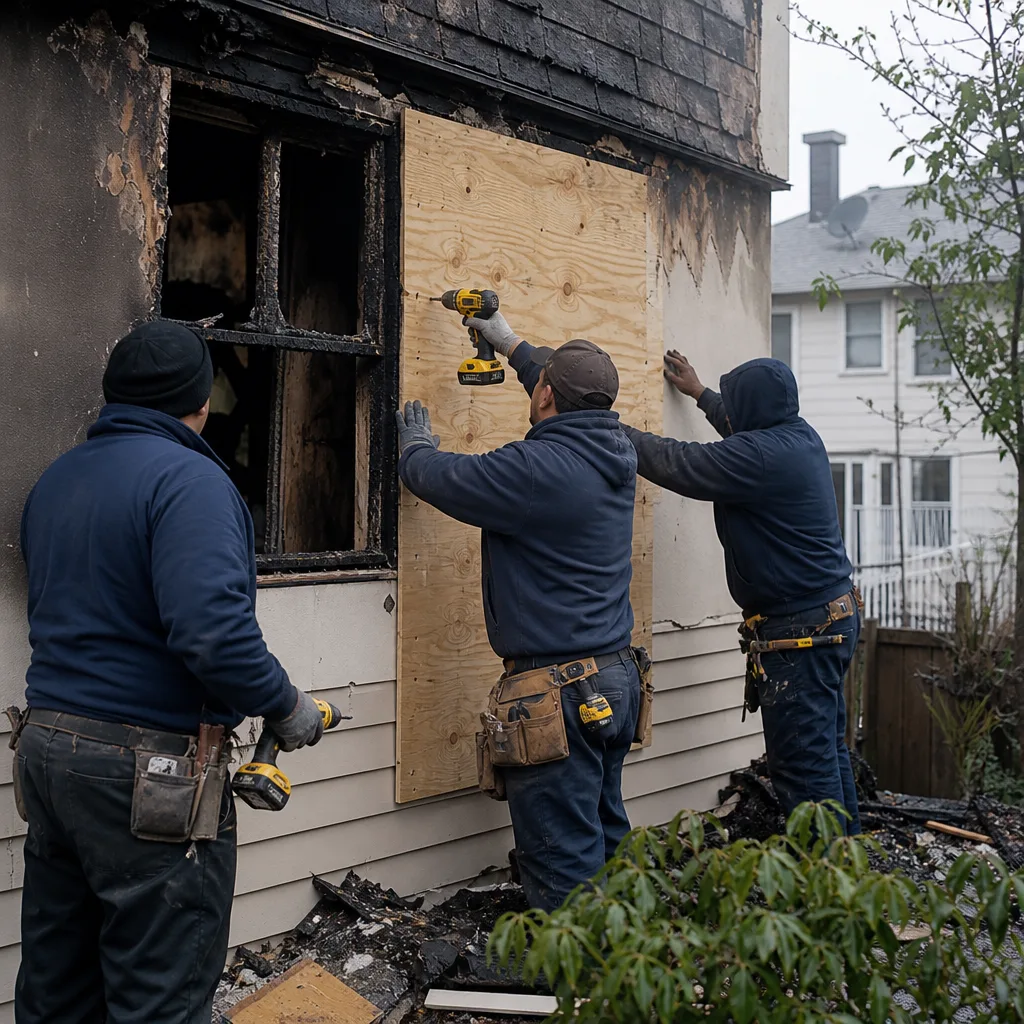
Emergency Board-Up & Tarping
After a fire, open windows, damaged doors, and burned roof sections leave your home exposed. We board up and tarp immediately, usually before the fire department has even finished paperwork. Securing the building fast prevents secondary losses from weather, animals, and unauthorized entry, and it’s covered by your policy as emergency mitigation.
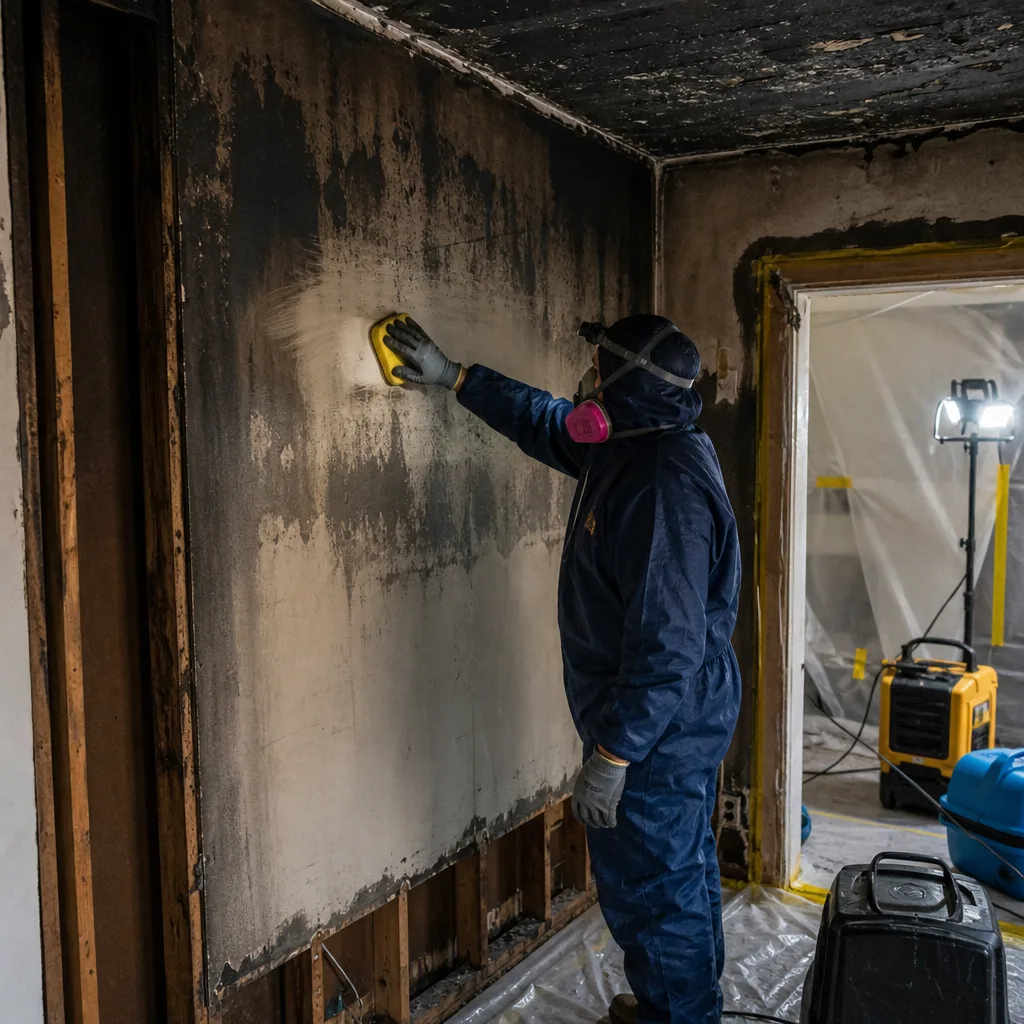
Structural Fire Repair
Charred joists, weakened studs, and burned roof decking need real repair, not cover-up. We sister or replace damaged framing to match the original dimensions, and we work with Flushing’s older materials: true 2x4s, full-dimension lumber, and masonry load-bearing walls. Permits and code compliance are handled as part of the job.
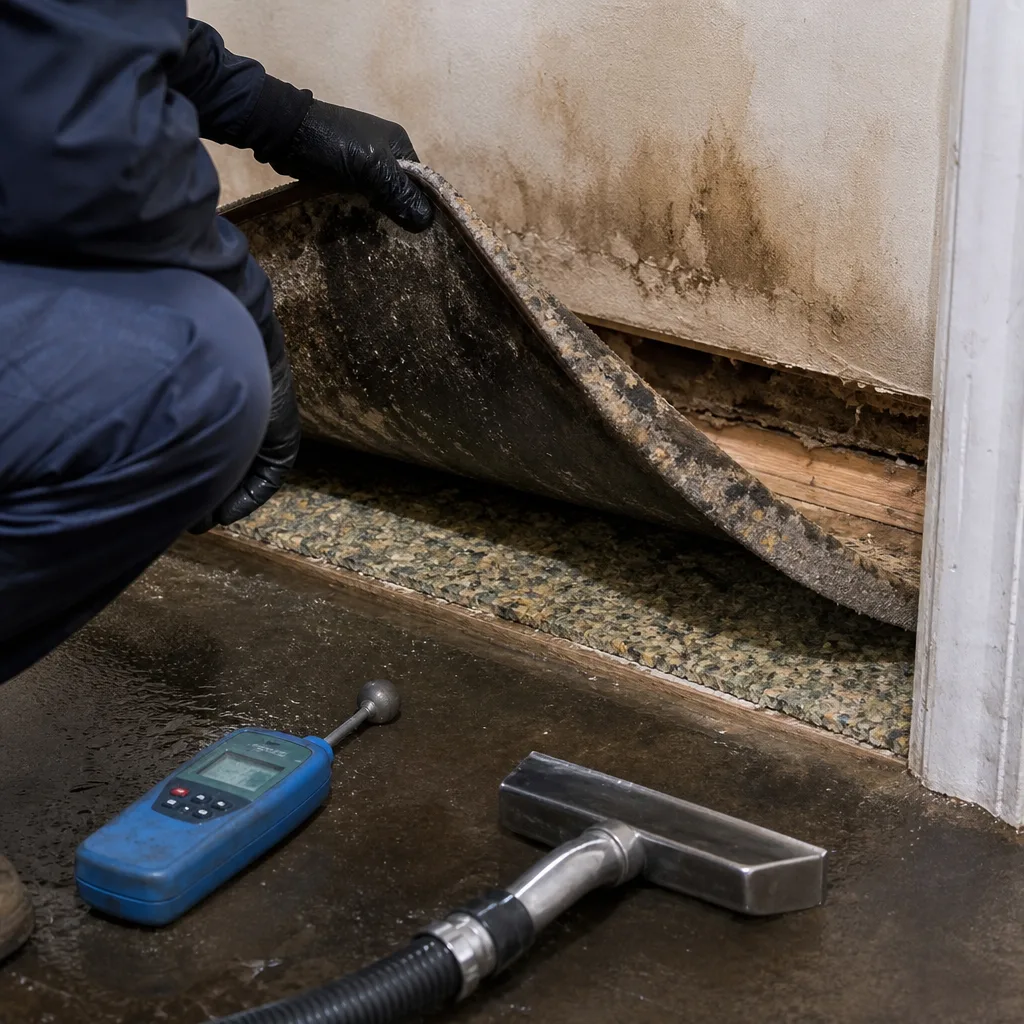
What happens when you call
- 1
A real person answersNo phone trees - you reach a local pro.
- 2
You get an upfront price rangeHonest numbers before anyone is dispatched.
- 3
A background-checked tech heads outLicensed & insured, dispatched right away.
- 4
You approve before work beginsNothing starts until you say go.
Fire & Smoke Damage Restoration Costs in Flushing, NY
Costs depend on how far smoke traveled and how much water the fire department put down. A small contained kitchen fire with light soot in a single room typically runs $2,500 to $6,500 for cleanup, odor removal, and surface restoration in Flushing. A full floor of smoke and soot damage across a unit in an attached row house, including contents cleaning and repainting, usually lands between $8,000 and $18,000. When structural fire repair is required, replacing charred joists, rebuilding walls, and refinishing affected rooms can push the total to $25,000 to $60,000, depending on the extent and whether adjacent units are involved. Smoke-only claims in condo towers on Main Street, where odor traveled through shared shafts but no structural damage occurred, often run $3,000 to $9,000 for deodorization and cleaning across multiple units. Most fire claims are insurance-covered, and our free inspection gives you a firm written number before anyone touches anything.
We Also Serve Cities Near Flushing
Our crews regularly run calls to Flushing from the surrounding area, and we’re just as quick getting into Astoria and Long Island City. Same 45-minute response commitment, same live answer at 2 a.m., same written scope before work starts.
Serving Flushing, NY - Our Local Coverage Area
We’re based in the Flushing area and know this community well. Use the map below to see our service coverage - if you’re nearby, we can almost certainly help.
Flushing Fire & Smoke Damage Restoration Questions, Answered
After a fire in a Flushing attached brick row house, how quickly should I check my neighbor’s unit for smoke damage?
Immediately, and ideally with a restoration professional doing the checking. Smoke moves through shared attic voids, party walls, and framing gaps within minutes of ignition. We scope the adjacent unit the same day we scope the fire unit, because waiting a week means soot settles deeper into plaster and fabrics, odor sets into wood, and the secondary claim gets harder to prove. Call (363) 208-1526 and we’ll check both units in one visit.
Do Flushing’s older row houses need special containment during smoke and soot removal to avoid contaminating neighboring units?
Yes, and this is where crews without local experience get it wrong. In attached 1920s to 1950s brick row houses, we set containment across shared attic access points and party wall penetrations before starting soot removal. That keeps loosened soot from drifting into an attached neighbor’s unit during the cleaning process. Skipping this step contaminates a unit that was fine, and then you’re paying for two cleanups.
How does firefighting water in a Flushing basement with a finished rental unit affect the restoration category?
Firefighting water that mixes with burned materials, soot, and whatever was stored in the basement is classified as Category 2 or Category 3 water, meaning it can carry pathogens and requires full containment, extraction, and antimicrobial treatment. In Flushing basements that are finished as rental units, the situation is worse: carpet, drywall, and insulation wick that water into the structure, and cast-iron drain stacks from the 1930s can crack under thermal stress. We treat every basement fire in Flushing as a water damage event even when the fire damage looks minor.
Can smoke odor from a fire in a 1990s condo tower on Main Street affect multiple floors?
Absolutely. Smoke in a high-rise travels vertically through elevator shafts, stairwells, and the gap between the drywall and the concrete slab on each floor. A fire in a fourth-floor unit can deposit soot and odor in units on the sixth and seventh floors, often without any visible damage. Our protocol for condo towers is to inspect the fire unit, the units above it, and the mechanical chases on the fire floor, then document everything for the building’s master policy and the unit owner’s individual policy.
When does structural fire repair in a Flushing row house require replacing original 1920s framing rather than cleaning and sealing?
When char depth exceeds a quarter inch in dimensional lumber, when joists are cracked from heat or water, or when original framing has been damaged by repeated cycles of wetting and drying. Flushing’s pre-war homes were built with full-dimension lumber that’s often still structurally sound after light charring, which is why we don’t automatically replace everything. But if the wood is compromised, sistering or full replacement is the only safe option, and code requires it. We’ll show you exactly what we’re seeing and why before any demolition happens.
How fast can a crew actually get to my Flushing home after I call?
Wade heads out within the hour on emergency fire damage calls in Flushing. Most of the time, he’s at your door in 30 to 45 minutes, and the crew is right behind him with extraction equipment, HEPA air scrubbers, and containment supplies. If you’re calling at 3 a.m., the same answer applies: a live person picks up, and someone is on the road.
Will my insurance cover fire and smoke damage restoration in Flushing?
Almost all standard homeowner policies cover fire and smoke damage, including emergency board-up, soot removal, deodorization, contents cleaning, and structural repair. Deductibles apply, and the scope needs to be documented properly from the first hour. We submit directly to your carrier, coordinate with the adjuster, and provide the moisture readings, photos, and line-item estimates they require. Call (363) 208-1526 for a free inspection and we’ll help you understand exactly what your policy covers before you sign anything.
What should I do in the first 30 minutes after a fire in my Flushing home?
Call your insurance company to start the claim, then call us. Don’t touch walls, wipe soot, or run the HVAC system. Soot spreads when it’s disturbed, and running the system pushes smoke particles through the whole house. Don’t enter areas the fire department has marked unsafe. If the power is off, don’t turn it back on. We’ll secure the property and scope the damage when we arrive. That’s what we’re for.
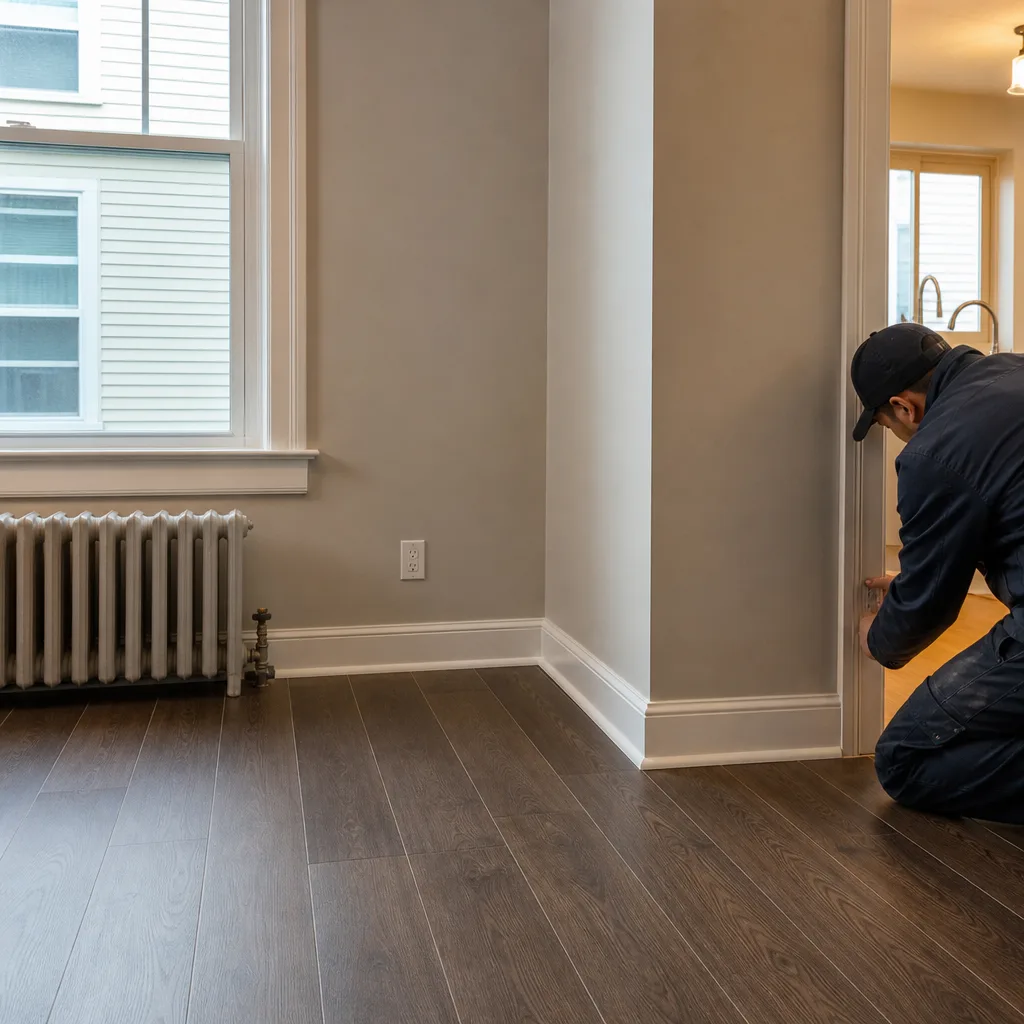
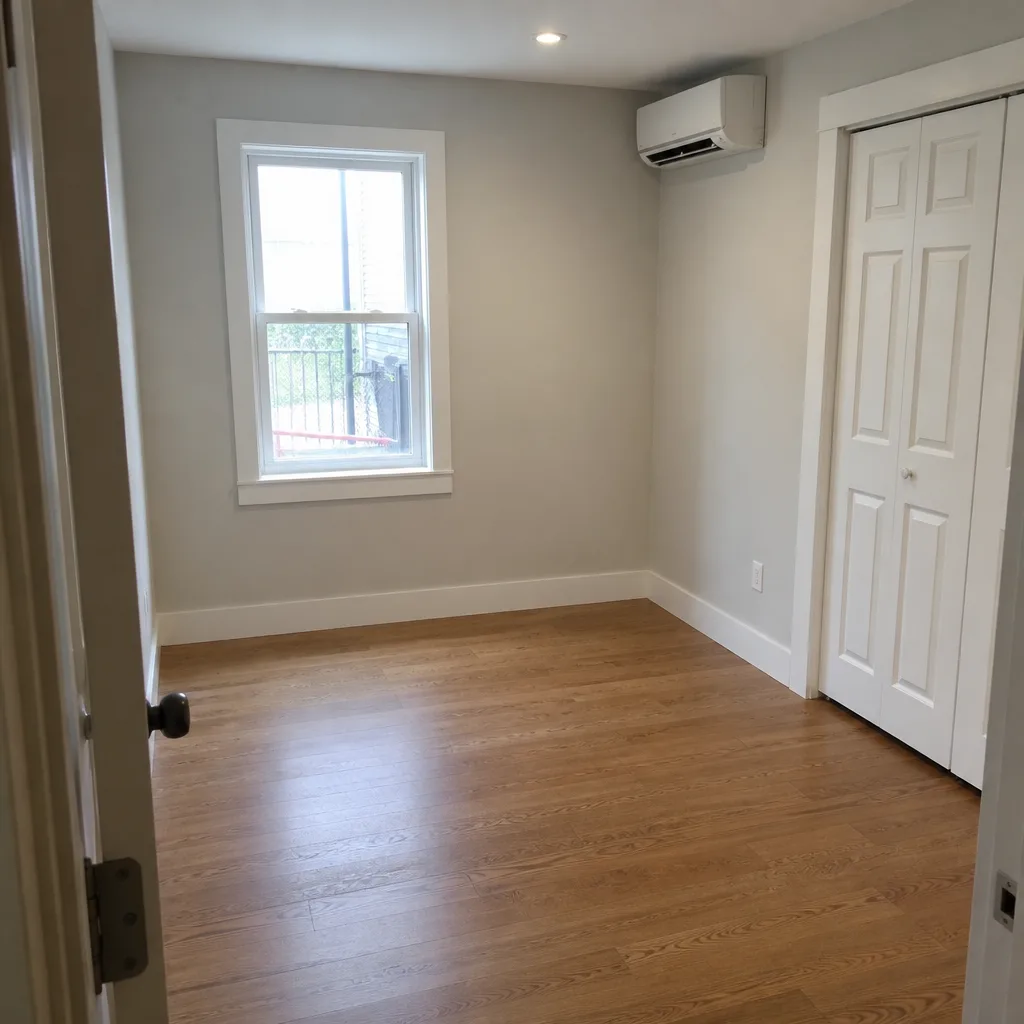
Our crew responded to a kitchen fire in a 1930s two-family attached brick row house off Northern Boulevard near the Flushing Creek corridor. After the fire was extinguished, we set containment and began smoke and soot removal in the fire unit, but moisture mapping revealed smoke had migrated through the shared attic into the neighboring unit’s bedrooms. We performed odor removal and deodorization in both units, packed out smoke-damaged contents from the adjacent unit, and completed structural fire repair on damaged ceiling joists before final structural drying and antimicrobial treatment.
Flushing’s attached brick row houses share more than walls. They share roof framing, attic spaces, and sometimes floor cavities that were never fire-stopped when they were built in the 1920s through 1950s. A fire in one unit’s kitchen pushes smoke and soot laterally into neighboring units through those connected voids before any flames cross the party wall. That’s why we never scope a single unit in Flushing without checking both adjacent units on the same block. It’s the difference between a clean restoration and a claim that falls apart weeks later when the neighbor starts smelling smoke. Wade Ferris has run restoration crews in this city since 2007, and he’s seen enough Flushing fires to know exactly where smoke hides. His name is on the truck, his cell number is public, and if it’s not done right, he makes it right. In writing. Call (363) 208-1526 any hour, any day. You’ll get Wade or someone from his crew, and help will be on the way.
Written by Wade Ferris, Owner at Wade’s Restoration, serving Flushing, NY since 2007.