
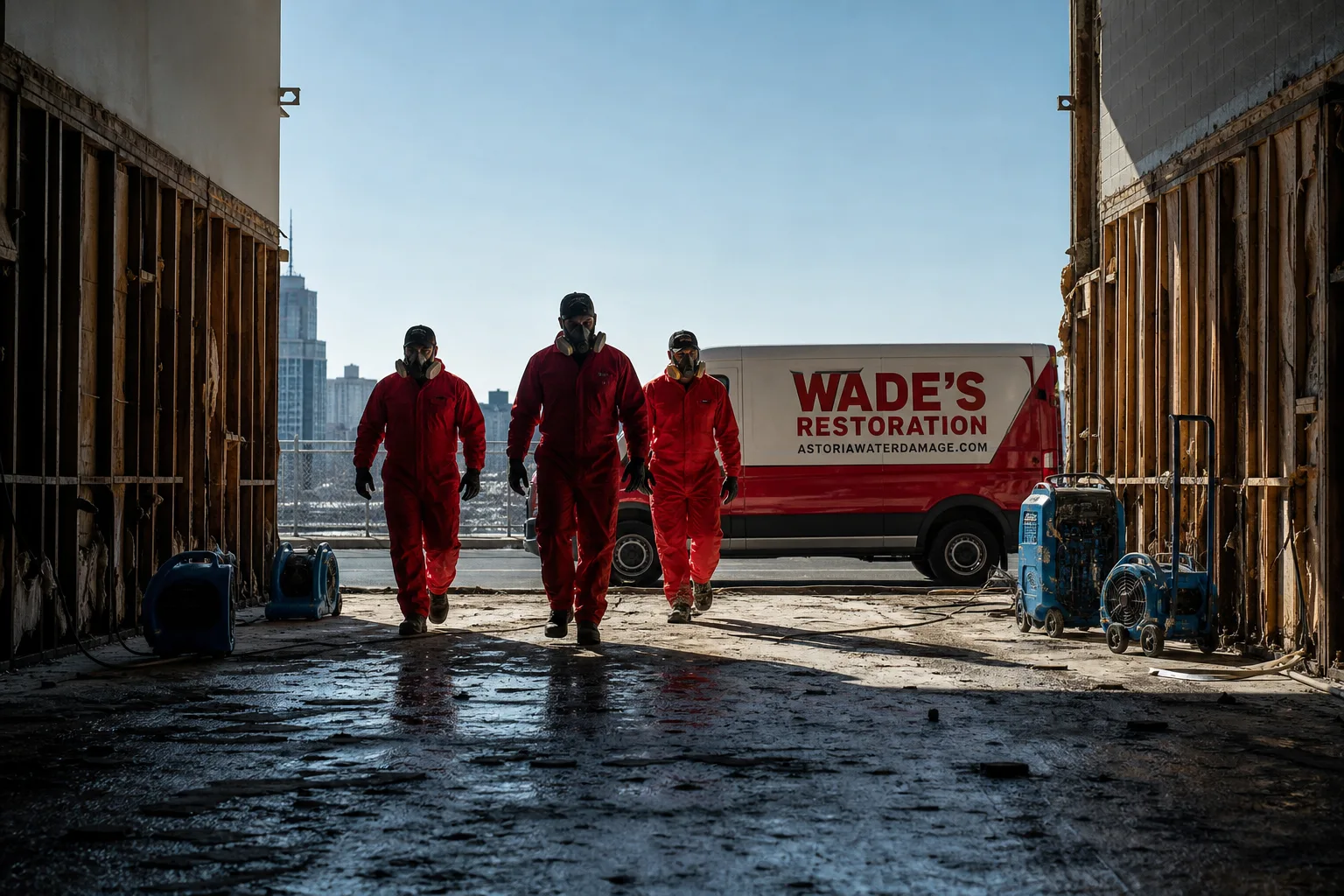
Free visual inspection and a written scope of work before any mitigation begins - photos, moisture readings, and drying logs go in your claim file
The scope we write is the scope we bill. Anything new gets shown to you, in writing, before we touch it.

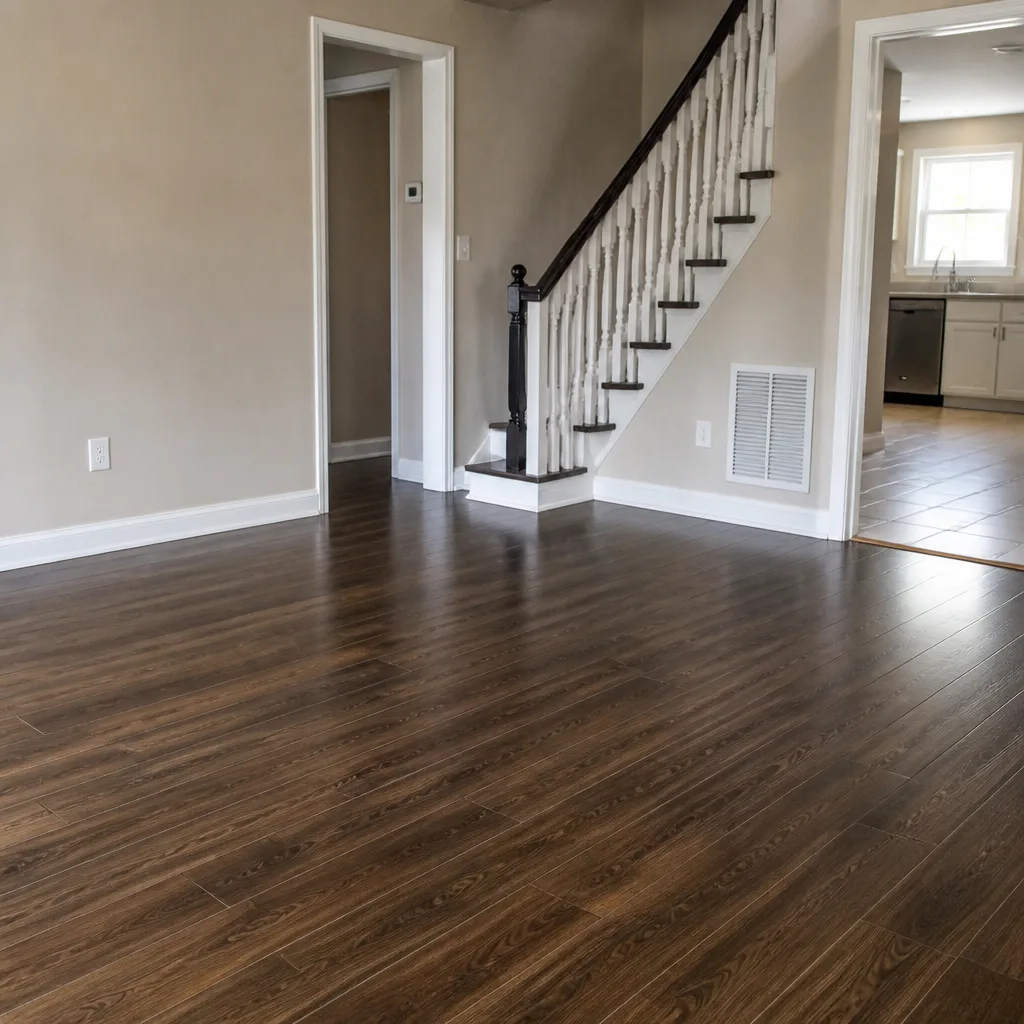

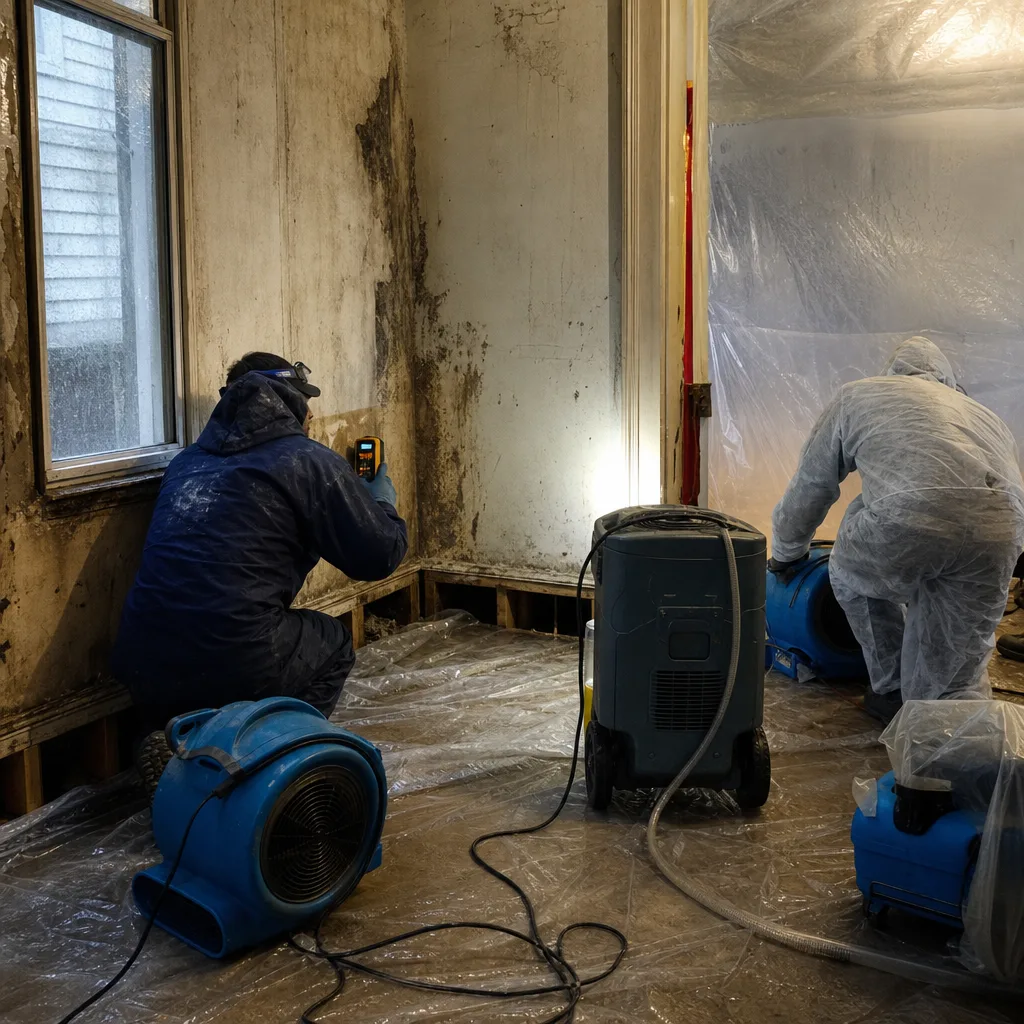 Before
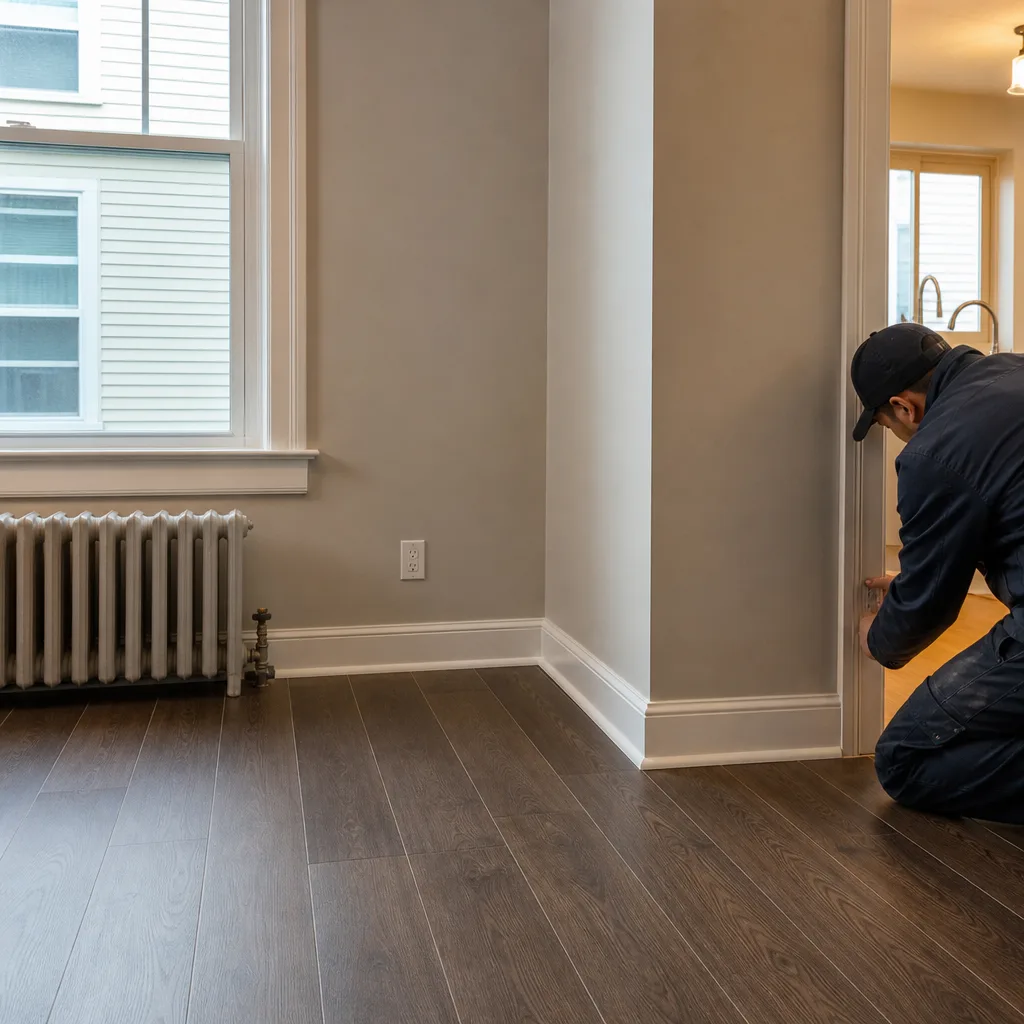 After
After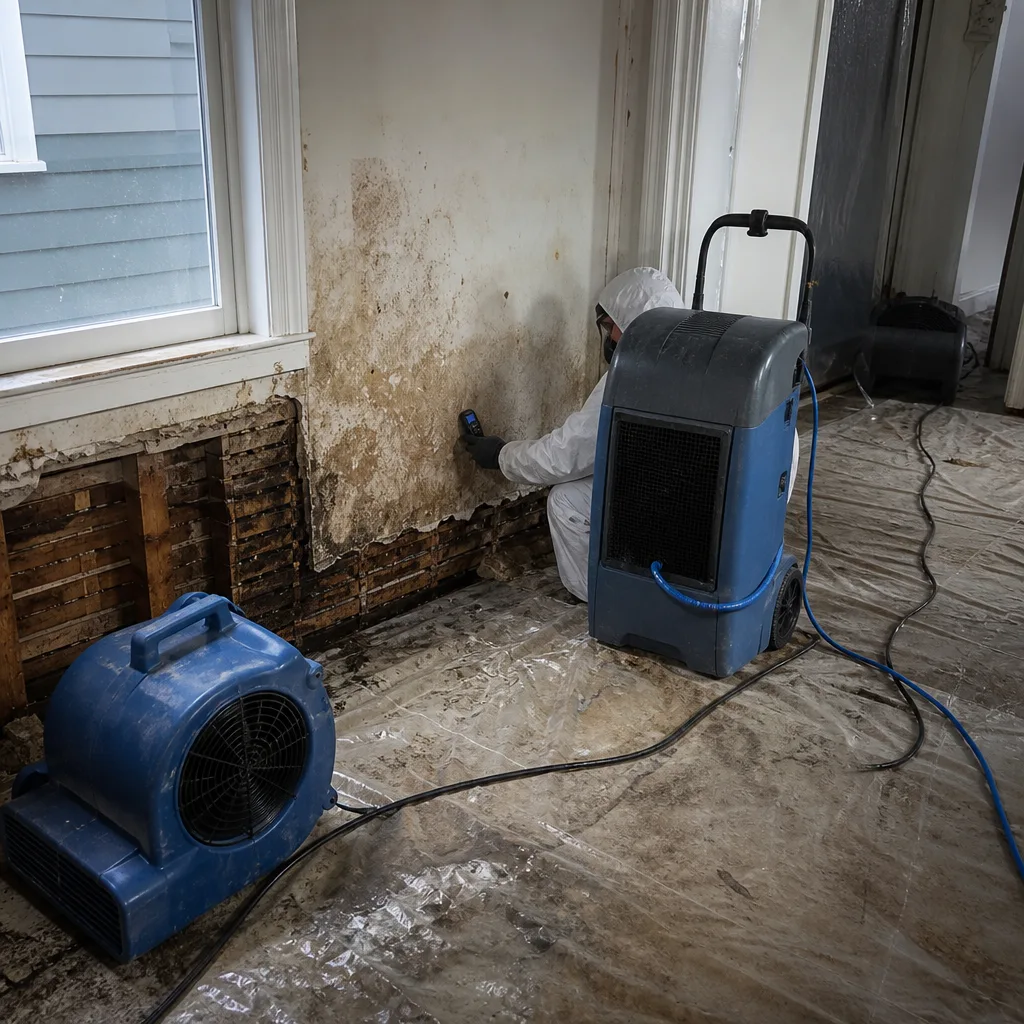 Before
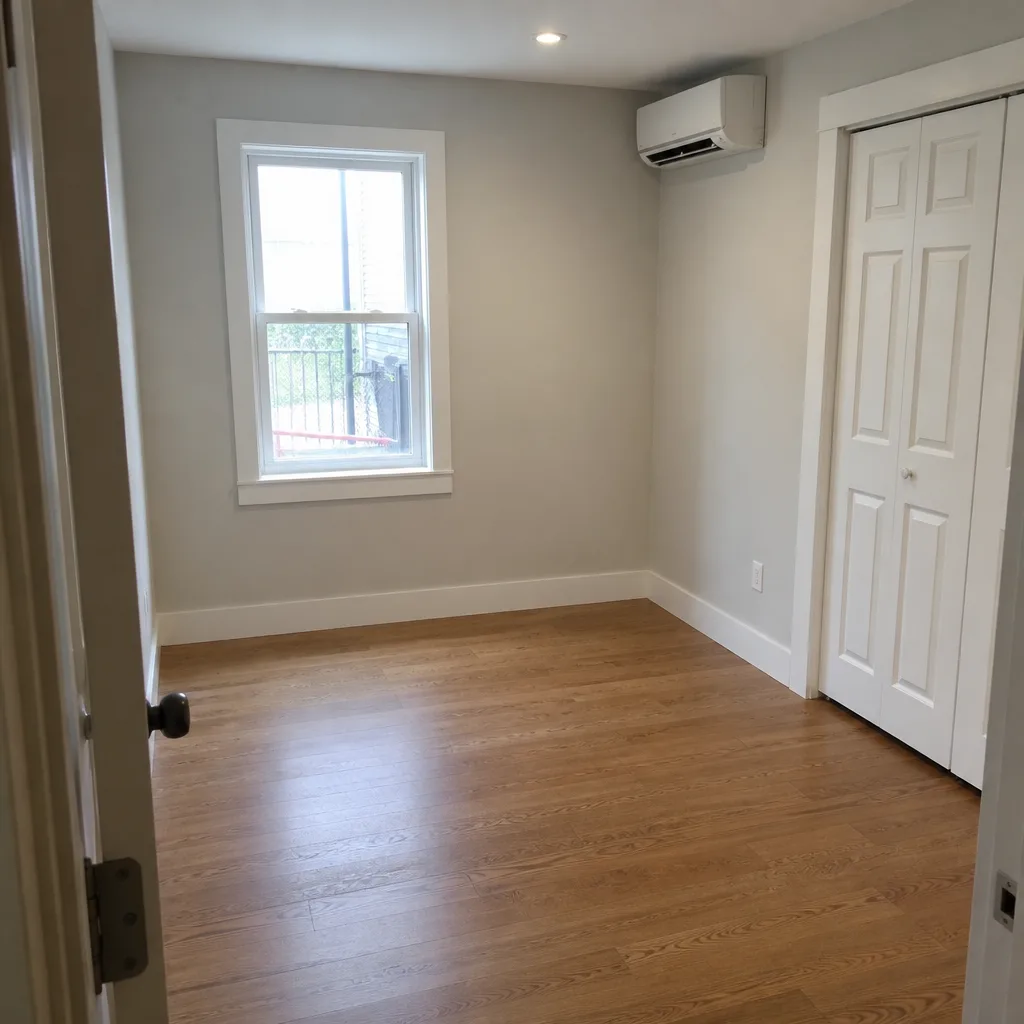 After
After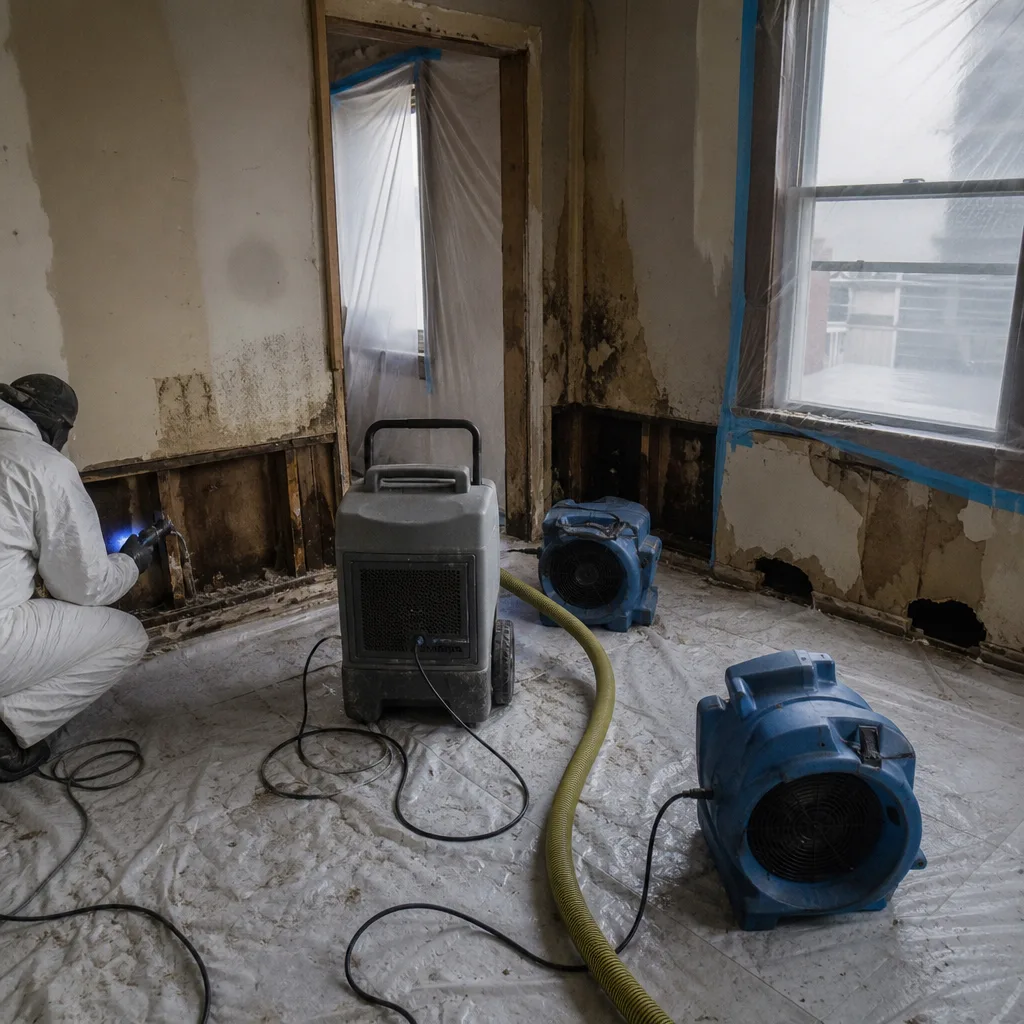 Before
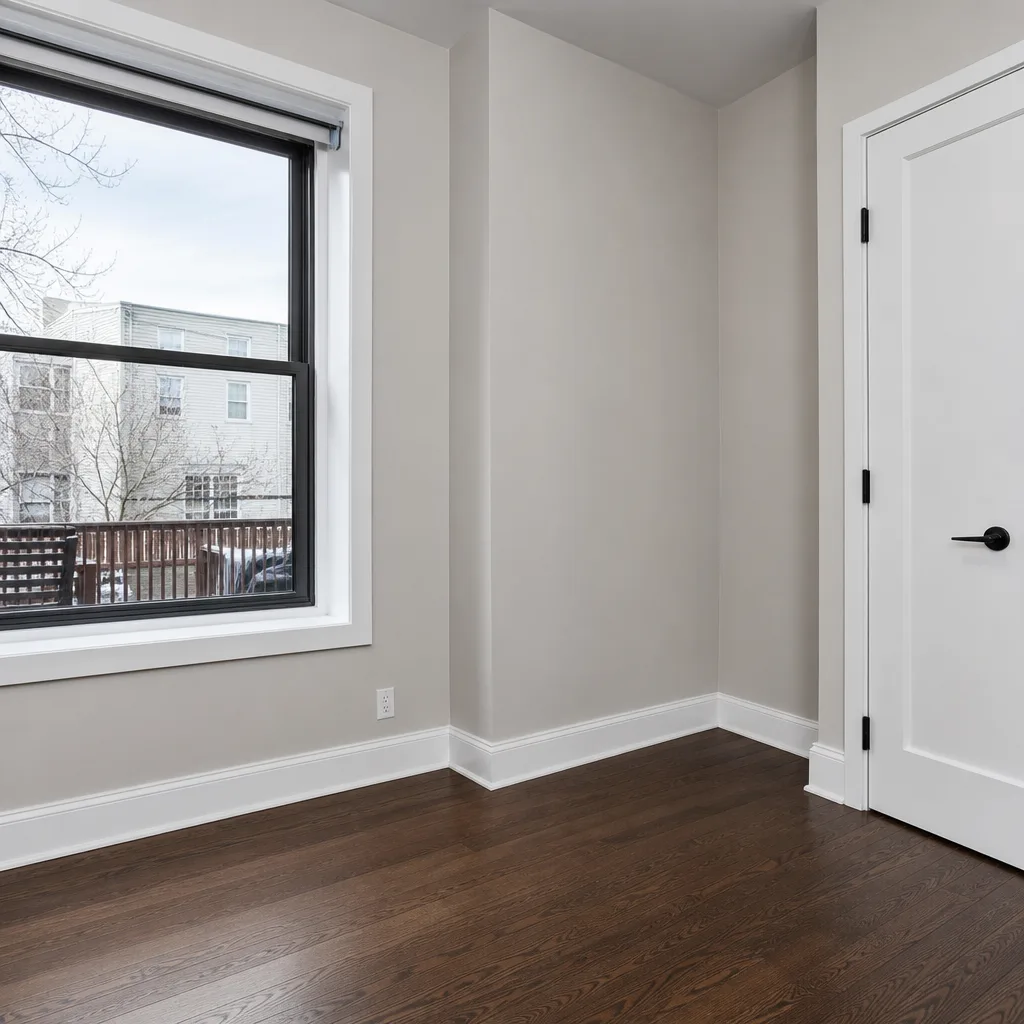 After
After24/7 Emergency Sewage Cleanup in Flushing
A sewage backup in Flushing needs a response that matches how fast the damage spreads. Raw sewage saturating a finished basement off Northern Boulevard can wick into drywall and shared brick party walls within hours, and mold follows inside of two days. Call (363) 208-1526 and Wade himself answers, 24 hours a day. If it’s a Category 3 black water loss, he’s on the road while you’re still on the phone. We start with a free visual inspection and honest numbers before any work begins, because in Flushing’s attached row houses, the first hour determines whether you’re dealing with one basement or three.
Understanding Sewage Cleanup Severity in Flushing Properties
Sewage cleanup is divided into three water categories, and the difference decides everything about scope and cost. Category 1 is clean water from a supply line. Category 2 carries contaminants from washing machines or sump failures. Category 3, black water, is what comes up through a Flushing floor drain during a storm surge or from a collapsed cast-iron waste stack, and it contains raw human waste, bacteria, and pathogens. In Flushing’s 1920s-1950s attached brick row houses with aging drain stacks and below-grade finished basements, what starts as a toilet overflow in one unit becomes a Category 3 loss in two or three units because the party walls wick moisture laterally. Experienced crews know to scope the adjacent basements before writing the estimate. If you only dry the unit with the visible backup, you leave the neighbor’s saturated drywall to bloom with mold behind finished walls. Our Sewage Cleanup team uses thermal imaging and moisture meters to find what isn’t visible yet, because that’s where the second claim lives.
Why Flushing Property Owners Choose Wade’s Restoration
- 45-minute response commitment. Wade lives by the clock. From the call to a crew at your door, Flushing properties on the Main Street corridor typically see us inside the hour.
- 24/7 live answer, no call center. You call, Wade answers. Not a dispatcher in another state, not an automated system. The owner, at 3 a.m., on a Sunday.
- IICRC-certified crews. Our techs carry WRT and ASD certifications, and for sewage losses we follow the IICRC S500 standard for Category 3 water. That’s not a sticker; it’s the difference between sanitized and just dried.
- Free visual inspection. Wade walks the damage with you, points to what’s wet and what’s going to be wet tomorrow, and gives you a straight answer before you sign anything.
- Direct insurance billing. We bill your carrier directly and talk to the adjuster ourselves, so you’re not the one relaying messages between two parties.
- One team from extraction to reconstruction. The same crew that pulls the sewage out is the crew that replaces the drywall and paint, because re-learning the file mid-job is how corners get cut.
Our Sewage Cleanup Process
Inspection & Assessment
We walk the property with a moisture meter and thermal camera, checking not just the visible backup but the floor drains, the party walls, and the adjacent units if you’re in an attached row house. Wade writes the scope himself before any equipment comes off the truck.
Extraction & Stabilization
Black water comes out first with truck-mounted extraction and submersible pumps. We set up containment with negative air pressure so sewage aerosol doesn’t drift into the living space or the neighbor’s unit.
Drying & Dehumidification
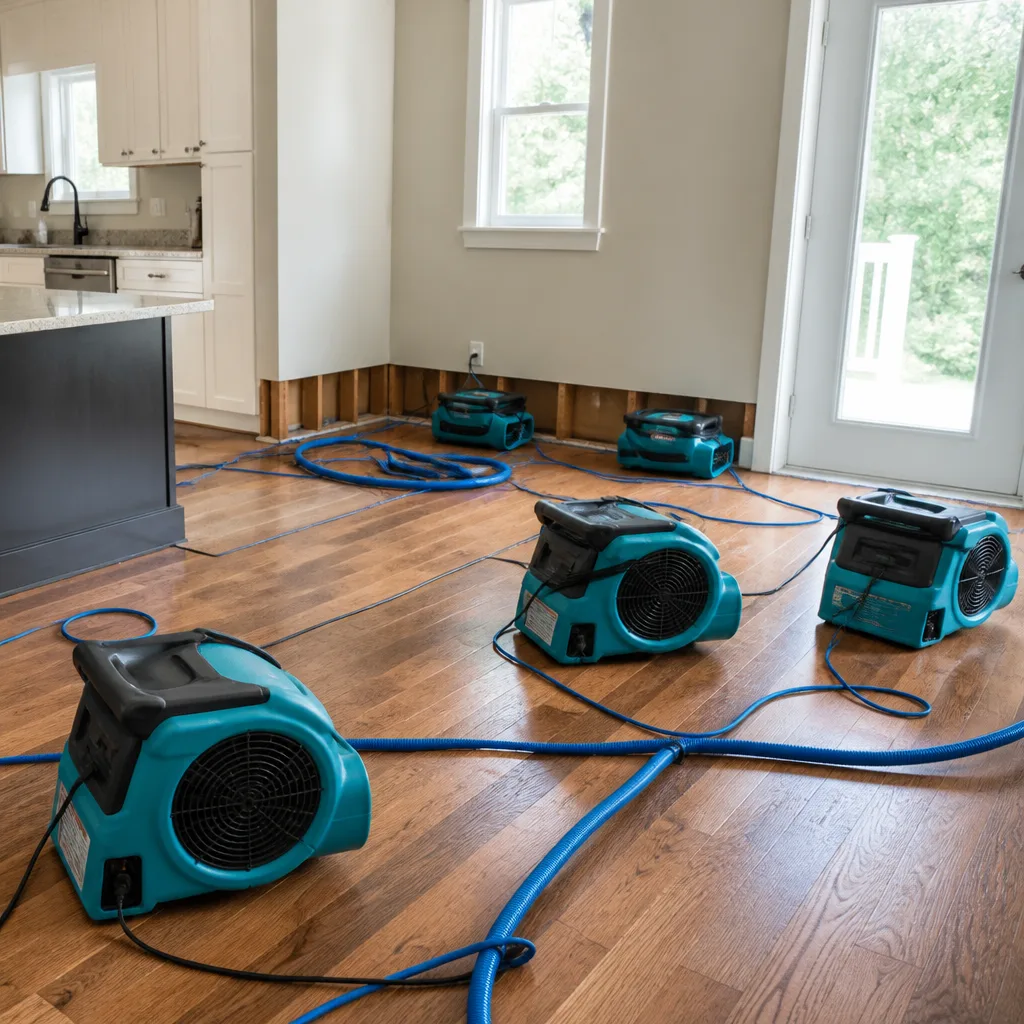
Dri-Eaz dehumidifiers and XPOWER air movers run continuously, with daily moisture readings logged by hand. Every day we check the numbers, and at the end you get the full log. Almost nobody in this trade does that.
Cleaning & Sanitization
Sanitization Services in Flushing include antimicrobial treatment on every surface the Category 3 water touched, including the framing behind the drywall we cut away. HEPA air scrubbers run during the entire process to capture pathogens before they settle.
Specialty Treatment
In our Flushing service area‘s below-grade basements, we pay particular attention to floor drains and the trap seals. If the drains back up during rain, they’re the reason the basement flooded before the curb ever overtopped. We test them under load when possible.
Repairs & Restoration
New drywall, new baseboards, new flooring if needed. We handle our Reconstruction & Cleanup in Flushing in house, so the person who knows what that corner looked like before the loss is the same person rebuilding it after.
Need Emergency Sewage Cleanup in Flushing Now?
Crews minutes away, answering live 24 hours a day. The sooner we start, the less it costs.
Working With Your Insurance Company
Insurance handles sewage cleanup in Flushing, but how the claim is documented in the first 48 hours decides whether you’re made whole or left holding a deductible-sized surprise. We photograph every room, log every moisture reading, and write a line-item scope that matches the industry standard your carrier expects. Then we talk to the adjuster directly, so the person who wrote the policy and the person who pulled the sewage are on the same page. Wade has been doing this since 2007, and the pattern is the same: insurance pays for what’s documented, not what’s remembered.
What We Provide Your Insurer
- Thorough documentation of the loss
- Photos of all damage, room by room
- Moisture readings and drying logs
- A detailed, line-item scope of work
- Direct coordination with your carrier
Built for Flushing’s Loss Calendar
Sewage losses in Flushing follow a seasonal rhythm that anyone who’s owned property here long enough recognizes. January deep freezes snap aging supply lines in 1920s row houses, and the thaw sets off a slow leak into the basement that nobody notices until the drain backs up from the added load. Spring brings the Flushing Creek basin’s stormwater down through the neighborhood, and the floor drains in below-grade basements on the Main Street corridor start gurgling before the street flooding is even visible. Summer thunderstorms drop an inch of rain in 30 minutes, and the combined storm and sanitary system can’t handle it, so basements at the bottom of the grade take the overflow first. Nor’easters in the fall push Flushing Bay water up into the creek, and properties near the waterfront see sewage mixed with brackish surge, same as Hurricane Sandy. Flushing’s housing stock was built before backwater valves were standard, which means the loss calendar repeats every year. We plan for it, and we’re ready when it hits.
Sewage Cleanup Across Flushing’s Neighborhoods
Flushing isn’t one neighborhood; it’s a mosaic of building types and drainage patterns, and the work changes block by block. Along Main Street and College Point Boulevard, the mixed-use buildings sit below street grade, and a sewage backup in a storefront usually means the residential unit above or behind it is wet too. The alleys are tight, so we work with compact extraction equipment that fits through doorways a national franchise’s truck-mount can’t reach. Over in East Flushing, the 1950s semi-detached brick homes have finished basements that were never waterproofed to today’s standard, and decades of cast-iron drain stacks means cracks are common, so a backup in one basement rarely stays in one basement. In Murray Hill, the split-levels and older single-family homes near the LIRR tracks sit on slightly higher ground, but the storm drain system still backs into basements during heavy rain because the trunk line runs downhill toward the creek. Downtown Flushing around Roosevelt Avenue and the 7 train has the 1990s-2000s condo towers, and a sewage failure there comes with the added complication of building maintenance agreements and shared riser lines. Every one of these areas gets a response plan that matches its specific layout, not a generic playbook.
Specialized Sewage Cleanup Services We Offer in Flushing
Sewage Backup Cleanup
This is the most common call we get in Flushing’s attached row houses. A waste stack clogs or a storm drain overflows, and raw sewage pushes up through the basement floor drain. We extract, sanitize, and dry the space, then scope the adjacent unit’s party wall before we call it done. Because in a shared-brick building, the smell in your basement might mean water in your neighbor’s.
Black Water Extraction
Category 3 water needs more than a wet vac. We use truck-mounted and submersible extraction running at full capacity, then apply antimicrobial treatment to every porous surface the water touched. Drywall, baseboards, and carpet pad on a black water loss get cut out, not dried. That’s the S500 standard, and we don’t bend it.
Toilet Overflow Cleanup
A toilet overflow that runs for an hour can send contaminated water through the bathroom floor and into the ceiling below. In Flushing’s two- and three-family homes, that means water in the rental unit’s kitchen by the time anyone notices. We extract, contain, and sanitize, and we check the joist bays with a moisture meter to make sure the loss didn’t travel.
Septic Failure Cleanup
Flushing has pockets of older single-family homes that still run on private septic, and when a field bed fails, the basement is usually the first place it shows up. The sewage seeps up through the slab or backs up through the main line, and it’s a slow, hidden problem until the moisture meter says otherwise. We handle the cleanup and coordinate with your septic contractor so the fix and the restoration don’t work against each other.
Sanitization & Disinfection
After the water’s gone, the pathogens stay. Sewage carries E. coli, hepatitis, and a list of organisms nobody wants named in their kitchen. We apply hospital-grade disinfectants to the structural framing and run HEPA air scrubbers during the entire process, then verify with post-remediation moisture readings. This is the difference between a flooded basement that smells fine for a month and one that’s actually safe.
Crawl Space Sewage Removal
A sewage line running through a crawl space under a Flushing brick row house can crack and leak for weeks before anyone checks. Standing black water in a dark, tight space breeds mold fast and compromises the joists from below. We pump it out, remove the contaminated insulation and debris, sanitize the framing, and dry the space properly. It’s dirty, cramped work, and we’ve never once tried to talk a homeowner out of doing it right.
What happens when you call
- 1
A real person answersNo phone trees - you reach a local pro.
- 2
You get an upfront price rangeHonest numbers before anyone is dispatched.
- 3
A background-checked tech heads outLicensed & insured, dispatched right away.
- 4
You approve before work beginsNothing starts until you say go.
Sewage Cleanup Costs in Flushing, NY
A typical sewage backup cleanup in Flushing runs between $2,500 and $7,500 for a single finished basement, including extraction, sanitization, drying, and basic drywall replacement. If the loss has wicked into an adjacent attached unit, the combined claim typically lands between $5,000 and $14,000. A simple toilet overflow contained to one bathroom usually starts around $1,200 to $2,800. Crawl space sewage removal in a brick row house runs $3,000 to $8,000 depending on access and how much contaminated insulation must come out. The things that move the price in Flushing specifically: whether the party wall is saturated, whether the floor drains back up during rain, and whether the basement is finished or raw. Insurance covers most Category 3 sewage losses under standard homeowners policies, but the deductible is yours. The free visual inspection Wade does before any work starts gives you a firm scope and a number in writing, so there’s no phone quote that changes when the crew arrives.
We Also Serve Cities Near Flushing
Our crews run sewage cleanup calls in Astoria and Long Island City as well, where the attached housing stock and below-grade conversions create the same lateral loss patterns. If you’re just outside Flushing, call and ask. No trip charge inside the county, and the free second opinion on any written estimate applies no matter where the loss is.
Serving Flushing, NY - Our Local Coverage Area
We’re based in the Flushing area and know this community well. Use the map below to see our service coverage - if you’re nearby, we can almost certainly help.
Flushing Sewage Cleanup Questions, Answered
How fast can mold start in a Flushing attached row house basement after a sewage backup?
Mold starts in 24 to 48 hours in a sewage-saturated basement, and in Flushing’s attached brick row houses with finished basements and shared party walls, it starts faster because the moisture sits trapped behind drywall with no airflow. If the loss happened more than a day ago, assume mold is already growing and we’ll treat with antimicrobials during extraction. Call (363) 208-1526 for a free inspection, and we’ll tell you exactly what you’re looking at.
Will my neighbor’s basement be affected if my sewage backs up in a Flushing attached home?
In Flushing’s attached brick row houses, yes, this happens more often than not. The shared party wall wicks moisture laterally, and if your neighbor has a finished basement below grade, the water can reach their space within 48 hours. We scope both adjacent units before writing the estimate, because finding the hidden secondary loss early saves both property owners from a second claim.
Do you need special access to clean sewage out of a below-grade basement in the Main Street corridor?
For Flushing Commercial Restoration in the Main Street-College Point Boulevard triangle, the tight alleys and below-grade storefronts below the street line mean standard truck-mount equipment can’t always reach the doorway. We run compact extraction units with hoses that snake through narrow walkways, and our techs know the frontage layouts by block. The access constraints don’t change the price; they change the equipment we bring.
What kind of water is considered ‘black water’ in a Flushing sewage cleanup?
Black water, or Category 3 water, is any water that contains human waste, raw sewage, or material from an overflowing toilet or sewer line. In Flushing, this includes the storm surge that pushes up through floor drains near Flushing Creek, because it carries sewage mixed with brackish water. Category 3 water requires full extraction, antimicrobial treatment, and removal of porous materials. Category 1 and 2 can sometimes be dried in place.
Can you clean up sewage from the crawl space under a Flushing brick row house?
Yes, and it’s one of the more common jobs we do in Flushing’s older brick row houses with crawl foundations. We pump out the standing black water, remove the contaminated insulation and debris, sanitize the framing, and dry the space with dehumidifiers and air movers running on a low profile. The access is tight, the work is dirty, and we bring the right equipment for it.
How fast can someone actually get to a Flushing property after I call?
We commit to a 45-minute response for sewage cleanup calls in Flushing, and on most blocks in the Main Street corridor and East Flushing, the crew is on site within the hour. Wade answers the phone himself and heads out when you call. At 3 a.m. on a Sunday, you’ll still get the owner, not a call center.
Will my insurance cover sewage cleanup in Flushing?
Most standard homeowners policies in Flushing cover sewage cleanup under the water damage provisions, but the deductible applies and some policies cap sewage backup coverage. The key is documentation: photos, moisture logs, and a line-item scope. We provide all of that directly to your adjuster and coordinate with them throughout the claim.
What should I do in the first 30 minutes after a sewage backup in Flushing?
Turn off the water main if the backup is from a plumbing failure, shut off electricity to the affected area if the water is near outlets or appliances, and don’t walk through the sewage if you can avoid it. Open a window for ventilation if it’s safe. Then call (363) 208-1526. The first 30 minutes determines whether this is a one-basement cleanup or a three-unit restoration.
Written by Wade Ferris, Owner at Wade’s Restoration, serving Flushing, NY. Wade founded the company in 2007 and still answers his own phone.