
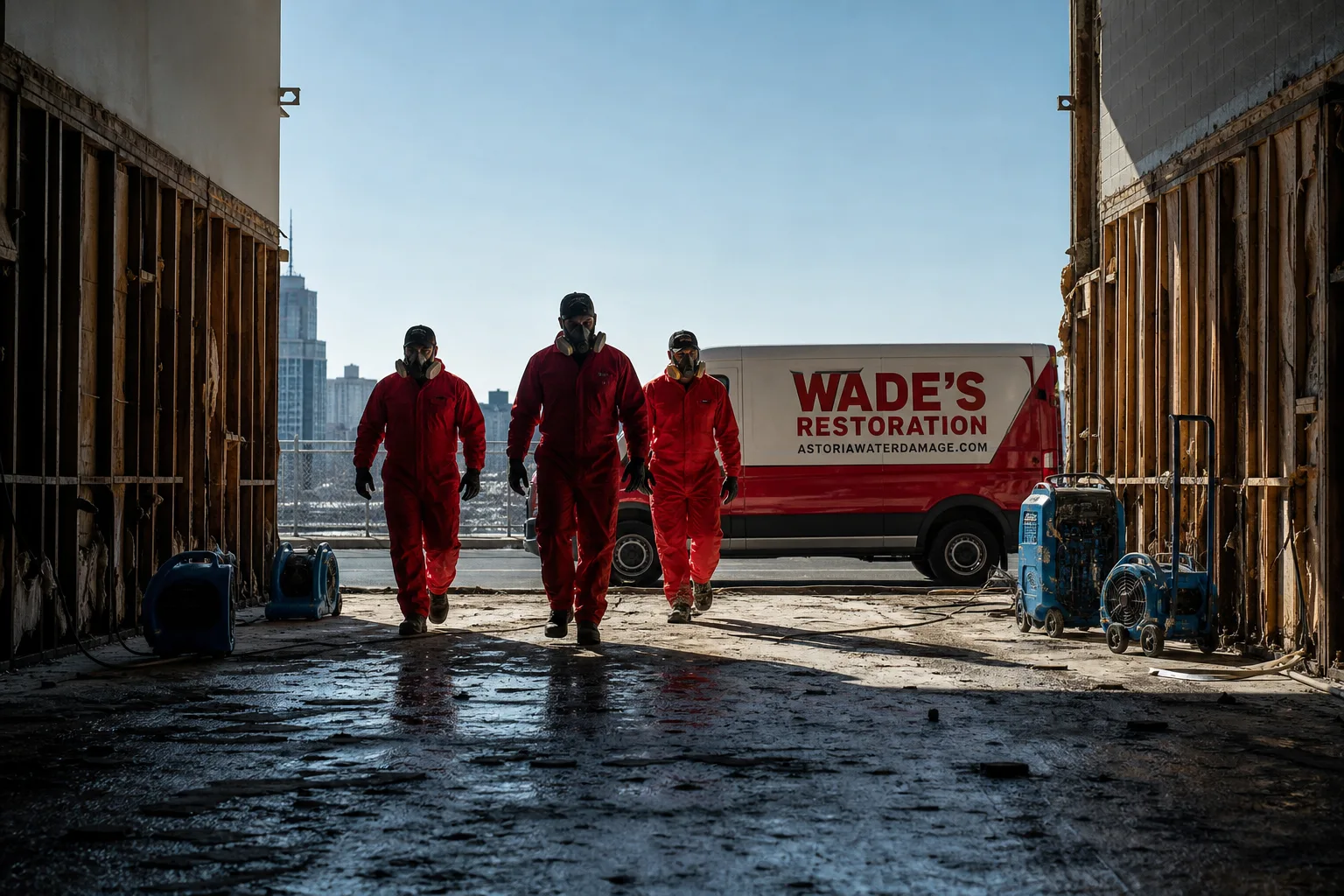
Free visual inspection and a written scope of work before any mitigation begins - photos, moisture readings, and drying logs go in your claim file
The scope we write is the scope we bill. Anything new gets shown to you, in writing, before we touch it.
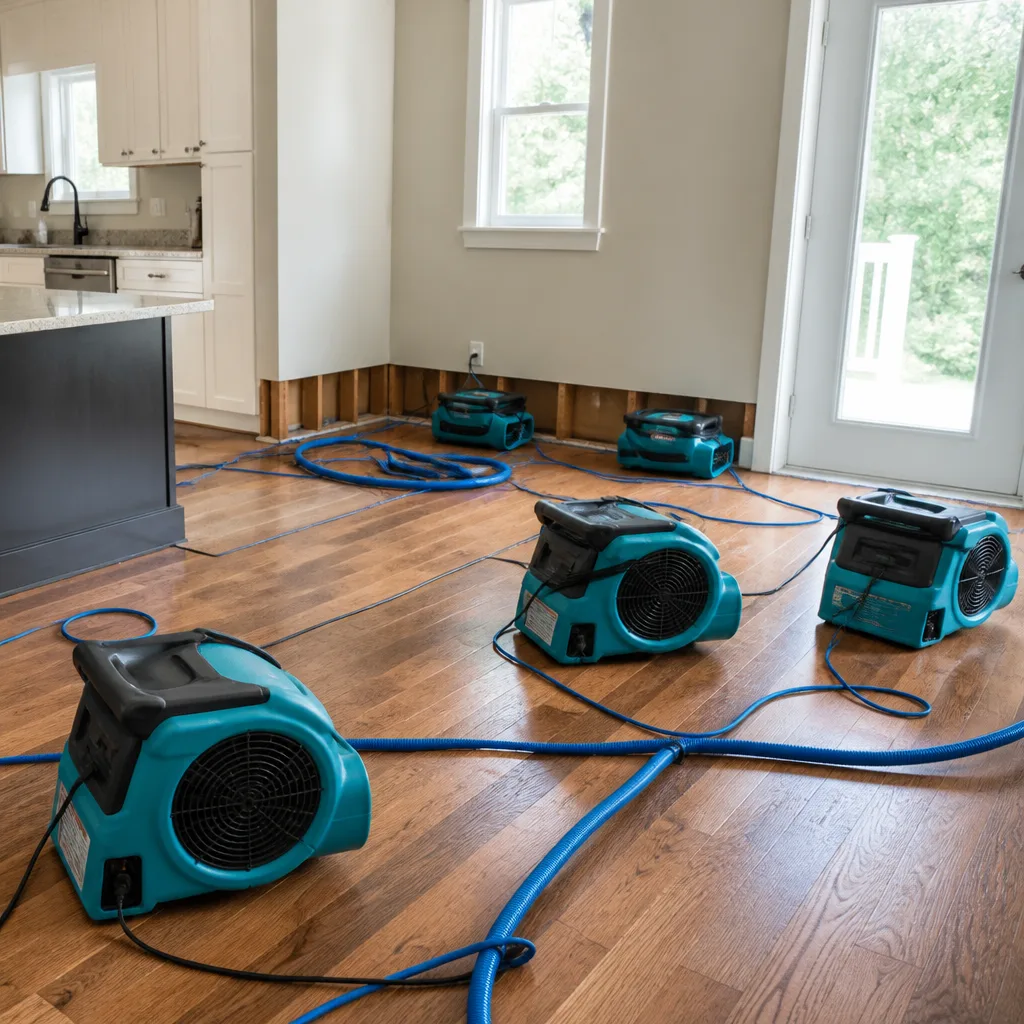
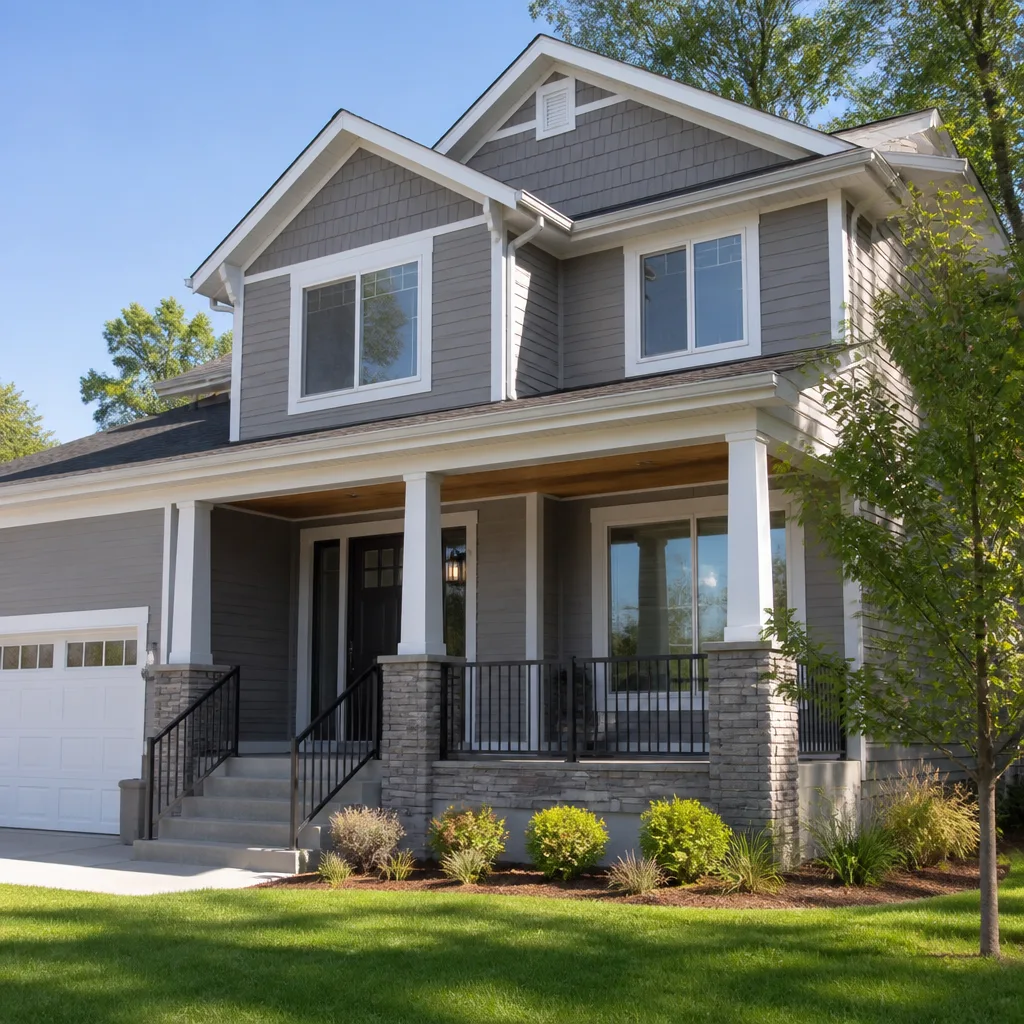
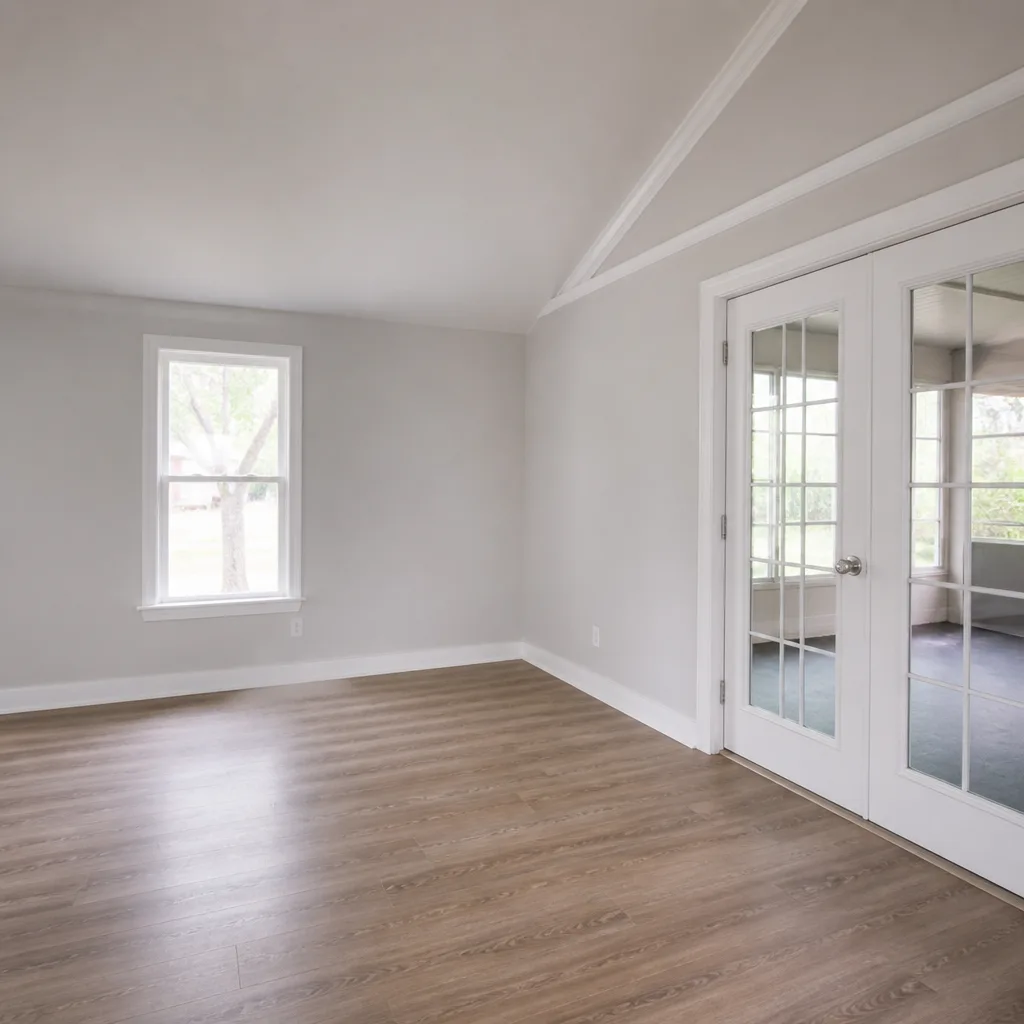
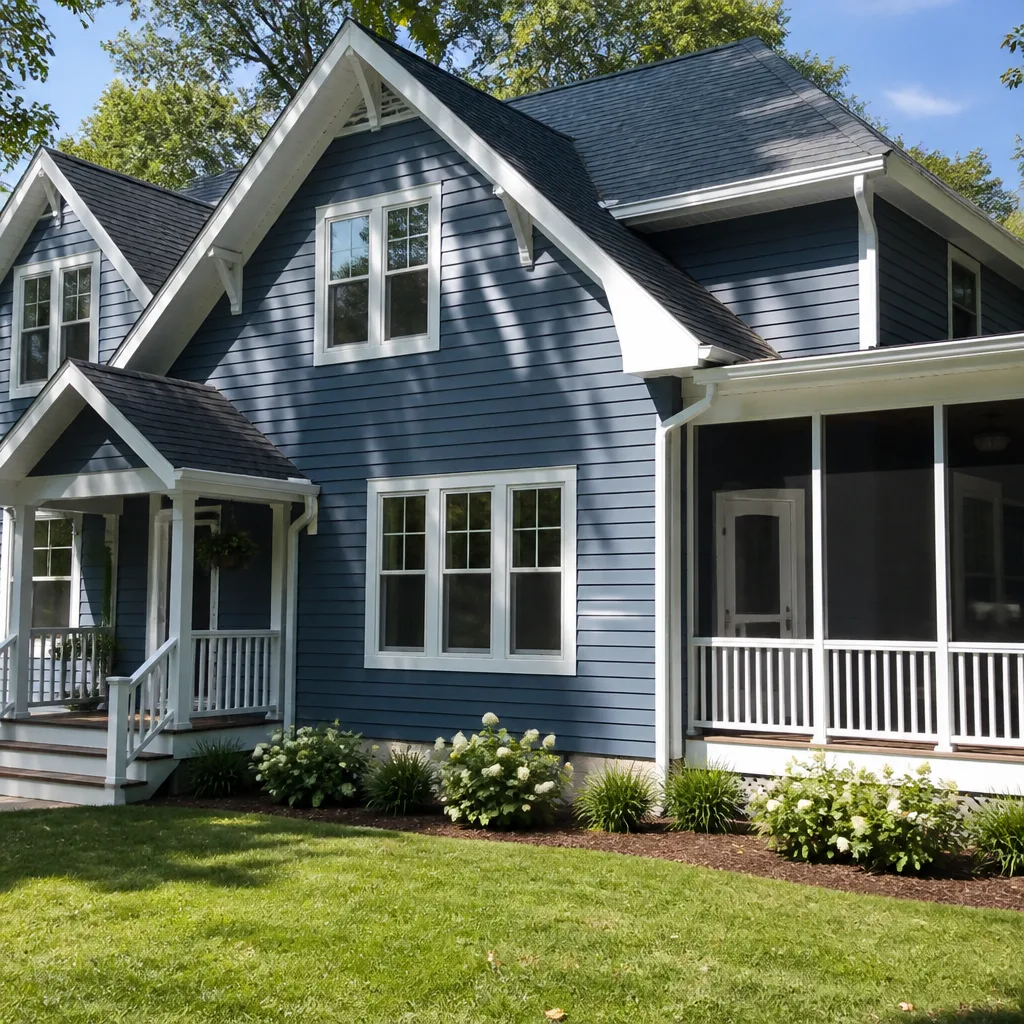
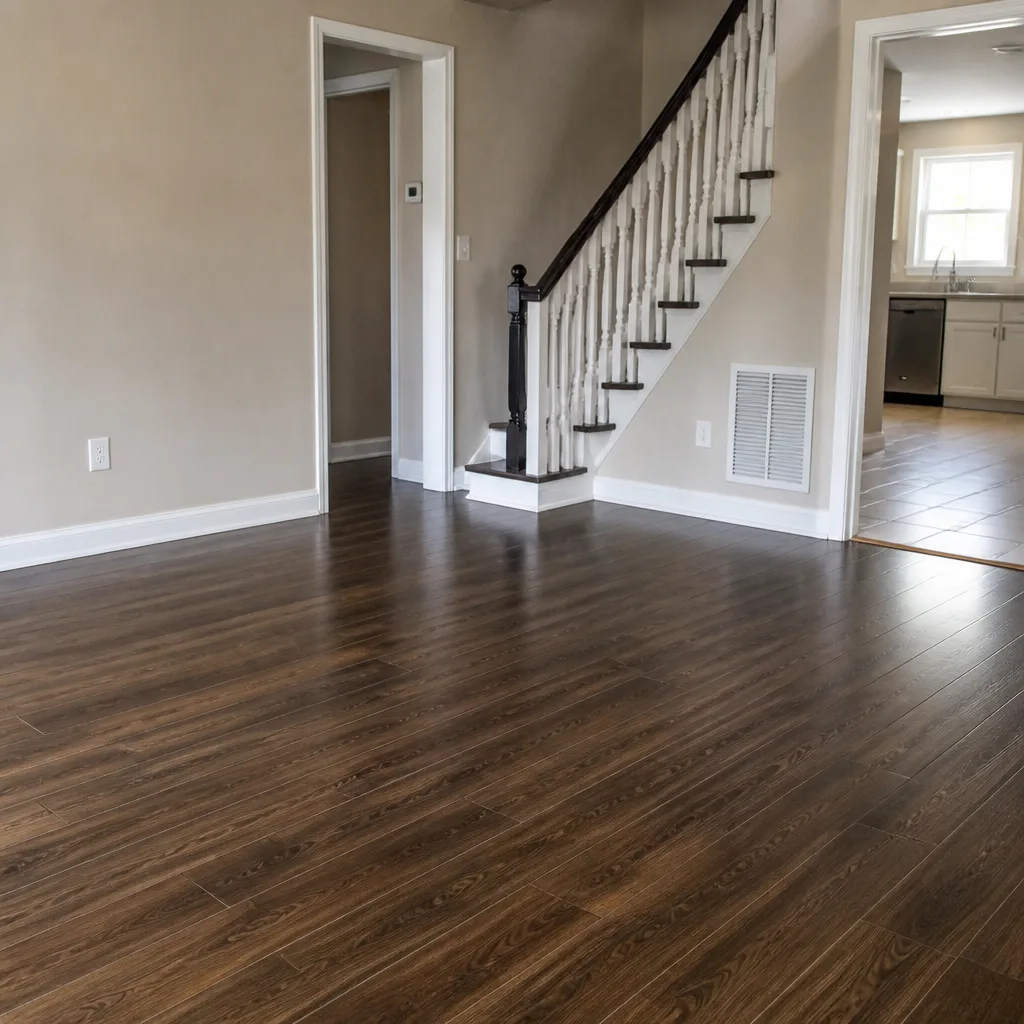
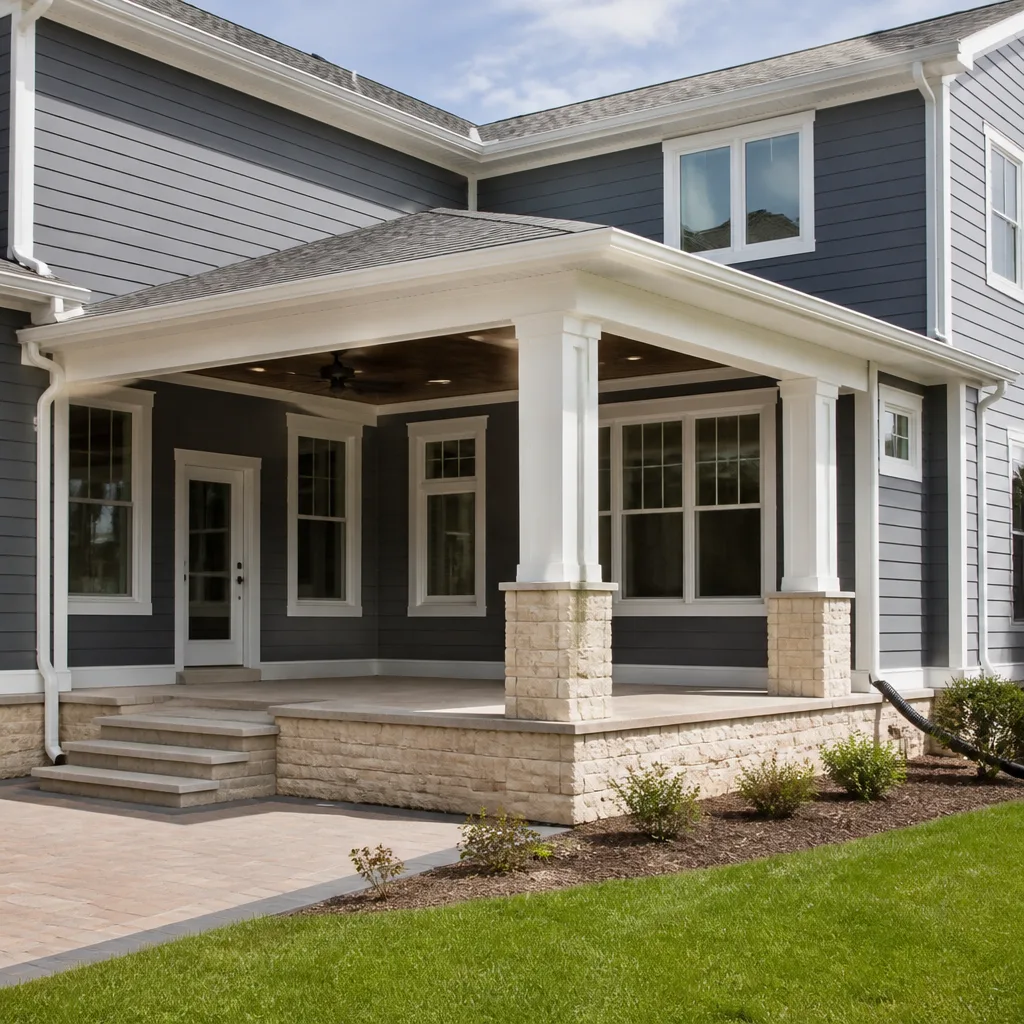
 Before
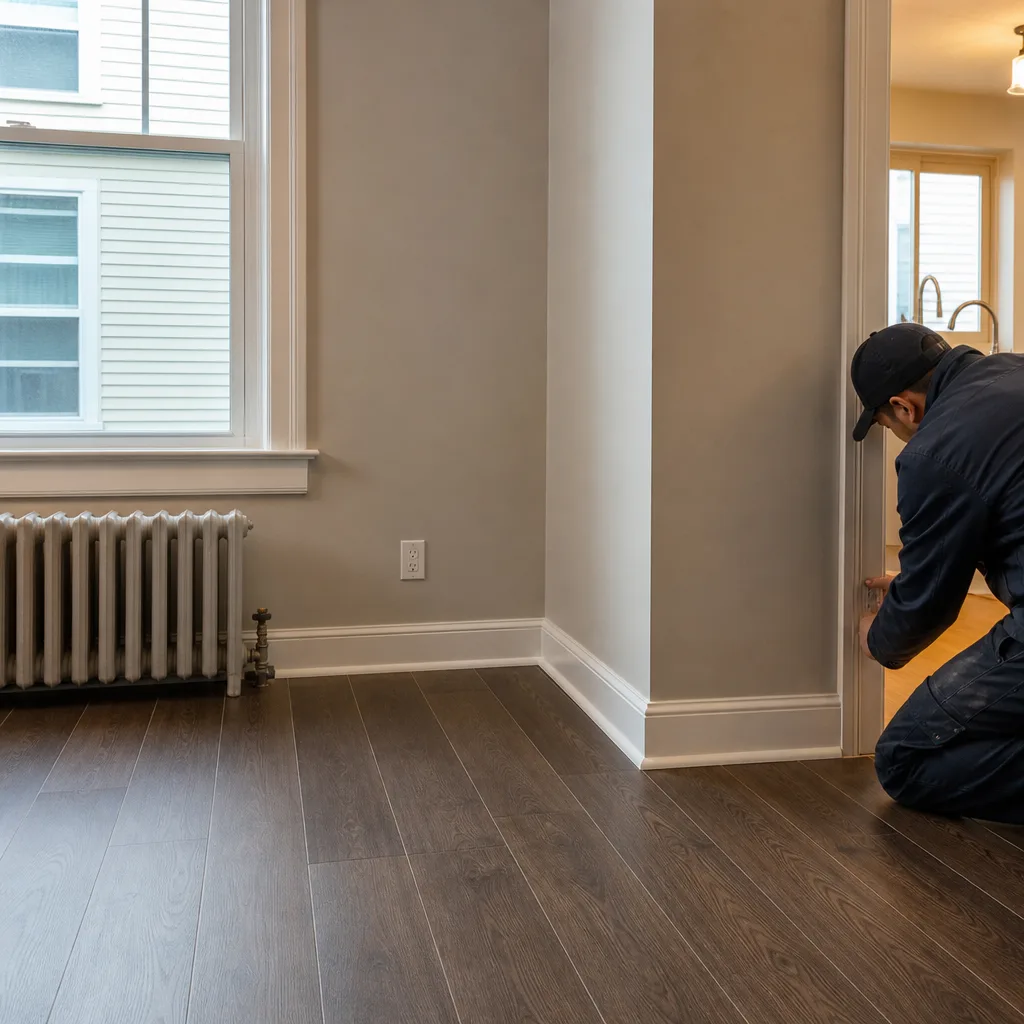 After
After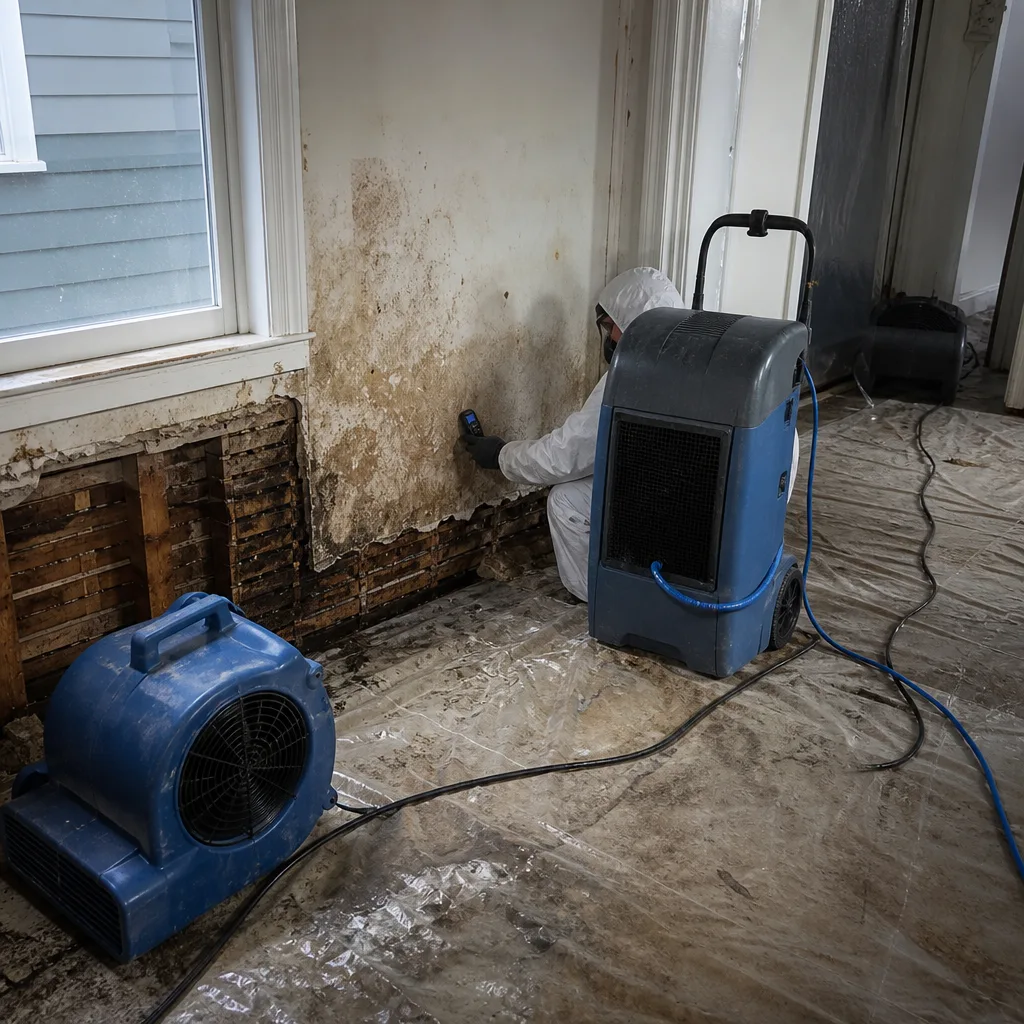 Before
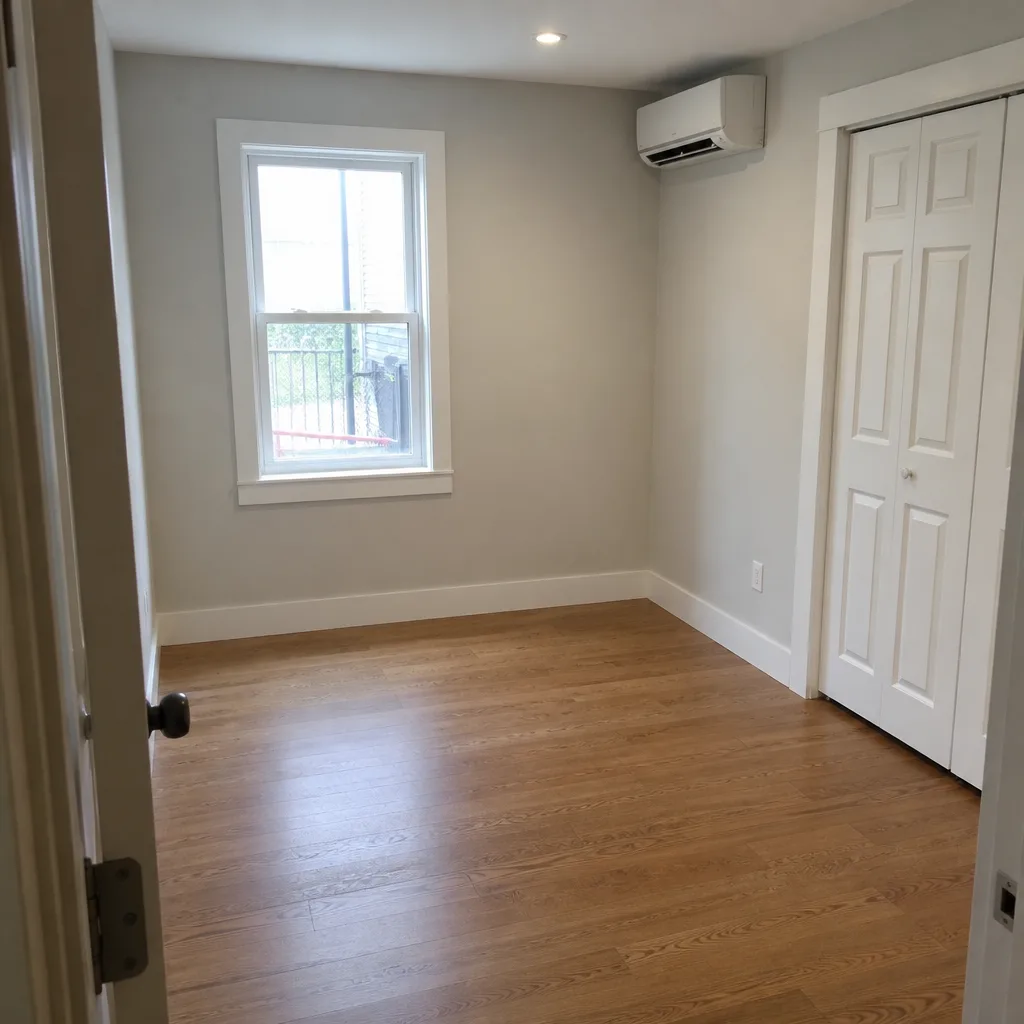 After
After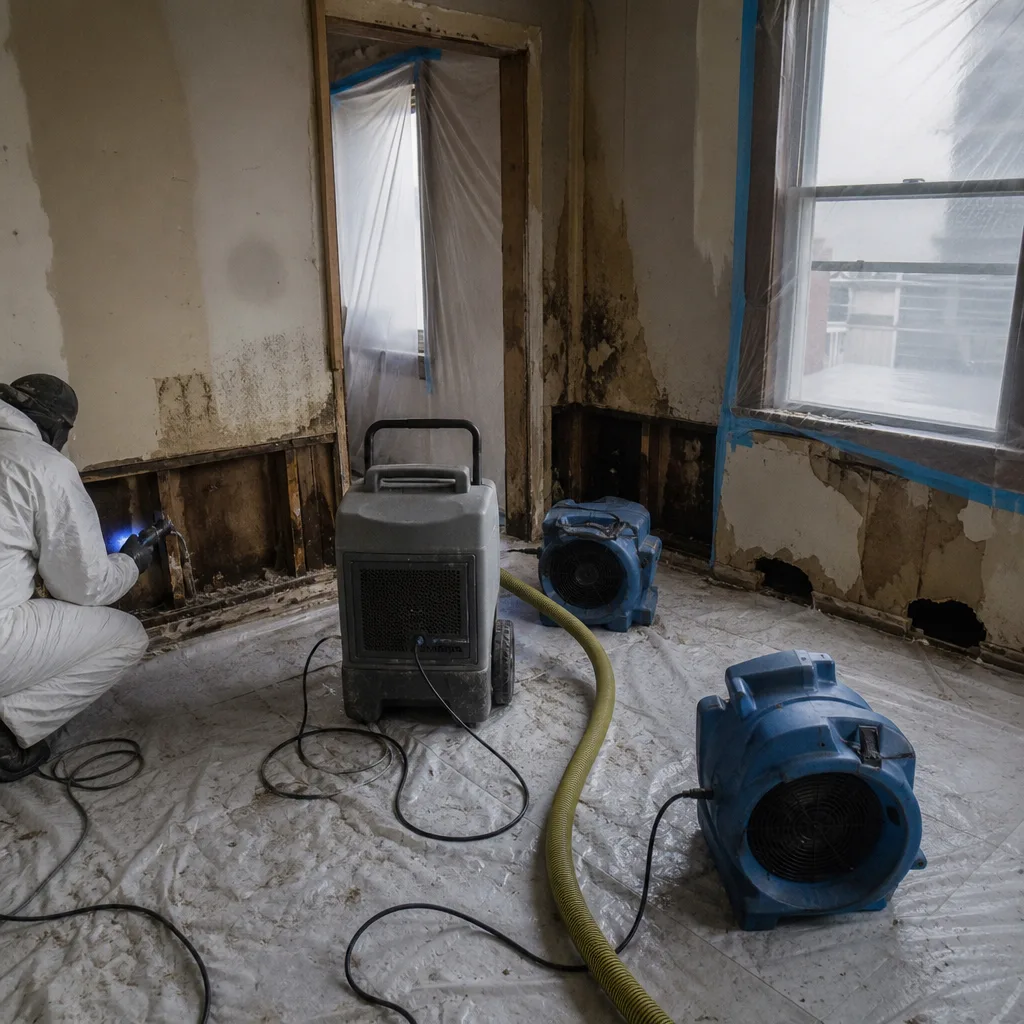 Before
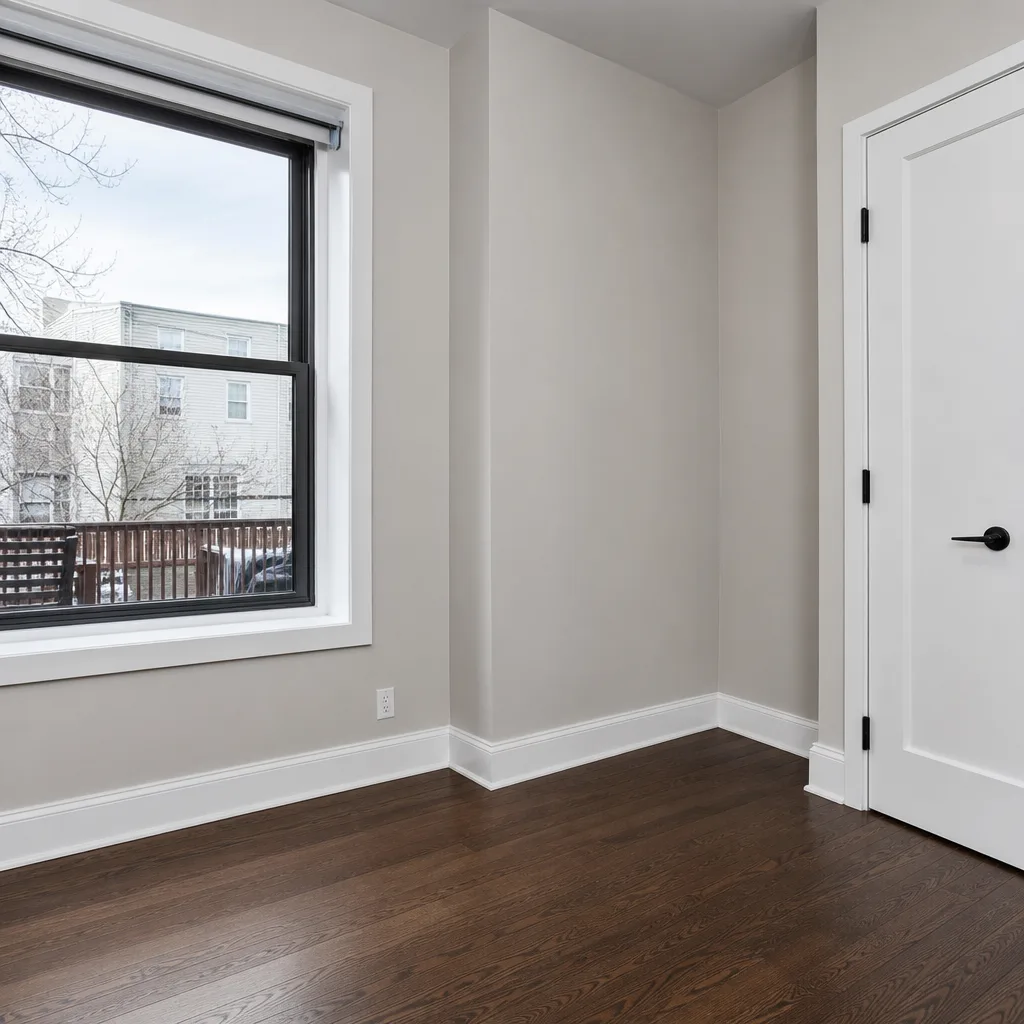 After
After24/7 Emergency Reconstruction & Cleanup in Financial District
When a pipe lets go on the 14th floor of a converted Beaux-Arts office tower or a nor’easter pushes harbor water into a sub-basement off Water Street, you need a crew that knows this neighborhood’s buildings before they walk through the door. Our Reconstruction & Cleanup team answers live around the clock, with crews staged near Financial District ready to move. Call (363) 208-1526 and a real person picks up, not a voicemail tree. The first hour in a salt-air, flood-zone building matters more here than almost anywhere else in the metro: saline moisture starts wicking into masonry and corroding metal fasteners immediately, and every hour of delay widens the scope of what has to be torn out and rebuilt.
Wade Ferris started this company in 2007 because he got tired of watching homeowners get quoted one price over the phone and another at the door. We still operate the same way: free visual inspection, a written scope before any work starts, and the 90-Day Done Right Promise in writing. If it’s not done right, we make it right.
Understanding Reconstruction & Cleanup Severity in Financial District Properties
Financial District’s residential stock isn’t like the rest of Manhattan. Most of the homes here are carved out of late-19th- and early-20th-century commercial buildings: cast-iron frames, thick masonry bearing walls, and deep multi-level sub-basements that sit at or below sea level. That changes everything about how damage spreads. A pipe burst on an upper floor of a 1912 loft conversion doesn’t just flood one unit. Water follows the original drain lines, steam riser chases, and abandoned elevator shafts down through multiple floors, saturating plaster, hardwood, and the concrete slab below before anyone notices.
We classify water damage by category and class on every job. Category 1 is clean supply water. Category 2 carries contaminants. Category 3, what we see after a sewage backup or a storm surge through Battery Park, includes pathogenic material that requires full containment, antimicrobial treatment, and disposal of porous finishes. Saltwater is its own complication. It’s conductive, so it accelerates corrosion in electrical systems and metal framing while it’s wet. Then it crystallizes inside masonry as the surface dries, forming efflorescence that continuously draws atmospheric moisture and re-wets walls from the inside. Standard drying checklists written for freshwater losses fail here. We moisture-map with thermal imaging and hygrometers, but in FiDi we also order masonry salt assays before we sign off on a dry-out.
Why Financial District Property Owners Choose Wade’s Restoration
- 45-minute response commitment to Financial District: We stage crews near the neighborhood so when a sub-basement sump fails at 2 a.m., someone is actually on the way, not “dispatching” from a call center three states over.
- 24/7 live answer, never an automated system: Wade answers his own phone. You’ll hear his voice, not a menu. Every hour of the night, every day of the year.
- IICRC-certified crews with WRT, FSRT, and AMRT credentials: Water damage restoration, fire and smoke, and applied microbial remediation. These aren’t janitors with mops; they’re trained to map moisture, contain mold, and rebuild to code.
- Free visual inspection, no trip charge inside our county: We come out, we look, we tell you straight up what’s needed and what isn’t. No charge for that.
- Direct insurance billing and adjuster coordination: Wade deals with your carrier directly so you’re not stuck relaying information between two sides. We hand you the same documentation we hand the insurer.
- One team from extraction to reconstruction: You don’t get a mitigation crew that leaves and a builder who shows up weeks later. The same people who dry your building rebuild it. That continuity saves money and mistakes.
Our Reconstruction & Cleanup Process
Inspection & Assessment
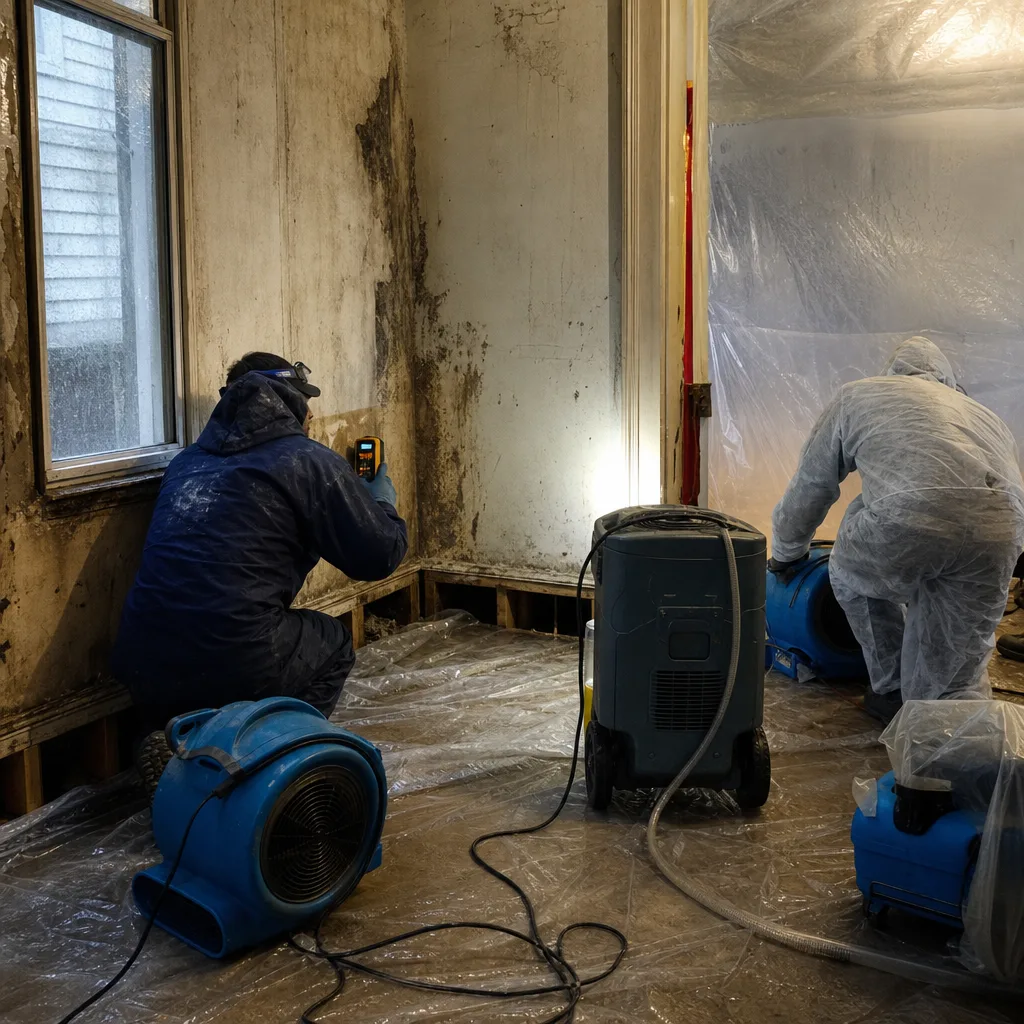
We start with a full walkthrough. Thermal imaging cameras find water inside walls and ceilings that looks dry on the surface. Moisture meters give us baseline readings. In converted FiDi towers, we map how many floors the water traveled, not just where it pooled. You get a written scope before any work begins.
Extraction & Stabilization
We pull standing water with truck-mounted extractors and submersible pumps rated for deep sub-basements. Damaged drywall, insulation, and flooring get removed to expose the framing. We stabilize anything that’s about to fail: sagging plaster ceilings, compromised floor joists, corroded mechanical connections.
Drying & Dehumidification
Professional-grade Dri-Eaz and Phoenix air movers and LGR dehumidifiers go in, sized to the cubic footage of the space, not a guess. In Coastal Lower Manhattan buildings with masonry walls, we run longer than standard protocols and take daily readings. You get the full moisture log at the end of the job.
Cleaning & Sanitization
HEPA air scrubbers run during the entire process to pull mold spores and particulates from the air. Surfaces get treated with antimicrobial agents appropriate to the contamination level. Soft goods and salvageable contents get packed out for off-site cleaning and storage.
Salt & Corrosion Treatment
This step is specific to financial district and coastal Lower Manhattan work. We test masonry for salt crystallization, neutralize what’s present, and replace corroded hardware with galvanized coated springs, stainless fasteners, and nylon rollers that won’t fail from harbor air.
Repairs & Restoration
Drywall goes back up, flooring gets replaced, trim and millwork get matched to the building’s era. We rebuild to NYC’s post-Sandy Local Law flood-proofing and moisture-barrier compliance requirements. When we’re done, it’s hard to tell anything happened. That’s the point.
Need Emergency Reconstruction & Cleanup in Financial District Now?
Crews minutes away, answering live 24 hours a day. The sooner we start, the less it costs.
Working With Your Insurance Company
Insurance in Financial District is rarely a simple homeowner’s policy. Most buildings here sit within FEMA Flood Zone AE, which means flood damage goes through NFIP claims, not standard carriers. Post-Sandy Local Law compliance requirements add another layer. We’ve handled hundreds of these claims and we know exactly what adjusters and NFIP reviewers need to see. We document from the first hour: photos of every room, moisture readings, salt assay results, and line-item scopes that speak insurance-claims language. Wade talks to your adjuster directly, so you’re never the middleman relaying technical questions you shouldn’t have to answer.
What We Provide Your Insurer
- Thorough documentation of the loss
- Photos of all damage, room by room
- Moisture readings and drying logs
- A detailed, line-item scope of work
- Direct coordination with your carrier
Built for Financial District’s Loss Calendar
January and February are frozen-pipe months in Financial District. Converted pre-war buildings have original supply lines running through uninsulated exterior walls and slab penetrations; when the temperature drops below 20°F for a few days, those lines let go. We’ve seen a single freeze split a riser and flood a dozen floors before anyone above the third story noticed water pressure drop.
March and April bring thaw cycles and heavy rain. The sub-basements below sea level start seeping as the water table rises, and sump pumps fail under the load. Summer thunderstorms dump inches in an hour, overwhelming roof drains on flat-topped loft buildings. Then comes hurricane and nor’easter season, from August through December, when storm surge off New York Harbor becomes the defining risk. Sandy’s 14-foot surge at the Battery is the reference point every long-time FiDi resident knows. We plan our seasonal readiness around these patterns so crews and equipment are positioned before the call comes in.
Reconstruction & Cleanup Across Financial District’s Neighborhoods
The Financial District covers a compact area, but the building stock shifts block by block. Along Pearl Street and Stone Street, the old mercantile buildings have narrow street frontages and deep, dark sub-basements that stay humid year-round; those basements are where we see chronic salt-efflorescence problems and musty drywall that never dries on its own. Around Wall Street and Broad Street, the towers are newer on the outside but the conversion-era mechanical cores are original; water events there cascade through steam riser chases that cross multiple floors. The South Street Seaport side deals with storm surge first, and the historic wood-and-masonry buildings need specialized drying to avoid warping original timber. Over by Battery Park, buildings face open harbor air from three sides, and we see the highest corrosion rates on exterior hardware and basement mechanical rooms. Maiden Lane‘s cast-iron loft conversions have the most dramatic multi-floor water cascades because the floor plates are open and the old elevator bulkheads channel water straight down.
Specialized Reconstruction & Cleanup Services We Offer in Financial District
Full-Service Reconstruction
Full-Service Reconstruction in Financial District means matching finishes to buildings from 1880 through 1940. We replace lath-and-plaster walls with code-compliant assemblies, match hardwood species and stain, and rebuild sub-basements with proper flood-resistant materials. When the reconstruction touches a residential unit in a FiDi tower, we coordinate with building management on freight elevator times, noise rules, and insurance certificates.
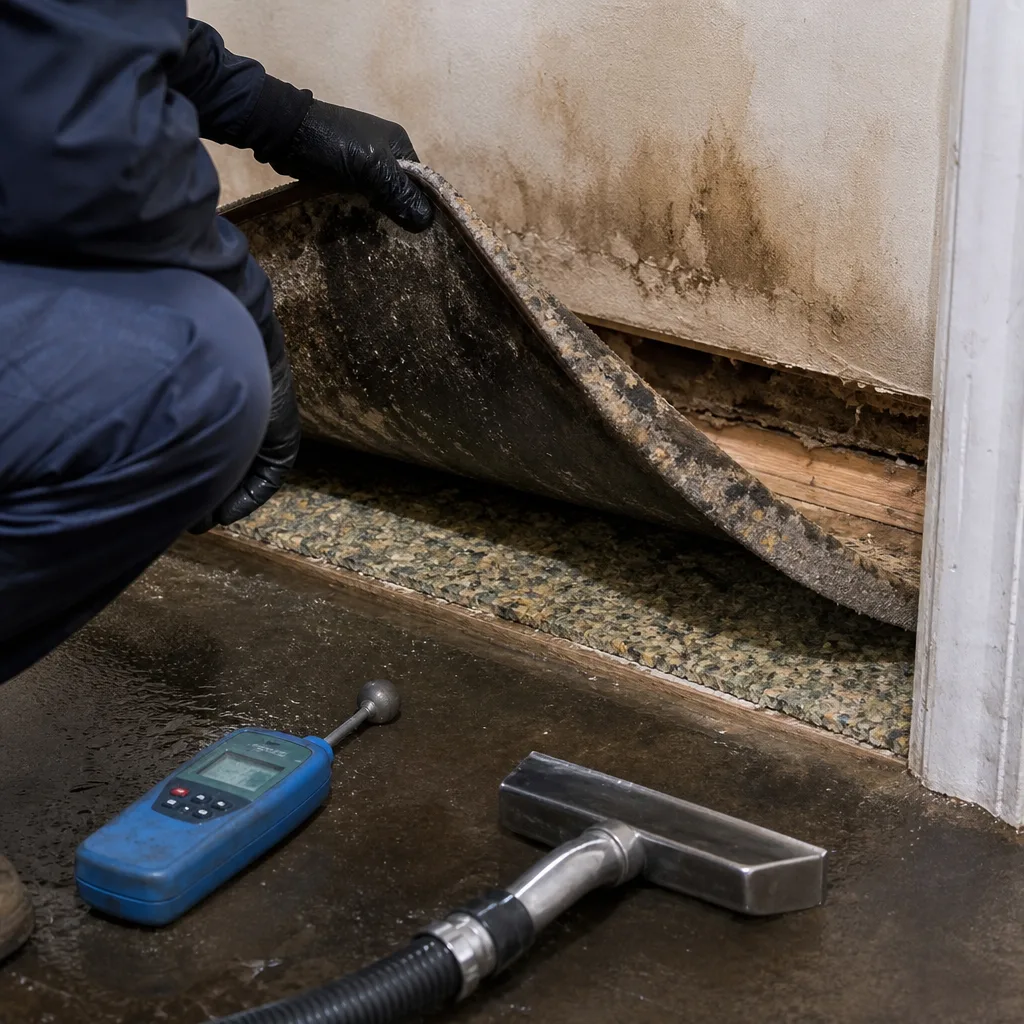
Contents Restoration & Pack-Out
Many Financial District residents live in smaller units with built-in storage that gets soaked when adjacent neighbors have a loss. We pack out what’s salvageable, clean it off-site, store it in climate-controlled space, and bring it back when reconstruction is done. For electronics and documents, we use specialized drying and cleaning that preserves what standard cleaning would destroy.
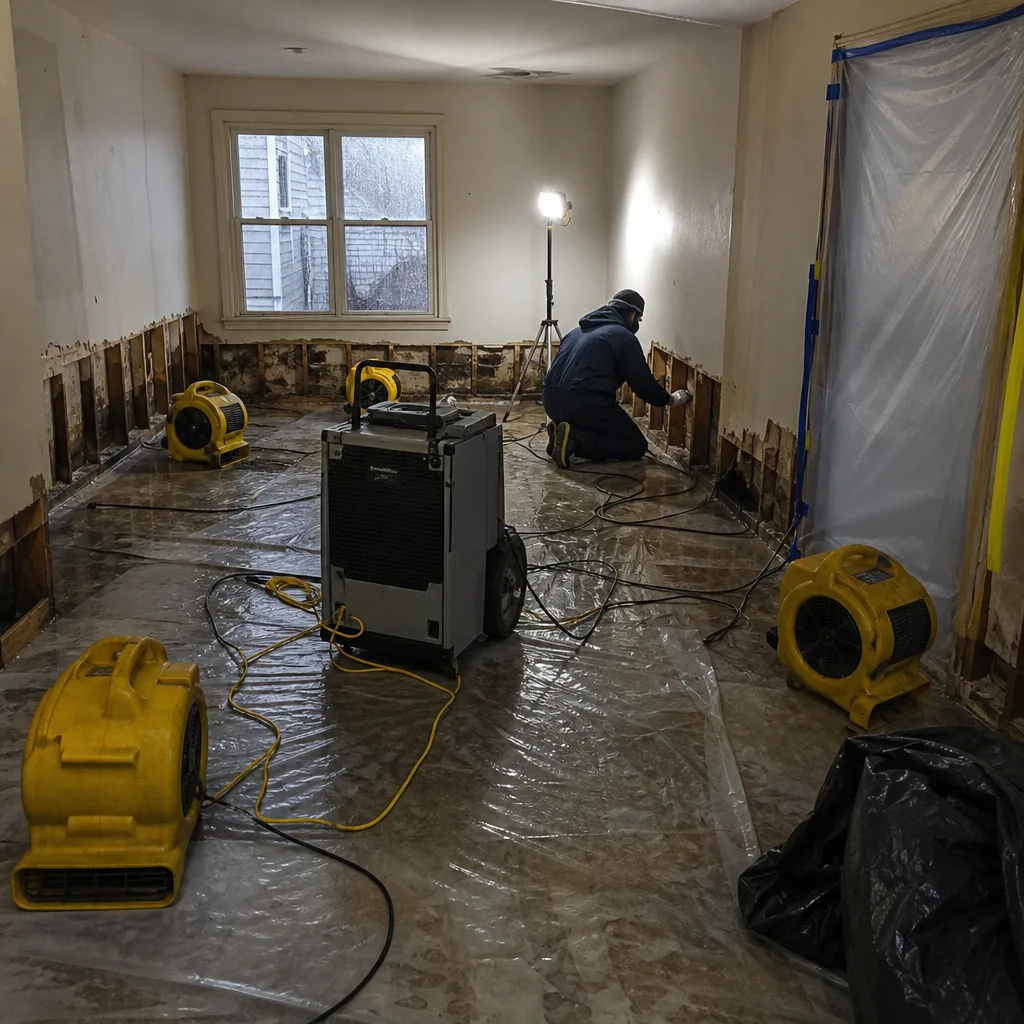
Insurance Claim Documentation
This is the strongest reason to call us before you call your carrier. We produce the moisture maps, the salt assays, the line-item scopes, and the photographic record that NFIP and standard adjusters require in Financial District. Wade deals with your adjuster directly. You get a copy of everything, so nothing is hidden on either side.
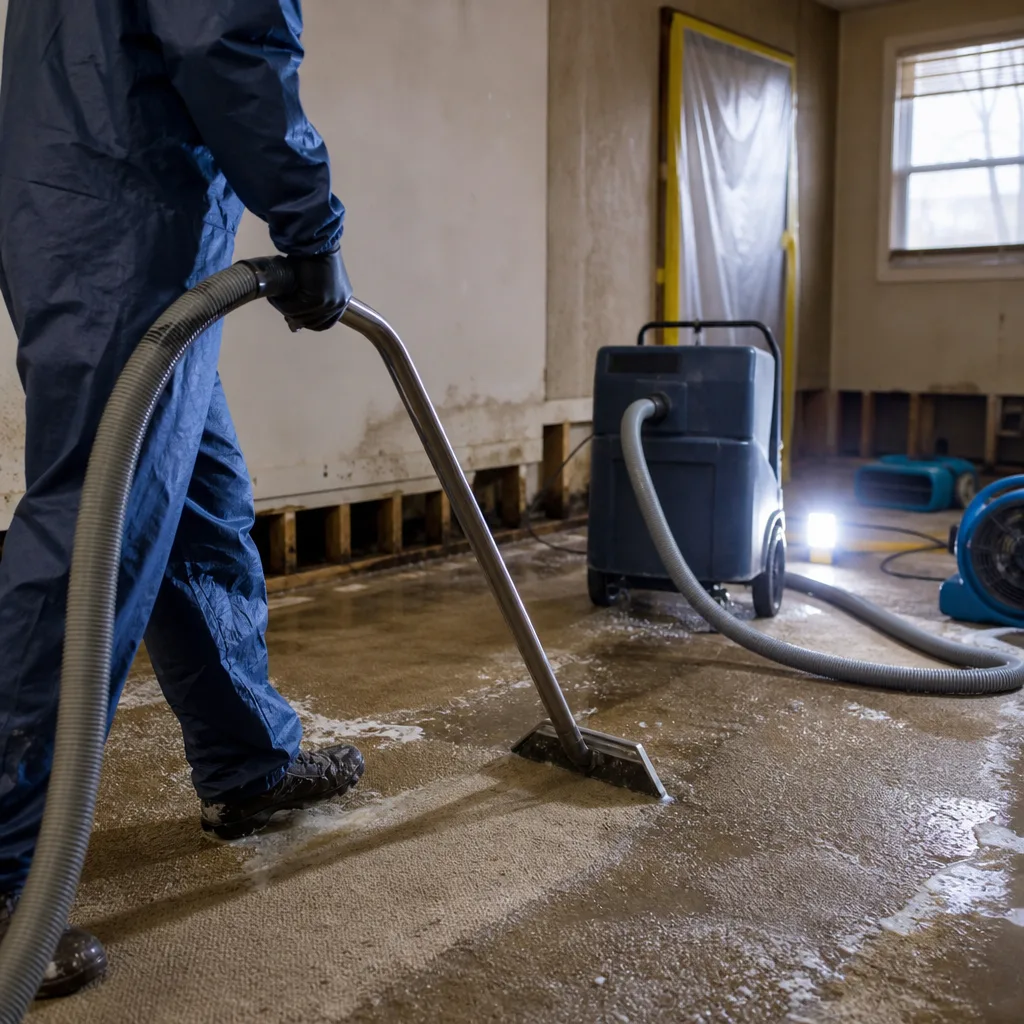
What happens when you call
- 1
A real person answersNo phone trees - you reach a local pro.
- 2
You get an upfront price rangeHonest numbers before anyone is dispatched.
- 3
A background-checked tech heads outLicensed & insured, dispatched right away.
- 4
You approve before work beginsNothing starts until you say go.
Reconstruction & Cleanup Costs in Financial District, NY
A small single-room water cleanup in a Financial District apartment runs $1,800 to $4,500. A full-floor reconstruction after a riser burst typically falls between $12,000 and $45,000 depending on finish level and how many floors got wet. Sub-basement salt remediation and rebuild in a converted tower runs $8,000 to $35,000 because the masonry treatment, flood-resistant materials, and building-code compliance add real labor and material costs. Full post-storm reconstruction with pack-out and contents restoration often exceeds $60,000 and is almost always an insurance claim. The free visual inspection is how you get a firm number instead of a guess. Call (363) 208-1526 and we’ll come out, moisture-map the space, and put the scope in writing before a single wall comes down.
We Also Serve Cities Near Financial District
Our crews regularly respond throughout the metro area, including Financial District and the surrounding communities of Astoria, Lower Manhattan, Flushing, and Midtown Manhattan. If you’re nearby and dealing with water, fire, or mold, call us. The same live-answer phone, the same 45-minute commitment.
Financial District Reconstruction & Cleanup Questions, Answered
How do you handle salt residue in FiDi masonry before rebuilding basement walls?
We take core samples and run masonry salt assays before we close up any basement wall in Financial District. If salt is present, we neutralize it with appropriate methods and install a moisture barrier before new drywall goes in. Skipping this step is exactly how mold returns months after a “successful” dry-out. This is standard practice for us here, not an add-on.
Does FiDi’s post-Sandy flood-proofing requirement affect our insurance claim?
Yes. Rebuilding in Financial District’s flood zone means meeting NYC’s post-Sandy Local Law compliance standards for flood-proofing materials and moisture barriers. That work is insurable and should be in your claim scope. We document these requirements line by line so your carrier or NFIP reviewer understands exactly why the scope is larger than a standard rebuild. Call (363) 208-1526 and we’ll help you build that scope.
Why do our garage-door springs corrode so fast in Financial District?
The salt-laden air off New York Harbor attacks steel springs, hinges, fasteners, and opener chains years faster than inland locations. Most hardware rated for ten years fails here in four or five. We replace corroded components with galvanized coated springs and stainless fasteners and install nylon rollers that don’t seize from salt crystallization. If your door is suddenly snapping springs or grinding, that’s often the salt working.
Can you dry a FiDi basement that took Sandy-style saltwater years ago but still smells musty?
Yes, but only if you address the salt. Surface drying was almost certainly done years ago. The smell comes from salt pockets inside masonry that continuously draw moisture and feed mold behind finished walls. We test for efflorescence, neutralize the salt, remove contaminated drywall and insulation, and rebuild with a proper moisture barrier. It’s a real remediation, not a spray-and-paint job.
Why do converted FiDi towers need multi-floor containment during a single water event?
Because water in these buildings doesn’t stay on one floor. Original drain lines, steam riser chases, and abandoned elevator shafts carry water vertically through multiple levels. If we only contain the floor where the leak started, mold grows unchecked on the floors below. We map every wet level and set containment zones accordingly. It’s slower, but it’s the only way to actually stop the problem.
How fast can someone actually get to my Financial District building?
We commit to 45 minutes to the Financial District area, 24/7. That’s not a marketing line; Wade’s crews stage near the neighborhood specifically because traditional response times in Lower Manhattan’s narrow streets and freight-elevator buildings run long. We answer live, and someone is moving toward your building when we hang up.
Will my insurance cover this, and who deals with the adjuster?
Most water and fire damage in Financial District is covered, but flood damage falls under NFIP, not standard policies, and post-Sandy compliance work needs documented justification. Wade talks to your adjuster directly. You don’t relay information. We provide the same documentation to you and the carrier, which keeps everyone honest.
What should I do in the first 30 minutes after a water event in FiDi?
Call us at (363) 208-1526 first, then shut off the water source if you can safely, kill power to wet areas, move small items off the floor, and document what you see with your phone. Don’t run a household fan trying to dry it out. Saltwater and Category 3 water need professional containment and extraction, not airflow that spreads contaminants. The sooner we’re on site, the less gets torn out.
Serving Financial District, NY - Our Local Coverage Area
We’re based in the Financial District area and know this community well. Use the map below to see our service coverage - if you’re nearby, we can almost certainly help.
Call Wade’s Restoration for Reconstruction & Cleanup in Financial District
If you live in the Financial District, you already know this neighborhood tests buildings harder than almost anywhere else. The salt, the surge, the sub-basements below sea level, the hundred-year-old plumbing. You need a restoration company that knows these buildings specifically, not a franchise that treats every job the same way. Wade Ferris has been doing this since 2007, he publishes his address, he answers his own phone, and he puts the 90-Day Done Right Promise in writing on every job. Call (363) 208-1526 now for a free visual inspection and a straight answer about what you’re dealing with. No trip charge inside our county. Senior and Veteran 10% discount always. $40 off any repair over $200. Ask anyone on your street.
Written by Wade Ferris, Owner at Wade’s Restoration, serving New York City and surrounding counties.