
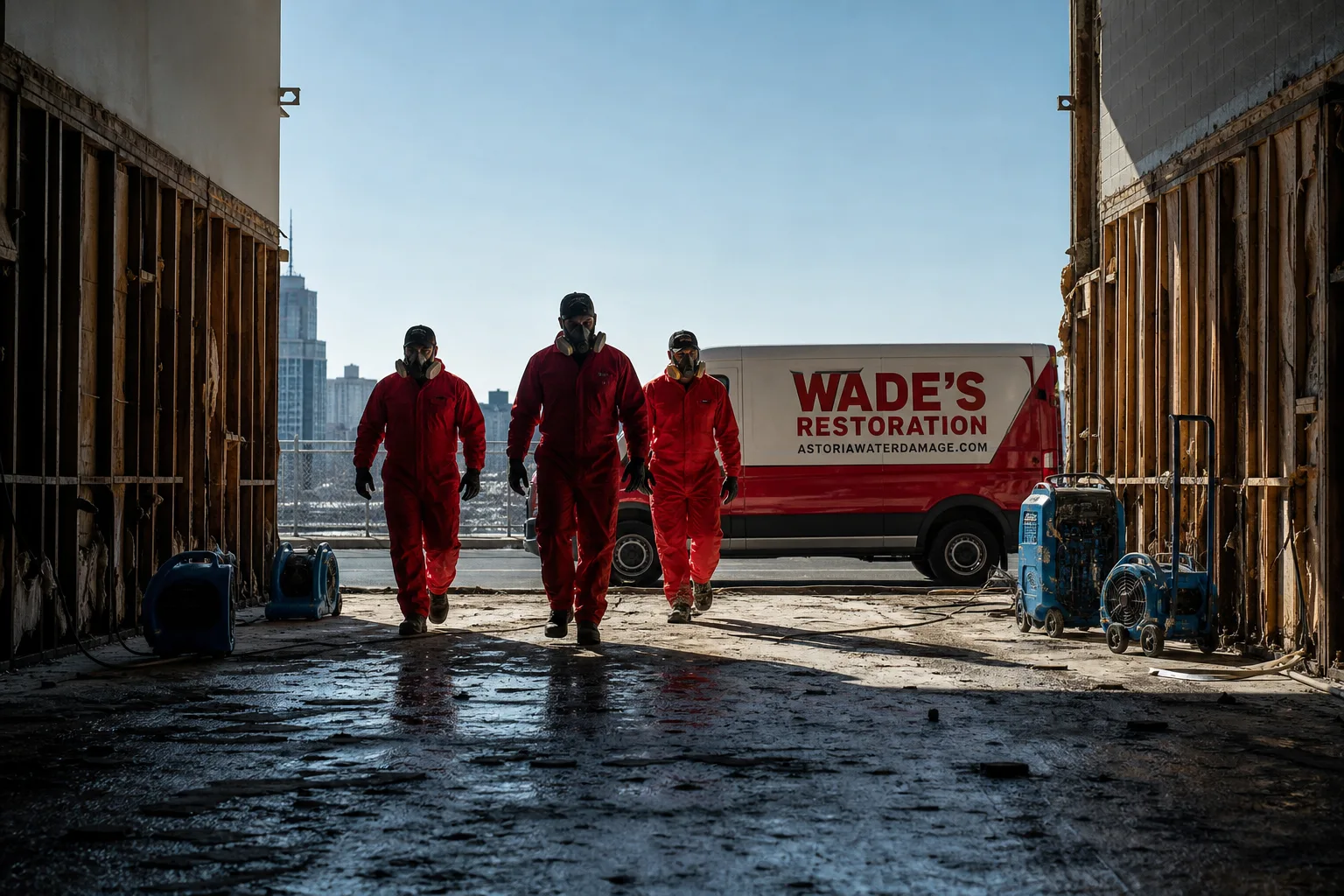
Free visual inspection and a written scope of work before any mitigation begins - photos, moisture readings, and drying logs go in your claim file
The scope we write is the scope we bill. Anything new gets shown to you, in writing, before we touch it.
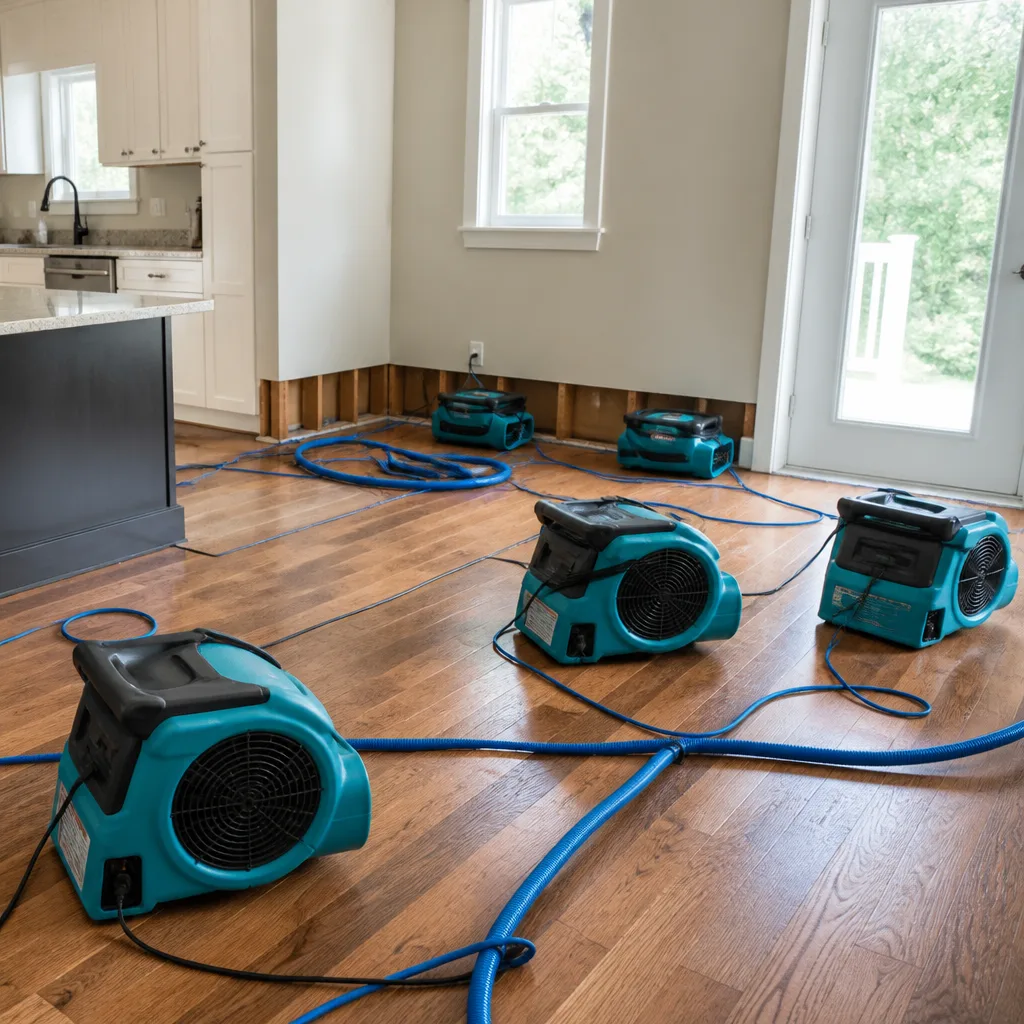
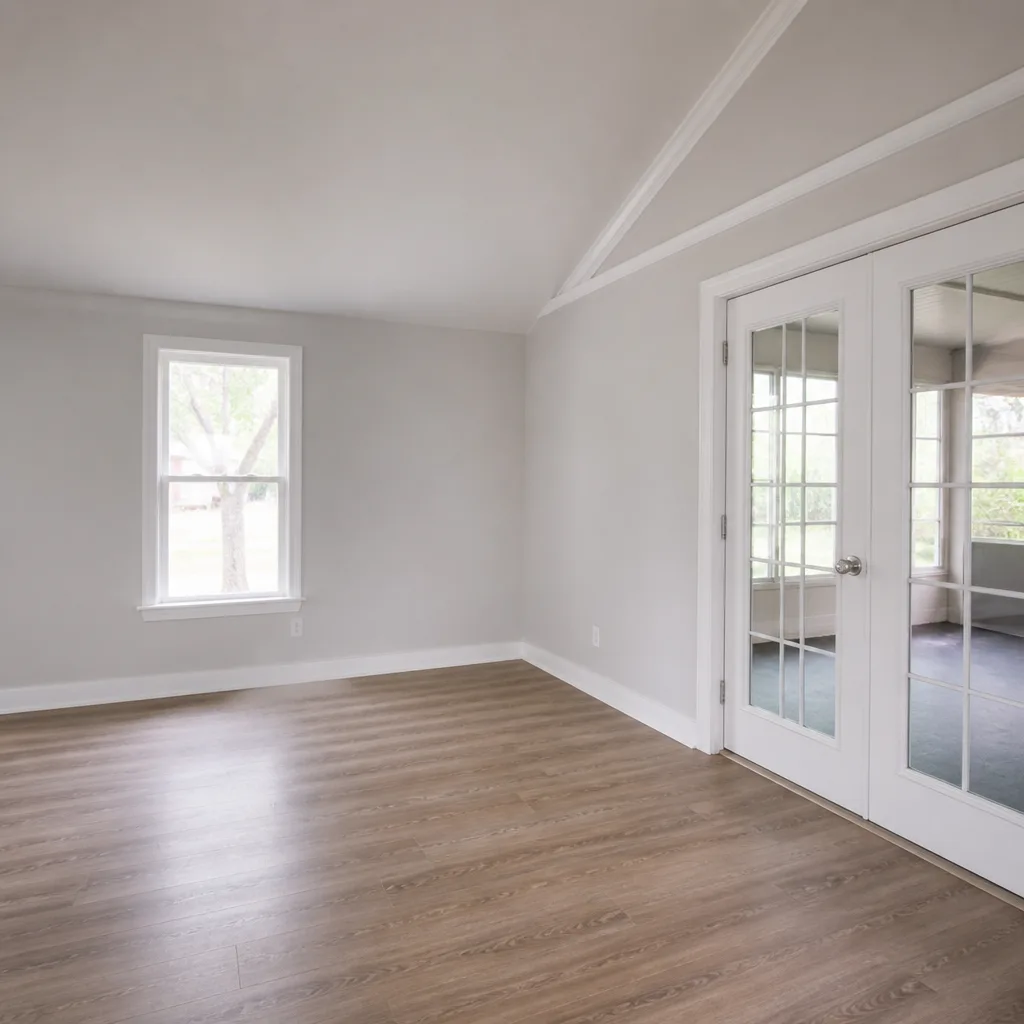

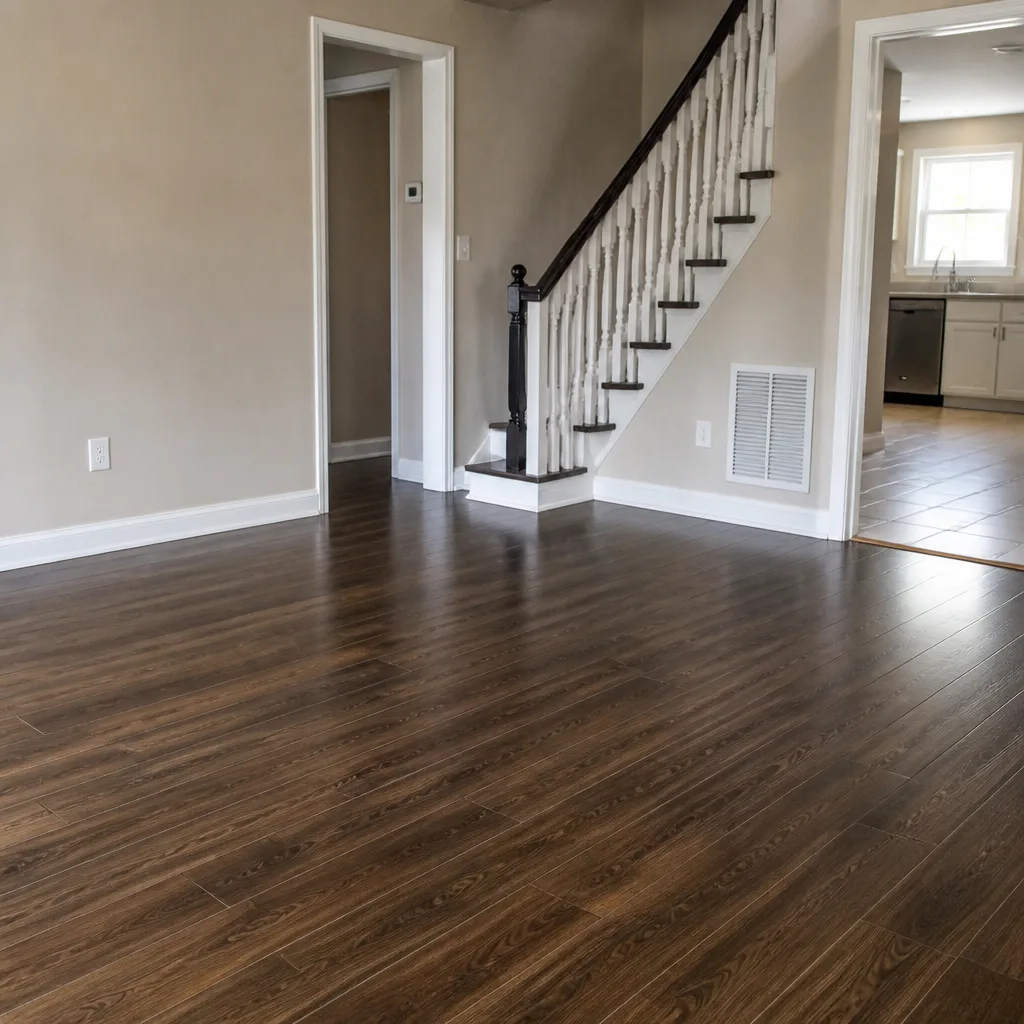

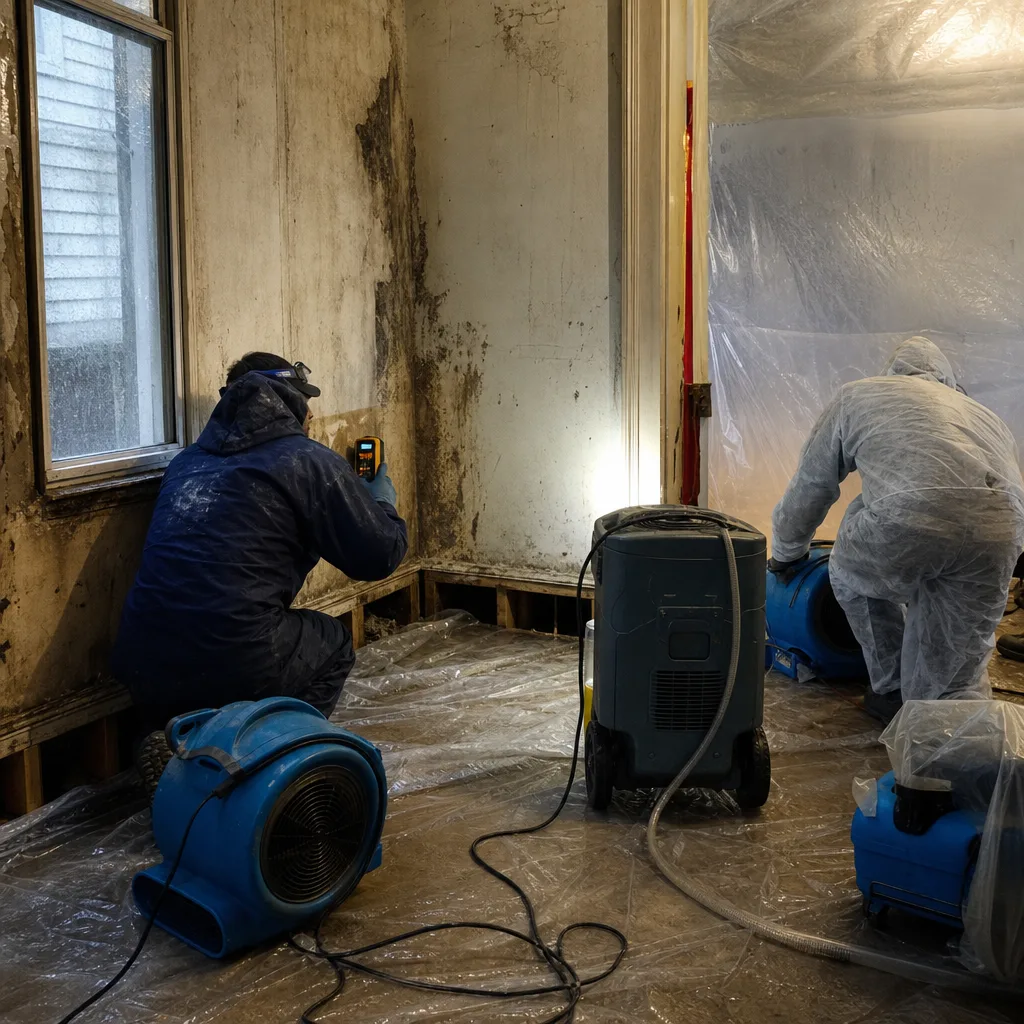 Before
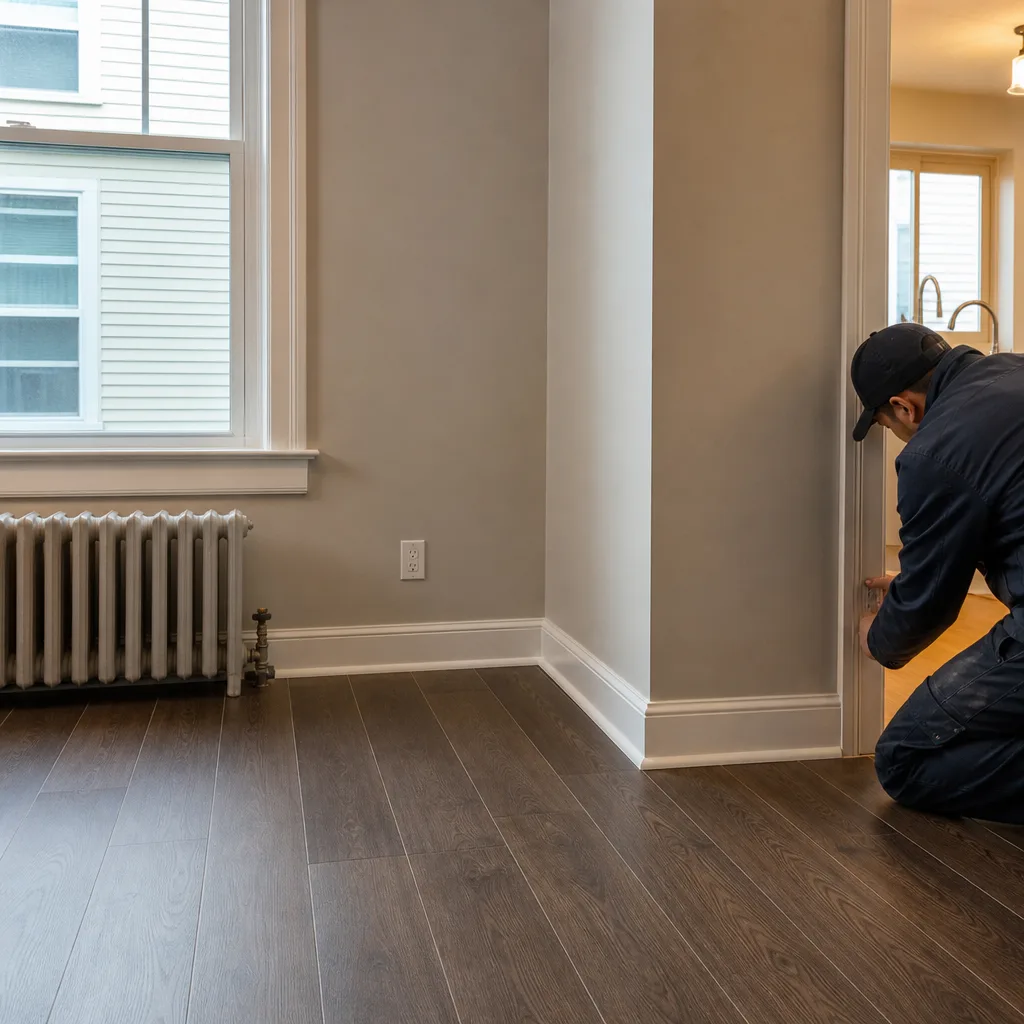 After
After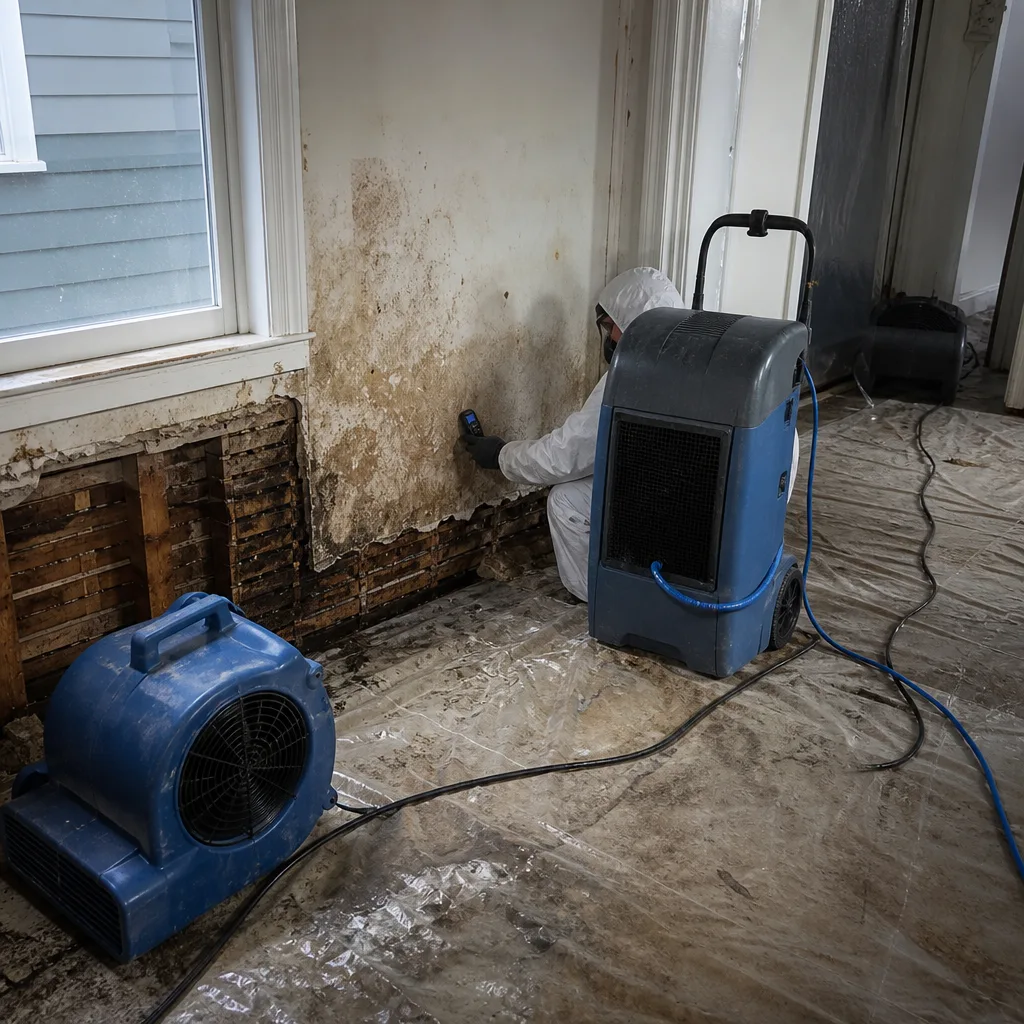 Before
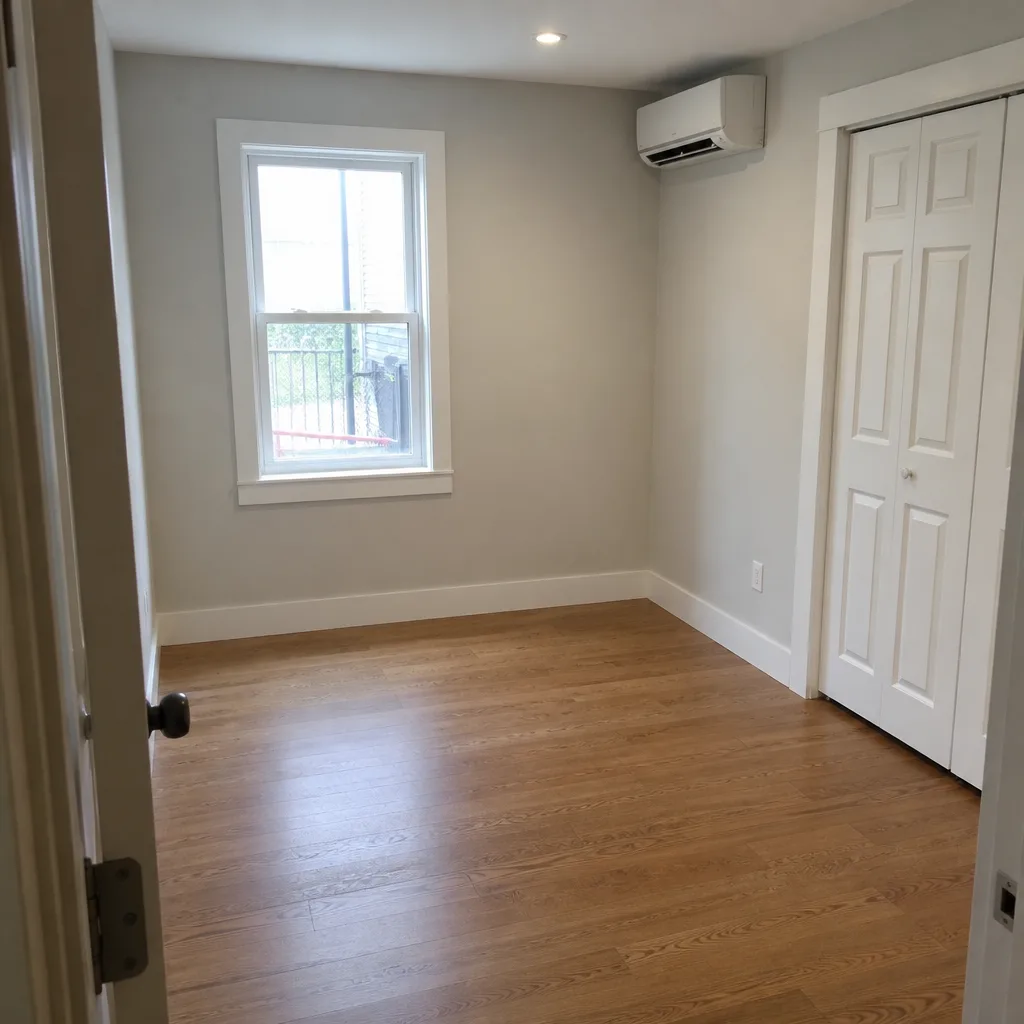 After
After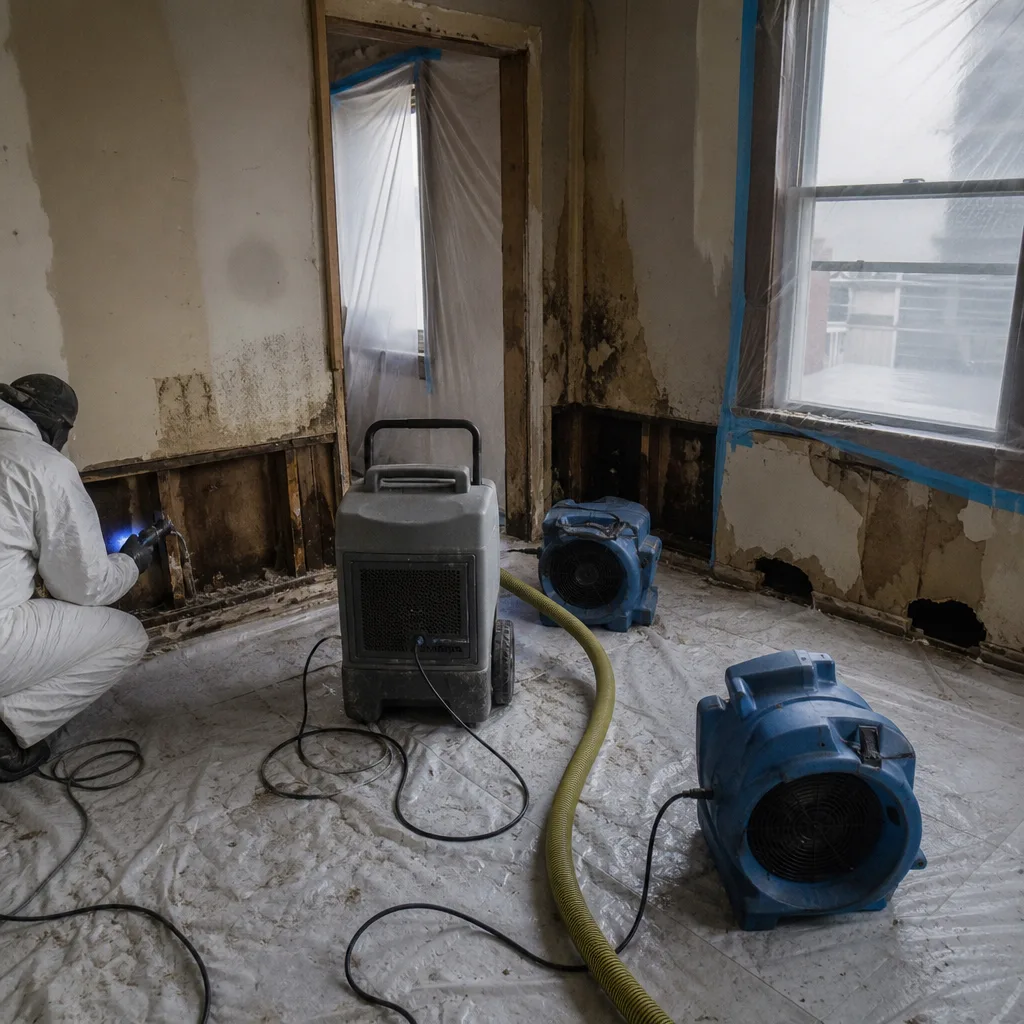 Before
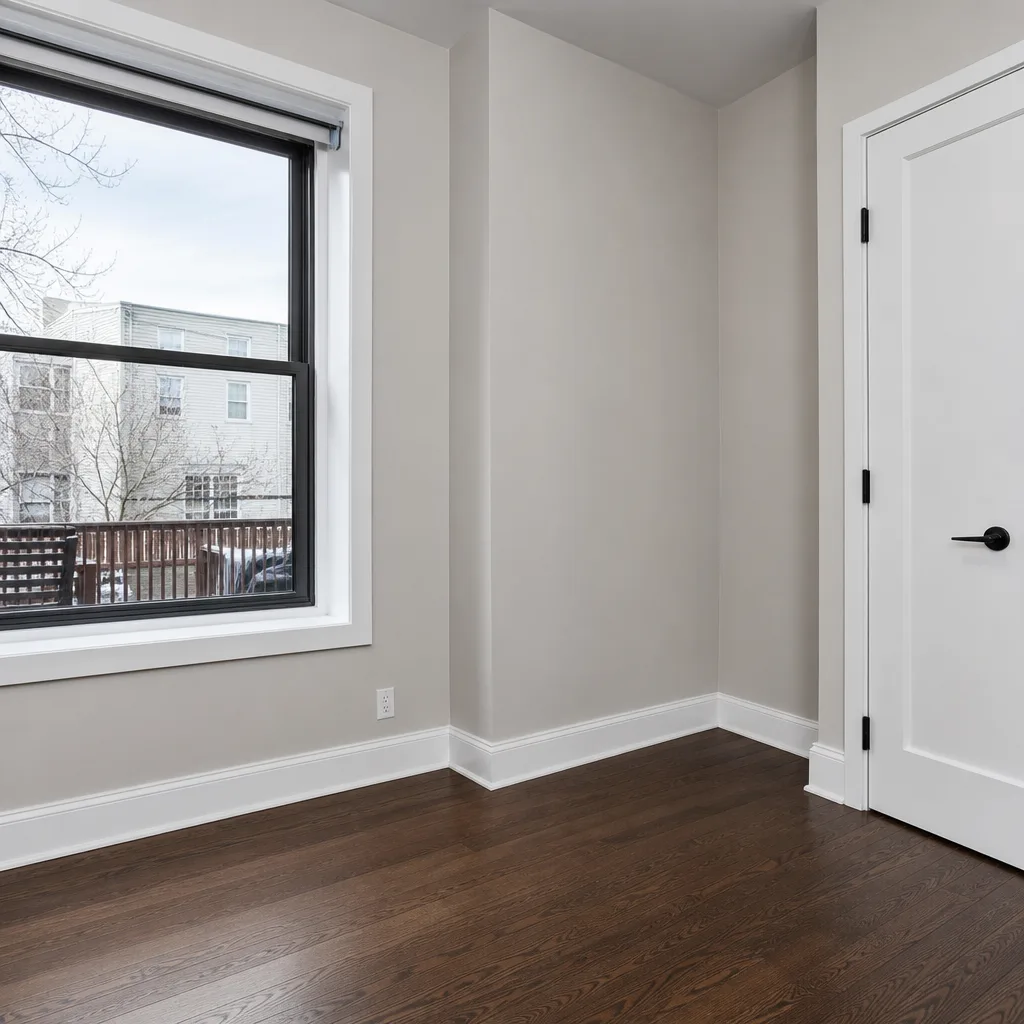 After
After24/7 Emergency Sanitization Services in Long Island City
When a sewage backup, flood, or illness outbreak hits your property in Long Island City, the first hours decide how much contamination spreads. We answer live at (363) 208-1526, 24 hours a day, and Wade heads out with a crew that knows Dutch Kills basements, Hunters Point high-rises, and every block in between. Free visual inspection before you commit. Because in LIC, where a nor’easter can push Newtown Creek into a ground floor overnight and older combined sewer lines mix stormwater with waste, the difference between a quick sanitization and a full hazardous-material response often comes down to who shows up in that first hour. The sooner antimicrobial treatment starts, the less stays behind. Call now and we’re on the road.
What happens when you call
- 1
A real person answersNo phone trees - you reach a local pro.
- 2
You get an upfront price rangeHonest numbers before anyone is dispatched.
- 3
A background-checked tech heads outLicensed & insured, dispatched right away.
- 4
You approve before work beginsNothing starts until you say go.
Understanding Sanitization Severity in Long Island City Properties
No two sanitization jobs in Long Island City look the same, because the building stock itself splits into two worlds. A post-2010 glass tower off Center Boulevard has sealed MEP shafts and shared ductwork that carry pathogens between floors unless containment goes in immediately. An early-1900s loft conversion along 47th Avenue has brick sewer laterals from the 1920s that allow combined sewer overflow into ground-floor spaces. Those are Category 3 black water events: water carrying raw sewage, bacteria, and viral contaminants that require full personal protective equipment, EPA-registered antimicrobials, HEPA air scrubbing, and post-treatment clearance testing. Mistaking Category 3 water for clear Category 1 stormwater is the costliest mistake we see in this neighborhood, and it’s one that hides contamination behind walls for months.
Why Long Island City Property Owners Choose Wade’s Restoration
- 45-minute response commitment for the LIC area. Wade answers his own phone and heads out from the local office immediately, not after a dispatch queue clears.
- A real person picks up, every time. No answering service, no call center, no voicemail at 3 a.m. when a sewage backup is spreading through a Dutch Kills basement.
- IICRC-certified crews. WRT, FSRT, and AMRT credentials on every truck, applied to both luxury tower interiors and century-old lofts.
- Free visual inspection. We walk the affected space, identify the contamination category, and give you a written scope before any work starts.
- Direct insurance billing. We document every reading, photo every room, and talk to your adjuster so you’re not stuck in the middle.
- One team from sanitization to reconstruction. We handle containment, fogging, duct treatment, and any rebuild. No handoffs to strangers.
Our Sanitization Services Process
Inspection & Assessment
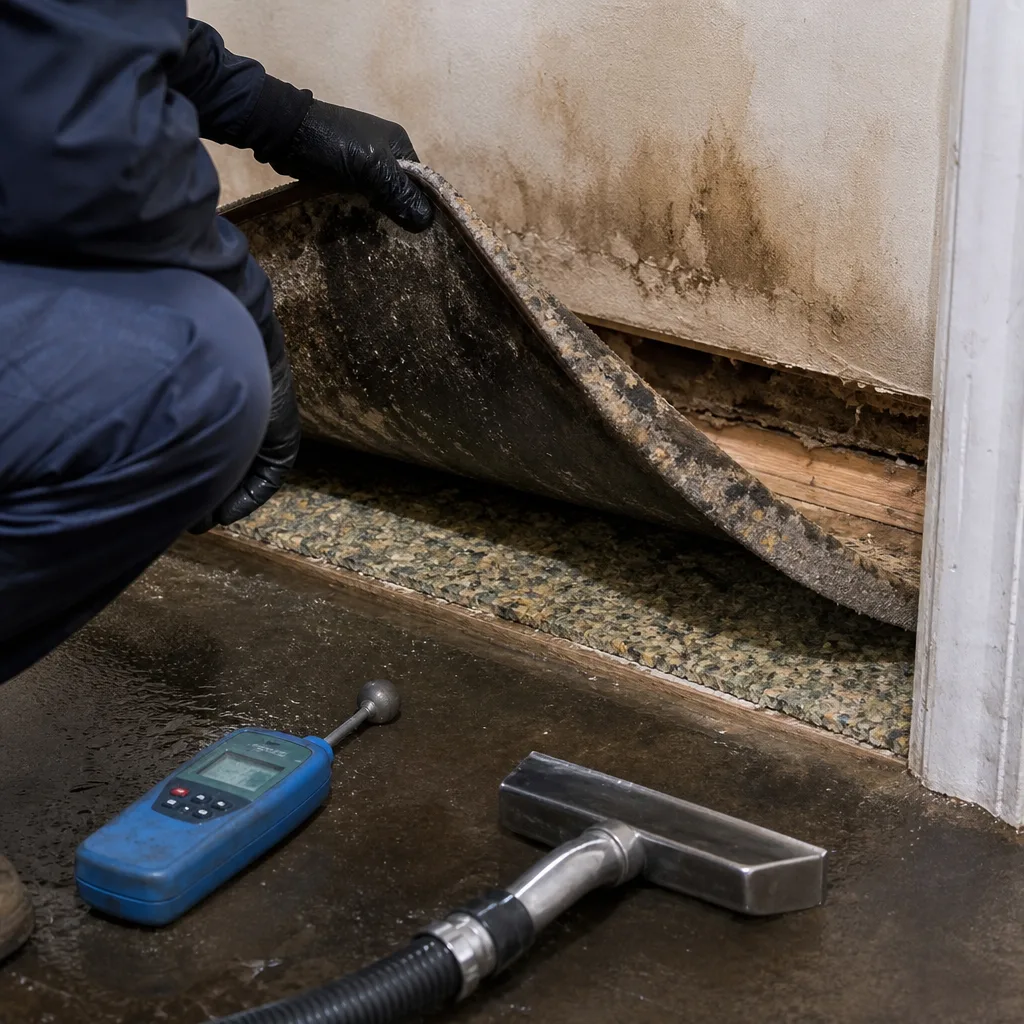
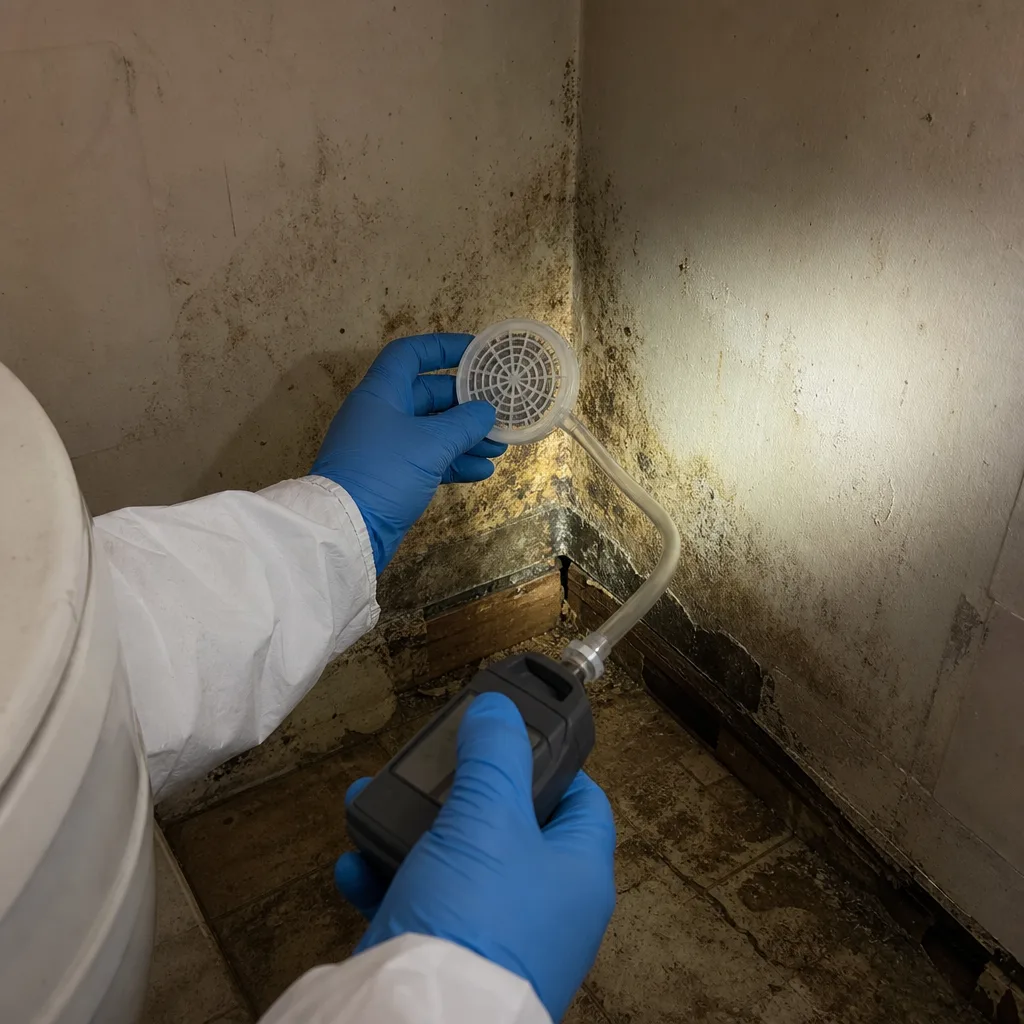
We start with contamination categorization. In Long Island City, that means assuming any basement or ground-floor flood in Dutch Kills is Category 3 until proven otherwise. Thermal imaging and moisture meters map the affected zone before we touch a surface.
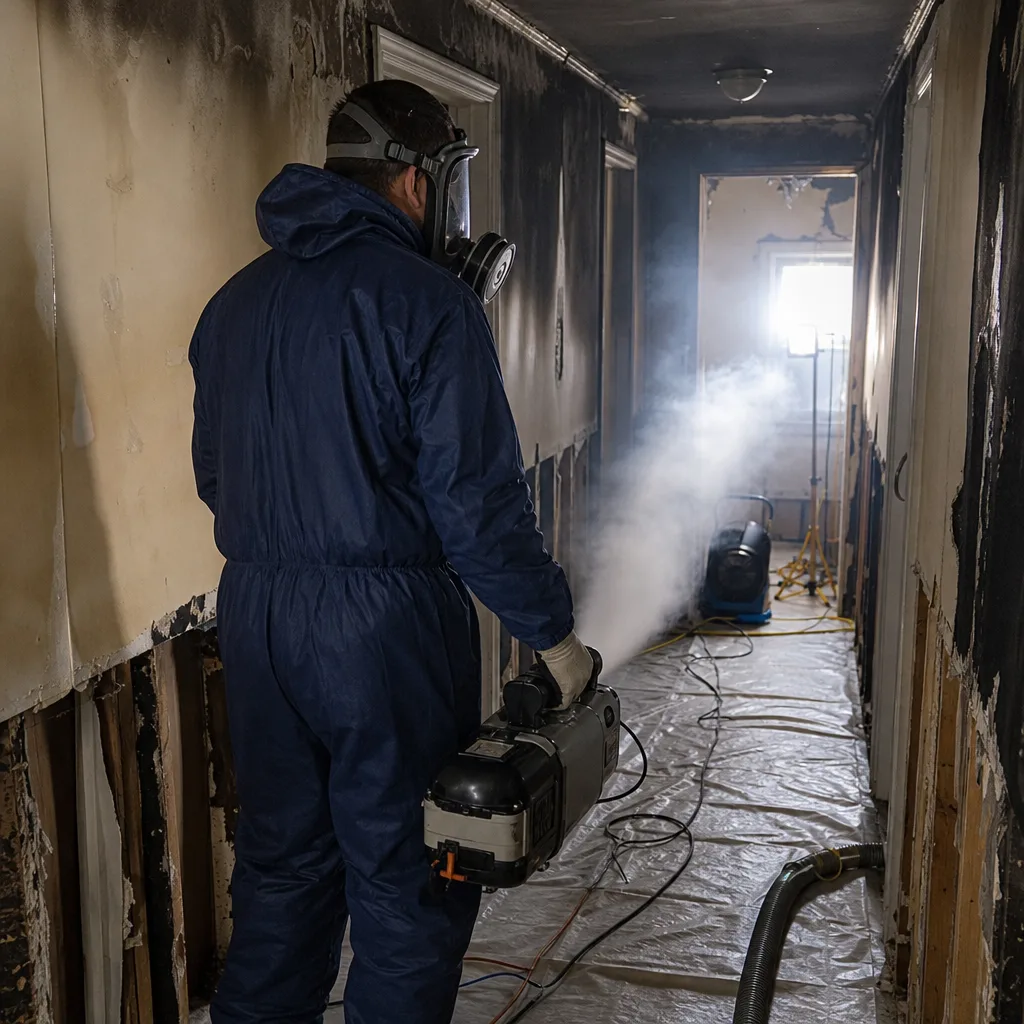
Extraction & Stabilization
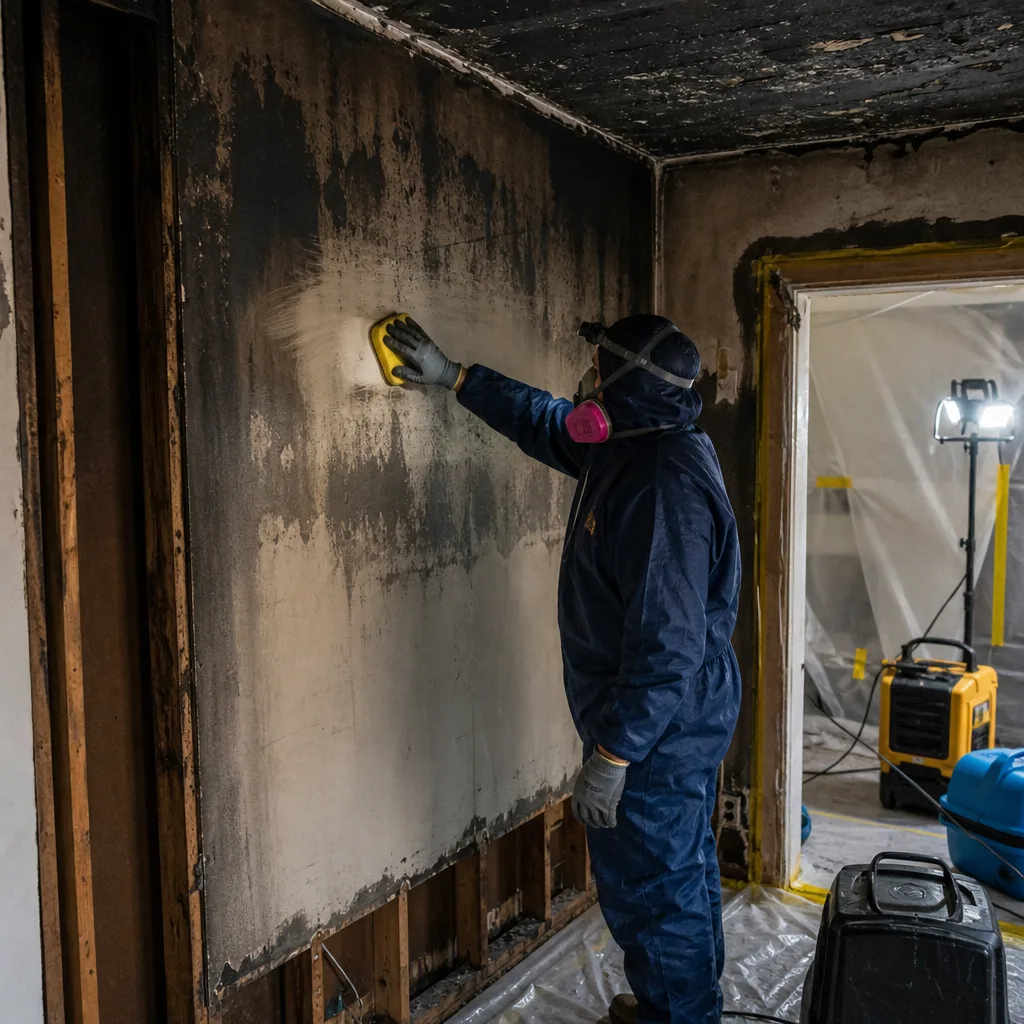
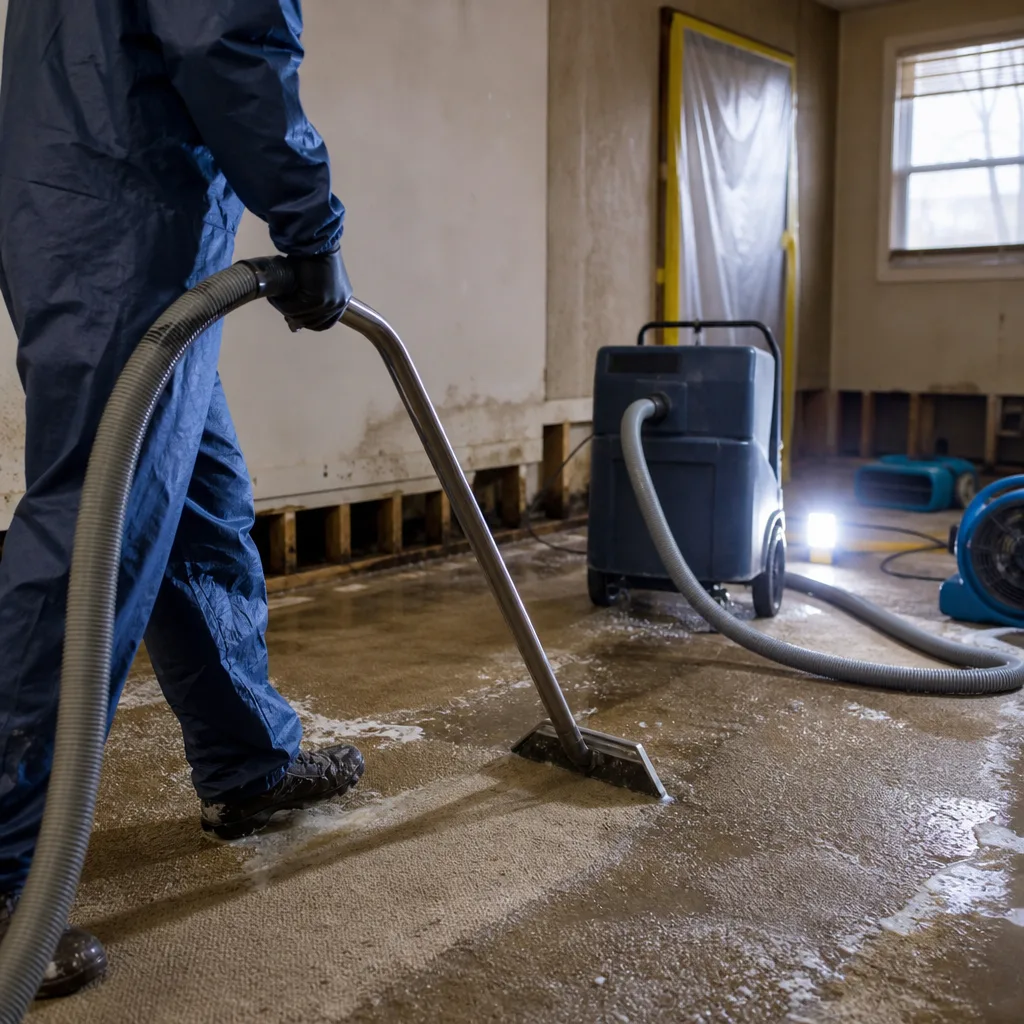
Standing water comes out with professional-grade extraction from XPOWER and Phoenix units. We seal the affected area with containment barriers to stop airborne pathogens from reaching shared MEP shafts or adjacent units.
Drying & Dehumidification
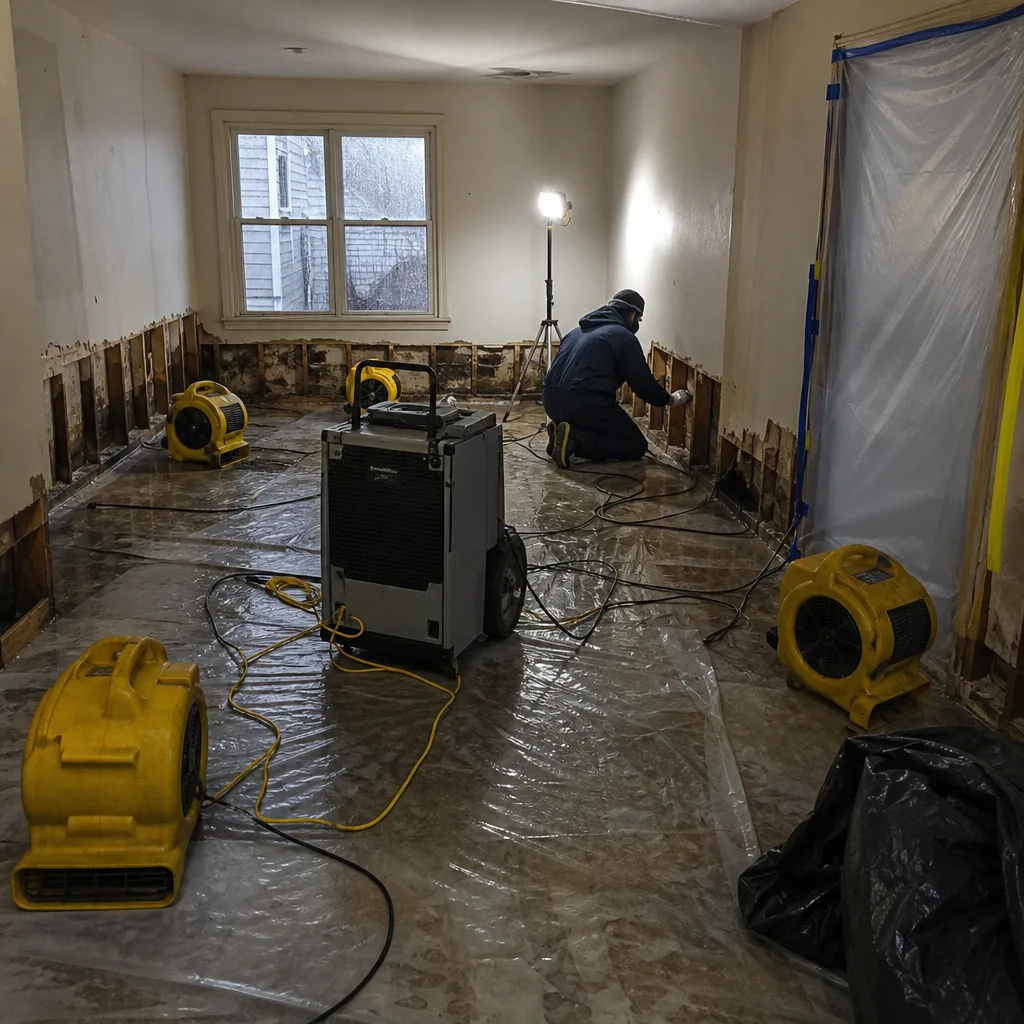
Dri-Eaz air movers and dehumidifiers pull moisture from structural materials. We record hygrometer readings daily and hand you the full log at completion. Most crews never show you those numbers.
Cleaning & Sanitization
EPA-registered antimicrobials are applied to every contaminated surface, including subfloor cavities and wall interiors. HEPA air scrubbers run throughout to filter airborne bacterial and viral particles.
Commercial-Grade Fogging
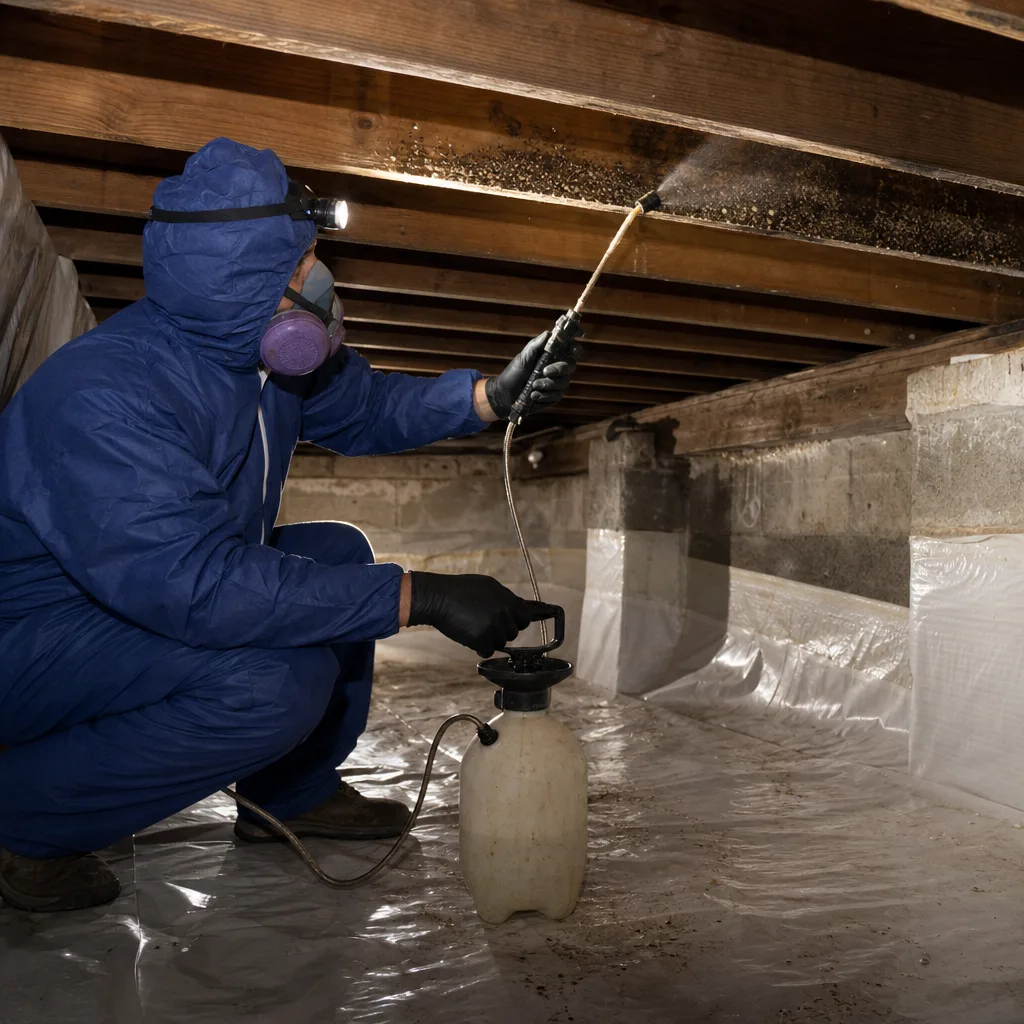
Ultra-low-volume fogging reaches spaces wiping cannot: inside ductwork, behind built-ins, into the pores of masonry and grout in older buildings. We use this on post-illness cleanups, sewage events, and odor elimination.
Repairs & Restoration
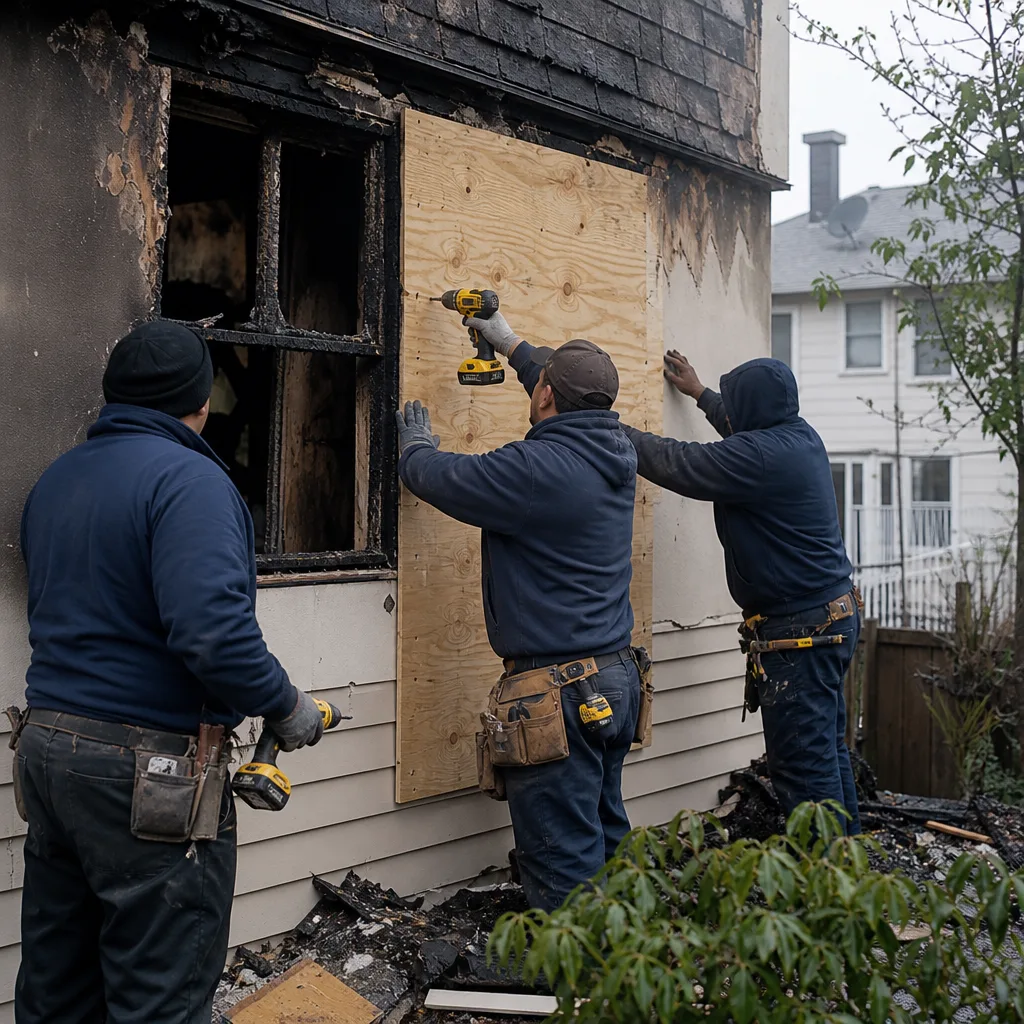
If subfloors, drywall, or insulation came out, we rebuild to code and finish. One crew, start to finish, with the 90-Day Done Right Promise in writing on every restoration scope.
Need Emergency Sanitization Services in Long Island City Now?
Crews minutes away, answering live 24 hours a day. The sooner we start, the less it costs.
Working With Your Insurance Company
Wade deals with adjusters directly. That started in 2007 and hasn’t changed: we photograph every room, document moisture readings from the first hour, write a line-item scope in insurance-industry format, and hand it all to your carrier while you get back to your life. For Long Island City homeowners whose policies cover sewage backup or flood damage, this is the difference between a three-week claim and a three-month argument. If your adjuster has questions, they call us, not you in the middle of a workday.
What We Provide Your Insurer
- Thorough documentation of the loss, from first arrival
- Photos of all damage, room by room
- Moisture readings and drying logs
- A detailed, line-item scope of work
- Direct coordination with your carrier
Built for Long Island City’s Loss Calendar
Sanitization needs in Long Island City follow the weather, and the weather here is not shy. January deep freezes split supply lines in uninsulated pre-war loft walls, flooding ground-floor units before anyone notices the ice. Spring thaw and hard rain push groundwater into old foundation cracks, and because so much of this neighborhood sits at sea level near the East River, that water brings combined sewer content with it. We see it every March and April in Dutch Kills and the interior blocks. Summer thunderstorms overwhelm LIC’s aging sewer infrastructure in 30 minutes flat, sending black water up through floor drains in basements and lower duplexes. Fall nor’easters repeat the cycle with tidal surge from Newtown Creek. Each one of these events leaves behind bacteria and odor; each one needs more than a mop and some bleach if you want the space livable again.
Sanitization Services Across Long Island City’s Neighborhoods
Response routes matter here. In Hunters Point, we work inside luxury towers where containment has to go up before we open a wall, because shared ventilation stacks move airborne mold spores and bacteria between units faster than any mop can chase them. In Dutch Kills, we’re in converted warehouses and loft buildings where 1920s sewer laterals mean every basement flood is treated as sewage from the first reading. Over by Queens Plaza and the Court Square area, we handle commercial and mixed-use spaces where a Saturday night backup in a ground-floor restaurant kitchen becomes a food-safety hazard by Monday brunch. Along Vernon Boulevard and the East River waterfront, storm surge leaves saltwater contamination that corrodes framing and feeds mold if it’s not neutralized within 48 hours. This is the neighborhood-specific knowledge a national franchise template simply does not have, and it changes how we scope every single job.
Specialized Sanitization Services We Offer in Long Island City
Deep Disinfection
Every high-touch surface, floor, and wall in the affected area gets treated with EPA-registered disinfectants, followed by verification swabs on request. After sewage events or illness outbreaks in a Long Island City loft or condo, this is the difference between clean-looking and clean-tested.
Virus & Bacteria Decontamination
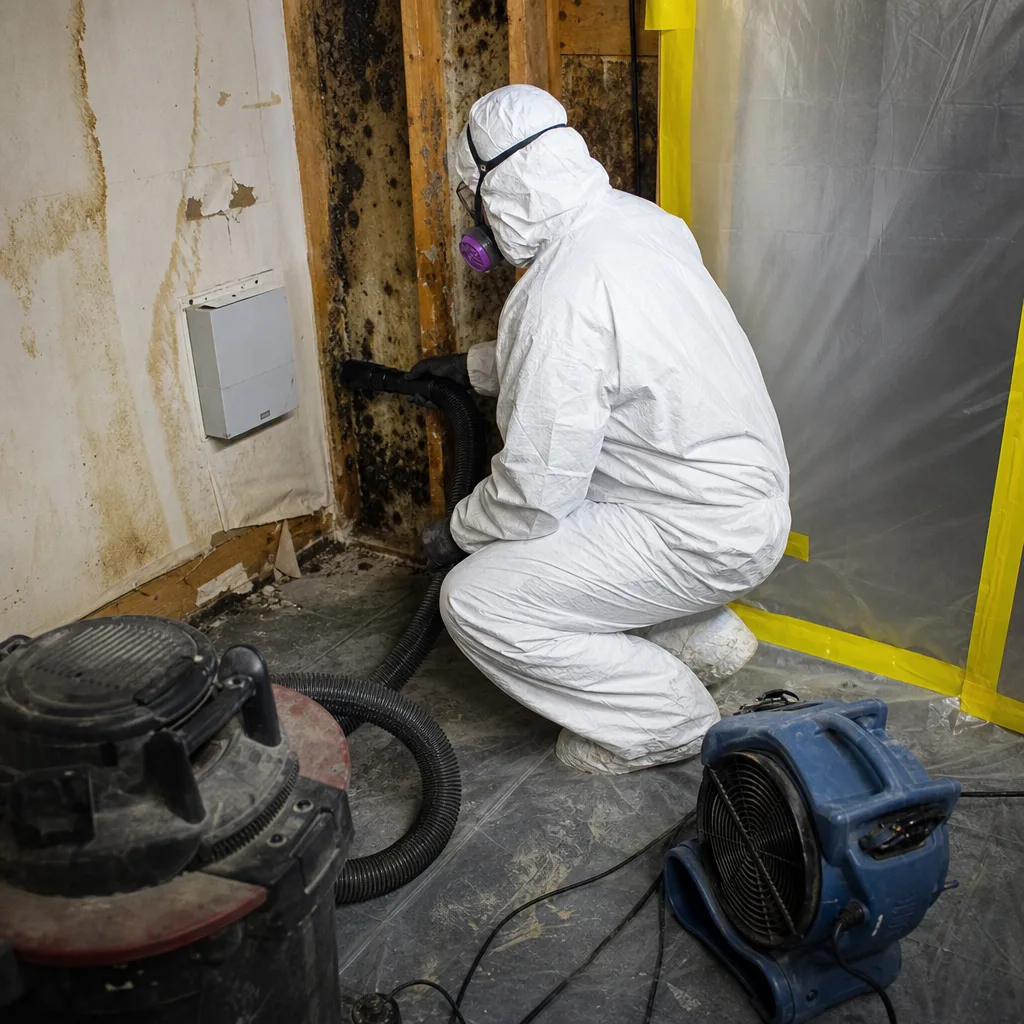
We treat bacterial and viral contamination as a containment job, not a wipe-down. HEPA scrubbers run while we apply antimicrobials, so the air itself is being cleaned while surfaces are treated. This matters most in LIC buildings with shared ventilation: one untreated unit can reseed a floor.
Odor Neutralization
Sewage smell after a Dutch Kills backup persists because odor molecules embed into porous surfaces. We use hydroxyl generators and commercial fogging to break down those molecules at the source, not cover them with fragrance. When we’re finished, the space smells neutral, not perfumed.
Air Duct Sanitization
If your building’s ducts carried Category 3 moisture or sewage odor, surface cleaning won’t reach inside them. We sanitize duct interiors with ULV fogging and HEPA-filtered negative air machines, then verify airflow is clean before we clear the space.
Commercial-Grade Fogging
Ultra-low-volume fogging is the tool we reach for when contamination is widespread or the building’s age makes surface-level cleaning impossible to verify. In converted industrial lofts with exposed brick and irregular surfaces, fogging reaches what wiping cannot.
Sanitization Services Costs in Long Island City, NY
A straightforward virus and bacteria decontamination in a single Long Island City condo unit typically runs $450 to $1,200, depending on square footage and whether duct sanitization is included. Commercial-grade fogging adds about $0.35 to $0.65 per square foot. A Category 3 sewage sanitization in a Dutch Kills basement starts around $1,800 and can reach $5,000 or more when subfloor removal, drying time, and post-treatment testing are factored in. Air duct sanitization alone runs $350 to $800 for a typical one-bedroom. What moves the price: how far contamination traveled, whether containment is required for shared shafts, and whether structural materials need to come out. Insurance covers most sewage-backup and storm-related sanitization when a rider is in place. Get a free visual inspection and we’ll hand you a line-item scope in writing before anything starts. Call (363) 208-1526 for exact numbers.
We Also Serve Cities Near Long Island City
Our Sanitization Services team also covers Long Island City neighbors including Astoria and Flushing, with the same 24/7 live answer and the same commitment to treating every job like it’s in our own building. If you’re unsure which service area you’re in, call and ask.
Serving Long Island City, NY - Our Local Coverage Area
We’re based in the Long Island City area and know this community well. Use the map below to see our service coverage - if you’re nearby, we can almost certainly help.
Long Island City Sanitization Questions, Answered
Why is sanitization treated as a Category 3 job for a flooded basement in Dutch Kills, even if the water looks clear?
Because Dutch Kills sits on combined sewer infrastructure where stormwater and sanitary waste share the same pipes. In older buildings with original brick laterals, a moderate rain forces both flows into the same channel, and basement backups carry sewage even when the water looks clear. Treating it as Category 3 means full PPE, EPA-registered antimicrobials, and post-treatment verification. Skipping those steps leaves bacteria in porous materials, and the smell comes back in weeks. Call us for a free inspection and we’ll tell you what category you’re actually dealing with.
How does sanitization differ between a new high-rise condo in Hunters Point and a converted loft in Long Island City?
In a Hunters Point tower, we install containment before opening any wall because shared MEP shafts carry airborne contaminants between units quickly. In a converted loft, the concern is older materials: exposed brick, original wood, and possible asbestos or lead in 1920s finishes that change what products and methods are safe to use. The building itself dictates the protocol. We adapt the IICRC standards to the structure in front of us, not the other way around.
What do Newtown Creek’s EPA Superfund contaminants mean for post-flood sanitization in LIC?
Newtown Creek was declared a Superfund site due to decades of industrial discharge, and its sediment contains heavy metals and chemical residues. When storm surge pushes that creek water into ground floors along the waterfront, the contamination is not just biological: it’s chemical and industrial. Sanitization has to address both, which means more aggressive containment, different neutralizers, and often a hazmat-level scope. We’ve handled this recovery work along Vernon Boulevard and know what the testing should include before anyone reoccupies the space.
Can air duct sanitization alone remove sewage odor from a LIC basement after a backup?
No. If odor molecules have embedded into subflooring, drywall, or the masonry itself, duct sanitization only treats the air pathway, not the source. We treat the full odor source first: removing affected materials, fogging porous surfaces, then sanitizing the ducts so the HVAC system stops recirculating whatever was trapped. Skipping the source work means the smell returns the first humid week. Get a free inspection and we’ll identify where the odor actually lives.
How quickly should sanitization start after a storm surge in a Long Island City ground-floor unit?
Within 24 to 48 hours at most. Storm surge brings brackish water and contaminants that begin degrading drywall, flooring, and framing immediately, and mold colonization starts around 48 hours in warm weather. Every day of delay expands the removal footprint and the cost. We answer live 24/7 at (363) 208-1526 and can have a crew on site same day in most Long Island City locations.
Do I need a full sanitization or just a cleaning after a minor sewage backup?
If sewage touched anything porous (drywall, carpet, wood subfloor, upholstery), that material either gets sanitized to a verified standard or removed. That’s not upselling; that’s how you prevent hidden contamination from blooming into a health problem weeks later. We’ll give you a written scope showing exactly what we found and what we recommend, with no pressure to do more than the space actually needs. A free second opinion on any written estimate is always available.
Are your sanitization crews IICRC-certified?
Yes. Our techs carry WRT, FSRT, and AMRT certifications through the IICRC, and the company is RIA-affiliated and IFA-recognized. That matters when your insurer reviews the scope and when you want confidence that the treatment protocol matches industry standards, not a franchise sales manual.
What should I do in the first 30 minutes after discovering sewage or flood water in my Long Island City property?
Do not enter the affected area without protective gear. Shut off electricity only if you can reach the panel without stepping through water. Call us at (363) 208-1526 immediately. Document what you safely can with your phone camera. Do not attempt to vacuum, fan-dry, or bleach the area; improper cleanup spreads contamination and makes the professional response more expensive. We’ll be on the road while you’re still on the phone.
Written by Wade Ferris, Owner at Wade’s Restoration, serving Long Island City with 24/7 live-answer emergency response and documented, insurable sanitization since 2007.
Why Long Island City Chooses Wade's Restoration
We set the standard for sanitization services in Long Island City.
Documented for Your Claim
Every job is photographed before, during and after, with moisture logs where they apply. We hand the full file to your adjuster and bill your insurance directly - you are never the one relaying it.
Licensed & Insured
Fully certified technicians who meet all local and state licensing requirements.
Upfront Pricing
No hidden fees, no surprises. You approve the price before any work begins.
Guaranteed Work
Every repair and installation is backed by our workmanship warranty and satisfaction guarantee.
How It Works in Long Island City
Getting your sanitization services handled is simple and fast.
Call or Request a Free Estimate
Tell us about your sanitization services needs and we provide an upfront, transparent quote - no obligation, no hidden fees.
Licensed Technician Dispatched
A background-checked, certified technician arrives in Long Island City - typically within 30-60 minutes, with parts stocked on the truck.
Problem Solved, Guaranteed
We complete the job to your full satisfaction, backed by our warranty and 100% satisfaction guarantee.
What happens when you call
- 1A real person answersNo phone trees - talk to a local sanitization services pro.
- 2You get an upfront price rangeHonest numbers before anyone is dispatched. No surprises.
- 3We come out and measureLicensed & insured, at a time that suits you - the visit and the quote are both free.
- 4You get the price in writingLine-itemed, yours to keep, and nothing starts until you say go.
What Long Island City Customers Say
Trusted by homeowners across Long Island City and surrounding areas.
"He gave me the daily moisture log at the end, on paper, with the readings from every point. I have never had a trade prove the job was actually finished before."
"He photographed everything before he touched a thing and took moisture readings every single day, then handed the whole file to the adjuster. Our claim went through without one argument."
"Sewer backup into the basement, which is about as bad as it gets. Full protective gear, everything porous out and bagged, sanitised properly, and you would never know now."
Our Work in Long Island City
A look at recent damage restoration projects across Long Island City and surrounding areas.
Ready for Sanitization Services in Long Island City?
Call now for a free estimate - or request one below. Licensed, insured, and here with fast after-hours help in Long Island City.
(363) 208-1526Request a Free Estimate in Long Island City
Tell us about your sanitization services needs - we'll respond within the hour.