
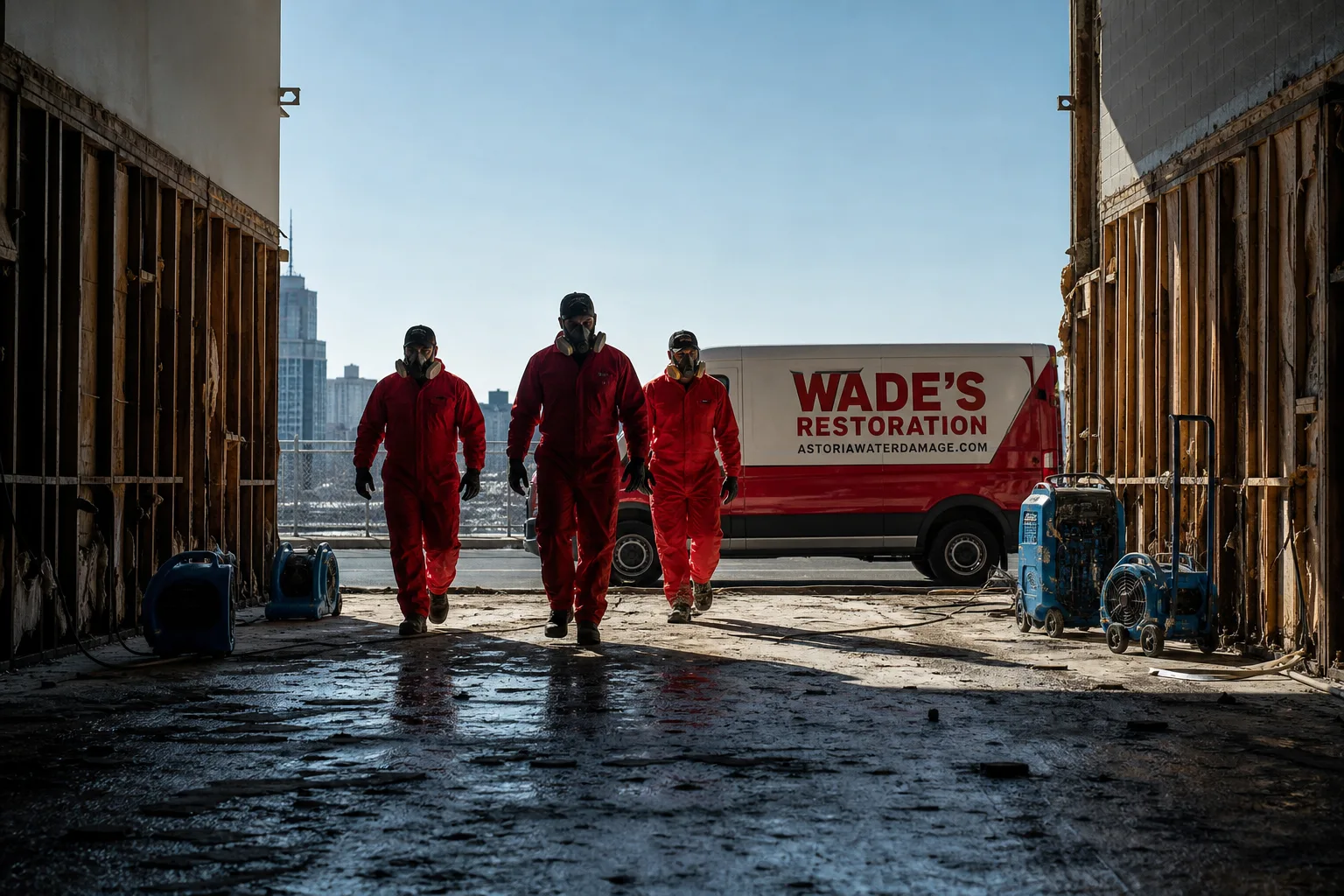
Free visual inspection and a written scope of work before any mitigation begins - photos, moisture readings, and drying logs go in your claim file
The scope we write is the scope we bill. Anything new gets shown to you, in writing, before we touch it.
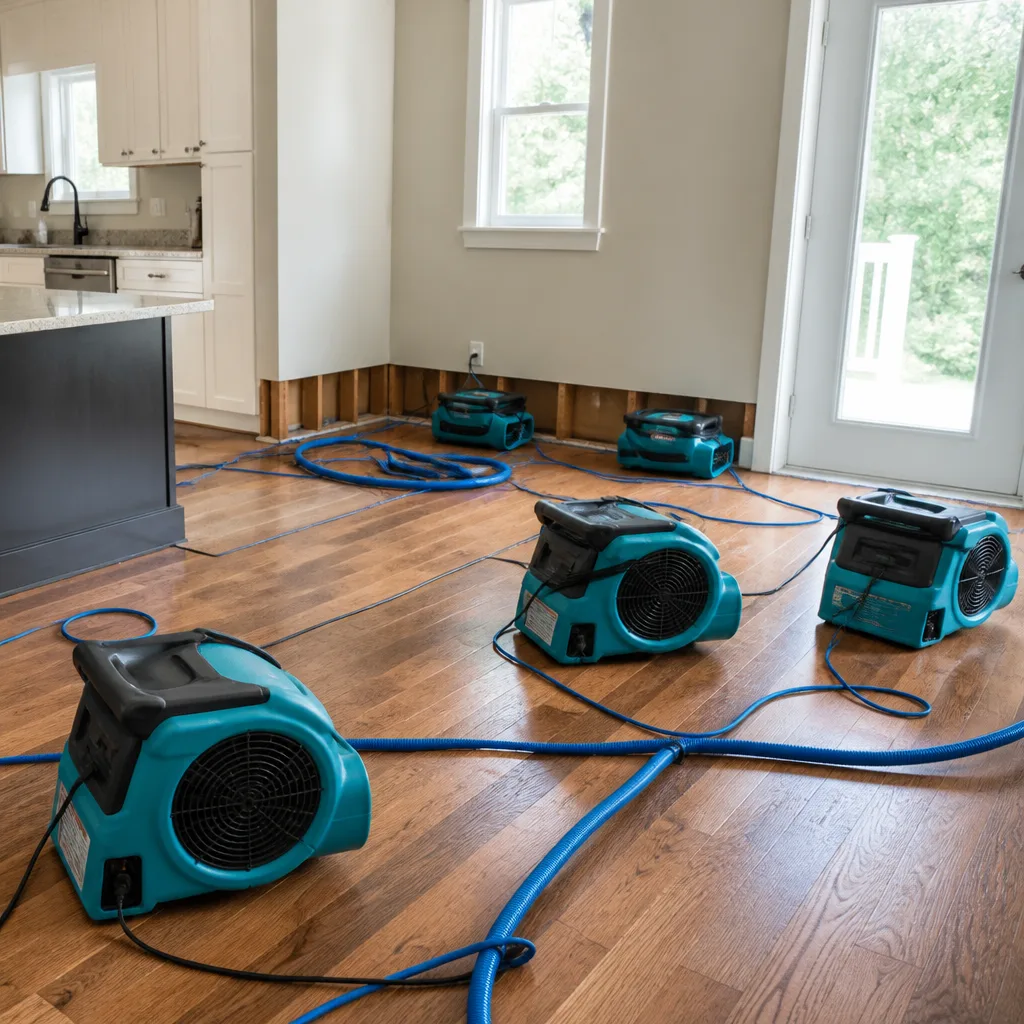
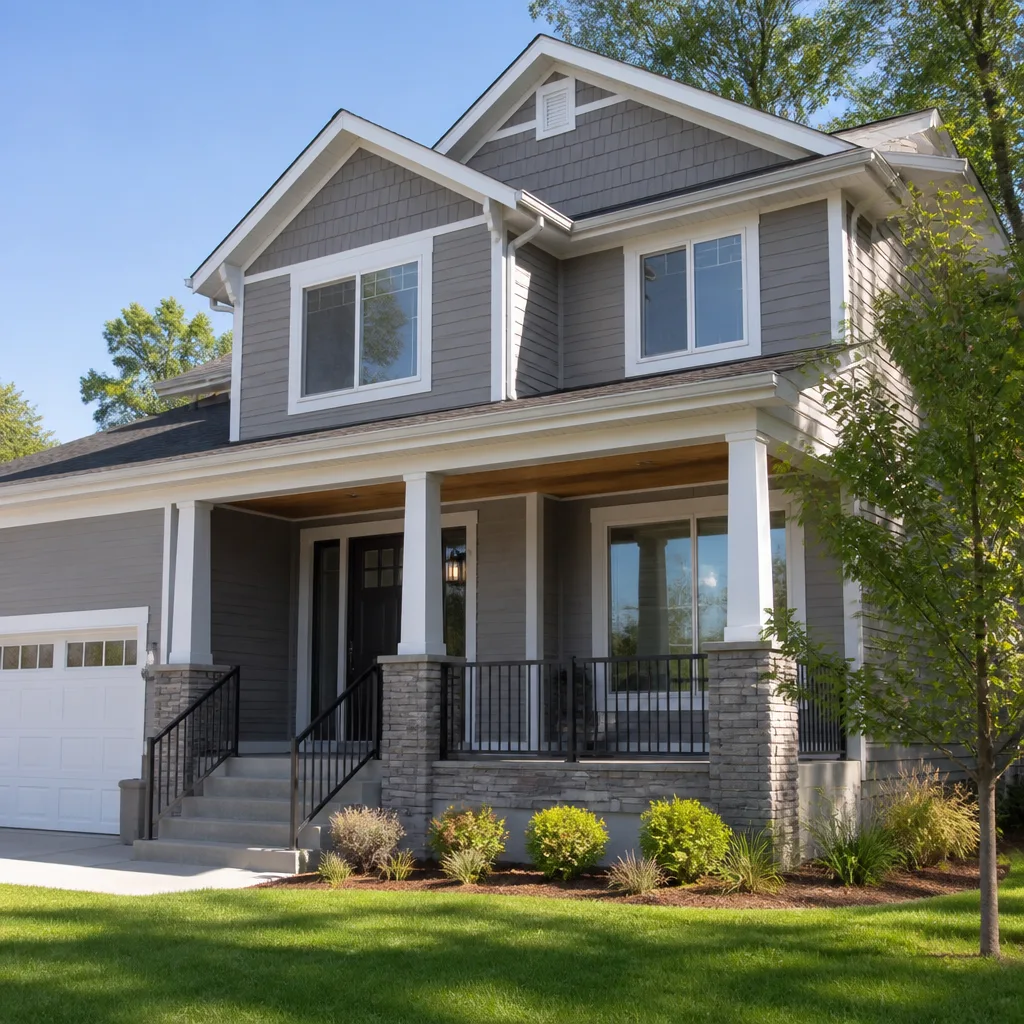
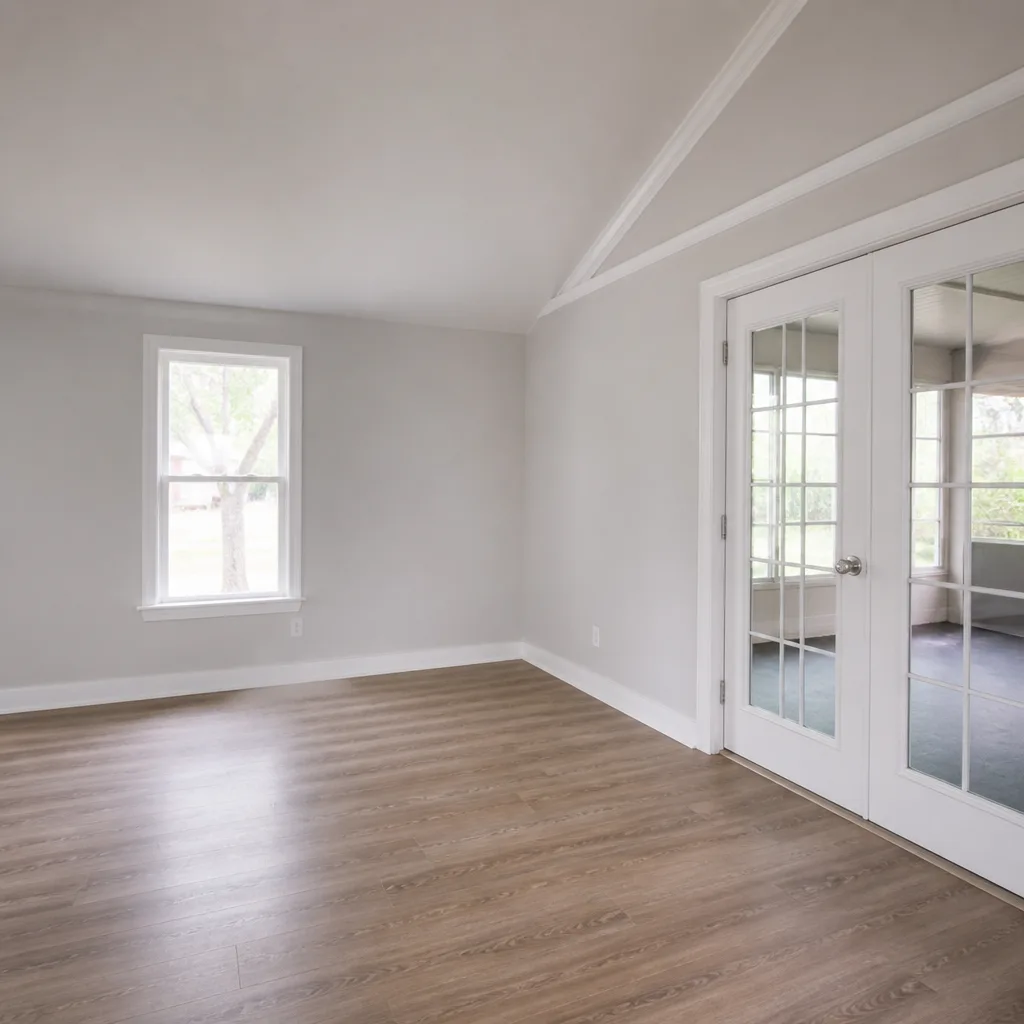

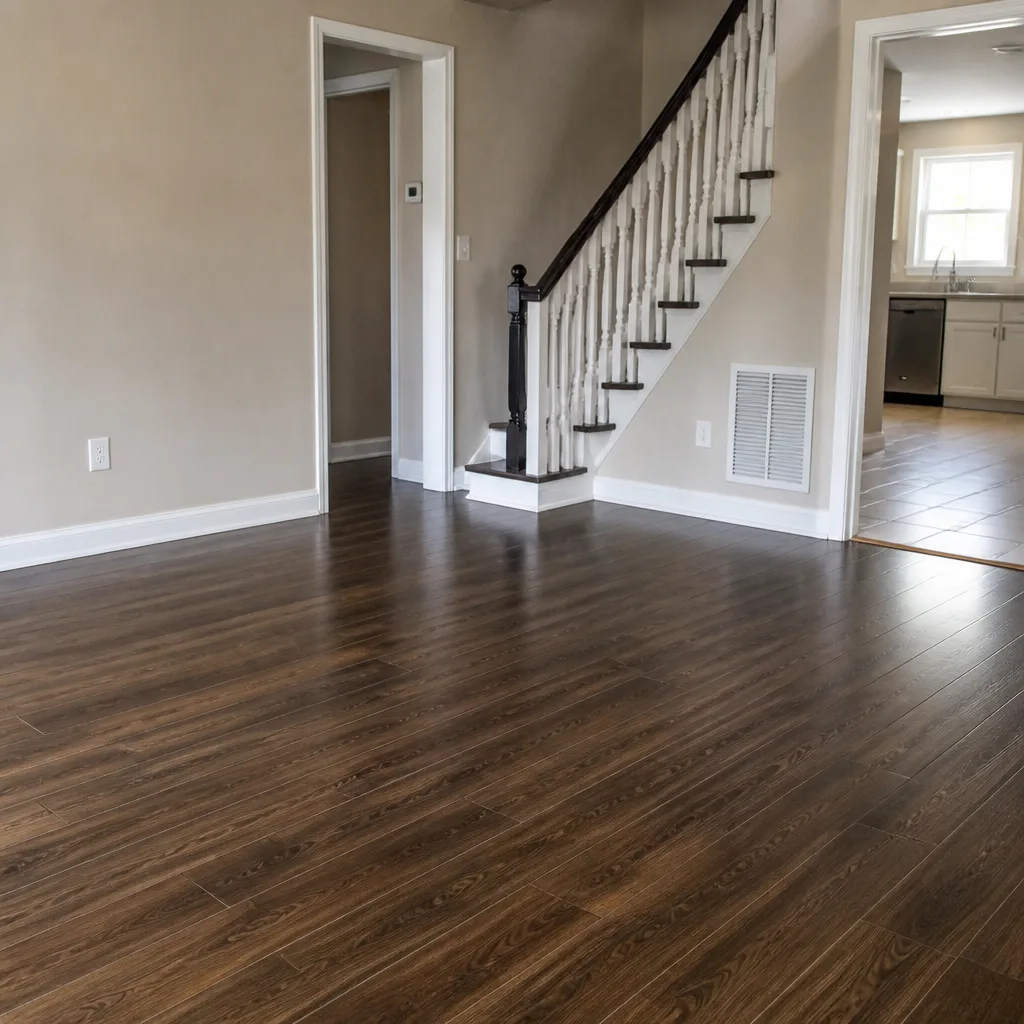

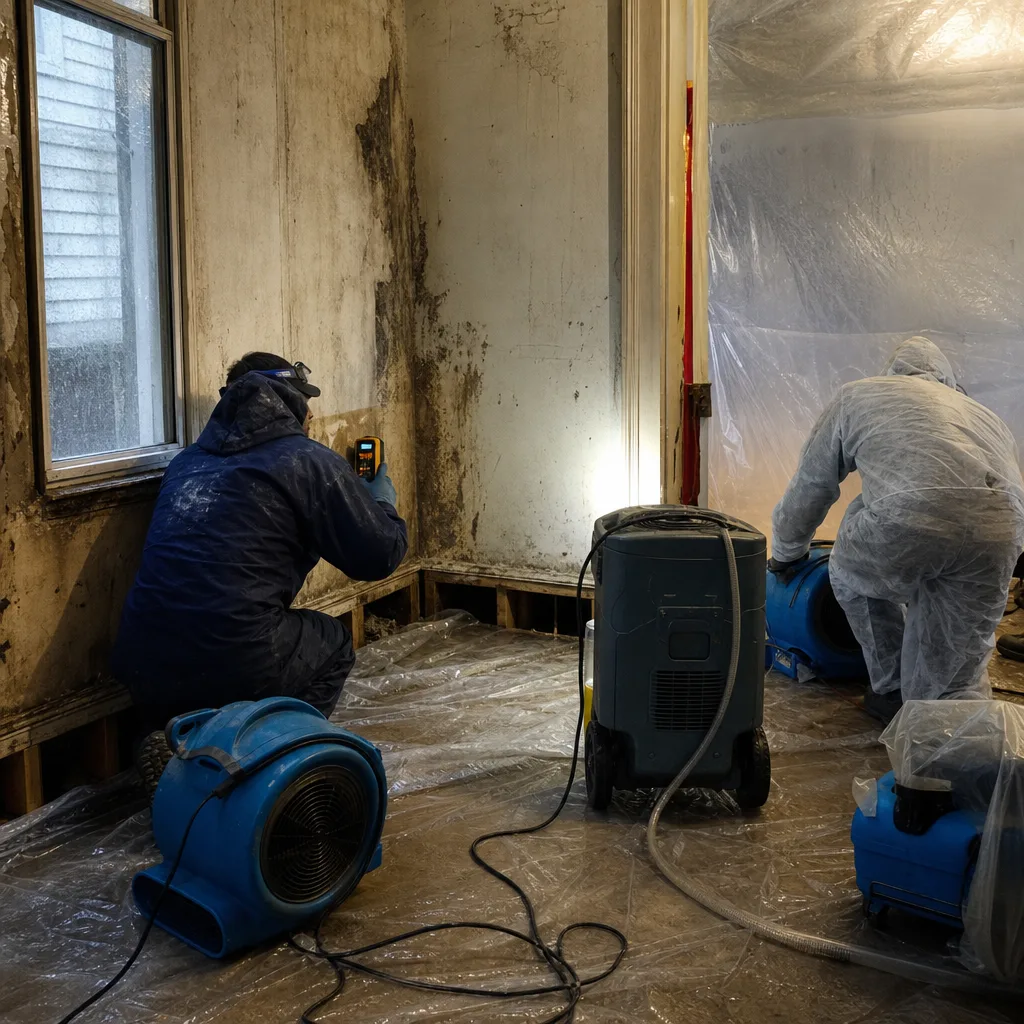 Before
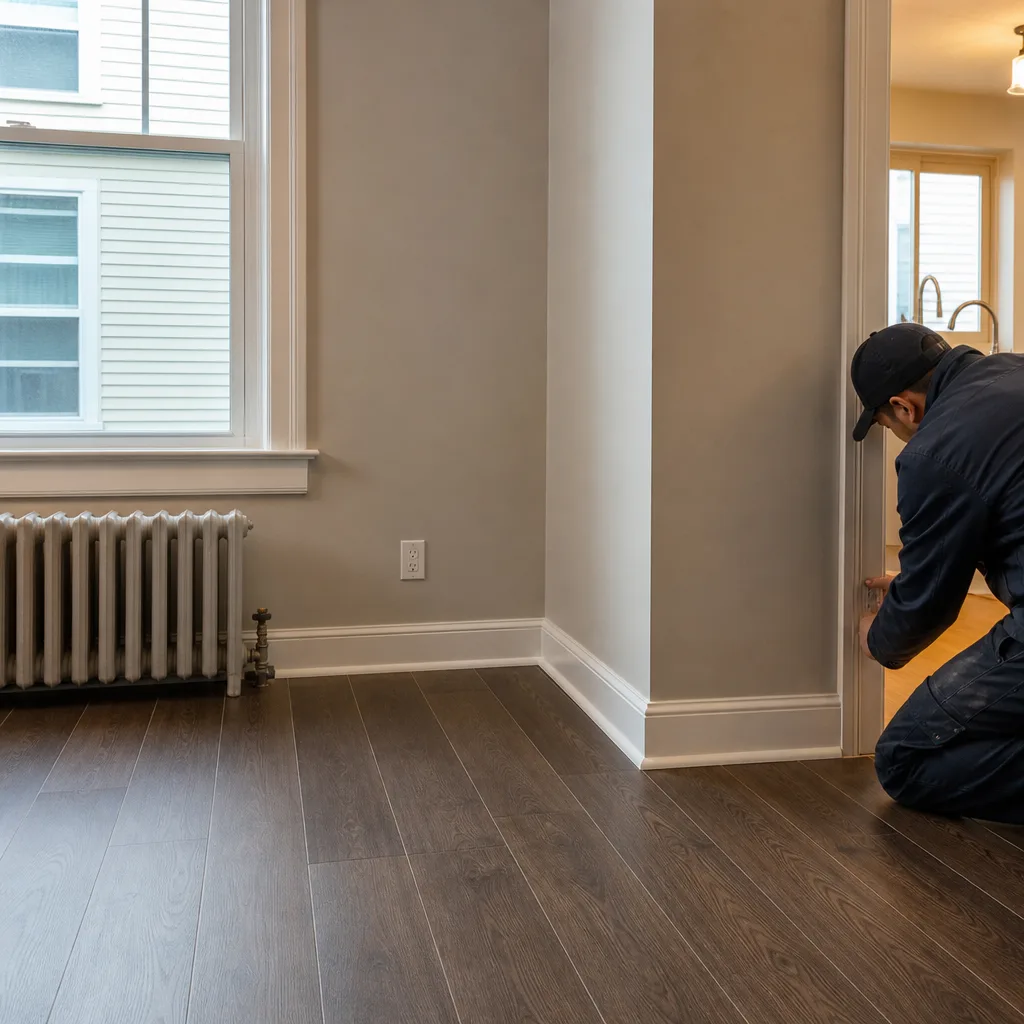 After
After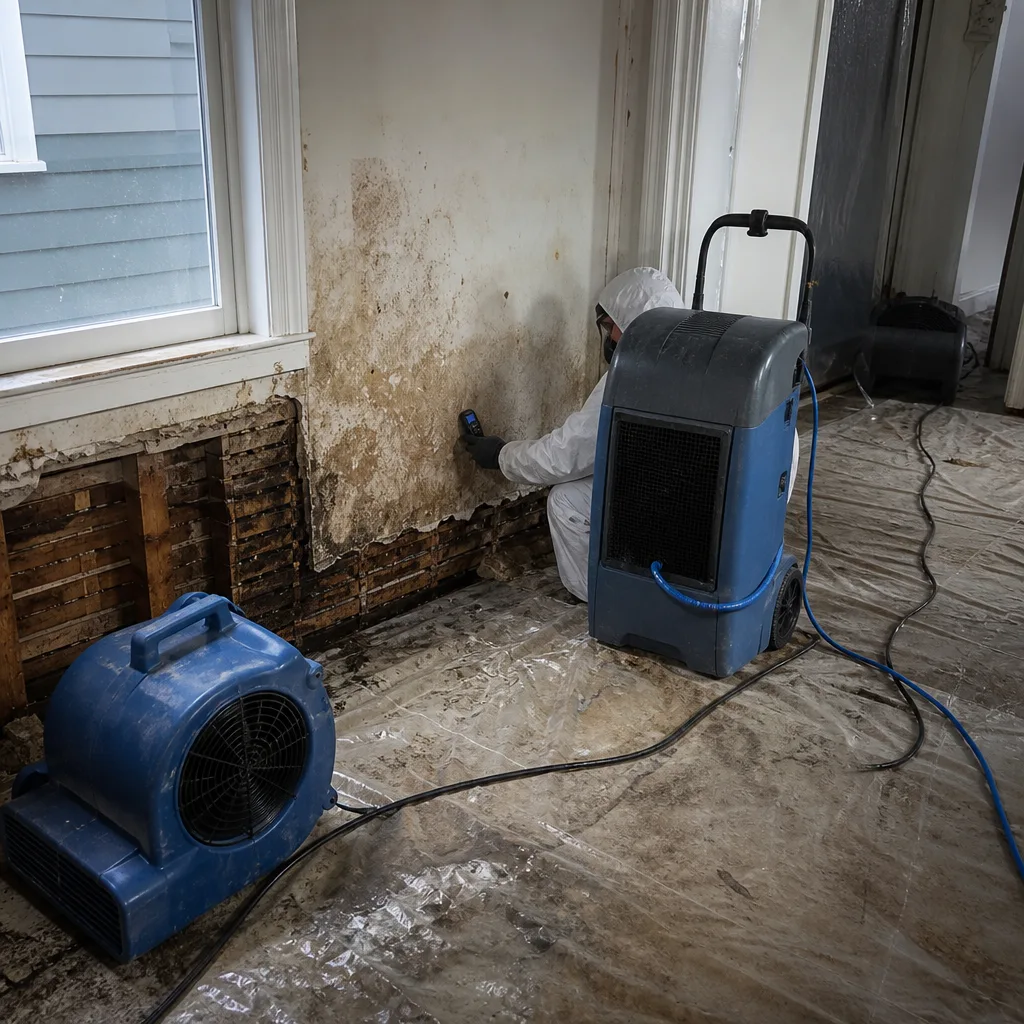 Before
 After
After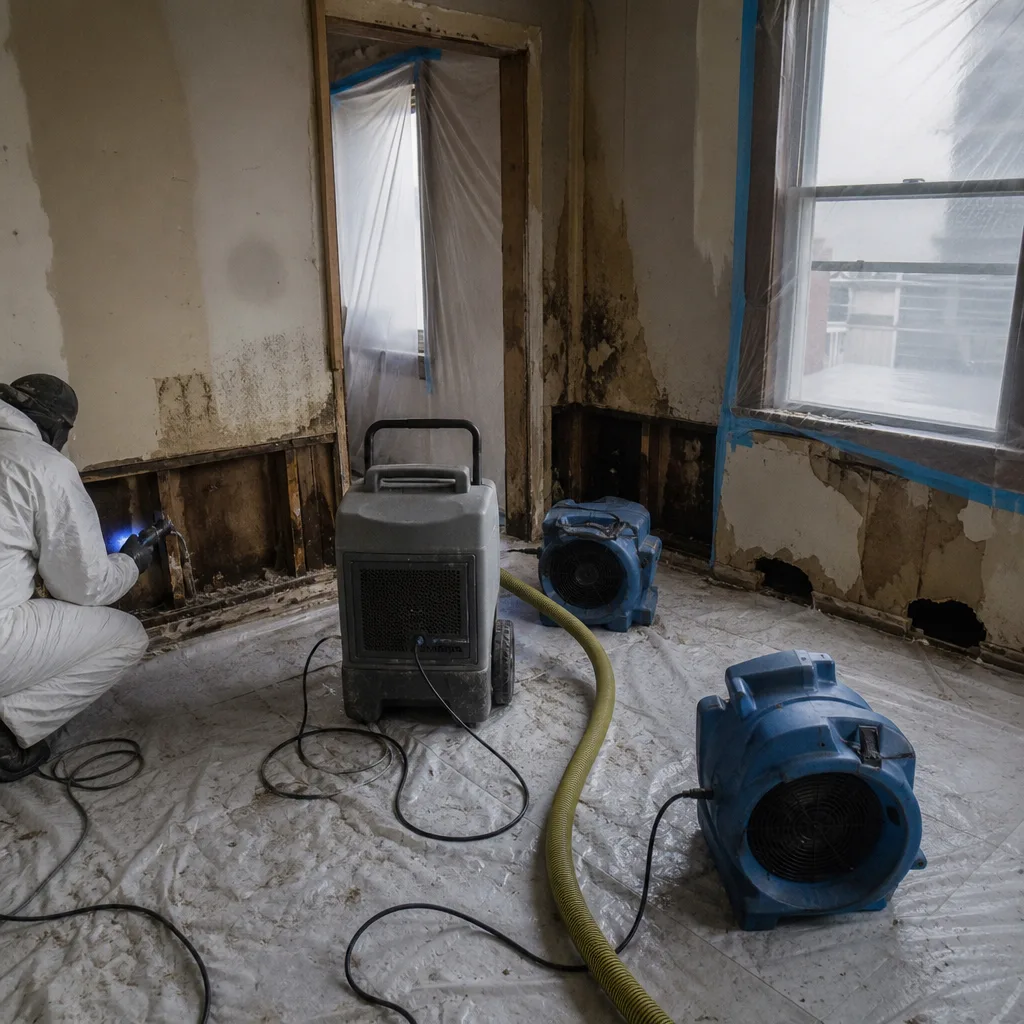 Before
 After
After24/7 Emergency Water Damage Restoration in Long Island City
A burst supply line in a Hunters Point high-rise or four feet of sewer backup in a Dutch Kills basement: the first hour decides how much you lose. Wade’s Restoration answers live around the clock, and Wade himself picks up the phone, 24 hours a day, seven days a week. Call (363) 208-1526 and a crew can be on-site in Long Island City inside 45 minutes with extraction pumps, air movers, and dehumidifiers. We start with a free visual inspection, take moisture readings, and tell you straight what we’re dealing with. The longer water sits in a pre-war loft or a glass-tower condo, the deeper it wicks into original brick party walls, engineered hardwood, and smart-home wiring. Speed is not a sales pitch here. It’s the whole job.
Understanding Water Damage Restoration Severity in Long Island City Properties
In Long Island City, water damage is rarely just water. The restoration industry classifies water into three categories, and LIC’s building stock forces us to treat every call with extra care. Category 1 is clean water from a burst supply line or an overflowing sink. Category 2 carries biological or chemical contaminants, like washing machine discharge or a roof leak that’s picked up debris. Category 3 is the serious one: sewage, Newtown Creek overflow, East River storm surge. That water carries bacteria, industrial residue, and whatever the combined sewer system pushed backward into your building. In Dutch Kills and much of the waterfront, we assume Category 3 until moisture mapping and testing prove otherwise. That assumption drives everything: containment before equipment goes in, antimicrobial treatment, and off-site content cleaning. It’s not the cheapest path. It’s the only one that doesn’t fail an inspection six weeks later.
Why Long Island City Property Owners Choose Wade’s Restoration
- Wade answers his own phone at 2 a.m. You won’t talk to a call center and you won’t wait on hold while your ceilings sag.
- We commit to a 45-minute response to any Long Island City address, from the East River waterfront to the interior blocks near Queens Plaza.
- Every crew member is IICRC-certified in WRT and FSRT. That’s not a plaque in an office; it’s a standard applied to your living room.
- The visual inspection is free. If you don’t like the scope, you don’t pay a dime for us to come out.
- We bill your insurance carrier directly, and Wade talks to the adjuster himself. You’re never the messenger between two sides.
- One team handles your job from extraction through reconstruction. You won’t get passed to a subcontractor who never met you.
Our Water Damage Restoration Process
Inspection & Assessment
We start with thermal imaging, hygrometer readings, and a room-by-room moisture map. In older LIC loft buildings, that includes checking for asbestos-containing materials before anything gets disturbed.
Extraction & Stabilization
We pull standing water with truck-mounted extractors and submersible pumps, then remove saturated drywall, baseboard, and underlayment that can’t be saved. In Category 3 situations, this happens inside full containment.
Drying & Dehumidification
We install Dri-Eaz and Phoenix air movers and commercial dehumidifiers, log daily moisture readings, and adjust equipment placement every visit. You get the entire drying log at the end of the job.
Cleaning & Sanitization
For black water events, we apply EPA-registered antimicrobials and run HEPA air scrubbers. In Superfund-adjacent properties, that step is not optional and it’s never rushed.
Targeted Containment & Specialty Treatment
We set up negative air pressure to keep contaminated dust and fibers from migrating into living spaces. That matters in converted industrial buildings where lead paint and asbestos wrap are common.
Repairs & Restoration
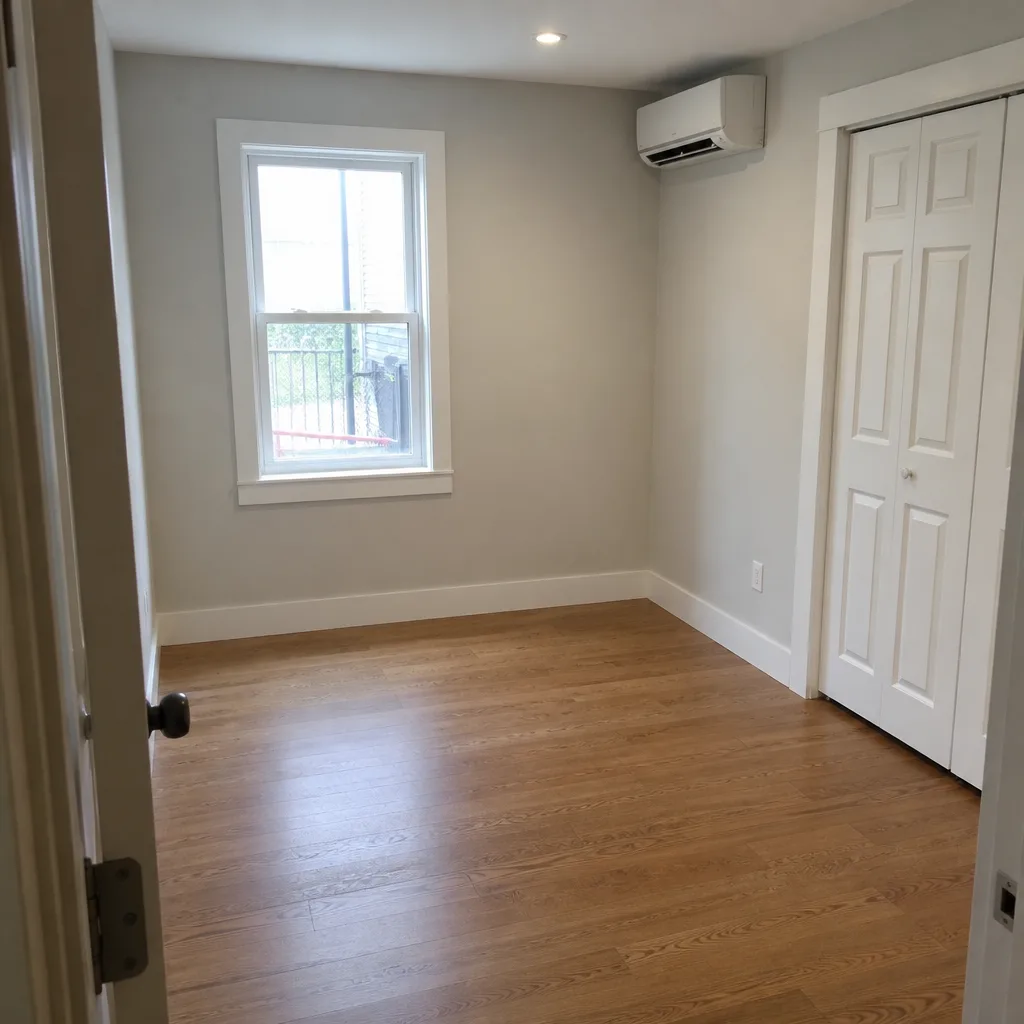
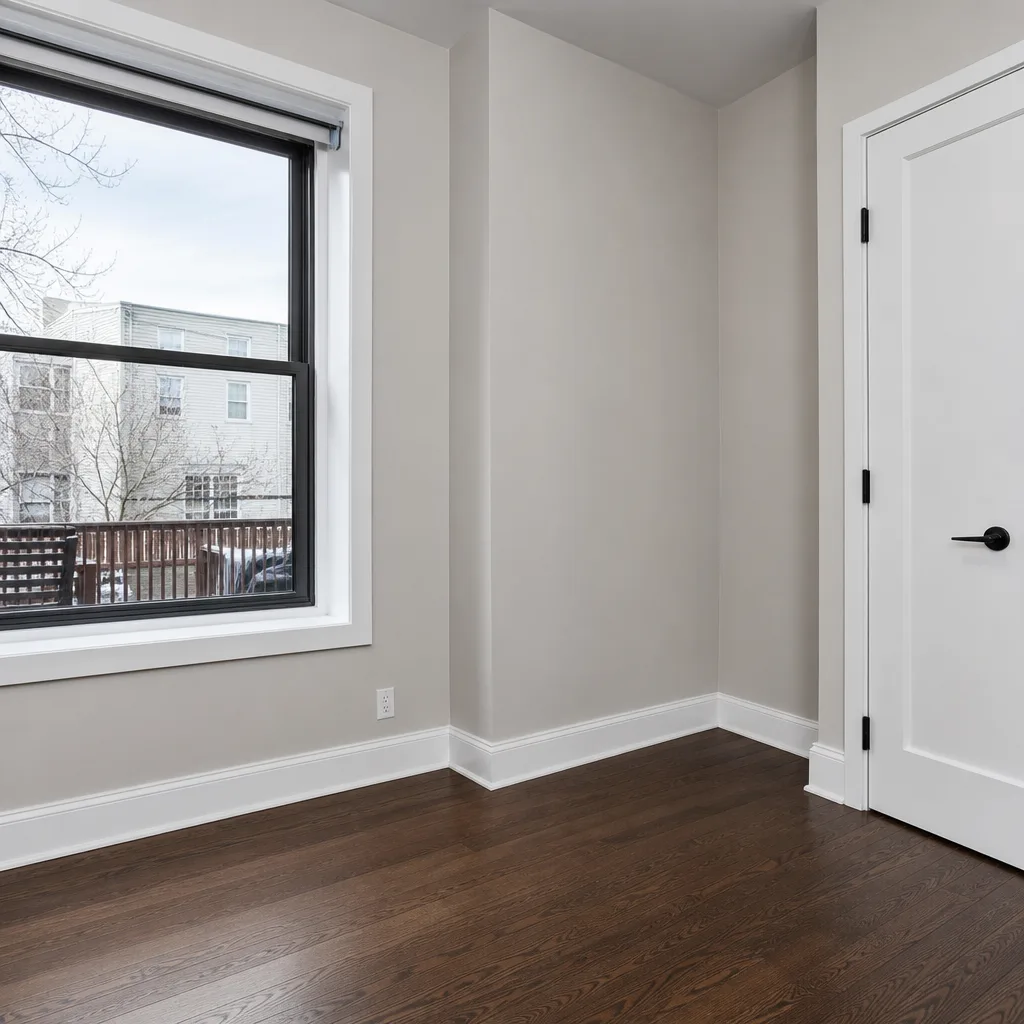
Once moisture levels are stable and clearance testing passes, we rebuild: drywall, flooring, trim, paint. We’re not just the crew that tears out the wet stuff. We’re the ones who restore your apartment to pre-loss condition.
Need Emergency Water Damage Restoration in Long Island City Now?
Crews minutes away, answering live 24 hours a day. The sooner we start, the less it costs.
Working With Your Insurance Company
Insurance claims in Long Island City come with a twist more complicated than most homeowners expect: proving that the water came from a covered peril and not a pre-existing condition. When Newtown Creek surge water or a combined sewer backup floods your building, your carrier needs evidence. We build that file from the first hour. Photos of every affected room, moisture readings with dates and times, a line-item scope with the category of water clearly documented, and a direct line between Wade and your adjuster. We’ve handled claims tied to Hurricane Sandy, to nor’easter-driven East River surge, and to the quieter sewage backups that happen every time a hard rain hits the neighborhood’s aging pipes.
What We Provide Your Insurer
- Thorough documentation of the loss
- Photos of all damage, room by room
- Moisture readings and drying logs
- A detailed, line-item scope of work
- Direct coordination with your carrier
Built for Long Island City’s Loss Calendar
Long Island City’s disaster calendar doesn’t match the rest of the country’s. January and February deliver deep freezes that split supply lines in unheated converted lofts and under-insulated high-rise mechanical rooms. March brings the thaw, when groundwater from saturated soil pushes into below-grade foundations along Jackson Avenue and the low blocks near the East River. June through August is thunderstorm season, and that’s when the combined sewer system shows its age: moderate rain becomes a basement full of Category 3 water in Dutch Kills, Hunters Point, and anywhere the old brick laterals still connect to the city’s sanitary mains. Then there’s nor’easter season, which in LIC means storm surge, not just wind. We schedule around this calendar because we live in it. The day after a nor’easter pushes water up from the East River, we’re already answering calls from building supers and homeowners who thought they were out of the flood zone. Most of them weren’t.
Water Damage Restoration Across Long Island City’s Neighborhoods
In Hunters Point, we respond to water damage in post-2010 luxury towers where curtain-wall assemblies hide condensation pockets and wind-driven leaks behind imported wall panels. Thermal imaging finds moisture that a visual check misses, and we know from hard experience that drying in place those high-end veneers usually fails. In Dutch Kils, the calls are different: ground-floor and basement floods in converted factory buildings from the early 1900s, where the brick walls wick water upward and the old steam pipes are often wrapped in asbestos. We set up containment first, every time. Over near Queens Plaza and Court Square, we see a mix: pre-war elevator buildings with aging risers, plus newer condo fit-outs with smart-home systems that don’t react well to water. Along Vernon Boulevard, the calls skew toward commercial storefronts and restaurant basements, where a sewage backup can shut a business for days. Each of these areas within Long Island City has its own failure pattern, and our crews know them before we knock on the door.
Specialized Water Damage Restoration Services We Offer in Long Island City
Flood Cleanup
When the East River surges or Newtown Creek overflows its banks, the water that enters your LIC building is not clean. It carries industrial sediment, sewage, and storm debris. Flood cleanup here means extraction, removal of contaminated materials, antimicrobial treatment, and structural drying, all inside containment. It also means documentation that separates flood damage from pre-existing conditions for your insurer.
Basement Water Removal
Basement water removal in Long Island City almost always means sewage. The neighborhood’s combined sewer system means stormwater and sanitary waste share the same pipes, and those pipes back up into the lowest point of the building. We treat every basement call in LIC as potentially hazardous until proven otherwise. That’s not fear-mongering. It’s how you avoid cross-contamination of the rest of your home.
Structural Drying & Dehumidification
Drying a Hunters Point high-rise condo is different from drying a Dutch Kills loft. High-rise construction traps moisture behind glass assemblies and in sheetrock; old brick masonry holds water and releases it slowly. We use Dri-Eaz and Phoenix equipment, set up drying chambers where needed, and monitor with hygrometers until the moisture content of every affected material is back to acceptable levels. Then we hand you the daily log.
Emergency Water Extraction
Extraction is the first line of defense, and the speed of it determines what’s salvageable. We bring truck-mounted extractors and XPOWER submersibles to lift standing water fast, then pull saturated materials that can’t be saved. In Long Island City, that often means working around building rules about elevator use, freight hours, and street parking for our equipment. We handle all of it.
Burst Pipe Restoration
Burst pipes in LIC’s older buildings are a regular occurrence from December through March. Supply lines freeze and split, and before anyone notices, water is running down through three floors. We trace the leak, stop the source, extract the water, and dry the affected spaces. Then we put it all back together: ceilings, walls, flooring, paint.
What happens when you call
- 1
A real person answersNo phone trees - you reach a local pro.
- 2
You get an upfront price rangeHonest numbers before anyone is dispatched.
- 3
A background-checked tech heads outLicensed & insured, dispatched right away.
- 4
You approve before work beginsNothing starts until you say go.
Water Damage Restoration Costs in Long Island City, NY
Honest numbers for Long Island City, as of March 2026. Emergency water extraction starts around $500 to $1,200 depending on square footage and water depth. Structural drying for a single affected room typically runs $1,800 to $3,400, including equipment, daily monitoring, and the drying log. A full basement Category 3 cleanup with containment and antimicrobial treatment usually lands between $4,000 and $12,000; the higher end reflects hazardous-materials considerations in Superfund-adjacent buildings. Burst pipe restoration across multiple floors can run $6,000 to $20,000 or more depending on finish levels. What moves the price: water category, building age and materials, whether asbestos or lead is present, and how quickly we get there. Insurance covers most sudden-and-accidental losses. The free inspection gives you a firm scope in writing before any work begins. Call (363) 208-1526 for an exact number.
We Also Serve Cities Near Long Island City
Our crews work across the Queens and Brooklyn waterfront. We respond regularly to water damage in Astoria, where pre-war rowhouses and garden apartments have their own set of issues, and in Flushing, where heavy rainfall and aging drainage create basement flooding patterns similar to LIC’s.
Serving Long Island City, NY - Our Local Coverage Area
We’re based in the Long Island City area and know this community well. Use the map below to see our service coverage - if you’re nearby, we can almost certainly help.
Long Island City Water Damage Restoration Questions, Answered
Does every Long Island City basement flood require Category 3 black water cleanup?
Nearly every one. Long Island City’s combined sewer system means stormwater and sanitary waste share the same network, and when it rains hard, that network backs up into the lowest point of any building: the basement. Even if the water looks clear, its source is questionable in this neighborhood. We treat it as Category 3 until testing proves otherwise. That means containment, antimicrobial treatment, and off-site content cleaning, not just extraction and drying. If you skip this step in LIC, you’re gambling with your family’s health and your insurance claim. Call (363) 208-1526 and we’ll walk you through it.
How do you handle water damage in LIC’s converted loft buildings with asbestos?
We check first, then we touch the wet material. Many of Long Island City’s older lofts, including buildings converted in the last three decades from early-1900s factories, still have asbestos wrap on original steam pipes. If we suspect asbestos, we stop, bring in a licensed third-party abatement team, and only place drying equipment once clearance testing is done. Skipping this step allows fibers to spread through negative air pressure from air movers, which is exactly what gives restoration crews a bad name. We won’t rush it.
What’s the biggest water damage risk in Hunters Point high-rises during a storm?
Hidden moisture behind curtain-wall glass assemblies. Wind-driven rain and storm surge push water into the spaces between the glass and the structural frame; you can’t see it, but it’s wicking into insulation, drywall, and sometimes smart-home wiring. The mold clock starts in 24 to 48 hours. Thermal imaging finds what you can’t see, and that’s why we never skip it in newer LIC towers. If you’re in Hunters Point and you see water staining near a window line after a storm, call us the same day. The longer it sits, the more we have to tear out.
Can you restore my LIC apartment to pre-loss condition after a Newtown Creek flood?
Yes, and that’s the standard we build toward on every job. The key is documentation: we capture pre-existing conditions, the category of water, and the full scope before, during, and after mitigation. That gives your insurer a clean picture and gives us the roadmap for rebuild. In a high-end Hunters Point condo, we’re matching imported finishes and working with building management on freight-elevator access. In a Dutch Kills loft, we’re restoring original details while bringing the space to current code where needed. That’s our Water Damage Restoration team’s daily work.
Do LIC’s storm surge and sewer backup events require different equipment than a typical pipe burst?
They require more of it and different kinds. A clean water pipe burst needs extraction, air movers, and dehumidifiers. A Newtown Creek surge or combined sewer backup demands containment chambers, HEPA air scrubbers, EPA-registered antimicrobial treatments, and often negative air pressure. We use professional-grade Dri-Eaz, Phoenix, and XPOWER equipment, and for Category 3 work we add respiratory protection and full PPE for our crew. It’s not the same job. Anyone who tells you it is hasn’t done it in LIC.
How fast can someone actually get here?
Wade answers the phone when you call, day or night, and a crew can be on-site at a Long Island City address within 45 minutes. That’s our standing commitment for water emergencies, because the difference between a two-hour response and a five-hour response can be the difference between drying a floor and replacing it. Call (363) 208-1526 and you’ll hear a person, not a recording.
How long does drying take after water damage in Long Island City?
Typical structural drying runs three to five days, but LIC’s building stock stretches that timeline. A Hunters Point high-rise with hidden condensation behind glass assemblies can take a week or more. A Dutch Kills loft with thick original brick party walls may need seven to ten days, because old masonry releases moisture slowly. We adjust the equipment daily, take readings every visit, and don’t walk away while the numbers are still moving. You’ll see the full log at completion.
What should I do in the first 30 minutes after I find water?
Shut off the water source if it’s safe, kill power to the affected area at the breaker, move small valuables and electronics to dry ground if you can do it safely, and call us at (363) 208-1526. Don’t enter standing water in a Long Island City basement; in this neighborhood, standing water usually means sewage and it can carry live electrical current. Don’t run a shop vac on floodwater from the East River or Newtown Creek. And don’t wait until morning. Water does its worst work in the dark.
Wade Ferris founded Wade’s Restoration in 2007, and he still runs it like a neighbor, because that’s what he is. His name is on the truck, his number is the one you call, and he’ll be the one walking your LIC apartment with a moisture meter and a straight answer. The 90-Day Done Right Promise, in writing on every job, is the only guarantee that matters: if it’s not done right, we make it right. Serving Long Island City’s homeowners, building managers, and supers from Hunters Point to Dutch Kills, we handle the whole thing, from the first extraction to the final coat of paint. Call (363) 208-1526 for a free visual inspection and a firm scope before any work starts.
Written by Wade Ferris, Owner at Wade’s Restoration, serving Long Island City since 2007.