
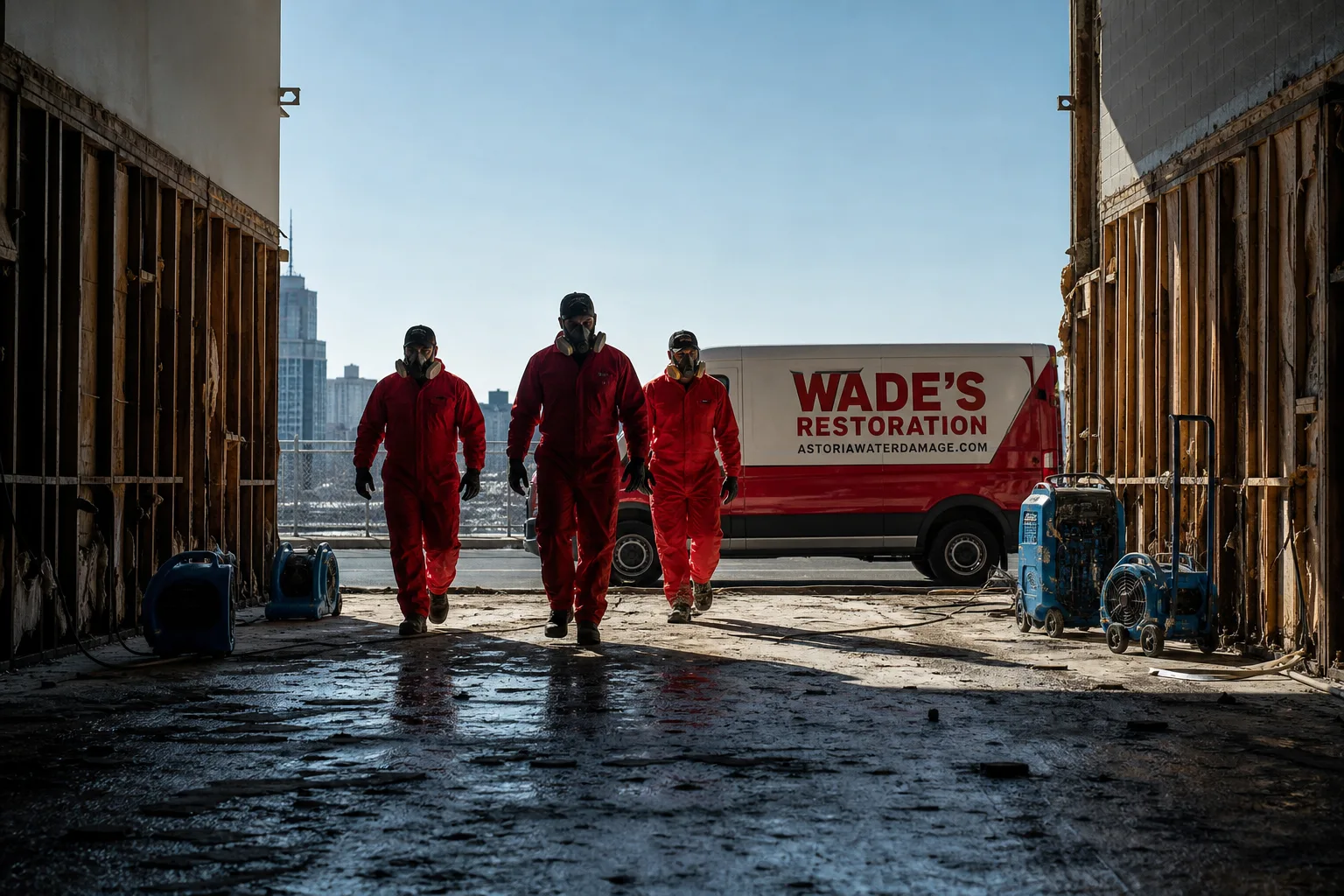
Free visual inspection and a written scope of work before any mitigation begins - photos, moisture readings, and drying logs go in your claim file
The scope we write is the scope we bill. Anything new gets shown to you, in writing, before we touch it.

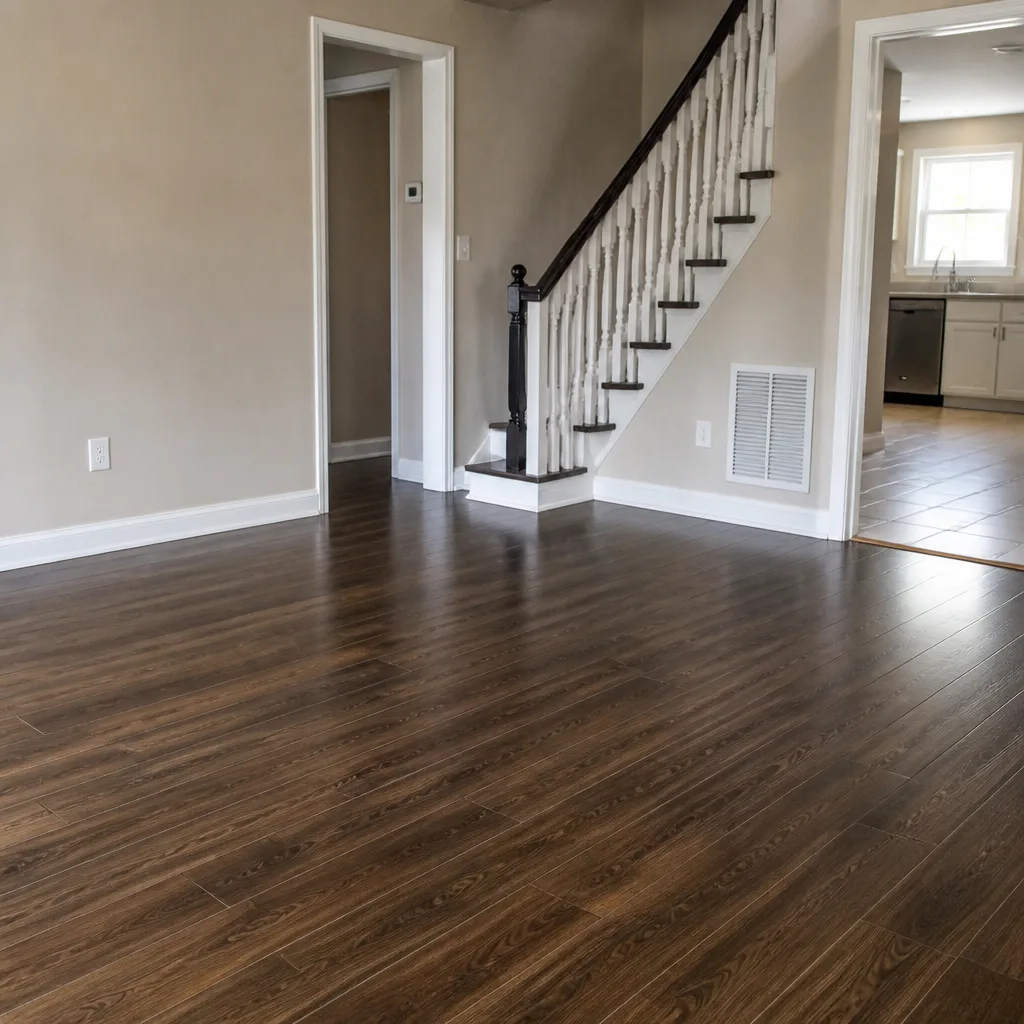

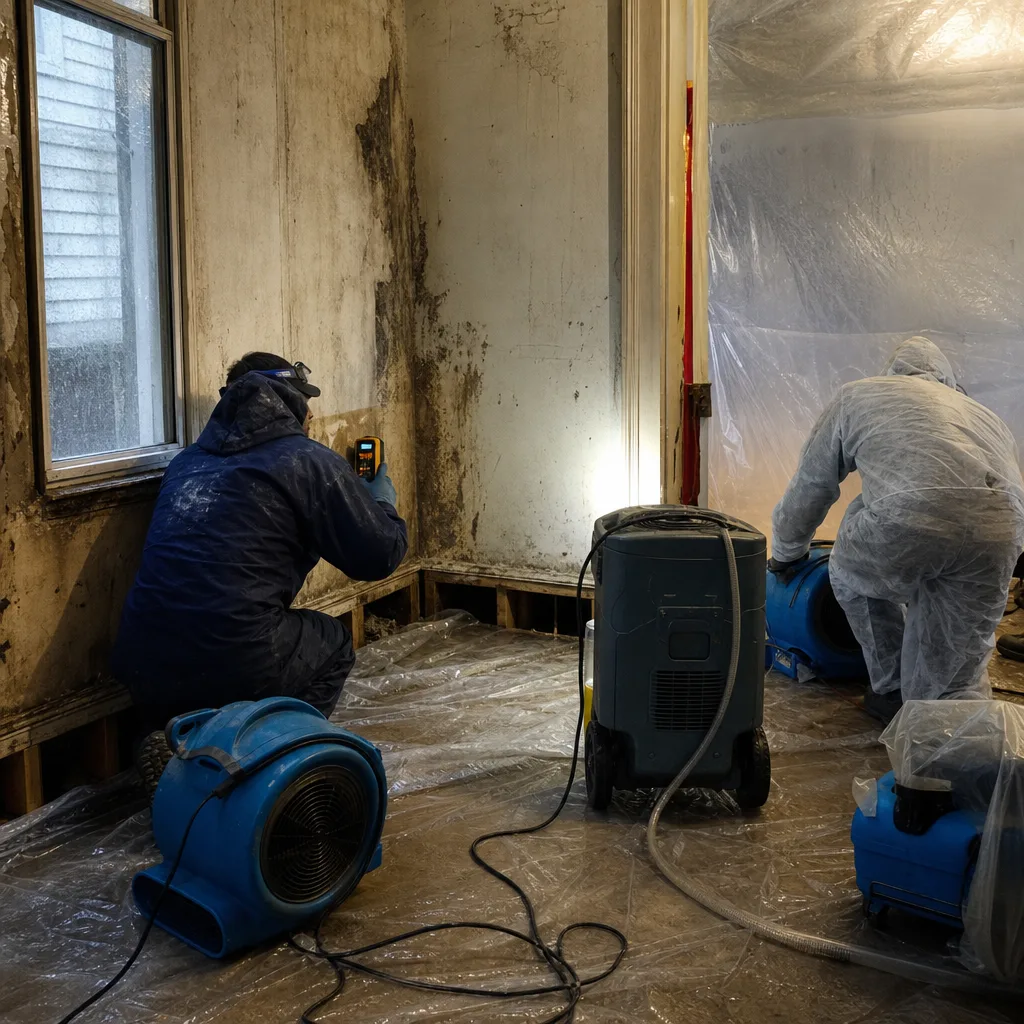 Before
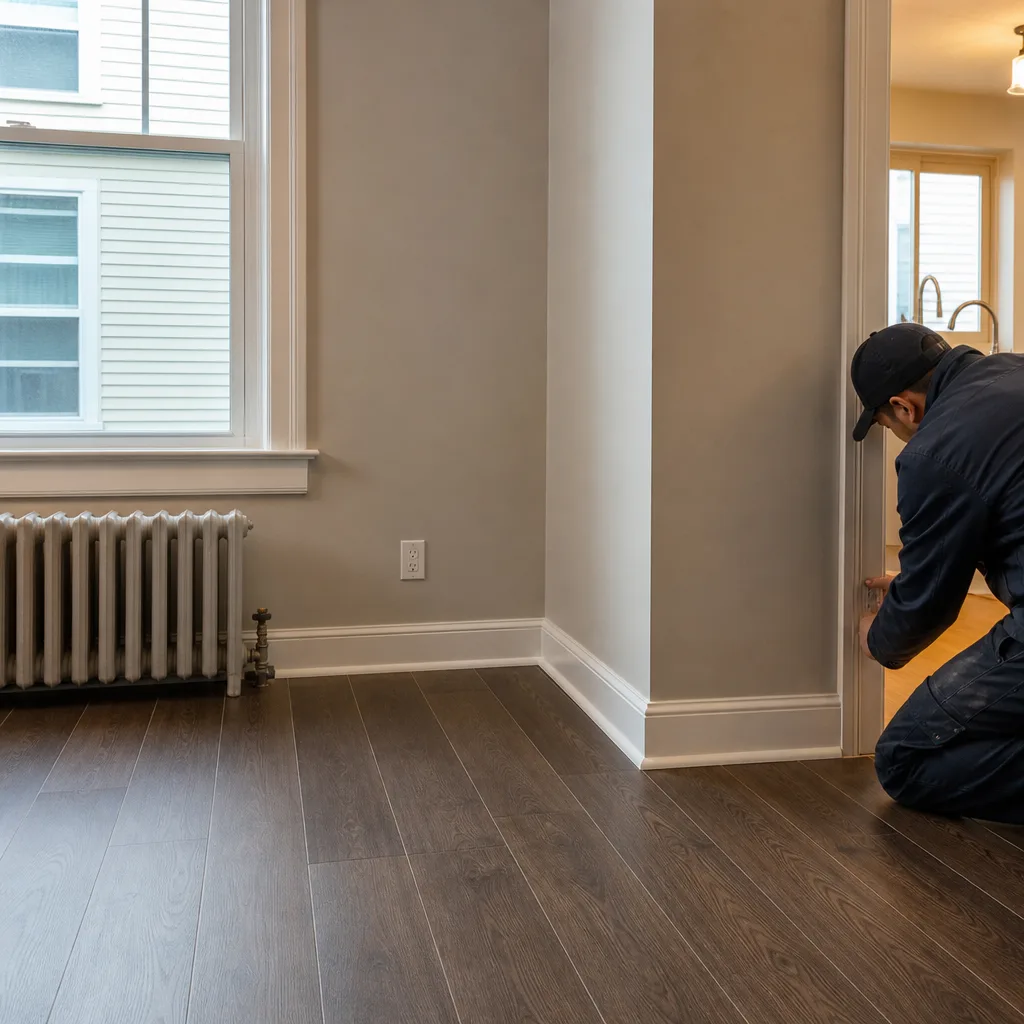 After
After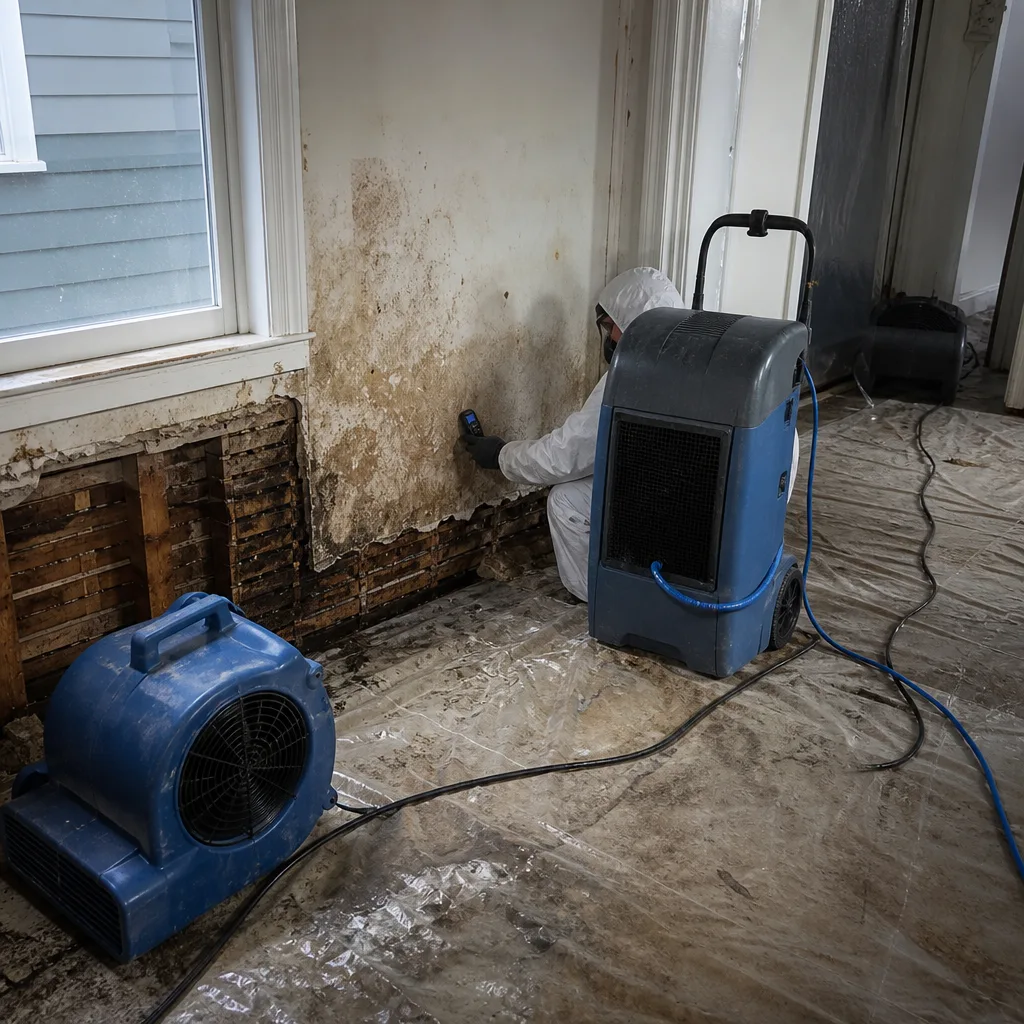 Before
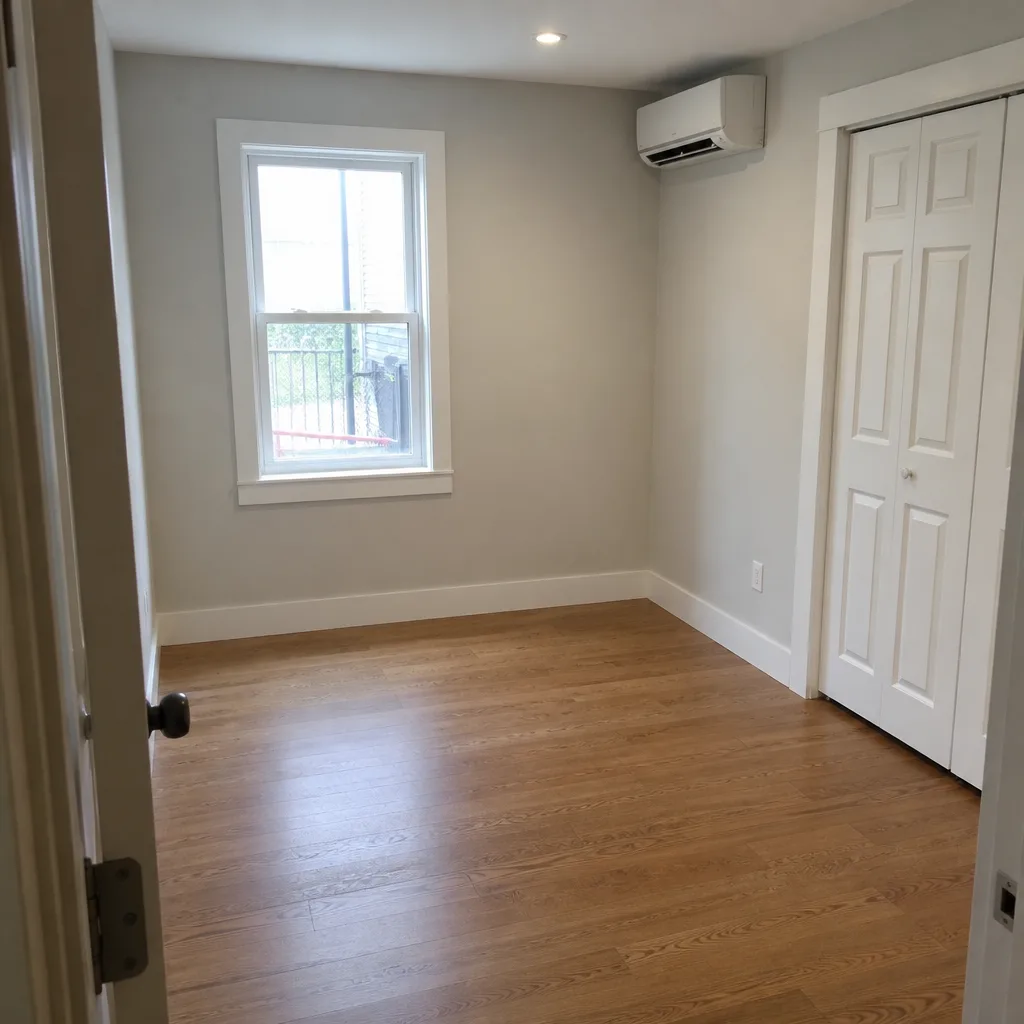 After
After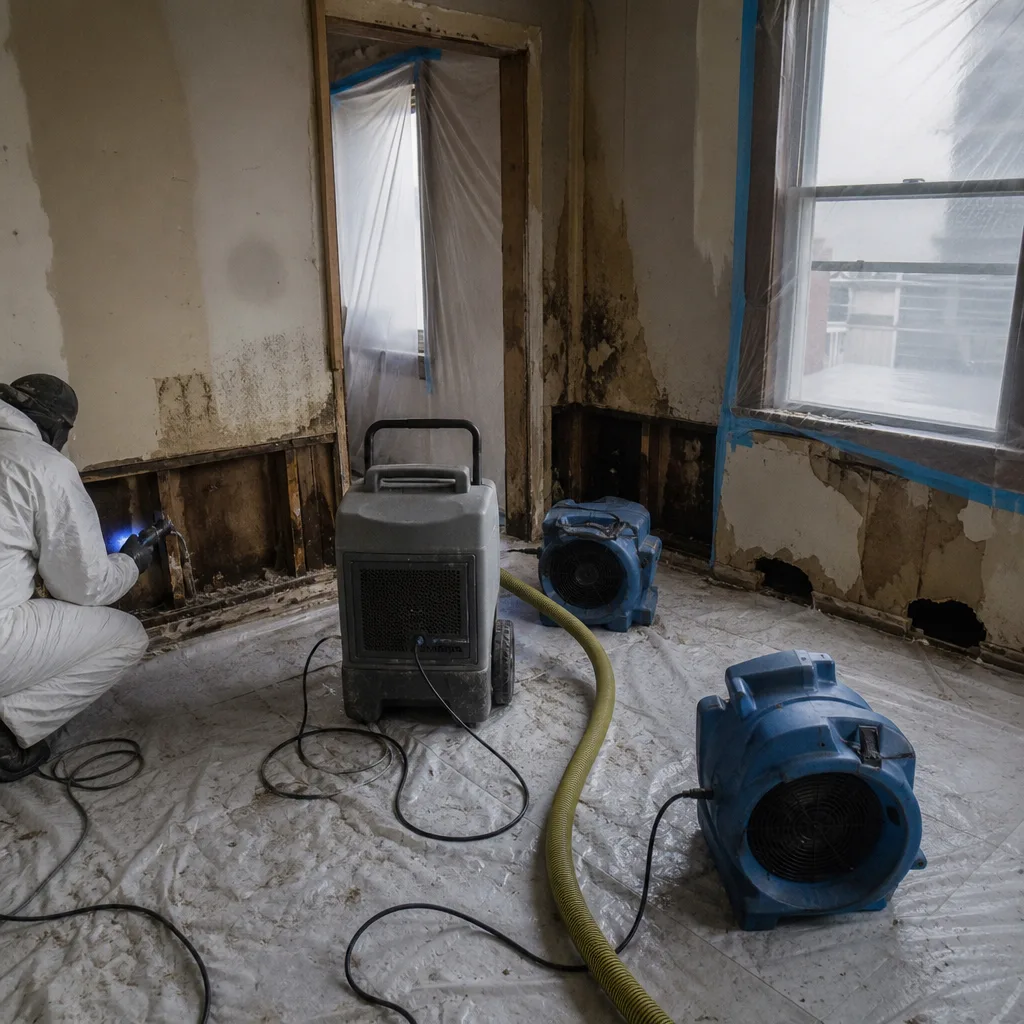 Before
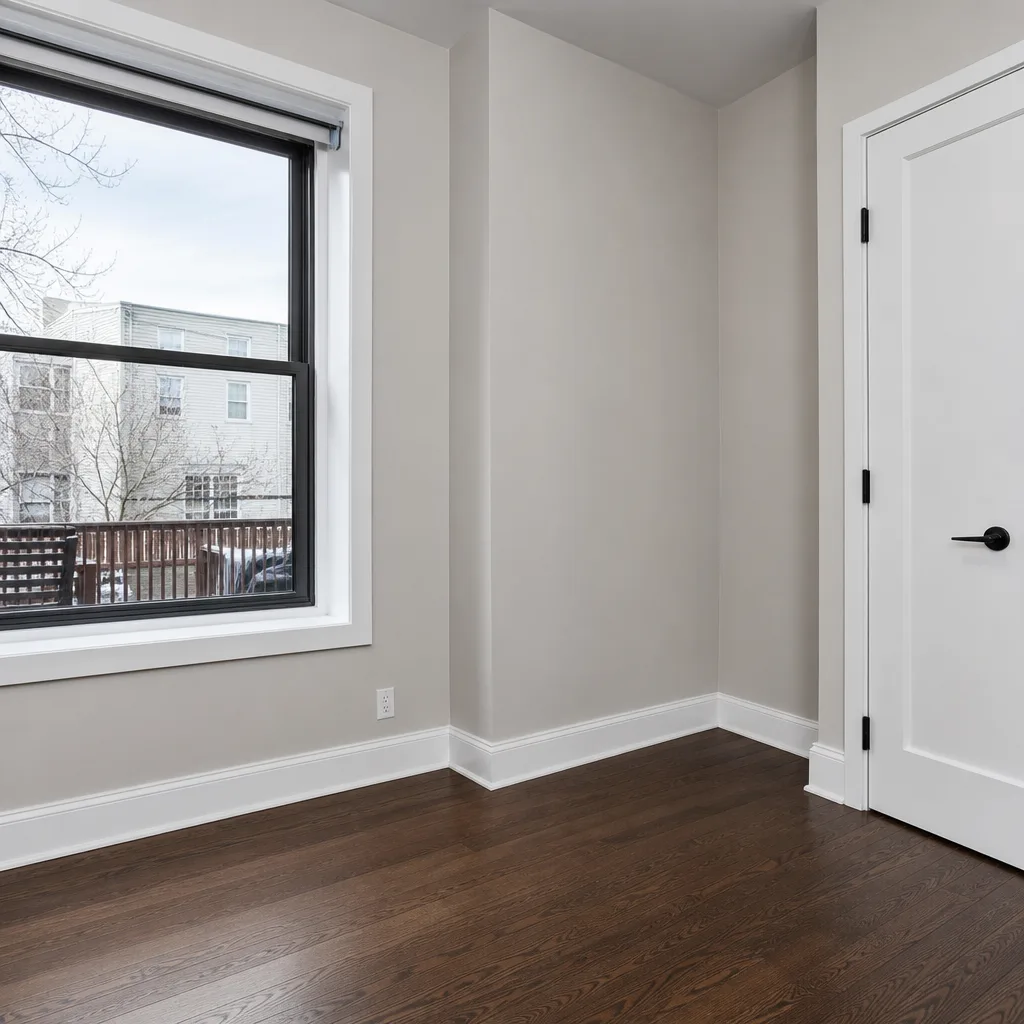 After
After24/7 Emergency Storm & Disaster Restoration in Flushing
Storm damage in Flushing does not wait for business hours, and neither do we. When a nor’easter drives rainwater through a flat row-house roof on Bowne Street or a July thunderstorm backs Flushing Creek into a finished basement off College Point Boulevard, you need a live person on the phone and a crew on the way. Call (363) 208-1526 any hour, any day. Wade Ferris answers his own phone and can have extraction running inside the hour. The first sixty minutes decide how much of your basement floor, drywall, and stored belongings survive. Every hour storm water sits in a below-grade Flushing basement, it wicks higher into the walls, and mold has a 48-hour head start you will not win. A free visual inspection tells us what you are actually dealing with, not what a phone quote guesses.
Understanding Storm & Disaster Restoration Severity in Flushing Properties
Not all storm water is the same, and Flushing’s building stock makes the distinction matter more than it does in the suburbs. Category 1 water is clean rainwater that comes through a roof leak before it touches anything dirty. Category 2 water has picked up significant contamination, which happens fast when street flooding pushes through combined sewers before backing into a below-grade storefront on Main Street. Category 3 water is grossly contaminated, and we see it when Flushing Creek storm surge mixes with sewage, or when a cast-iron drain stack in a 1940s attached row house finally fails and dumps whatever was in the stack into the finished basement. In Flushing’s 1920s to 1950s attached brick row houses, shared party walls mean moisture does not respect your property line. A Category 2 flood in one unit moves laterally through the brick and shows up as hidden wicking next door. We scope for that from the first inspection, using thermal imaging to see what the eye cannot. If we do not, the neighbor’s mold becomes your dispute two weeks after your claim closes.
Why Flushing Property Owners Choose Wade’s Restoration
- 45-minute response commitment: From College Point Boulevard to Kissena Park, our crews in the Flushing area arrive fast, because standing water and open roofs get worse by the hour.
- 24/7 live answer: A real person picks up, including Wade himself. No automated system, no voicemail tree, no runaround at 2 a.m.
- IICRC-certified crews: Our techs carry WRT, FSRT, and AMRT certifications. That means water, fire, and mold restoration are done to the industry’s highest standard, not improvised.
- Free visual inspection: We look before we quote. You get a straight answer about what needs doing and what does not, with no charge for the visit inside our own county.
- Direct insurance billing: We bill your carrier directly and talk to the adjuster ourselves, so you are not stuck as the messenger between two sides.
- One team from extraction to reconstruction: The same people who pump your basement are the ones who rebuild the walls. No handoffs, no dropped details.
Our Storm & Disaster Restoration Process
Inspection & Assessment
We start with a full walkthrough, including the attached units on either side of a shared party wall when that applies. Moisture mapping and thermal imaging show us where water actually went, not just where it pooled.
Extraction / Stabilization
Standing water comes out first, fast, using truck-mounted extraction and submersible pumps for deep basement flooding. We cut off the water source, whether that means tarping a roof or closing a supply valve.
Drying & Dehumidification
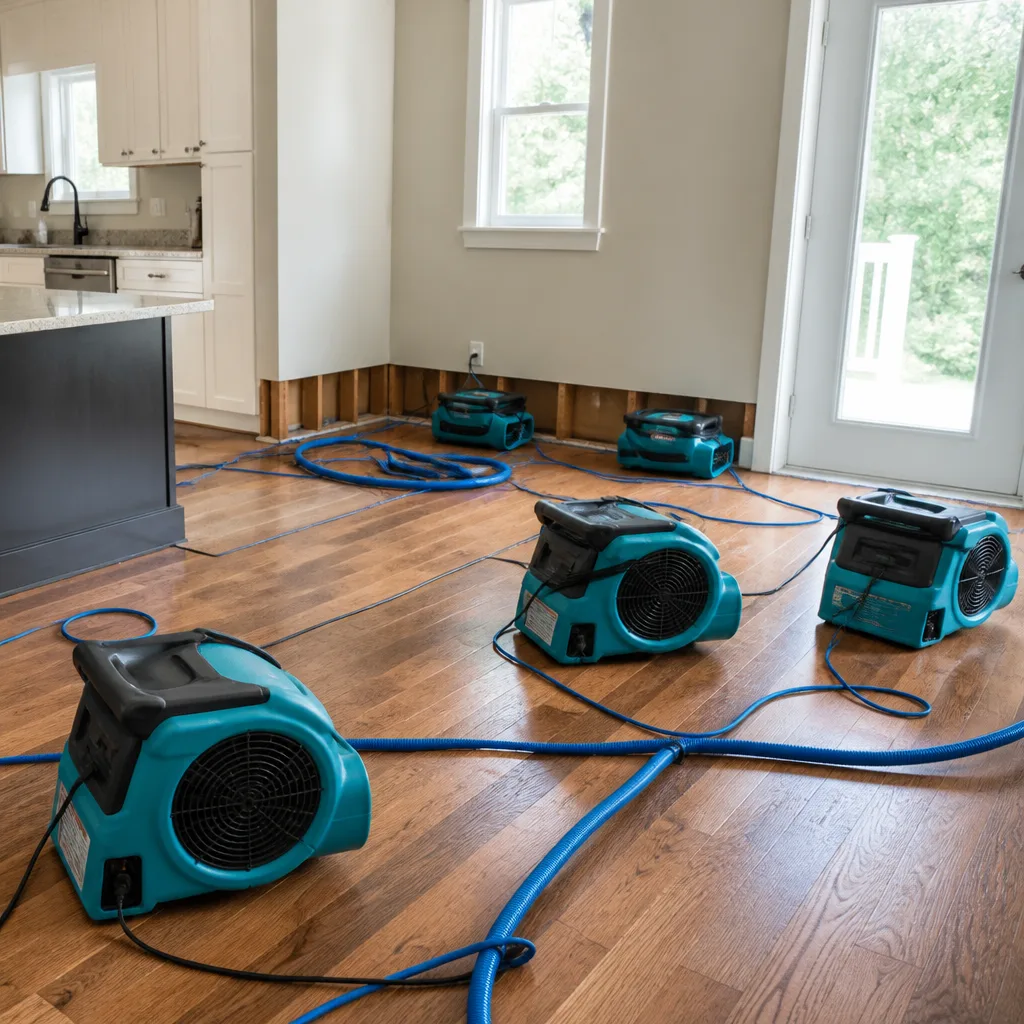
Dri-Eaz air movers and Phoenix dehumidifiers go in, positioned to chase moisture out of party walls and below-grade slabs. We take daily moisture readings and hand you the full log at the end of the job.
Cleaning & Sanitization
Storm water backs through combined sewers in Flushing, so we treat affected surfaces with antimicrobials and dispose of contaminated materials properly. Pressure washing and HEPA vacuuming handle the rest.
Specialty Treatment
For flood damage restoration in Flushing, this means pack-out of salvageable belongings, containment around wet party walls, and board-up of broken storefront glass or damaged entry doors on mixed-use buildings.
Repairs & Restoration
Once everything is dry and verified with a moisture meter, we rebuild. Drywall, flooring, trim, paint, and whatever the storm took. One team from the first pump to the final coat.
Need Emergency Storm & Disaster Restoration in Flushing Now?
Crews minutes away, answering live 24 hours a day. The sooner we start, the less it costs.
Working With Your Insurance Company
We handle storm damage claims the way the adjuster wants them handled: documented from hour one, photographed room by room, and scoped with line items they can verify. Wade Ferris has been doing this since 2007, and he has sat across the table from enough adjusters to know what slows a claim and what gets it paid. When storm flooding hits your Flushing property, we are the ones talking to your carrier, not you. That means you are not relaying technical questions about Category 2 water versus sump pump failure, and you are not guessing at what the policy covers. We also offer a free second opinion on any written estimate, and a $40 discount on any repair over $200. Seniors and veterans get 10% off, always.
What We Provide Your Insurer
- Thorough documentation of the loss
- Photos of all damage, room by room
- Moisture readings and drying logs
- A detailed, line-item scope of work
- Direct coordination with your carrier
Built for Flushing’s Loss Calendar
Flushing takes its storm losses in waves, and the damage shifts with the season. January deep freezes split supply lines in exposed 1920s row-house crawl spaces, flooding finished basements while the building is fully occupied. Spring thaw and heavy rain push groundwater into below-grade spaces long before anyone sees surface flooding, especially in the blocks running west toward Flushing Creek. Summer thunderstorms hit fast and hard, overwhelming the combined sewer system so that street water backs into basement units and roll-down storefronts along Main Street and Kissena Boulevard. Autumn nor’easters drive wind-driven rain through flat and low-slope r
oofs on the older brick stock, while coastal storm surge from Flushing Bay remains a documented risk for everything in FEMA Zone AE. The calendar matters because preparation differs: roof tarping is not a summer concern, and trash pumps are not a February concern. Knowing what actually causes storm damage restoration calls in Flushing each month means we show up with the right equipment, not whatever is on the truck.
Storm & Disaster Restoration Across Flushing’s Neighborhoods
The blocks around Main Street and College Point Boulevard are where we see the most concentrated flood damage restoration calls. This is the heart of the party-wall row house stock, and a single drain stack failure or sewer back-up on 41st Avenue can involve three attached units before we finish scoping. Downtown Flushing’s mixed-use condo towers from the 1990s and 2000s present a different pattern entirely: a burst supply line on the 14th floor sends water down through the electrical chase and takes out ceilings on five floors below. Kissena Boulevard runs through some of the densest residential blocks, and the basement rental units here are often occupied by tenants who do not report water right away, which is why we always check the adjacent attached unit as part of the initial estimate. Bowne Street and the streets east of Flushing Creek sit in the flood shadow of the creek itself, and we routinely tarp flat roofs there ahead of heavy weather, because once a 1940s roof starts routing water into a finished basement, the damage is already structural. Flushing Meadows Corona Park drains a huge upland area directly through the neighborhood, and when the park’s drainage system is overwhelmed, the water comes down Main Street and finds every below-grade opening on the way to the bay. If your basement is on the creek side of Northern Boulevard, you already know what that looks like.
Specialized Storm & Disaster Restoration Services We Offer in Flushing
Flood Damage Restoration
This is the core of what we do in Flushing, because the creek basin and the combined sewer system make basement flooding a recurring event here, not a once-a-decade surprise. We handle pump-outs, category classification, antimicrobial treatment, structural drying, and full rebuild. The critical local piece is that we check the party walls before writing the estimate, because lateral wicking through shared brick is the thing that turns a one-unit job into a three-unit claim on these blocks.
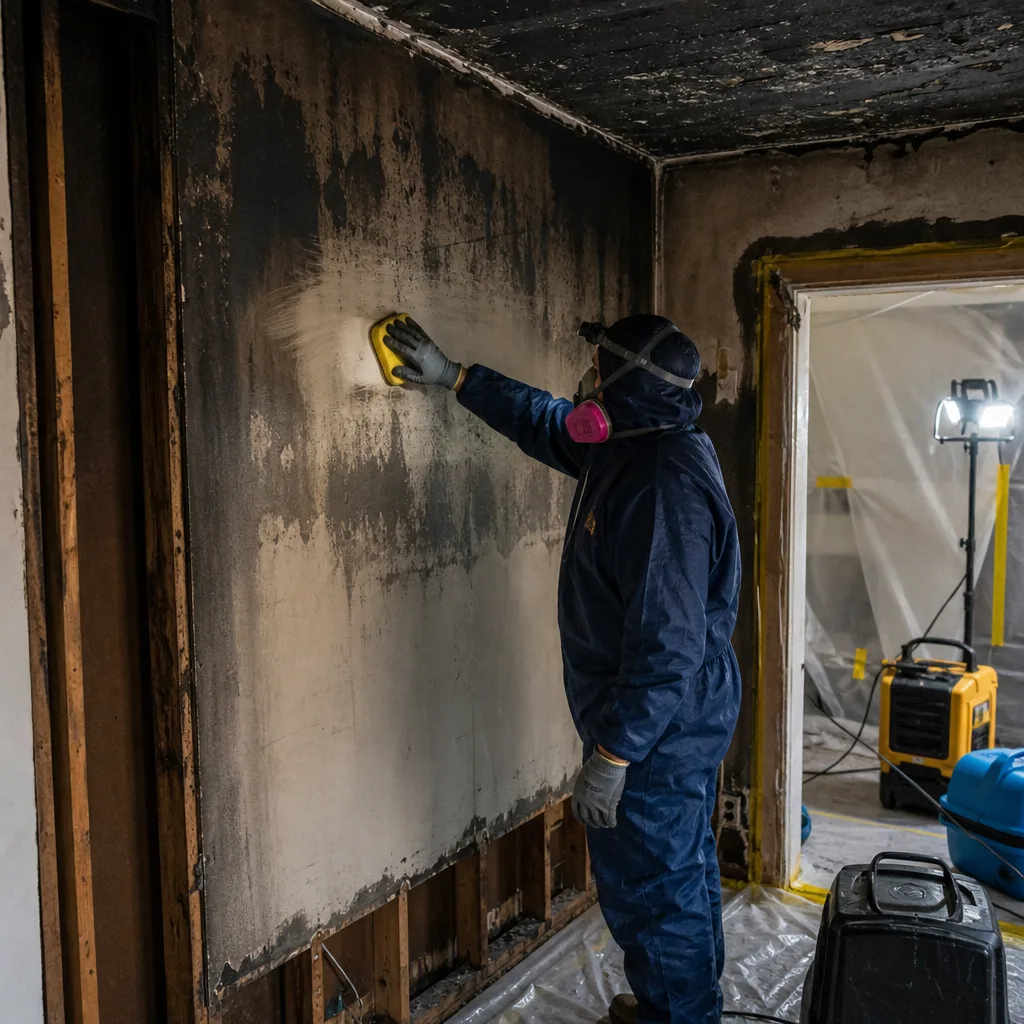
Emergency Board-Up
Storm damage to a storefront on Main Street or a broken window in a mixed-use building on Kissena Boulevard is not just a security issue, it is an invitation to more damage. We board up same-day, cut plywood to fit the weird opening sizes on older Flushing buildings, and secure below-grade entrances that storm water wants to find. Board-up is also the standard first step before any insurance adjuster will look at a claim, which keeps your process moving.
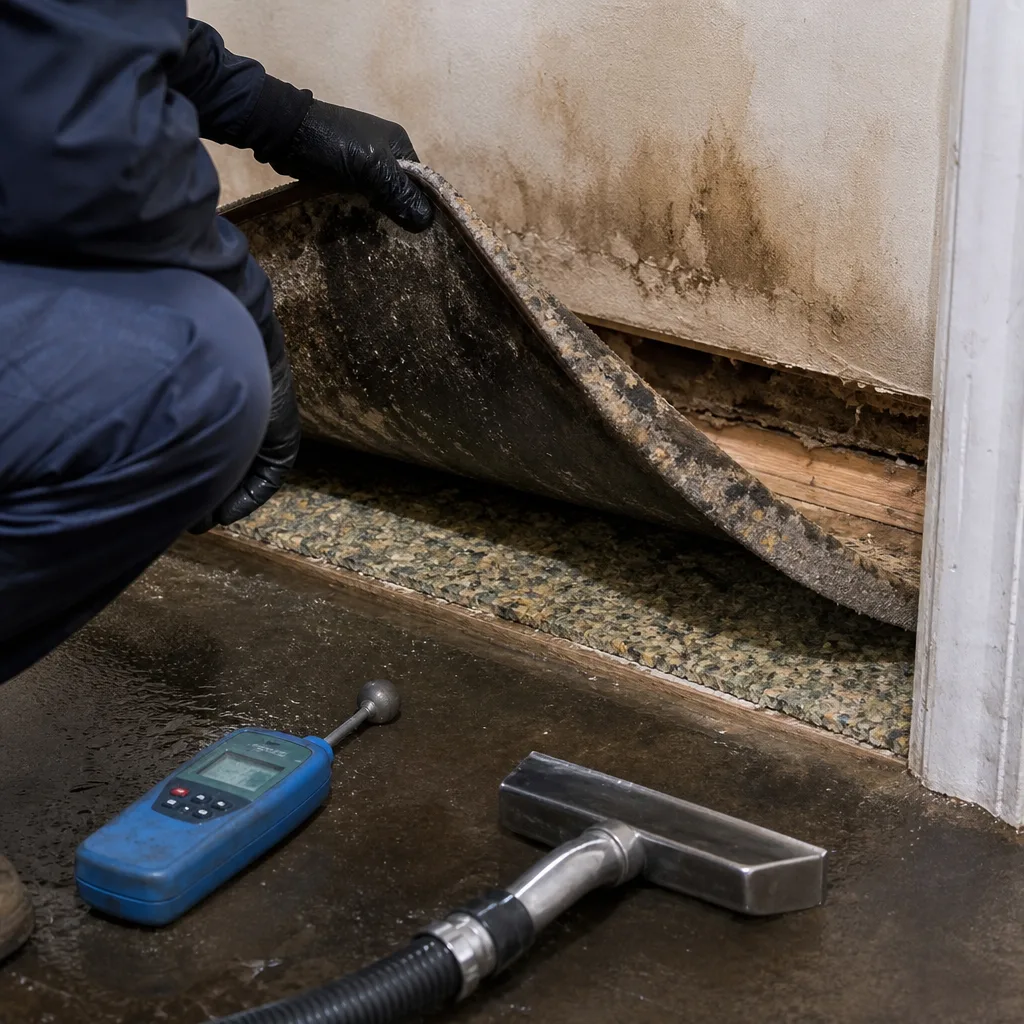
Debris Removal
After wind and water, the stuff left behind has to go somewhere. We clear storm debris, soaked drywall, ruined insulation, damaged commercial fixtures, and whatever the creek left in your basement. On Flushing’s attached row house blocks, debris removal is part of the party-wall equation too, because what you cannot see behind a neighbor’s wall is often sitting in yours.
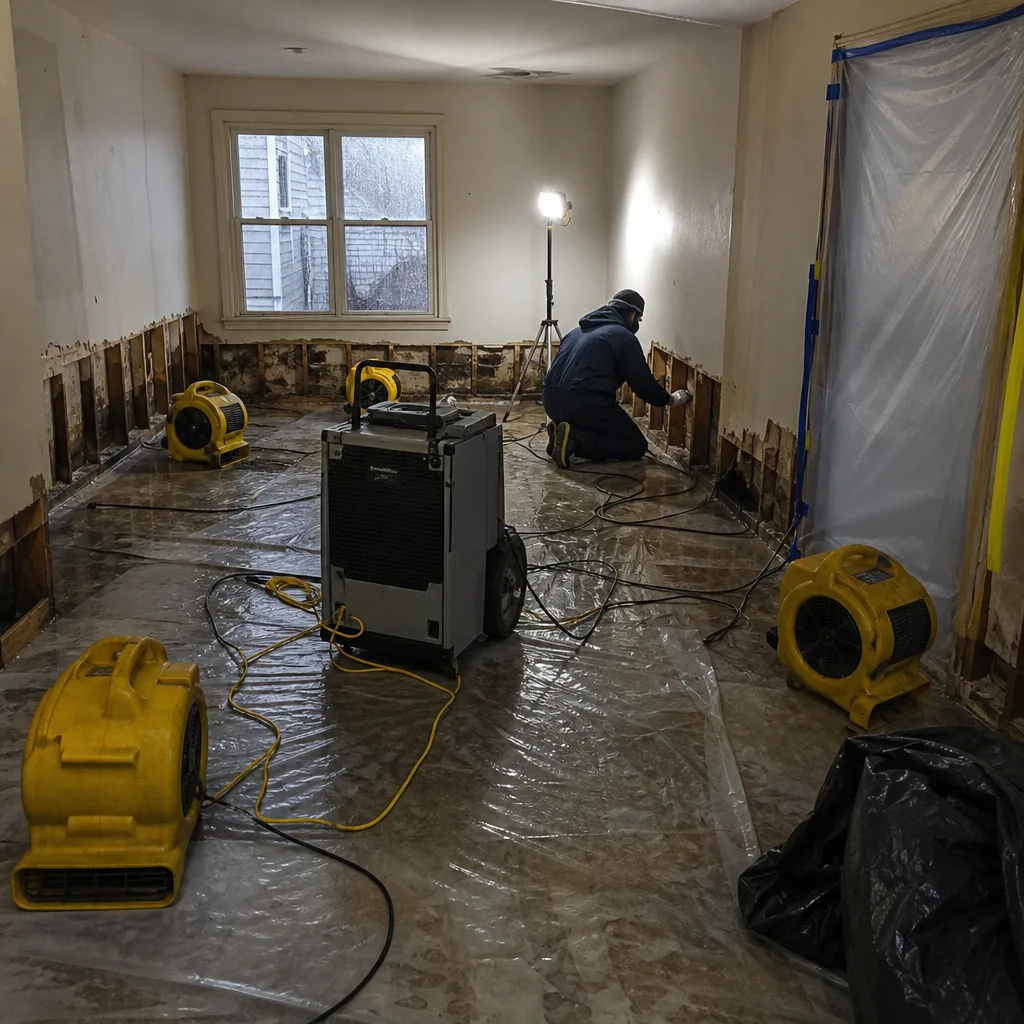
Emergency Roof Tarping
A flat or low-slope roof on an old brick row house does not fail all at once. It leaks slowly, then all at the same time. We tarp before the rain does more damage, and we do it fast, because a tarp is the difference between a $2,000 dry-out and a $16,000 rebuild. In Flushing, where the oldest homes are a century down the road, that math matters.
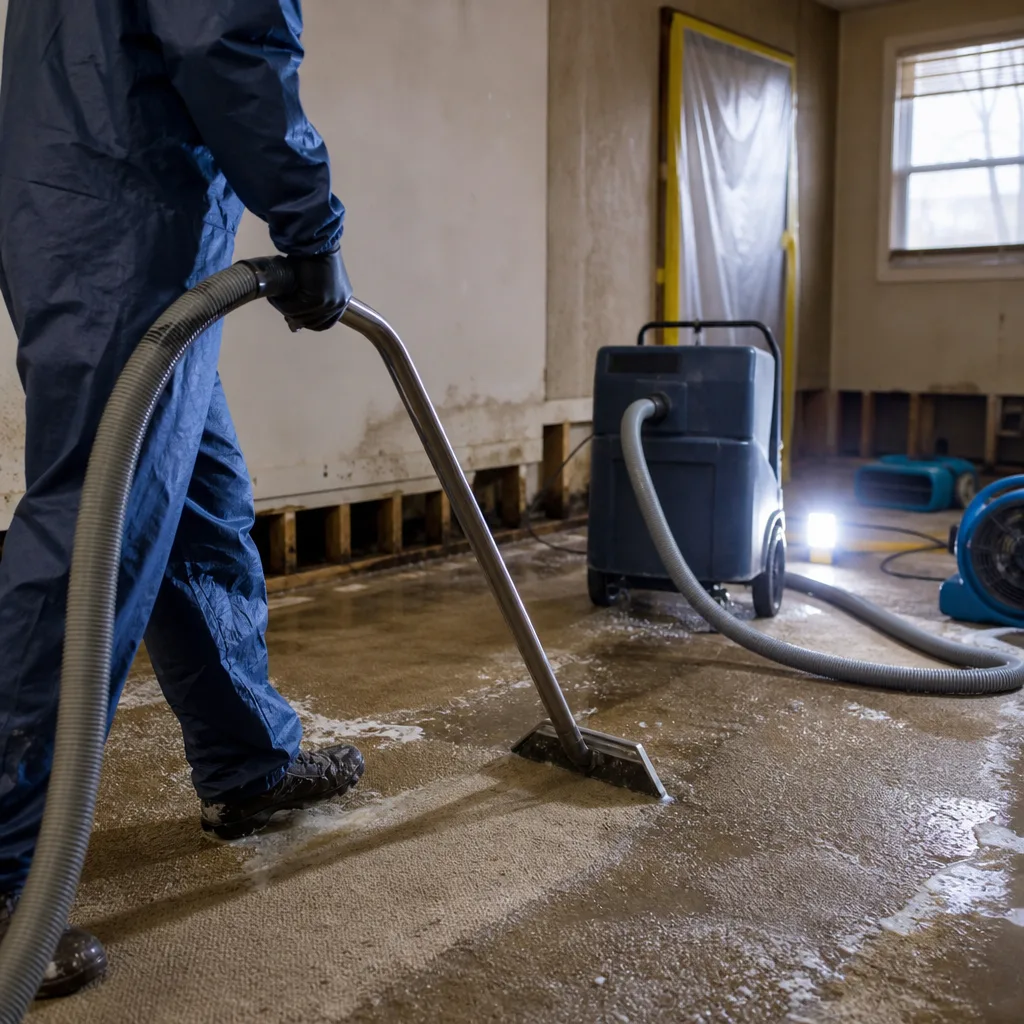
Wind Damage Repair
Nor’easters and summer line storms tear flashing off flat roofs, rip down aged gutters, and push water into brick facades. We repair wind damage after the storm, and we rebuild the rotted framing and saturated plaster that the water left behind. Our work is covered by the 90-Day Done Right Promise: if it is not done right, we make it right, in writing.
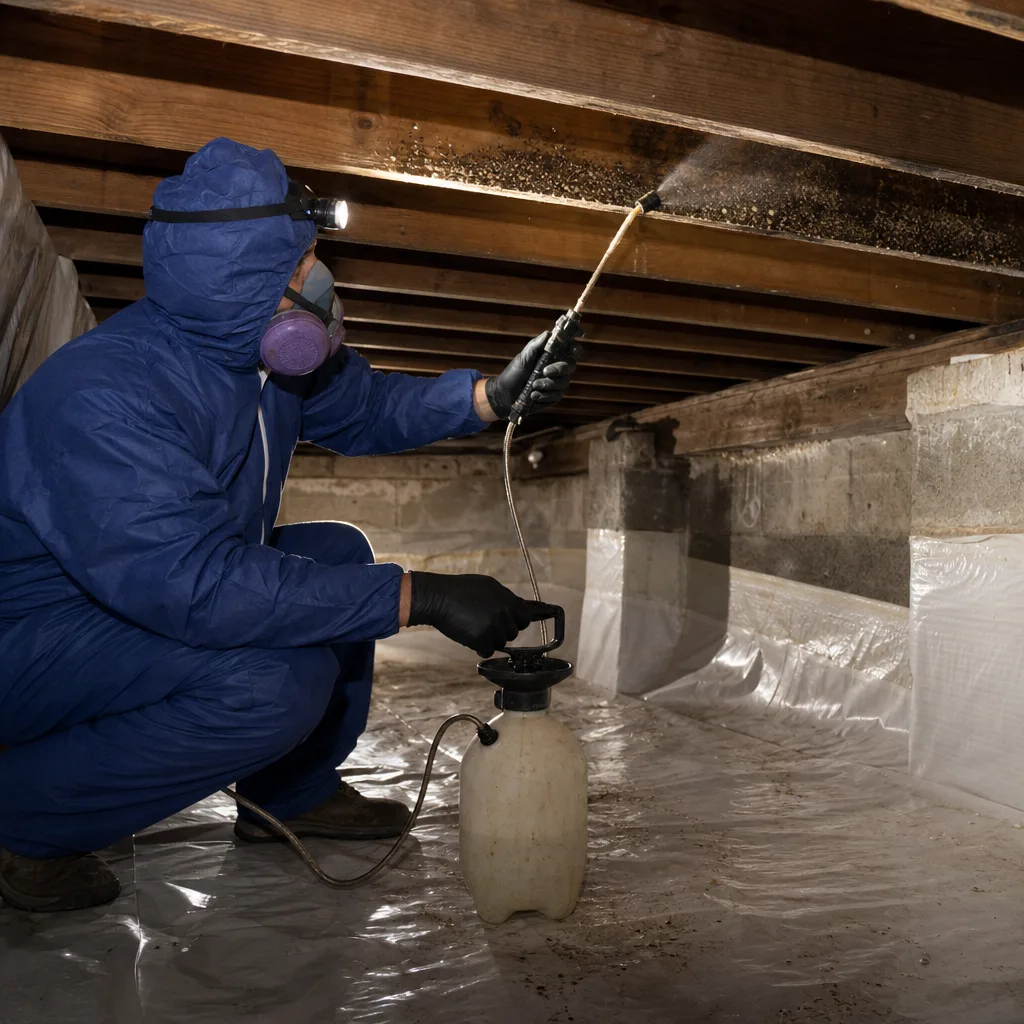
What happens when you call
- 1
A real person answersNo phone trees - you reach a local pro.
- 2
You get an upfront price rangeHonest numbers before anyone is dispatched.
- 3
A background-checked tech heads outLicensed & insured, dispatched right away.
- 4
You approve before work beginsNothing starts until you say go.
Storm & Disaster Restoration Costs in Flushing, NY
Flushing pricing is shaped by density and access. A typical flood damage restoration with a finished basement dry-out and structural drying runs $3,200 to $7,500, depending on square footage, water category, and whether the party wall on an attached unit has wicked moisture. Emergency board-up on a Main Street storefront runs $450 to $1,200, including same-day response and custom-fit plywood. Roof tarping on a flat row-house roof starts around $800 and goes to $2,000 if we are securing large areas or multiple penetrations before a forecast storm. Storm debris removal for a standard basement pack-out runs $800 to $2,400, more if we are hauling out commercial fixtures or contaminated material that requires special disposal. What moves the price is what is behind the walls, which is exactly why we do a free visual inspection and write a firm scope before we start. Insurance covers most of these costs for covered storm events. When it does not, our no trip charge inside the county and our senior and veteran 10% discount keep the out-of-pocket piece honest.
We Also Serve Cities Near Flushing
From our dispatch point serving Flushing, our Storm & Disaster Restoration teams run calls into Flushing and the surrounding neighborhoods including Astoria and Long Island City. If you are inside the county or just across the line, the same live answer, the same fast response, and the same owner-operated crew covers you.
Serving Flushing, NY - Our Local Coverage Area
We’re based in the Flushing area and know this community well. Use the map below to see our service coverage - if you’re nearby, we can almost certainly help.
Flushing Storm & Disaster Restoration Questions, Answered
How long before my Flushing basement mold starts after a flood?
Mold growth can begin within 24 to 48 hours on wet drywall, wood, and carpet in a Flushing basement. That clock starts the moment the water arrives, and in attached row houses with shared party walls, the hidden portion of a wet wall is often where mold takes hold first. We get extraction and air movement started inside the hour so the mold window never gets a turn on your house.
Do I need to check my neighbor’s basement after water enters my attached row house near Main Street?
Yes, and we already treat it as standard practice. Shared brick party walls wick water laterally, and in Flushing’s 1920s to 1950s attached stock, a flooded basement on one side of a wall regularly shows up as hidden moisture on the other side within a day. Before we write your estimate, we scope the adjacent attached units. It costs nothing to look, and it prevents the exact dispute that happens when your neighbor’s mold appears two weeks after your claim closed.
Will stormwater flooding from Flushing Creek automatically be Category 3 water?
Not automatically, but it often is in Flushing. When storm surge from the bay or street flooding pushes through combined storm and sanitary sewers, the water picks up sewage, grease, and whatever else is in the system, which classifies it as Category 2 or Category 3. Plain rain through a roof leak is Category 1. The category determines what gets disposed of, what gets treated, and how your claim is handled, so it has to be classified correctly, not assumed.
Can you protect my below-grade storefront before a storm surge reaches Flushing Bay?
We can. Emergency board-up and temporary flood barriers go in fast, and we will show you where your below-grade openings are most vulnerable to surge and street flooding. For commercial properties in the Flushing Creek corridor, pre-storm preparation has saved plenty of roll-down stores from packed-out inventory. Call (363) 208-1526 and we will come look before the flood does.
Why do my moisture readings stay high even after my basement ‘looks dry’?
Because Flushing basements are brick and concrete, and both hold water long after the surface feels dry. Your drywall can read 8% moisture, which looks fine, while the brick party wall behind it still holds 25% because it wicked water from the neighbor’s side or from below-grade groundwater. That is why we log daily moisture readings in the walls, not just on them, and why we hand you the full log at the end.
How fast can you actually get to my Flushing property?
Our crews are inside the Flushing area and committed to a 45-minute response from the time you call. For active water intrusion, that means extraction running before the damage migrates into the walls. The call is live, 24/7, and when it is Wade on the line, you will know within minutes who is coming.
Will my insurance cover storm damage restoration in Flushing?
Most standard homeowners and commercial policies cover storm-related water damage from wind, rain, roof failure, and burst pipes, but flood damage from rising groundwater or creek surge usually falls under separate flood coverage. We bill your carrier directly and hand the adjuster the documentation they need, so the question gets answered by someone who actually knows your policy, not by guesswork.
What should I do in the first 30 minutes after storm water enters my Flushing property?
Call us at (363) 208-1526, cut power to the affected area if you can do it safely, and get anything you value off the wet floor. Do not pump floodwater yourself if it came from the street or the creek, because it may be carrying sewage, and what you need most is professional extraction plus a moisture map that shows where the water actually went.
Written by Wade Ferris, Owner at Wade’s Restoration, serving Flushing and the surrounding neighborhoods since 2007. If you have water in your basement at 2 a.m., Wade is the one picking up the phone.