
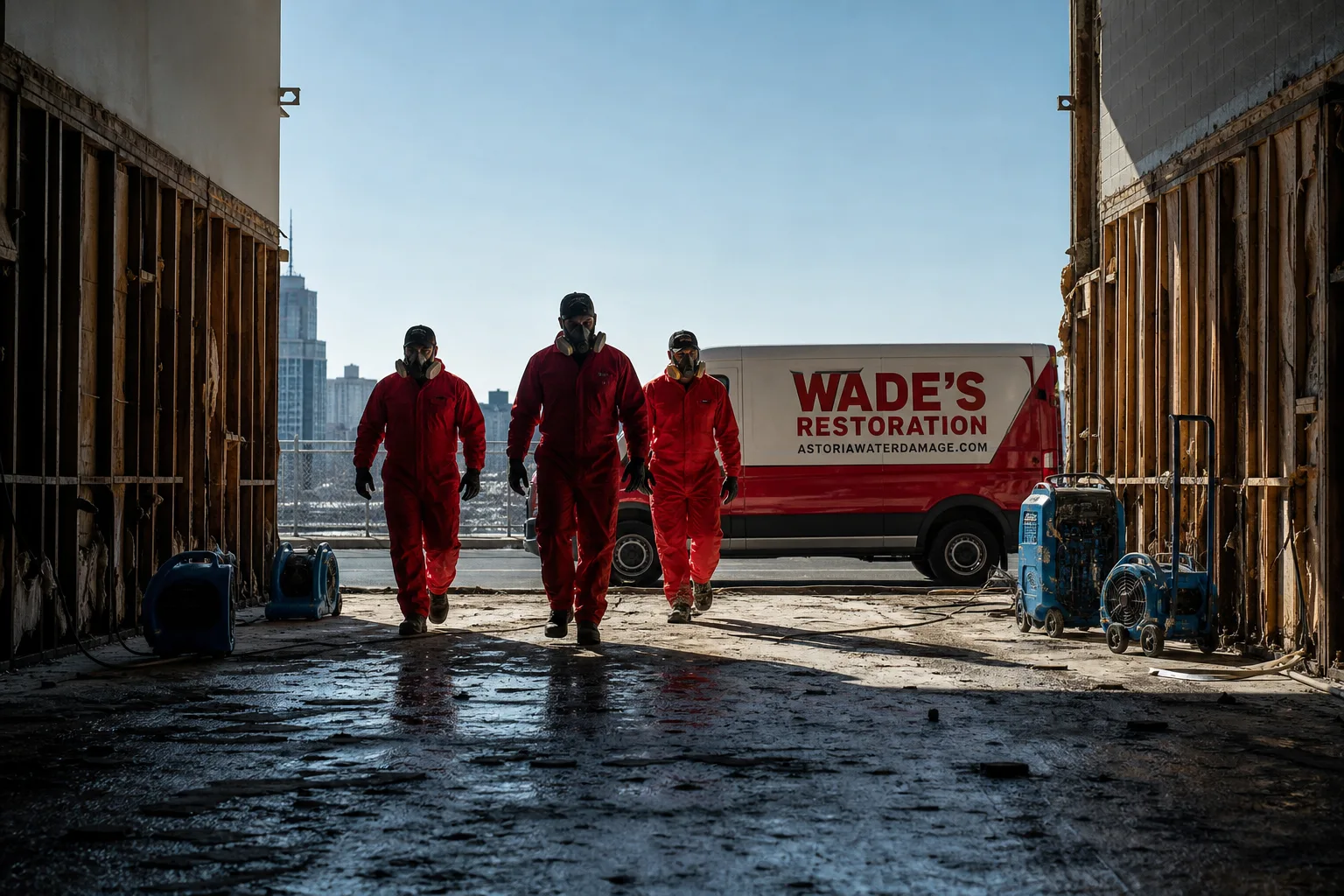
Free visual inspection and a written scope of work before any mitigation begins - photos, moisture readings, and drying logs go in your claim file
The scope we write is the scope we bill. Anything new gets shown to you, in writing, before we touch it.
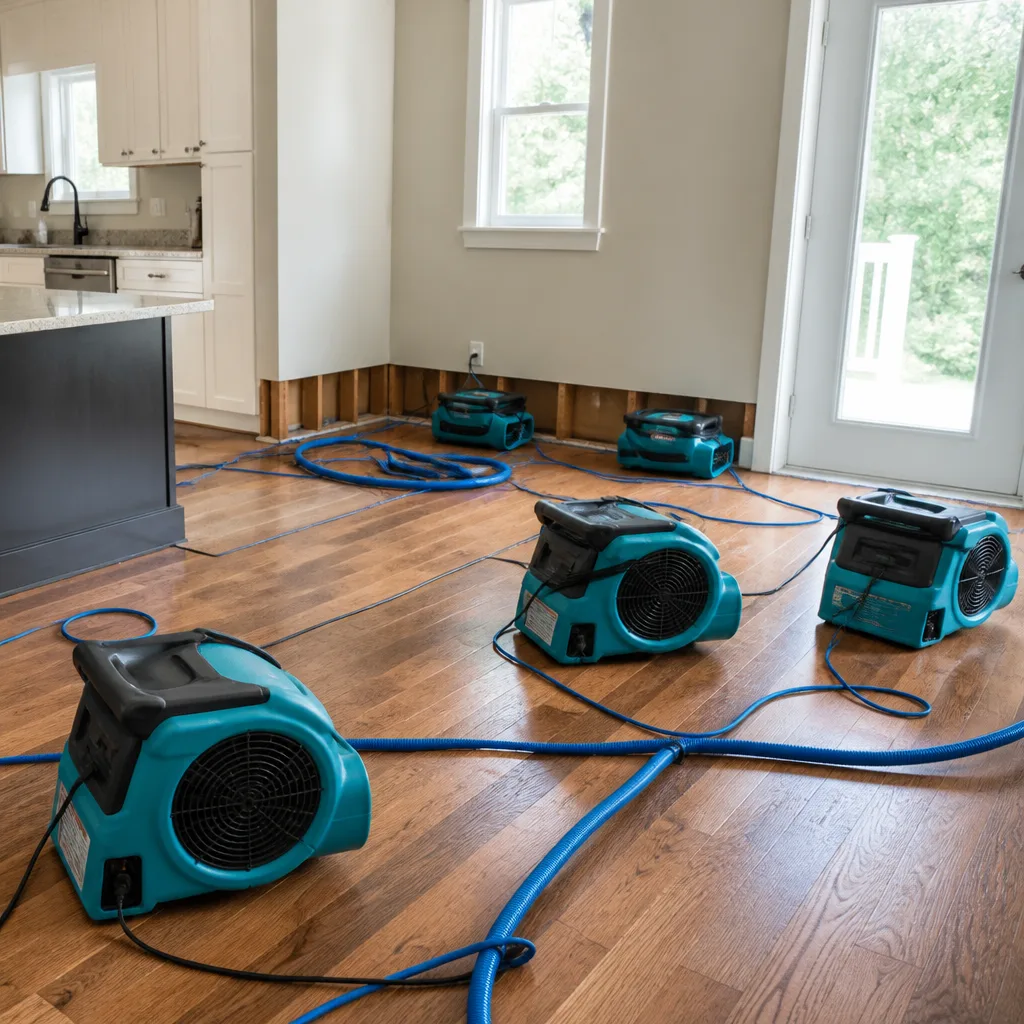

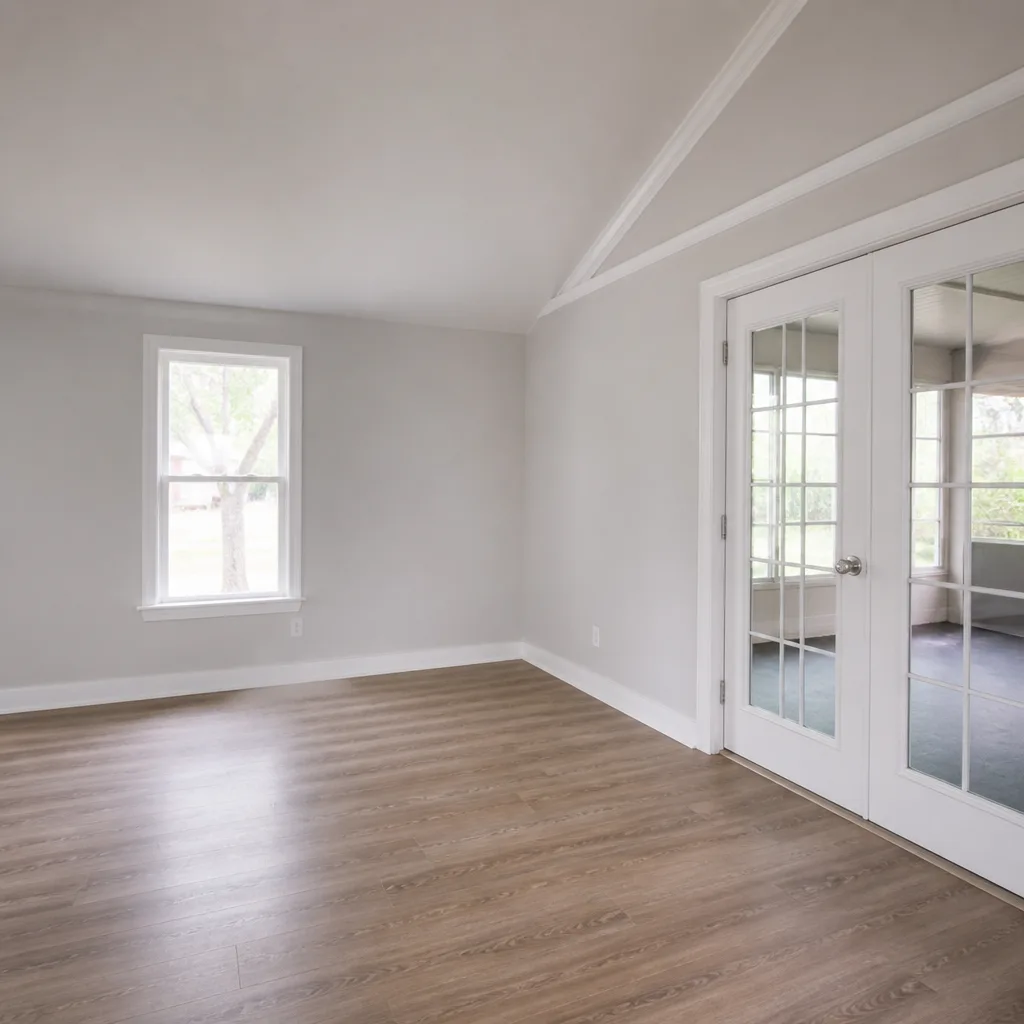


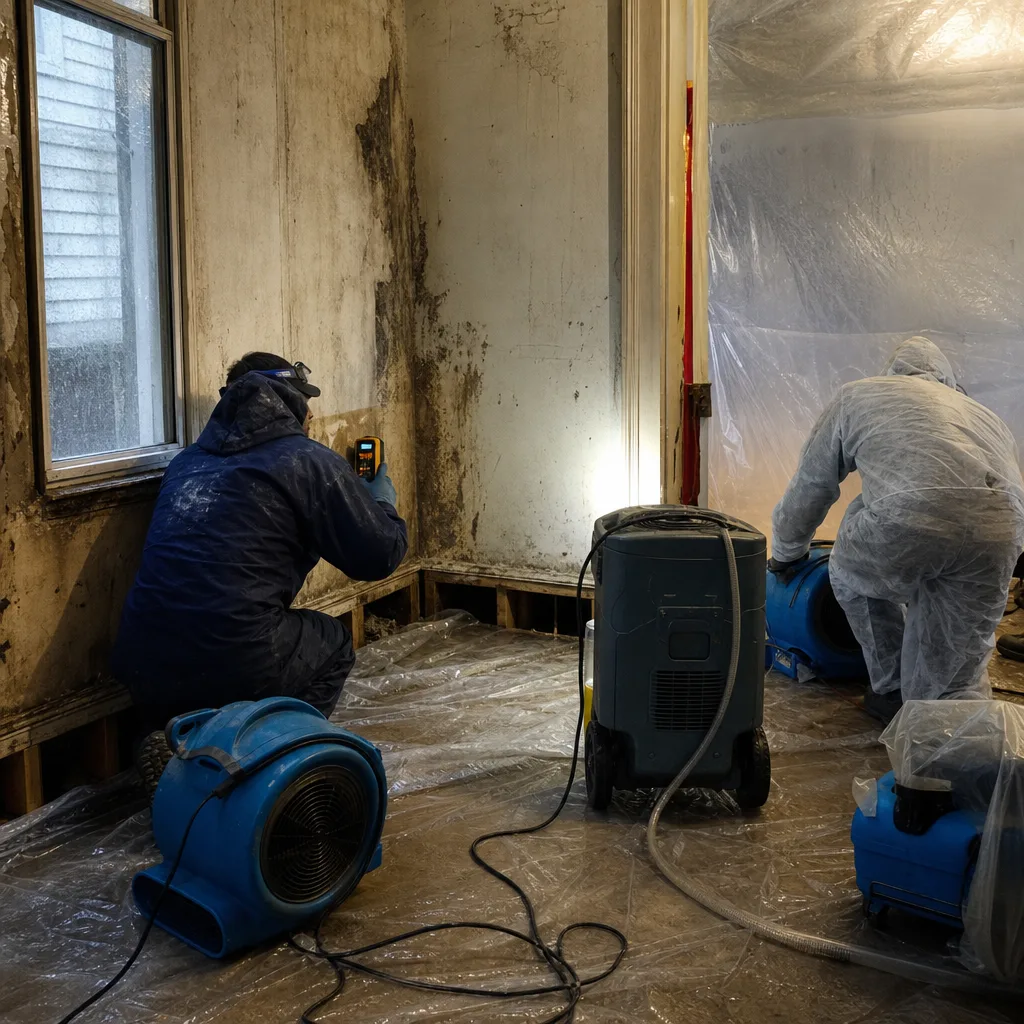 Before
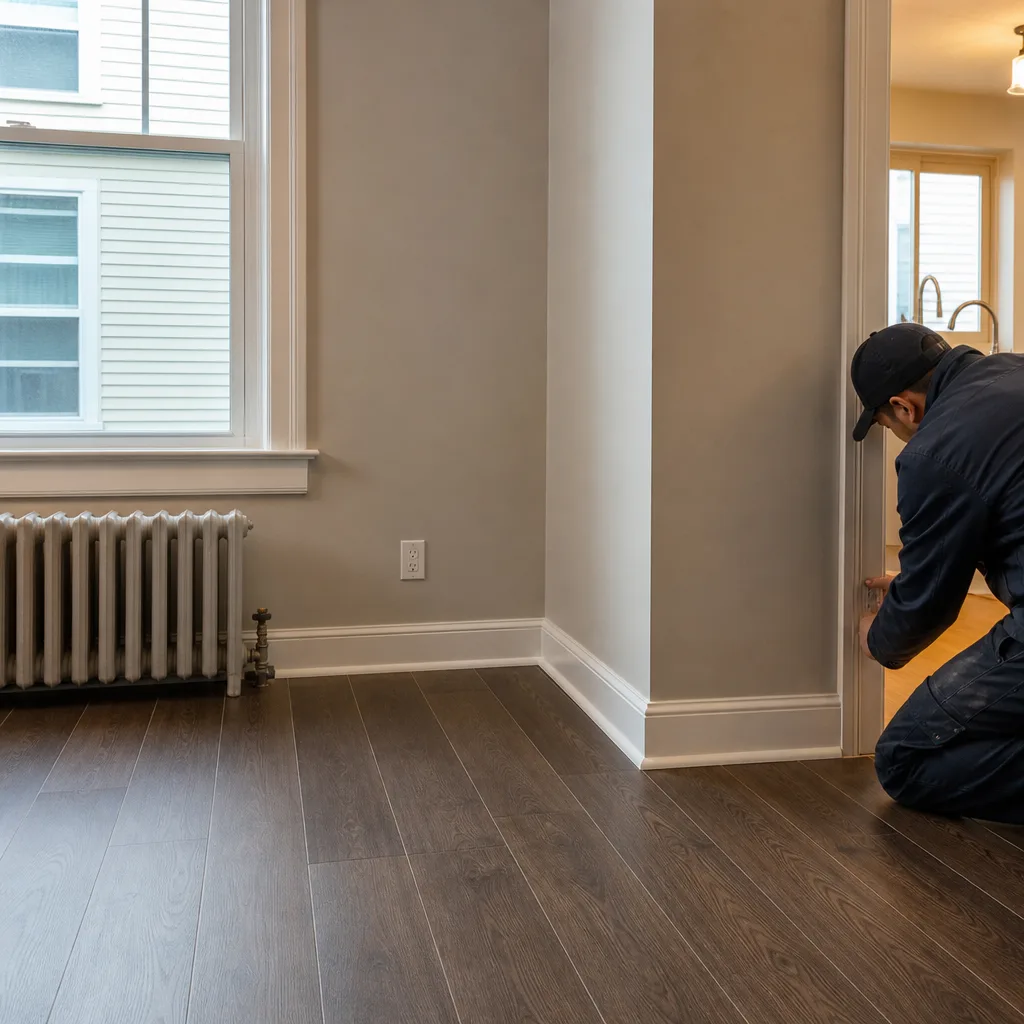 After
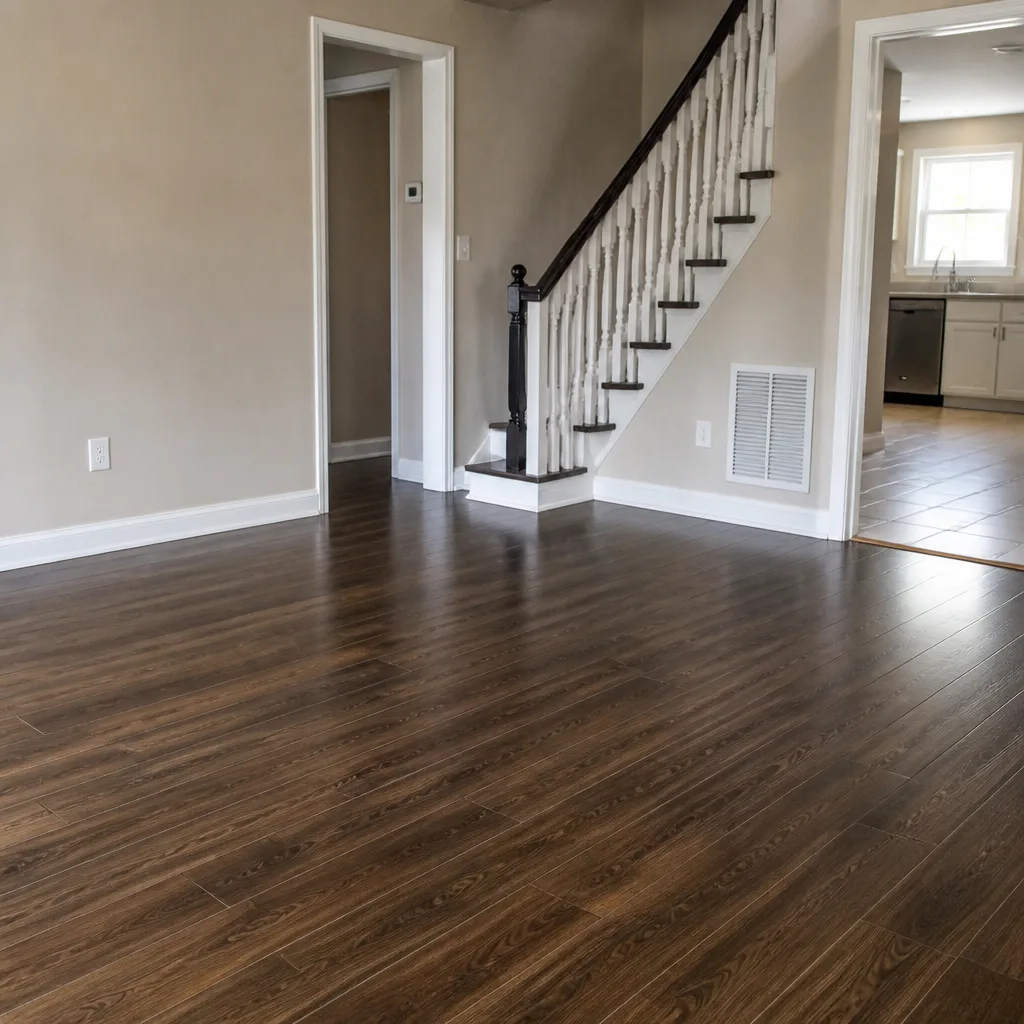
After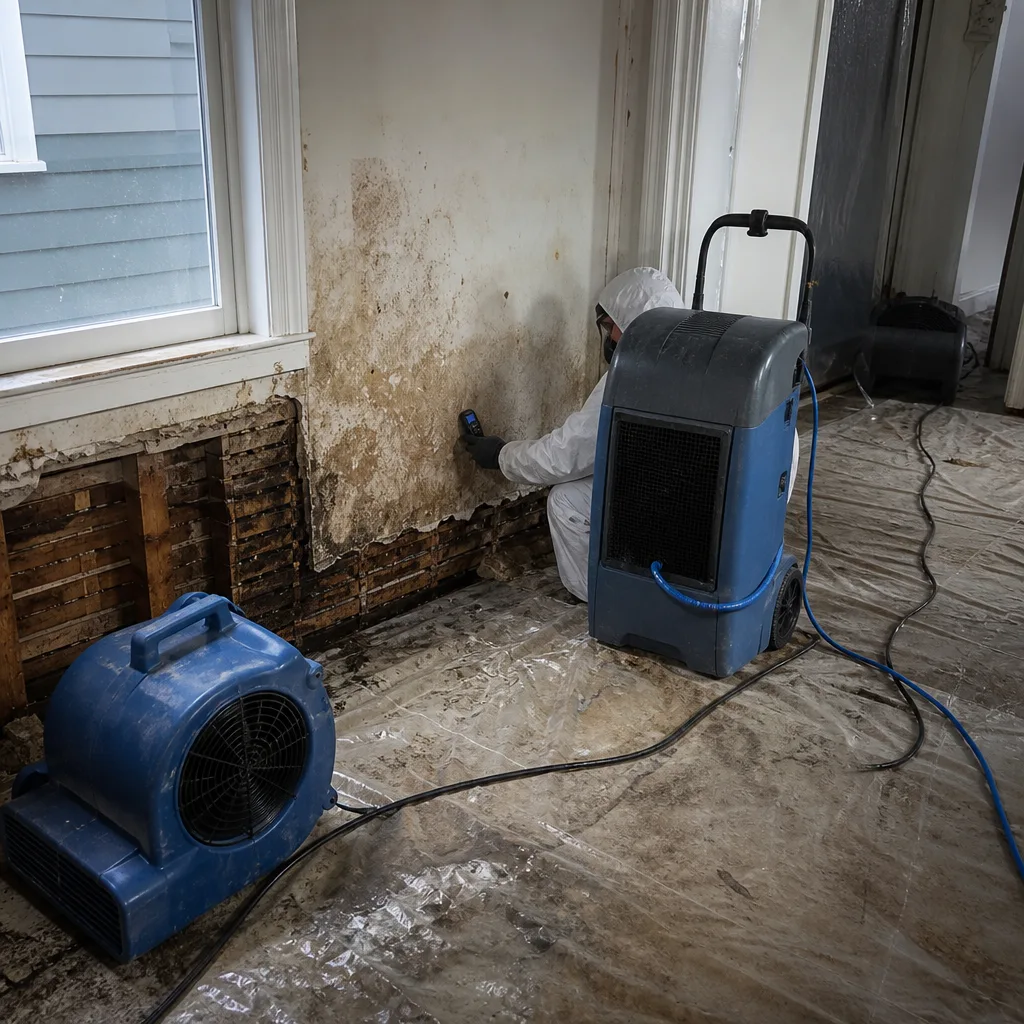 Before
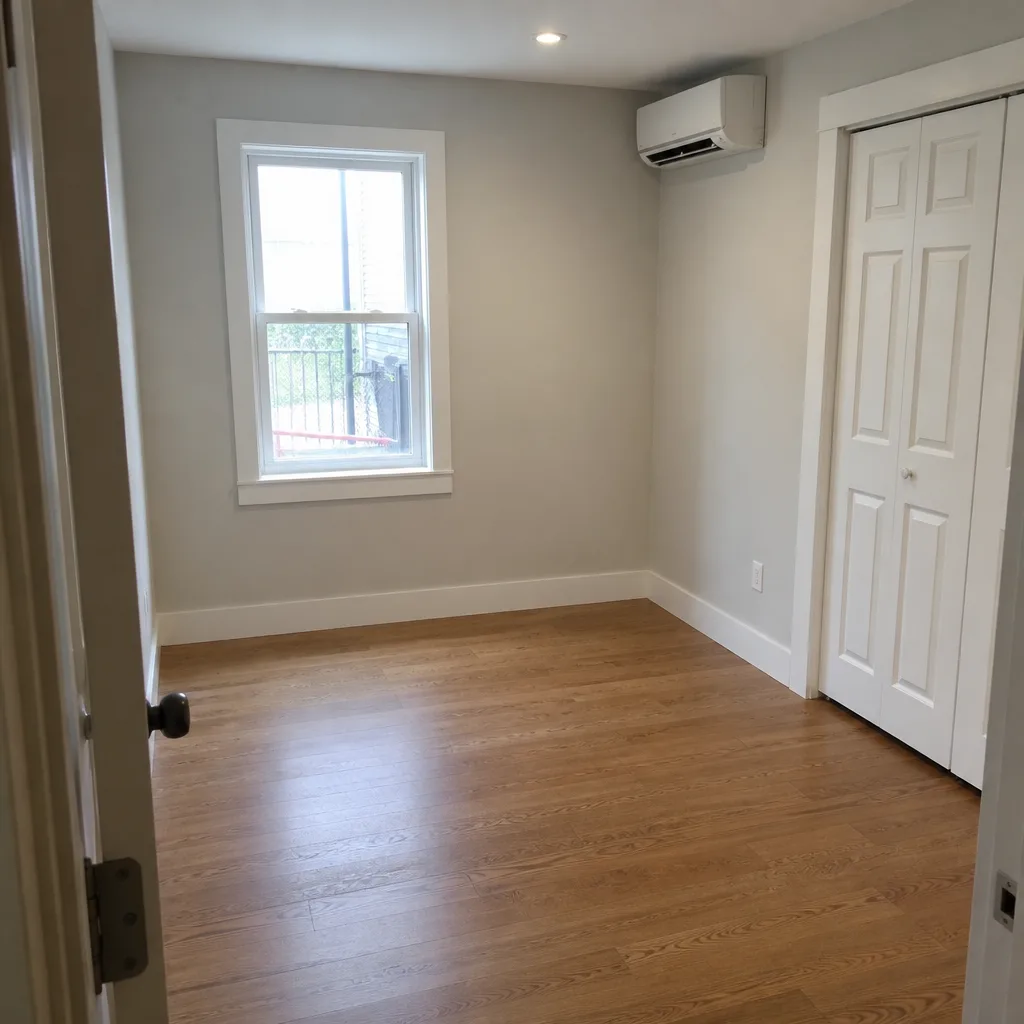 After
After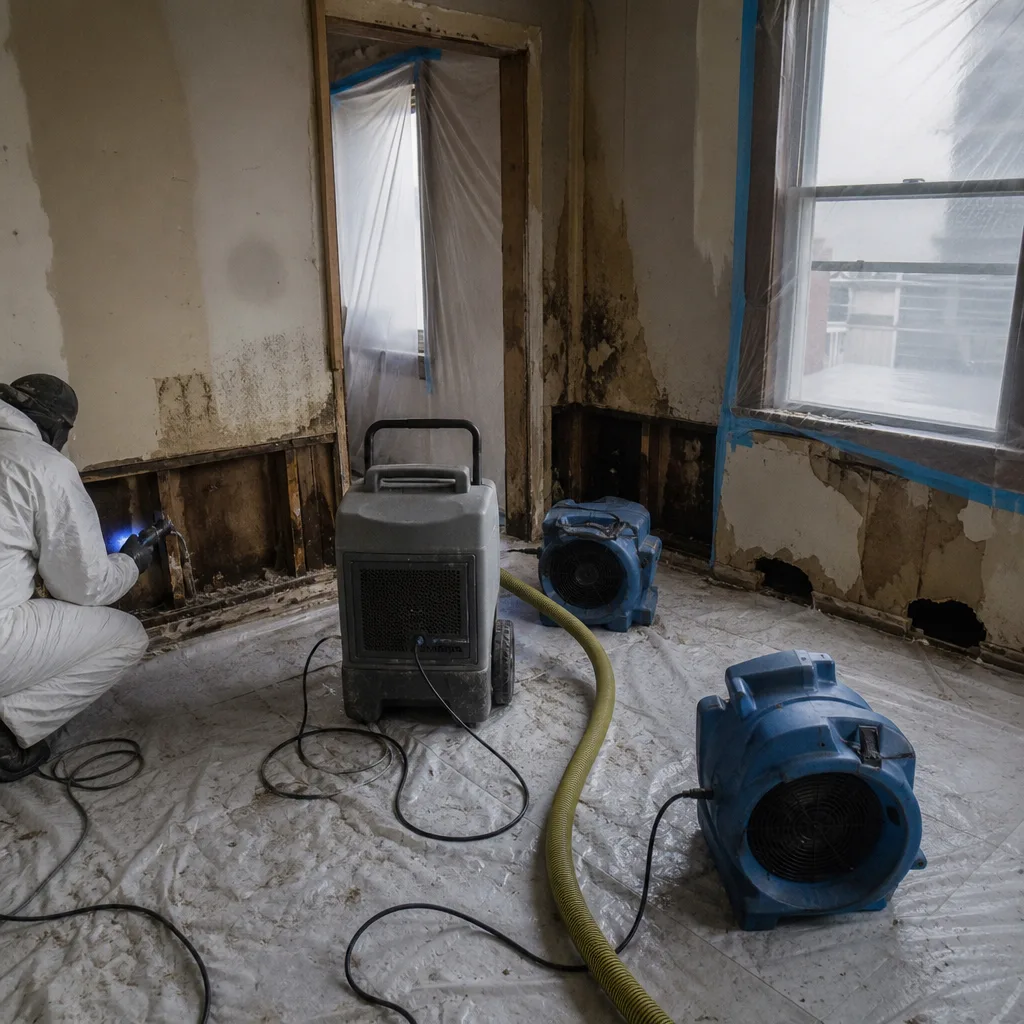 Before
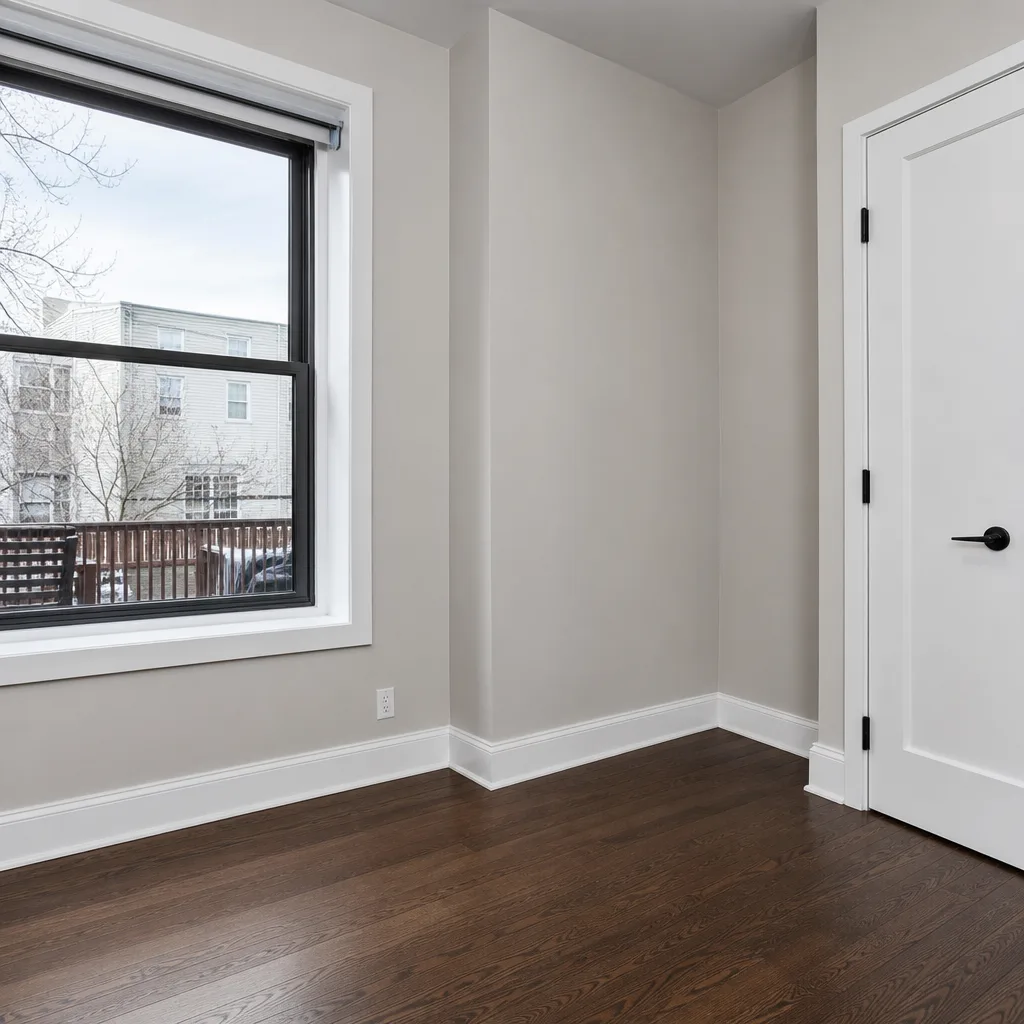 After
After24/7 Emergency Storm & Disaster Restoration in Long Island City
Storm and flood damage in Long Island City moves fast. The longer water sits in a Hunters Point tower’s subgrade mechanical room or a Dutch Kills loft’s basement, the more drywall, flooring, and electrical you lose. Wade’s Restoration answers live around the clock, and Wade heads out himself with a crew and extraction equipment running inside the hour. Call (363) 208-1526 the moment you see standing water, a breached window, or a roof tear. We start with a free visual inspection, map the moisture, and get stabilization underway before your building super can even find the valve shutoff.
Understanding Storm & Disaster Restoration Severity in Long Island City Properties
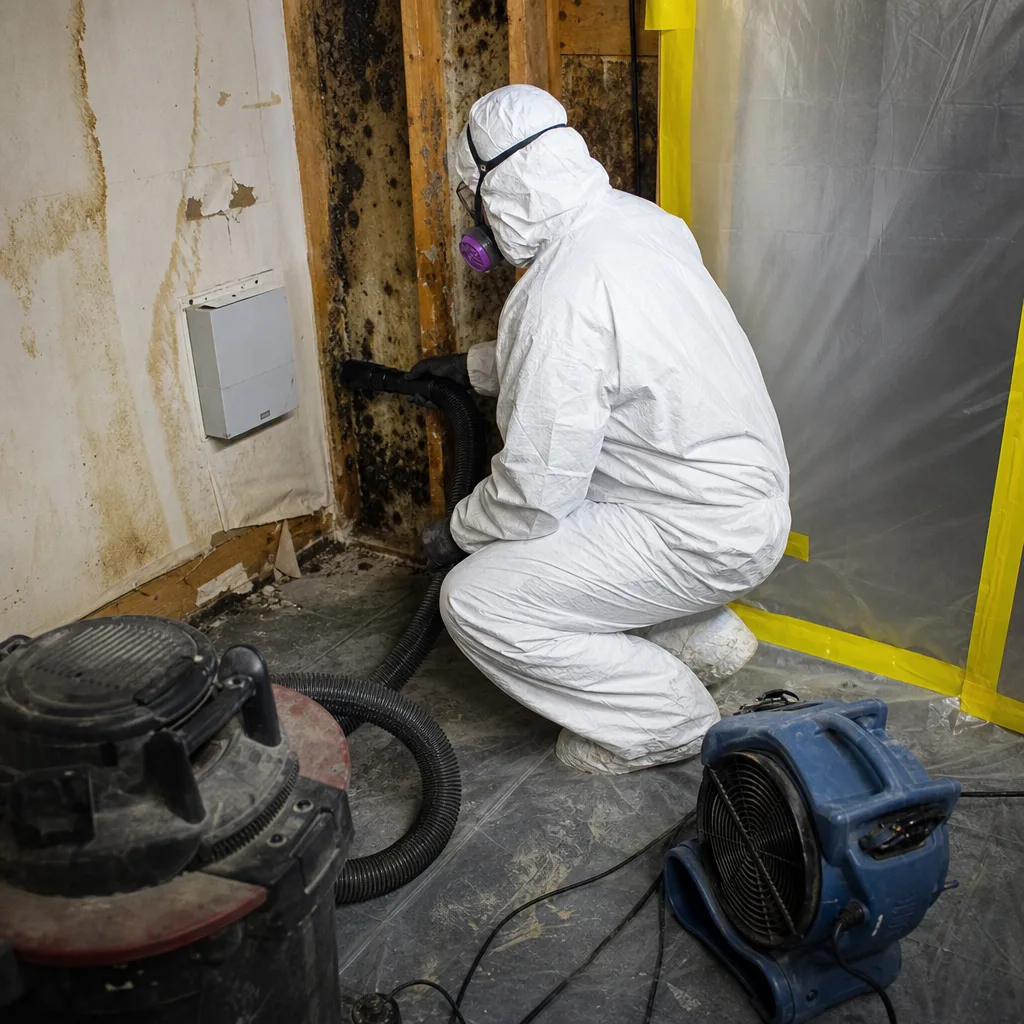
Not every Long Island City flood is the same, and the difference determines the entire restoration scope. The IICRC breaks water into three categories. Category 1 is clean water, typically a burst supply line in a Hunters Point high-rise. Category 2 has some contamination, like sump overflow. Category 3 is black water: raw sewage, Newtown Creek backflow, or storm surge. Here is the part most property owners never hear: in Long Island City, any basement or ground-floor flood after a hard rain is legally presumed Category 3 until proven otherwise. Dutch Kills’ early-1900s brick sewer laterals comingle stormwater and sanitary flow under the same pipe, so what looks like rainwater is frequently raw sewage. Our crew carries a moisture mapping kit and comes to every call ready to set containment, wear proper PPE, and cut drywall as if it is contaminated, because in this neighborhood, it probably is.
Why Long Island City Property Owners Choose Wade’s Restoration
- 45-minute response commitment. For storm and flood damage around Hunters Point, Dutch Kills, and Queens Plaza, we get a crew rolling within the hour, usually faster.
- 24/7 live answer, a real person. You call, Wade or someone on his crew picks up. No voicemail tree, no automated system, no answering service that promises to page someone.
- IICRC-certified crews. The people Wade sends hold WRT and ASD certifications, with AMRT credentials for sewage and Category 3 scenes. That is not boilerplate; it is what keeps a Dutch Kills flood from becoming a hazmat problem.
- Free visual inspection. Before any work starts, we walk the loss with you, point to the moisture, and explain what has to happen. You get a written scope, not a pressure pitch.
- Direct insurance billing. We talk to your adjuster directly. You are not stuck relaying competing accounts between two parties.
- One team from extraction to reconstruction. The same crew that pulls water now is the crew that rebuilds later. You never get handed off to a subcontractor you have never met.
Our Storm & Disaster Restoration Process
Inspection & Assessment
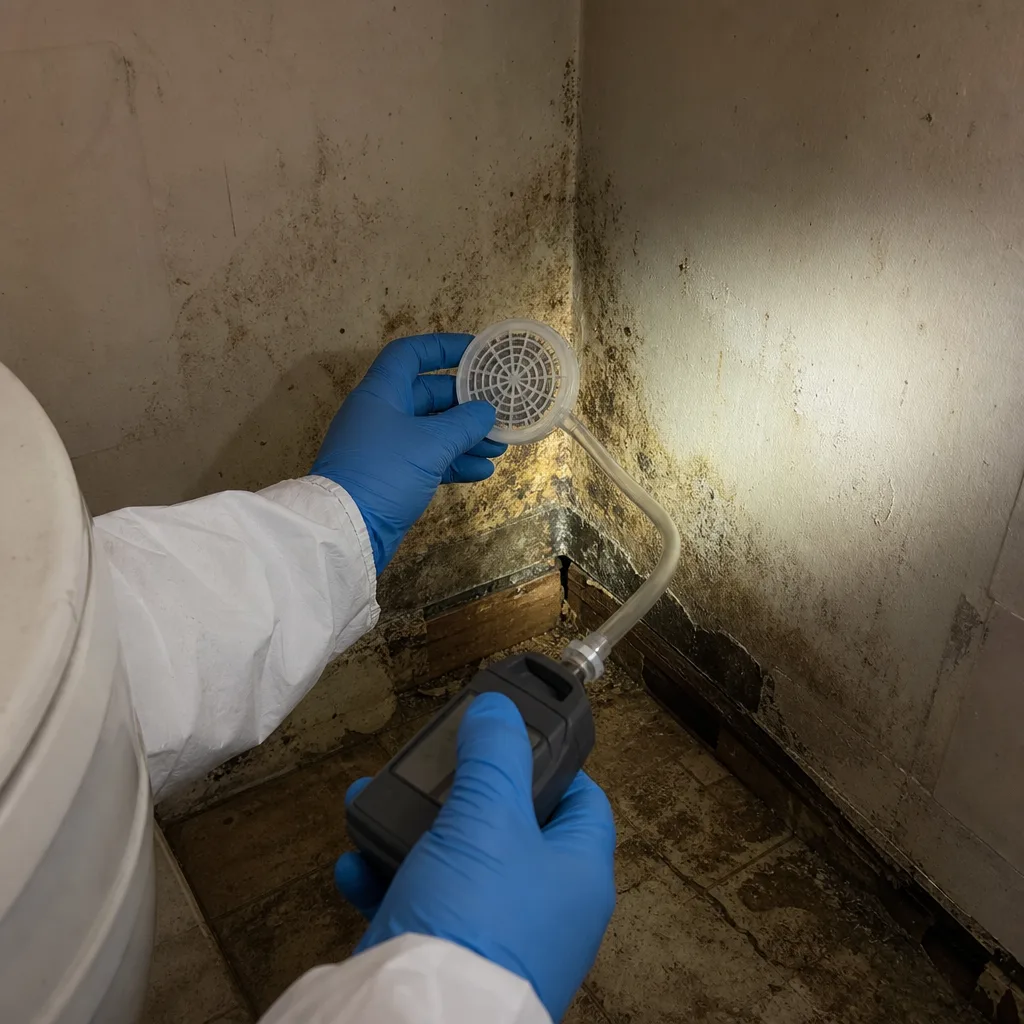
We start with a walkthrough and full moisture mapping using thermal imaging and hygrometers. In Long Island City’s older converted loft buildings, we also check for asbestos-containing drywall or lead paint before any cutting begins.
Extraction & Stabilization
Truck-mounted extraction units pull standing water fast. If your building has an elevator pit, sidewalk vault, or subgrade storage under the sidewalk along 21st Street or Vernon Boulevard, we get those pumped out before the mechanical systems take on more damage.
Drying & Dehumidification
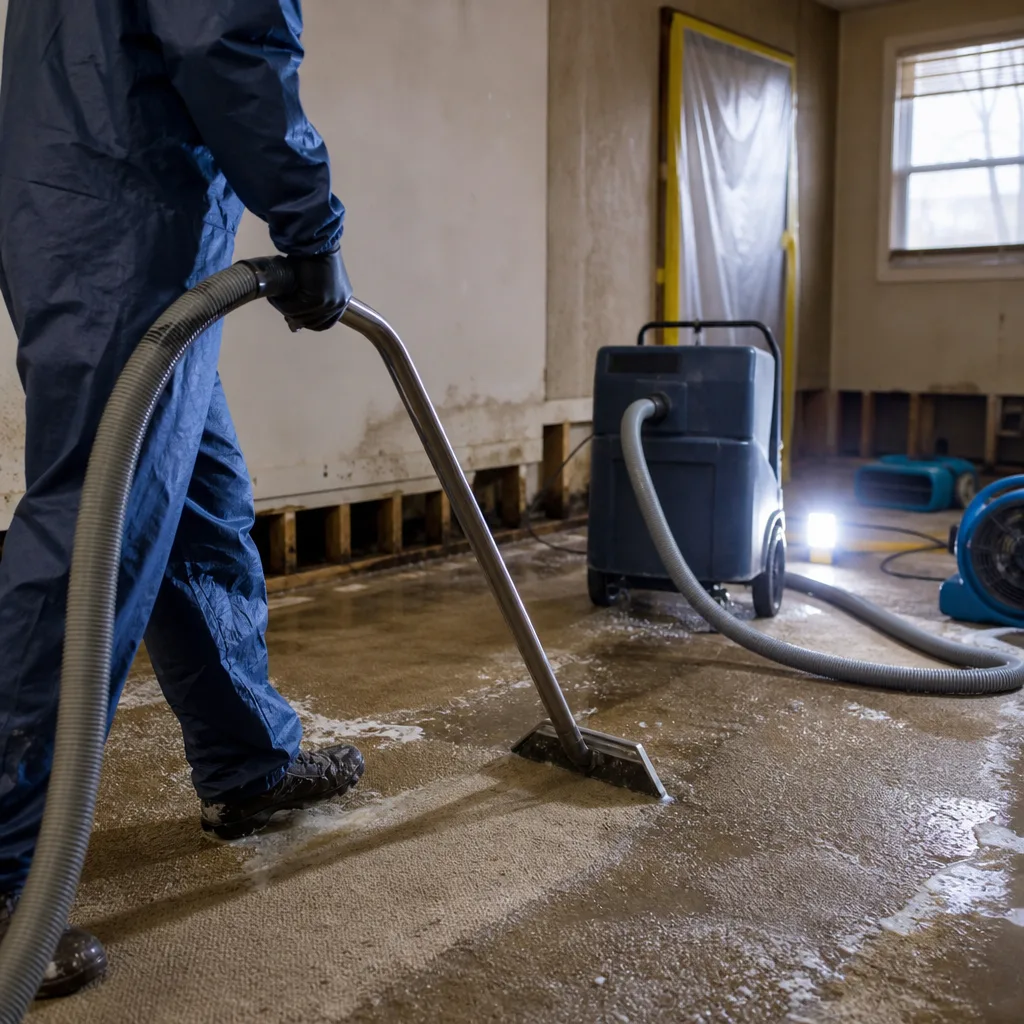
Air movers and Dri-Eaz dehumidifiers get set the same hour as extraction. In LIC’s humid riverfront summer months, drying takes longer, so we stay on longer and swap equipment daily to keep the dew point under control.
Cleaning & Sanitization
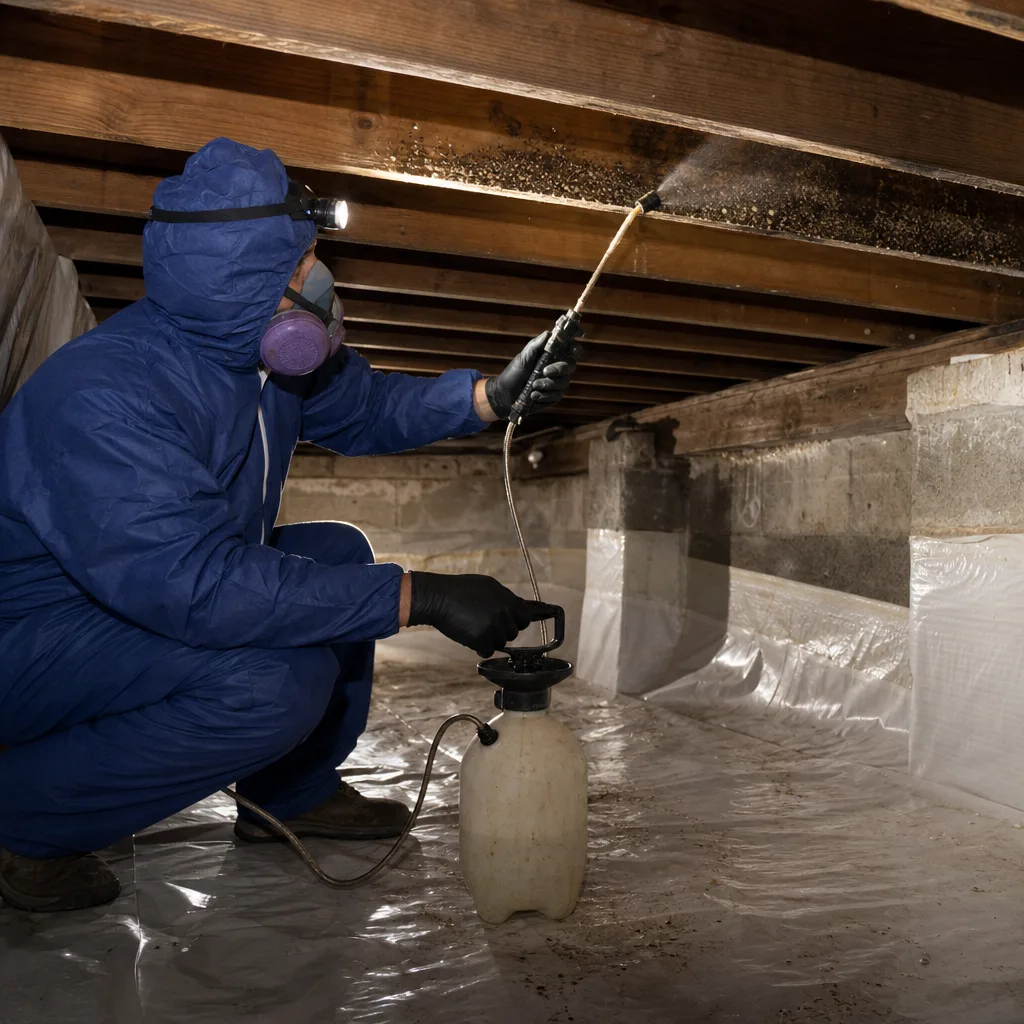
We apply EPA-registered antimicrobials to all affected surfaces. In flood events where Newtown Creek may have introduced industrial contaminants, we escalate the cleaning protocol to include full containment and HEPA air scrubbing.
Storm & Disaster Specialty Treatment
Depending on the loss, this means emergency board-up, roof tarping, asbestos stabilization, or structural drying of plaster and masonry. We secure the building before we dry it.
Repairs & Restoration
Once the drying logs show a stable moisture content, we rebuild. The crew that knows your building now is the same one that hangs the new drywall, refinishes the floors, and matches the high-end finishes in a Hunters Point tower.
Need Emergency Storm & Disaster Restoration in Long Island City Now?
Crews minutes away, answering live 24 hours a day. The sooner we start, the less it costs.
Working With Your Insurance Company
Storm and flood claims in Long Island City bring an extra layer: many policies carry separate hurricane and flood deductibles, and FEMA Flood Zone AE maps put parts of Hunters Point and the Newtown Creek corridor under mandatory flood coverage. Wade has been dealing with carriers on LIC losses since 2007. He talks to the adjuster directly, provides documentation from the first hour, and makes sure the claim reflects the actual scope of the loss, not a rushed estimate written before the moisture mapping was done. Here is what we hand your insurer:
What We Provide Your Insurer
- Thorough documentation of the loss
- Photos of all damage, room by room
- Moisture readings and drying logs
- A detailed, line-item scope of work
- Direct coordination with your carrier
Built for Long Island City’s Loss Calendar
Long Island City sits at the confluence of the East River and Newtown Creek, much of it at or near sea level. That is not a map detail; it is the reason ground-floor and basement spaces along Vernon Boulevard and 44th Drive flood during nor’easters and named storms. January brings deep freezes that burst supply lines in pre-war buildings along Jackson Avenue. Spring thaw and April rains push groundwater up through the shallow foundations of Dutch Kills’ converted factory buildings. Summer thunderstorms arrive fast and dump an inch an hour over the Queens-Midtown Tunnel approaches, overwhelming combined sewers and backing raw sewage into basements. Peak season here is not a single month. It is every month. Wade’s crew stays stocked for all of it, and our Storm & Disaster Restoration team lives close enough to reach any LIC address inside an hour.
Storm & Disaster Restoration Across Long Island City’s Neighborhoods
Long Island City is not one housing stock. It is three different worlds, and each one fails differently. Hunters Point’s post-2010 luxury towers have sophisticated MEP systems, curtain-wall glass, and expensive interior finishes. A nor’easter that breaches a lobby door or elevator pit there means water hitting finish materials at $60 a square foot and mechanical rooms feeding 40 floors of infrastructure. Dutch Kills and the interior blocks around 39th Avenue are early-1900s converted warehouses and factory lofts, where flood water flows through old brick sewer laterals, and asbestos-containing materials are common in walls and ceilings. Queens Plaza and Court Square hold mid-century commercial stock and newer residential conversions, where roof drainage failures and window gasket failures drive most storm calls. We route crews through the 11101 and 11109 zip codes daily, and we know which buildings on 21st Street have the old clay laterals, which Hunter Point South towers have subgrade parking, and which blocks around Newtown Creek sit in the FEMA Flood Zone AE overlay. That local routing is the difference between showing up and knowing what to do.
Specialized Storm & Disaster Restoration Services We Offer in Long Island City
Flood Damage Restoration
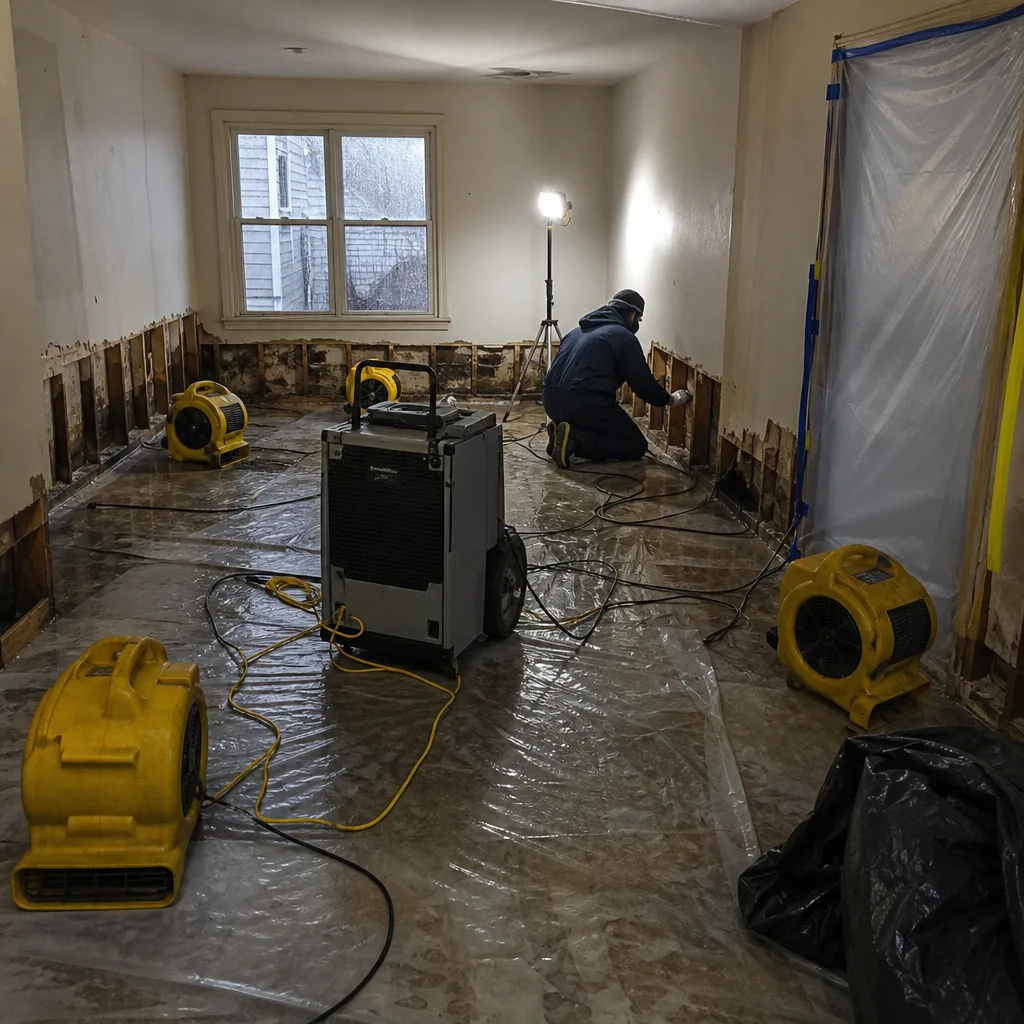
The biggest flood misconception in Long Island City is that a few inches of “clean” water can be shop-vac’d and forgotten. False. Any ground-floor flood in Dutch Kills after rain has to be treated as sewage-contaminated. Even in Hunters Point towers where a pipe burst on the 12th floor, the water pools in subgrade mechanical rooms and elevator pits, pulling in whatever was already down there. We extract, dry, and restore to the building’s actual structure, not just the visible surface.
Emergency Board-Up
Storm damage in Long Island City often breaks windows on both new glass towers and old industrial loft buildings. We board up same day, whether that means plywood over a shattered storefront on Vernon Boulevard or custom-fitting glass replacement panels for a tower’s amenity space. In the Newtown Creek Superfund overlay, there is no special board-up permit, but there are strict dust and runoff rules during any debris-generating storm work. We handle it.
Debris Removal
After a big nor’easter, LIC streets and rooftops collect building material, tree limbs, and waterlogged equipment. We remove it, sort it, and dispose of it in compliance with New York City and Queens County waste handling rules. If there is a chance the debris has Newtown Creek contamination, we treat it as regulated material and document the chain of custody.
Roof Tarping
Converted factory buildings in Dutch Kills and Long Island City’s older commercial blocks often have flat roofs with original membrane from the 1980s. A wind gust rips a seam and suddenly rain is dropping straight into a fourth-floor loft. We get tarps secured the same day and anchor them properly, because a tarp that blows off in the next storm is not a repair, it is a liability.
Wind Damage Repair
East River wind events hit the waterfront towers and the low-rise lofts differently. We repair whatever the wind broke: storefront frames, parapet caps, roof copings, window seals, and damaged cladding. The goal is to make the building weather-tight before the interior can begin drying.
What happens when you call
- 1
A real person answersNo phone trees - you reach a local pro.
- 2
You get an upfront price rangeHonest numbers before anyone is dispatched.
- 3
A background-checked tech heads outLicensed & insured, dispatched right away.
- 4
You approve before work beginsNothing starts until you say go.
Storm & Disaster Restoration Costs in Long Island City, NY
Storm restoration pricing in Long Island City depends on the building type and the water category. A Category 1 pipe burst in a Hunters Point high-rise typically runs $1,800 to $4,500 for extraction, drying, and trim-level repairs, before finish replacement. A Category 3 sewage backup in a Dutch Kills basement usually runs $4,500 to $14,000, because it requires full containment, PPE, antimicrobial treatment, and cutting drywall to 24 inches. Board-up runs $400 to $1,200 depending on openings and whether you have glass or plywood requirements. Roof tarping runs $500 to $1,800 depending on roof access and square footage. Debris removal runs $450 to $2,500. Every job starts with a free visual inspection and a written scope, so you know the number before work begins. If you have a written estimate from another contractor, we will give you a free second opinion. Call (363) 208-1526 and Wade will come look.
We Also Serve Cities Near Long Island City
Wade’s Restoration serves all of Long Island City plus Long Island City and the surrounding neighborhoods. Homeowners and building managers in Astoria call us for fast storm response, and we regularly cross the creek into Flushing for flood extraction and board-up work. If you are nearby, the crew is the same, the phone is the same, and the response is just as fast.
Serving Long Island City, NY - Our Local Coverage Area
We’re based in the Long Island City area and know this community well. Use the map below to see our service coverage - if you’re nearby, we can almost certainly help.
Long Island City Storm & Disaster Restoration Questions, Answered
How do I know if the flood in my LIC ground-floor loft is sewage or just stormwater?
Assume it is sewage until testing proves otherwise. In Long Island City’s Dutch Kills and older blocks, the early-1900s brick sewer laterals comingle stormwater and sanitary flow under the same pipe, so after any moderate rain, ground-floor water frequently carries raw sewage. Wade’s crew starts every flood call in that part of LIC with Category 3 PPE and containment until moisture testing confirms the actual classification. Call (363) 208-1526 for a free inspection.
My Hunters Point high-rise had a pipe burst on the 12th floor; do I need full containment for a Category 1 water loss?
Not initially. A Category 1 supply-line burst means clean water, but the lower floors and elevator pit it drains into may have contaminants already in place. We focus on fast extraction and drying first, and we add containment only if testing shows the water has become Category 2 or 3 by the time it collects. The immediate priority is getting water out before it soaks into luxury finishes and electrical infrastructure.
We manage a converted factory building in Dutch Kills and the basement floods every time it rains. Is there any point in mitigation or should we just replace everything?
Every rain flood that goes untreated makes the next one worse. Repeated sewage backflow saturates the masonry, degrades the brick and timber, and leaves biological contamination that regular cleaning never reaches. Mitigation matters because it stops the cycle: moisture mapping, extraction, antimicrobial treatment, and drying restore the building to a stable baseline. If you just replace finished surfaces without drying the structure, the mold comes back behind the new drywall.
After Hurricane Sandy, our Hunters Point tower had water in the lobby and elevator pit. What should we ask a restoration crew to do differently here versus a typical storm call?
Ask if they have done subgrade work in LIC. Elevator pits and sidewalk vaults hold water differently than a basement, and they feed into mechanical rooms that run the whole building. Ask for documented moisture readings in the pit before and after extraction, and ask whether the crew is carrying Dri-Eaz or Phoenix equipment sized for deep extraction. Ask if they will coordinate with your carrier directly. Those three questions separate a real restoration company from a truck with a shop vac.
Does emergency board-up in LIC after a storm require any special permits because of the Newtown Creek Superfund overlay?
No, board-up itself does not require a special permit, but any debris generating work that touches Newtown Creek-adjacent soil or runoff must follow New York City’s stormwater and dust containment rules. Wade’s crew knows the overlay boundaries and handles disposal documentation when the job involves regulated material. We walk you through what applies to your building.
How fast can someone actually get here?
We answer live, 24 hours a day. Wade heads out with a crew and extraction equipment inside the hour, and for most Long Island City addresses the drive is under 30 minutes. The call comes first: (363) 208-1526.
Will insurance cover flood damage in Long Island City?
It depends on your policy and the water source. Storm surge from a named storm is usually covered only if you carry separate flood insurance, and FEMA Flood Zone AE maps put much of the waterfront in the mandatory flood-coverage zone. A burst pipe inside the building is typically covered by standard property policies. Wade deals with your adjuster directly and documents the loss from the first hour.
What should I do in the first 30 minutes after storm water enters my building?
Shut off the power if water is near outlets or panels, move anything you value to higher ground, take photos, and call (363) 208-1526. Do not walk through standing water in a Dutch Kills basement without boots; it is probably sewage-affected. Do not use a shop vac on it inside the building. The first 30 minutes determine how much of your drywall, flooring, and mechanical equipment survives.
Get Storm & Disaster Restoration Started in Long Island City
When water is rising in your building, you do not need a call center. You need Wade. He answers his own phone, he publishes his name and address, and he runs into his customers at the hardware store, not just on job sites. That is the accountability that keeps this company honest. If you have storm damage, flood water, a torn roof, or a shattered storefront in Long Island City, call (363) 208-1526 now. The estimate is free. The response is real. And if you are a senior or a veteran, we take 10% off the work, always.
Written by Wade Ferris, Owner at Wade’s Restoration, serving Long Island City and Queens County since 2007.