
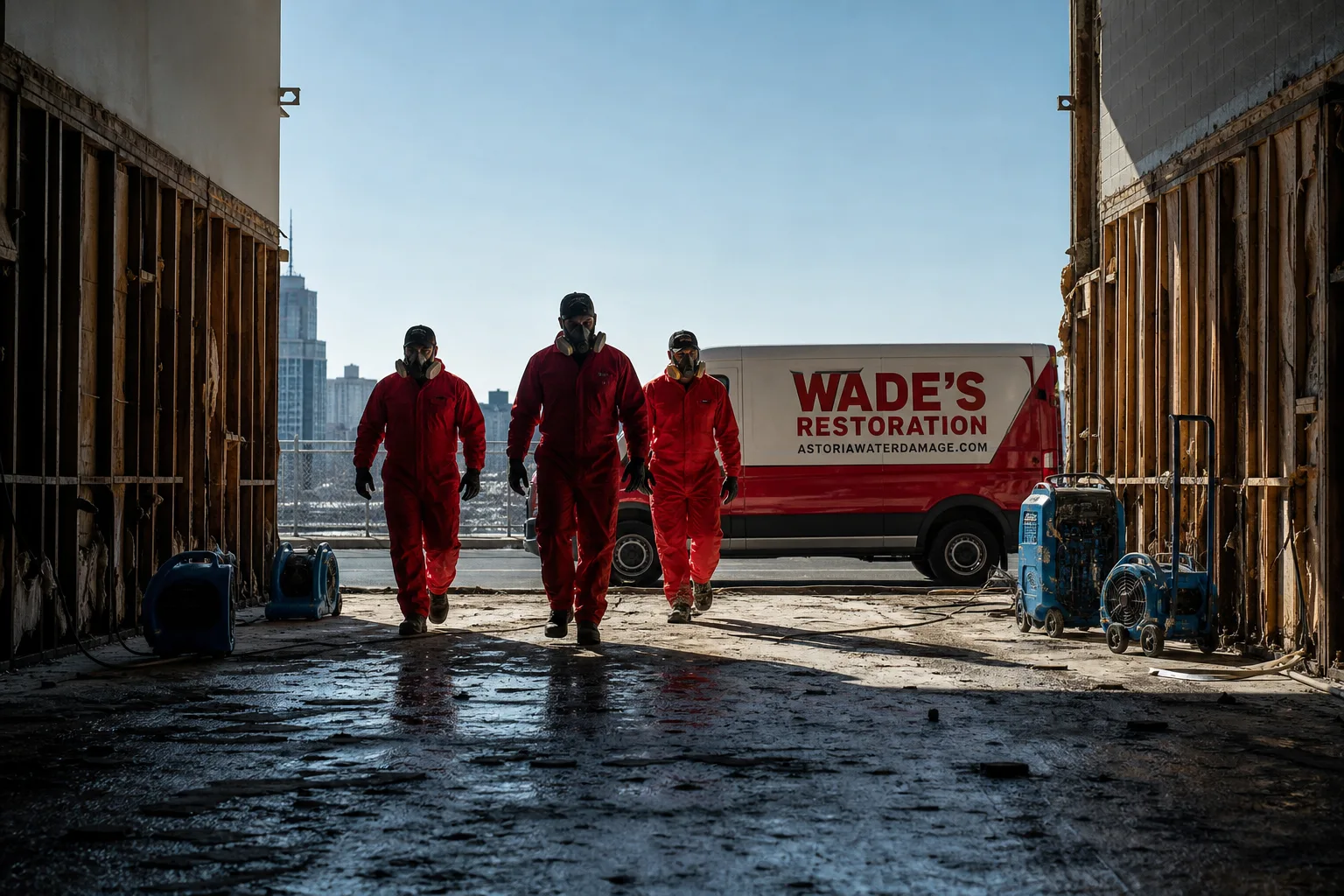
Free visual inspection and a written scope of work before any mitigation begins - photos, moisture readings, and drying logs go in your claim file
The scope we write is the scope we bill. Anything new gets shown to you, in writing, before we touch it.
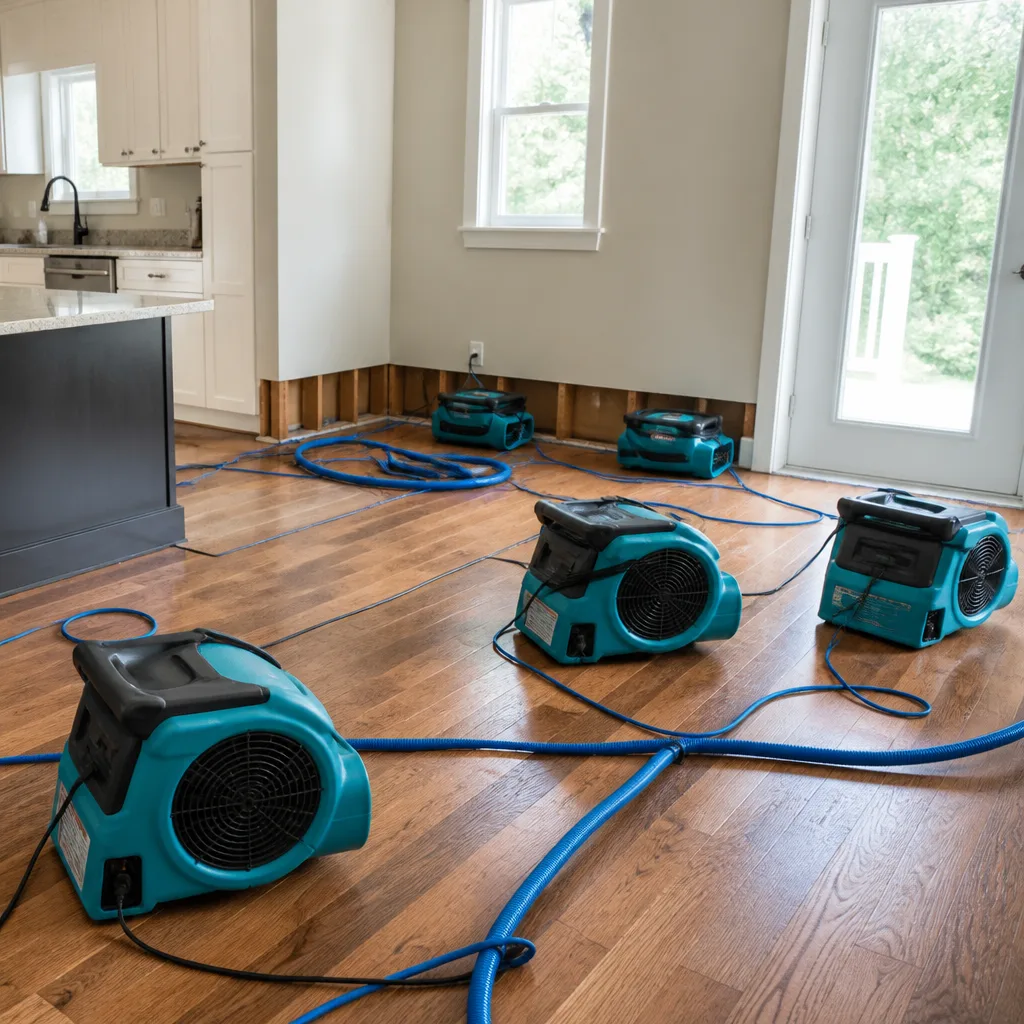
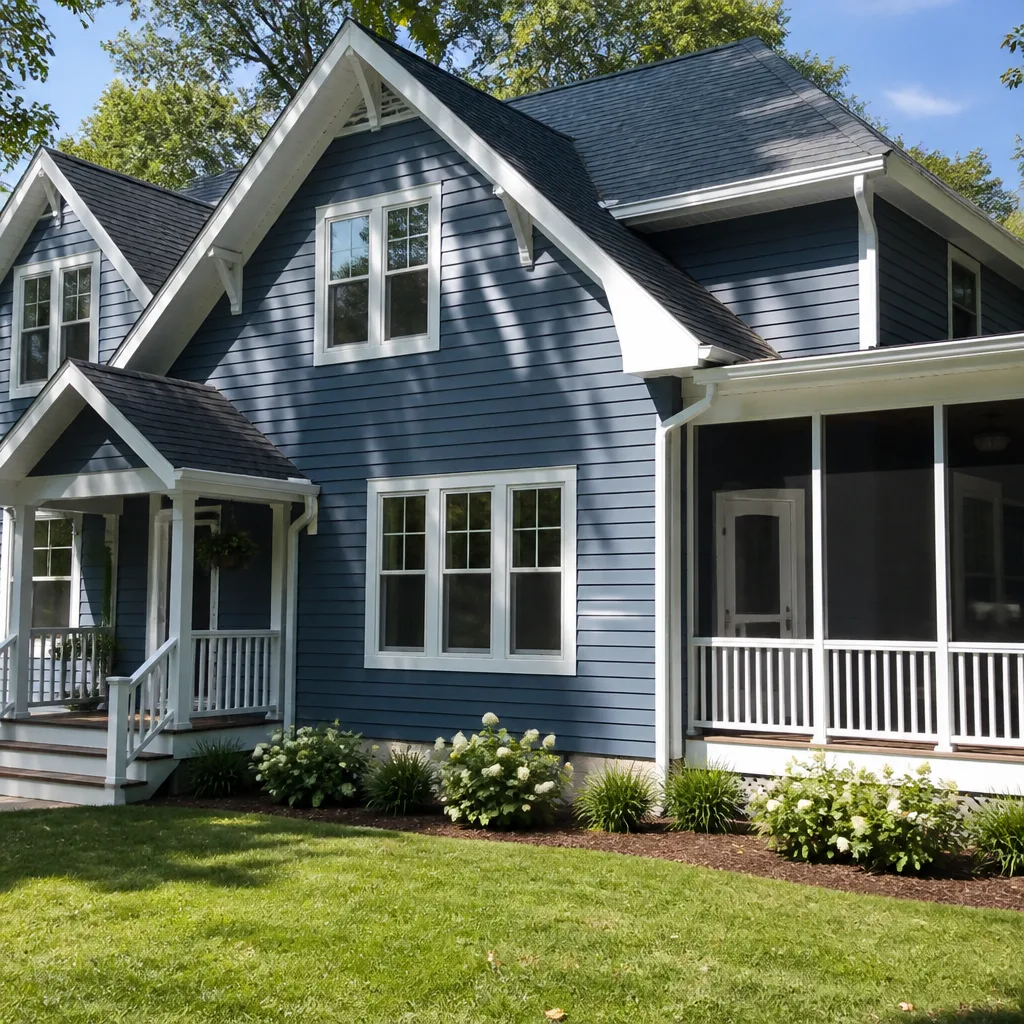
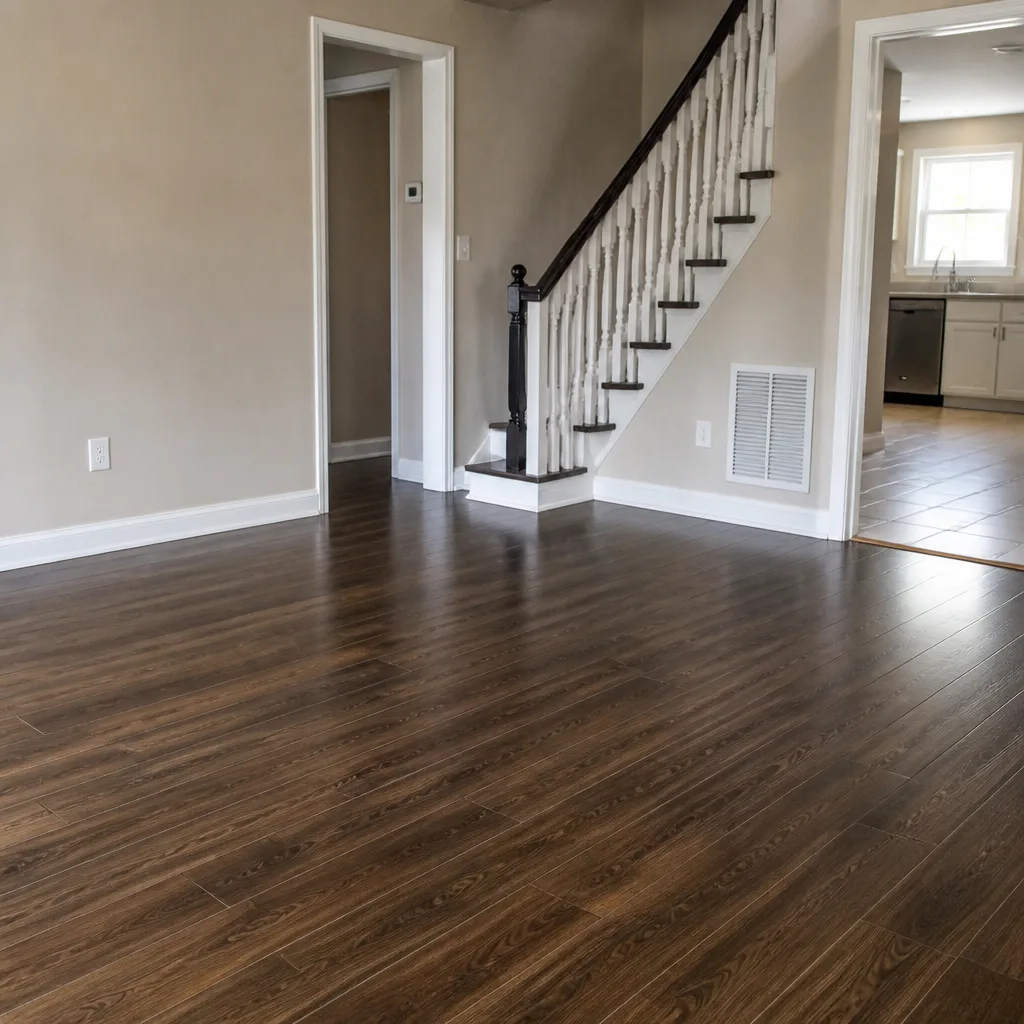
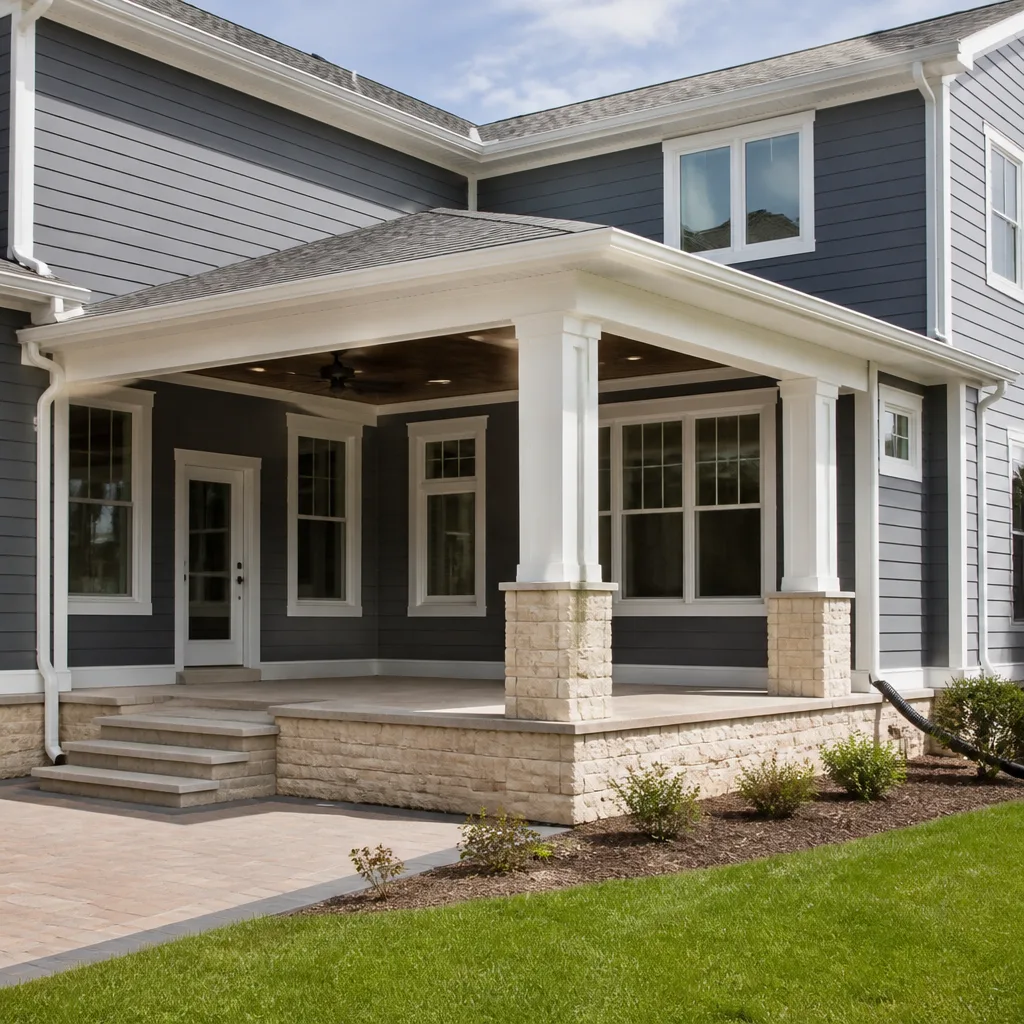
 Before
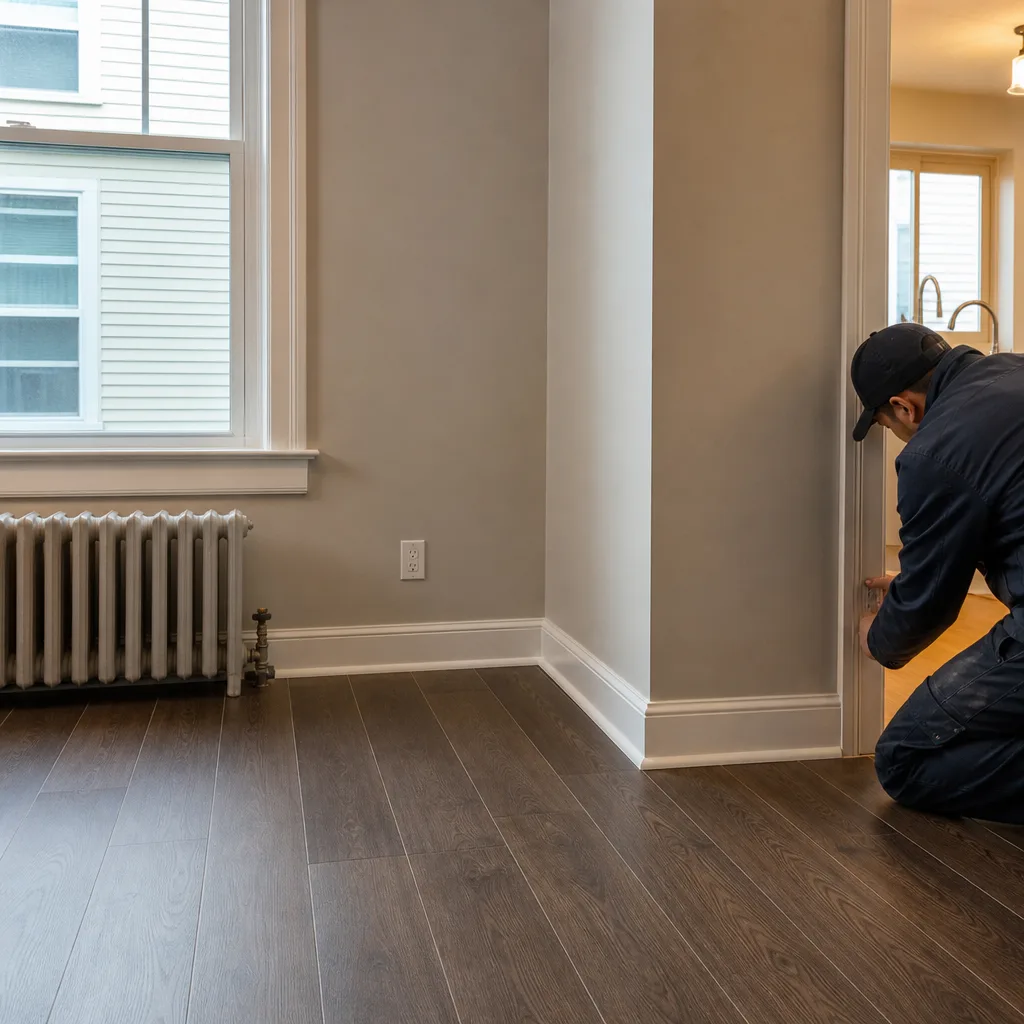 After
After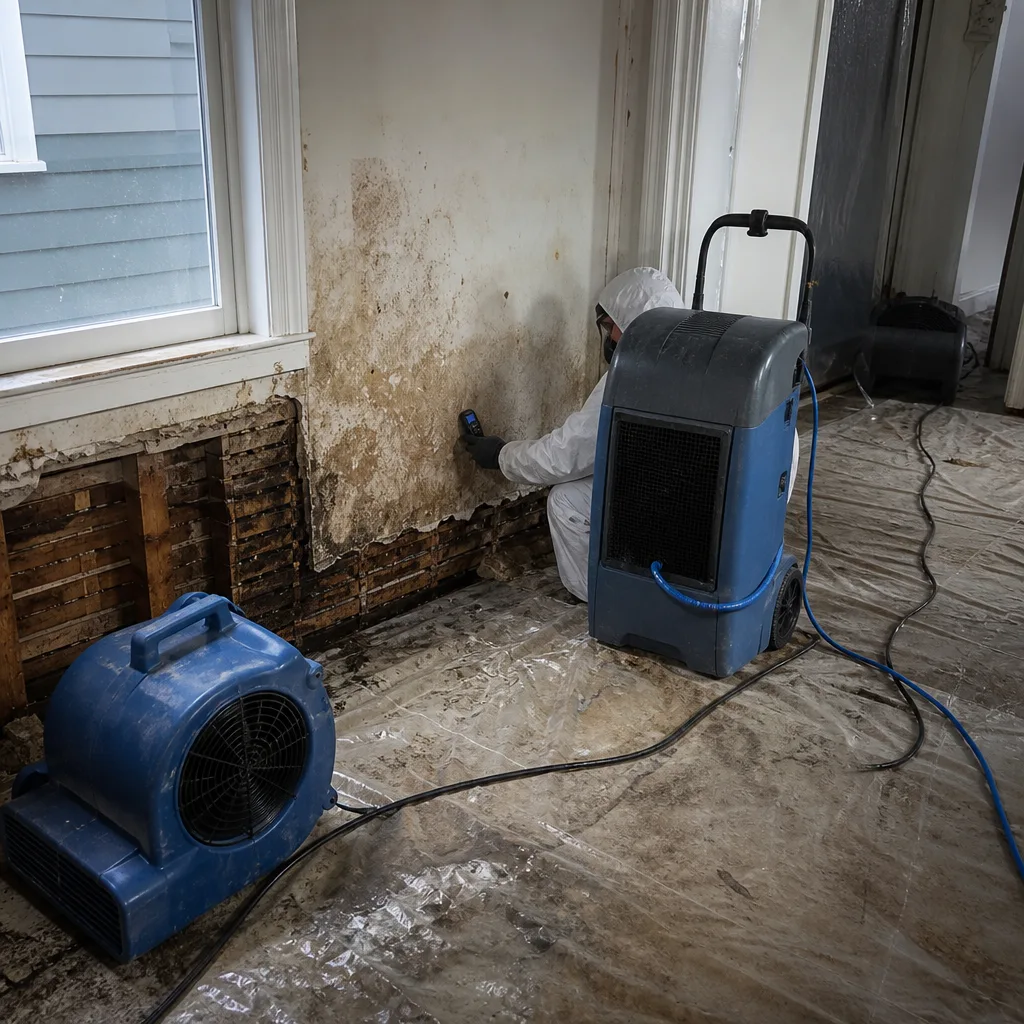 Before
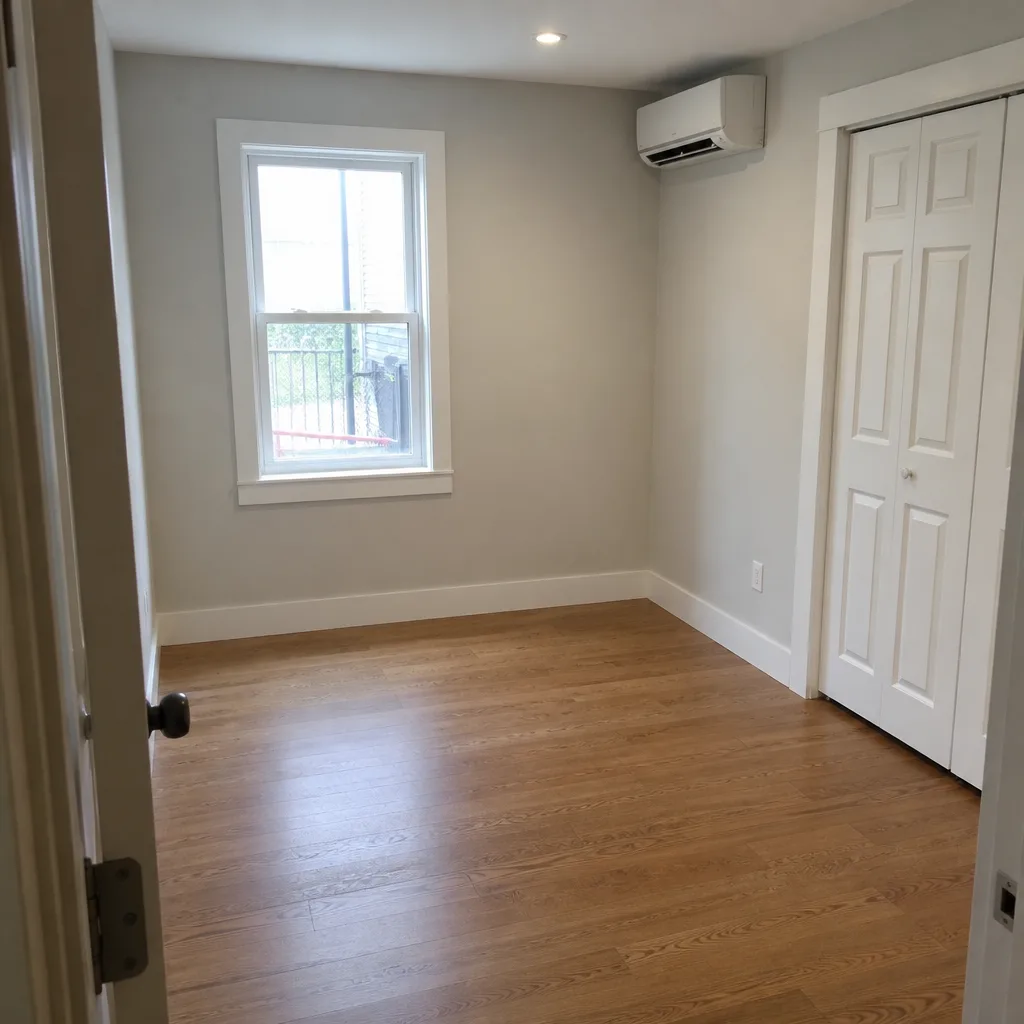 After
After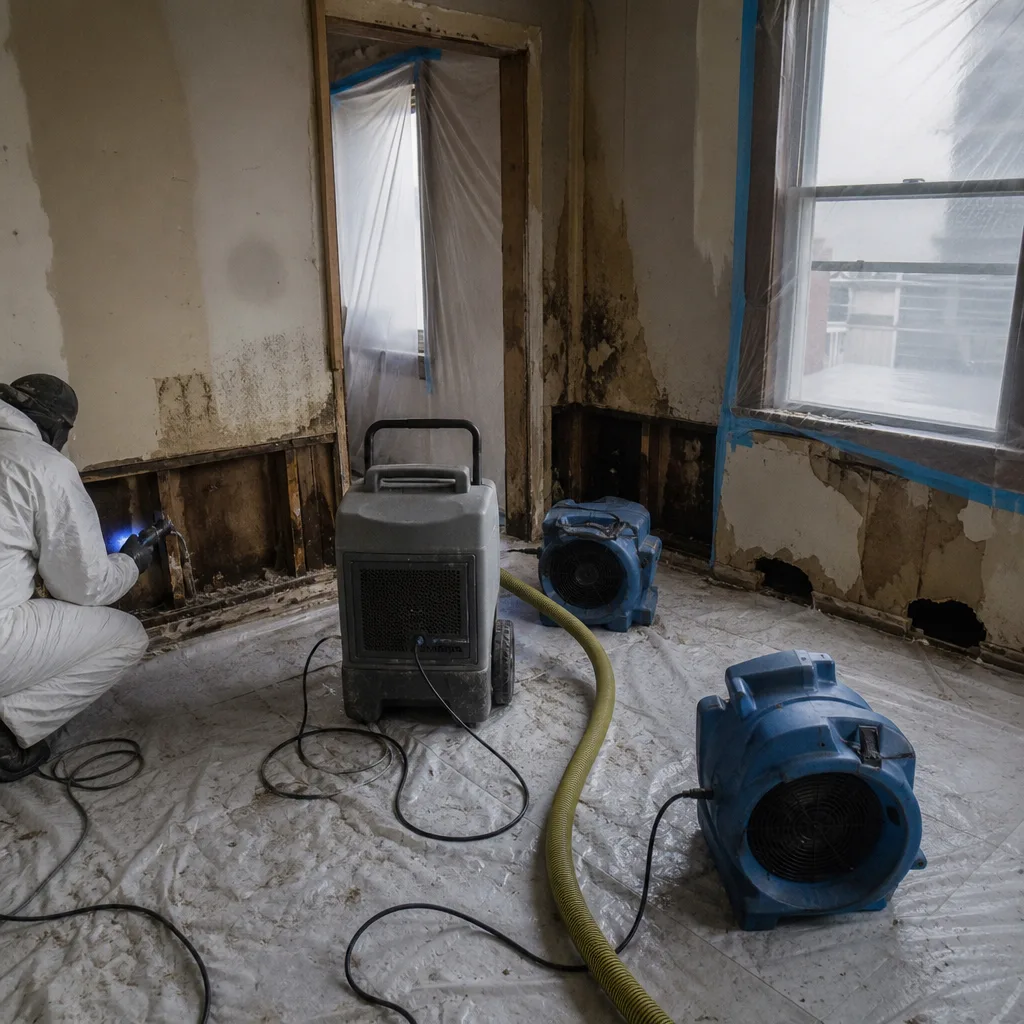 Before
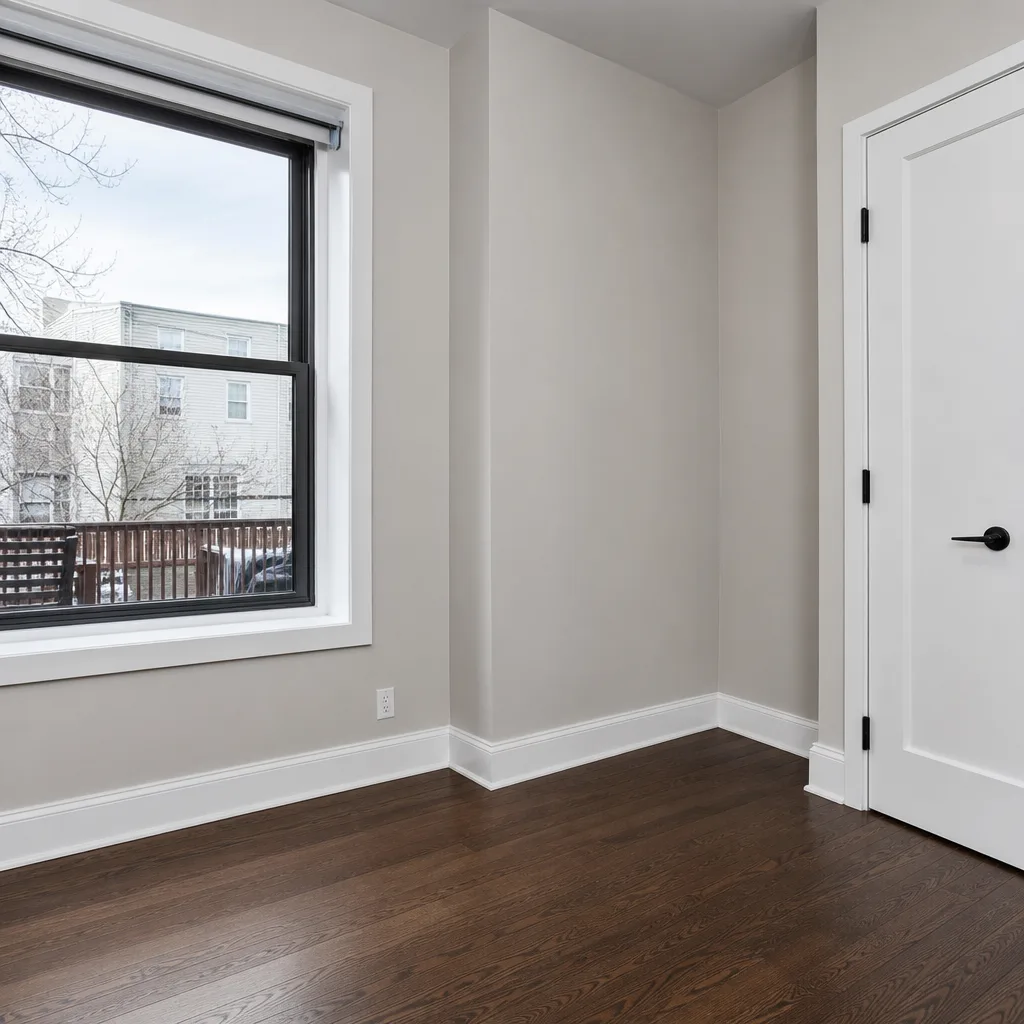 After
After24/7 Emergency Mold Remediation in Flushing
Mold remediation in Flushing typically costs $1,800-$6,500 depending on how far the growth has spread through attached row house cavities and whether neighboring units are involved. Most jobs start within 24 hours of the first call. If you’ve got visible mold, a musty smell that won’t quit, or water that sat too long in a finished basement, call (363) 208-1526 right now, because the longer mold sits inside a shared party wall, the more units it touches.
Wade Ferris answers his own phone, day or night. Not a call center. Not a voicemail tree. When you call about mold in your Flushing home, Wade heads out himself or sends a crew he’s trained and background-checked. The first hour matters because mold colonies double every 24 to 48 hours once they’ve got moisture and a food source, and in Flushing’s attached housing stock, that food source is often the drywall, framing, and finished surfaces shared between two or three addresses.
Understanding Mold Remediation Severity in Flushing Properties
Mold severity in Flushing breaks down into three practical tiers. The first is surface growth: visible spots on drywall, baseboards, or ceiling tiles, usually from condensation or a small plumbing drip. This is contained with HEPA vacuuming, antimicrobial treatment, and fixing the moisture source. The second tier is concealed cavity growth, which is the one we see most often in 1920s-1950s brick row houses off Northern Boulevard and College Point Boulevard. Water travels inside wall cavities and along shared party walls, so the mold you can see in one room is frequently the tip of a much larger colony living behind the finished surface. The third tier is full-structure contamination, common after Flushing Creek stormwater backups or a long-running cast-iron drain stack leak, where mold has colonized framing, subflooring, and insulation across multiple rooms or units.
In attached Flushing housing, severity is never an isolated question. A Category 2 leak in one home’s bathroom frequently becomes a mold problem in the adjoining home’s finished basement, because the brick party wall wicks moisture laterally. That’s why our containment plans are scoped block by block, not just room by room. We set up negative air pressure and HEPA air scrubbing, seal off the affected zone, and run clearance testing before we call a job done.
Why Flushing Property Owners Choose Wade’s Restoration
- 45-minute response commitment: Wade answers the phone himself and can have a crew on the road toward your Flushing block within 45 minutes, often faster if you’re near the Main Street corridor.
- 24/7 live answer, every single call: You’ll talk to a person at 2 a.m. with a flooded basement, not an automated menu. Wade’s cell is the dispatch line.
- IICRC-certified crews: Our techs hold IICRC credentials including WRT and AMRT certifications, and we use Dri-Eaz, Phoenix, and XPOWER equipment on every job.
- Free visual inspection with moisture mapping: Before we quote anything, we find where the water is actually coming from. No guesswork, no upsell.
- Direct insurance billing: We document everything from hour one, send the adjuster a line-item scope, and handle the back-and-forth so you don’t have to.
- One team from first containment to final trim: Same crew that sets up the air scrubbers is the crew that hangs new drywall. Nothing gets lost between handoffs.
Our Mold Remediation Process
Inspection & Assessment
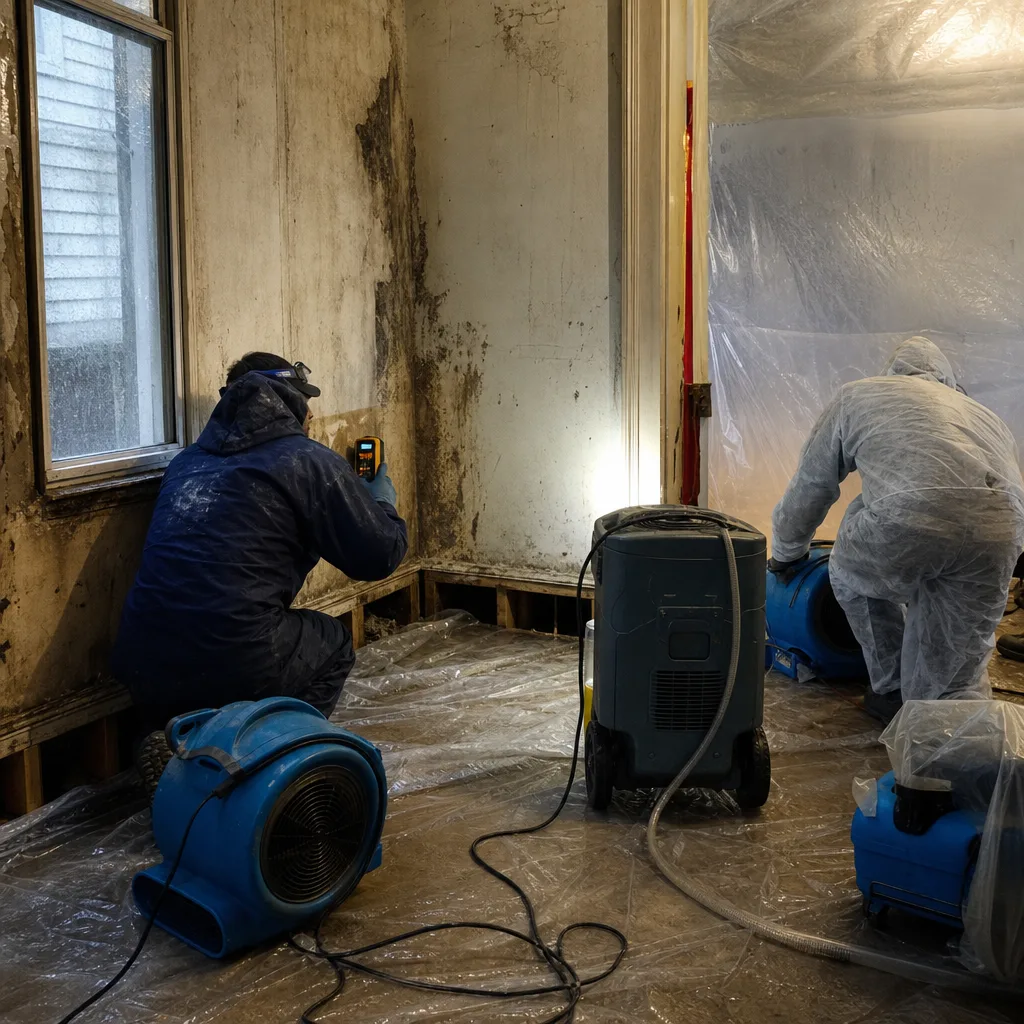
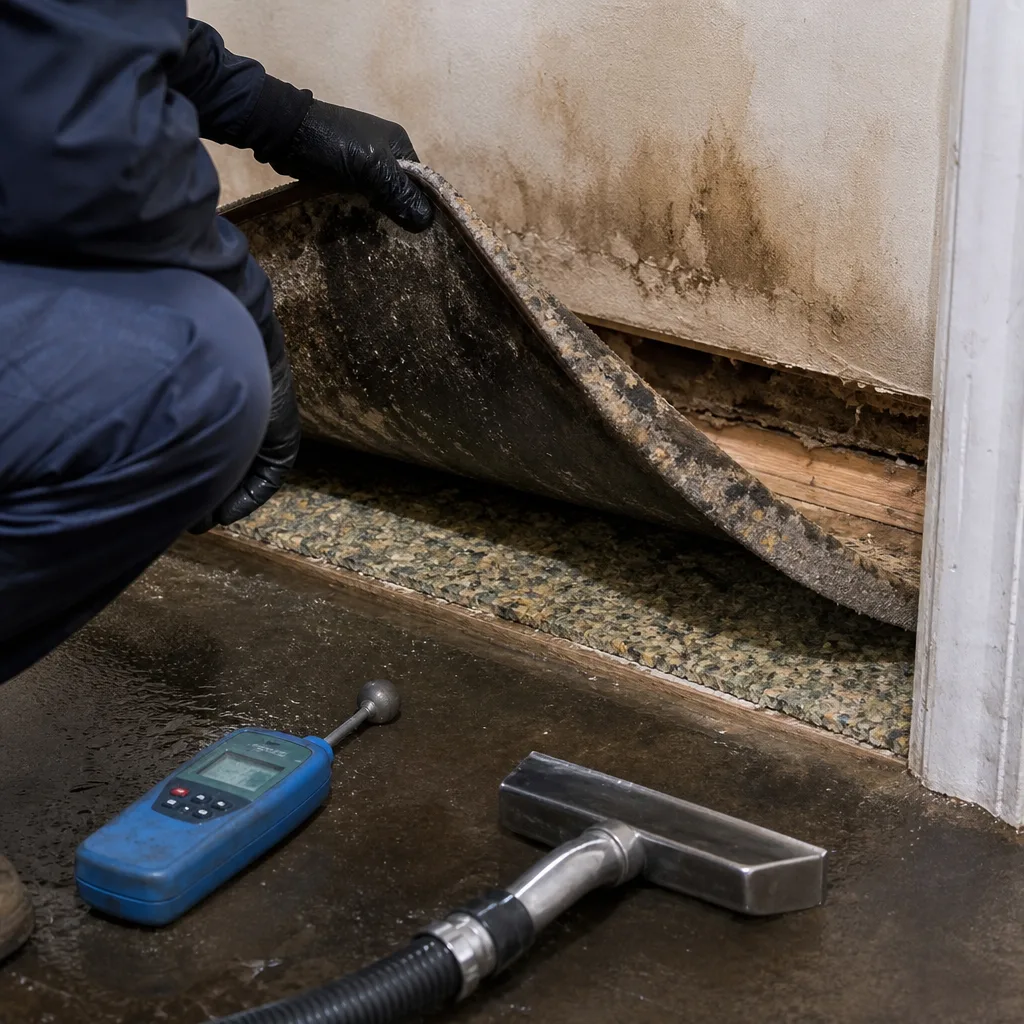
We start with thermal imaging and moisture meters to find the water source and map the full extent of growth, including inside party walls shared with attached Flushing, NY neighbors. If you suspect mold but can’t see it, we run air sampling and swab tests sent to an independent lab.
Containment & Source Control
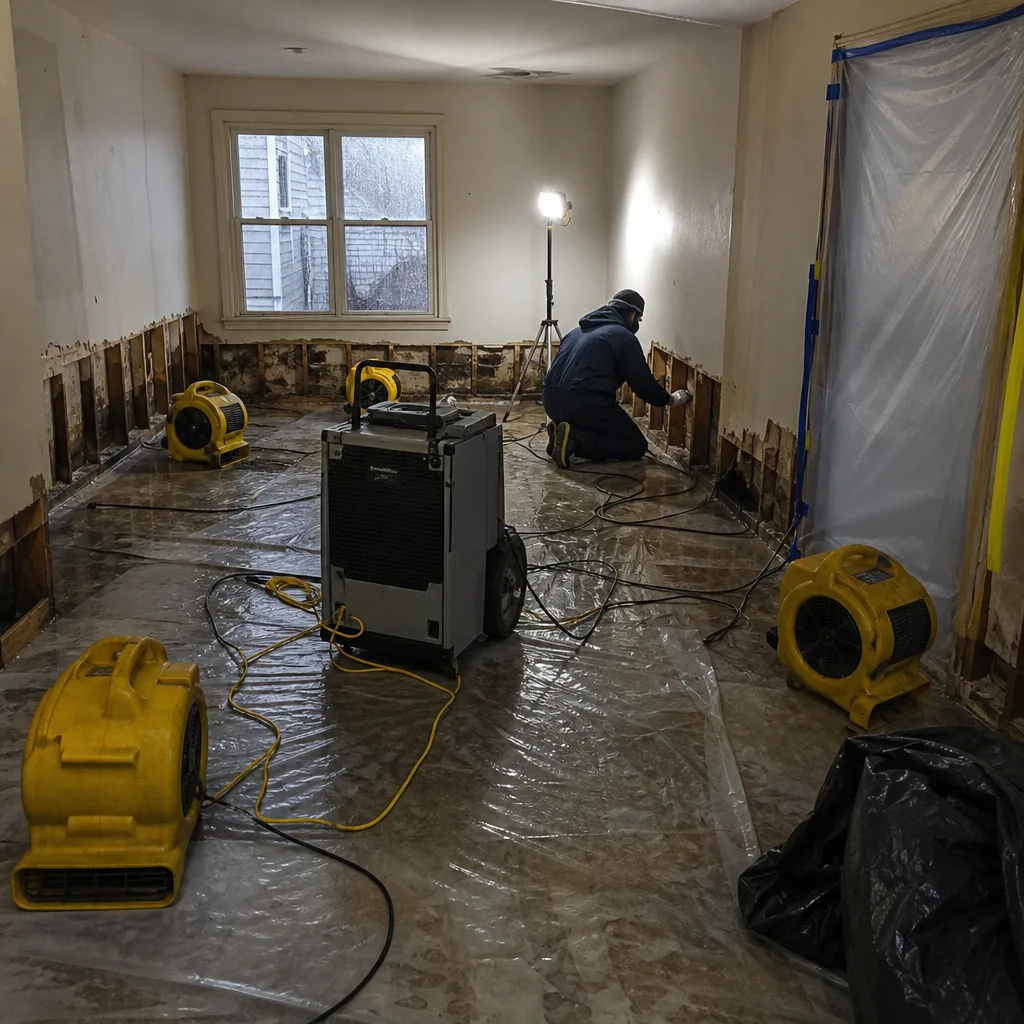
Before any demolition, we seal the affected area with 6-mil polyethylene and establish negative air pressure so spores don’t spread to the rest of your home or your neighbor’s unit. We shut off the water source, whether it’s a failed drain stack, a weeping foundation wall, or stormwater backup from the Flushing Creek drainage basin.
Demolition & Removal
Wet drywall, insulation, carpet, and trim that can’t be dried get cut out and bagged on site. In attached Flushing row houses, this often means opening a wall cavity that runs parallel to the neighbor’s wall to inspect shared framing.
Drying & Dehumidification
We run Dri-Eaz LGR dehumidifiers and high-velocity air movers, taking moisture readings every day and logging them. You get the full drying log at the end of the job, not a verbal summary.
Cleaning & Antimicrobial Treatment
Remaining structural surfaces get HEPA vacuuming, wire brushing where needed, and an EPA-registered antimicrobial treatment. We also clean the air itself with HEPA air scrubbers running throughout the job.
Clearance Testing & Repairs
Once drying logs confirm the structure is back to pre-loss moisture levels and clearance samples come back clean, we rebuild. Drywall, paint, trim, flooring. The 90-Day Done Right Promise applies to the whole job, in writing.
Need Emergency Mold Remediation in Flushing Now?
Crews minutes away, answering live 24 hours a day. The sooner we start, the less it costs.
Working With Your Insurance Company
Most Flushing homeowners and landlords don’t realize their mold remediation claim hinges on one thing: whether the insurance company can identify a covered “water event” that caused the mold. A sudden pipe burst, a stormwater backup during a heavy rain, a failed water heater. That’s a covered loss. Long-term condensation from poor ventilation, a leak that’s been dripping for two years, or groundwater seepage through a foundation crack? That often gets denied. Our job is to document the source from the first hour so your claim isn’t kicked back on a technicality. We photograph everything, record moisture readings daily, and talk directly to your adjuster so you never have to relay information between two parties who speak different languages.
What We Provide Your Insurer
- Thorough documentation of the loss
- Photos of all damage, room by room
- Moisture readings and drying logs
- A detailed, line-item scope of work
- Direct coordination with your carrier
Built for Flushing’s Loss Calendar
Flushing gets hit with mold-triggering water events on a schedule, and locals know it. January and February bring deep freezes that burst supply lines in uninsulated exterior walls, especially in those 1920s brick row houses with original plumbing chases. The water pours into finished basements and saturates drywall within hours. Spring thaw saturates the ground around old foundations, and those below-grade basement units in the Flushing Creek flood zone start weeping water through the slab. Summer thunderstorms overwhelm the drainage basin faster than the creek can carry it away, backing stormwater into basement drains along College Point Boulevard and Roosevelt Avenue. Nor’easters in the fall drive wind-driven rain into flat-roofed row houses, and because so many Flushing roofs are low-slope with aging membrane, the water finds its way down through interior walls. Every one of these events becomes a mold problem within 48 hours if the drying isn’t done right. That’s the actual loss calendar in Flushing, and it’s why we keep crews staged locally year-round.
Mold Remediation Across Flushing’s Neighborhoods
The downtown Main Street core is mostly 1990s and 2000s mixed-use condo towers where a single failed pipe on the 12th floor can cascade through eleven units below it. Mold there is a vertical problem, and our crews have worked high-rise containment jobs where access, elevator scheduling, and building management coordination are half the battle. Over in Murray Hill and Broadway-Flushing, the stock shifts to attached and semi-detached brick row houses from the 1930s and 1940s, where finished basements sit below street grade and cast-iron drain stacks have been quietly failing for decades. East Flushing and Queensboro Hill have more single-family detached homes with crawl spaces, and we see mold under floor framing from poor ventilation and improper grading. The Flushing Creek corridor from the bay inland through the College Point Boulevard triangle is FEMA flood zone territory, and we scope every basement job there by checking the adjacent attached units before we write the estimate. A mold problem in one unit is rarely a one-unit problem.
Specialized Mold Remediation Services We Offer in Flushing
Mold Inspection & Testing
If you smell something musty in your Flushing apartment or row house but can’t see mold, we run air sampling and surface swabs through an independent lab. You get a written report identifying the mold type and spore count, plus our reading of where the moisture is coming from. Landlords and tenants both use these reports to get the actual problem fixed instead of painted over.
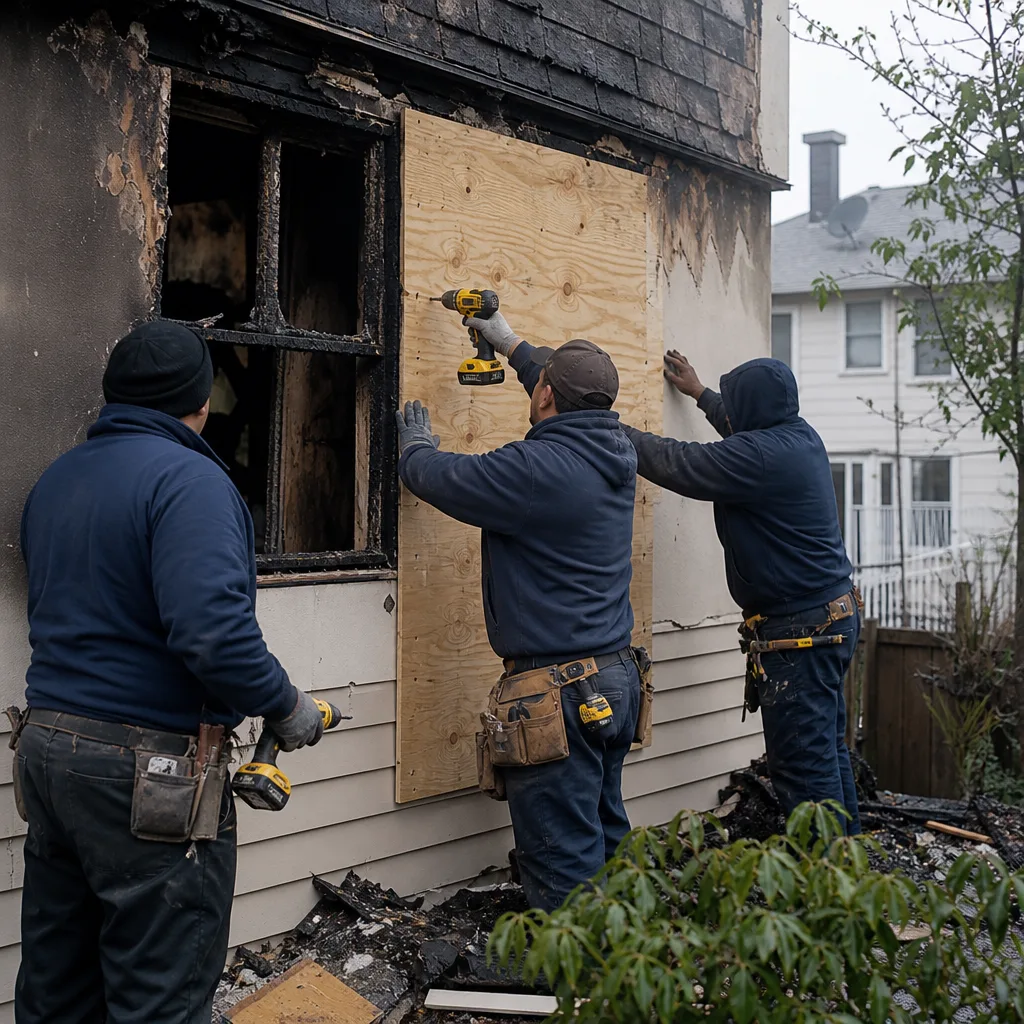
Mold Removal
Mold removal in Flushing means cutting out saturated drywall, treating the framing behind it, and drying the cavity to below 15% moisture content. In attached homes, we inspect the shared party wall and the neighbor’s side before we close anything back up. Hidden mold is what leads to repeat calls.
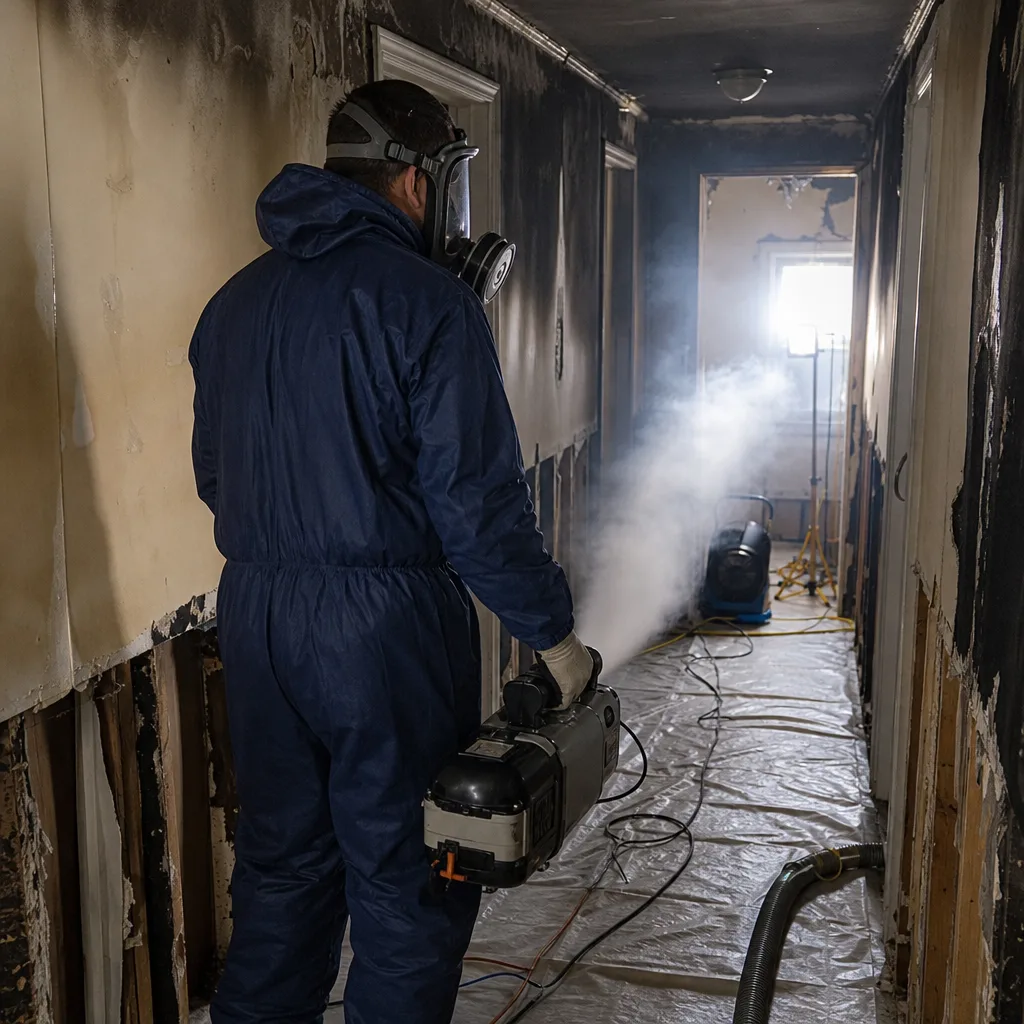
Black Mold Remediation
Stachybotrys, the mold people call “black mold,” loves chronically damp cellulose, which is exactly what drywall and wood framing provide in a below-grade Flushing basement that’s been weeping for months. We contain the area under negative pressure, remove the colonized material, treat structural surfaces, and run clearance testing before anyone can reoccupy the space.
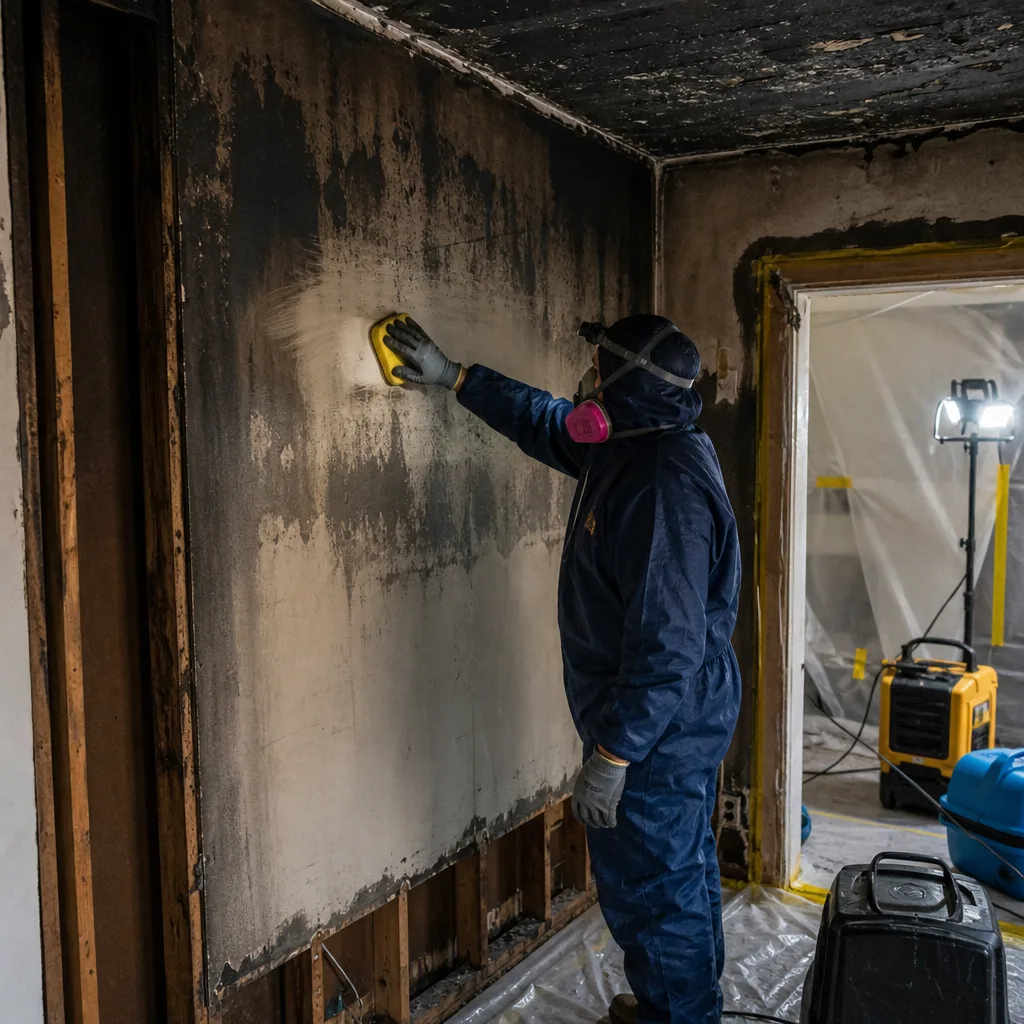
Air Quality Restoration
After the visible mold is gone, the spore load in your air can remain elevated for weeks. We run HEPA air scrubbers during the job and can install temporary air-quality monitoring for sensitive occupants. This matters in Flushing’s rental units, where multiple families share the same air through connected duct runs and open stairwells.
Crawl Space Treatment
Older detached homes in East Flushing and Queensboro Hill sit over crawl spaces that were never properly vented or sealed. We remove mold from floor joists and subflooring, install vapor barriers, and set the space up so it stops producing musty air that drifts up into the living area.
What happens when you call
- 1
A real person answersNo phone trees - you reach a local pro.
- 2
You get an upfront price rangeHonest numbers before anyone is dispatched.
- 3
A background-checked tech heads outLicensed & insured, dispatched right away.
- 4
You approve before work beginsNothing starts until you say go.
Mold Remediation Costs in Flushing, NY
A small contained mold removal job in a single Flushing bathroom or closet typically runs $1,800-$3,200. A finished basement with mold behind drywall and along the perimeter walls usually lands between $3,500 and $6,500. When the contamination spans multiple rooms or crosses into a neighboring attached unit, costs go up from there, and that’s a reality of Flushing’s housing stock more than any pricing decision on our end. What moves the price: how much drywall comes out, whether the moisture source is a simple plumbing fix or a full drain-stack replacement, and whether we’re dealing with one unit or three. The free visual inspection answers all of it. We hand you a written scope with a firm line-item price before any work starts, so there’s no phone quote that changes at the door. Seniors and veterans get 10% off, always. If you already have a written estimate from another company, bring it in. We’ll give you a free second opinion.
We Also Serve Cities Near Flushing
Our crews work throughout the borough and into western Queens. We serve Mold Remediation clients in Astoria’s pre-war apartment buildings and Long Island City’s converted industrial lofts, where high ceilings and old plumbing create their own mold patterns. Wherever you are near Flushing, same team, same 24/7 live answer.
Serving Flushing, NY - Our Local Coverage Area
We’re based in the Flushing area and know this community well. Use the map below to see our service coverage - if you’re nearby, we can almost certainly help.
Flushing Mold Remediation Questions, Answered
How do you handle mold remediation when the moisture source is in a neighboring attached unit in Flushing?
We handle it by scoping both units at the same time. If the water source is on your neighbor’s side of the shared party wall, we document it, notify the neighbor or their landlord, and coordinate containment across both spaces. Mold doesn’t respect property lines, and in Flushing’s attached row houses, treating only one side of a wet wall guarantees the problem comes back.
Is mold common in Flushing basements that serve as rental units or below-grade businesses?
Very common. Below-grade spaces in the Flushing Creek drainage basin are the first to take on stormwater backup and groundwater seepage, and tenants or employees may not report a musty smell until visible mold appears. We’ve found active mold in storefront storage rooms along Roosevelt Avenue that no one had opened in months.
What does your mold remediation process look like for a typical Flushing brick row house with a finished basement?
We start with moisture mapping and thermal imaging to find the source, then contain the affected areas, remove wet drywall and trim, dry the structure with dehumidifiers and air movers, treat remaining surfaces with antimicrobial, and rebuild. Daily moisture logs are handed to you at the end. Most finished basement jobs in Flushing take 5 to 10 days from containment to final clearance.
Do you treat mold in crawl spaces under older Flushing homes?
Yes, we treat crawl spaces. We remove mold from framing and subflooring, dry the space, install vapor barriers, and improve ventilation. Crawl space mold in East Flushing and Queensboro Hill is usually caused by poor grading and missing vapor barriers, so we fix the space so the mold doesn’t return.
If I smell mold in my Flushing apartment but my landlord won’t call, can you test the air and give me a report?
You can absolutely get independent air testing. We’ll sample the air in your apartment, send the samples to a certified lab, and give you a written report with spore counts and mold types. That report is yours, not your landlord’s, and it’s what you can use to get the problem addressed. Call (363) 208-1526 to schedule testing.
How fast can you actually get to a Flushing mold emergency?
We aim to be on site within 45 minutes of your call if you’re in Flushing or the surrounding area. Wade answers the phone himself, and the crew is dispatched from the New York City office serving Flushing locally. The emergency line is live 24 hours a day, every day.
What certifications does your Mold Remediation team carry?
Our crews hold IICRC certifications including AMRT, the applied microbial remediation technician credential. We’re also RIA-affiliated and use IFA-recognized practices. The certification matters because it’s the difference between wiping off surface mold and actually fixing the moisture source.
What should I do in the first 30 minutes after discovering mold in my Flushing home?
Don’t disturb it. Don’t wipe it, don’t spray bleach on it, don’t run fans at it. Disturbing mold releases spores into the air and spreads the problem. Shut the door to the affected area if you can, turn off your HVAC system so spores don’t circulate, and call (363) 208-1526. A free visual inspection with moisture mapping tells you what you’re actually dealing with.
Written by Wade Ferris, Owner at Wade’s Restoration, serving Flushing, NY since 2007.