
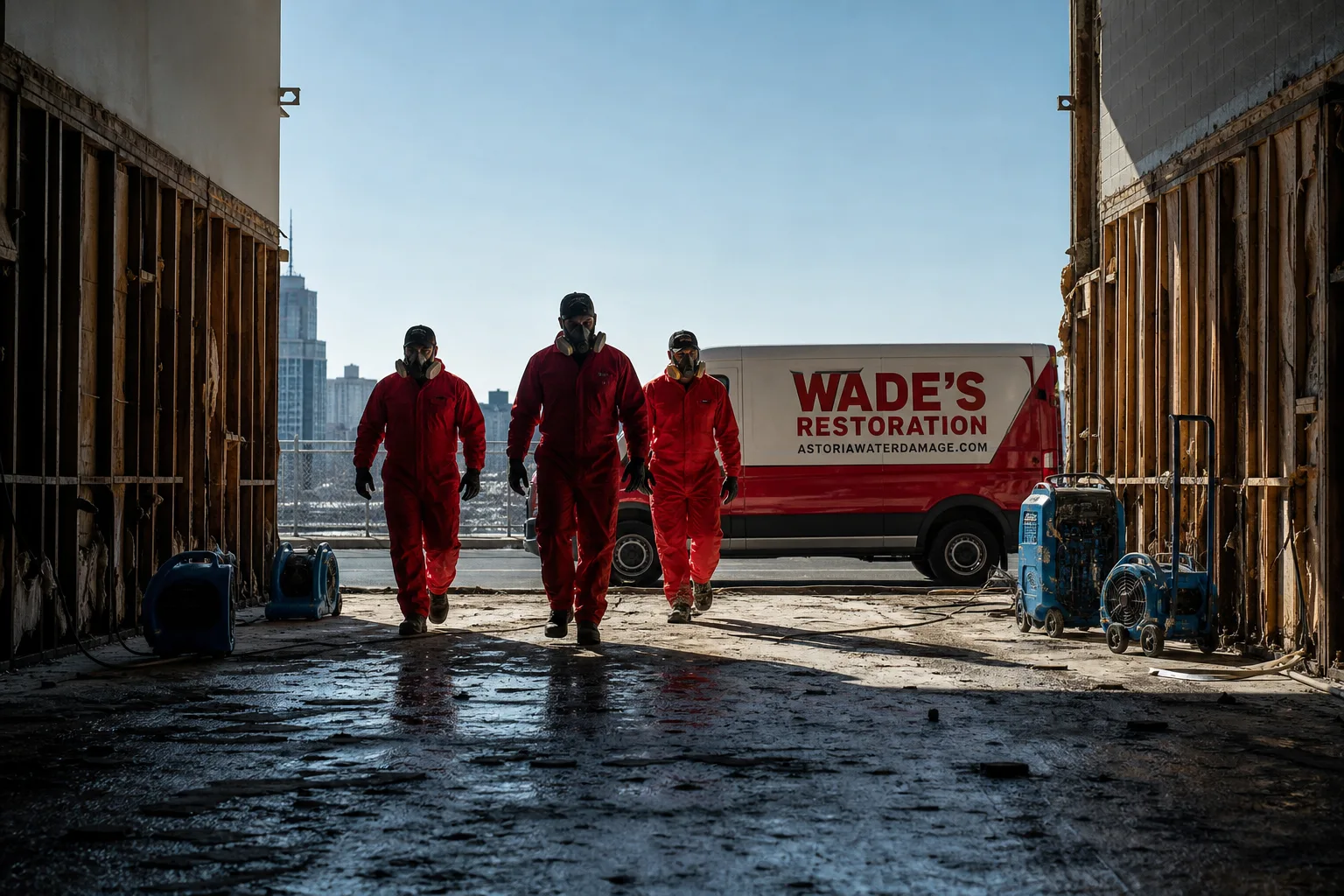
Free visual inspection and a written scope of work before any mitigation begins - photos, moisture readings, and drying logs go in your claim file
The scope we write is the scope we bill. Anything new gets shown to you, in writing, before we touch it.
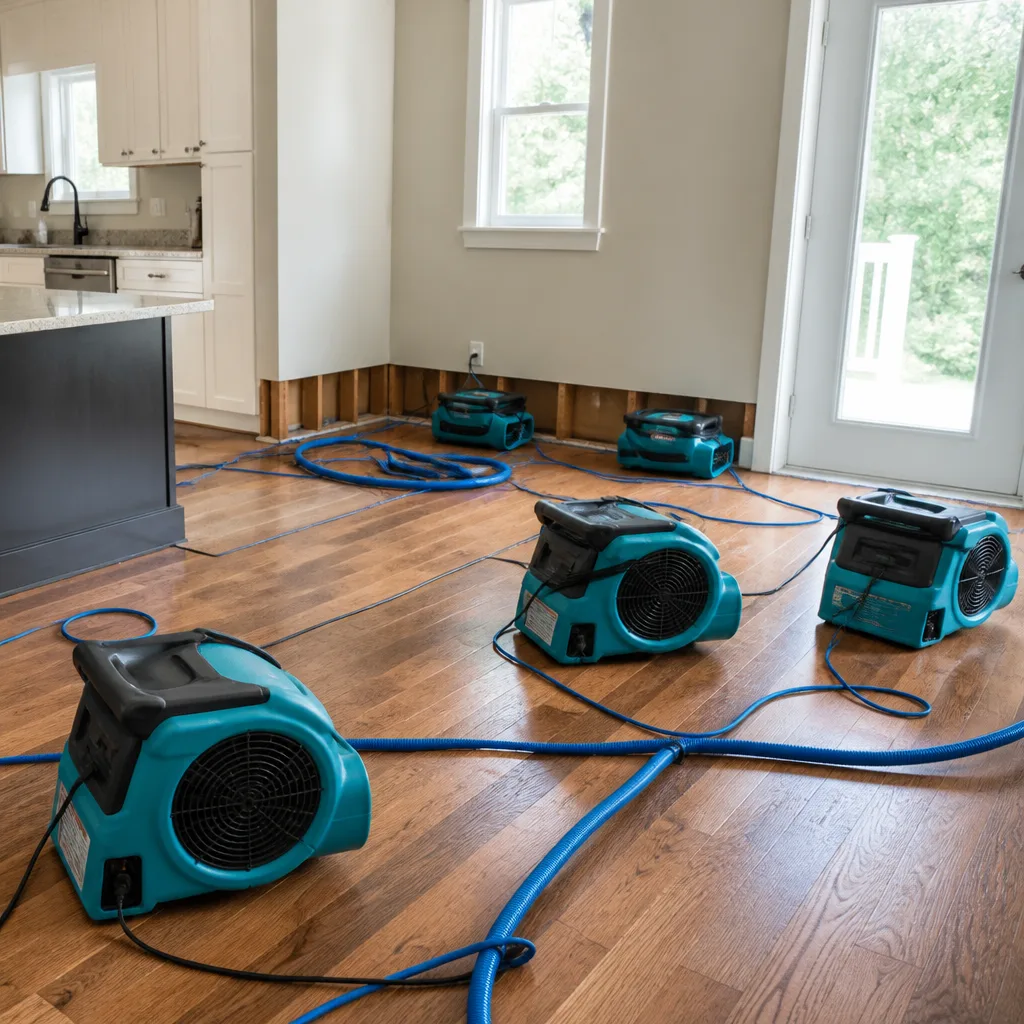
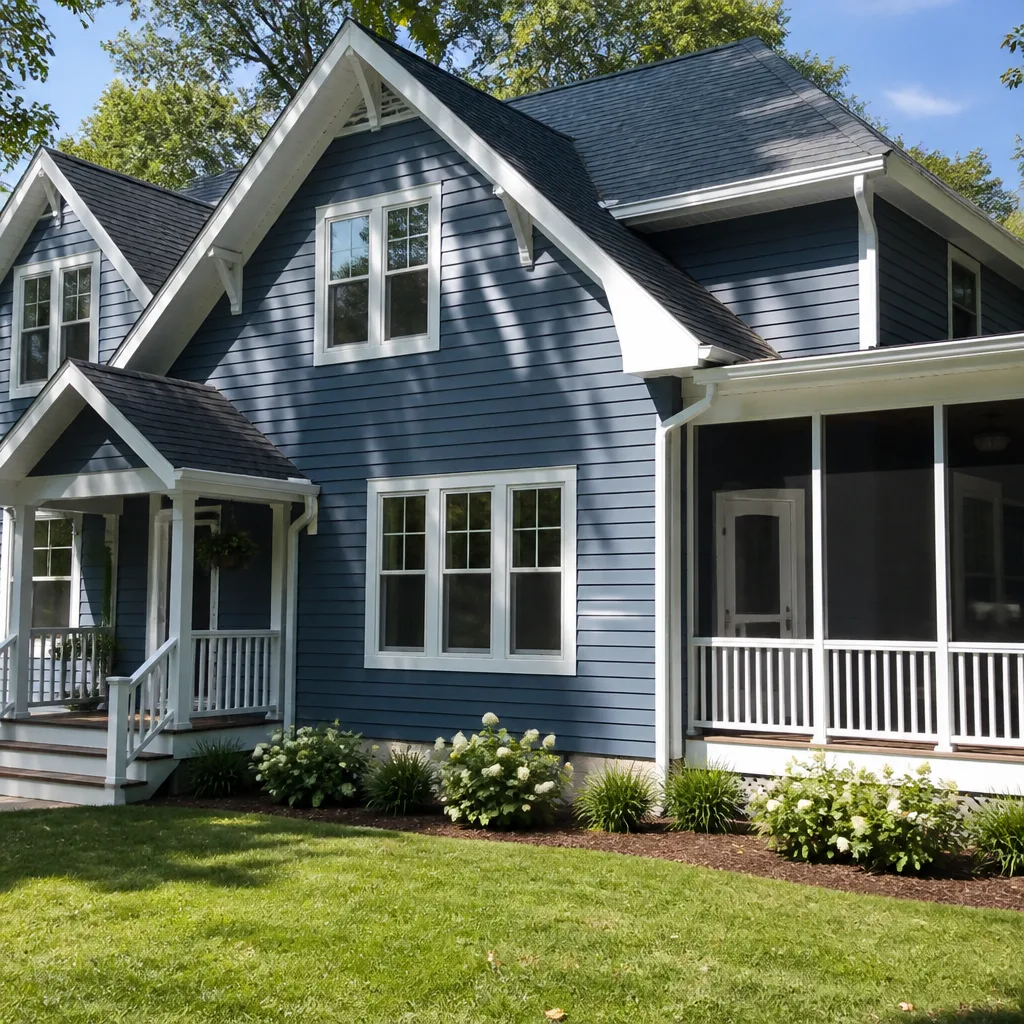
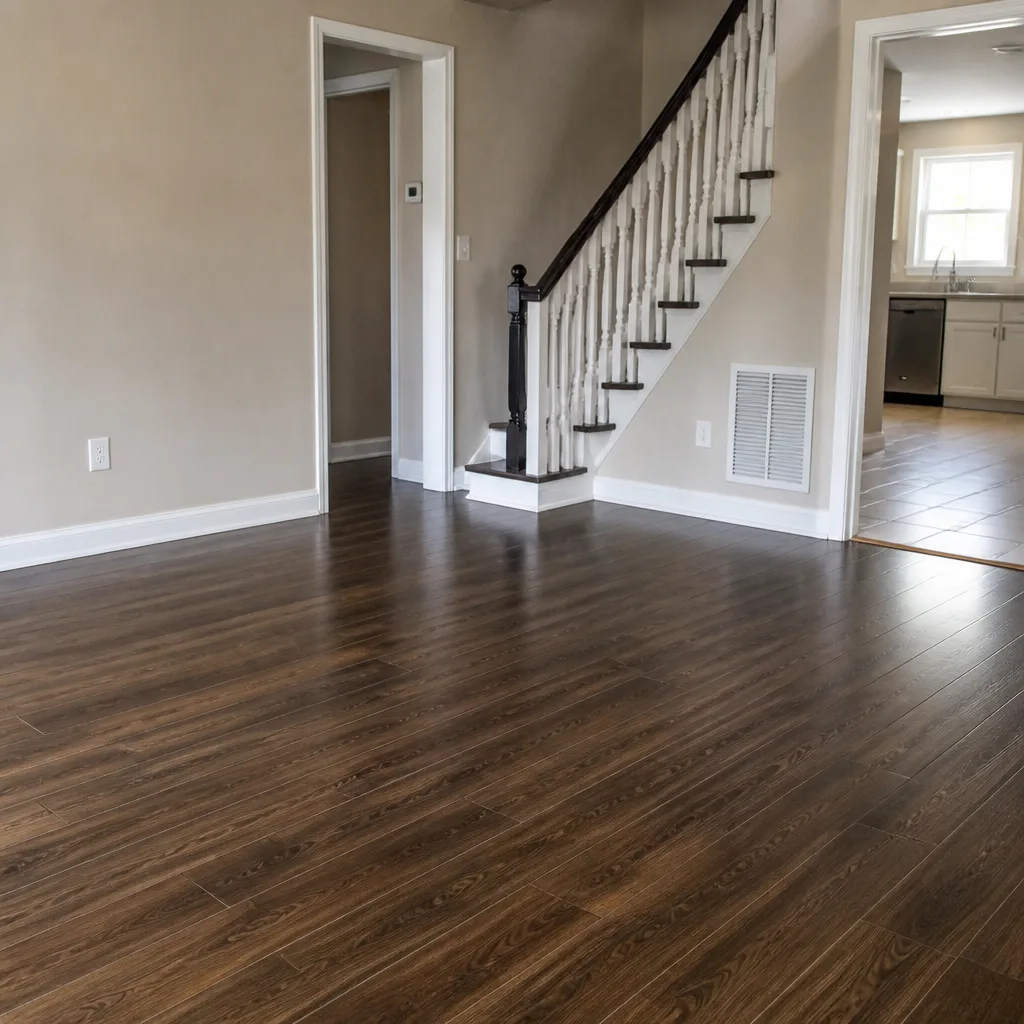
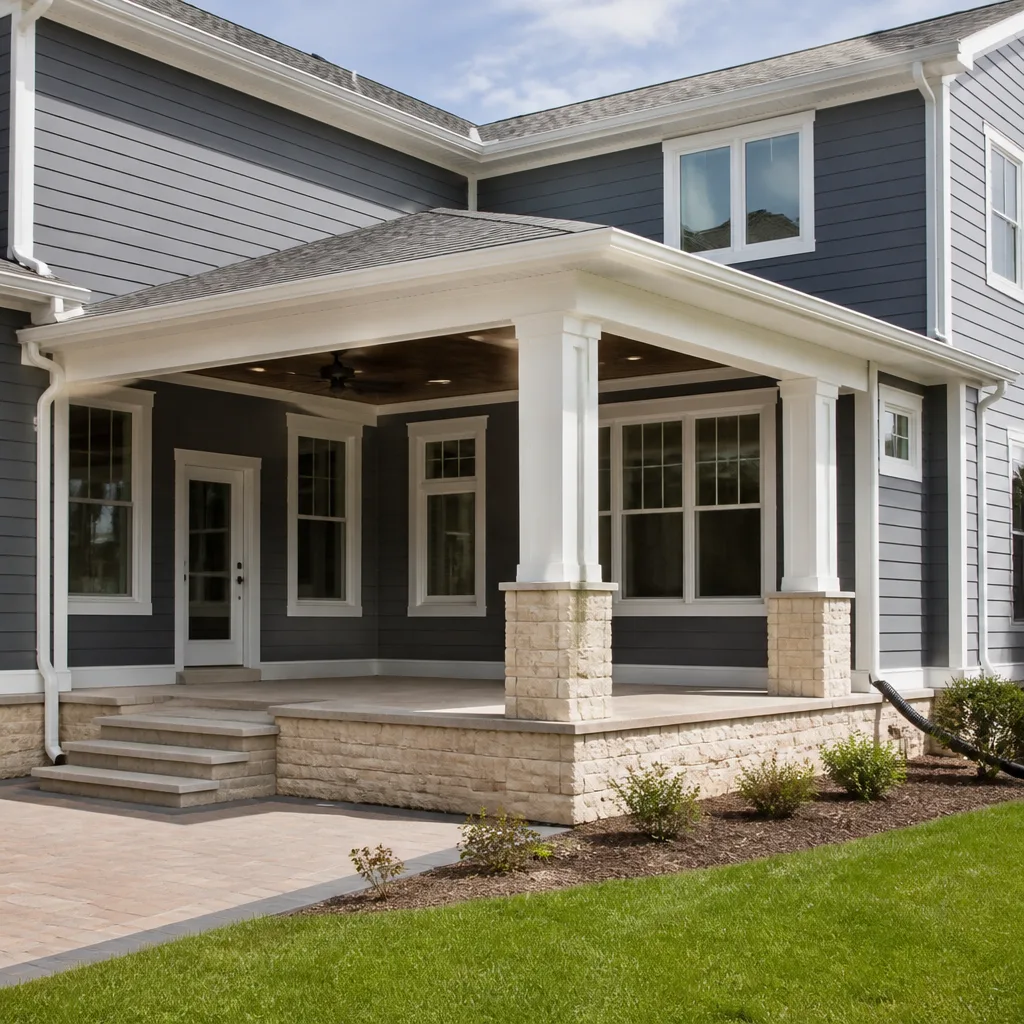
 Before
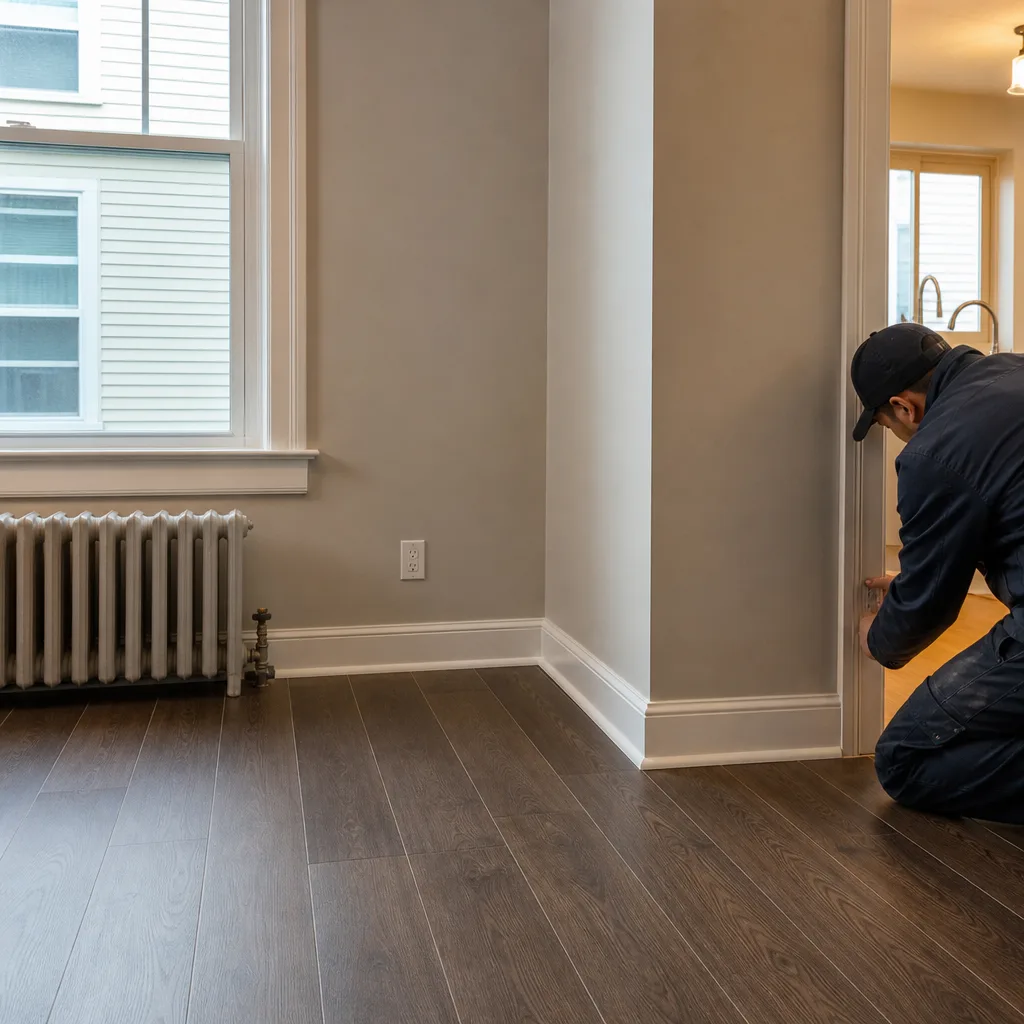 After
After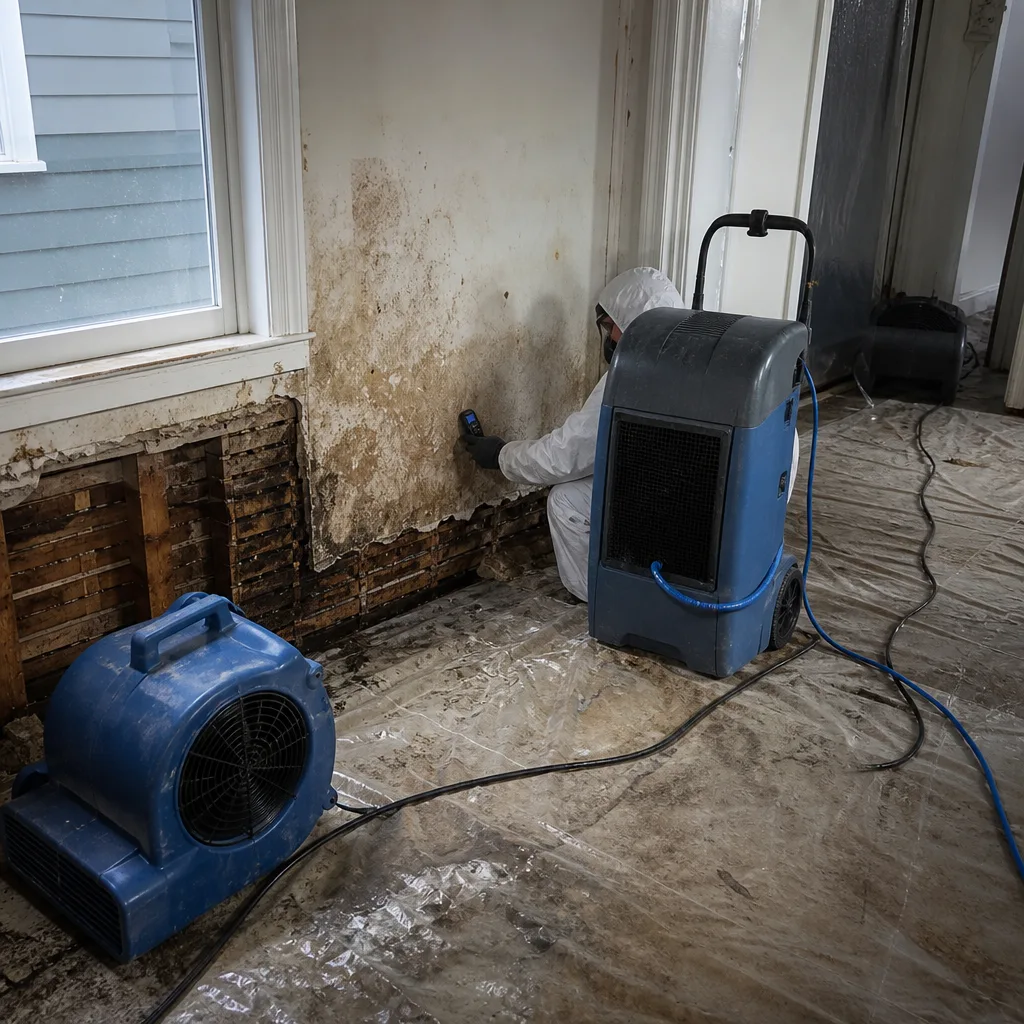 Before
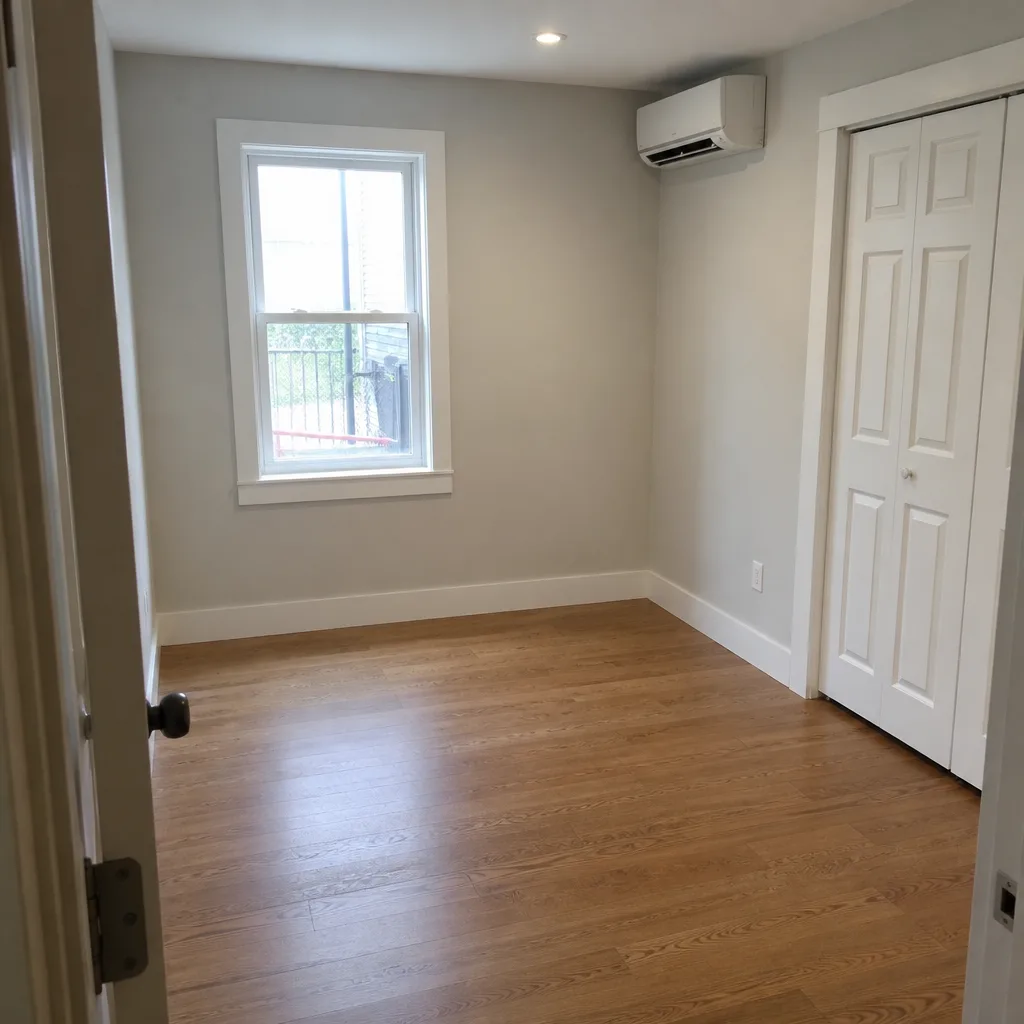 After
After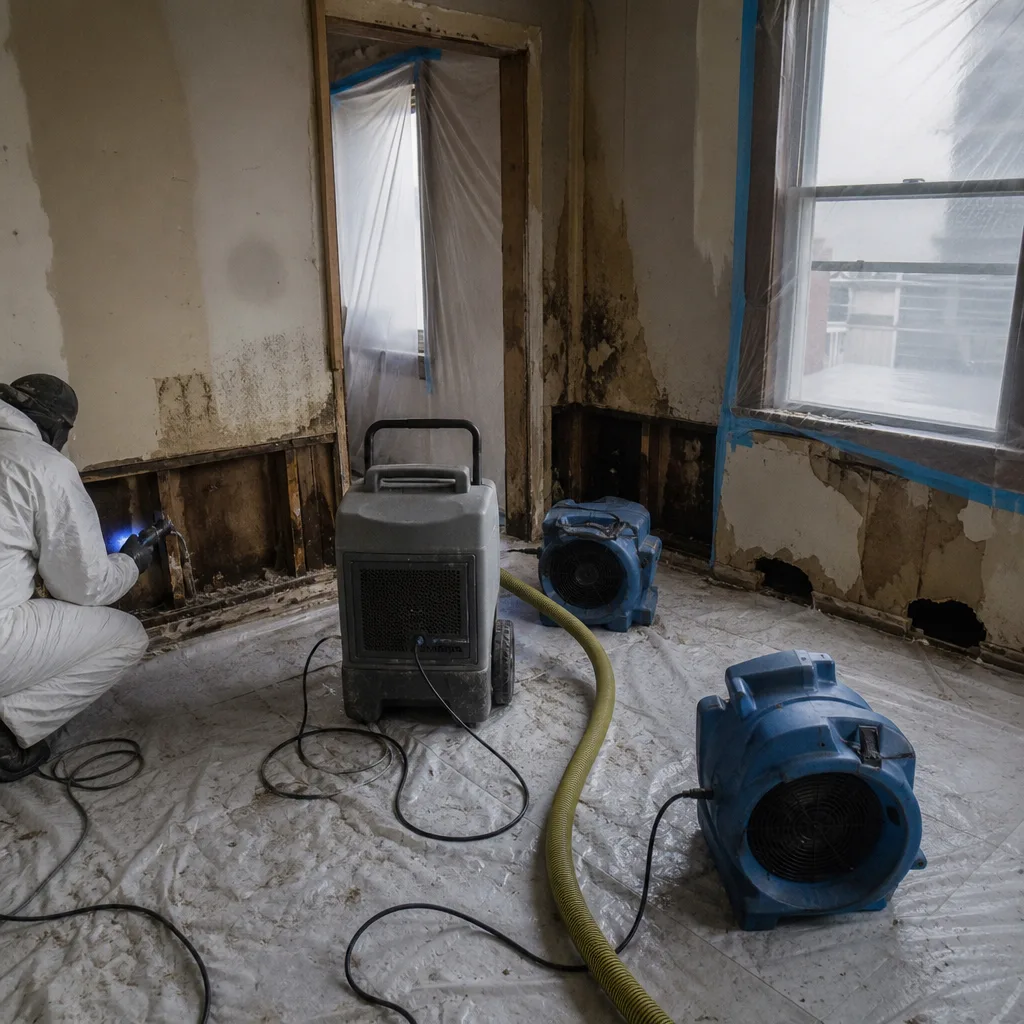 Before
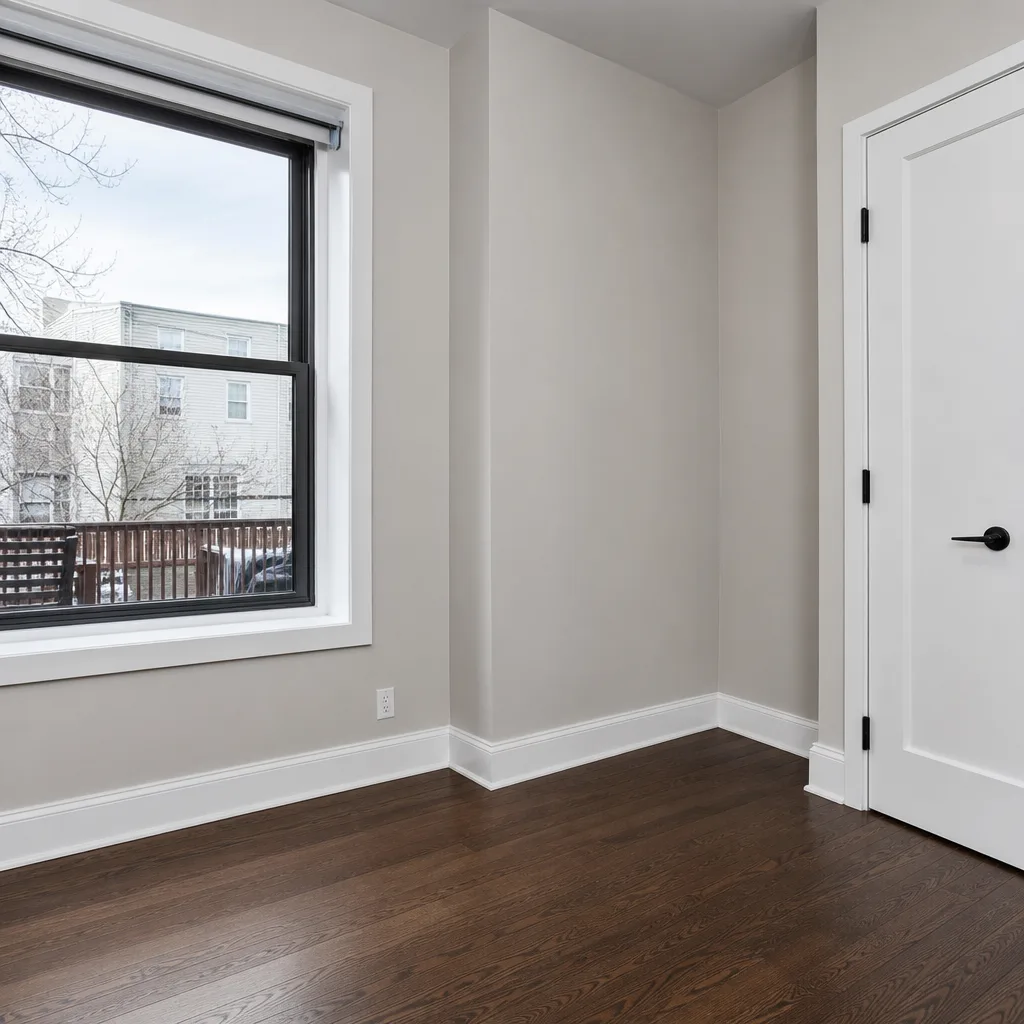 After
After24/7 Emergency Mold Remediation in Long Island City
Mold doesn’t wait for business hours, and in Long Island City’s dense housing stock it spreads fast. One hidden pipe leak in a converted loft can push moisture into original timber joists within hours, and by day three you’re looking at active colony growth behind walls. We answer the phone live 24 hours a day, and our Long Island City crews can be on site fast with containment, moisture mapping, and drying equipment moving before the end of the first call. If you’re seeing staining, smelling a musty odor, or just had water come through after heavy rain, call (363) 208-1526. The first hour matters because mold releases spores within 24 to 48 hours of a water event, and every day after that makes the job bigger and more expensive.
Understanding Mold Remediation Severity in Long Island City Properties
Long Island City’s building stock creates two very different mold problems, sometimes on the same block. In the post-2010 curtain-wall glass towers along Hunters Point, the sealed building envelope traps humidity. Condensation forms behind millwork and inside mechanical chases, and mold grows invisibly until a tenant smells it. In the converted early-1900s warehouse and factory lofts of Dutch Kills and the interior blocks, the issue is the opposite: old brick, original timber structural members, and decades of layered renovations that hide slow leaks. Our remediation work in LIC runs the full severity range from Class 1 small area containment with HEPA air scrubbing to full Category 3 water loss where combined sewer overflow has backed up through the neighborhood’s aging laterals. We treat every basement or ground-floor mold call here as potentially sewage-impacted until moisture mapping and lab results prove otherwise, because Dutch Kills’ brick sewer laterals provide no barrier between stormwater and sanitary flow. Containment, negative air, clearance testing: these are the baseline here, not the exception.
Why Long Island City Property Owners Choose Wade’s Restoration
- Fast response, actually fast. When we say we’re on the way, Wade’s crew is moving. We run tight schedules for Long Island City because we know access here is hard: freight elevator windows, loading dock restrictions, street parking that isn’t. We plan for it before we arrive.
- A live person, every call, every time. No automated phone trees. No call center. The person who answers is the person making the decisions, and they know the LIC waterfront from Dutch Kills without needing your cross streets explained twice.
- IICRC-certified crews with real trade credentials. Wade and his team hold IICRC certifications including WRT (Water Damage Restoration Technician), FSRT (Fire & Smoke Restoration Technician), and AMRT (Applied Microbial Remediation Technician). That last one matters most for mold work: proper containment, proper disposal, proper clearance.
- Free visual inspection, no obligation. We’ll look at what’s happening and tell you straight what needs to happen and what doesn’t. No charge for that. If you’ve got a written estimate from another outfit, bring it: Wade gives a free second opinion.
- Direct insurance billing. We photograph everything from the first hour, keep daily moisture logs, and deal with your adjuster directly. You’re not the messenger between us and your carrier.
- One team from first call to final clearance. You don’t get handed from a mitigation crew to a different rebuild crew. The people who set the containment are the people who pull the final air sample. That’s how the 90-Day Done Right Promise is actually possible.
Our Mold Remediation Process
Inspection & Assessment
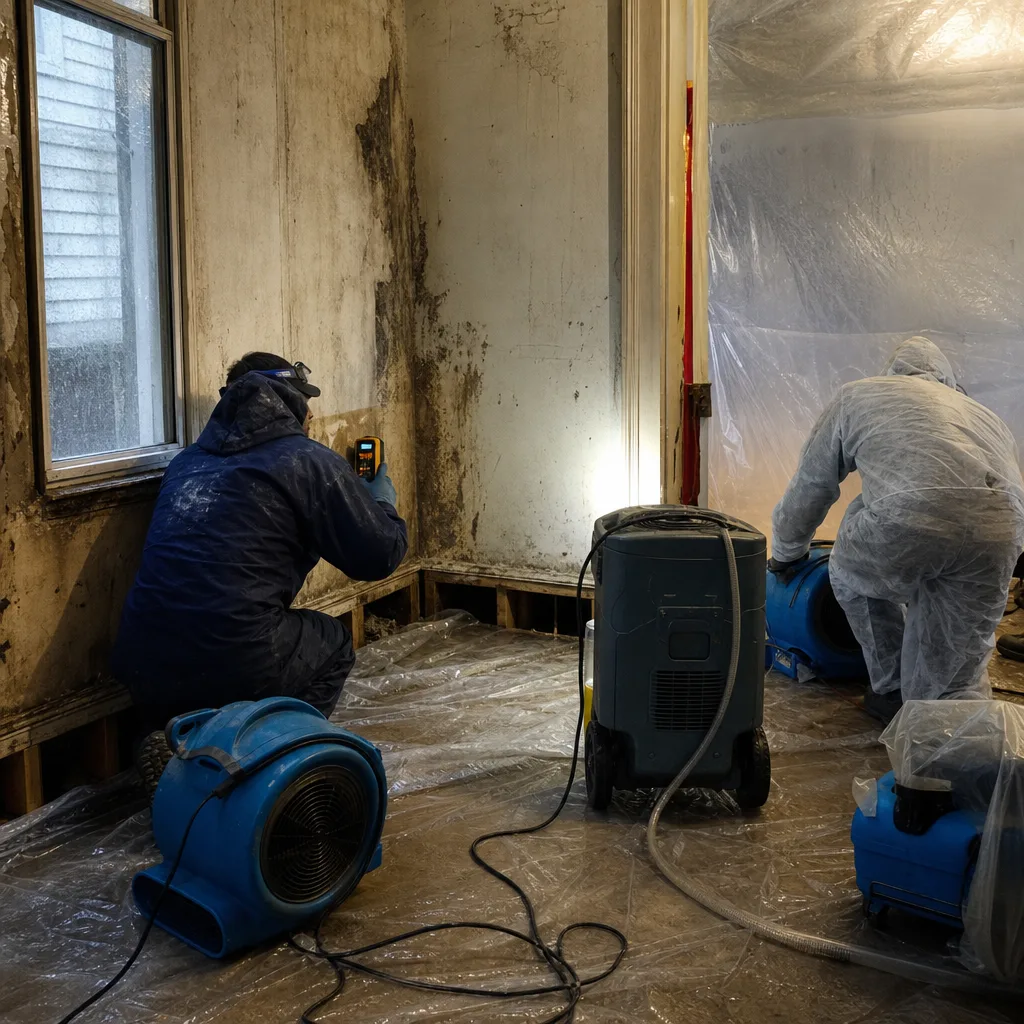
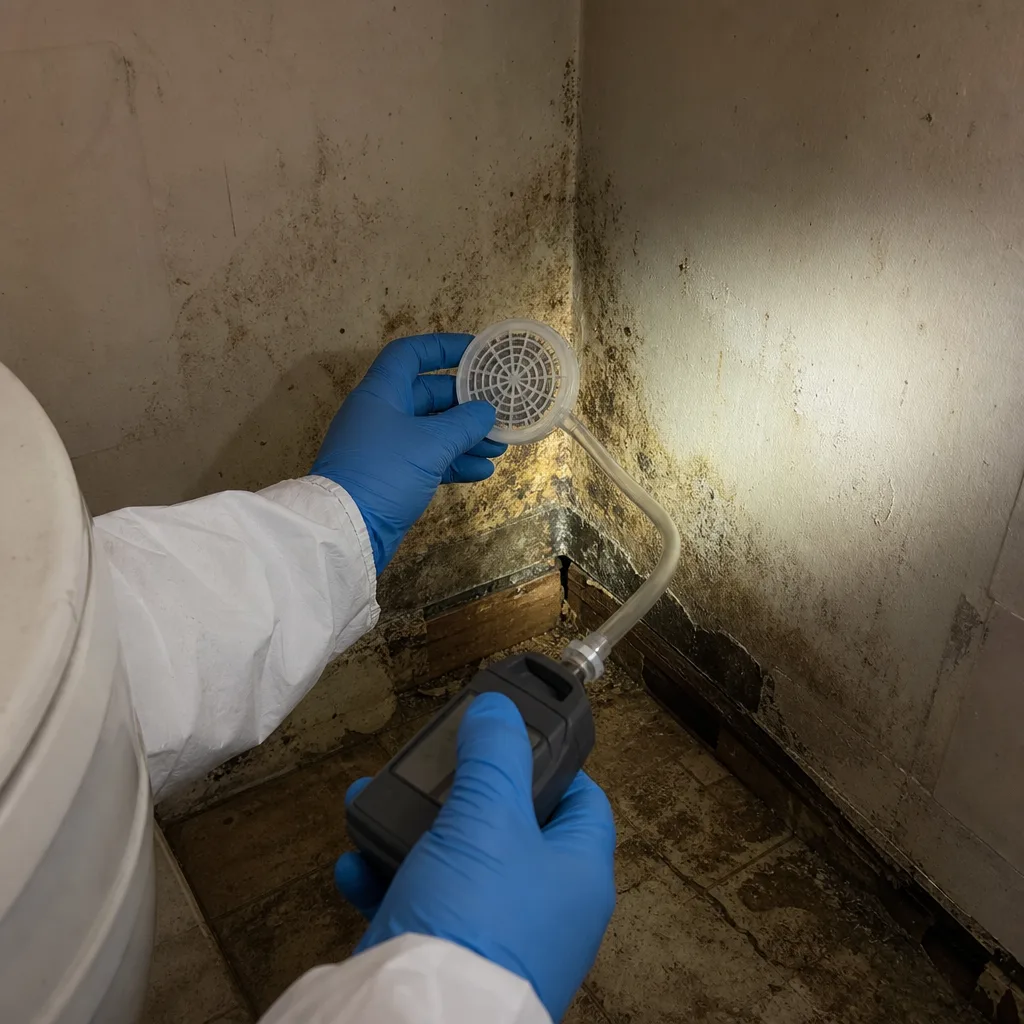
We start with thermal imaging and moisture meters to map exactly where the water is and where mold is growing, including what’s hidden behind Long Island City, NY finishes. Every reading goes into a log you get at the end. We don’t guess at mold; we measure it.
Containment & Air Filtration
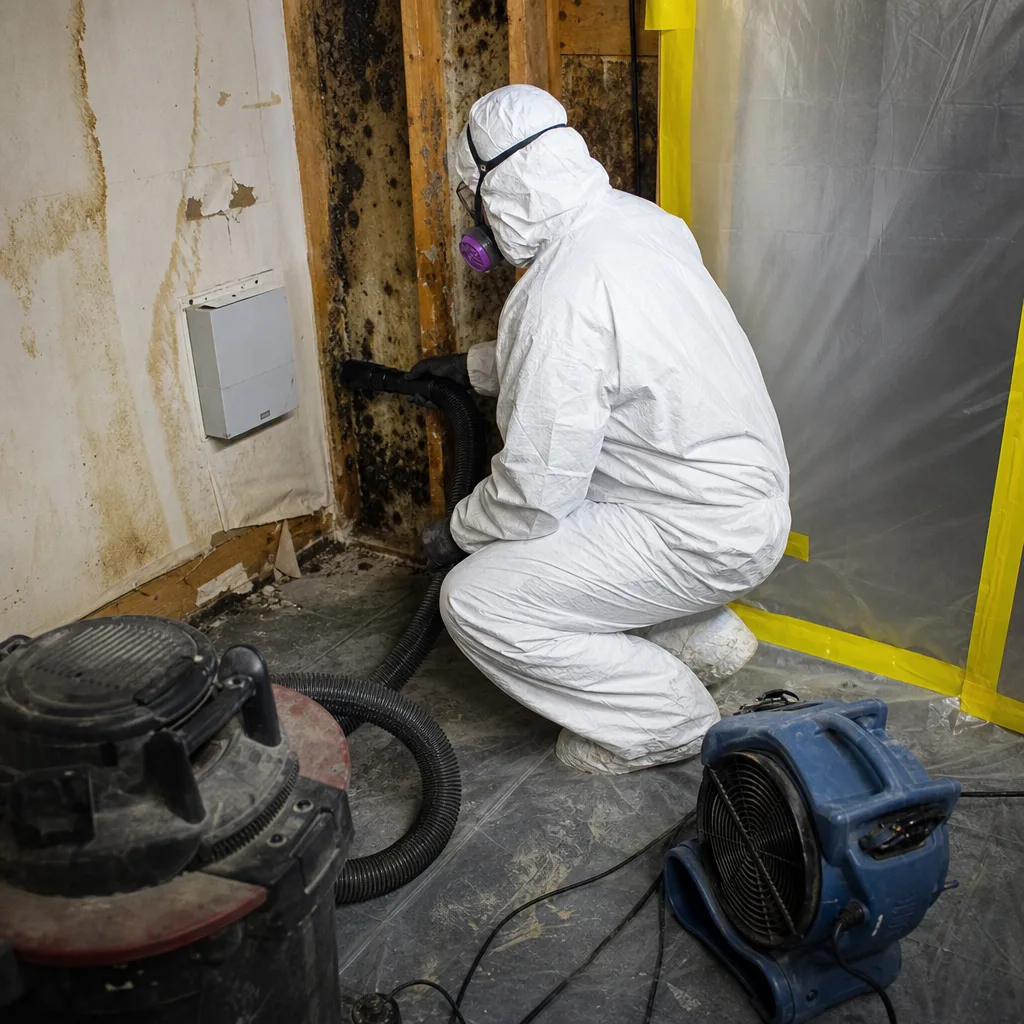
Before anything opens up, we seal the work area with 6-mil polyethylene and establish negative air using Dri-Eaz HEPA 500 air scrubbers. This matters more in LIC than almost anywhere: the gap between a pre-war loft and an occupied luxury tower next door can be a few feet. One wrong move and spores cross the property line.
Source Removal & Demolition
Moldy drywall, insulation, and porous materials come out. If asbestos-containing materials are present, which is common in pre-1930 LIC buildings, we stop and bring that under protocol before proceeding. No compressing the schedule to cover your eyes.
Antimicrobial Treatment
We treat all affected framing and surfaces with EPA-registered antimicrobial agents applied to the full IICRC S520 standard. In Diesel Kills and Dutch Kills lofts where timber framing can’t be fully removed, this treatment plus aggressive drying is what saves the structure.
Structural Drying & Dehumidification
Dri-Eaz LGR 7000XLi dehumidifiers, XPOWER air movers, and daily penetrating moisture readings until every spot is below 16% moisture content. In LIC’s glass towers we over-size the drying equipment because the sealed envelope holds ambient humidity and slows evaporation if you undercut it.
Clearance Testing & Restoration
We don’t declare the job done because it looks done. Post-remediation verification includes air and surface sampling before containment comes down, then we rebuild the affected areas to pre-loss condition. The final moisture log is yours to keep.
Need Emergency Mold Remediation in Long Island City Now?
Crews minutes away, answering live 24 hours a day. The sooner we start, the less it costs.
Working With Your Insurance Company
Long Island City property owners deal with enough already: co-op boards, managing agents, DOB paperwork. Dealing with an insurer on top of mold is the last thing you need. We document from the first hour with room-by-room photos, thermal imaging stills, a detailed line-item scope, and daily moisture readings that show exactly what happened and what we did about it. Our estimates are written in the format carriers recognize, and we handle adjuster communication directly, so you’re not on the phone relaying technical details you shouldn’t have to know. Most LIC mold claims come attached to a water event like a burst pipe, a nor’easter surge, or a combined sewer backup. If the mold is a result of a covered peril, your policy often picks up the remediation. We’ll tell you what we see and what the path looks like before you commit to anything.
What We Provide Your Insurer
- Thorough documentation of the loss
- Photos of all damage, room by room
- Moisture readings and drying logs
- A detailed, line-item scope of work
- Direct coordination with your carrier
Built for Long Island City’s Loss Calendar
Long Island City’s mold season tracks the water calendar. January and February bring the deep freezes: supply lines in converted lofts and pre-war walkups freeze and split inside walls, and the leak often runs unnoticed for weeks until staining appears on Sheetrock. Spring means snowmelt and ground saturation, which pushes water through foundation cracks in Dutch Kills basements that sit below the water table. Summer is thunderstorm season: cloudbursts overwhelm LIC’s combined sewer system, and ground-floor commercial spaces on Jackson Avenue and Vernon Boulevard take Category 3 backflow. Fall brings nor’easters and named storms. The East River and Newtown Creek storm surge doesn’t just flood street level; it saturates the brick shell of early-1900s factory lofts, and that water wicks upward through lime mortar for months afterward. We plan our LIC staffing around the calendar, but mold doesn’t read the forecast. You call, we move.
Mold Remediation Across Long Island City’s Neighborhoods
Long Island City isn’t one neighborhood, and mold here doesn’t behave the same in every part of it. In Hunters Point, we work in buildings where a single remediation project means coordinating with the management office for freight elevator blocks, securing loading dock windows, and protecting marble lobby floors with floor runners. Mold behind a high-end kitchen cabinet there requires a different approach than mold in a raw timber loft. In Dutch Kills, the old brick rowhouses and converted factories share a vulnerability: poured concrete cellar floors that hold moisture and brick lateral sewer lines that have outlived their design life. Our 47th Avenue warehouse loft job last year on a converted 1910 building started with moisture readings above 40% in the original timber joists from a hidden pipe leak. We set Dri-Eaz LGR 7000XLi dehumidifiers and XPOWER air movers inside full containment, removed asbestos-wrapped plaster under IICRC protocol, and after antimicrobial treatment and structural drying, the space was back to pre-loss condition in five days, no pack-out needed. Court Square and Queens Plaza high-rises are a different animal again: tight mechanical rooms, rooftop HVAC chases, and condensation on chilled water lines that nobody sees until ceiling tiles stain. Across the Pulaski Bridge side, buildings near the East River waterfront take salt air and high humidity from the river throughout the year, which keeps ambient moisture levels high even without a distinct water event. We know these buildings individually, and we carry that knowledge into every job.
Specialized Mold Remediation Services We Offer in Long Island City
Mold Inspection & Testing
Before we remediate, we measure. In Long Island City’s older stock, visible mold is often the tip of the problem: the hidden reservoir is inside a wall cavity or under a subfloor. We use thermal imaging, penetrating moisture meters, and air sampling where needed to give you a clear picture of the scope. That clarity is what turns a vague estimate into a real one.
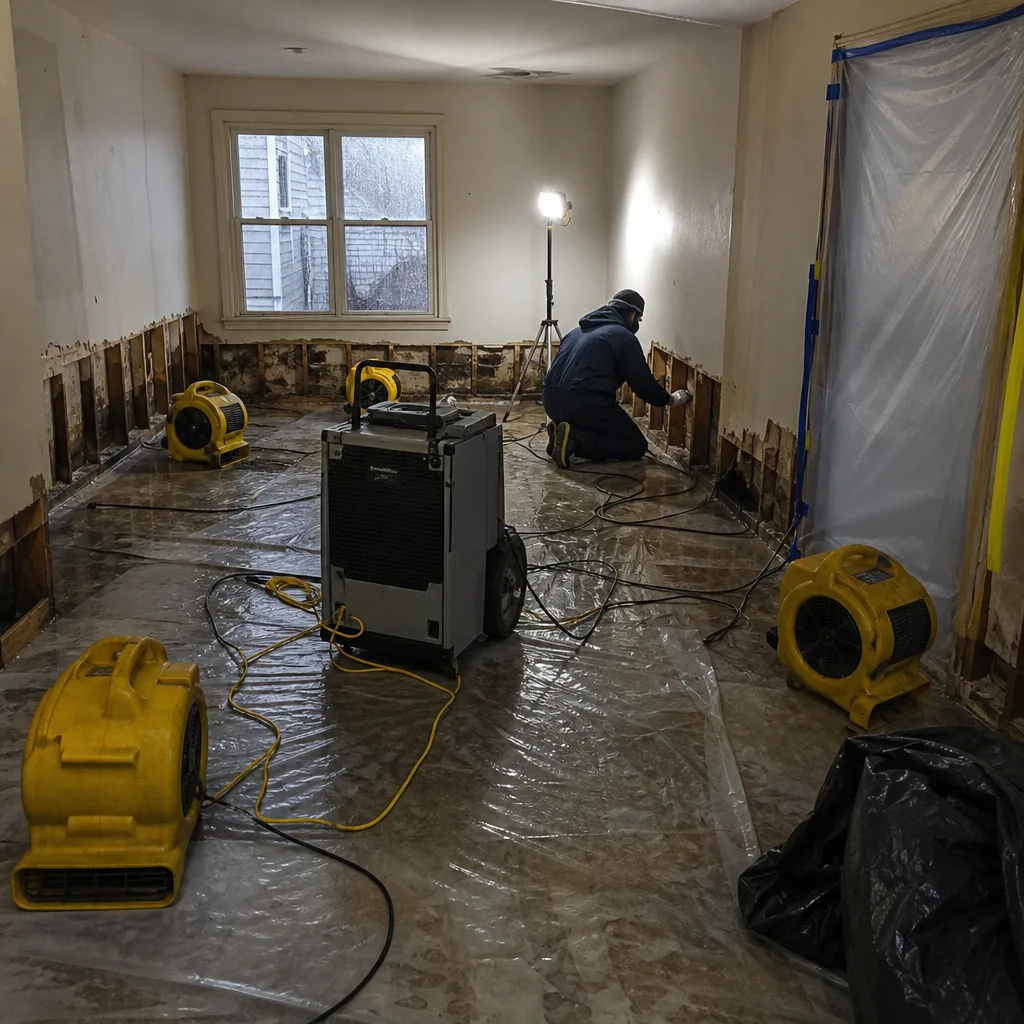
Mold Removal
For mold growing on hard surfaces like concrete, steel, and tile, removal means physical cleaning and HEPA vacuuming to the IICRC S520 standard. For porous materials like drywall and insulation, removal means disposal. We don’t paint over it or spray bleach and call it a fix. Mold removal is structural work in disguise, and in LIC’s tight buildings that work requires real access planning. For more complex situations, we also offer Biohazard & Crime Scene Cleanup in Long Island City.
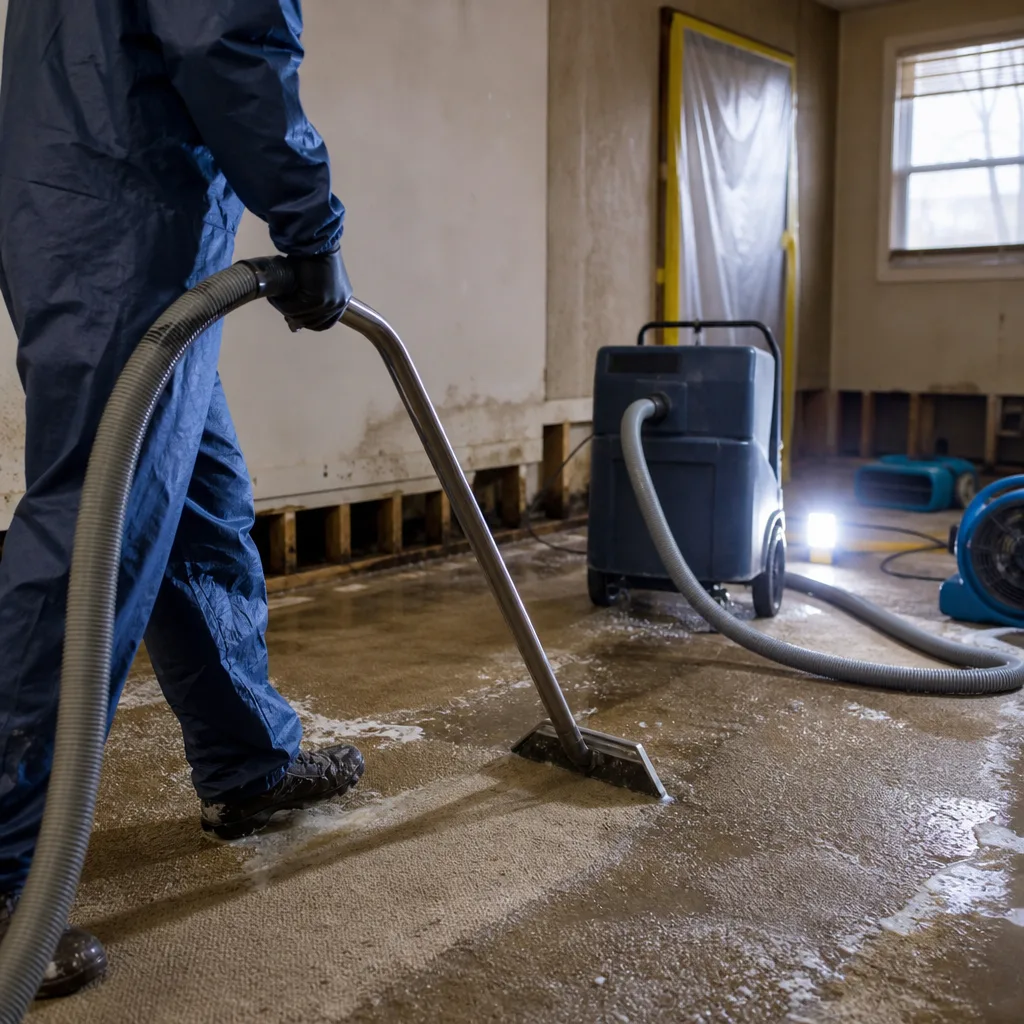
Black Mold Remediation
Black mold in Long Island City gets treated with the same rigorous baseline as everything else: full containment, negative air, and clearance testing before we open the zone. The color doesn’t tell you the species without lab work, but what it does tell you is that a moisture source has been active long enough to produce heavy growth. We find and stop that source first, because removing the mold without stopping the water guarantees it comes back behind your new finishes.
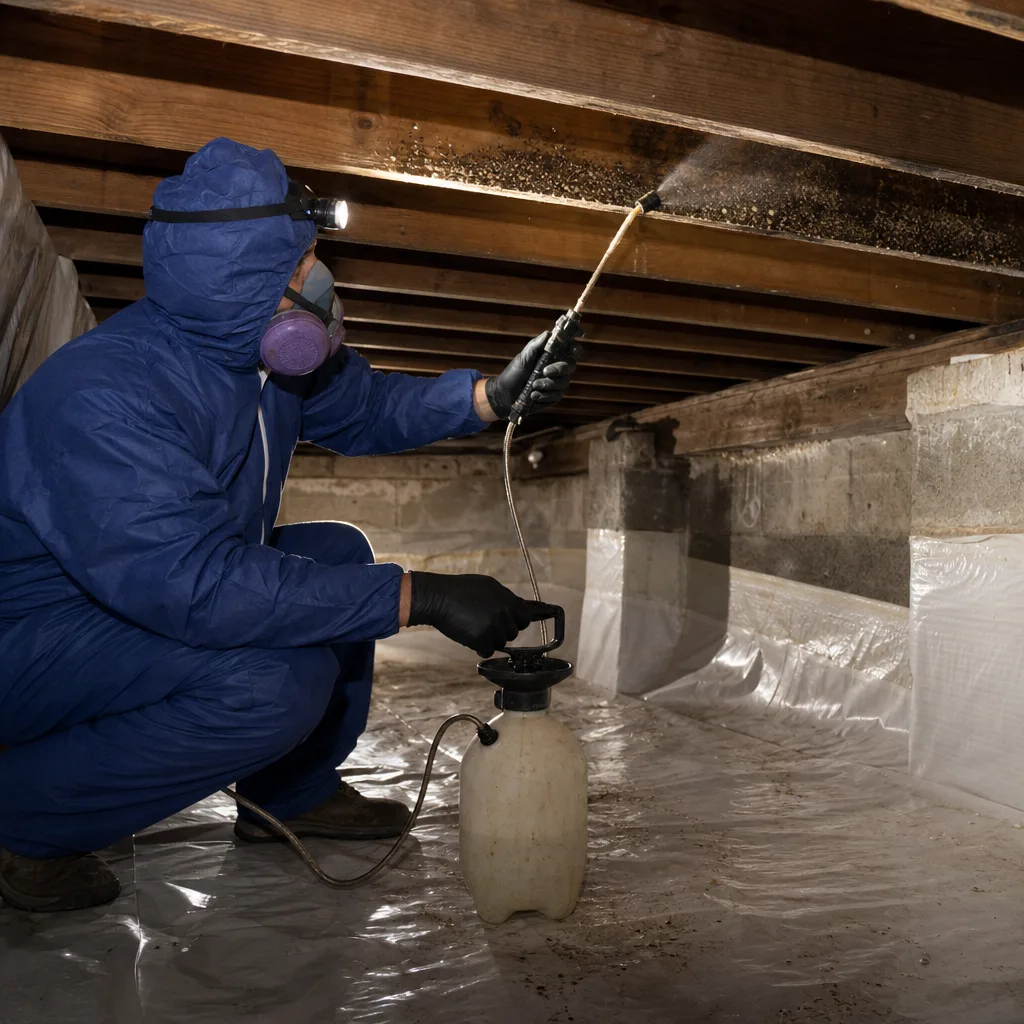
Air Quality Restoration
After remediation, the last thing standing between you and a healthy space is what’s floating in the air. We run HEPA air scrubbers during and after the job, and we sample before we take down containment. In a Hunters Point high-rise where a hallway proves HVAC return air, poor post-remediation air quality just redistributes the problem to every other unit on the floor.
Crawl Space Treatment
Some of the worst mold in Long Island City lives in crawl spaces under Dutch Kills frame buildings and older storefronts. We address the moisture source first, whether that’s ground vapor drive, a leaking stack pipe, or poor drainage. Then we treat surfaces, install vapor barriers where needed, and leave the space drier than it was before the problem started.
Moisture & Humidity Control
In LIC’s river-adjacent air and sealed high-rise envelopes, humidity is the silent partner in most mold problems. We monitor relative humidity during every job, recommend and install dehumidification where it makes sense, and show you the numbers. A building that stays below 50% RH simply doesn’t grow the mold we get called for.
What happens when you call
- 1
A real person answersNo phone trees - you reach a local pro.
- 2
You get an upfront price rangeHonest numbers before anyone is dispatched.
- 3
A background-checked tech heads outLicensed & insured, dispatched right away.
- 4
You approve before work beginsNothing starts until you say go.
Mold Remediation Costs in Long Island City, NY
For a contained bathroom or closet mold job in Long Island City, expect to pay between $800 and $2,000. A single-room remediation with containment, HEPA scrubbing, and finish rebuild runs $2,500 to $6,000 depending on what’s behind the walls. Full basement or ground-floor remediations in Dutch Kills, especially where combined sewer overflow is involved, run $6,000 to $18,000 or more. What moves the price here specifically: pre-1930 buildings with asbestos-containing materials require abatement before mold work can proceed, which adds $30 to $60 per square foot on affected areas; Hunters Point luxury finish replacement starts at $12 per square foot for drywall and climbs fast for custom millwork; and access constraints like freight elevator charges and off-hours work add labor time. If the mold followed a covered water event, your insurer often pays the remediation. The fastest path to a firm number is the free visual inspection: we look, we measure, we give you a written scope before anything starts. Call (363) 208-1526. If you’ve got an estimate from another company, bring it, and Wade will give you a free second opinion, no trip charge inside our service area.
We Also Serve Cities Near Long Island City
Our crews cover the whole riverfront corridor: Astoria to the north, with its pre-war rowhouses and garden apartments, and Flushing to the east, where building stock and vulnerability patterns shift again. Same live answer, same IICRC-certified crews, same direct adjuster communication. If you’re in a neighboring ZIP code and unsure who covers you, call. If we can’t get to you fast enough, we’ll tell you straight rather than make you wait.
Serving Long Island City, NY - Our Local Coverage Area
We’re based in the Long Island City area and know this community well. Use the map below to see our service coverage - if you’re nearby, we can almost certainly help.
Long Island City Mold Remediation Questions, Answered
Why does Wade’s Restoration treat most Long Island City basement mold jobs as Category 3 from the start?
Because Dutch Kills’ old brick sewer laterals don’t separate stormwater from sanitary flow, and a moderate rain event can and does back sewage into ground-floor and basement spaces. We treat those spaces as sewage-impacted until moisture mapping and lab results prove otherwise, because drying Category 3 water as if it were clean groundwater just spreads contaminants through the structure. In Long Island City, the default assumption for any basement or ground-floor mold call is Sewage Cleanup in Long Island City black water. It’s not pessimism; it’s the geography.
How do you handle mold behind walls in a Hunters Point luxury high-rise without damaging expensive finishes?
With containment that’s tighter than the building’s own fire compartments. We set negative air before we open any wall, run HEPA scrubbing continuously during the work, and use controlled demolition techniques rather than ripping Sheetrock out in large sections. We also coordinate with building management on freight elevator blocks and floor protection, and we photo-document the adjacent finishes before we start so there’s no dispute about what was pre-existing. High-end millwork gets removed and re-installed, not sacrificed.
Can you remediate mold in a converted Dutch Kills loft that still has original timber and asbestos-containing plaster?
Yes, and we do it regularly. The order of operations matters: we identify the asbestos-containing materials first and bring abatement under proper protocol before any mold demolition proceeds. Then we set containment, remove the mold-damaged material, treat the original timber framing with antimicrobial agents, and dry it aggressively with Dri-Eaz LGR dehumidifiers and XPOWER air movers. The timber can almost always be saved if the moisture didn’t sit long enough to rot it. We’ll tell you the truth about which parts can’t be saved before we touch anything.
What’s your protocol for sewage-related mold in a Long Island City ground-floor retail space after a nor’easter?
Full Category 3 response: hazmat-level PPE for the crew, full containment, removal and disposal of all porous materials that contacted the water, antimicrobial treatment of the remaining structure, and clearance testing before the space can be re-occupied for business. We also document everything for your insurer because retail interruption claims require a paper trail that shows exactly what was lost and what was done. After Superstorm Sandy, our Storm & Disaster Restoration in Long Island City team learned the hard way that the line between “flooded” and “contaminated” is not a formality. We treat it as the latter every time.
How quickly can you start mold remediation in a Long Island City building with tight parking and freight elevator hours?
Same day in most cases, and we arrive with the access constraints already solved. Our LIC crews carry their own parking permits for the neighborhood’s restricted streets, we’re on a first-name basis with the freight elevator operators in the major Hunters Point towers, and we can stage equipment in loading docks scheduled around your building’s windows. If you’re on a block with no commercial vehicle parking at all, we’ll bring a runner vehicle and stage from the nearest legal zone, then hand-carry what’s needed. Access is not an excuse for delay; it’s just a planning problem, and we plan.
How long does mold remediation take in a typical Long Island City apartment?
A contained bathroom or closet job is often done in two to three days including final clearance testing. A full single room with finish rebuild runs five to seven days. In Dutch Kills lofts with original timber and plaster, add a day or two for structural drying, because the materials hold water differently than modern framing. Our 47th Avenue warehouse loft job clocked in at five days from containment down to pre-loss condition. You’ll get a written timeline in your scope of work before anything starts, and we update it daily while the drying logs run.
Can my family stay in the Long Island City apartment during mold remediation?
It depends on the scope. For small contained jobs in a single bathroom, yes, with the door sealed and negative air running. For larger jobs or any Category 3 water loss, no: the containment zone isn’t safe for daily living, and you don’t want your family breathing the air in a space where remediation is active. We’ll tell you straight where your job falls. When vacating isn’t feasible and the job is contained within a section of the home, we’ll show you how to live safely around the work zone, with clear boundaries drawn in tape and plastic.
What should I do in the first 30 minutes after discovering mold in my Long Island City property?
Don’t disturb it. Don’t scrub it, don’t spray bleach, don’t peel back the drywall to see how bad it is. Disturbing mold releases spores into the air and spreads the contamination. Kill the water source if you can find it and it’s safe to do so. Open a window if weather allows. Photograph everything for your insurer. Then call (363) 208-1526. The first 30 minutes won’t fix the problem, but they can absolutely make it worse if you start poking at it. Let us do that under containment.
Written by Wade Ferris, Owner at Wade’s Restoration. Wade founded the company in 2007 and still answers his own phone. He’s the person you’ll talk to, the person who signs the scope of work, and the person accountable for the 90-Day Done Right Promise on every job.