
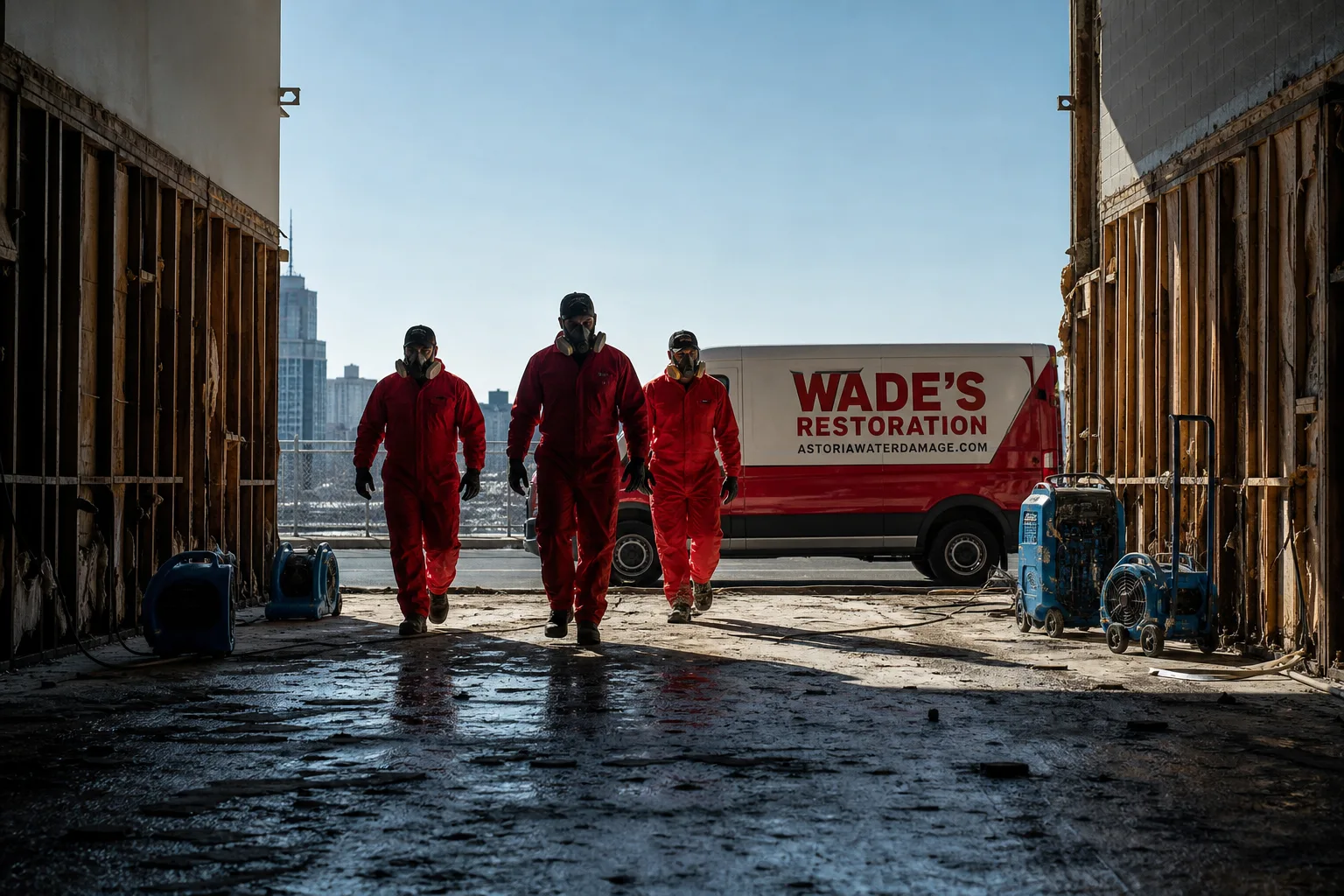
Free visual inspection and a written scope of work before any mitigation begins - photos, moisture readings, and drying logs go in your claim file
The scope we write is the scope we bill. Anything new gets shown to you, in writing, before we touch it.
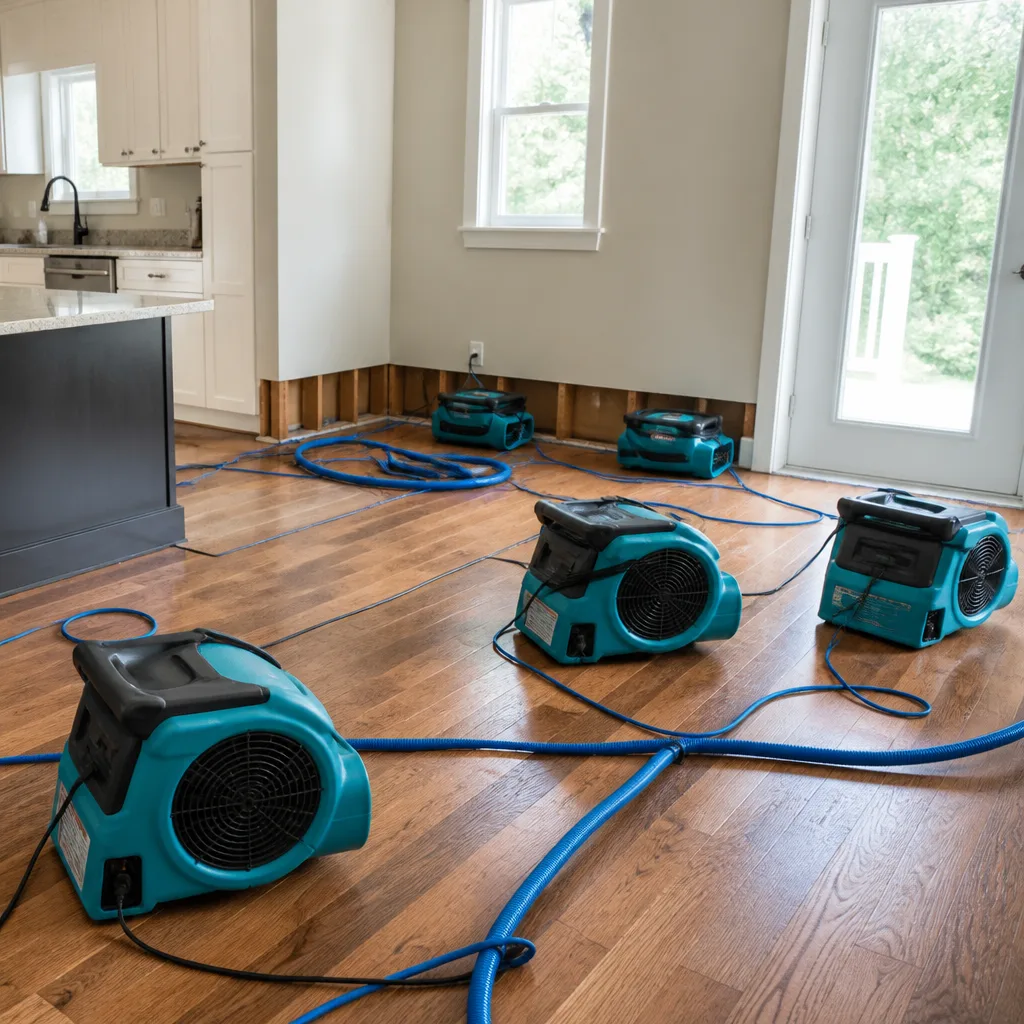

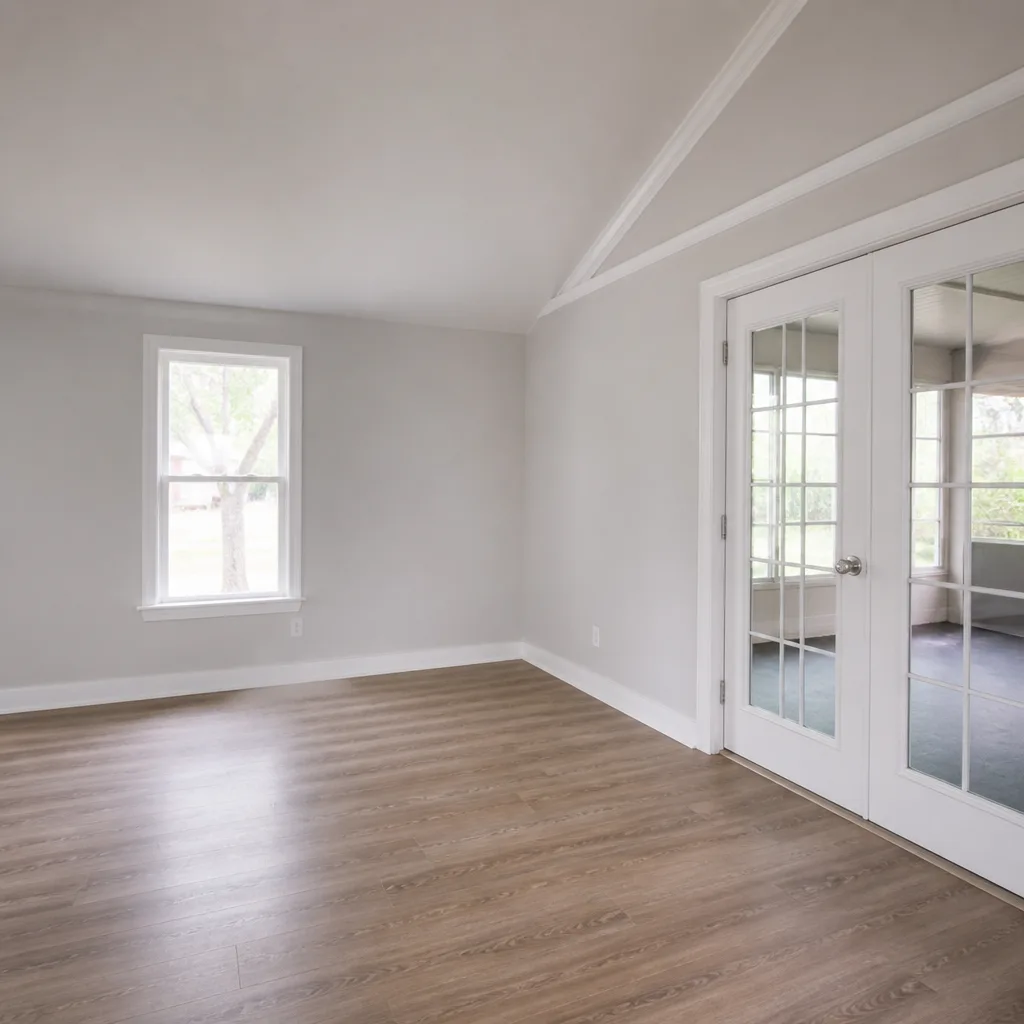


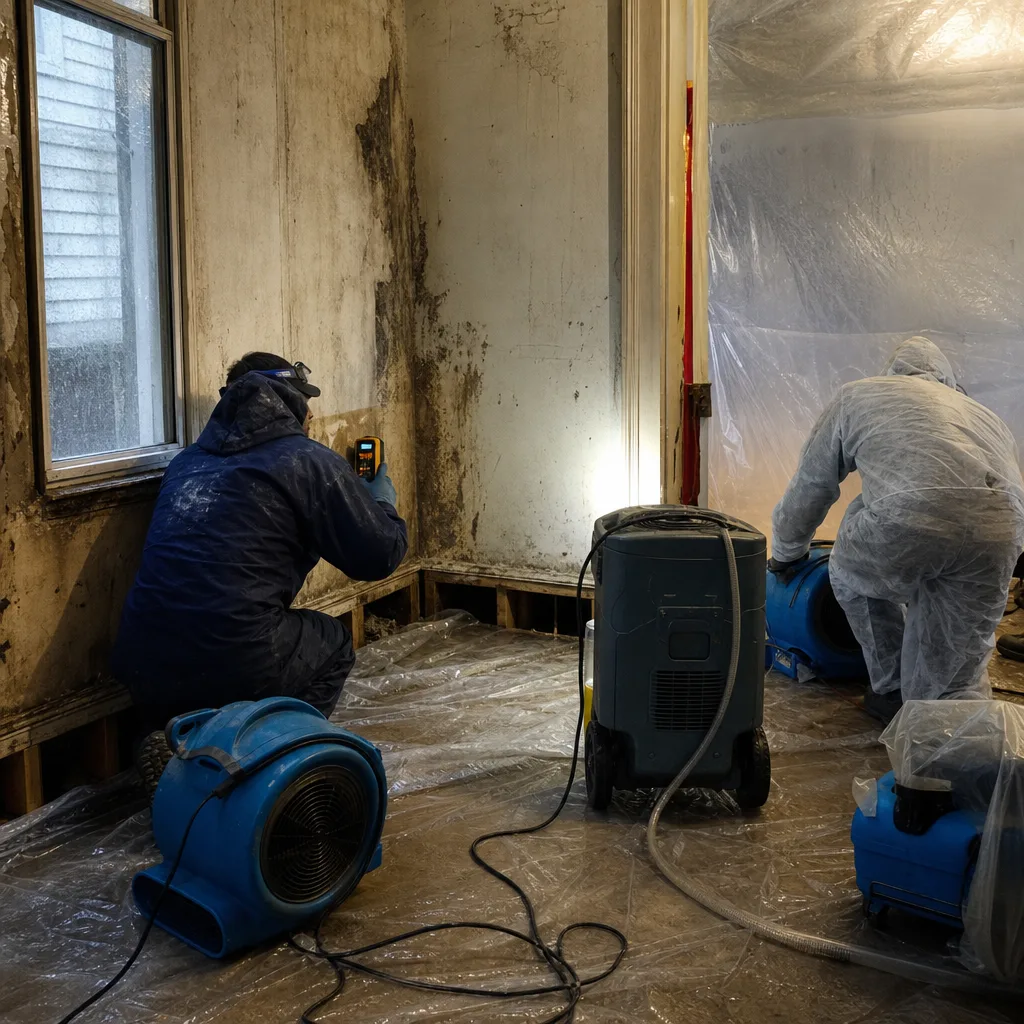 Before
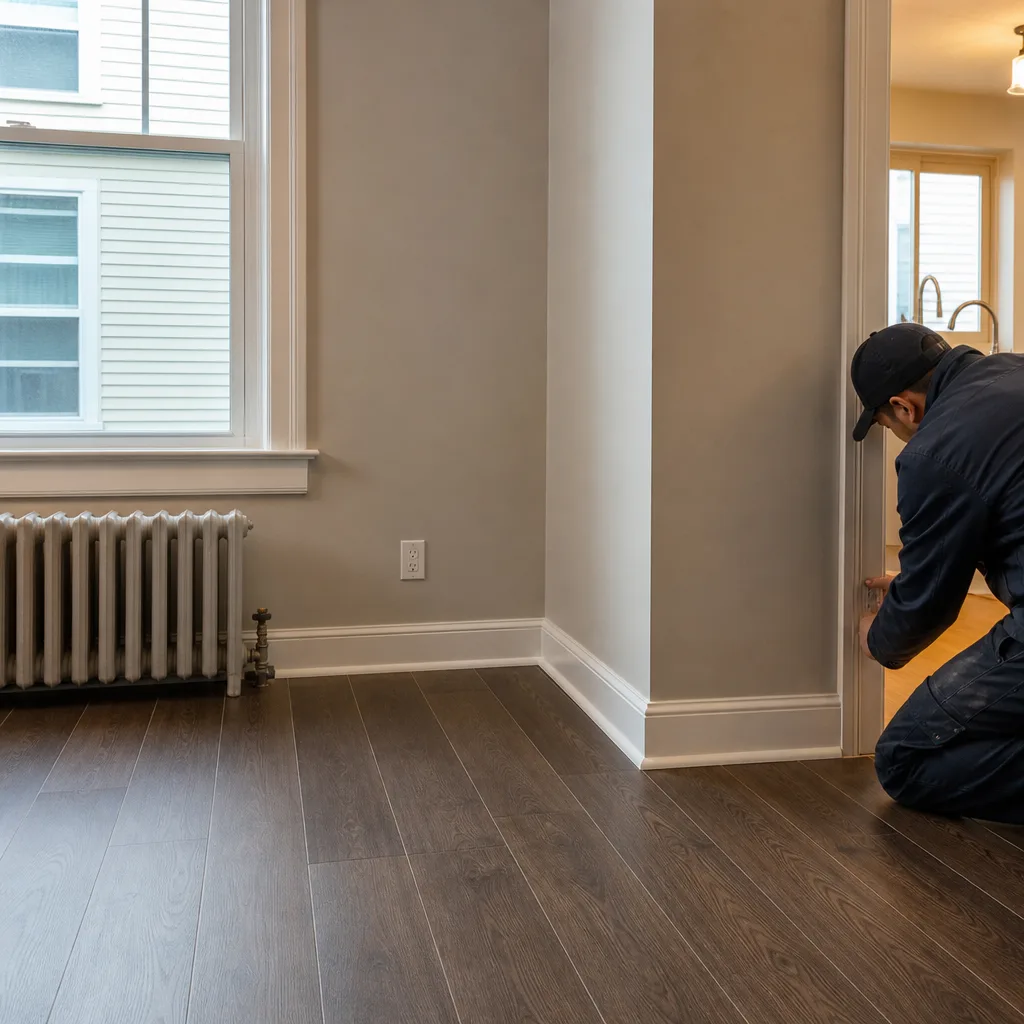 After
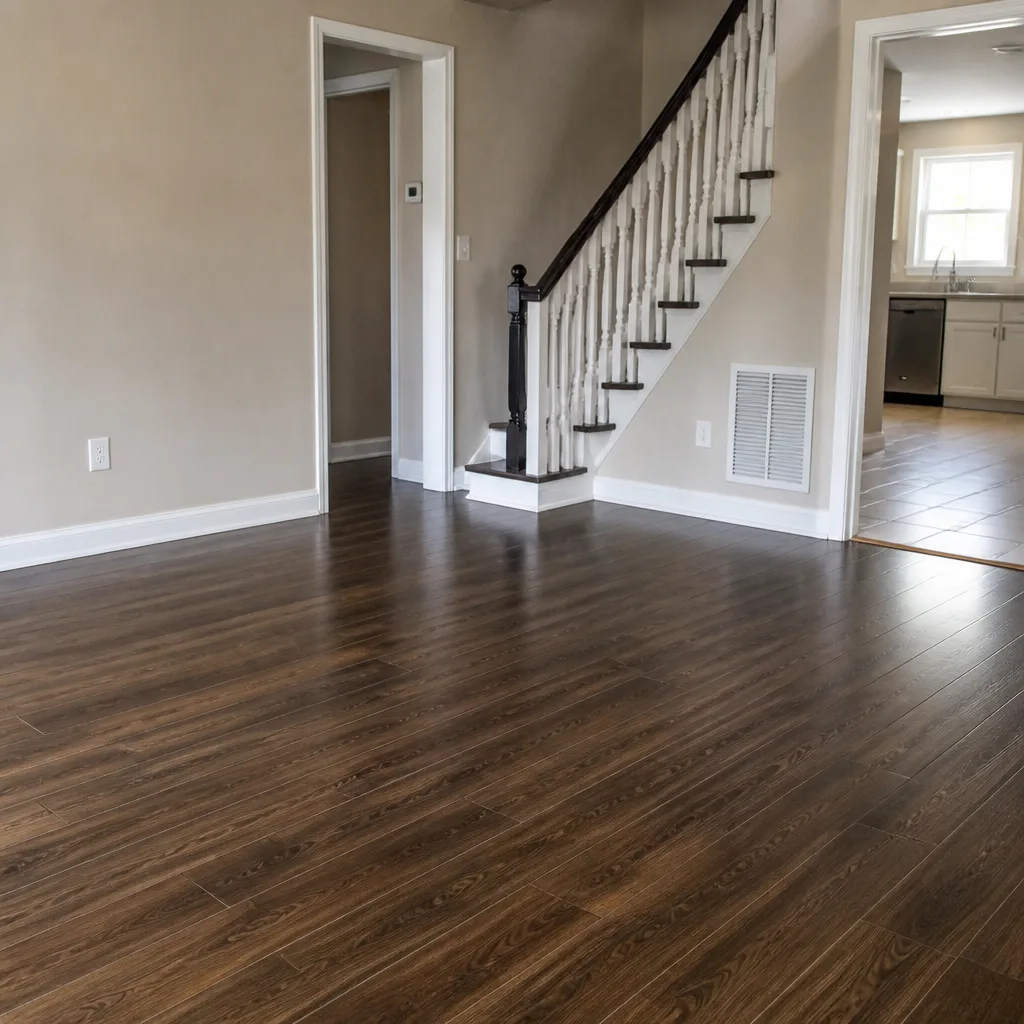
After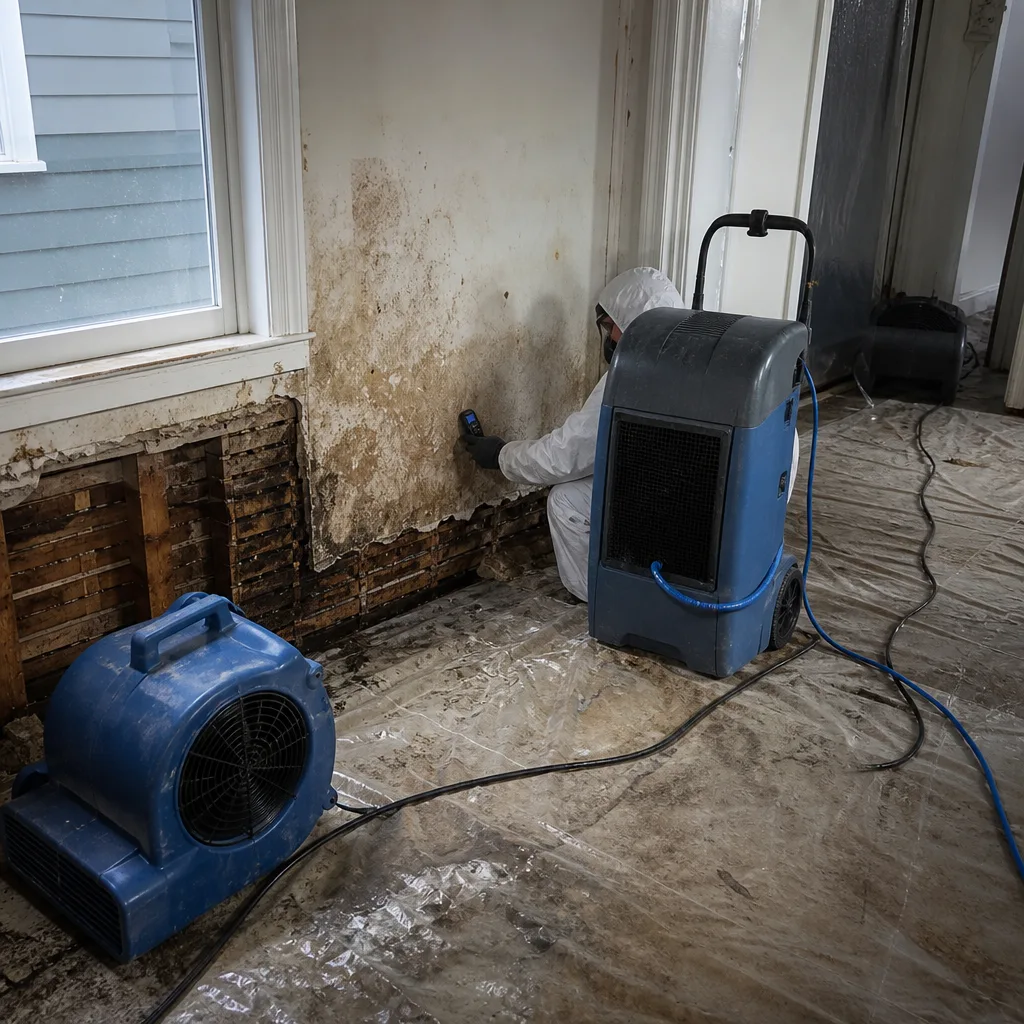 Before
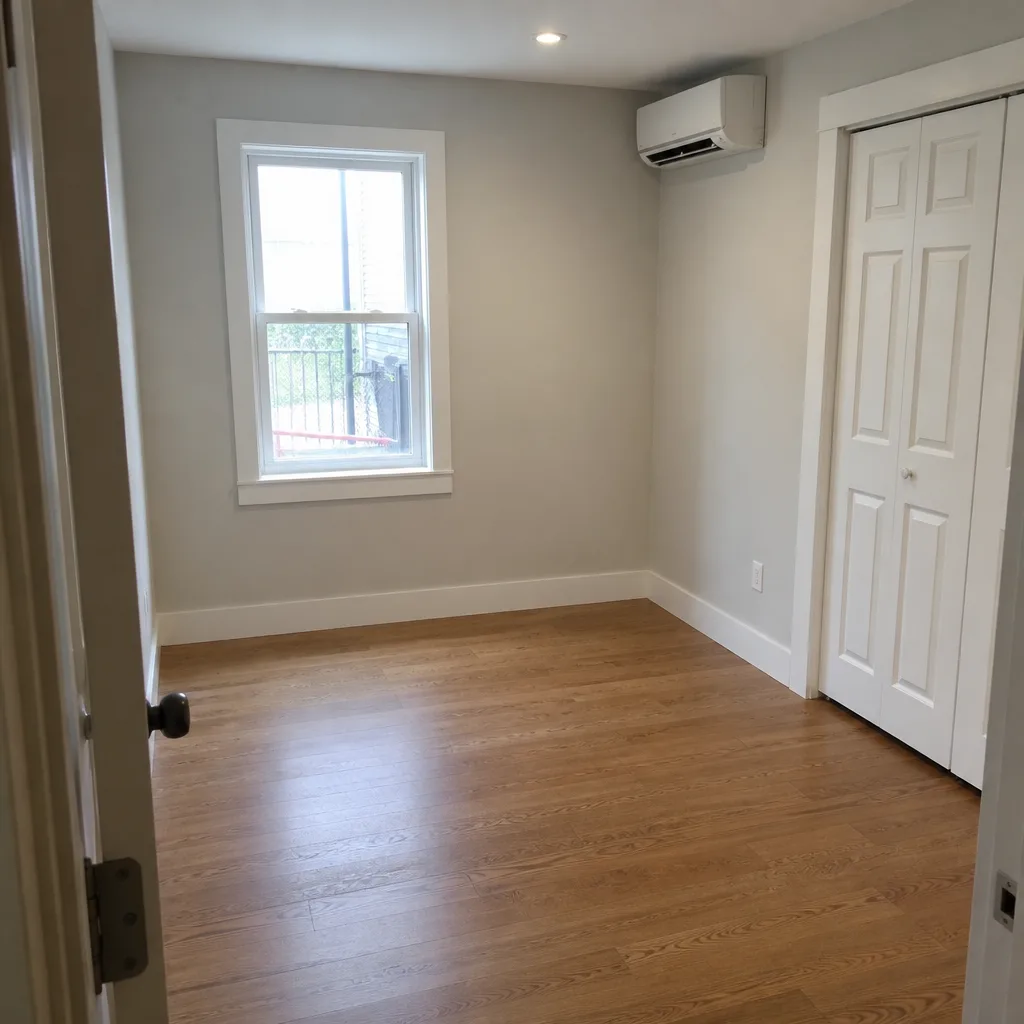 After
After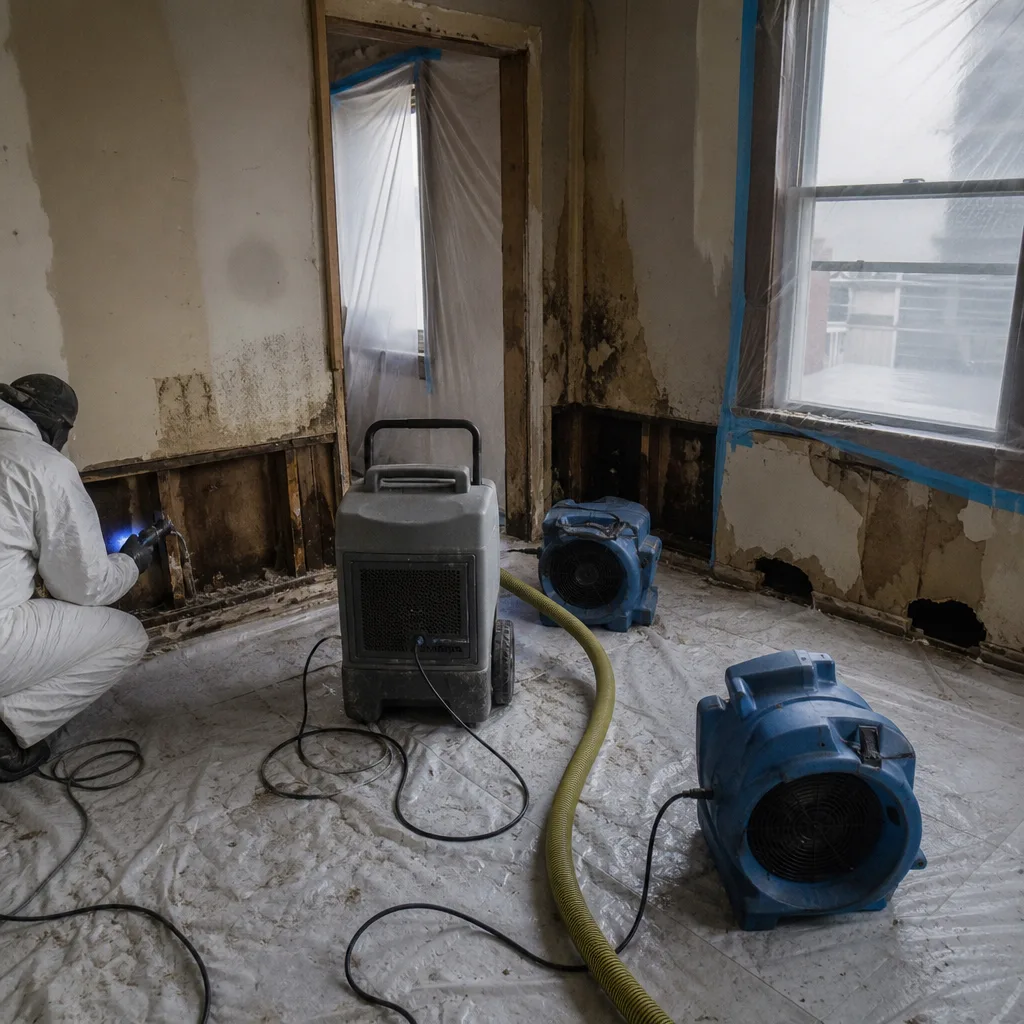 Before
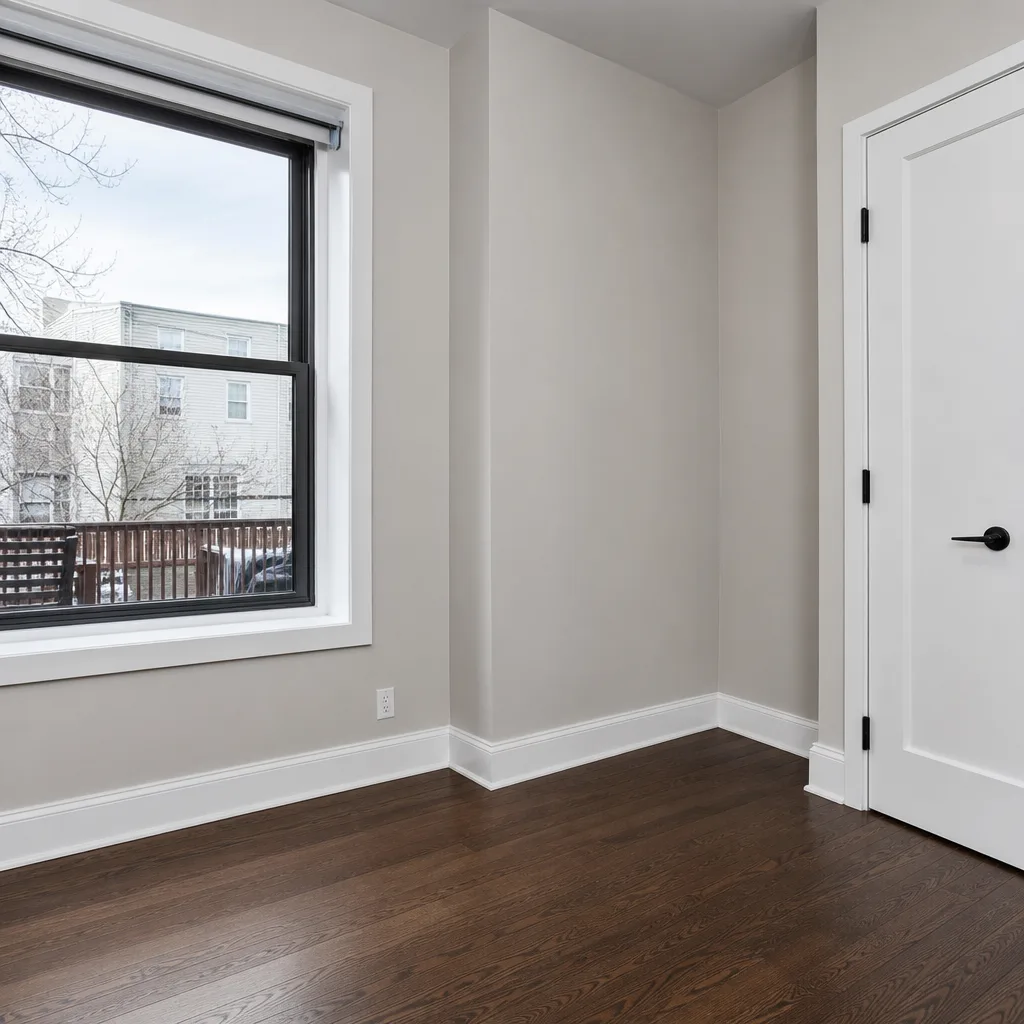 After
After24/7 Emergency Sewage Cleanup in Long Island City
Sewage backing up into a Long Island City basement or ground-floor space is a Category 3 emergency, and you need someone who treats it that way from the first phone call. We answer live at (363) 208-1526 around the clock, and Wade heads out as soon as we hang up. Every hour that contaminated water sits means more porous material absorbing pathogens, more drywall wicking it upward, and a bill that grows with the damage. The first hour matters because sewage in LIC’s concrete-and-brick buildings doesn’t just sit on the surface. It travels through wall cavities, under floor assemblies, and into the honeycomb of pre-war joist bays. Call now and you’ll get a straight answer, a crew from this area, and a free visual inspection before anyone touches a valve or a pump.
Understanding Sewage Cleanup Severity in Long Island City Properties
We classify water damage by its source. Category 1 is clean supply water. Category 2 is gray water with soap or food waste. Category 3 is sewage: feces, urine, blood-borne pathogens, plus whatever chemicals and industrial residue rode along. In Long Island City, especially in Dutch Kills and anywhere near Newtown Creek, we default to Category 3 on any basement flood call after rain. Why? The combined sewer system. Stormwater and raw sewage flow through the same pipes, and when heavy rainfall overwhelms the system, the mixture backs up into ground-floor and below-grade spaces. That water may look clear. It is not clear. We use moisture meters, thermal imaging cameras, and our own noses, but in Dutch Kills the assumption is always the worst case until proven otherwise. The building stock here splits two ways: glass-and-steel luxury towers in Hunters Point with MEP systems that hide water damage behind designer finishes, and converted 1900s loft buildings in Dutch Kills where shared brick party walls absorb contamination like wicks. Both require containment and controlled demolition. Neither forgives corner-cutting.
Why Long Island City Property Owners Choose Wade’s Restoration
- 45-minute response commitment: We serve Long Island City locally. Wade or one of his senior techs is usually on-site within 45 minutes of your call, moisture meter in hand.
- 24/7 live answer, not a phone tree: Call (363) 208-1526 at 3 a.m. and a person picks up. Often that person is Wade Ferris himself. No answering service, no recorded greeting telling you to press one.
- IICRC-certified crews: Our techs hold the IICRC’s WRT and ASD certifications, with additional AMRT training for microbial remediation. That matters when Category 3 water has been sitting in a Dutch Kills loft for six hours.
- Free visual inspection: We’ll come look at the damage, tell you honestly what we’re dealing with, and hand you a written scope before any work starts. You can compare it against anyone else’s.
- Direct insurance billing: We deal with your adjuster, not the other way around. Photo documentation, moisture logs, and line-item estimates get sent straight to your carrier.
- One team from extraction to reconstruction: The same crew that strips out contaminated drywall is the crew that rebuilds it. No hand-offs to a subcontractor you’ve never met.
Our Sewage Cleanup Process
Inspection & Assessment
We map the contamination. Thermal imaging finds water behind walls, moisture probes tell us how far it traveled, and a scope inspection determines how much material has to go. You get a written plan before we start pulling baseboards.
Extraction & Stabilization
Truck-mounted extraction units pull standing sewage out fast. In a Hunters Point high-rise we set up containment to keep pathogens out of adjacent units. In a basement we cut out contaminated drywall and carpet to stop the wicking.
Drying & Dehumidification
Dri-Eaz dehumidifiers and XPOWER air movers go in immediately. LIC’s humid river air makes structural drying harder, so we run equipment longer and check moisture readings daily. You get the full log at the end.
Cleaning & Sanitization
Every affected surface gets a hospital-grade antimicrobial treatment. We HEPA-vacuum structural cavities, fog hard-to-reach areas, and scrub what can be saved. Nothing gets hidden behind new drywall with contamination still on it.
Specialty Treatment for Sewage
Category 3 water requires more than bleach. We apply EPA-registered disinfectants with proper dwell times, run air scrubbers to pull out aerosolized pathogens, and remove contaminated insulation rather than trying to dry it in place.
Repairs & Restoration
Once the drying logs show target moisture levels, we rebuild. Drywall, flooring, trim, paint. In pre-war buildings we coordinate asbestos testing and lead paint protocols before any demolition. The goal is you back in your space, fully usable.
Need Emergency Sewage Cleanup in Long Island City Now?
Crews minutes away, answering live 24 hours a day. The sooner we start, the less it costs.
Working With Your Insurance Company
Sewage backup claims in Long Island City are not straightforward, especially when combined sewer overflow is involved. Some carriers write specific sewage backup endorsements. Some treat it as flood damage, which is a different policy entirely. We have been through this hundreds of times. We document everything from the first hour: photos before we move anything, moisture readings at intake, a line-by-line scope of work, and daily drying logs. Wade talks to the adjuster directly, so you are not the one trying to explain the difference between a sewer lateral backup and a sump pump failure. Here is what your insurer gets from us:
What We Provide Your Insurer
- Thorough documentation of the loss
- Photos of all damage, room by room
- Moisture readings and drying logs
- A detailed, line-item scope of work
- Direct coordination with your carrier
Built for Long Island City’s Loss Calendar
Long Island City floods on its own schedule, and it is not the same schedule as an inland suburb. Nor’easters push storm surge up the East River from October through March, and when the moon lines up the water has nowhere to go but into basements and ground-floor retail along Vernon Boulevard and down 2nd Street toward Newtown Creek. Every significant rain event risks combined sewer overflow in Dutch Kills, where the pre-1900 brick laterals carry stormwater and sanitary flow together. Spring thaw kicks in after a hard January freeze, when supply lines in older loft buildings burst and send clean water racing toward the same floor drains that are already overtaxed. Summer thunderstorms overwhelm catch basins on Jackson Avenue and 21st Street, sending a brown mix of street runoff and sewage into first-floor commercial spaces. The pattern is predictable. The only variable is how fast someone gets there to stop it.
Sewage Cleanup Across Long Island City’s Neighborhoods
Hunters Point is a different world from Dutch Kills, and our crews move through both in the same week. The luxury towers along Center Boulevard have sophisticated MEP systems and high-end finishes that hide water damage until it is extensive. We work around property management access protocols, secure elevator banks for equipment, and protect lobby finishes while we move extraction gear to a 35th-floor bathroom overflow. Over in Dutch Kills, between the old factory buildings on 37th Avenue and the converted lofts off Jackson Avenue, every basement call after rain is treated as Category 3 until proven otherwise. The sewer laterals there are pre-1900 brick with no barrier between stormwater and sanitary waste. Court Square and Queens Plaza high-rises bring their own challenges: shared wall stacks, vertical chases that carry contamination between floors, and tight loading dock access for equipment. Along 23rd Street toward Anable Basin, ground-floor restaurants and creative studios deal with backwater valves that fail under sudden hydraulic pressure. The right response looks different in each building, but the urgency is the same.
Specialized Sewage Cleanup Services We Offer in Long Island City
Sewage Backup Cleanup
When a combined sewer lateral backs up into a Dutch Kills basement or a Hunters Point ground-floor unit, we treat it as what it is: Category 3 black water. That means full PPE, containment, removal of saturated porous material, and hospital-grade disinfection. This is the main Sewage Cleanup service we run in Long Island City, because combined sewer overflow is not a rare event here. It is the baseline.
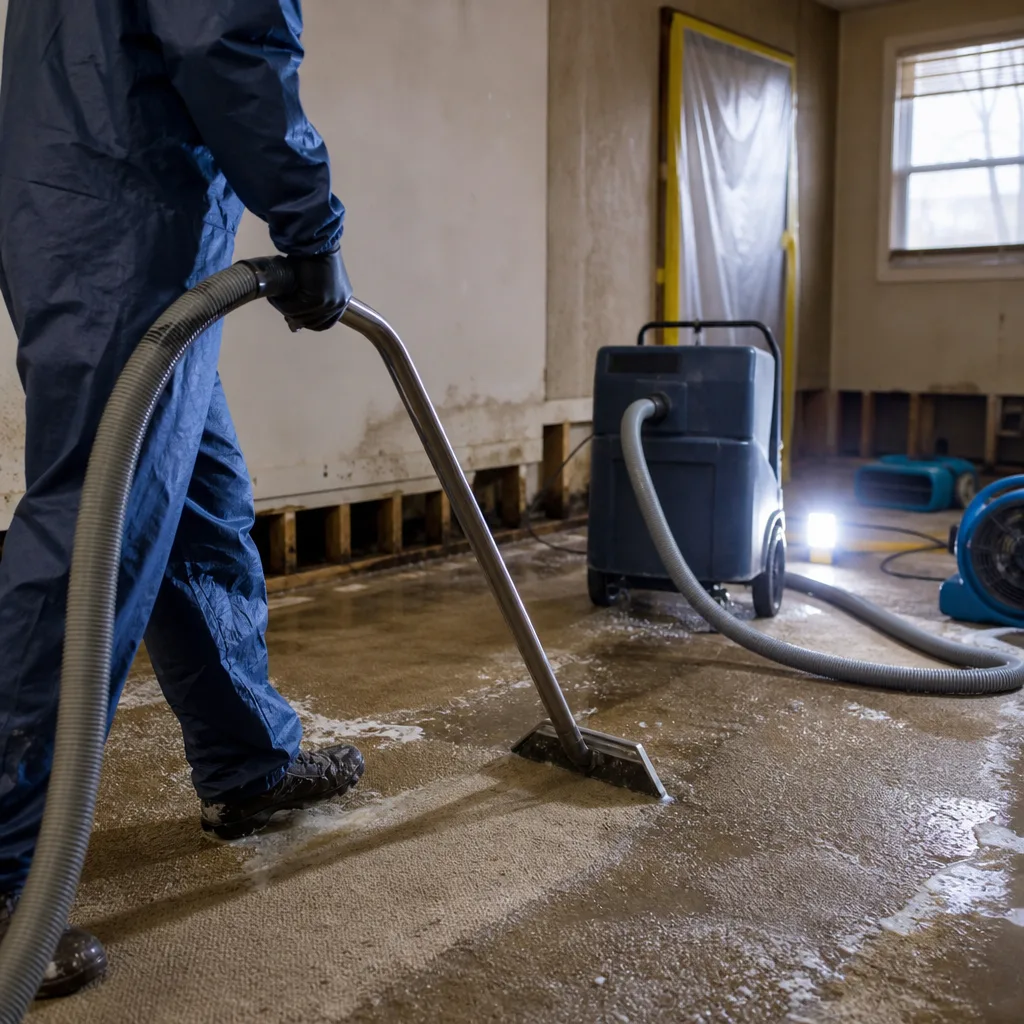
Toilet Overflow Cleanup
A toilet overflow in a Long Island City high-rise may sound minor, but the water follows gravity. From a 20th-floor bathroom it travels down through the ceiling cavity, into the unit below, and keeps going. We contain the immediate spill, then trace the migration path with moisture meters and thermal imaging. What looked like a mop-and-done job often becomes a three-unit drying project with ceiling removal.
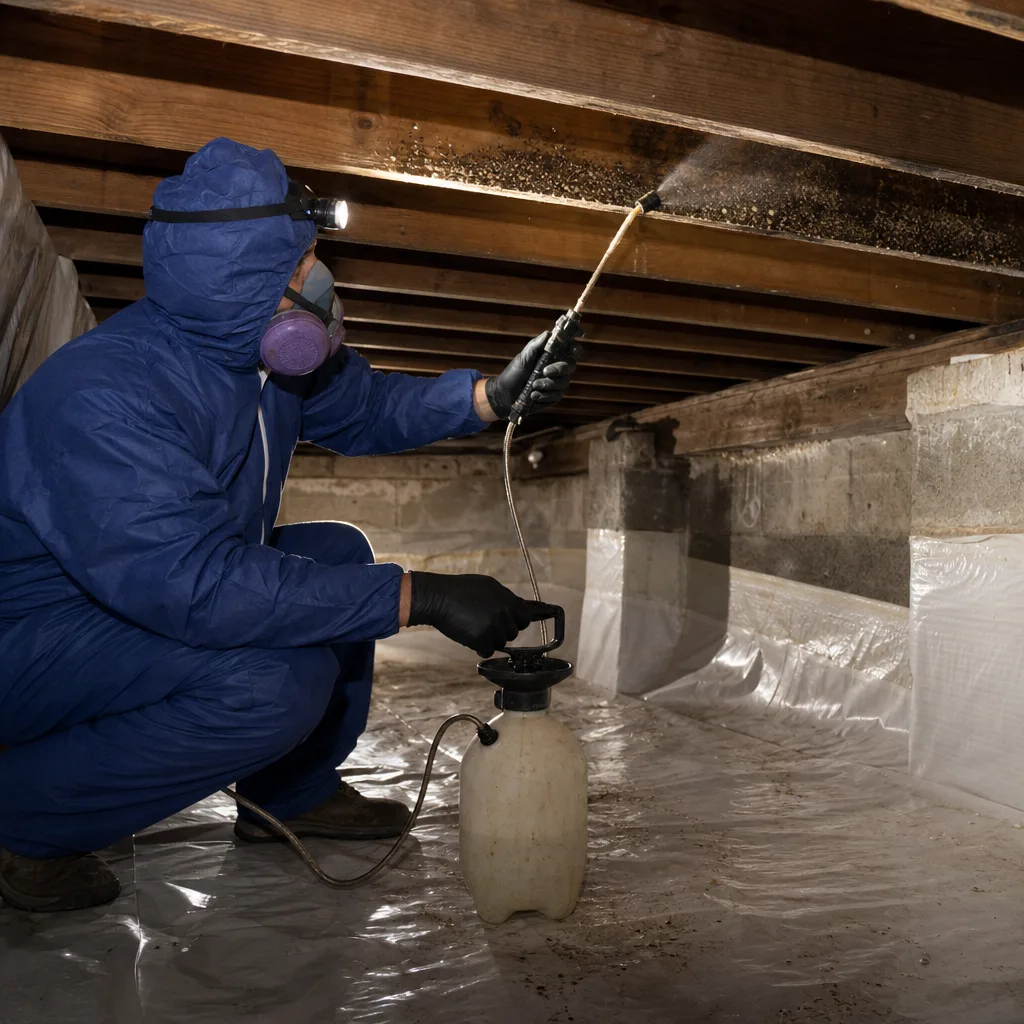
Septic Failure Cleanup
Most of Long Island City is on city sewer, but a handful of older properties on the neighborhood’s edges still run on septic systems, and when a leach field fails in clay-heavy soil near Newtown Creek, the result is raw effluent surfacing where it should not be. We extract, excavate, disinfect, and coordinate with a licensed septic contractor for the tank or field repair.
Black Water Extraction
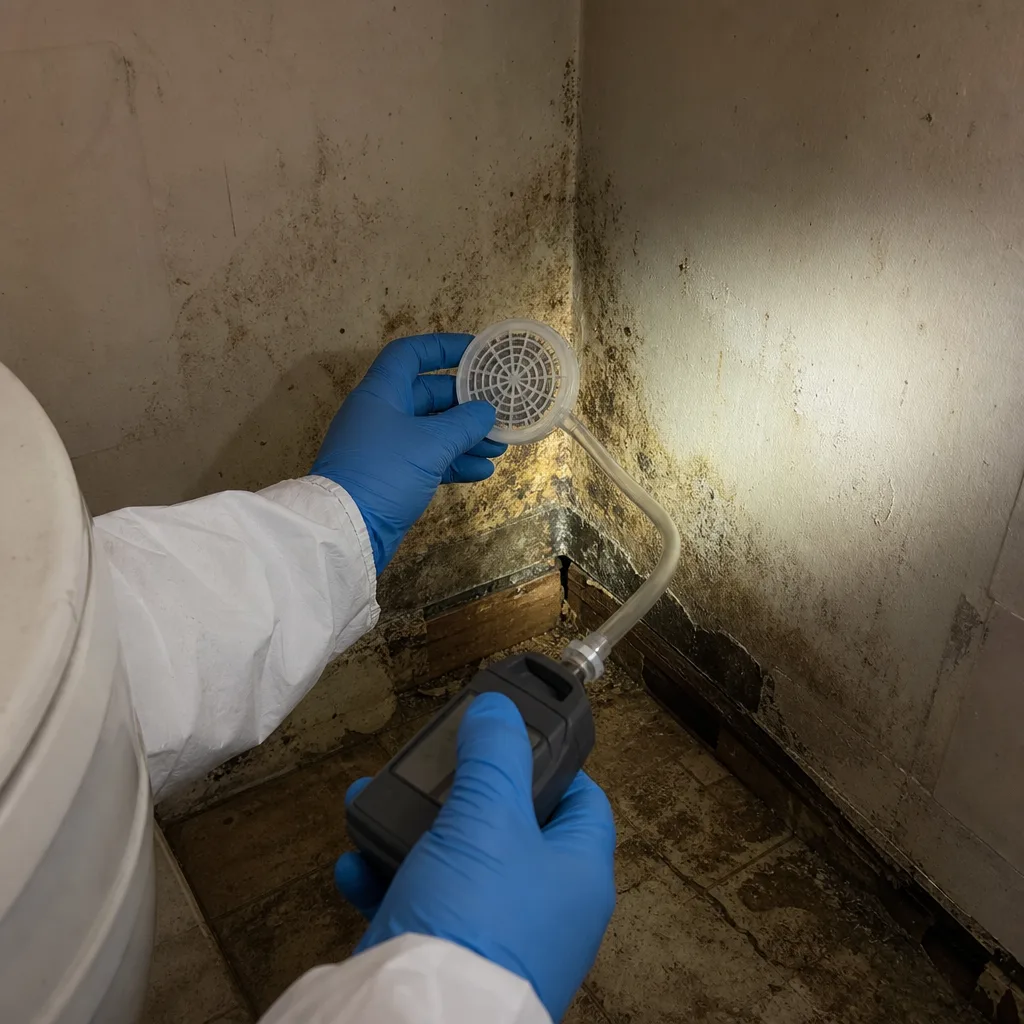
Black water extraction in Long Island City means moving fast and moving a lot. Our truck-mounted units pull hundreds of gallons an hour, which matters when storm surge from the East River pushes Newtown Creek water into a ground-floor commercial space on Jackson Avenue. That water is not just sewage. It can carry industrial contaminants from the Superfund site itself, which is why we treat Newtown Creek-adjacent flooding with extra containment and hazmat-aware protocols.
Sanitization & Disinfection
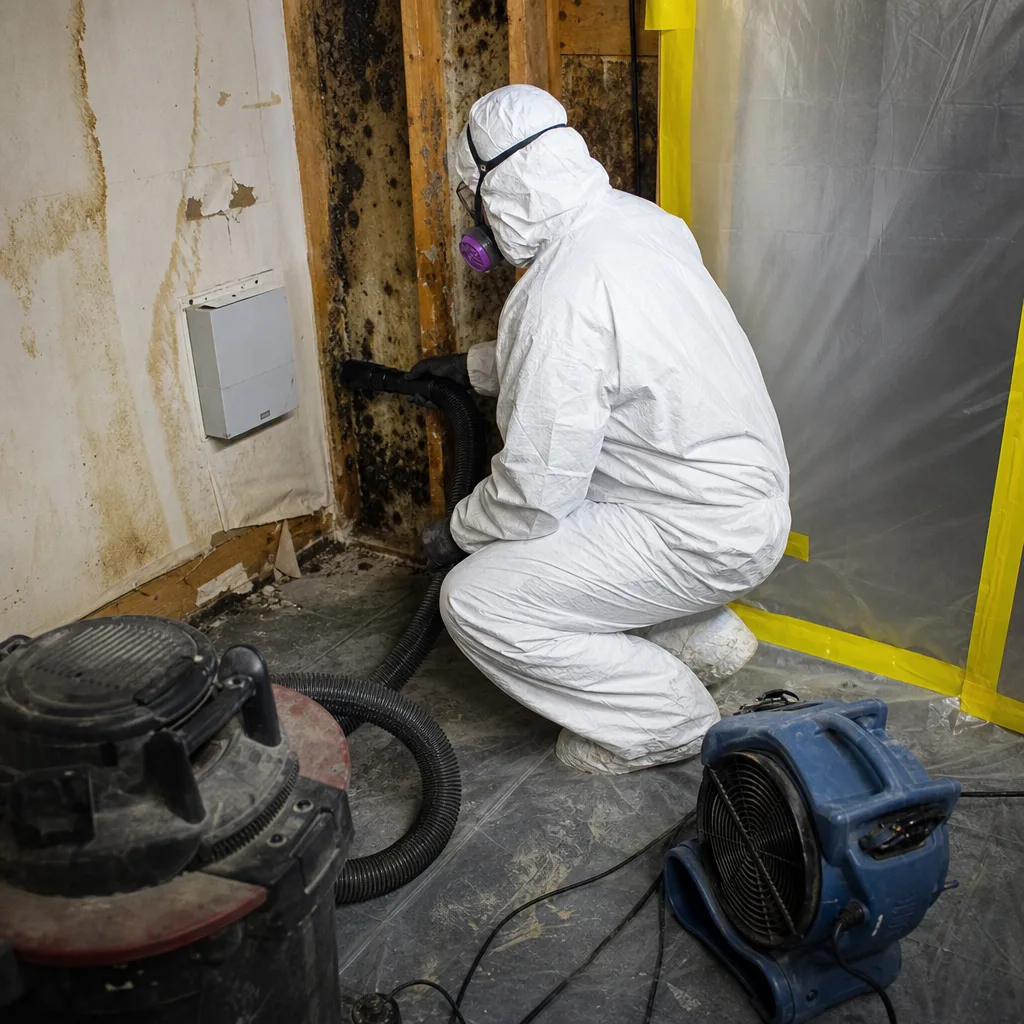
Extraction without sanitization leaves the real problem behind: pathogens in the air and on every porous surface they touched. We run HEPA air scrubbers during containment, apply EPA-registered antimicrobials with proper dwell times, and fog hard-to-reach cavities. In a converted loft with shared brick walls, that step is not optional. It is the difference between a clean space and one that smells bad and keeps testing positive.
What happens when you call
- 1
A real person answersNo phone trees - you reach a local pro.
- 2
You get an upfront price rangeHonest numbers before anyone is dispatched.
- 3
A background-checked tech heads outLicensed & insured, dispatched right away.
- 4
You approve before work beginsNothing starts until you say go.
Sewage Cleanup Costs in Long Island City, NY
Sewage cleanup in Long Island City runs higher than the national average because of the building stock and access realities. A straightforward toilet overflow in a single bathroom typically runs $800 to $1,800. A Category 3 basement backup with full containment, extraction, and demolition of saturated drywall and flooring usually lands between $4,000 and $12,000 depending on square footage and whether asbestos or lead testing is required. Hunters Point high-rise work often adds elevator scheduling and property management coordination costs that an old loft building does not have. Insurance covers most sewage backup claims when the policy includes a sewage endorsement, and many Long Island City condo and co-op policies do. If yours does not, you are looking at out-of-pocket, and we will tell you that before we start, not after. The free visual inspection is how you get a firm number instead of a guess. Call (363) 208-1526 and we will come out and give you a written scope. No charge for that.
We Also Serve Cities Near Long Island City
Our crews work in Long Island City, but Astoria and Flushing are close enough that we are there just as fast. Same 45-minute commitment, same live answer on the phone, same crew quality. If you are in Astoria near the Ravenswood waterfront or Flushing near the river, call and we will head over.
Serving Long Island City, NY - Our Local Coverage Area
We’re based in the Long Island City area and know this community well. Use the map below to see our service coverage - if you’re nearby, we can almost certainly help.
Long Island City Sewage Cleanup Questions, Answered
Why does Long Island City recommend treating all Dutch Kills basement flooding as sewage backup even when it looks clear?
Because the pre-1900 brick sewer laterals under Dutch Kills carry stormwater and raw sewage through the same pipe with no separation. When rainfall overwhelms the combined system, the mixture backs up into basements and ground floors, and that water is Category 3 black water even if it appears clear. Treating it as groundwater and just mopping it up leaves pathogens in every porous surface, which is how you end up with recurring odor and mold. Call (363) 208-1526 if you have any doubt. We will test it properly and tell you what we find.
How does Superfund contamination in Newtown Creek affect sewage cleanup in LIC waterfront buildings?
Newtown Creek is an EPA Superfund site, and when storm surge or combined sewer overflow pushes creek water into adjacent buildings, the contamination includes industrial pollutants on top of the biological hazards already present in sewage. That means our crews run full containment, use hazmat-aware handling protocols, and document everything for the insurer and, where necessary, the DEP. It is a different level of response than a clean-water pipe break. If your building is within a few blocks of the creek, assume the water is worse than it looks and get a professional assessment before anyone wades in unprotected.
What special permits or code requirements apply to sewage cleanup in Long Island City?
Most sewage cleanup itself does not require a permit from the DOB, but the restoration work that follows can. In pre-war buildings, demolition that disturbs asbestos-containing plaster or lead paint requires testing and possibly abatement protocols. Condo and co-op boards in Hunters Point often require signed access agreements and certificates of insurance on file before any contractor can bring equipment through the lobby. We handle these requirements as part of the scope, and we will tell you what applies to your building during the free inspection.
Can you restore hardwood floors in LIC luxury high-rises after a toilet overflow?
Often yes, if the water does not sit. Hardwood can be saved with targeted drying using a Dri-Eaz hardwood floor drying system, but sewage contamination changes that math. If Category 3 water penetrated the floor or the subfloor below, restoration becomes replacement because the pathogens are in the wood itself, not just on the surface. We will tell you honestly which one you have. Sometimes a floor in a Center Boulevard tower can be dried in place. Sometimes the insurance claim covers new flooring. The fastest way to know is a moisture inspection within the first day, not a week after the overflow.
How quickly can Wade’s Restoration deploy to a sewage backup in a Hunters Point high-rise?
We aim to have someone there within 45 minutes of your call, including high-rises. What usually takes longer is building access: coordinating with property management, securing elevator service, and getting equipment through the loading dock. We have worked with most of the major management companies in Hunters Point and can usually move fast once we are in the door. Call (363) 208-1526 and we will start working on access while the crew is driving.
Will my insurance cover sewage backup cleanup in Long Island City?
It depends on your policy. Many Long Island City condo and co-op policies include a sewage backup endorsement, and many stand-alone homeowner policies do not unless you added it. If a combined sewer overflow from a major storm is involved, some carriers classify it as flood damage, which requires a separate flood policy. We deal with the adjuster directly and document everything from the first hour, which gives you the strongest possible claim position either way. A free inspection with us will clarify what you are facing, and we will help you figure out the coverage conversation.
How long does sewage cleanup and drying take in a typical LIC basement?
Most basement sewage cleanup jobs in Long Island City take three to five days for extraction, demolition, and structural drying. A Dutch Kills basement with old brick and poor ventilation can run longer because the high humidity near the river slows evaporation. A Hunters Point high-rise with central HVAC dries faster. We take daily moisture readings and hand you the full log at the end, so you see exactly when the space hit target moisture instead of taking our word for it.
What should I do in the first 30 minutes after discovering sewage backup in my Long Island City home or business?
Get people and pets out of the affected area. Do not flush toilets or run water. Shut off power to the affected area if you can do so without stepping in the water. Do not attempt to extract sewage yourself with a shop vac or mop; Category 3 water requires PPE and proper disposal. Then call (363) 208-1526. Every minute that contaminated water sits means more material that must be removed and replaced. The first 30 minutes are about safety and speed, not cleanup.
Written by Wade Ferris, Owner of Wade’s Restoration, serving Long Island City and the surrounding areas since 2007. Wade answers his own phone at (363) 208-1526.