
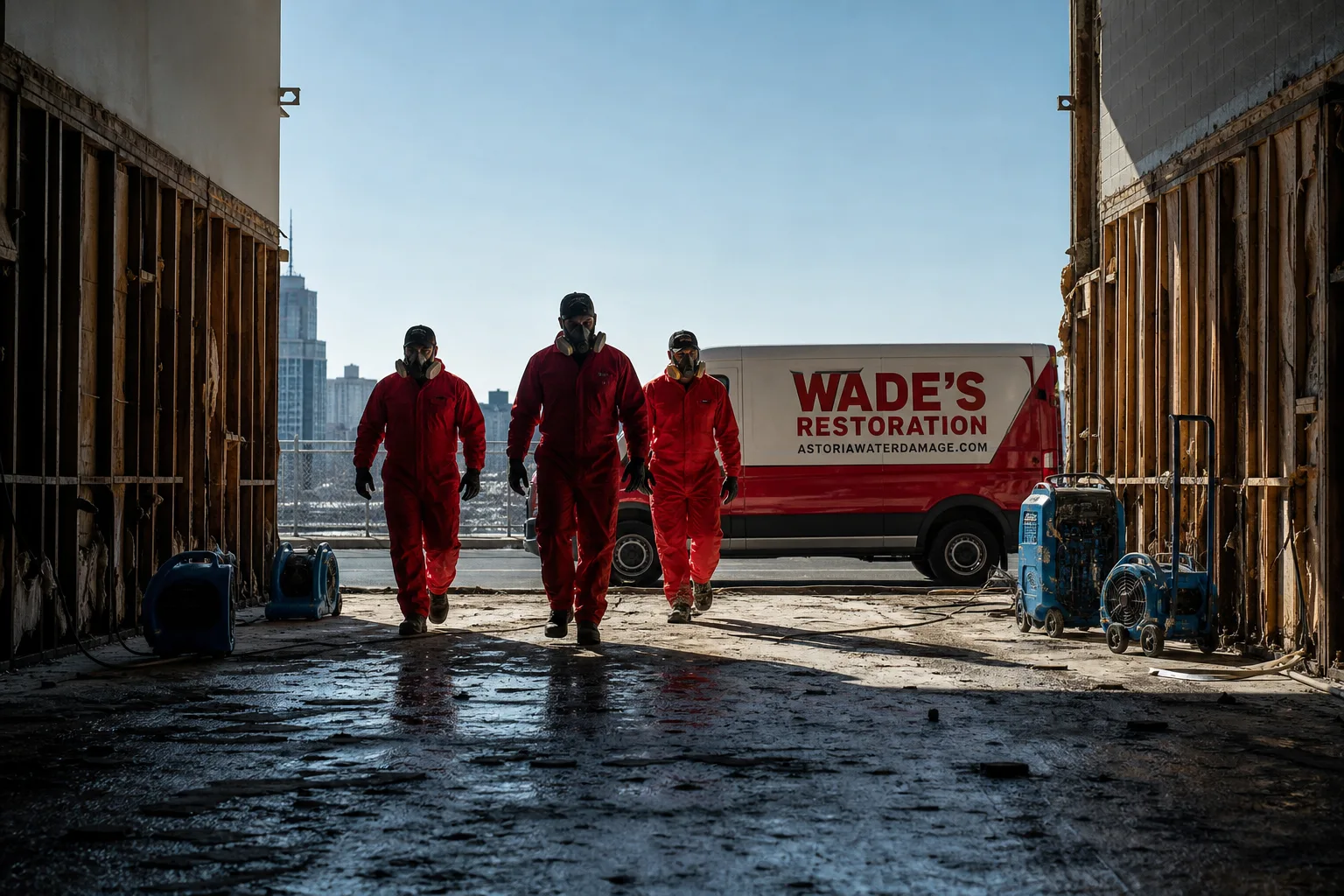
Free visual inspection and a written scope of work before any mitigation begins - photos, moisture readings, and drying logs go in your claim file
The scope we write is the scope we bill. Anything new gets shown to you, in writing, before we touch it.
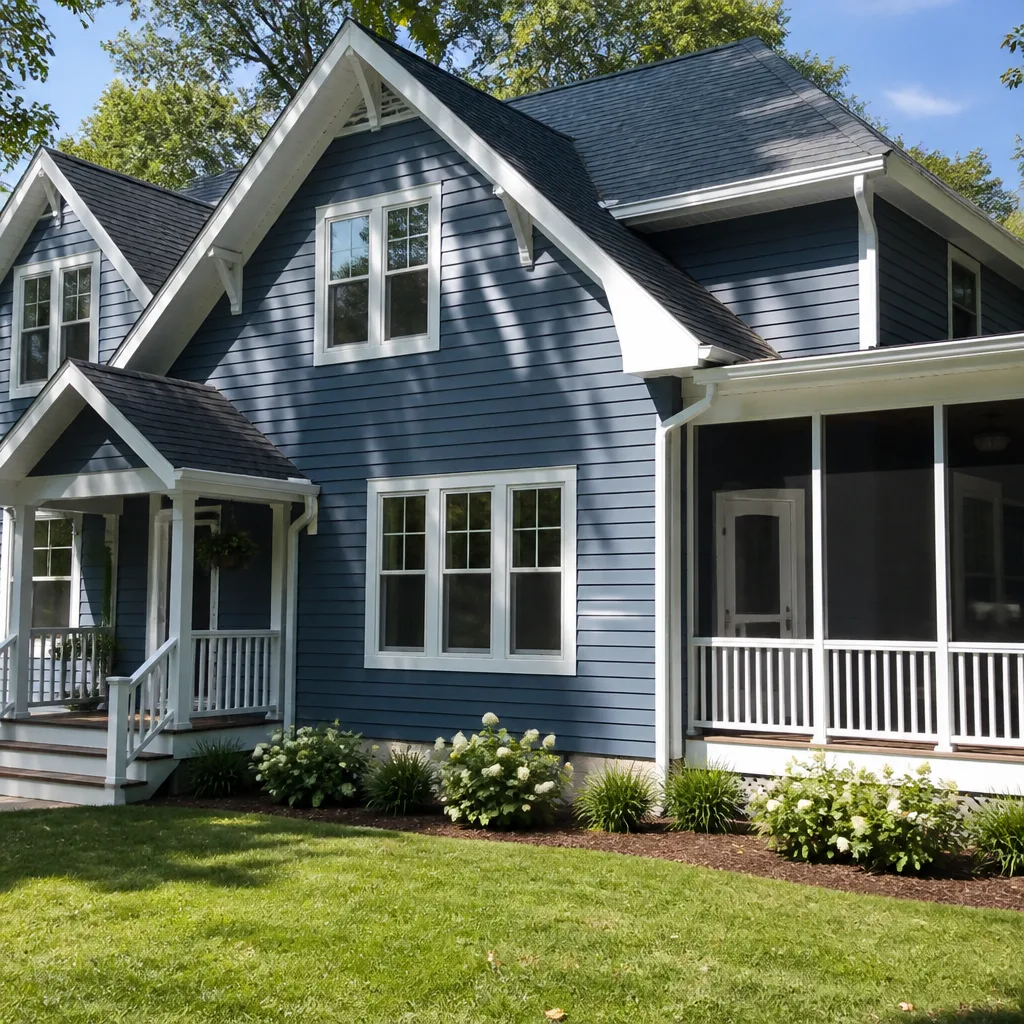
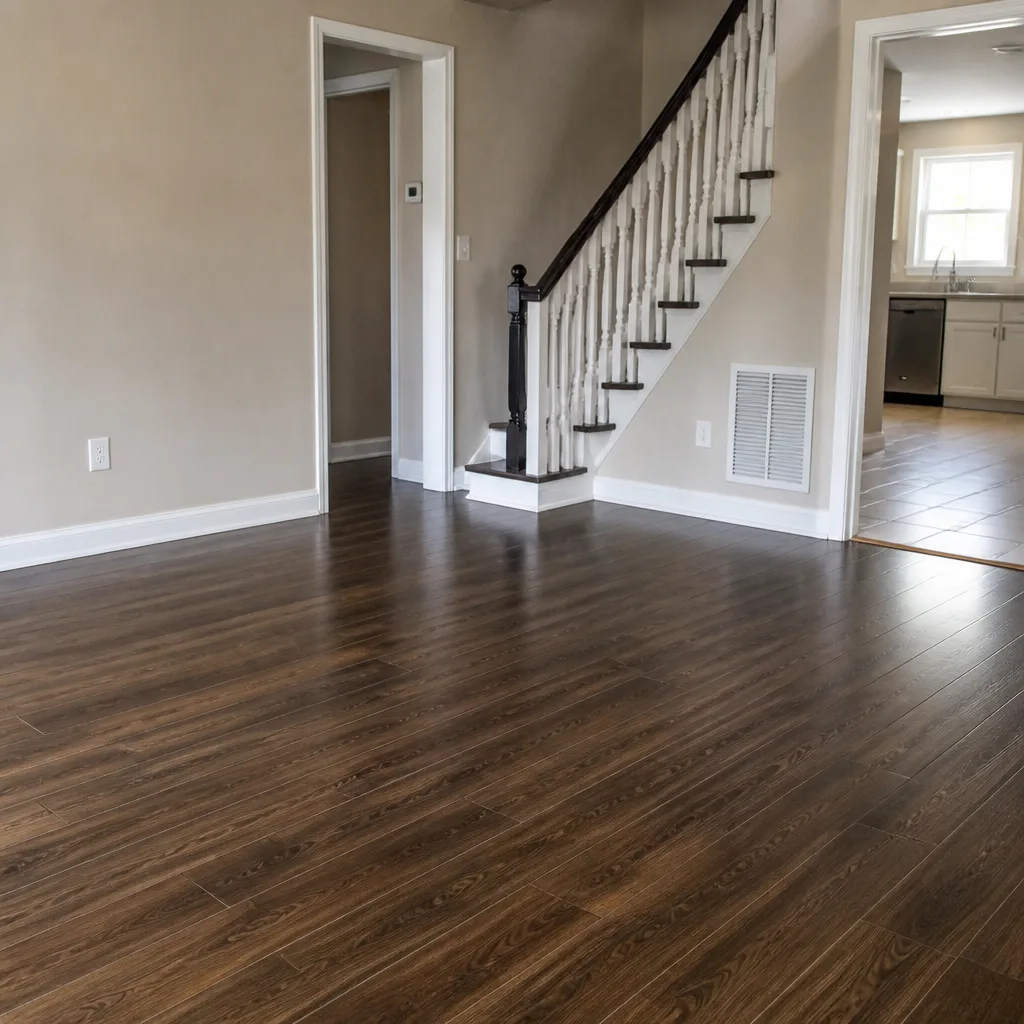
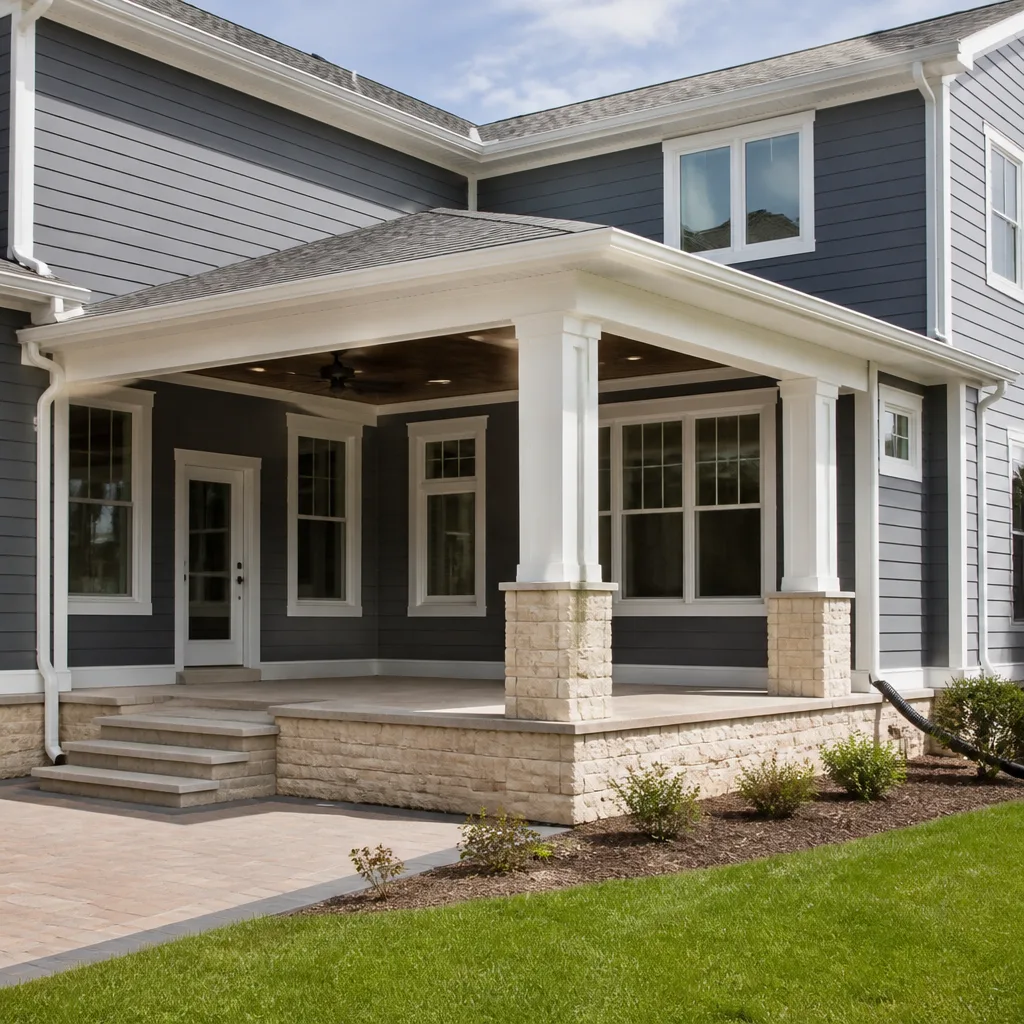
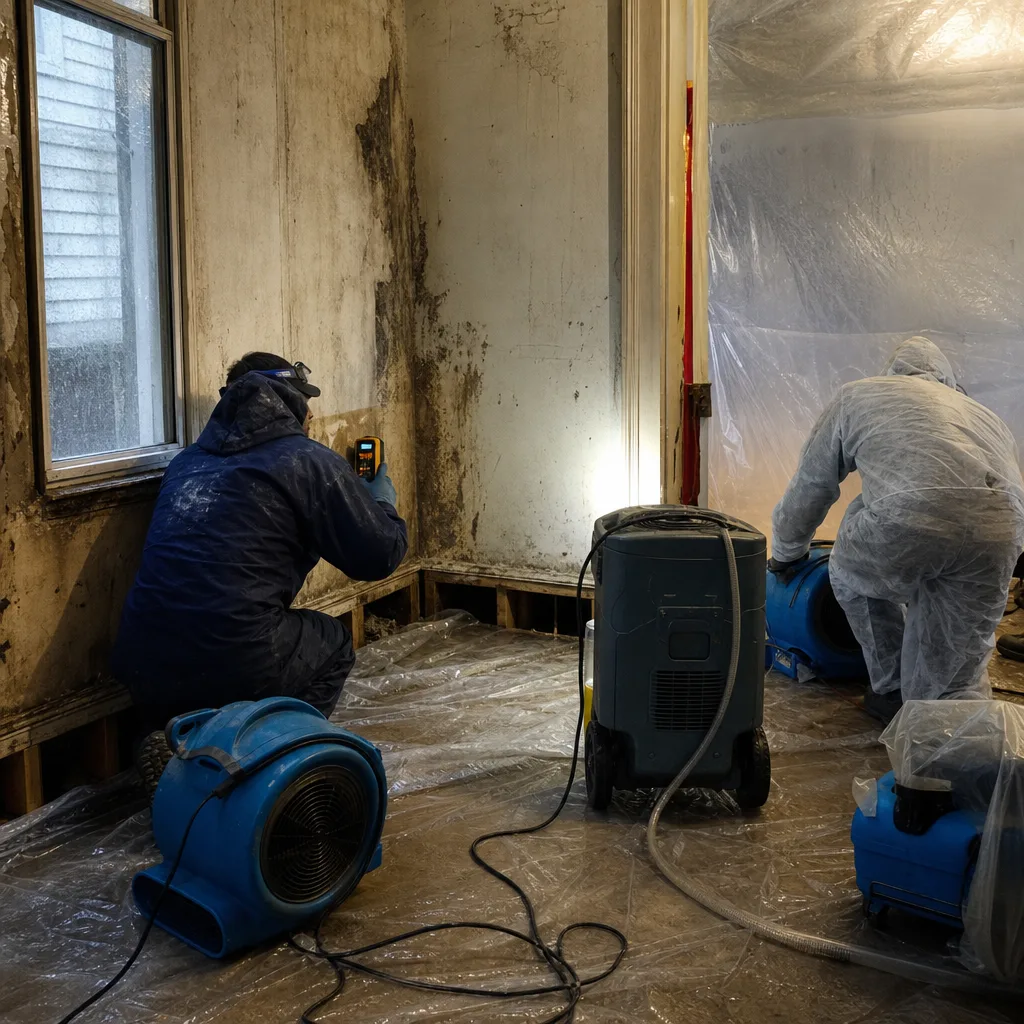 Before
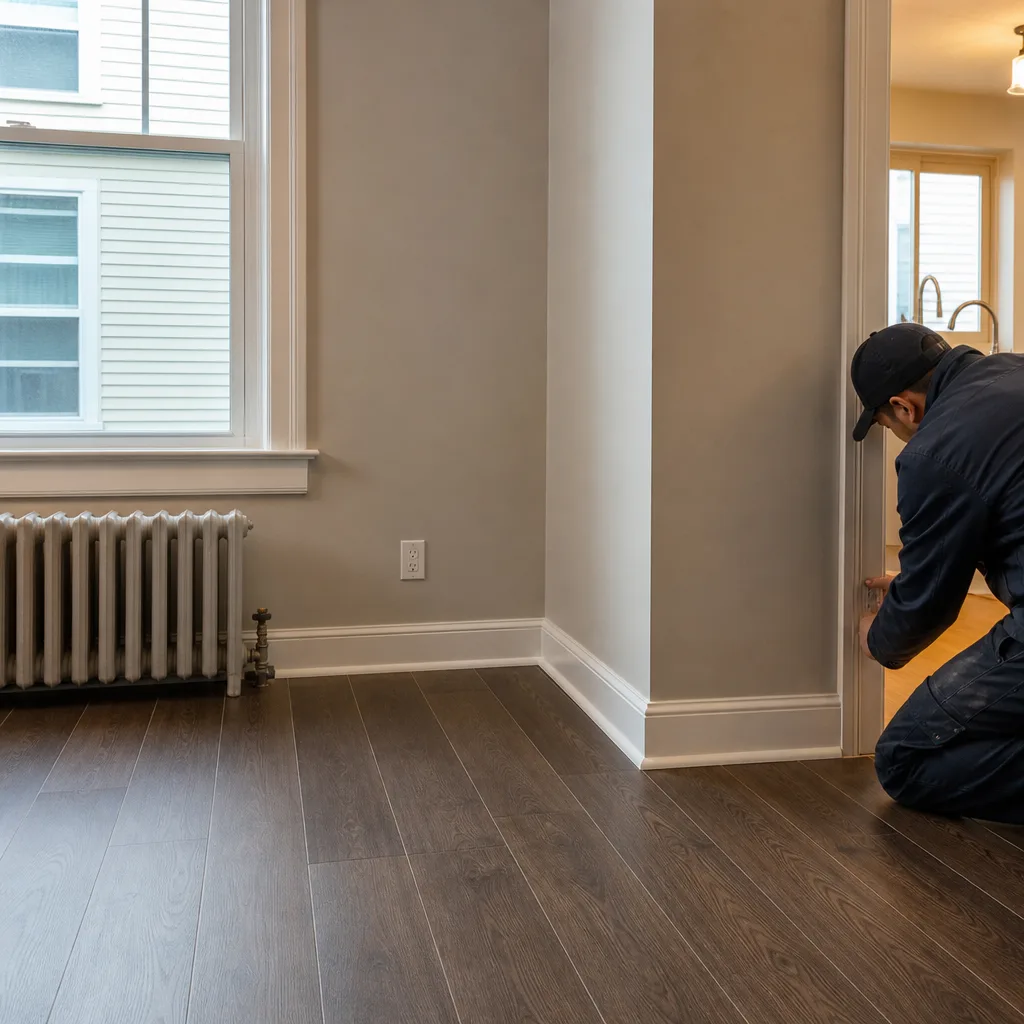 After
After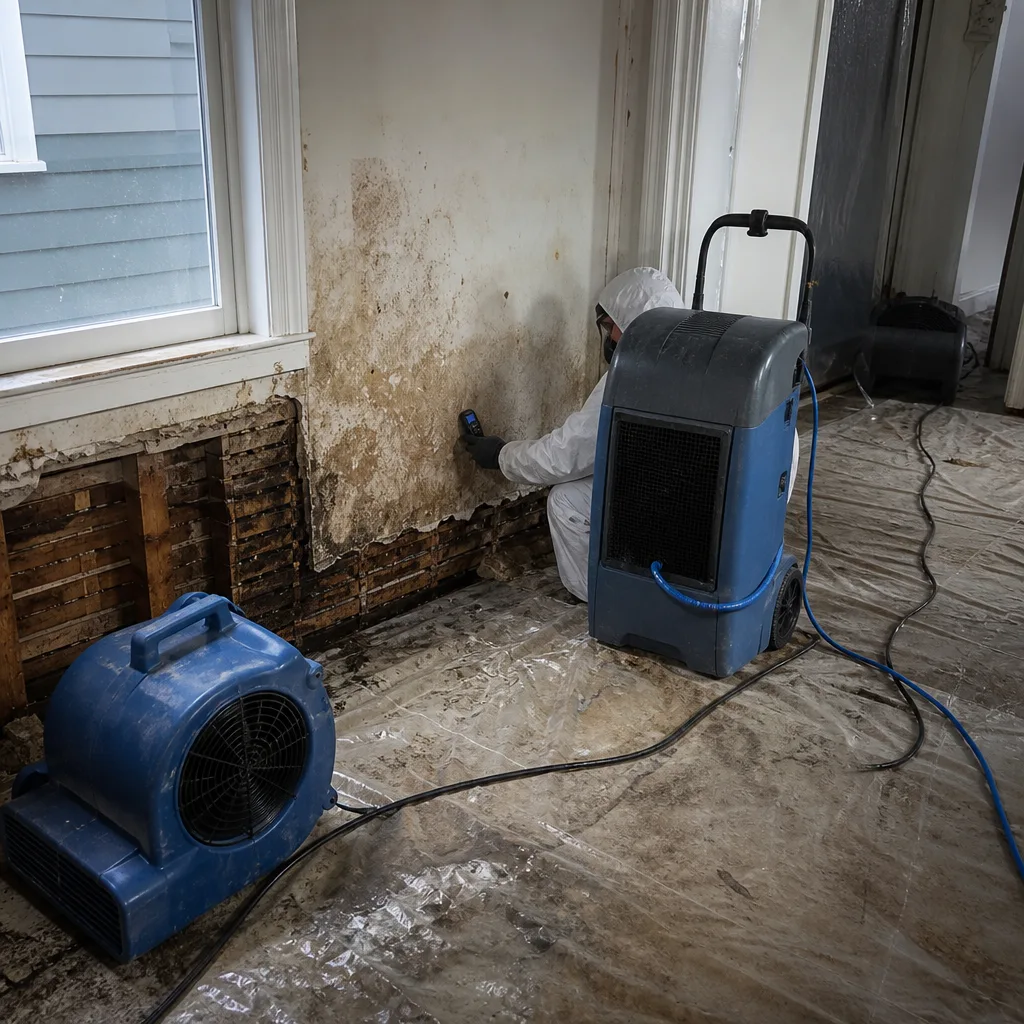 Before
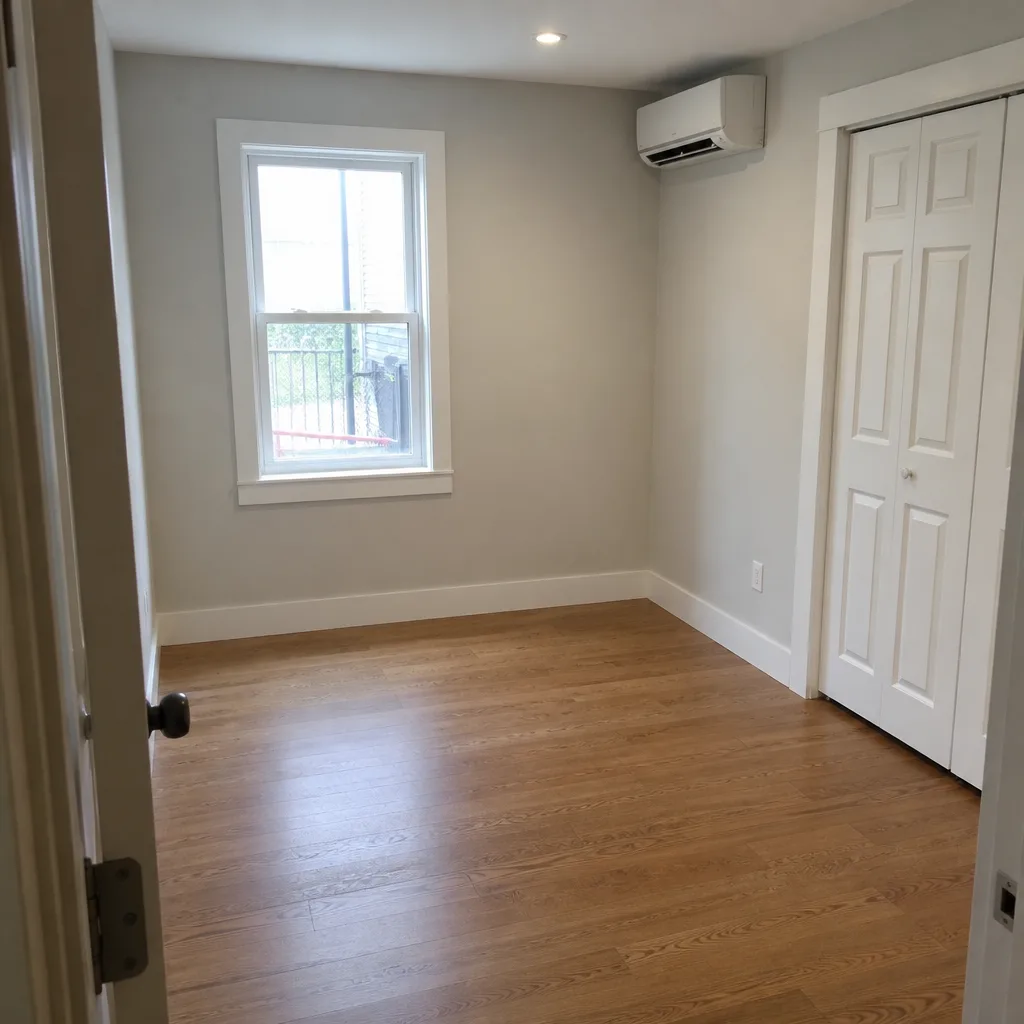 After
After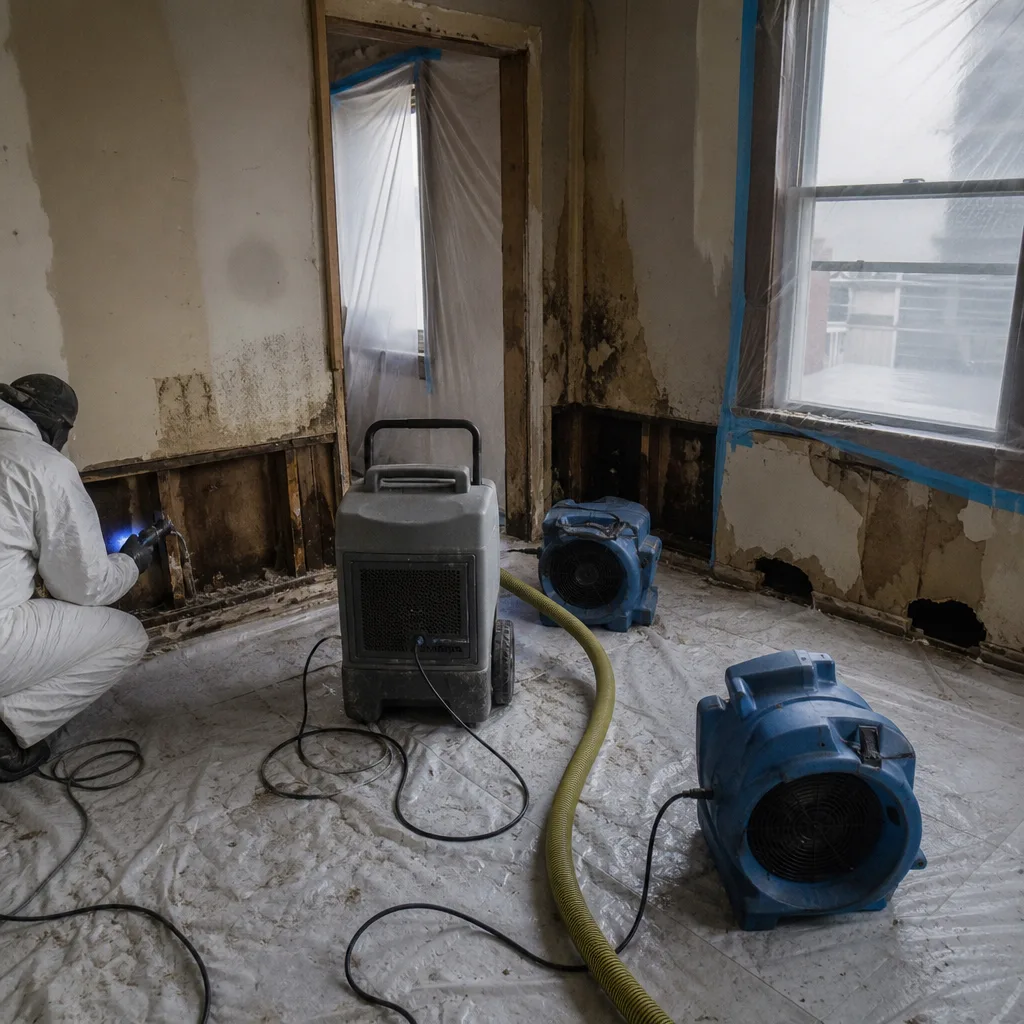 Before
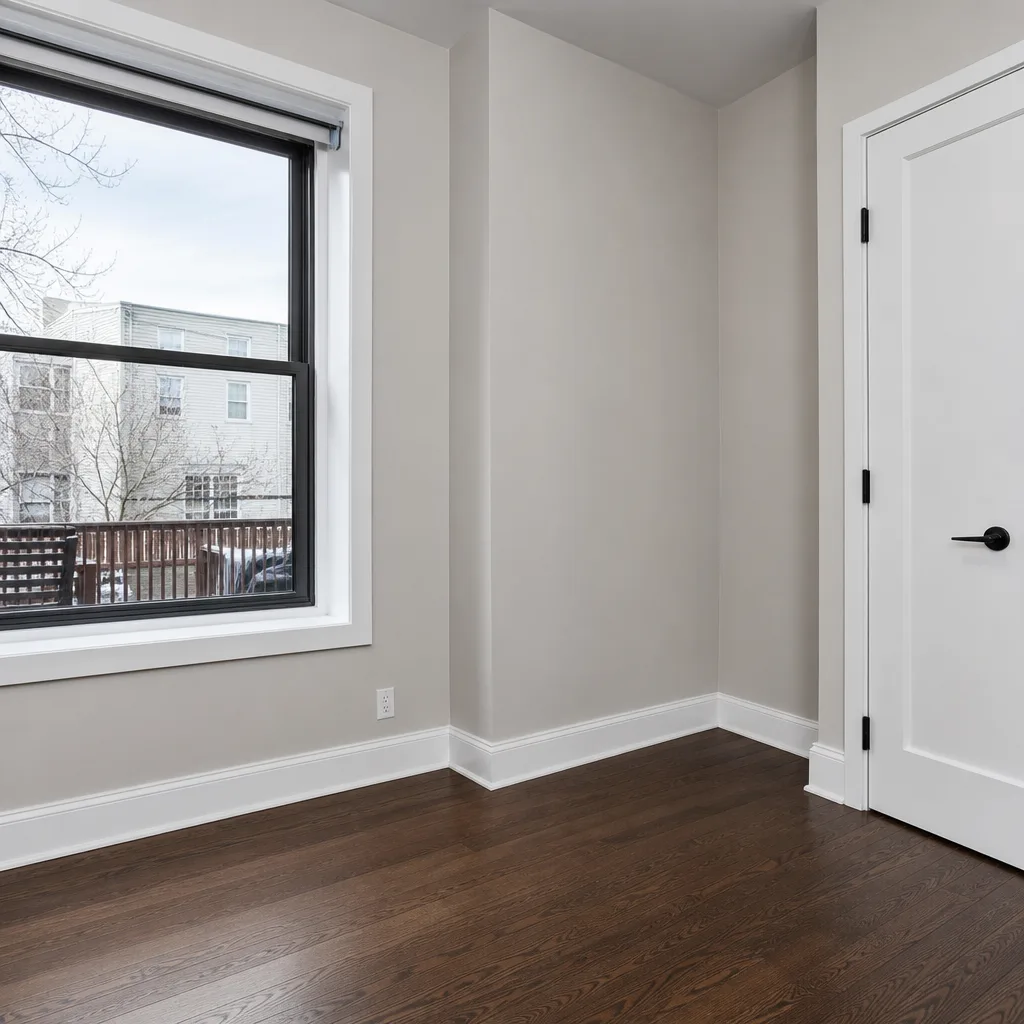 After
After24/7 Emergency Reconstruction & Cleanup in Flushing
When a basement floods off Kissena Boulevard or a fire tears through a mixed-use building on Main Street, you need someone who picks up the phone at 2 a.m. and heads to Flushing right then. Call (363) 208-1526 any hour, day or night. Wade answers his own phone. His crew can be on-site within 45 minutes for emergency water extraction or board-up work, because the first hour after a loss determines how much of your framing, drywall, and flooring can be saved or must be torn out. We do a free visual inspection before any work starts, so you know exactly what you’re facing before a dollar is spent.
Understanding Reconstruction & Cleanup Severity in Flushing Properties
Reconstruction severity in Flushing breaks down by water category, structural material, and building age. Category 1 water is clean supply line water. Category 2 carries contaminants from washing machines or dishwashers. Category 3 is sewage, floodwater, or anything that backed up through a drain stack. In Flushing’s 1920s through 1950s brick rowhouses, a cracked cast-iron drain stack almost always delivers Category 3 water into finished basement rentals because the pipe carries toilet waste. That’s a full containment and sanitization job, not a mop-and-fan situation. The flat and low-slope roofs on those same rowhouses mean roof leaks pond and soak through ceilings differently than on pitched roofs in newer construction. And the 1990s-era condo towers along Main Street produce a different damage profile entirely: a single plumbing failure on the 8th floor migrates down through seven units before anyone notices the ceiling stain on the first floor. We scope every Flushing job by reading the building type first, then the water.
Why Flushing Property Owners Choose Wade’s Restoration
- 45-minute response commitment. When water is moving through a Flushing basement, Wade heads out immediately. No call center. No “we’ll be there tomorrow.”
- Live answer, 24/7. A real person picks up the phone at 3 a.m. That person is usually Wade himself, and he will be the one to show up.
- IICRC-certified crews. Our team carries WRT, FSRT, and AMRT certifications. The people in your home know water, fire, and mold restoration at the industry’s highest standard.
- Free visual inspection. No charge for that. We look first, write the scope, and you approve it before anything starts.
- Direct insurance billing. We bill your carrier directly and handle the adjuster communication so you’re not the middleman relaying messages.
- One team, start to finish. Extraction, drying, tear-out, rebuild. Same crew, same owner accountable, no handoffs to strangers.
Our Reconstruction & Cleanup Process
Inspection & Assessment
We walk the entire loss, not just the room you called about. In Flushing’s attached rowhouses, we check the adjacent units on both sides of the party wall before writing a single line of scope. Thermal imaging and moisture meters tell us where water actually is, not where it looks wet.
Extraction & Stabilization
Standing water comes out with truck-mounted extraction units. For sewage backups from failed drain stacks, we set containment and isolate the affected space before anything moves. Board-up and temporary roof tarping happen here if fire or storm opened the building.
Drying & Dehumidification
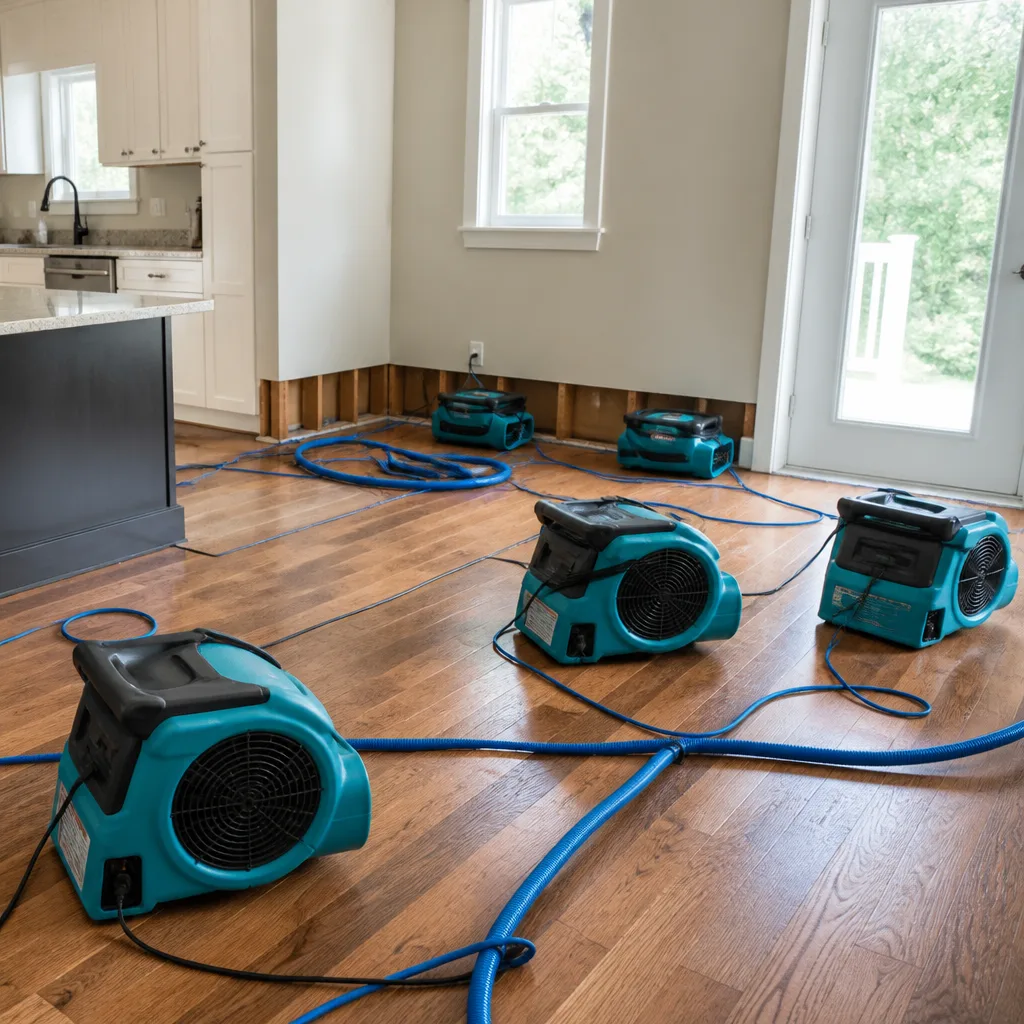
Dri-Eaz and Phoenix air movers push air across wet surfaces while dehumidifiers pull vapor from the space. We place hygrometers throughout and take moisture readings every single day. You get the full log at the end of the job, not a summary someone typed up later.
Cleaning & Sanitization
Category 3 water means antimicrobial application on every surface the water touched. HEPA scrubbers run during the work to keep mold spores and soot particles from spreading. Contents get either cleaned on-site or packed out to our facility.
Contents Restoration & Pack-Out
Furniture, rugs, clothing, and personal property are inventoried with photos, packed out, and restored. Flushing basements are often fully lived-in spaces, so this step can be extensive. We document everything for the insurance claim as we go.
Repairs & Reconstruction
Drywall replacement, flooring, trim, paint, and any structural repair needed to return your Flushing property to pre-loss condition. This is the last step, and it’s done by the same crew that did the drying. Nobody new shows up halfway through the job.
Need Emergency Reconstruction & Cleanup in Flushing Now?
Crews minutes away, answering live 24 hours a day. The sooner we start, the less it costs.
Working With Your Insurance Company
Most Flushing reconstruction jobs involve insurance, and the difference between a paid claim and a disputed one is documentation from hour one. We photograph everything before touching anything. We log moisture readings daily. We write a line-item scope in the same format your carrier’s adjuster uses. And Wade talks to the adjuster directly. You don’t get stuck as the go-between for two sides that don’t know each other’s language. If you’re a landlord with a multi-unit claim off College Point Boulevard, we document each unit separately, produce a combined drying log, and walk the adjuster through the lateral moisture pattern across the party walls. That’s how a claim gets paid at full value instead of partial.
What We Provide Your Insurer
- Thorough documentation of the loss
- Photos of all damage, room by room
- Moisture readings and drying logs
- A detailed, line-item scope of work
- Direct coordination with your carrier
Built for Flushing’s Loss Calendar
Flushing’s reconstruction losses follow a seasonal pattern that’s specific to this part of New York City. January and February bring deep freezes that burst supply pipes in uninsulated exterior walls of 1920s rowhouses. The thaw in March and April saturates the soil around Flushing Creek, and basement seepage follows through every crack in the foundation wall. Summer thunderstorms drop inches of rain in an hour, and because Flushing sits at the inland terminus of Flushing Bay along the drainage corridor, street flooding backs into below-grade storefronts and basement units before water even overtops the curb. Nor’easters in the fall bring wind-driven rain under flat-roof flashing that hasn’t been touched since the original install. And all year long, aging cast-iron drain stacks in pre-war buildings crack and deliver Category 3 water into finished basements. The calendar doesn’t pause, and neither do we.
Reconstruction & Cleanup Across Flushing’s Neighborhoods
The Main Street-College Point Boulevard triangle is the epicenter of Flushing’s attached rowhouse stock, and it’s where we see the most lateral water migration through shared brick party walls. A basement flood in one unit means we’re checking two or three adjacent units before writing the estimate. Off Kissena Boulevard, the 1930s brick row houses have original cast-iron stacks that are now 90 years old and failing predictably. The blocks around Northern Boulevard carry a mix of rowhouses and mixed-use storefronts, where a single roof leak can affect a commercial tenant below and an apartment above. In the downtown core near Flushing Main Street station, the 1990s and 2000s condo towers have their own failure signature: vertical plumbing risers that carry water from an upper-floor failure down through multiple units. Our Reconstruction & Cleanup team maps every job to the building type and the block pattern in Flushing before we start.
Specialized Reconstruction & Cleanup Services We Offer in Flushing
Full-Service Reconstruction
After extraction and drying, someone has to put the place back together. We handle the full rebuild: framing repair, drywall, insulation, flooring, trim, paint, and cabinetry reset. For Flushing landlords with finished basement rentals, that means a complete return to rent-ready condition, not a half-finished shell that still smells like the flood.
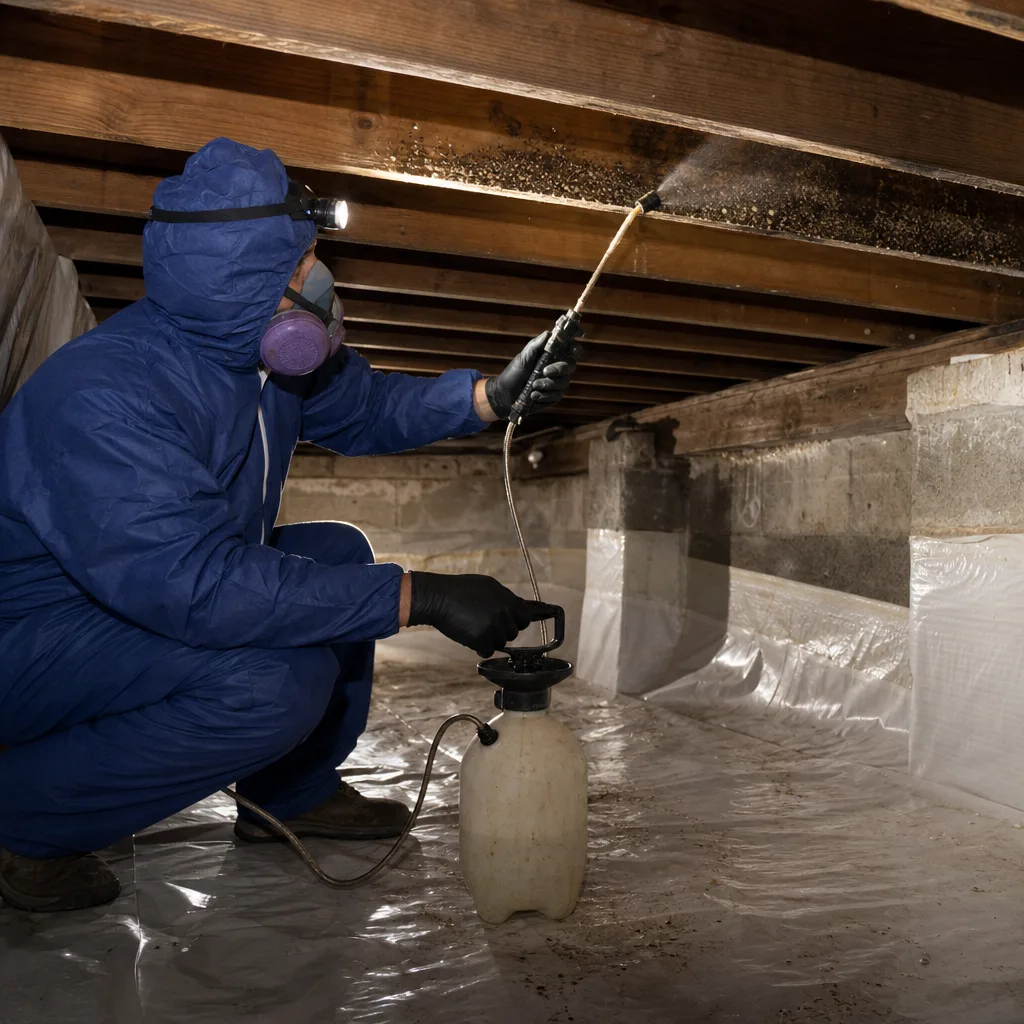
Drywall & Flooring Repair
Wet drywall wicks water upward and sideways. In a Flushing basement, that usually means cutting two feet above the visible water line to catch the moisture that traveled through the gypsum. For 1920s rowhouses with original hardwood over wood subfloor, we dry what can be saved and replace what can’t. LVP, tile, engineered wood: each material has a different salvage rate, and we know which is which in this housing stock.
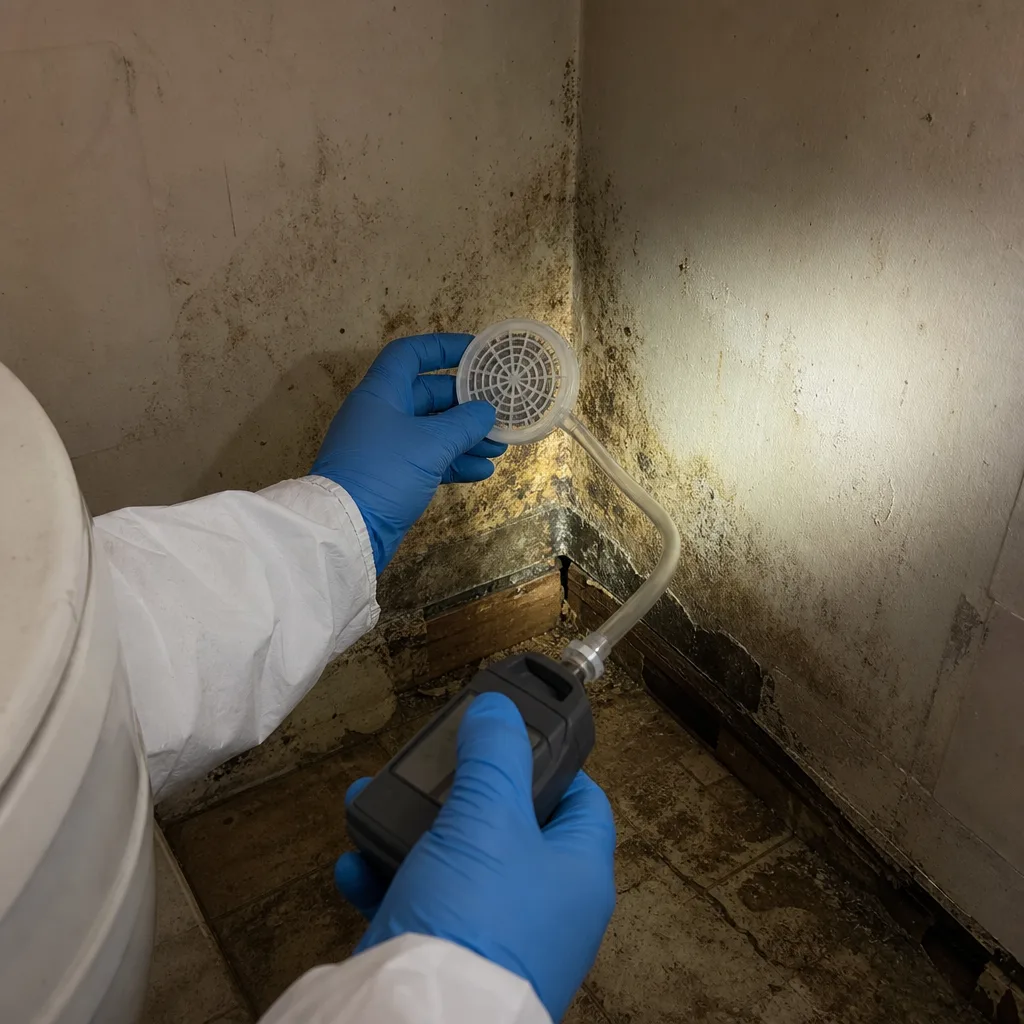
Contents Restoration & Pack-Out
Basements in Flushing are lived-in spaces: bedrooms, kitchens, home offices, and storage for entire extended families. We inventory every item with photos, pack out what can be restored, and clean it at our facility. What can’t be restored gets documented for the claim with current replacement value. Nothing gets thrown out without a photo on file.
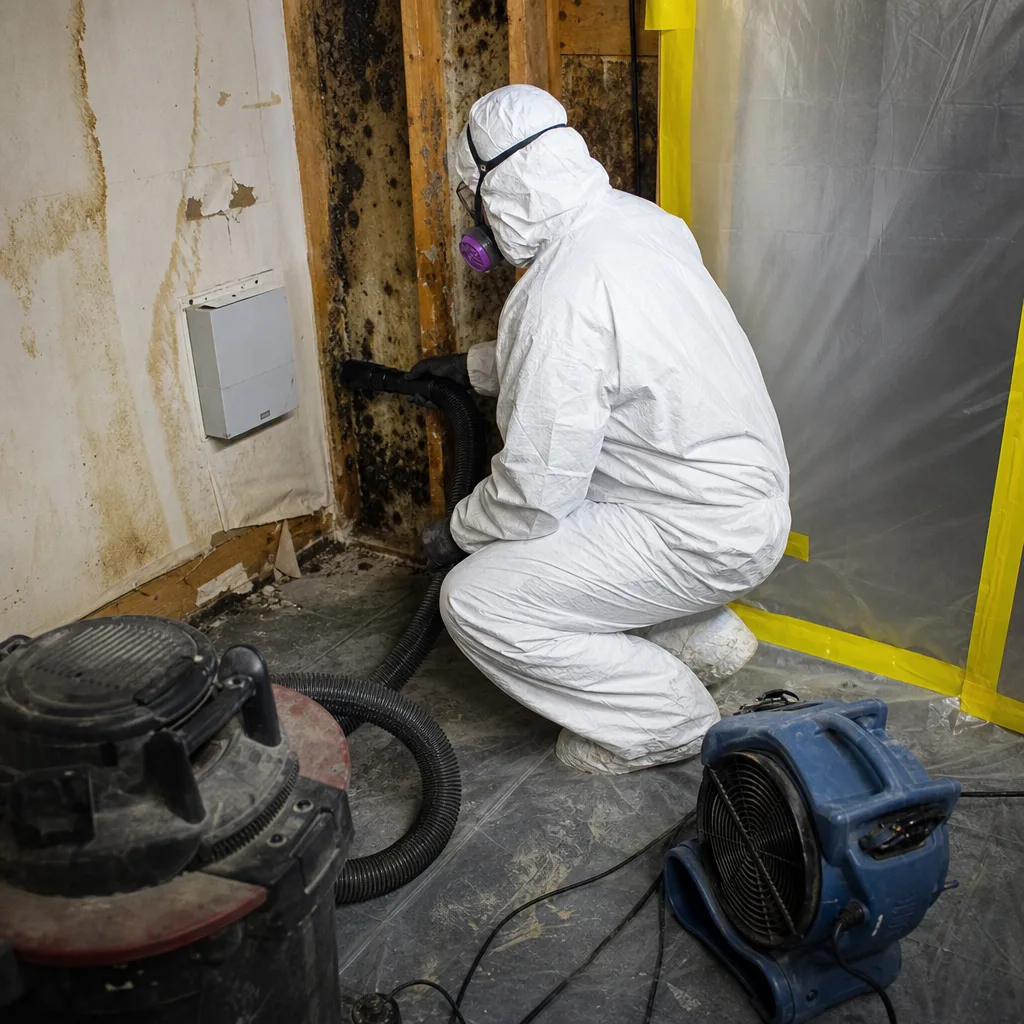
Carpet & Upholstery Cleaning
After a water loss, carpets and upholstery hold moisture and odor long after the walls are dry. We extract, clean, and sanitize carpets in place where salvageable, and remove and dispose where the water was Category 3. Upholstered furniture from affected rooms gets cleaned or packed for restoration depending on the level of contamination.
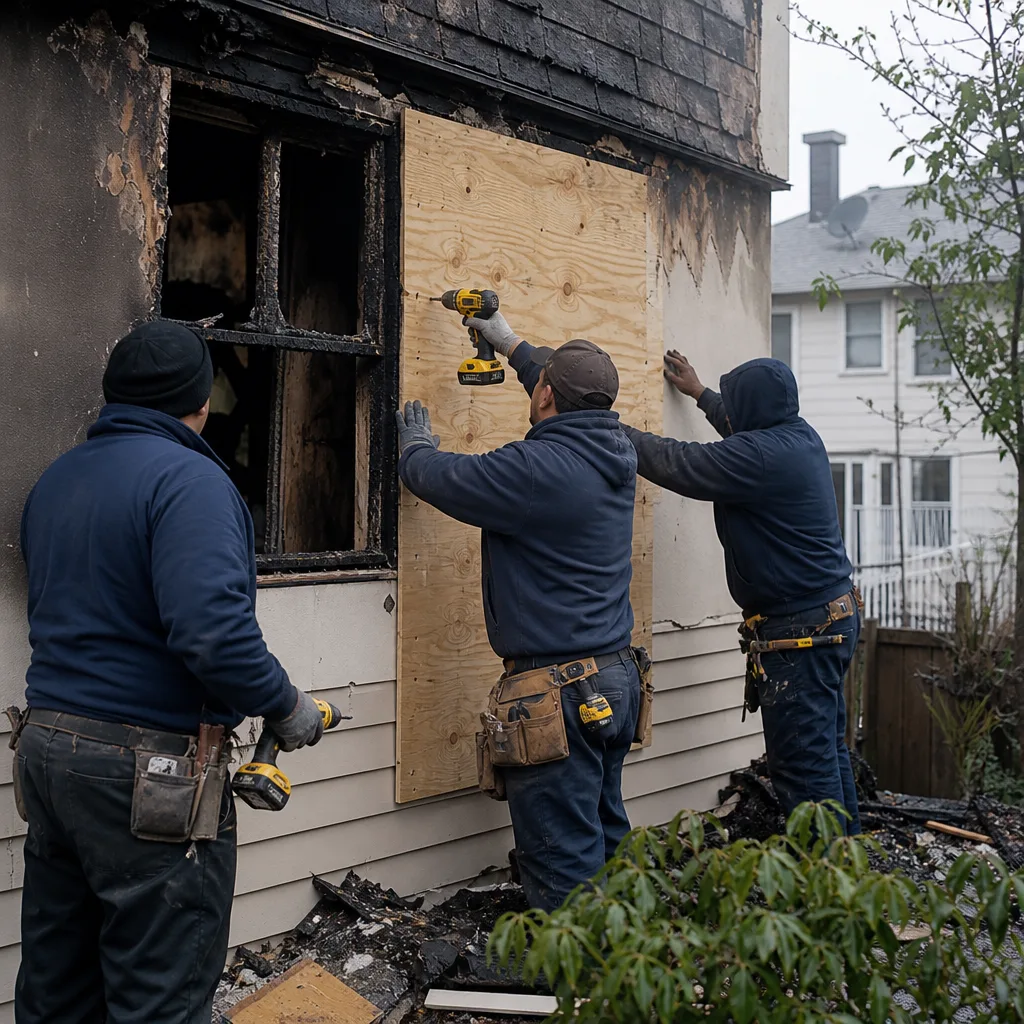
Post-Construction Cleanup
Rebuilding creates its own mess: drywall dust, sawdust, paint overspray, debris. We clean the entire affected area to a condition you can live in, not a construction site with a fresh coat of paint. That includes HEPA vacuuming of all surfaces and air scrubbing to remove fine particulate.
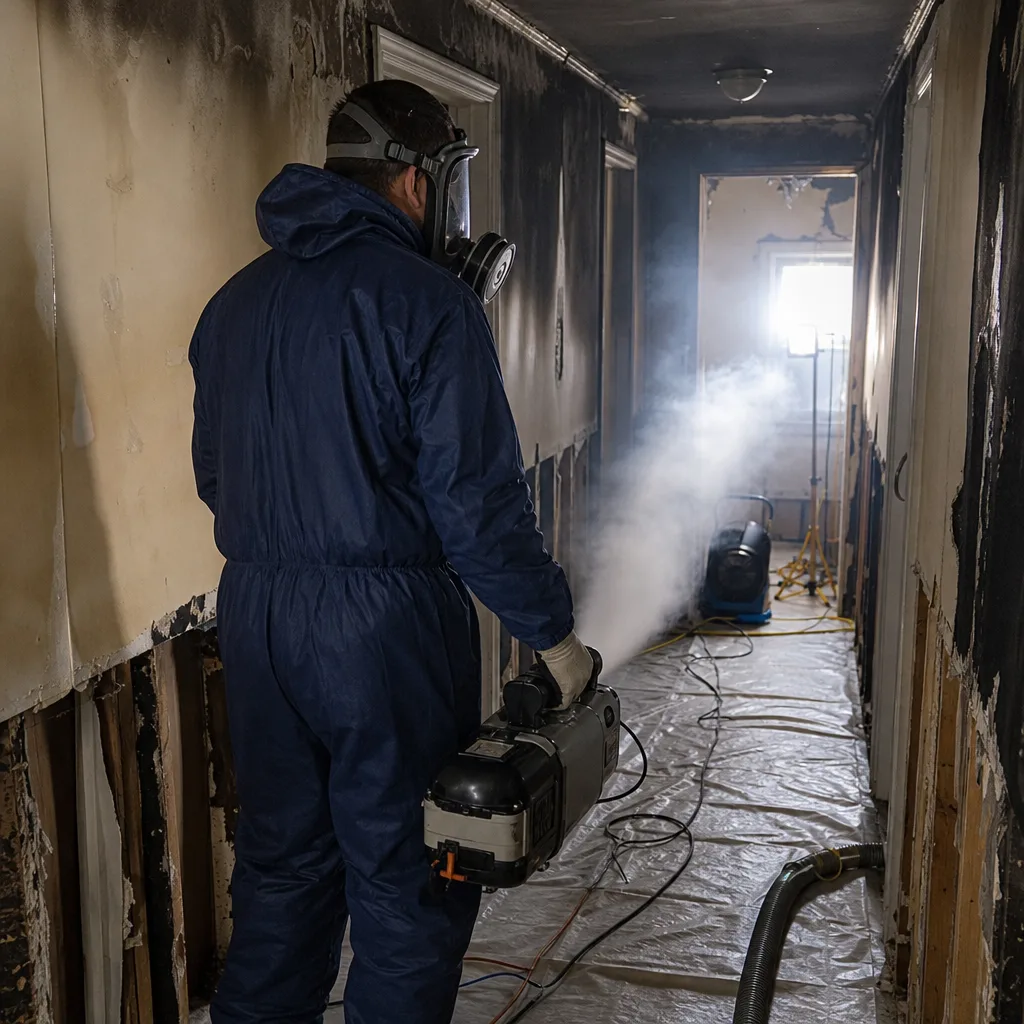
Insurance Claim Documentation
This is the service that separates us from every other restoration crew in Flushing. We build the claim file as we work: room-by-room photos, daily moisture readings, itemized contents inventory, line-item scope, and a drying log with timestamps. Wade sends it directly to your adjuster and stays on the call to answer questions. You get a copy of everything.
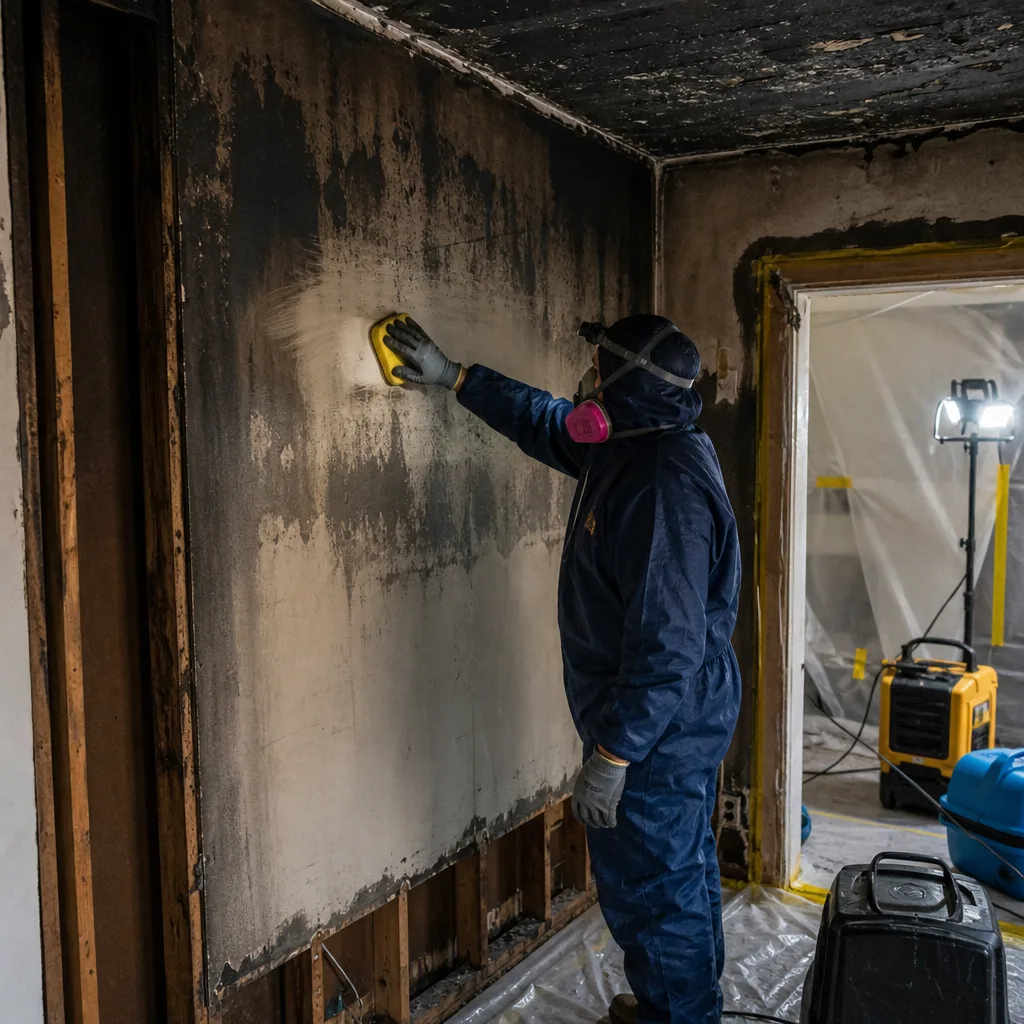
What happens when you call
- 1
A real person answersNo phone trees - you reach a local pro.
- 2
You get an upfront price rangeHonest numbers before anyone is dispatched.
- 3
A background-checked tech heads outLicensed & insured, dispatched right away.
- 4
You approve before work beginsNothing starts until you say go.
Reconstruction & Cleanup Costs in Flushing, NY
Basement water extraction and structural drying in Flushing typically runs $1,800 to $4,500 for a single rowhouse unit, depending on square footage and water category. A full finished-basement rebuild after Category 3 water, including drywall, flooring, and trim, lands between $8,000 and $25,000. Drywall and flooring repair alone in an affected basement runs $3,000 to $9,000. Contents pack-out and restoration adds $1,500 to $6,000 depending on volume. Post-construction cleanup runs $400 to $1,200 for a typical basement. Multi-unit claims across attached Flushing rowhouses scale up proportionally, and the insurance scope often covers all affected units under one claim when the source is shared. The free visual inspection gives you a firm line-item scope before any work begins, so you’re not guessing. Call (363) 208-1526 for an exact quote.
We Also Serve Cities Near Flushing
Our crews respond to reconstruction and cleanup jobs throughout the surrounding area. If you’re across the creek in Astoria or up the East River in Long Island City, Wade’s Restoration reaches you just as fast. Same live answer, same 45-minute response commitment, same free visual inspection.
Serving Flushing, NY - Our Local Coverage Area
We’re based in the Flushing area and know this community well. Use the map below to see our service coverage - if you’re nearby, we can almost certainly help.
Flushing Reconstruction & Cleanup Questions, Answered
Why do you check adjacent units before writing a reconstruction estimate in Flushing?
Because shared brick party walls in Flushing’s attached rowhouses wick water laterally, so a flood in one basement unit often means hidden moisture in the units on either side within days. We check both adjacent units before writing the scope so the estimate covers the full extent of the damage, not just the room where the call came from. Call (363) 208-1526 and we’ll walk you through what we find.
How do you handle category 2/3 water from a failed cast-iron drain stack in a basement rental?
Category 2 and 3 water from a cracked cast-iron stack carries sewage and requires full containment, antimicrobial treatment, and removal of affected drywall and flooring. We set containment first so the contamination doesn’t spread to the rest of the home, then extract and sanitize. This is a full reconstruction job, not a drying job. Call (363) 208-1526 for a free inspection.
What mold risk do Flushing basements face after a heavy rain?
Flushing basements below street grade that take even an inch of stormwater are at risk for mold growth within 24 to 48 hours, especially behind finished walls where moisture is trapped against framing. The Flushing Creek drainage basin backs street flooding into basement spaces before surface water is visible, which delays the call and compounds the problem. The faster extraction starts, the less mold remediation is needed. Call us the moment you see water.
Can you dry out a finished basement without tearing out the walls after street flooding?
Sometimes yes, when the water is Category 1 and the walls are dry. More often in Flushing, the water has been on the floor long enough that capillary action has wicked it up behind the baseboard and into the drywall, and the drywall has to be cut two feet above the water line. We use thermal imaging and moisture readings to make that call precisely. We don’t tear out more than necessary, and we don’t leave wet material in place hoping it dries. Call (363) 208-1526 and we’ll tell you which one you have.
How do you document a multi-unit flood claim for a Flushing landlord?
We document each unit separately with its own photo file, moisture log, and line-item scope, then combine them into one claim package for the adjuster that shows how the water moved across the party walls. Wade sends it directly to the adjuster and stays on the call. No unit gets left out because a tenant reported late. Call us and we’ll start the file today.
How fast can you actually get to a Flushing address?
Within 45 minutes for water emergencies, because Wade answers his own phone and heads out immediately, not after a dispatch chain. Fire board-up and storm response follow the same commitment when crews are available. Call (363) 208-1526 and we’ll tell you exactly when we’ll be at your door.
Will my insurance cover reconstruction after a basement flood in Flushing?
Most Flushing homeowner and landlord policies cover water damage from failed plumbing, including cast-iron drain stack failures, but coverage specifics depend on your policy and whether floodwater from outside entered the space. We document everything and work directly with your adjuster to maximize the covered scope. Call us before you agree to anything with anyone else.
What should I do in the first 30 minutes after a basement flood?
Turn off electricity to the affected area if you can do so safely, move small valuables to a dry spot, and call us at (363) 208-1526. Don’t wade through Category 3 water in bare skin. Don’t run household fans expecting them to dry structural materials. Don’t wait to see if it gets better on its own. The first 30 minutes set the course for the whole claim.
Written by Wade Ferris, Owner at Wade’s Restoration, serving Flushing since 2007.