
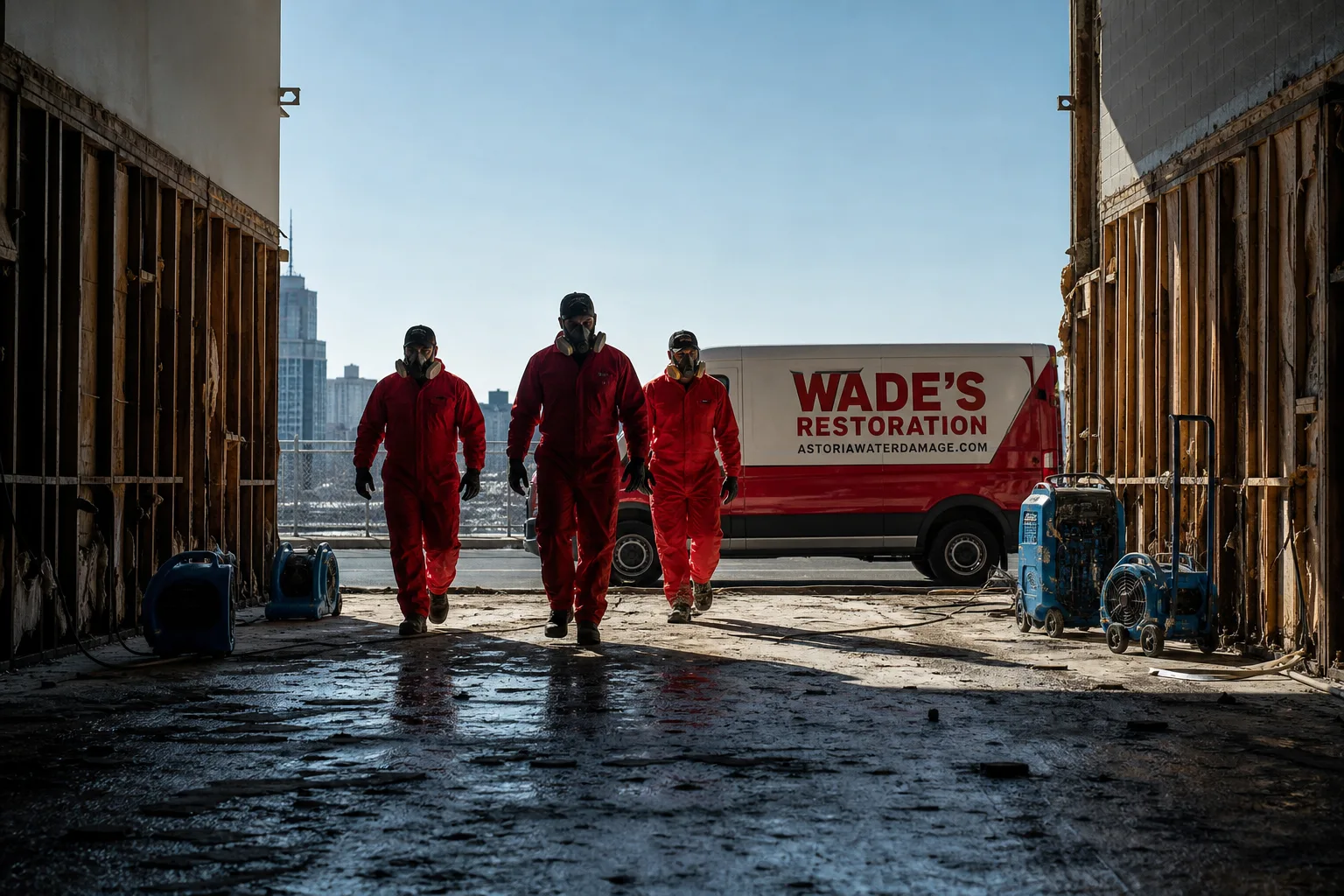
Free visual inspection and a written scope of work before any mitigation begins - photos, moisture readings, and drying logs go in your claim file
The scope we write is the scope we bill. Anything new gets shown to you, in writing, before we touch it.
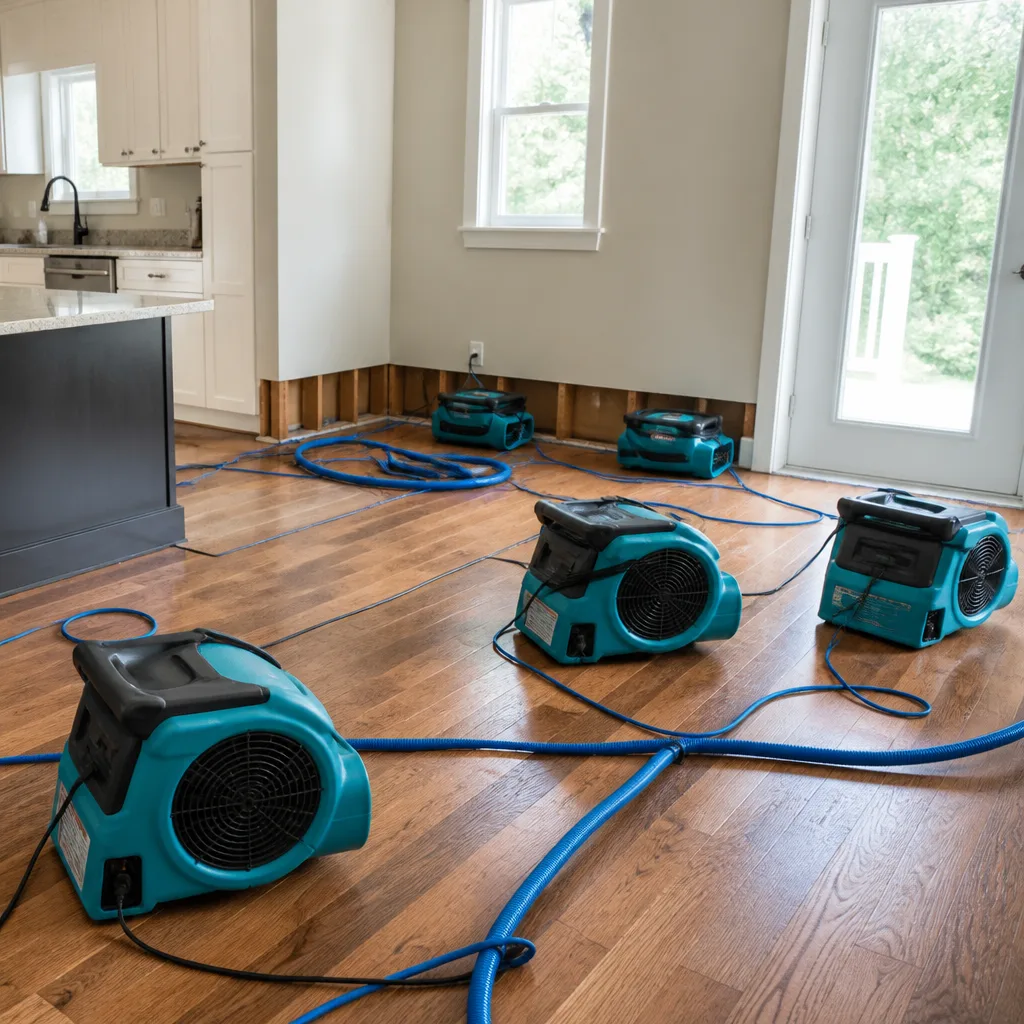
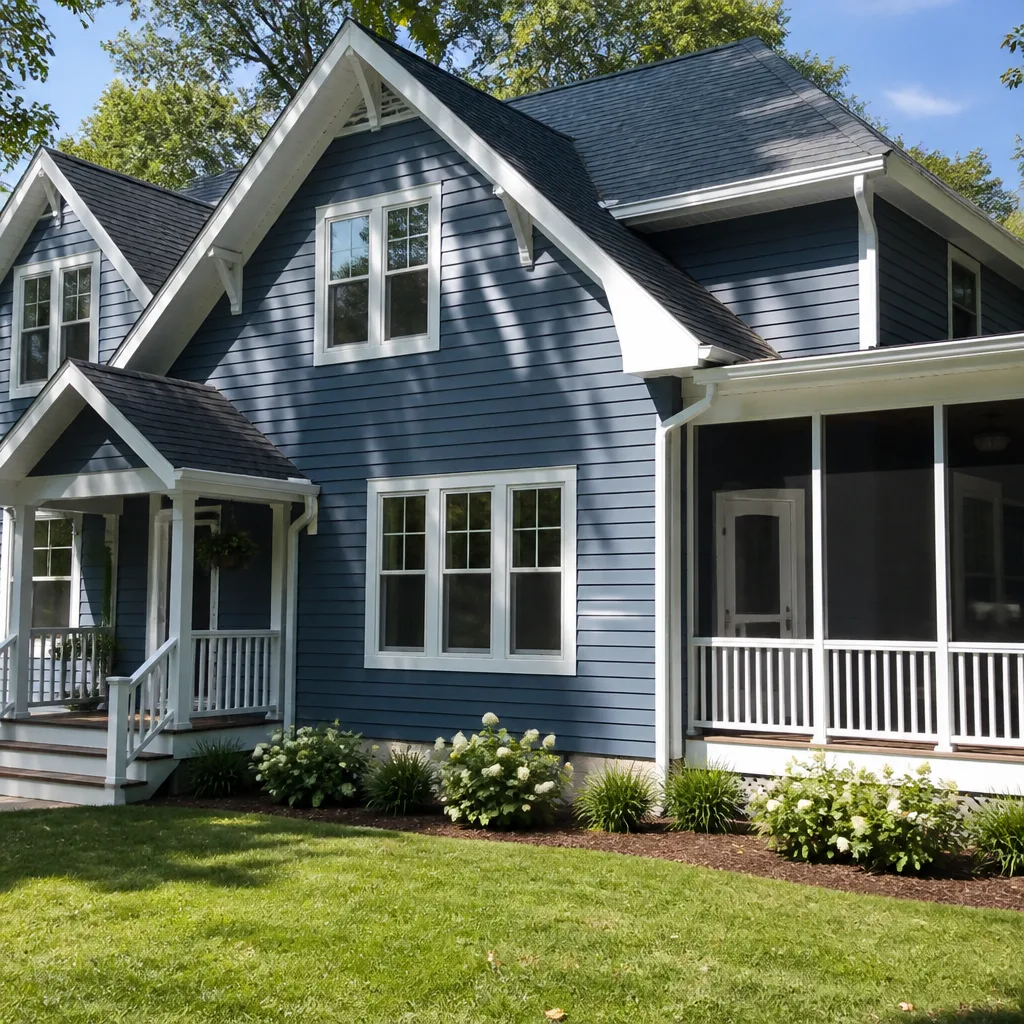
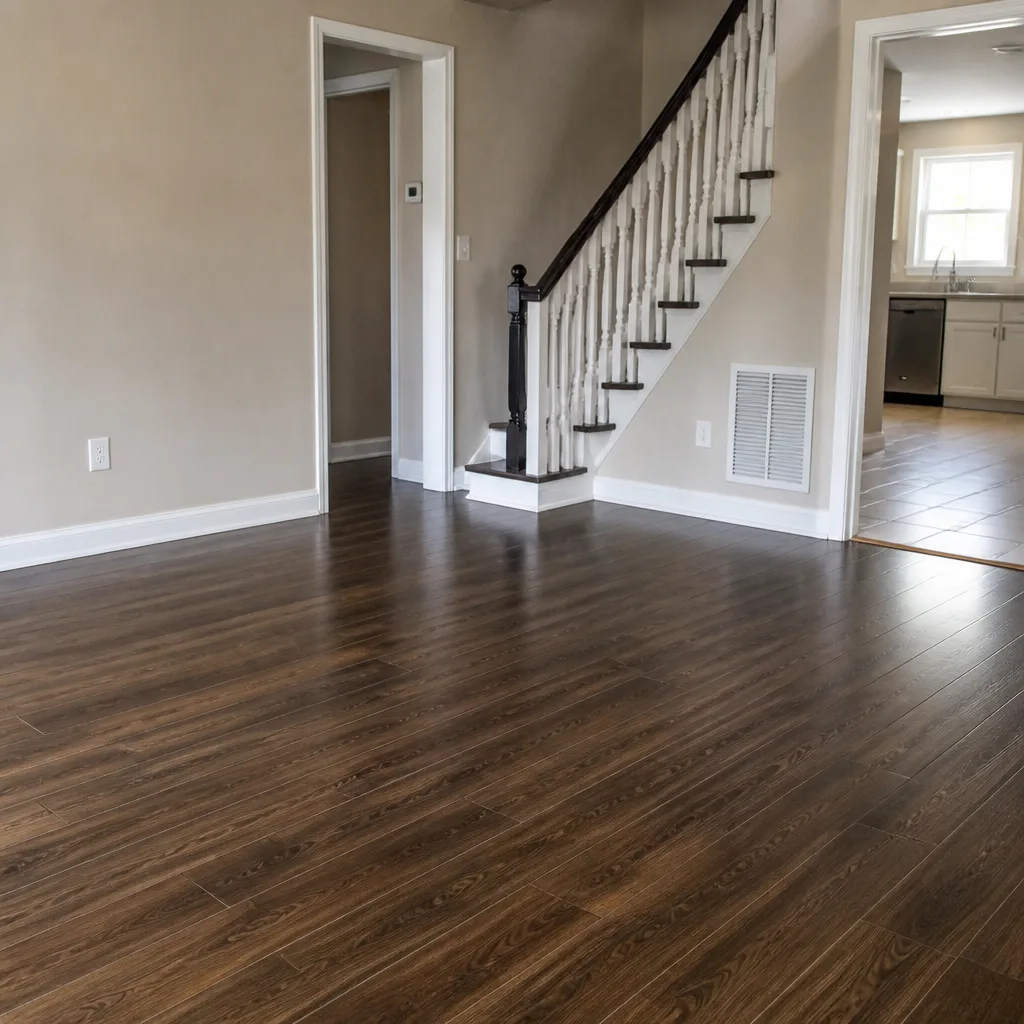
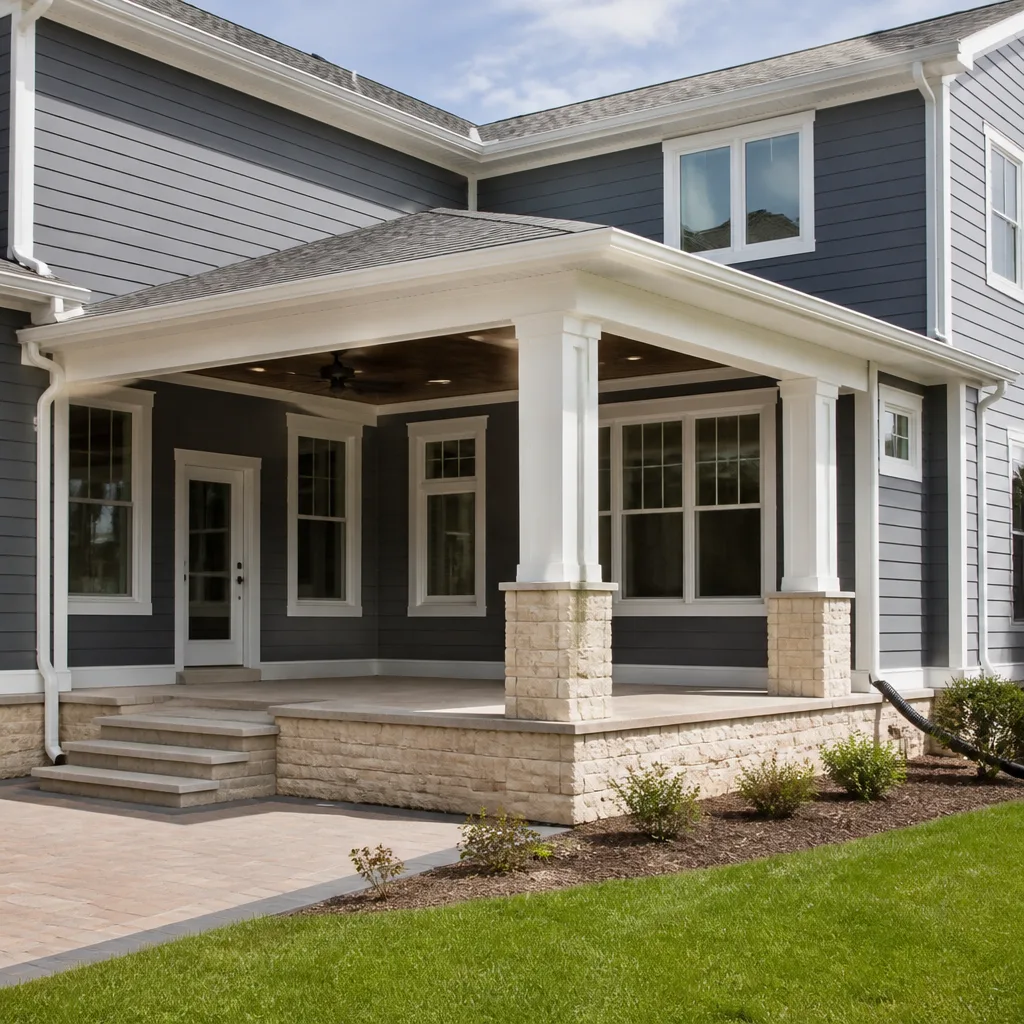
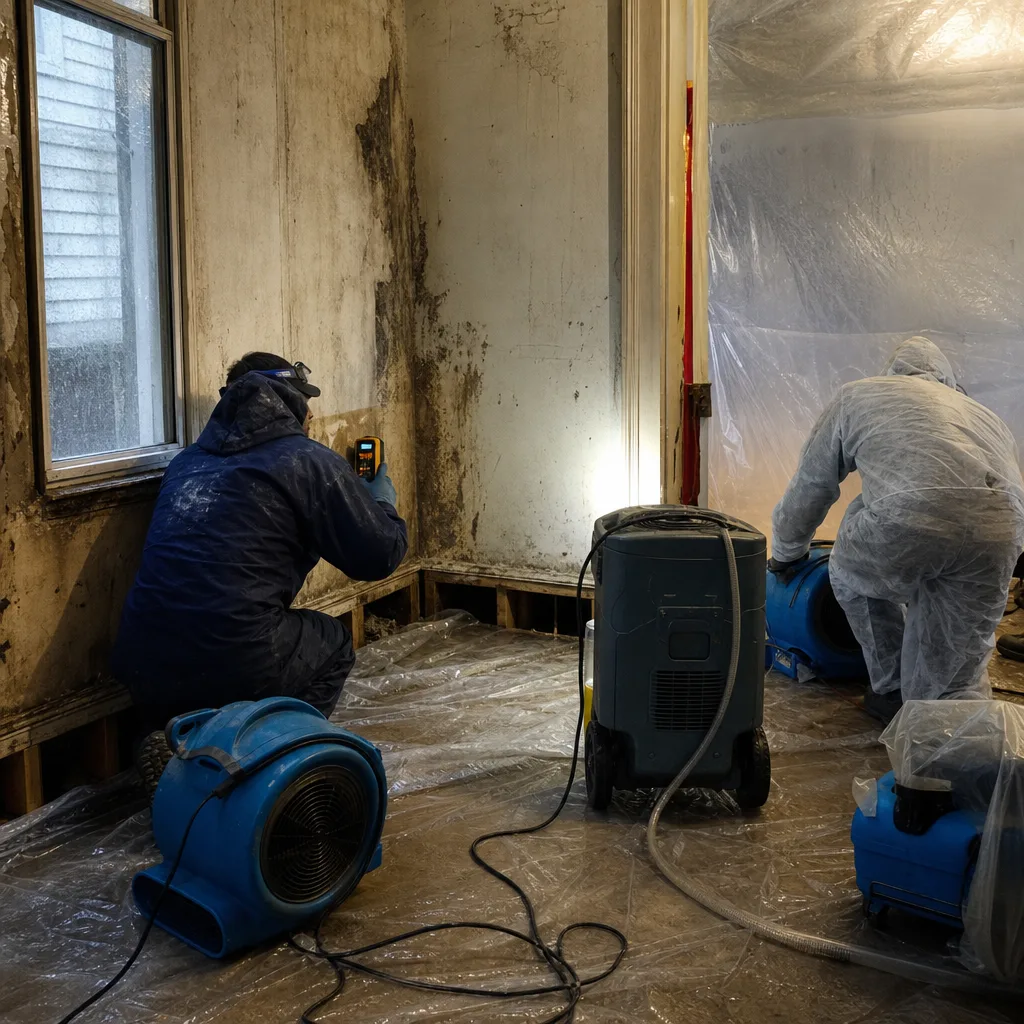 Before
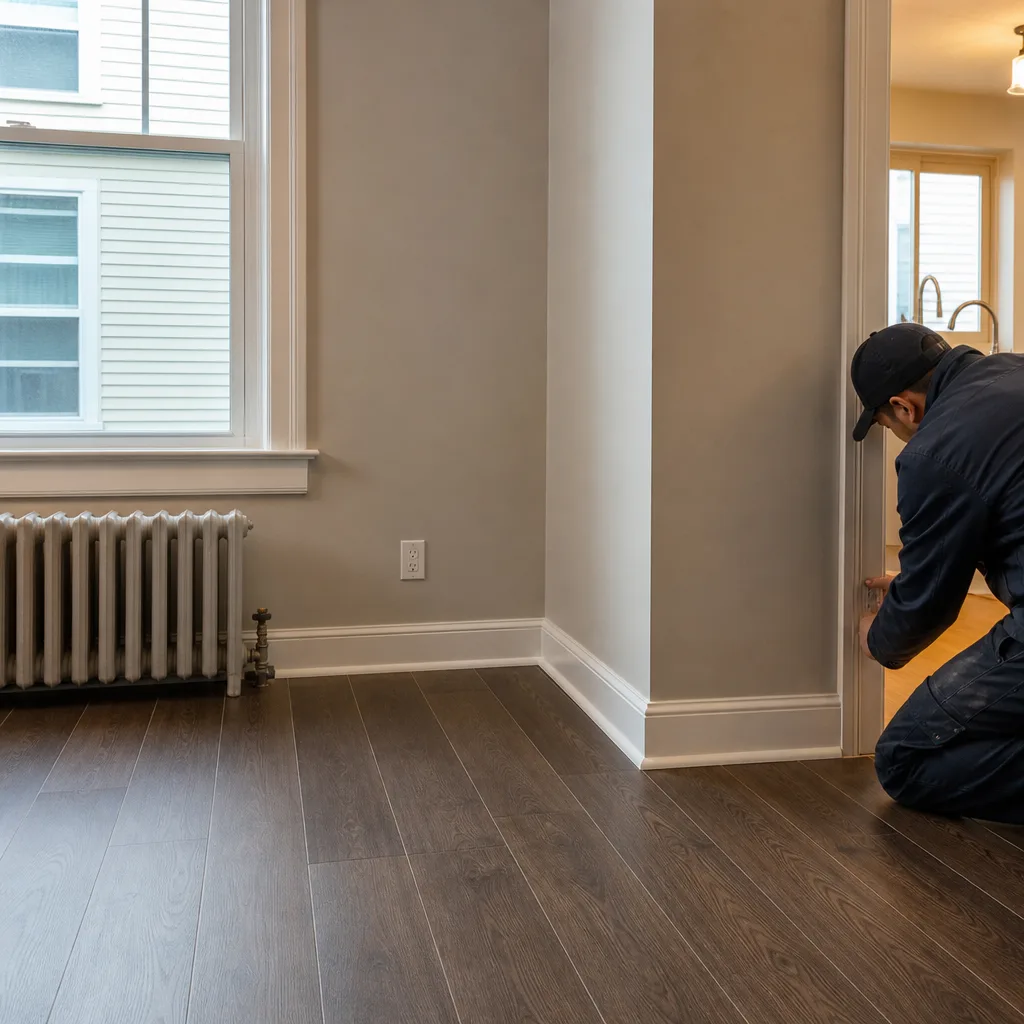 After
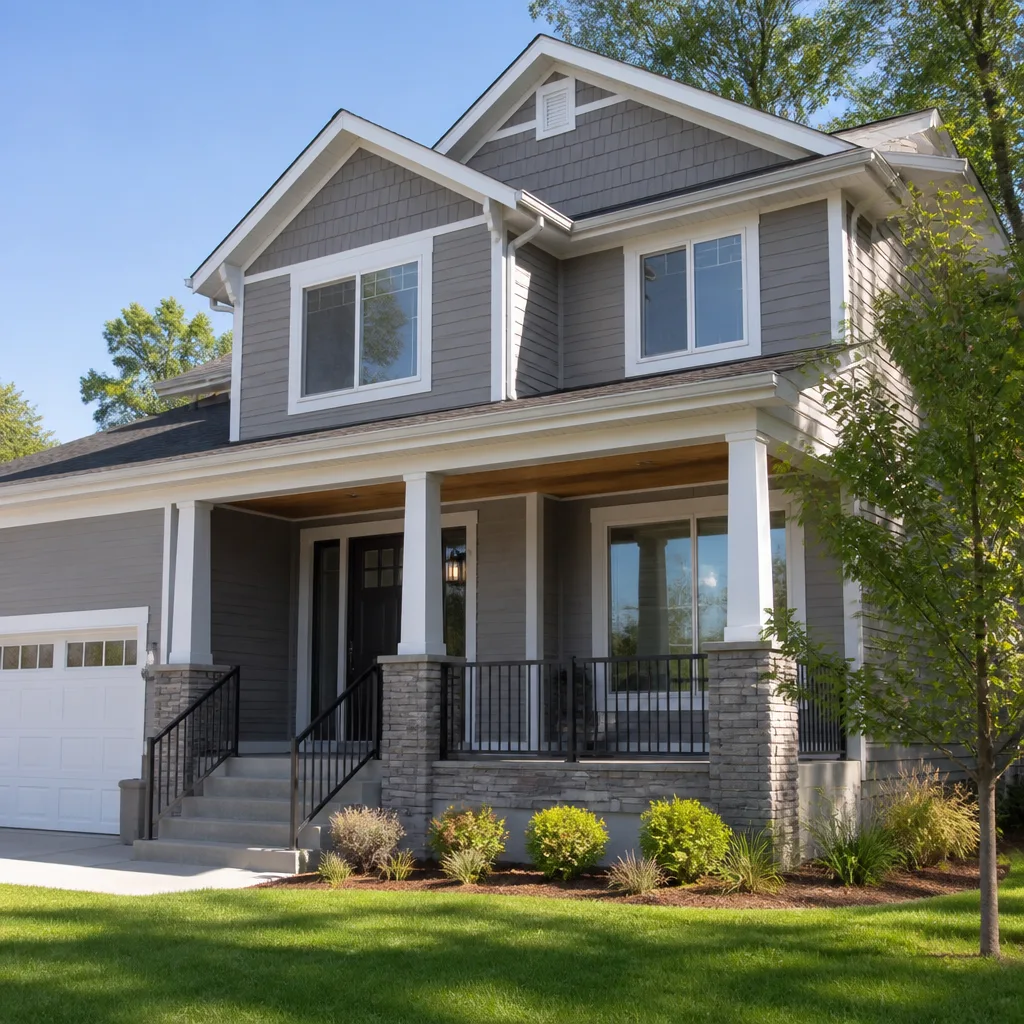
After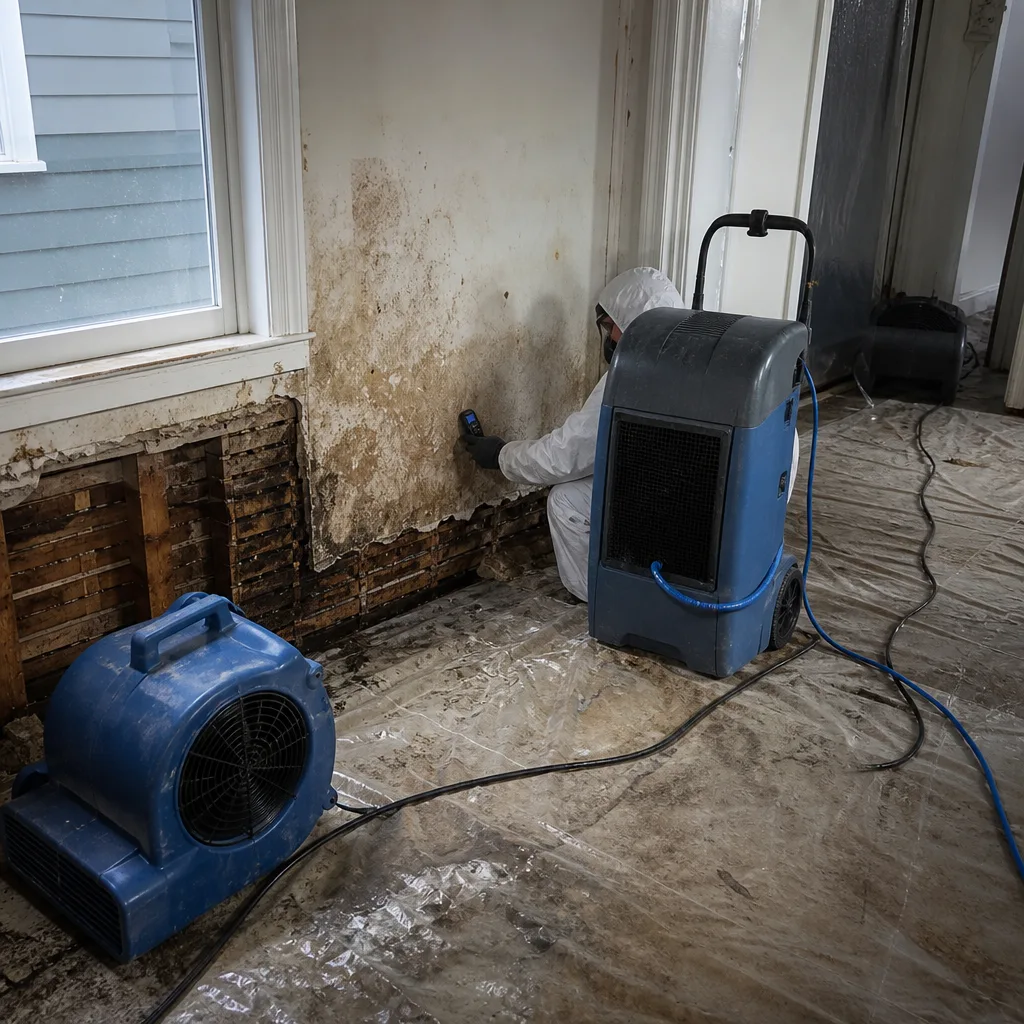 Before
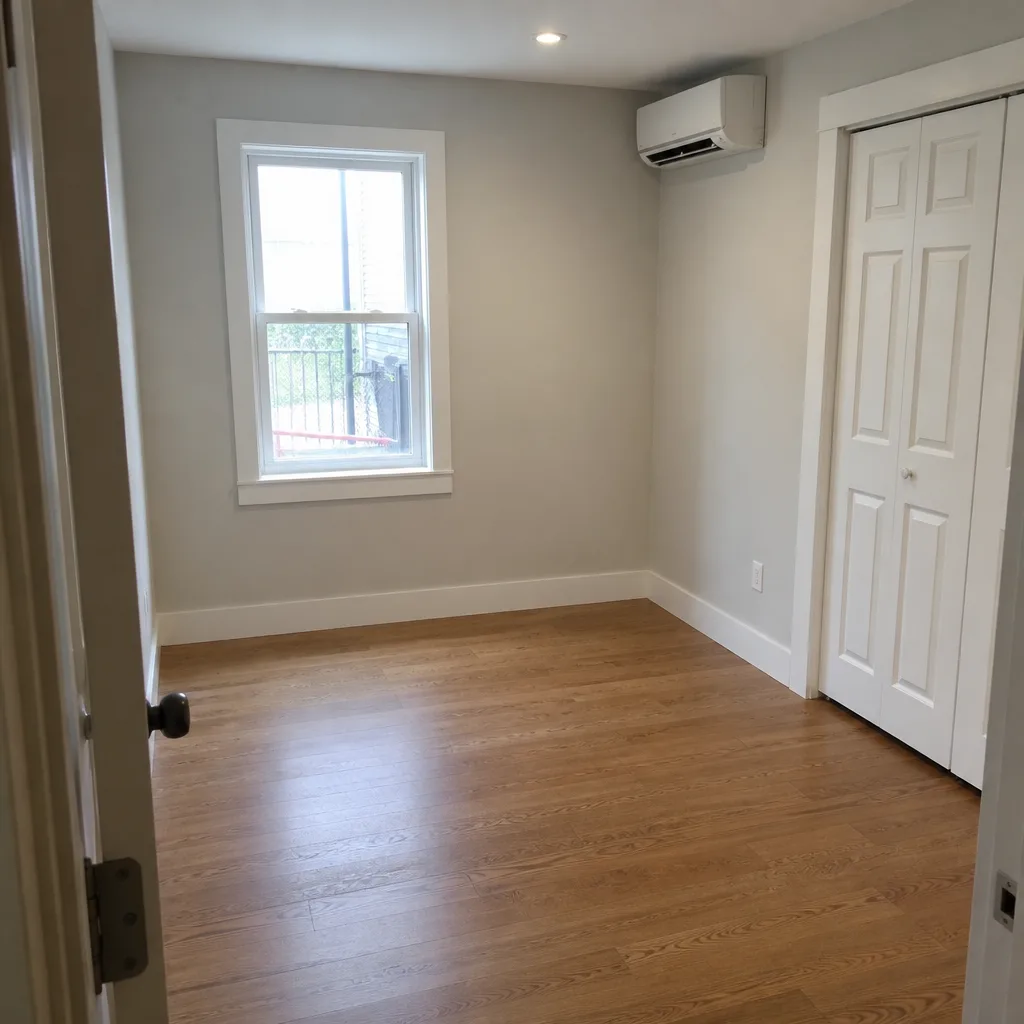 After
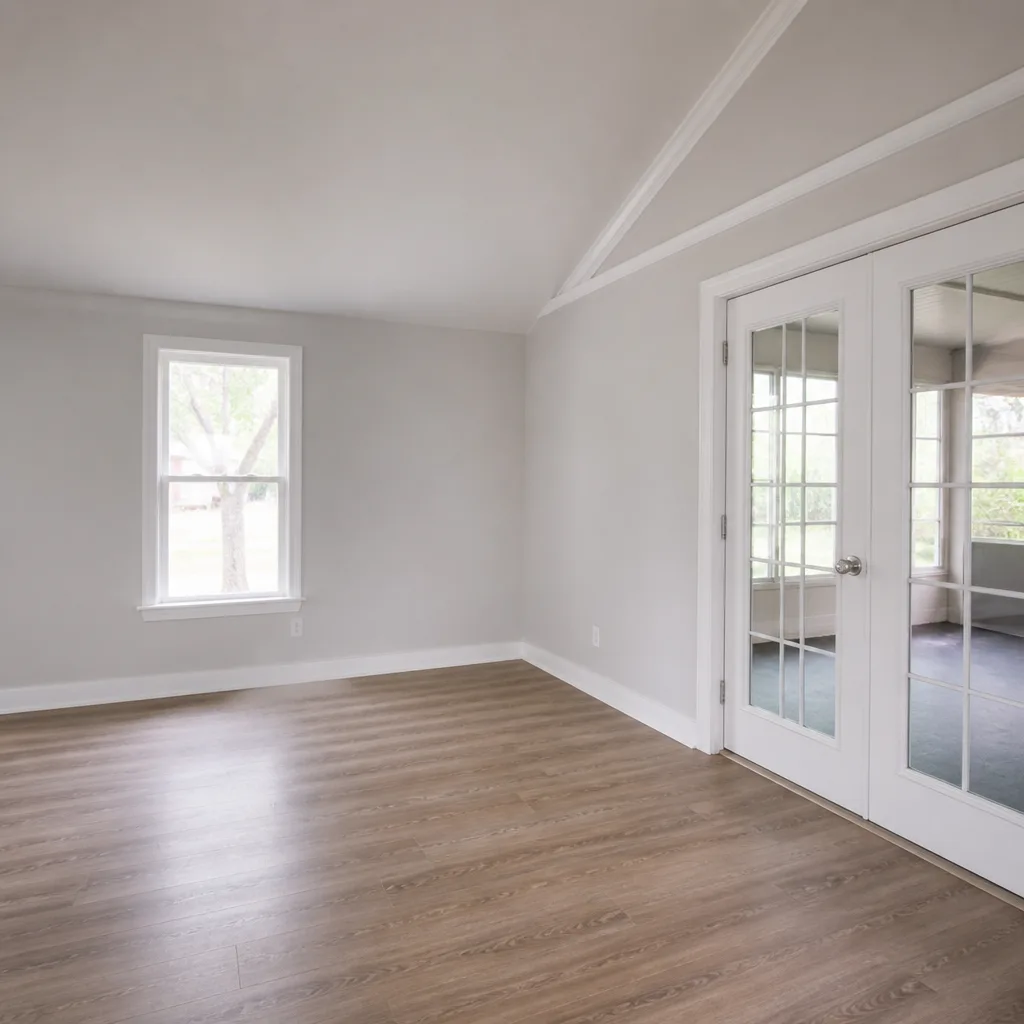
After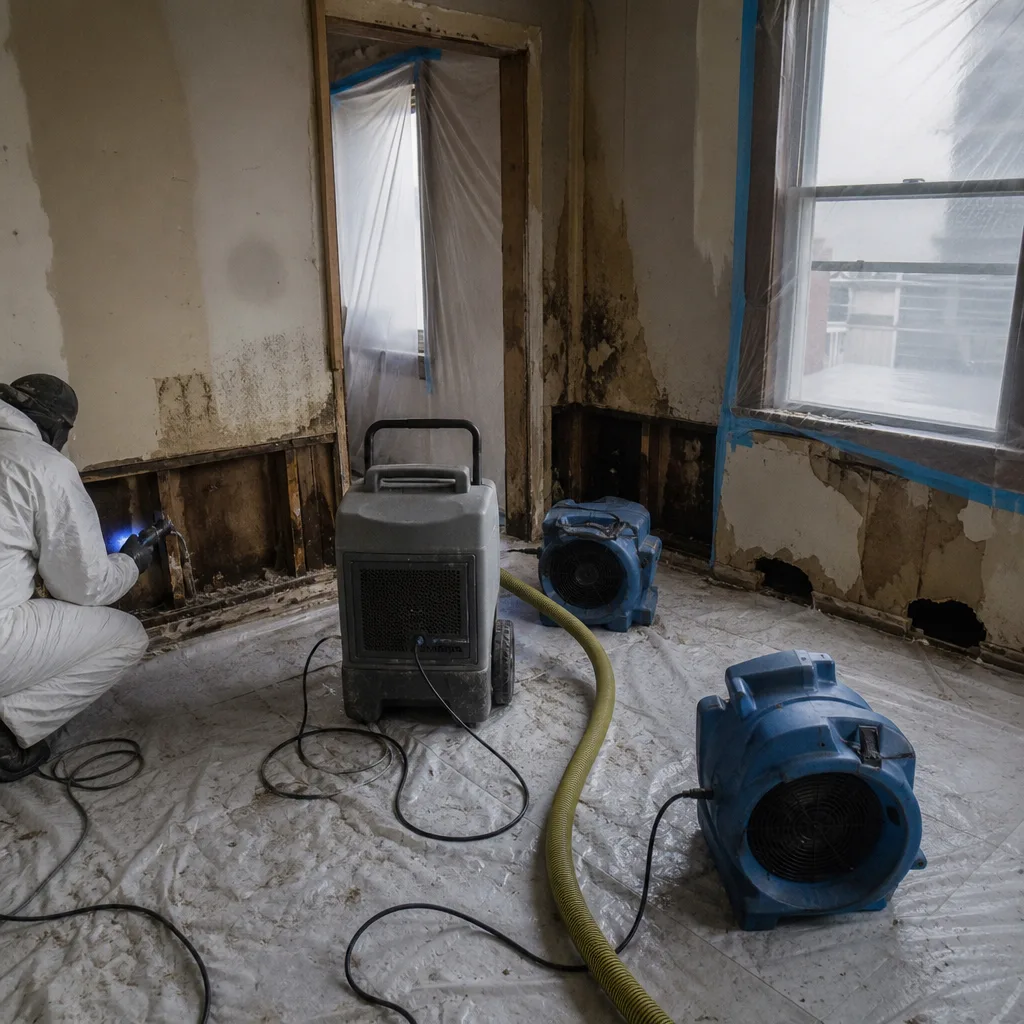 Before
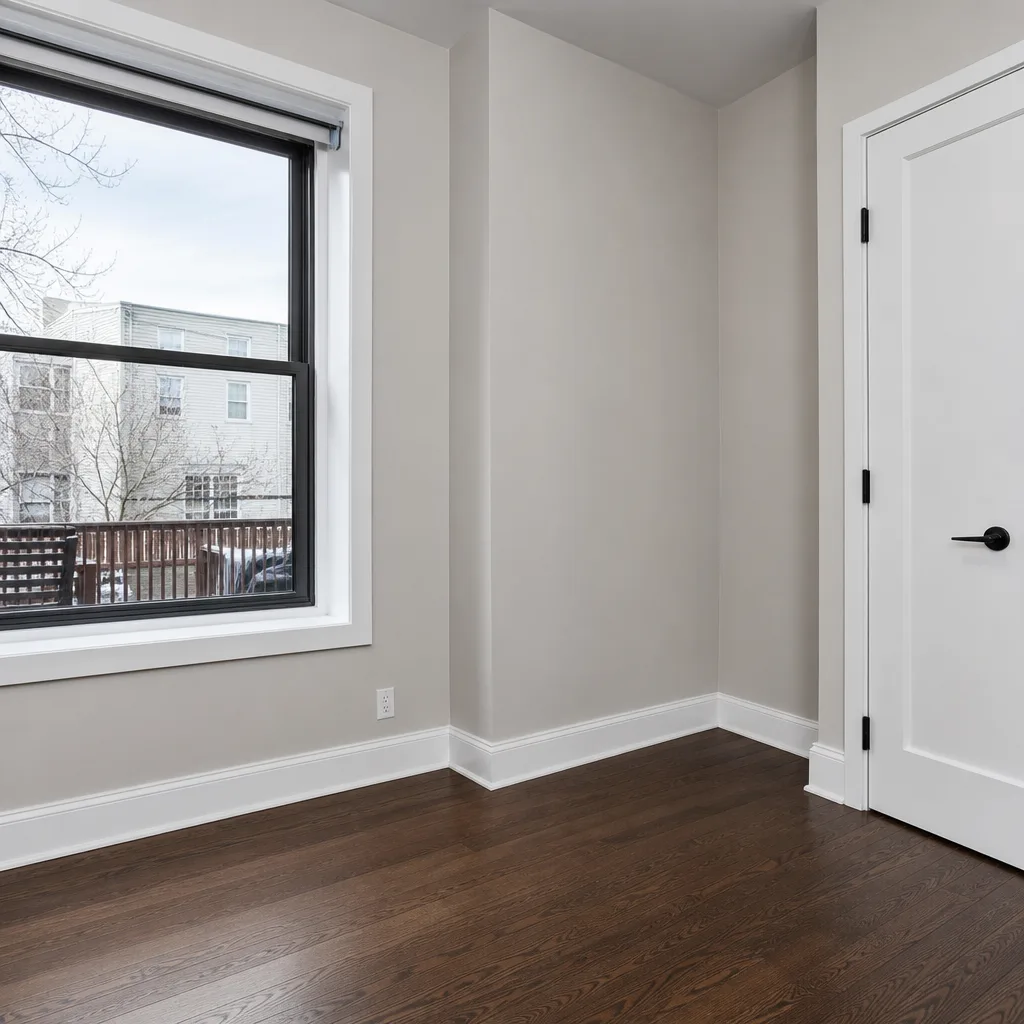 After
After24/7 Emergency Commercial Restoration in Flushing
When water is pouring through the ceiling of your restaurant on Roosevelt Avenue at 2 a.m., or a burst supply line has flooded your storefront near Main Street, you need someone who answers the phone and heads out the door. Call Wade’s Restoration at (363) 208-1526. We answer live around the clock, and our Flushing crews can have equipment running inside the hour. The first 60 minutes after a commercial water loss determine how much inventory, drywall, and flooring you save. Flushing’s older attached buildings share party walls, and that first hour is when water moves laterally into a neighboring unit you don’t even know is wet. A free visual inspection gives you a straight answer about scope before you spend a dime. We document everything with photos and moisture readings from the start, because your insurance carrier will ask for proof. Speed is cheap compared to what delay costs in this neighborhood.
Understanding Commercial Restoration Severity in Flushing Properties
Commercial water damage in Flushing breaks down into three categories, and the difference matters for your insurance claim and your cleanup bill. Category 1 is clean water from a broken supply line or failed water heater. Category 2 is grey water with contaminants, like what pours out of a failed cast-iron drain stack, which is common in Flushing’s 1920s through 1950s rowhouses. Category 3 is floodwater or sewage backup, the kind that backs into below-grade storefronts along the Flushing Creek corridor during heavy rain. For fire losses, the severity depends on soot type: wet soot from smoldering plastics and synthetic inventory bonds to surfaces and needs aggressive cleaning, while dry soot from fast-burning paper or wood can often be wiped from hard surfaces. Mold following any water event requires containment, HEPA air scrubbing, and clearance testing before you reopen. In Flushing’s attached brick buildings, every severity assessment includes moisture mapping of shared party walls, because what starts as a one-unit Category 2 loss often becomes a two-unit Category 2 loss by the next morning.
Why Flushing Property Owners Choose Wade’s Restoration
- 45-minute response commitment when you call with an active water or fire loss and we have a crew available in the Flushing area. Wade heads out promptly.
- A real person answers 24/7. Wade Ferris answers his own phone. No voicemail, no answering service, no corporate queue.
- IICRC-certified crews with WRT, FSRT, and AMRT credentials. We bring the industry-standard playbook to every Flushing job.
- Free visual inspection before any work begins. You get a written scope so there’s no estimate on the phone that changes at the door.
- Direct insurance billing and adjuster coordination. You’re not relaying messages between two sides.
- One team from extraction to reconstruction. The same people who dry your building are the ones who rebuild it. No handoffs to strangers.
Our Commercial Restoration Process
Inspection & Assessment
We arrive, walk the entire affected area, and run thermal imaging and hygrometer readings. On Flushing jobs, we check both adjacent units through shared party walls before writing the scope. Commercial mixed-use buildings get a full below-grade assessment, not just the obvious wet spot.
Extraction & Stabilization
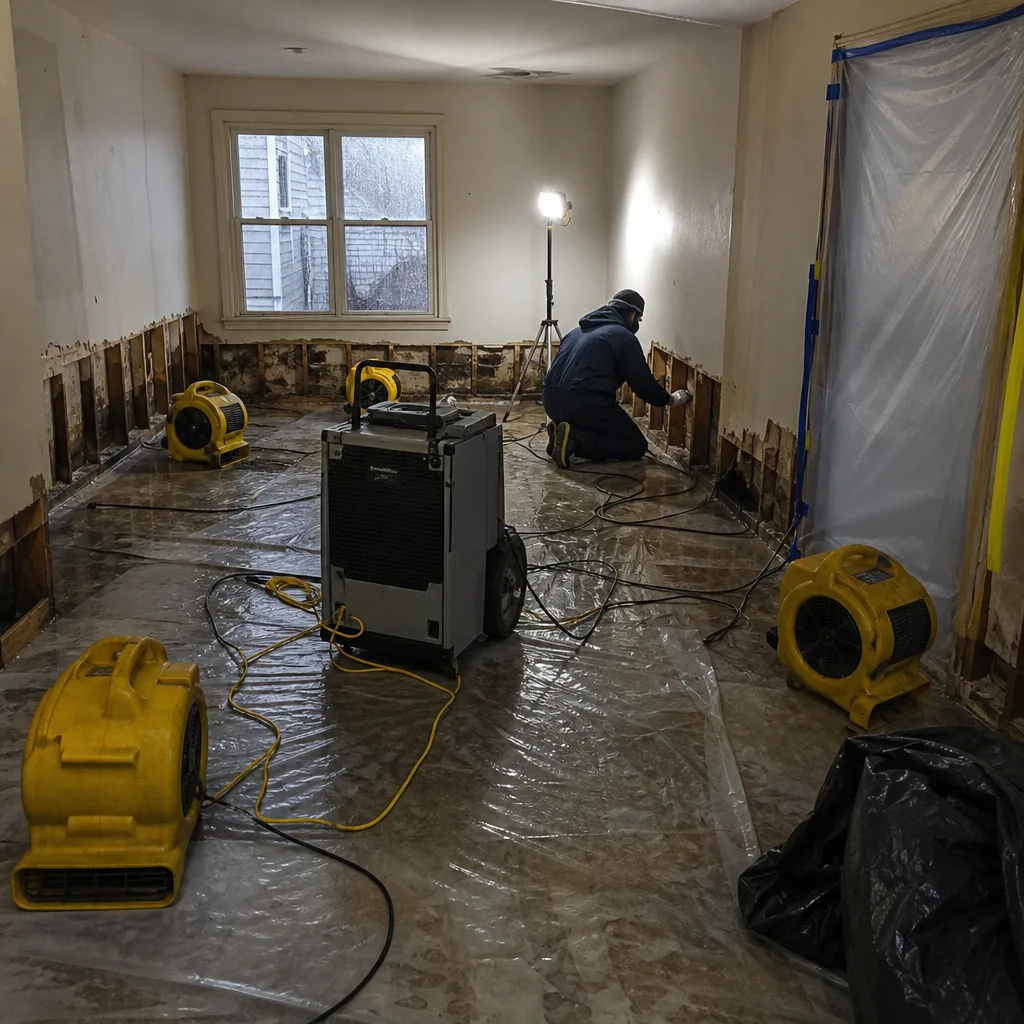
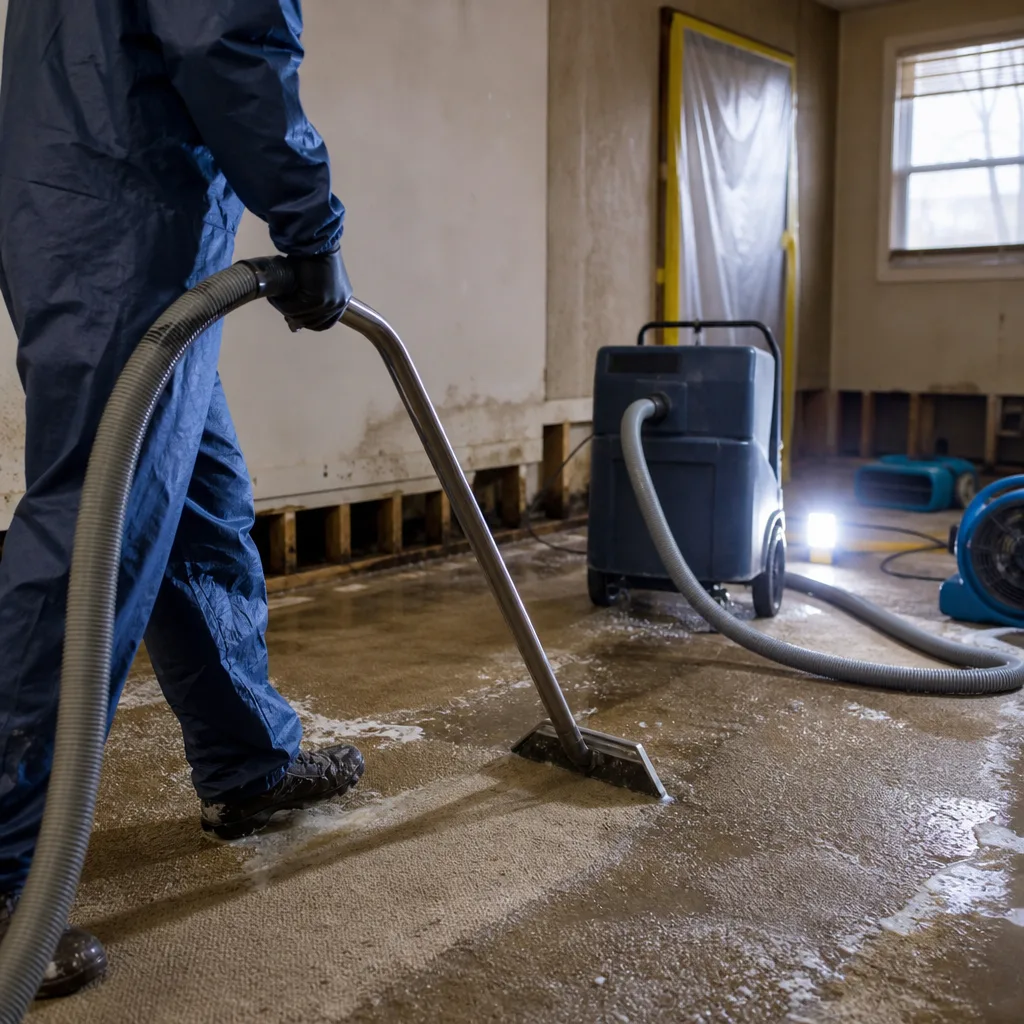
Standing water comes out fast with truck-mounted and portable Dri-Eaz extraction units. We stabilize sagging ceilings, tarp exposed roof openings, and board up broken storefront glass so your space is secure and inventory is protected.
Drying & Dehumidification
Phoenix and XPOWER air movers and LGR dehumidifiers run continuously, with daily moisture readings logged for your insurer. In attached Flushing buildings we place drying equipment in adjacent units too, because lateral moisture wicking doesn’t stop at the party wall.
Cleaning & Sanitization
Every affected surface gets cleaned with commercial-grade antimicrobial treatments. Fire jobs get soot-specific cleaning. Mold jobs get containment and HEPA scrubbing. We don’t just dry the space; we leave it safe to occupy.
Contents & Document Recovery
Inventory, stock, files, and fixtures get triaged. We separate what dries from what gets replaced. Document drying chambers and freeze-drying referrals come into play for water-damaged paper records, depending on the loss.
Repairs & Reconstruction
Drywall, flooring, framing, trim, and paint go back in to match your space. We handle the full rebuild in-house, so you work with one team from the first call to the final walkthrough.
Need Emergency Commercial Restoration in Flushing Now?
Crews minutes away, answering live 24 hours a day. The sooner we start, the less it costs.
Working With Your Insurance Company
You didn’t plan for a flood in your commercial space, and you shouldn’t have to become an insurance expert overnight. We document the loss from the first hour: photos of every affected room, moisture readings plotted over time, and a line-item scope of work that speaks the language adjusters expect. Wade deals with the adjuster directly, which means you’re not stuck relaying information between two sides. The 90-Day Done Right Promise is stamped in writing on every commercial restoration contract. If something isn’t done right, we make it right. That’s how a local owner who lives where he works does business.
What We Provide Your Insurer
- Thorough documentation of the loss
- Photos of all damage, room by room
- Moisture readings and drying logs
- A detailed, line-item scope of work
- Direct coordination with your carrier
Built for Flushing’s Loss Calendar
Flushing’s commercial restoration calendar is driven by real weather patterns that hit this exact geography. In January and February, deep freezes burst supply lines in uninsulated basement shops and exposed pipe runs through 1920s row houses; water flows downward into below-grade storefronts and the surrounding units. Spring thaw brings groundwater seepage through the foundations of older brick buildings, especially where downspouts dump against party walls. Summer thunderstorms in July and August rapidly overwhelm the Flushing Creek drainage basin, backing stormwater into basement commercial spaces well before curbs flood visibly. Nor’easters in October and November drive wind-driven rain into flat and low-slope roofs that dominate Flushing’s older stock. And the FEMA Zone AE mapping along Flushing Bay confirms coastal storm surge remains a real risk, not a historical footnote. We plan our equipment staging around these patterns.
Commercial Restoration Across Flushing’s Neighborhoods
When a restaurant on Main Street near the LIRR station loses a grease-line fire, traffic backs up for blocks and a single closed storefront ripples outward. Our crews know the response routes through the Main Street-College Point Boulevard triangle, and we know that buildings on 41st Avenue are mostly 1930s brick row houses with original cast-iron drains that fail on a schedule. Downtown Flushing’s high-rise condo towers along Roosevelt Avenue present different problems: a plumbing failure on the 12th floor sends water down through 11 floors of commercial and residential space, and a single unit’s fire alarm can empty an entire mixed-use building. The residential blocks off Kissena Boulevard have attached homes with finished basements now used as small offices, daycare centers, and doctors’ clinics; a failed sump pump there means business interruption for three different tenants on one block. Near Flushing Bay, waterfront properties carry the FEMA Zone AE designation, and every estimate includes flood-water protocol. The college area around Queens College has a mix of 1950s commercial strips and newer infill, where roof drainage from flat roofs pools against rear loading docks. Each corridor has its own failure pattern.
Specialized Commercial Restoration Services We Offer in Flushing
Office & Retail Restoration
Retail storefronts below street grade along Roosevelt Avenue and Main Street are the most common call we take in Flushing. Category 2 and 3 water events in these spaces mean wet inventory, soaked drywall, and a door that stays closed until the space is dry and cleared. We restore the interior and triage your stock in the same pass.
Multi-Unit & HOA Restoration
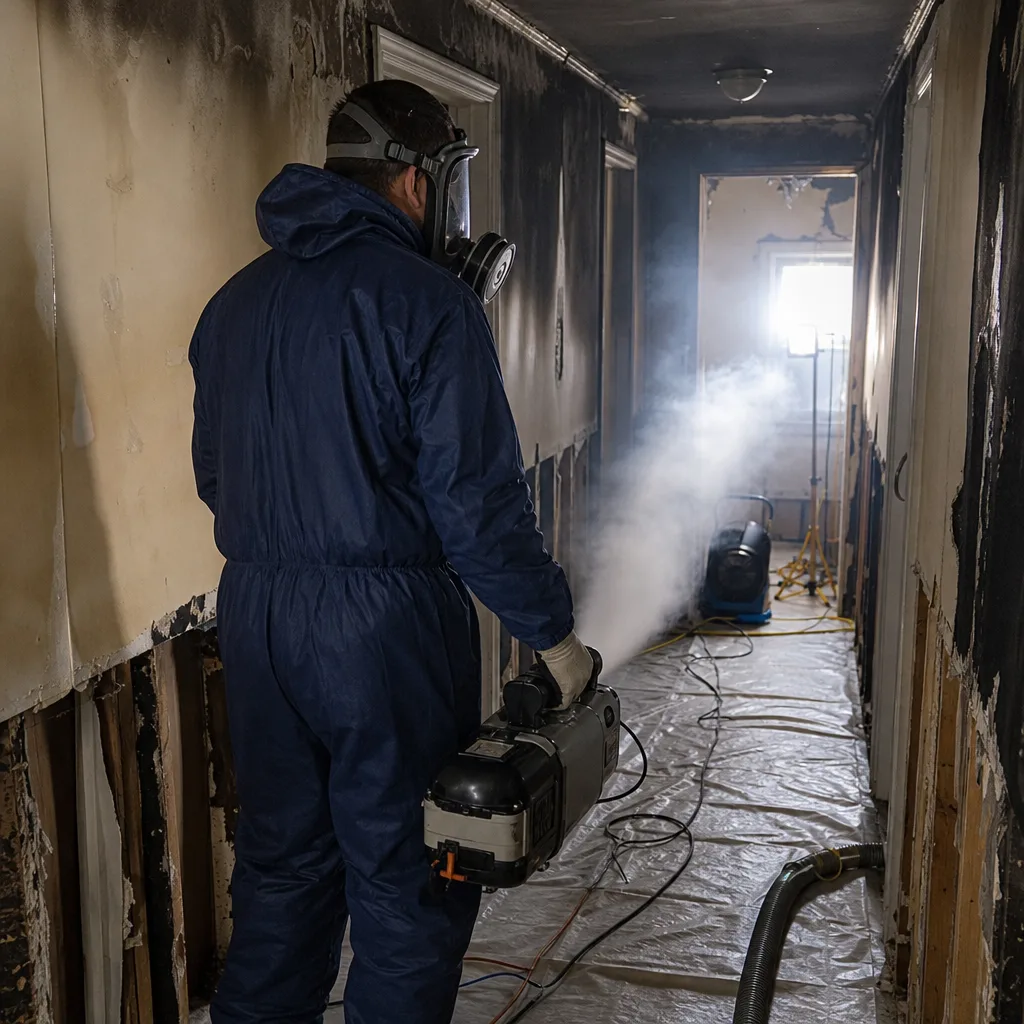
Attached and semi-detached two- and three-family buildings, condo towers, and HOA-managed blocks in Flushing demand exactly the party-wall moisture mapping we specialize in. When one unit floods, we scope both adjacent units before writing a single estimate. This is the only way to catch hidden lateral migration before it becomes a mold problem the HOA has to explain to every owner.
Industrial Facility Cleanup
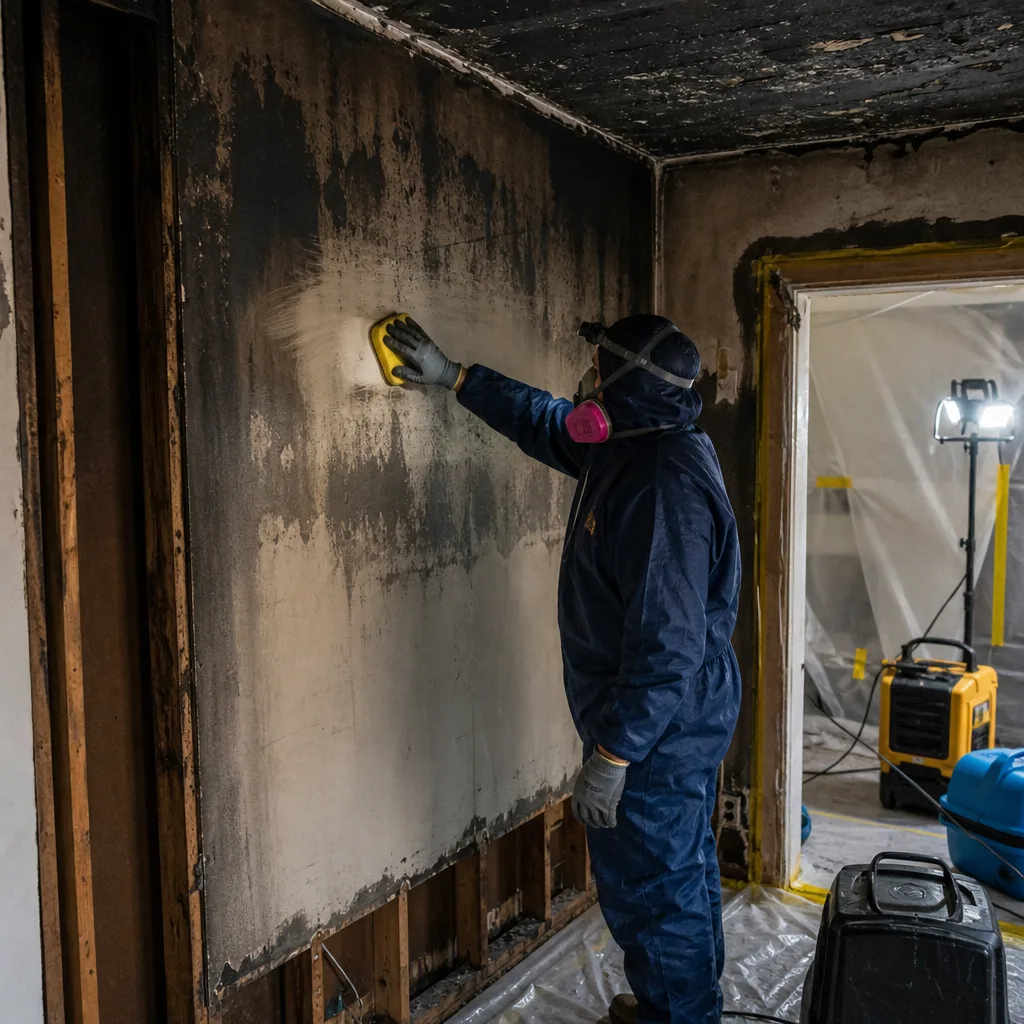
Warehouses and light industrial buildings near College Point Boulevard and the Flushing Creek waterfront carry flood risk from the drainage basin. We handle large-scale extraction, dehumidification, and inventory recovery in spaces with concrete floors, steel racking, and roll-up doors. The drying strategy for a 20,000-square-foot warehouse is different from a 500-square-foot storefront, and we’ve run both in this neighborhood.
Large-Loss Response
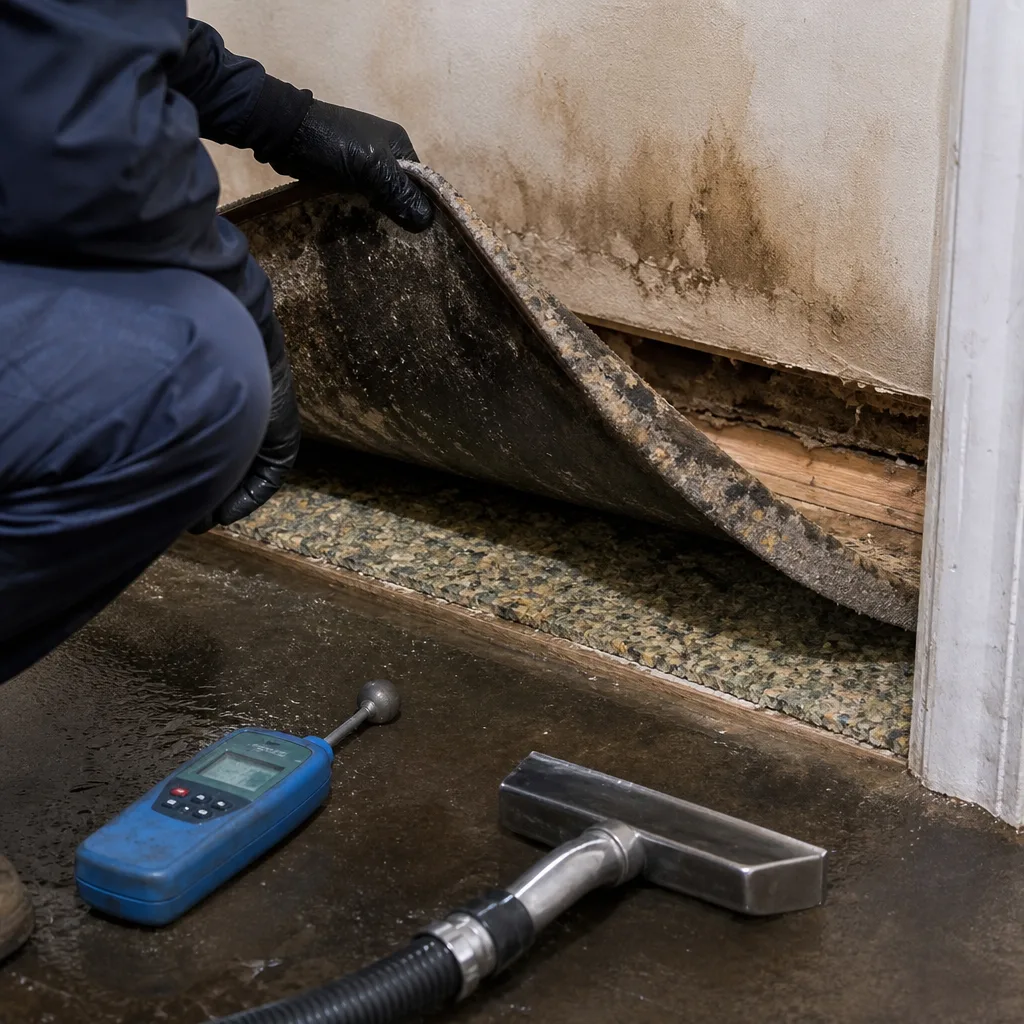
A fire in a downtown Flushing mixed-use high-rise or a flood that takes out an entire block of attached commercial storefronts requires more than a truck and a few fans. We have done this in Flushing’s party-wall buildings. Large-loss response means multiple crews working simultaneously, staging areas on the street, a documented drying plan for every affected unit, and direct communication with every owner and tenant.
Business Interruption Minimization
Every day your Flushing storefront is closed costs rent plus lost sales. Our crews work with the goal of reducing your downtime, not just drying your building. We sequence the work to get the front-of-house open before the back-of-house is fully rebuilt where safe, and we document everything for the business interruption portion of your claim.
What happens when you call
- 1
A real person answersNo phone trees - you reach a local pro.
- 2
You get an upfront price rangeHonest numbers before anyone is dispatched.
- 3
A background-checked tech heads outLicensed & insured, dispatched right away.
- 4
You approve before work beginsNothing starts until you say go.
Commercial Restoration Costs in Flushing, NY
Honest numbers from this market: a single-storefront water extraction and drying job in Flushing typically runs $3,200 to $6,800, depending on how far the water migrated and whether adjacent units through party walls were affected. A Category 3 flood cleanup with cut-out drywall, sanitization, and drying in a below-grade retail space often lands between $8,000 and $18,000. Fire damage restoration for a small restaurant or retail shop starts around $9,000 and can reach $40,000 for a larger mixed-use loss with smoke migration through shared ductwork. Multi-floor condo water losses in downtown Flushing high-rises routinely cost $15,000 to $60,000 because of vertical migration through ceiling cavities. What moves the price: how long the water sat before extraction started, whether shared party walls need to be opened and dried, whether inventory must be triaged, and whether the damage is Category 2 or Category 3. The free visual inspection gives you a firm written scope before any work starts. Call (363) 208-1526 to schedule one.
We Also Serve Cities Near Flushing
Our Flushing crews also respond to commercial losses in Astoria and Long Island City, where many of the same attached-building and below-grade flood risks apply. If your property sits just outside Flushing proper, call and ask whether we can reach you. We’ll give you a straight answer. See our pages for Commercial Restoration in Flushing for the full local breakdown.
Flushing Commercial Restoration Questions, Answered
How do you handle water damage that spreads from one Flushing storefront to the next through shared brick party walls?
We scope both units before writing a single estimate because Flushing’s attached brick party walls wick moisture laterally, and Category 2 water from a failed drain stack in one storefront often shows up hidden in the adjacent basement days later. After a cast-iron drain stack failed in a 1930s brick row house on 41st Avenue near Main Street, our techs found category 2 water migrating through the shared party wall into the adjacent storefront’s finished basement, hidden behind Korean-language signage. We ran moisture mapping across both units, set up containment and air movers in each, and pulled the wet drywall within 24 hours to stop mold before it could start, documenting drying logs that kept both business owners’ claims moving. Call (363) 208-1526 and we’ll check the neighboring unit at the same time as yours, no extra charge for that assessment.
What makes Flushing’s flood damage different from neighboring Corona or Bayside during heavy rain?
Flushing sits at the inland terminus of Flushing Bay along the Flushing Creek corridor, a FEMA-designated flood zone that cuts through the neighborhood’s most densely built blocks, and its concentration of finished basement dwelling units and below-grade storefronts means a single heavy rain event floods dozens of attached row houses and mixed-use buildings along connected party walls at once. In Corona or Bayside the same storm produces scattered individual losses. Here, damage restoration is not a single-property business: crews arrive at one basement call and discover standing water in two or three laterally adjacent units on the same block.
Can you restore documents and inventory in a Flushing commercial space after a category 3 flood?
Yes, with a hard decision point: category 3 floodwater-contaminated paper, cardboard packaging, and porous inventory in older row house basements often cannot be dried in place because the floodwater leaves behind pathogens. We triage waterlogged documents, separate what can be freeze-dried from what gets photographed and documented for the claim, and we cut out contaminated drywall rather than attempting to dry it in place under your inventory shelving. Saving what’s savable and documenting what’s not is a Flushing-specific necessity in these below-grade storefronts.
How quickly do you respond to a water emergency at a mixed-use condo building in downtown Flushing?
We aim to have equipment running inside 45 minutes when you call with an active water loss in the downtown Flushing high-rise district. Vertical water migration through ceiling cavities in these 1990s and 2000s condo towers makes the first hour critical, because a plumbing failure on an upper floor affects every commercial space below it. Wade answers his own phone at (363) 208-1526 and heads out himself for the initial assessment.
Do you handle business interruption claims for Flushing retailers after a fire or water loss?
Yes. We sequence restoration work to get your front-of-house open before back-of-house is fully rebuilt where safe, and we provide the documented drying logs, daily progress notes, and clear scope-of-work timelines that business interruption claims require. We deal with your adjuster directly, so you’re focused on your customers and your store, not on interpreting policy language.
Will my commercial insurance cover restoration in Flushing’s flood zone?
That depends on your policy and your flood coverage, but here’s what we know from working Flushing claims near Flushing Bay: standard commercial property policies typically cover sudden burst-pipe water damage, while NFIP flood coverage is a separate line that kicks in for rising surface water from the drainage basin. The free visual inspection includes thorough photo documentation of exactly what happened and when, which is what your carrier needs before it decides what to cover.
How long does commercial drying take in an older Flushing rowhouse?
Most single-unit commercial water losses in Flushing’s 1920s through 1950s brick buildings dry in 3 to 5 days with continuous dehumidification and air movement. Attached buildings with party-wall migration take longer, often 5 to 7 days, because we’re drying both units and monitoring moisture in the shared brick wall itself. We hand you a printed drying log at job’s end showing the daily readings from every moisture sensor we placed.
What should I do in the first 30 minutes after discovering water in my Flushing storefront?
Shut off the water source if you can safely reach it, cut power to any wet outlets or electrical equipment, move stock up off the floor if it’s dry enough to handle, and call (363) 208-1526. Don’t plug anything into wet areas. Don’t try to dry a category 3 flood with household fans. The less time water sits, the less we need to cut out and the sooner you reopen. Wade will tell you over the phone exactly what to do before he arrives.
Serving Flushing, NY - Our Local Coverage Area
We’re based in the Flushing area and know this community well. Use the map below to see our service coverage - if you’re nearby, we can almost certainly help.
Call Wade’s Restoration for Commercial Restoration in Flushing
If water is running, smoke is spreading, or mold is blooming in your Flushing commercial space, call (363) 208-1526 right now. Wade Ferris answers his own phone. You’ll get a straight answer, a free visual inspection, and a written scope before any work begins. Our Commercial Restoration team handles the full job, from first extraction to final walkthrough, with the 90-Day Done Right Promise on every contract. To wade is what you do through a flooded basement at two in the morning, and it happens to be his name. Ask anyone on your street. Then call.
Written by Wade Ferris, Owner at Wade’s Restoration, serving Flushing and surrounding communities since 2007.