
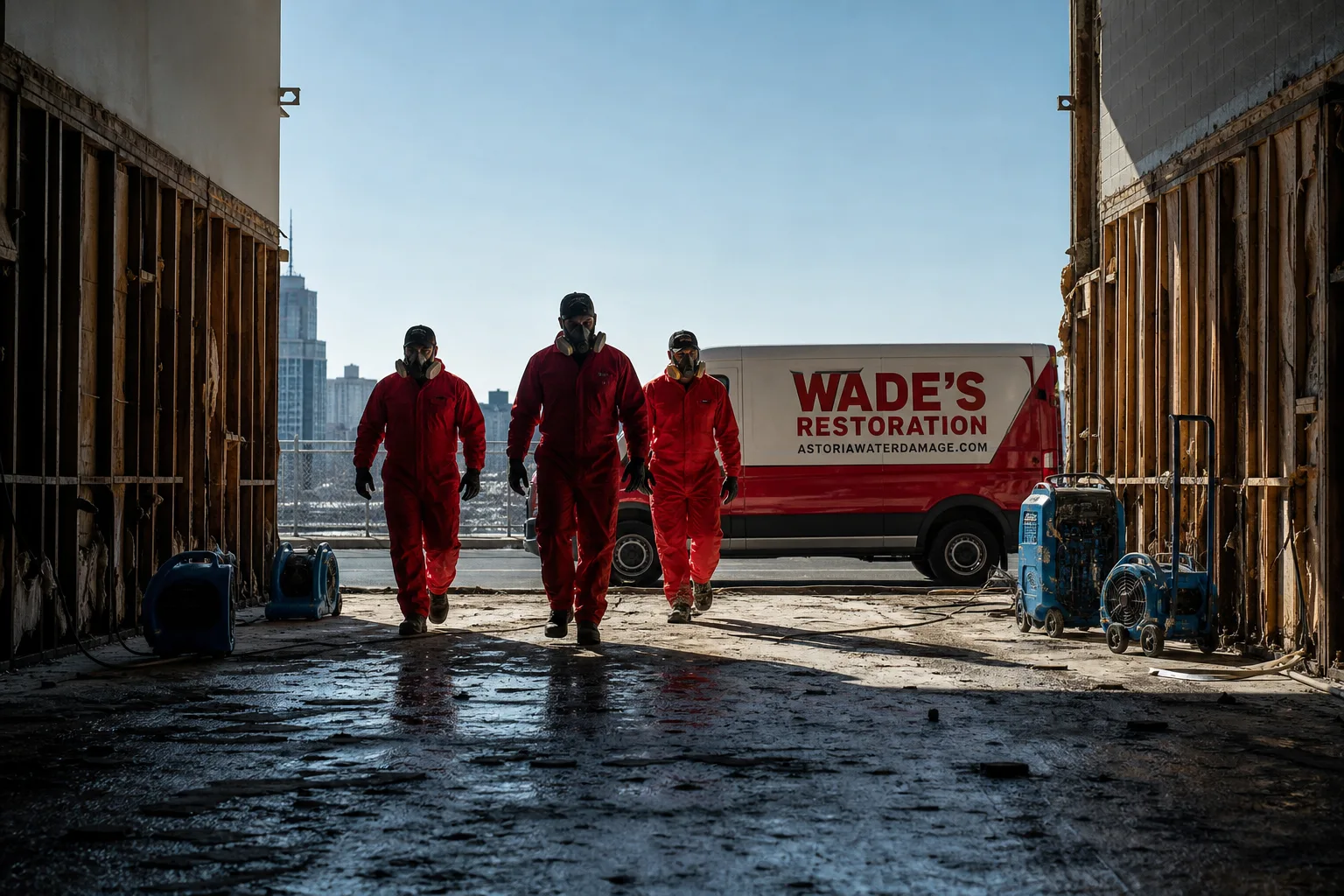
Free visual inspection and a written scope of work before any mitigation begins - photos, moisture readings, and drying logs go in your claim file
The scope we write is the scope we bill. Anything new gets shown to you, in writing, before we touch it.
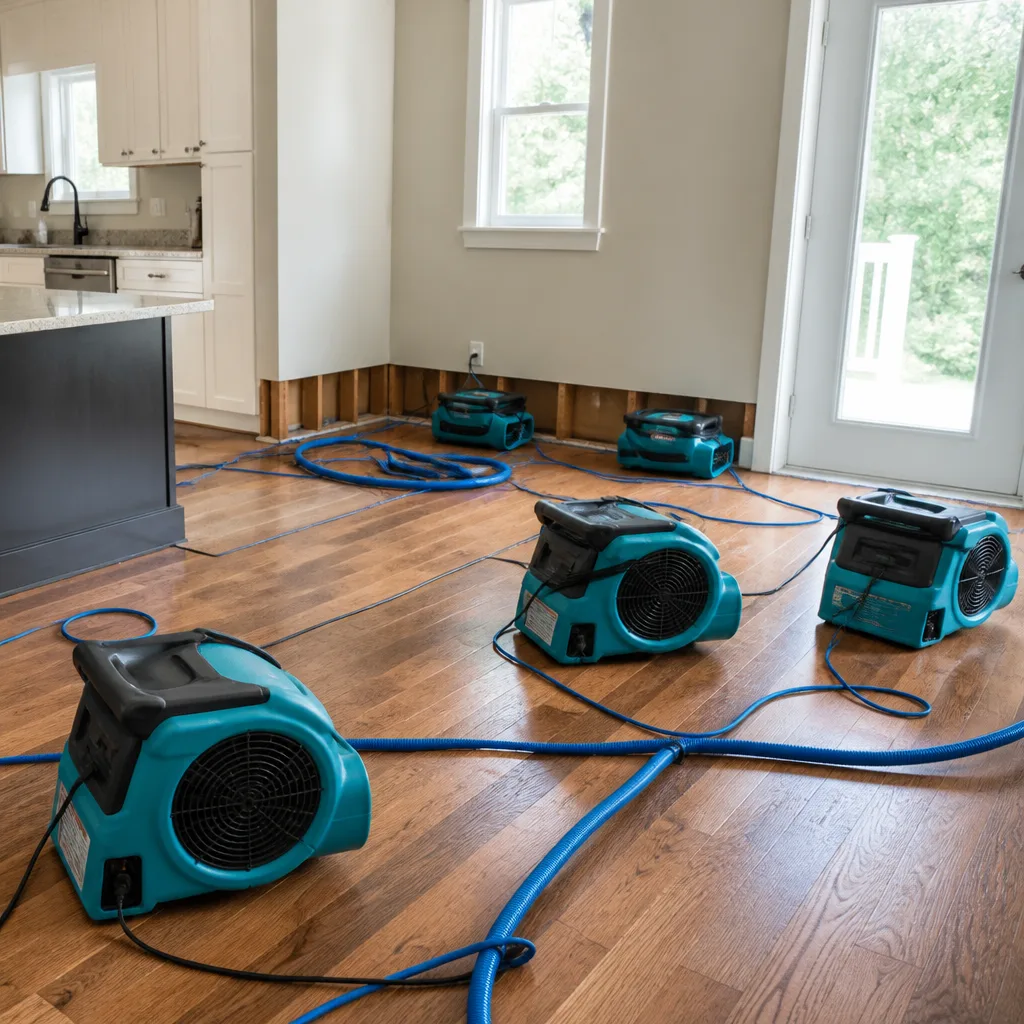
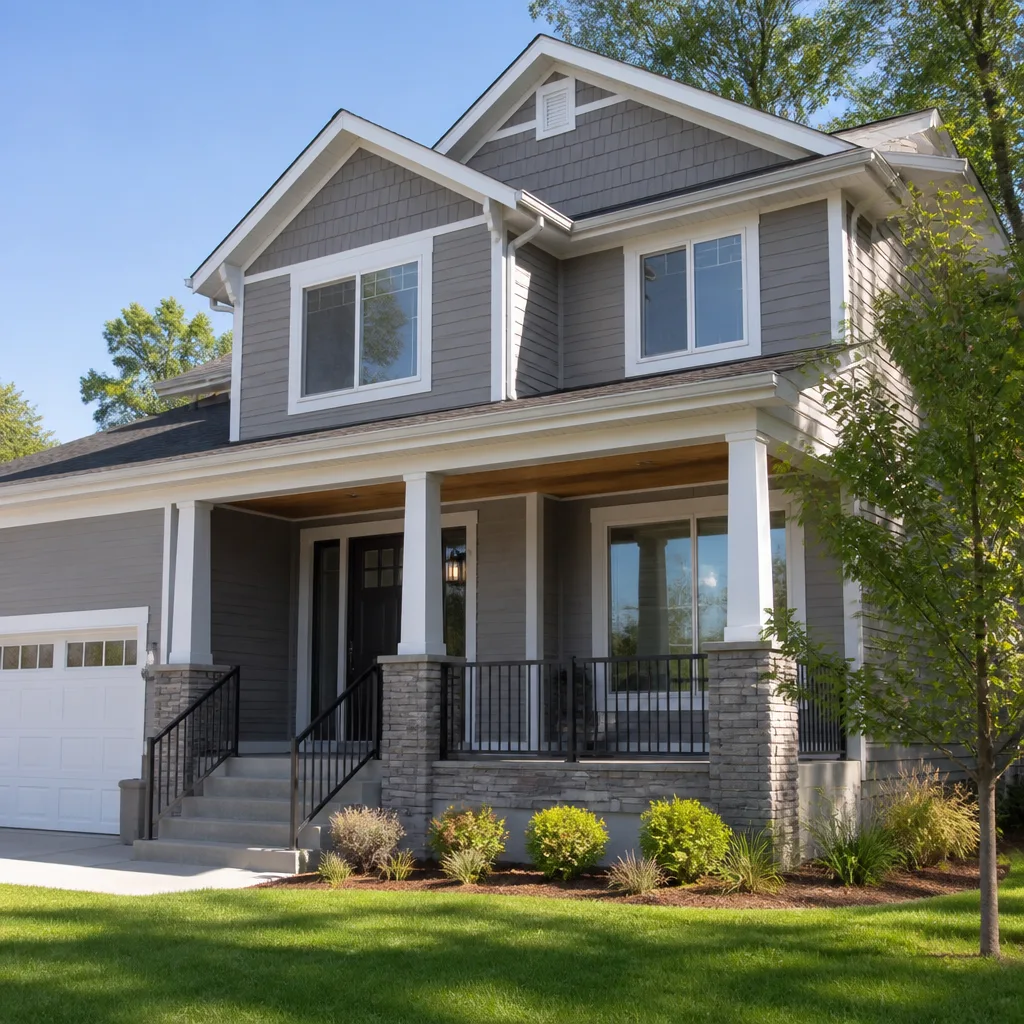
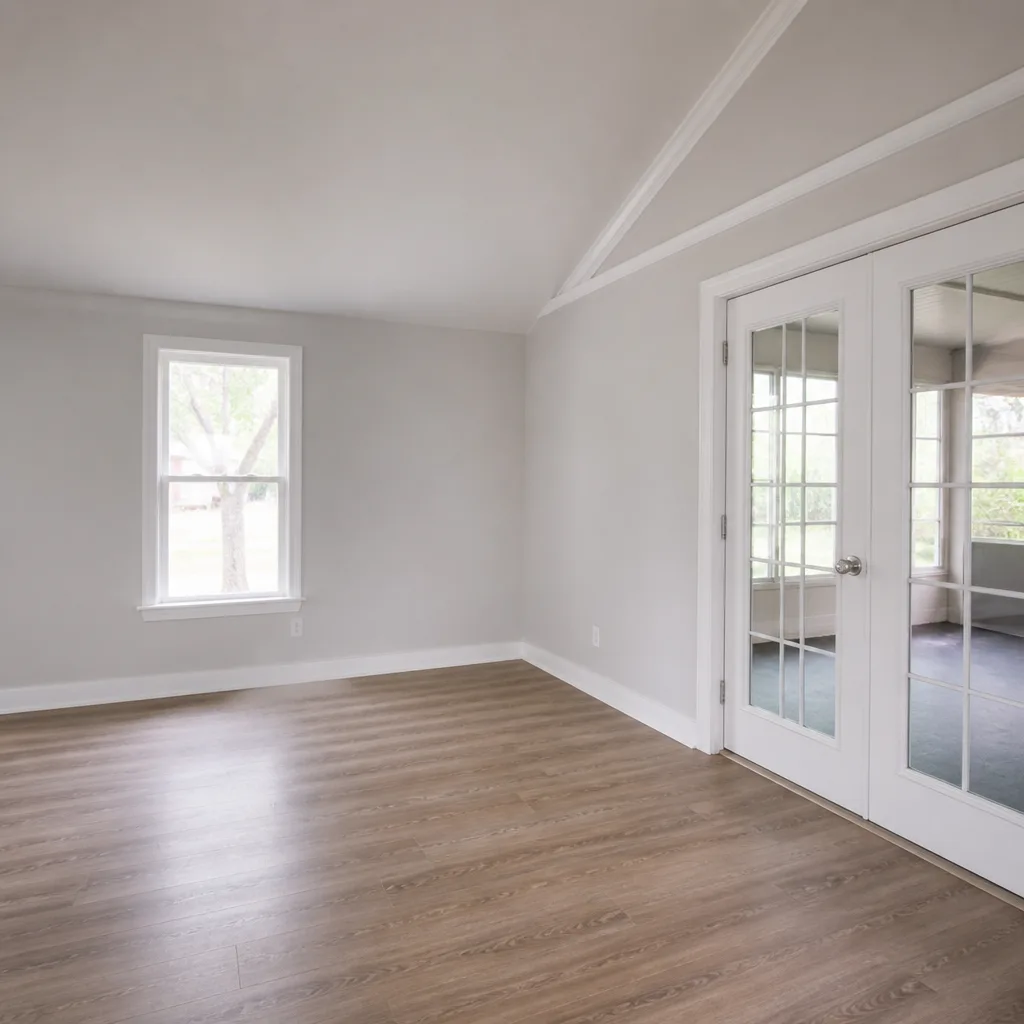
 Before
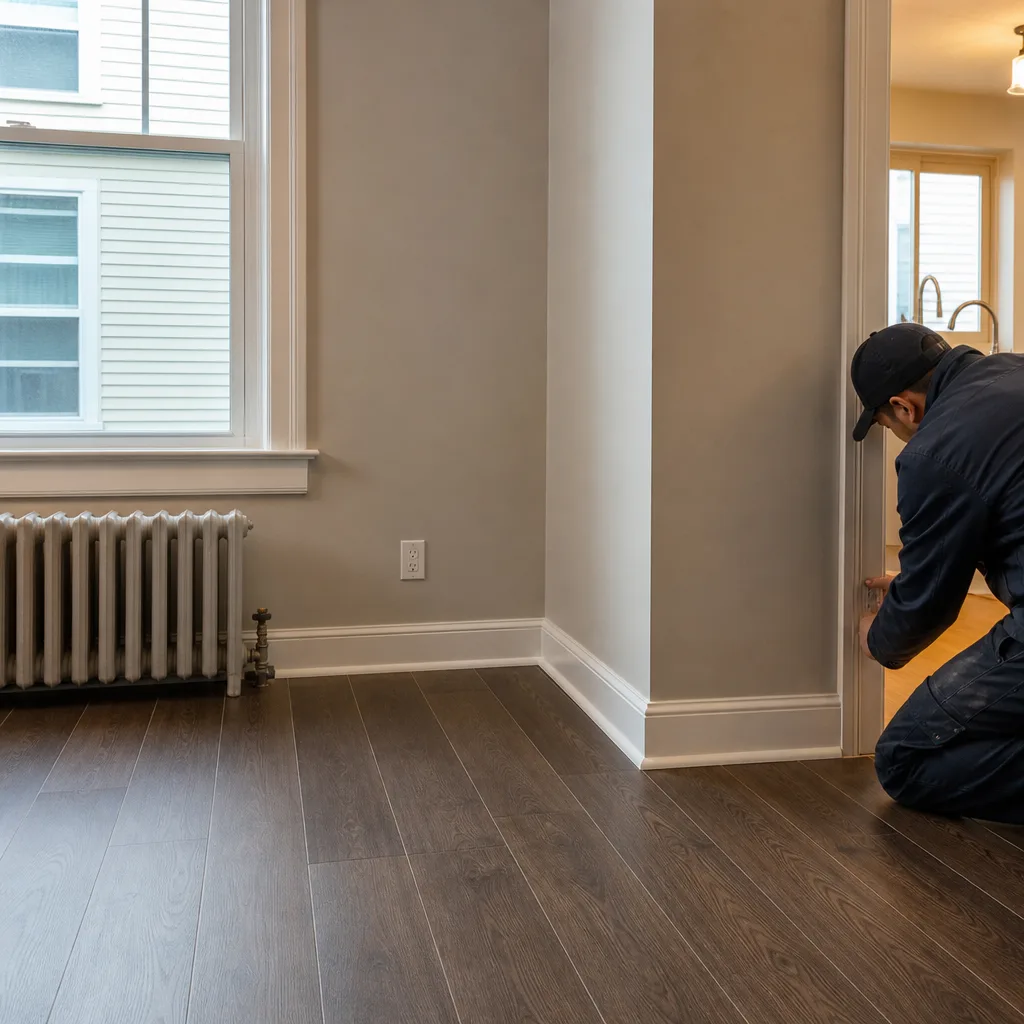 After
After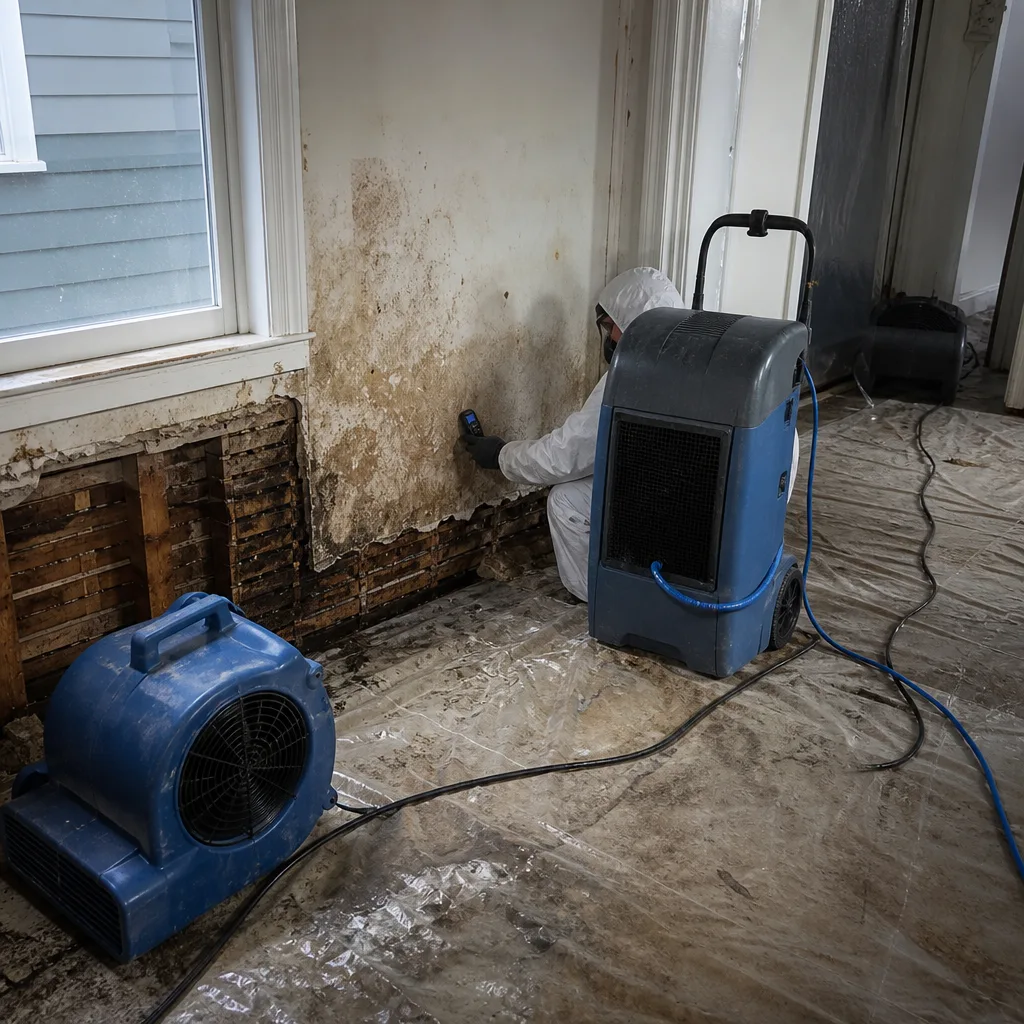 Before
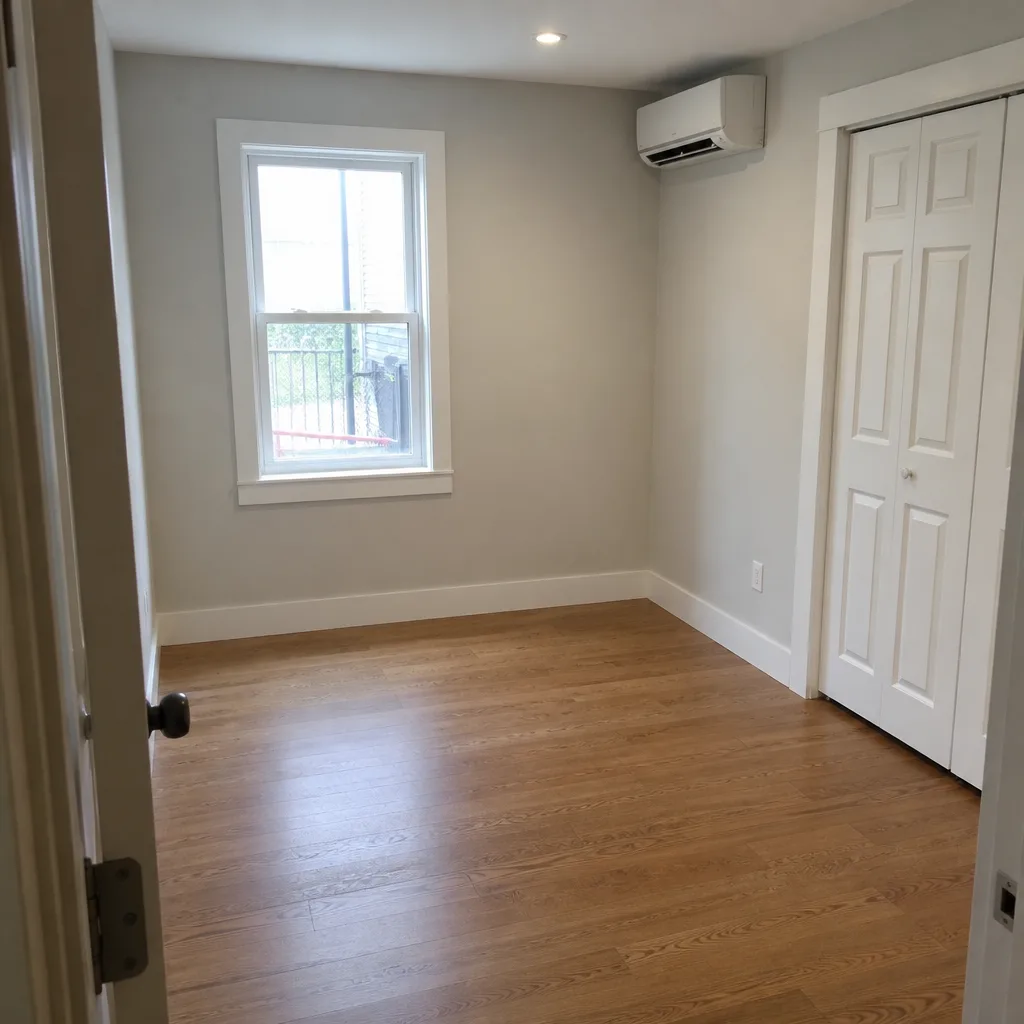 After
After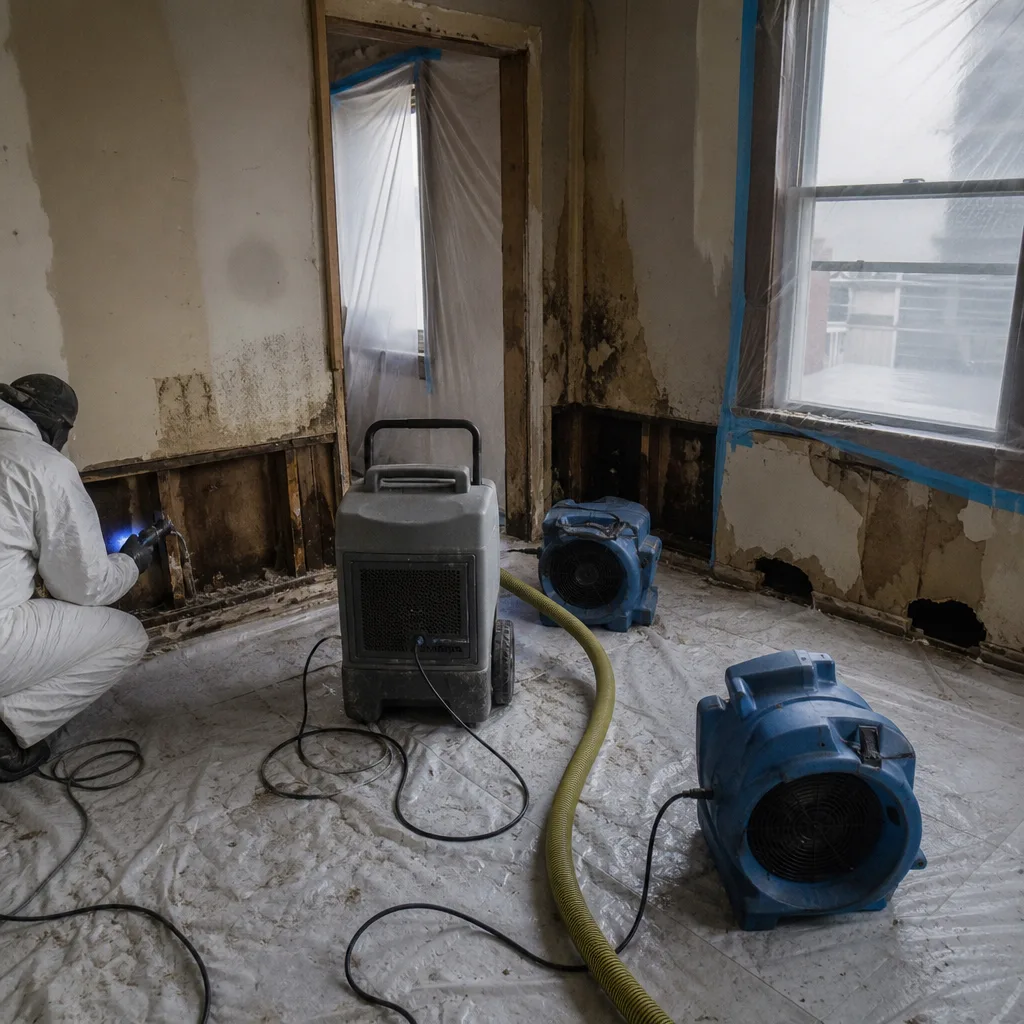 Before
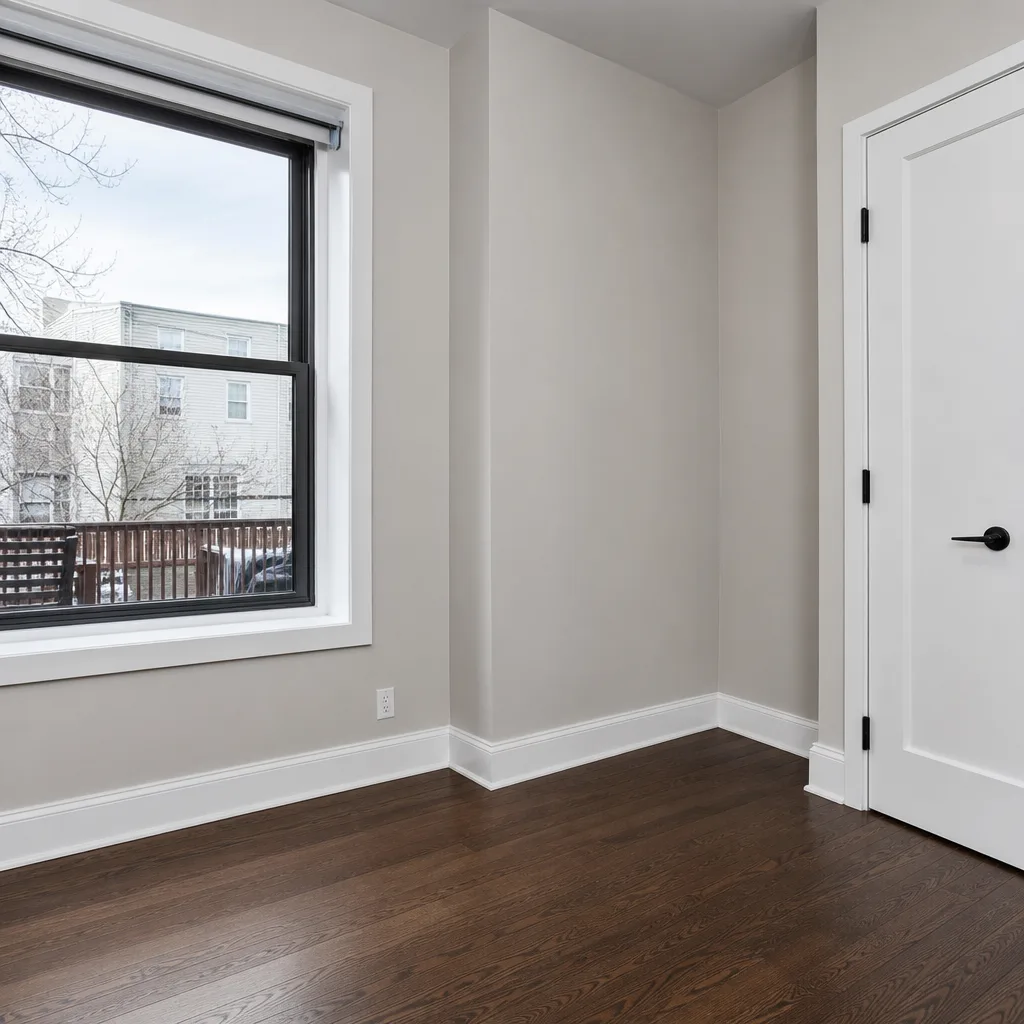 After
After24/7 Emergency Reconstruction & Cleanup in Weehawken
Reconstruction and cleanup in Weehawken after a flood, fire, or plumbing failure means two things at once: stopping water that’s still moving, and starting the rebuild before mold takes hold inside walls and under flooring. Wade’s Restoration answers the phone live around the clock, and crews can be on site in Weehawken within the hour, cutting drywall, pulling baseboards, and mapping moisture before the damage spreads. Call (363) 208-1526 the moment you see water where it shouldn’t be, or soot after a fire. The first hour decides whether you’re repairing a room or gutting it.
Understanding Reconstruction & Cleanup Severity in Weehawken Properties
Not all water is equal, and Weehawken throws every category at property owners. A clean water supply-line split in a Port imperial tower is Category 1: it’s potable water, and if addressed within 48 hours, drywall and flooring can often be saved with aggressive structural drying using Phoenix and Dri-Eaz air movers and dehumidifiers. A dishwasher or washing machine overflow adds detergents and debris, pushing it to Category 2, where carpet pad is almost always lost and baseboards go too. Hudson River storm surge, garage flooding, and any sewage contact is Category 3: contaminated water requiring full drywall cuts, material disposal, and antimicrobial treatment before reconstruction begins. Up on the bluffs, century-old brick row houses and tenements in Weehawken add another variable: original plaster over lime mortar soaks up water like a sponge and holds it for weeks. A pinhole leak in a galvanized riser behind a 1920s wall may have been wetting the framing for days before you ever saw a stain, which is why our crews use thermal imaging and moisture meters to find hidden saturation before writing any scope of work.
Why Weehawken Property Owners Choose Wade’s Restoration
- 45-minute response commitment. Wade heads out as soon as you call, not after a regional dispatcher shuffles a schedule.
- 24/7 live answer. You get Wade or one of the people he trusts, never an automated system or a voicemail tree.
- IICRC-certified crews. WRT, FSRT, and AMRT certifications mean the people cutting your walls understand drying science and contamination control.
- Free visual inspection. We’ll look before you commit to anything, and we’ll tell you honestly what needs cutting and what can be saved.
- Direct insurance billing. We handle the adjuster and the paperwork so you’re not stuck between your carrier and a contractor.
- One team from extraction to reconstruction. The same crew that dries the studs is the crew that hangs new drywall and sands final coats. No handoffs, no finger-pointing.
Our Reconstruction & Cleanup Process
Inspection & Assessment
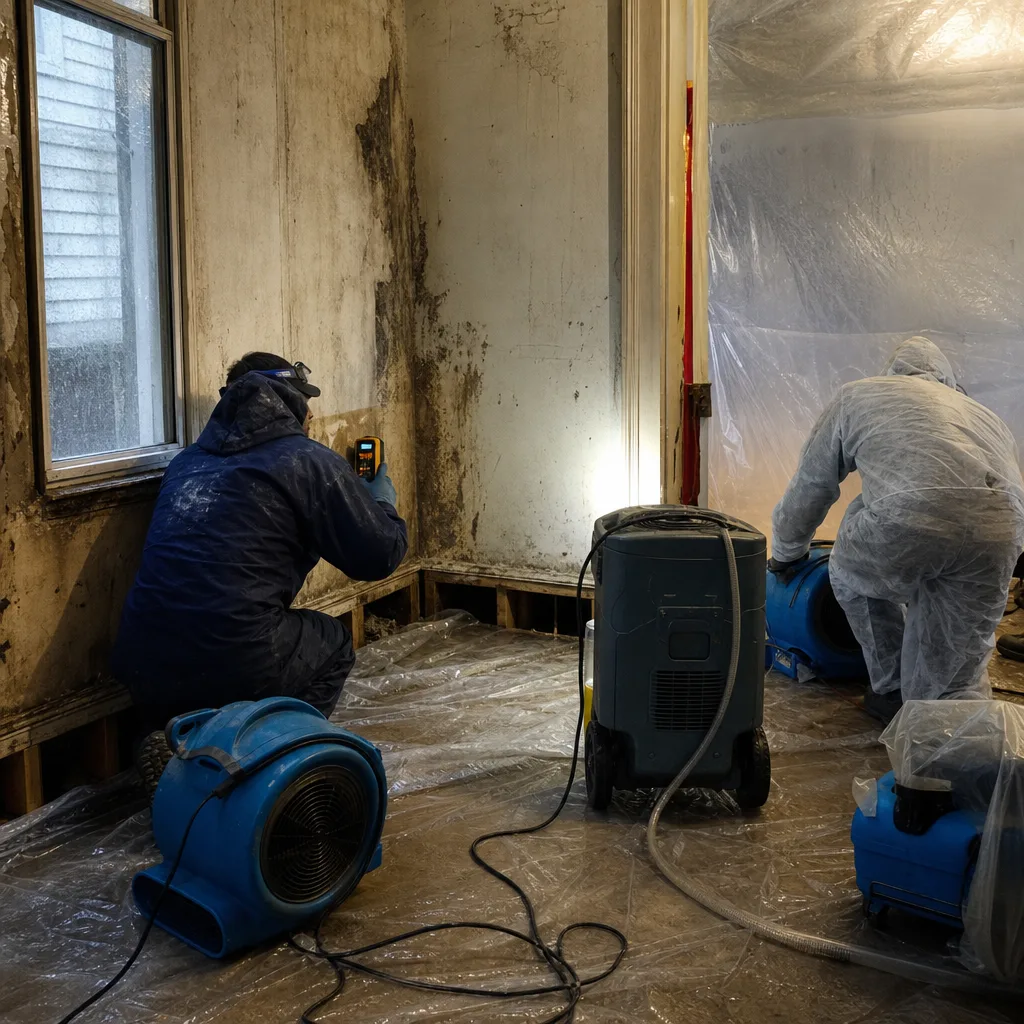
We arrive, walk the damage with you, and map every wet or smoke-affected area with thermal imaging and moisture meters. You get a clear explanation of what’s salvageable and what isn’t before any work begins.
Extraction/Stabilization
Standing water comes out first using truck-mounted extractors and submersible pumps. For fire and smoke, we stabilize by shutting off utilities and covering breaches to prevent secondary damage.
Drying & Dehumidification
Air movers and dehumidifiers go in same-day. We take moisture readings every single day and hand you the full log at job’s end. In pre-war Weehawken plaster walls, we monitor behind the surface, not just at the face.
Cleaning & Sanitization
HEPA air scrubbers run during the whole process, and all affected surfaces get cleaned with antimicrobials appropriate to the water category. For fire, we address soot residue on every surface, including inside cabinets and ductwork.
Specialty Treatment
For Category 3 water in Weehawken’s Port Imperial garages and mechanical rooms, we cut drywall at contamination lines, clean elevator shaft surfaces, and document everything before rebuild. For pre-war plaster, we may use Injectidry drying systems to save original walls.
Repairs & Restoration
New drywall, flooring, paint, trim, and any structural repairs get done by the same crew that started the job. You get a written scope before reconstruction starts, and the 90-Day Done Right Promise backs every repair.
Need Emergency Reconstruction & Cleanup in Weehawken Now?
Crews minutes away, answering live 24 hours a day. The sooner we start, the less it costs.
Working With Your Insurance Company
Insurance claims for reconstruction in Weehawken are straightforward only if the documentation is airtight from day one. We photograph every affected room before we touch anything, log moisture readings daily, and write line-item scopes using the same estimating software your carrier recognizes. Wade deals with the adjuster directly, so you aren’t the one relaying messages between the insurance desk and the crew tearing out your kitchen. If your carrier sends an adjuster who wants to see the loss, we walk the property with them and point out every wet stud, every saturated substrate, and every item that got packed out for cleaning or disposal.
What We Provide Your Insurer
- Thorough documentation of the loss
- Photos of all damage, room by room
- Moisture readings and drying logs
- A detailed, line-item scope of work
- Direct coordination with your carrier
Built for Weehawken’s Loss Calendar
Weehawken’s damage seasons are predictable if you’ve worked here long enough. January and February bring deep freezes that split supply lines in uninsulated pre-war crawl spaces and along poorly heated upper-bluff row house exteriors. March and April thaw sends groundwater through the basalt Palisades rock into basements that have been dry since autumn, and the seepage comes through limestone mortar joints, not through obvious cracks. Summer thunderstorms dump inches of rain in an hour, overwhelming roof drains on older tenements and flooding below-grade parking at the Port Imperial. September through November is nor’easter season, when Hudson River surge pushes into waterfront lobbies and elevator pits along River Road and Port Imperial Boulevard. Every one of these failures has a different reconstruction scope, and we’ve done all of them in Weehawken more times than any national franchise ever will.
Reconstruction & Cleanup Across Weehawken’s Neighborhoods
Up along the Palisades, from Highwood Terrace to Clifton Terrace, the dense brick row houses and pre-WWII tenements share a common vulnerability: original galvanized supply lines that have been corroding from the inside for 80-plus years. When one lets go behind a bathroom wall, the water travels down inside the plaster and pools at the floor plate, so by the time a first-floor ceiling shows staining, the damage is already three floors deep. On the waterfront side, the towers along Port Imperial Boulevard and River Road have a different failure mode entirely. Below-grade parking garages and mechanical vaults built at or below Hudson flood elevation flood first and dry out last, because the elevator shafts act like vertical water conduits pulling Category 3 water up into the corridors. We’ve cut drywall at contamination lines in Port Imperial garages more times than we can count, and every one of those jobs required coordination with building management, concierge staff, and sometimes the fire marshal. Park Avenue and Boulevard East run along the bluff edge and face a third problem: wind-driven rain pushing through aging window seals and turning interior window sills into slow leaks that rot subflooring one storm at a time. Nobody else working Reconstruction & Cleanup in this town can claim to know all three failure patterns the way our crew does, because we’ve rebuilt walls in every one of them this year.
Specialized Reconstruction & Cleanup Services We Offer in Weehawken
Full-Service Reconstruction
From a single water-damaged room to a full floor rebuild after fire, we handle framing, drywall, insulation, paint, trim, doors, and flooring. In Weehawken’s older upper-bluff homes, we often have to match original profiles and materials that aren’t stocked at big-box stores, so we work with local suppliers who carry period-appropriate trim and plaster-compatible materials. The same crew that did the demolition sees the job through to final paint, so there’s no gap between cleanup and reconstruction where damage can creep back in.
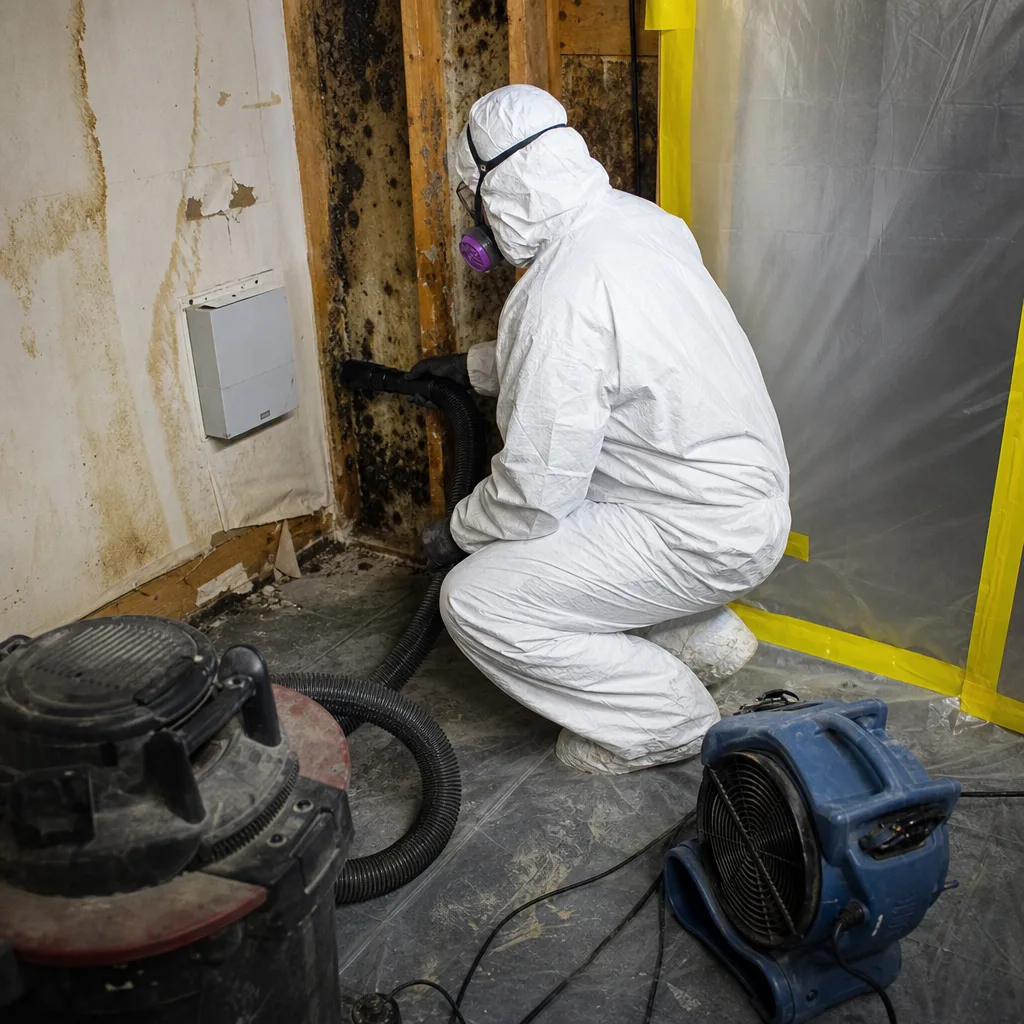
Drywall & Flooring Repair
Water and fire both demand drywall cuts, and the cleanest cut is the one that removes exactly what’s saturated and nothing more. We use moisture mapping to set cut lines, then remove, dispose, and replace with new board, tape, mud, and texture to match your existing walls. For flooring, we handle hardwood, tile, carpet, and luxury vinyl, including subfloor drying and replacement when water got underneath and wicked through the plywood. Weehawken’s pre-war buildings often have original hardwood worth saving, and we’ll dry it in place whenever the moisture readings say it’s possible.
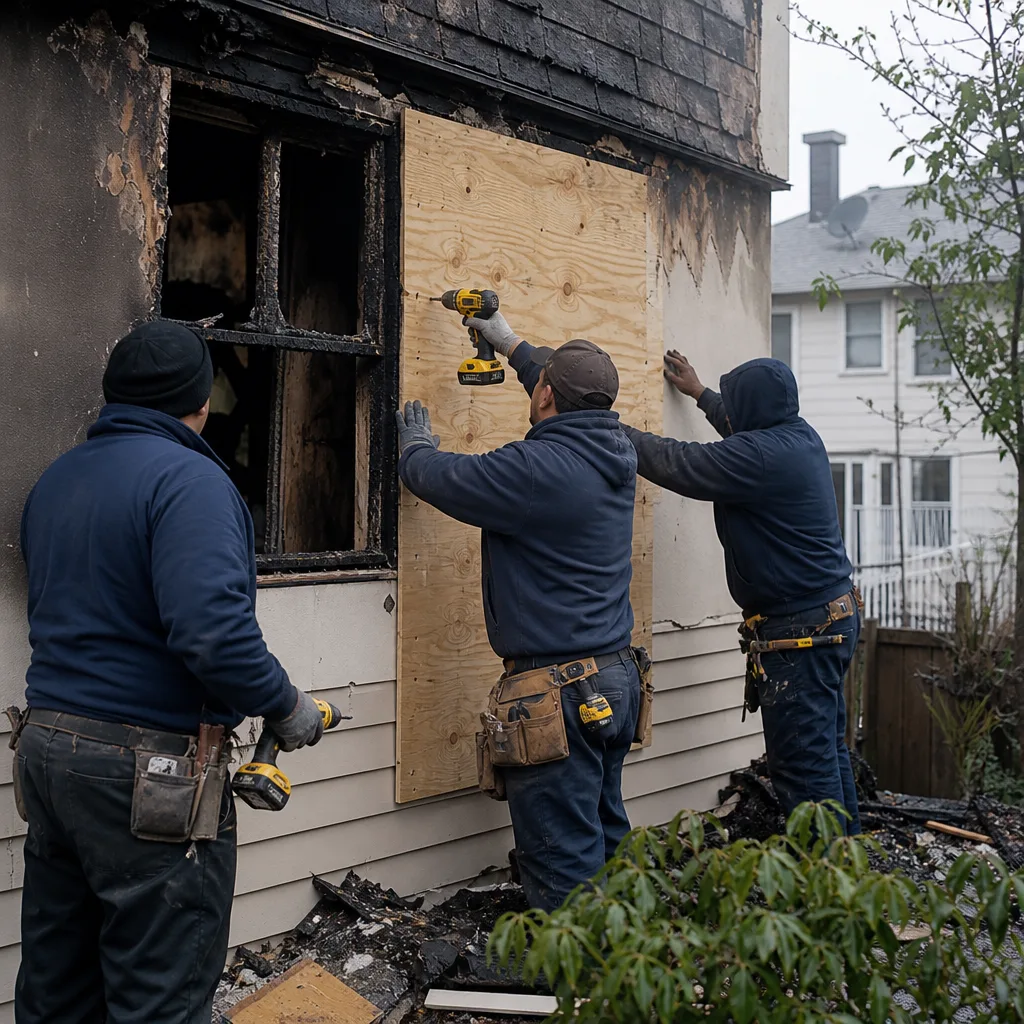
Contents Restoration & Pack-Out
When a Weehawken apartment gets flooded or smoked, the contents matter as much as the structure. We inventory, photograph, and pack out salvageable belongings, then clean and store them off-site while your unit is rebuilt. Electronics, documents, artwork, and clothing each get specific handling. We provide the inventory to your insurer and coordinate the return of everything when the rebuild is finished.
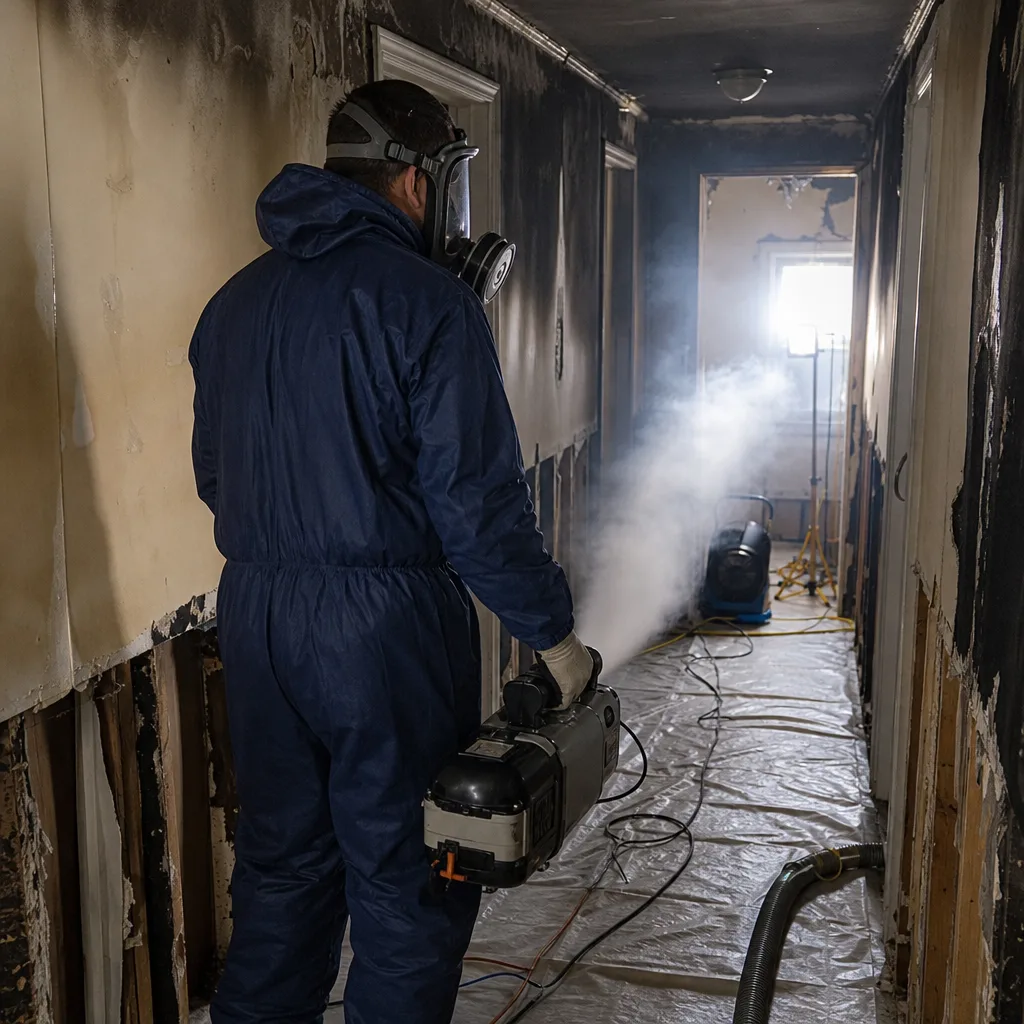
Carpet & Upholstery Cleaning
After any water event, carpets and upholstered furniture need professional extraction and cleaning to remove contaminants and prevent mold. We use truck-mounted hot water extraction, then dry the area with air movers so the carpet doesn’t sit damp against the subfloor. This is standard practice after a Category 1 or 2 loss in Weehawken homes, but we don’t attempt to save carpet after Category 3 groundwater contact. That gets cut, bagged, and replaced.
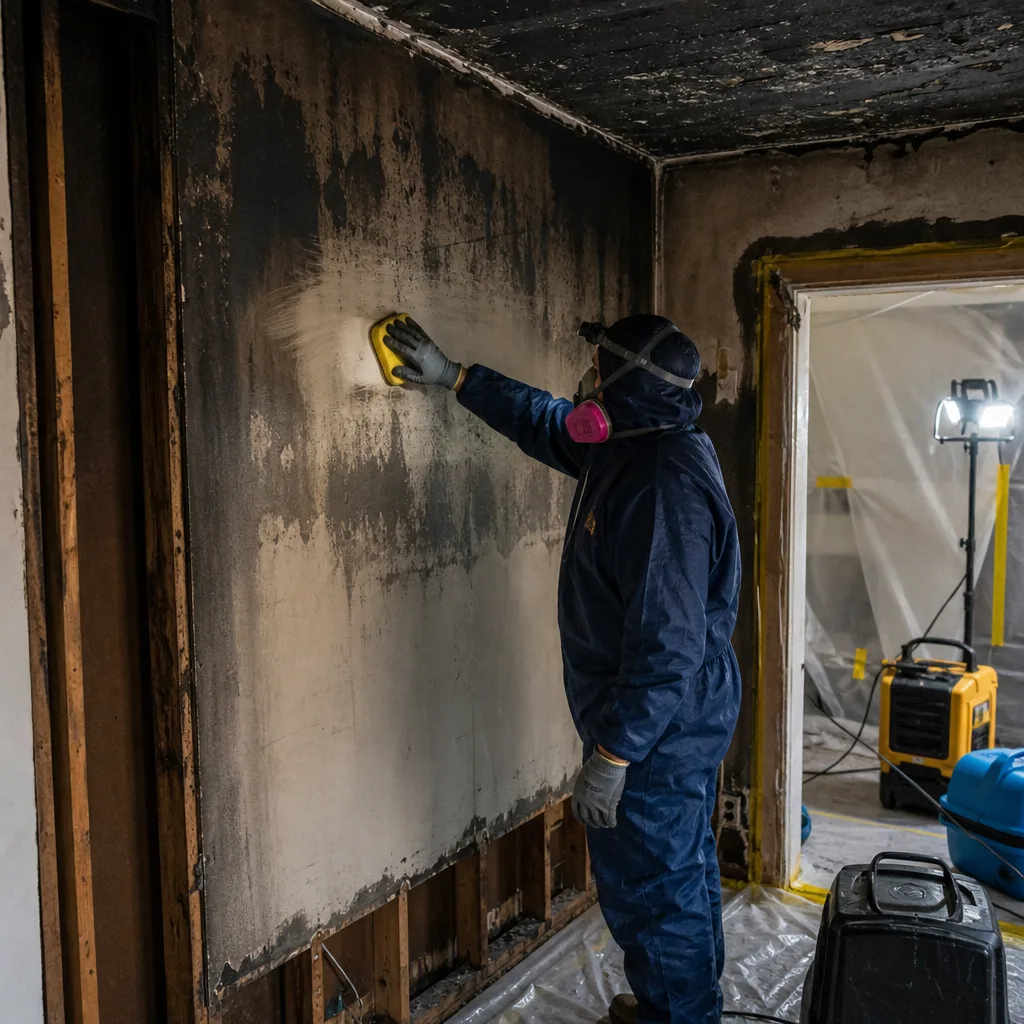
Post-Construction Cleanup
After a rebuild, the dust is ours to remove. We vacuum surfaces and floors with HEPA-filtered equipment, wipe down every horizontal surface, clean windows and trim, and haul away construction debris. Weehawken’s high-rise buildings often require scheduled freight elevator use and sometimes weekend restrictions, so we coordinate with building management to make the cleanup happen without disrupting your neighbors. You walk back in to a finished home, not a jobsite.
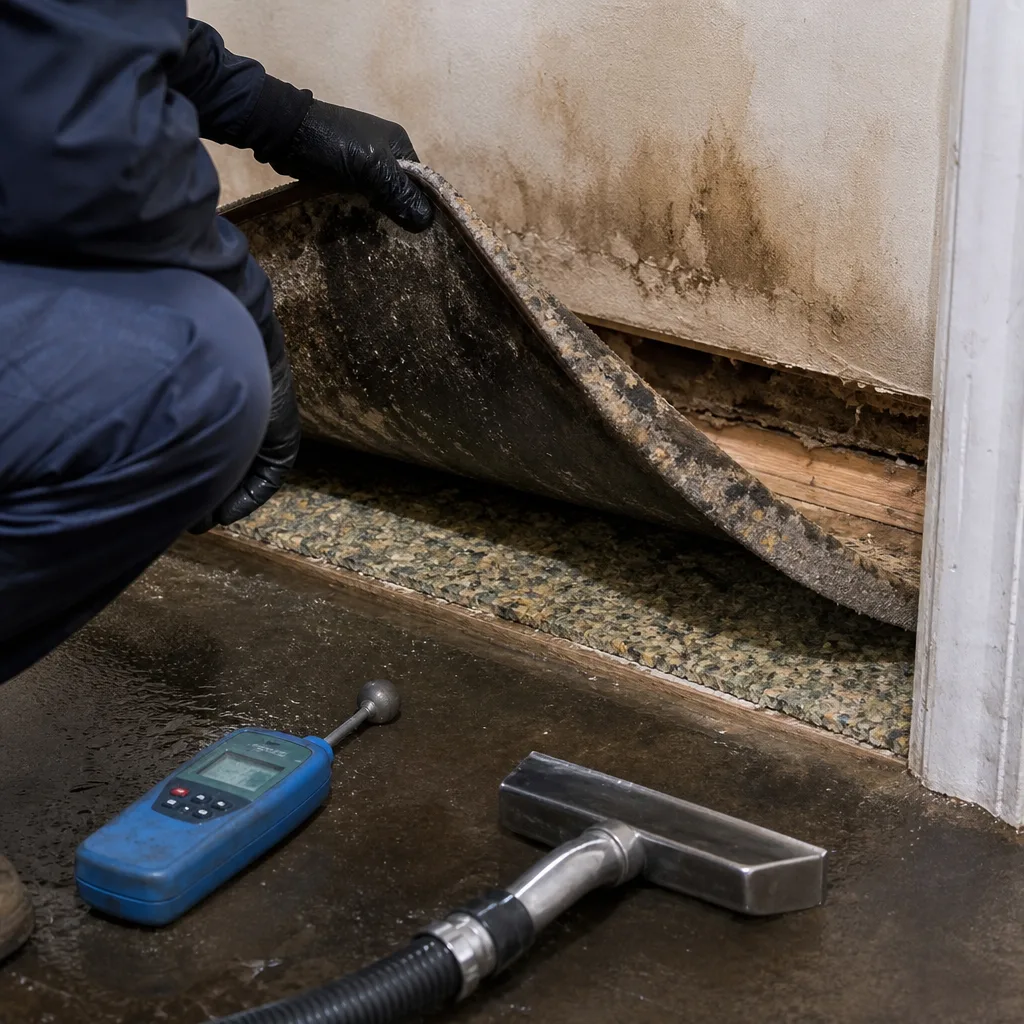
What happens when you call
- 1
A real person answersNo phone trees - you reach a local pro.
- 2
You get an upfront price rangeHonest numbers before anyone is dispatched.
- 3
A background-checked tech heads outLicensed & insured, dispatched right away.
- 4
You approve before work beginsNothing starts until you say go.
Reconstruction & Cleanup Costs in Weehawken, NJ
A straightforward water-damage reconstruction job in a Weehawken condo, where one room needs drywall cuts, drying, and rebuild, typically runs $2,200 to $4,800. A pre-war row house bathroom supply-line failure with plaster preservation, riser replacement, and three-floor water migration usually lands between $6,500 and $14,000. Port Imperial garage flooding with Category 3 water can exceed $20,000 once you account for the mechanical rooms, elevator shaft contamination, and the cost of working around active building operations. What moves the price is how much drywall gets cut, whether original plaster can be saved, and whether the structure needs structural drying time before reconstruction can start. Almost every Weehawken flood or fire job has insurance involvement, and we write the scope your adjuster will approve. The free visual inspection is the fastest way to get a firm number, and there’s no charge for it inside our county. Call (363) 208-1526 and Wade will walk your property, identify what actually needs doing, and hand you a written estimate before any work begins.
The Palisades Paradox: One Mile, Two Completely Different Failures
Weehawken is the only municipality on the New Jersey Gold Coast where a single restoration company has to toggle between Category 3 flood cuts in 2012-surge-era waterfront high-rises along Port Imperial and basement groundwater intrusion from Palisades basalt in pre-WWII brick tenements on the bluff above, all within a one-mile drive. These are not the same job with different addresses. The waterfront tower work is about contamination lines, elevator-shaft water movement, and coordinating with building engineers in hard hats. The bluff work is about original plaster, lime mortar that wicks water sideways, and galvanized supply lines that were past their service life twenty years ago. A crew that only knows one of these patterns will underwrite the other. We know both because Weehawken is our regular ground, and we’ve rebuilt walls on both sides of the Palisades this year.
Up on Highwood Terrace, our crew drafted a reconstruction scope after a second-floor bathroom supply-line split in a 1920s brick row house. We contained the Category 1 water, pulled moisture readings from original plaster-and-lath, and opened walls to dry the limestone-lime mortar before any antimicrobial treatment. The galvanized piping was so degraded we replaced the riser instead of chasing another pinhole. That’s the difference between patching a leak and ending a 100-year-old cycle of water damage.
We Also Serve Cities Near Weehawken
We work regularly in the towns immediately around Weehawken, including Union City, Hoboken, and North Bergen. Each has its own housing stock and failure patterns, and our crews know the difference between a Hoboken brownstone, a Union City tenement, and a North Bergen hillside home.
Weehawken Reconstruction & Cleanup Questions, Answered
What exact elevation cutoffs do you use when classifying floodwater in a Port Imperial parking garage for reconstruction?
We classify any water that entered a Port Imperial garage from exterior flooding, tidal surge, or storm drains as Category 3 without needing an elevation reading. The contamination risk from Hudson River water, street runoff, and whatever the garage floor carries makes it unsafe to treat as anything less. For insurance documentation, we note the highest visible water line, the depth at mechanical equipment, and how far water traveled through the garage before we started extraction.
Is it possible to preserve the original plaster in a pre-war Weehawken row house after a second-floor toilet overflow?
Sometimes, yes. Category 2 water from a toilet overflow above a certain level can be sanitized, and original plaster over lime mortar can often be dried in place with Injectidry systems and daily moisture monitoring. We make the call based on how saturated the plaster is, whether the water reached the lath, and what the moisture readings show after 72 hours. If the plaster is crumbling or the lath is soft, it’s coming out. If it’s just damp, we’ll fight to save it.
How do you document reconstruction for insurance when a Palisades basement leak has been ongoing for years and my walls show pre-existing efflorescence?
We photograph everything before we touch it, including the efflorescence, and we write a scope that separates acute damage from long-term moisture exposure. Your adjuster may classify the pre-existing condition as a maintenance issue and the recent active leak as a covered loss. We document both honestly and provide the moisture readings and photos that give your adjuster a clear picture, so the claim doesn’t get rejected because the damage looked old. Wade will talk to the adjuster directly to make sure they understand what’s new and what’s not.
What is the real risk of not cutting drywall along a Port Imperial elevator shaft after a garage flood?
The risk is that the garage flood was Category 3, and when the elevator car moved between floors, it carried contaminated water up the shaft and left residue on the shaft walls at every level. If you only remediate the garage, you’ve left Category 3 contamination living in the shaft. When the building’s HVAC system pressurizes the corridors, that contamination can circulate. We cut and clean the shaft faces at contamination mapping lines, not just at the entry level.
Why does a Category 1 supply-line break in an upper-bluff Weehawken kitchen lead to more demolition than the same leak in a waterfront high-rise unit?
Because the upper-bluff tenements are built with original plaster over lime mortar, and that assembly holds water like a sponge. The water never just pools on the floor; it wicks horizontally through the mortar, saturates lath, and travels down the framing. By the time you see the stain, the entire wall section below the leak is wet. In a modern high-rise unit with drywall over steel studs, the water runs down the face of the drywall and pools; you cut the bottom two feet, dry the cavity, and rebuild. In the old construction, you’re often cutting to the studs and chipping out wet plaster from multiple wall sections.
How fast can someone actually get here after I call?
We answer the phone live at (363) 208-1526, day or night, and Wade starts heading out as soon as he knows the address. In Weehawken, we’re typically on site within 45 minutes of your call. If there’s standing water coming through a ceiling or pooling on the floor, we’ll have extraction running within the hour.
How long does full reconstruction take after a Weehawken flood?
Drying alone takes three to five days when we’ve got air movers and dehumidifiers running continuously and the structure is cooperating. Reconstruction adds one to three weeks depending on how much drywall was cut, whether flooring needs replacement, and whether we’re matching pre-war plaster or modern finishes. Port Imperial high-rise jobs often run longer because elevator access and building permits slow the process down. We’ll give you a written timeline before reconstruction starts, and we hit it.
Does insurance cover attic mold growth during a snowy winter in Weehawken?
Most homeowners policies in New Jersey cover mold remediation when it results from a covered water event, like a roof leak during a nor’easter, but not when it’s from chronic condensation or deferred maintenance. The key is documenting the cause: if we can trace the mold to a specific storm or pipe failure, the remediation and reconstruction usually fall under your claim. Wade will review your policy language with you and tell you what’s likely covered before we start, so there are no surprises.
Serving Weehawken, NJ - Our Local Coverage Area
We’re based in the Weehawken area and know this community well. Use the map below to see our service coverage - if you’re nearby, we can almost certainly help.
Call Wade’s Restoration for Reconstruction & Cleanup in Weehawken
When your ceiling is dripping or your basement’s full, you don’t need a national call center. You need a person who knows Weehawken’s buildings, who will answer the phone himself, and who will hand you a written scope before any wall gets cut. Call (363) 208-1526 now for a free visual inspection. The estimate is free, the advice is straight, and the work is backed by the 90-Day Done Right Promise in writing.
Written by Wade Ferris, Owner at Wade’s Restoration, serving Weehawken and the surrounding communities since 2007.