
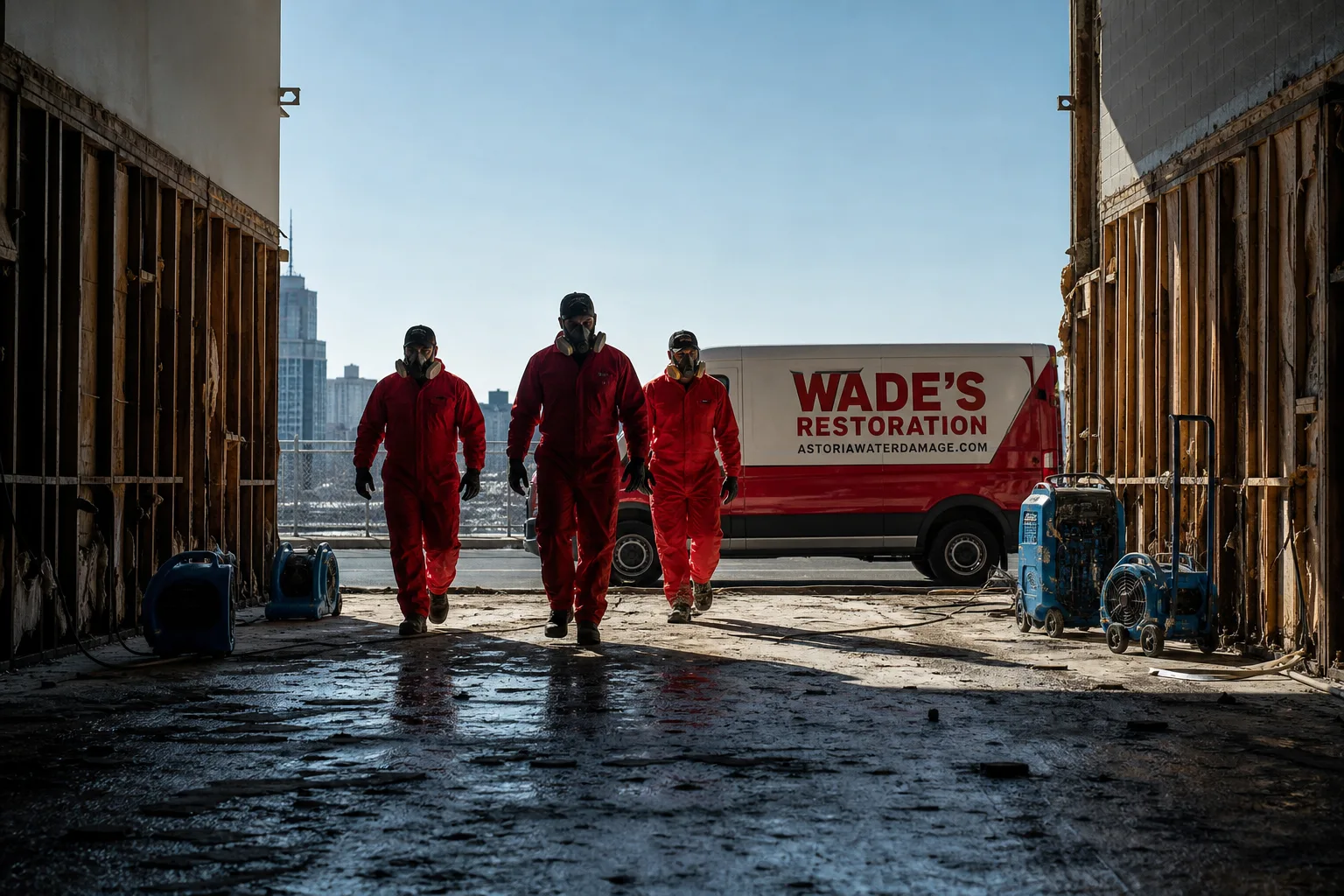
Free visual inspection and a written scope of work before any mitigation begins - photos, moisture readings, and drying logs go in your claim file
The scope we write is the scope we bill. Anything new gets shown to you, in writing, before we touch it.
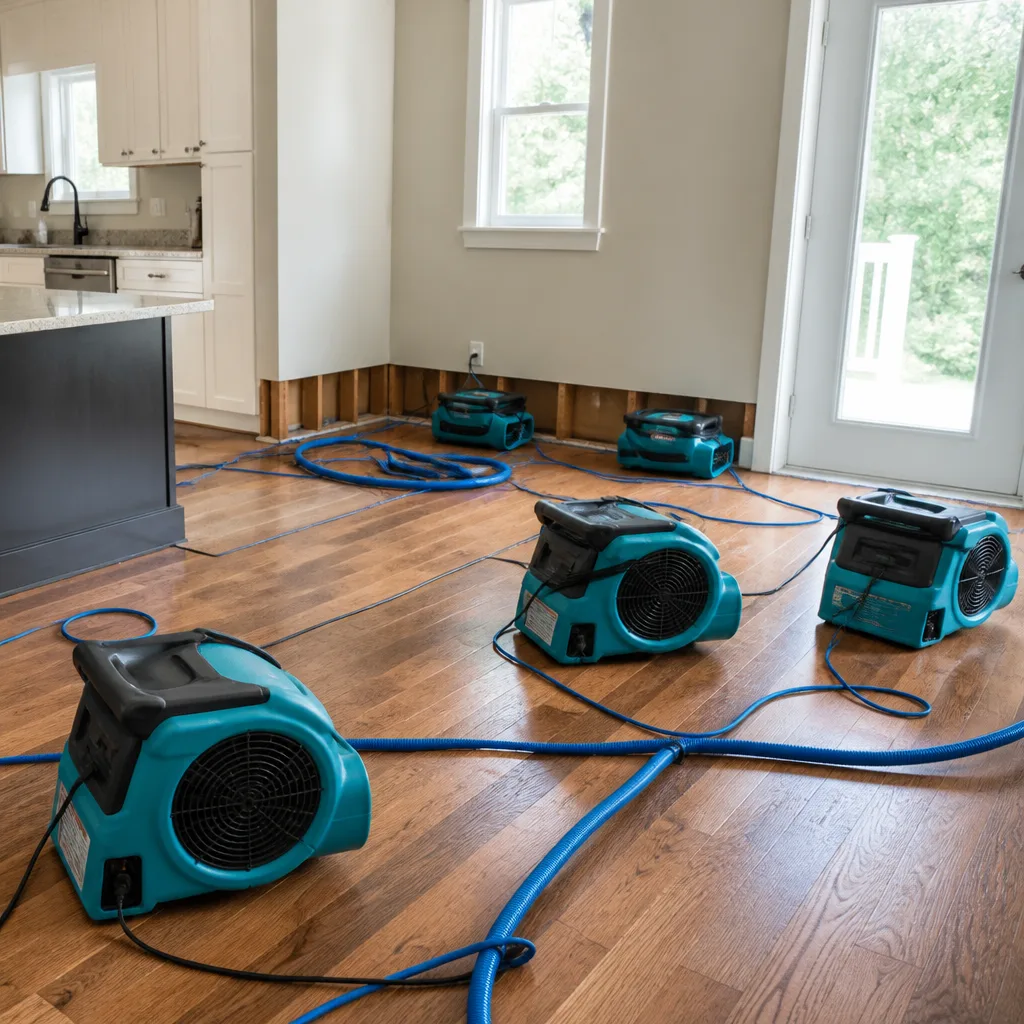
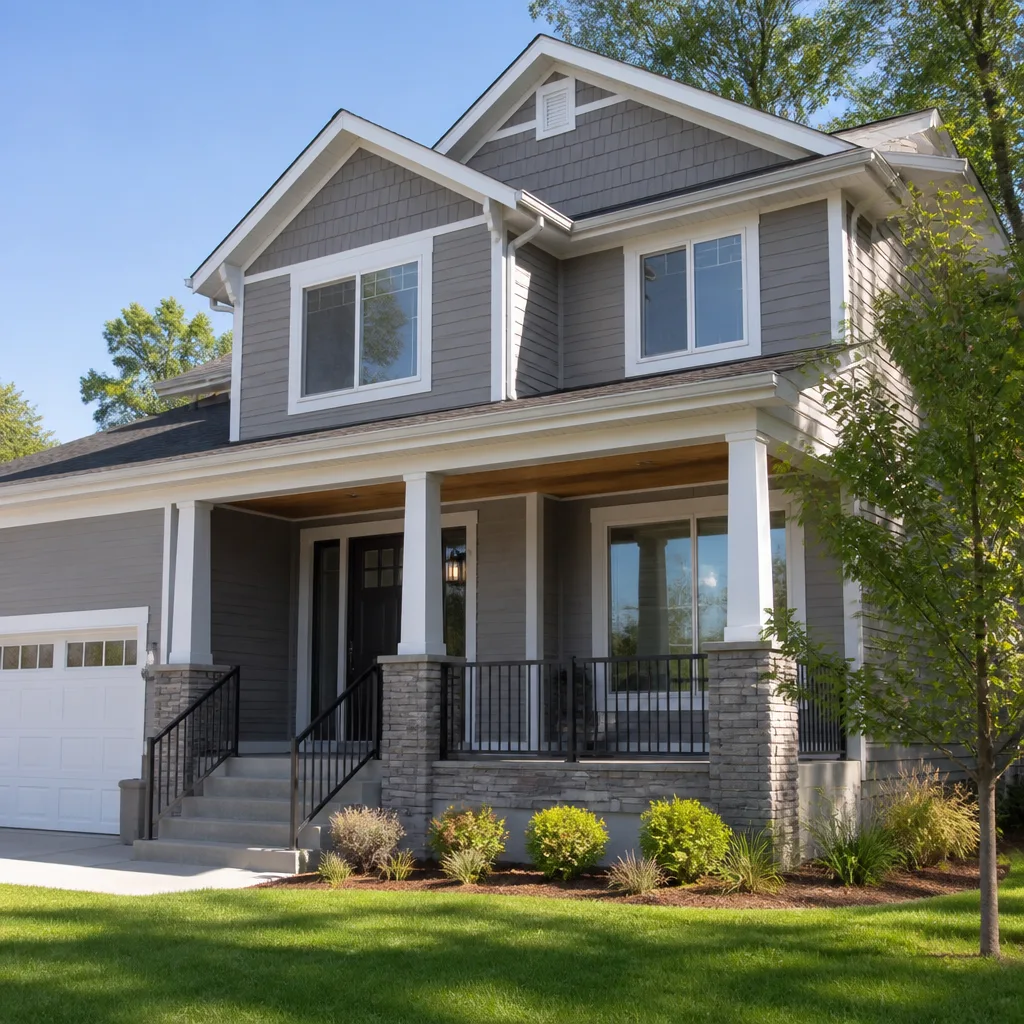
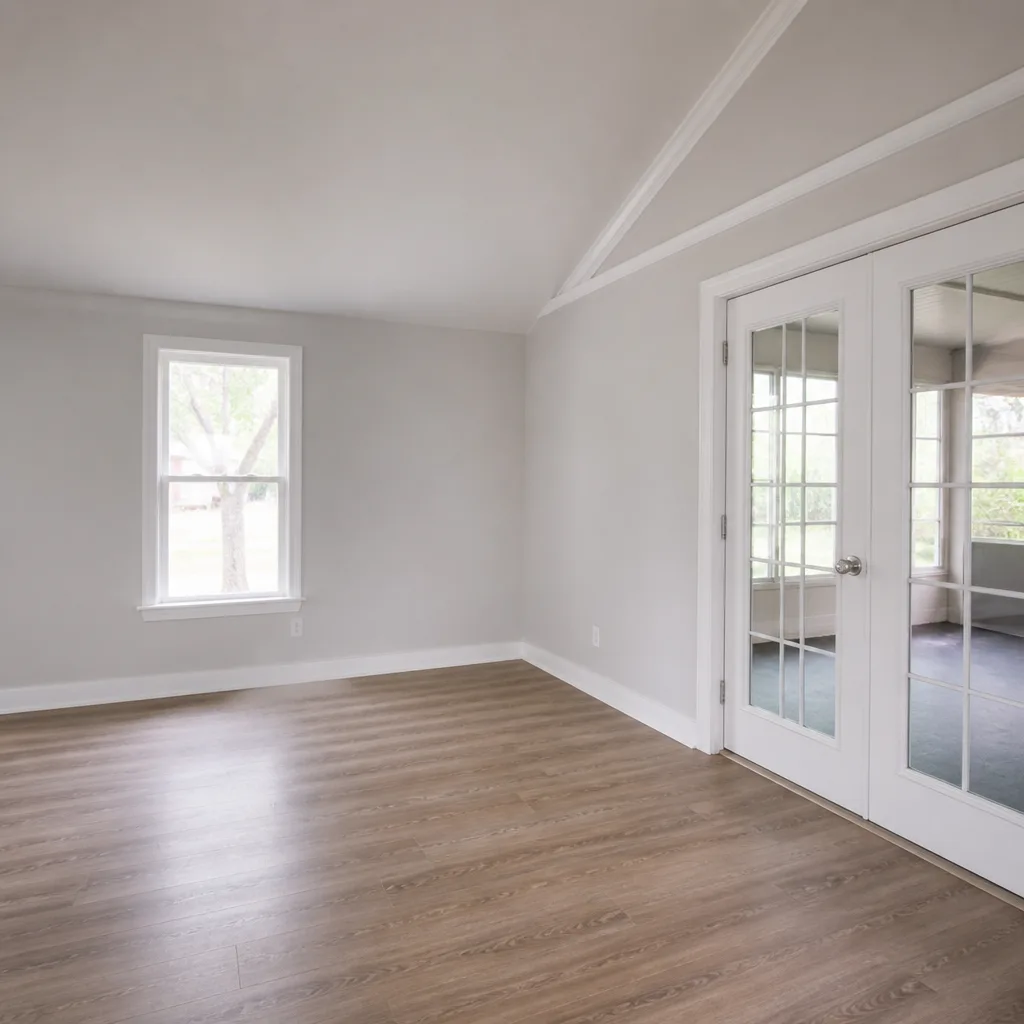
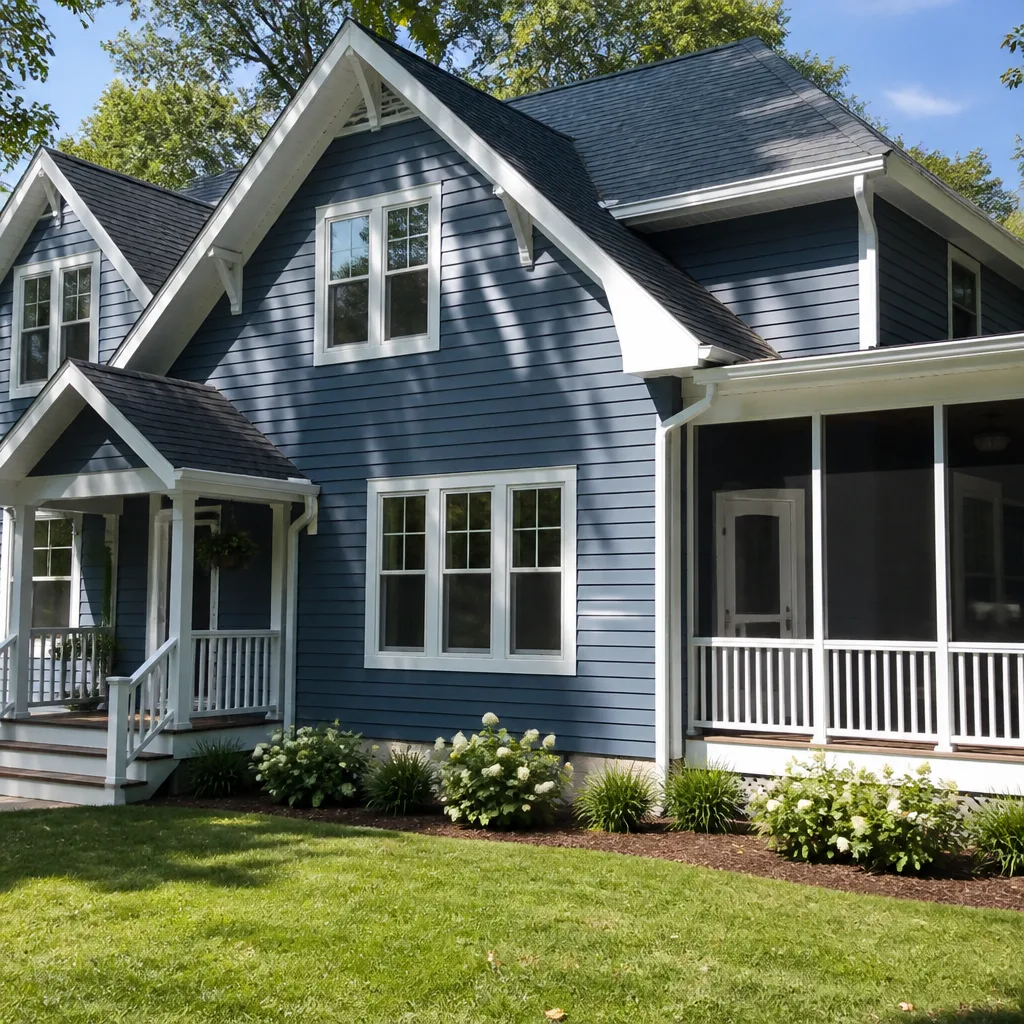
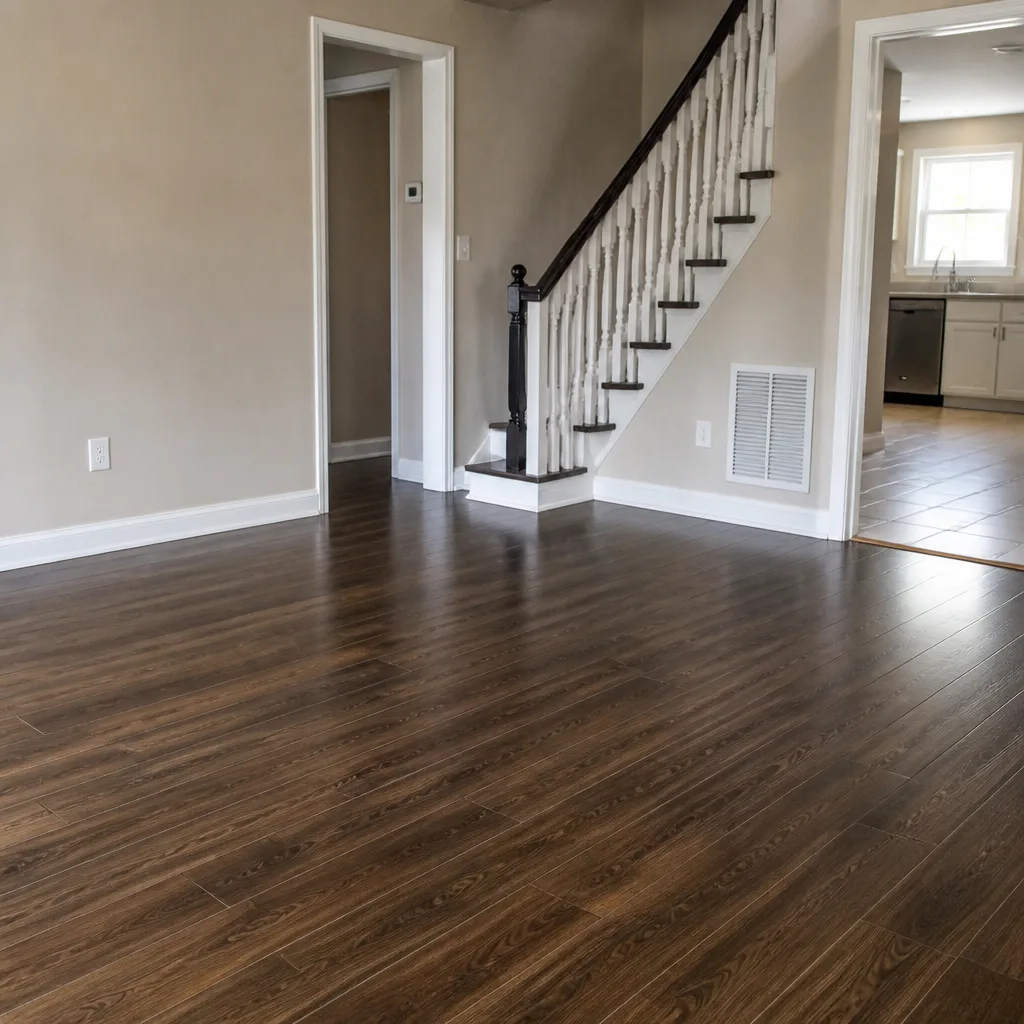
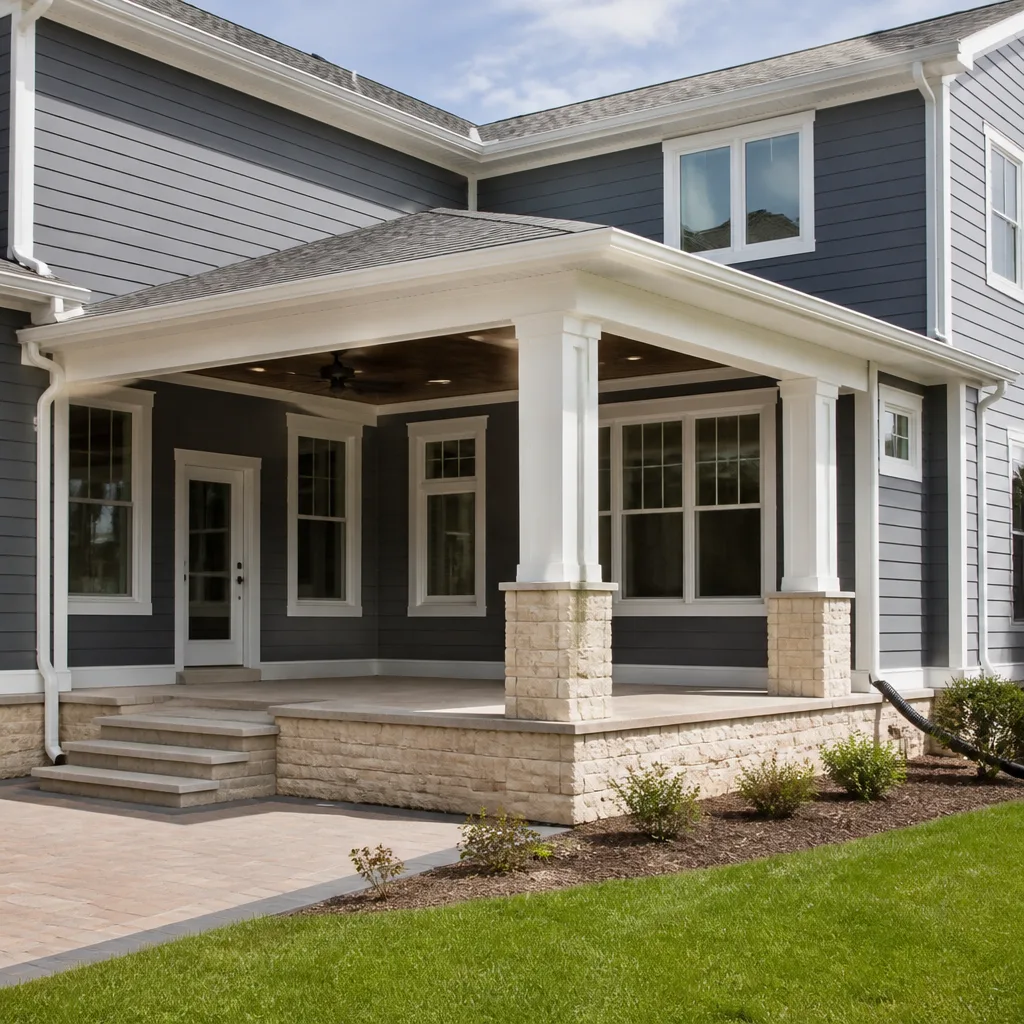
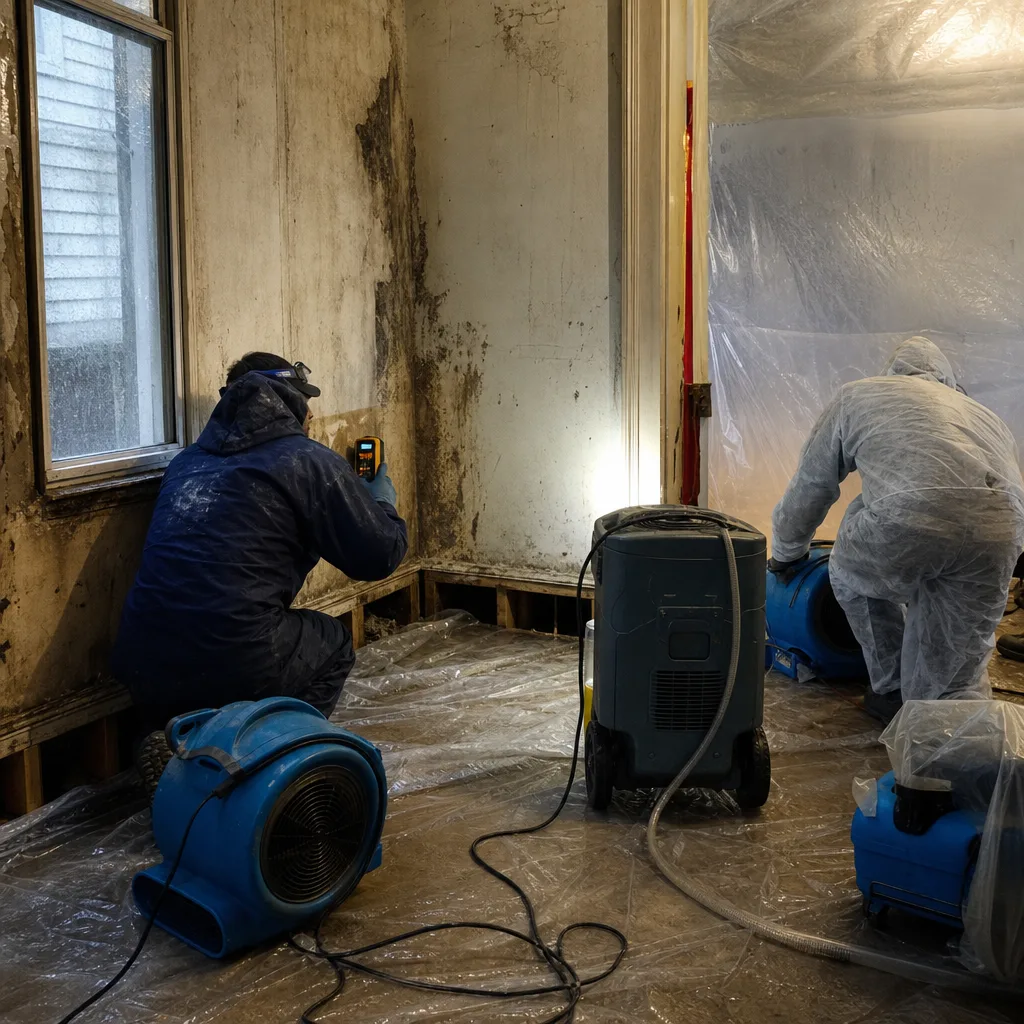 Before
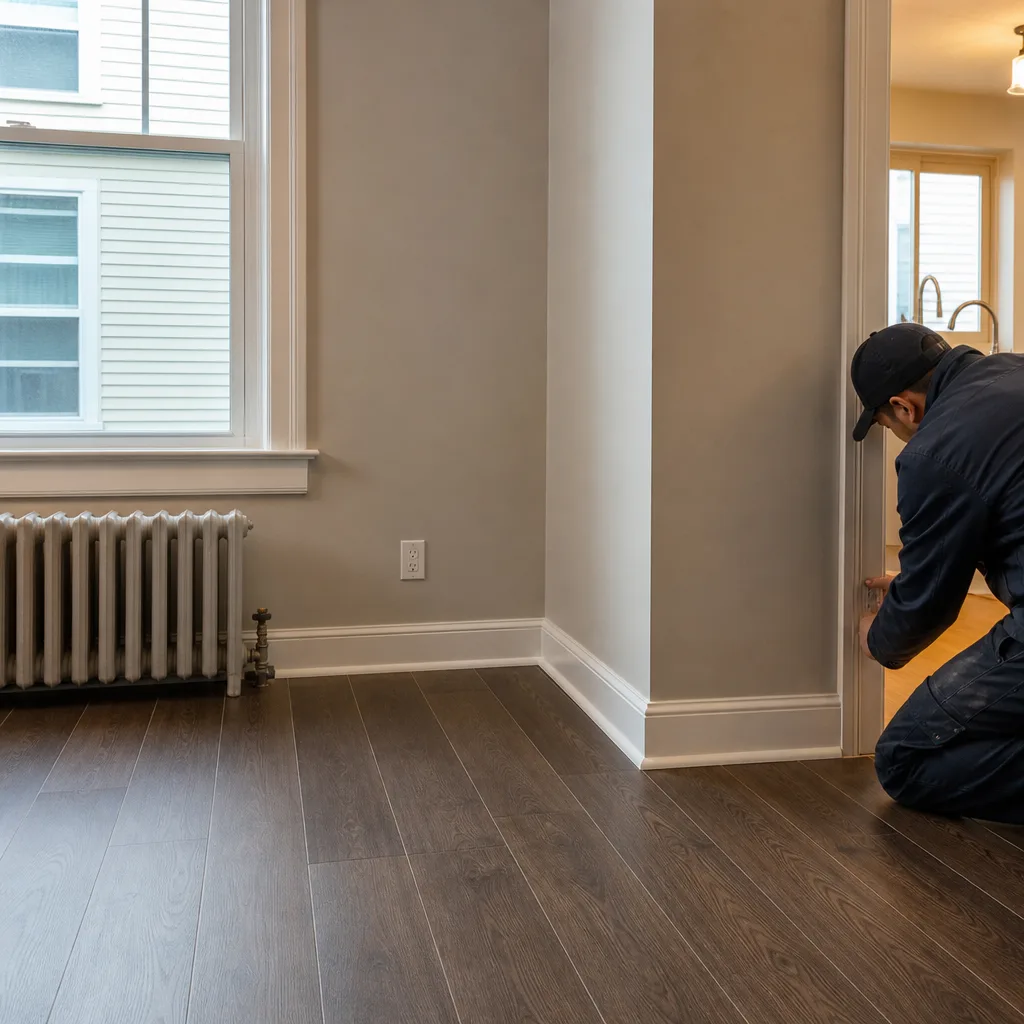 After
After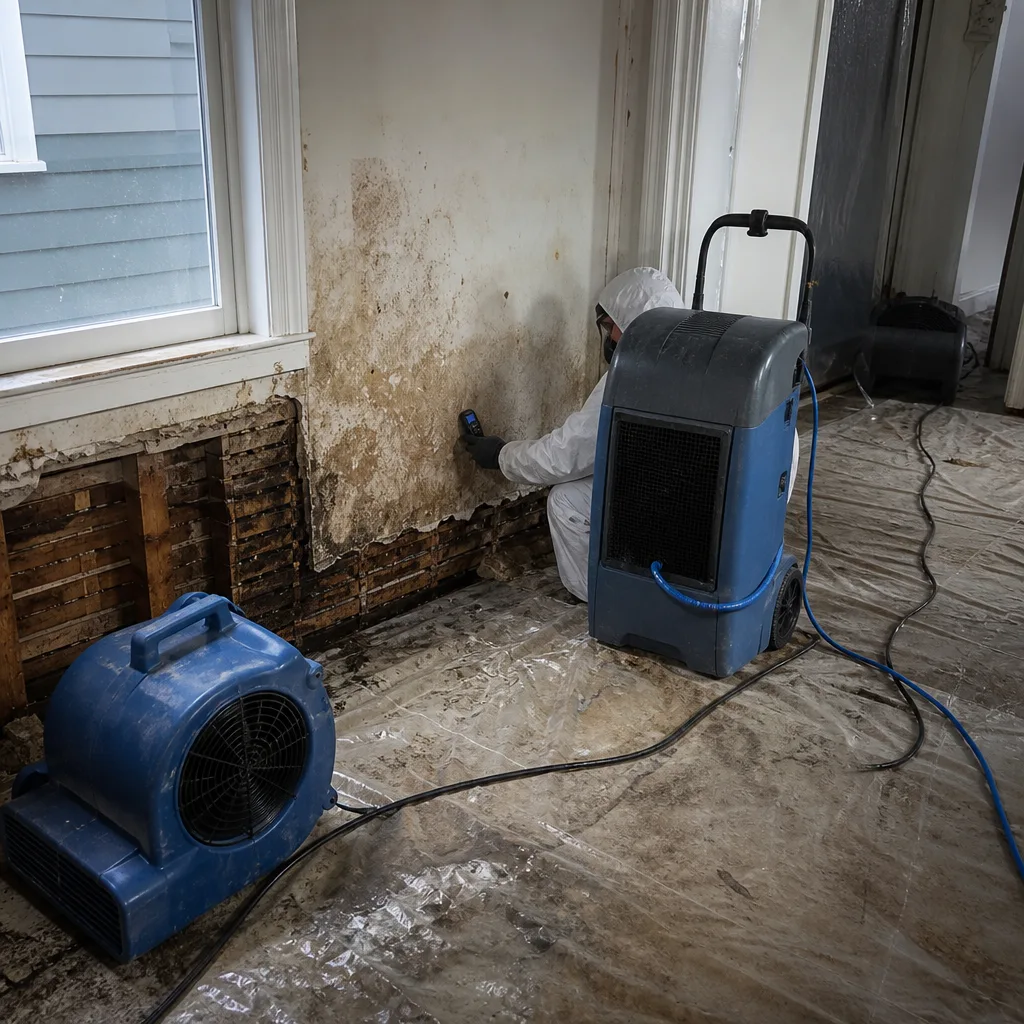 Before
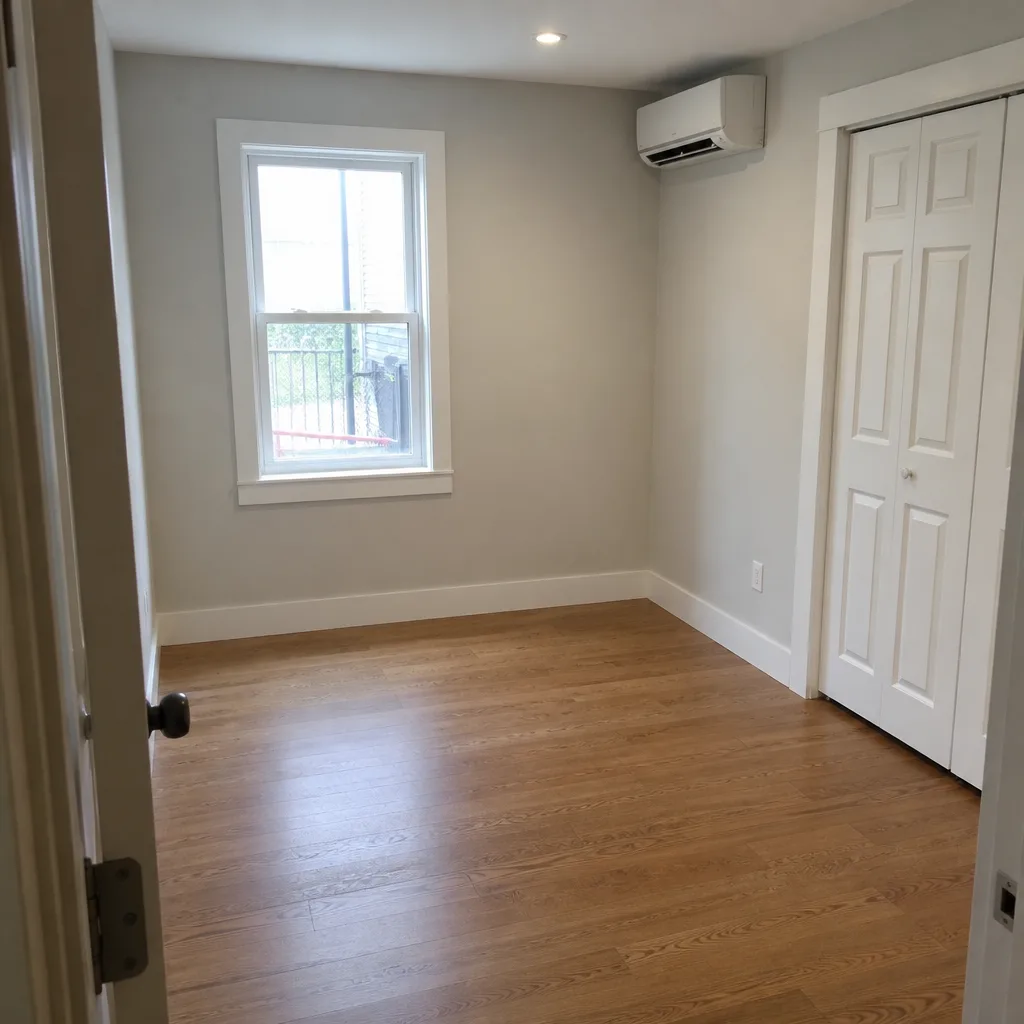 After
After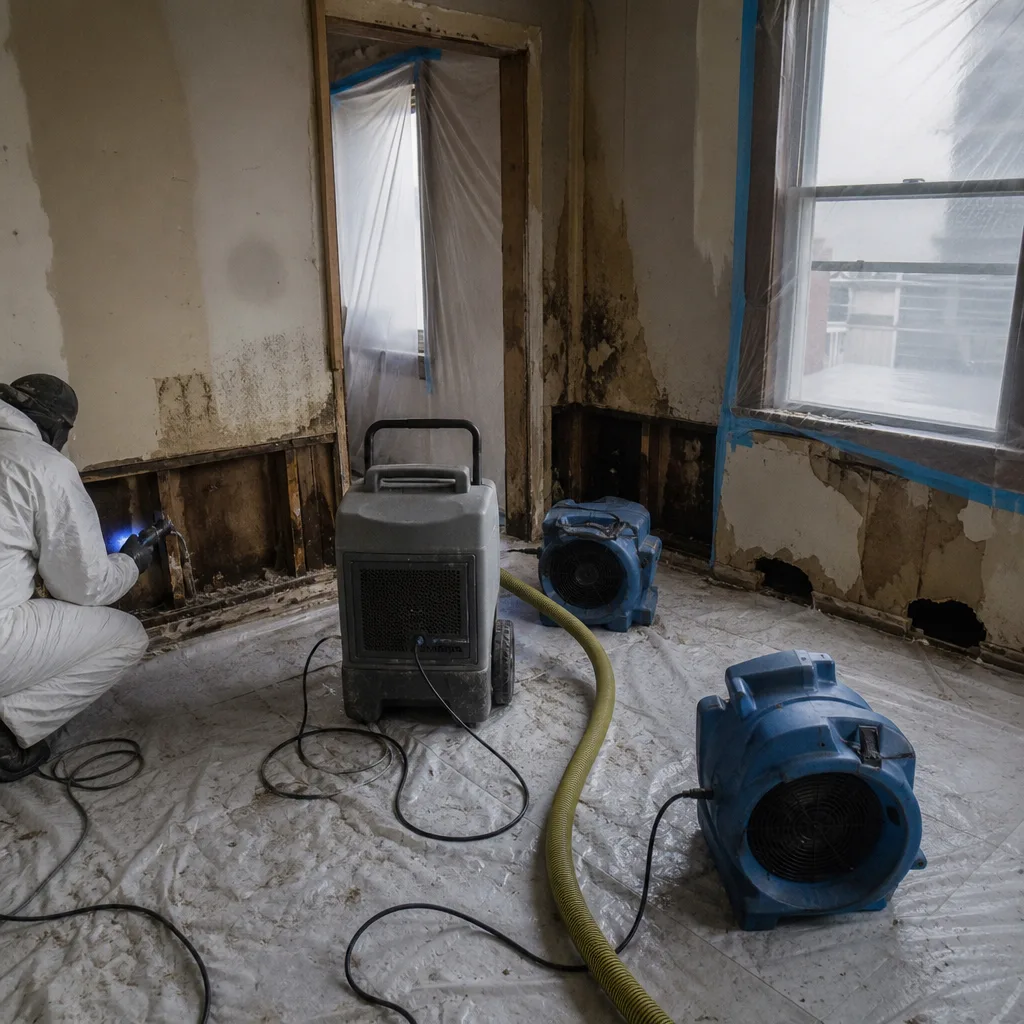 Before
 After
After24/7 Emergency Sanitization Services in Upper West Side
Sanitization after a water or sewage event in the Upper West Side typically runs $850-$2,400 for a standard one-bedroom co-op unit, and we can usually have a crew inside your building within 45 minutes of your call. That speed matters because category 2 and 3 water inside century-old plaster walls starts breeding bacteria within 24 to 48 hours, and every hour of delay lets contamination wick further into horsehair lath and original hardwood. Call (363) 208-1526 any hour, day or night, and Wade himself answers. He’ll ask a few questions, tell you straight what you’re dealing with, and have our Sanitization Services team headed your way with containment fans, HEPA scrubbers, and moisture meters that tell us exactly where the contamination has traveled. The first hour decides whether you’re cleaning one unit or abating five.
What happens when you call
- 1
A real person answersNo phone trees - you reach a local pro.
- 2
You get an upfront price rangeHonest numbers before anyone is dispatched.
- 3
A background-checked tech heads outLicensed & insured, dispatched right away.
- 4
You approve before work beginsNothing starts until you say go.
Understanding Sanitization Services Severity in Upper West Side Properties
Not all sanitization is the same job. We classify water damage the way the IICRC teaches it: Category 1 is clean water from a supply line. Category 2 carries significant contamination, think radiator blowdown or washing machine overflow. Category 3 is black water, and on the Upper West Side that almost always means a cracked cast-iron sewage stack that’s been leaking behind original plaster for days or weeks before anyone noticed the smell. When we respond to a pre-war building on West End Avenue or Riverside Drive, we treat the entire cavity as contaminated until testing proves otherwise. Old plaster wicks moisture upward six inches or more from the point of intrusion, so what looks like a small ceiling stain often hides a much larger colony behind the lath. We use thermal imaging and moisture mapping to find it before we sanitize, because spraying antimicrobial on the surface of horsehair plaster without drying the cavity behind it is just expensive theater. Severity in Upper West Side properties also includes the building itself: asbestos pipe insulation on pre-1978 steam risers can require abatement before we can even access the affected cavity, which adds time and coordination.
Why Upper West Side Property Owners Choose Wade’s Restoration
- 45-minute response commitment – When you call with a sewage backup or a blown radiator valve, Wade has a crew rolling toward your building within 45 minutes, often faster if we’re already working in the neighborhood.
- 24/7 live answer, no answering service – You call, Wade picks up. Not a call center. Not a menu tree. The owner of the company, on his own phone, at 2 a.m. if that’s when the pipe lets go.
- IICRC-certified crews – Our team holds WRT and AMRT certifications, which matter a lot when the job involves category 3 water and antimicrobial treatment behind original plaster. You don’t want someone learning on your co-op’s century-old walls.
- Free visual inspection – Before you commit to anything, we’ll walk the affected areas, take moisture readings, and tell you honestly whether you need full containment or just a targeted cleaning. No charge for that.
- Direct insurance billing – We deal with your adjuster, your co-op’s master policy carrier, and whatever combination of coverages applies. You’re not the one relaying messages between three parties.
- One team from extraction to restoration – The same crew that sets containment and runs drying logs is the crew that restores your crown moldings and repoints your plaster. Nobody hands your job off to a stranger halfway through.
Our Sanitization Services Process
Inspection & Assessment
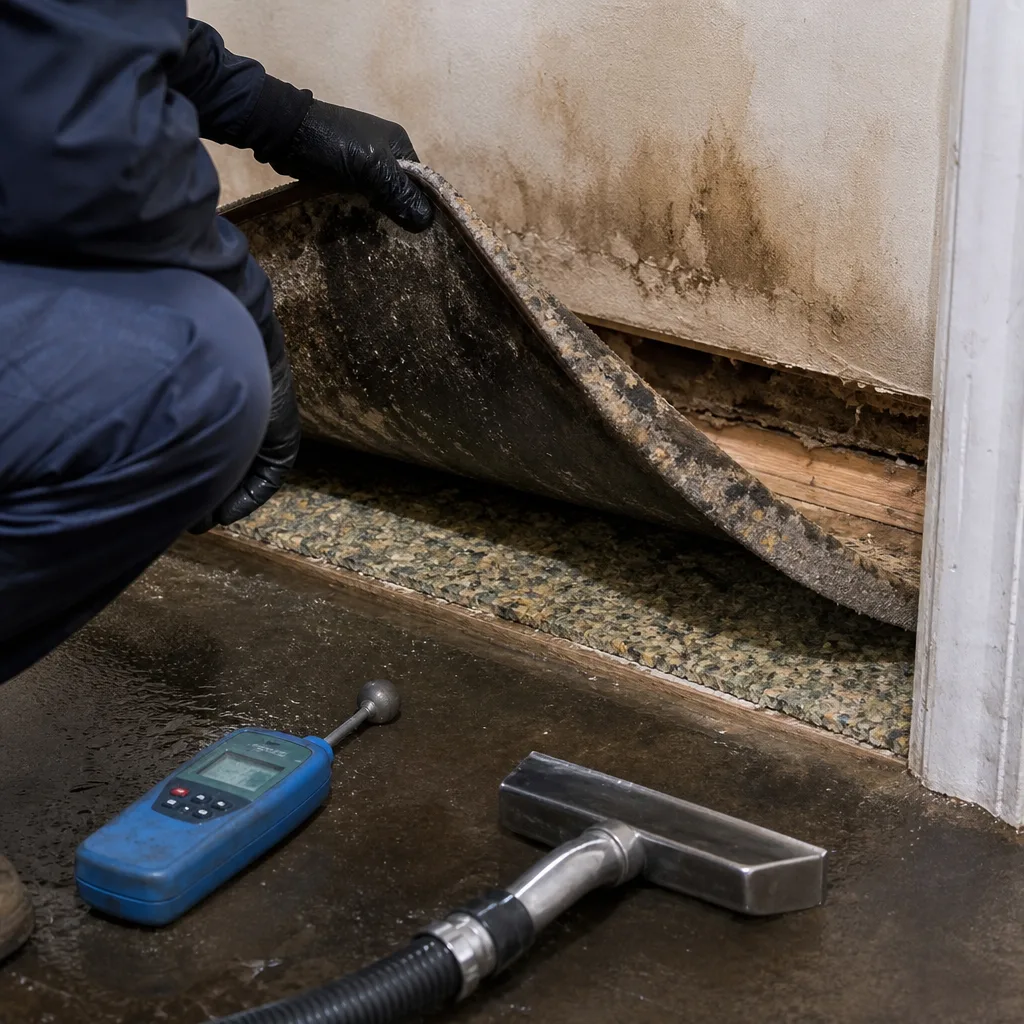
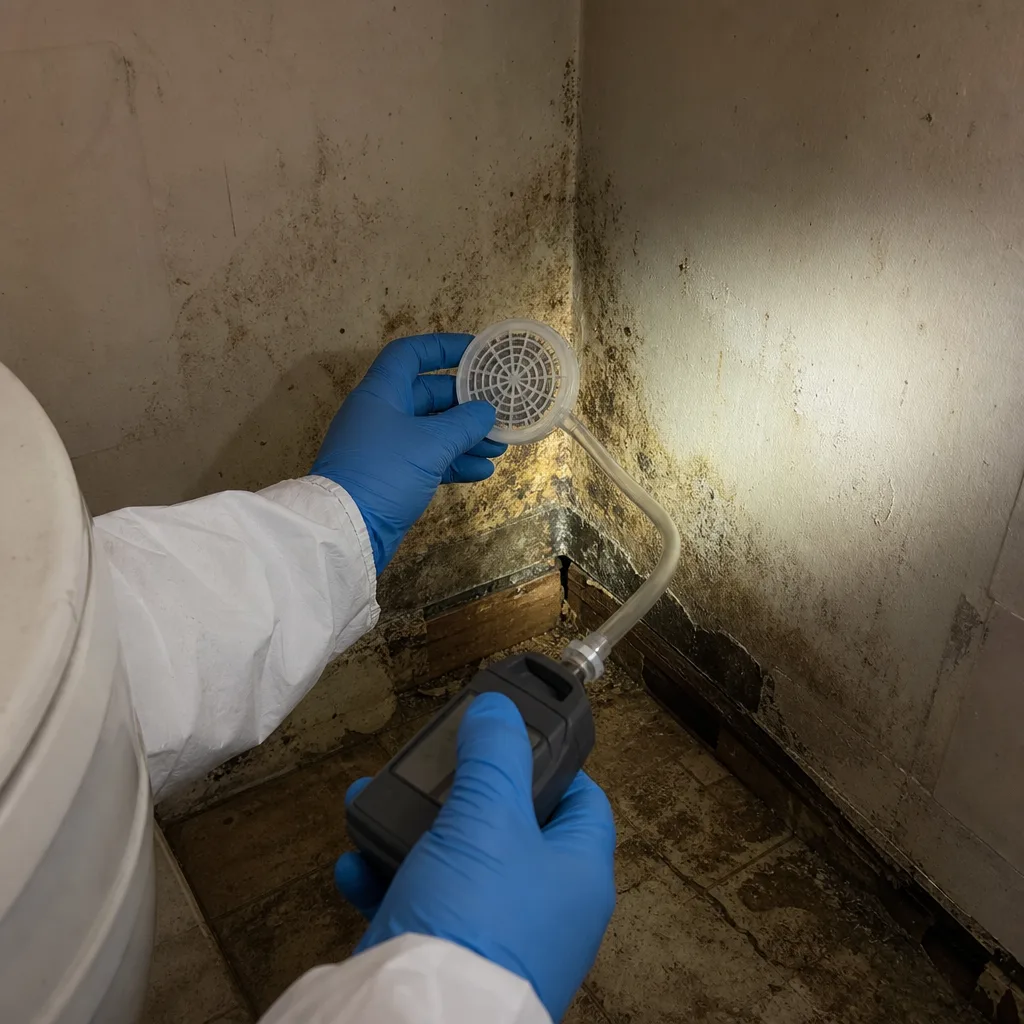
We arrive, walk every affected room, and start taking moisture readings immediately. On a pre-war Upper West Side co-op, that means checking not just the visible stain but the lath behind it, the floor joists beneath it, and the neighboring units above and below. We classify the water category, map the contamination, and give you a written scope before any work starts.
Extraction & Stabilization
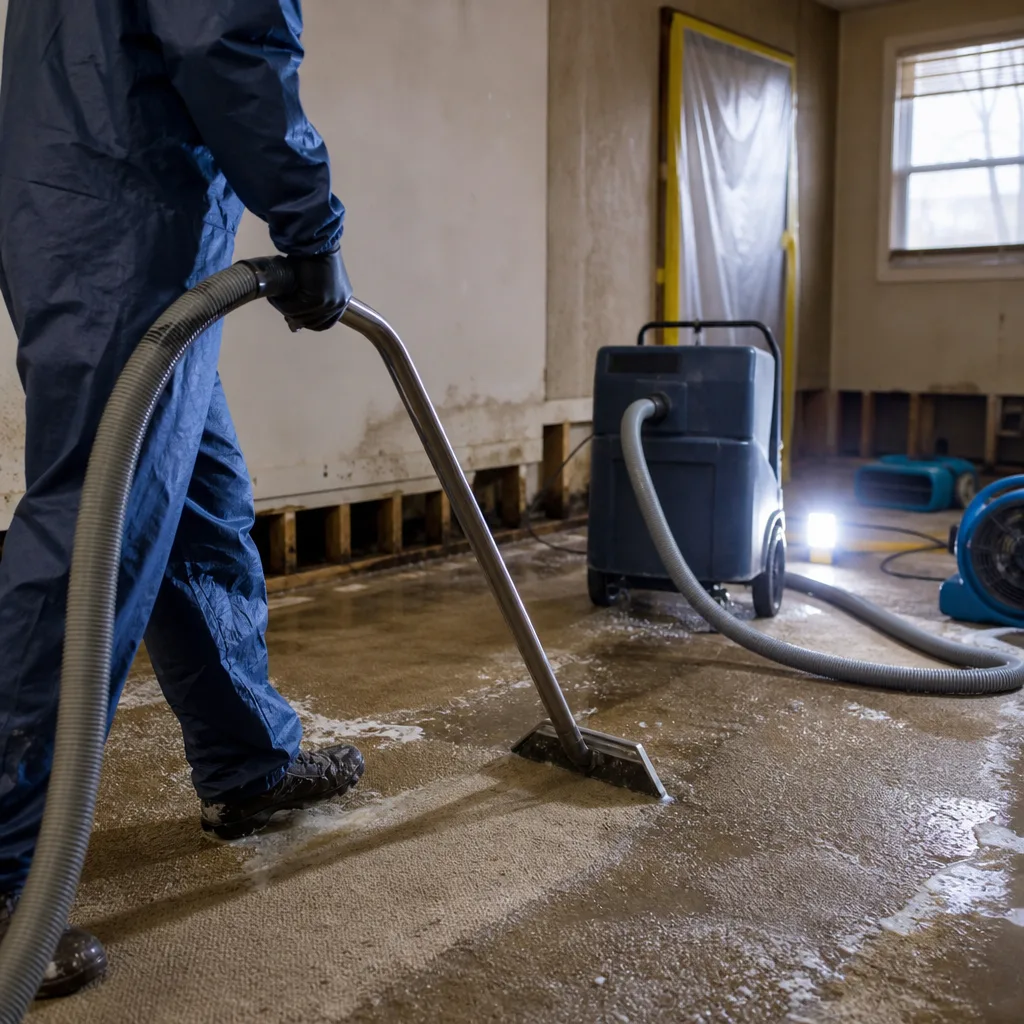
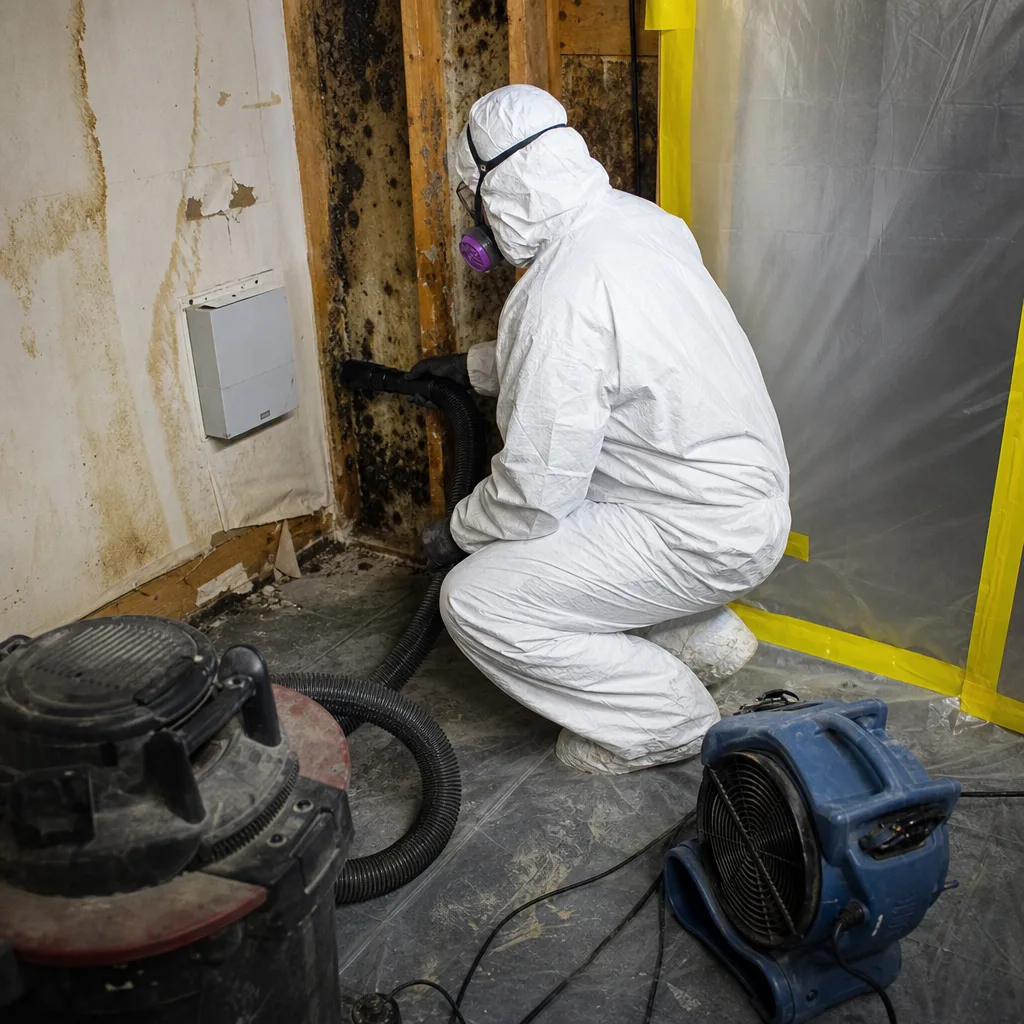
Standing water comes out first, using truck-mounted extraction for larger events or portable units for upper-floor co-ops where access is tight. We stabilize the affected area with containment barriers and negative air pressure so contaminated particles don’t migrate through shared corridors or into neighboring apartments.
Drying & Dehumidification
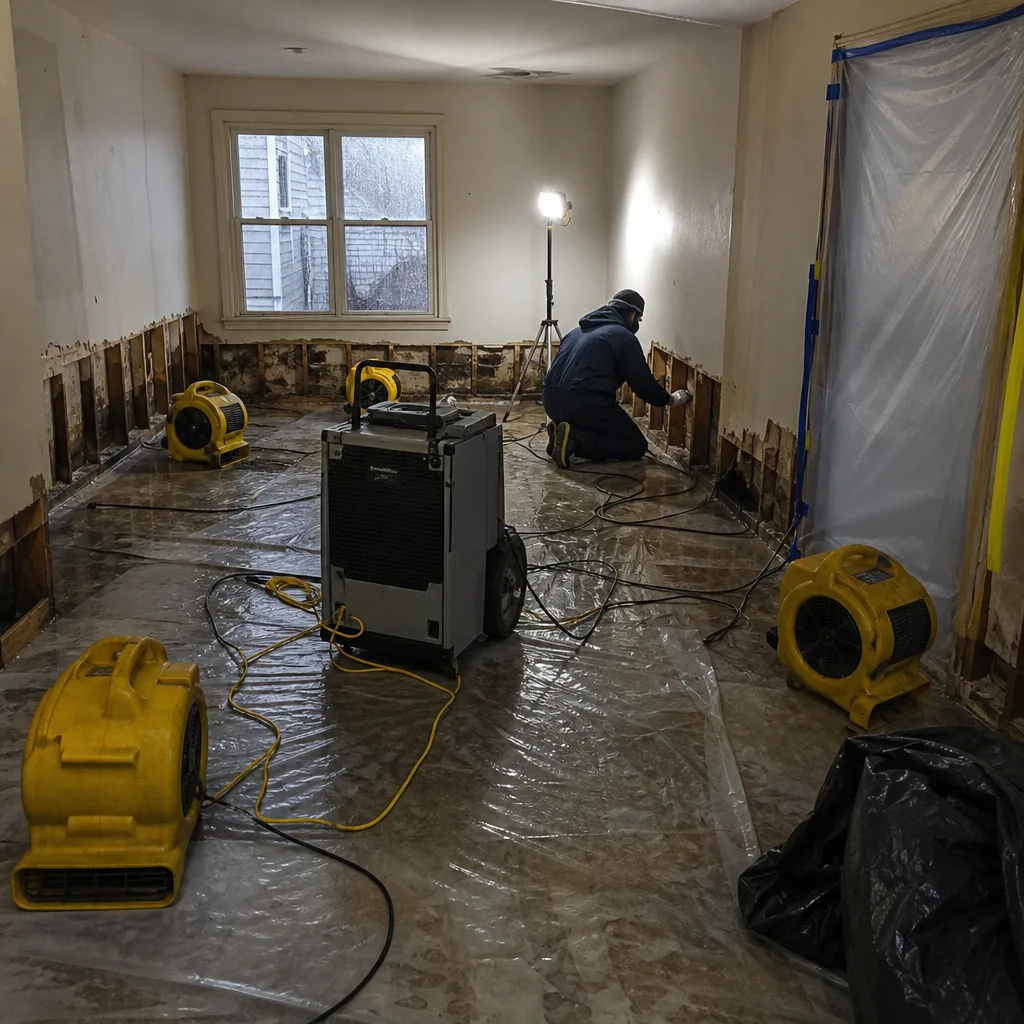
Air movers and dehumidifiers run continuously, with hygrometers tracking humidity in the wall cavities, not just the room. On original horsehair plaster, this phase often takes longer than newer drywall construction because the plaster holds moisture deep in the lath. We hand you the full drying log at the end, every reading, every day. Almost nobody in this trade does that.
Cleaning & Sanitization
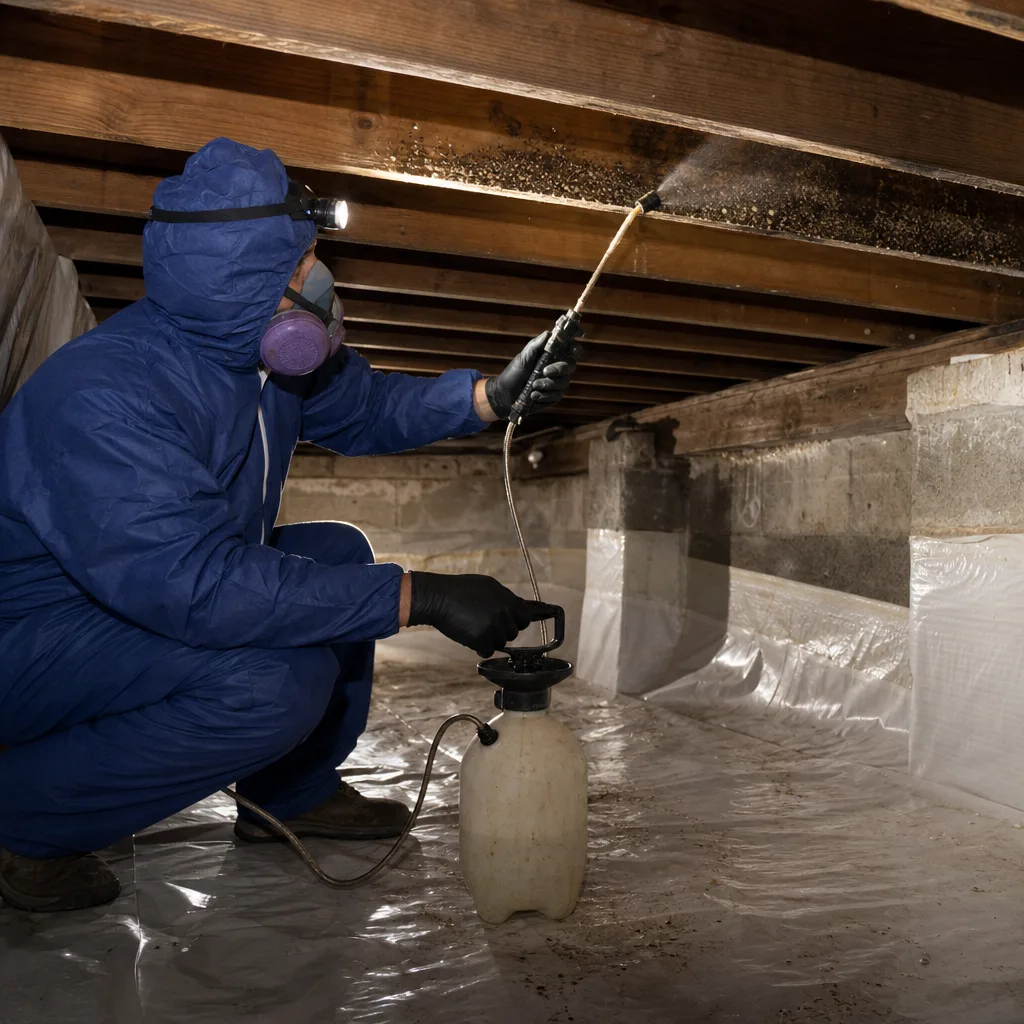
Once the affected cavities are dry, we apply EPA-registered antimicrobial treatment to all exposed surfaces and accessible wall cavities. For pre-war buildings with shared ventilation, this is where air duct sanitization matters. Without treating the ducts, post-illness cleanup in one unit leaves the sour smell drifting into every apartment on the stack.
Specialty Treatment
Depending on what we found, this includes commercial-grade fogging for odor neutralization, targeted antimicrobial injection behind plaster, or full HEPA air scrubbing for virus and bacteria decontamination. On Upper West Side jobs where asbestos abatement is required before cavity access, we coordinate that sequencing so sanitization starts the moment the cavity is accessible.
Repairs & Restoration
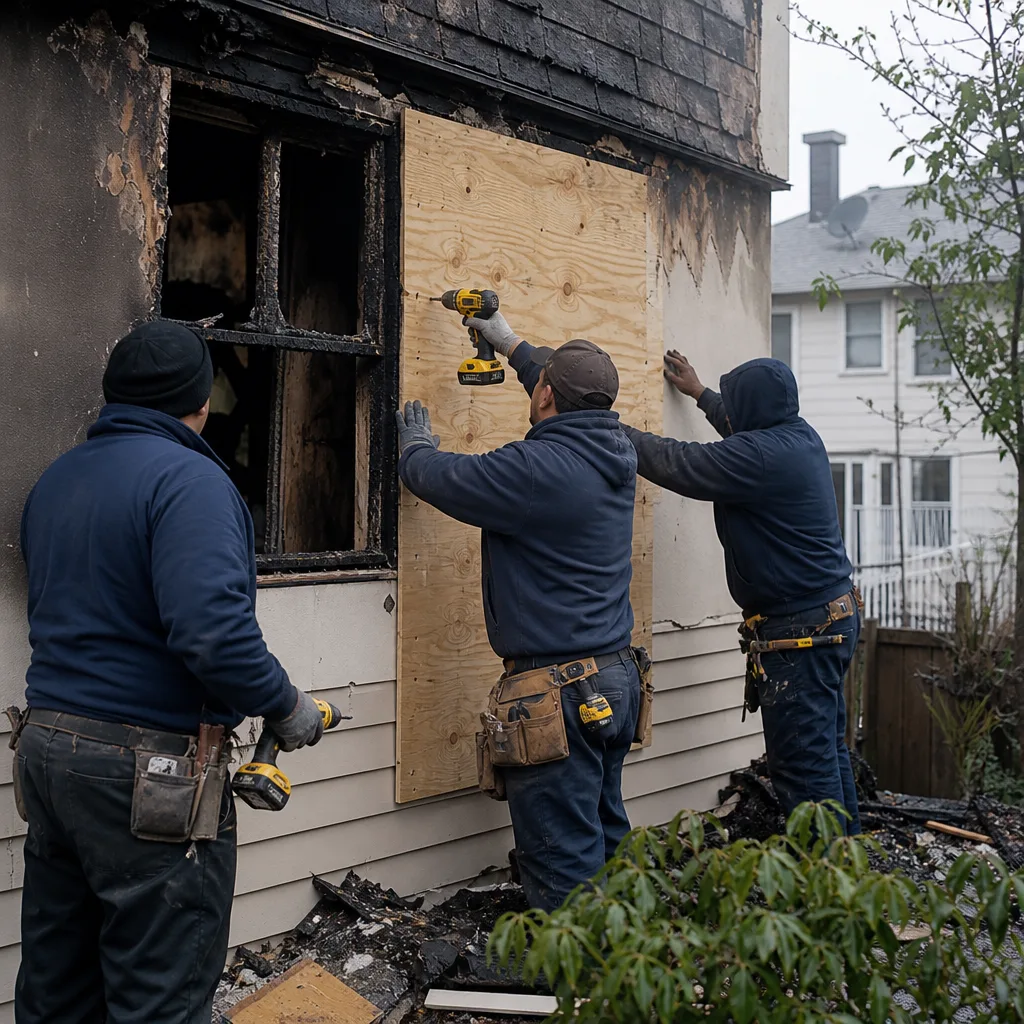
Once clearance testing confirms the contamination is gone, we restore what was damaged: plaster patching, crown molding replication, parquet floor repair, or full reconstruction if the event was extensive. The scope is in writing before any of this begins, so you’re never surprised by a final bill.
Need Emergency Sanitization Services in Upper West Side Now?
Crews minutes away, answering live 24 hours a day. The sooner we start, the less it costs.
Working With Your Insurance Company
Sanitization claims on the Upper West Side get complicated fast, because there are often three policies in the room: yours, the co-op corporation’s, and the building’s master policy. We handle all of it. From the first hour, we document everything your adjuster will need: photos of the damage room by room, moisture readings and drying logs, and a line-item scope of work that uses the same estimating format insurers recognize. Wade talks to adjusters directly. He’s been doing it since 2007, and he knows how to explain containment costs and antimicrobial treatment to a carrier that wants to only pay for a mop and bucket. When your co-op board needs documentation before they approve access, we provide that too. One call brings Wade back, and he’s the one who makes sure the claim covers what actually happened, not what the adjuster hoped happened.
What We Provide Your Insurer
- Thorough documentation of the loss
- Photos of all damage, room by room
- Moisture readings and drying logs
- A detailed, line-item scope of work
- Direct coordination with your carrier
Built for Upper West Side’s Loss Calendar
Upper West Side sanitization calls follow a rhythm that anyone who’s lived here for a decade knows by heart. November is the month steam-heat radiator valves blow, when building supers crank boiler pressure after months of disuse and aging risers give out under the stress, sending scalding category 2 water through a vertical stack of units before anyone can shut the valve. January deep freezes pop supply lines in exterior-facing kitchens and bathrooms, especially in Romanesque Revival co-ops where original plumbing runs through uninsulated masonry chases. March and April bring freeze-thaw cycles against aging facades, driving roof-to-unit water intrusion through cracked parapets and deteriorated brick. Every late winter and early spring, the Hudson River’s western exposure means those facade leaks become recurring sanitization calls in the same buildings year after year. Summer brings thunderstorm flash flooding to basement-level commercial spaces along Broadway and Amsterdam, and Central Park’s moisture microclimate keeps lower-floor courtyard units more humid than the rest of the building, which accelerates mold colonization behind original plaster when any water event goes undetected.
Sanitization Services Across Upper West Side’s Neighborhoods
Every stretch of the Upper West Side has its own building DNA, which changes how we approach sanitization. Up on West End Avenue, the grand Beaux-Arts co-ops from the 1920s have ornate plaster ceilings and steam risers that haven’t been replaced since the Coolidge administration. When we respond to a blowout there, we assume category 2 water in the wall cavities and set containment on every affected floor before we even open the plaster. Riverside Drive buildings sit hard against the Hudson, and the western exposure means facade leaks and wind-driven rain intrusion are the recurring theme. Over on Central Park West, the moisture microclimate from the park elevates humidity on lower floors, so we run dehumidifiers longer and check cavity readings more often before clearing a job. The 10024 and 10025 zip codes hold most of the classic six-and-seven-story elevator buildings, while the corridor along Amsterdam and Broadway includes post-war slab buildings from the 1950s and 60s where drywall construction changes the drying math entirely. The 10023 blocks below 72nd Street run heavier on townhouses and smaller co-ops, where a single-family sewage backup is contained but the original cast-iron stack often means the source problem goes deeper than the visible damage.
Specialized Sanitization Services Services We Offer in Upper West Side
Antimicrobial Treatment
After category 2 or 3 water touches original plaster and lath, surface cleaning isn’t enough. We apply EPA-registered antimicrobial treatment to all exposed surfaces and accessible wall cavities, targeting the bacteria and mold spores that thrive inside century-old building materials. On Upper West Side jobs where asbestos pipe insulation prevents immediate cavity access, we sequence the abatement so antimicrobial application starts the moment the cavity is open.
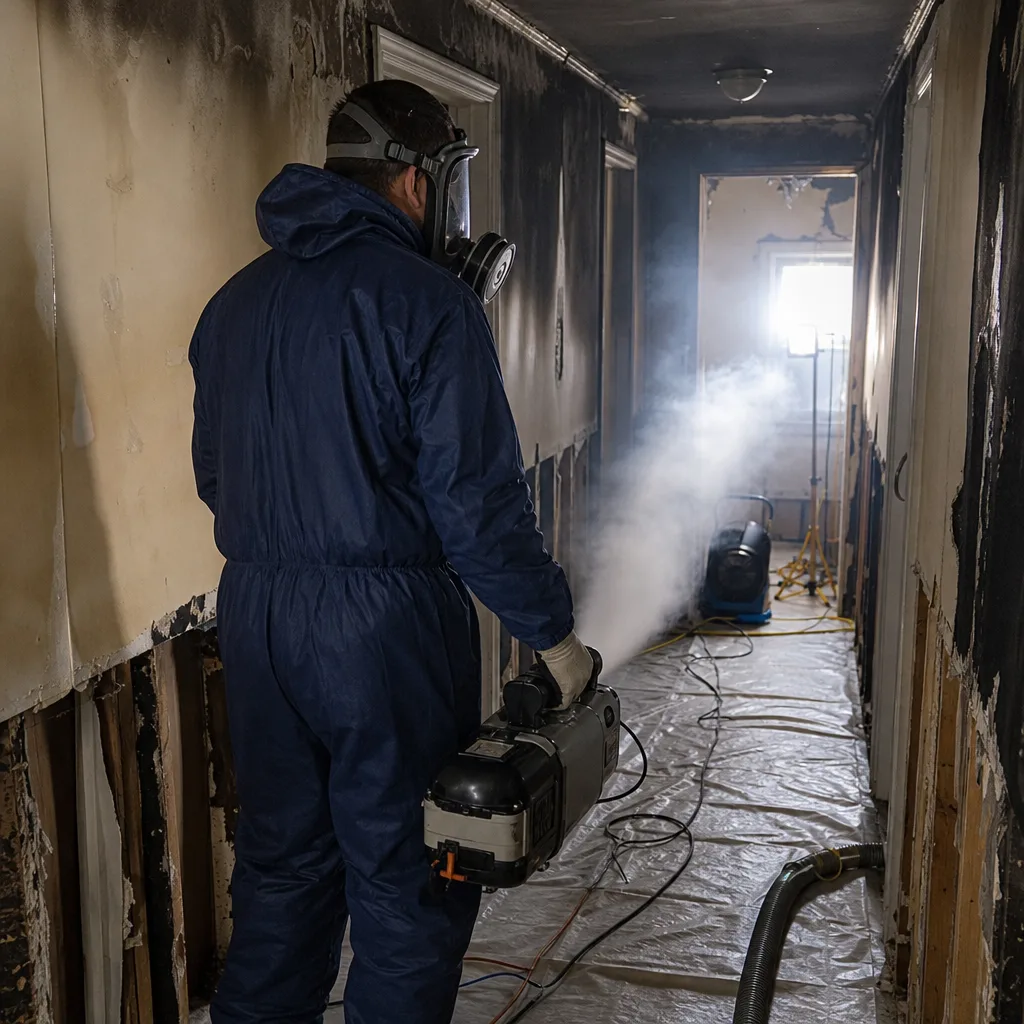
Odor Neutralization
Pre-war buildings with shared courtyard ventilation recirculate odor particles between stacked units. When one apartment has a sewage backup or post-illness contamination, the smell drifts into neighboring units within a day. We use commercial-grade fogging and targeted oxidation to neutralize odor at the particle level, not just mask it. After a West End Avenue co-op job, the neighbors on both sides of the stack commented that they finally stopped smelling the sour air in their own bathrooms.
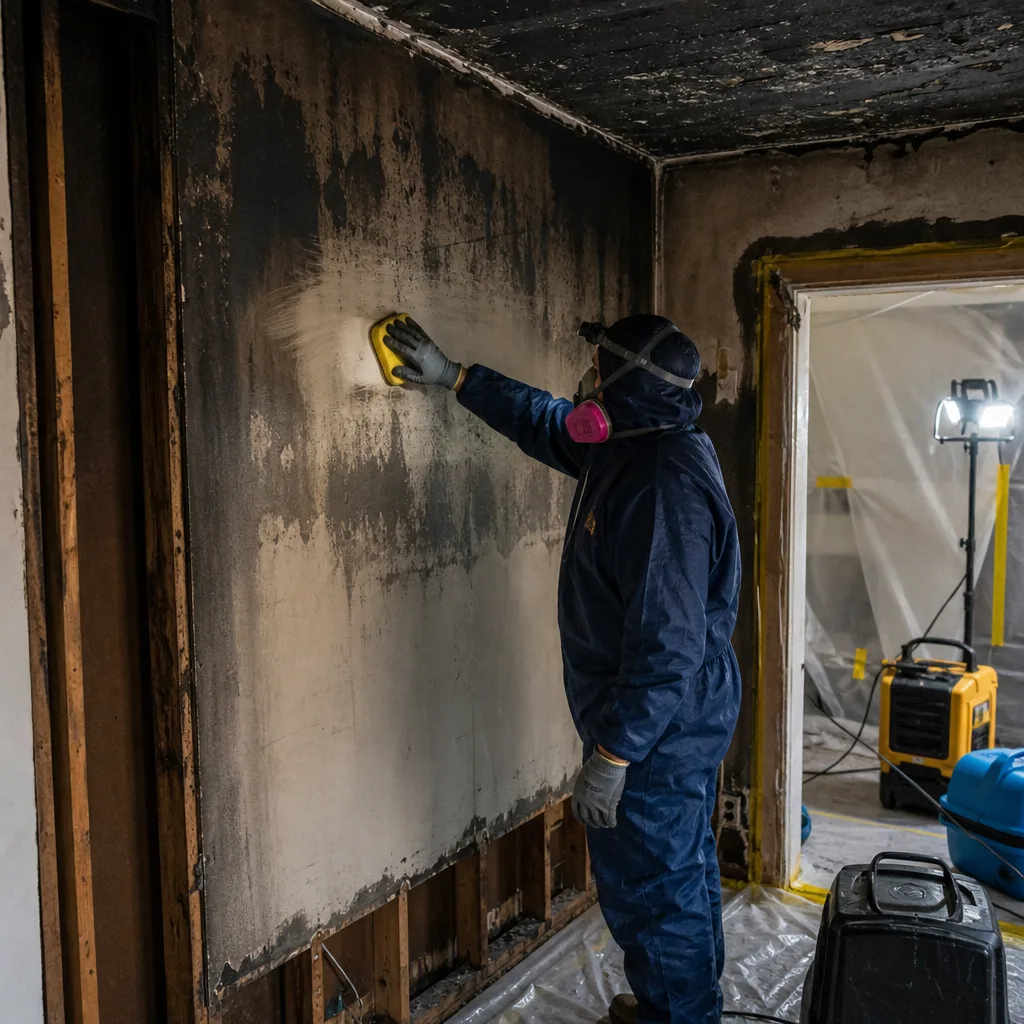
Air Duct Sanitization
Many Upper West Side pre-war buildings have original ductwork or retrofitted HVAC that hasn’t been cleaned in decades. When we sanitize after a water event, we check the ducts too. Contaminated air moving through shared risers re-seeds every unit connected to the system. Duct sanitization with HEPA filtration and antimicrobial fogging stops that cycle, which matters when the building’s ventilation is older than most of its residents.
Virus & Bacteria Decontamination
Post-illness cleanup in an Upper West Side apartment building is a different job than in a house. Shared elevators, shared stairwells, shared courtyard air. We treat the affected unit with medical-grade disinfection protocols, then address the shared surfaces and air paths that connect that unit to the rest of the building. This is the work where our IICRC AMRT certification and RIA training matter most.
Deep Disinfection
For surfaces that can’t be replaced, like original mantels, decorative plaster medallions, and built-in millwork, we use deep disinfection protocols that kill pathogens without damaging century-old finishes. This takes more time than spraying a modern drywall wall, but trying to rush it ruins the details that make your co-op worth what it is.
Commercial-Grade Fogging
When contamination has spread through a stack of units or into common areas, we deploy commercial-grade fogging equipment to treat entire volumes of air and every exposed surface simultaneously. In pre-war buildings where the air paths between apartments were never sealed, fogging is often the only way to reach contamination that lives behind radiators, inside closet interiors, and along crown molding runs that touch three different rooms.
Sanitization Services Costs in Upper West Side, NY
What you’ll pay depends on how far the contamination traveled and what it touched. A targeted sanitization after a small radiator valve leak in a one-bedroom co-op on Riverside Drive typically runs $850-$1,600. A full containment and antimicrobial treatment after a cracked cast-iron sewage stack affecting two or three rooms in a pre-war unit on West End Avenue usually lands between $2,400 and $5,200. When asbestos abatement enters the picture, which it often does on pre-1978 steam risers, add $1,500-$4,000 depending on the scope. If the job reaches multiple units in a stack, which is common when a riser blows, costs scale with each affected floor. Most of these jobs are covered in whole or part by insurance: your unit policy, the co-op’s master policy, or both. We provide the documentation and direct adjuster communication to make that coverage actually pay out. Before you agree to anything, we do a free visual inspection and hand you a written scope with real numbers. Call (363) 208-1526 and Wade will walk it through with you, no charge for the assessment.
We Also Serve Cities Near Upper West Side
Our crews regularly work across the surrounding neighborhoods and boroughs, including Astoria, the Financial District, Lower Manhattan, and Flushing. If you’re anywhere in the metro area and dealing with a sanitization emergency, call us. We’ll tell you straight whether we can get there fast enough to make a difference, and we’ll recommend someone local if we can’t.
Upper West Side Sanitization Services Questions, Answered
How does sanitization differ when water damage originates from a cracked cast-iron sewage stack in a pre-war Upper West Side co-op?
It’s a category 3 black water job, which means full containment, antimicrobial treatment, and clearance testing before any restoration can begin. The century-old cast-iron stacks in Upper West Side pre-war buildings crack behind plaster, and the contamination often spreads through wall cavities for days or weeks before anyone notices. That means we’re sanitizing a much larger area than the visible stain suggests, and we treat the cavity as contaminated until testing proves otherwise. Call (363) 208-1526 for a free inspection if you suspect a stack leak.
Can you sanitize original horsehair plaster ceilings after a steam radiator valve blow without removing the plaster?
Yes, when the plaster is structurally sound. We dry the cavity behind it, then apply antimicrobial treatment through injection points and surface application. If the plaster has delaminated from the lath or is crumbling, it has to come down regardless. The drying log tells us whether the cavity actually dried. If moisture remains trapped, sanitizing the surface won’t stop mold from blooming behind it. Free inspection tells us which situation you’re in.
What does commercial-grade fogging do for post-illness cleanup in an Upper West Side apartment building with shared ventilation?
Fogging disperses an antimicrobial mist fine enough to reach every exposed surface, including behind radiators, inside closets, and along crown molding runs. In pre-war buildings with shared ventilation, the fog also travels the same air paths that spread the contamination in the first place, treating the shared risers and courtyard-facing vents that connect your unit to the rest of the building. Without it, you can sanitize one apartment perfectly and still smell the residue drifting in from the neighbors a week later.
Is sanitization enough after a water event that soaked century-old hardwood parquet floors in a Romanesque Revival co-op?
Usually not. Original parquet floors in Upper West Side pre-war buildings are often set in mastic that may contain asbestos, and the wood itself wicks moisture deep into the subfloor. Sanitizing the surface doesn’t address the moisture trapped between the finished floor and the structural deck. We take moisture readings through the floor assembly to see what’s actually happening underneath. In many cases, the parquet must be carefully lifted, the subfloor dried and sanitized, and the parquet relaid. That’s the difference between a cleanup and a restoration. Get a free inspection before you decide it’s fine as-is.
Why do sanitization jobs on the Upper West Side take longer than in other parts of the city?
Three reasons: co-op board approvals, asbestos abatement sequencing, and original plaster’s moisture-holding behavior. Most Upper West Side buildings require board or management sign-off before we can open walls or run equipment in certain spaces, and those approvals can take a day or two. Pre-1978 construction often means asbestos-containing pipe insulation or floor mastic, which must be abated before we can access certain cavities. And horsehair plaster holds moisture longer than drywall, which extends the drying phase. We’d rather take the extra days and prove clearance than rush and leave mold behind the lath.
How fast can you actually get to an Upper West Side co-op?
Our goal is inside 45 minutes for any Upper West Side address, and we’re often faster when we’re already working in the neighborhood. We serve the Upper West Side daily, so there’s usually a crew nearby. Call (363) 208-1526 and Wade will tell you exactly where the nearest crew is and when they’ll be at your door.
Will insurance cover sanitization after a sewage backup in my co-op?
Most of the time, yes, but the coverage comes from the right policy. Your unit policy typically covers the interior damage and sanitization. The co-op’s master policy often covers the building systems, including the failed cast-iron stack itself. We document everything from the first hour, provide the drying logs and line-item scope your adjuster needs, and coordinate directly with both carriers. If the stack failure damaged multiple units, which it commonly does, the master policy may cover portions of the shared damage. Free inspection and documentation, no charge for the assessment.
What should I do in the first 30 minutes after a radiator valve blows?
Shut the valve if you can access it safely, or call your super to shut the riser. Then call us at (363) 208-1526. Don’t run fans you already have, especially if the water is grey or black. Household fans blow contaminated air into other rooms and make the job bigger. Move small items off the wet floor if you can do it safely, but don’t try to open walls or pull up flooring yourself. The faster we start extraction and drying, the less contamination spreads into the cavities. Every hour matters, and we answer live around the clock.
Serving Upper West Side, NY - Our Local Coverage Area
We’re based in the Upper West Side area and know this community well. Use the map below to see our service coverage - if you’re nearby, we can almost certainly help.
Call Wade’s Restoration for Sanitization Services in Upper West Side
When category 2 water is soaking original plaster and the co-op board is asking for documentation, you need someone who’s done this exact job in this exact building type a hundred times before. Wade Ferris has been running Sanitization Services in Upper West Side co-ops since 2007. He answers his own phone. He hands you the drying log. He deals with your adjuster. And every job carries the 90-Day Done Right Promise, in writing: if it’s not done right, he makes it right. Call (363) 208-1526 now for a free visual inspection and a straight answer about what you’re dealing with. No charge for the assessment, and no charge for the trip when you’re in our service area. Ask anyone on your street. Wade’s the one they call.
Written by Wade Ferris, Owner at Wade’s Restoration, serving Upper West Side since 2007.
Why Upper West Side Chooses Wade's Restoration
We set the standard for sanitization services in Upper West Side.
Documented for Your Claim
Every job is photographed before, during and after, with moisture logs where they apply. We hand the full file to your adjuster and bill your insurance directly - you are never the one relaying it.
Licensed & Insured
Fully certified technicians who meet all local and state licensing requirements.
Upfront Pricing
No hidden fees, no surprises. You approve the price before any work begins.
Guaranteed Work
Every repair and installation is backed by our workmanship warranty and satisfaction guarantee.
How It Works in Upper West Side
Getting your sanitization services handled is simple and fast.
Call or Request a Free Estimate
Tell us about your sanitization services needs and we provide an upfront, transparent quote - no obligation, no hidden fees.
Licensed Technician Dispatched
A background-checked, certified technician arrives in Upper West Side - typically within 30-60 minutes, with parts stocked on the truck.
Problem Solved, Guaranteed
We complete the job to your full satisfaction, backed by our warranty and 100% satisfaction guarantee.
What happens when you call
- 1A real person answersNo phone trees - talk to a local sanitization services pro.
- 2You get an upfront price rangeHonest numbers before anyone is dispatched. No surprises.
- 3We come out and measureLicensed & insured, at a time that suits you - the visit and the quote are both free.
- 4You get the price in writingLine-itemed, yours to keep, and nothing starts until you say go.
What Upper West Side Customers Say
Trusted by homeowners across Upper West Side and surrounding areas.
"He talked me through what would happen next while I was still standing in the water crying down the phone at him. That was worth as much to me that night as the equipment."
"He gave me the daily moisture log at the end, on paper, with the readings from every point. I have never had a trade prove the job was actually finished before."
"He photographed everything before he touched a thing and took moisture readings every single day, then handed the whole file to the adjuster. Our claim went through without one argument."
Our Work in Upper West Side
A look at recent damage restoration projects across Upper West Side and surrounding areas.
Ready for Sanitization Services in Upper West Side?
Call now for a free estimate - or request one below. Licensed, insured, and here with fast after-hours help in Upper West Side.
(363) 208-1526Request a Free Estimate in Upper West Side
Tell us about your sanitization services needs - we'll respond within the hour.