
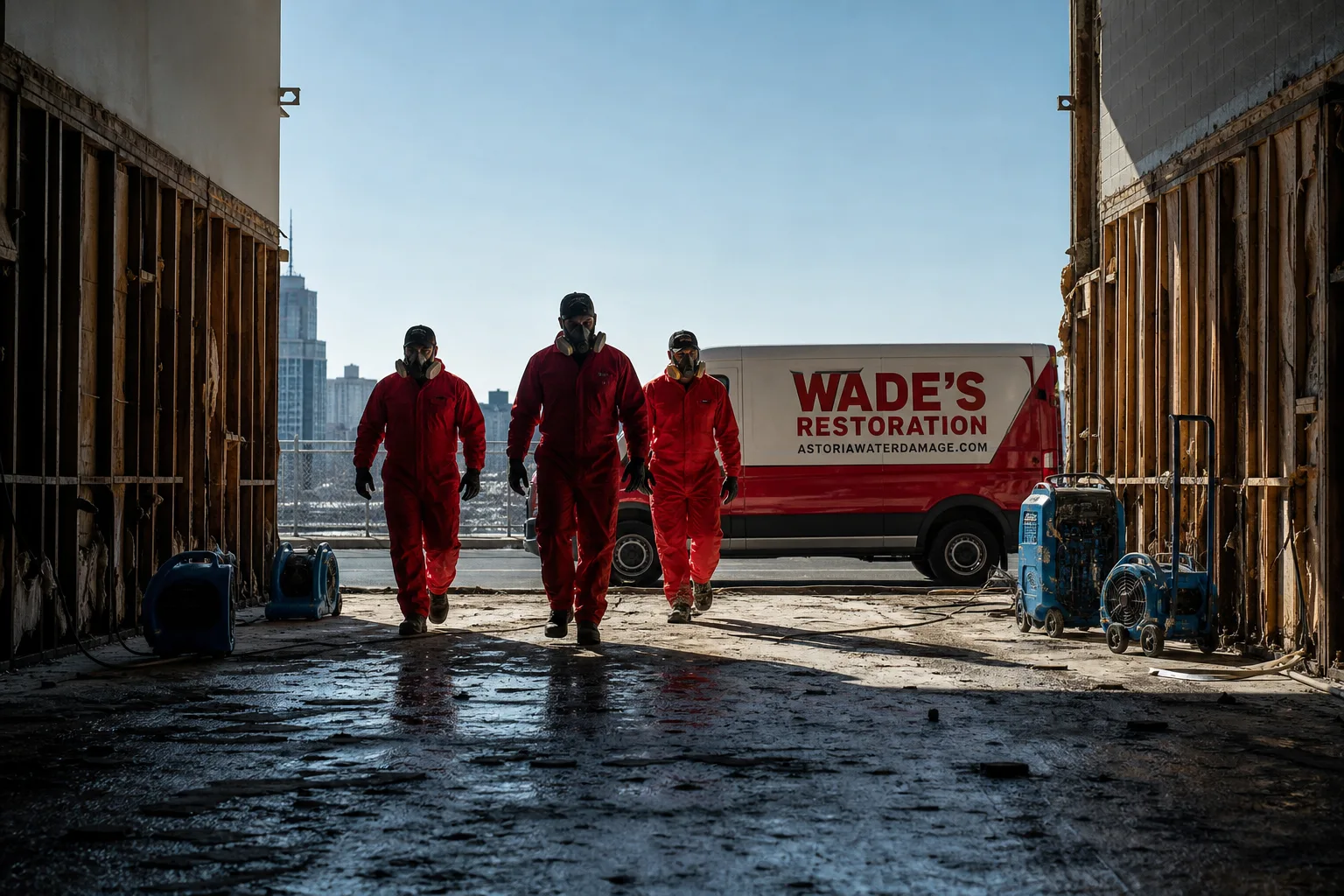
Free visual inspection and a written scope of work before any mitigation begins - photos, moisture readings, and drying logs go in your claim file
The scope we write is the scope we bill. Anything new gets shown to you, in writing, before we touch it.
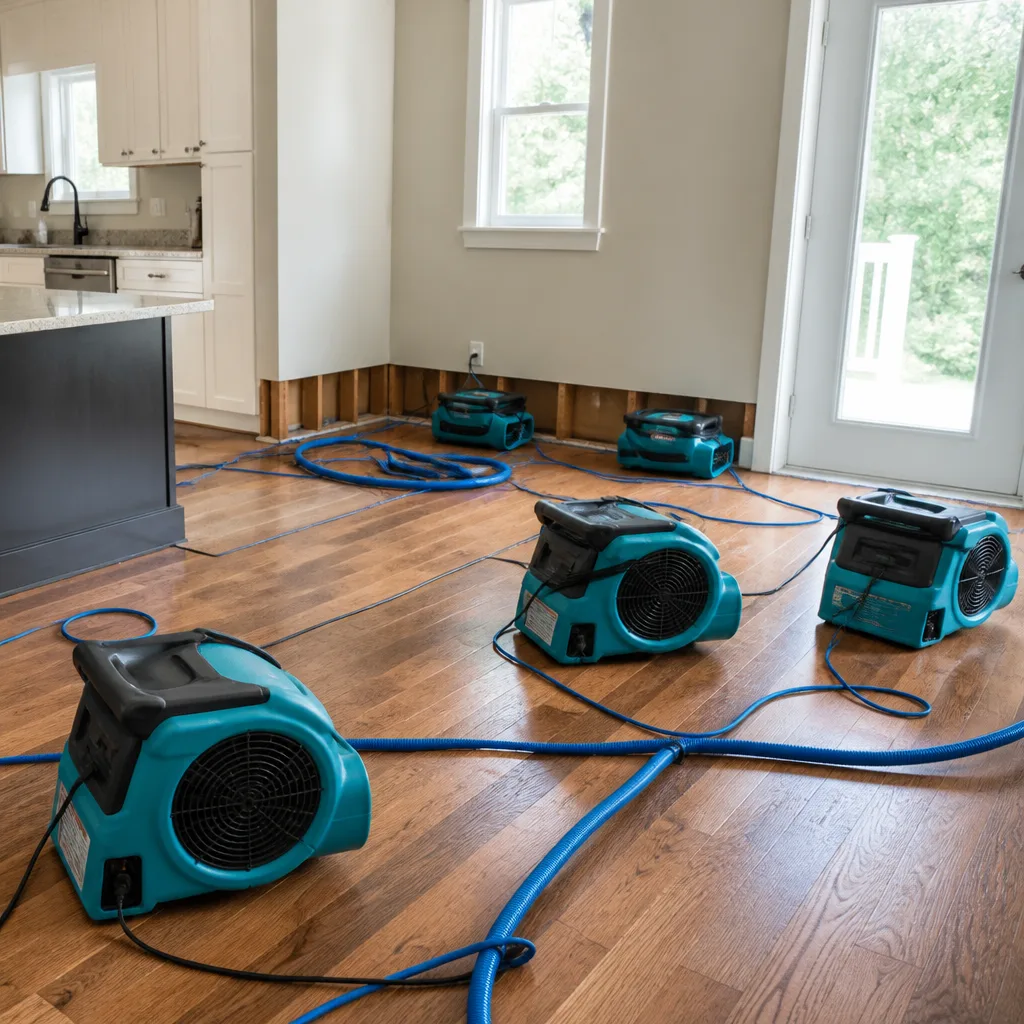
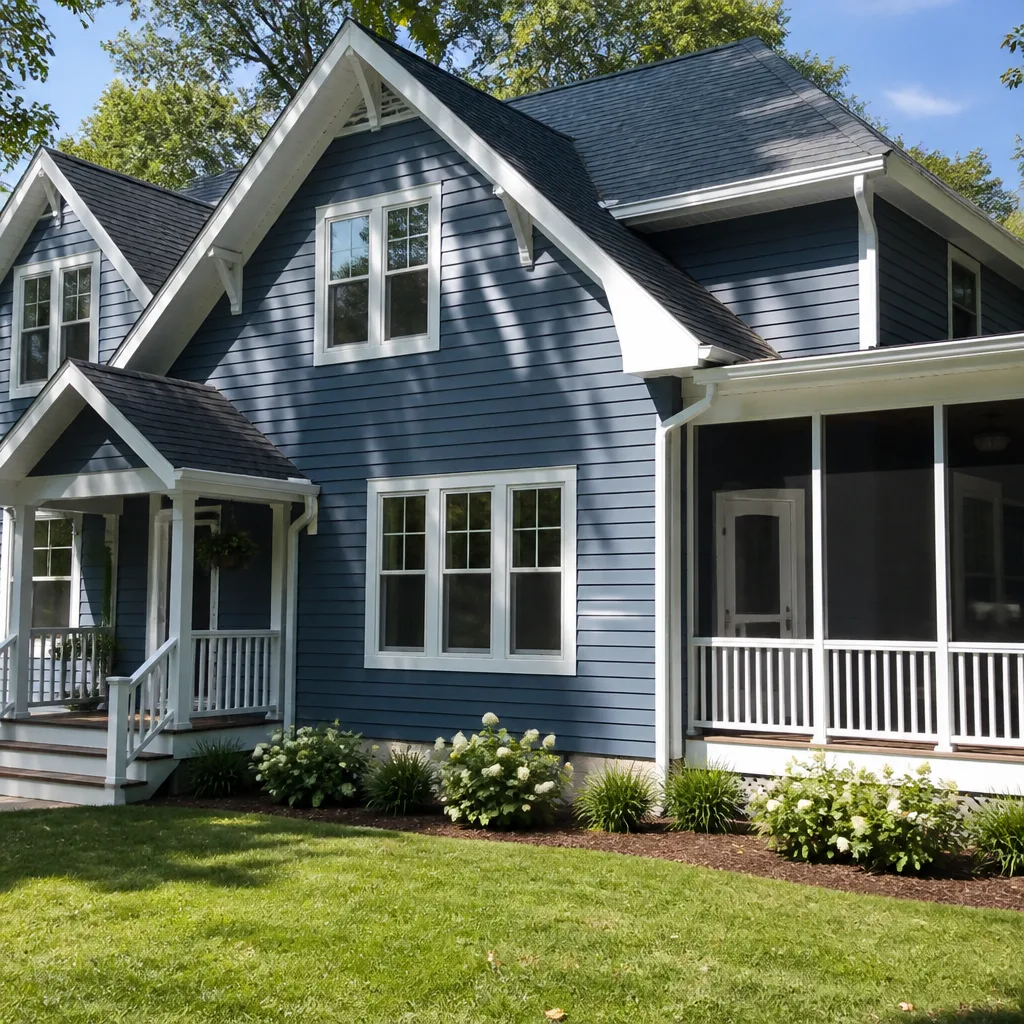
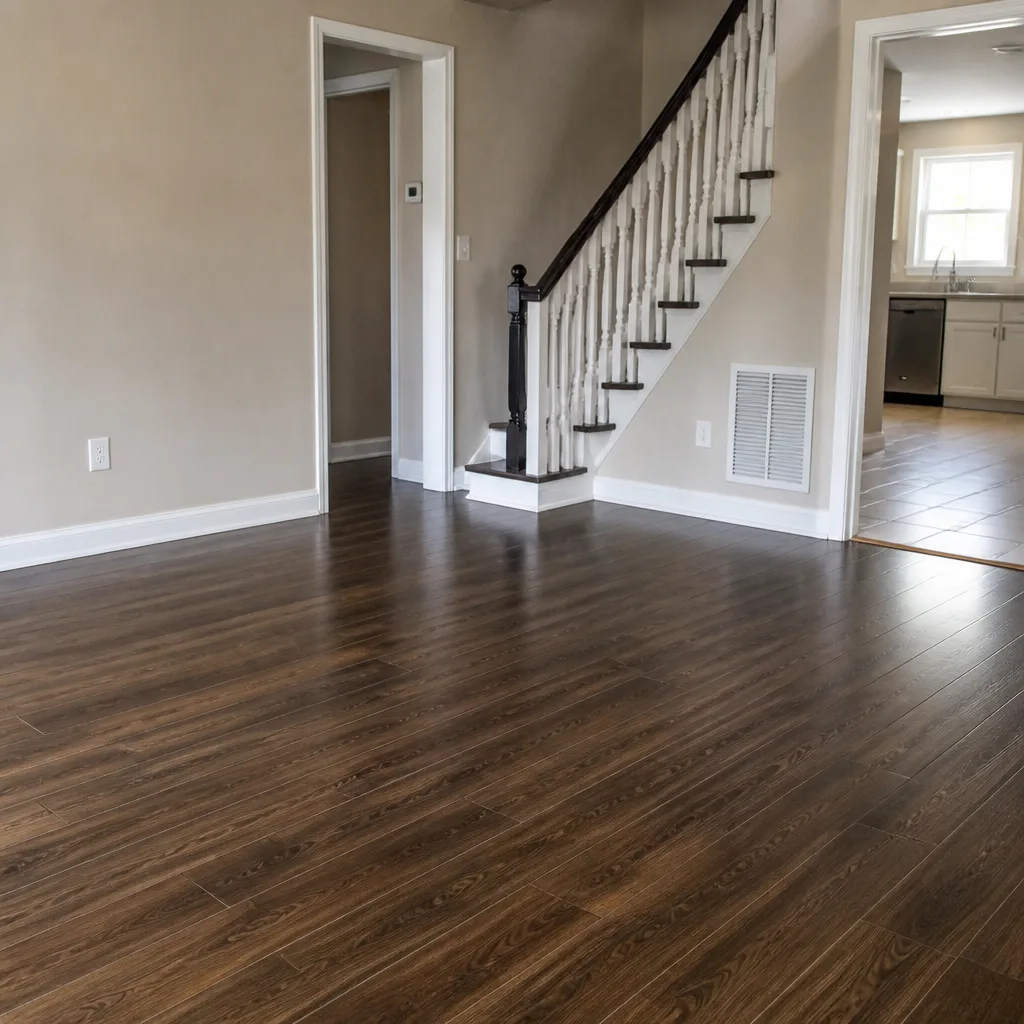
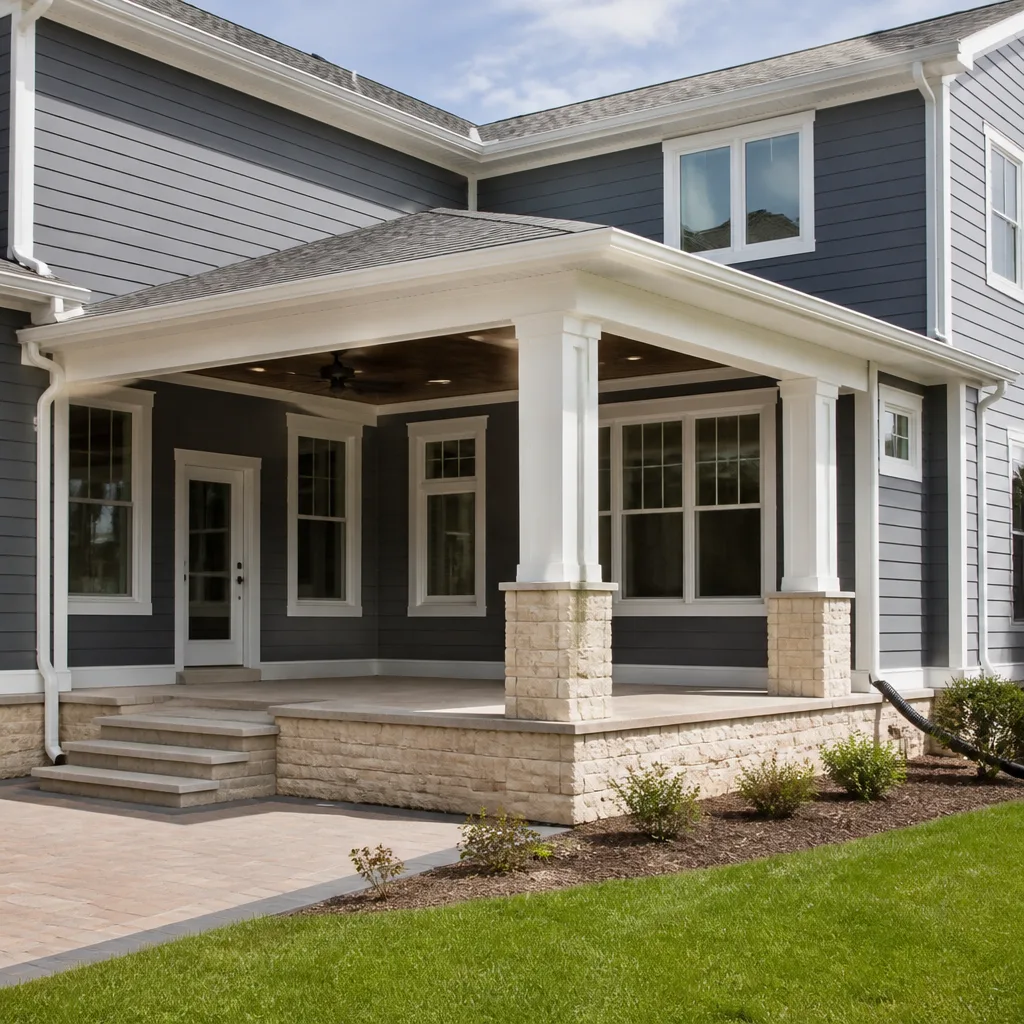
 Before
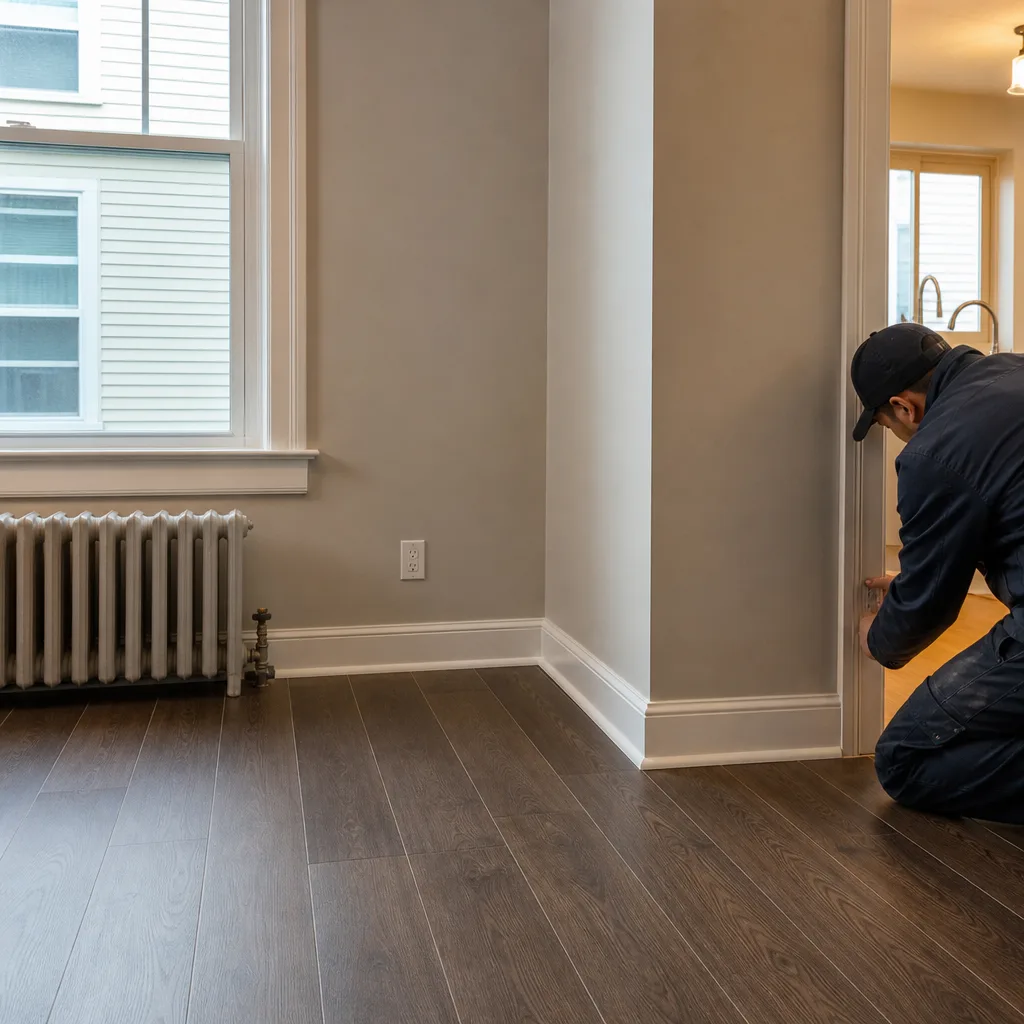 After
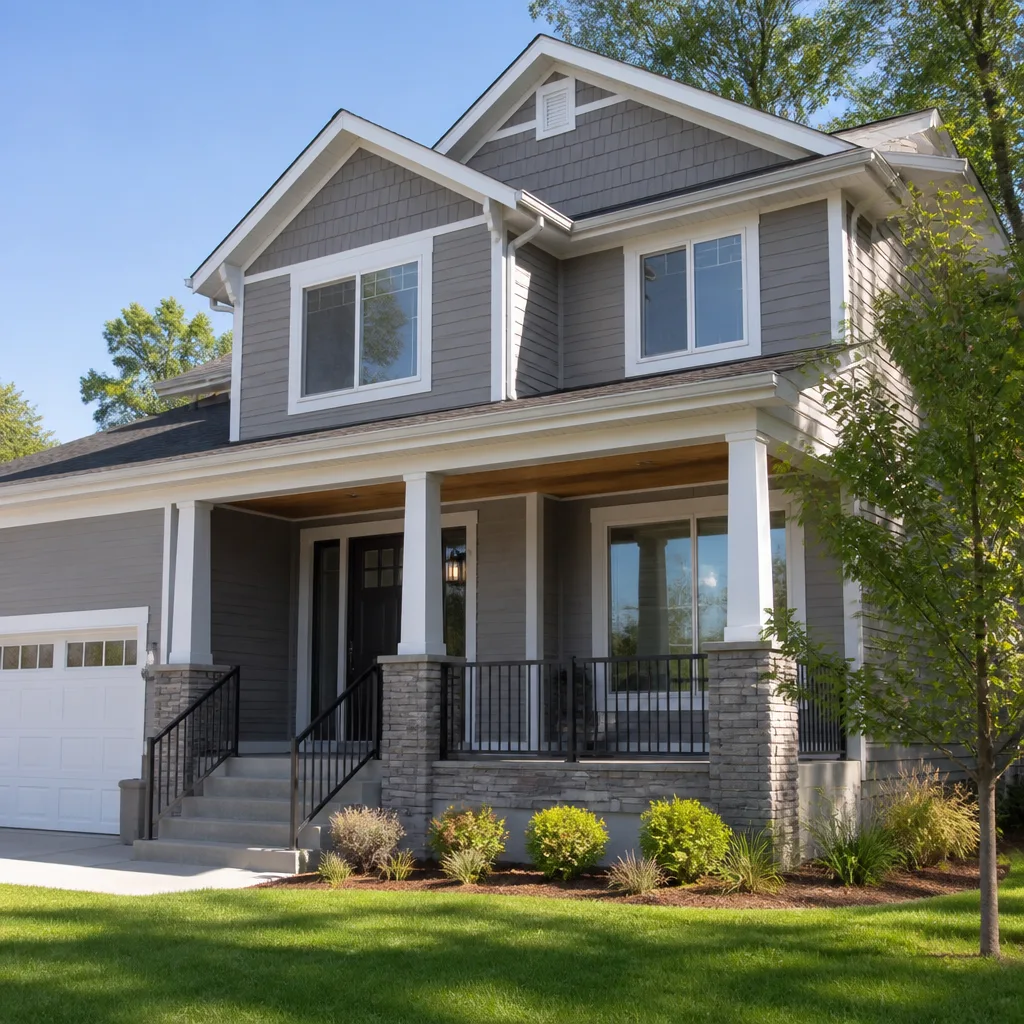
After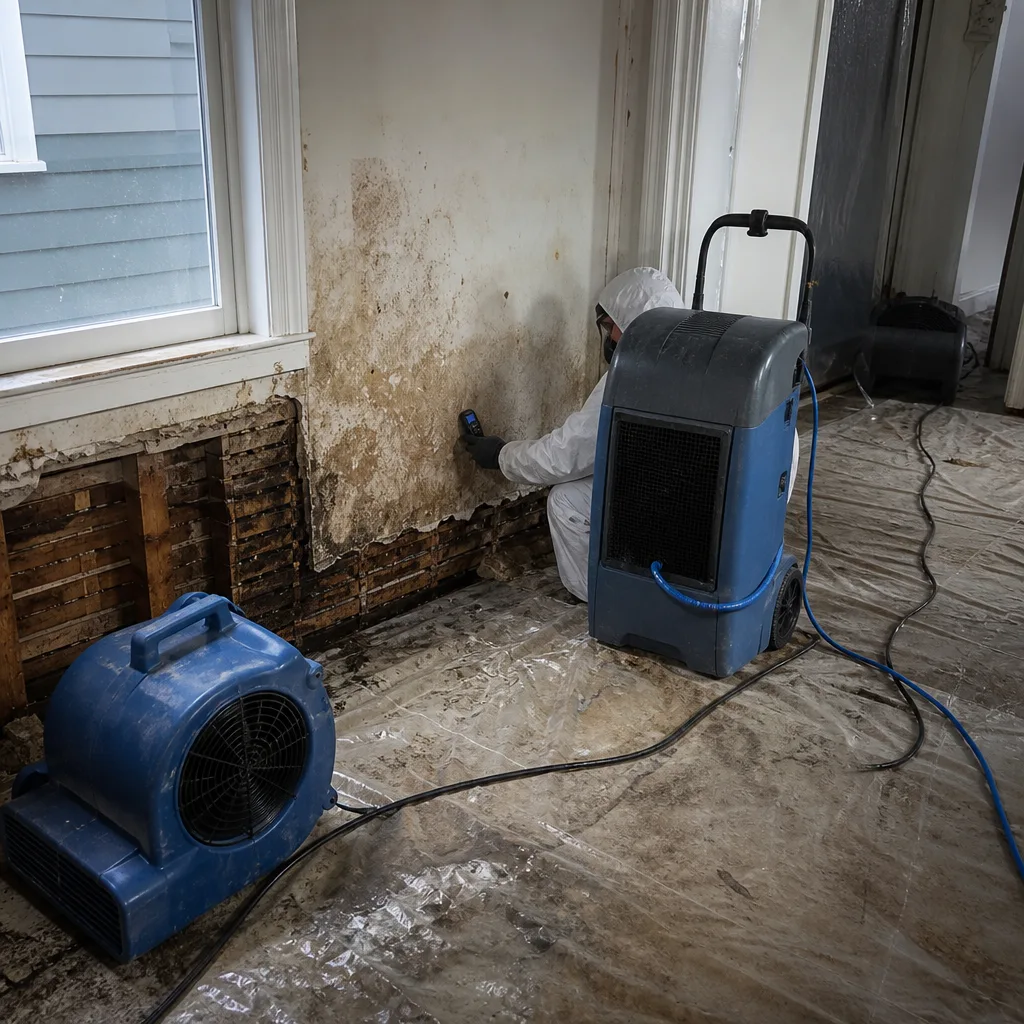 Before
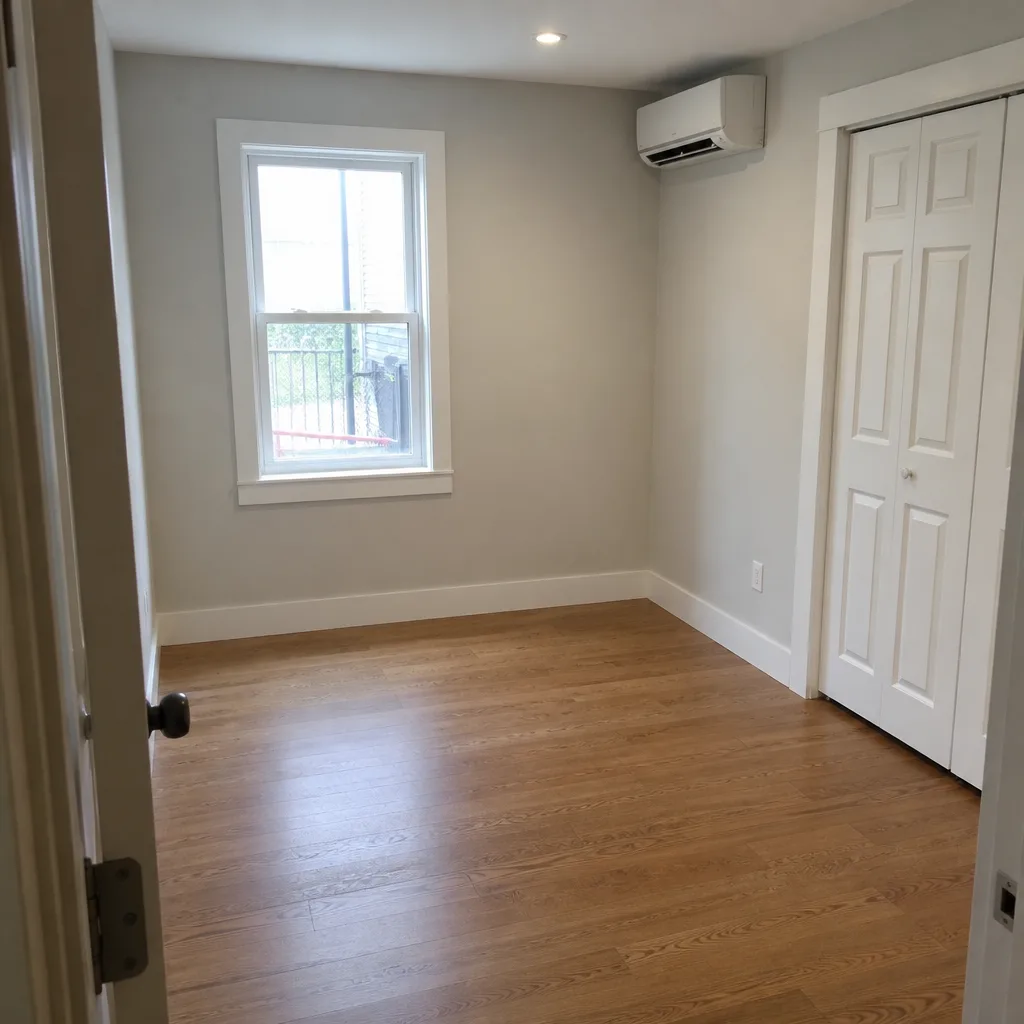 After
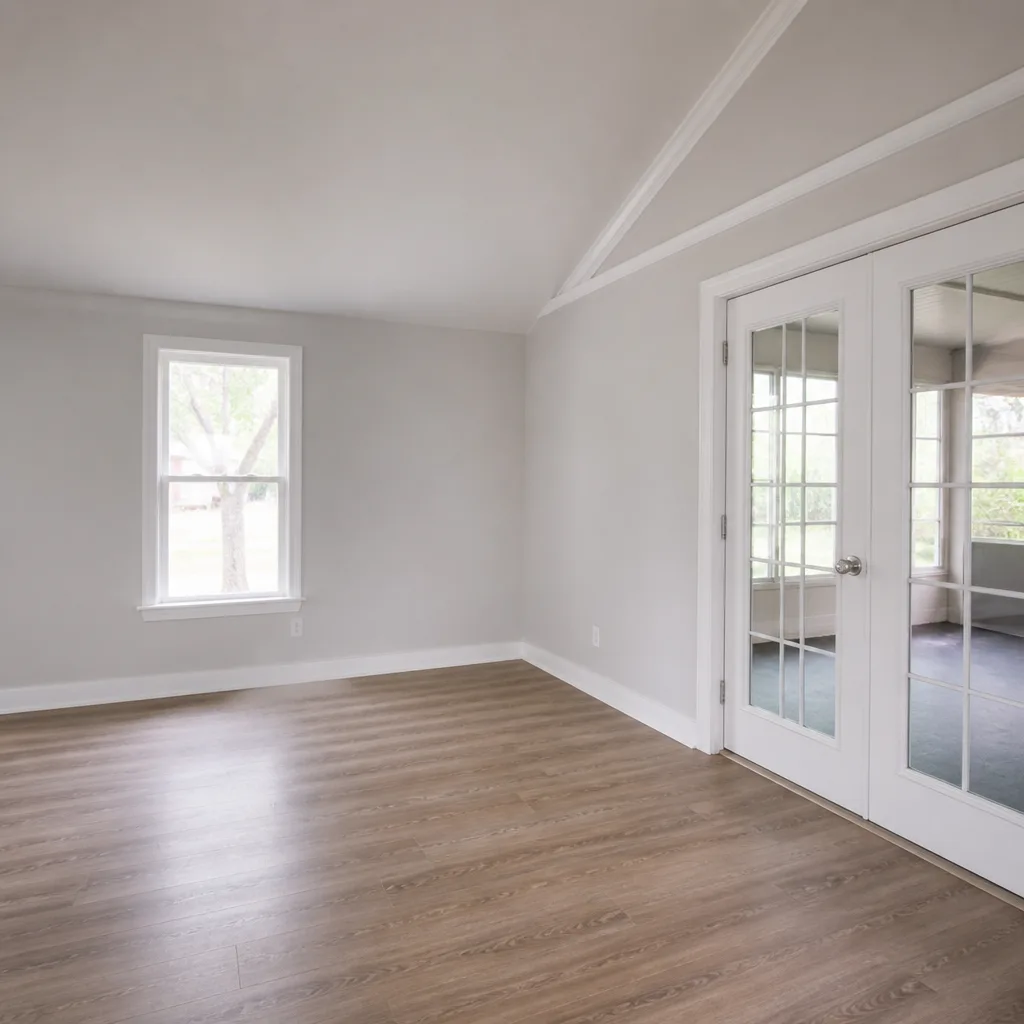
After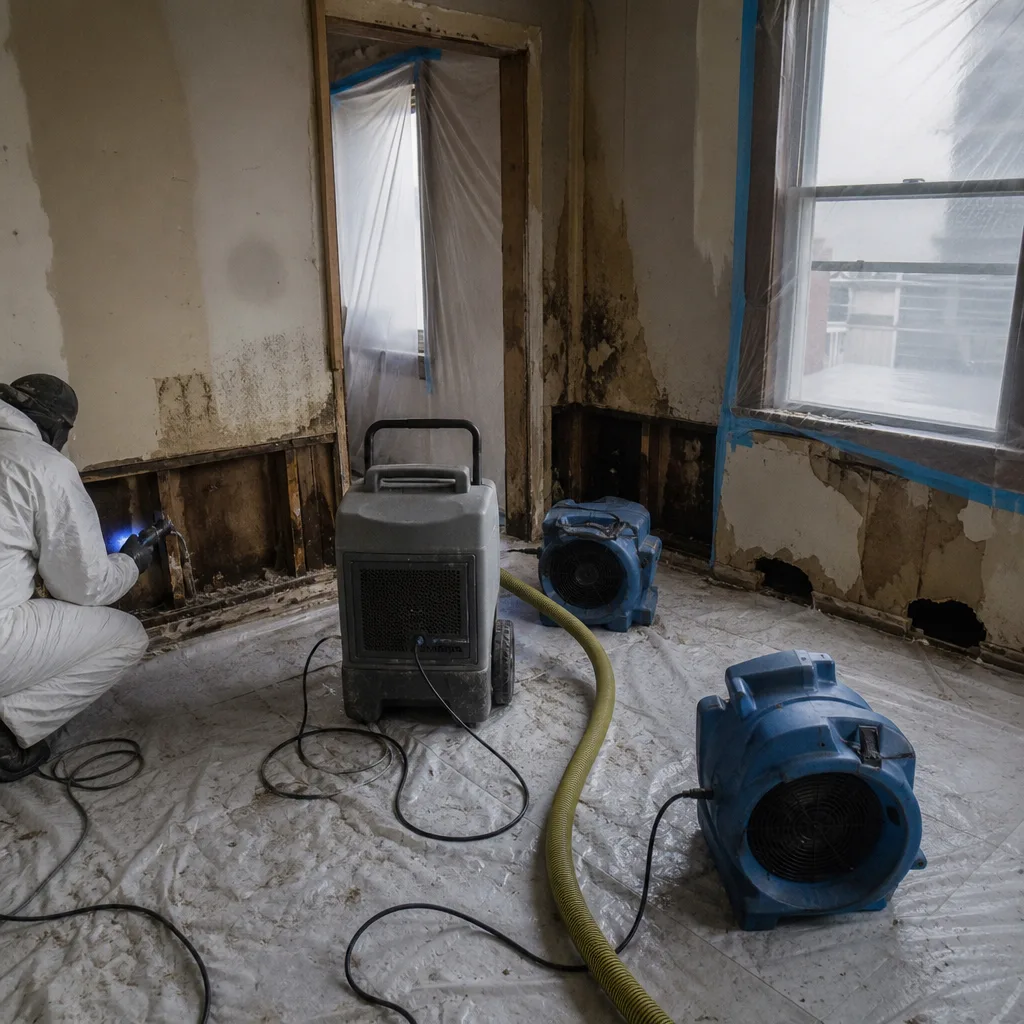 Before
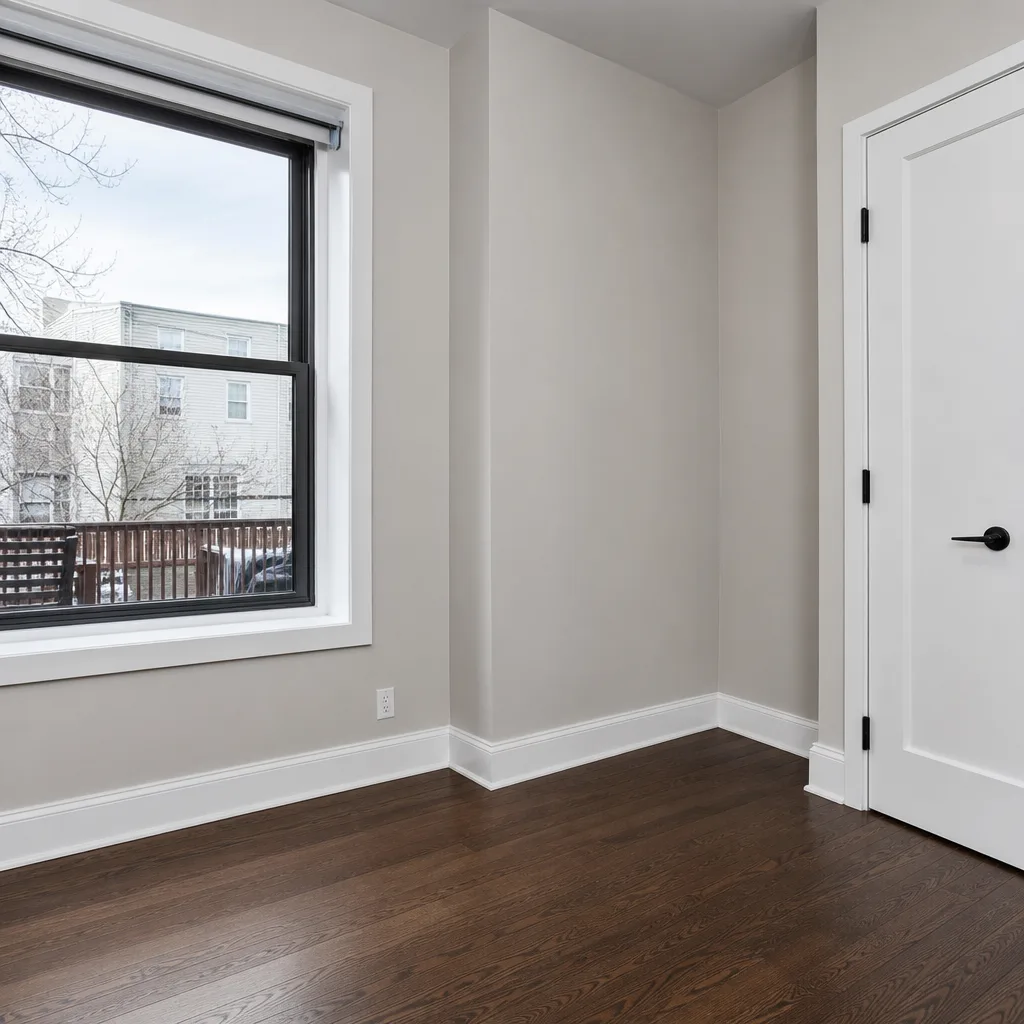 After
After24/7 Emergency Storm & Disaster Restoration in West Bronx
When a nor’easter rips a parapet off a Grand Concourse co-op at 11 p.m., or a six-floor waste stack lets go above a Jerome Avenue bathroom, you need someone who answers the phone and gets moving. That’s us. Wade’s Restoration runs 24/7 storm and disaster response throughout West Bronx, with crews that know pre-war walk-ups, NYCHA towers, and everything between. Call (363) 208-1526 and Wade himself picks up, no answering service, no “leave a message and we’ll get back to you.” The first hour after a storm breach or pipe failure is when you stop vertical water spread; every hour after that, the damage climbs a floor and the abatement clock starts ticking.
Understanding Storm & Disaster Restoration Severity in West Bronx Properties
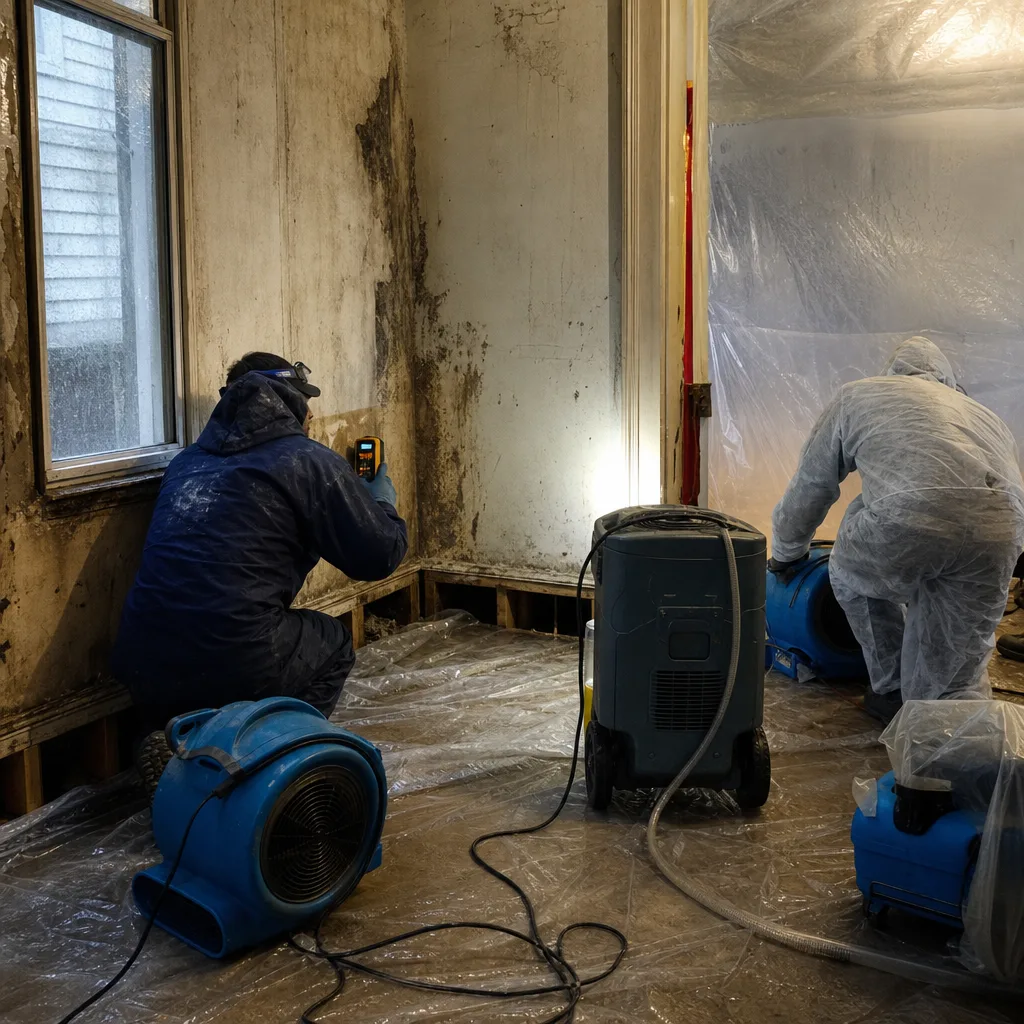
Most storm losses in West Bronx fall into three buckets, and the bucket determines the scope. A roof breach pushing water down interior walls is typically Category 2 water, but once it has traveled through original horsehair-plaster cavities and across six occupied floors, it picks up the building’s accumulated filth and becomes Category 3. Big difference. We do not guess at categories. We take readings, map moisture through the wall cavities with thermal imaging, and run daily logs until the drying is actually done, not just visually dry. A steam-heated pre-war building on University Heights holds water in dense plaster and cast-iron stacks far longer than a sheetrock house in Westchester. If you stop air movers early because the air feels dry, mold sets in within 48 hours inside those walls. We do not stop early.
The other severity driver in West Bronx is structural. Flat-roofed pre-war buildings, the dominant stock along the Grand Concourse and west toward the Harlem River, fail at parapets and roof drains after freeze-thaw cycles. A January deep freeze pops a supply line; an April nor’easter drives water under the built-up roofing membrane. Neither is a one-unit problem. In a 1935 elevator building, a roof leak at the top tracks down through five or six apartments before anyone sees a stain. That changes the drying plan, the containment plan, and the compliance plan. We have done enough of these to know the building is the patient, not just the unit.
Why West Bronx Property Owners Choose Wade’s Restoration
- 45-minute response commitment. Wade’s crews are staged near West Bronx neighborhoods, so when you call, we are rolling within the hour, often faster.
- 24/7 live answer. A real person picks up at 3 a.m. Not a bot, not a call center. Wade answers his own phone.
- IICRC-certified crews. Our techs hold WRT, FSRT, and AMRT certifications. That matters when the work involves black water, smoke residue, or mold containment.
- Free visual inspection. We come out, look at what actually happened, and tell you straight what needs doing. No charge for that.
- Direct insurance billing and adjuster coordination. We document everything from the first hour, send the photos and logs straight to your carrier, and talk to the adjuster ourselves.
- One team through the whole job. Extraction, drying, abatement coordination, demolition, and rebuild. Same crew, same name on the truck.
Our Storm & Disaster Restoration Process
Inspection & Assessment
We walk the property top to bottom. For multi-floor losses, that means every affected unit, not just the one where the water showed up. Thermal imaging and moisture meters map the real spread, and we check for asbestos and lead survey triggers before anything gets scraped or opened.
Extraction & Stabilization
Truck-mounted and portable extraction pulls standing water. We tarp roofs, board windows, and cap pipe leaks so the building is not hemorrhaging while we plan. On vertical spread, we set containment barriers at each apartment door before tearing into walls.
Drying & Dehumidification
Dri-Eaz dehumidifiers and XPOWER air movers sized to the building’s actual structure, not a square-footage chart. Pre-war plaster and cast iron dry slow. We run equipment through narrow service corridors and walk-up stairwells, and we check readings daily. You get the full moisture log when we are done.
Cleaning & Sanitization
Contaminated water, sewage, storm debris, soot. We clean what matters with professional-grade treatments and HEPA scrubbing where airborne contaminants are a factor. This is the step that keeps a Category 3 event from becoming a medical problem.
Abatement Coordination & Specialty Treatment
In West Bronx, most demolition-heavy storm repairs trigger NYC’s mandatory asbestos and lead survey requirements. We coordinate with licensed abatement contractors, sequence the work so the drying keeps moving, and document everything for your insurer.
Repairs & Restoration
After the property is dry and clear, we rebuild. Plaster repairs, ceiling replacement, flooring, cabinetry, painting. All covered by the 90-Day Done Right Promise, stamped in writing.
Need Emergency Storm & Disaster Restoration in West Bronx Now?
Crews minutes away, answering live 24 hours a day. The sooner we start, the less it costs.
Working With Your Insurance Company
Most West Bronx storm losses are covered events, and the claim goes smoother when the documentation is airtight from hour one. We start photographing before we start moving furniture. Every room, every wall cavity, every moisture reading gets logged. Our line-item scopes are written in the language adjusters expect, which means fewer delays and fewer back-and-forth fights. And we talk to the adjuster directly, so you are not the one relaying technical questions between two parties. That alone saves West Bronx homeowners and co-op boards a week of phone calls.
What We Provide Your Insurer
- Thorough documentation of the loss
- Photos of all damage, room by room
- Moisture readings and drying logs
- A detailed, line-item scope of work
- Direct coordination with your carrier
Built for West Bronx’s Loss Calendar
Storm and disaster work in West Bronx is seasonal, and the season tells you what to expect. January and February bring deep freezes that pop supply lines in unheated stairwells and basement-level utility rooms. The resulting water runs down through steam-heat pipe chases and lands in lower apartments, often before anyone notices. Spring is roof season: freeze-thaw cycles crack aging built-up roofing, and the April nor’easters that hammer the New York metro drive water under the membrane, through parapet joints, and down interior walls. Summer is flash-flood season. The ridgeline topography, Kingsbridge Heights up top, lower valley blocks down by the Harlem River, channels stormwater into basement apartments that flood fast. Autumn brings remnant tropical systems with wind-driven rain that overwhelms flat-roof drains and parapet flashings. We plan for all of it, year round, because West Bronx buildings are old enough that every season has a failure mode.
Storm & Disaster Restoration Across West Bronx’s Neighborhoods
Response routes matter here. From Kingsbridge Heights down to the Grand Concourse corridor, we move crews through narrow streets with tight parking, and the techs who work these buildings know how to run hoses and air movers through service entrances and walk-up stairwells where there is no freight elevator. University Heights and Morris Heights, built into the sloped blocks above the Harlem River, see the worst basement flooding after heavy rain because runoff collects in the lower valley streets. Fordham, with its dense mix of pre-war walk-ups and NYCHA housing, is the classic multi-floor waste stack and supply line failure zone: one event, four to six apartments, and a property manager who wants it dry yesterday. Jerome Avenue’s elevator buildings have narrow service corridors and cast-iron stacks that are usually original, meaning every vertical breach is a Category 3 event through horsehair plaster. And the Grand Concourse itself, those Art Deco towers people cross boroughs to see, hold the biggest compliance surprises: the original plaster finish coats often contain chrysotile asbestos, so a simple overhead water stain legally requires an asbestos assessment before any scraping or demo. We know this before we touch the wall. That knowledge keeps a one-day dryout from becoming a city-issued stop-work order.
Specialized Storm & Disaster Restoration Services We Offer in West Bronx
Flood Damage Restoration
Category 3 water from storm flooding or sewage backup in a West Bronx basement or lower-floor unit needs full extraction, containment, and sanitization, not just wet-vac and a fan. We handle the vertical spread, the plaster drying, and the cast-iron stack failures that make these jobs different from a suburban slab foundation.
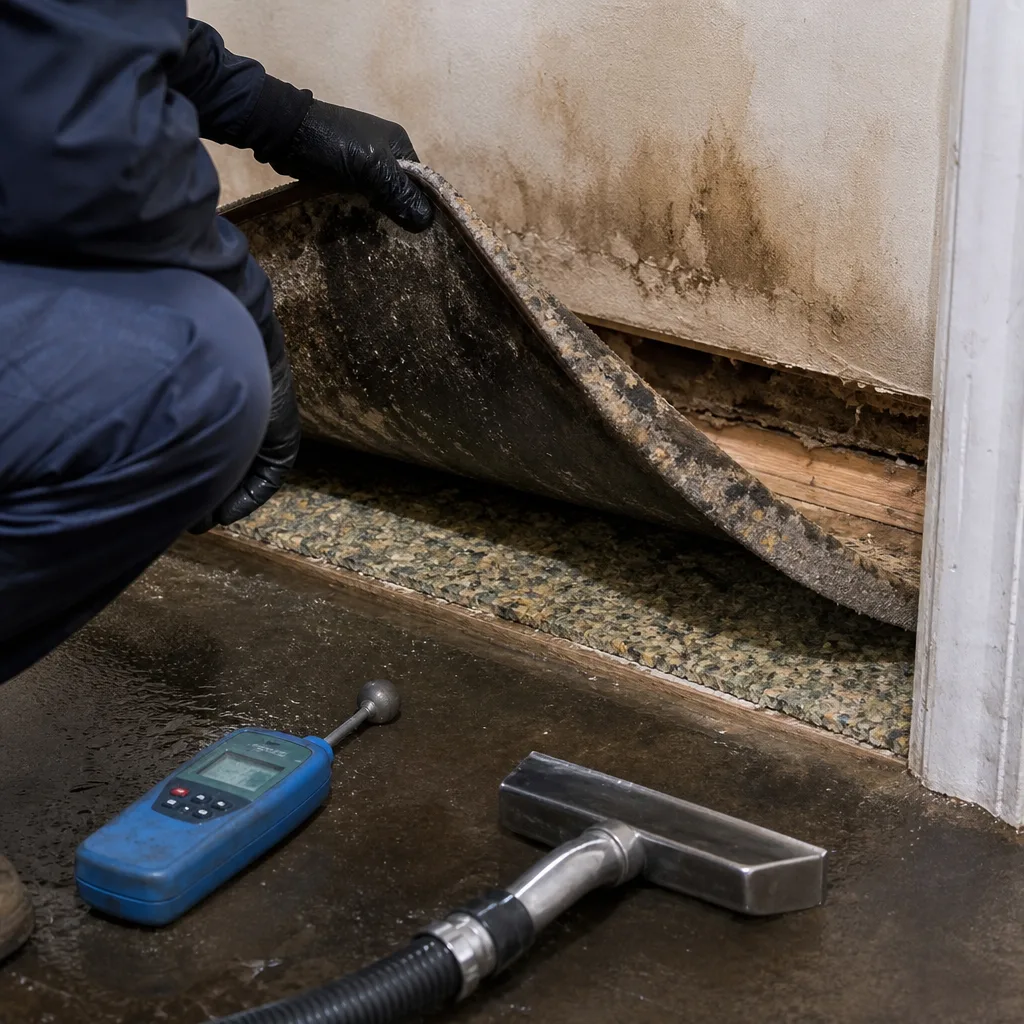
Storm Damage Cleanup
Wind and rain push water through roofs, windows, and parapet joints. We extract, dry, and remove storm debris from every affected unit. On multi-floor pre-war buildings, that means cleaning up through occupied apartments without shutting down elevator service or trapping residents above the loss.
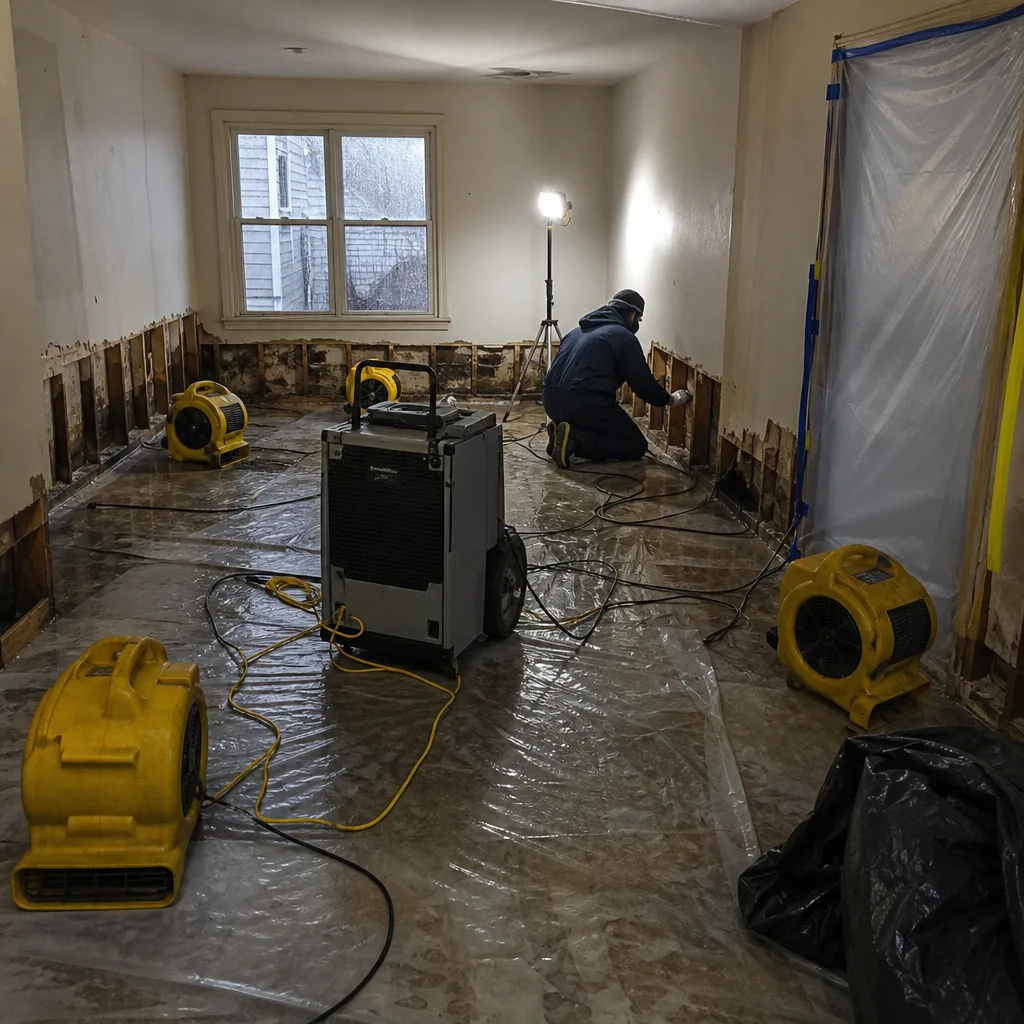
Emergency Board-Up
A storm takes out a window on the sixth floor of a Grand Concourse building at 2 a.m., you need it secured before the rain turns a broken pane into a four-floor water event. We board up fast, and we coordinate with building management to keep fire egress clear.
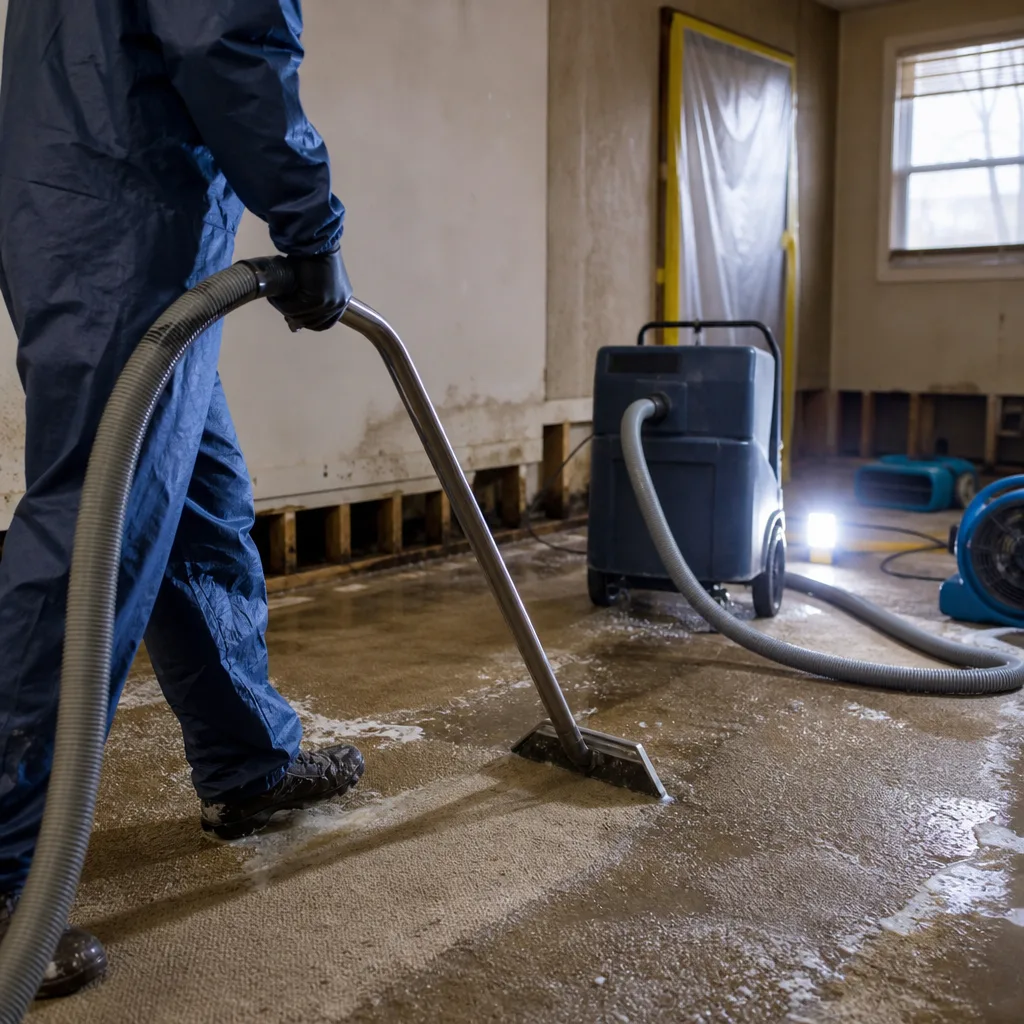
Roof Tarping
Flat-roof pre-war buildings tarp differently than pitched roofs. We secure membrane breaches and parapet gaps with weighted and strapped covers that will not blow loose in the next nor’easter, and we drain ponded water before it finds the next opening.
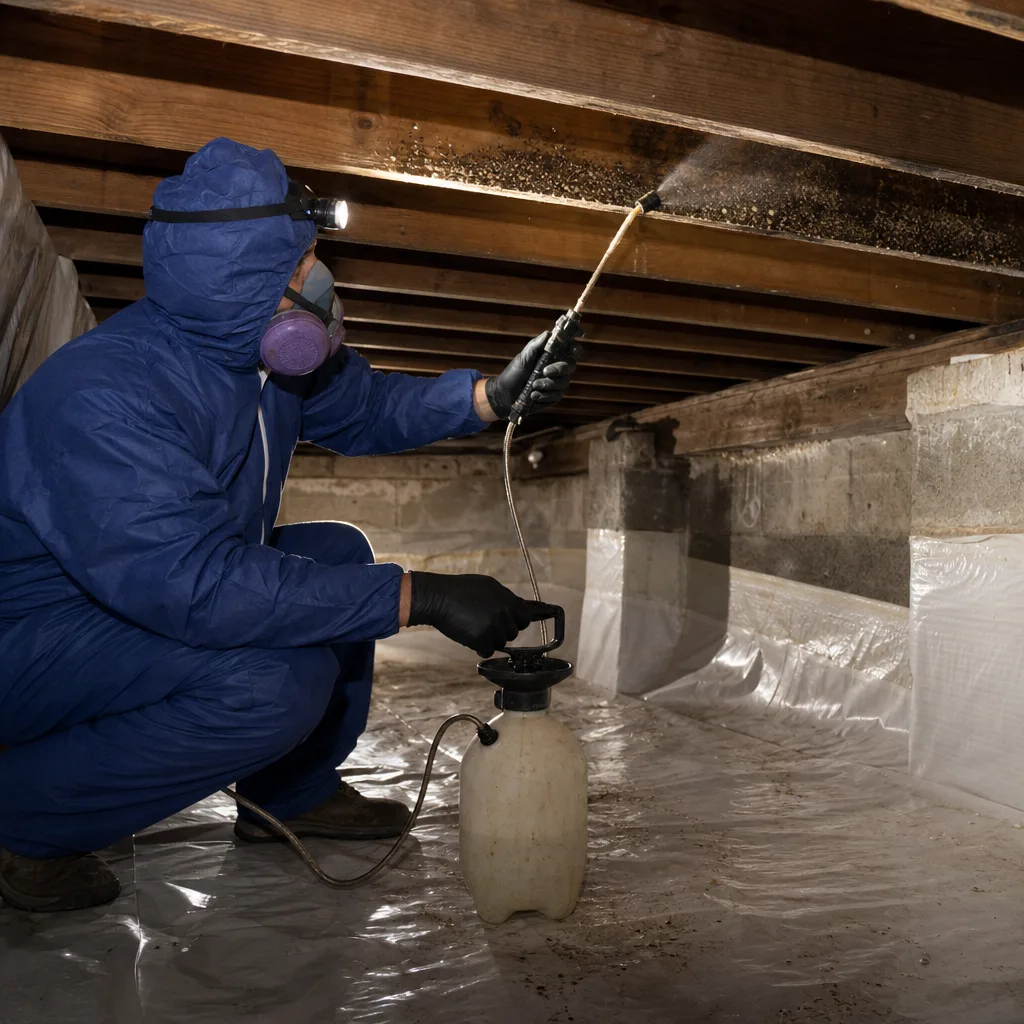
Debris Removal
Fallen limbs, storm-blown building material, collapsed ceiling debris. We remove it, document it for your claim, and dispose of it properly, including the ash and debris from fire losses that require separate handling under city rules.
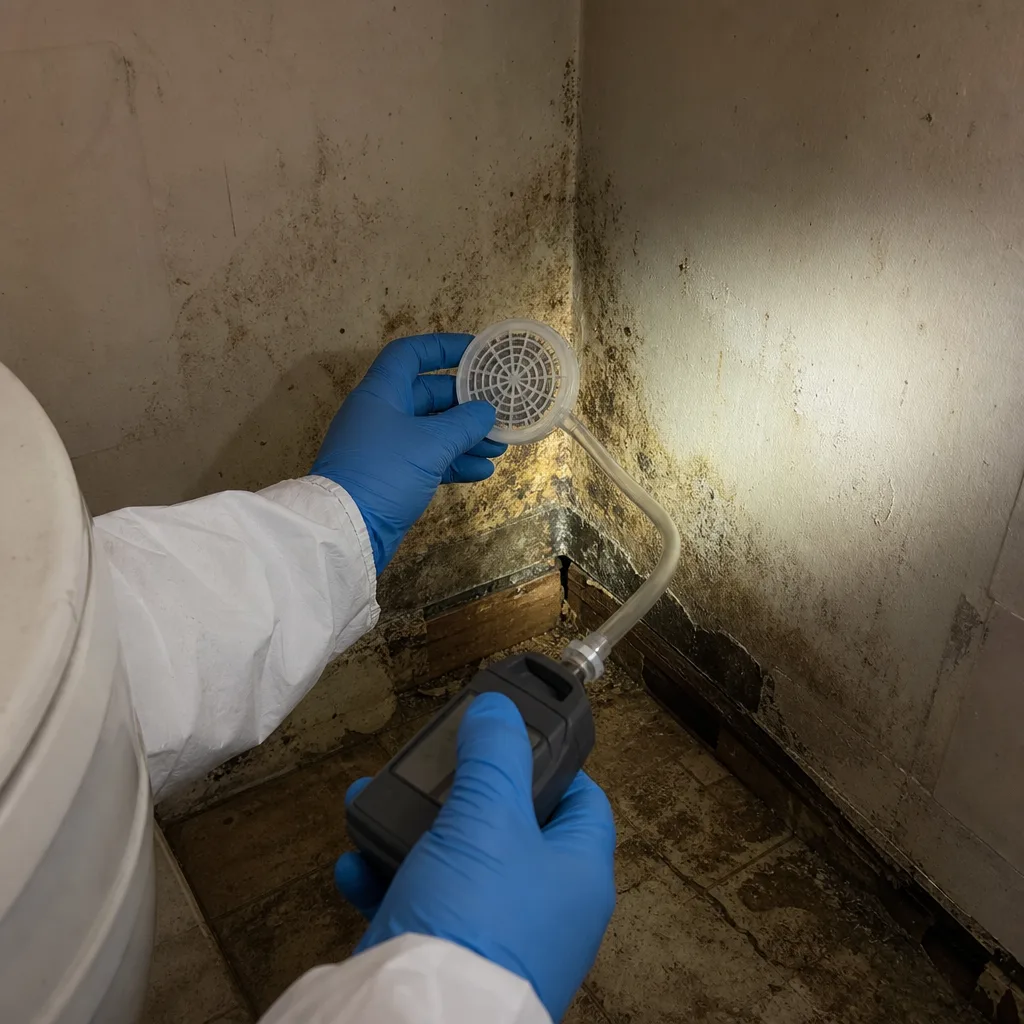
What happens when you call
- 1
A real person answersNo phone trees - you reach a local pro.
- 2
You get an upfront price rangeHonest numbers before anyone is dispatched.
- 3
A background-checked tech heads outLicensed & insured, dispatched right away.
- 4
You approve before work beginsNothing starts until you say go.
Storm & Disaster Restoration Costs in West Bronx, NY
A straightforward basement flood extraction and drying in a West Bronx walk-up typically runs $2,800 to $6,500. A multi-floor pipe burst with vertical spread through occupied units runs $12,000 to $38,000 depending on how many apartments are involved and how long drying takes in those plaster walls. Roof tarping on a pre-war flat roof starts around $900 and runs to $3,500 for multi-breach parapet work. The asbestos and lead complications that are common along the Grand Concourse corridor add $2,000 to $9,000 depending on the survey scope and what abatement the city requires before demolition. Insurance covers most of these costs on qualifying losses, and we bill your carrier directly. The only way to get a firm number for your specific building is a visual inspection, which is free. Call (363) 208-1526 and we will come out this afternoon.
We Also Serve Cities Near West Bronx
Our crews run from West Bronx down into Storm & Disaster Restoration in West Bronx coverage area every day, and we serve nearby communities including Astoria, the Financial District, Lower Manhattan, and Flushing. Same 24/7 answer, same local knowledge.
West Bronx Storm & Disaster Restoration Questions, Answered
Why does a simple water stain on a Grand Concourse ceiling turn into a multi-day job in the West Bronx?
The stain you see is usually the bottom of a vertical water path that traveled through multiple floors of plaster and lath. We have to open the wall cavity, check for asbestos in the original finish coat before any scraping, dry the entire path, not just the stain, and document every reading for your insurer. That is a multi-day process in a pre-war building.
How do you handle water extraction in a West Bronx walk-up with no freight elevator?
We carry the equipment up the stairs. Our techs regularly haul Dri-Eaz dehumidifiers and XPOWER air movers up six-flight walk-ups on the Grand Concourse. It takes longer, which we factor into the drying plan. We also use service stairwells and load-in windows where the building allows.
Does a multi-floor pipe burst in a pre-war building change the category of water you can dry?
Almost always yes. Once water travels from a failed waste stack or supply line through original plaster walls, cast-iron chases, and occupied units, it picks up contaminants and becomes Category 2 or 3. In a vertical spread from an upper floor, we treat it as contaminated and run containment at every affected apartment until testing clears each unit.
Why do West Bronx landlords push back on storm restoration scopes that include abatement?
Because asbestos and lead surveys slow the job down and cost money. But NYC law requires them before demolition on most pre-war properties, and skipping them risks a stop-work order and daily fines. We explain this plainly to owners and landlords: the survey happens, the work proceeds, and we bill insurance for the documented compliance steps.
How do you tarp a flat-roofed West Bronx pre-war building without creating a bigger hazard?
We strap tarps to parapet walls and mechanical housings rather than relying on loose sandbags or bricks. We drain ponded water before covering, because trapping water under a tarp just relocates the leak. Every tarp job includes a check of roof drains and downspouts so the next storm moves water away from the building.
How fast can you actually get to a West Bronx address after a storm?
Call (363) 208-1526 and we are rolling within the hour for emergency calls. Wade and his crew answer 24/7, and we keep teams staged near West Bronx neighborhoods so response time stays short, even in the middle of a nor’easter.
Will my insurance cover storm damage work in West Bronx?
Most storm-related losses, flood, wind, roof breaches, falling debris, are covered under standard policies, though flood coverage depends on your specific policy. Sewage backup from a failed stack may require a rider. We document everything from hour one, write the scope in adjuster language, and talk to your carrier directly so you get the maximum legitimate claim.
Can we stay in our apartment during multi-floor storm restoration?
It depends on the category of water and the units affected. A clean Category 1 supply line break usually lets residents stay in adjacent units while we dry the affected space. A Category 3 waste stack failure means the directly affected apartments are not habitable until sanitization and clearance testing pass, and we set negative air containment at each door in the vertical path.
Serving West Bronx, NY - Our Local Coverage Area
We’re based in the West Bronx area and know this community well. Use the map below to see our service coverage - if you’re nearby, we can almost certainly help.
Get Started With a Free Inspection
If you are dealing with storm or water damage in West Bronx, the fastest way to know what you are looking at is to have us look at it. Call (363) 208-1526 and Wade or one of his senior techs will come out, walk the loss with you, and tell you the truth about what needs doing. It costs nothing for the visit. If we do the work, you get a written scope before anything starts, full documentation for your insurer, and the 90-Day Done Right Promise on every water, fire, and storm restoration job. Whether it is a sixth-floor roof breach on the Grand Concourse or a flooded basement in University Heights, call now. The sooner we start, the less it costs.
Written by Wade Ferris, Owner at Wade’s Restoration. Wade founded the company in 2007 and still answers his own phone. Call him directly at (363) 208-1526.