
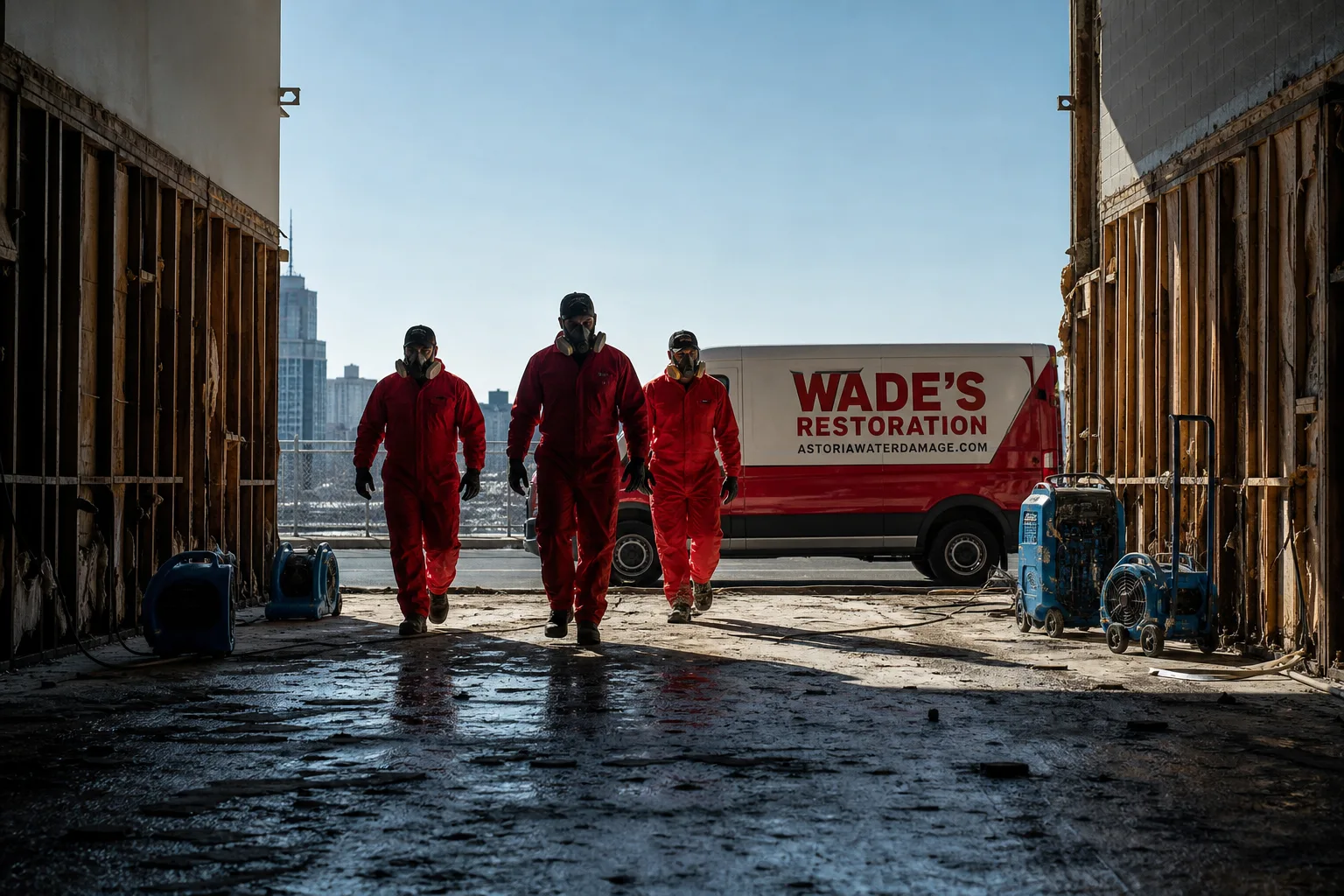
Free visual inspection and a written scope of work before any mitigation begins - photos, moisture readings, and drying logs go in your claim file
The scope we write is the scope we bill. Anything new gets shown to you, in writing, before we touch it.
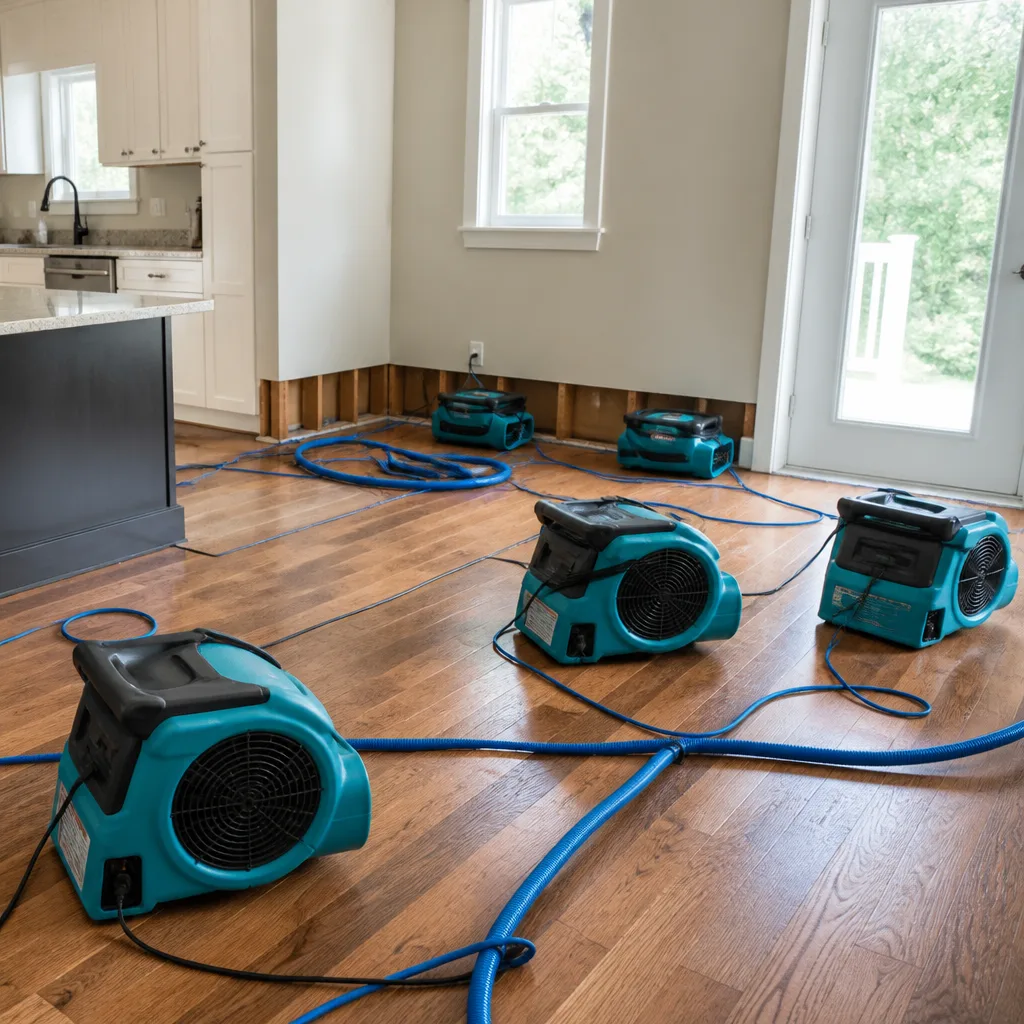
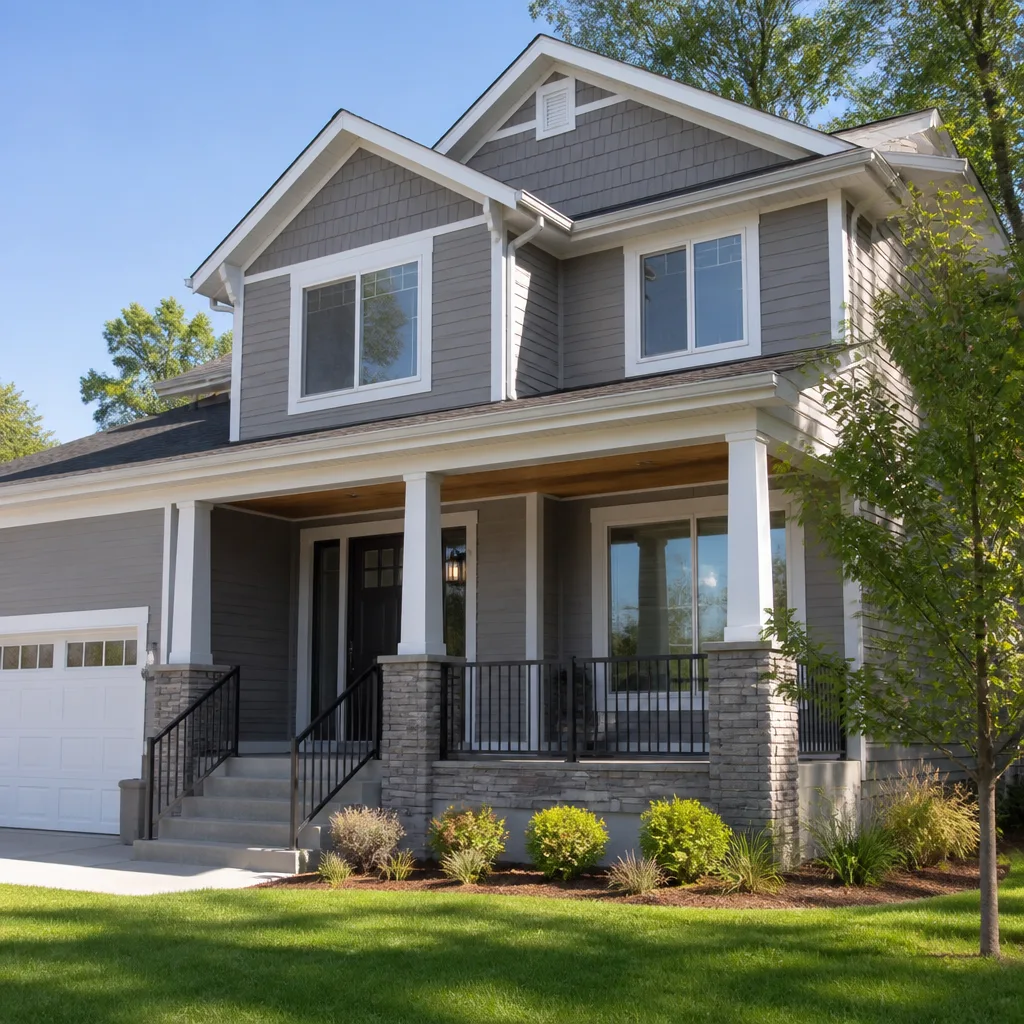
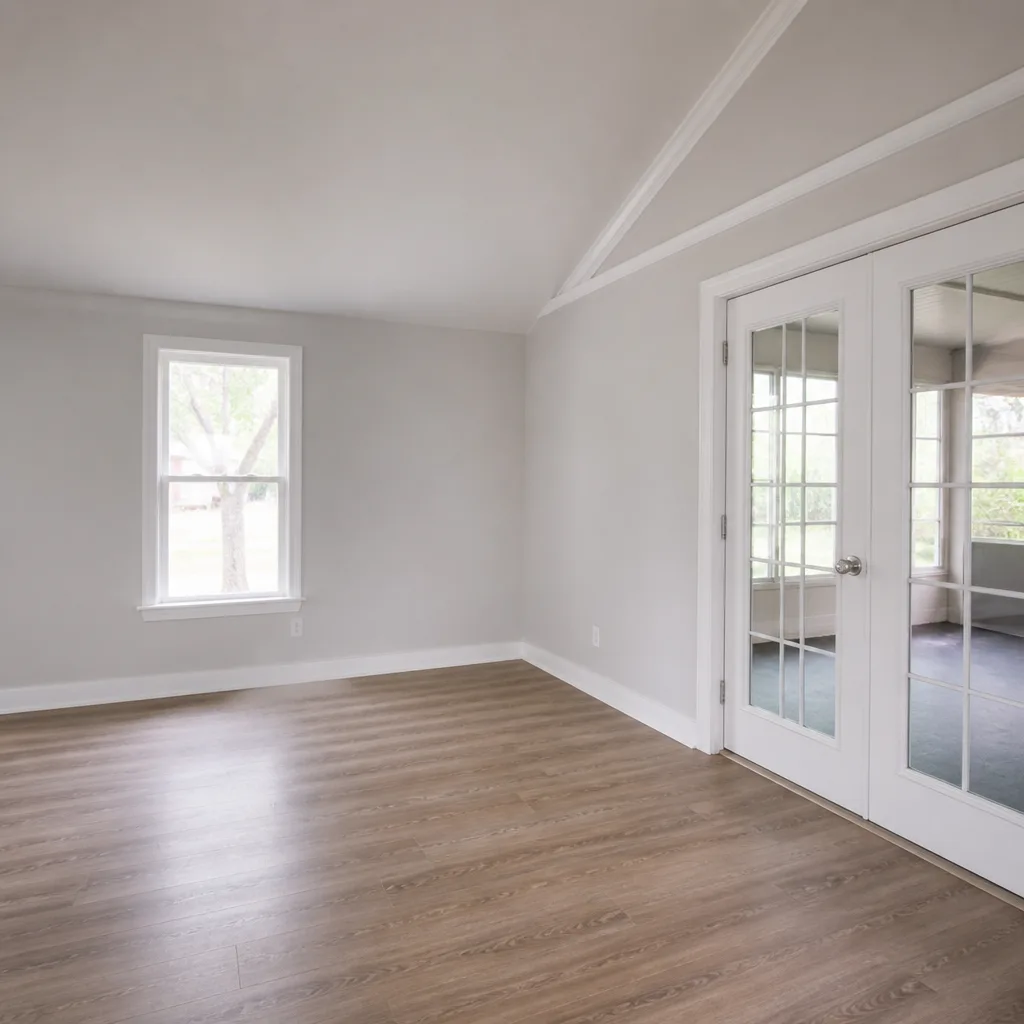

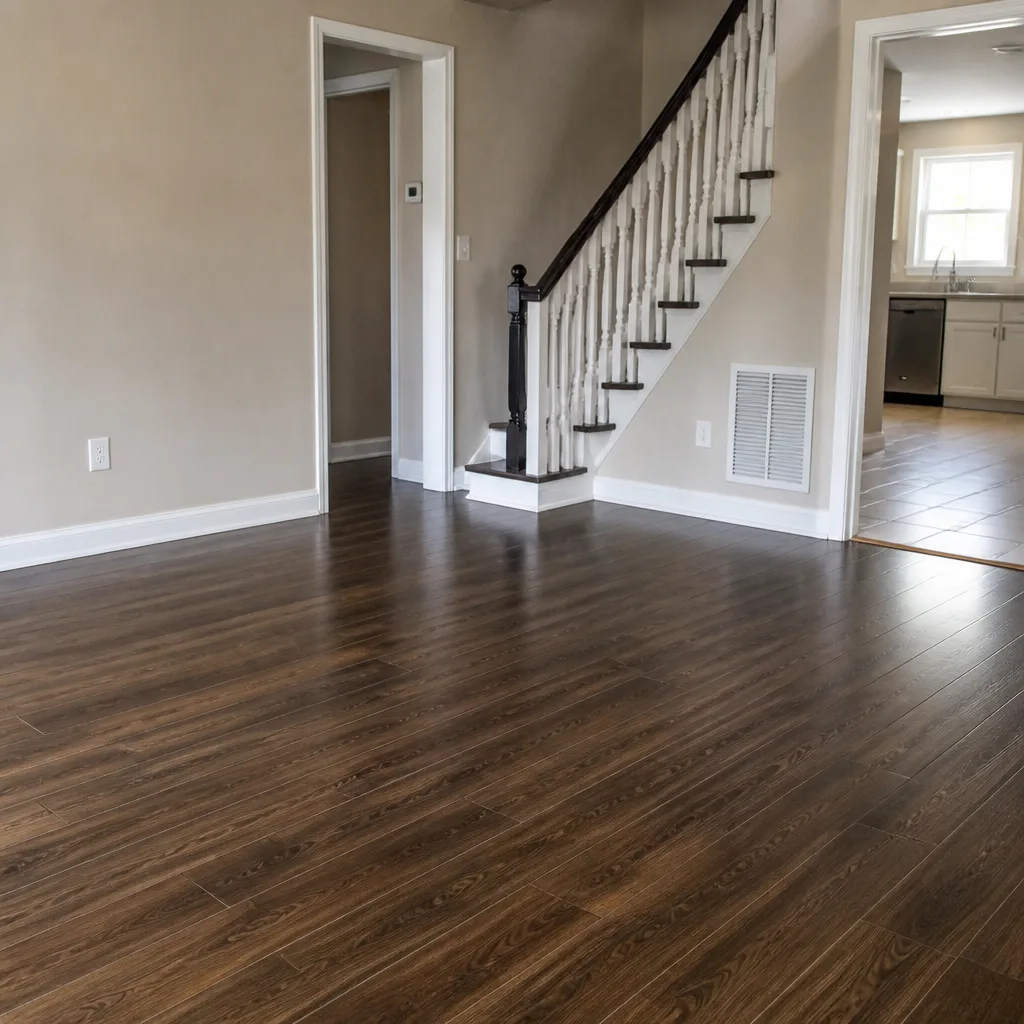

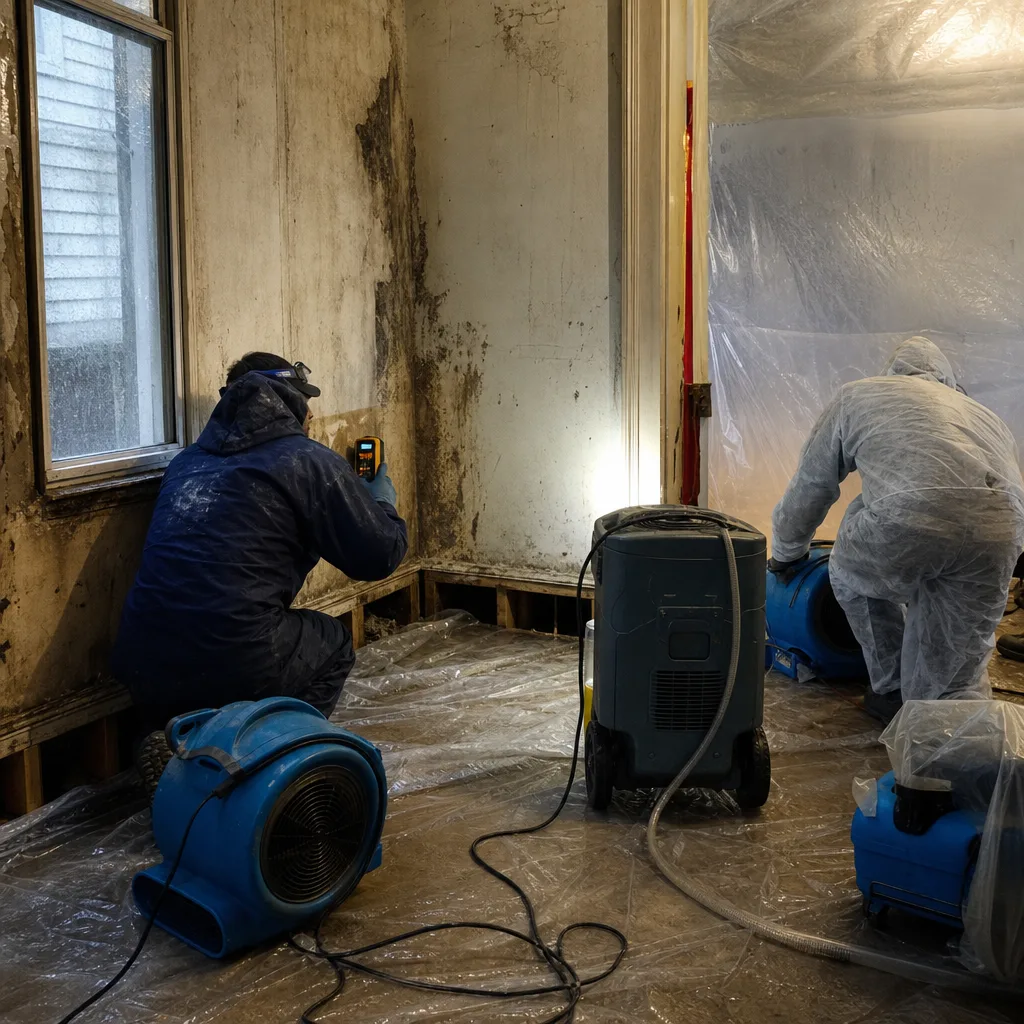 Before
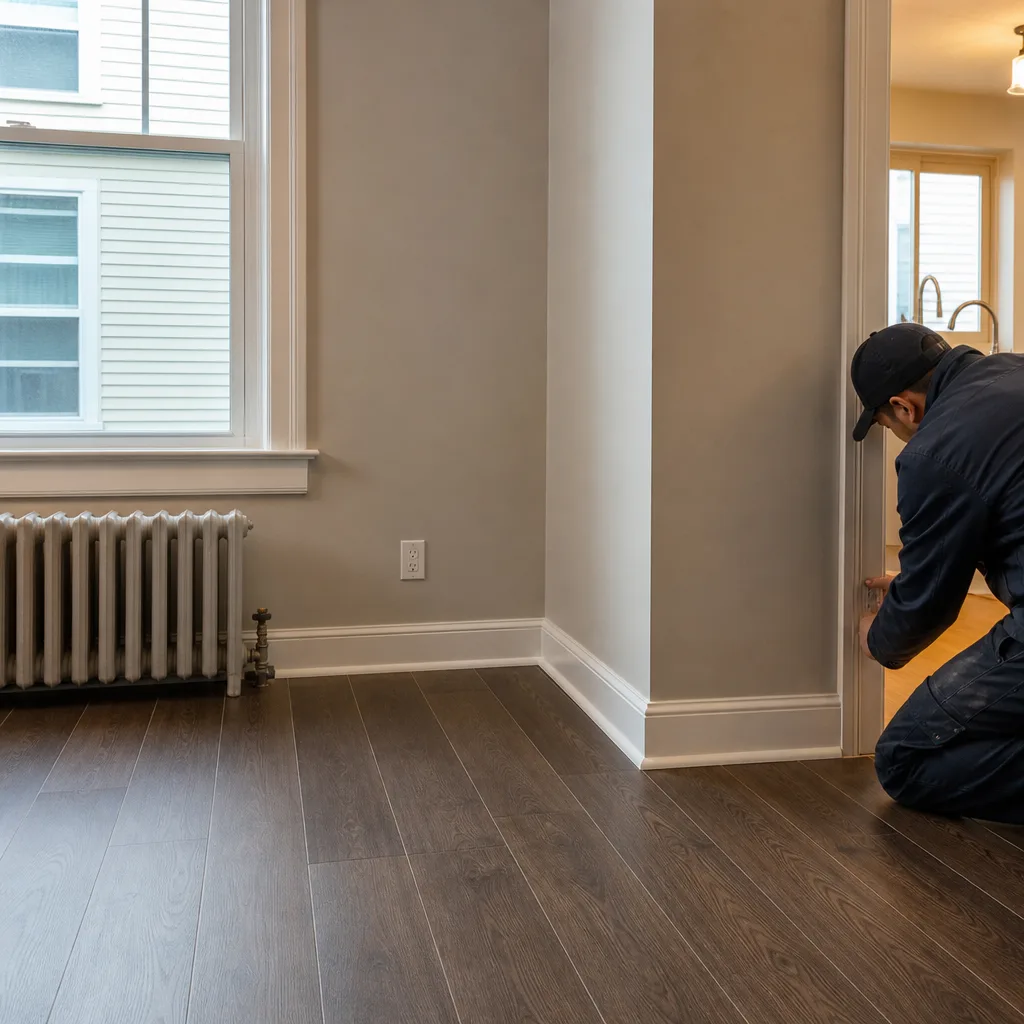 After
After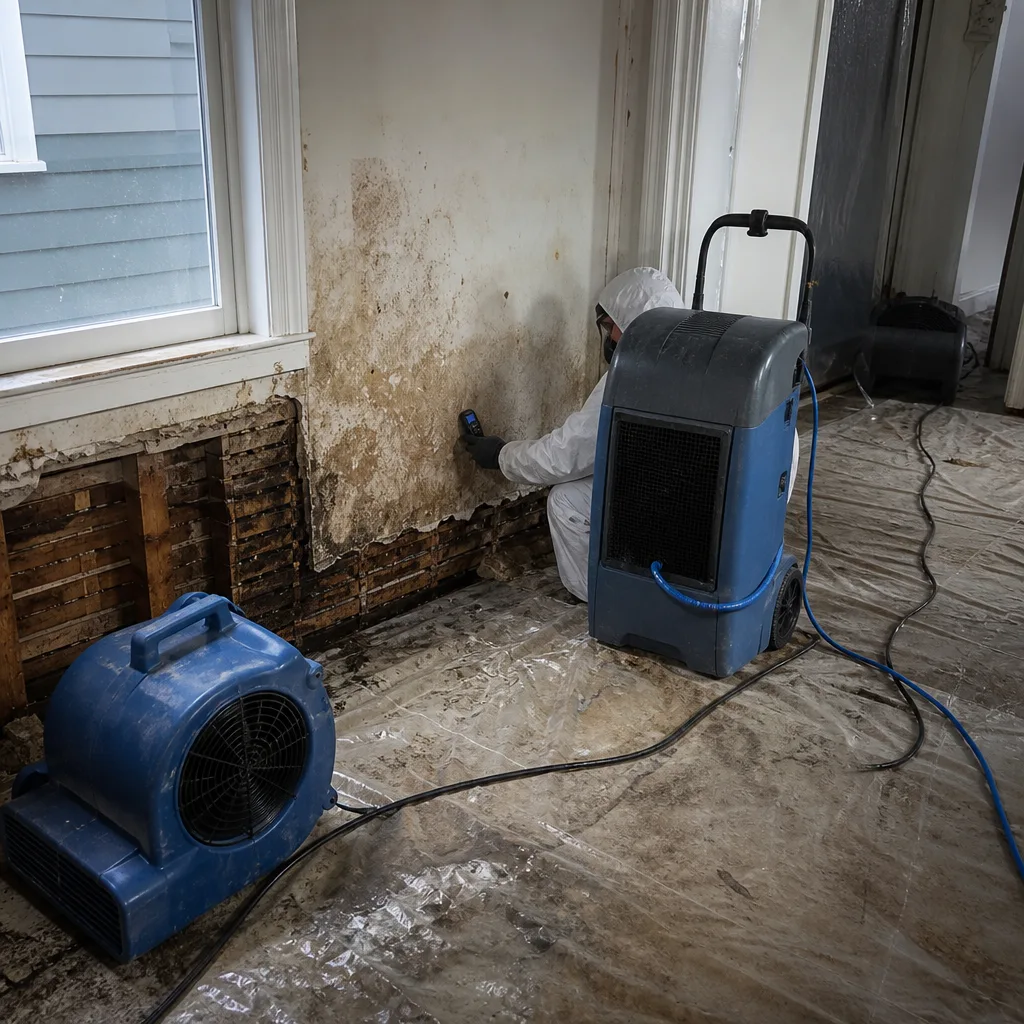 Before
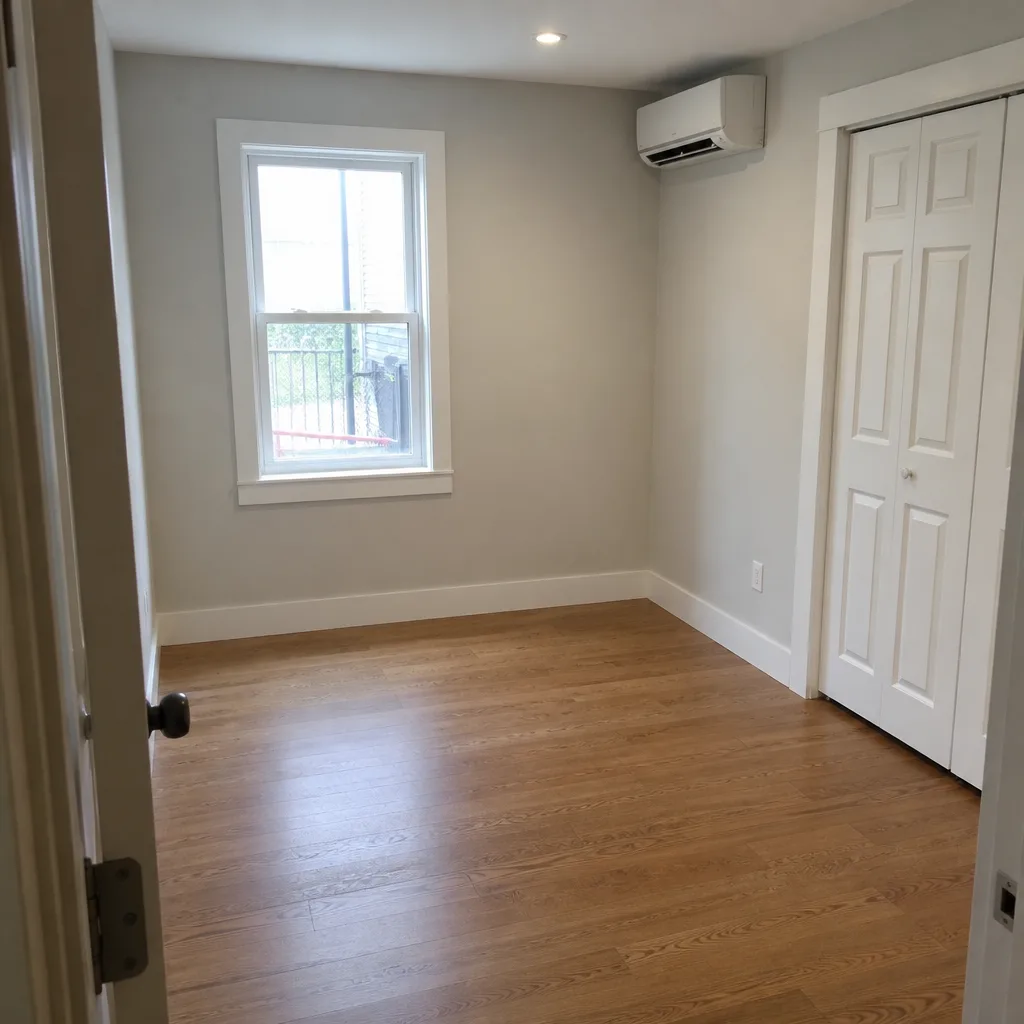 After
After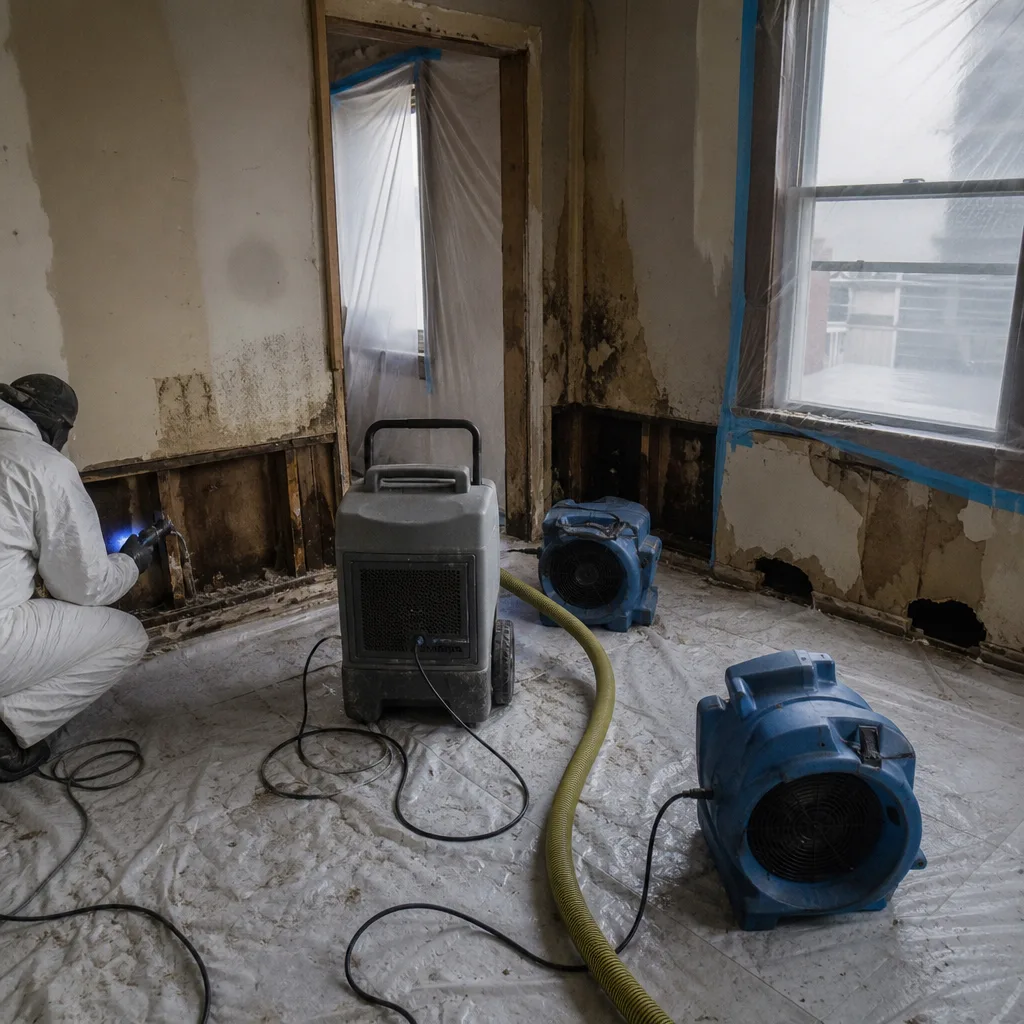 Before
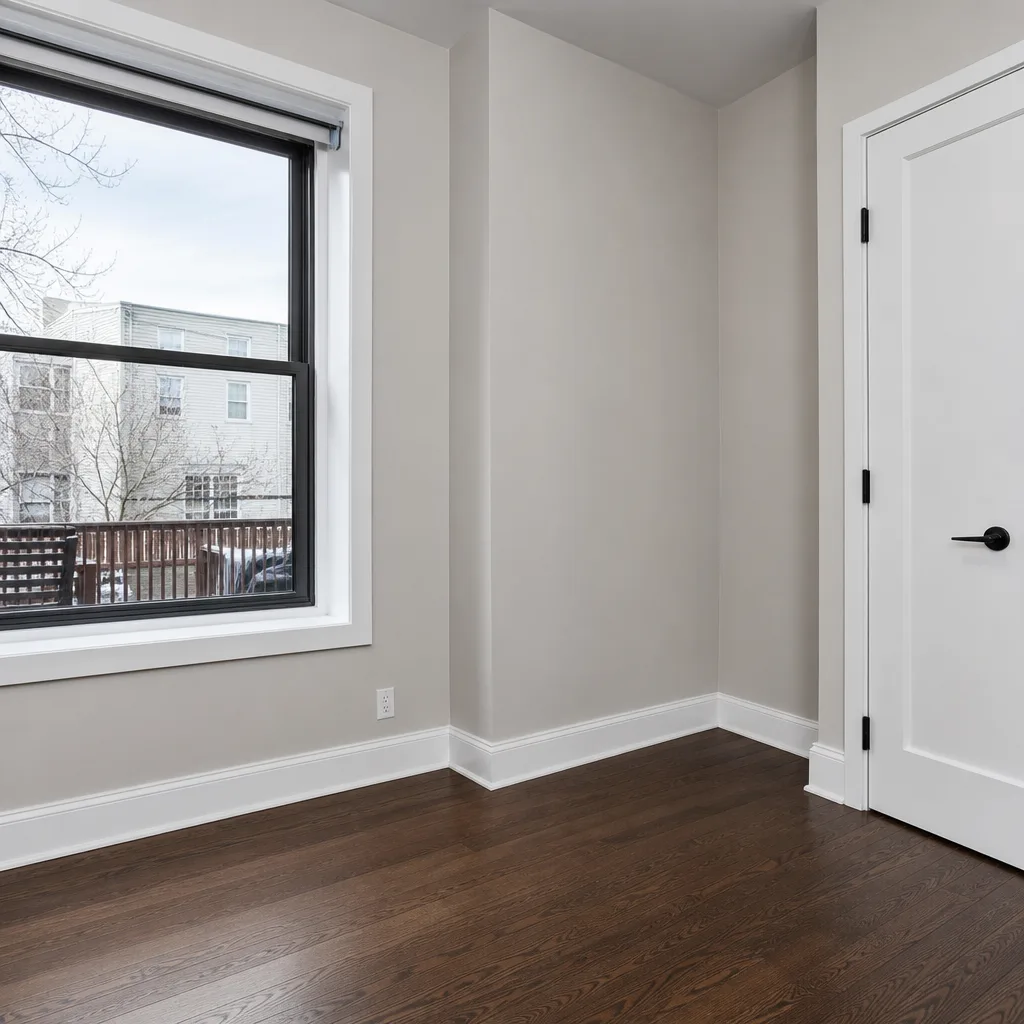 After
After24/7 Emergency Storm & Disaster Restoration in Financial District
Storm damage in the Financial District moves fast, and so do we. Wade’s Restoration answers live around the clock at (363) 208-1526, and Wade heads out himself for emergency callouts in FiDi. A nor’easter that pushes harbor surge into your sub-basement, a wind gust that rips a tarp off a damaged roof, a snapped garage-door spring that leaves a loading bay wide open mid-storm: these need eyes on them within the hour, not tomorrow. Our Storm & Disaster Restoration crews are minutes from Battery Park, Wall Street, and the Seaport, and when you call, you get a real person – often Wade himself, not an answering service. The first hour matters because saltwater intrusion doesn’t wait. It wicks into porous masonry and starts corroding metal while you’re still on hold with a national franchise.
Understanding Storm & Disaster Restoration Severity in Financial District Properties
Storm damage here is different from storm damage anywhere else in the five boroughs. The Financial District’s residential and commercial stock is overwhelmingly converted late-19th- and early-20th-century skyscrapers and warehouses: cast-iron frames, thick masonry facades, and deep multi-level sub-basements that often sit at or below sea level. When a storm pushes Hudson River or East River surge into those spaces, the water is saline. Category 3 water, technically, because harbor water carries sewage, fuel residue, and biological contaminants. But the salt is what separates FiDi restoration from inland work. Saline intrusion migrates through limestone and concrete long after surface extraction is complete. It crystallizes inside masonry pores, absorbs ambient humidity, and re-wets walls months after your drying logs show dry conditions. Standard Category 3 extraction equipment handles the initial flooding. Managing the salt is a different job entirely, and it’s one most of the big franchises don’t even look for.
Why Financial District Property Owners Choose Wade’s Restoration
- 45-minute response commitment to Financial District. Wade is based out of the New York City office, and when you call at 2 a.m. with water coming through a sub-basement wall, he’s already grabbing keys.
- Live answer, always. No voicemail, no call center triage, no “leave a message and we’ll get back to you within one business day.” Wade answers his own phone.
- IICRC-certified crews. WRT, FSRT, and AMRT credentials on every truck. That matters when you’re dealing with salt-exposed masonry and Category 3 surge water.
- Free visual inspection before anything gets cut open. You see the damage, you see the readings, you decide. No pressure, no scare tactics, no upsell.
- Direct insurance billing and adjuster communication. Wade talks to your carrier so you don’t spend three hours on hold explaining what a drying log is.
- One team from extraction to reconstruction. Same crew, same accountability, no hand-off to a subcontractor you’ve never met.
Our Storm & Disaster Restoration Process
Inspection & Assessment
We walk the entire property with a thermal imaging camera and moisture meters, including sub-basement masonry walls and any metal hardware exposed to salt air. If there’s any chance of salt residue in the walls, we note it before we start writing the scope. That pre-loss documentation is what makes NFIP claims get approved instead of bounced back two months later.
Extraction & Stabilization
We pull standing water fast using Dri-Eaz extraction units and Injectidry systems for porous surfaces like limestone and brick. For wind-damaged openings, we board up with plywood and heavy-gauge fasteners, then tarp roofs with reinforced sheeting rated for harbor winds. Loading bays and storefront doors get braced until new hardware arrives.
Drying & Dehumidification
Phoenix desiccant and LGR dehumidifiers run around the clock, with air movers positioned to drive airflow into masonry cavities, not just across surfaces. In FiDi, this phase lasts longer than inland because thick brick and stone hold moisture for weeks. We take daily moisture readings and log every one of them.
Cleaning & Sanitization
Category 3 water means antimicrobial treatment of every affected surface, not just a mop and bleach. We contain affected zones with HEPA-filtered air scrubbers and negative-air pressure so salt-laced dust and mold spores don’t migrate into stairwells and elevator shafts.
Salt & Corrosion Treatment
This step doesn’t exist on an inland storm-damage checklist. We test masonry for efflorescence and chloride levels, and inspect every exposed metal component – springs, hinges, tracks, fasteners, opener chains – for corrosion fatigue from years of Atlantic salt air. If salt residue is present in walls, we run repeated drying and antimicrobial cycles until clearance testing confirms it’s gone.
Repairs & Restoration
We rebuild the damage to the condition it was before the storm, and we replace salt-corroded hardware with galvanized or stainless components so the same failure doesn’t repeat next year. Every job ends with a written summary of work done, including the full moisture log from day one.
Need Emergency Storm & Disaster Restoration in Financial District Now?
Crews minutes away, answering live 24 hours a day. The sooner we start, the less it costs.
Working With Your Insurance Company
Storm and flood claims in the Financial District are different because most properties here sit in FEMA Flood Zone AE. That means the claim goes through NFIP flood insurance, not a standard homeowner policy, and NFIP adjusters are sticklers for documentation. Wade handles that part. From the first hour, his team photographs every affected area before demolition starts, logs moisture readings daily, and writes a line-item scope using the same estimating standards insurers recognize. We send the documentation directly to your adjuster and deal with the back-and-forth ourselves. You don’t become the project manager in a three-way argument between your carrier, your mortgage lender, and a restoration company. For salt-exposed metal hardware, we document pre-loss condition and corrosion levels so the claim covers replacement, not just cleaning. That’s the difference between a covered repair and a denied line item.
What We Provide Your Insurer
- Thorough documentation of the loss
- Photos of all damage, room by room
- Moisture readings and drying logs
- A detailed, line-item scope of work
- Direct coordination with your carrier
Built for Financial District’s Loss Calendar
The Financial District takes weather from three directions at once. Nor’easters drive surge up from the harbor and against the Battery. Atlantic hurricanes spin moisture up the coast and pile it into New York Harbor. Winter coastal lows bring wind damage that snaps aging metal hardware on pre-war facades. January and February are when we see the most frozen supply lines and ice-dam roof leaks in older buildings where insulation was never retrofitted properly. March and April bring the first big rain events that test those century-old drain lines running through sub-basement walls. August through October is hurricane season, and that’s when storm surge becomes the primary threat, not just rain. We plan our standby coverage around those windows, and we keep roof tarping and board-up materials stocked at the New York City office so nothing has to be ordered while a building sits open to the weather.
Storm & Disaster Restoration Across Financial District’s Neighborhoods
Response time varies by block, and we know the difference between them. Getting to a building on Pearl Street or Stone Street means navigating narrow one-way lanes where a box truck can’t turn around, so we send smaller vans for extraction and bring larger equipment separately. Around the South Street Seaport, we deal with old mercantile buildings where ground floors were built for cargo, not living, and drainage still slopes toward the river. Along Broadway through the canyon, wind damage runs funneled and fast, snapping awnings and storefront hardware that would survive the same gust on an open street. Down near Battery Park and the Whitehall Terminal, buildings sit closest to the surge zone, and we’ve seen sub-basements there take on six feet of harbor water in under an hour during a strong nor’easter. Up around Maiden Lane and the Federal Reserve, the response routes are tighter, and we coordinate with building management and building security to get access without waiting on a key fob chain. Each of these pockets needs a different approach, but the failure patterns are consistent: salt-exposed metal fails first, then masonry wicking, then the hidden infrastructure nobody saw corroding until the storm opened a wall.
Specialized Storm & Disaster Restoration Services We Offer in Financial District
Flood Damage Restoration
Storm surge flooding in FiDi is never just water. The salt content means we run containment longer, test masonry for chloride residue, and document everything for NFIP claims. Our Injectidry systems pull saline water out of limestone and concrete that standard extraction misses. We’ve done this enough times in financial district basements to know what invisible salt damage looks like before it becomes visible mold.
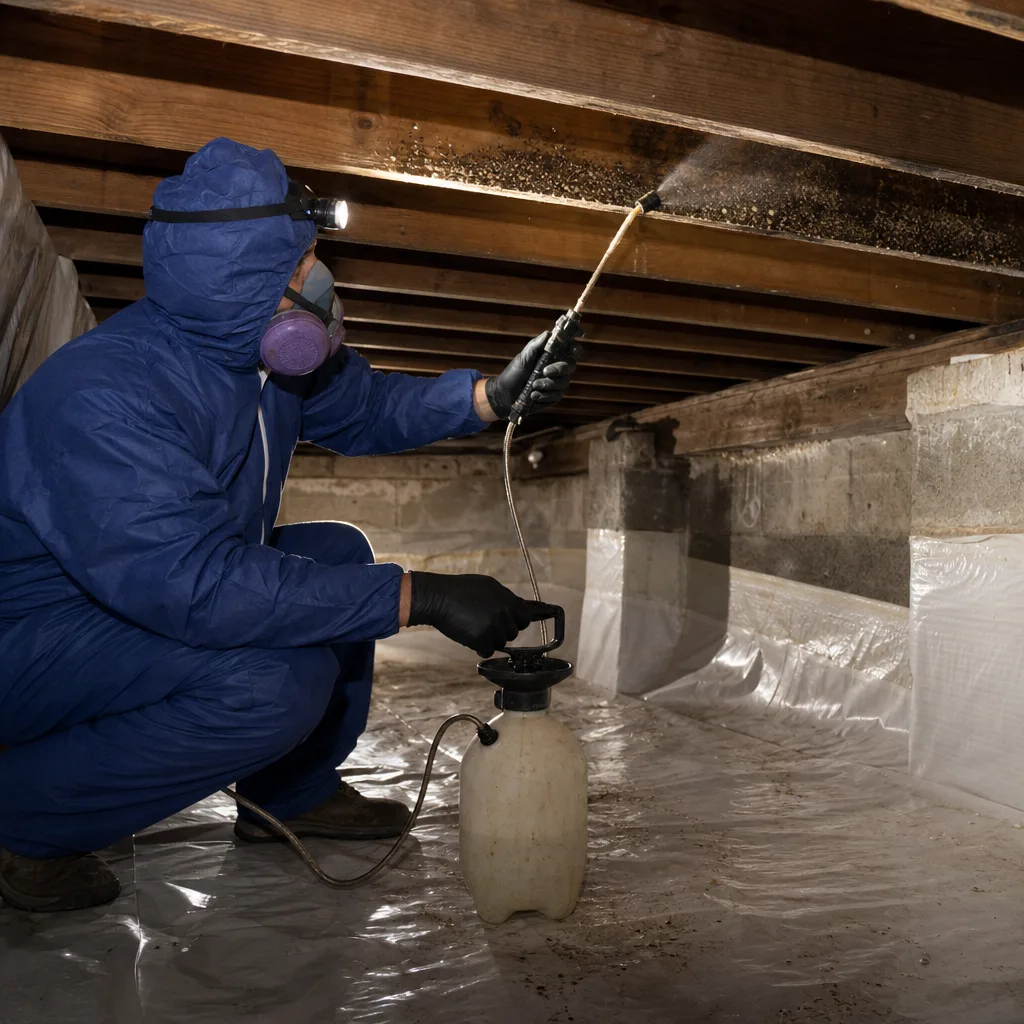
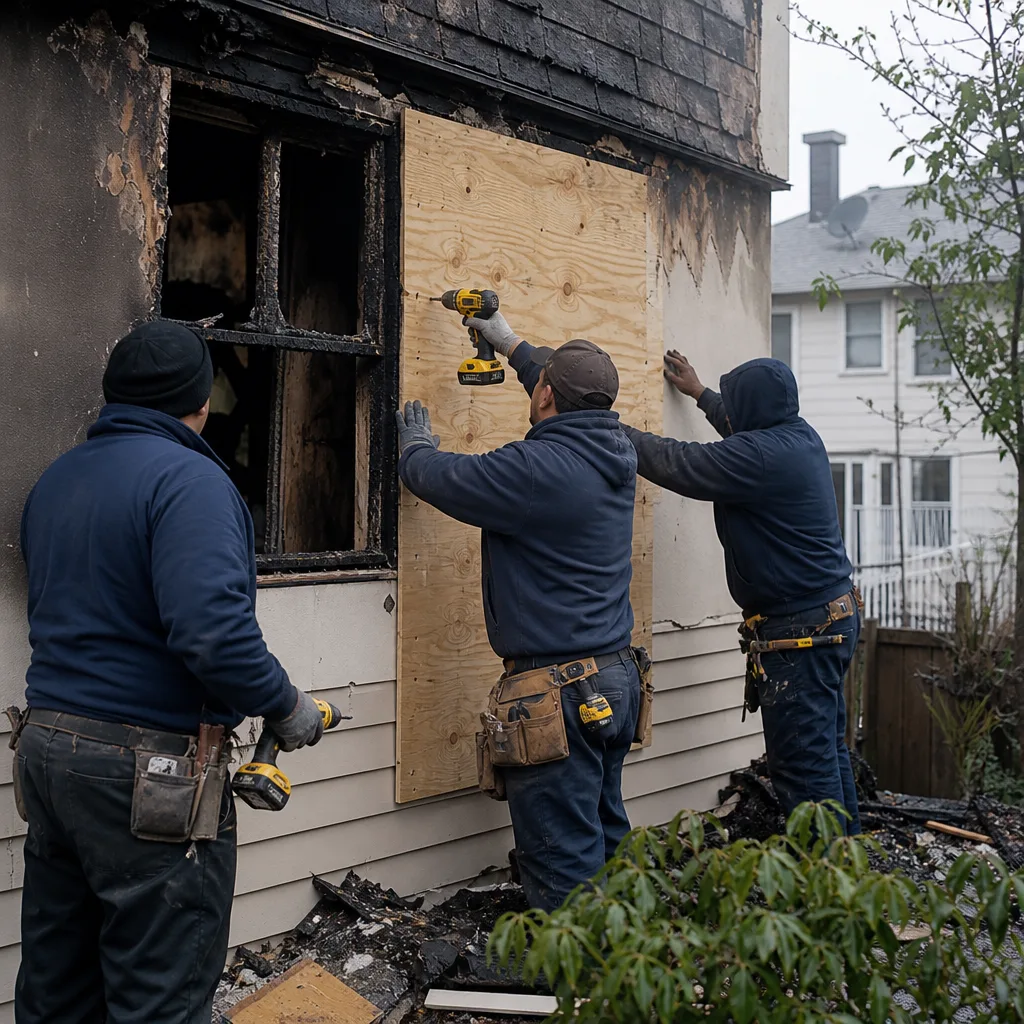
Emergency Board-Up
When a nor’easter rips through, the biggest immediate risk is exposure: open windows, breached doors, damaged loading bays. We board up openings with pressure-treated plywood and weather-sealing tape, and we brace storefront frames so the building doesn’t get worse before permanent repairs. For garage doors that won’t close because salt-corrosion finally killed the springs, we secure the opening and order replacement hardware rated for coastal use.
Storm Damage Cleanup
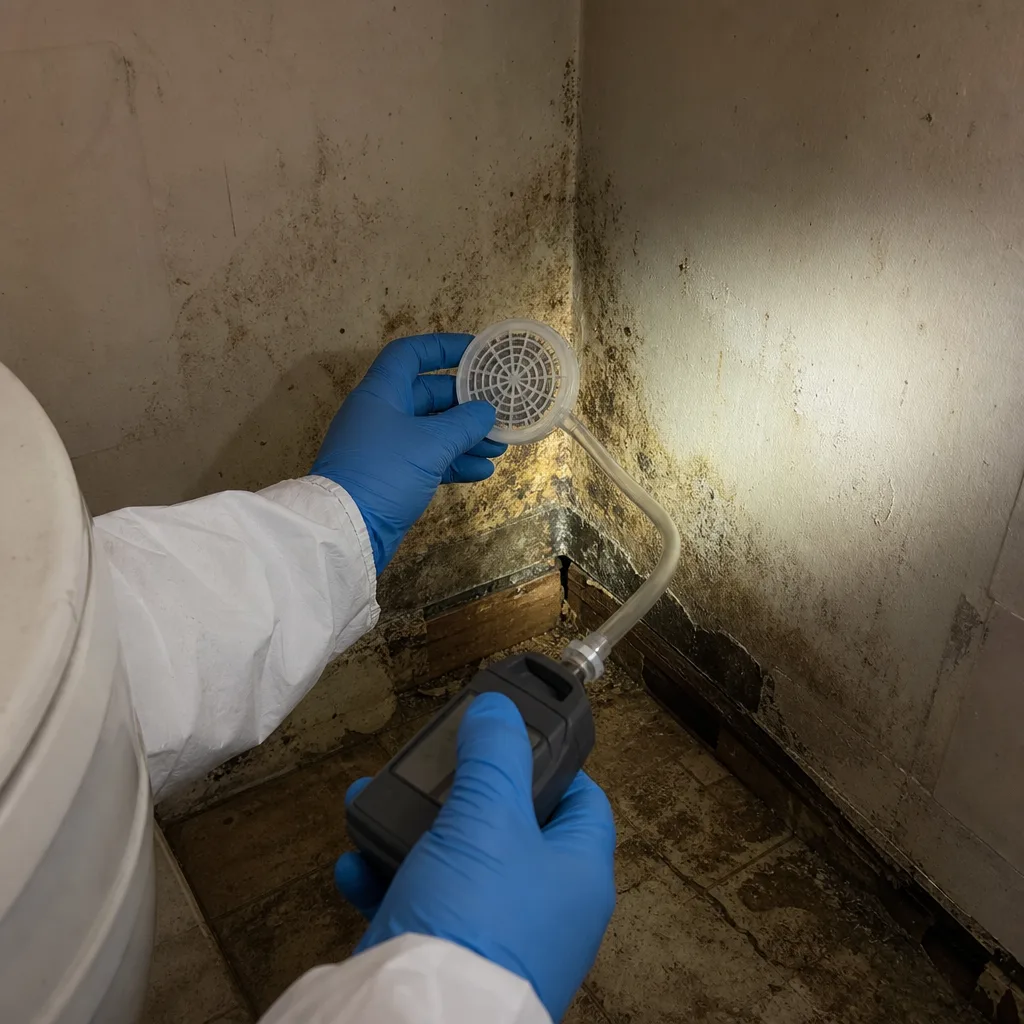
After the water recedes and the wind dies down, there’s always a layer of mess: debris, broken glass, torn metal, mud and silt baked into floors and walls. We clear it, dispose of it properly, and document what was removed for the claim. Then we start the actual drying and sanitization work because cleanup alone is never enough in a building where saltwater has seeped into every crack.
Roof Tarping
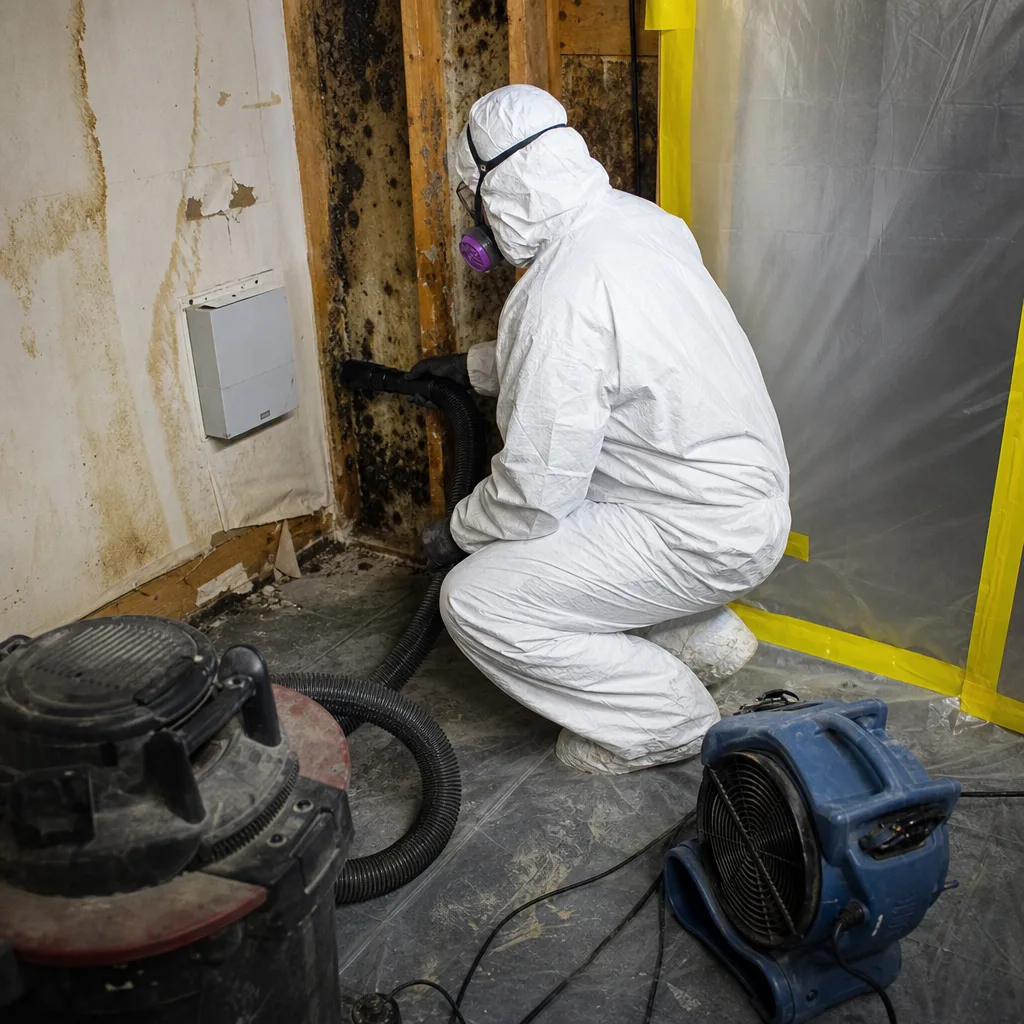
Wind strips roofing from old commercial buildings fast. Within hours of a storm, we get tarps on the exposed sections, sealed tight with furring strips and rated for high-wind conditions. Then we assess whether the roof needs patch work or full replacement, and give you the number upfront before any work gets signed.
Debris Removal
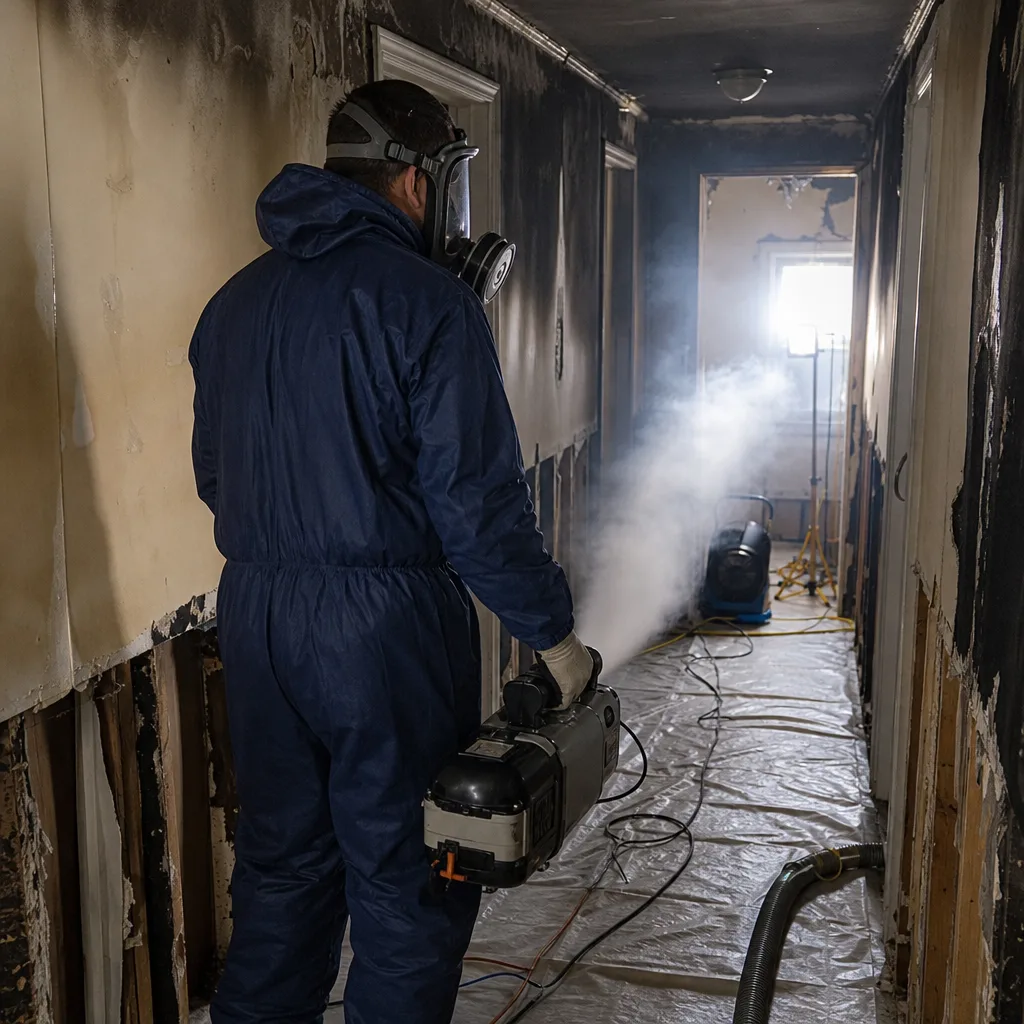
Storm debris in Financial District often includes materials from neighboring buildings and ongoing construction. We haul it out, separate recyclable metal, and document everything for insurer reimbursements. We also handle wet drywall, ruined furnishings, and anything else that has to come out before drying can start.
What happens when you call
- 1
A real person answersNo phone trees - you reach a local pro.
- 2
You get an upfront price rangeHonest numbers before anyone is dispatched.
- 3
A background-checked tech heads outLicensed & insured, dispatched right away.
- 4
You approve before work beginsNothing starts until you say go.
Storm & Disaster Restoration Costs in Financial District, NY
Storm restoration costs in FiDi run higher than the national average because the buildings are older, access is harder, and saltwater damage requires more labor and equipment. A basic storm damage cleanup with extraction and drying in a residential unit typically runs $1,800 to $4,500. Emergency board-up and roof tarping runs $450 to $1,200 for a standard storefront or residential window opening, and roof tarping can reach $2,500 to $5,000 for larger commercial sections. Full Category 3 flood restoration with containment, antimicrobial treatment, and salt-level testing in a sub-basement usually lands between $8,000 and $25,000 depending on square footage and how long the water sat. The variables are depth of flooding, salt content, how much drywall and flooring needs removal, and how much metal hardware has to be replaced. We give free visual inspections and a written scope before work begins, so you know the number before you sign anything. Wade will walk the site with you and show you what he’s seeing, not just hand over a bill.
We Also Serve Cities Near Financial District
Wade’s Restoration covers the Financial District and surrounding areas, including Astoria, Lower Manhattan, Flushing, and Midtown Manhattan. If you’re just outside the FiDi boundary and dealing with storm damage, call (363) 208-1526 and we’ll tell you straight whether we can get to you quickly.
Serving Financial District, NY - Our Local Coverage Area
We’re based in the Financial District area and know this community well. Use the map below to see our service coverage - if you’re nearby, we can almost certainly help.
Financial District Storm & Disaster Restoration Questions, Answered
Does storm surge in Financial District require different extraction equipment than freshwater flooding?
Yes. Saltwater surge is heavier, conducts more corrosion, and wicks deeper into porous masonry. Standard extraction removes surface water, but fixtures like Injectidry systems are needed to pull saline water from limestone and concrete cavities. If the salt isn’t extracted, it crystallizes inside the walls and re-wets for months. Call (363) 208-1526 for an inspection if you’re uncertain what you’re dealing with.
How do I know if my FiDi building’s garage doors need corrosion inspection after a coastal storm?
If the door groans, binds, or won’t hold open, the springs or hinges are likely corroded from years of salt-air exposure that the storm finally finished off. Watch for rust staining at fasteners, flaking metal on tracks, or visible pitting on the spring coils. We inspect all of that as part of a storm damage assessment. Don’t try to lubricate or adjust a tension spring yourself – that’s a serious injury risk. Call (363) 208-1526 and Wade will take a look.
Why do converted office towers in the Financial District need masonry salt assays after flood damage?
Because salt doesn’t dry out the way water does. It stays in the masonry, draws moisture from the air, and feeds mold colonies that keep coming back after standard drying logs look clean. After Hurricane Sandy, dozens of buildings in FiDi learned this the hard way: clearance testing showed dry conditions, then mold returned within months. A masonry salt assay tells us if chloride levels are high enough to need repeated treatment before we sign off on the job.
Can water from a storm surge in FiDi be classified as Category 2 or does it become Category 3?
Storm surge water is always Category 3. It carries everything from the harbor: raw sewage, fuel, dead animals, biological contaminants, and all the runoff from Manhattan streets. There’s no scenario where harbor surge in the Financial District gets treated as anything less than a biohazard. That’s why we run full containment and antimicrobial protocols on every surge-related flooding job.
What’s the biggest mistake owners make after lower-floor flooding in this neighborhood?
Waiting. The second biggest mistake is opening walls to dry them out without documenting the damage first, which is why NFIP claims in Flood Zone AE get denied or delayed for months. Call (363) 208-1526 as soon as the water recedes. We’ll be there fast, and we’ll photograph everything before we move anything.
How fast can someone actually get to the Financial District?
Within 45 minutes in normal traffic. During a major storm, when the FDR is flooded and the bridges are backed up, it’s longer, and we’re honest about that. But Wade coordinates from the New York City office and knows which routes are still passable. Call (363) 208-1526 and you’ll get a straight answer about who’s closest right now.
How long does drying and remediation take after saltwater flooding?
Plan for 5 to 14 days of active drying for a typical residential unit, and longer for sub-basement spaces where masonry is involved. If salt residue is present, we may keep containment and air scrubbers running for another two to three weeks while we run repeated moisture readings and antimicrobial treatment. We hand you the moisture log at the end so you can see exactly what happened day by day.
Can I stay in my home during storm damage restoration?
Depends on what happened. If the flooding was clean freshwater from a burst pipe and we got there fast, you can usually stay in most of the unit while we contain and dry the affected area. If Category 3 surge water is involved, no; we’ll tell you to be out during extraction and the early drying phase, both for your safety and because the antimicrobial agents need time to work. We’ll give you a straight answer on the first call.
If you’re in the Financial District with storm damage, or you’re looking at a garage door that the salt air finally finished off, call (363) 208-1526. Wade answers. He’ll tell you what you’re dealing with, what it costs, and whether you even need full restoration or just a targeted repair. That’s the whole business model: a real name, a real address, and a promise in writing. The 90-Day Done Right Promise says if it’s not done right, he makes it right. No fine print. No runaround. Just call.
Written by Wade Ferris, Owner at Wade’s Restoration, answering calls in Financial District day and night.