
Last updated August 26, 2026
Free visual inspection and a written scope of work before any mitigation begins - photos, moisture readings, and drying logs go in your claim file
The scope we write is the scope we bill. Anything new gets shown to you, in writing, before we touch it.
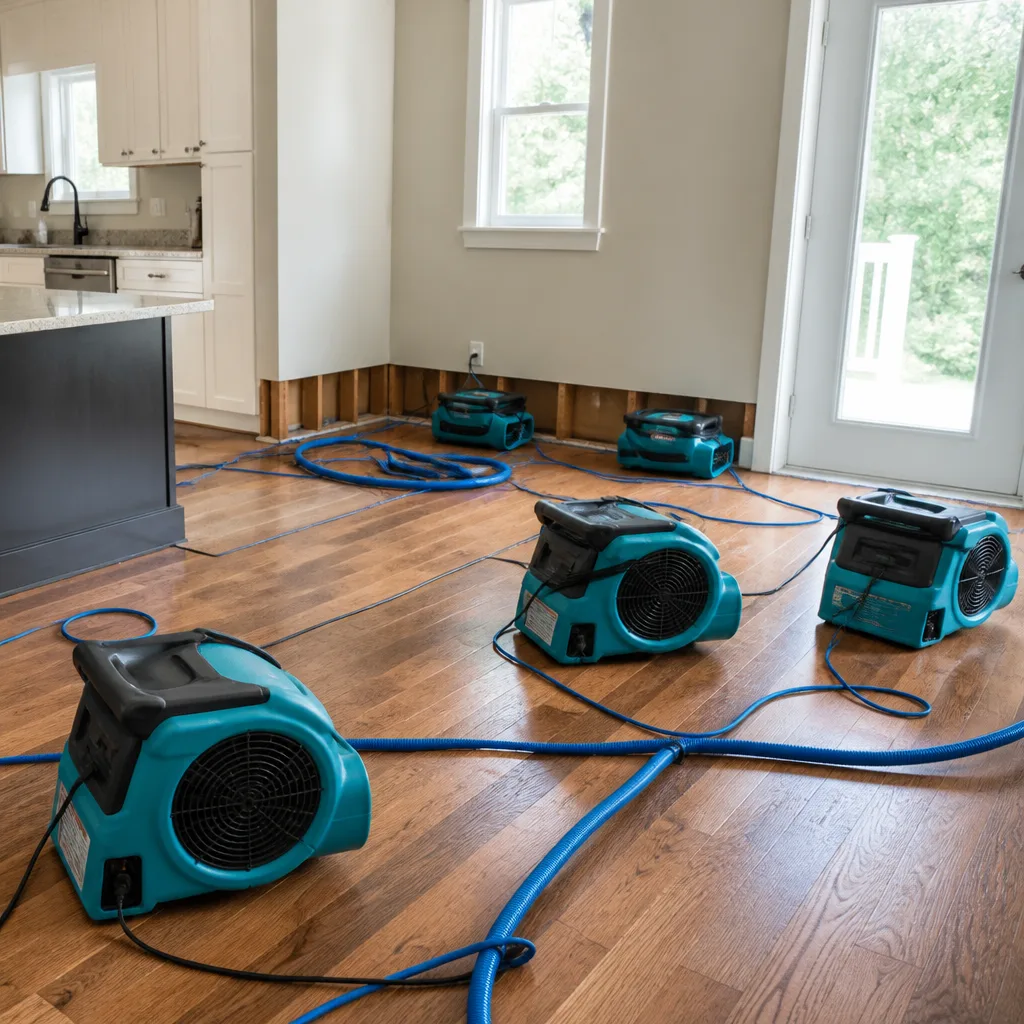
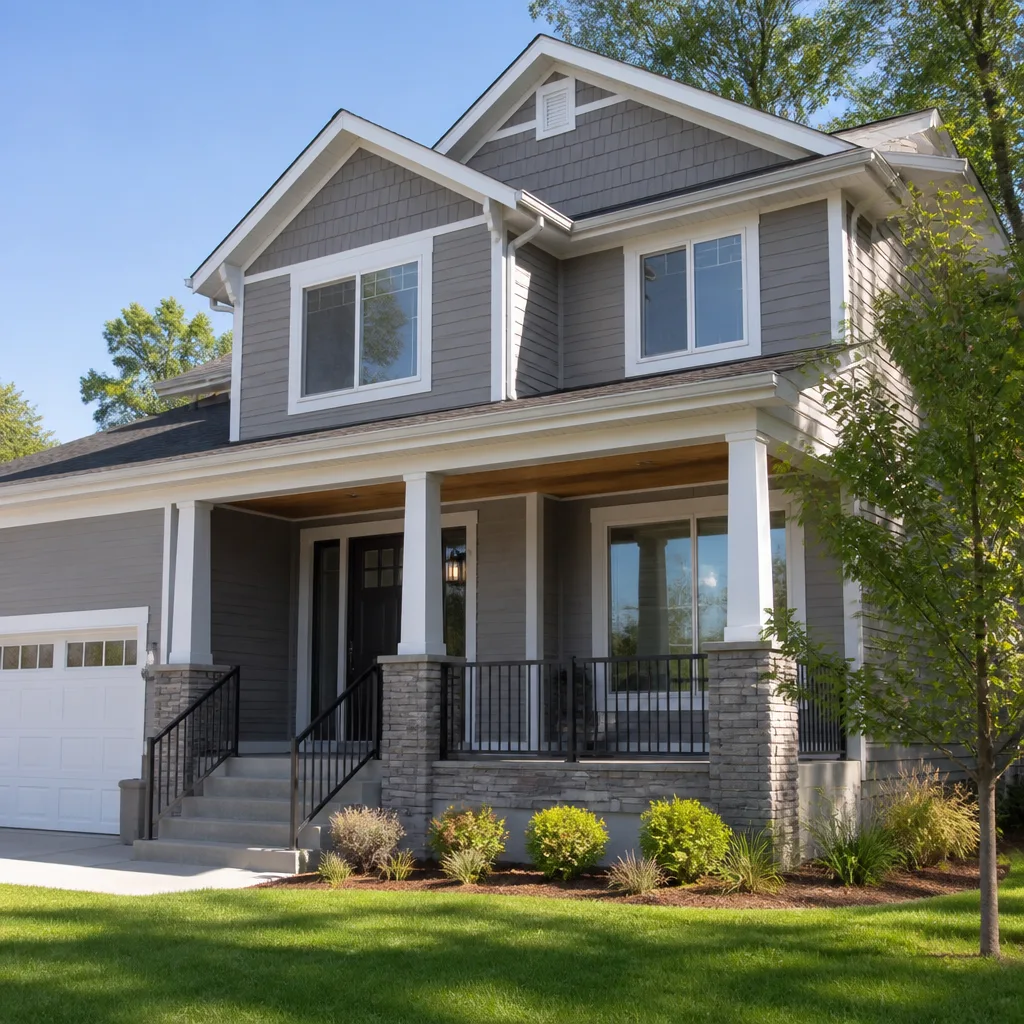
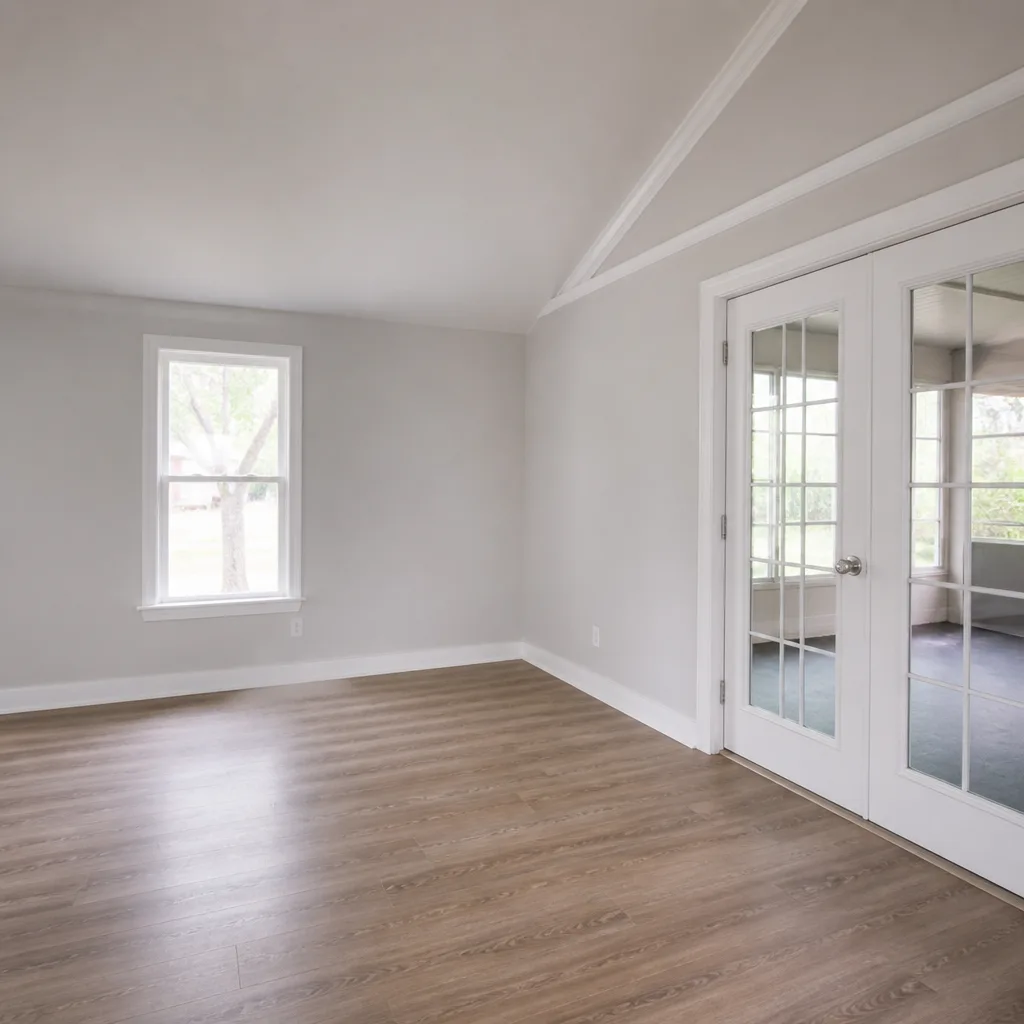
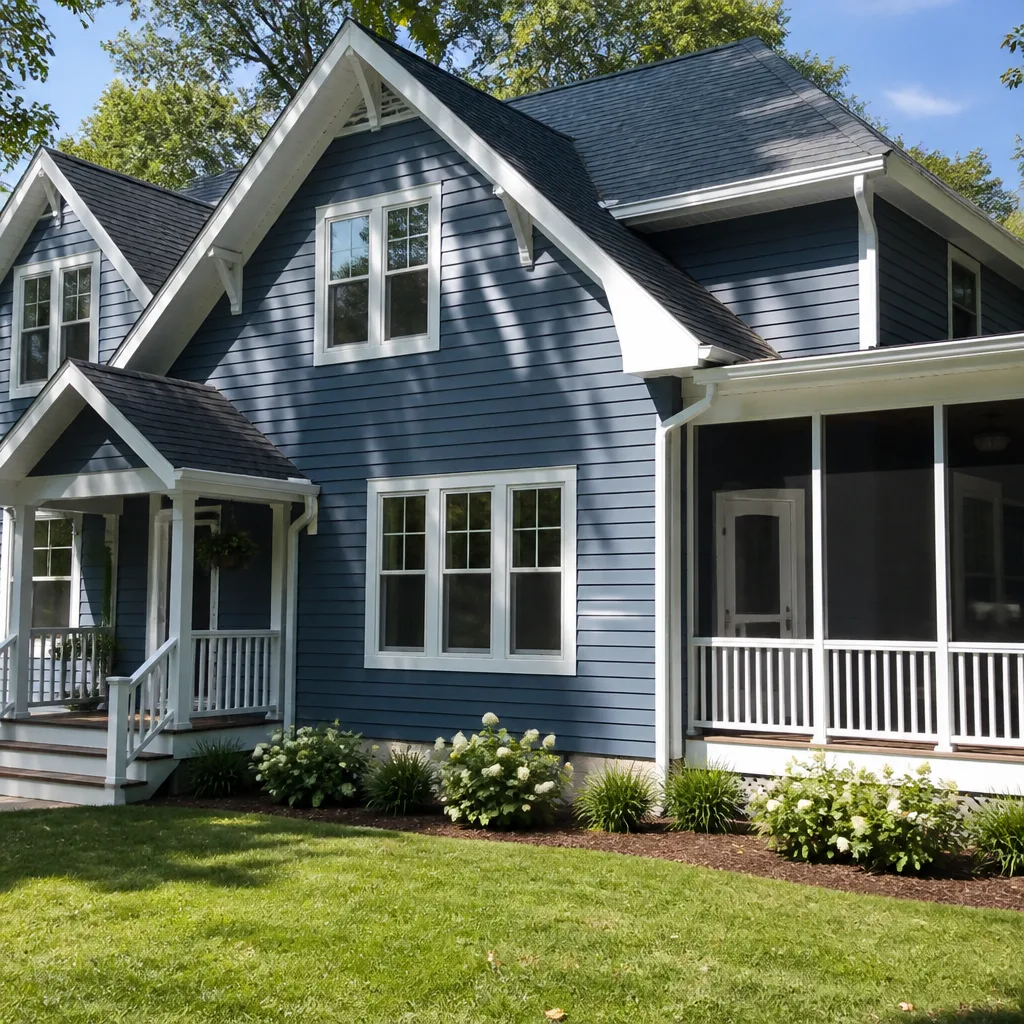
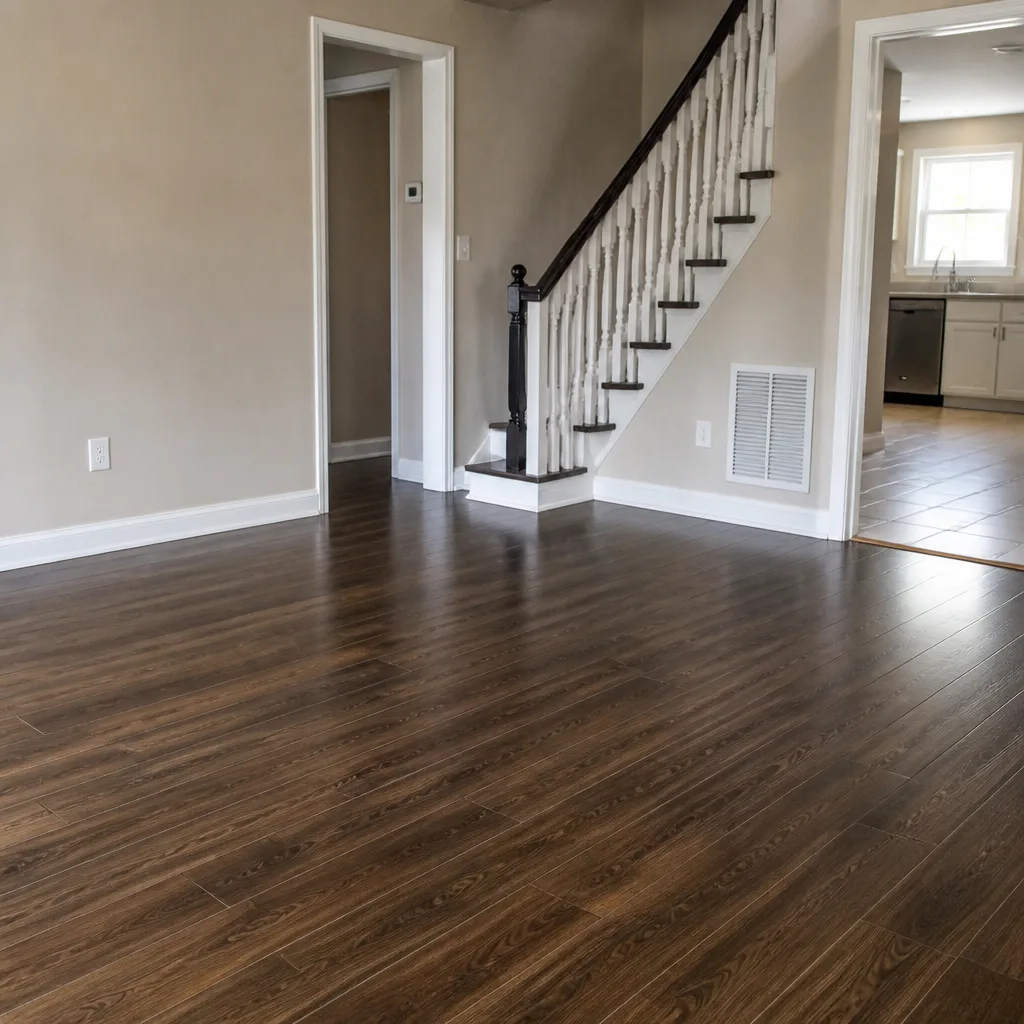

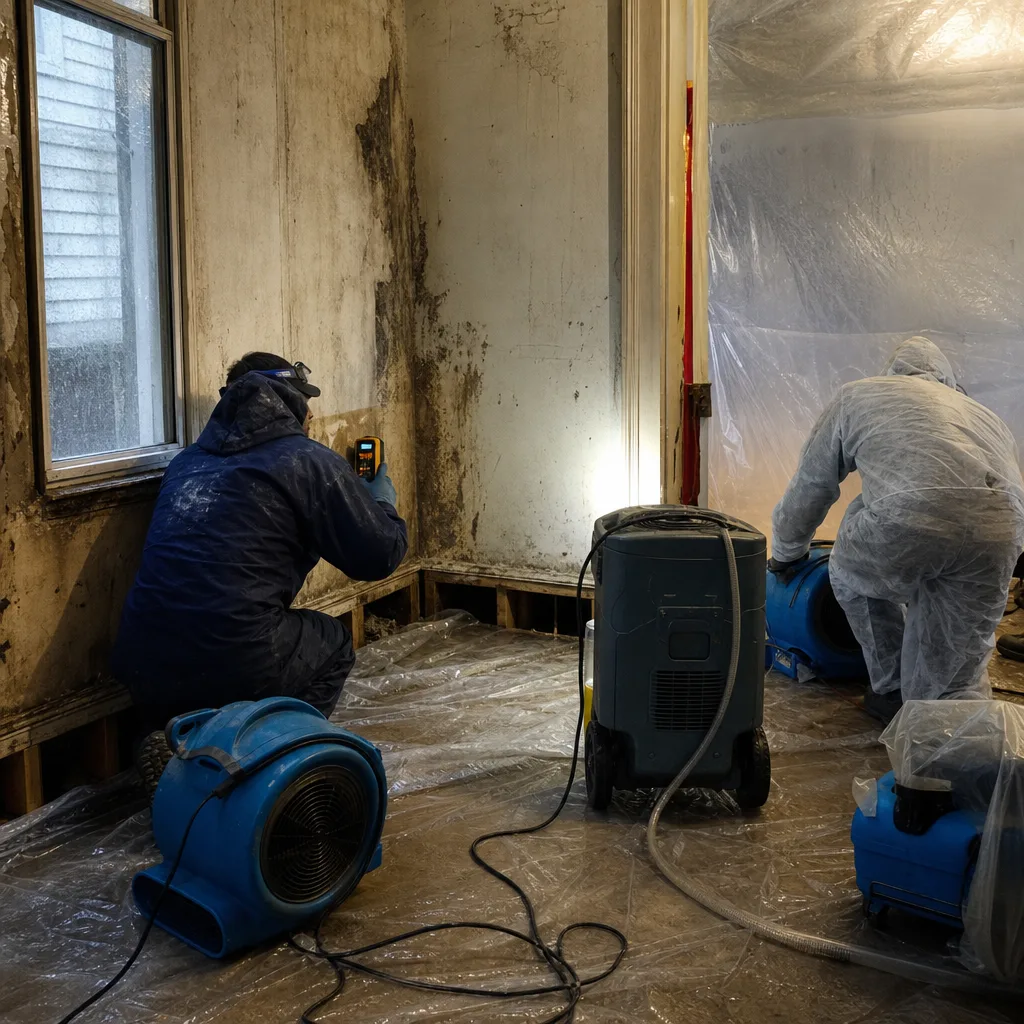 Before
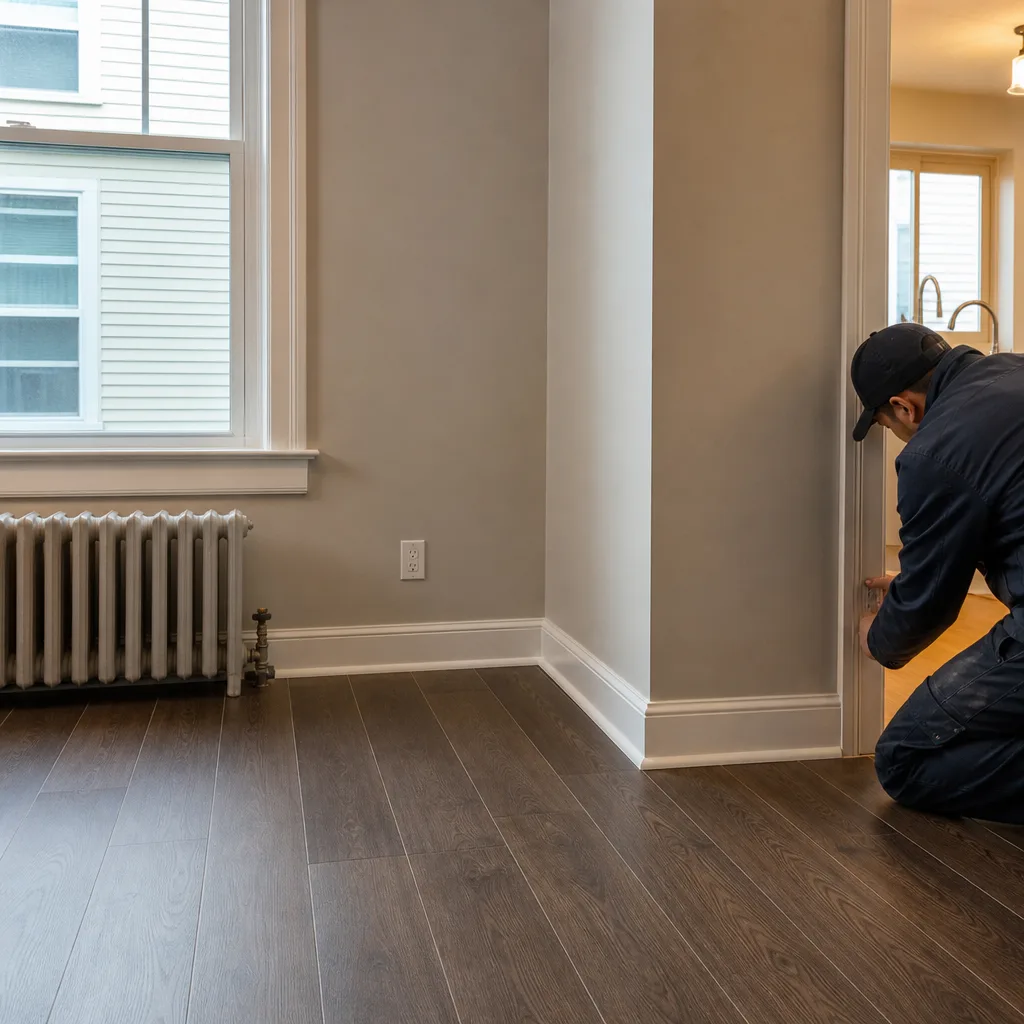 After
After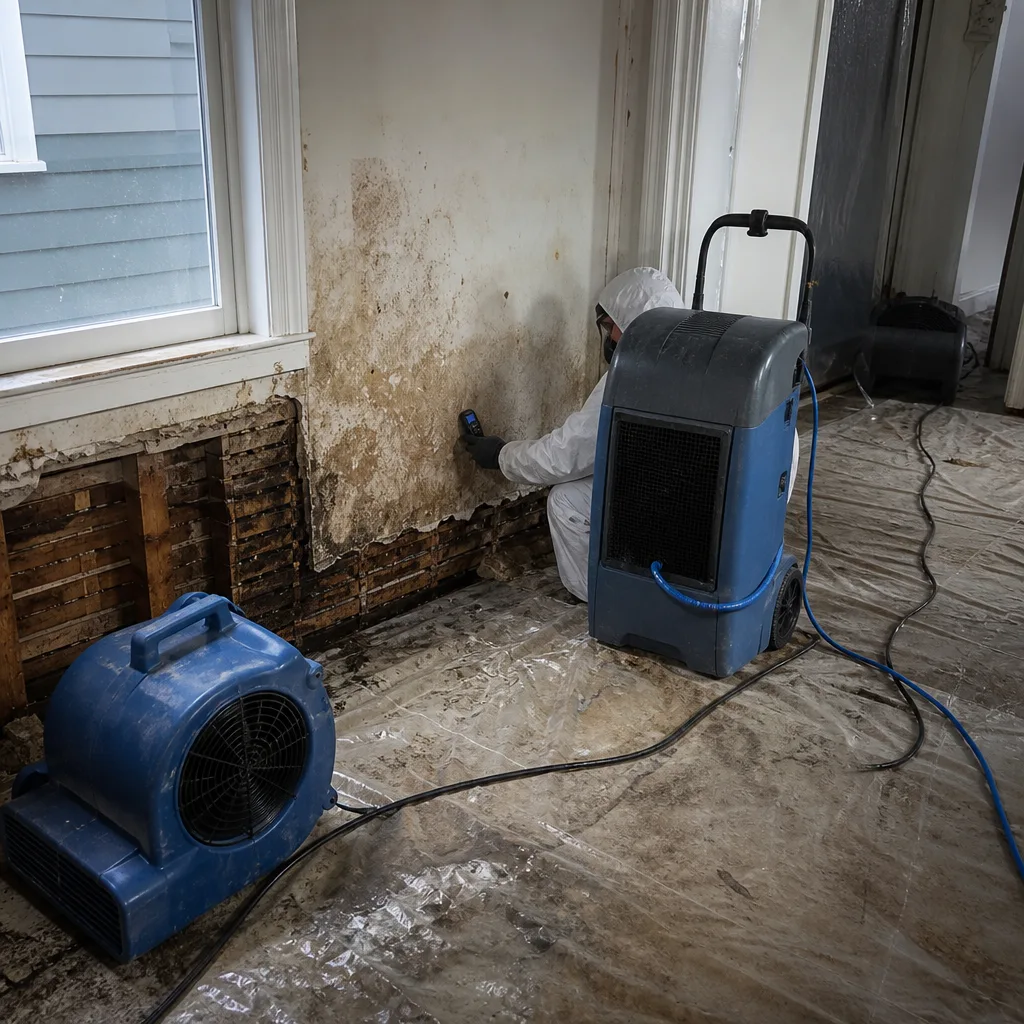 Before
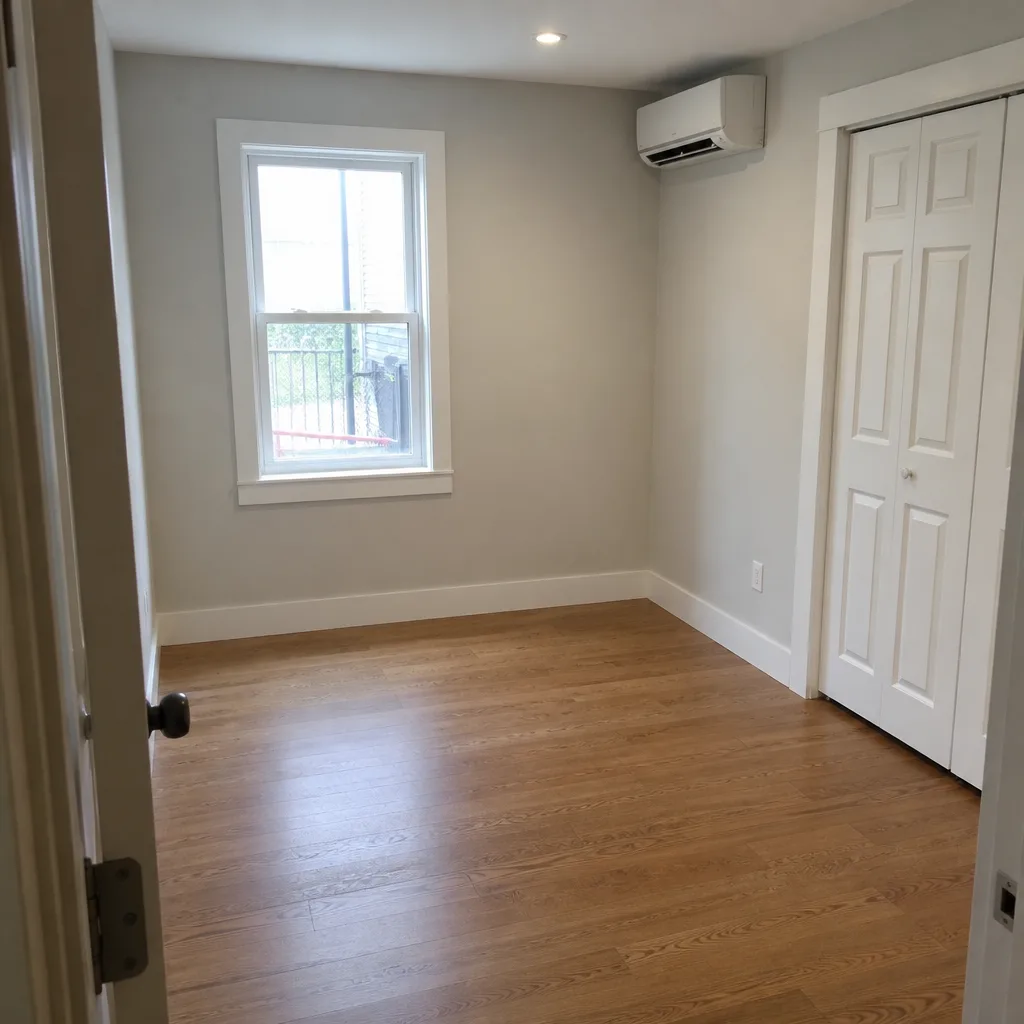 After
After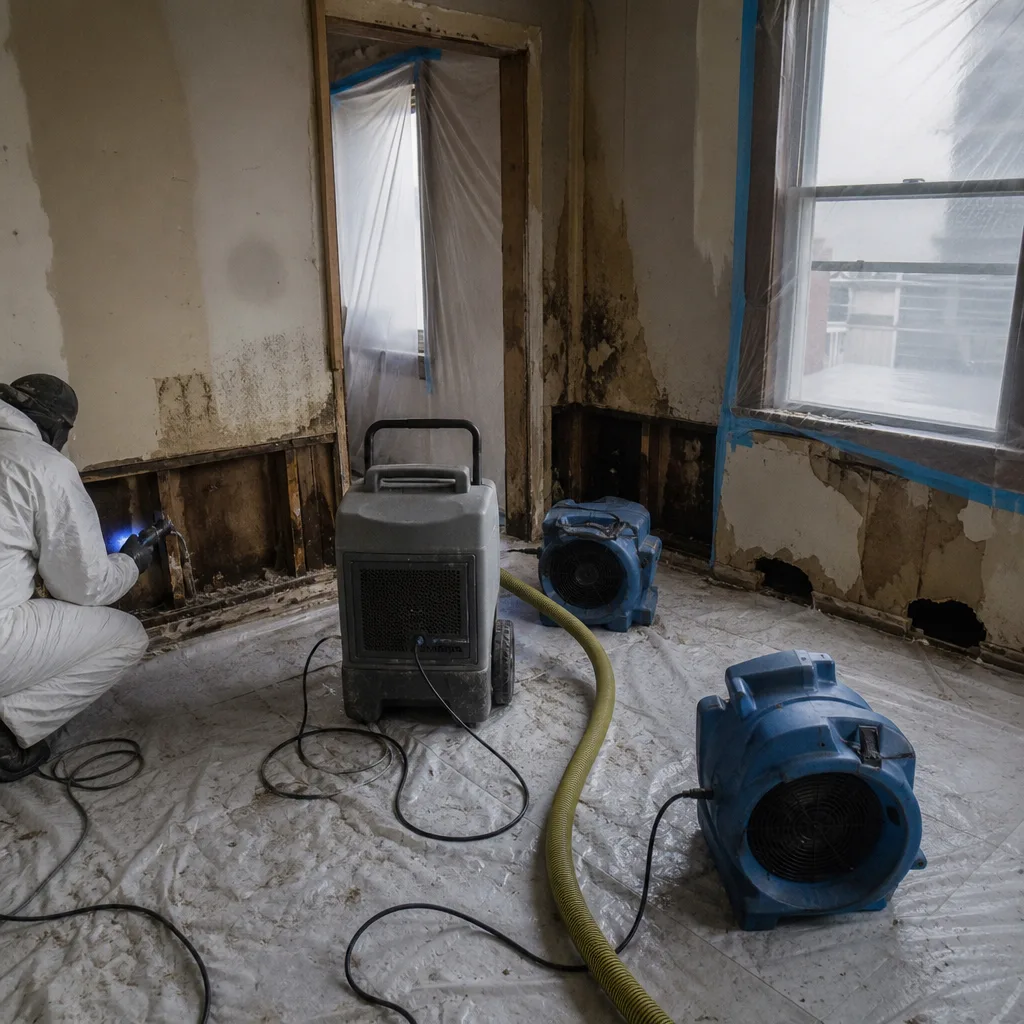 Before
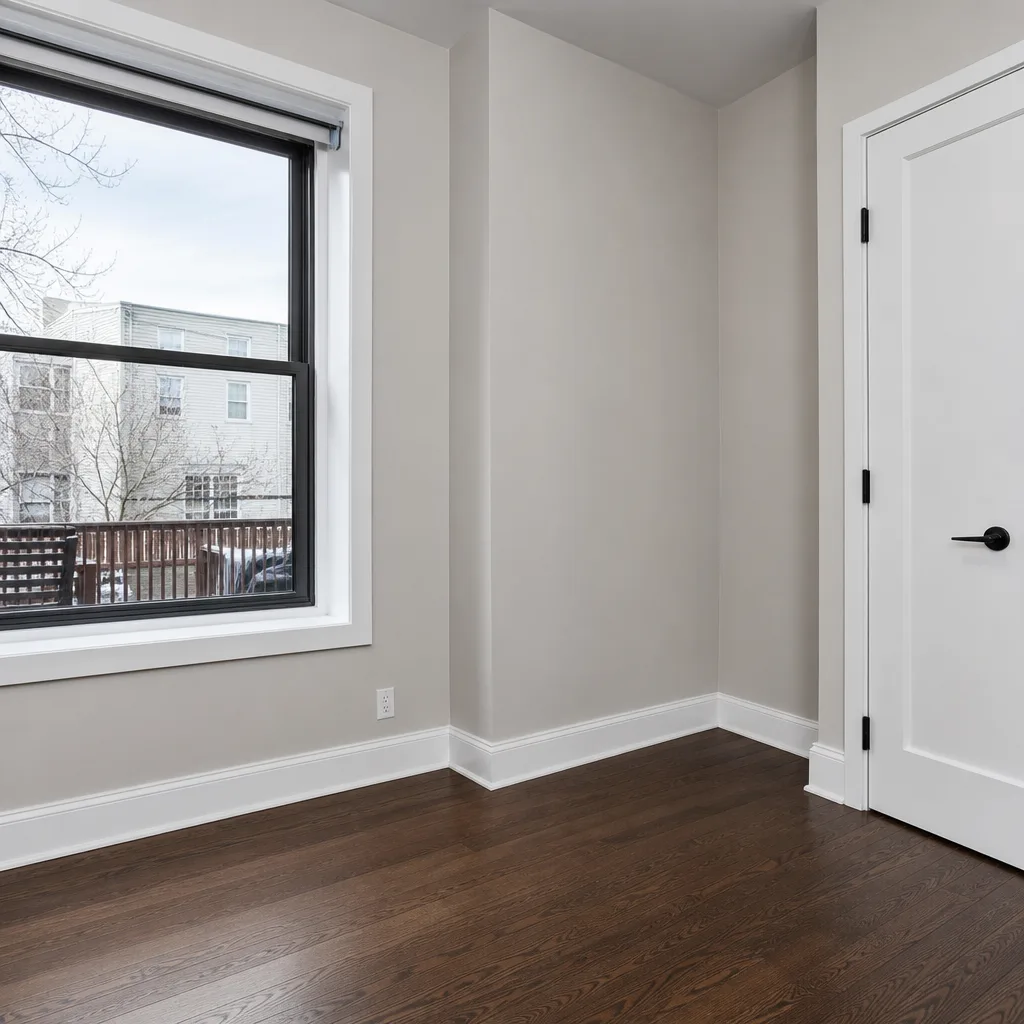 After
AfterHow to Hire a Damage Restoration Contractor in Astoria: A Step-by-Step Guide
Three of the most common restoration scams in New York happen in the first 90 minutes after damage occurs, before most homeowners have even called their insurance company. A stranger with a clipboard shows up, pressures you into signing something, and you’re locked into a contract you didn’t understand while standing ankle-deep in water. This guide walks through exactly how to vet a damage restoration contractor in Astoria before anything happens, so when the emergency hits, you already know the five questions that send the bad actors packing. For a broader look at protecting your home year-round, see our Seasonal Damage Restoration Care for Astoria: Year-Round Homeowner’s Guide. You’ll learn what license to verify, what one clause to never sign, and how to structure a contract so a 90-day callback guarantee is actually enforceable, not just a sales line.
Quick Answer
To hire a damage restoration contractor in Astoria, verify their New York Home Improvement Contractor license through the NYC Department of Consumer and Worker Protection portal (takes 60 seconds), confirm they carry general liability insurance and workers’ comp, refuse to sign any Assignment of Benefits clause, ask five specific questions that separate owner-operated locals from national franchise crews, and get the scope of work and 90-day guarantee in writing before any equipment enters your home. Call Wade’s Restoration home at (363) 208-1526 for a free estimate, and Wade Ferris will walk you through every step himself.
Table of Contents
- The License You Must Verify in Astoria (and How to Look It Up in 60 Seconds)
- The Assignment of Benefits Clause: Why Signing One in New York Is Almost Always a Mistake
- The Five Questions That Separate Owner-Operated Locals from Volume-Driven National Crews
- Why Three Estimates After Water Damage Is Often the Wrong Move
- How to Structure a Contract So a 90-Day Callback Guarantee Is Enforceable
- Red Flags That Appear in the First Phone Call
- How Insurance Fits In (and Who Talks to the Adjuster)
- What to Do After You Sign: Documentation, Moisture Logs, and Final Walkthrough
The License You Must Verify in Astoria (and How to Look It Up in 60 Seconds)
New York State requires anyone performing restoration work on residential property to hold a Home Improvement Contractor (HIC) license. Not a general business permit. Not a plumbing license. The specific HIC license is issued through the NYC Department of Consumer and Worker Protection (DCWP), and it applies to Astoria and all five boroughs. Here’s the key distinction most homeowners miss: a plumber’s license covers pipe work. An electrician’s license covers wiring. But the company coordinating the full scope of a water damage restoration job, the one pulling baseboards, running air movers, and managing the dry-out, that company must hold the HIC license. For a full breakdown of what to check before and after any incident, see our Water Damage Restoration Maintenance Checklist for Astoria Homeowners.
Here’s how to verify one in 60 seconds:
- Go to the NYC DCWP’s “Check a License” online portal.
- Enter the contractor’s business name or license number.
- Confirm the license status shows “Active” and the expiration date hasn’t passed.
- Check that the name on the license matches the name on the contract they’re handing you.
Wade Ferris publishes his license number on every contract and on the Water Damage Restoration in Astoria page. You’re welcome to look him up before you call. That’s the point. In our experience in Astoria, the contractors who hesitate when you ask for a license number, or say it’s “in the truck,” are the ones who never had one to begin with. A legitimate local company wants you to verify them. They know you’ll see them again at the grocery store.
Quick tip: If a contractor tells you they don’t need an HIC license because they’re “just doing mitigation,” that’s a red flag. Mitigation is restoration work. The license requirement doesn’t disappear because the water is still on the floor.
The Assignment of Benefits Clause: Why Signing One in New York Is Almost Always a Mistake
An Assignment of Benefits (AOB) is a clause buried in some restoration contracts that signs over your rights to the insurance claim payout directly to the contractor. Once you sign it, the contractor can bill your insurance company directly, dispute the claim on your behalf, and even sue the insurer, all without your involvement. In states like Florida, AOB abuse became so widespread that the legislature had to step in. New York courts have grown increasingly wary of these clauses, and for a homeowner in Astoria, signing one is almost always a mistake.
Why? Because it removes you from the conversation. The contractor now has more incentive to inflate the claim than to do the work efficiently. Your insurance company may dispute charges you never saw. And if the claim gets denied or short-paid, you may be on the hook for the difference, because the AOB gave the contractor standing to seek payment directly from you. We’ve seen homeowners in Astoria sign an AOB at 2 a.m. during a water emergency and spend the next six months untangling a billing dispute they had no control over.
The alternative is simpler. A reputable contractor bills you directly or works with your adjuster transparently, with you copied on every communication. Wade deals with insurance adjusters directly, but you’re never cut out of the loop. He hands you the full moisture log at the end of the job. You see every reading he takes, every day. That’s the opposite of an AOB.
The rule for Astoria homeowners: Read the contract before you sign. If you see “Assignment of Benefits,” “AOB,” or language about the contractor “standing in your shoes” with the insurer, cross it out or walk away. A local contractor with a 90-Day Done Right Promise doesn’t need to own your claim. He needs to do the job right.
The Five Questions That Separate Owner-Operated Locals from Volume-Driven National Crews
National restoration franchises run on volume. They buy leads, dispatch rotating crews, and answer to a regional office three states away. Owner-operated companies answer to you, and to the neighbors they’ll see on Saturday. Here are the five questions that expose the difference in the first phone call.
- “Who exactly will be standing in my living room, and will I see that same person again tomorrow?” A national crew rotates. You might get three different technicians in three days. Wade Ferris answers his own phone, and he’s the one who shows up. One call brings him back.
- “Can you name three streets in Astoria you’ve worked on in the last year?” A local contractor can answer this without pausing. A national franchise rep in a call center can’t. In our experience, the blank silence on the other end tells you everything.
- “Will you hand me a daily moisture log, or will I need to ask for readings?” Almost nobody in this trade hands over moisture readings daily. Wade does. He takes readings every single day and hands you the full log at the end of the job. A contractor who won’t commit to this is hiding something about their process.
- “If the work isn’t right 60 days from now, who do I call, and what happens?” Listen for a specific name and a specific process. “Call the main line” is not an answer. “Call Wade, and he comes back” is. The 90-Day Done Right Promise isn’t a slogan. It’s in writing on every water, fire, and mold restoration job.
- “What equipment are you running, and are your techs background-checked?” The right answer includes brand names like Dri-Eaz, Phoenix, Injectidry, XPOWER, or B-Air. The wrong answer is vague: “industrial-grade.” Uniformed, background-checked technicians running professional equipment is a floor, not a differentiator. But you’d be surprised how many companies fail to clear it.
These five questions work because they’re specific enough that a bad actor can’t bluff through them. They measure what matters: continuity, local knowledge, documentation, accountability, and professionalism. For mold work, the stakes are even higher, which is why our Mold Remediation in Astoria guide goes deeper on containment protocols and post-remediation verification.
Why Three Estimates After Water Damage Is Often the Wrong Move
Conventional wisdom says get three estimates. For a kitchen remodel, sure. For water damage in Astoria, that advice can backfire. Here’s why.
Water damage has a clock. Within 24 to 48 hours, standing water becomes a mold risk, and the drywall, insulation, and subfloor all begin to swell and delaminate. Every day you spend collecting quotes is a day the damage compounds. Your insurance policy also has a duty-to-mitigate clause. That means you’re obligated to take reasonable steps to prevent further damage. Sitting on a flooded basement for three days while you shop estimates isn’t just risky. It can give your insurer grounds to reduce the claim.
What’s more, restoration estimates are almost never apples-to-apples. One contractor quotes extraction only. Another quotes extraction plus dry-out. A third quotes extraction, dry-out, and reconstruction without telling you which parts are covered by insurance. Comparing those numbers line by line is a fool’s errand, especially at midnight when you’re standing in water.
Here’s what to do instead:
- Call one local contractor you’ve already vetted, ideally before the emergency, and have them start mitigation immediately.
- Ask for a written scope of work that separates emergency mitigation from reconstruction. Mitigation stops the bleeding. Reconstruction rebuilds the house.
- Get a written estimate for the reconstruction phase before that work begins. This is where a second opinion is useful, not the emergency phase.
- If you want a second opinion on any written estimate, Wade’s Restoration offers a free one. No trip charge inside the county. That’s not a gimmick. It’s how a neighbor does business.
The point is to move fast on stopping the damage and slow down on the rebuild. That sequence protects both your home and your claim.
How to Structure a Contract So a 90-Day Callback Guarantee Is Enforceable
Plenty of restoration companies say they stand behind their work. Few put it in writing in a way that actually protects you. A 90-day callback guarantee is only as good as the contract language behind it. Here’s how to structure a restoration contract so the promise is real.
Step 1: Define the scope precisely. “Water mitigation, basement” is not a scope. “Extraction of standing water, removal of 24 linear feet of drywall cut 2 feet above the water line, installation of three air movers and one dehumidifier, daily moisture readings for 5 days” is a scope. The more specific, the harder it is for anyone to argue about what was included.
Step 2: State the callback terms explicitly. The contract should say something like: “Contractor warrants all mitigation and restoration work for a period of 90 days from the date of completion. If any covered work is found defective within that period, Contractor will return to correct it at no additional charge within 72 hours of written notice.” No “reasonable effort” language. No “subject to availability.” A date and a number.
Step 3: Include the moisture log as a deliverable. If the contract doesn’t guarantee daily moisture readings with the log handed to you at the end, you have no way to verify the dry-out actually worked. Demand it. Wade takes moisture readings every single day and hands you the full log at job’s end. That log is your evidence. It’s what separates a real dry-out from a guess.
Step 4: Get the insurance coordination in writing. The contract should state who communicates with the adjuster and how you’ll be kept informed. You should never be stuck relaying information between the insurer and the contractor. Wade deals with the adjuster directly, and you’re copied on the important updates.
Step 5: Put the license number and contact info on the contract itself. A contract without a license number is a red flag. A contract without a real phone number is worse. Wade’s phone number is (363) 208-1526, and he answers it himself, 24/7. That’s the accountability mechanism.
A guarantee is only as good as the person behind it. For fire and smoke work, the callback window matters even more, because smoke odor can reappear weeks after a job if the seal wasn’t done right. Our Fire & Smoke Damage Restoration in Astoria guide covers what a proper seal and deodorization process actually looks like.
Red Flags That Appear in the First Phone Call
Most bad restoration contractors reveal themselves in the first five minutes. You just need to know what to listen for.
- “We were in the neighborhood.” Legitimate restoration companies don’t canvas flood zones. If someone shows up unsolicited after a storm, that’s a red flag. In Astoria, local contractors are busy answering their own phones, not knocking on doors.
- “We need a deposit today to hold the slot.” Restoration work after water or fire damage doesn’t require an upfront deposit to “hold” anything. Get a written scope of work, and the work starts. A contractor demanding cash before equipment arrives is a contractor who plans to disappear.
- “We can bill your insurance directly, just sign here.” That’s the AOB clause again. It’s designed to cut you out of the process. Don’t sign it. Read what you’re signing, every time.
- “We don’t need a written contract for this part.” Every part of a restoration job needs a written scope. Extraction, dry-out, demolition, rebuild, all of it. A verbal agreement is no agreement.
- “I can’t give you a license number right now.” Yes, he can. A real contractor has his license number on his truck, his card, and his contracts. If he can’t produce it, end the conversation.
- “The low price is only good if you sign today.” Pressure is the universal language of bad actors. A legitimate contractor wants you to understand what you’re signing. He doesn’t rush you.
If you hear any of these, call someone else. Wade Ferris has been serving Astoria since 2007, and his name is on the truck, his address is published, and his license number is on every contract. He’s not hard to find, and that’s the point.
How Insurance Fits In (and Who Talks to the Adjuster)
Insurance is almost always in the room, even when nobody’s said the word out loud. Water damage, fire damage, mold, sewage backup, storm damage, these are all claims your homeowner’s policy likely covers, at least in part. The question is who handles the communication, and that answer determines how smoothly the claim goes.
The most common mistake we see in Astoria is the homeowner stuck in the middle, relaying messages between the contractor and the adjuster. The contractor says one thing. The adjuster says another. The homeowner has to translate, and they’re not trained to speak insurance, so details get lost. The claim slows down. The frustration builds.
That’s why Wade deals with the adjuster directly. He speaks the language. He knows what documentation the insurer needs and how to present it. You’re never out of the loop, but you’re also never the one playing telephone between two sides that don’t see eye to eye. That’s his job.
Here’s how a typical insurance-coordinated restoration works:
- You call Wade at (363) 208-1526. He answers, 24/7, and asks what happened.
- He heads out, documents everything with photos, and gives you a written scope of work.
- You file the claim with your insurer. Wade can help you with the language.
- The adjuster schedules a visit. Wade meets them on site and walks them through the damage.
- Work begins, with daily moisture readings documented in a log you receive at the end.
- If anything isn’t right within 90 days, Wade comes back. It’s in writing.
That last step matters, because insurance claims close long before problems show up. Mold can appear six weeks after a bad dry-out. A seam can fail on a fire-damaged wall. If your contractor is gone, you’re fighting that battle alone. If your contractor has a 90-Day Done Right Promise in writing, you’re not.
Will insurance cover this? That depends on your policy, the cause of the damage, and how quickly you acted. Sudden and accidental water damage (a burst pipe, not a slow leak) is typically covered. Flood damage from rising groundwater is not, unless you have a separate flood policy. Mold is covered when it results from a covered peril. Sewage backup usually requires an endorsement. The best move in Astoria is to call a contractor who can assess the damage, explain what your policy likely covers, and coordinate with the adjuster. Wade’s Restoration offers a free estimate, and Wade will give you a straight answer about your situation.
What to Do After You Sign: Documentation, Moisture Logs, and Final Walkthrough
Signing the contract is the starting line, not the finish. The contractor you work with should be documenting everything from day one, and you should be watching that documentation grow. Here’s what a properly run restoration job in Astoria looks like after the paperwork is done.
Day one: The contractor arrives with the equipment. Dri-Eaz dehumidifiers, Phoenix air movers, Injectidry systems for hard-to-reach cavities. You should see the techs take initial moisture readings with a penetrating meter, not just a surface meter. Those readings go in the log. Photos are taken before anything is touched.
Days two through the end of the dry-out: Daily moisture readings are taken in the same locations. You should see the numbers trending down. If they plateau, the contractor should adjust the equipment layout. This is the science of drying a building, and it’s exactly why daily logs matter. A contractor who sets equipment and walks away for three days is not drying. He’s guessing.
At the end of the dry-out: The contractor should compare the final readings to the unaffected baseline readings. Drywall, wood, and concrete should be back within a few percentage points of their pre-loss condition. If they’re not, the drying isn’t done. Wade hands you the full log at this point, and you’ll see every reading from day one.
Reconstruction phase: This is where the scope of work from your contract becomes the checklist. Baseboards reinstalled, drywall replaced, paint matched, flooring repaired. The final walkthrough should be you and the contractor going through that scope line by line, together. Not a punch list emailed later. Not a “take a look and let us know.” A real walkthrough.
And then, 90 days later, if something fails, you call. That’s the test of everything in this guide. A local owner-operated contractor with a written 90-day promise will answer. Wade Ferris will answer. He’s been doing this in Astoria since 2007, and he plans to be doing it for a long time to come.
Common Mistakes to Avoid
- Waiting until the emergency to find a contractor. The worst time to vet a restoration company is at 2 a.m. with water rising. Do the work now, save the number, and you’ll be ready when it happens.
- Signing an Assignment of Benefits clause. This single signature can cost you thousands and cut you out of your own claim. Cross it out or walk away.
- Skipping the license check. Sixty seconds on the NYC DCWP portal can save you from an unlicensed operator with no insurance and no recourse.
- Hiring based on the lowest quote without comparing scopes. A low quote that omits dry-out or containment is not a deal. It’s a future mold problem.
- Not getting the 90-day guarantee in writing. “We stand behind our work” means nothing if the contract doesn’t say what happens when the work fails. Demand specific language.
- Trying to handle a water emergency with a shop vacuum and hope. Water migrates. It moves through drywall, under baseboards, into subflooring. Surface drying is an illusion.
- Assuming your insurance adjuster will verify the contractor’s work. The adjuster verifies the claim, not the craftsmanship. That’s your contractor’s responsibility, and it’s why the 90-day guarantee matters.
When to Call a Professional
Call a professional the moment you see water where it shouldn’t be, smell smoke after a fire has been extinguished, or suspect mold behind a wall. Call immediately if the water came from a sewage backup or has been standing for more than 24 hours. Call if you see water stains spreading across the ceiling, if the drywall is soft to the touch, or if you hear dripping inside a wall with no visible source. These are not situations that resolve on their own. Wade’s Restoration offers free estimates in Astoria, no trip charge inside the county, and a free second opinion on any written estimate. Call (363) 208-1526 and Wade will give you a straight answer about what you’re dealing with.
Frequently Asked Questions
A restoration contractor in Astoria must hold a Home Improvement Contractor (HIC) license from the NYC Department of Consumer and Worker Protection, which you can verify online in about 60 seconds by searching the business name or license number on the DCWP portal. This applies to any company performing mitigation or reconstruction work on residential property, not just plumbers or electricians.
Almost never. An AOB signs your insurance claim rights over to the contractor, removing you from billing and negotiation, and it creates a conflict of interest where the contractor profits from inflating the claim rather than doing efficient work. If a contract contains an AOB clause, refuse to sign and find a contractor who will bill transparently with you in the loop.
Wade’s Restoration answers calls 24/7 with a live person, not a voicemail, and Wade himself can have extraction equipment running inside the hour in most cases. Water damage compounds quickly, so the speed of the initial response directly affects the total cost and the risk of mold.
You need the moisture log. Daily readings are the only way to verify the dry-out actually worked, and most contractors in this trade don’t hand them over. Wade takes readings every single day and gives you the full log at the end of the job, so you have documented evidence for yourself and your insurer.
Sudden and accidental water damage, like a burst pipe, is typically covered by a standard homeowner’s policy, but flood damage from rising groundwater usually requires separate flood insurance, and sewage backup often needs an endorsement. The fastest way to get a straight answer is to call (363) 208-1526 for a free estimate, and Wade will coordinate directly with your adjuster.
If the contractor’s 90-day guarantee is in writing with specific callback terms, you call them and they return to correct the work at no charge. That’s why contract language matters so much. “We stand behind our work” isn’t enforceable. A written 90-Day Done Right Promise is.
The Bottom Line
Hiring a damage restoration contractor in Astoria is a decision most people make in the worst possible conditions: panicked, rushed, and standing in a flooded basement. The way to win that moment is to prepare for it beforehand. Verify the HIC license. Refuse the AOB. Ask the five questions. Skip the three-estimate runaround on the mitigation phase. Demand a written scope and a 90-day guarantee with real teeth. And remember that the best contractor is the one you’ll see again at the hardware store, because that’s the oldest accountability mechanism there is. Wade’s Restoration has been serving Astoria since 2007, and Wade answers his own phone, 24/7, at (363) 208-1526.
Written by Wade Ferris, Owner at Wade’s Restoration, serving Astoria since 2007.