
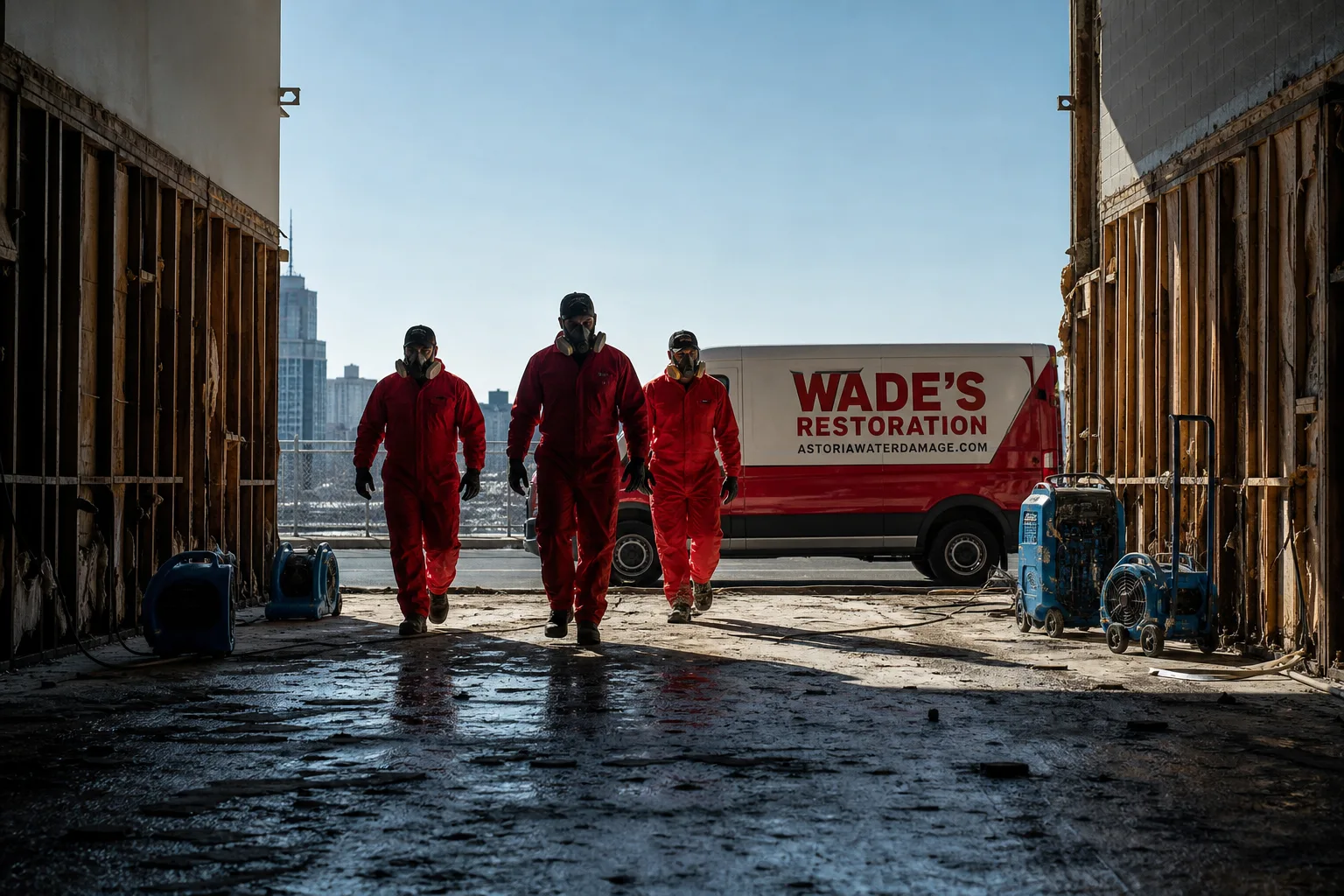
Free visual inspection and a written scope of work before any mitigation begins - photos, moisture readings, and drying logs go in your claim file
The scope we write is the scope we bill. Anything new gets shown to you, in writing, before we touch it.
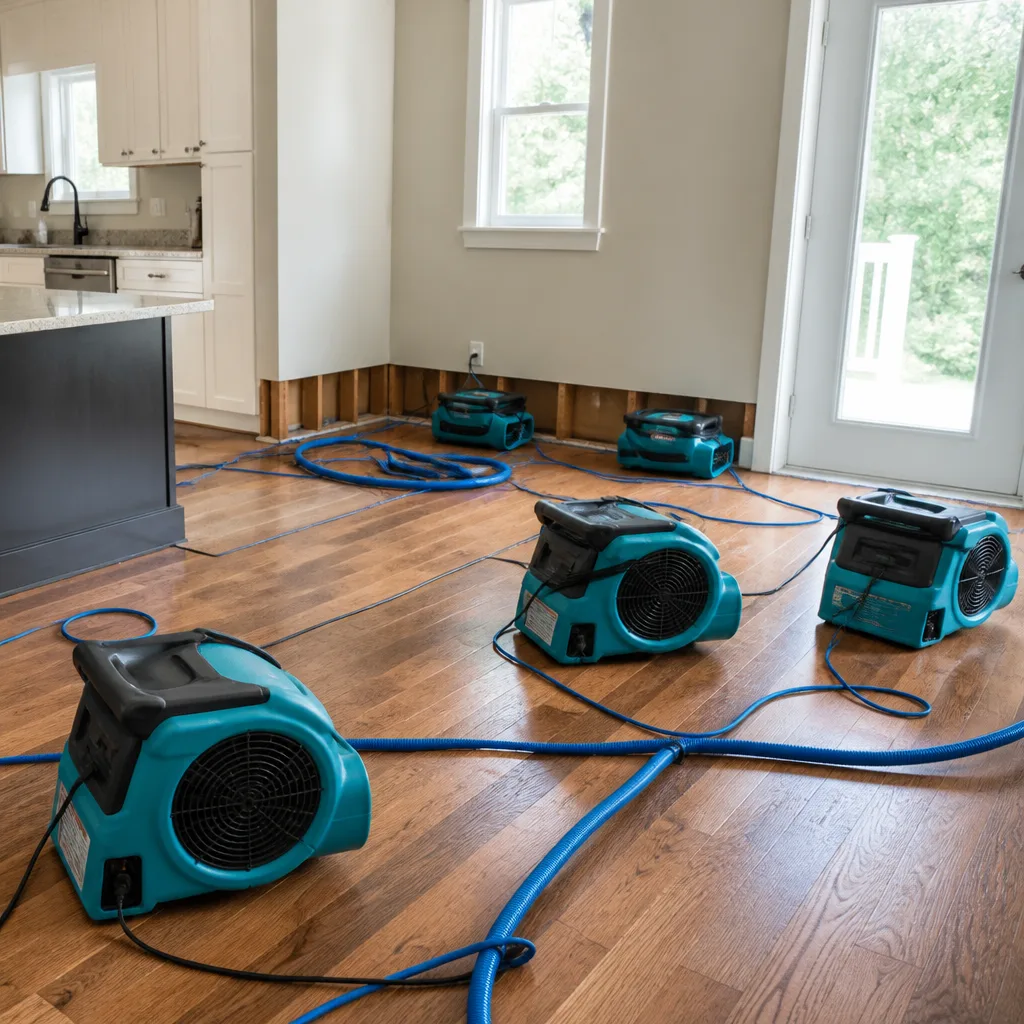
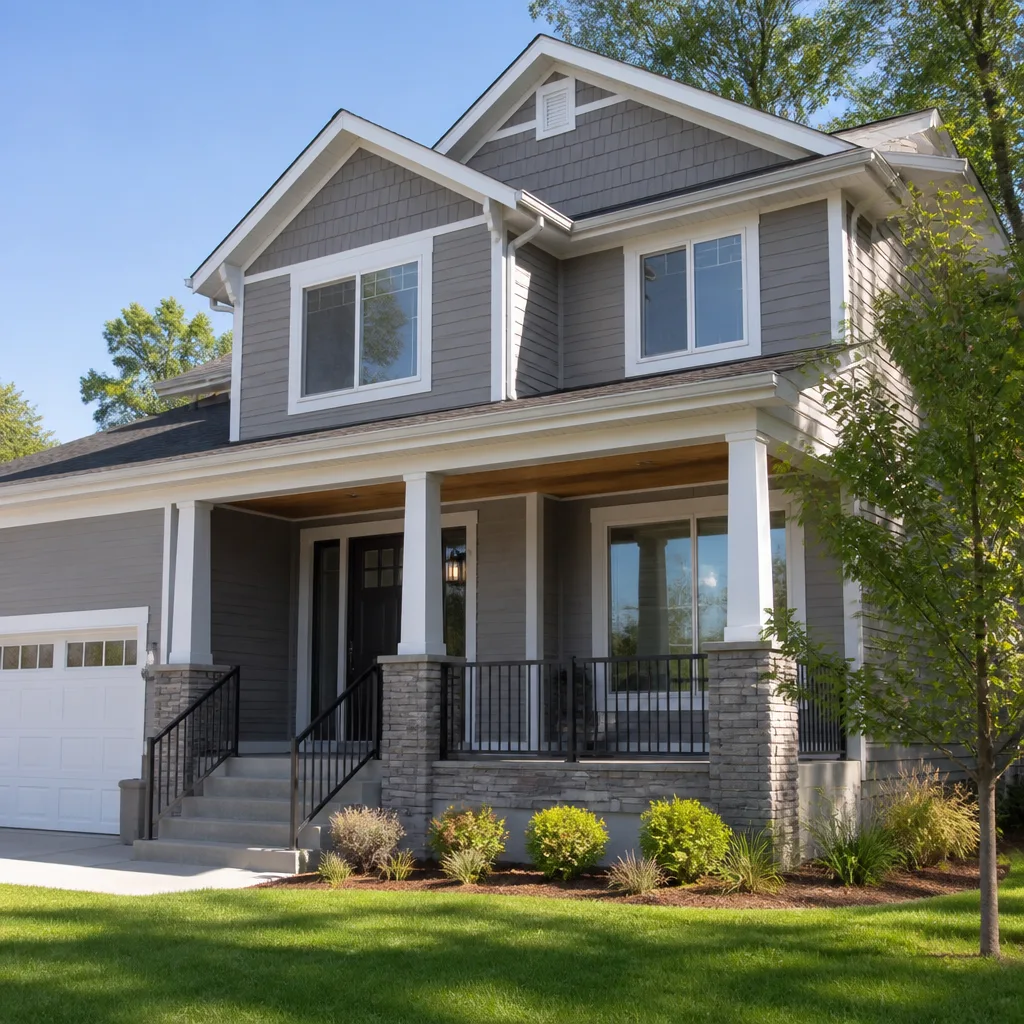
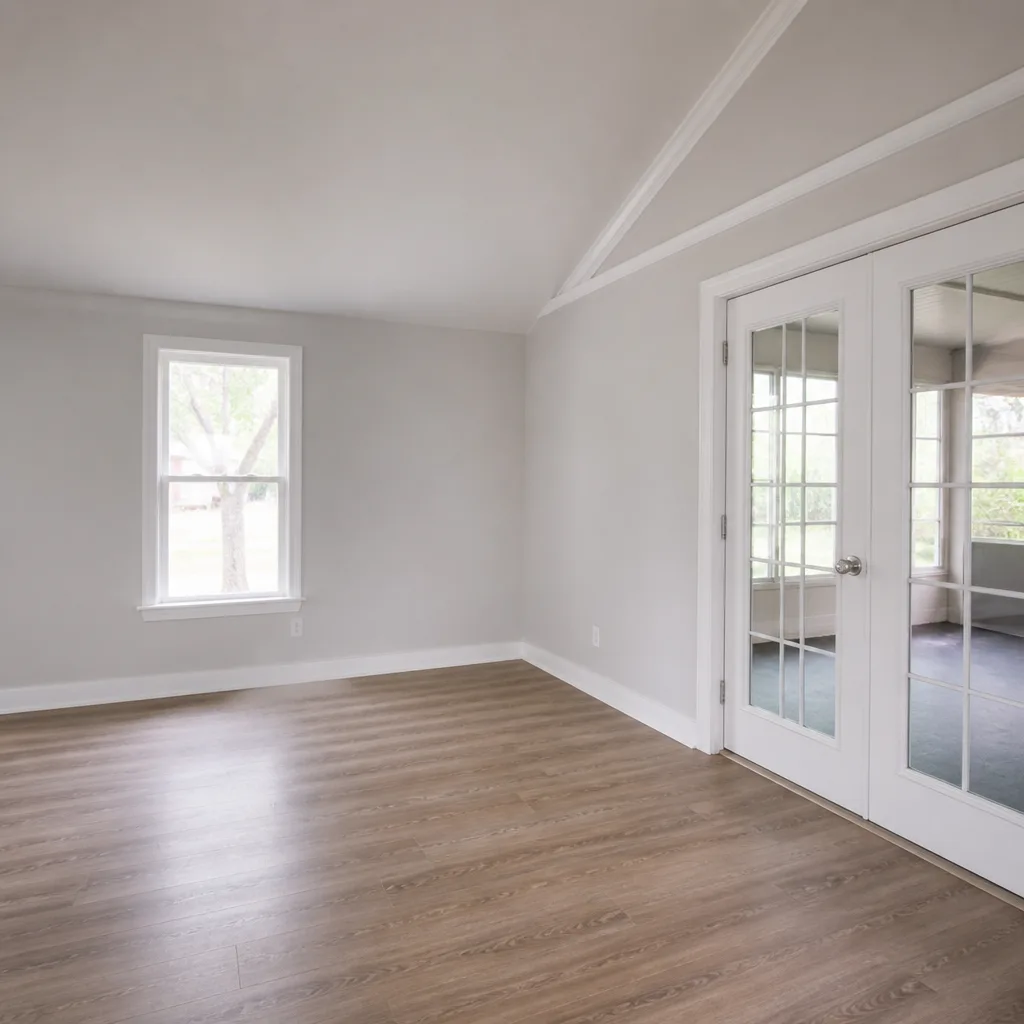
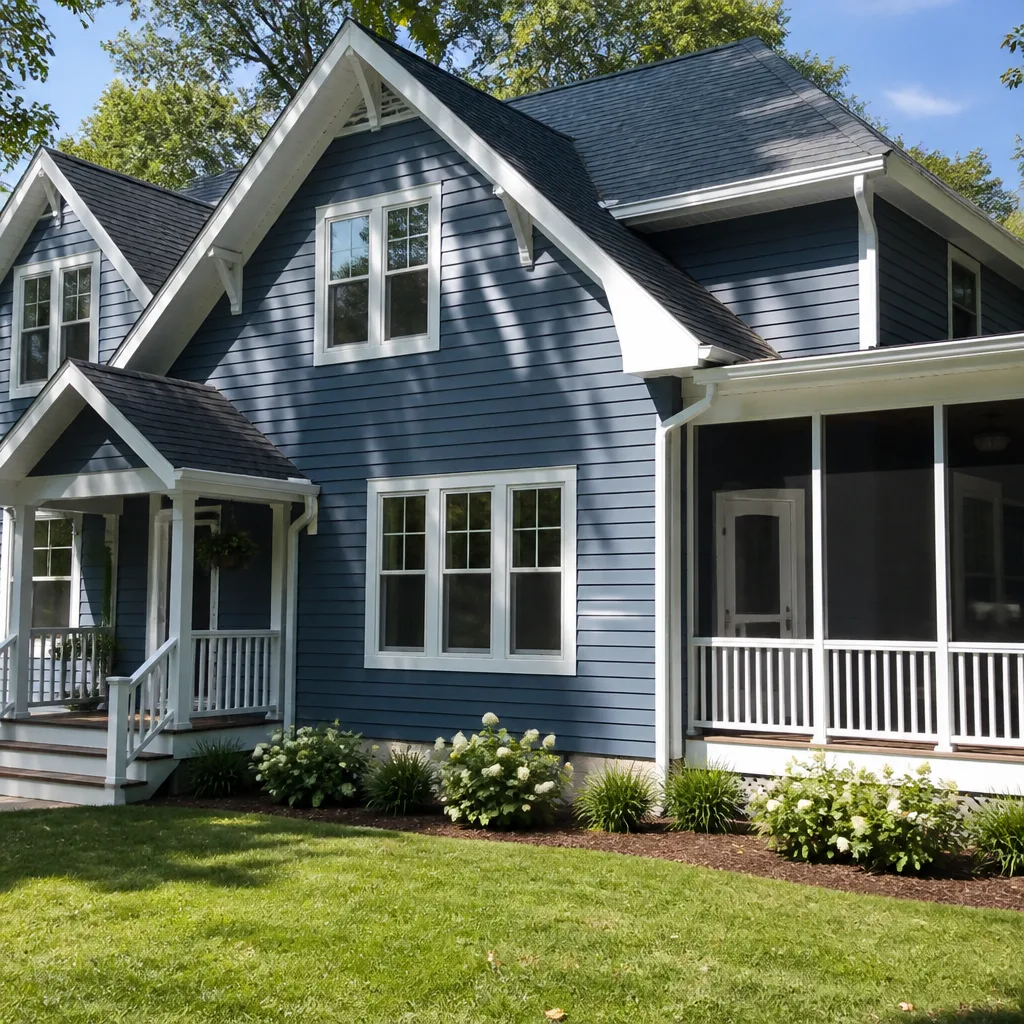
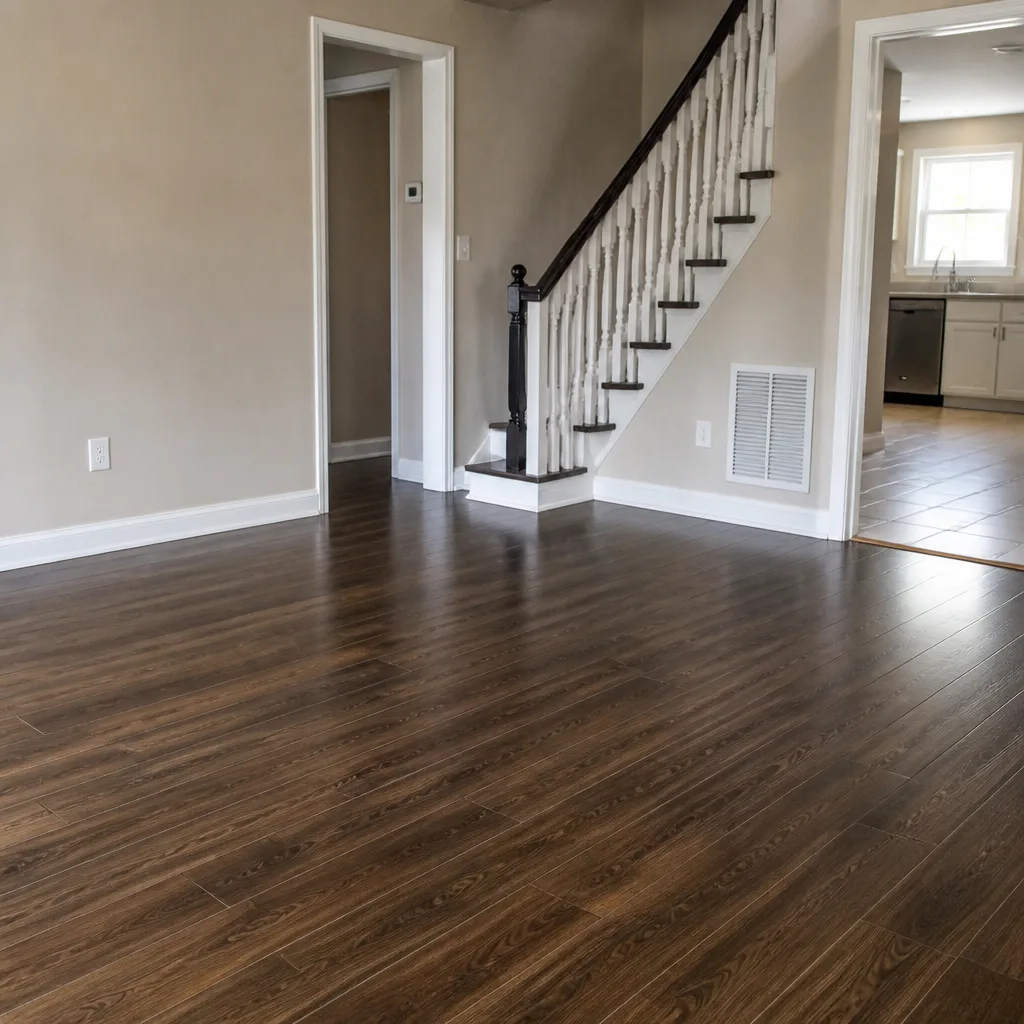
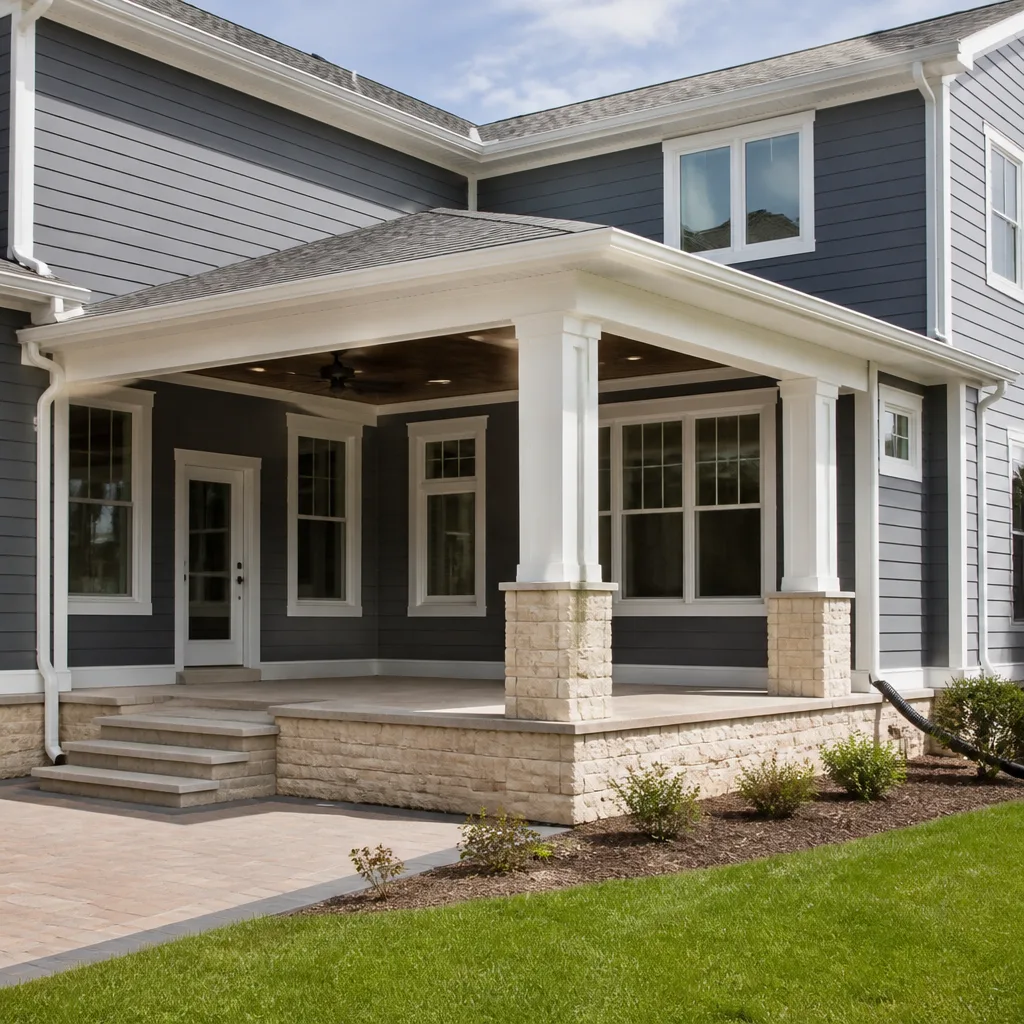
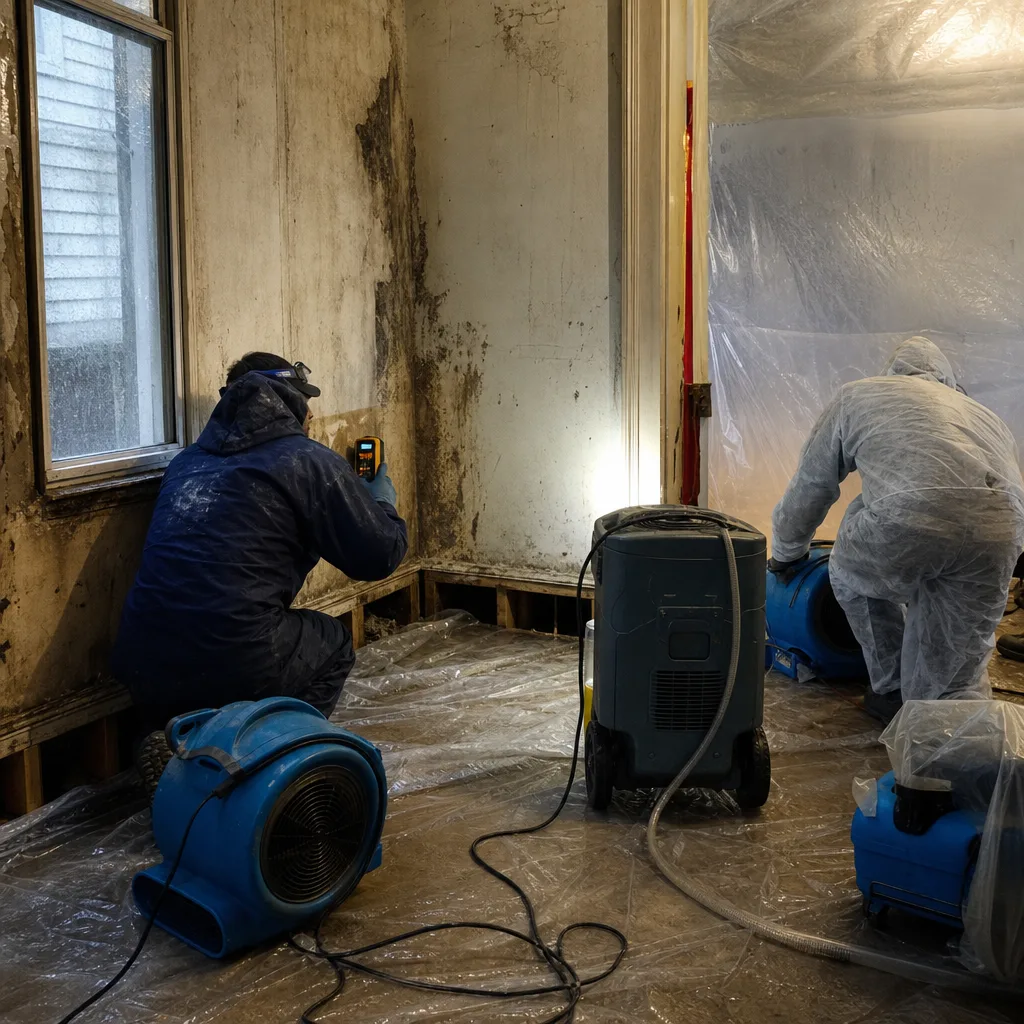 Before
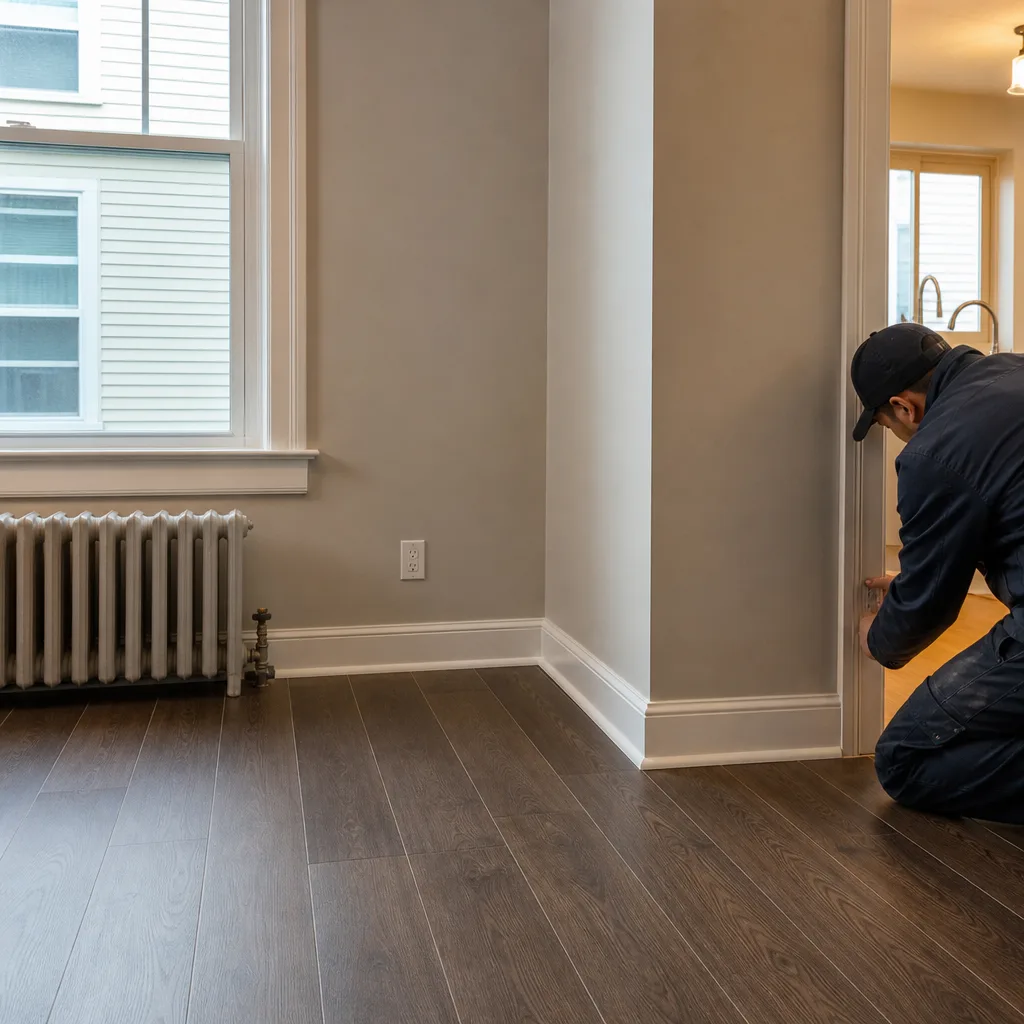 After
After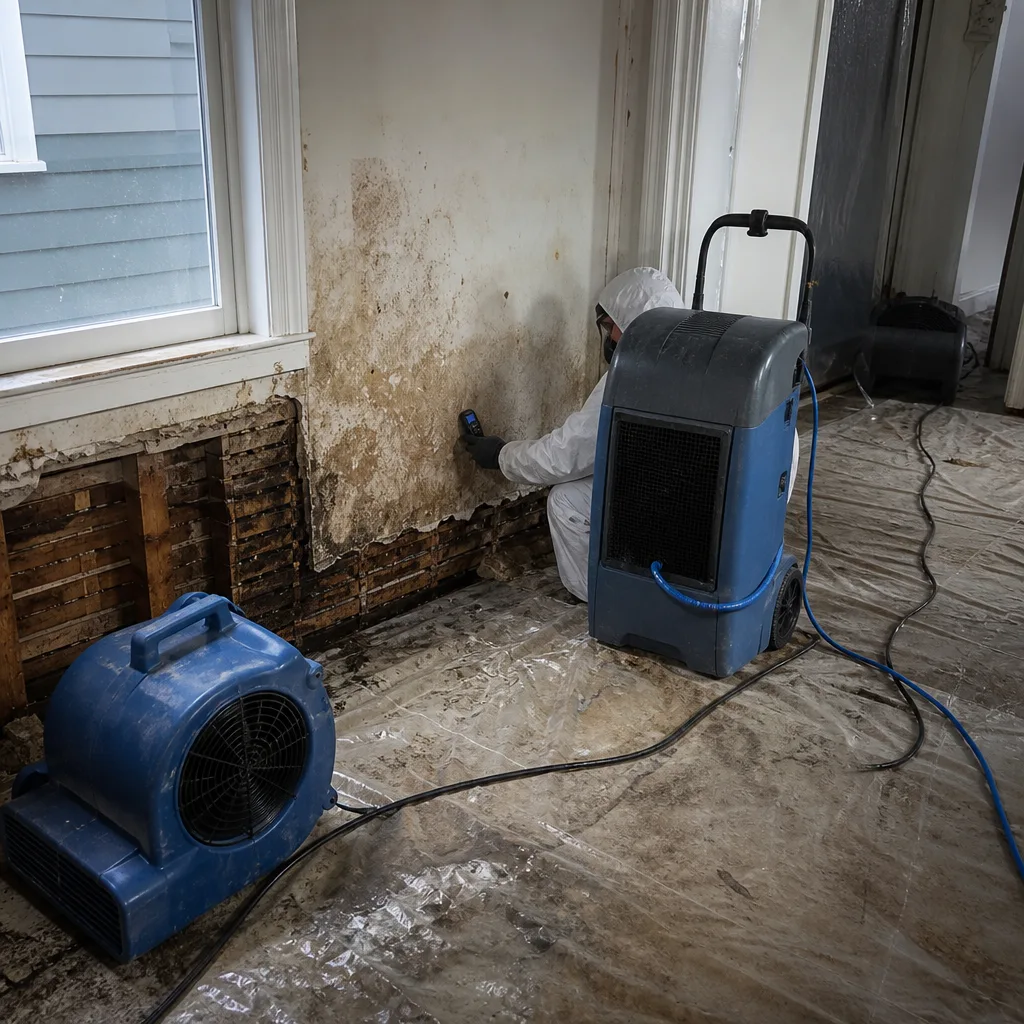 Before
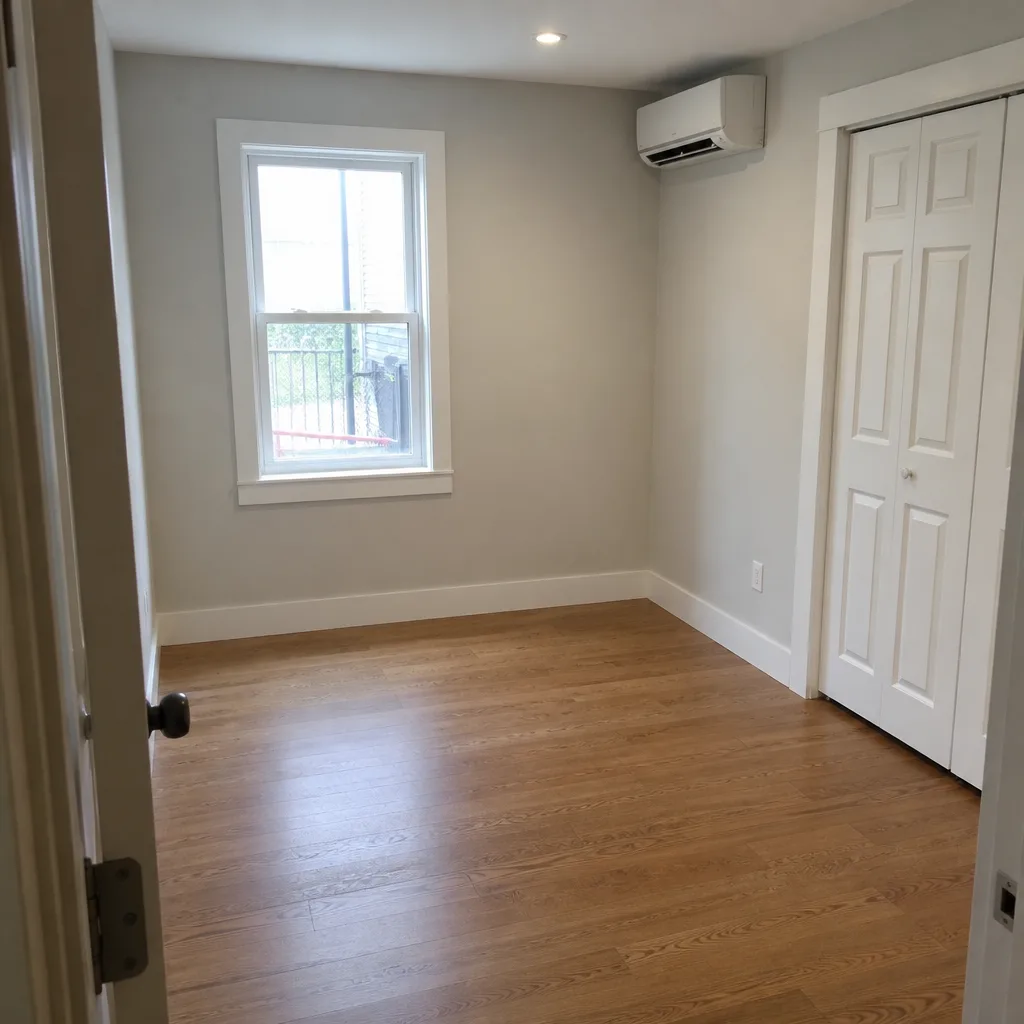 After
After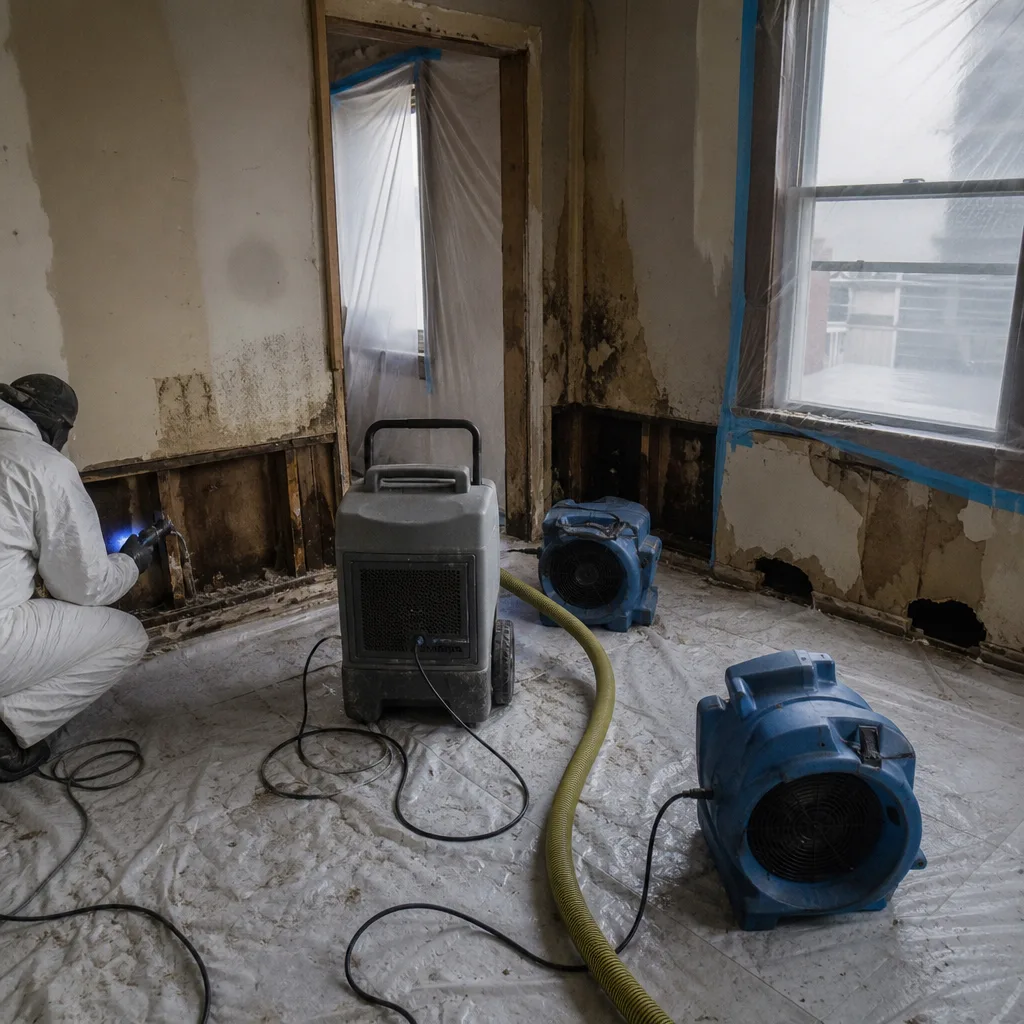 Before
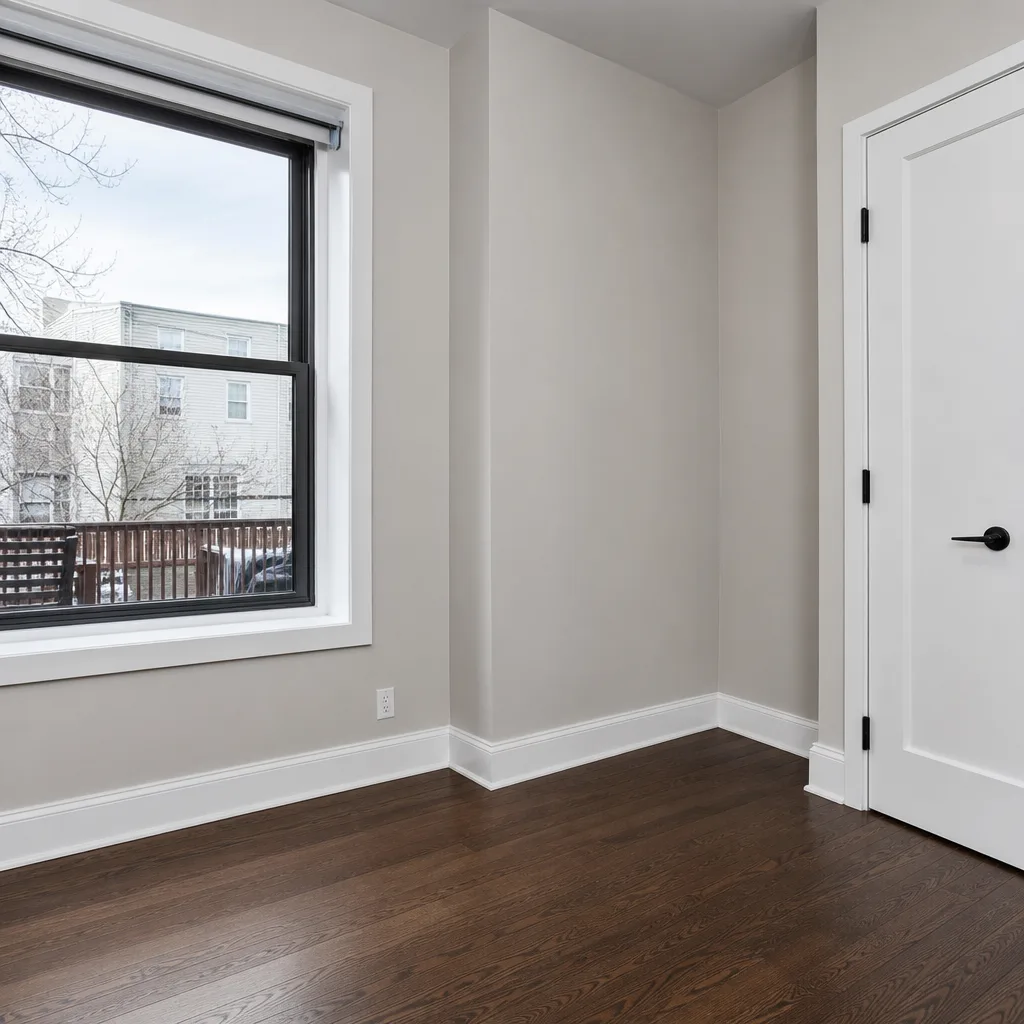 After
After24/7 Emergency Biohazard & Crime Scene Cleanup in Glendale
Biohazard and crime scene cleanup in Glendale typically runs $1,500 to $5,000 for a contained single-unit event, and $6,000 to $15,000 plus when sewage or blood has migrated into shared party walls or finished basement slabs. We answer the phone live at (363) 208-1526, any hour, and Wade or his crew heads out to your block within 45 minutes. The first hour matters because blood, bodily fluids, and Category 3 sewage don’t just sit on the surface here. In Glendale’s attached brick row houses, they wick into plaster-over-lath cavities, run along continuous basement slabs, and cross into the neighbor’s unit through true masonry party walls. The sooner containment goes up, the less it costs, the less it spreads, and the fewer neighbors get dragged into your claim.
Understanding Biohazard & Crime Scene Cleanup Severity in Glendale Properties
Most Glendale homes were built between 1910 and 1940. That means attached brick row houses, two- and three-family units, finished basements, original cast-iron drain stacks, and plaster-over-lath walls. When blood, bodily fluids, or sewage enter those materials, standard cleaning does not cut it. The liquid wicks laterally through wall cavities, saturates the plaster keys, and finds every seam in the shared basement slab. Category 3 water – the classification for sewage, blood, and anything carrying pathogens – requires full containment, negative air pressure, HEPA air scrubbing, and EPA-registered disinfection before any demolition starts. Skip that step, and you aerosolize whatever is in the wall into the unit, and through the party wall into the home next door. We have watched containment get skipped by outfits that didn’t know Glendale. It’s the single most expensive mistake a homeowner can make here, because the neighbor’s adjuster will eventually find out.
Why Glendale Property Owners Choose Wade’s Restoration
- 45-minute response commitment. Wade’s crew is minutes from Glendale, and when you call (363) 208-1526, a real person answers and he heads out. Not a call center. Not a queue.
- 24/7 live answer, no automated system. Wade answers his own phone. At 2 a.m. when a sewage backup is spreading across a finished basement off Myrtle Avenue, you get a person who knows the work.
- IICRC-certified crews. Wade’s people carry WRT, FSRT, and AMRT certifications. That means proper containment before demolition, not after. It’s not a checkbox. It’s the difference between a contained loss and a multi-unit claim.
- Free visual inspection. We walk the scene, take moisture readings, map the affected cavities, and tell you what you’re actually looking at. No charge. If the job is smaller than you feared, we tell you that too.
- Direct insurance billing. Wade talks to your adjuster directly. You don’t relay messages between two sides. The scope, the photos, the moisture logs, the line-item estimate – we hand it all over.
- One team from first response to reconstruction. The same crew that sets containment also dries the structure, cuts the drywall, and rebuilds. No handoffs to a third party who never saw the original loss.
Our Biohazard & Crime Scene Cleanup Process
Inspection & Assessment
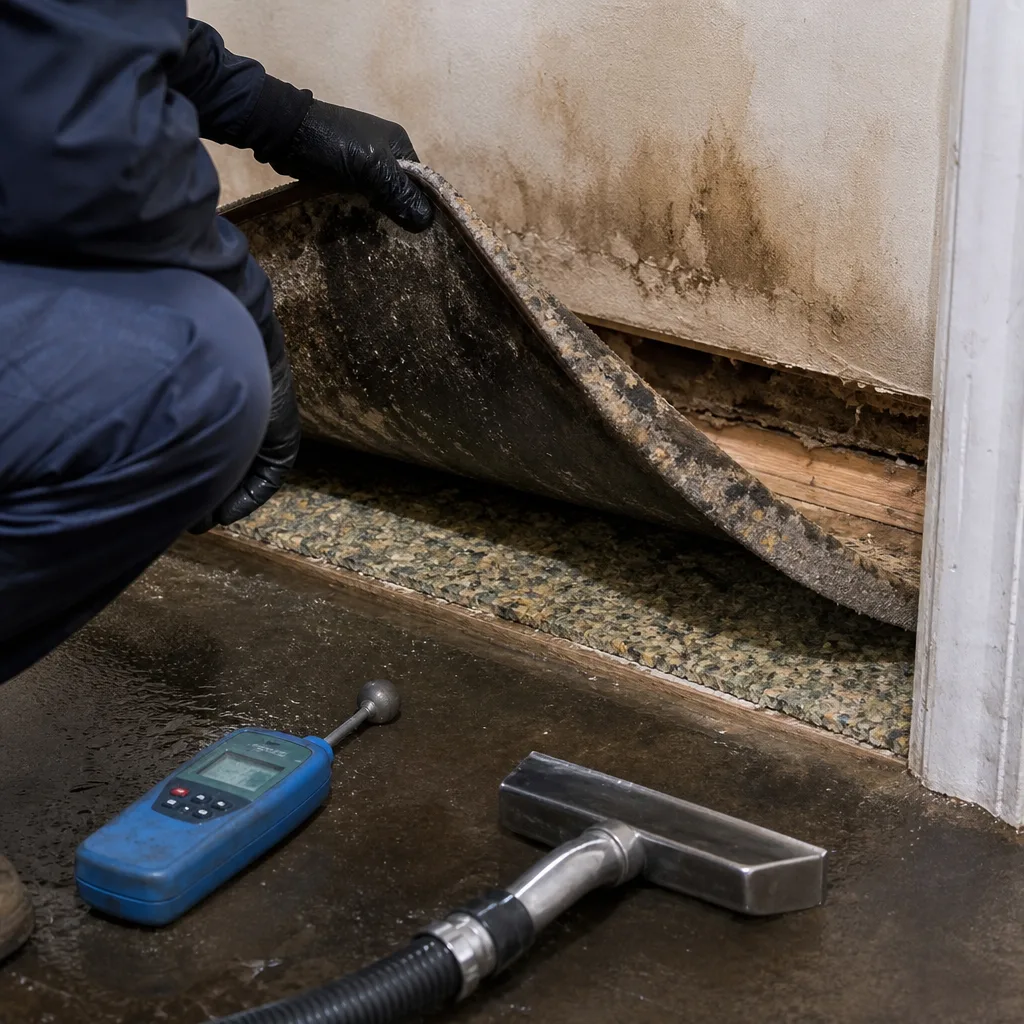
We walk the property, identify every affected cavity, and take moisture readings with thermal imaging and hygrometers. In Glendale row houses, we check the party wall on both sides and the basement slab edge before we quote anything. You get a written scope before work starts.
Containment & Stabilization
We set containment with 6-mil polyethylene, establish negative air pressure with HEPA-filtered air scrubbers, and seal off the affected unit from the rest of the building. This step is non-negotiable in attached row houses. Opening a blood-soaked wall without containment pushes aerosols into the neighbor’s stairwell.
Removal of Affected Materials
Blood-soaked carpet, contaminated drywall, saturated plaster, and affected insulation come out in sealed, labeled bags. We cut back drywall to clean, dry material. In 1930s homes, that often means more than expected because moisture traveled further than visible staining suggests.
Cleaning & Sanitization
We apply EPA-registered disinfectants to every exposed surface, including the structural framing and the subfloor. HEPA vacuuming follows. We don’t mask odors. We remove the source, then treat what remains.
Drying & Dehumidification
Phoenix air movers and Dri-Eaz dehumidifiers run until every affected cavity reaches its dry standard. We take moisture readings every single day and log them. At the end of the job, you get the full log. Almost nobody in this trade does that.
Repairs & Restoration
We rebuild to code, which in Glendale means NYC DOB requirements. If a shared brick party wall needed to be opened, we coordinate with the neighbor, their insurer, and the Department of Buildings before we start. Then we put it back right.
Need Emergency Biohazard & Crime Scene Cleanup in Glendale Now?
Crews minutes away, answering live 24 hours a day. The sooner we start, the less it costs.
Working With Your Insurance Company
Insurance is part of the job in Glendale, especially when a loss crosses a property line. We document everything from the first hour: photos of every affected surface, moisture readings, containment setup, and the condition of the shared wall before we cut anything. Then we run the line-item estimate against industry-standard pricing and hand it directly to your adjuster. Wade talks to the adjuster himself. If the carrier pushes back on scope, he walks them through the documentation. If the neighbor’s unit is involved, which happens more often in Glendale than people expect, we coordinate the claims so one company’s documentation supports both sides. You don’t get stuck as the messenger between two insurance carriers.
What We Provide Your Insurer
- Thorough documentation of the loss
- Photos of all damage, room by room
- Moisture readings and drying logs
- A detailed, line-item scope of work
- Direct coordination with your carrier
Built for Glendale’s Loss Calendar
Glendale’s biohazard losses follow a seasonal rhythm that anyone who’s lived here a few years knows. Summer thunderstorms – especially the post-2010 rainfall patterns that included the remnants of Ida in 2021 – overwhelm the combined sewer system and push raw sewage back through floor drains into finished basements across the neighborhood. That’s a Category 3 biohazard call, not a water-damage call. Late summer and fall bring the same, with nor’easter remnants tracking through central Queens. Winter is quieter for sewage, but deep freezes burst galvanized supply lines in pre-war row houses, and the water that pours into a finished basement picks up whatever is down there. Spring thaw reveals what the winter hid: seepage through old foundation joints, saturated plaster, and mold that started growing behind a wall nobody opened. Every season has a signature. We’ve seen them all play out on the same blocks off Fresh Pond Road and Cooper Avenue.
Biohazard & Crime Scene Cleanup Across Glendale’s Neighborhoods
Glendale’s north end, up around Cooper Avenue and the Forest Park edge, has some of the oldest attached brick stock in the neighborhood. Many of those homes still carry original 1910s and 1920s plumbing, which means a sewage backup in one unit is rarely contained to that unit. The finished basements there are tight, with low ceilings and narrow staircases – containment has to be planned around bulkheads and old coal chute accesses. Down toward Myrtle Avenue and 69th Place, the two-family rows run deeper, and basement slabs are continuous. A blood spill on one side of a party wall has a real chance of finding the seam where the slab meets the neighbor’s side. Over near the Fresh Pond Road corridor, many homes have rear egress to narrow alleys, which matters when we’re carrying sealed waste bags out without dragging them through a living room. The commercial stretches along Myrtle Avenue also bring their own calls: infectious disease disinfection for storefronts, tear gas cleanup, and hoarding work in apartments above retail. Each pocket has its own access problems. We’ve learned them the hard way.
Specialized Biohazard & Crime Scene Cleanup Services We Offer in Glendale
Crime Scene Cleanup
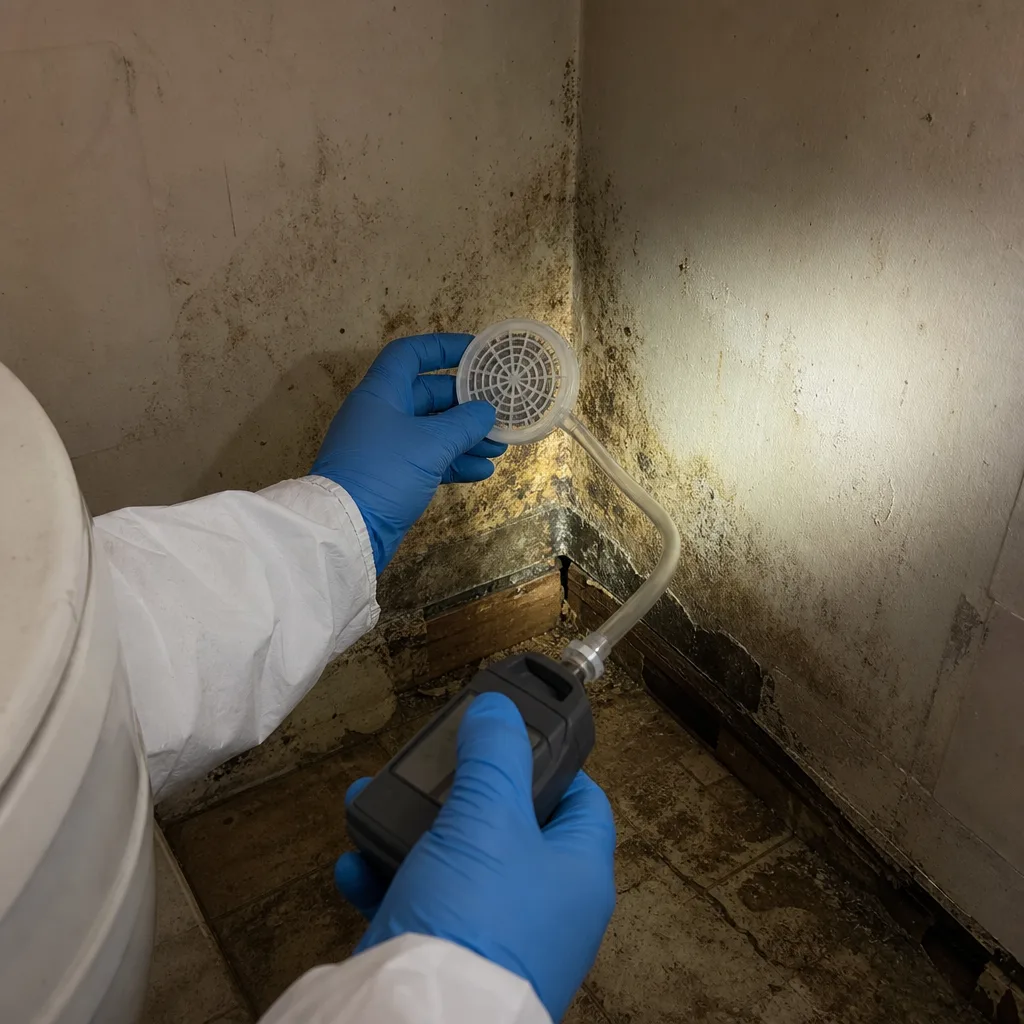
After law enforcement releases a scene, the family is left with what remains. We remove blood, bodily fluids, and affected materials. In a Glendale row house, that includes checking the party wall and the basement slab edge, because liquids travel. We coordinate with your insurer and handle the entire job quietly. No marked trucks. No signage. Your neighbors may never know.
Trauma & Unattended Death Cleanup
An unattended death in a Glendale unit is already a hard thing. Then you add decomposition fluids wicking into a 1930s wood floor and the plaster walls, and it becomes a biohazard removal job, not a cleaning. We handle it with the same documentation and containment we’d put on any Category 3 loss. We don’t rush the family. We walk through what needs to happen, in plain language, and the work starts when you’re ready.
Hoarding Cleanup
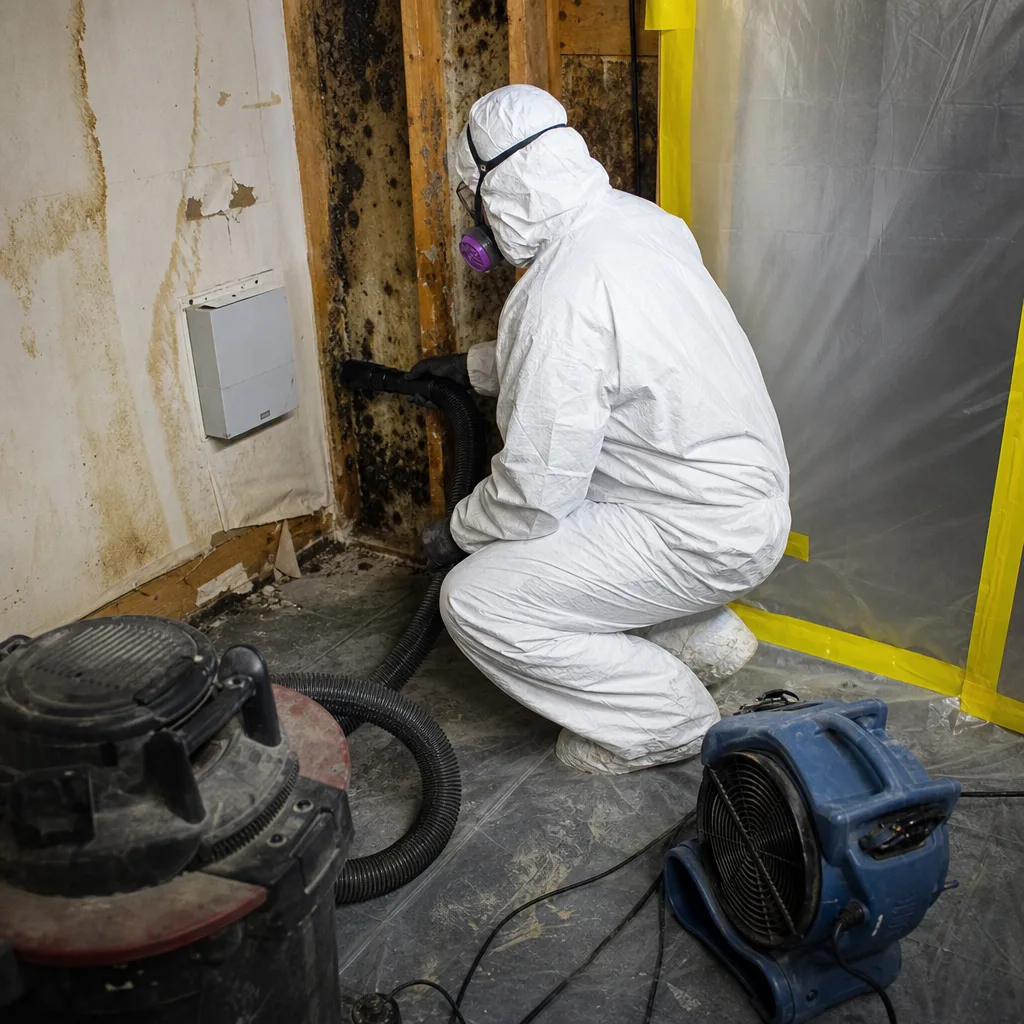
Hoarding cleanup in Glendale basements is often where we find the hidden damage. Removing the hoard reveals sewage stains, mold behind stacked boxes, or a floor drain that’s been backing up for years. We handle the cleanup and the biohazard remediation as one job. The hoard comes out in small, documented loads, and we work with the family, not against them. Dignity matters on these jobs.
Blood & Bodily Fluid Cleanup
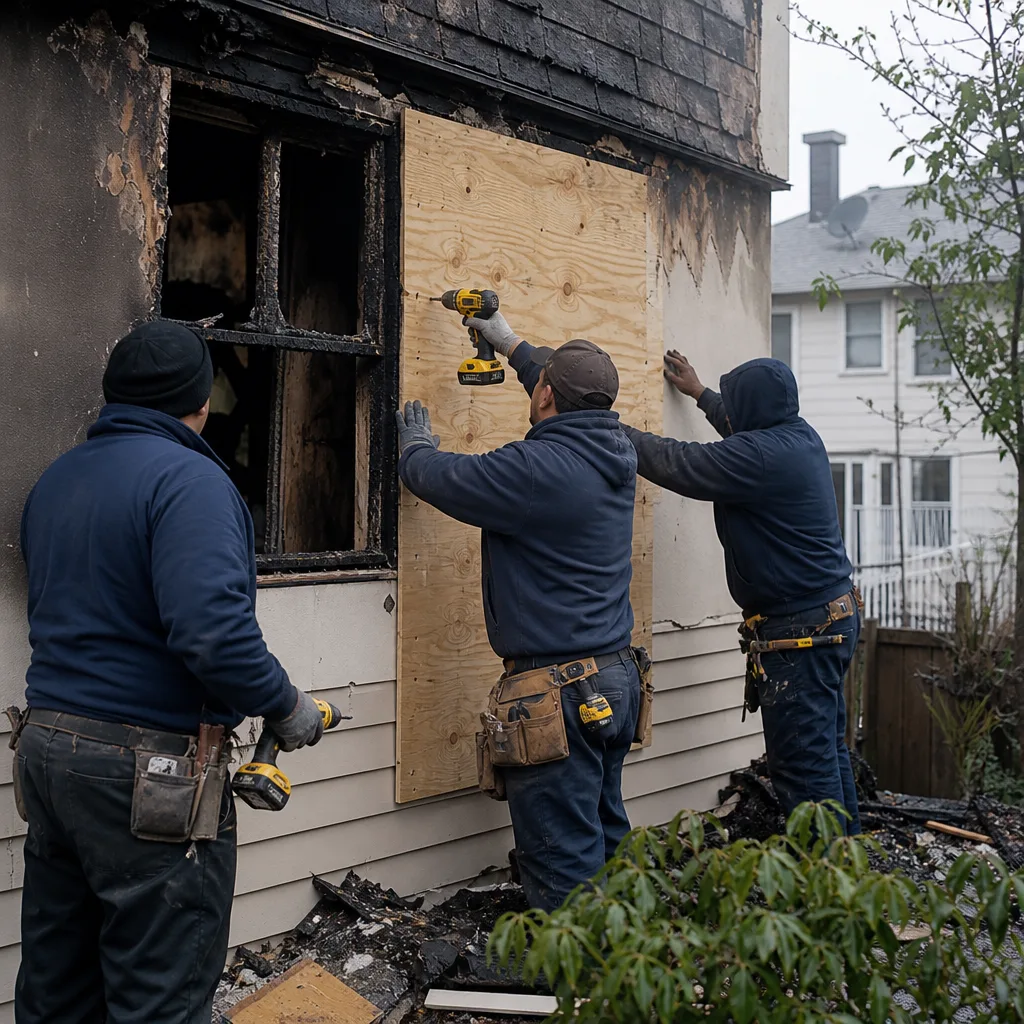
Blood in a Glendale home is a pathogen risk until it’s removed and the surfaces are disinfected. It’s also a documentation issue: if the blood has reached a shared wall, the neighbor’s unit may be affected. We set containment first, then clean and disinfect everything to hospital-grade standards with EPA-registered products. We cut out what can’t be saved and rebuild it.
Infectious Disease Disinfection
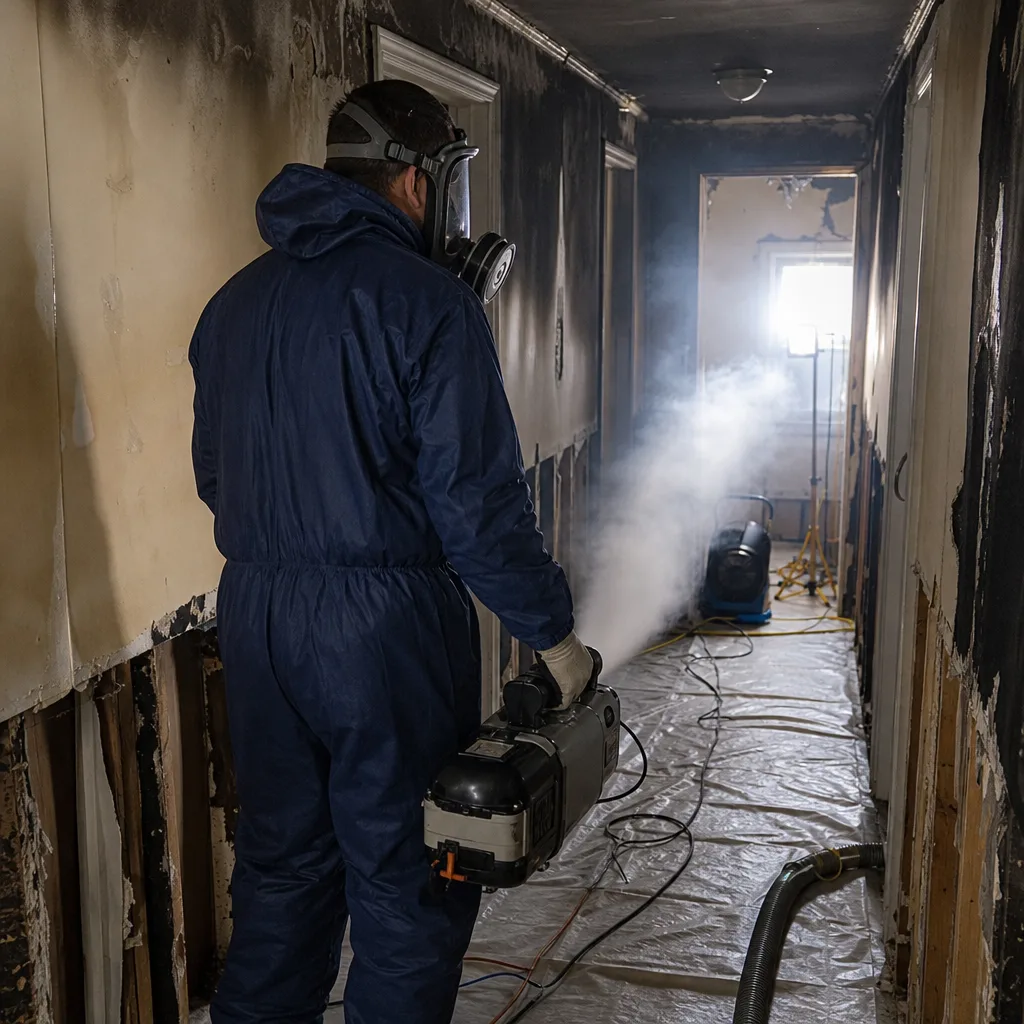
Glendale’s density means a serious illness in one unit gets thought about in the next unit. We disinfect affected surfaces, run HEPA air scrubbing, and document the process. For commercial properties along Myrtle Avenue, we work with the business’s hours to minimize downtime. For residential calls, we treat the home like our own.
Tear Gas & Chemical Cleanup
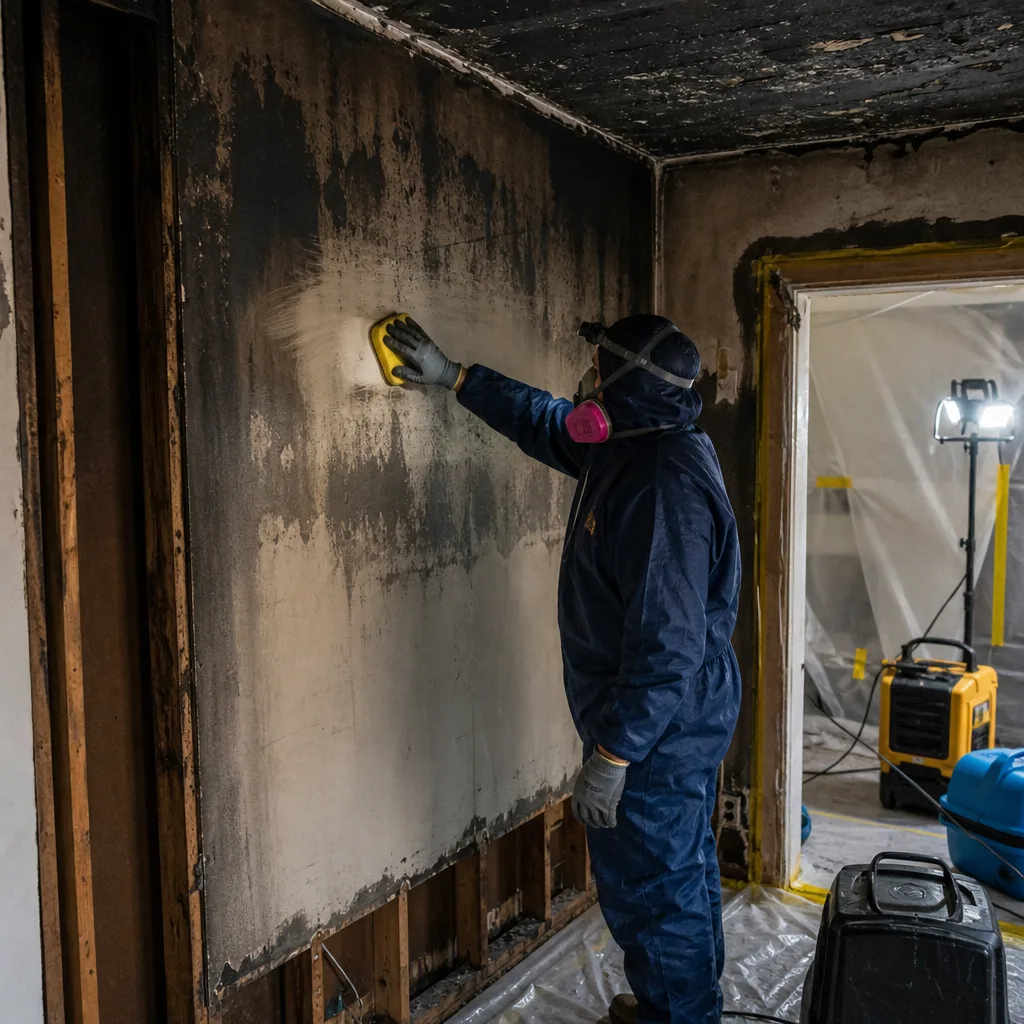
Tear gas residue gets into everything: walls, carpet, ductwork, soft furniture. A surface wipe won’t do it. We remove affected materials, clean what can be saved, and run air scrubbers until the unit is habitable again. In Glendale’s attached homes, that includes checking the shared cavities, because residue doesn’t respect a property line.
What happens when you call
- 1
A real person answersNo phone trees - you reach a local pro.
- 2
You get an upfront price rangeHonest numbers before anyone is dispatched.
- 3
A background-checked tech heads outLicensed & insured, dispatched right away.
- 4
You approve before work beginsNothing starts until you say go.
Biohazard & Crime Scene Cleanup Costs in Glendale, NY
A contained blood cleanup in a single Glendale unit runs $1,500 to $3,500. Sewage backups from a combined sewer surcharge that push through a basement floor drain run $3,000 to $8,000 once you factor containment, removal, drying, and disinfection. A hoarding cleanup with underlying sewage or mold starts at $4,000 and can reach $12,000 or higher depending on the volume and what’s behind it. Unattended death cleanup in a pre-war row house runs $3,000 to $7,000, more if decomposition fluids reached the party wall or the slab. What moves the price: how far liquids traveled, whether the neighbor’s unit is involved, how much drywall and plaster needs to come out, and whether NYC DOB coordination is required. Insurance covers most of these losses. The free visual inspection is the path to a firm written scope. No phone quote that changes when someone arrives. We walk it first, then price it.
We Also Serve Cities Near Glendale
Wade’s Restoration covers Glendale and the surrounding communities, including Biohazard & Crime Scene Cleanup in Glendale and nearby areas. If you’re in Astoria, the Financial District, Lower Manhattan, or Flushing, the same crew handles the call, the same documentation, the same live answer at (363) 208-1526.
Our Biohazard & Crime Scene Cleanup team works across Queens and the surrounding boroughs. The crew that shows up knows the difference between a Glendale row house party wall and a Flushing co-op slab. That matters when containment has to be right the first time.
Glendale Biohazard & Crime Scene Cleanup Questions, Answered
How do you handle a sewage backup in a Glendale basement where the floor drain is connected to the combined sewer?
We treat it as Category 3 biohazard remediation from the first minute: full PPE, containment with negative air pressure, and EPA-registered disinfection before any demolition starts. The combined sewer system in Glendale means the water pushing back through that floor drain contains raw sewage, which is a pathogen risk. We also check how far it wicked through the slab edge and any shared wall cavities, because in attached row houses it rarely stays in one unit. Call (363) 208-1526 and Wade’s crew starts within 45 minutes.
Can you clean a crime scene in a Glendale row house without the neighbor knowing?
Yes. We use unmarked vehicles, plain packaging for waste materials, and we stage equipment inside your home, not on the sidewalk. The work itself is contained, so there’s nothing outside for a neighbor to see. In a Glendale row house, we also manage the building’s interior common spaces carefully – no running up and down stairs in full PPE. Privacy is part of the job.
What happens if a hoarding cleanup in a Glendale basement reveals sewage or mold behind the hoard?
We stop removal, expand containment, and switch into biohazard remediation mode. The hoard doesn’t come out in a way that spreads what’s behind it. We document what we find, photograph it for your insurer, and give you a revised scope before we proceed. It happens often in Glendale basements, because the hoard hid a failed floor drain or a slow sewage leak for years. You’re not obligated to handle both at once, but leaving the biohazard while cleaning the hoard makes the job harder and more expensive later.
Do you coordinate with NYC DOB when removing a blood-soaked wall that abuts a neighbor’s unit?
Yes. In Glendale, cutting into a shared masonry party wall triggers NYC Department of Buildings coordination and neighbor consent. We handle that before the wall comes open. It’s not paperwork for paperwork’s sake; it prevents a work stoppage halfway through the job and keeps the neighbor’s insurer from disputing the scope later. Wade deals with the adjusters on both sides.
Why do Glendale row house basements need containment even for a small sewage spill?
Because the air in a Glendale basement is shared with the rest of the building through wall cavities, old duct runs, and the joist bays between floors. A small sewage spill contains pathogens. When you open a wall to dry it, you aerosolize whatever is in there. Containment with negative air pressure keeps that from moving into your kitchen, your tenant’s unit, or the neighbor’s home. It’s the difference between a contained loss and a building-wide problem.
How fast can you actually get to a Glendale address?
Wade’s crew is minutes from Glendale and the 45-minute response commitment is real. He answers the phone himself at (363) 208-1526 and heads out. For sewage and blood calls, that speed matters because liquids are still moving through wall cavities and slab seams while you wait. The sooner containment is up, the smaller the loss.
Will insurance cover biohazard and crime scene cleanup in Glendale?
Most homeowner policies in New York cover biohazard cleanup when it results from a covered loss, like a sewage backup, a crime, or an unattended death. We document everything from the first hour, run the estimate against industry-standard pricing, and coordinate directly with your adjuster. If coverage is denied, we walk you through why and what your options are. The free visual inspection includes an honest read on what your policy is likely to cover.
Do I really need full remediation, or can you just clean the visible area?
In a Glendale row house, cleaning the visible area almost never solves the problem. Blood, sewage, and decomposition fluids travel through plaster cavities, along continuous basement slabs, and into shared party walls. What you can’t see is where the ongoing odor and mold risk lives. We’ll show you the moisture readings and thermal imaging that map where it went. Then you decide, with a written scope in hand. Nobody oversells you. If the loss is contained, we’ll say so.
Serving Glendale, NY - Our Local Coverage Area
We’re based in the Glendale area and know this community well. Use the map below to see our service coverage - if you’re nearby, we can almost certainly help.
The Glendale Sewer Problem That Turns Rain Into a Biohazard
Here’s something we deal with in Glendale that a homeowner in Middle Village rarely faces. Glendale sits inland in central Queens, but it’s served by New York City’s aging combined sewer system. During the intense rainfall events that have hit with increasing frequency since 2010 – Ida’s remnants in 2021 were the worst – the combined sewers surcharge. The system can’t separate stormwater from sewage fast enough, so the pressure backs up through floor drains and into finished basements. That water is not clean rainwater. It’s raw sewage. Category 3. It requires full PPE protocols, EPA-registered disinfection, and containment before any drying starts. Middle Village, sitting slightly higher with more separated storm drains, simply doesn’t get this problem the same way. Glendale does. If your basement floor drain gurgled during the last big storm, you got a preview. When it actually backs up, call (363) 208-1526 before you touch anything in that water.
When a Category 3 sewage backup pushed through the floor drain of a finished basement on 69th Place near Myrtle Avenue, our crew set containment before the first moisture reading was taken. The cast-iron drain stack and galvanized supply lines in that 1930s row house meant we had to cut out the lower wall cavities and run structural drying with Phoenix air movers and Dri-Eaz dehumidification while documenting damage that had wicked into the attached neighbor’s party wall. That claim needed coordinated mitigation before mold could start within 48 hours. The neighbor didn’t know they had a loss until we found it on our side of the brick.
That’s the part of this work that doesn’t show up on a national franchise’s checklist. In Glendale, the shared party walls, the continuous basement slabs, and the combined sewer system mean a single-unit biohazard event doesn’t stay single. Technicians here learn it fast: pull a water-damaged wall in one row house unit and you’ll find moisture that has wicked laterally through the shared brick into the neighbor’s plaster. The neighbor may not even know they have a claim yet. Proper documentation, moisture mapping on both sides of the wall, and multi-party insurance coordination become as much a part of the job as the drying equipment.
Wade’s Restoration has been at this since 2007. The 90-Day Done Right Promise is written into every contract: if it’s not done right, we make it right. Wade takes moisture readings every single day and hands you the full log at the end. He deals with the adjuster directly. And if you call (363) 208-1526, he’s the one who answers.
Written by Wade Ferris, Owner at Wade’s Restoration, serving Glendale and the surrounding communities. To wade is what you do through a flooded basement at two in the morning – and it happens to be his name.