
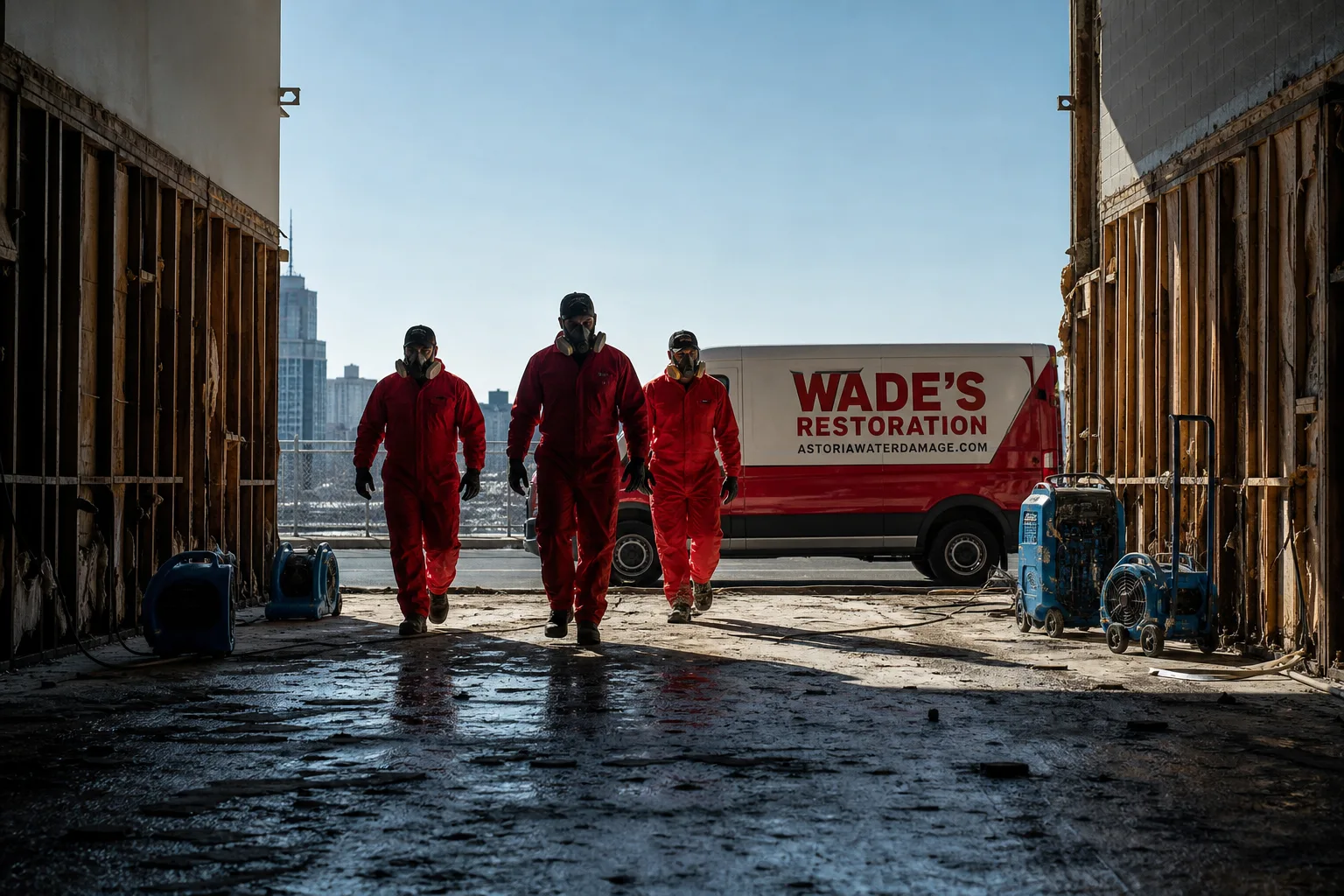
Free visual inspection and a written scope of work before any mitigation begins - photos, moisture readings, and drying logs go in your claim file
The scope we write is the scope we bill. Anything new gets shown to you, in writing, before we touch it.
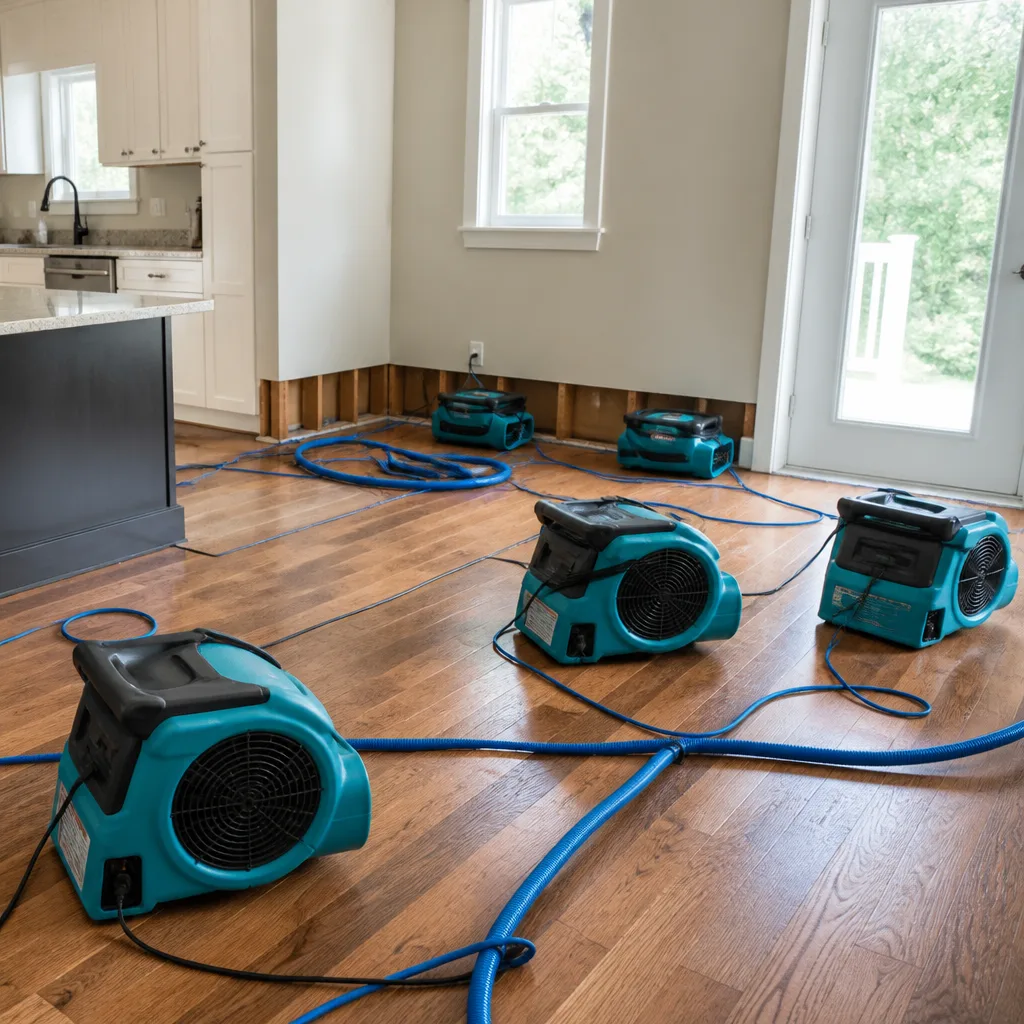
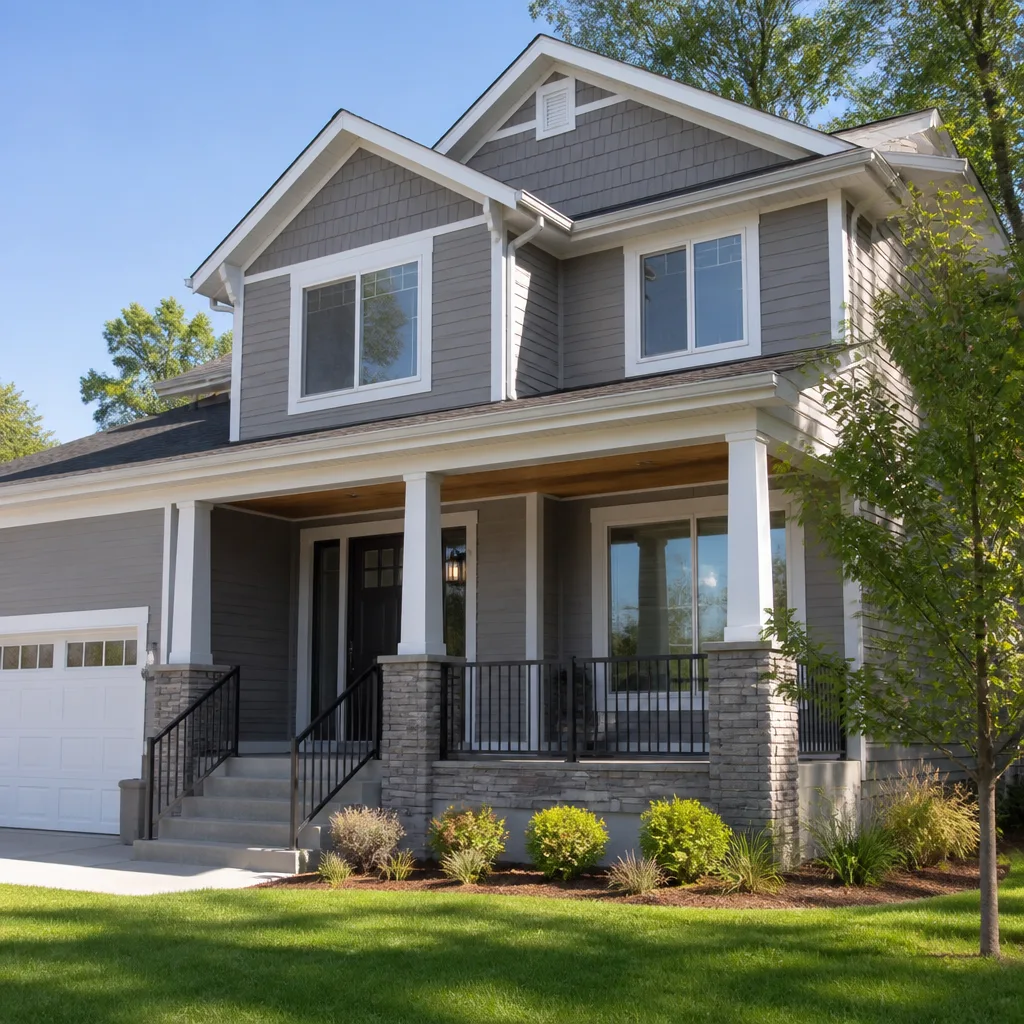
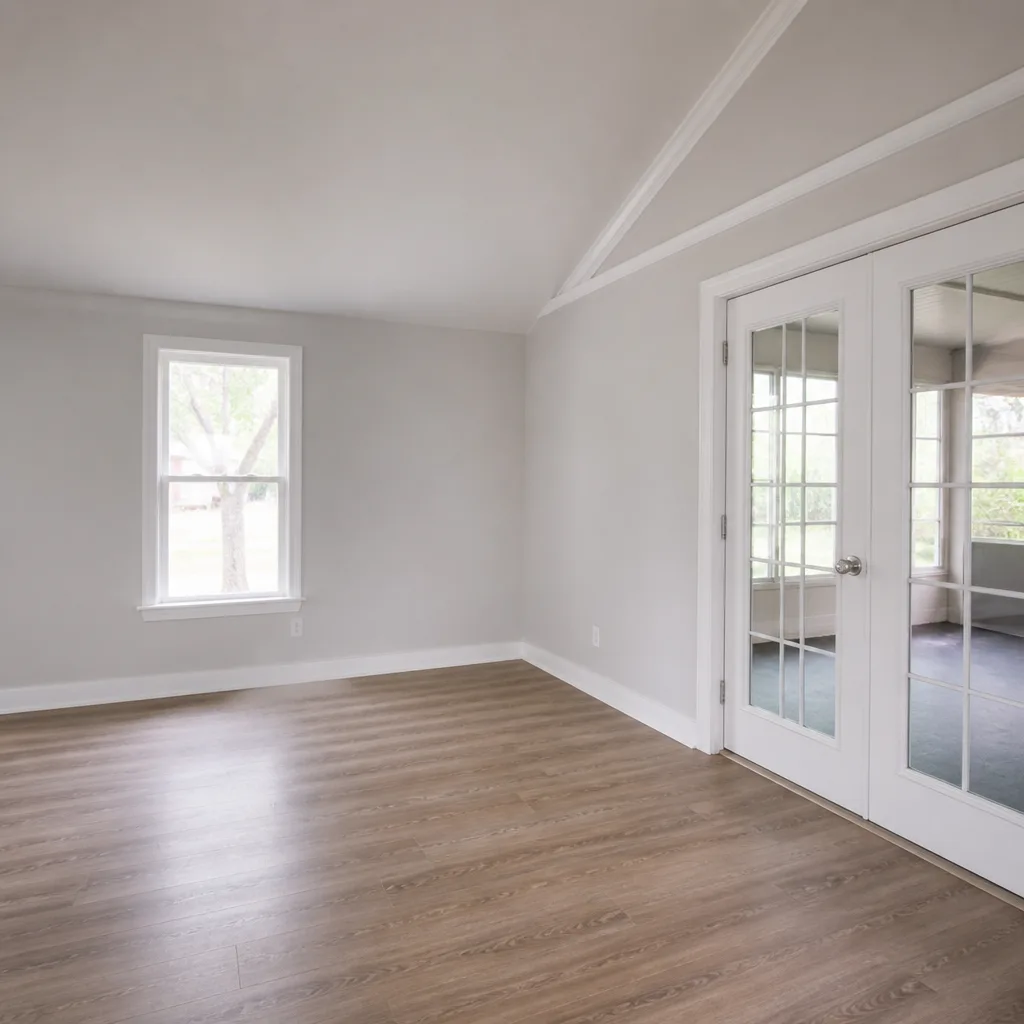
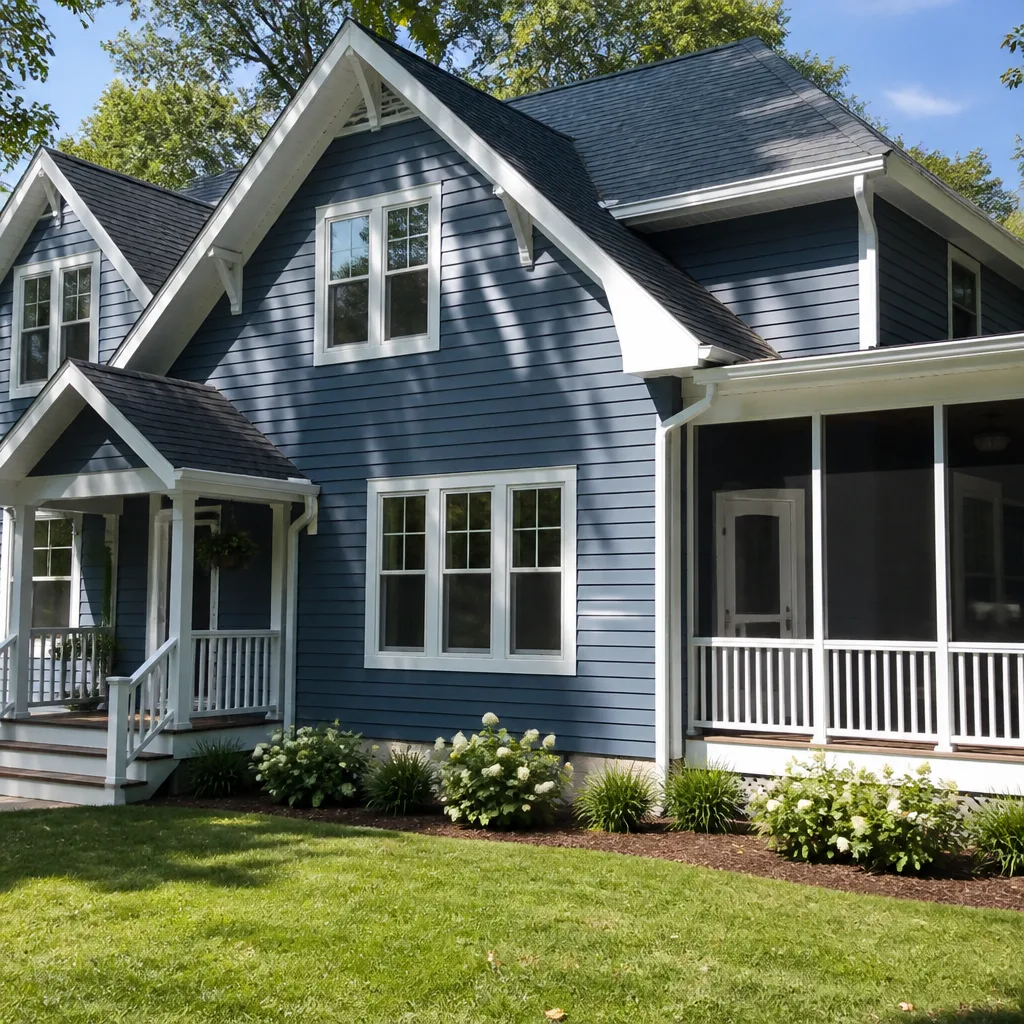
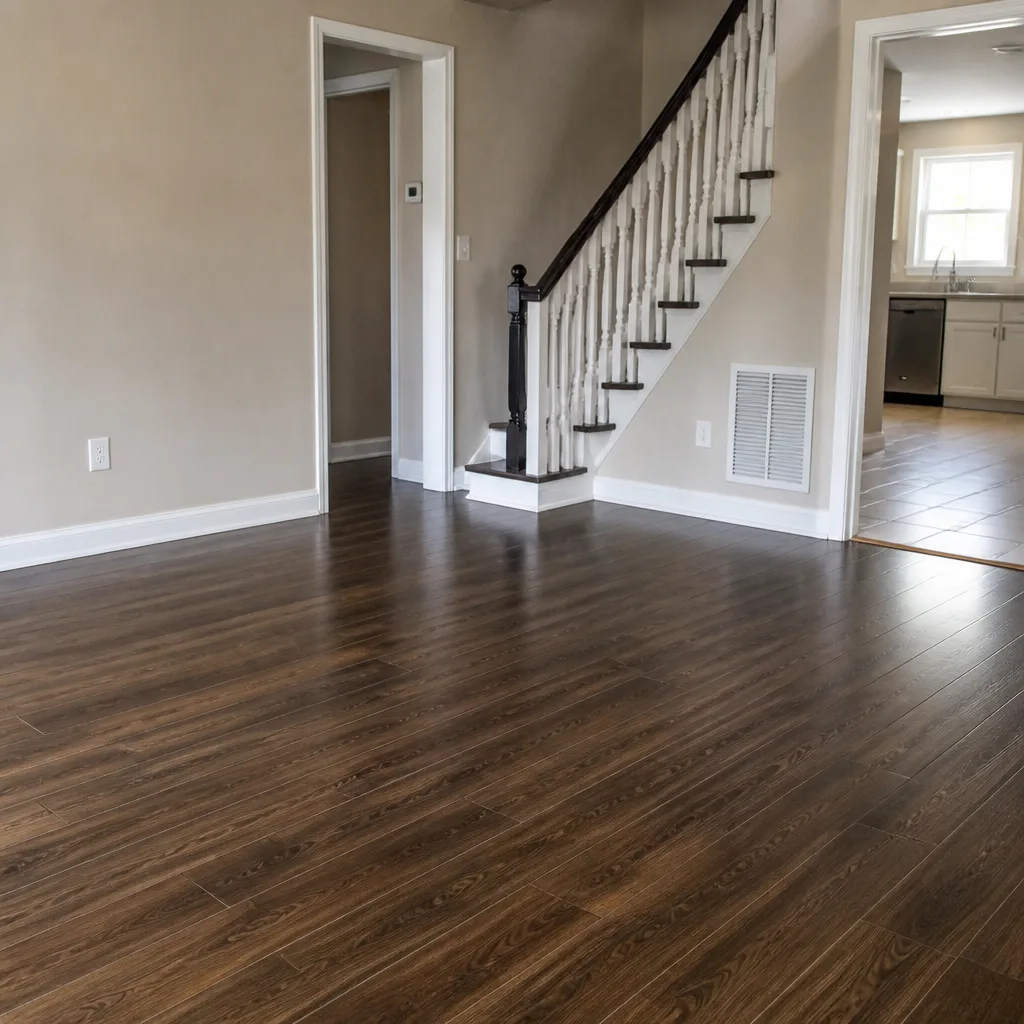
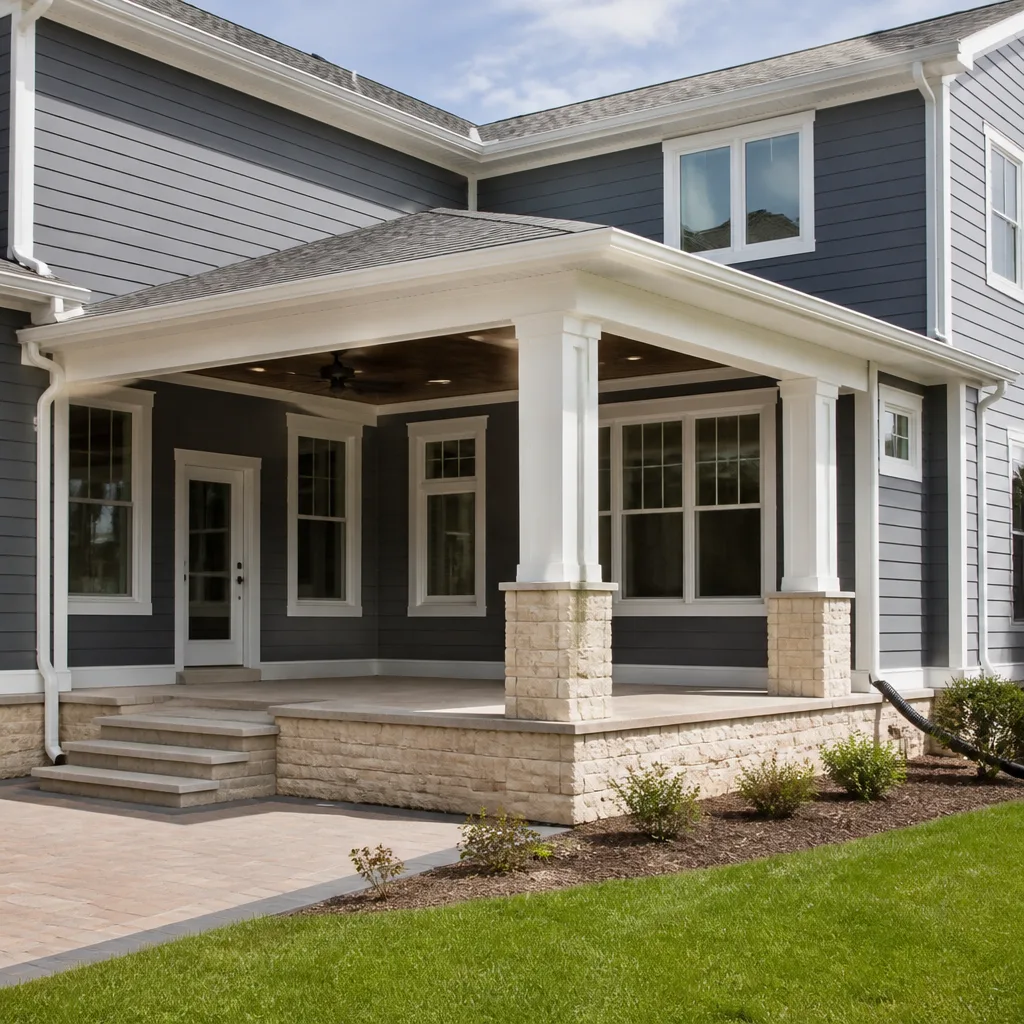
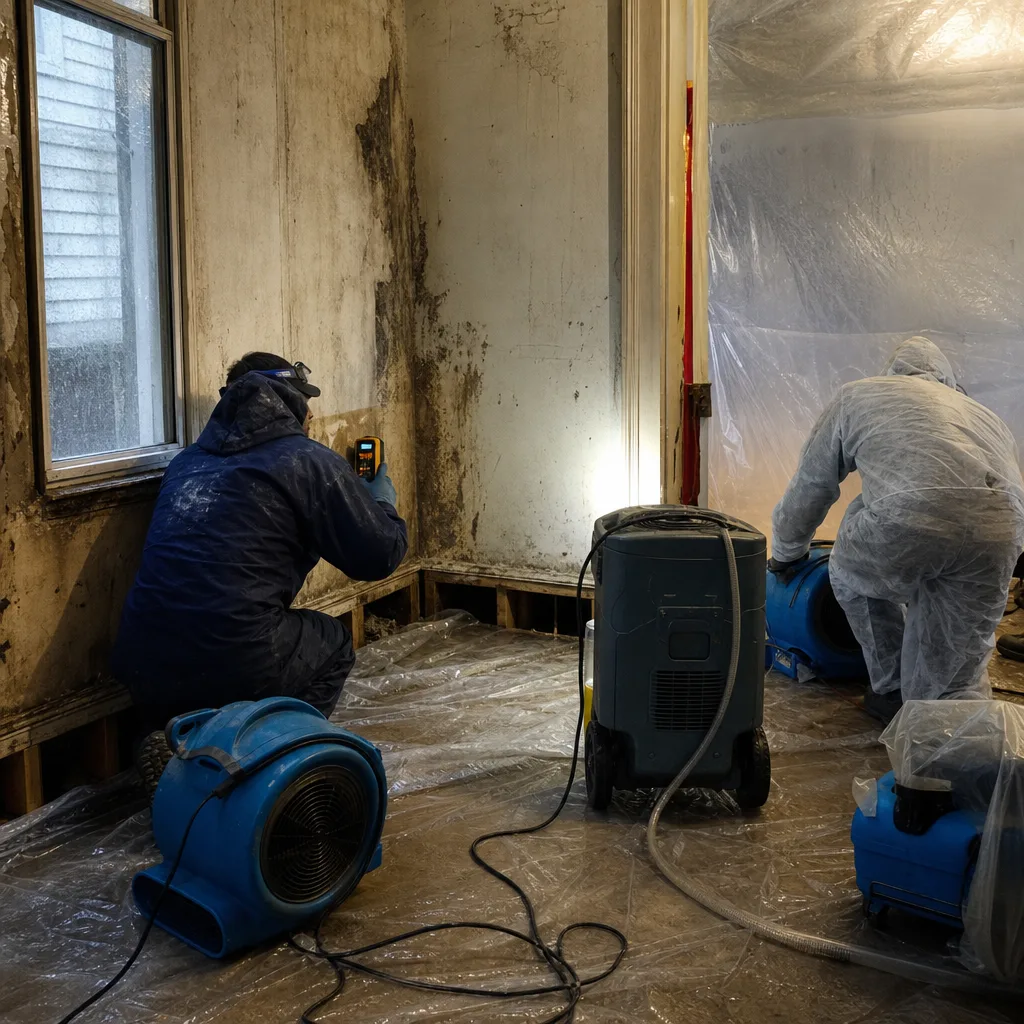 Before
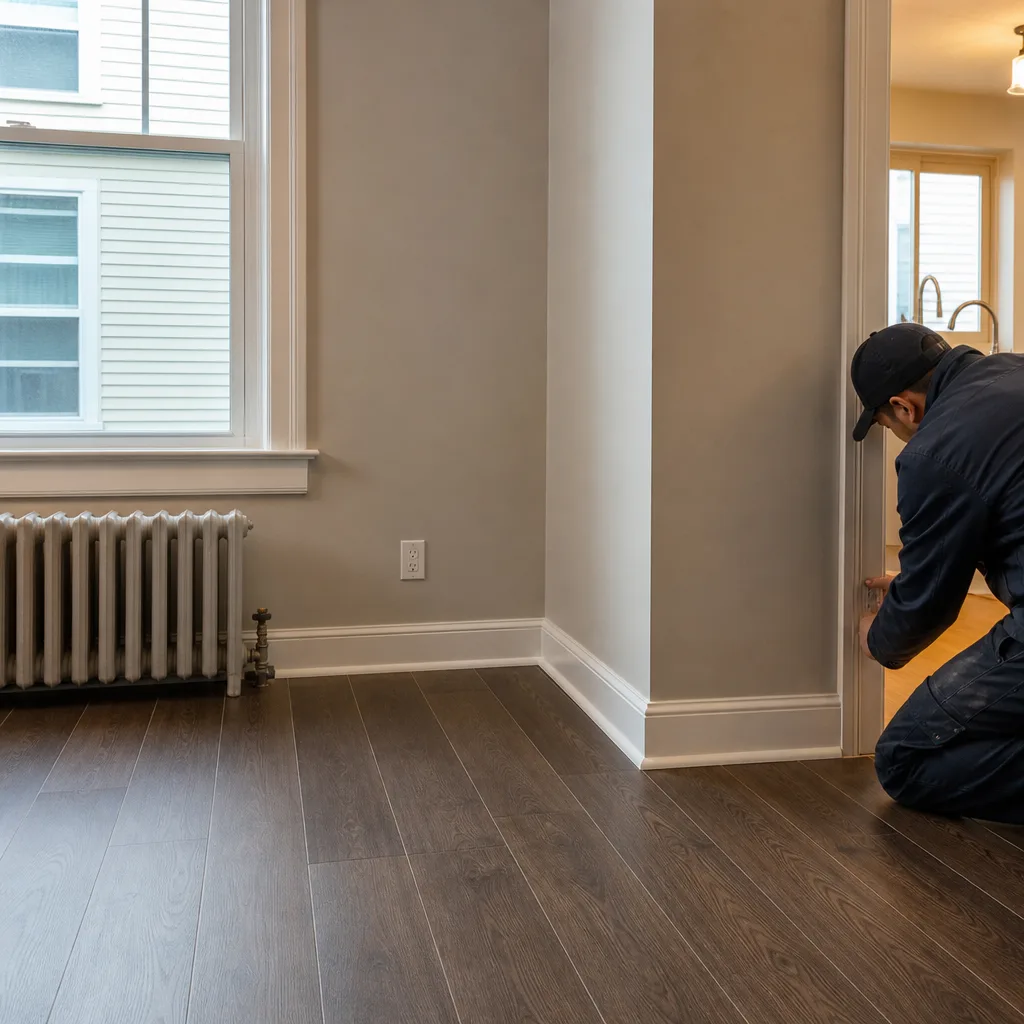 After
After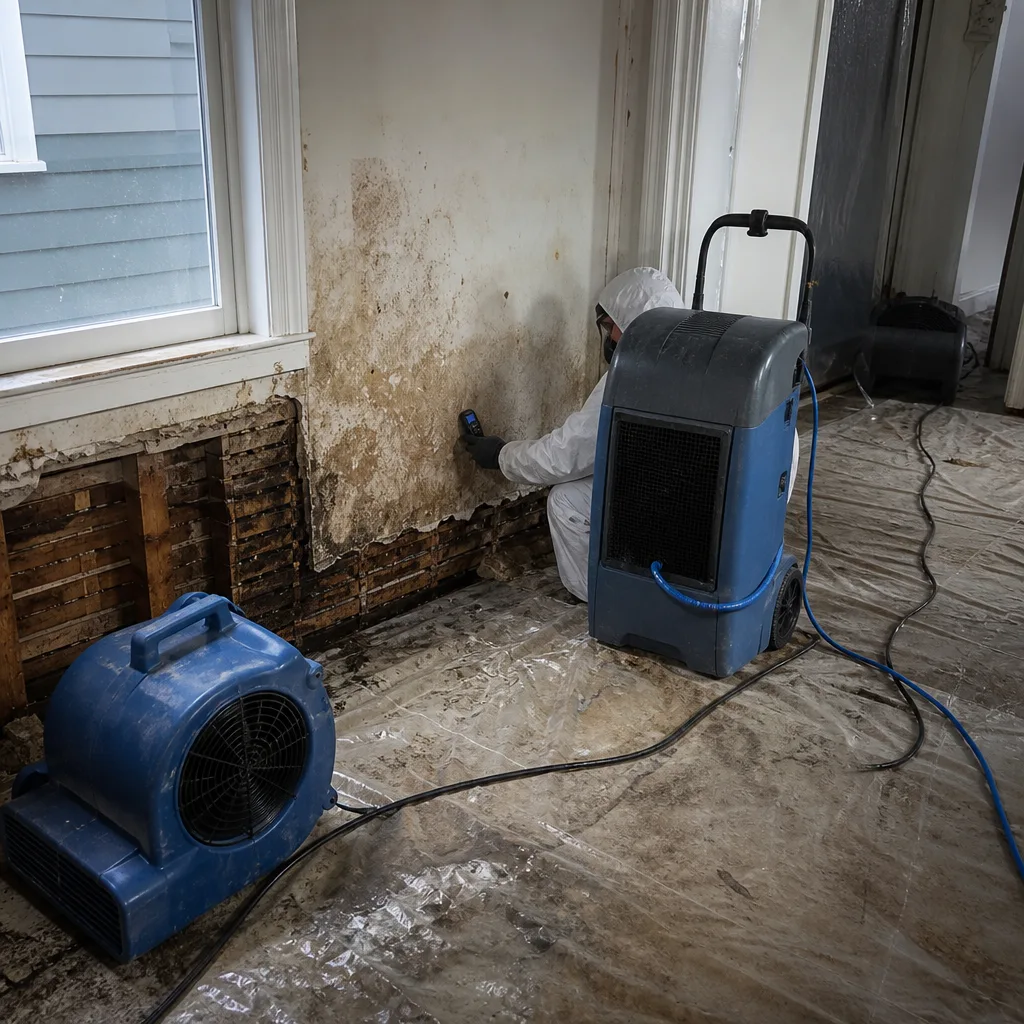 Before
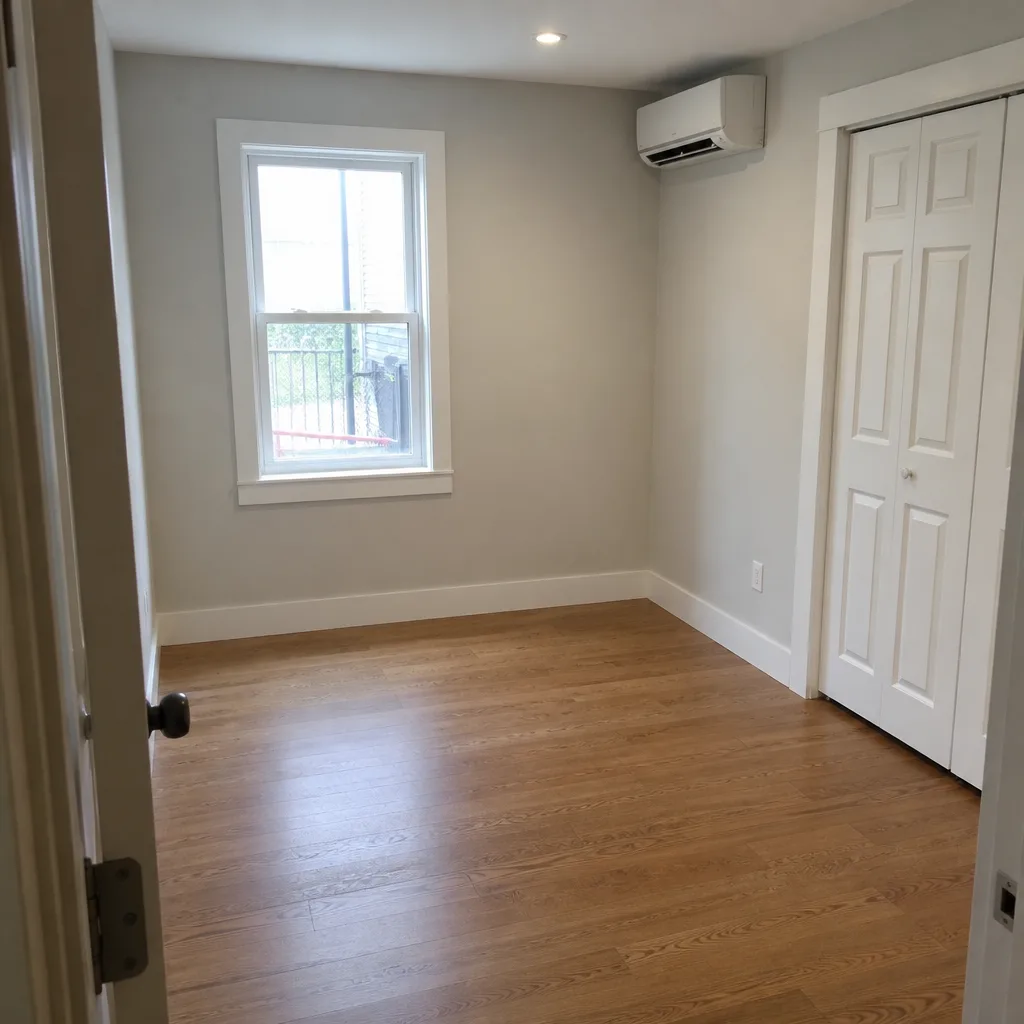 After
After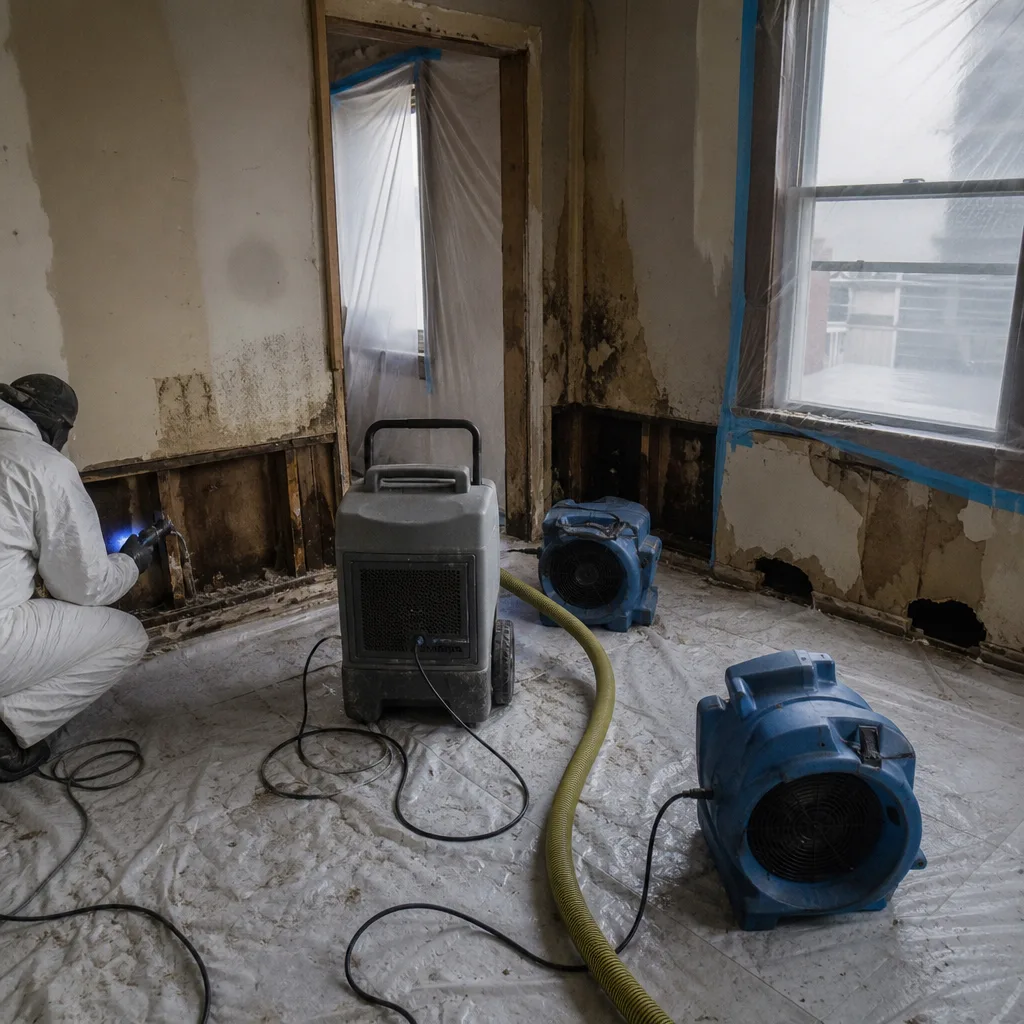 Before
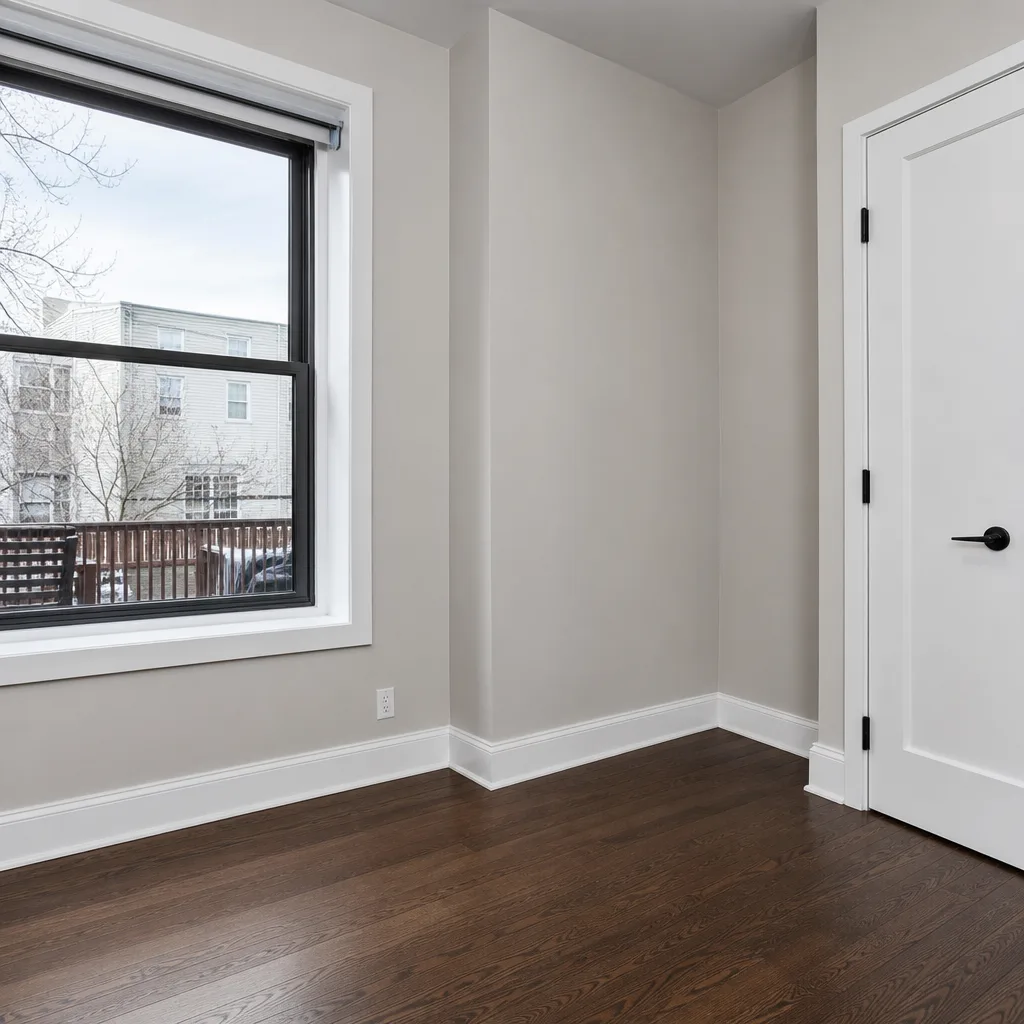 After
After24/7 Emergency Commercial Restoration in Glendale
Commercial restoration in Glendale means stopping water, fire, or sewage damage before it spreads through a building that was never designed to be opened up. When your storefront, office, or multi-unit property on Myrtle Avenue or Cooper Avenue takes a hit at 2 a.m., call (363) 208-1526. Wade Ferris picks up the phone himself, and he gets a crew moving toward Glendale immediately. That first hour is when the damage either stays contained or turns into a demolition job.
We answer live, 24 hours a day, every day. No voicemail, no answering service. A real person in New York City takes the call and starts talking to you about what happened, right then. The free visual inspection is free, the dispatch is immediate to Glendale, and the plan we hand you is in writing before any work begins.
Understanding Commercial Restoration Severity in Glendale Properties
Glendale’s commercial building stock is mostly attached brick row houses from the 1910s through the 1940s, many with first-floor retail or office space and finished basements below. That matters because the damage classification drives the entire scope. Water from a broken supply line is Category 1, clean water. Water that has touched building materials, or sat for hours, becomes Category 2, significantly contaminated. Once a combined sewer surcharge pushes raw sewage back through a floor drain, you are in Category 3 territory: black water, biohazard, full PPE, EPA-registered disinfectants, and removal of any porous material that has absorbed it.
Fire losses in Glendale present a different severity ladder. Wet smoke from a smoldering fire leaves sticky soot residue that sets into plaster and wood. Dry smoke is powdery and spreads invisibly through wall cavities and electrical chases. Synthetic materials burn hot and leave a chemical odor that does not air out. None of this is surface cleaning. On a multi-unit row house with shared masonry party walls, smoke travels laterally into the neighbor’s unit through gaps around joists and pipes. Mold follows a similar path: moisture wicks through continuous basement slabs and brick party walls, and the mold itself may not surface until the wall is opened.
For Glendale property owners, the lesson is blunt: severity is structural, not visible. A small water stain on one side of a party wall can mean active mold on the other side, two neighbors away.
Why Glendale Property Owners Choose Wade’s Restoration
- 45-minute response commitment. Wade heads out the moment the call ends. Crews are staged near Glendale so the first truck lands fast, and the extraction equipment is running before the damage spreads.
- 24/7 live answer, no phone tree. You call, a human answers. Wade Ferris answers his own cell. Not a call center, not a queue, not a callback.
- IICRC-certified crews. WRT for water damage, FSRT for fire and smoke, AMRT for mold. These are the industry’s real standards, and Wade’s crew holds them.
- Free visual inspection. No charge to walk the space, assess the damage, and tell you straight what needs to happen. No obligation.
- Direct insurance billing. We document everything, bill your carrier directly, and talk to the adjuster ourselves so you are not the messenger.
- One team from extraction to reconstruction. The same people who pull the water also rebuild the drywall, reset the floor, and finish the paint. No handoff, no gaps.
Our Commercial Restoration Process
Inspection & Assessment
We arrive, walk the property, and map the damage. Thermal imaging finds moisture behind walls and under slabs that has not surfaced yet. We check the party walls, the basement slab, the electrical panels. You get a written scope before anything is touched.
Extraction & Stabilization
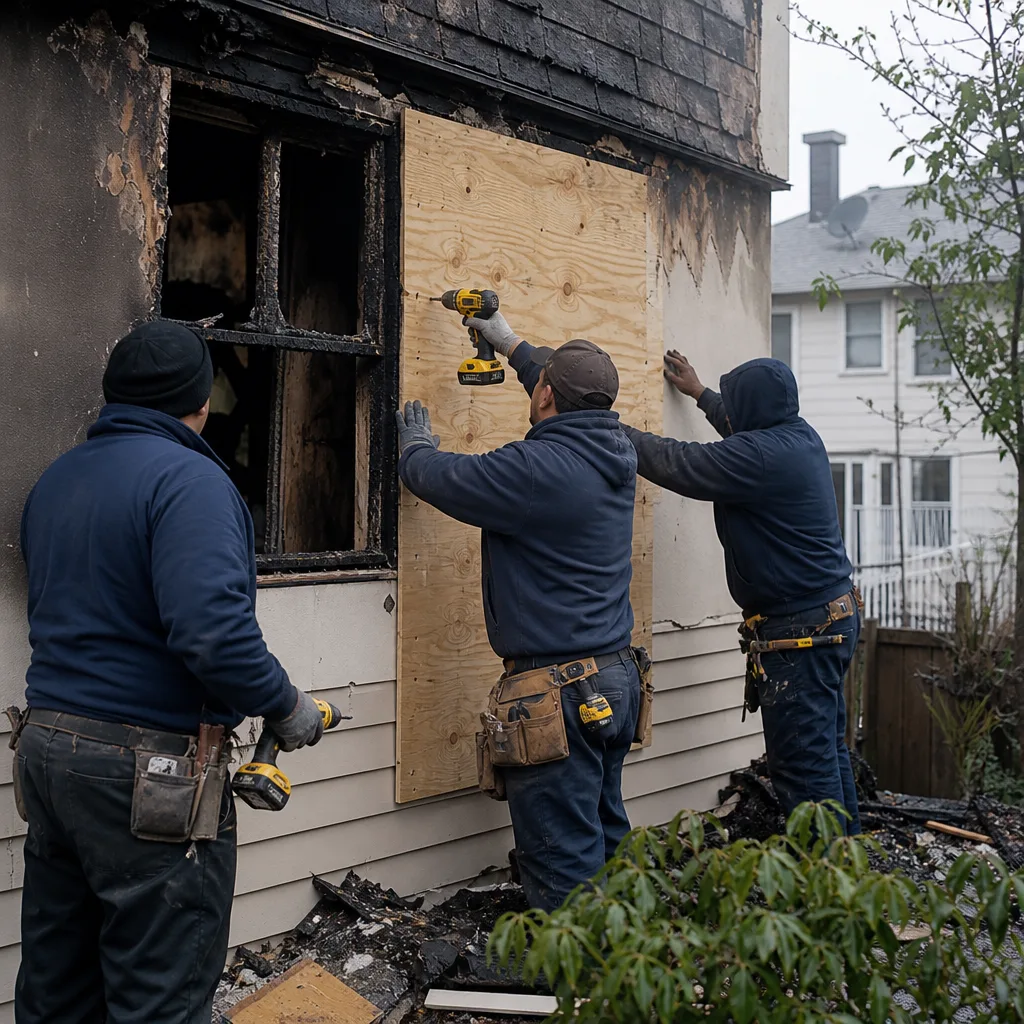
For water losses, truck-mounted extraction pulls standing water from floors and basements. For fire, we board up openings and remove unstable material. For sewage, we set containment and negative air before anything moves. The point is stopping the spread.
Drying & Dehumidification
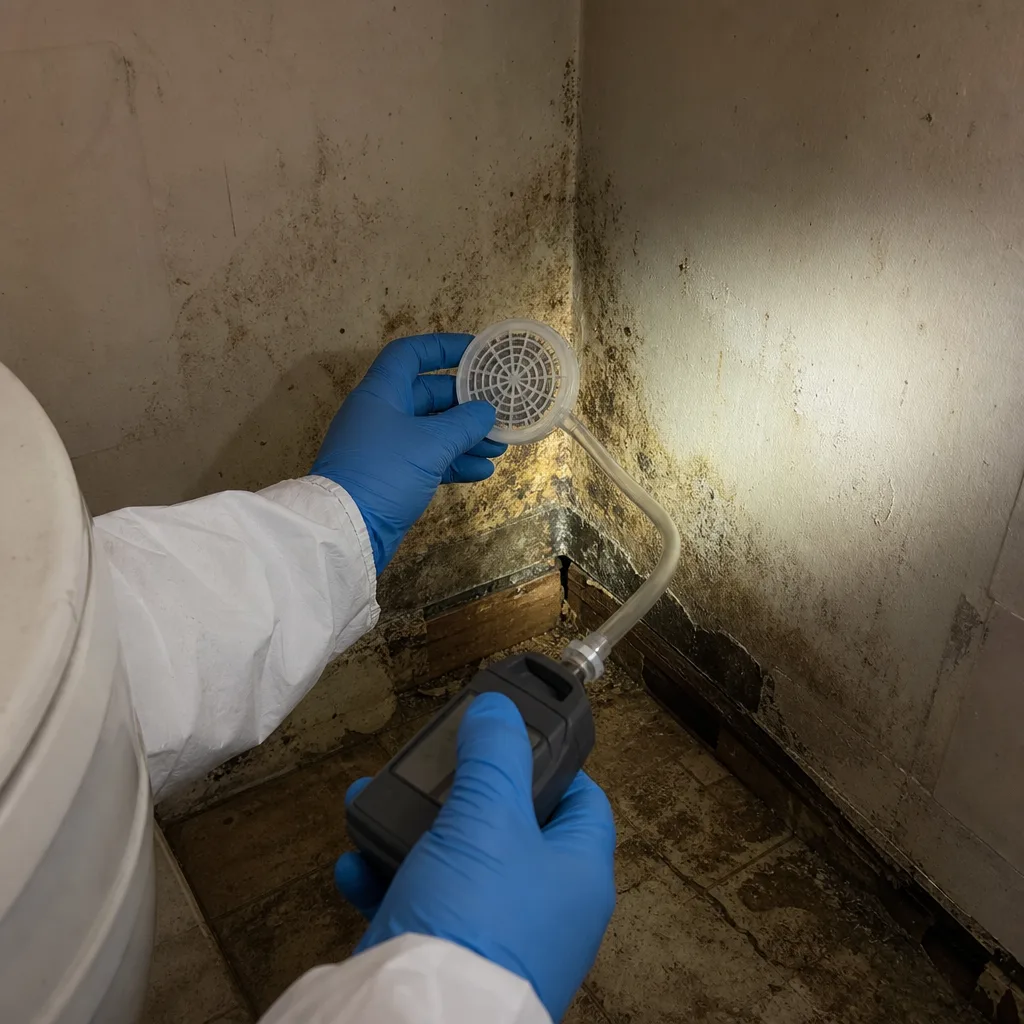
Dri-Eaz and Phoenix air movers and dehumidifiers go in, placed for the specific building layout, not a generic grid. Daily moisture readings using hygrometers and penetrating meters track where the water went, including into the masonry party walls.
Cleaning & Sanitization
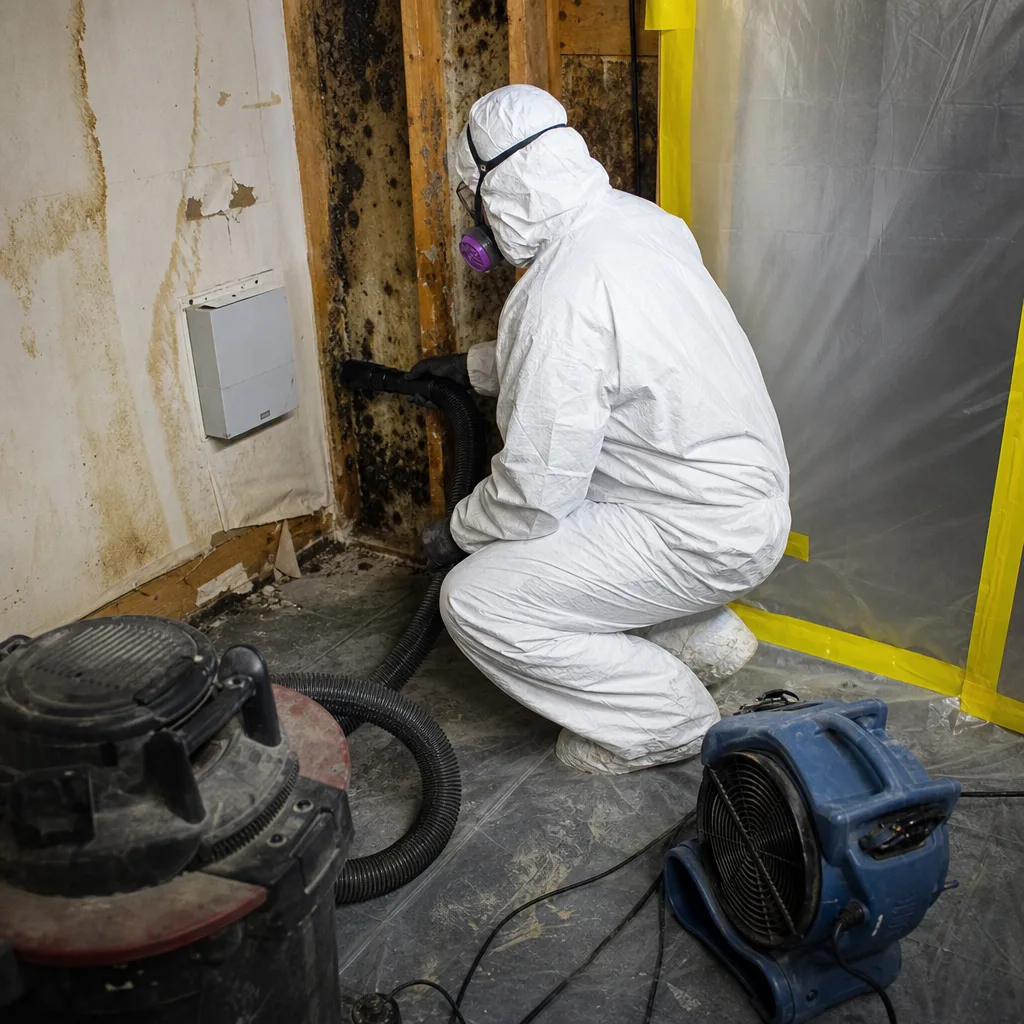
HEPA air scrubbers remove airborne particulates. For Category 3 sewage, we apply EPA-registered disinfectants to all affected surfaces. Soot and smoke residue get specific cleaning methods based on the residue type. Everything is logged.
Party Wall & Multi-Unit Coordination
In Glendale’s attached row houses, no unit is a standalone job. We document lateral moisture migration, coordinate with the adjacent property owners and their carriers, and get written consent before drying into shared masonry. NYC DOB coordination happens before any structural work.
Repairs & Restoration
Reconstruction is scoped, priced, and scheduled in writing, not rushed. We rebuild to pre-loss condition: drywall, plaster, flooring, electrical, paint. The 90-Day Done Right Promise covers water, fire, and mold restoration work. If it is not done right, Wade makes it right.
Need Emergency Commercial Restoration in Glendale Now?
Crews minutes away, answering live 24 hours a day. The sooner we start, the less it costs.
Working With Your Insurance Company
We document from the first hour. Photos of every affected room, moisture readings taken with calibrated meters, drying logs updated daily, a line-item scope of work in standard industry format. Your adjuster gets the full file. More importantly, Wade or his team talks to the adjuster directly, so the person who wrote the policy and the person who is fixing the damage are on the same call. You are not translating between them. That is the difference between a claim that drags out for months and one that closes.
What We Provide Your Insurer
- Thorough documentation of the loss
- Photos of all damage, room by room
- Moisture readings and drying logs
- A detailed, line-item scope of work
- Direct coordination with your carrier
Built for Glendale’s Loss Calendar
Glendale sits inland in central Queens, which means it catches everything the New York climate throws at a dense urban grid. January deep freezes burst supply lines in unheated rear extensions and basement utility rooms, flooding finished basements that Glendale homeowners have typically renovated into laundry rooms, storage rooms, or even small offices. By spring thaw, all that infiltration wicks through the concrete slab and into the base of shared party walls, blooming mold in wall cavities nobody sees until a tenant smells it.
Summer thunderstorms pound Glendale’s flat roofs and overwhelmed roof drains, sending water down through the interiors of attached row houses. September and October nor’easters bring wind-driven rain through aging brick lintels and window frames. And every major rainfall event, from 2021’s Ida remnants onward, risks a combined sewer surcharge that pushes raw sewage back through basement floor drains across the neighborhood. Each season has its own loss signature. We respond to all of them, year round, within minutes.
Commercial Restoration Across Glendale’s Neighborhoods
Glendale is not one building type. Myrtle Avenue runs through the commercial spine, with storefronts that have retail at street level and apartments upstairs. A sprinkler activation in one storefront sends water down through the shared joist bays into the cellar below, and laterally into the neighboring store’s party wall. Over near 80th Street and the courts around Shaler Avenue, the row houses sit tight against one another, so a fire in one building’s rear kitchen becomes a smoke and soot problem for the two buildings on either side before the FDNY even clears the scene. Cooper Avenue, near the Atlas Park shops, has mixed-use buildings with flat roofs and older drain systems that fail during heavy rain. And the blocks around Juniper Valley Park are older construction, often with plaster walls and original cast-iron waste stacks, where water damage hides deeper because the building materials are denser and slower to show moisture.
What does not change is the response pattern: a phone call that gets answered, a truck that heads toward Glendale, and a plan that accounts for the neighbors, the party walls, and the DOB before demolition starts.
Specialized Commercial Restoration Services We Offer in Glendale
Office & Retail Restoration
When a Glendale storefront on Myrtle Avenue takes water from a roof drain backup, every hour closed is lost revenue. We extract, dry, and restore in place where possible, and document the damage so your business interruption claim is clean. Shelving, inventory, customer fixtures, all of it gets salvage treatment rather than a dumpster by default.
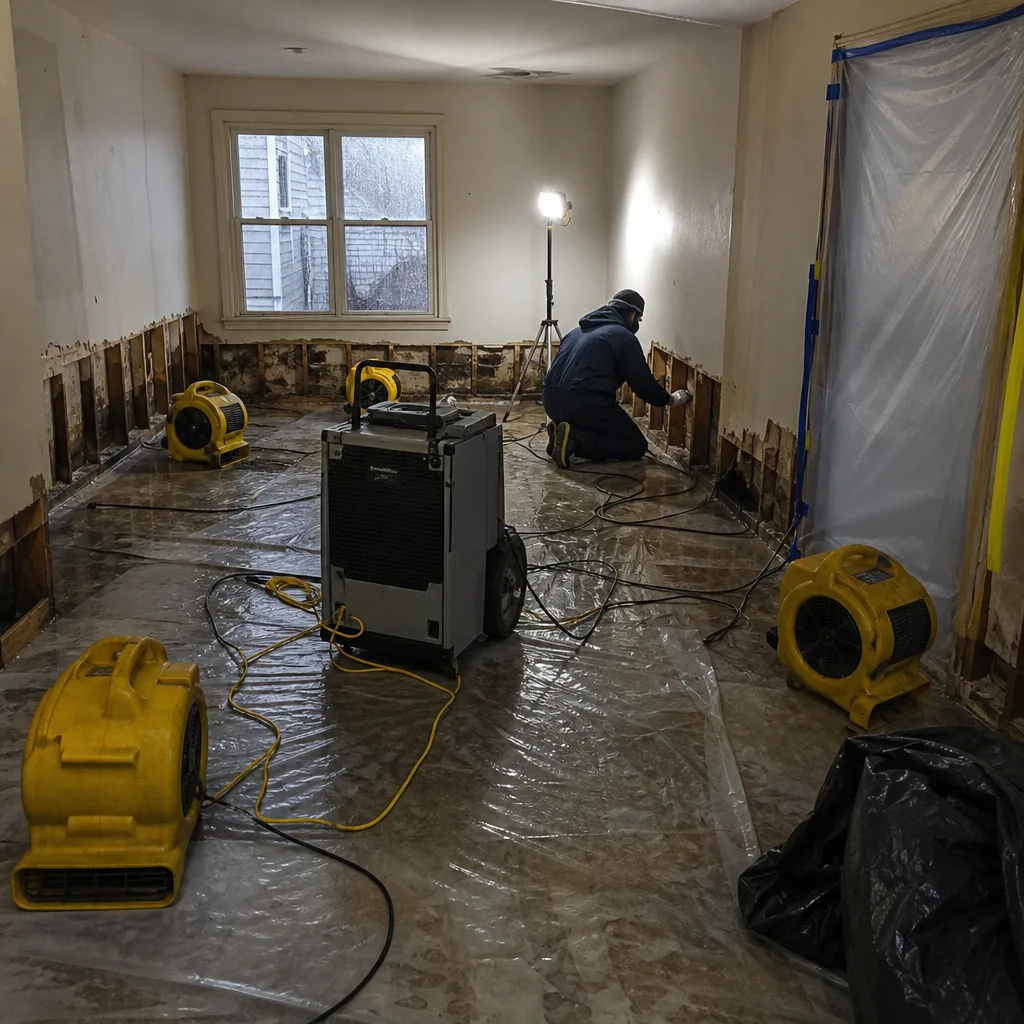
Multi-Unit & HOA Restoration
This is the bread-and-butter of Glendale commercial work. Attached brick row houses with multiple units mean every loss has a neighbor. We coordinate between owners, tenants, and their various insurance carriers, getting written consent before touching shared walls and slabs. In a dense housing stock like Glendale’s, you cannot treat one unit as a standalone job. It is not. The party wall connects you to a building that has a different owner and a different policy.
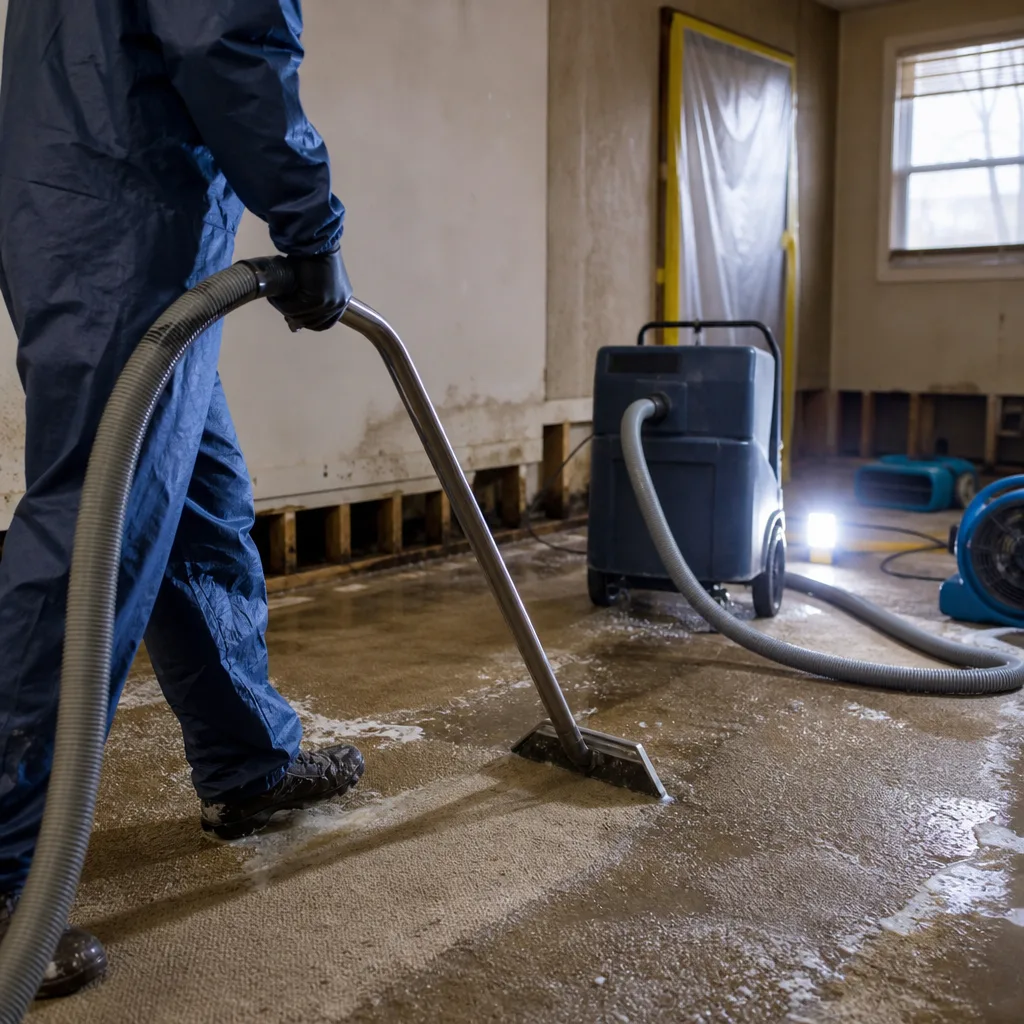
Industrial Facility Cleanup
Glendale’s light industrial buildings along the neighborhood’s southern edge, down toward the rail corridor and the old factory sites, have their own challenges: concrete floors, high ceilings, overhead sprinkler systems, and long drainage runs. Chemical residue, soot, and moisture migrate through large open spaces differently than in a small storefront. We bring the same equipment, bigger extraction capacity, and a scope that reflects the square footage.
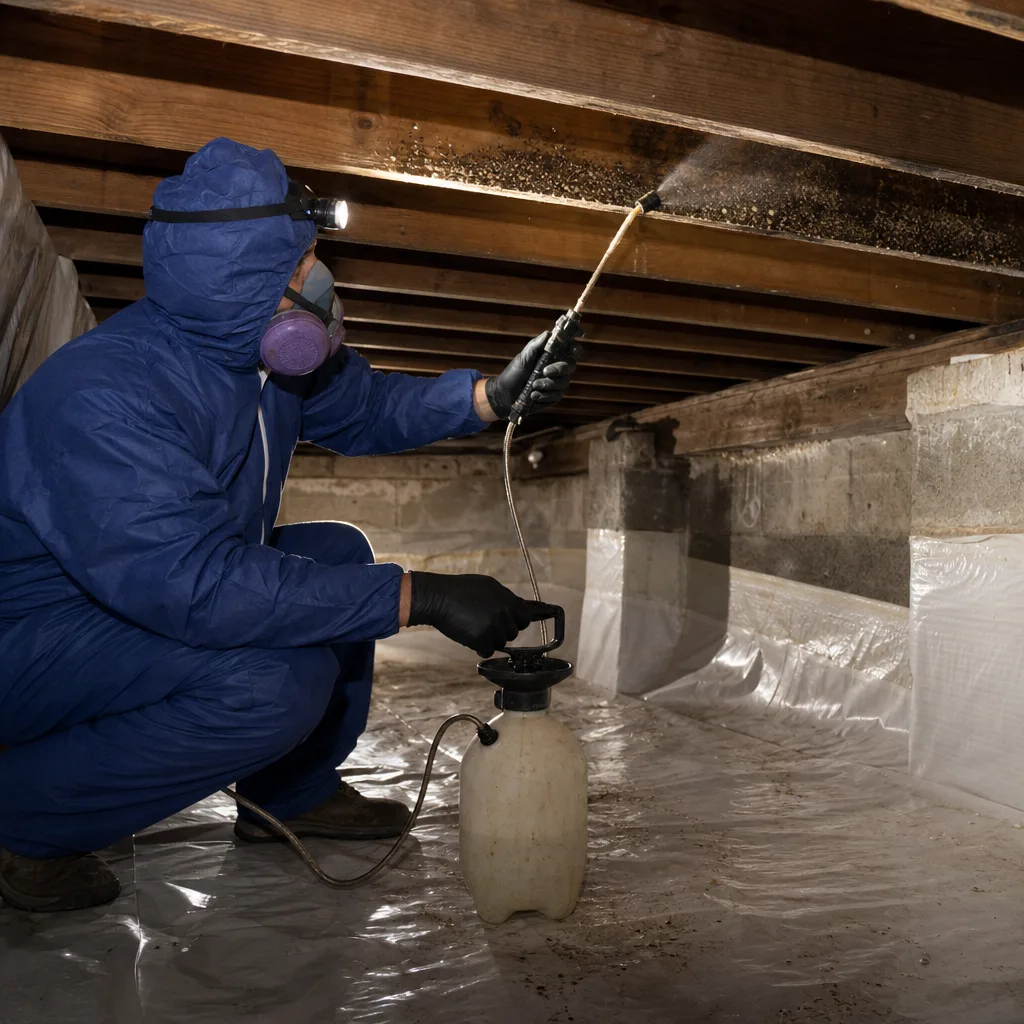
Large-Loss Response
When a whole building is down, a single tech with a single truck is not enough. We stage crews for large losses, coordinate with building management and the DOB, and run multiple extraction and drying zones simultaneously. For a Glendale multi-storefront building, that means getting every tenant’s space assessed and stabilized on the same schedule, not one at a time.
Business Interruption Minimization
Every day a business is closed costs money the owners do not have. We sequence the work to open the money-making part of the building first: the sales floor, the office, the kitchen. The documentation runs parallel so the interruption claim has the support it needs from day one. That is the difference between a claim that gets paid and one that gets litigated.
Document & Inventory Recovery
Paper files, patient records, product inventory, computer equipment. Water, soot, and sewage damage does not have to mean total loss. We separate the salvageable from the destroyed, freeze-dry soaked documents where that is possible, electronically document inventory for the adjuster, and clean what can be cleaned. In a Glendale law office or medical practice, losing patient files or case records to a burst pipe is a different kind of disaster. We treat that material as the priority it is.
What happens when you call
- 1
A real person answersNo phone trees - you reach a local pro.
- 2
You get an upfront price rangeHonest numbers before anyone is dispatched.
- 3
A background-checked tech heads outLicensed & insured, dispatched right away.
- 4
You approve before work beginsNothing starts until you say go.
Commercial Restoration Costs in Glendale, NY
Small water extraction and drying for a single storefront in Glendale typically runs $2,500 to $5,500. A full commercial water loss in a finished basement with sewage backup, Category 3 water, and multi-room remediation lands between $8,000 and $18,000. Fire and smoke restoration in a mixed-use row house on Myrtle Avenue, including soot cleaning, odor treatment, and structural repair, starts around $10,000 and can reach $35,000 or more depending on the extent. Mold remediation with containment, air scrubbing, and clearance testing generally runs $3,000 to $12,000 for a typical Glendale commercial space.
What moves the price is the damage class, not the square footage alone. Category 1 water is cheaper than Category 3. A storefront with one affected room is cheaper than a three-unit row house where the water has wicked through two party walls. Insurance coverage depends on your policy, but the free visual inspection gives us a chance to look, to take initial readings, and to hand you a written scope with real numbers before you commit to anything. That works whether insurance is paying or you are.
We Also Serve Cities Near Glendale
Our crews cover the surrounding Queens and city market, not just Glendale. We serve commercial properties in Glendale plus Astoria, the Financial District, Lower Manhattan, and Flushing. Same live answer, same fast dispatch, same owner-operated model.
Serving Glendale, NY - Our Local Coverage Area
We’re based in the Glendale area and know this community well. Use the map below to see our service coverage - if you’re nearby, we can almost certainly help.
Glendale Commercial Restoration Questions, Answered
If my Glendale commercial row house unit floods, do I need to involve my neighbors before you start?
Yes, if the damage is in a shared wall or slab. Glendale’s attached brick row houses have true masonry party walls and continuous basement slabs, which means water moves laterally between units regardless of property lines. We need written consent from adjacent owners before we open their side of the wall or dry into shared masonry. NYC DOB coordination is part of that. Call (363) 208-1526 and we will walk you through exactly what is needed for your building.
How does Glendale’s combined sewer surcharge turn a water-damage claim into a Cat 3 biohazard job?
During heavy rain, New York City’s aging combined sewer system backs up and forces raw sewage through basement floor drains. That water is Category 3, or black water: it carries bacteria, viruses, and parasites. Porous materials it touches, like drywall, carpet, and insulation, must be removed and disposed of. The space needs full PPE during cleanup and EPA-registered disinfectants afterward. A standard water extraction crew treating it like clean water creates an ongoing biohazard. Call (363) 208-1526 and we will classify the water correctly from the first assessment.
What documentation do you provide for a multi-unit row house restoration that spans two or three owners?
We provide a full file for each affected owner: photos of every affected area, moisture readings from every visit, drying logs showing daily progress, and a line-item scope of work in standard industry format. We also document the lateral migration through party walls and slabs, because that is what proves which unit’s damage came from which source. Each owner’s file goes to their own adjuster, and we coordinate the three-way communication so no one gets stuck relaying information.
How do you handle drying a party wall that is wet on both sides but owned by different neighbors?
We dry it as one continuous assembly, not two separate units. We take moisture readings on both sides of the wall, document them, and get written consent from both owners before drilling or injecting anything into the masonry. The drying plan treats the wall as a single system: air movers and dehumidifiers placed on both sides, target moisture levels set for the brick and the plaster together, and clearance documentation so both owners see that the wall hit pre-loss moisture before we close it up.
What happens to our storefront inventory if the sprinklers go off in our Glendale commercial space?
We treat inventory as a salvage job first, not a dumpster job. That means separating wet from dry, cleaning what can be cleaned, drying what can be dried, and documenting everything for the insurance claim. Paper documents can often be freeze-dried. Retail goods get cleaned or discarded based on the severity of the water. Your adjuster gets a detailed inventory list with photos, so the loss is covered properly, not just swallowed as a generic line item.
How fast can you actually get to a Glendale commercial property?
Typically within 45 minutes of the call. Wade heads out as soon as the phone rings, and the crews are staged near Glendale. For a sewage backup or active water loss, that is the difference between a contained basement and a gut renovation. For fire damage, faster response means less soot sets into the surfaces. Call (363) 208-1526 day or night and you will hear a real voice on the other end.
Do I really need full remediation, or can I just clean and repaint?
If the water was Category 1 and the materials are non-porous, a cleaning and drying treatment may be enough. If the water was sewage, or the moisture sat for more than 24 hours, or it wicked into plaster, drywall, or masonry, a surface cleaning will not touch the problem inside the wall cavity. That is how mold blooms months later. The free visual inspection gives you a straight answer on which one you have, with no pressure to do more than the building needs.
What certifications do your crews hold?
Our crews are IICRC-certified: WRT for water damage restoration, FSRT for fire and smoke, and AMRT for mold remediation. We use professional-grade equipment from Dri-Eaz, Phoenix, and XPOWER, and we hold our work to the IICRC S500 and S520 standards. Wade Ferris founded the company in 2007 and publishes his name, address, and license number. He answers the phone himself, 24 hours a day.
Written by Wade Ferris, Owner at Wade’s Restoration, serving Glendale since our founding in 2007.