
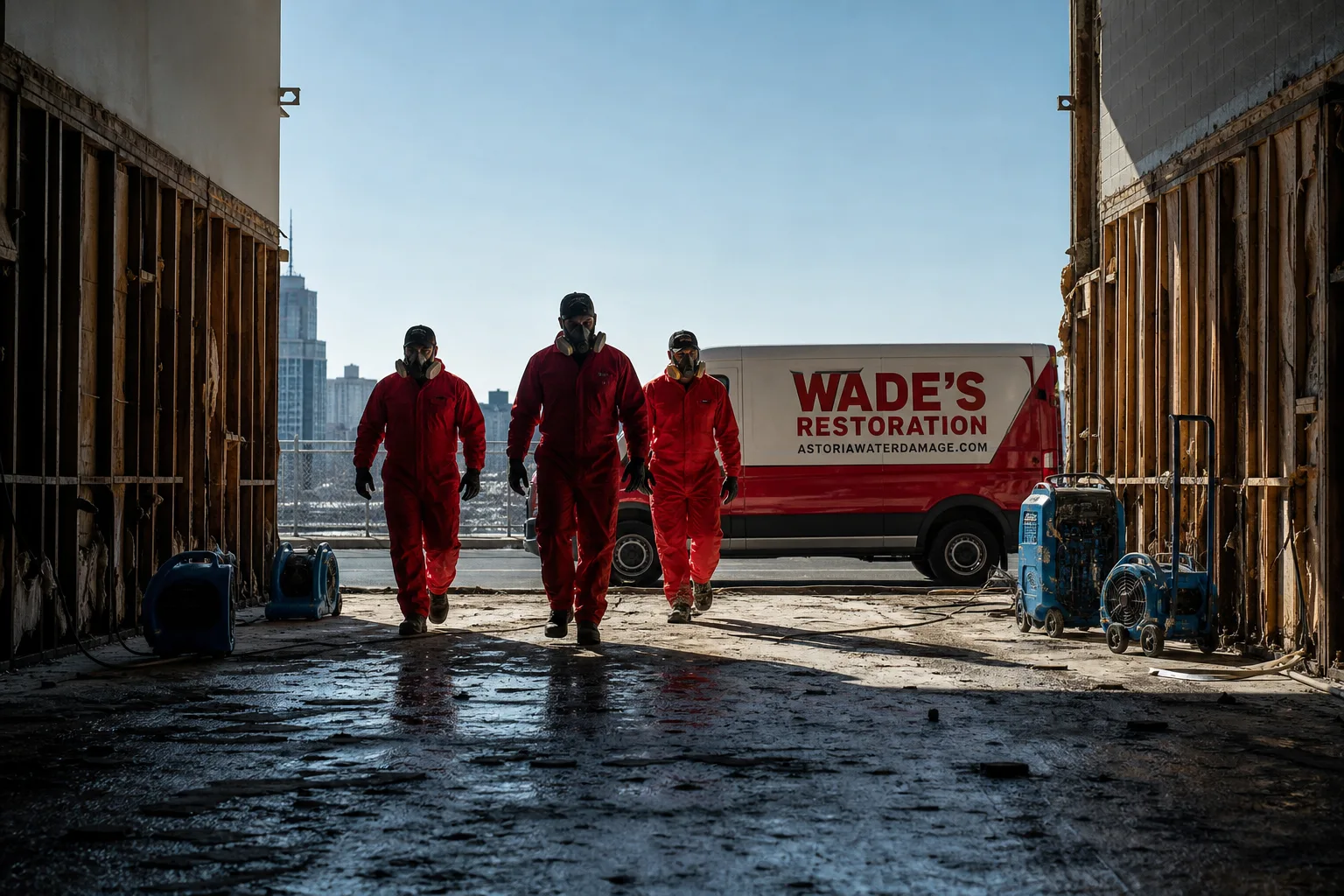
Free visual inspection and a written scope of work before any mitigation begins - photos, moisture readings, and drying logs go in your claim file
The scope we write is the scope we bill. Anything new gets shown to you, in writing, before we touch it.
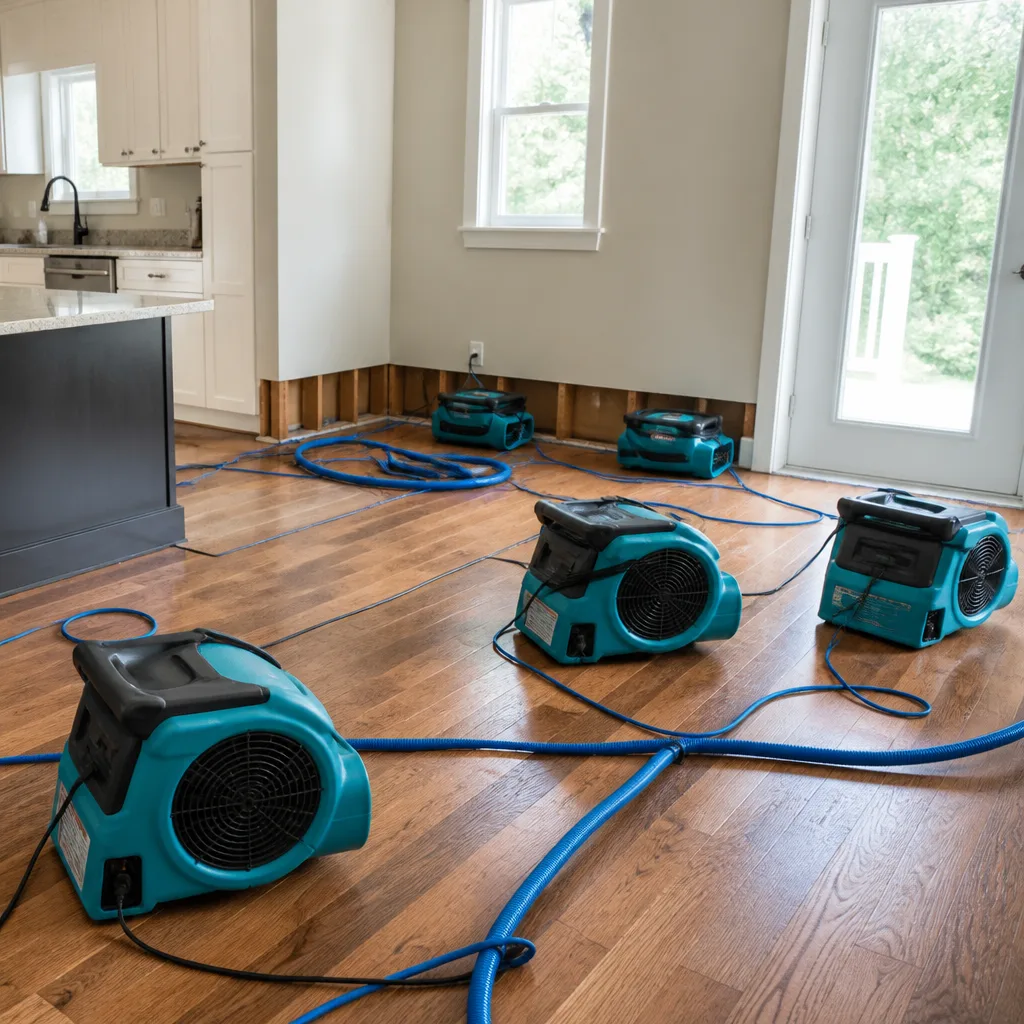
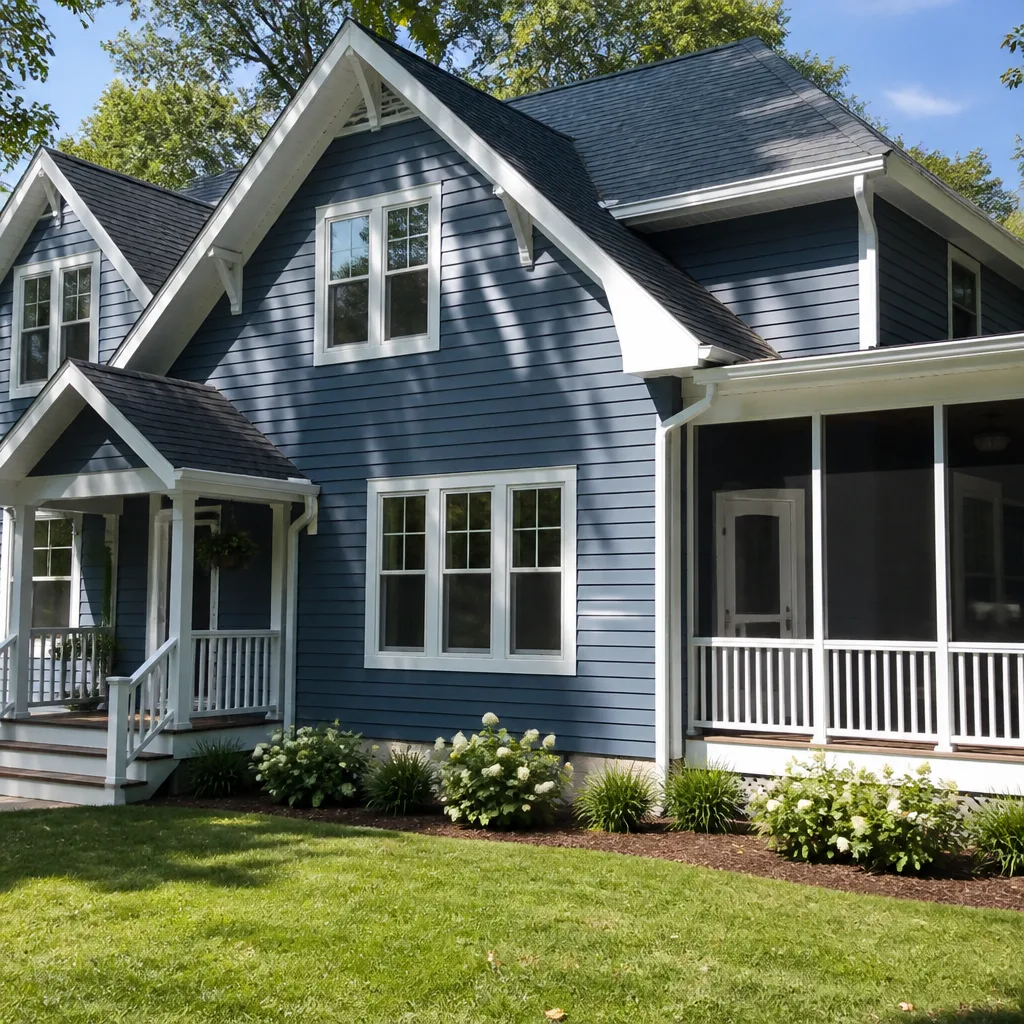
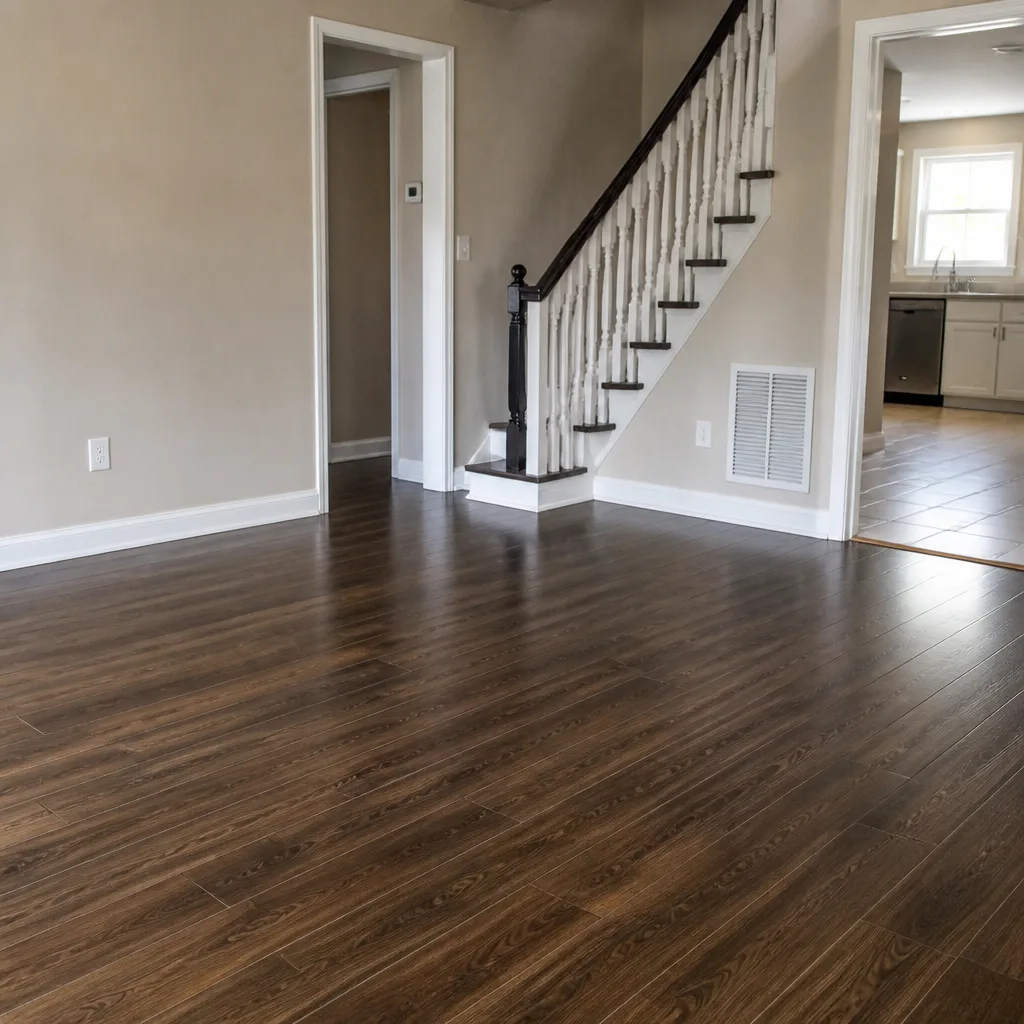
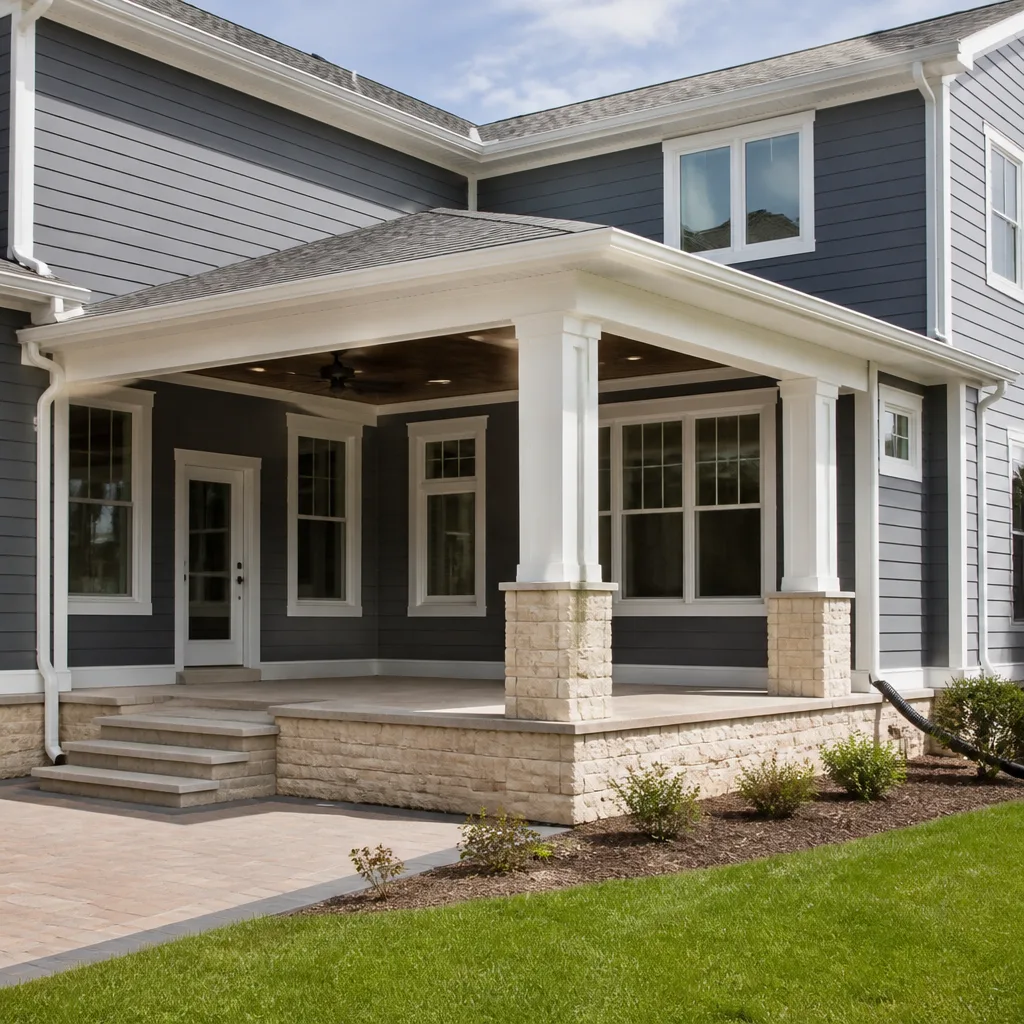
 Before
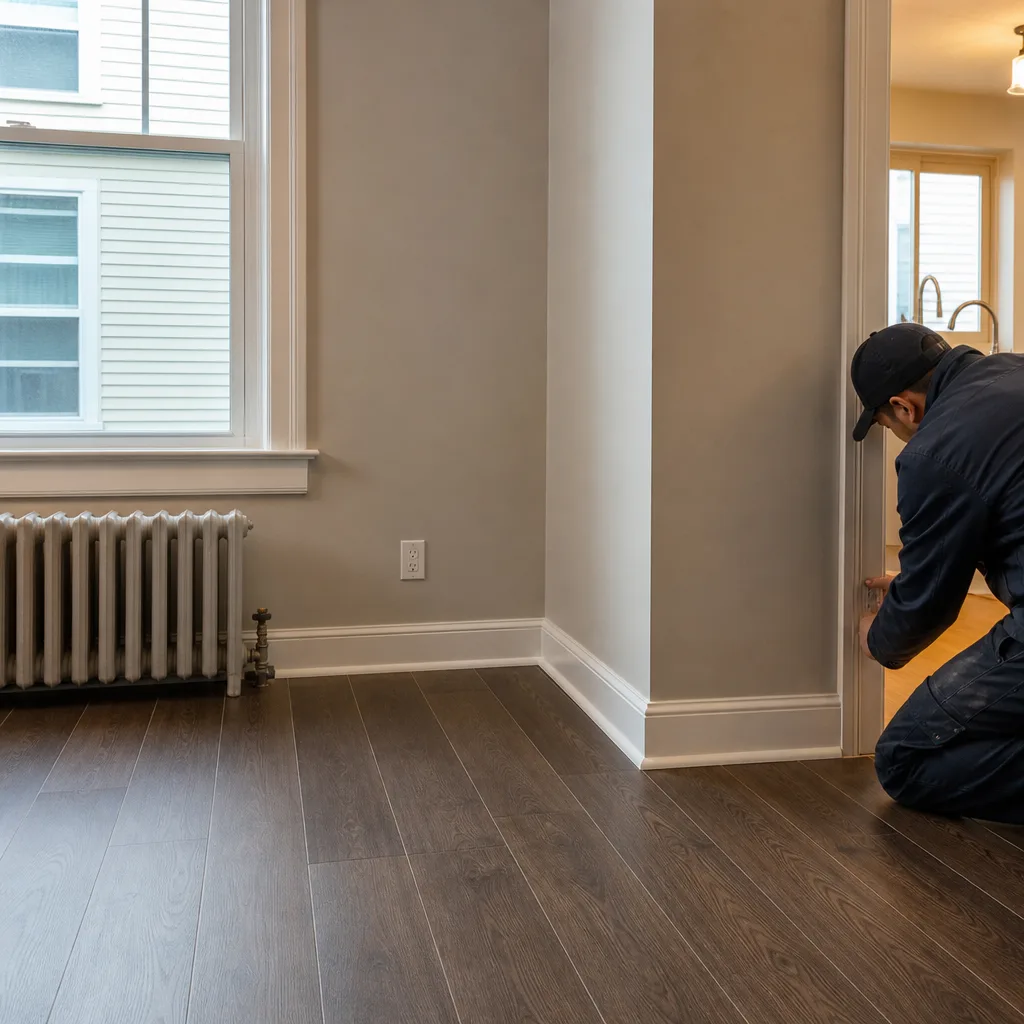 After
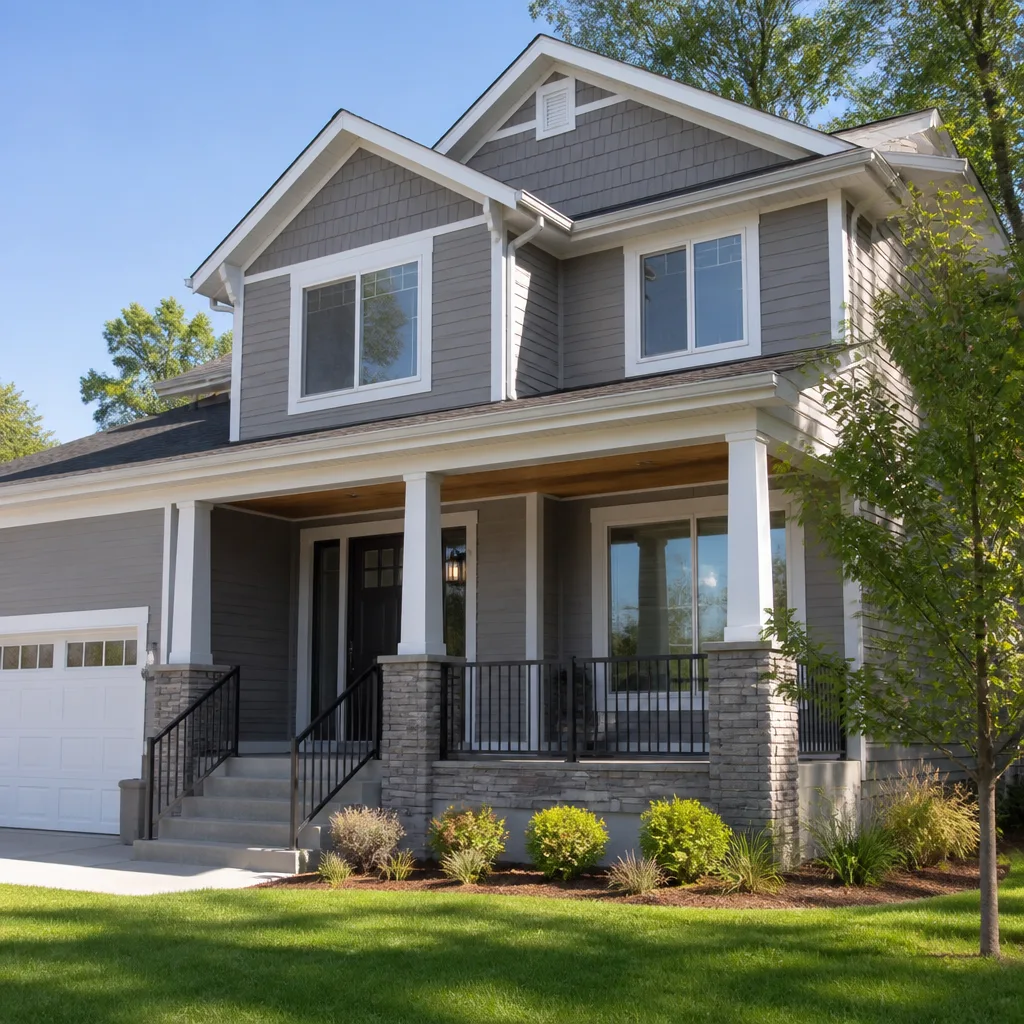
After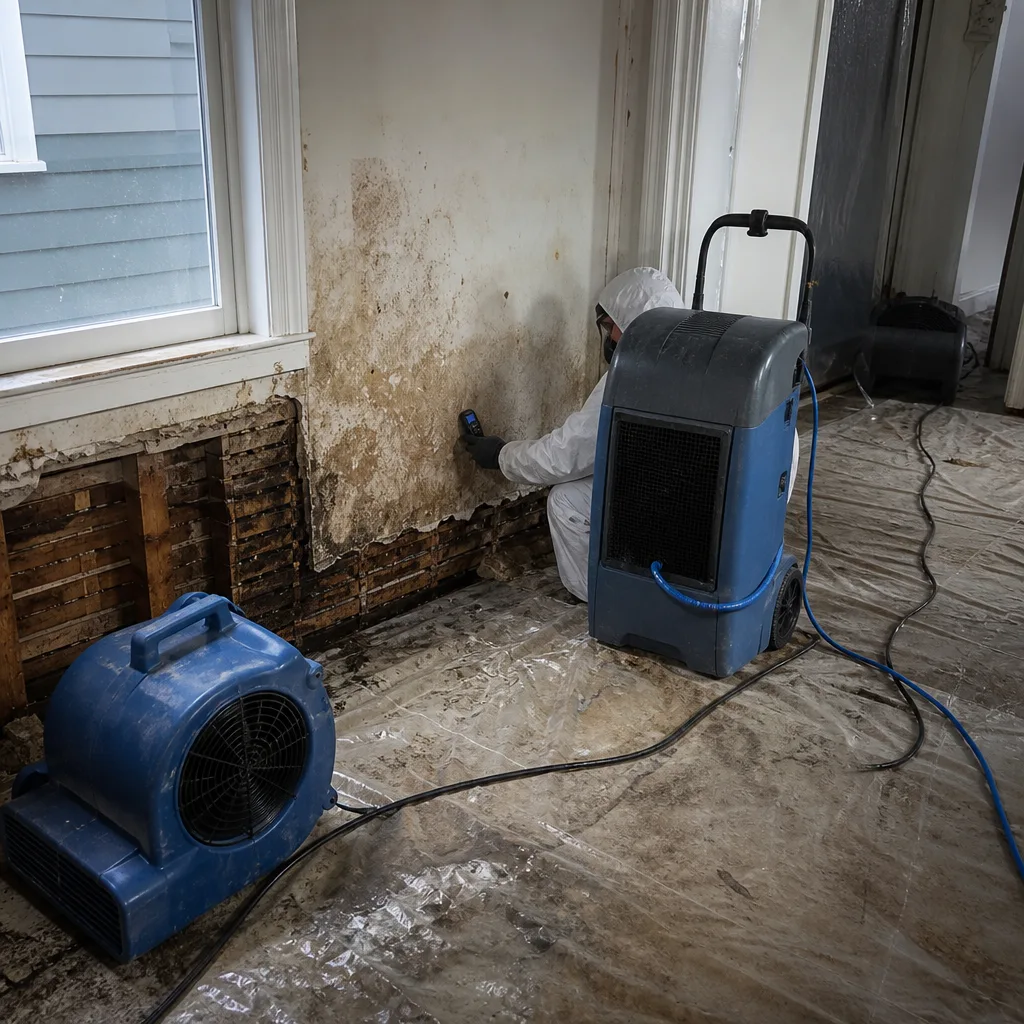 Before
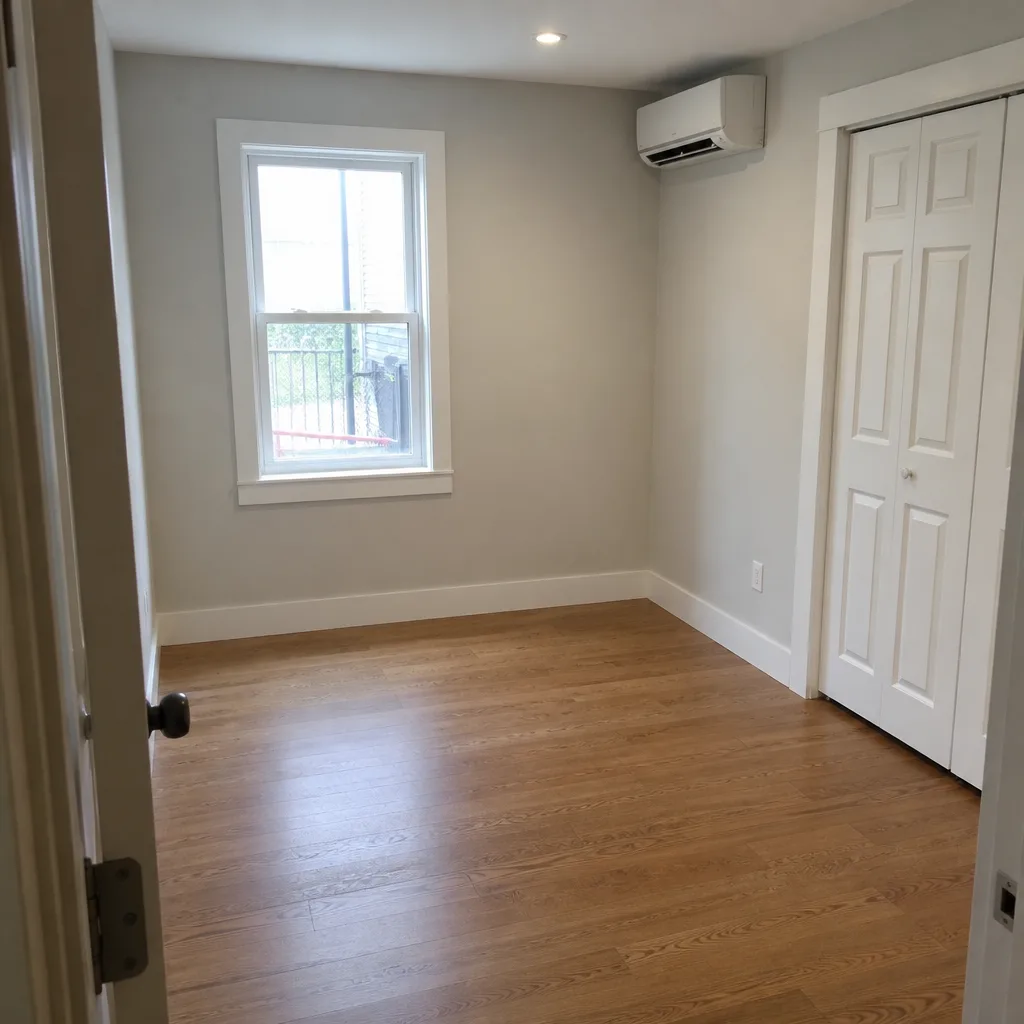 After
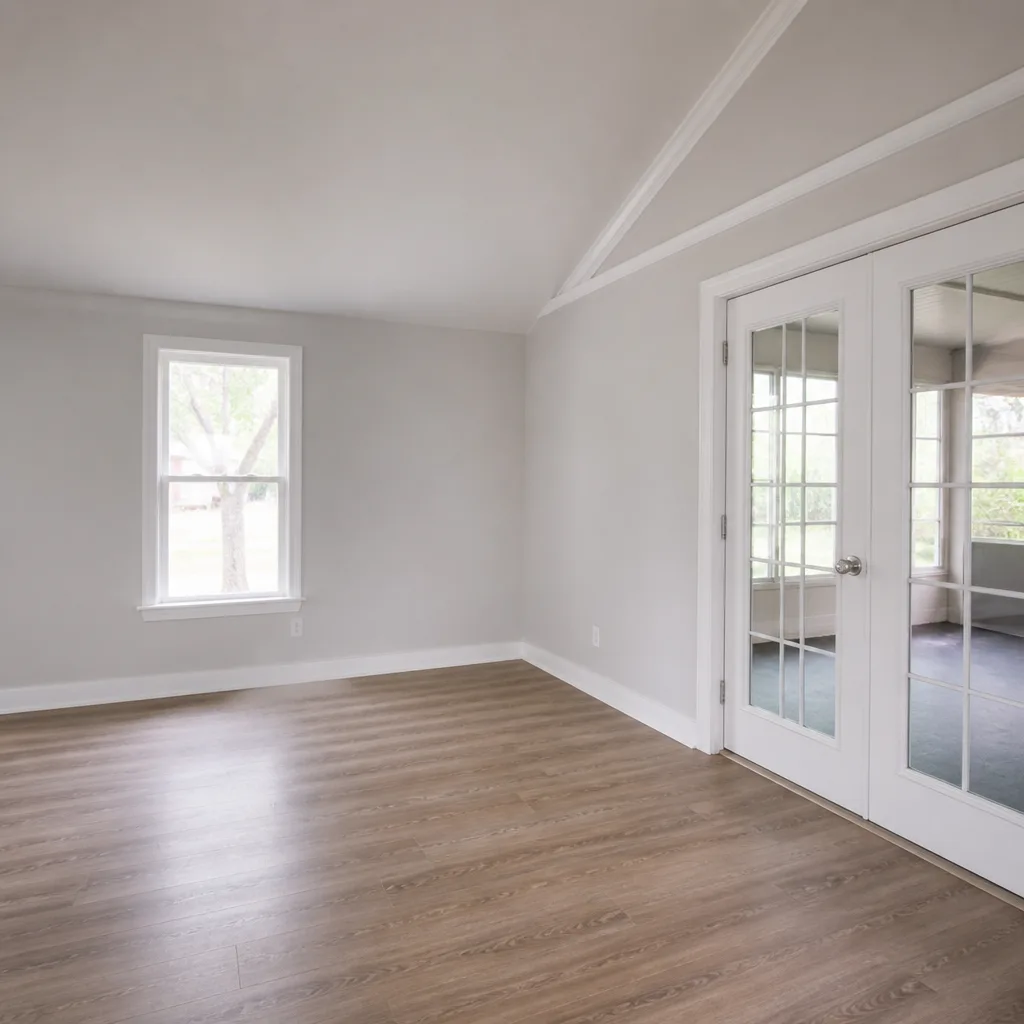
After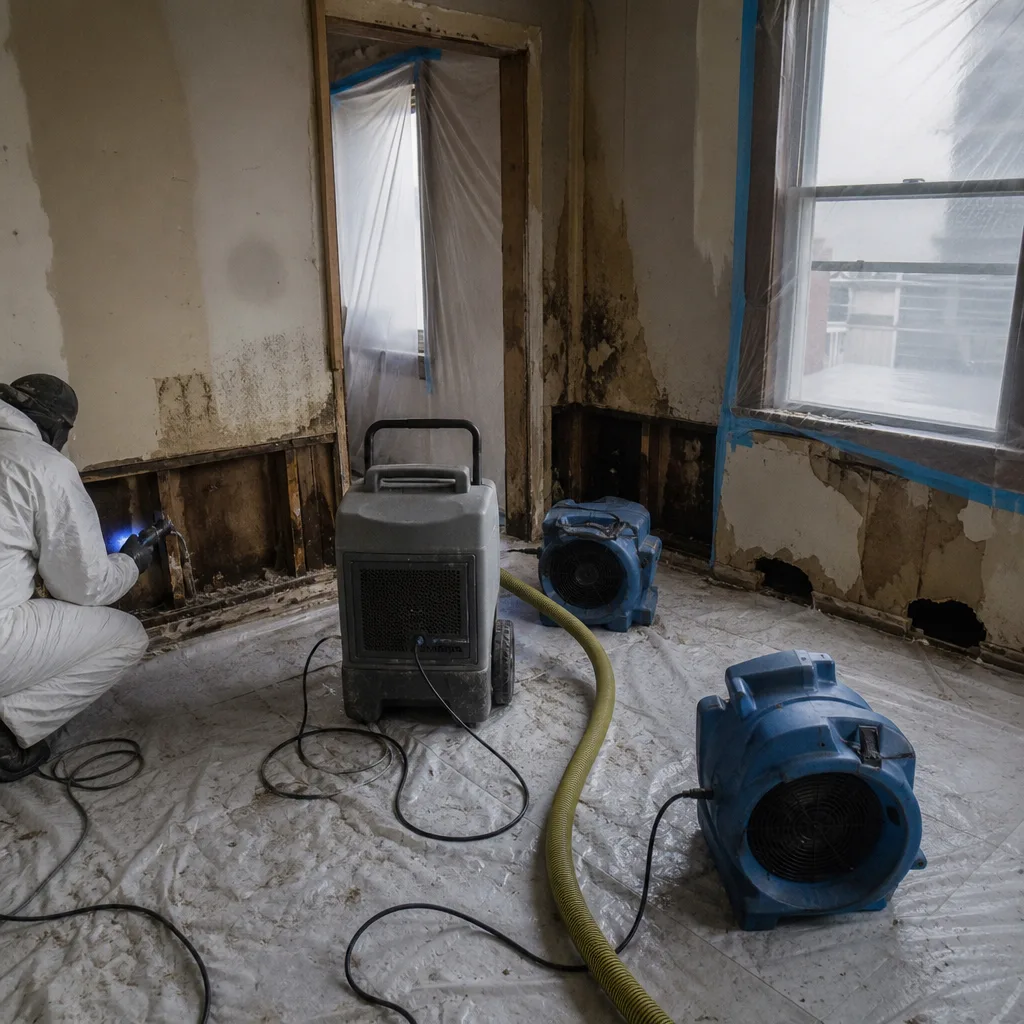 Before
 After
After24/7 Emergency Storm & Disaster Restoration in Glendale
Storm and flood damage in Glendale moves fast, and so do we. When a nor’easter rips flashing off your row house or a sewer surcharge backs up into your finished basement at 2 a.m., you need someone who answers the phone and gets water moving in the right direction within the hour. Our Storm & Disaster Restoration crews are on call around the clock, every day of the year, and Wade Ferris himself often picks up the phone. Call (363) 208-1526 right now and you’ll talk to a live person, not a call center. The first hour is when most of the damage gets decided: water that’s extracted immediately may only cost you drywall and a floor, but water that sits for six hours becomes a mold and structural problem that doubles or triples the bill.
Understanding Storm & Disaster Restoration Severity in Glendale Properties
Not all storm water is created equal, and Glendale’s housing stock makes the distinctions matter more than they do in newer construction. Clean rainwater that leaks through a roof breach is Category 1 water. Water that’s been sitting in a flooded basement for 24 hours, picking up whatever’s on the floor, becomes Category 2. And when a combined-sewer surcharge forces raw sewage back through a floor drain during heavy rainfall, which happens with disturbing regularity in Glendale, you’re dealing with Category 3 black water that requires full PPE, containment, and EPA-registered disinfection before anything dries. The problem with Glendale’s attached brick row houses, most built between 1910 and 1940, is that water doesn’t respect property lines. A flooded basement in one unit seeps laterally through the shared masonry party wall and the continuous slab beneath it, showing up as wicking and efflorescence on the neighbor’s plaster two days later. By then, you have a multi-unit loss, not a single-house cleanup.
Smoke damage follows the same pattern. Soot from a kitchen fire in one rowhouse unit migrates through wall cavities, electrical chases, and around cast-iron drain stacks to affect the units on either side. That’s why we map moisture and smoke migration across the full party wall before we ever put a saw to drywall. You cannot scope a Glendale storm or fire loss properly by looking at one unit alone.
Why Glendale Property Owners Choose Wade’s Restoration
- 45-minute response commitment in Glendale: Wade heads out the moment you hang up. No dispatch queue, no “window” that lasts all afternoon. If you’re in Glendale, we’re minutes away and we show up.
- 24/7 live answer, every time: You call, a person picks up. Often that person is Wade. No voicemail, no automated menu, no third-party answering service.
- IICRC-certified crews: Our technicians hold WRT, FSRT, and AMRT certifications. That means they’ve been trained and tested on water, fire, and mold restoration using current industry standards.
- Free visual inspection: We’ll walk your property, look at what happened, and tell you straight what needs to happen next. No charge for that.
- Direct insurance billing: We bill your carrier directly and handle the adjuster conversation. You don’t become the messenger between two parties who won’t talk to each other.
- One team from extraction to reconstruction: The same people who pulled the water out are the people who hang the new drywall. Nobody gets to blame the other guy for a problem.
Our Storm & Disaster Restoration Process
Inspection & Assessment
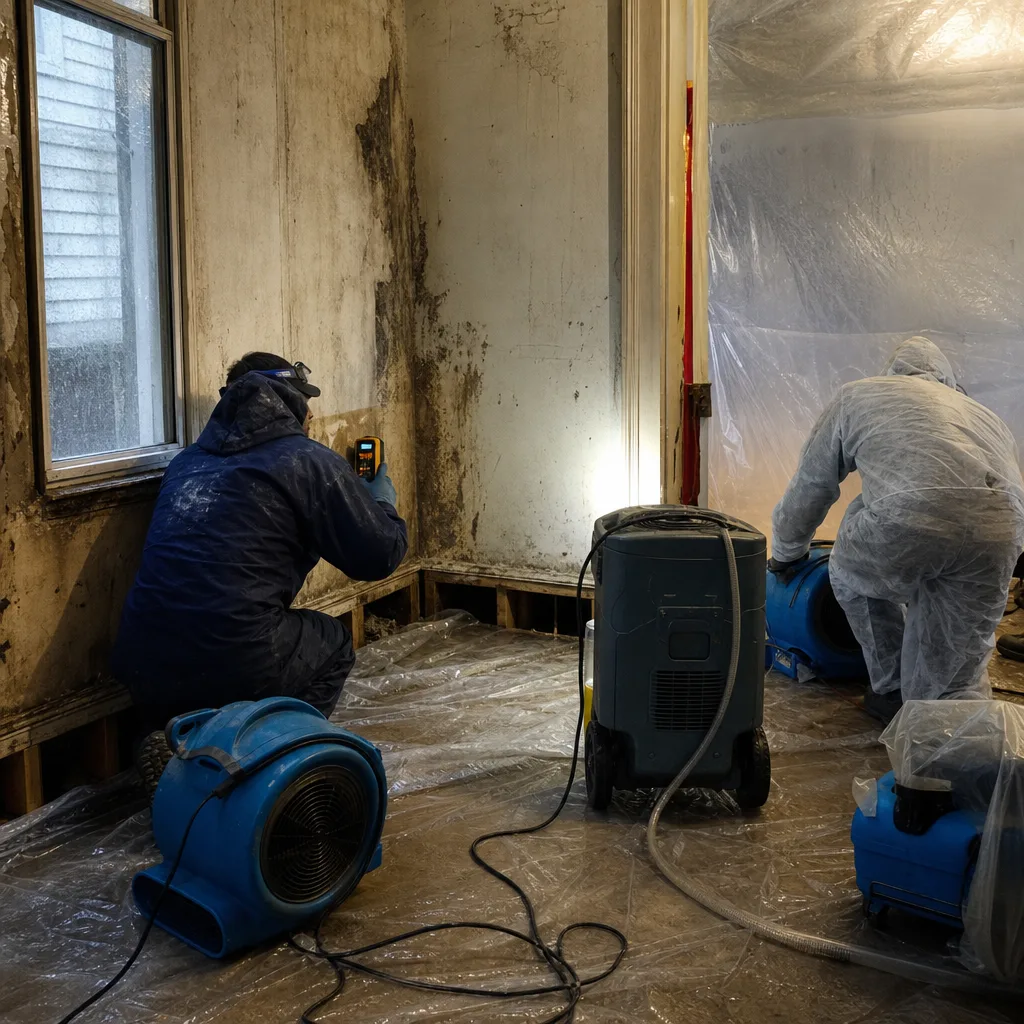
We arrive, walk the space, and take moisture readings with thermal imaging and hygrometers. In a Glendale attached brick house, we map the full party wall on both sides, not just where the water is visibly wet. If we suspect Category 3 water, we treat the space as contaminated from minute one.
Extraction / Stabilization
Truck-mounted and portable extraction units pull standing water out fast, including from finished basements where every minute of contact means more damage. We clear debris that’s blocking drains or trapping water against walls. If there’s structural compromise, we stabilize before anything else.
Drying & Dehumidification
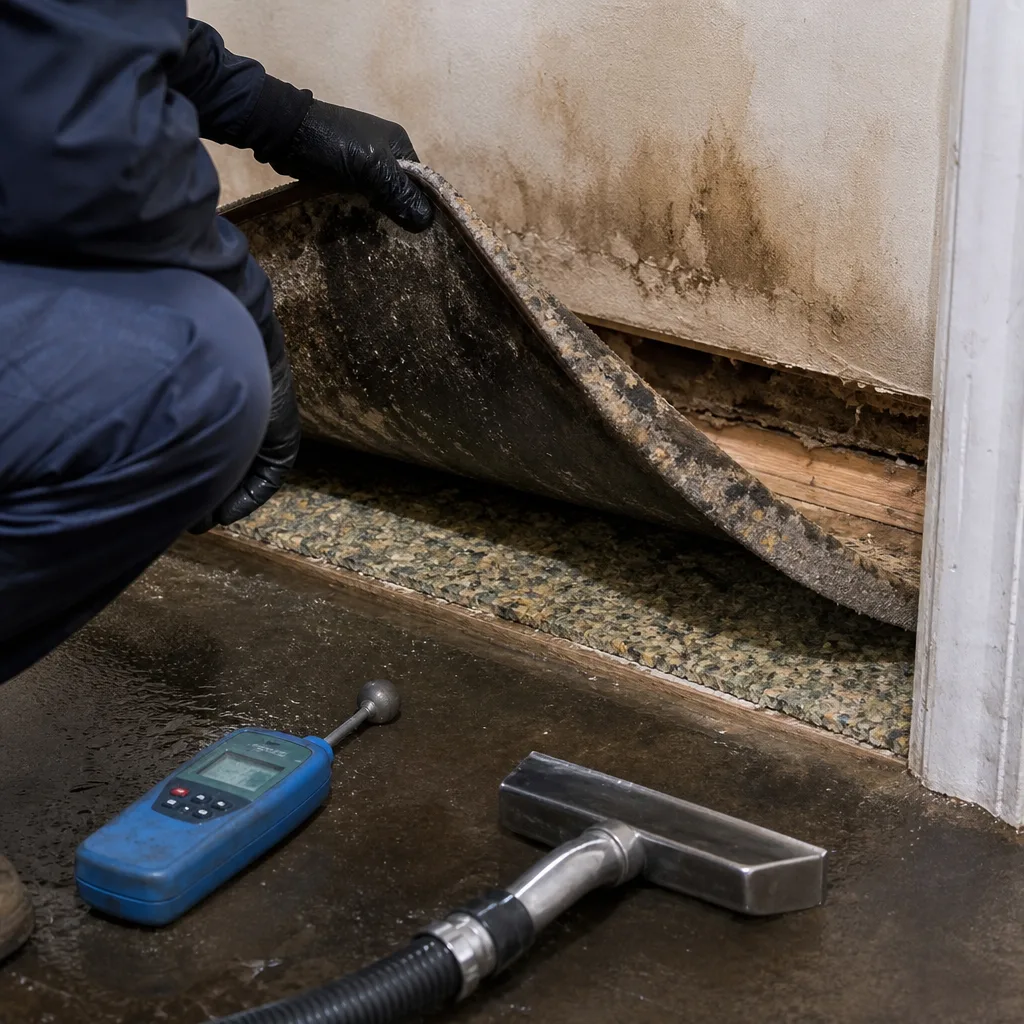
Dri-Eaz and Phoenix dehumidifiers run continuously, with XPOWER air movers positioned to dry wall cavities and behind baseboards where water hides. Wade takes moisture readings every single day and hands you the full log at the end, which almost nobody else in town does. It’s your proof the space is actually dry, not just dry-looking.
Cleaning & Sanitization
HEPA air scrubbers run during remediation to pull airborne contaminants. If we’re dealing with sewage or floodwater, we apply EPA-registered antimicrobials to every surface that could have been touched. This is not optional in Glendale, where combined sewer surcharges turn ordinary flooding into a biohazard situation regularly.
Specialty Treatment
Depending on the loss, this includes structural drying of masonry party walls, smoke and soot removal from plaster and lath, odor abatement using thermal fogging, and rust inhibitor application on metal surfaces. When we find lateral moisture migration into an adjacent unit, we document it and notify the neighbor before finishing our side.
Repairs & Restoration
New drywall, new flooring, fresh paint, rebuilt door frames, whatever it takes to put your house back the way it was. Because we’re one team from start to finish, the person who knows where the water went is the same person who knows where the new wall should go.
Need Emergency Storm & Disaster Restoration in Glendale Now?
Crews minutes away, answering live 24 hours a day. The sooner we start, the less it costs.
Working With Your Insurance Company
Insurance claims after storm damage in Glendale get complicated fast, especially when the damage crosses a party wall into the neighbor’s unit. That’s why we document everything from the first hour. Photos of every affected room, moisture readings taken before and during drying, a line-item scope of work that spells out exactly what needs to happen and what it costs. Wade talks to your adjuster directly, in their language, with the documentation to back it up. You shouldn’t have to translate between a restoration company and an insurance carrier. When your neighbor’s policy is also involved, which happens regularly in attached brick row houses, we coordinate both claims so nobody gets stuck holding a bill for damage that started next door.
What We Provide Your Insurer
- Thorough documentation of the loss
- Photos of all damage, room by room
- Moisture readings and drying logs
- A detailed, line-item scope of work
- Direct coordination with your carrier
Built for Glendale’s Loss Calendar
In Glendale, storm and disaster restoration follows a seasonal rhythm that locals know but insurance companies rarely plan for. January and February bring the deep freezes that burst galvanized supply lines in unheated basements and crawl spaces of those 1910s and 1920s brick row houses. A frozen pipe behind a finished basement wall can leak for days before anyone notices, by which point the water has traveled through the slab and into the adjacent unit. Spring means thaw and the start of basement seepage season, particularly in homes with original cast-iron drain stacks that have been slowly corroding for eighty years. Then comes summer, when thunderstorms in central Queens drop inches of rain in an hour and the combined sewer system surges into floor drains. The September remnants of Ida in 2021 showed exactly how bad that can get, and anyone with a finished basement in Glendale now knows what a Cat 3 backup looks like. Fall and early winter bring nor’easters that rip flashing, tear off roof edges, and send water pouring through brick walls that were never built to handle wind-driven rain from three directions at once. The calendar repeats every year, and the houses don’t get younger.
Storm & Disaster Restoration Across Glendale’s Neighborhoods
Glendale’s street grid runs on a pattern that dictates how we move and where we can park a truck, and after years of running calls here, we’ve learned the rhythm. The blocks running off Myrtle Avenue, between 69th and 88th Streets, are dense attached brick row houses with the tight shared driveways that make setup harder than it looks. You can’t just park a box truck and unload wherever you want. Our crews know which alleys have clearance and which corners have fire hydrants you can’t block, and we stage equipment accordingly so extraction starts fast instead of waiting on parking. Over by Forest Park, the houses get slightly larger but the age doesn’t change much, and we see the same cast-iron stacks, the same plaster-over-lath walls, the same finished basements that flood first. Along Central Avenue toward Fresh Pond Road, the mixed-use buildings mean commercial storefronts with apartments above, where a storm-damaged roof leaks through three floors and multiple tenants have claims at once. And near Shaler Avenue and 80th Street, the two- and three-family rowhouses mean we’re almost always coordinating two or three owners on one loss. The address might be one door, but the job is rarely one unit.
We’ve been called to storm damage in Glendale enough times to know that what looks like a single-home flood on paper is often the first sign of a block-wide problem. The combined sewer system doesn’t flood one basement. It floods eight basements in a row, but the first call is the one that tips the rest off.
Specialized Storm & Disaster Restoration Services We Offer in Glendale
Flood Damage Restoration
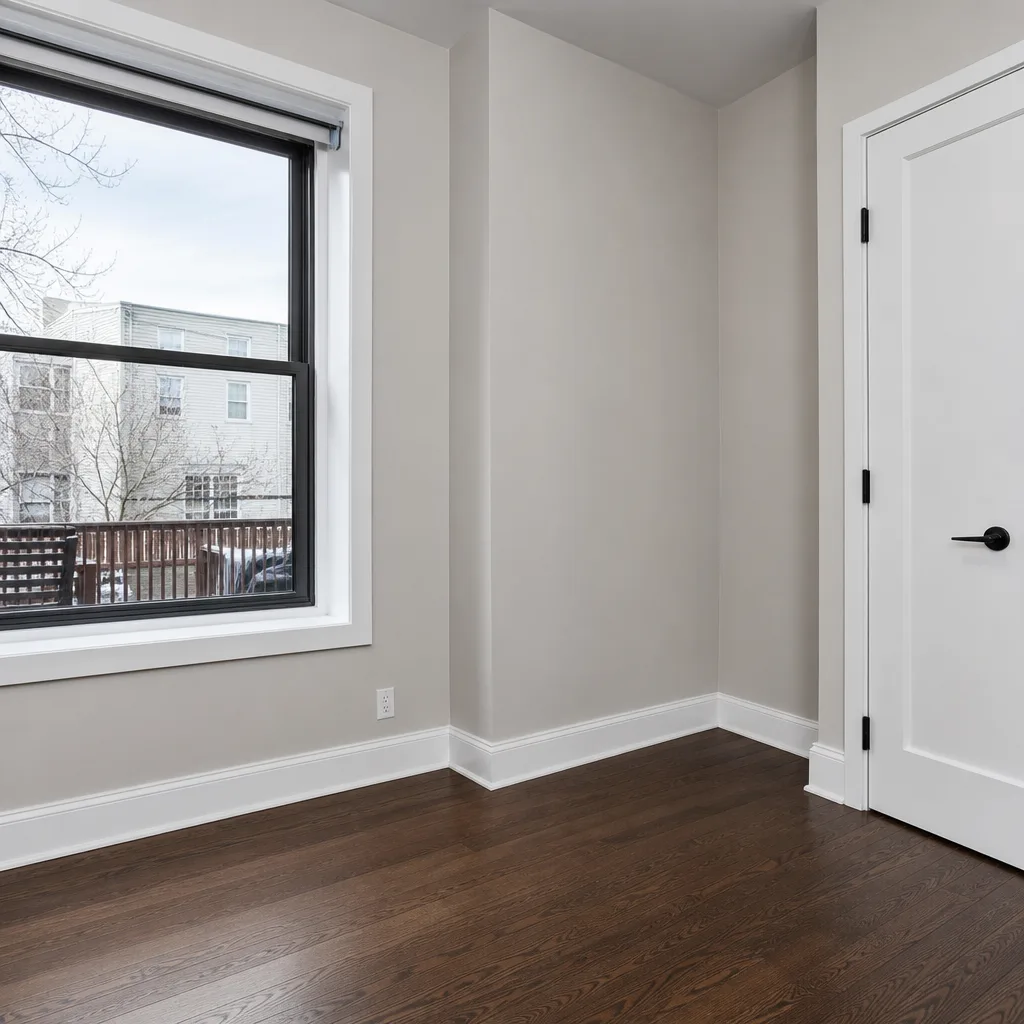
Glendale’s finished basements take the brunt of every heavy rain, whether it comes from the sky or back up through the drains. We extract standing water, remove wet drywall and insulation, dry the structure thoroughly, treat for contamination, and rebuild. The difference between a flood job done right and one done fast is whether mold shows up in six months. In Glendale’s attached houses, it’s also whether you stop at your own wall or keep going into the neighbor’s. We keep going until the moisture map says the entire cavity is dry.
Emergency Board-Up
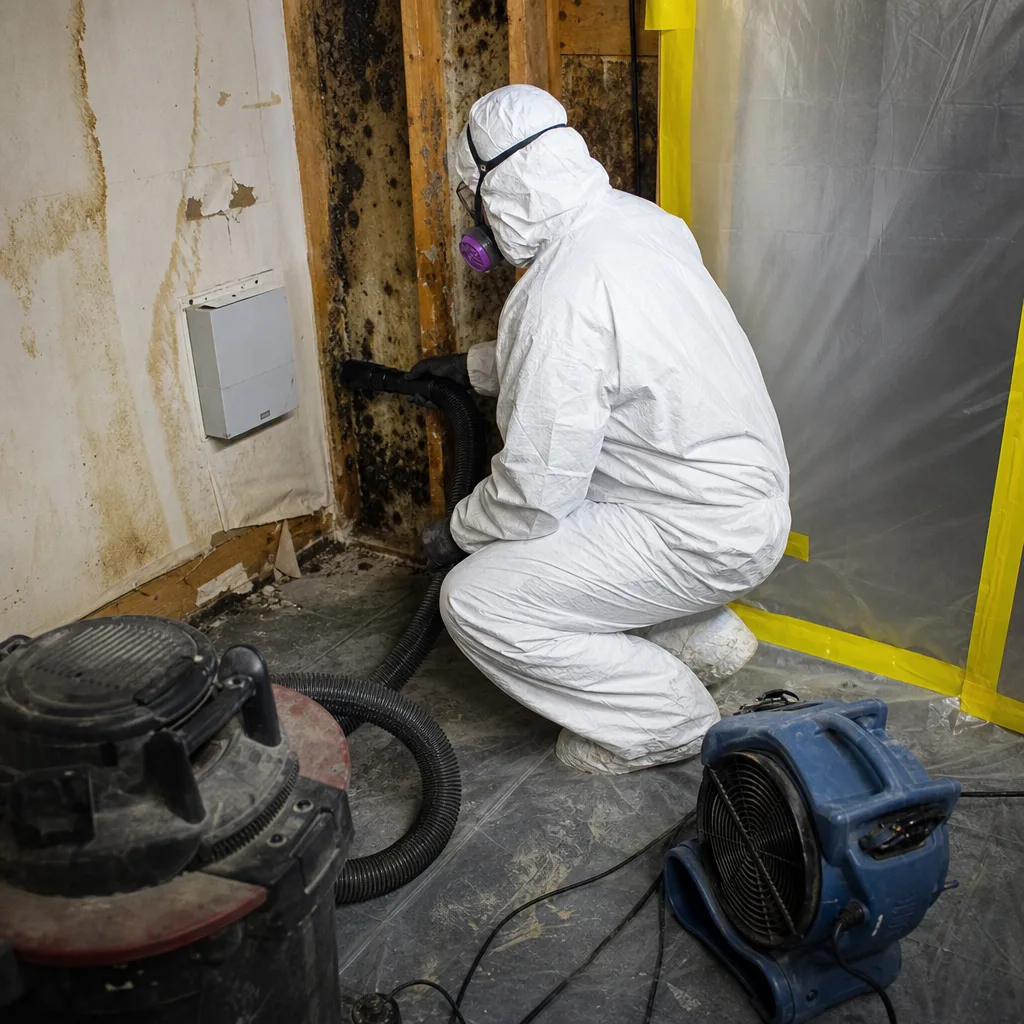
A nor’easter tears off a back door, a falling branch goes through a window, a kitchen fire knocks out an alley-side wall. Now you have an open house in Queens, and that can’t wait for business hours. We board up openings with plywood and structural fasteners same-day, often within the hour we get the call. For Glendale’s attached townhomes, we secure the opening against weather and against the wrong kind of visitor, and we do it without damaging the brick or the frame any further.
Storm Damage Cleanup
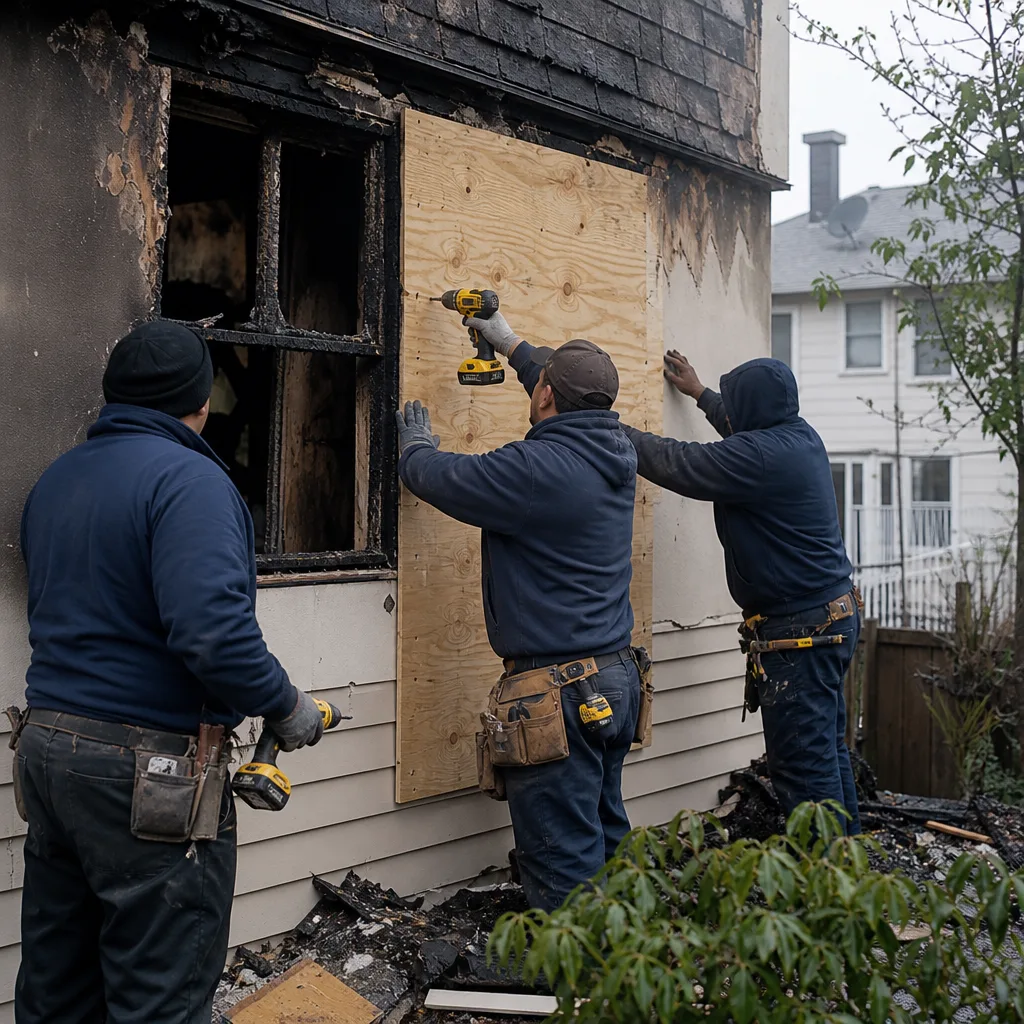
After the water’s out and the board-up’s done, there’s everything the storm left behind. Mud, debris, ruined insulation, waterlogged furniture, broken glass. We remove all of it, haul it away, and prepare the space for drying and rebuild. On Glendale’s tight streets and shared driveways, that means hand-carrying debris from alley-load basements where a dumpster can’t reach, which is the kind of work that separates a company that’s done this from one that’s guessing.
Roof Tarping
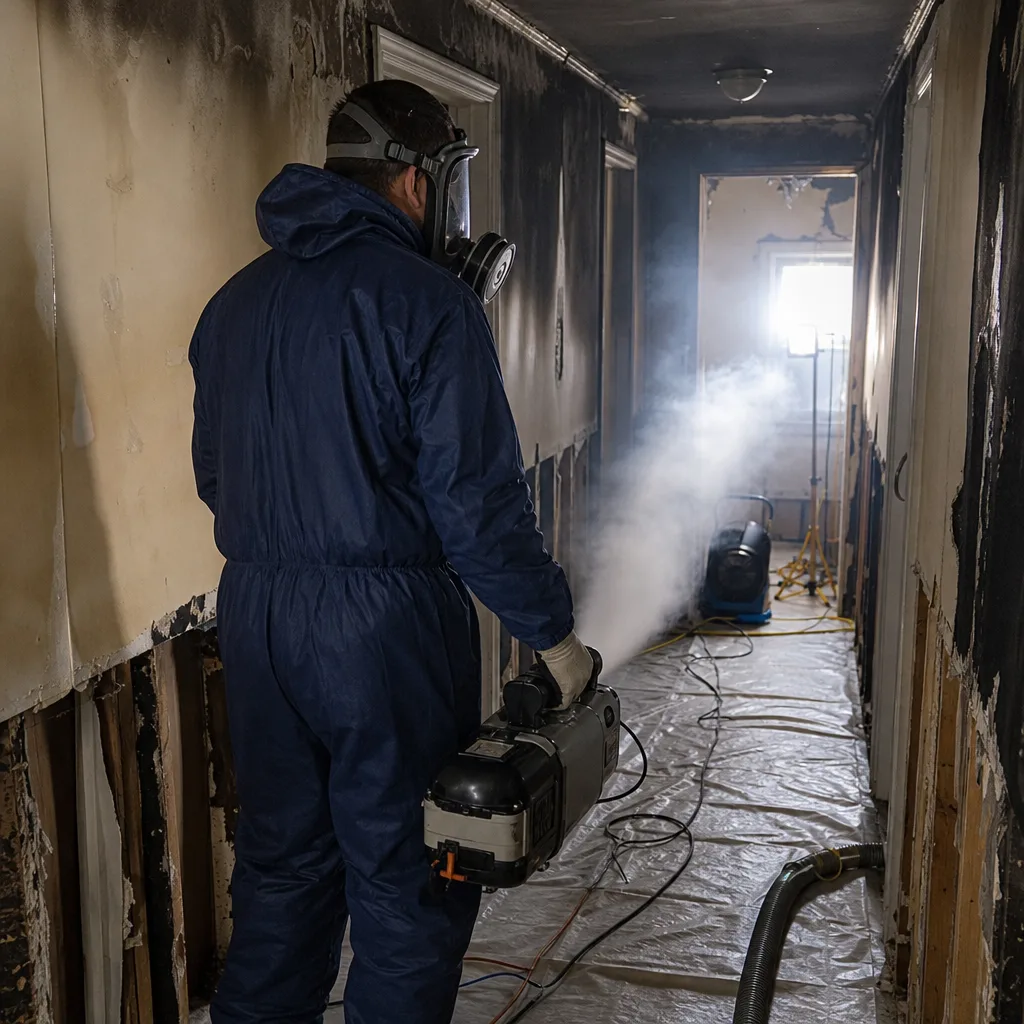
When wind rips shingles or flashing off a 1920s rowhouse roof, water gets into the top-floor unit and travels down through walls to the floors below. We tarp immediately to stop the water at the source, then work with the owner and the insurance carrier on the permanent repair. A properly secured tarp beats a blue sheet from the hardware store, because Glendale’s fall and winter winds will find any edge that wasn’t nailed down right.
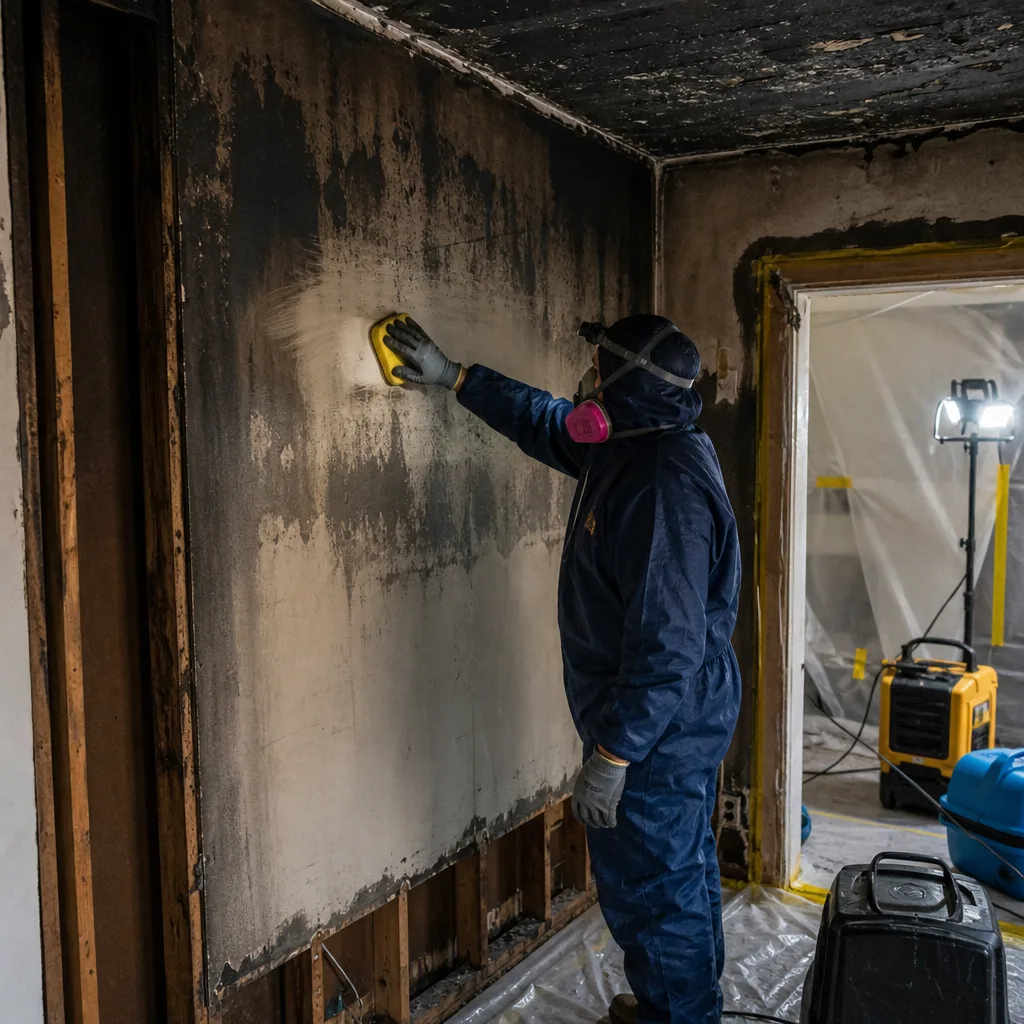
Debris Removal
Storms leave behind more than water. Fallen trees, broken fencing, sections of siding, whatever the wind carried in. We clear it fast and properly, because leaving storm debris against a building keeps moisture against the brick and creates a path for pests. In Glendale’s attached housing stock, debris piled against a shared wall is bad for both owners, not just the one whose tree came down.
What happens when you call
- 1
A real person answersNo phone trees - you reach a local pro.
- 2
You get an upfront price rangeHonest numbers before anyone is dispatched.
- 3
A background-checked tech heads outLicensed & insured, dispatched right away.
- 4
You approve before work beginsNothing starts until you say go.
Storm & Disaster Restoration Costs in Glendale, NY
We’re going to give you real numbers, because the national franchises won’t. A typical storm water cleanup in a Glendale finished basement, no sewage involved, runs $2,800 to $5,400 depending on how much drywall and flooring comes out. If the combined sewer backed up and you’re dealing with Category 3 water, expect $5,000 to $9,500 for full containment, disinfection, removal, and drying. Emergency board-up for a broken window or door runs $350 to $800 on the day of the loss, more if we’re securing a whole storefront or a compromised wall. Roof tarping starts around $500 to $1,200 for a standard rowhouse roof, depending on access and pitch. What moves the price: whether the damage crossed a party wall into another unit, how long the water sat before we arrived, whether your basement is finished, and whether the adjuster wants us to dry in place or tear out. If insurance covers the loss, which most storm and flood claims do, you’re responsible for the deductible and the rest goes through the carrier directly. The fastest way to a firm number is a free visual inspection. Call (363) 208-1526 and we’ll walk it with you. There’s no charge for that and no trip fee inside our own county.
We Also Serve Cities Near Glendale
Wade’s Restoration handles storm and disaster restoration throughout the surrounding boroughs, including Astoria, Flushing, Lower Manhattan, and the Financial District. If you’re in one of those neighborhoods and you’ve got water coming in or a board-up that can’t wait, call the same number: (363) 208-1526.
Serving Glendale, NY - Our Local Coverage Area
We’re based in the Glendale area and know this community well. Use the map below to see our service coverage - if you’re nearby, we can almost certainly help.
Glendale Storm & Disaster Restoration Questions, Answered
If my Glendale row house basement floods from a sewer backup during a heavy rain, is it Category 3 water?
Yes. When New York City’s combined sewer system surcharges during heavy rainfall and forces sewage back through your floor drain, that water is Category 3 black water. It contains pathogens and requires full PPE, containment, and EPA-registered disinfection before any drying begins. In Glendale, we treat every sewer backup as contaminated until proven otherwise, no matter how clear the water looks.
Why did water damage in my attached brick house show up on the neighbor’s side of the wall?
In Glendale’s attached brick row houses, built mostly between 1910 and 1940, each pair of homes shares a true masonry party wall with a continuous basement slab beneath both units. Water in one basement wicks laterally through the brick and under the party wall into the adjacent unit, often traveling through wall cavities and behind plaster before it becomes visible. We moisture-map both sides of the party wall on every Glendale job to catch this before it becomes a contested claim. Call (363) 208-1526 if you suspect lateral migration.
How fast can mold start in a finished Glendale basement after a flood?
Mold can begin colonizing wet drywall, carpet, and wood within 48 to 72 hours, faster in summer when Glendale basements are warm and humid. Finished basements are especially vulnerable because moisture gets trapped behind drywall and under flooring where it never dries on its own. That’s why we commit to being on-site within 45 minutes of your call to Glendale and why extraction and drying start the same day, not the day after.
Do I need NYC DOB approval to restore a two-family row house after a storm damaged a shared wall?
It depends on the extent of the damage, but in Glendale, any structural work involving a shared party wall often requires coordination with the NYC Department of Buildings and the adjacent owner. If the storm compromised brickwork, lintels, or the party wall itself, you may need a professional engineer’s report and DOB permits before permanent repair work can proceed. We handle that coordination as part of the restoration, and we’ll tell you upfront if your job needs permits. The emergency board-up and water extraction can proceed immediately regardless.
What emergency board-up does a Glendale townhome need after wind or fire damage to an alley-side door or window?
Any opening that’s no longer weather-tight or secure needs boarding up the same day, especially on Glendale’s alley-load homes where a broken door or window is an invitation to both weather and trespassing. We use plywood cut to the exact opening, secured with structural fasteners that won’t pull out in high wind, and we’re careful not to further damage the brick or the frame. We can have a crew on-site within the hour. Call (363) 208-1526 and we’ll head out.
How much does storm water cleanup cost in Glendale compared to nearby areas?
Glendale pricing runs slightly higher than open-lot suburban areas because of the attached housing stock. A finished-basement storm cleanup here typically runs $2,800 to $5,400, and if it’s a Category 3 sewer backup, $5,000 to $9,500. The attached-brick factor means jobs often involve multiple units, tighter access, and more complex drying, all of which is reflected in the number. Insurance covers most storm and flood claims, leaving you responsible for the deductible.
How long does storm restoration take on a Glendale row house?
For a typical flooded basement, drying takes 3 to 5 days with Dri-Eaz dehumidifiers and XPOWER air movers running continuously. Full restoration, including drywall replacement, flooring, and paint, usually runs 2 to 4 weeks depending on insurance approval and material availability. What slows Glendale jobs down is coordinated access to shared walls, DOB permit timelines when structural work is involved, and the fact that we’re often coordinating with a neighbor’s insurance carrier at the same time as yours.
Can I stay in my Glendale home during storm restoration?
Often yes, but it depends on the loss. If we’re dealing with Category 3 sewage backup in a finished basement, you’ll want to stay out of the affected space while containment is up and air scrubbers run, but the upper floors may be fine. If the storm damaged structural elements or fire compromised your unit, you may need to relocate temporarily. We’ll tell you straight within 15 minutes of walking the property what’s safe and what isn’t. We never overstate the risk to pressure a decision, and we never understate it either. Call (363) 208-1526 for an exact answer on your situation.
If your Glendale basement is flooding right now, call (363) 208-1526. If you want to know whether the water went through the wall into the neighbor’s unit, call the same number. Wade Ferris answers his own phone, and he’ll come look at it himself. No charge for the inspection, no trip fee in the county, and a written scope before any work starts. If it’s not done right, we come back and make it right. That’s in writing on every water, fire, and mold job we take in Glendale.
Written by Wade Ferris, Owner at Wade’s Restoration, serving Glendale and the surrounding New York City area since 2007.