
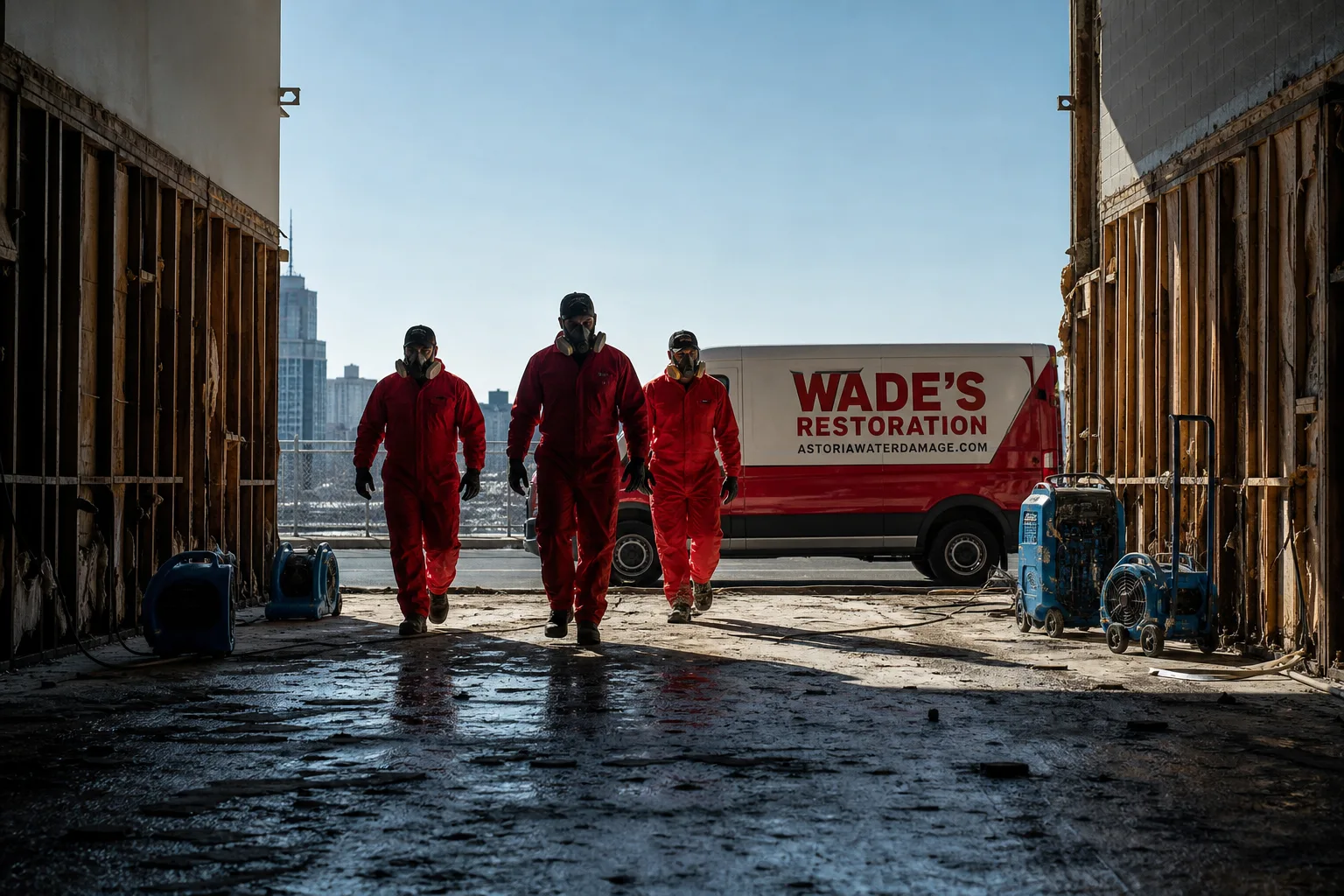
Free visual inspection and a written scope of work before any mitigation begins - photos, moisture readings, and drying logs go in your claim file
The scope we write is the scope we bill. Anything new gets shown to you, in writing, before we touch it.
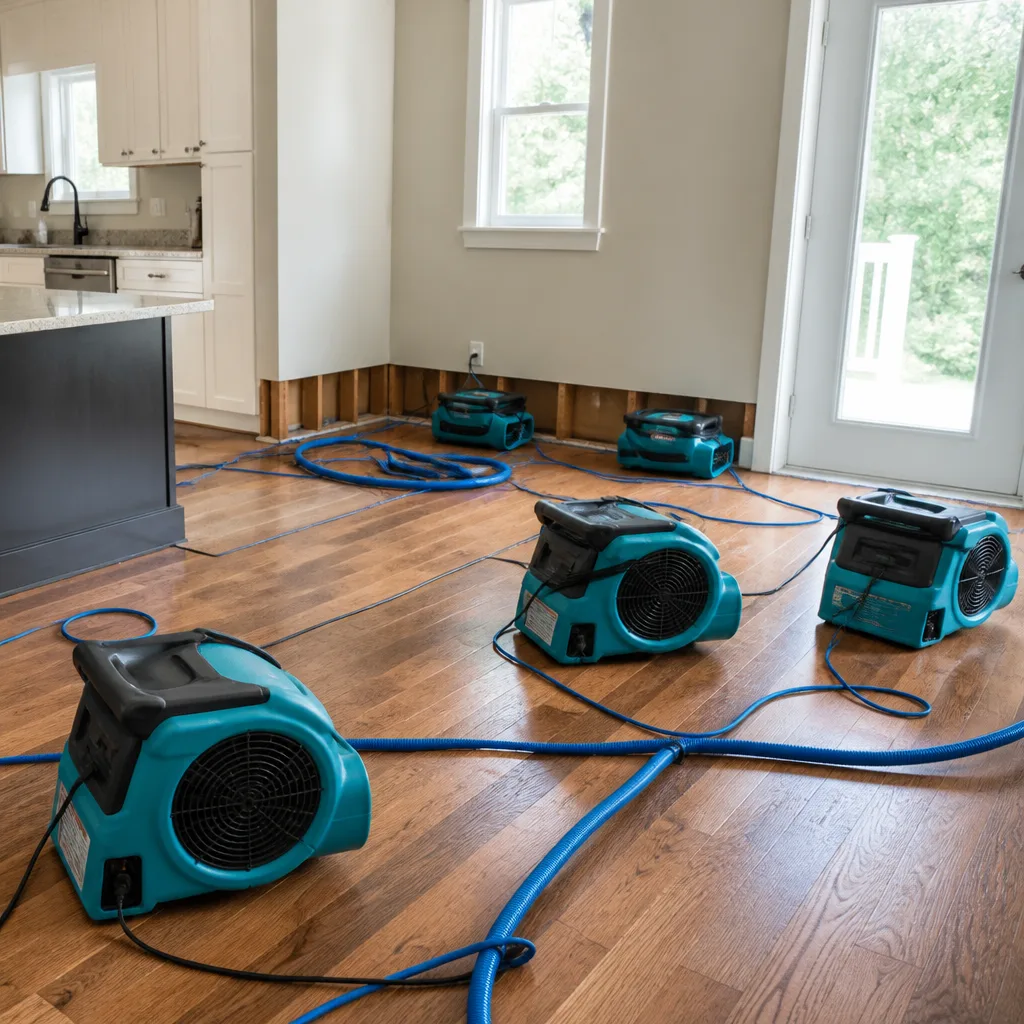
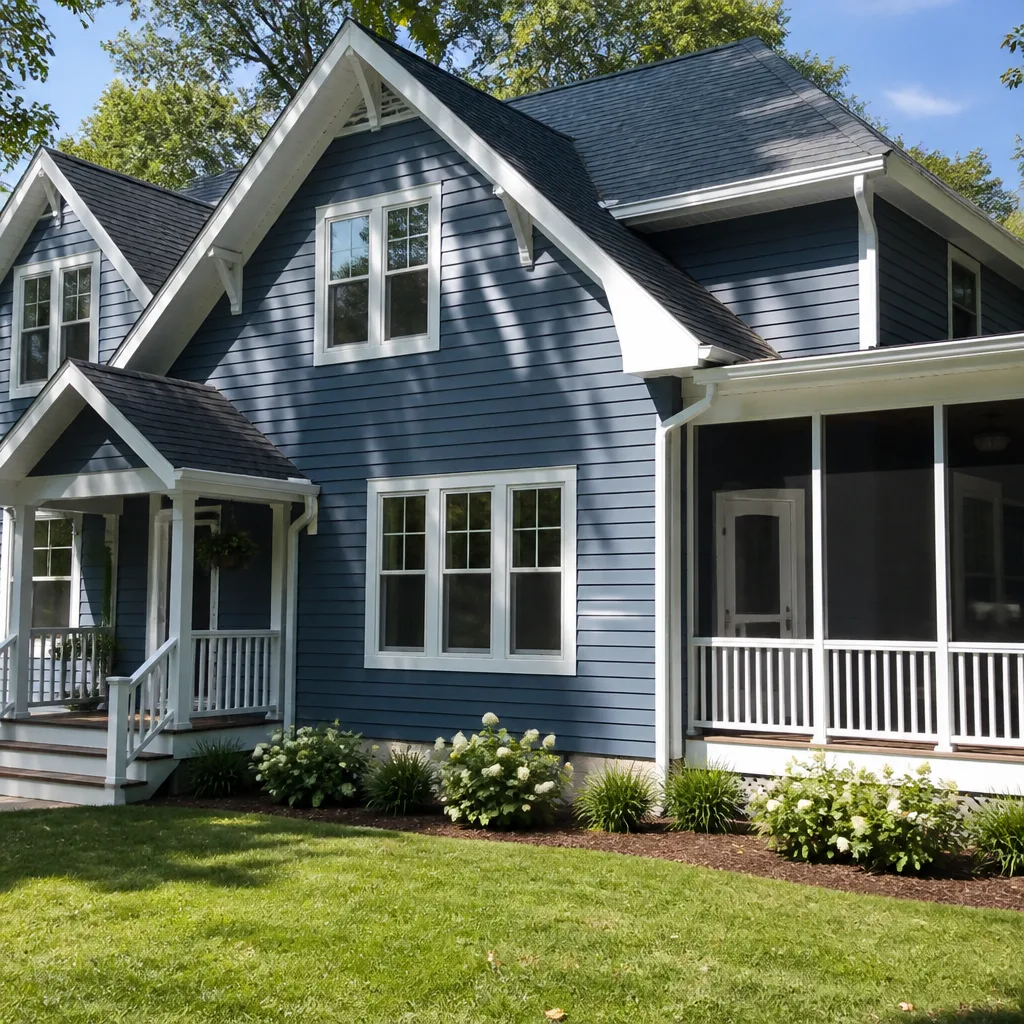
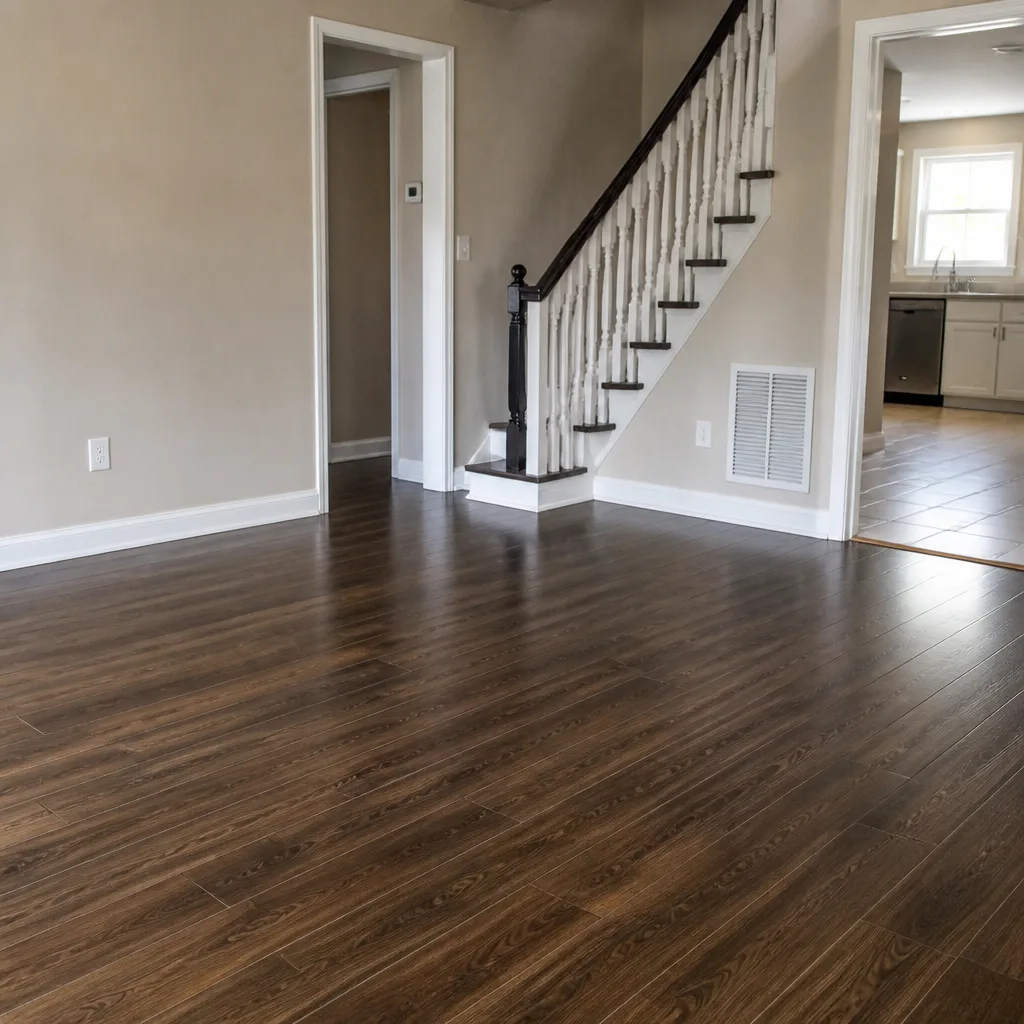
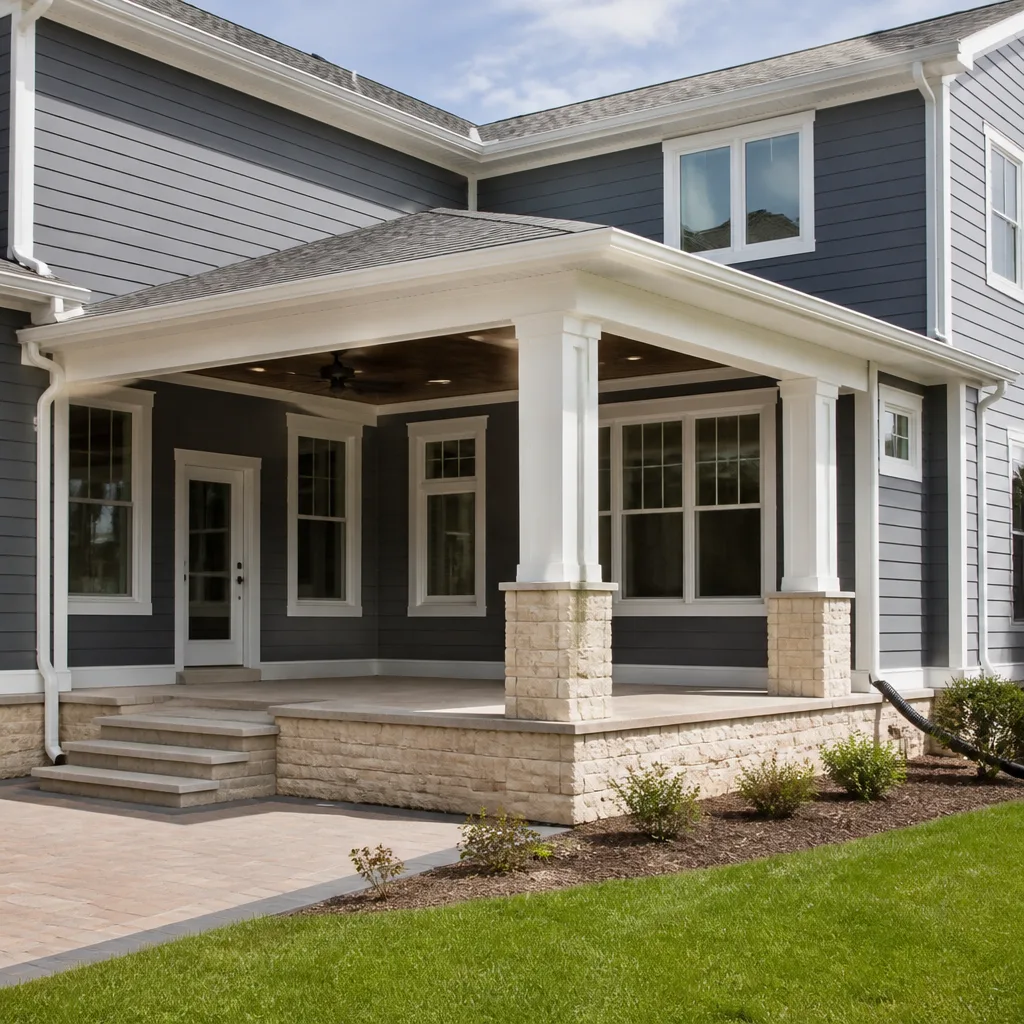
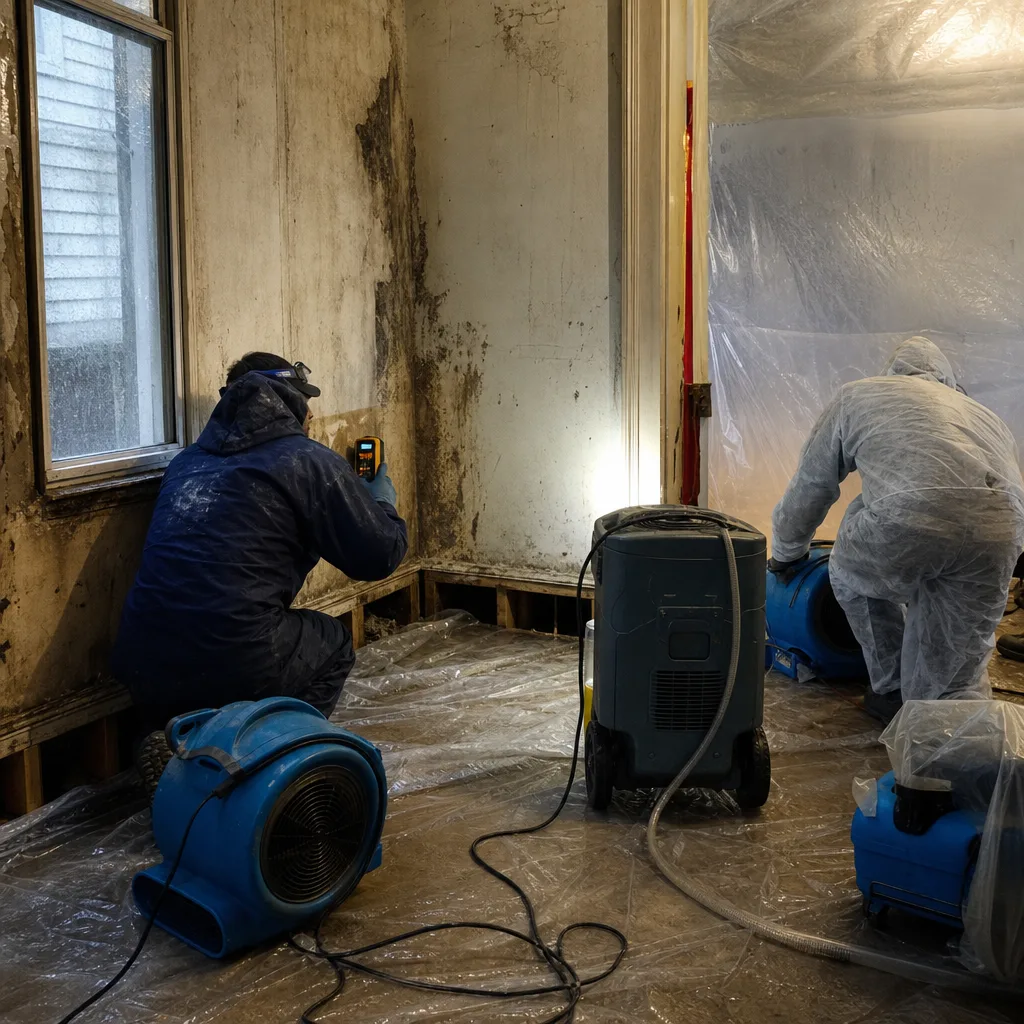 Before
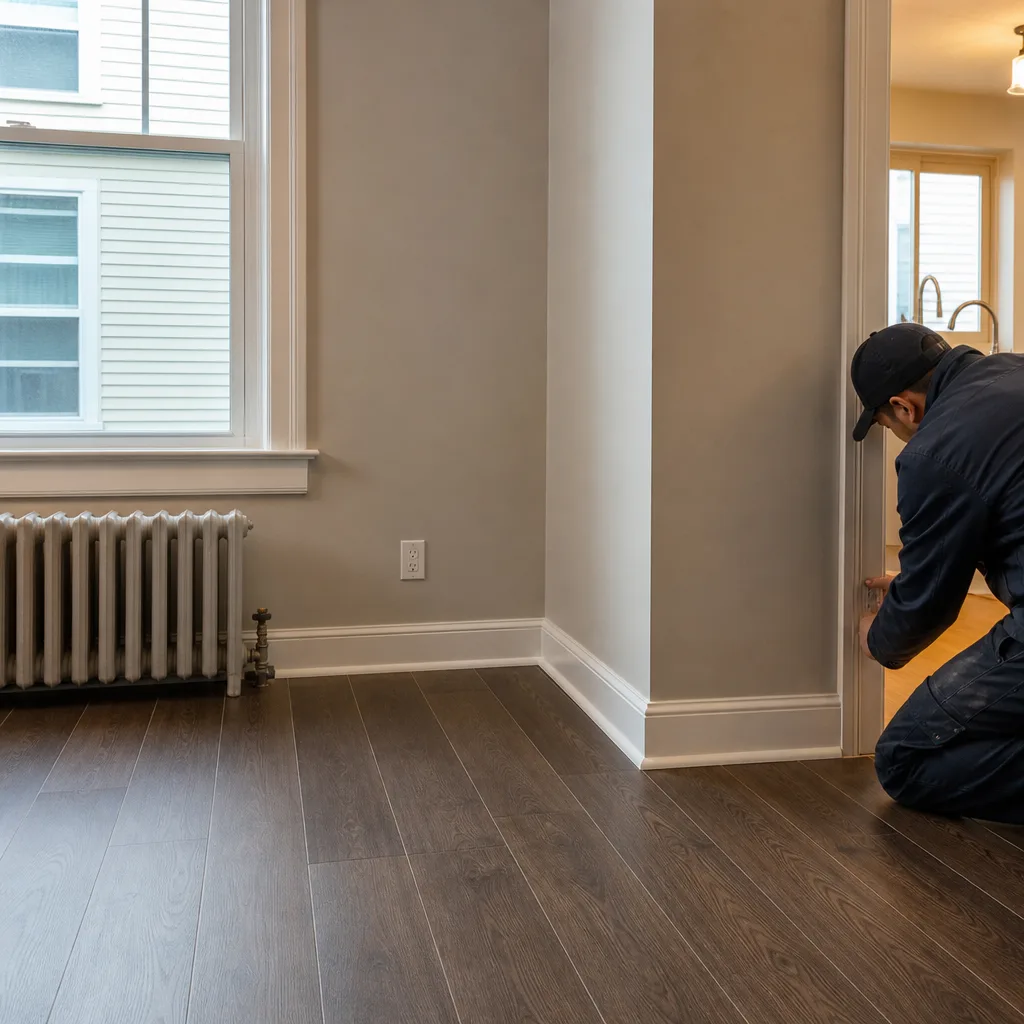 After
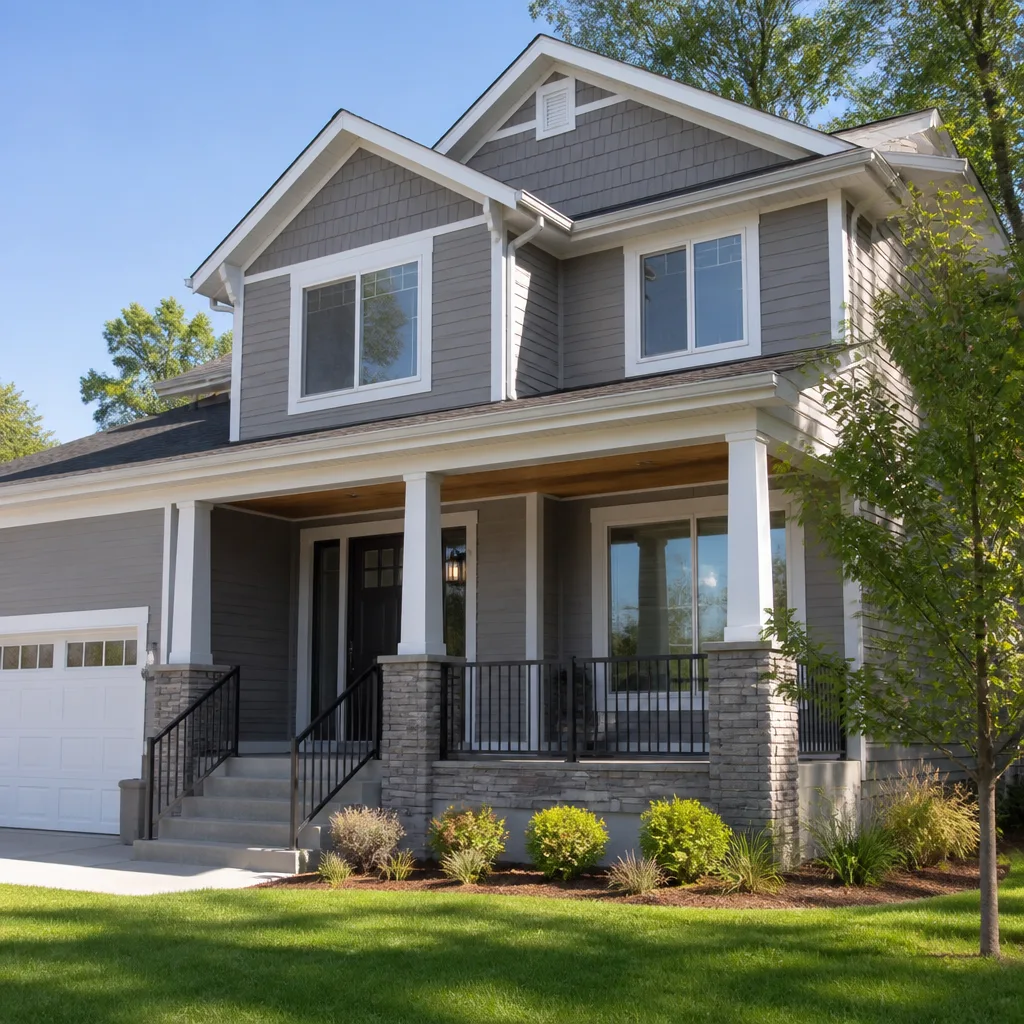
After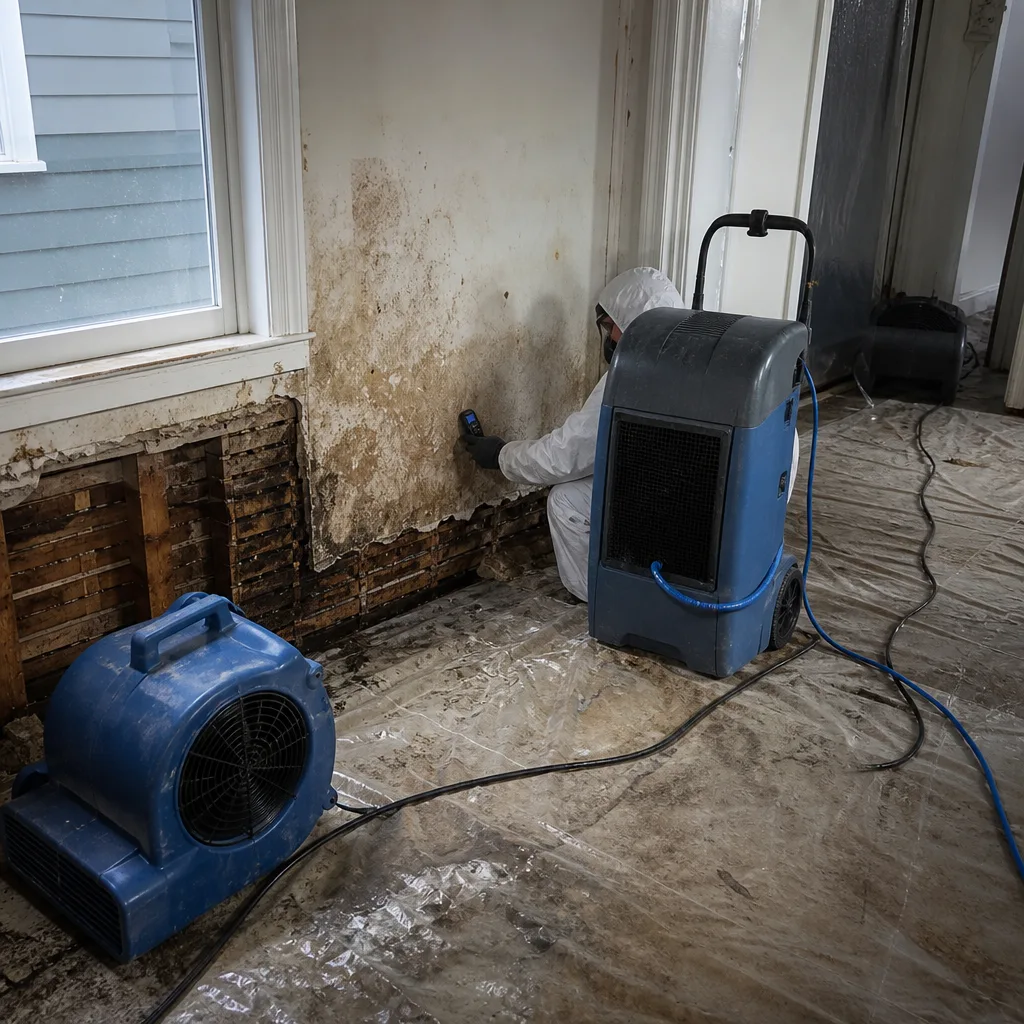 Before
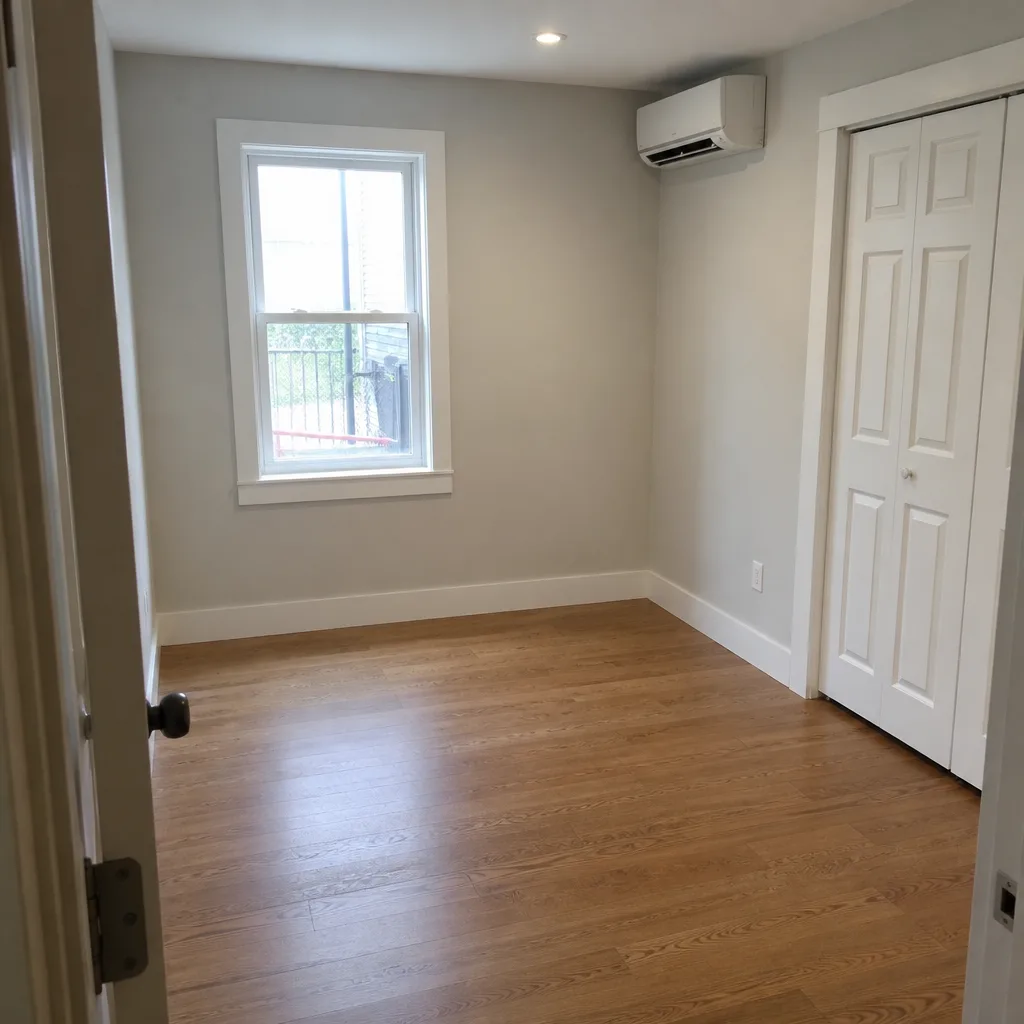 After
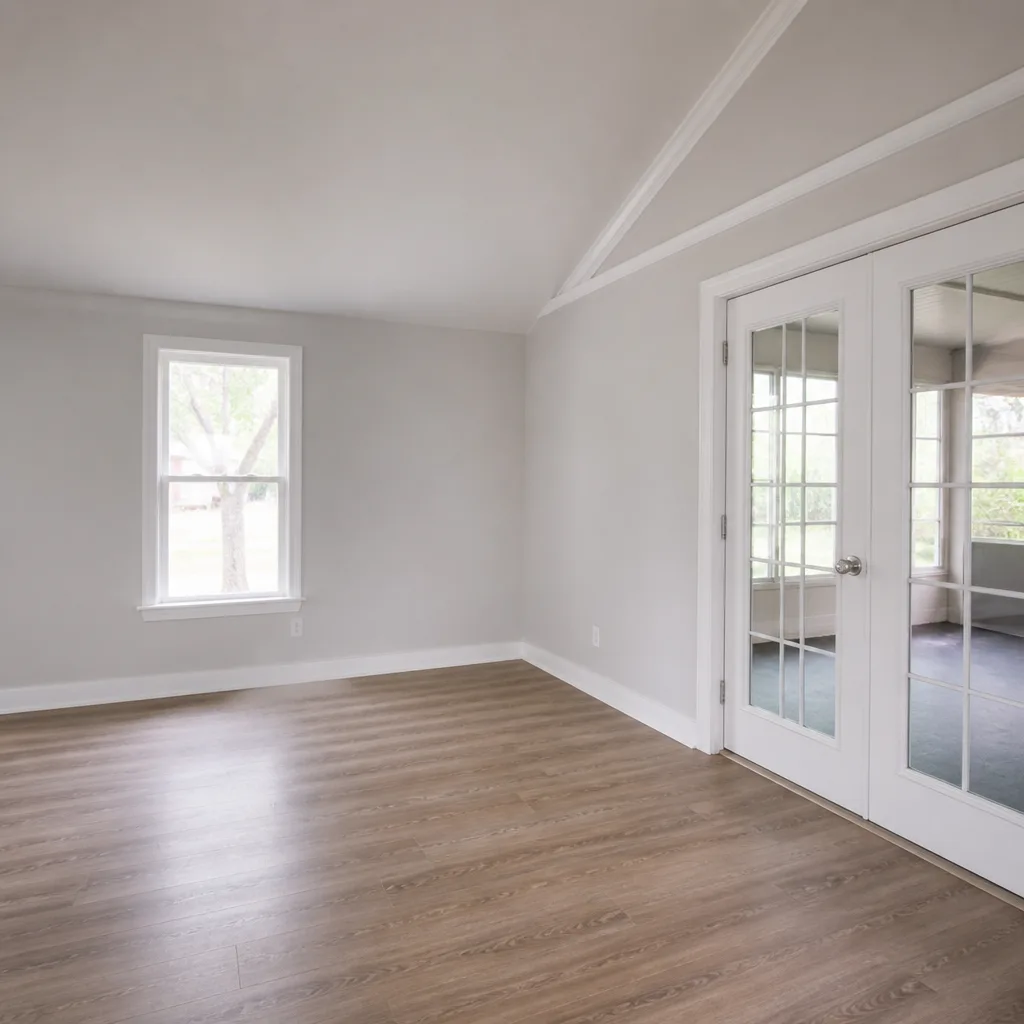
After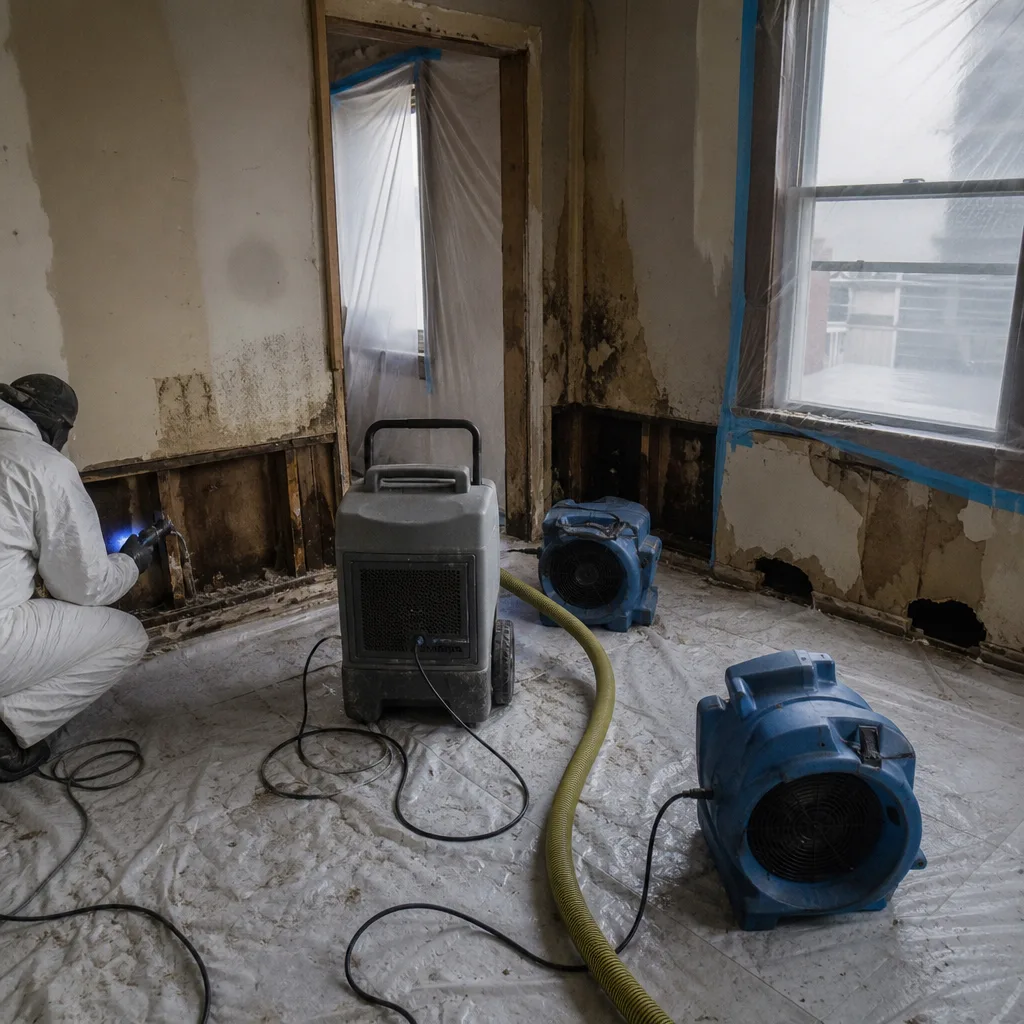 Before
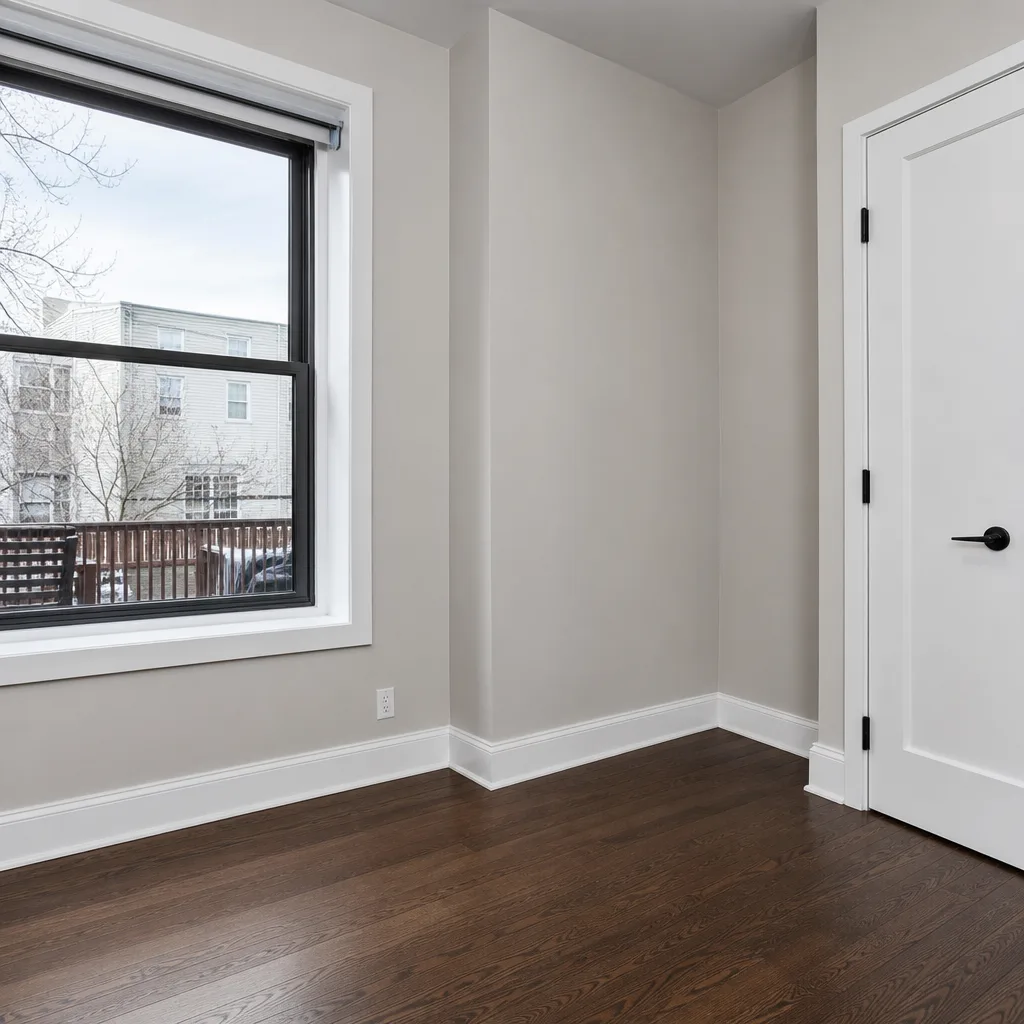 After
After24/7 Emergency Commercial Restoration in Long Island City
Commercial restoration in Long Island City moves fast, because the damage here moves faster. Wade’s Restoration answers live around the clock, and our crews reach LIC addresses inside the hour. Call (363) 208-1526 right now and you’ll get Wade himself, not a call center. We walk you through the first thirty minutes, tell you what to shut off, what to stay away from, and whether that water is clean, gray, or Category 3 black water from a Newtown Creek sewer backup. Free visual inspection, no trip charge in the county, and one team from the first extraction to the final coat of paint.
Understanding Commercial Restoration Severity in Long Island City Properties
Long Island City does not do “simple” water damage. The neighborhood’s building stock swings from post-2010 glass towers with sophisticated mechanical, electrical, and plumbing systems to early-1900s converted factories with original brick, timber, and laterals that predate modern sewer separation. That split changes everything about how we assess a loss. A ground-floor retail flood in Hunters Point requires moisture mapping with thermal imaging, drying logs with Dri-Eaz and Phoenix equipment, and coordination with building engineers who manage curtain-wall systems. A basement flood in Dutch Kills after two inches of rain means something else entirely: combined sewer overflow, Category 3 black water, and full containment with HEPA air scrubbing before any structural drying begins. We classify water by contamination level, map moisture across structural cavities, and treat every material according to what it actually is, not what a building super hopes it is. Asbestos-containing materials and lead paint surface in pre-1930 factory conversions, which stops a restoration job cold until abatement is handled. Knowing all this before we open a wall is what separates a real LIC restoration outfit from a franchise that shows up with a truck and a guess.
Why Long Island City Property Owners Choose Wade’s Restoration
- 45-minute response commitment – Wade heads out the moment you hang up. Our crews are positioned to reach Long Island City addresses inside the hour, and often faster for waterfront blocks along Vernon Boulevard and Jackson Avenue.
- 24/7 live answer, every single time – You get a real person. Wade answers his own phone. No voicemail tree, no answering service, no “someone will call you back.”
- IICRC-certified crews – Water damage, fire and smoke, and mold remediation certifications back every job. The people we send know the difference between Category 1 and Category 3 water and act accordingly.
- Free visual inspection – We look before we quote. You get a straight answer about what actually needs to happen, not a scare tactic.
- Direct insurance billing – We bill your carrier directly and deal with your adjuster ourselves. You are never the one stuck relaying information between two sides.
- One team from extraction to reconstruction – The same crew that pumps the water out is the crew that rebuilds the wall. No handoffs, no dropped details.
Our Commercial Restoration Process
Inspection & Assessment
We arrive, walk the full loss site, and tell you straight what we’re dealing with. Thermal imaging and hygrometers map moisture you cannot see. If we’re in Dutch Kills after rain, we assume Category 3 and test accordingly.
Extraction/Stabilization
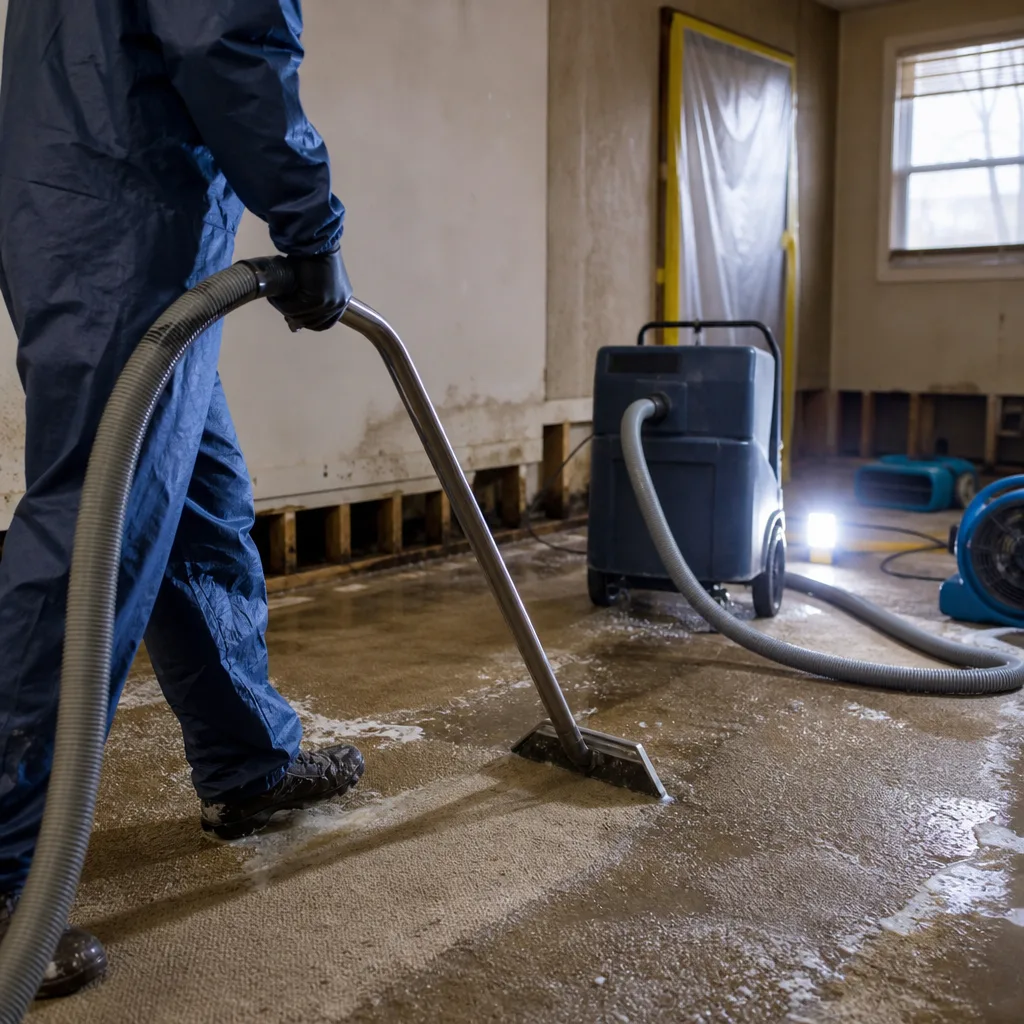
Water comes out fast with truck-mounted extraction units. Flood cuts, controlled demolition, and containment go up where needed. We board up and tarp anything exposed to weather or street access.
Drying & Dehumidification
Air movers and LGR dehumidifiers run continuously, with hygrometers tracking daily progress toward pre-loss conditions. You get the full drying log at the end, every reading, every day. Nobody in the trade does this routinely. We do.
Cleaning & Sanitization
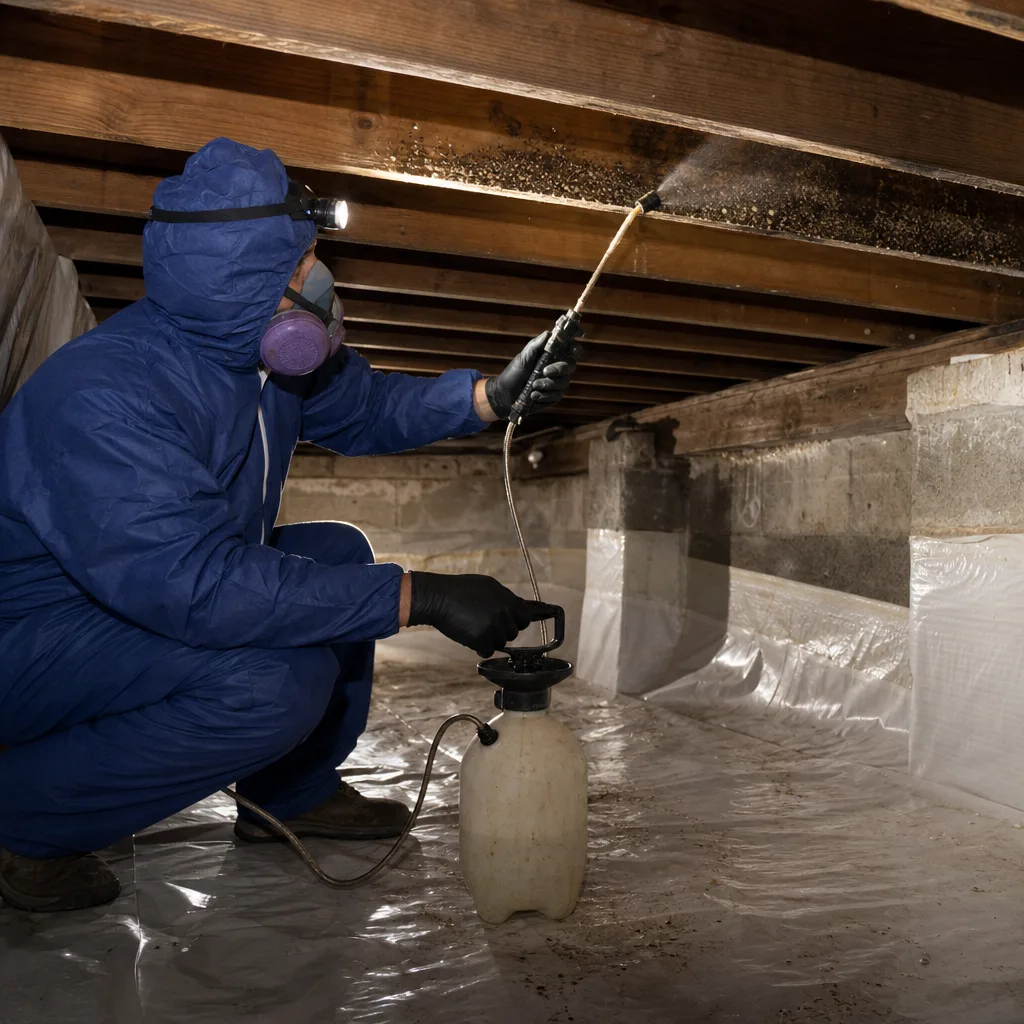
HEPA air scrubbers filter airborne contaminants. Antimicrobial treatments are applied where Category 3 water touched surfaces. We clean what can be saved and dispose of what cannot.
Commercial Inventory & Document Recovery
Business-critical documents, electronics, and inventory get priority triage. We pack out what needs off-site treatment, photograph everything for your insurer, and freeze-dry paper records where viable.
Repairs & Restoration
The final phase is rebuilding to pre-loss condition or better. Drywall, flooring, electrical, paint, and anything else the building needs. Same crew, same accountability.
Need Emergency Commercial Restoration in Long Island City Now?
Crews minutes away, answering live 24 hours a day. The sooner we start, the less it costs.
Working With Your Insurance Company
You should not be the one deciphering a policy at midnight after a flood. Wade’s Restoration handles the adjuster directly. From the first hour, we document the loss the way an insurer needs to see it: dated photos, room-by-room damage logs, moisture readings, and a line-item scope of work that holds up. The IICRC standards we follow are the same standards most carriers reference in their own guidelines, which keeps the claim moving. We have been doing this since 2007, and our 90-Day Done Right Promise is in writing on every water, fire, and mold restoration job. If something is not done right, Wade makes it right. No gray area.
What We Provide Your Insurer
- Thorough documentation of the loss
- Photos of all damage, room by room
- Moisture readings and drying logs
- A detailed, line-item scope of work
- Direct coordination with your carrier
Built for Long Island City’s Loss Calendar
Long Island City floods. Not every year with hurricane force, but often enough that any building owner or property manager here should know the rhythm. January and February bring deep freezes that burst supply lines in unheated warehouse bays and vacant retail units. The thaw that follows turns basement seepage into a weekly call, especially in older factory buildings along the interior blocks of Dutch Kills where drainage is poor. Summer thunderstorms overwhelm the combined sewer system, and ground-floor spaces along Skillman Avenue and 43rd Avenue take on Category 3 water through floor drains. Nor’easters in the fall and winter push the East River up and into Hunters Point, bringing salt water into parking garages, loading docks, and mechanical rooms. Each season has its pattern, and we plan our presence around them. You should too. A building that has not had its basement check valves and backflow preventers inspected is one storm away from a business interruption you cannot afford.
Commercial Restoration Across Long Island City’s Neighborhoods
Hunters Point is the luxury waterfront corridor, and when water gets into one of those towers, it travels vertically through chase walls, elevator shafts, and MEP channels. Our response route down Vernon Boulevard puts us at the base of those buildings fast, and we coordinate with building management on elevator lockouts and loading dock access. In Dutch Kills, the story is sewage. The old brick sewer laterals under those streets provide no separation between stormwater and sanitary flow, so a rain event means Category 3 floodwater in any ground-floor commercial loft. We have done enough of these to know that building supers will call it groundwater. It usually is not. Court Square and Queens Plaza have the transit-hub density, where water damage in one retail space becomes a cascading issue for adjacent tenants and the MTA infrastructure below grade. Over on 21st Street, industrial facilities and fabrication shops face a different problem: heavy equipment, production lines, and raw materials that cannot simply be moved out and dried. Our team knows how to work around active production while still hitting drying targets. Response across these blocks differs as much as the buildings themselves, and we know the difference between a Hunters Point tower call and a Dutch Kills loft call before we arrive.
Specialized Commercial Restoration Services We Offer in Long Island City
Office & Retail Restoration
A flooded office on Jackson Avenue means lost documents, damaged electronics, and a staff that cannot work. We get the space dried, sanitized, and back to operational fast, with inventory recovery and document triage as part of the package.
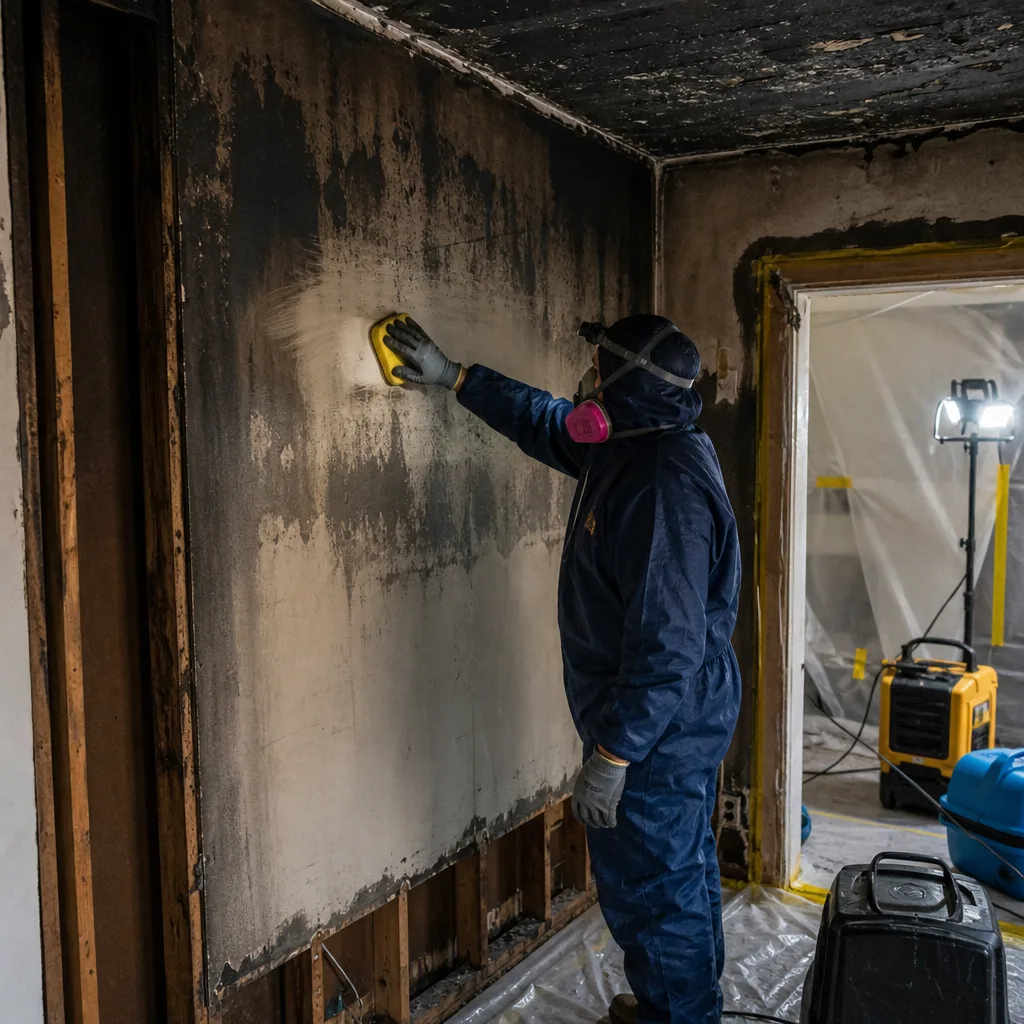
Multi-Unit & HOA Restoration
Condos and co-ops in Hunter Point towers and converted loft buildings need restoration that respects shared walls, common areas, and board protocols. We work directly with HOAs and property managers, and we handle the insurance communication so the board does not have to chase adjusters.
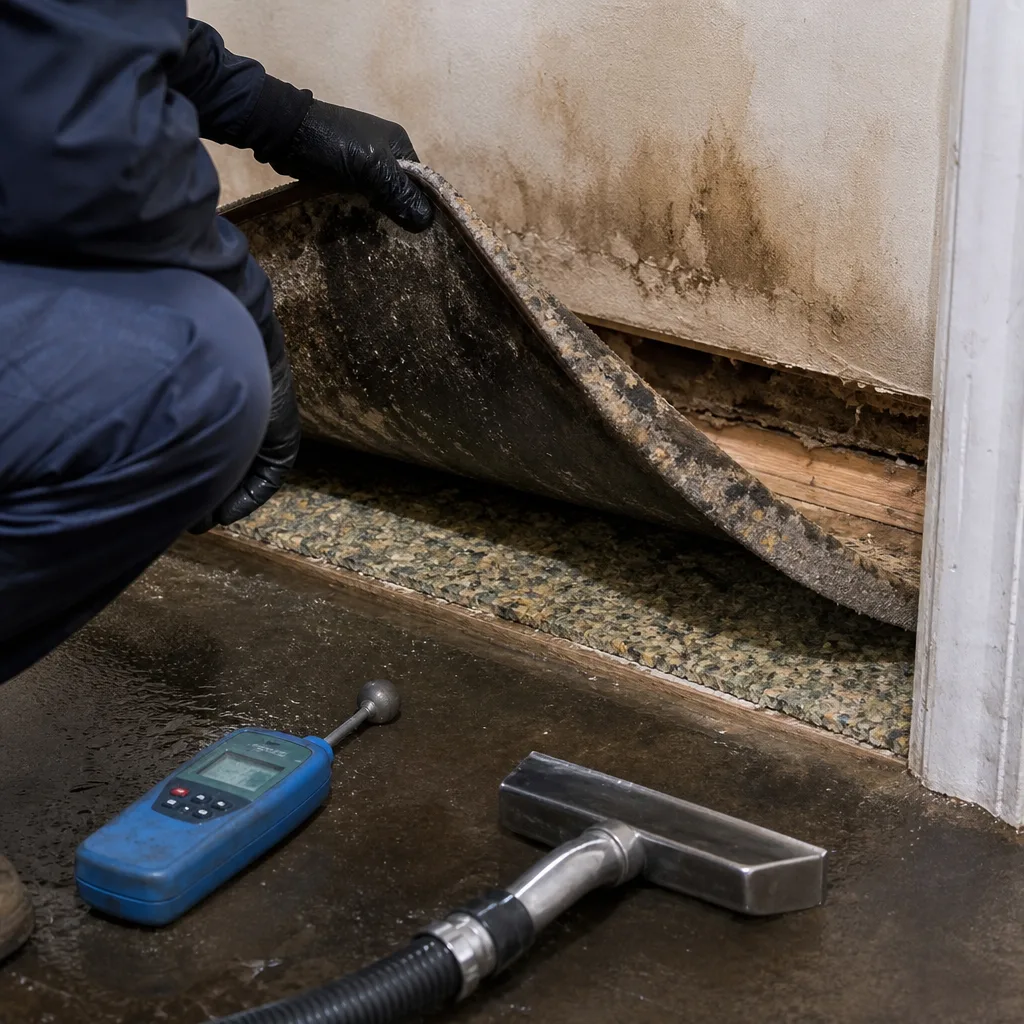
Industrial Facility Cleanup
21st Street and the industrial blocks near Newtown Creek hold production facilities, warehouses, and fabrication shops. Our crews are used to working around racking, production lines, and sensitive equipment. Dri-Eaz and Phoenix drying equipment handles large cubic footage without tearing down more than necessary.
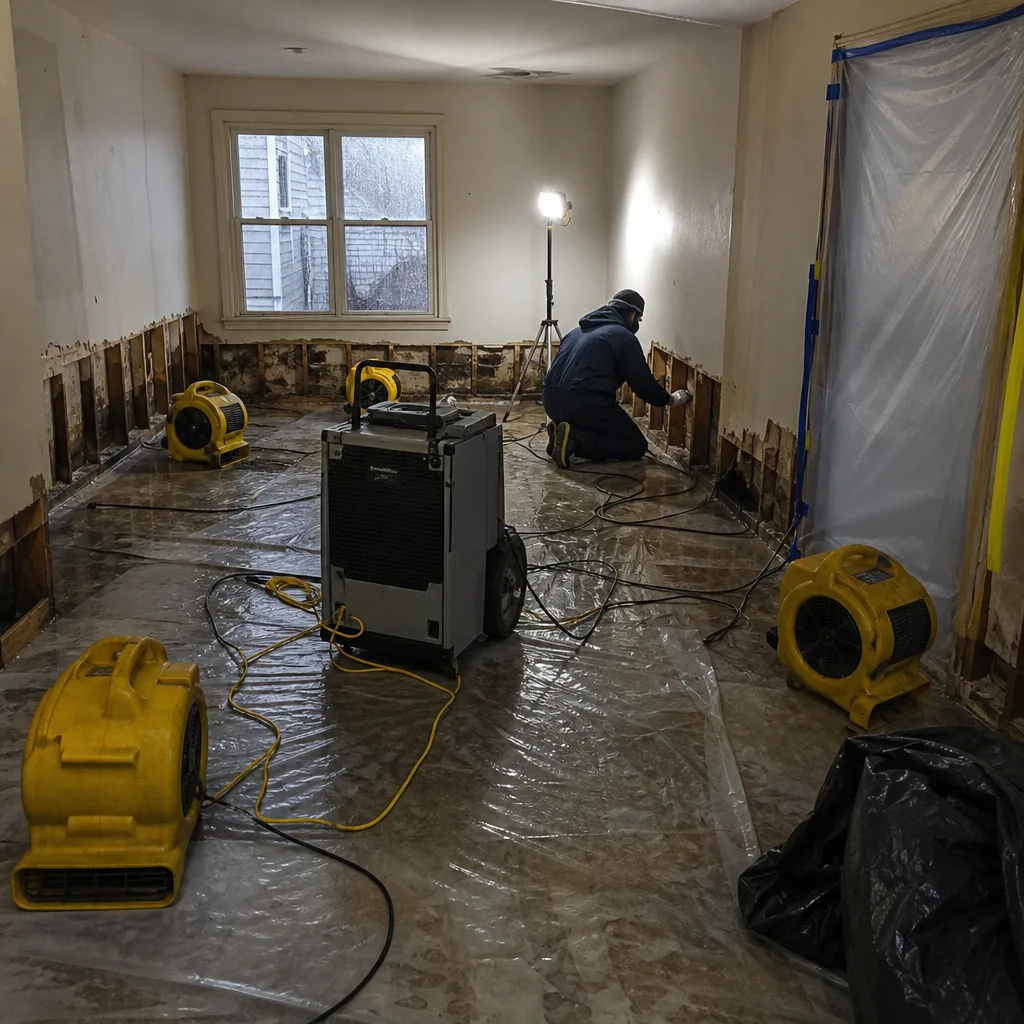
Large-Loss Response
When an entire building takes on water or fire damage, the job needs multiple crews, a structured scope, and clear communication. Wade personally oversees large-loss jobs in Long Island City. That is the owner’s name on the response plan, not a project manager you will never meet.
Business Interruption Minimization
Every day a shop, office, or facility is closed costs money no policy fully recovers. We prioritize the spaces that generate revenue first, getting retail storefronts and production areas operational while secondary spaces continue drying. Speed here is not a sales tactic. It is the entire point.
What happens when you call
- 1
A real person answersNo phone trees - you reach a local pro.
- 2
You get an upfront price rangeHonest numbers before anyone is dispatched.
- 3
A background-checked tech heads outLicensed & insured, dispatched right away.
- 4
You approve before work beginsNothing starts until you say go.
Commercial Restoration Costs in Long Island City, NY
Long Island City restoration costs run higher than the Queens average because the buildings are more complex, the contamination risks are realer, and the stakes for business interruption are higher. A straightforward clean-water extraction and dry-out in a small retail space on Vernon Boulevard typically runs $2,500 to $7,500. Category 3 sewage-backup restoration in a Dutch Kills loft, with containment, antimicrobial treatment, and full structural drying, lands between $8,000 and $25,000 depending on square footage and how much demolition is required. Large-loss commercial jobs across multiple floors or an entire converted factory regularly exceed $75,000, and insurance is almost always in the room for those. What moves the price: the category of water, how far moisture has wicked up drywall, whether asbestos or lead abatement is required, and how fast you get restoration started. If you have to wait for an adjuster before anyone starts drying, the damage spreads and the final bill grows. We bill your carrier directly, provide the documentation they need to process the claim, and give you a written, line-item scope before work starts. Call (363) 208-1526 for a free visual inspection and a firm number, not an estimate over the phone that changes when we show up.
We Also Serve Cities Near Long Island City
Wade’s Restoration works throughout the LIC area, including commercial properties in Astoria and Flushing. Same response commitment, same live answer, same owner accountability. Commercial Restoration is what we do, everywhere we go. If your building is in Long Island City, you get us at our fastest.
Serving Long Island City, NY - Our Local Coverage Area
We’re based in the Long Island City area and know this community well. Use the map below to see our service coverage - if you’re nearby, we can almost certainly help.
Long Island City Commercial Restoration Questions, Answered
How does the Category 3 water from Newtown Creek sewer backups affect restoration scope in Dutch Kills commercial buildings?
Category 3 water from Newtown Creek sewer backups means full contamination protocol, not standard drying. We contain the affected area with plastic sheeting and negative air pressure, remove all porous materials that contacted the water, treat non-porous surfaces with antimicrobial agents, and run HEPA air scrubbers during the entire job. Porous materials like drywall, insulation, and carpet are cut out and disposed of, not dried and saved. This adds containment, disposal, and air-scrubbing costs, typically 40-60% above a clean-water job of the same size. Call (363) 208-1526 and we will explain exactly what your situation requires.
What’s the routine procedure after a nor’easter floods a Hunters Point luxury tower’s ground-floor retail?
We coordinate with building management to access the space, then map the water’s path vertically through the building. In curtain-wall towers, water travels through chase walls, elevator shafts, and mechanical cores, so we inspect adjacent units and common areas, not just the retail space. Extraction starts immediately, followed by daily moisture readings with hygrometers, drying logs shared with the building engineer and adjuster, and a written scope for repairs. The goal is getting the retail tenant back open while secondary drying continues behind containment.
Why do LIC garage-door springs fail so much faster than in neighboring Queens neighborhoods?
Salt air from the East River and Newtown Creek attacks galvanized steel springs, hinges, and tracks constantly. Near the Hunters Point waterfront, we see garage-door springs corroding and snapping within two to three years, leaving commercial bays stuck open and exposing the space to further salt spray and storm damage. We recommend stainless hardware, coated springs, and an annual corrosion inspection for waterfront loading docks and ground-floor garage doors. It costs far less than a snapped spring at 2 a.m. during a nor’easter.
When a commercial loft in Dutch Kills floods from a rain event, how do you know if it’s sewage or stormwater?
Assume sewage until proven otherwise. The old brick sewer laterals under Dutch Kills combine stormwater and sanitary flow, so any overflow after moderate to heavy rain is Category 3 black water. We test the water, but the protocol is the same either way: full containment, antimicrobial treatment, and disposal of porous materials. Building supers will often insist it is “just groundwater.” It is not, and treating it that way is how you end up with a mold problem six months later.
Can you restore business-critical documents and inventory from a flood in a converted industrial building without a full pack-out?
Yes, in many cases. We triage documents and inventory on site, identifying what needs immediate freeze-drying, what can be air-dried under controlled conditions, and what is beyond saving. Electronics get sent to a specialty recovery partner. The rest of your space gets restorative drying in place while the pack-out is limited to items that genuinely need off-site treatment. This gets a business back to operating faster without the cost and disruption of moving everything out.
How fast can you actually get to a Long Island City commercial property?
Forty-five minutes or less in most cases. Our crews are positioned for LIC response, and Wade monitors calls personally. After a major storm event, response times stretch, but we work down the list by severity, and commercial properties with active business operations get priority for revenue-critical spaces.
Will my insurance cover the restoration, or am I paying out of pocket?
Most commercial property policies cover sudden and accidental water damage, fire, and storm damage. Sewer backup coverage is an add-on endorsement some policies carry and others do not. We bill your carrier directly, document the loss in the format they require, and deal with the adjuster ourselves. If something is not covered, you will know before work starts, in writing.
What should I do in the first 30 minutes after discovering commercial water damage?
Shut off power to the affected area if you can do so safely. Do not enter standing water in a basement or ground-floor space in Dutch Kills or near Newtown Creek, because it may be sewage-contaminated and may be carrying electrical current. Move valuable documents and electronics to dry ground if reachable without risk. Then call (363) 208-1526. The first hour decides how much of your building is salvageable.
Written by Wade Ferris, Owner at Wade’s Restoration, serving Long Island City with commercial restoration since 2007.