
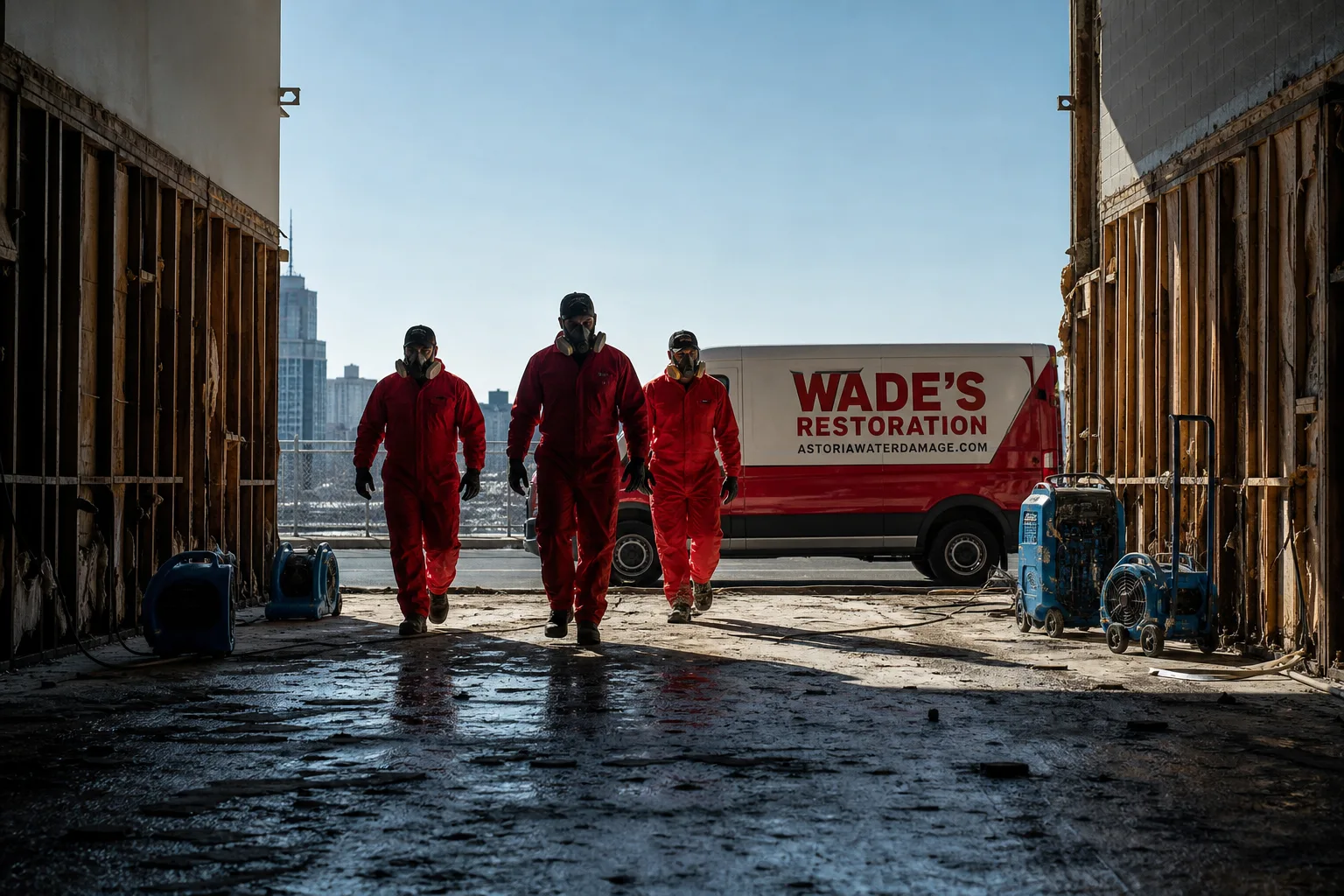
Free visual inspection and a written scope of work before any mitigation begins - photos, moisture readings, and drying logs go in your claim file
The scope we write is the scope we bill. Anything new gets shown to you, in writing, before we touch it.
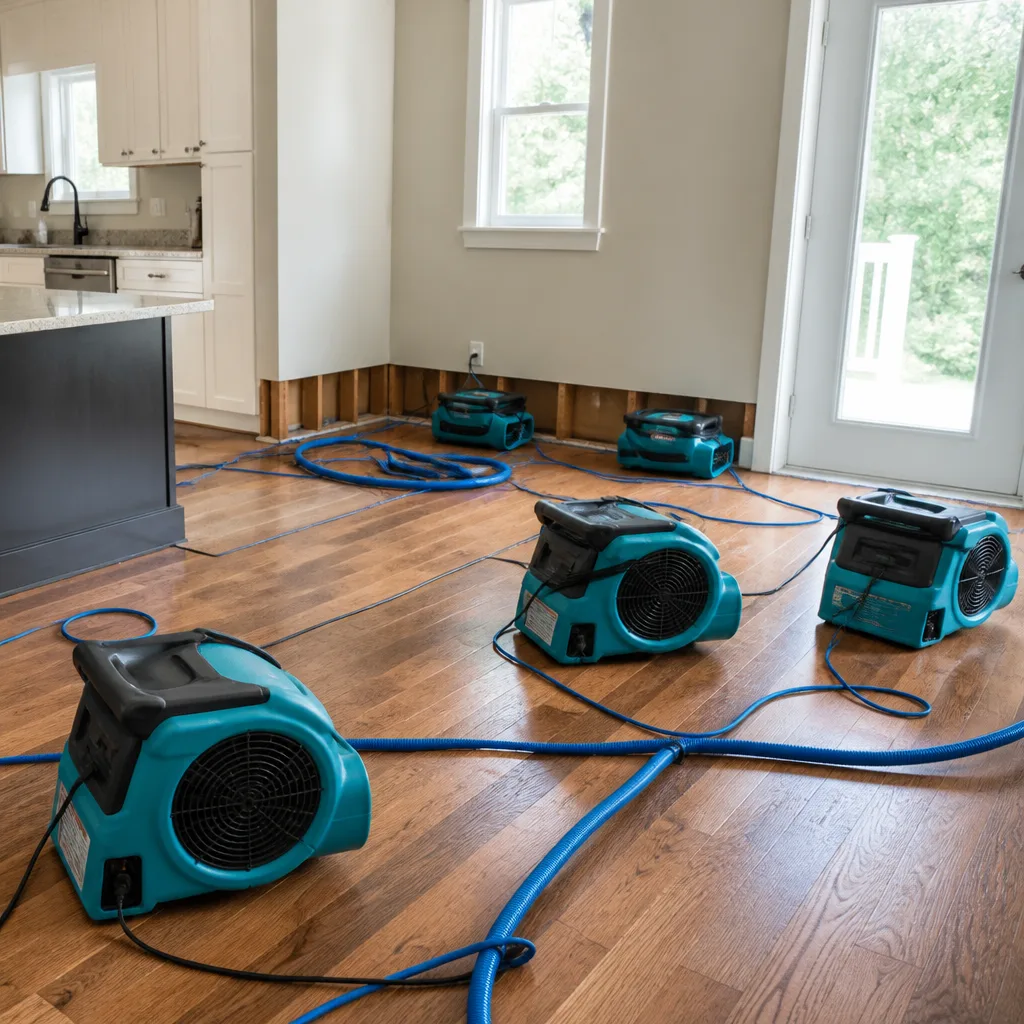
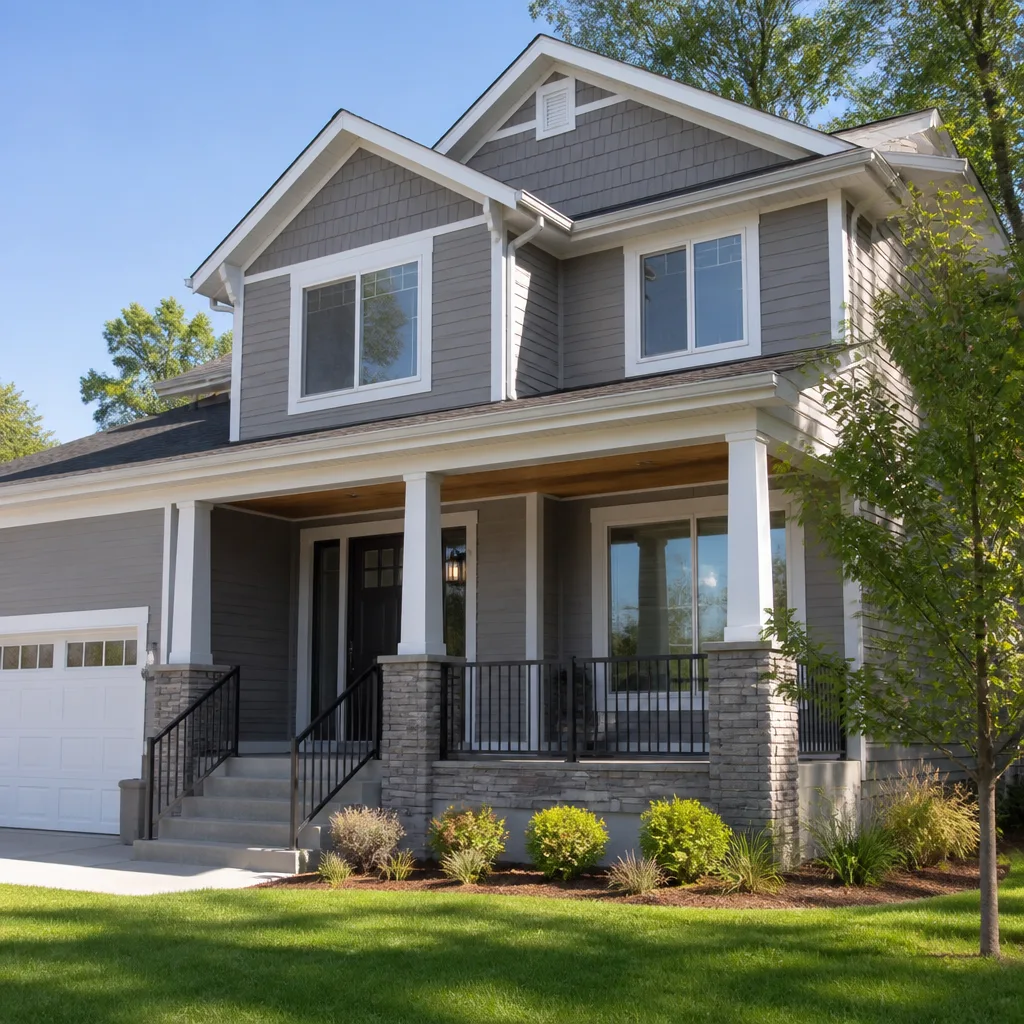
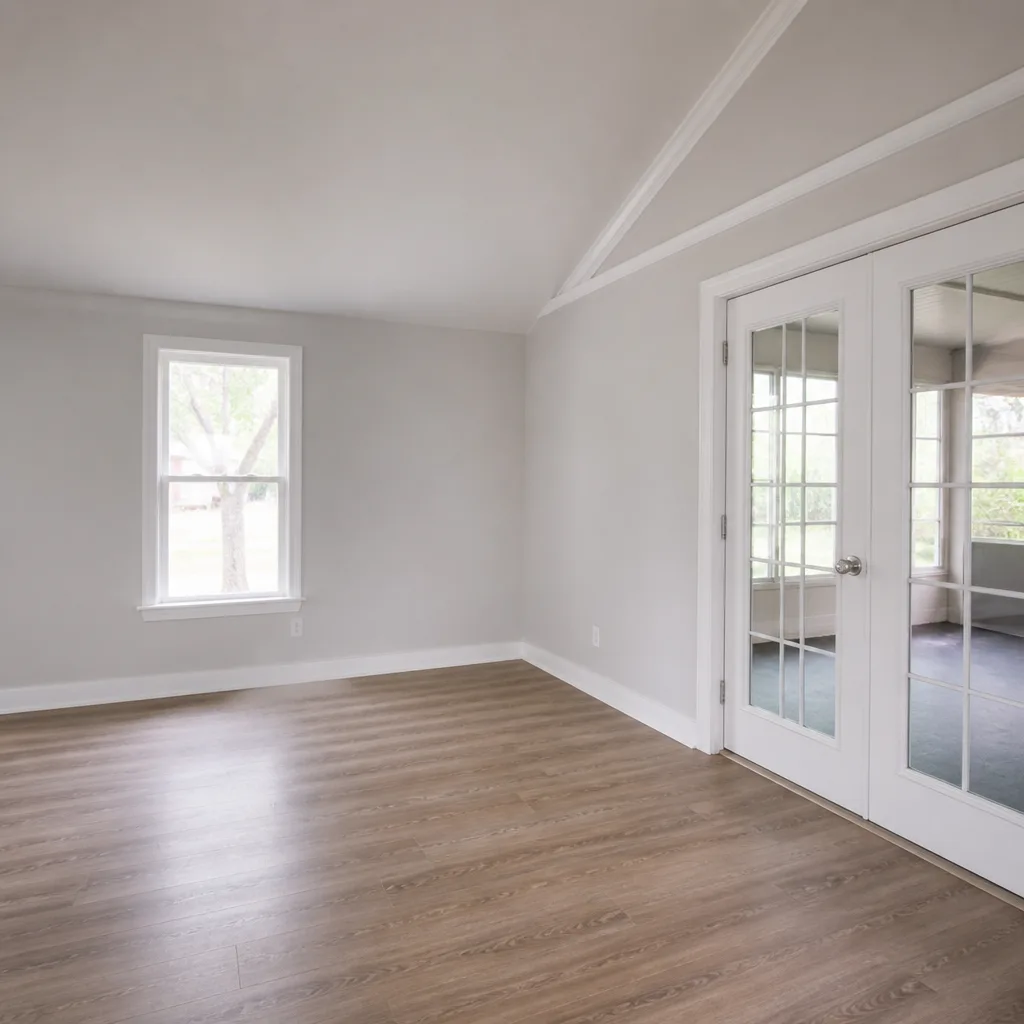
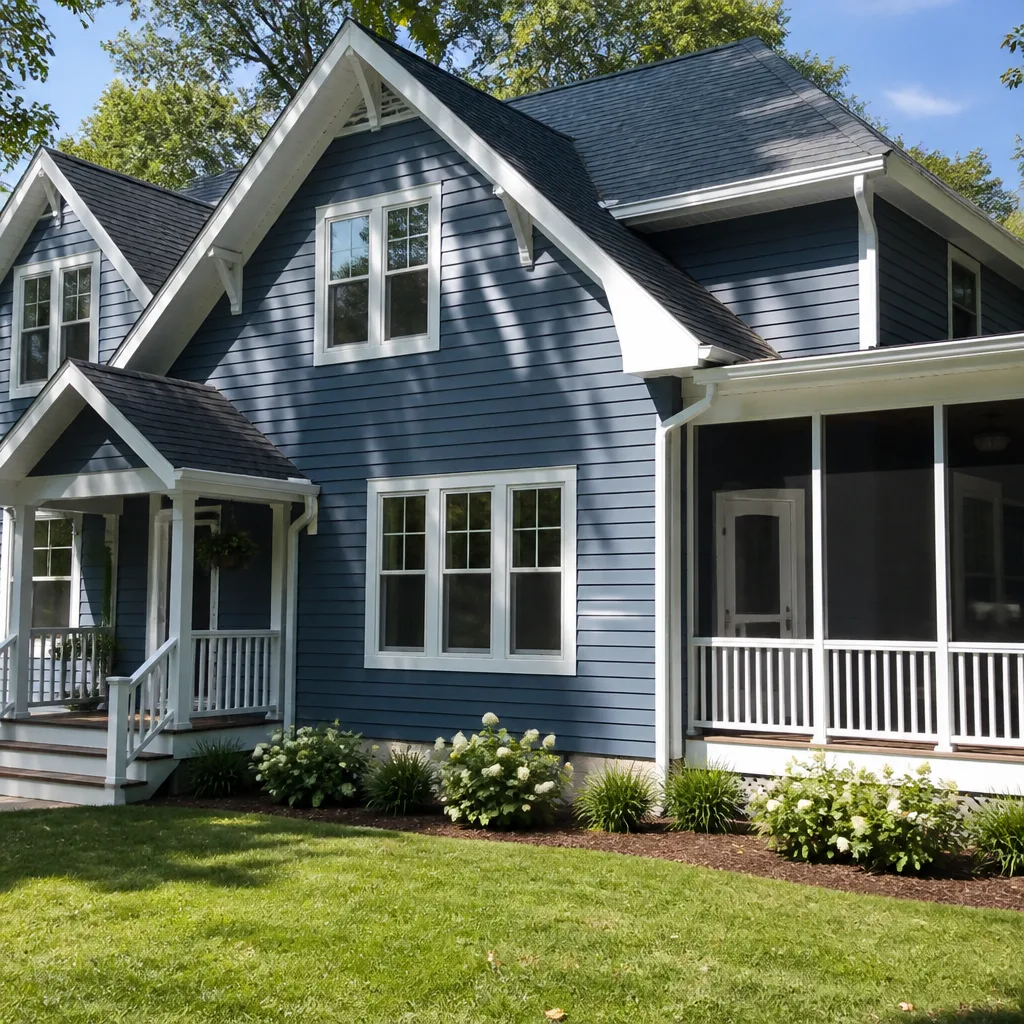
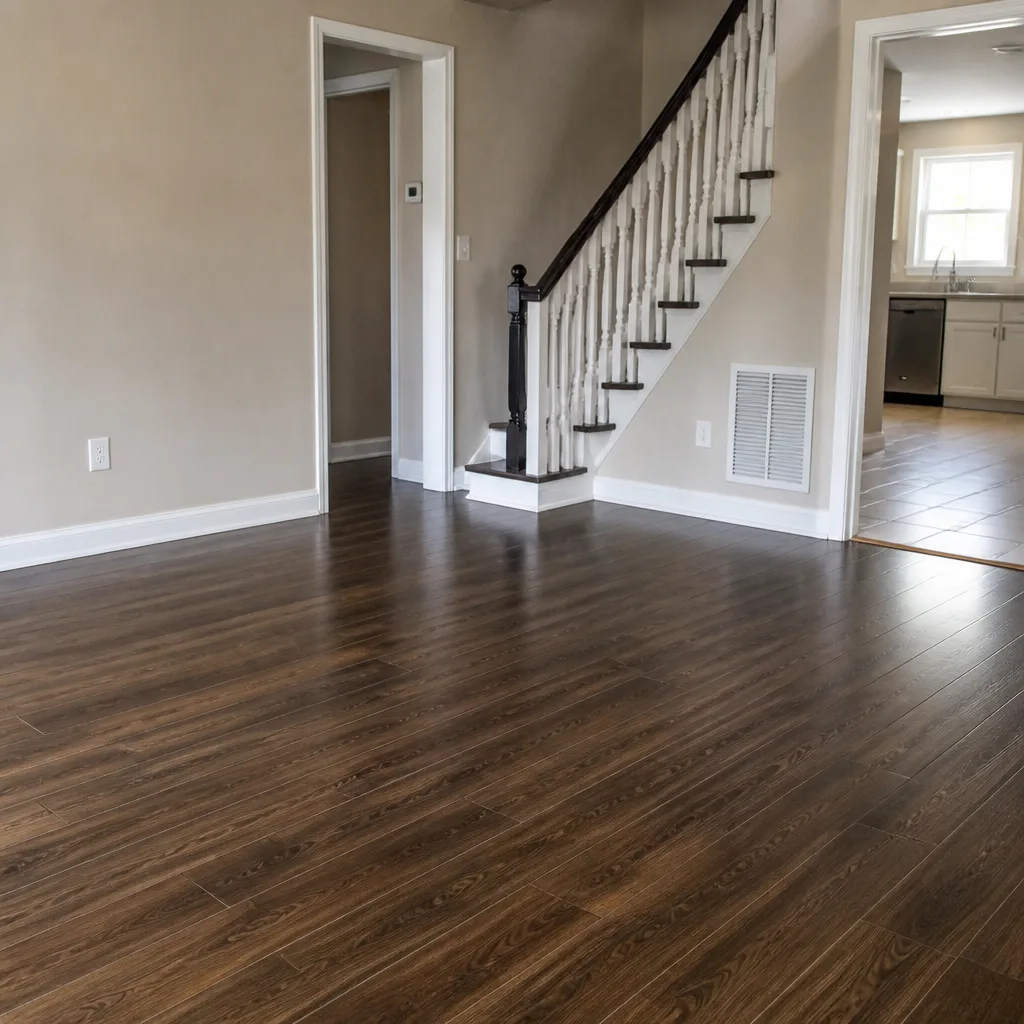
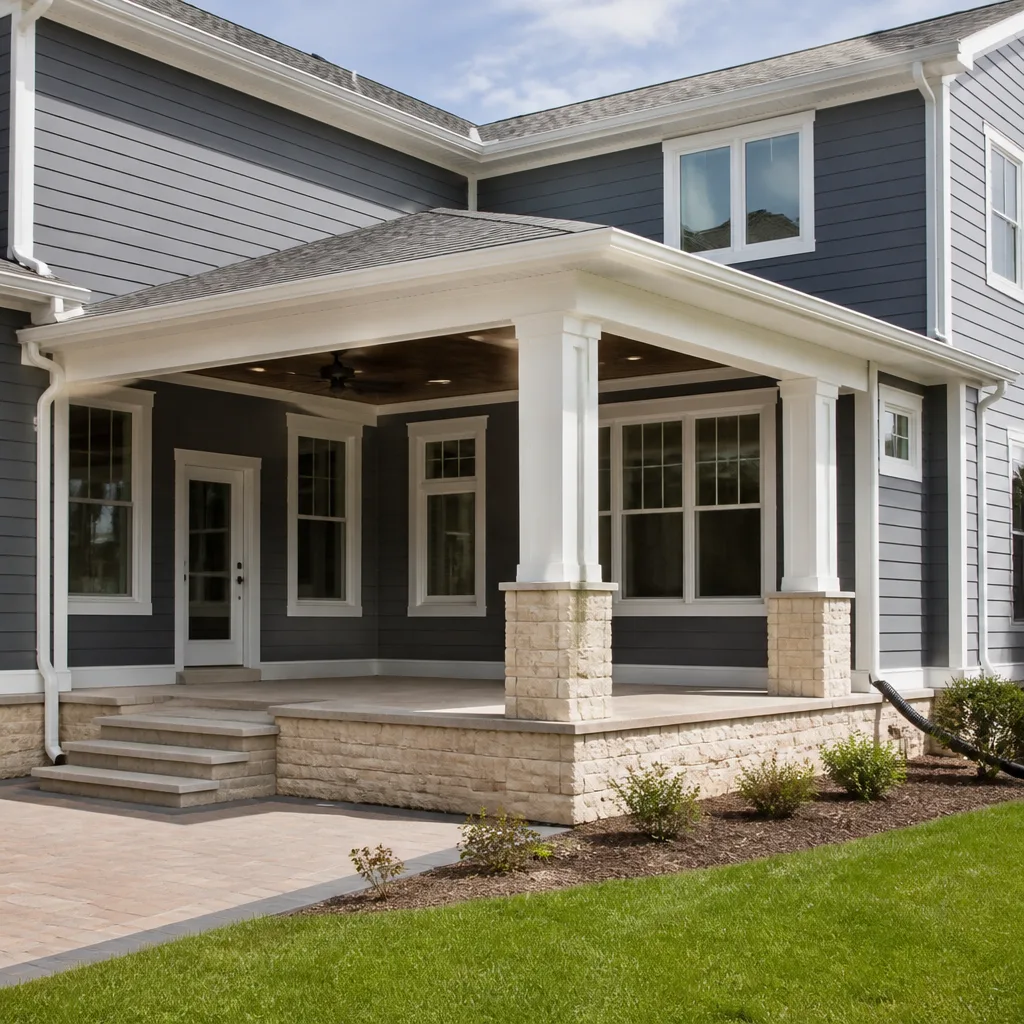
 Before
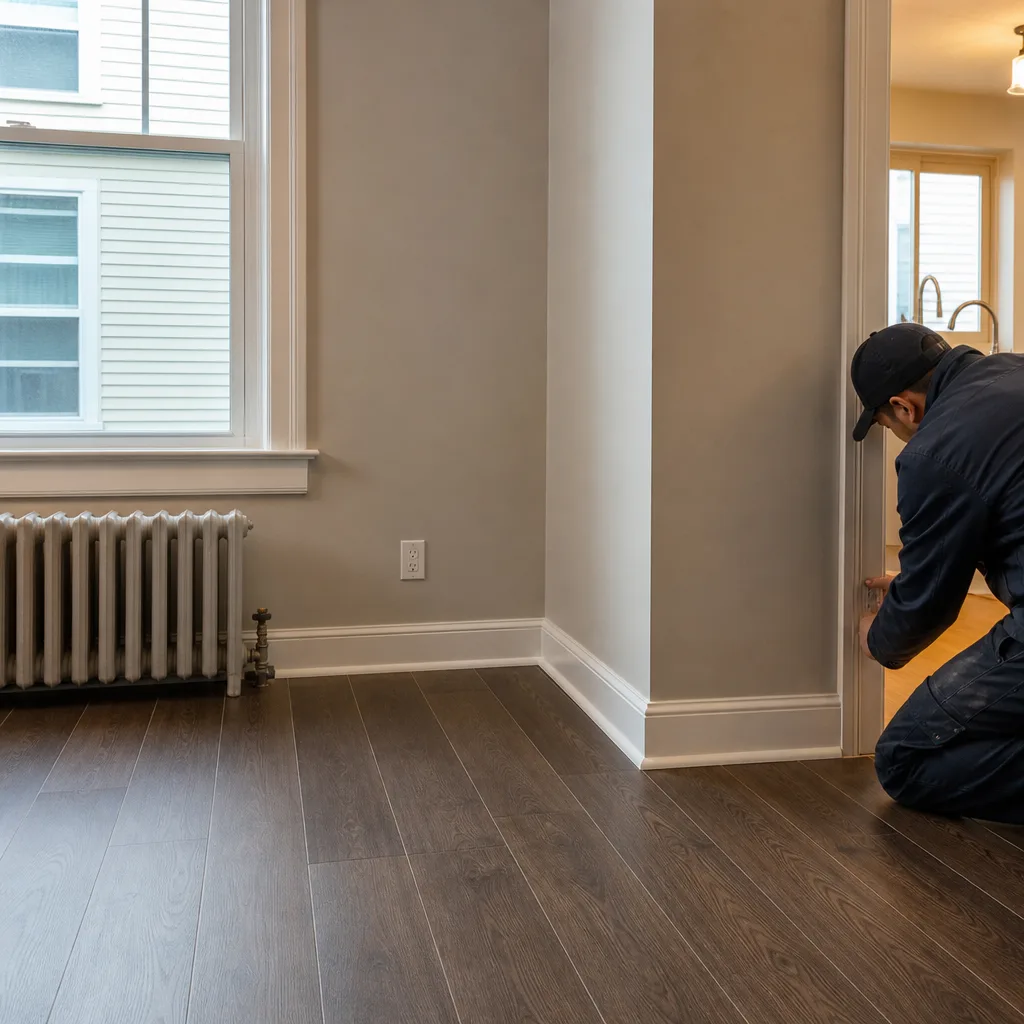 After
After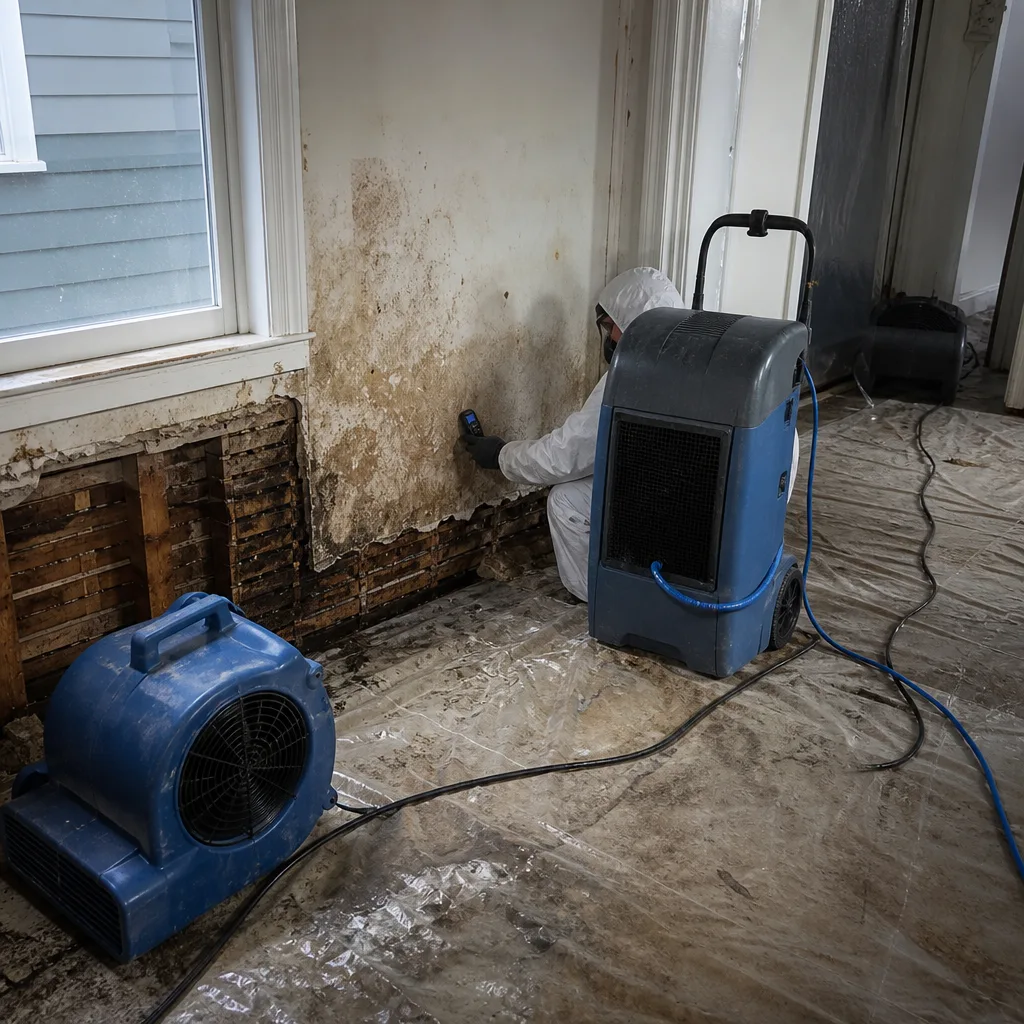 Before
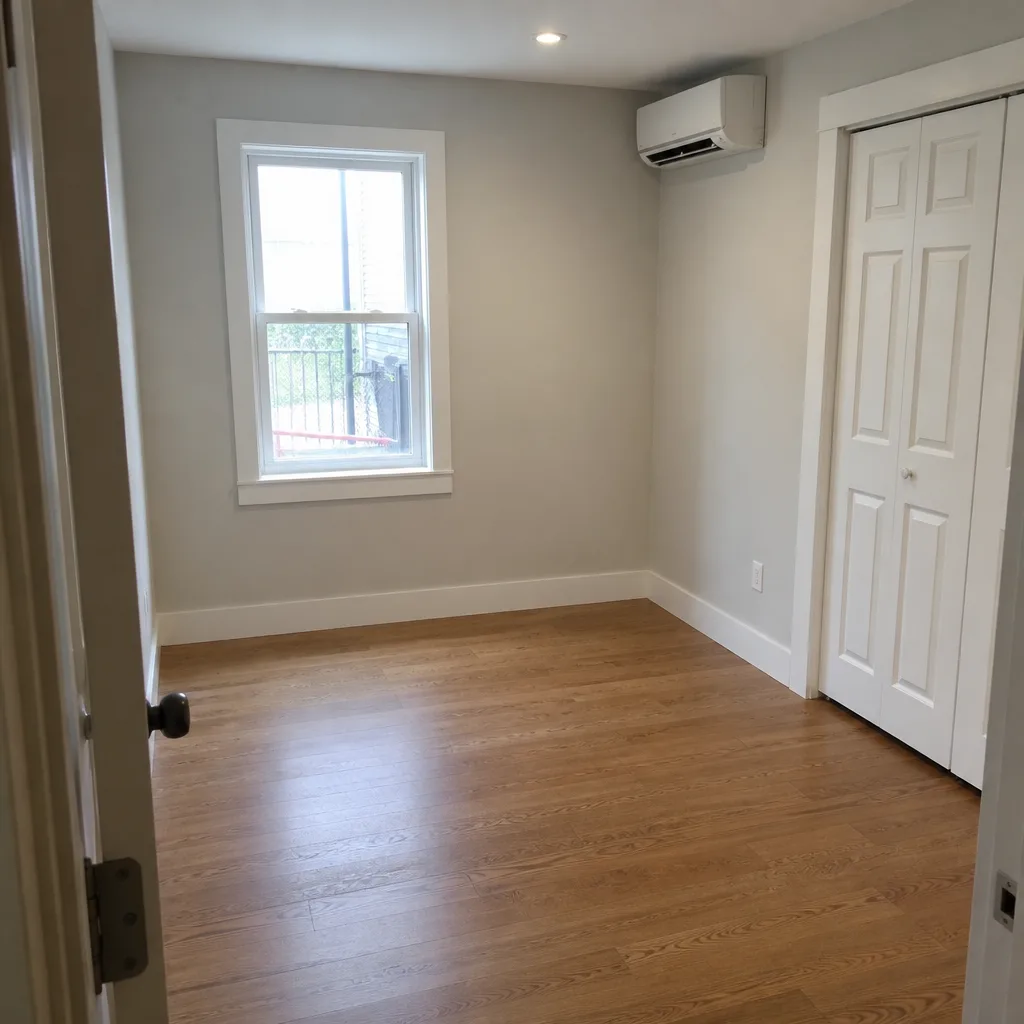 After
After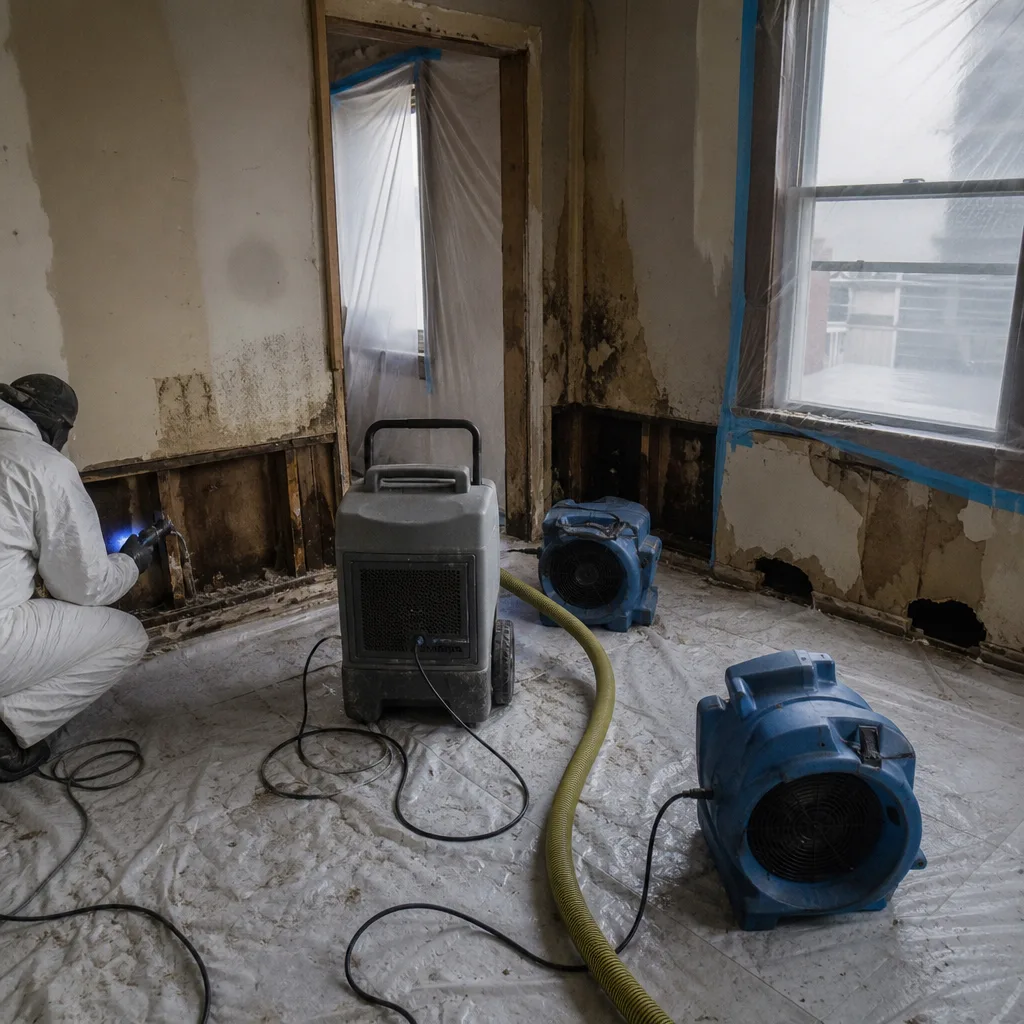 Before
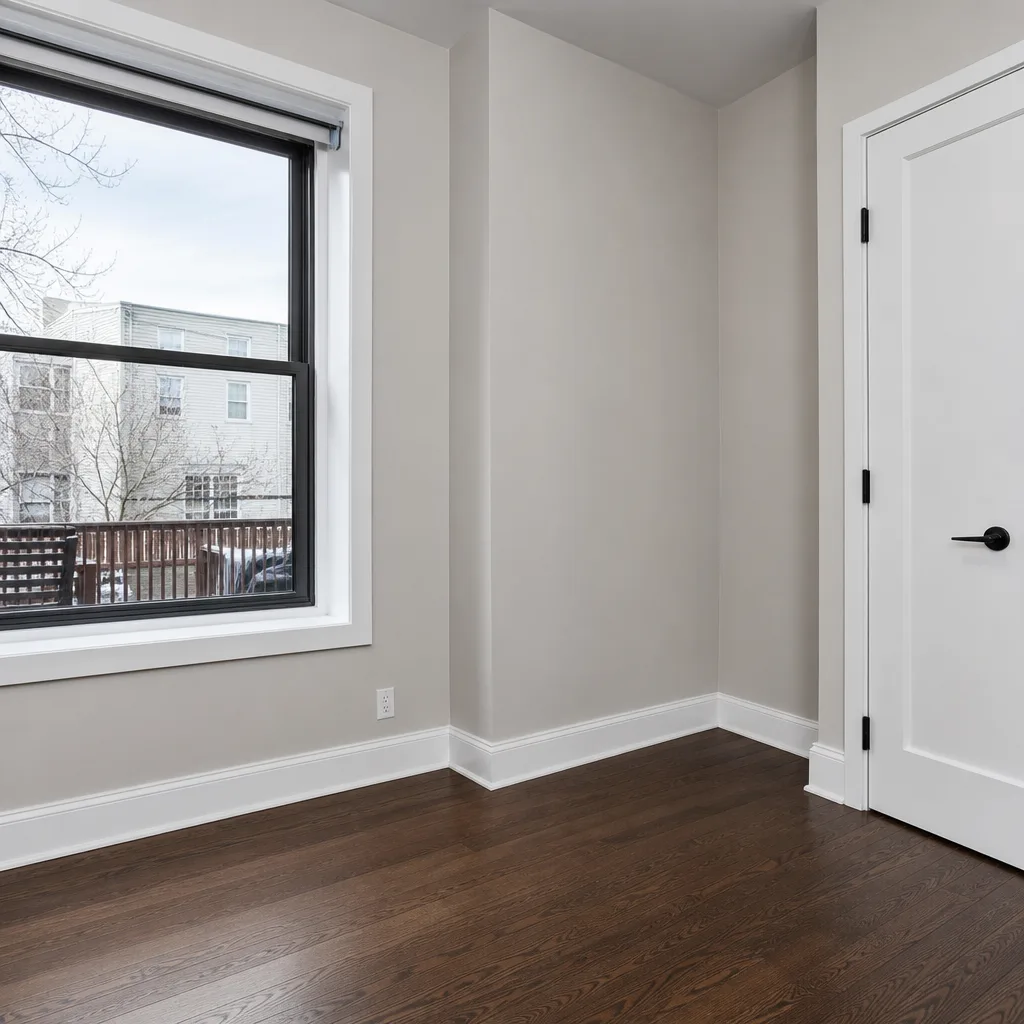 After
After24/7 Emergency Commercial Restoration in Midtown Manhattan
Commercial water, fire, or storm damage in Midtown Manhattan needs a response measured in hours, not days. A burst riser on the 20th floor of an office tower off Madison Avenue can have water running through elevator shafts and into retail space below within ninety minutes. We answer live around the clock and can have a crew assessing damage inside Midtown Manhattan on short notice. Call (363) 208-1526 the moment you see water, smell smoke, or notice staining on ceiling tiles. The first hour determines whether you’re dealing with a contained cleanup or a multi-floor business interruption. Wade Ferris himself answers his phone at 2 a.m., and he heads out with his crew, not a call center that promises someone might show up tomorrow.
Understanding Commercial Restoration Severity in Midtown Manhattan Properties
Commercial water damage in Midtown Manhattan rarely looks like a basement puddle in a suburban house. In pre-war buildings along the avenues, Category 2 gray water from a burst heating riser carries the rust, sediment, and pipe-scale that has been accumulating since the building went up in the 1910s. Category 3 water, the kind that floods a sub-basement when a sewer line backs up near Ninth Avenue, carries sewage and demands full containment, disposal protocols, and antimicrobial treatment before drying equipment is even plugged in. In a converted office tower with original horsehair-plaster walls, water wicks upward and sideways through the plaster keys for days before the first stain appears on the surface. Moisture mapping with thermal imaging and hygrometers is not a luxury here, since what you cannot see behind a paneled lobby wall is usually what triggers a secondary mold claim two weeks later. Structural drying in Midtown means coordinating through building management, scheduling freight elevators, and knowing that the building super, the co-op board, and at least two insurance adjusters all need documentation that matches what our meters actually recorded.
Why Midtown Manhattan Property Owners Choose Wade’s Restoration
- Owner-led response: Wade Ferris shows up on the job himself. You get the name on the truck, not a rotating cast of subcontracted crews.
- Live answer, 24/7: A real person picks up the phone at any hour. No voicemail, no national call center rerouting you to a franchise two states away.
- IICRC-certified crews: Our technicians hold WRT and AMRT certifications. We hand you the drying logs, not a verbal claim that things are dry.
- Free visual inspection: Before any work begins, Wade walks the loss site with you and gives a straight read on what needs to happen.
- Direct insurance billing: We submit directly to your carrier with photo documentation and line-item scopes. You are not stuck relaying messages between adjuster and contractor.
- One team, start to finish: Extraction, drying, demolition, and reconstruction. Same crew, same accountability, from the first hour to the final coat of paint.
Our Commercial Restoration Process
Inspection & Assessment
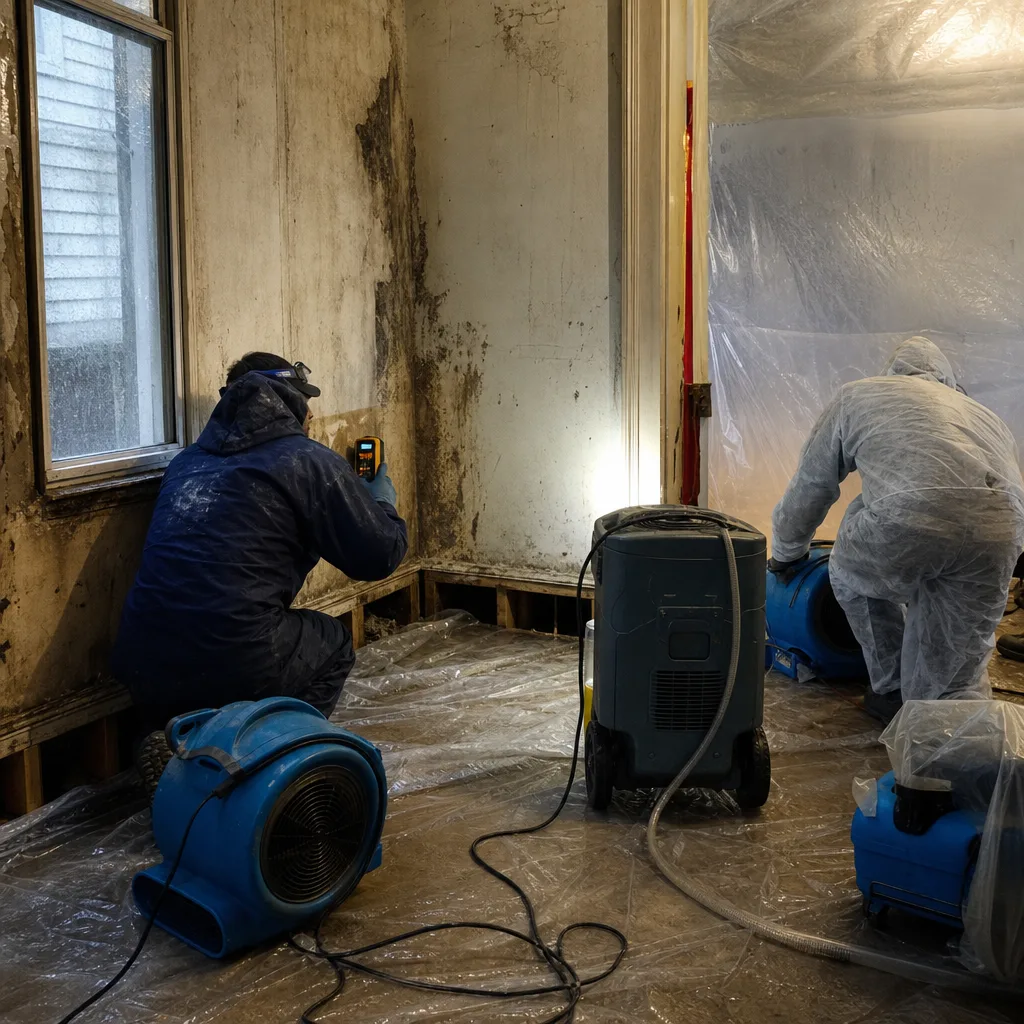
We arrive with thermal imaging cameras, moisture meters, and a clear protocol for Midtown building access. Wade documents every affected surface before a single piece of equipment is unloaded.
Extraction & Stabilization
Category 2 and 3 water is extracted with truck-mounted and portable units. We shut off water at the source, secure electrical hazards, and stabilize any structural material at risk of collapse.
Drying & Dehumidification
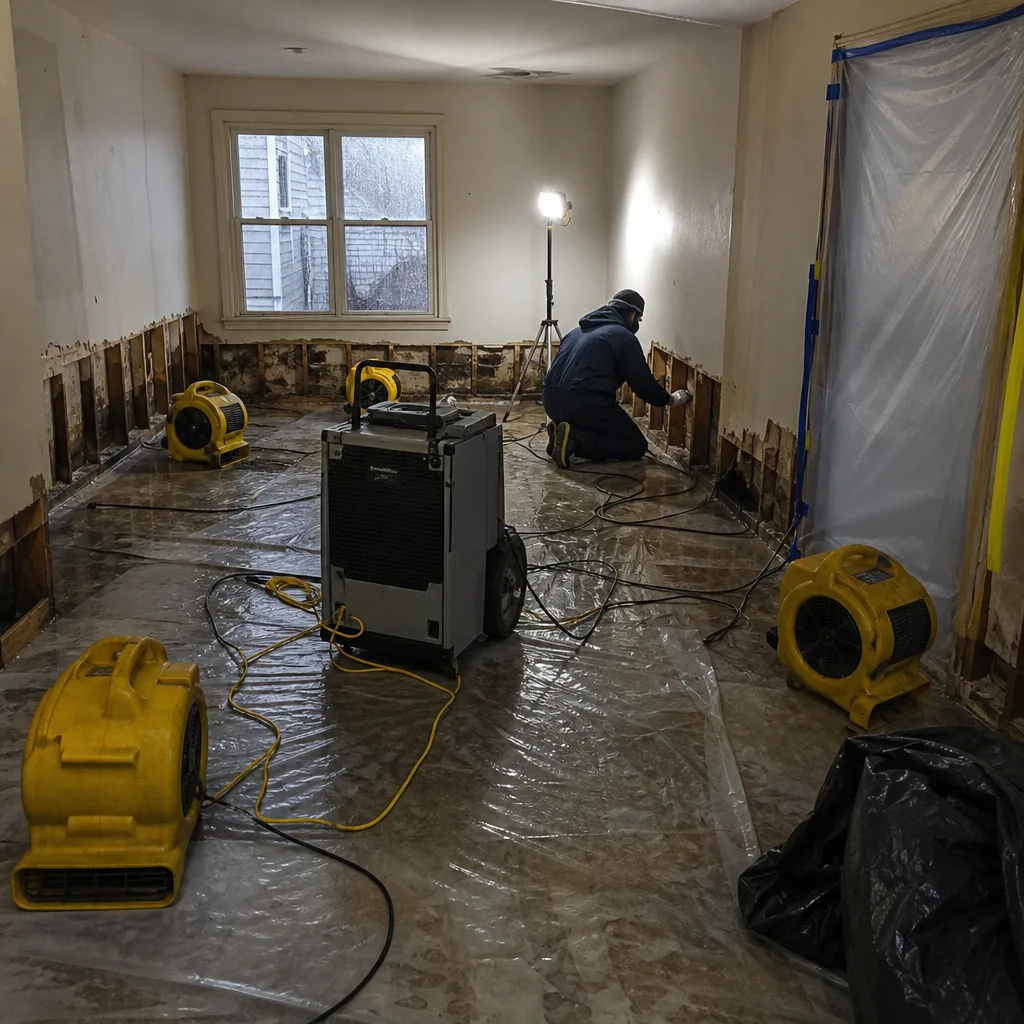
Dri-Eaz dehumidifiers and high-velocity air movers are staged according to a drying plan built around the building’s freight-elevator schedule. Daily moisture readings are logged and shared.
Cleaning & Sanitization
HEPA air scrubbers run in occupied spaces. Contaminated materials are removed under containment. Surfaces that can be saved are cleaned with antimicrobials appropriate to the water category.
Specialty Commercial Treatment
For document and inventory recovery, we use freeze-drying and desiccant drying for paper records, electronics, and archived files that cannot be replaced.
Repairs & Restoration
Reconstruction is scoped and priced in writing before work starts. We rebuild walls, replace flooring, restore finishes, and coordinate inspections so your business can reopen without lingering code issues.
Need Emergency Commercial Restoration in Midtown Manhattan Now?
Crews minutes away, answering live 24 hours a day. The sooner we start, the less it costs.
Working With Your Insurance Company
Commercial restoration claims in Midtown Manhattan almost always involve multiple parties: the property owner, the commercial tenant, the building’s master policy, and sometimes a separate policy for business interruption. That is why our documentation starts in the first hour. We photograph every affected area room by room, record moisture readings before and during drying, and provide your adjuster with a line-item scope of work that matches what we actually do on site. Wade talks to adjusters directly. You are not playing telephone between a carrier and a contractor. When an adjuster pushes back on a drying-day count, we have the logs to show exactly what the meters read each day and why the equipment stayed an extra cycle. For claims involving Con Edison infrastructure or municipal systems, we document the chain of events that triggered the loss so liability is clear from the start.
What We Provide Your Insurer
- Thorough documentation of the loss
- Photos of all damage, room by room
- Moisture readings and drying logs
- A detailed, line-item scope of work
- Direct coordination with your carrier
Built for Midtown Manhattan’s Loss Calendar
Midtown Manhattan has a predictable rhythm of commercial restoration emergencies, and it tracks the seasons. January and February are the worst months for freeze-thaw cycling on rooftop mechanical equipment. Rooftop supply lines and exposed parapet drains freeze, crack, and then thaw, sending water down through wall cavities and ceiling plenums across multiple floors. Nor’easters hit this city differently because of the canyon-like street grid: wind-driven rain gets forced sideways into window gaskets on upper floors, and the curtain-wall systems on 30-story office towers begin to leak at the mullions. Spring brings the city’s aging cast-iron and steel riser systems back into service after winter shutdowns, and that is when the pinhole leaks and joint failures show up, especially in pre-war buildings near Grand Central. Summer thunderstorms overwhelm rooftop drains in minutes, flooding mechanical rooms and top-floor offices. And throughout the year, Con Edison’s district steam network runs beneath the streets, meaning a single steam-main rupture can turn a routine sub-basement cleanup into a hazardous-materials coordination project. Our Commercial Restoration team plans around this calendar, not against it.
Commercial Restoration Across Midtown Manhattan’s Neighborhoods
Hell’s Kitchen runs heavy on pre-war tenement walk-ups and converted industrial buildings west of Eighth Avenue. When a water line bursts in a fifth-floor walk-up there, the response has to account for narrow stairwells, no usable freight elevator, and horsehair-plaster walls that hold water deep before it shows. Murray Hill, between 34th and 42nd, has a dense mix of 1920s co-op buildings and newer high-rises near Park Avenue, and the restoration challenges shift from riser failures in older buildings to curtain-wall and window-gasket leaks in newer ones. The area around Grand Central and Lexington Avenue carries a unique risk profile because of the Con Edison steam mains below, and any sub-basement water event there has to be treated as a potential asbestos-survey situation before drying begins. Over by Times Square and the Theater District, loss events almost always involve occupied retail and hospitality spaces that cannot close, meaning containment and air scrubbing have to run while foot traffic continues at street level. Bryant Park and the corporate towers along Sixth Avenue bring another constraint: security desks, scheduled deliveries, and building management rules that dictate when our crew gets a freight car. Our Commercial Restoration in Midtown Manhattan work is built around that access calendar.
Specialized Commercial Restoration Services We Offer in Midtown Manhattan
Multi-Unit & HOA Restoration
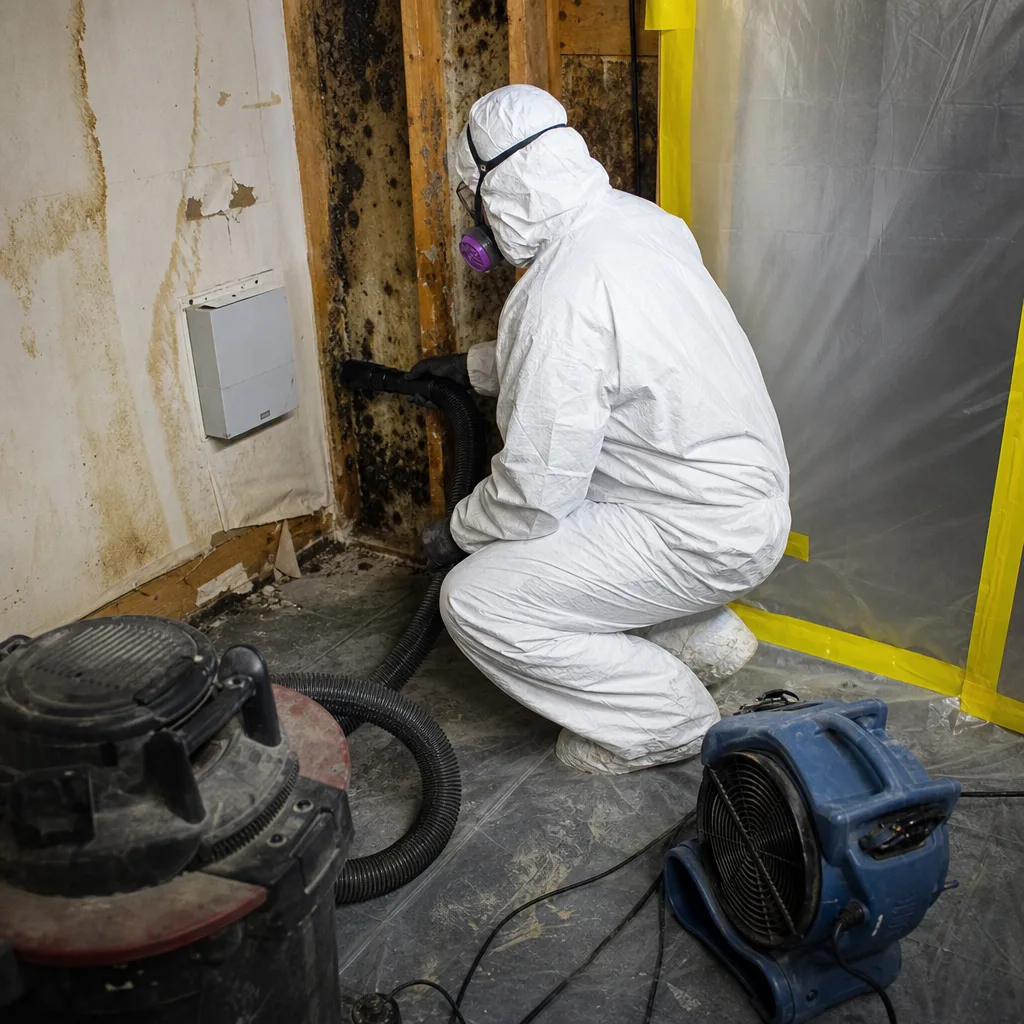
A single burst riser in a Park Avenue co-op can flood a dozen units across multiple floors. We document every affected residence separately, coordinate with the building’s master policy and each unit owner’s individual policy, and stage drying equipment through freight-elevator windows so residents can stay in place whenever possible. The building super gets a daily update. The board gets a written scope before work begins.
Business Interruption Minimization
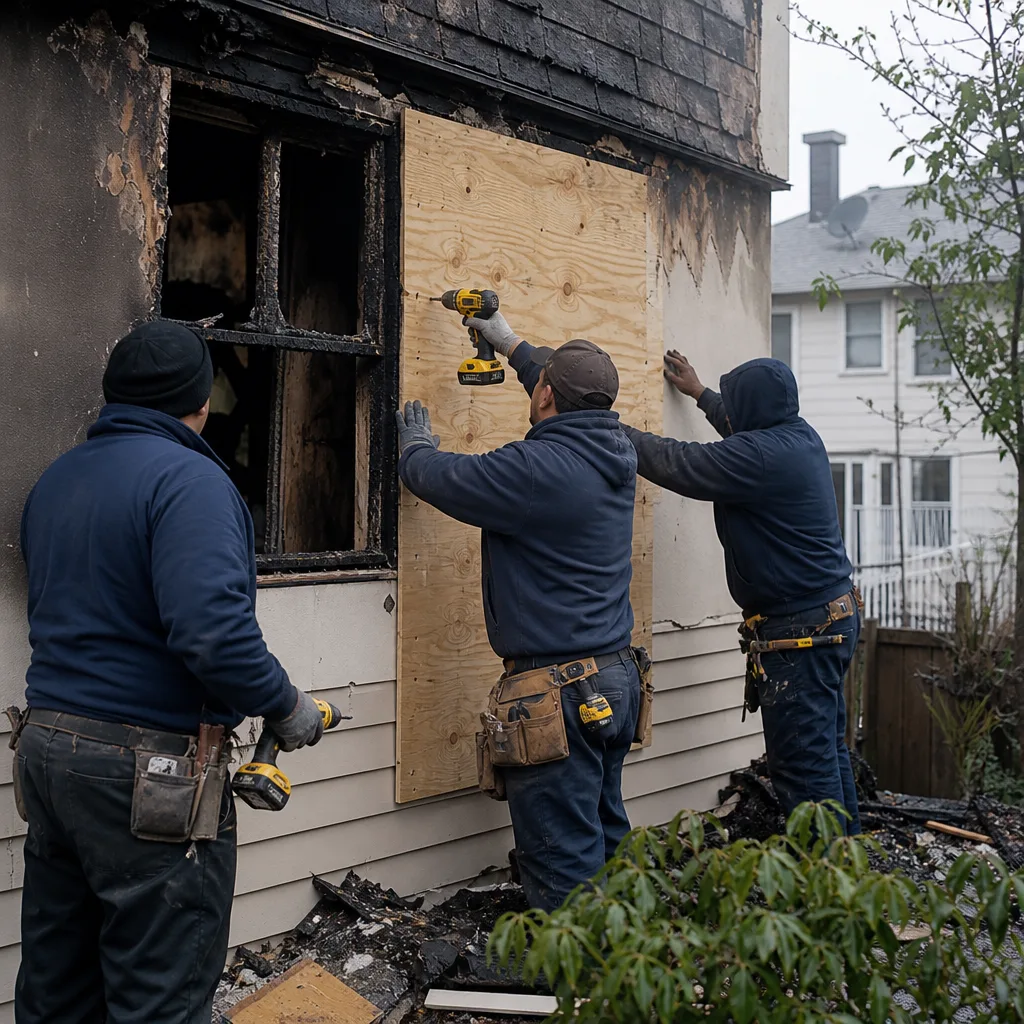
Retail spaces along Fifth Avenue and restaurants in Hell’s Kitchen cannot legally close for weeks while drying equipment runs. We build containment barriers, run HEPA air scrubbers, and schedule noisy demolition work in the hours that minimize revenue loss. The goal is to keep your doors open and your employees paid, not to hand you a ten-week closure plan.
Large-Loss Response
When a nor’easter blows rain through 40 window gaskets across 15 floors of a Midtown office tower, and the building super is juggling four vendors and three insurance carriers, the scope outruns a standard restoration crew in hours. We stage additional equipment, bring in specialty drying teams, and run the job like a project with a schedule, not a series of reactive visits. For losses over 25,000 square feet, Wade builds a dedicated response plan with daily moisture-log updates.
Office & Retail Restoration
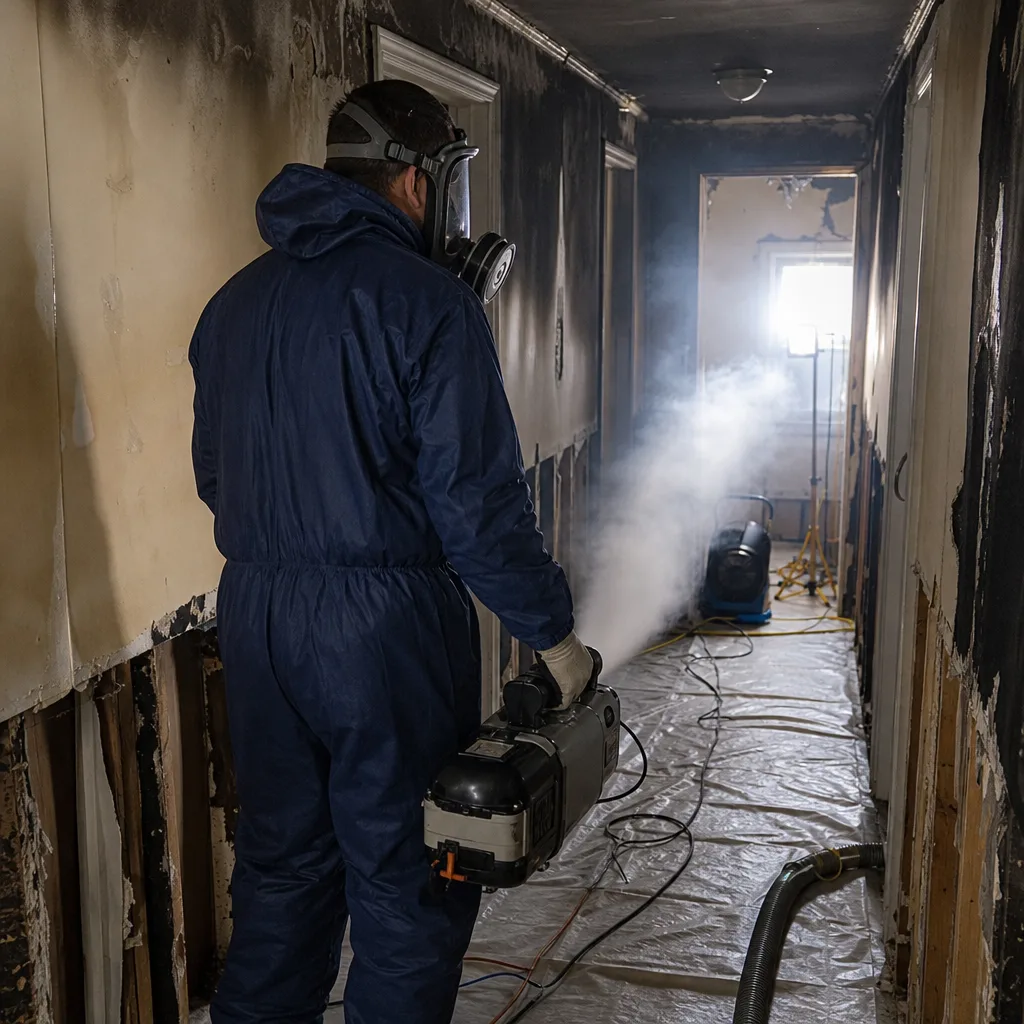
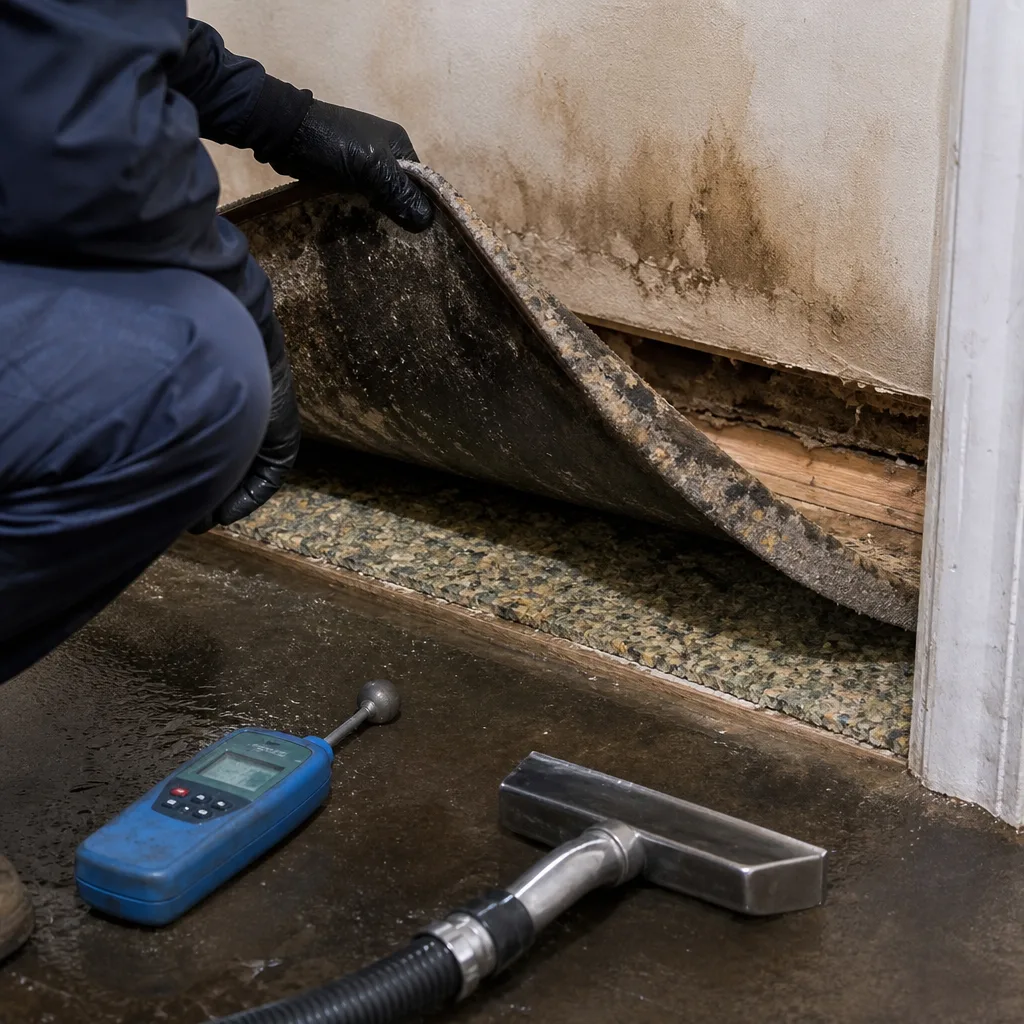
Open-plan offices with carpet tiles over concrete slabs hold water in the subfloor and the cable trays. If it is not dried correctly, you get odor and mold in the underfloor plenum within days. We lift carpet tiles, dry the slab and the plenum space, and reinstall or replace materials based on what the moisture meters show, not what is cheapest to leave behind.
Industrial Facility Cleanup
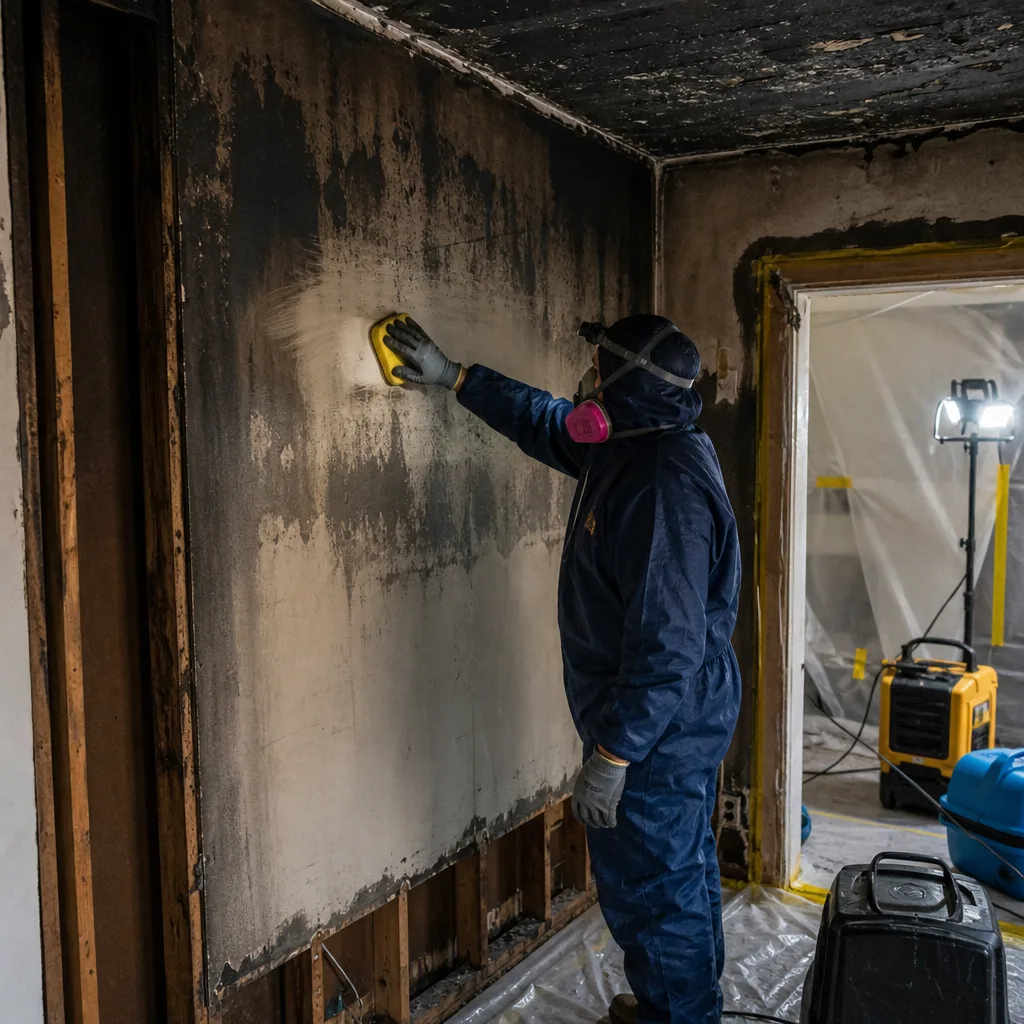
Mechanical rooms, sub-basements, and loading docks in Midtown’s converted industrial buildings bring their own hazards: legacy pipe insulation, old electrical panels, and ventilation systems that spread contaminants through shared ductwork. We assess the entire mechanical footprint, not just the visible water, and recommend containment before drying starts.
Document & Inventory Recovery
Law firms near Rockefeller Center, medical offices, and archival tenants keep irreplaceable paper records and inventory that cannot be reordered from a supplier. We use desiccant and freeze-drying methods for saturated documents, electronics, and inventory, and we photograph and inventory every recovered item. If it can be saved, we save it. If it cannot, we document it beyond dispute for your insurer.
What happens when you call
- 1
A real person answersNo phone trees - you reach a local pro.
- 2
You get an upfront price rangeHonest numbers before anyone is dispatched.
- 3
A background-checked tech heads outLicensed & insured, dispatched right away.
- 4
You approve before work beginsNothing starts until you say go.
Commercial Restoration Costs in Midtown Manhattan, NY
Commercial restoration pricing in Midtown Manhattan runs higher than in the outer boroughs, and the building itself is usually the reason. A standard water extraction and drying scope for a small office suite will run $3,500 to $12,000 depending on water category and square footage. A multi-floor riser break in a pre-war co-op with plaster walls and concealed pipe chases lands between $18,000 and $60,000 once demolition, drying, and rebuild are combined. A nor’easter-driven window-gasket leak across multiple floors of a commercial tower, with containment and after-hours labor, typically lands between $25,000 and $90,000. Con Edison steam-main events or sewage backups that require licensed asbestos abatement before drying can push past $150,000. The fastest way to a firm number is a free visual inspection. Wade walks the site, gives you the straight read, and hands you a written scope before any work starts. Call (363) 208-1526 and you will get an exact quote, not a phone estimate.
We Also Serve Cities Near Midtown Manhattan
Our commercial restoration crews regularly respond to losses in Astoria, the Financial District, Lower Manhattan, and Flushing. Each area brings its own building stock and access challenges, from Financial District high-rises with security-vetted freight elevators to Astoria’s mixed residential and commercial corridor buildings. The same owner-led response and documented drying protocols apply everywhere we work.
Midtown Manhattan Commercial Restoration Questions, Answered
How do you handle a water loss on the 20th floor of a Midtown high-rise when the building super only gives you a 30-minute freight-elevator window?
We stage equipment and materials in advance based on the building’s freight schedule, and we run the entire drying plan around that access. We do not wait for the next available slot and hope for the best. Wade coordinates directly with building management to secure additional windows when drying requires it, using portable, wheeled equipment that can be moved through a freight car in minutes. The daily moisture log includes a note on every equipment move, so the adjuster sees exactly when drying was active and when access was limited.
Call (363) 208-1526 for a site walk and a realistic access plan.
What makes a Con Edison steam-main break different from a regular pipe burst in a Midtown office building?
A steam-main break introduces high-temperature moisture and may disturb legacy asbestos insulation that has been sitting on pipes and in sub-basement wall cavities for decades. We treat it as a potential hazardous-materials event from the first hour: containment goes up, an industrial hygienist is called, and no demolition or drying work proceeds until asbestos survey results come back clean or an abatement plan is in place. Regular pipe bursts in occupied offices do not carry that same requirement.
If a burst pipe floods a dozen floors of a co-op on Park Avenue, how do you keep residents and businesses from having to vacate?
We contain the work floor by floor. HEPA air scrubbers run where demolition is active, and drying equipment is staged in the affected units only. Residents in unaffected units stay put. Where a unit is too wet to occupy, we document the specific conditions so the board and the insurer can make a clear call on temporary relocation. The goal is to avoid a building-wide evacuation order that costs everyone months of disruption.
Why does virtually every water-damage demo job in Hell’s Kitchen require an asbestos survey first?
Most of Hell’s Kitchen’s residential and commercial buildings predate 1980, which means original plaster, pipe insulation, and floor tiles may contain asbestos. Cutting into a saturated wall without a survey can release fibers into occupied space and trigger a stop-work order. We order the survey before demo starts, every time. It adds a day or two, but it prevents a regulatory and liability mess that would cost far more.
How fast can you start drying after a nor’easter drives rain through window gaskets on the 30th floor of a Midtown office tower?
We start as soon as the building gives us freight-elevator access, which we begin coordinating the moment you call. In most cases, containment and initial drying equipment are running within 24 hours of the first call. If building management is slow to approve access, we document every request in writing and send it to the adjuster so the drying delay is on record and does not become a secondary-damage dispute later.
Will my commercial insurance cover water damage from a burst riser or a roof drain failure?
Most commercial property policies cover sudden and accidental water damage from a burst riser, and roof-drain failures are typically covered if the policy includes storm or water damage from building systems. Business interruption coverage is separate and usually requires documentation of the closure and the revenue lost. We provide the drying logs, photos, and scope of work your adjuster needs to process the claim without getting stuck in a coverage gray zone.
Do I need full restoration or just a cleaning after minor water intrusion?
If water was Category 1, the intrusion was caught within 24 hours, and moisture readings show no saturation in walls or flooring, a professional extraction and drying cycle is usually enough. If the water sat for days, or it was Category 2 or 3, then cleaning alone will not prevent mold. We will show you the meter readings. If the numbers say drying is all you need, that is what we will recommend. If they say demo is required, we will show you exactly where and why.
What should I do in the first 30 minutes after discovering water damage in my Midtown Manhattan commercial space?
Shut off the water at the nearest valve if you can do so safely, cut power to affected areas if water is near outlets or panels, move documents and electronics to dry ground, and call (363) 208-1526. Do not enter standing water in a sub-basement if there is any chance of electrical contact or sewage. Document what you see with photos. The first call starts the clock on drying, and in Midtown’s vertical buildings, that clock moves fast.
Serving Midtown Manhattan, NY - Our Local Coverage Area
We’re based in the Midtown Manhattan area and know this community well. Use the map below to see our service coverage - if you’re nearby, we can almost certainly help.
One More Thing About Midtown Manhattan
Con Edison’s district steam network is the one thing most restoration contractors from outside the city do not understand until it costs them a job. Beneath the streets around Grand Central, Lexington Avenue, and down into the sub-basements of dozens of pre-war commercial buildings, live steam lines have been operating for over a century. When one ruptures, the moisture is not just water. It is steam, sometimes superheated, and it pushes through mechanical rooms, elevator pits, and wall cavities in ways that defy standard drying math. Worse, the rupture often disturbs legacy asbestos that has been dormant since the building was originally piped. On Lexington Avenue near Grand Central, our crew coordinated with building management and multiple insurance carriers to extract category 3 water from a 20th-floor burst riser that cascaded through a dozen floors. We used moisture mapping and structural drying with Dri-Eaz dehumidifiers and air movers staged through scheduled freight-elevator windows under the building super’s supervision, then documented drying logs to return each co-op unit to pre-loss condition. That is the job. It is not glamorous. But it is Midtown Manhattan, and if the contractor does not know how to run a job through a building’s bureaucracy, the building pays for it in reopened claims and angry tenants. Wade has been at this since 2007. He publishes his name, his address, and his license number. He answers his own phone. And if you call about a water loss in Midtown Manhattan, he will be on site himself. The 90-Day Done Right Promise is in writing on every water, fire, and mold job. If it is not done right, he makes it right. Call (363) 208-1526 now for a free estimate.
Written by Wade Ferris, Owner at Wade’s Restoration, serving Midtown Manhattan with commercial restoration since 2007.