
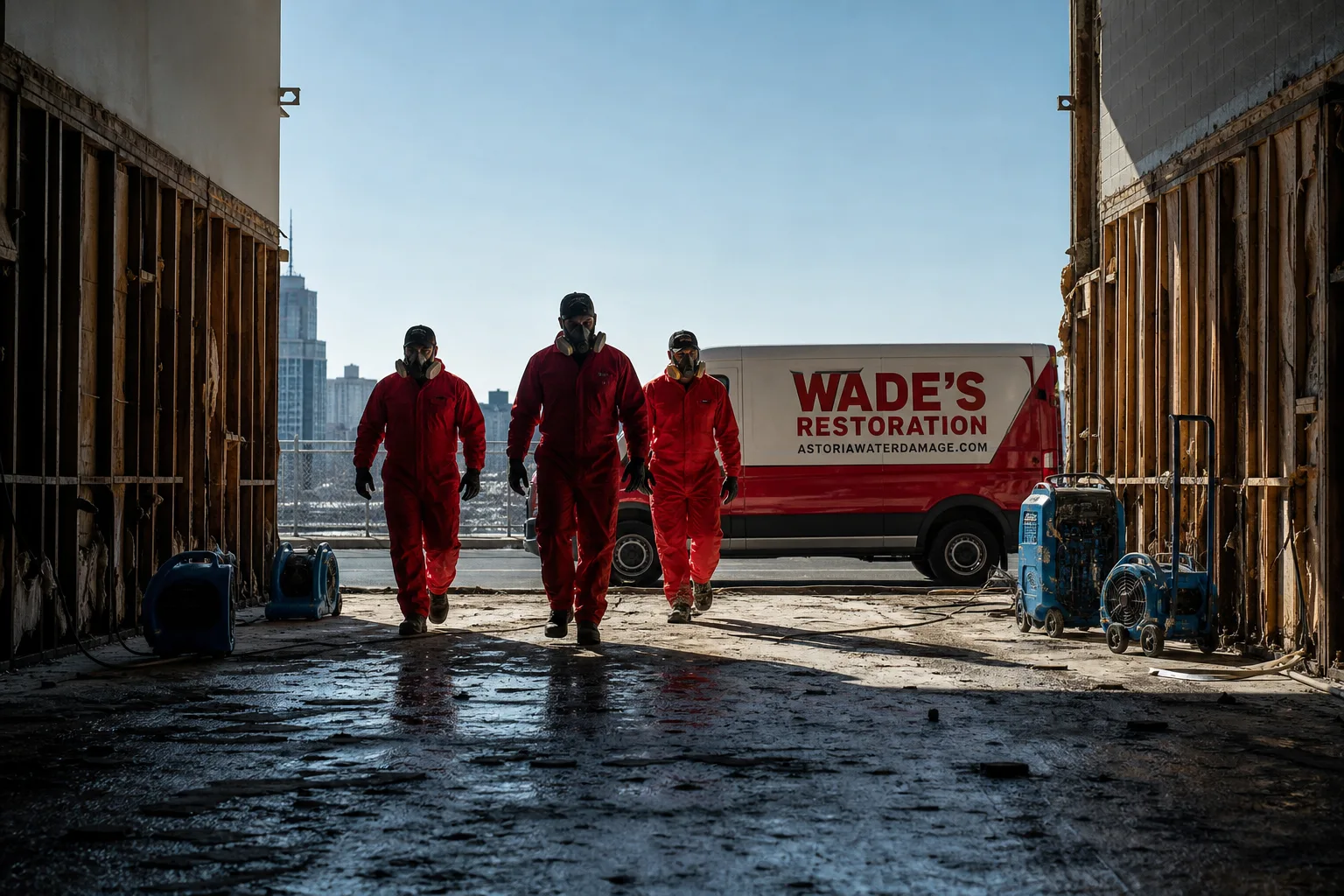
Free visual inspection and a written scope of work before any mitigation begins - photos, moisture readings, and drying logs go in your claim file
The scope we write is the scope we bill. Anything new gets shown to you, in writing, before we touch it.
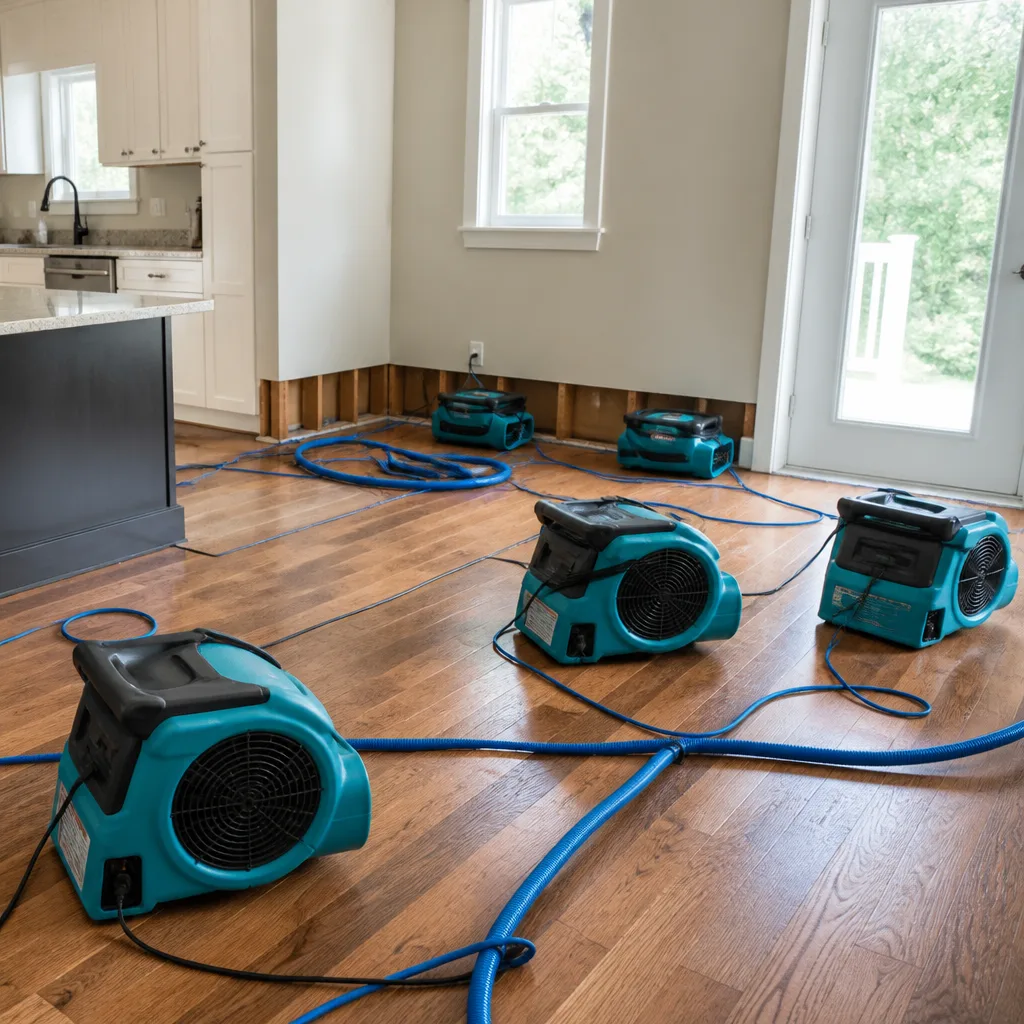
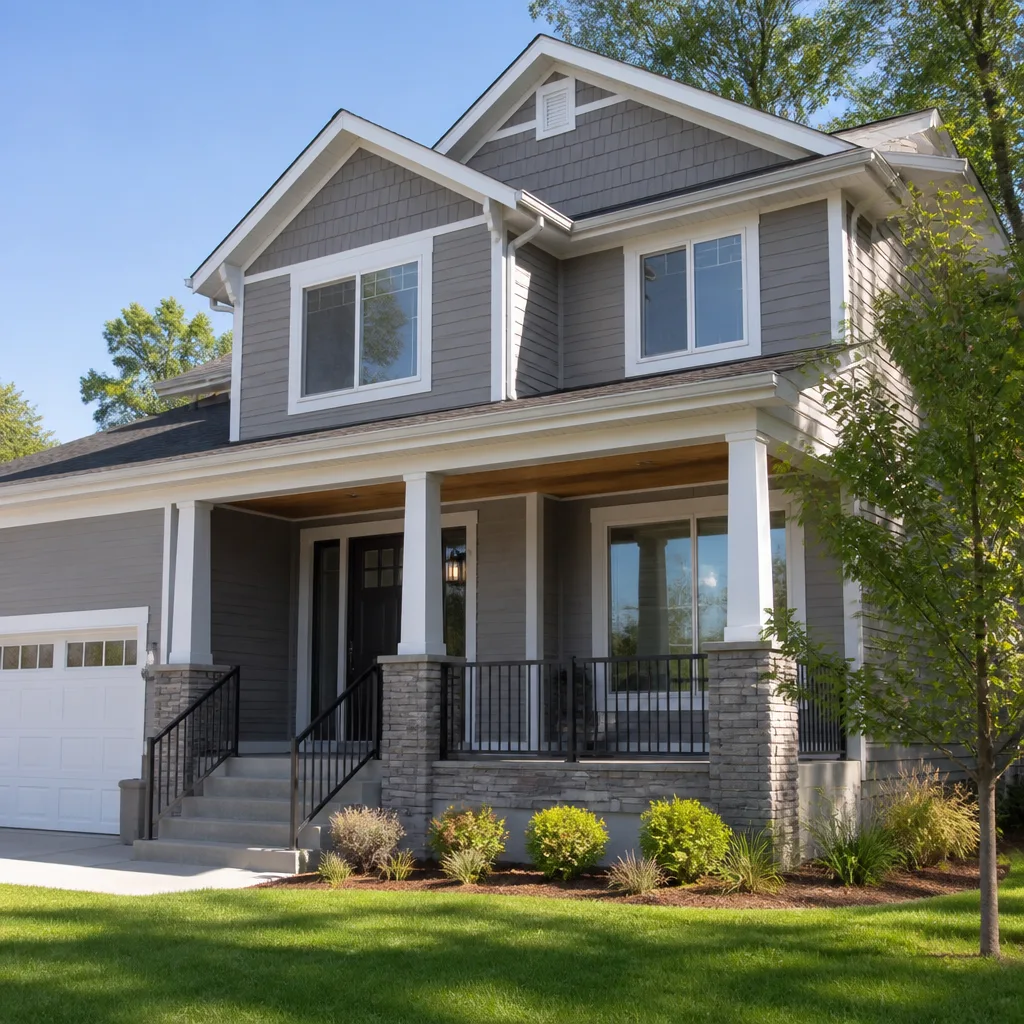
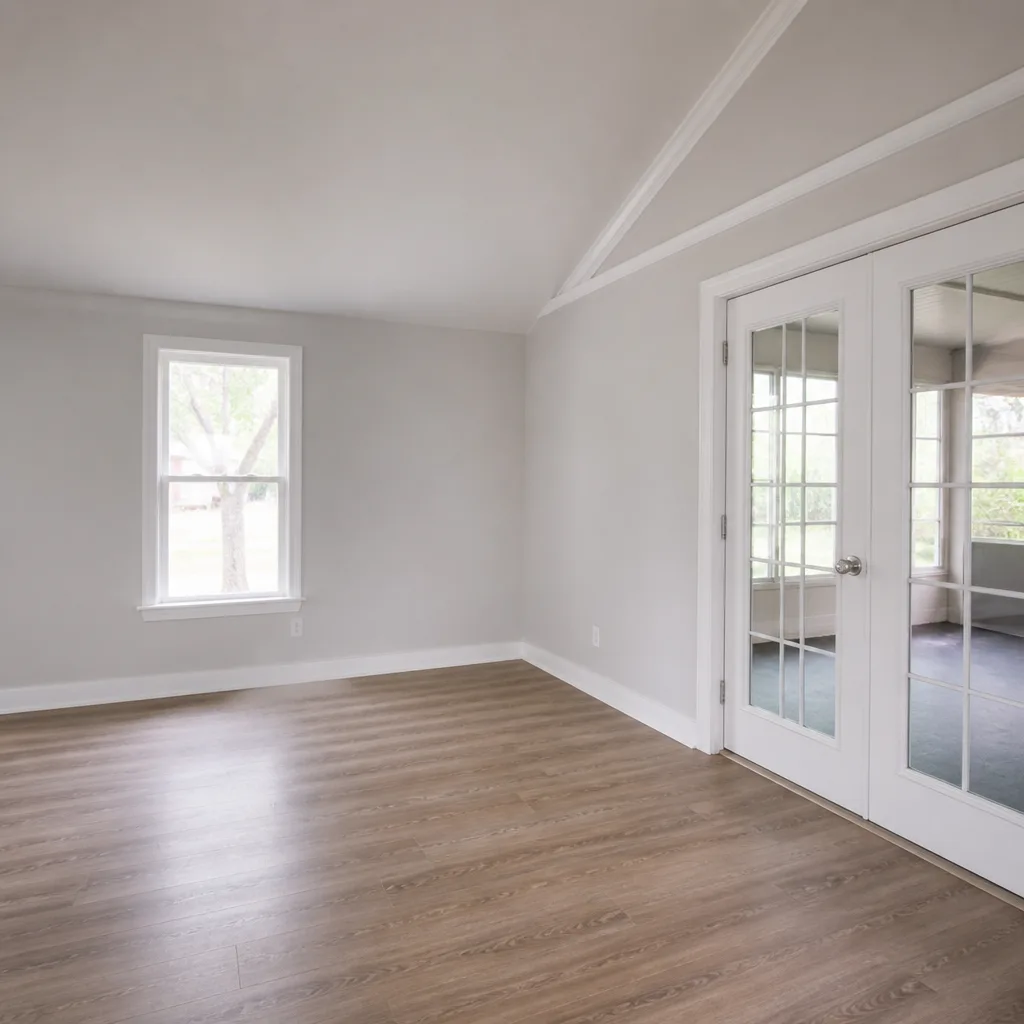
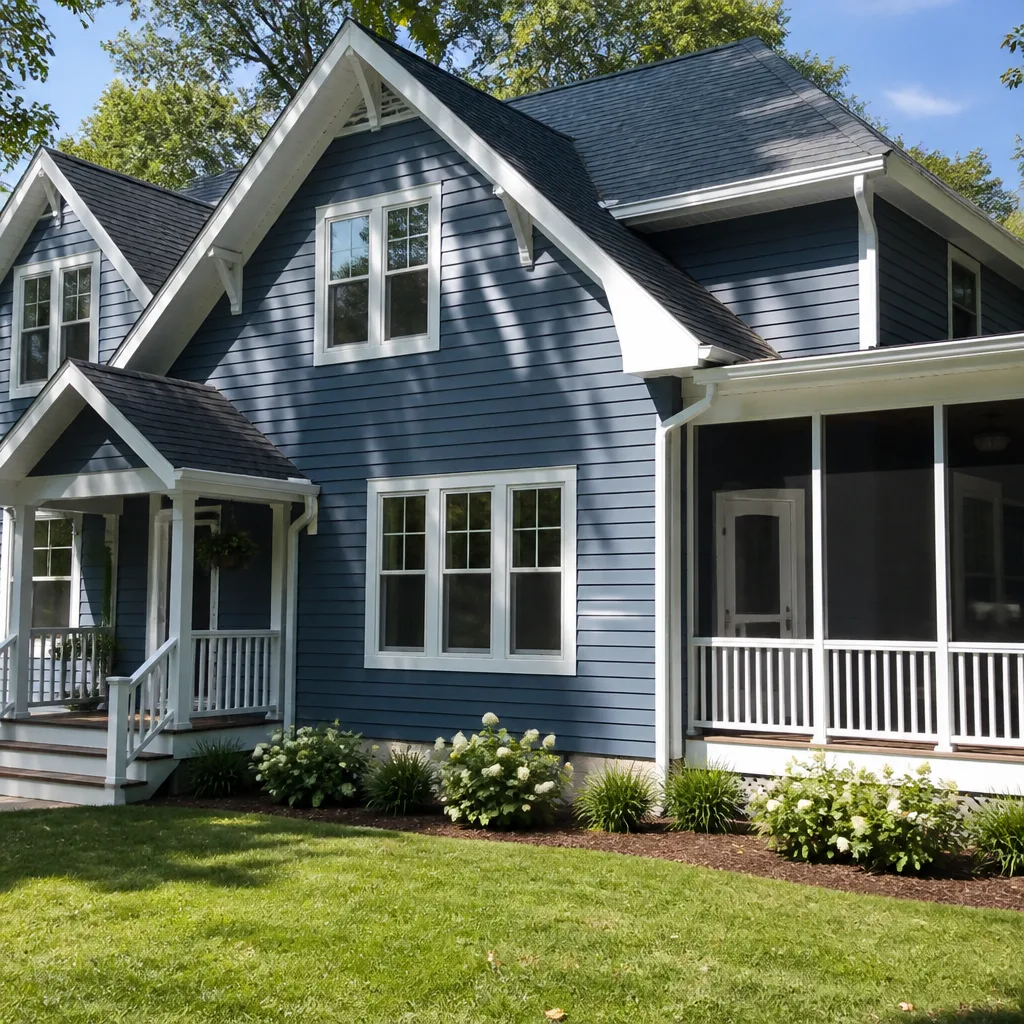
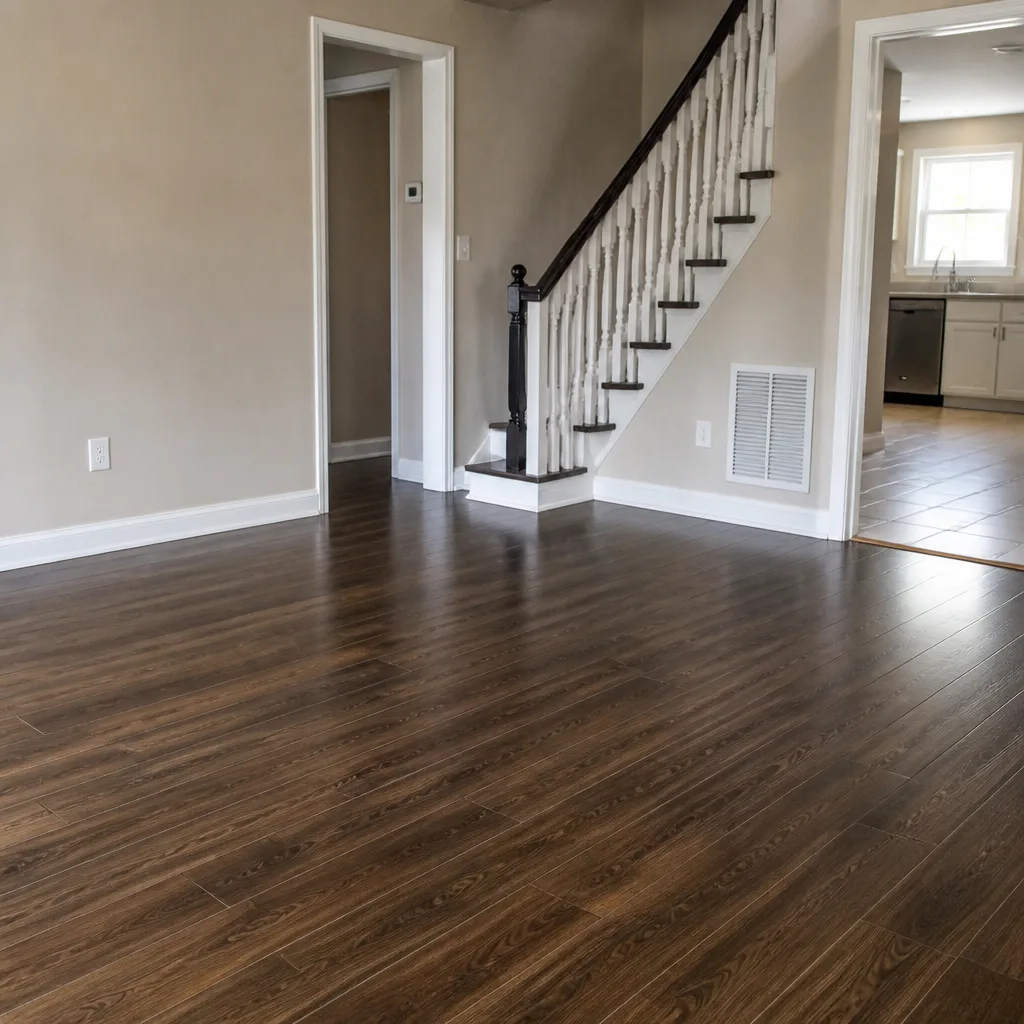
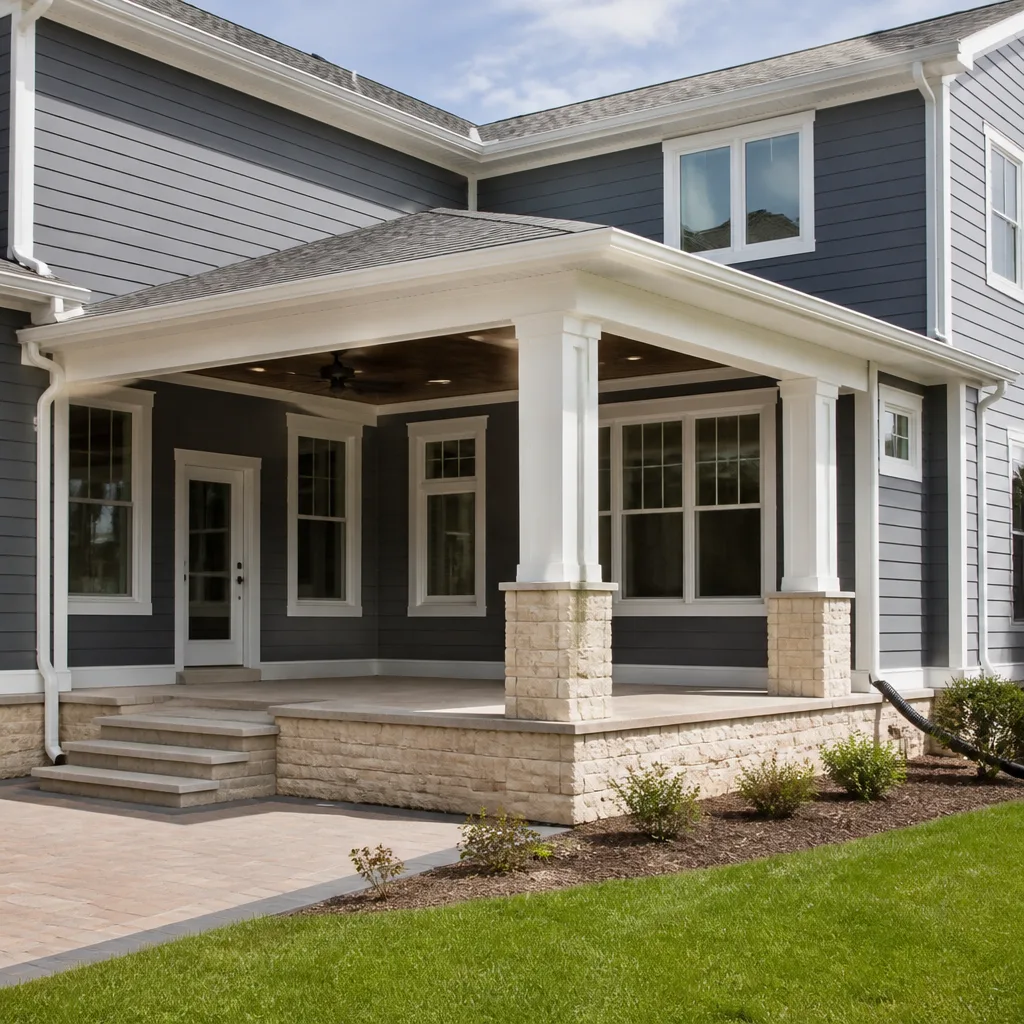
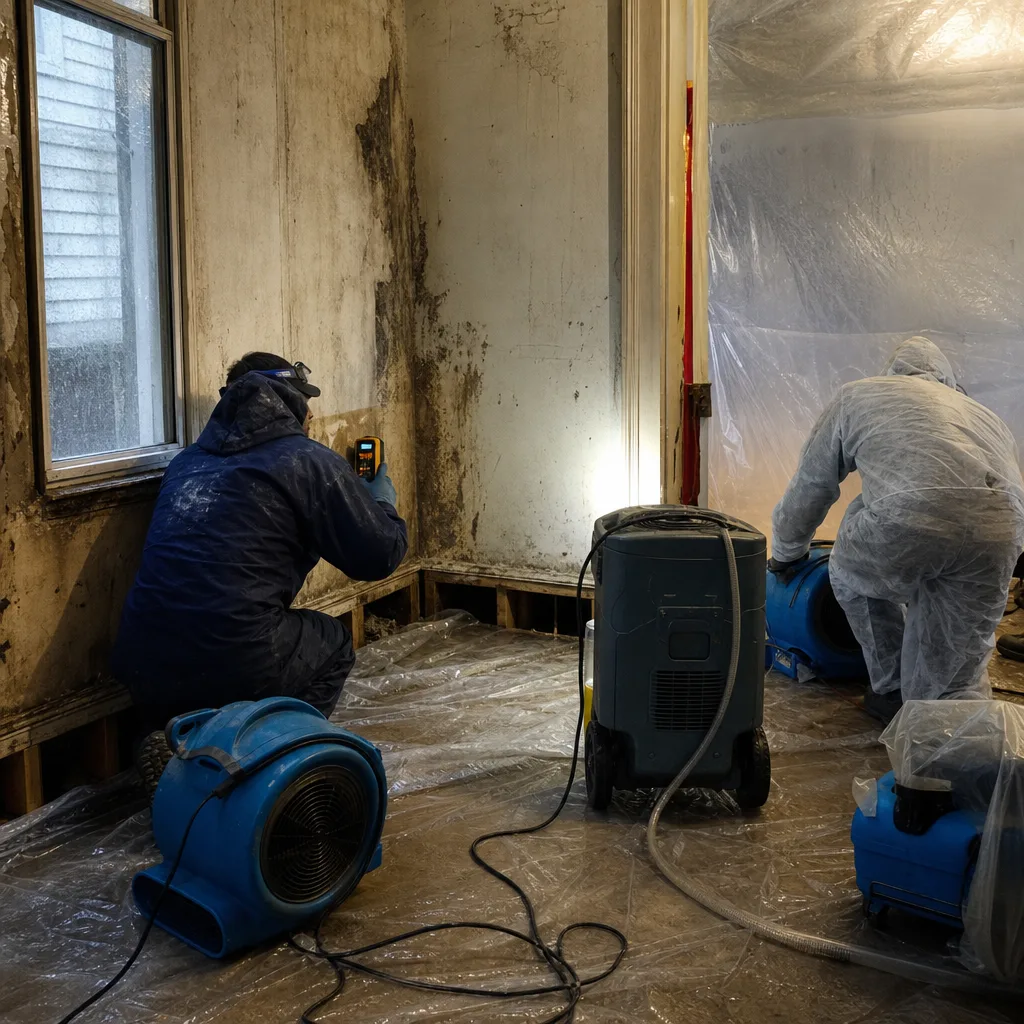 Before
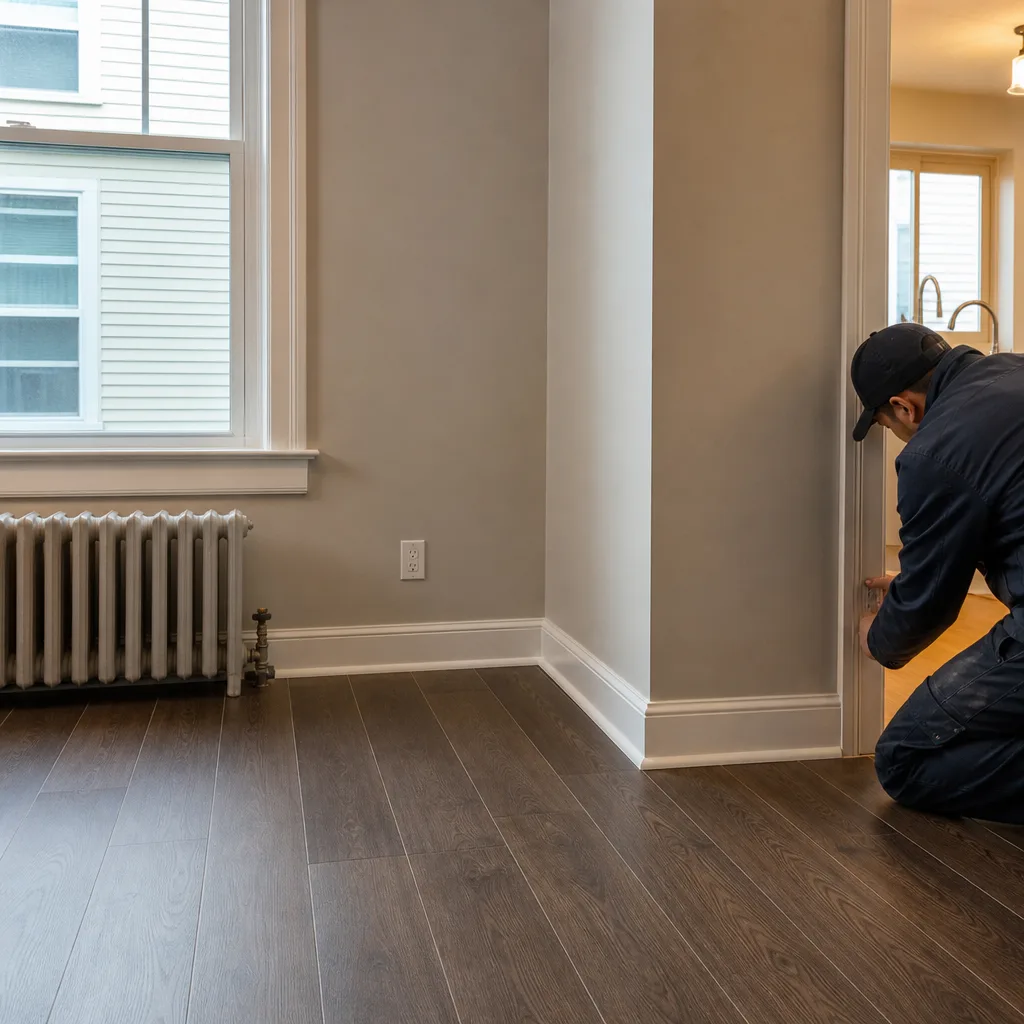 After
After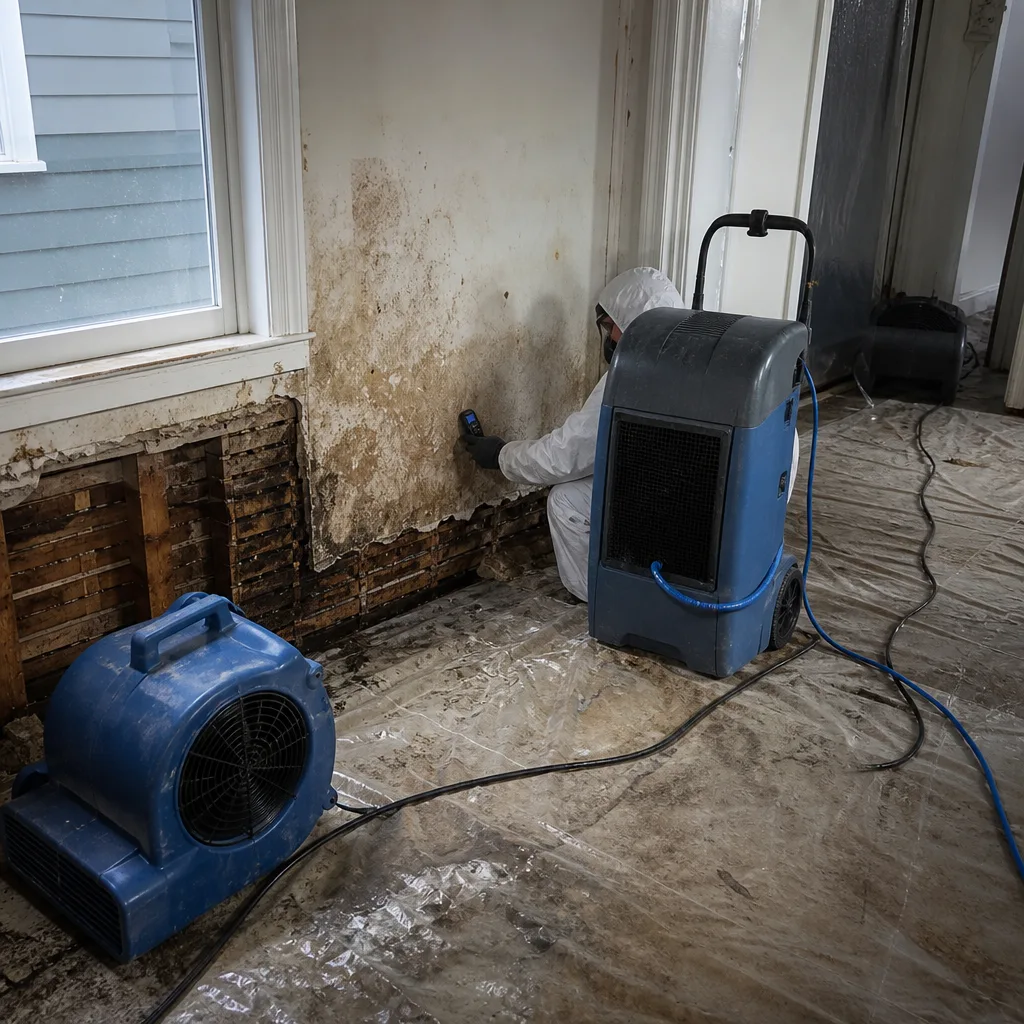 Before
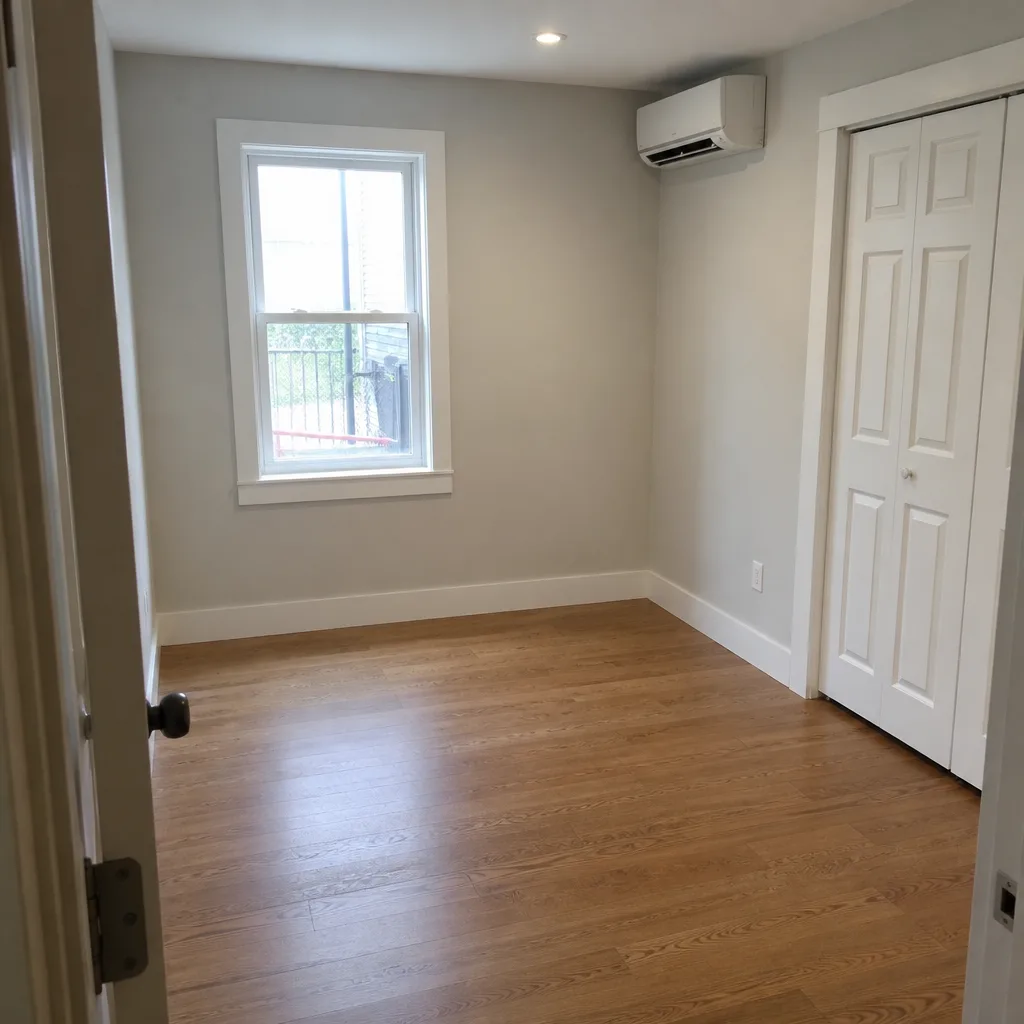 After
After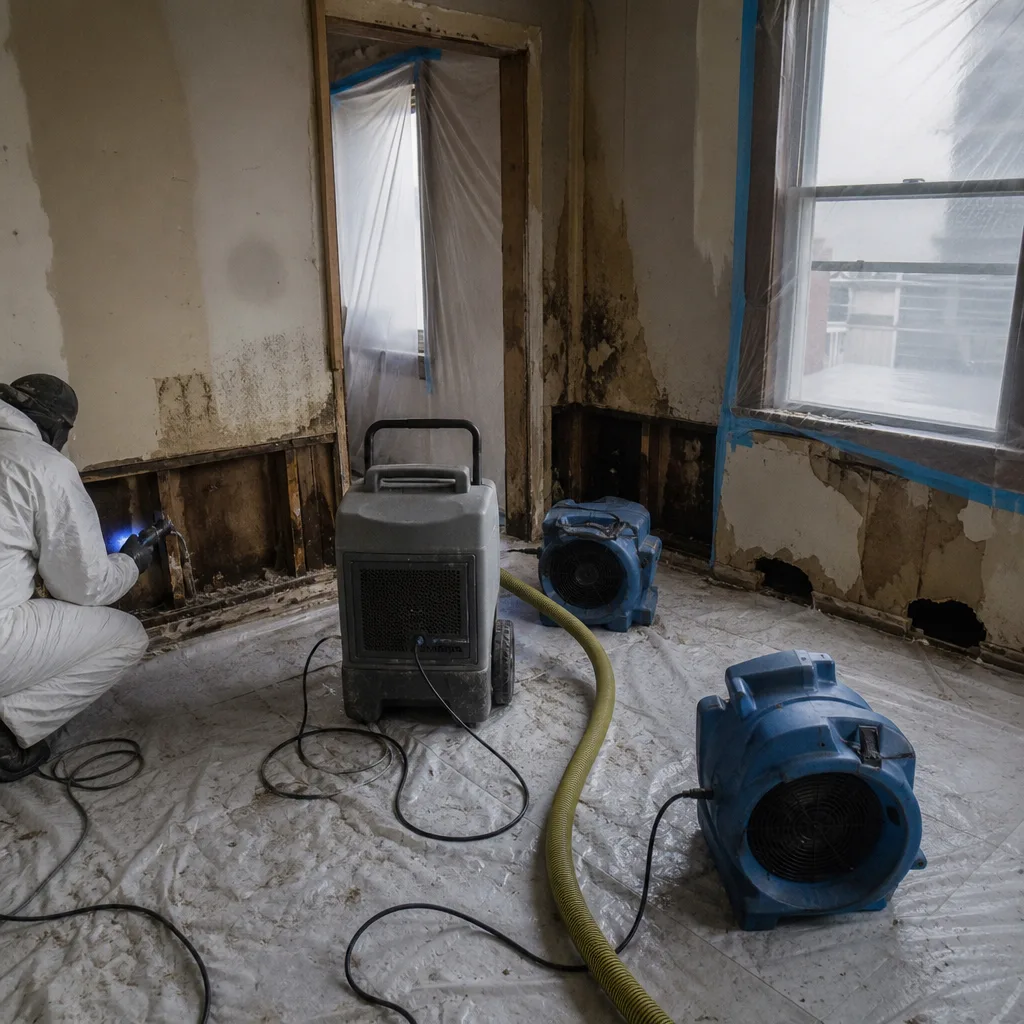 Before
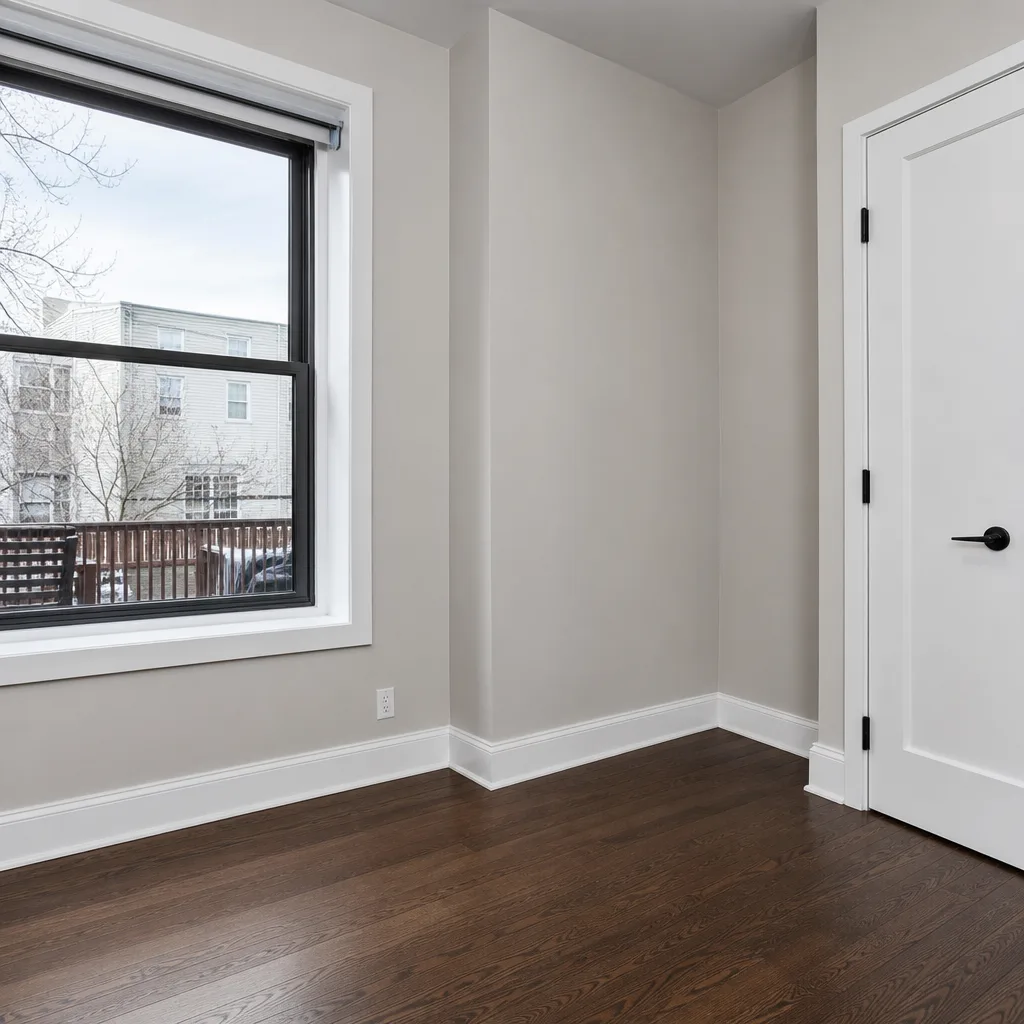 After
After24/7 Emergency Fire & Smoke Damage Restoration in Midtown Manhattan
Fire and smoke damage in Midtown Manhattan moves fast, and so do we. When a kitchen fire in a Hell’s Kitchen walk-up or an electrical blaze in a Murray Hill pre-war sends soot through shared risers and into your walls, you can’t wait until morning. Call (363) 208-1526 and a real person answers, day or night. Wade Ferris runs this company himself, and he’ll have a crew headed your way inside the hour. The first hour after the flames are out is when soot is easiest to remove from porous surfaces and when smoke odor is still treatable before it sinks deep into plaster and fabrics. We arrive with HEPA air scrubbers, thermal imaging, and the training to know exactly where smoke traveled, even where you can’t see it. Free visual inspection, always.
Understanding Fire & Smoke Damage Restoration Severity in Midtown Manhattan Properties
Not all smoke damage is created equal, and in Midtown Manhattan’s building stock, the severity depends on what burned and how the smoke traveled. A grease fire leaves thick, oily soot that bonds to surfaces and requires aggressive chemical cleaning. A smoldering electrical fire produces a finer, drier soot that infiltrates porous materials like the horsehair plaster found throughout 1900s-era tenements in Hell’s Kitchen and Murray Hill. The real problem in vertical buildings is smoke migration. Fire on the 8th floor sends smoke through pipe chases, elevator shafts, and shared HVAC risers into units three floors above and below, so we’re often mitigating odor and residue in apartments that never saw a flame. Pre-war cast-iron risers act like chimneys, and original plaster walls hold smoke particulate deep inside their lime-and-horsehair matrix, which is why aggressive sponge-cleaning just embeds the carbon further. Identifying the soot type, mapping the migration path, and knowing which surfaces can be cleaned versus which need sealing or replacement is the core of the job.
Why Midtown Manhattan Property Owners Choose Wade’s Restoration
- 45-minute response commitment – Wade’s crews stage from the New York City office and can be on-site in Midtown inside the hour, usually faster.
- 24/7 live answer – You’re calling a real person, not an answering service. Wade answers his own phone at 3 a.m. and knows the neighborhood.
- IICRC-certified crews – Our techs hold FSRT and OCT certifications specific to fire and smoke restoration, plus WRT for water damage from suppression efforts.
- Free visual inspection – No charge for the initial assessment. You get a written scope and a straight answer before any work starts.
- Direct insurance billing – We handle the adjuster communication, the documentation, and the billing directly with your carrier.
- One team from board-up to paint – The same crew that stabilizes your unit handles the full restoration, so nothing gets lost between handoffs.
Our Fire & Smoke Damage Restoration Process
1. Inspection & Assessment
We walk the unit with thermal imaging and a particulate meter, mapping soot deposition and smoke travel paths through risers, ductwork, and wall cavities. You get a written report and a line-item scope before any equipment is staged.
2. Board-Up & Stabilization
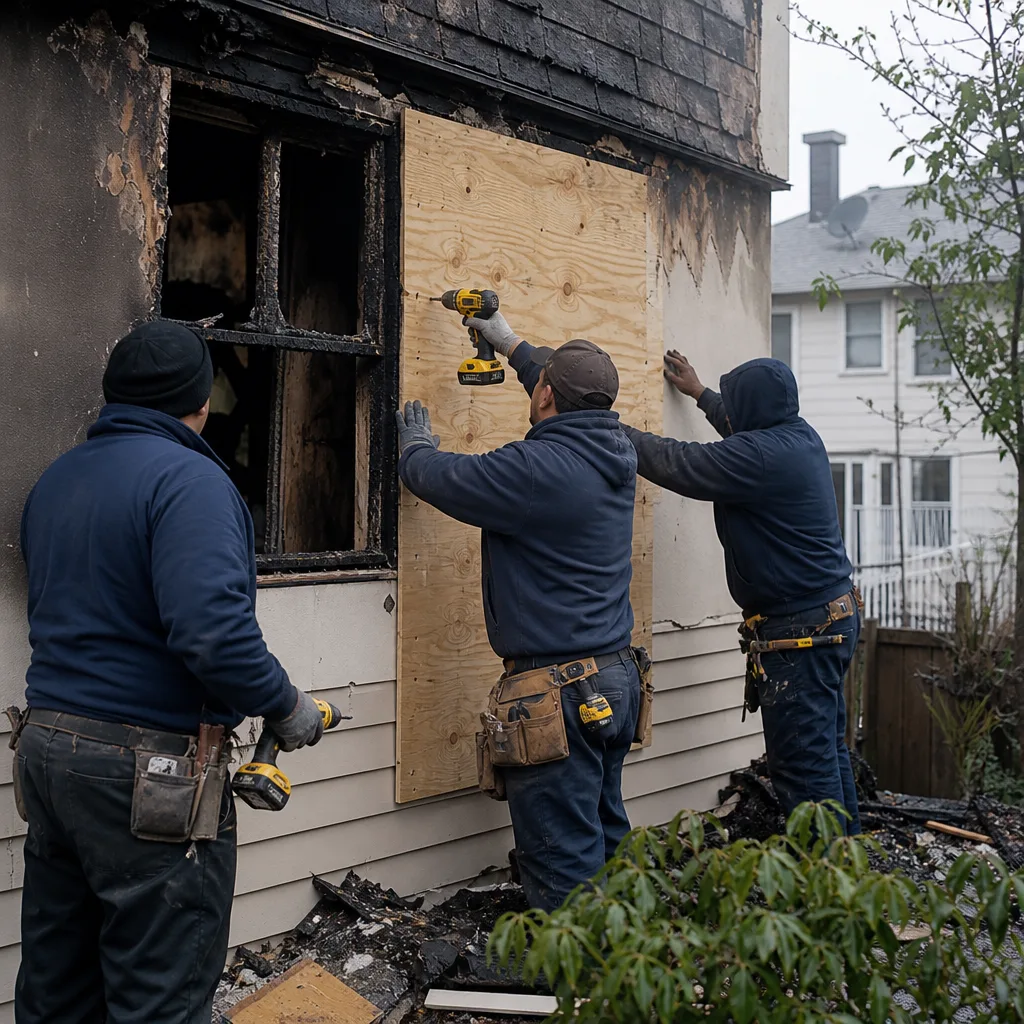
If the fire left windows broken or openings in walls, we secure them immediately with board-up and tarping to prevent weather intrusion and unauthorized access. This also keeps smoke particulate from spreading further through the building.
3. Soot & Residue Removal
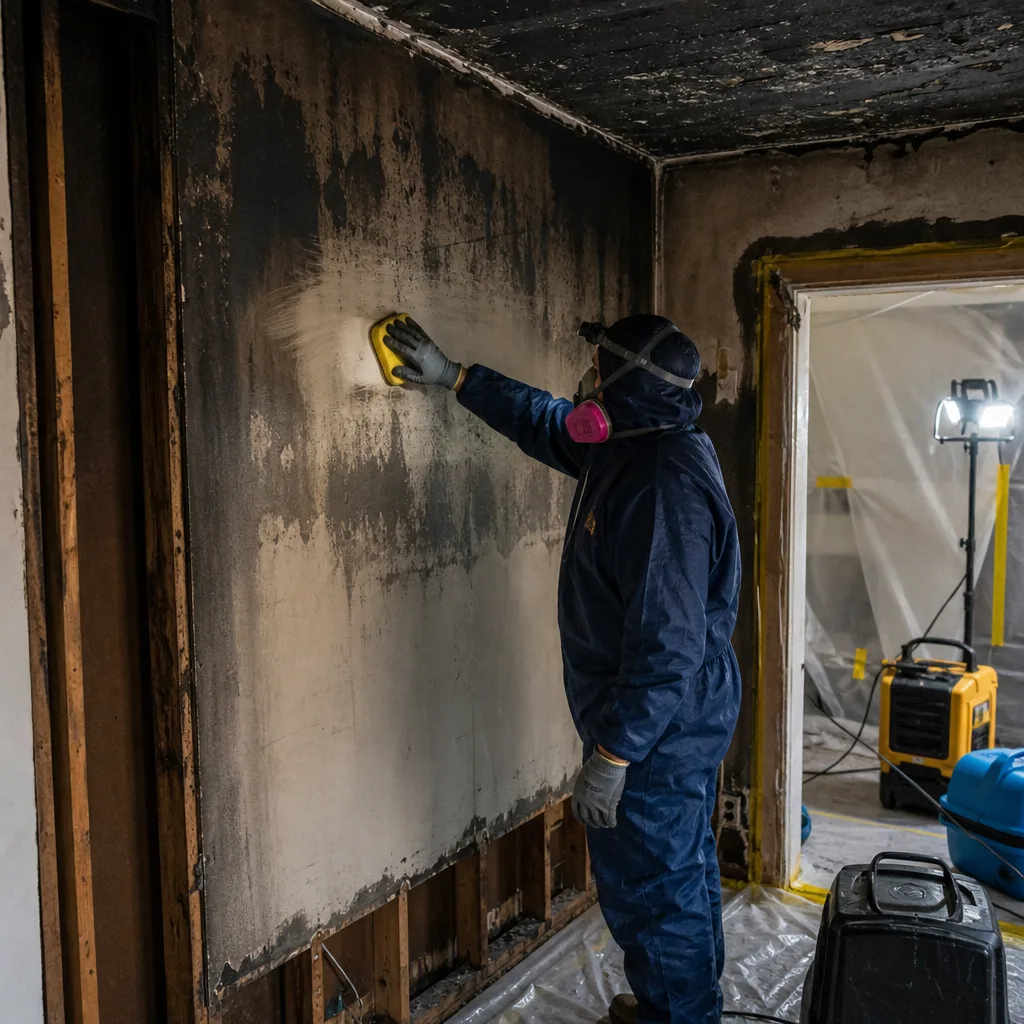
We use dry-ice blasting on delicate surfaces like original plaster moldings, HEPA vacuuming on walls and ceilings, and chemical sponges only where appropriate. Wrong technique on horsehair plaster embeds carbon permanently.
4. Odor Neutralization & Air Scrubbing
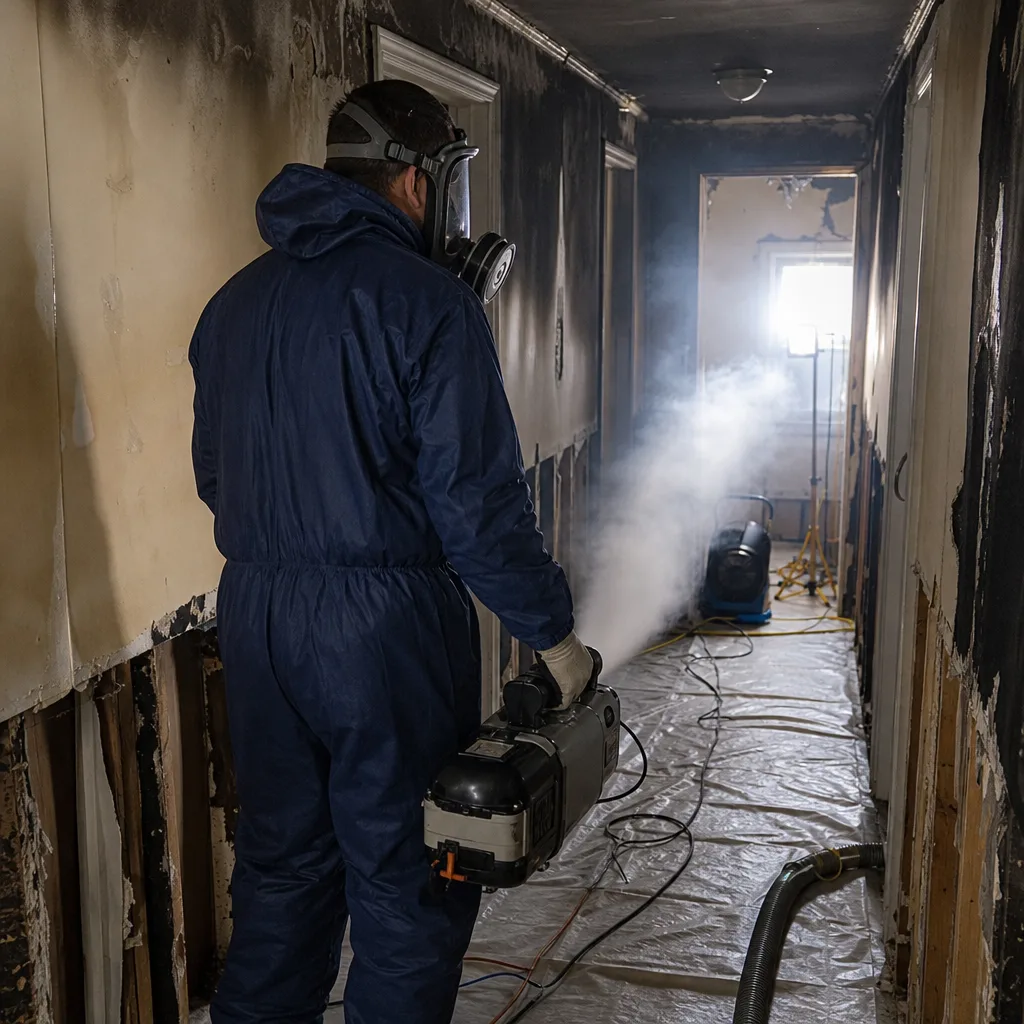
HEPA air scrubbers run continuously while hydroxyl generators break down odor molecules at the source, not just mask them. In occupied buildings, we use equipment that’s safe for neighbors and doesn’t force evacuation.
5. Contents Cleaning & Pack-Out
Salvageable contents are inventoried, packed out to our cleaning facility, and treated with ultrasonic cleaning for hard goods and ozone or hydroxyl for fabrics. Non-salvageable items are documented for your insurance claim.
6. Structural Repairs & Reconstruction
Damaged drywall, plaster, flooring, and cabinetry are repaired or replaced. Pre-war details are matched by craftsmen who understand what a 1920s Hell’s Kitchen apartment is supposed to look like.
Need Emergency Fire & Smoke Damage Restoration in Midtown Manhattan Now?
Crews minutes away, answering live 24 hours a day. The sooner we start, the less it costs.
Working With Your Insurance Company
Fire claims in Midtown Manhattan get complicated fast, especially in co-ops and condos where the building’s master policy and your unit-owner policy overlap. We’ve handled enough of these to know what adjusters need, and we give it to them from the first hour. Photos of every affected room, moisture readings from suppression water, a detailed smoke-migration map, and a line-item scope written to industry standards. Wade talks to your adjuster directly, so you’re not the one stuck relaying technical details between two sides. That matters when the difference between “clean” and “replace” on a custom wood door or a plaster ceiling is the difference between a claim paid fully and one nickel-and-dimed.
What We Provide Your Insurer
- Thorough documentation of the loss
- Photos of all damage, room by room
- Moisture readings and drying logs
- A detailed, line-item scope of work
- Direct coordination with your carrier
Built for Midtown Manhattan’s Loss Calendar
Midtown’s fire-loss pattern follows its seasons, and we’ve learned to prepare for it. January and February bring the deep freezes that burst rooftop supply lines in older high-rises, and when water hits live electrical panels in mechanical rooms, the result is often a smolder that fills upper floors with smoke before anyone smells it. Spring and summer bring kitchen fires in the restaurant-heavy blocks around Times Square and Hell’s Kitchen, where exhaust-hood grease buildup and old gas lines are the usual culprits. Nor’easters push rain through aging window gaskets on pre-war buildings and can short out wiring inside plaster walls, producing slow, smoky electrical fires that smolder for hours. And the district-steam infrastructure beneath Midtown, the Con Edison network that heats many buildings, has ruptured before. When steam main breaks occurred near Grand Central in 2018, sub-basements filled with moisture and displaced legacy asbestos. That’s a scenario where fire, water, and hazardous-material restoration all land on the same job. We’re ready for all of it, year-round.
Fire & Smoke Damage Restoration Across Midtown Manhattan’s Neighborhoods
Midtown Manhattan isn’t one neighborhood. It’s a patchwork of distinct building types, and the restoration approach changes block by block. In Hell’s Kitchen, the tenement walk-ups between 9th and 10th Avenues often have original cast-iron risers and horsehair-plaster walls, so smoke travels vertically fast and soot sinks into surfaces that can’t take aggressive scrubbing. Over in Murray Hill, the pre-war co-ops along Lexington and Third Avenues have thick plaster walls that contain smoke well but hold it deep once it penetrates. The luxury glass towers around Billionaires’ Row and Columbus Circle have modern HVAC with better compartmentalization, but smoke still moves through shared duct runs and elevator shafts, and building management controls every access decision. Times Square’s hotels and converted office buildings bring a different challenge: commercial kitchens, dense occupancy, and business operators who legally cannot close for a week of cleanup, so we work nights and stage equipment through freight-elevator windows scheduled days in advance. Our Fire & Smoke Damage Restoration team knows the difference between a Tudor City co-op and a Hudson Yards rental, and we plan around it from the first call.
Specialized Fire & Smoke Damage Restoration Services We Offer in Midtown Manhattan
Smoke & Soot Removal
Soot removal in Midtown Manhattan is a materials-science problem as much as a cleaning job. The original plaster moldings in a West 57th Street pre-war need dry-ice blasting or gentle HEPA dusting, while the drywall in a newer Kips Bay high-rise can handle chemical sponges. We match the technique to the surface because a wrong move on 1900s-era plaster leaves a ghost stain no repaint will hide.
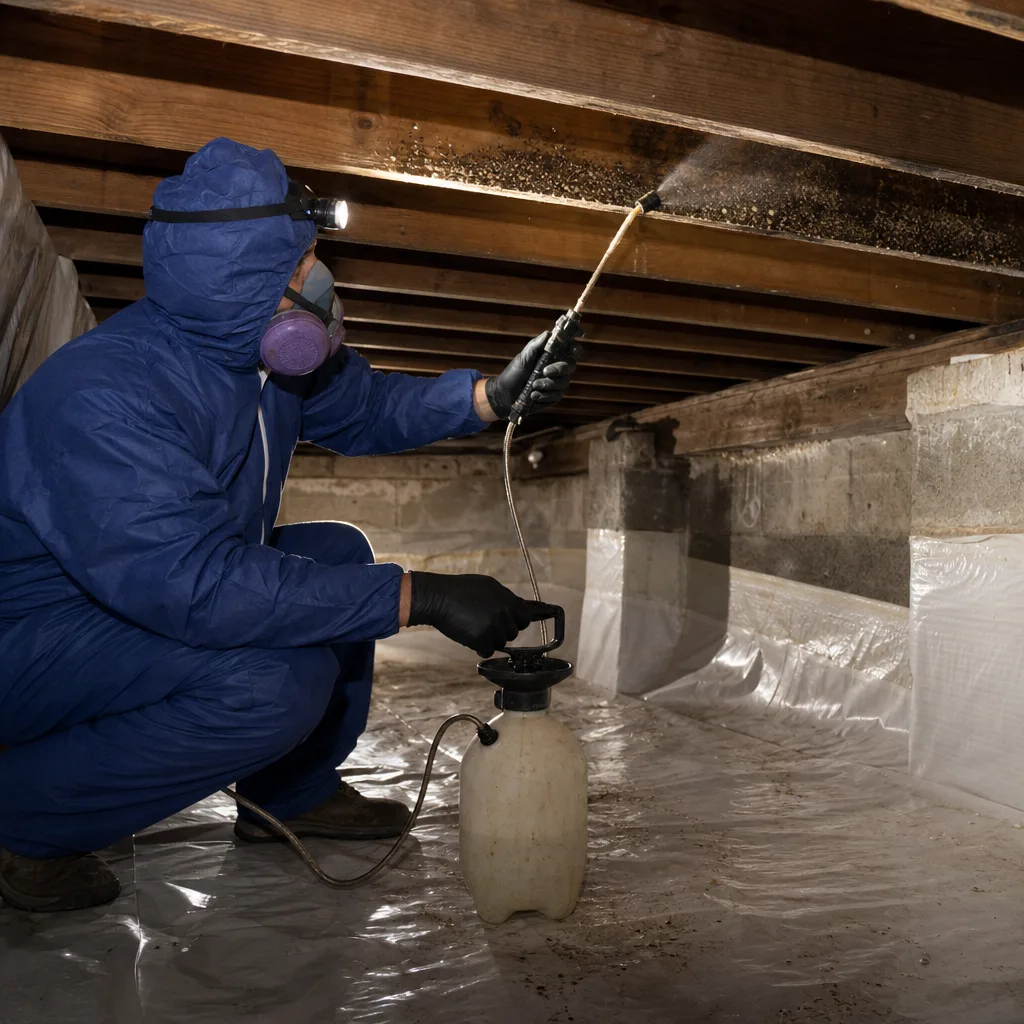
Odor Removal & Deodorization
Smoke odor in a vertical building travels through cavities, risers, and shared ventilation, so deodorizing just the fire unit rarely works. We run hydroxyl generators and HEPA scrubbers in the source unit, the hallways, and adjacent apartments where the smell migrated. Equipment runs quietly and safely while neighbors stay in place. Thermal fogging and ozone are options for unoccupied spaces, but we never use ozone where residents or pets remain.
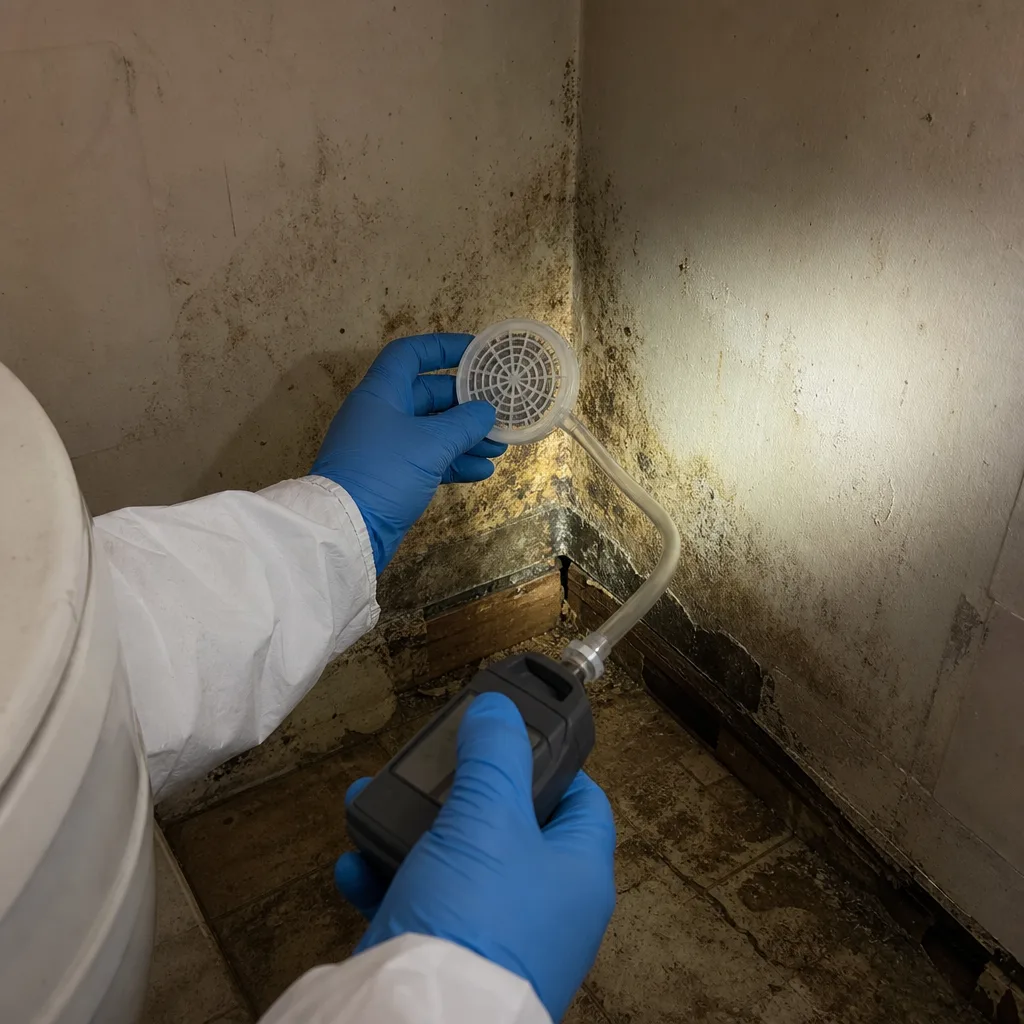
Contents Cleaning & Pack-Out
Your grandmother’s china, your suits, your art, your books. Fire in a Midtown apartment means every porous item within smoke’s reach needs attention, even if it looks fine. We inventory, photograph, pack out, and treat contents at our facility using ultrasonic cleaning for hard goods and specialized deodorization for fabrics. Items beyond saving are documented for your adjuster before disposal, so your claim has no gaps.
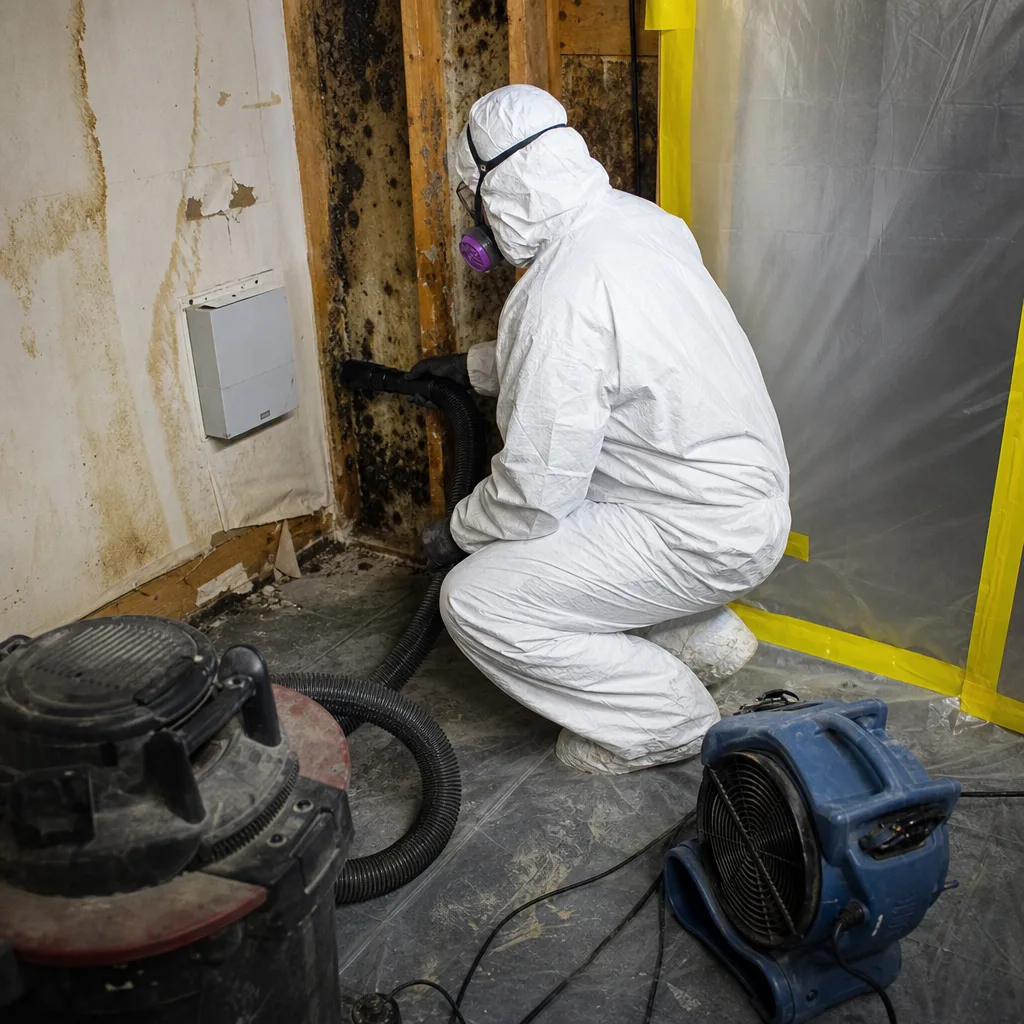
Emergency Board-Up & Tarping
After the FDNY leaves, your unit may have broken windows, a damaged door, or holes cut for ventilation. We secure openings the same day with board-up and tarping, coordinated with your building super for access. In Midtown Manhattan, unsecured openings draw more than weather. They draw liability.
Fire Damage Cleanup
Before restoration comes cleanup: removing charred debris, disposing of unsalvageable materials, and preparing the space for structural work. We handle demo carefully in older buildings where pipe insulation or flooring may contain asbestos, and we never cut into a ceiling or cavity without the required survey, because a stop-work order from the DOB helps no one.
Structural Fire Repair
When framing, joists, or masonry are compromised by fire, repair comes before anything cosmetic. We work with engineers where needed and match original details on pre-war plaster, custom millwork, and period flooring. The goal is a unit that looks like no fire ever happened, not one that looks “renovated.”
What happens when you call
- 1
A real person answersNo phone trees - you reach a local pro.
- 2
You get an upfront price rangeHonest numbers before anyone is dispatched.
- 3
A background-checked tech heads outLicensed & insured, dispatched right away.
- 4
You approve before work beginsNothing starts until you say go.
Fire & Smoke Damage Restoration Costs in Midtown Manhattan, NY
Smoke and soot cleaning in a Midtown Manhattan apartment typically runs $1,800 to $5,500 for a contained kitchen fire with moderate odor, while a full fire restoration including structural repair in a pre-war co-op can run $15,000 to $60,000 or more depending on square footage and finish level. Contents cleaning and pack-out adds $2,000 to $12,000 depending on volume. Board-up and tarping on the same day as the fire runs $500 to $2,500. What moves the price most is the age of the building, whether asbestos or lead abatement is triggered, and how far smoke traveled through shared risers. Insurance covers most fire losses in Midtown, subject to your deductible and policy limits, and we bill your carrier directly. The free visual inspection gives you a firm number before you commit to anything, and there’s no trip charge for our own service area. Call (363) 208-1526 and Wade will walk you through what the job actually costs.
The Vertical-Building Problem No National Playbook Handles
Here’s what a Miami- or Chicago-style fire restoration playbook does wrong in Midtown Manhattan: it assumes a single-family home with a driveway to park a box truck and a door to wheel equipment through. Midtown doesn’t work that way. Our crew handled a small kitchen fire in a pre-war co-op on West 43rd Street that left oily soot on original plaster crown moldings and a persistent smoke smell traveling through the building’s cast-iron risers. We set up HEPA air scrubbers and negative-air containment in the fire unit, used dry-ice blasting on the delicate moldings, and installed hydroxyl generators in adjacent hallways to neutralize odor without disrupting the building’s other residents or the ground-floor restaurant below. Every piece of equipment came up in a scheduled freight-elevator window, every hallway placement was cleared with the super, and the restaurant never closed for a single service. That’s what Midtown Manhattan demands.
We Also Serve Cities Near Midtown Manhattan
Our crews serve the entire Midtown area and surrounding boroughs. You’ll find us in Astoria for pre-war co-op fires, Financial District for high-rise smoke migration, Lower Manhattan for commercial kitchen fires, and Flushing for mixed-use building losses. Call (363) 208-1526 and a real person answers from the New York City office, 24 hours a day.
Serving Midtown Manhattan, NY - Our Local Coverage Area
We’re based in the Midtown Manhattan area and know this community well. Use the map below to see our service coverage - if you’re nearby, we can almost certainly help.
Midtown Manhattan Fire & Smoke Damage Restoration Questions, Answered
How do you handle smoke odor that has traveled from a neighboring co-op unit into my Midtown apartment?
We treat the odor at its source first, then address migration paths. That means containment and air scrubbing in the fire unit, then hydroxyl generators run in your apartment and any shared hallways or risers where smoke traveled. We coordinate with building management for access to common areas, and the equipment we use is safe to run while residents stay in place.
Will you need to remove my custom wood carriage doors for fire damage assessment?
Usually not. We assess custom doors in place using thermal imaging and particulate testing, then clean them with techniques matched to the finish. Only if heat warped the wood or smoke penetrated deep into the grain would we recommend removal, and that’s a decision you’d approve in writing first.
Can you clean smoke damage from a 1920s plaster ceiling in Hell’s Kitchen without destroying the original finish?
Yes, and this is one of the jobs where technique matters most. We use dry-ice blasting or gentle HEPA dusting on original plaster, never aggressive chemical sponges that embed carbon into the porous surface. If soot has penetrated too deep, we seal and repaint rather than scrub, which preserves the ceiling’s integrity and keeps the ghost stain from returning.
How does a fire on my floor affect the building’s HVAC and what do you do about it mid-rise?
Smoke gets pulled into the building’s HVAC return ducts and can spread through shared risers to units above and below. We inspect the duct runs serving your unit, HEPA-vacuum or clean the accessible portion, and install air scrubbing at the return points until the particulate load drops to normal. Full duct cleaning is scoped separately if needed and coordinated with building management.
Do I need to move out of my Midtown hotel room or office during fire cleanup if I cannot close for business?
No. We stage equipment during scheduled freight-elevator windows and run air scrubbers and hydroxyl generators that are safe for occupied spaces. For commercial operations, we typically work nights and off-hours, contain the affected area with negative air pressure, and keep the rest of the floor fully operational. We’ve done this for restaurants, hotels, and offices throughout Midtown without a single closure.
How fast can you actually get to a Midtown Manhattan fire?
Inside an hour, usually under 45 minutes. Our crews stage from the New York City office and know the cross-street routes, the freight-elevator protocols, and the building supers by name. Call (363) 208-1526 and you’ll get a live person who can dispatch immediately.
Will my insurance cover fire and smoke damage in a co-op or rental?
Most standard co-op and renter’s policies cover fire and smoke damage to your unit and contents, subject to your deductible. The wildcard in Midtown is the building’s master policy, which may cover portions of the structure depending on your proprietary lease. We document everything from the first hour and work with both carriers so coverage questions get answered quickly.
What should I do in the first 30 minutes after a fire in my Midtown apartment?
Call 911 if it hasn’t been done, then call us once the FDNY clears the scene. Don’t touch soot-covered surfaces, don’t turn on the HVAC, and don’t wipe anything with water. Limit movement in the affected area to keep soot from being tracked into unaffected rooms. Then call (363) 208-1526 and let us start containment.
Written by Wade Ferris, Owner at Wade’s Restoration, serving Midtown Manhattan and the surrounding New York City area.