
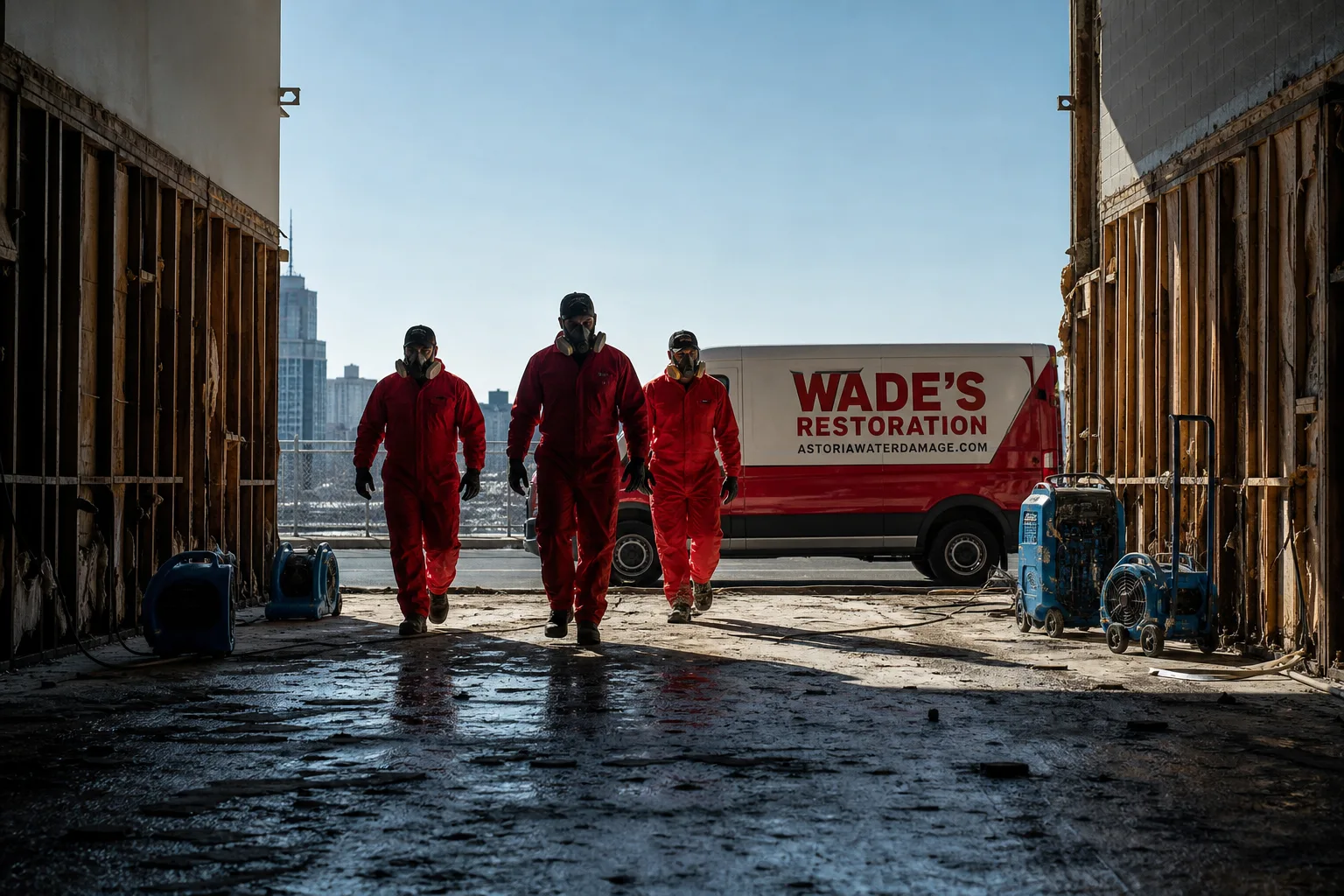
Free visual inspection and a written scope of work before any mitigation begins - photos, moisture readings, and drying logs go in your claim file
The scope we write is the scope we bill. Anything new gets shown to you, in writing, before we touch it.
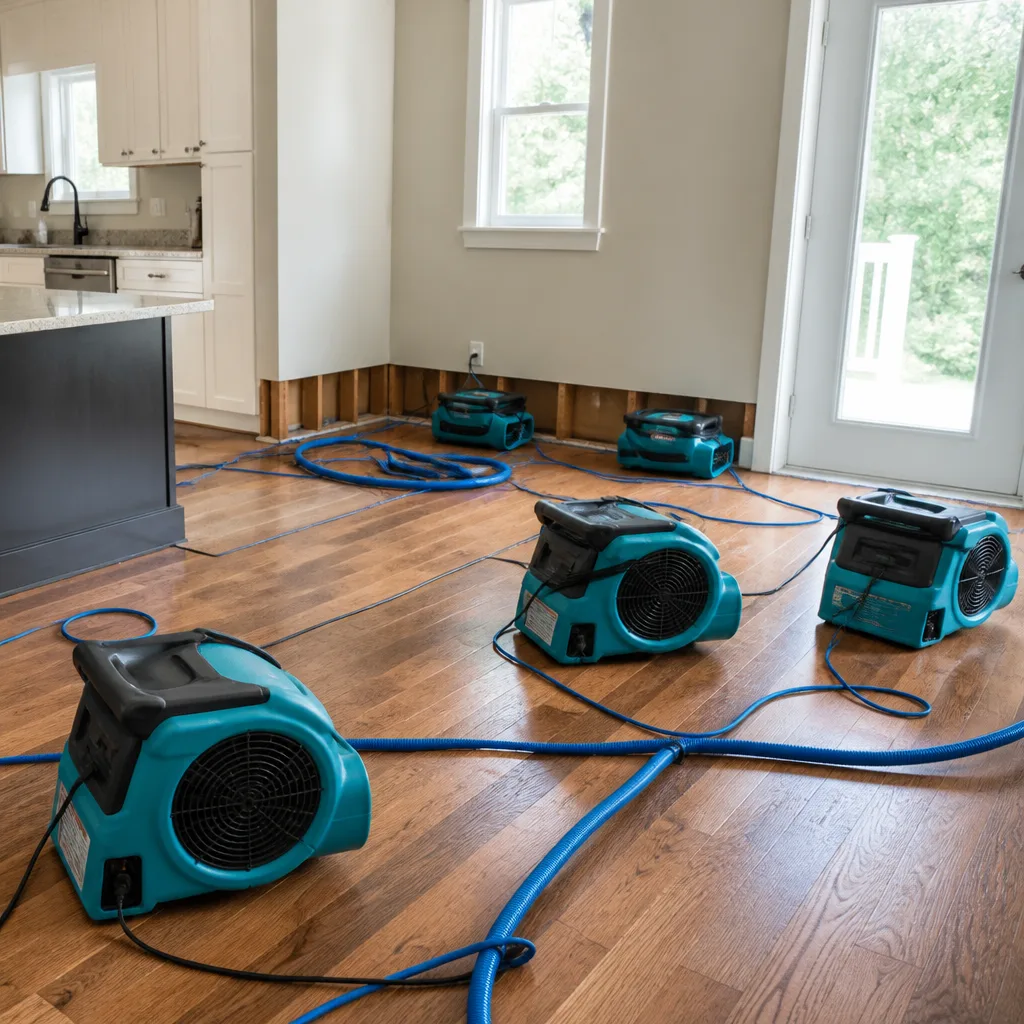
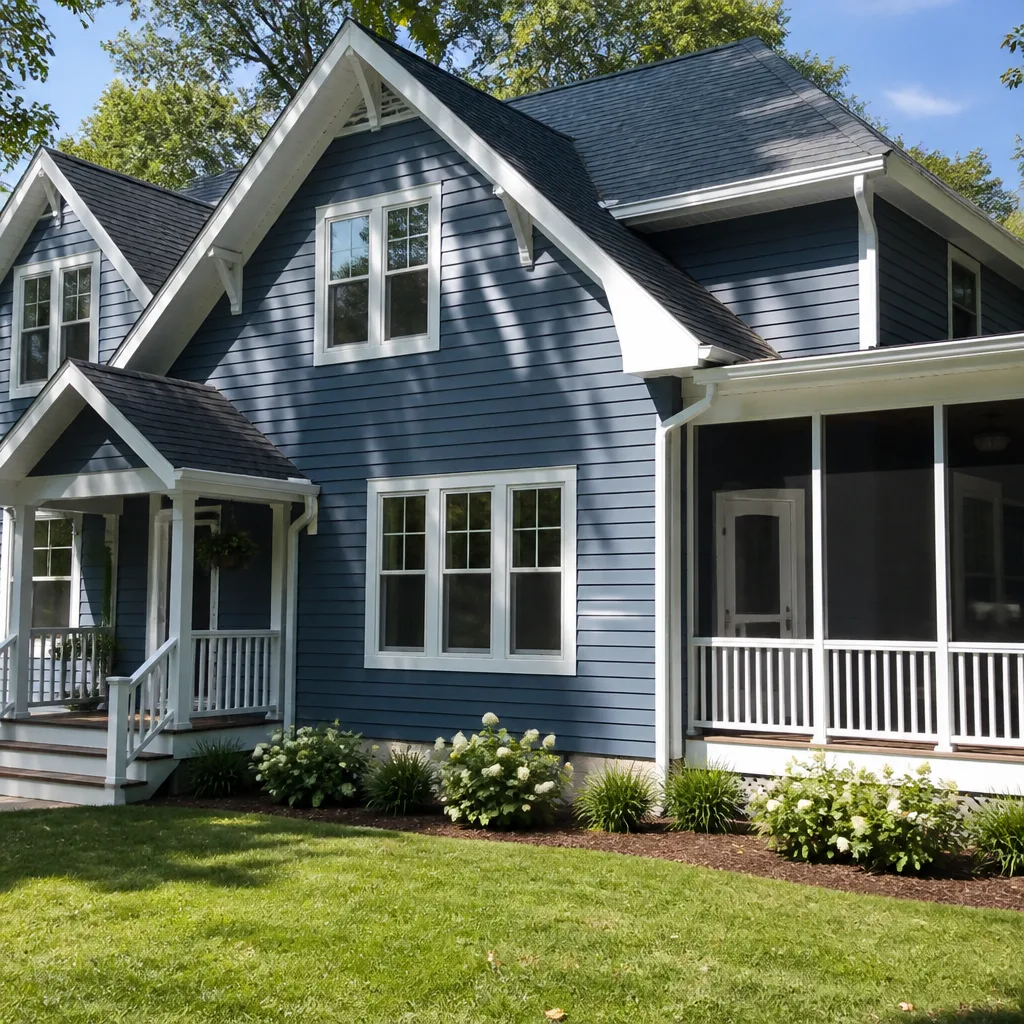
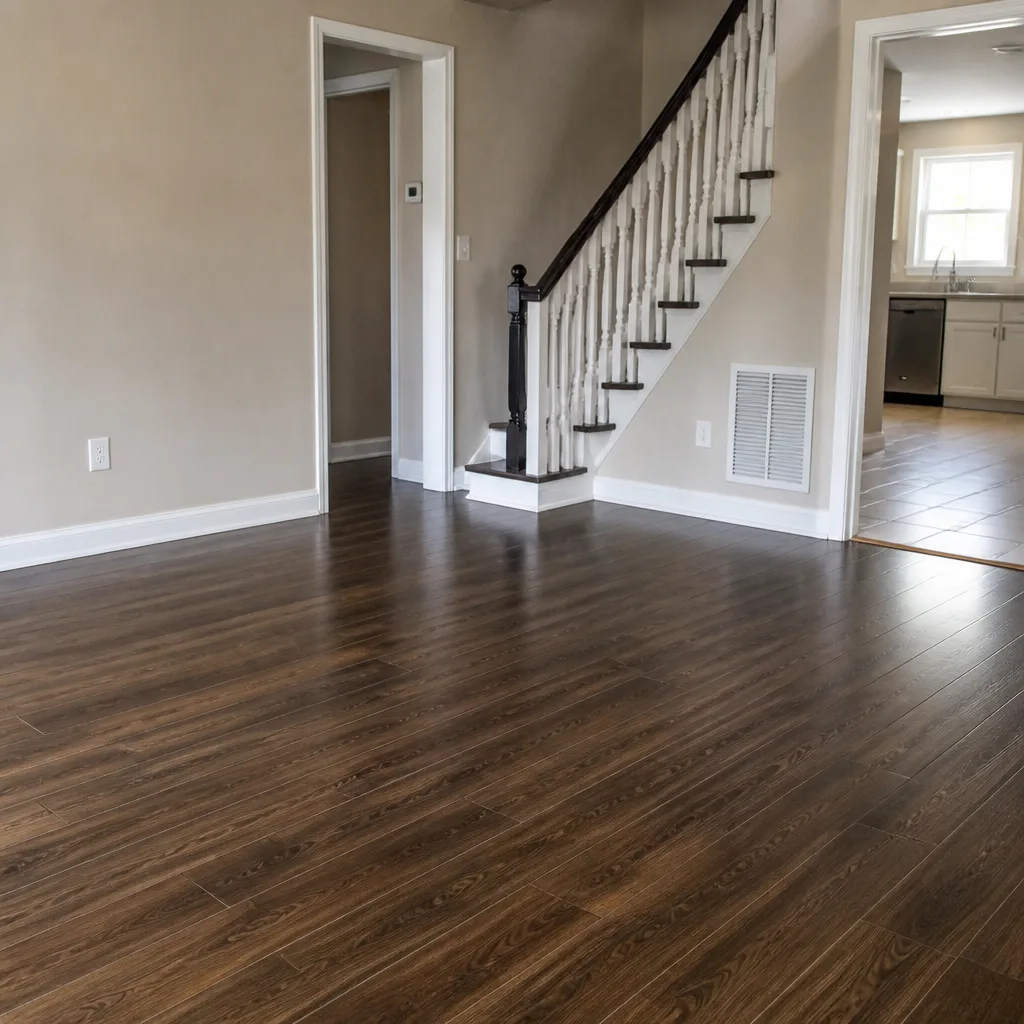
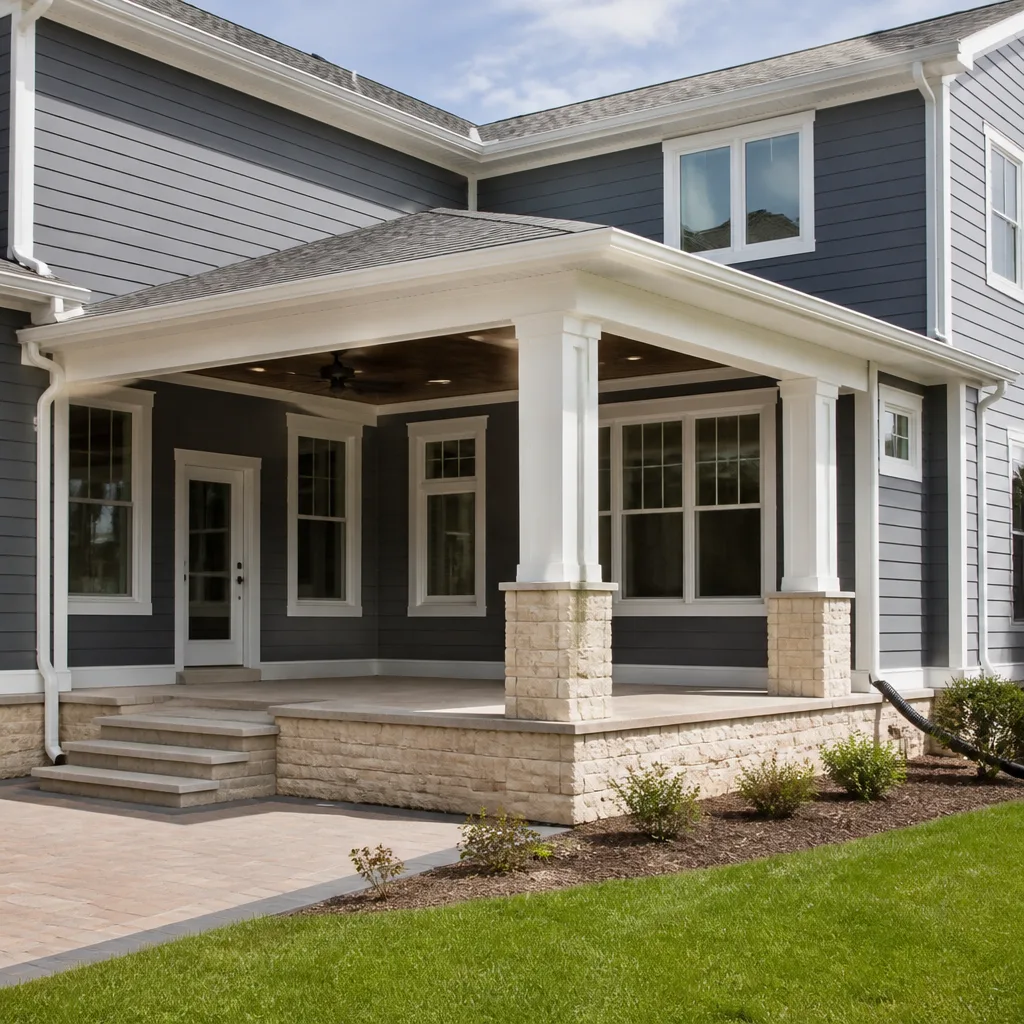
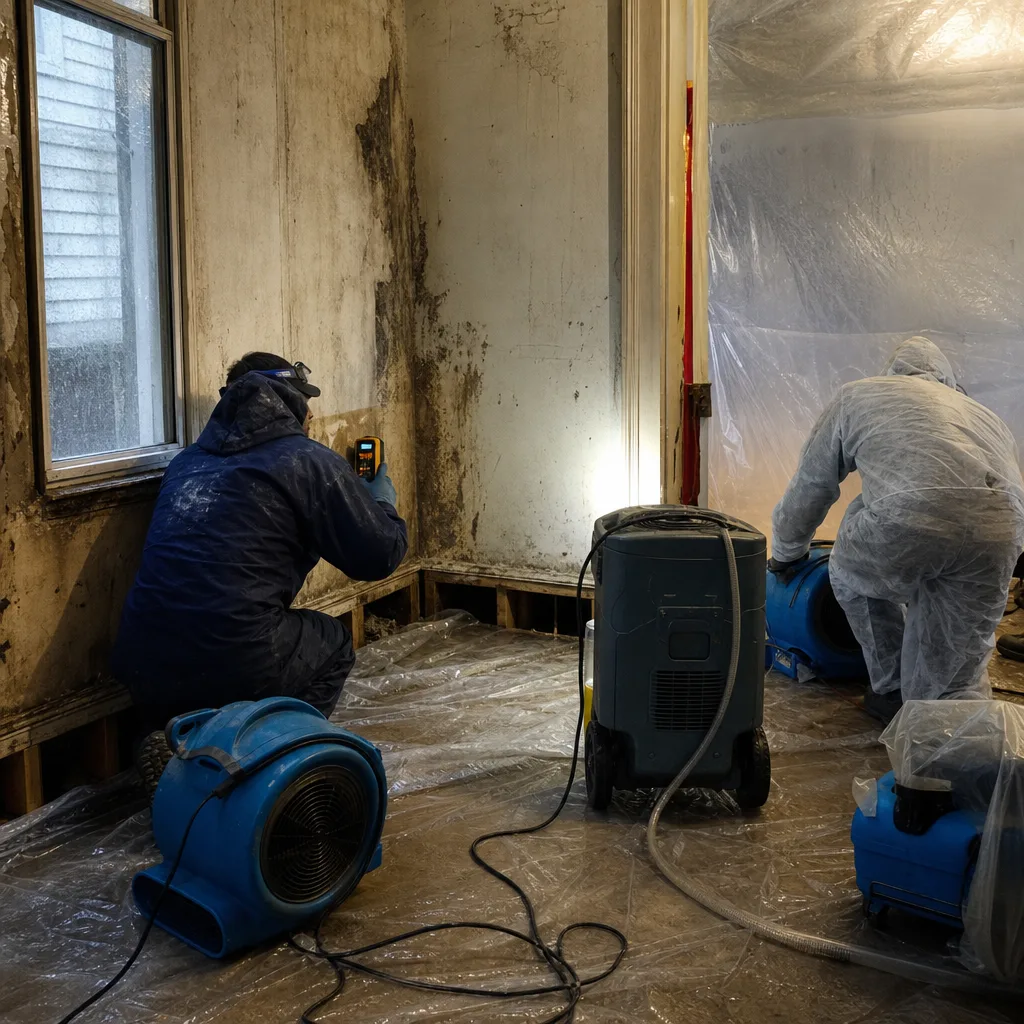 Before
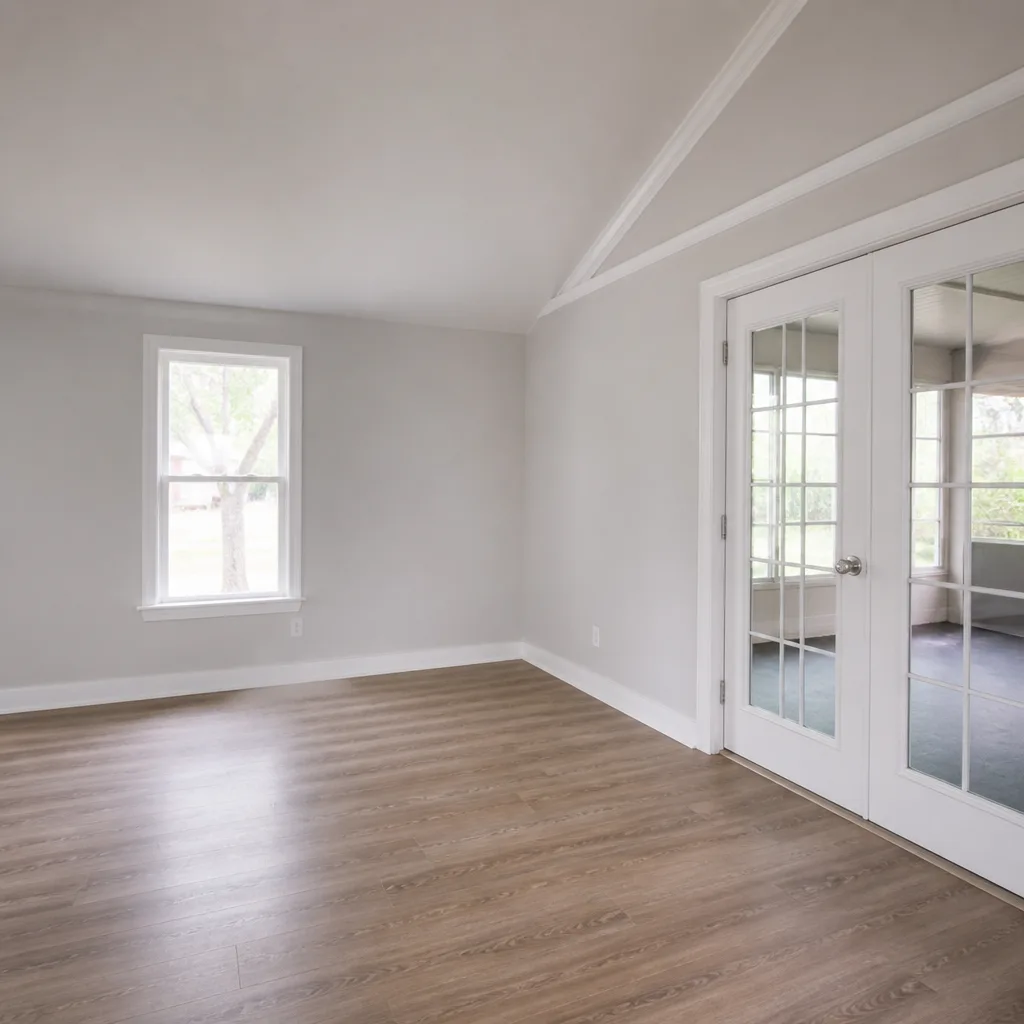
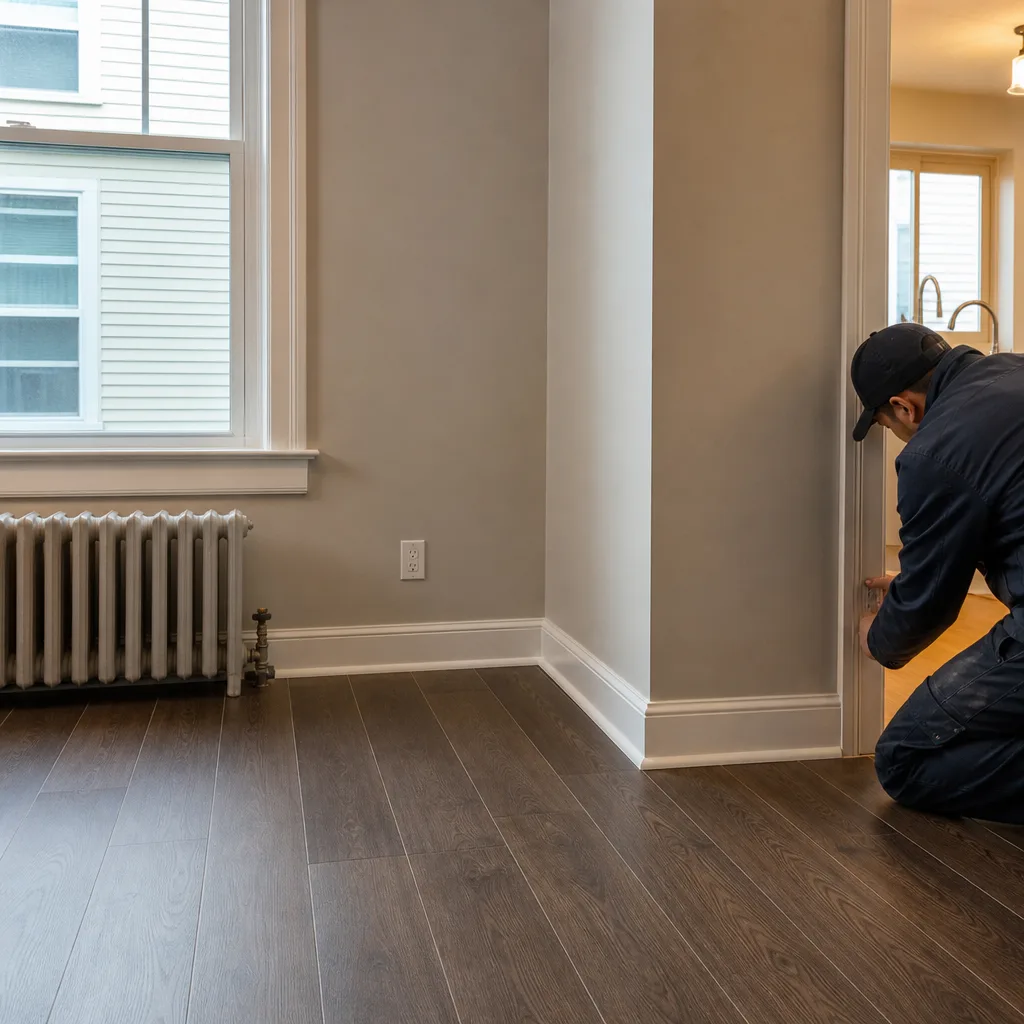 After
After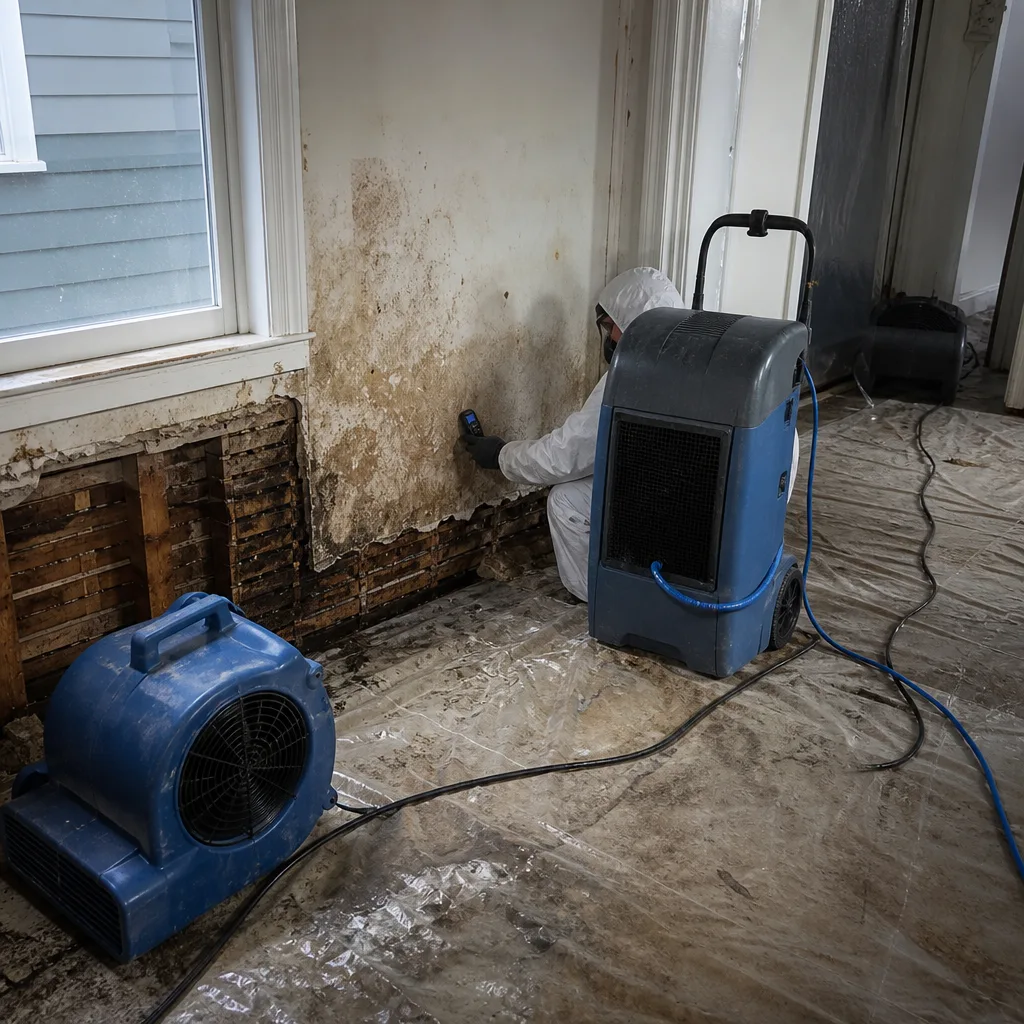 Before
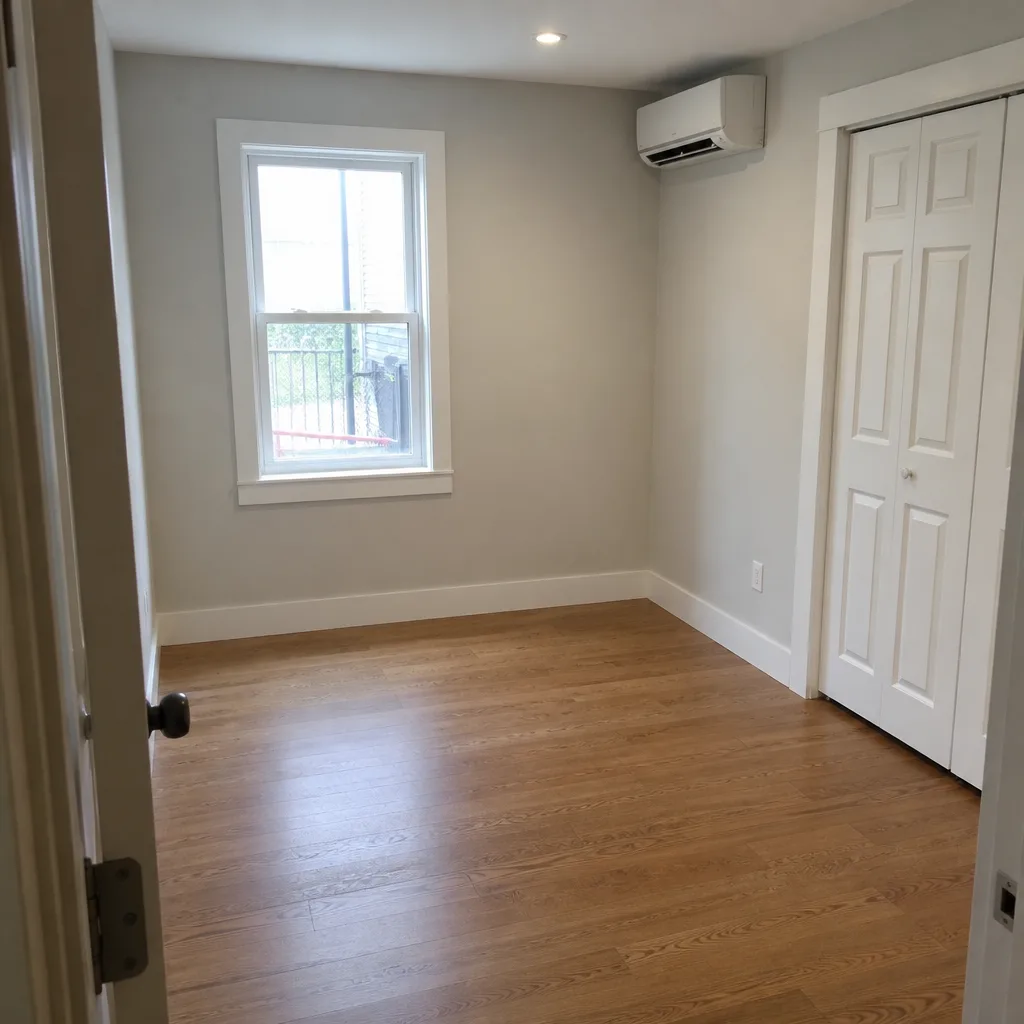 After
After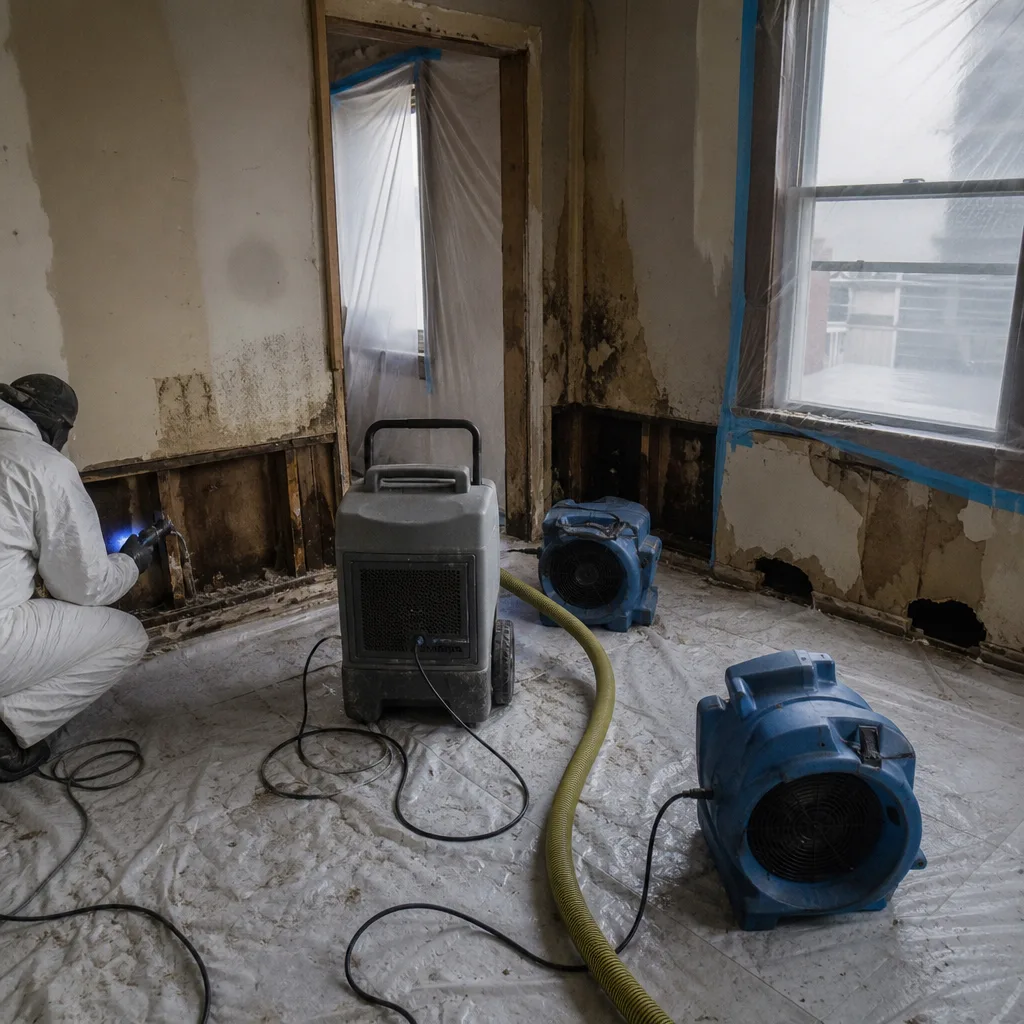 Before
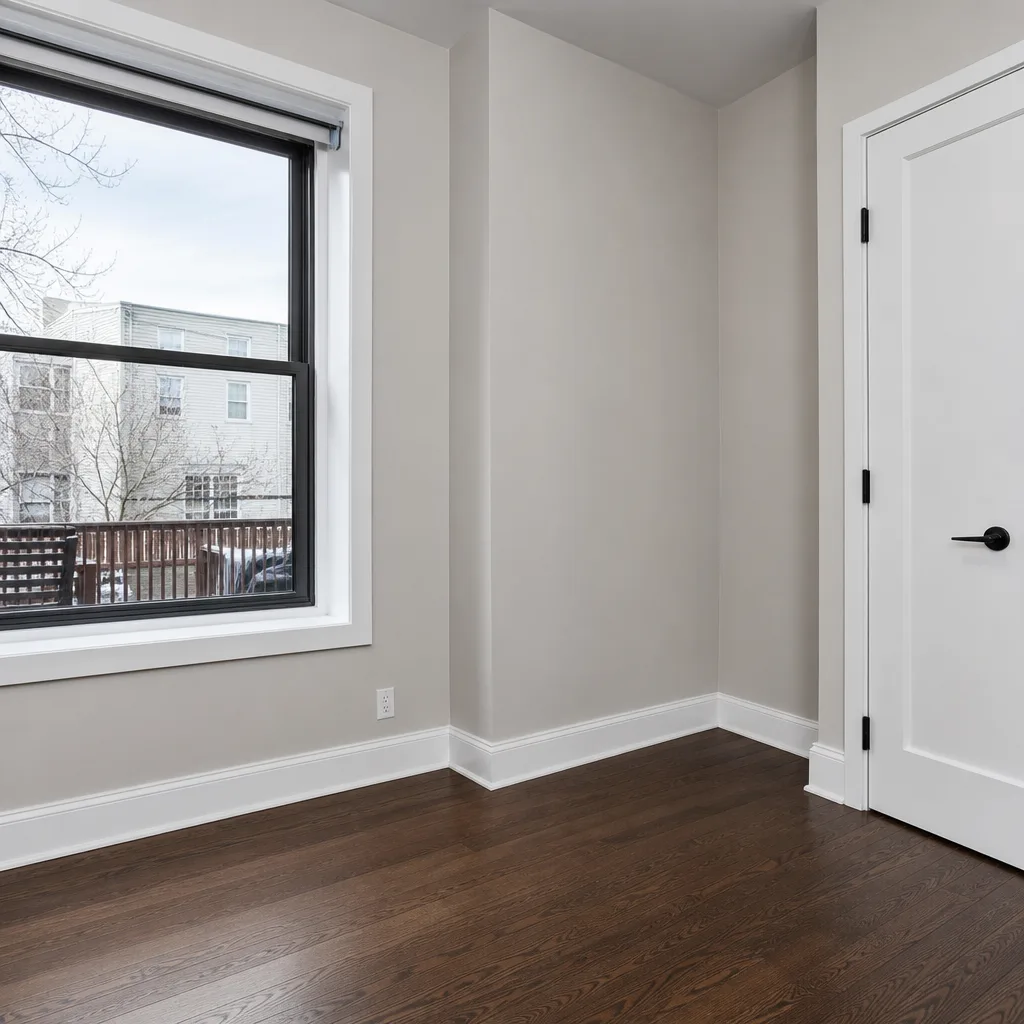 After
After24/7 Emergency Commercial Restoration in West Bronx
Commercial restoration in West Bronx moves fast because water, fire, and smoke don’t wait for business hours. A burst cast-iron drain stack in a 1930s walk-up off the Grand Concourse can cascade water through four floors of occupied units before noon. Wade Ferris answers his own phone around the clock, every day including holidays, and can have a crew on site inside the West Bronx area within 45 minutes of your call. Call (363) 208-1526 right now if you’re looking at standing water, smoke residue, or any damage that’s spreading. The first hour determines whether you’re drying drywall or replacing it. Our crews arrive with thermal imaging, moisture meters, and the equipment to stop the loss where it stands, not after it’s traveled two more floors.
Understanding Commercial Restoration Severity in West Bronx Properties
Not every water stain is the same job. Restoration professionals classify water in three categories: Category 1 is clean supply water, Category 2 is contaminated gray water from appliances or sump failures, and Category 3 is sewage or flood water carrying bacteria and pathogens. West Bronx pre-war buildings complicate every category because original horsehair plaster walls wick moisture differently than modern drywall, and cast-iron drain stacks fail without warning after 80 or 90 years of service. Smoke damage has its own ladder: light soot on surfaces, moderate residue that requires chemical sponging, and baked-on carbon that needs aggressive mechanical cleaning. Mold work in these buildings requires full containment, negative air pressure, and HEPA air scrubbing before any drywall or plaster comes out. Oversized equipment and sloppy demolition spread contamination through hallways and stairwells in a multi-family walk-up faster than any suburban split-level. Building age, occupancy density, and the condition of the original plumbing stack are the three severity drivers we see over and over in West Bronx’s pre-war stock.
Why West Bronx Property Owners Choose Wade’s Restoration
- 45-minute response commitment to West Bronx: Wade’s on the road as soon as you hang up, not after a phone tree gets around to dispatching someone from two counties away.
- A real person answers, 24/7: You get Wade or one of his crew on the phone at 3 a.m., not a call center reading a script. And here’s his cell if you want to skip the queue.
- IICRC-certified crews: Water damage work follows WRT standards, fire and smoke follow FSRT protocols, and mold remediation is done under AMRT guidelines. We’re also RIA-affiliated and IFA-recognized.
- Free visual inspection: Before any scope is written, someone walks the site with you and tells you what actually needs doing, not what’s easiest to bill. No charge for that.
- Direct insurance billing: Photo documentation from the first hour, moisture logs every single day, and a line-item scope your adjuster can actually read.
- One team, start to finish: Extraction, drying, demolition, and rebuild are the same crew. Nobody hands you off to a subcontractor you’ve never met after the emergency passes.
Our Commercial Restoration Process
Inspection & Assessment
We walk the property, map the water or smoke travel path, and take thermal imaging and moisture readings at every affected surface. In a pre-war building, that means checking the floor above and below the visible damage, because water follows the old cavities between joists, not your drywall seams.
Extraction & Stabilization
Standing water comes out with truck-mounted extraction and submersible pumps. We shut off the source, isolate the affected area, and lay down containment before a single air mover runs. Stabilizing a multi-floor loss means stopping water from dropping into occupied units below.
Drying & Dehumidification
Dri-Eaz dehumidifiers and air movers get placed according to a drying plan, not scattered around. We log moisture readings every single day and hand you the full chart at the end. No guessing, no “come back in a week and see.”
Cleaning & Sanitization
After drying, every affected surface gets cleaned and sanitized to the appropriate standard. For Category 3 water, that includes antimicrobial application and disposal of unsalvageable porous materials. HEPA air scrubbers run throughout to catch anything airborne.
Asbestos & Lead Compliance
Before any scraping or demo on pre-war plaster in the West Bronx, we bring in a licensed surveyor to test for asbestos and lead. Skipping this step on a Grand Concourse building is a DEP violation that stops the job cold. We handle the paperwork and the wait, so your units stay compliant.
Repairs & Restoration
Once the building is dry and cleared, the same crew rebuilds. Plaster patching on horsehair lath, flooring replacement, paint, trim, and any structural work. You get one team from the first call to the final walk-through, and a written scope before any of it starts.
Need Emergency Commercial Restoration in West Bronx Now?
Crews minutes away, answering live 24 hours a day. The sooner we start, the less it costs.
Working With Your Insurance Company
We deal with your adjuster directly, so you’re not the one running between two phones trying to explain what a moisture reading means. From the first hour on site, we photograph everything, room by room, before anyone moves a tool. Our scope of work is written in the same format insurers use, with line items they recognize. If the adjuster has questions, we answer them. If the carrier pushes back on a necessary step like asbestos testing or replacing damaged plaster, we provide the documentation to support it. You hired us to restore the building; coordinating with the carrier is part of that job, not an extra service.
What We Provide Your Insurer
- Thorough documentation of the loss
- Photos of all damage, room by room
- Moisture readings and drying logs
- A detailed, line-item scope of work
- Direct coordination with your carrier
Built for West Bronx’s Loss Calendar
West Bronx commercial losses follow the calendar like clockwork. January and February bring freeze-thaw cycles that crack aging built-up roofing on flat-roofed pre-war buildings, and a failed parapet lets water track down interior walls for weeks before anyone notices the stain. Spring thaws combined with heavy rain push stormwater down the Kingsbridge Heights and University Heights ridgelines into lower valley blocks and basement-level commercial units. Summer thunderstorms dump an inch of rain in 40 minutes and overwhelm old storm drains, flooding below-grade spaces and storage rooms. Autumn nor’easters and remnant tropical systems hammer flat roofs and parapets again, and the wind-driven rain finds every weak point in 90-year-old brick and mortar. Unlike newer construction, these buildings were never designed for drainage anywhere except straight down through cast-iron stacks that have since rusted out. Knowing when losses hit doesn’t stop them, but it does mean we keep equipment and crews staged for the right part of West Bronx before the storm even forms.
Commercial Restoration Across West Bronx’s Neighborhoods
The Grand Concourse corridor keeps us busiest. Art Deco elevatored buildings from the 1920s and 30s with original plaster ceilings, aging drain stacks, and tight basement mechanical rooms where one failed fitting floods the first two floors before anyone catches it. University Avenue has a mix of retail storefronts and residential walk-ups, and the same roof leak that soaks an apartment also takes out the bodega or pharmacy underneath. Fordham Road commercial spaces sit under residential floors, so a clogged kitchen sink on floor six becomes a water feature in the shoe store on floor one. Kingsbridge Heights sees more seepage from the ridgeline, especially in basement-level commercial spaces below grade on the downhill side. Bedford Park’s NYCHA towers require coordination with a bureaucracy rather than a private landlord, which changes the paperwork timeline but not the urgency of stopping water in occupied units. Each neighborhood has its own access problem too: narrow alley-load doors on the Concourse, double-parked loading zones on Fordham, service entrances behind University Avenue shops. We know which route gets a truck and crew to each address fastest.
Specialized Commercial Restoration Services We Offer in West Bronx
Multi-Unit & HOA Restoration
A single pipe burst in a four-story walk-up is a multi-unit loss, not a one-unit cleanup. We isolate each affected floor, dry in place where possible, and replace only what can’t be salvaged so the building’s occupancy certificate isn’t threatened. Our drying plan accounts for occupied units above and below the damage, and we log moisture readings daily for every affected apartment. The goal is getting every tenant back inside a dry unit without a 30-day hotel bill for the landlord.
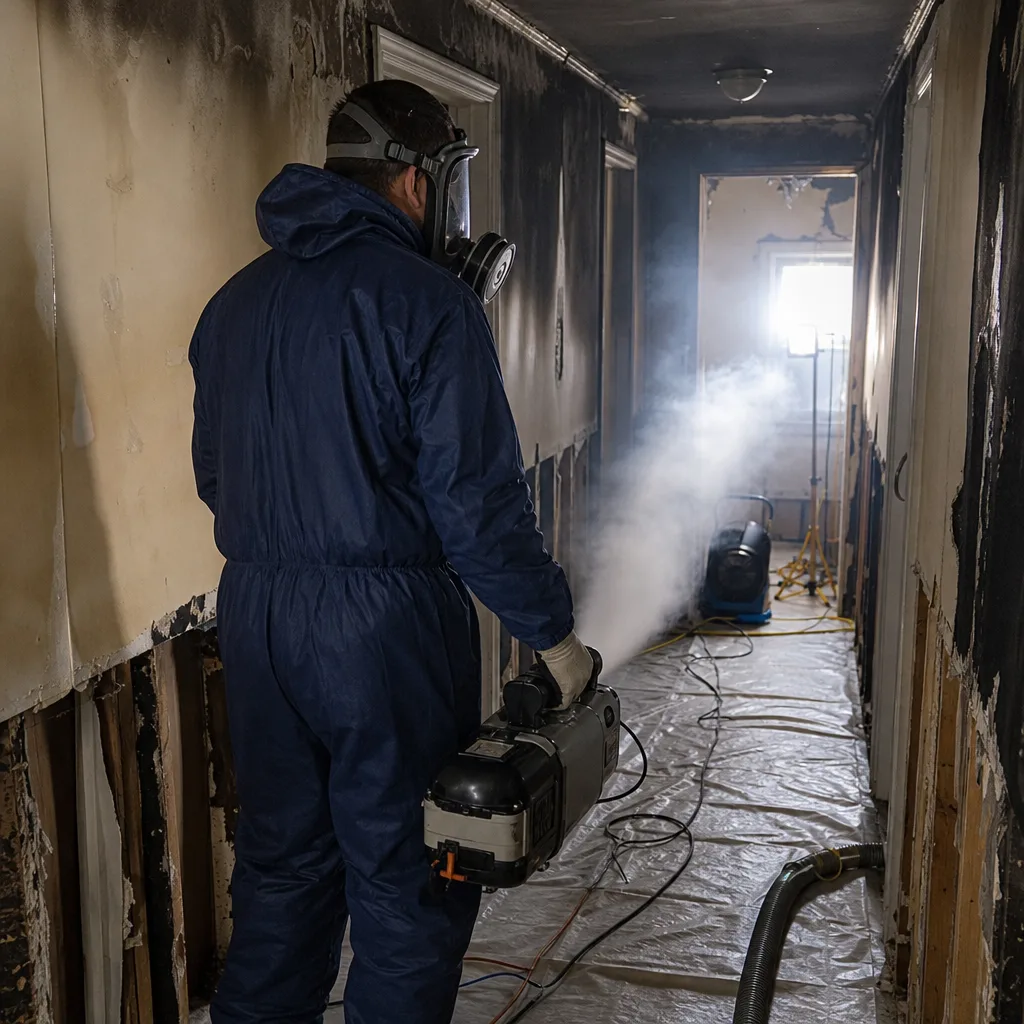
Large-Loss Response
When a whole building takes water from a failed riser or a roof collapse, the response is different: more equipment, more crew, and a project manager who owns the timeline. We deploy truck-mounted extractors, enough Dri-Eaz dehumidifiers to dry 10,000 square feet simultaneously, and containment that separates the loss from the still-occupied portions of the building. Large losses in pre-war buildings almost always trigger the full NYC asbestos and lead survey before demolition, and we don’t wait until demo day to start that process.
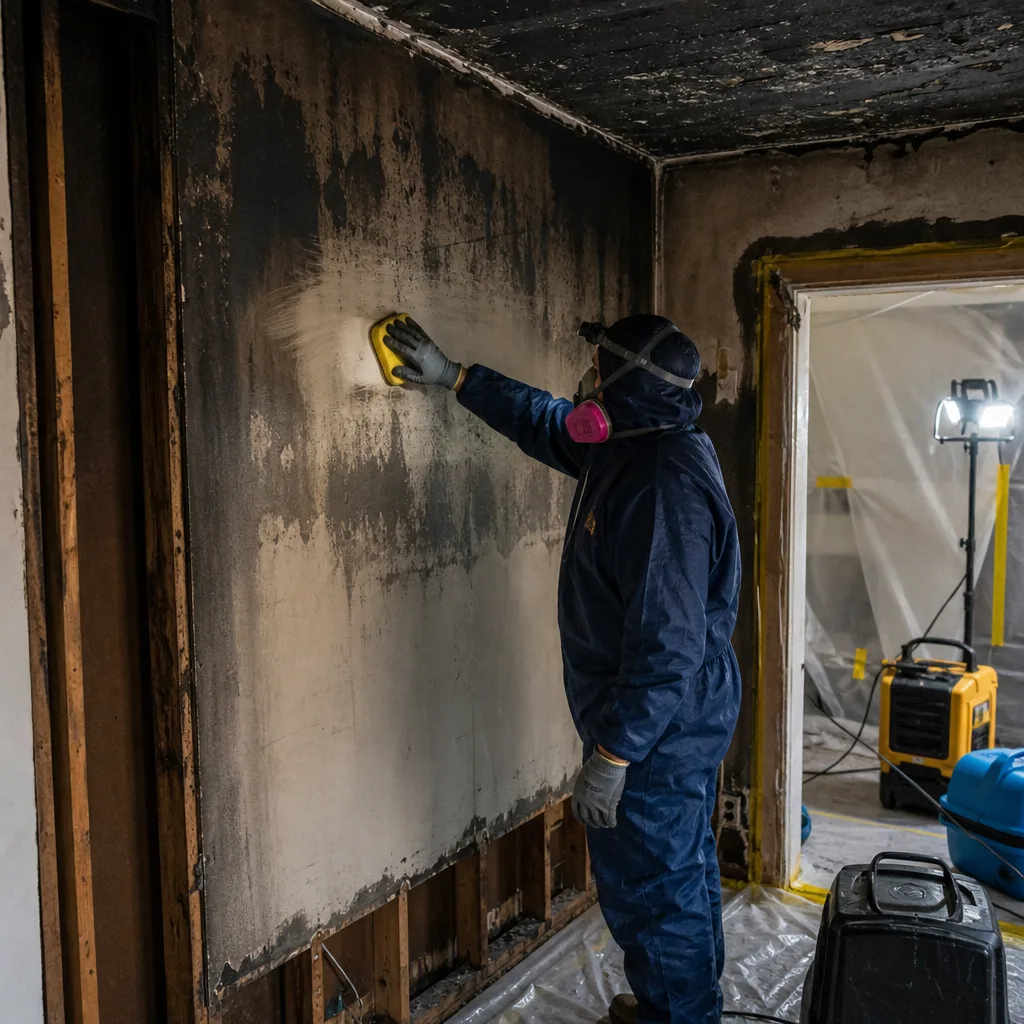
Business Interruption Minimization
Every day a retail space on Fordham Road sits closed is revenue gone forever. We prioritize commercial spaces that are losing money while wet or smoked out, staging crews and equipment so that drying starts the same shift the call comes in. For restaurants and retail, that often means after-hours work so your doors open on schedule. We also coordinate with your landlord or building management so insurance documentation, access, and security requirements don’t slow the job down. In West Bronx commercial work, speed of drying is the single biggest factor in how long a business stays closed.
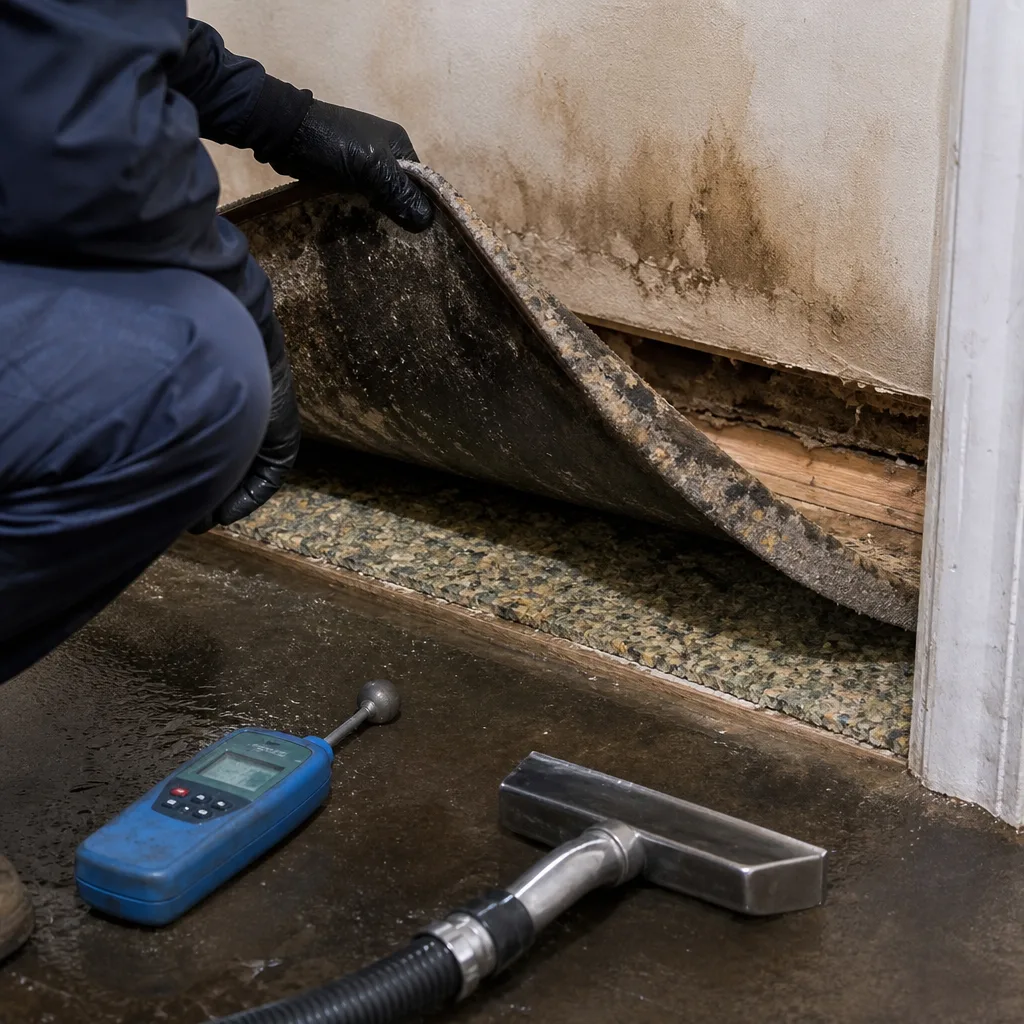
Office & Retail Restoration
Office suites in University Avenue mixed-use buildings and retail storefronts under the residential floors of the Grand Concourse need a different approach. Ceiling tiles get pulled, filing cabinets and inventory get packed out, and computers and documents get moved to a dry, secure area. Then we dry, clean, and reassemble. The faster we get a business back to operational, the less the loss compounds.
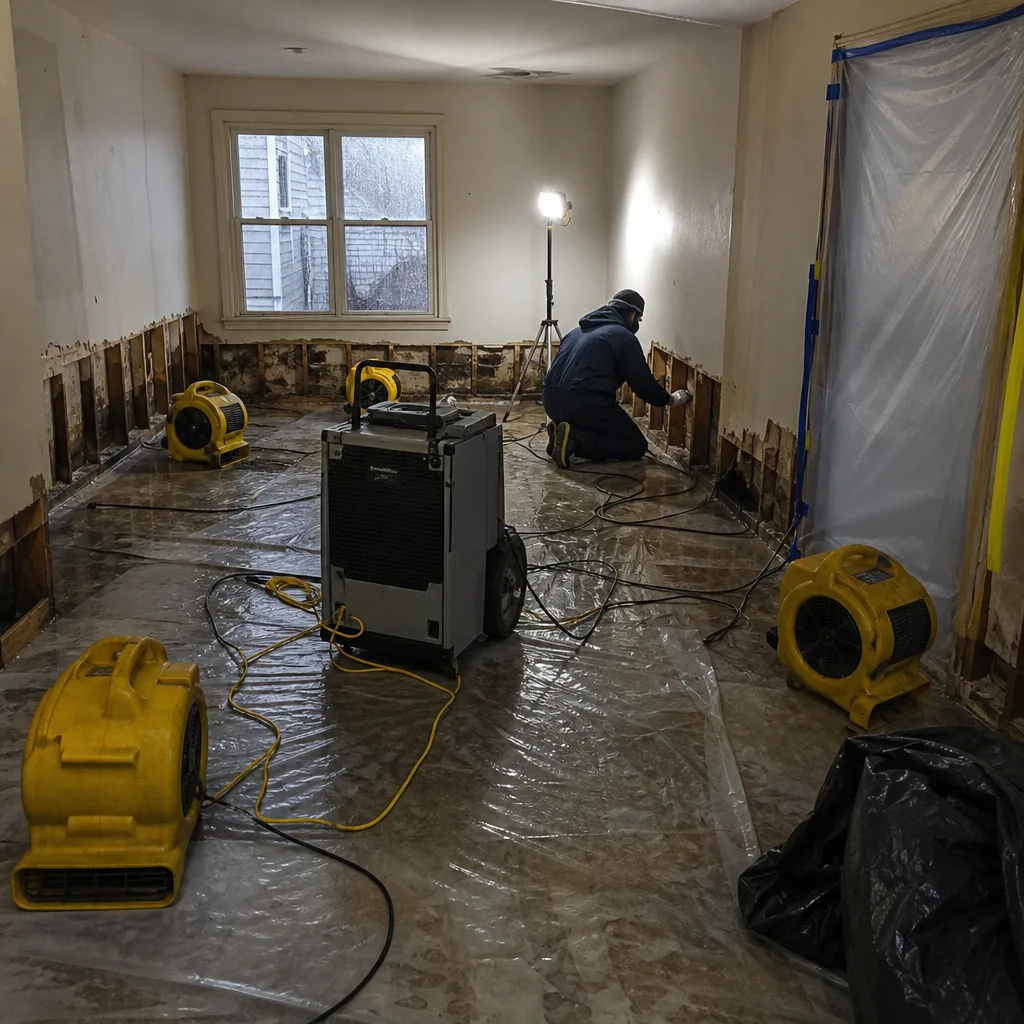
Industrial Facility Cleanup
Warehouse and industrial spaces in the lower valley blocks of the West Bronx flood from stormwater runoff that drains down from the ridgeline. Concrete slab floors, loading docks, and old drainage systems need heavy extraction and aggressive dehumidification. We handle the big equipment: submersible pumps for dock areas, high-capacity dehumidifiers for large open bays, and containment that allows partial occupancy while the wet section dries.
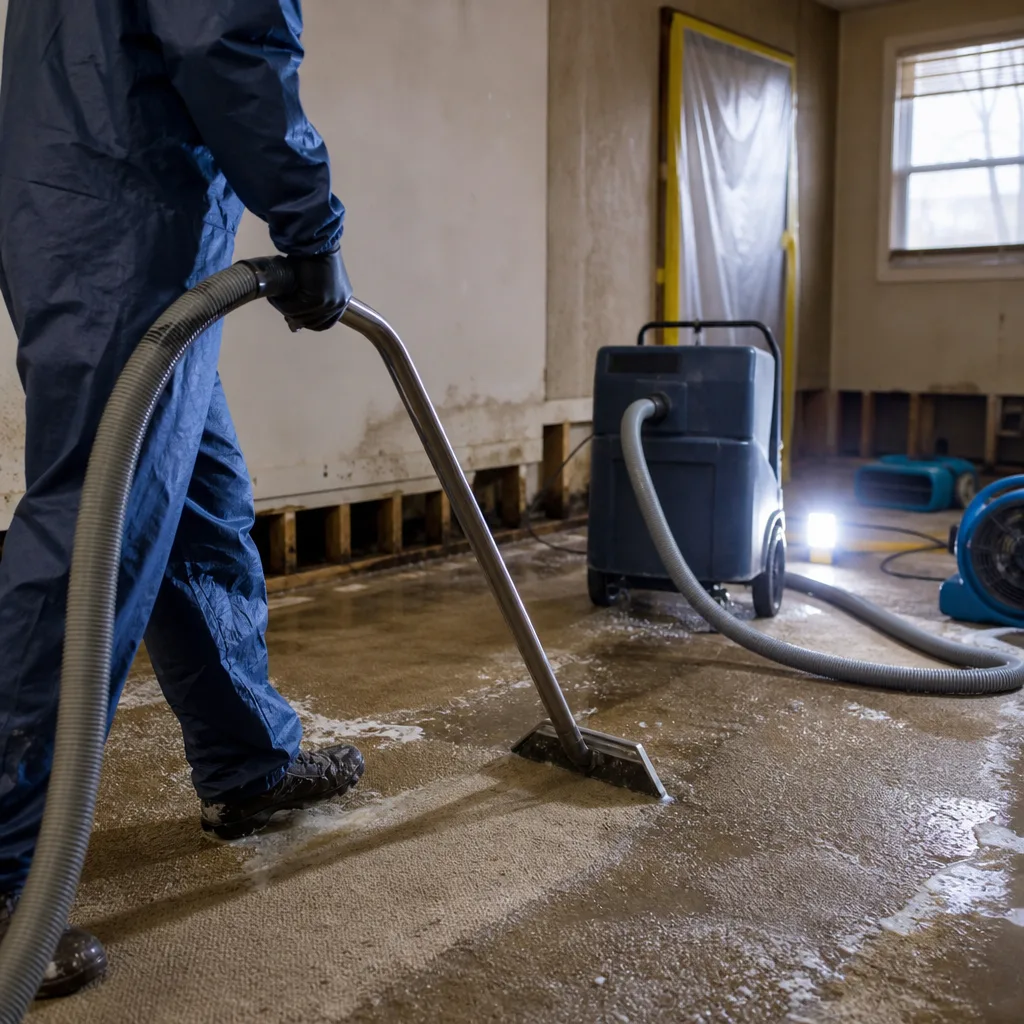
Document & Inventory Recovery
Water doesn’t just soak drywall; it soaks paper files, cardboard boxes, and stored inventory. We pack out, photograph, and dry documents, often using freeze-drying for irreplaceable paper records. Inventory gets itemized, dried, cleaned, and returned to storage. In commercial spaces under residential floors, what survives is often determined in the first few hours, which is why response time matters as much as technique.
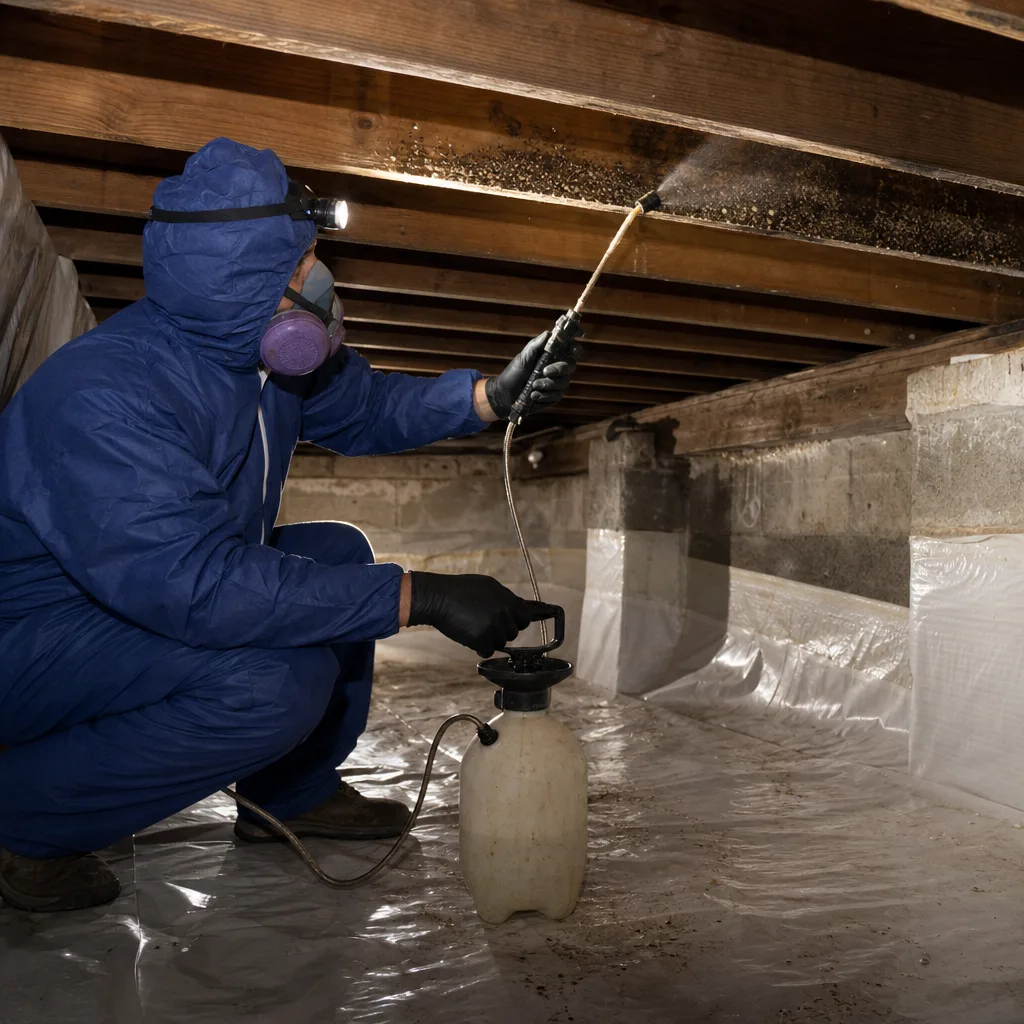
What happens when you call
- 1
A real person answersNo phone trees - you reach a local pro.
- 2
You get an upfront price rangeHonest numbers before anyone is dispatched.
- 3
A background-checked tech heads outLicensed & insured, dispatched right away.
- 4
You approve before work beginsNothing starts until you say go.
Commercial Restoration Costs in West Bronx, NY
A small single-storefront water loss in a University Avenue building, contained to one back wall and the floor, usually runs $1,800 to $4,200 when caught the same day. A multi-floor loss from a burst drain stack in a Grand Concourse walk-up with four affected apartments, asbestos testing, and plaster containment typically lands between $15,000 and $40,000. Roof and parapet failures that track water down three occupied floors push toward $50,000 to $120,000 depending on how much original plaster must be replaced and how many units are displaced. Mold remediation from prolonged seepage in a basement commercial space starts around $3,500 and scales with square footage and containment complexity. Four things move the price most: how long the water sat before extraction started, whether Category 3 contamination is present, how much pre-war plaster must be tested and removed, and whether occupied units above or below require containment. Most commercial policies in NYC cover these losses when the cause is sudden and documented. Call (363) 208-1526 for a free visual inspection and we’ll write a line-item scope you can hand to your adjuster before any work is authorized.
We Also Serve Cities Near West Bronx
While this page focuses on Commercial Restoration in West Bronx, our crews also handle commercial losses in Commercial Restoration across Astoria, Financial District, Lower Manhattan, and Flushing. Same response commitment, same documentation standards, same owner on site.
Serving West Bronx, NY - Our Local Coverage Area
We’re based in the West Bronx area and know this community well. Use the map below to see our service coverage - if you’re nearby, we can almost certainly help.
West Bronx Commercial Restoration Questions, Answered
How do NYC’s asbestos and lead-paint surveys change a commercial restoration scope in the West Bronx?
They add a mandatory step before any demolition or scraping can start on pre-war plaster, drywall, or flooring. A licensed surveyor must test affected materials. In West Bronx buildings from the 1920s through 1940s, original plaster ceilings often contain chrysotile asbestos in the finish coat. A water stain that looks like a simple dryout legally becomes a survey-then-demo-then-dry job. This adds days and cost, but skipping it is a DEP violation that can stop your entire mitigation and double the timeline. We handle the survey coordination as part of the scope so you don’t have to.
Can you dry a multi-floor water loss in a 1920s walk-up without ripping out the original horsehair plaster?
Often yes, if the water is Category 1 and we get there within hours. Horsehair plaster dried properly can be saved. The trick is aggressive structural drying with the right equipment: Dri-Eaz dehumidifiers, air movers placed to force air through wall cavities, and daily moisture readings to prove the plaster is actually dropping below the dry standard. If the plaster has already delaminated from the lath, it comes out. But we don’t demo plaster just because it’s old.
How do you handle a roof/parapet leak that tracks down four floors of occupied units on the Grand Concourse?
First, we stop the source if it’s safe to tarp from the roof, then we map the water path floor by floor using thermal imaging and moisture meters. Each affected unit gets isolated containment if needed, and drying starts in every wet space, not just the one where water is visible. Occupied units stay occupied when possible; we work around tenants and building schedules. The asbestos survey on any plaster ceilings runs in parallel so demo isn’t delayed. This is the job we do most often on the Concourse.
What’s different about working in a NYCHA tower versus a private pre-war building for a commercial loss?
The paperwork and access. NYCHA buildings have institutional management structures, which means each step from inspection to demo to rebuild has to be documented and approved through the authority’s process. The water and smoke damage itself is the same, but the timeline is longer and heavier on documentation. We’ve done this enough to know what NYCHA needs before they ask for it, and we submit it in their format the first time.
How do you protect a retail business on University Avenue while drying the basement after a nor’easter?
We set containment that separates the wet basement from the sales floor and storefront, run HEPA air scrubbers to protect air quality, and schedule the noisiest extraction work for after hours when the store is closed. If the business can stay open while the basement dries, it should. Our crews work around your operating hours, not the other way around. Call (363) 208-1526 and we’ll have someone on site today.
How fast can someone actually get to my West Bronx building?
We aim for 45 minutes from your call to a crew on site inside West Bronx. Wade answers his own phone 24/7, and the crew is local. If you’re watching water spread through your building right now, call (363) 208-1526 immediately. Extraction starts the same hour, not the next day.
Will my commercial insurance cover this restoration work?
Most commercial policies cover sudden water damage from burst pipes, failed fittings, and wind-driven roof leaks. They also cover fire and smoke restoration. What they don’t cover is long-term seepage that went unreported. We photo-document everything from the first hour and write the scope in insurance language, then deal with your adjuster directly so coverage never becomes a you-versus-them argument.
What should I do in the first 30 minutes after discovering water damage in my West Bronx building?
Call (363) 208-1526 first. Then, if it’s safe, shut off the water source and kill electricity to the affected area. Don’t touch any plaster, and don’t start scraping or pulling up flooring - you may trigger the asbestos survey requirement and contaminate the space. Move what you can to a dry spot. Take photos. Then wait for us; we’re already on the road.
Written by Wade Ferris, Owner at Wade’s Restoration, serving West Bronx since 2007.