
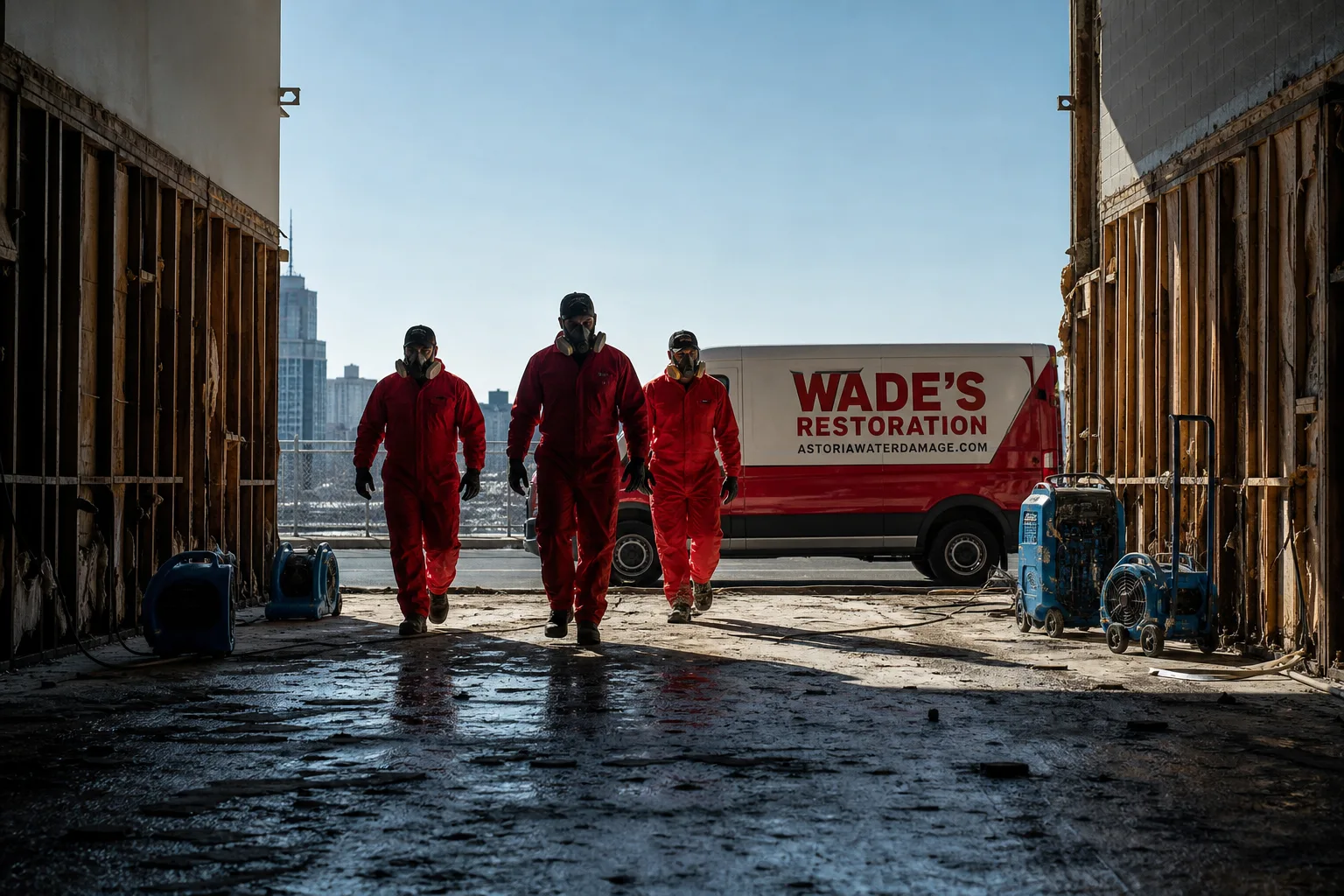
Free visual inspection and a written scope of work before any mitigation begins - photos, moisture readings, and drying logs go in your claim file
The scope we write is the scope we bill. Anything new gets shown to you, in writing, before we touch it.
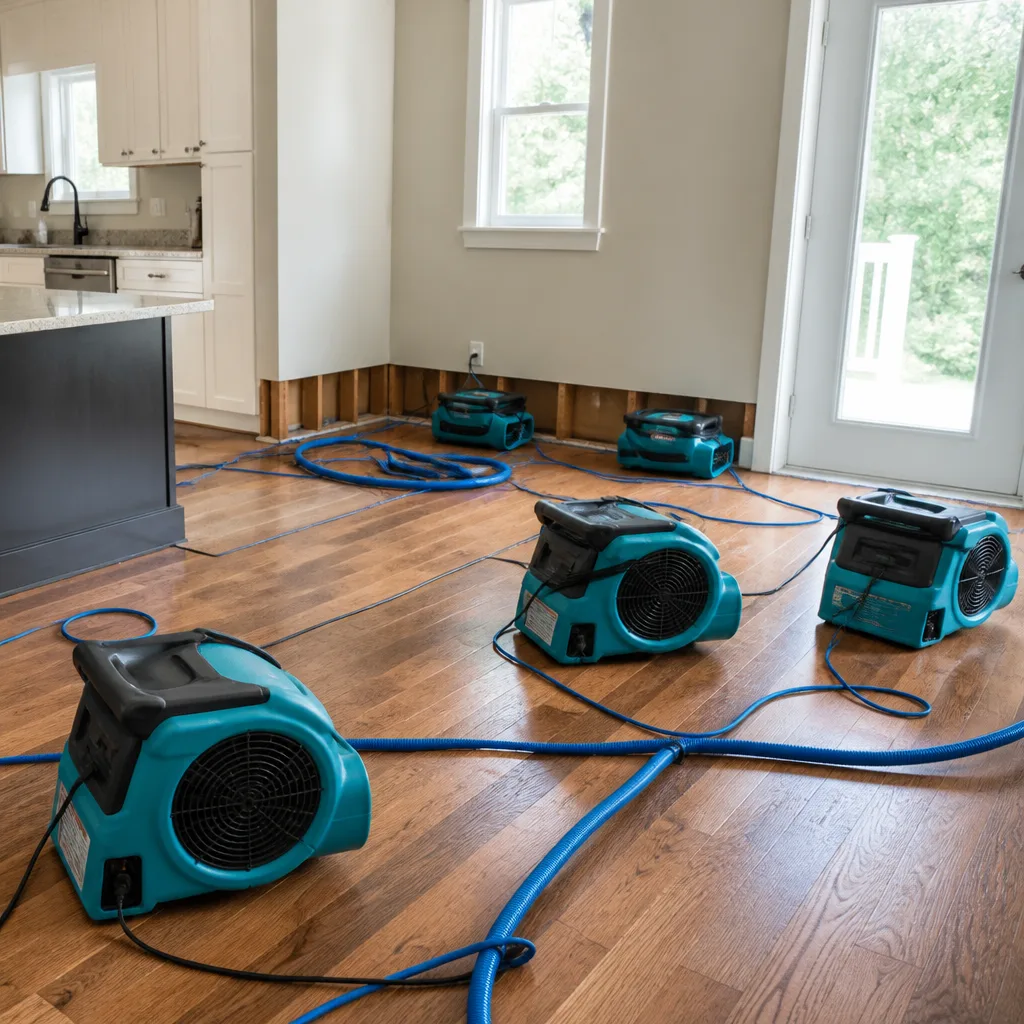
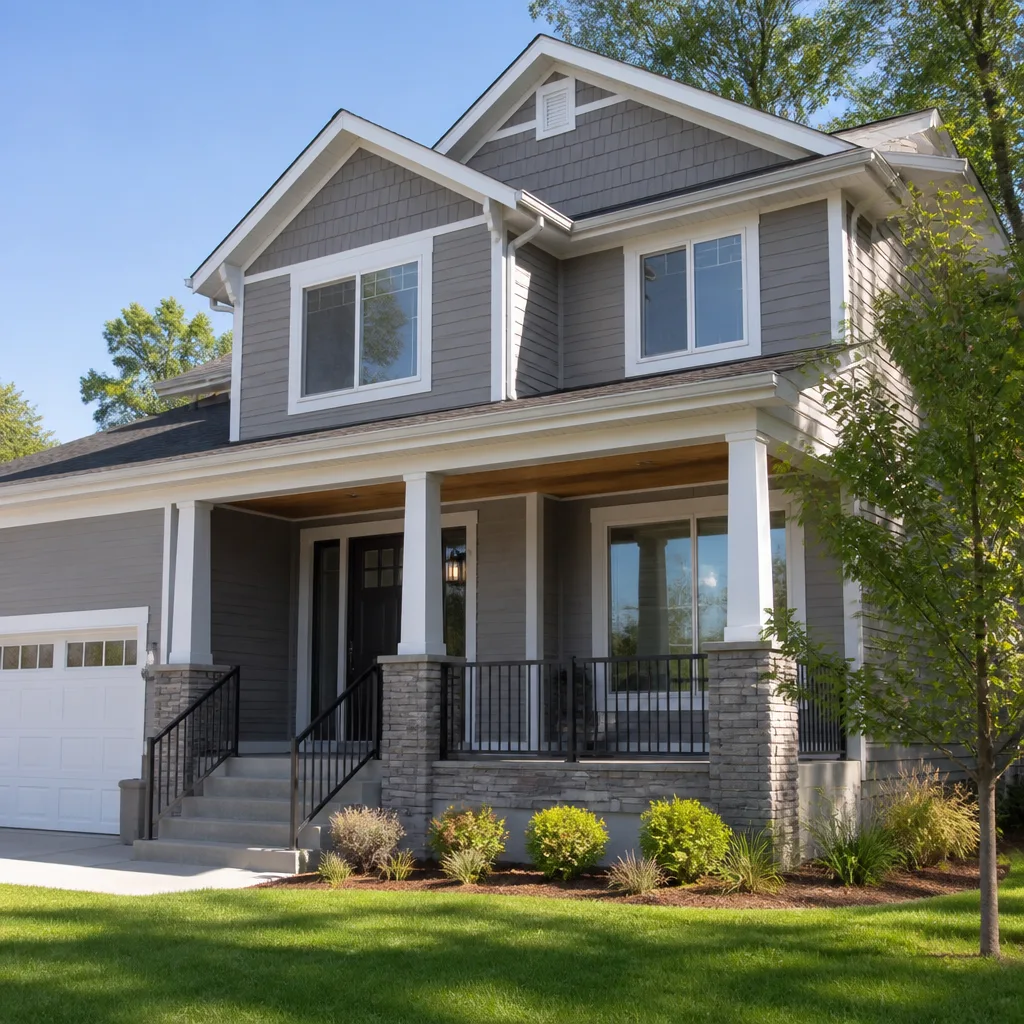
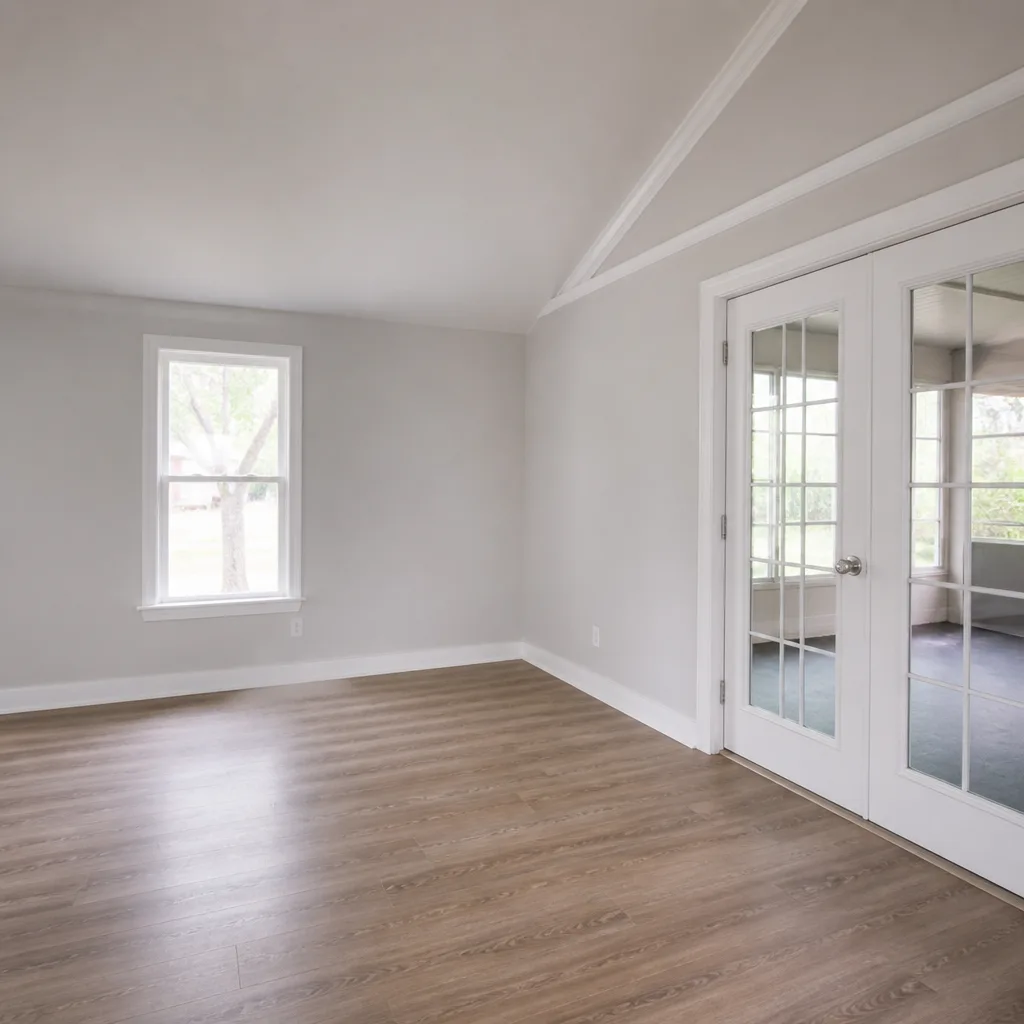
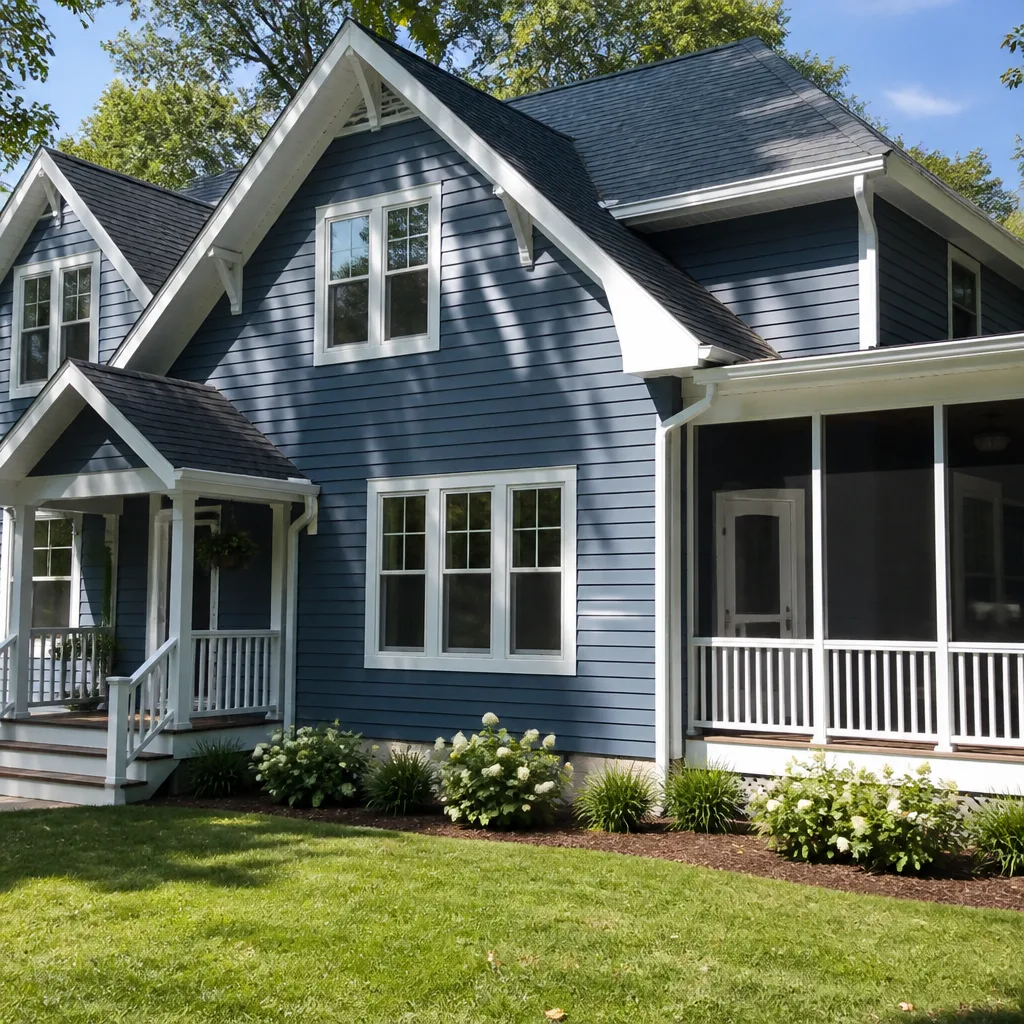
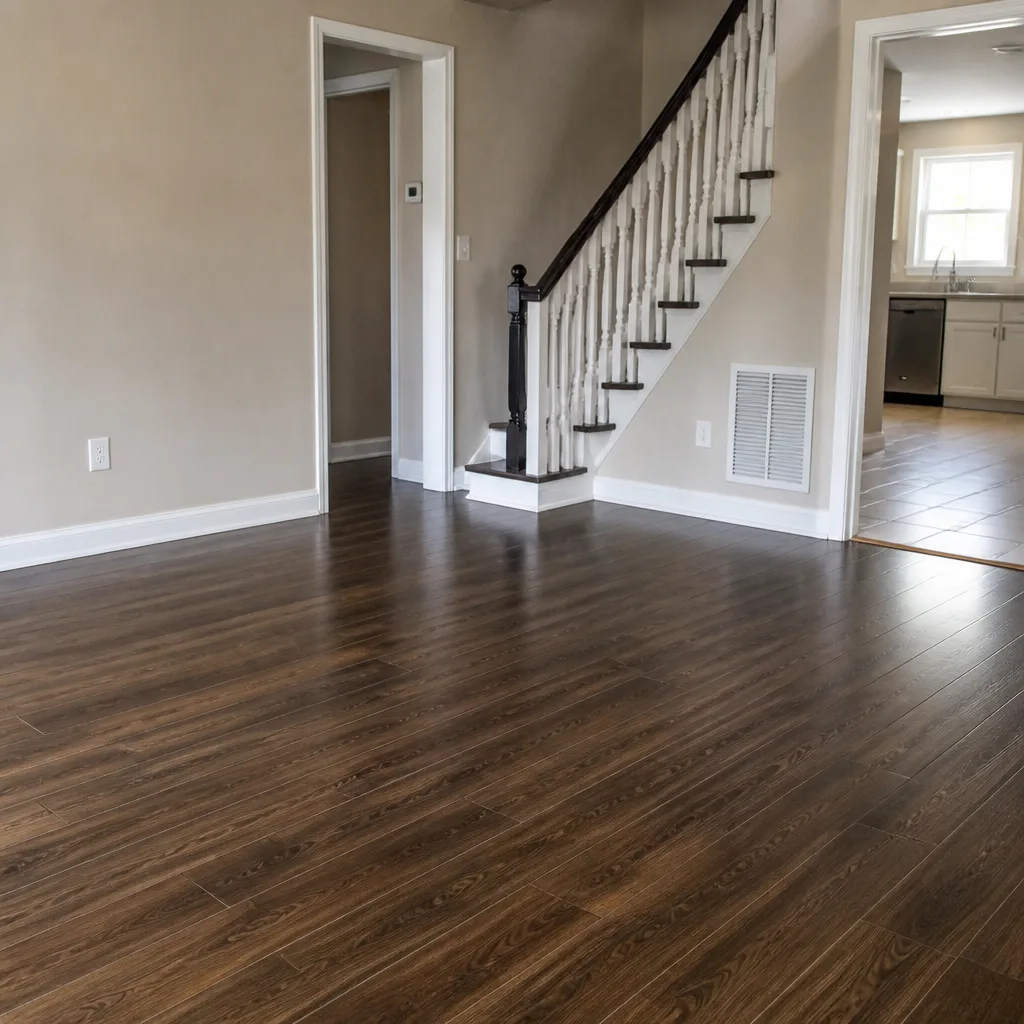
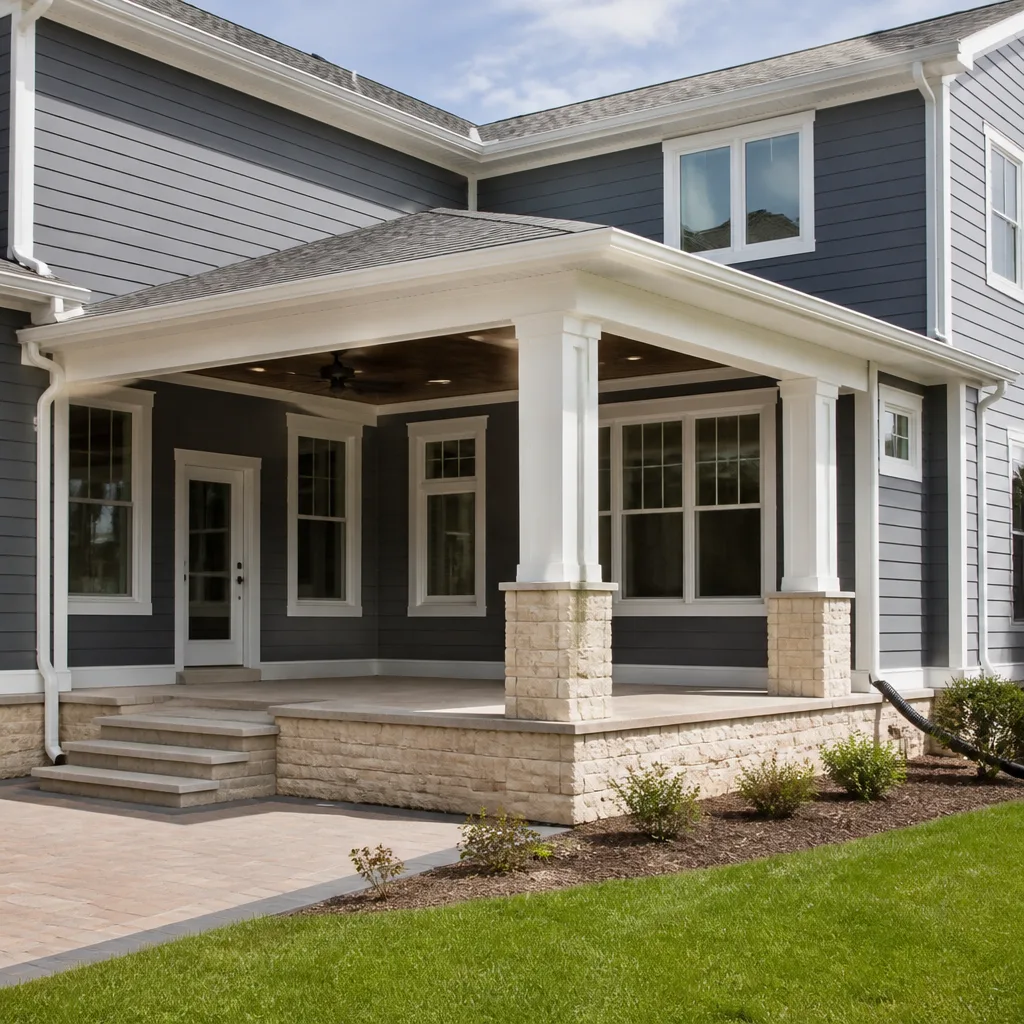
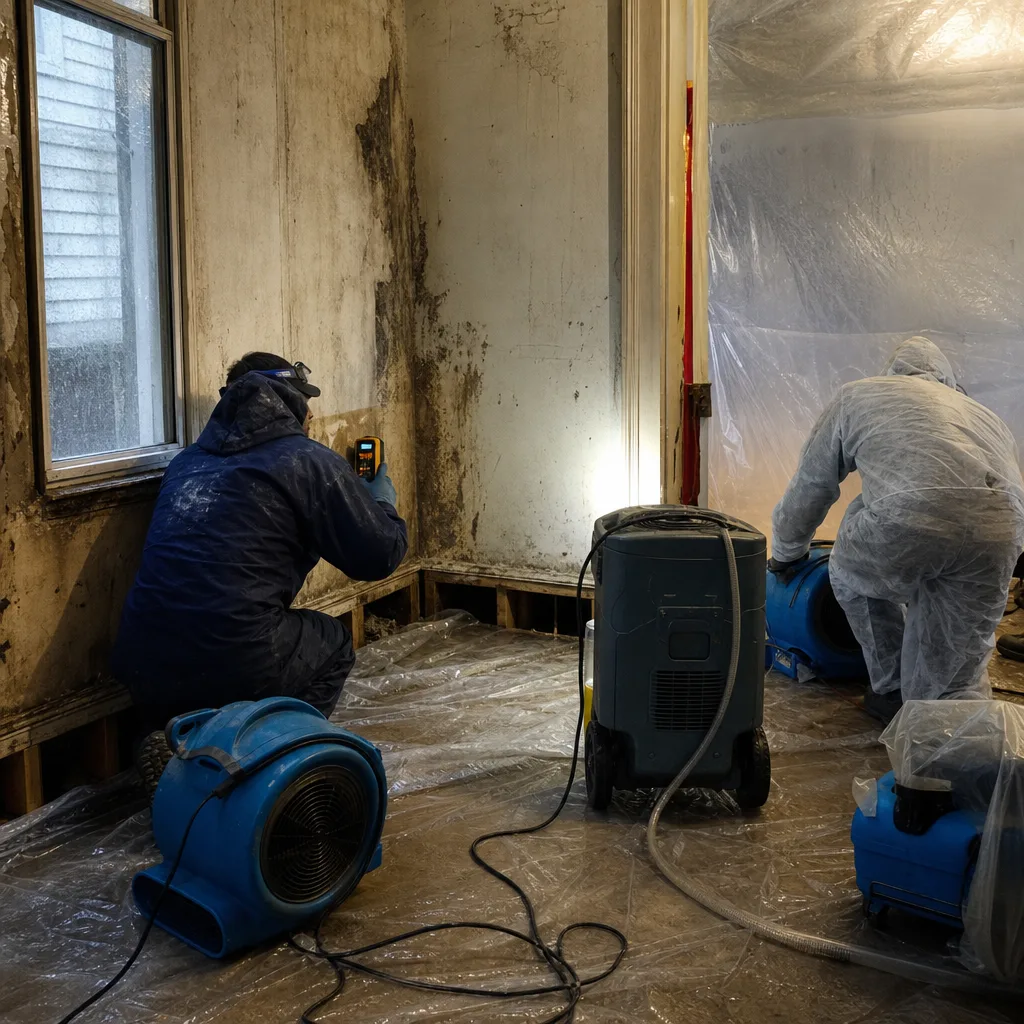 Before
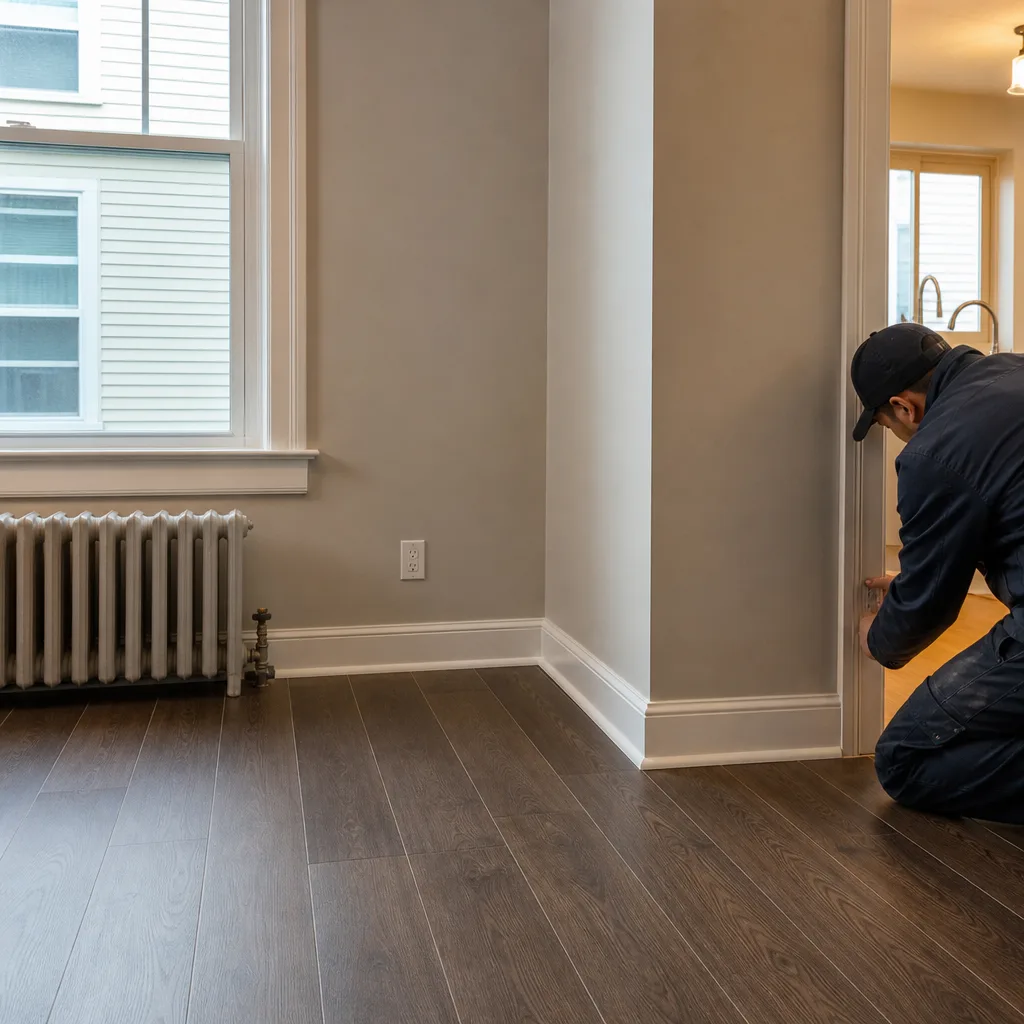 After
After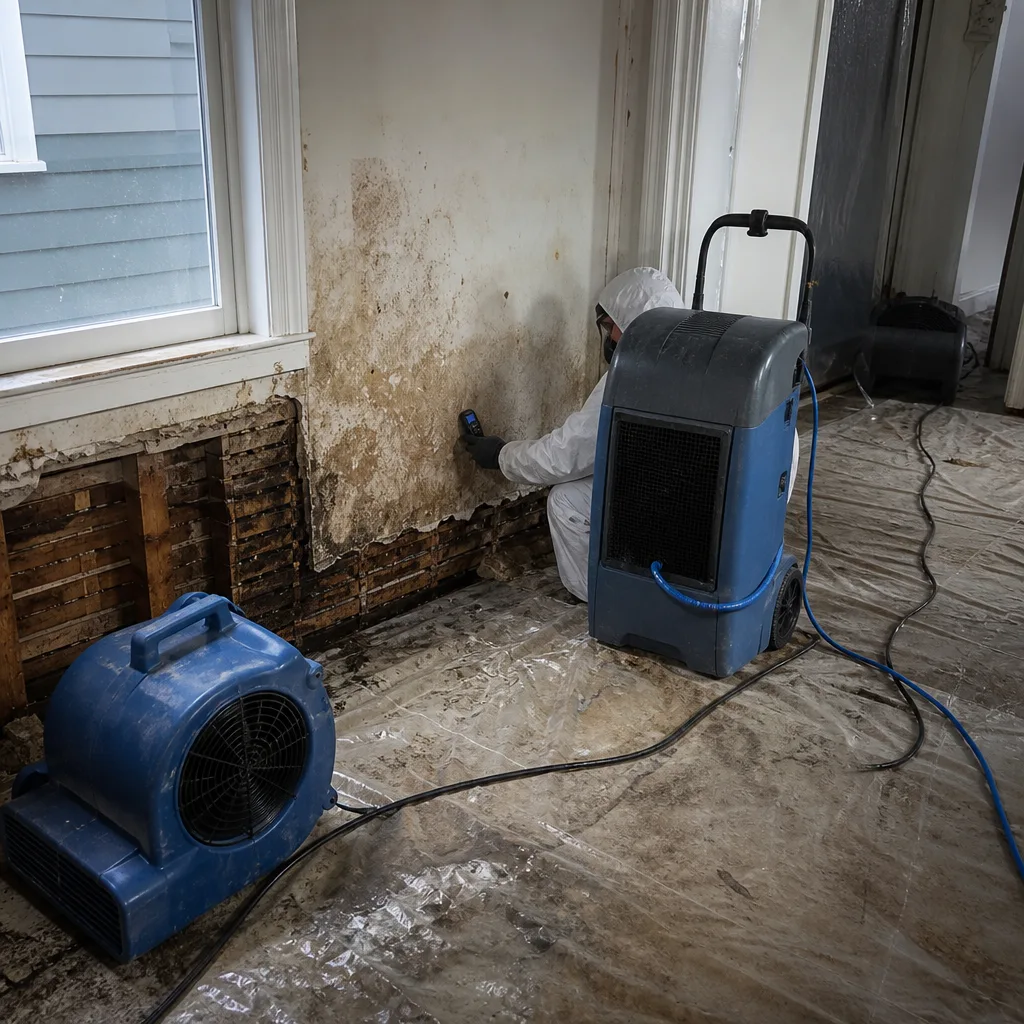 Before
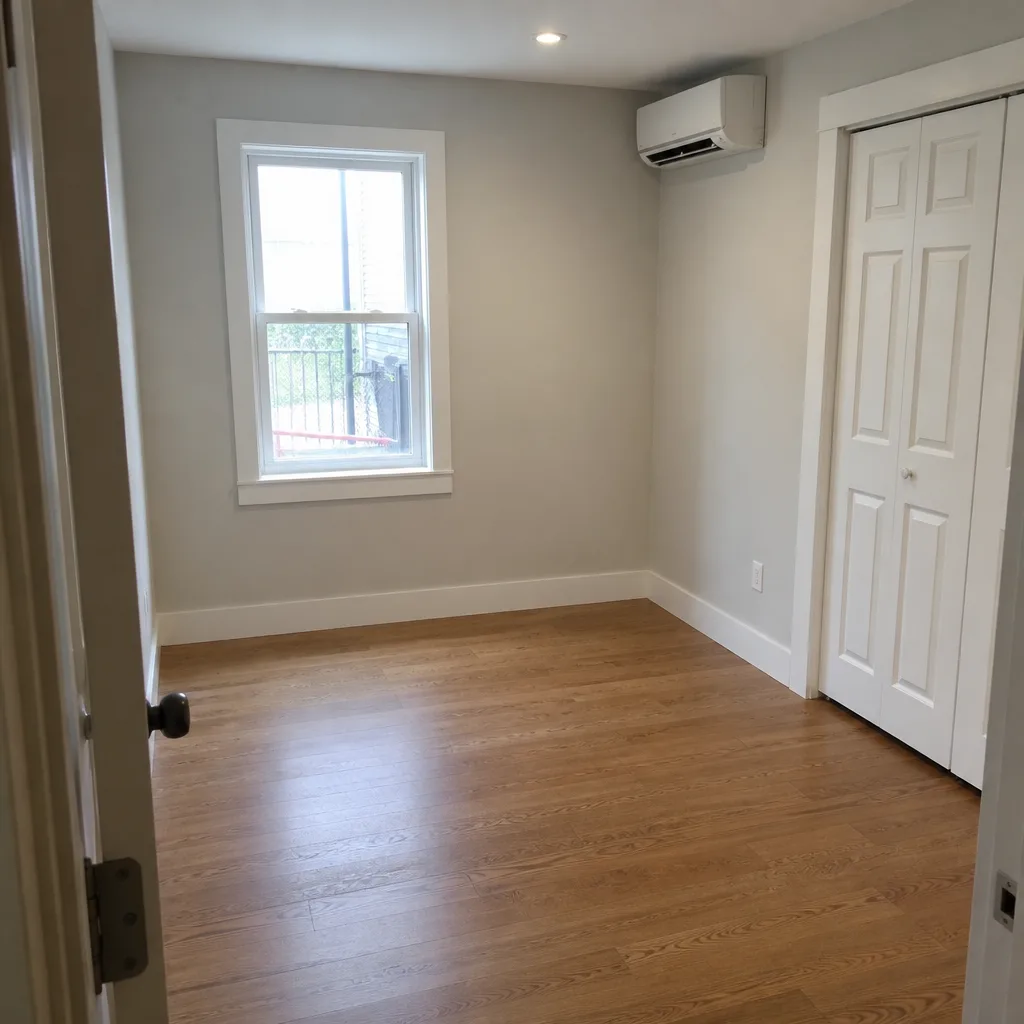 After
After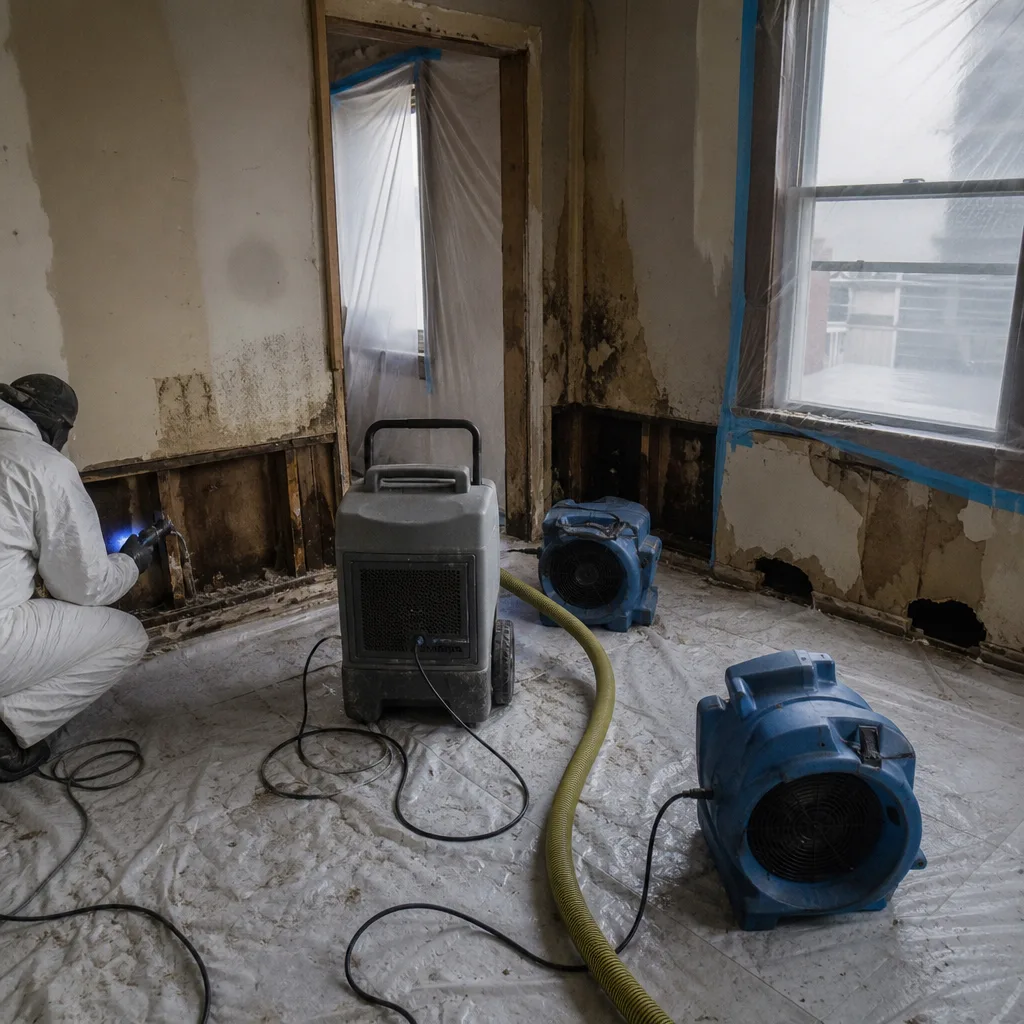 Before
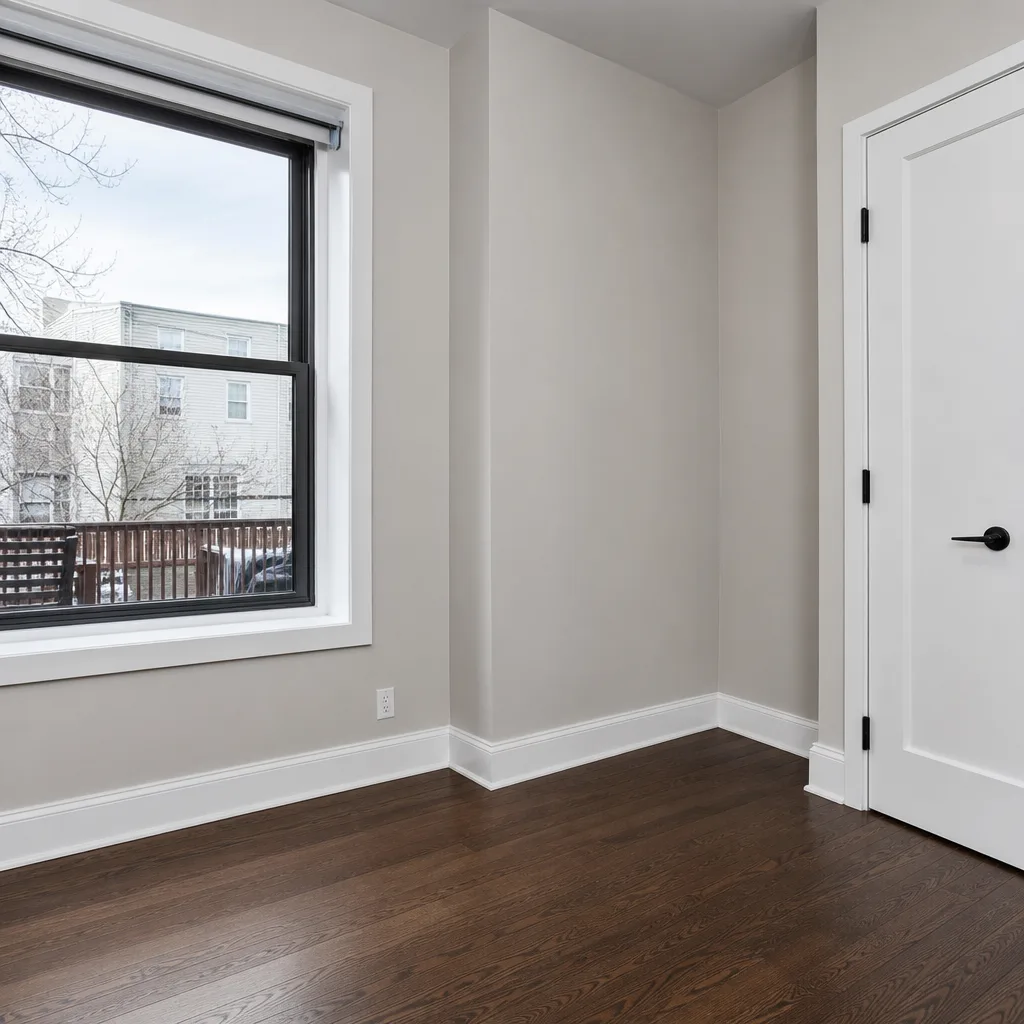 After
After24/7 Emergency Reconstruction & Cleanup in Lower Manhattan
Saltwater surge, a burst standpipe in a 1920s loft, a sewage backup in a Battery Park City co-op: when reconstruction can’t wait, Wade’s Restoration answers live at (363) 208-1526 around the clock. We’re minutes from Lower Manhattan’s streets, not a call center in another state. Wade Ferris built this company in 2007 on a simple promise: a real person picks up, a crew heads out fast, and the damage stops spreading before it gets worse. The first hour after water hits matters more in Lower Manhattan than almost anywhere else because saltwater, not freshwater, is the usual culprit. Chlorides keep corroding concrete and wiring long after the visible water is gone. Call now. Wade will tell you what he sees, what it’ll take, and what he’d do if it were his place.
Understanding Reconstruction & Cleanup Severity in Lower Manhattan Properties
Not all water damage is equal, and Lower Manhattan’s building stock makes severity calls trickier than in a single-family house upstate. Category 1 water comes from a clean supply line: a burst pipe in a Tribeca loft conversion. Category 2 carries contaminants, think washing machine overflow or sump pump failure. Category 3 is grossly contaminated: storm surge, sewage, or Hudson River water pushed through below-grade infrastructure. After Hurricane Sandy, most of the Financial District and South Street Seaport dealt with Category 3 saltwater, which means chloride neutralization before drying even starts. We moisture-map every affected surface, reading walls, subfloors, and cavities with thermal imaging and hygrometers before we place a single air mover. In pre-war masonry buildings, water hides behind plaster and lath, inside steam pipe chases, under original timber joists. Miss one wet cavity and you’re rebuilding twice. In Battery Park City’s landfill-settled towers, sub-slab drainage and standpipe chases demand different containment and mapping than a standard inland flood job. Salt-compromised electrical and HVAC equipment gets documented for replacement, not just dried and painted over.
Why Lower Manhattan Property Owners Choose Wade’s Restoration
- 45-minute response commitment to any address in Lower Manhattan, because saltwater corrosion doesn’t wait for Monday morning.
- 24/7 live answer: Wade himself picks up most of the time, not an automated system, not a queue. Once in a while it’s a team member who already knows the streets down here.
- IICRC-certified crews with WRT, FSRT, and AMRT credentials on the truck, trained specifically on chloride contamination and saltwater protocol, not just generic water work.
- Free visual inspection before any work starts. No charge for showing up inside our own service area, and no work begins without a written scope you’ve signed.
- Direct insurance billing with photo documentation from the first hour, moisture logs handed to you at the end, and Wade talking to your adjuster so you don’t have to.
- One team from extraction to reconstruction. The same crew that tears out the ruined drywall is the crew that hangs the new. No handoffs, no finger-pointing.
Our Reconstruction & Cleanup Process
Inspection & Assessment
We walk the property with you, document every affected surface, and tell you straight what’s salvageable and what isn’t. In Lower Manhattan that means checking for chloride contamination, landmark restrictions, and hidden cavities behind pre-war plaster.
Extraction & Stabilization
Saltwater comes out fast with truck-mounted extraction, but the real work is stabilizing everything it touched. We neutralize chlorides, remove compromised materials, and prevent corrosion from migrating into unaffected areas.
Drying & Dehumidification
Dri-Eaz dehumidifiers and Injectidry systems run until hygrometer readings say the structure is dry, not just the surface. In landfill-settled Battery Park City buildings, we map sub-slab drainage and standpipe chases before declaring a space dry.
Cleaning & Sanitization
HEPA scrubbers pull airborne contaminants, while EPA-registered antimicrobials kill what Category 3 water leaves behind. Every surface gets treated to a standard that holds up when your co-op board or insurer asks questions.
Saltwater-Specific Treatment
This is the step generic crews skip entirely. Chloride neutralization in concrete slabs and masonry, corrosion assessment on electrical and HVAC, and documentation of everything for the insurance file. Without it, problems resurface months later.
Repairs & Restoration
New drywall, refinished floors, rebuilt mechanical rooms, all done to pre-loss condition. Wade’s 90-Day Done Right Promise covers every reconstruction job in writing. If it’s not right, he makes it right.
Need Emergency Reconstruction & Cleanup in Lower Manhattan Now?
Crews minutes away, answering live 24 hours a day. The sooner we start, the less it costs.
Working With Your Insurance Company
Insurance claims after saltwater damage in Lower Manhattan get complicated fast. Most policies cover hurricane surge differently than a burst pipe, and some Saltwater Exclusion clauses come into play. That’s exactly why we document everything from the first hour: photos before we move a single item, moisture readings every day, a line-item scope with dollar figures tied to actual work, not guesswork. Wade talks to your adjuster directly, sends the documentation, answers their questions, and argues the case when something gets undervalued. You shouldn’t have to become a claims expert overnight.
What We Provide Your Insurer
- Thorough documentation of the loss
- Photos of all damage, room by room
- Moisture readings and drying logs
- A detailed, line-item scope of work
- Direct coordination with your carrier
Built for Lower Manhattan’s Loss Calendar
Lower Manhattan’s damage seasons are predictable if you’ve been here long enough. Nor’easters from November through March push tidal water through below-grade infrastructure, flooding mechanical rooms in the Financial District and South Street Seaport. January deep freezes burst supply lines in pre-war buildings along Nassau and William Streets, where original plumbing from the 1920s hasn’t been touched in decades. April and May bring the spring thaw, which stresses already-settled foundations and reveals drainage problems in Battery Park City’s landfill base. Summer thunderstorms dump inches on streets where the canyon grid slows runoff, sending water into basement-level retail and storage through cracked perimeter walls. And hurricane season from late summer into fall brings the saltwater surge threat that made Sandy a word no one in Lower Manhattan forgets. Wade’s crews know each season’s failures because we’ve worked them for nearly two decades.
Reconstruction & Cleanup Across Lower Manhattan’s Neighborhoods
Battery Park City co-ops sit on Hudson River landfill, so differential settling has already stressed building envelopes. When a storm surge overtopped the esplanade, we worked in buildings where saltwater forced its way through garage-level entries and corroded electrical rooms within hours. Tribeca’s cast-iron lofts, converted from commercial use over the last forty years, still have original timber floor joists and steam pipe chases that carry water across multiple floors in minutes. In the Financial District’s office-to-residential conversions, 1920s standpipe risers run through walls now designated as NYC Individual Landmarks, meaning Landmarks Preservation Commission sign-off before we open any exterior-facing wall to dry a cavity. The South Street Seaport historic district, rebuilt in everything from early 19th-century masonry to modern glass, sits at true sea level, where even a moderate nor’easter can push water into below-grade spaces. Each neighborhood demands a different approach, and Wade’s crew knows which one you’re in before the truck parks.
Specialized Reconstruction & Cleanup Services We Offer in Lower Manhattan
Full-Service Reconstruction
From tear-out to trim work, we rebuild what water, fire, or storm damage destroys. In Lower Manhattan that means everything from restoring a flooded Financial District condo to pre-loss condition to rebuilding a landmarked Tribeca loft’s water-damaged interior without touching exterior walls the LPC protects.
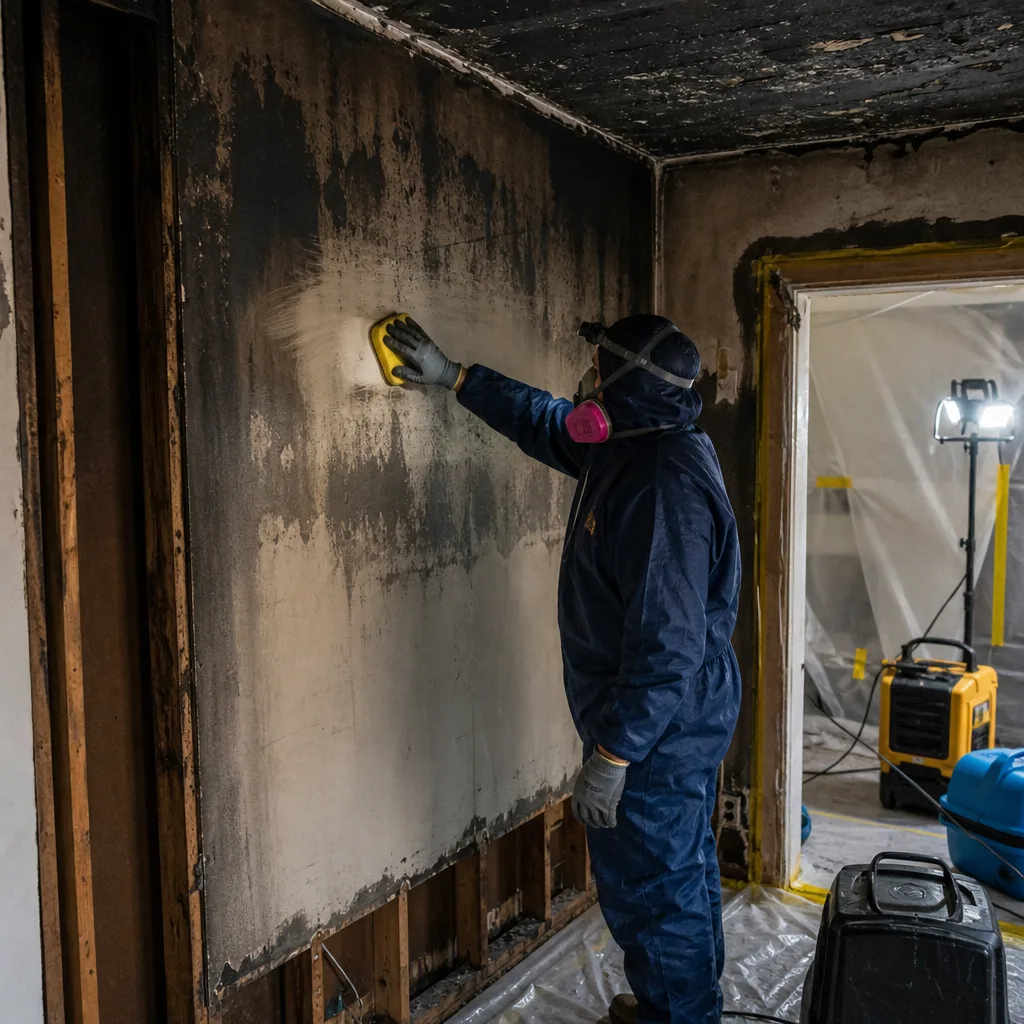
Drywall & Flooring Repair
Saltwater-soaked drywall wicks moisture upward, and original wood floors in pre-war buildings cup and buckle when chlorides stay in the subfloor. We cut, replace, and refinish with materials matched to your building’s era and your co-op board’s requirements.
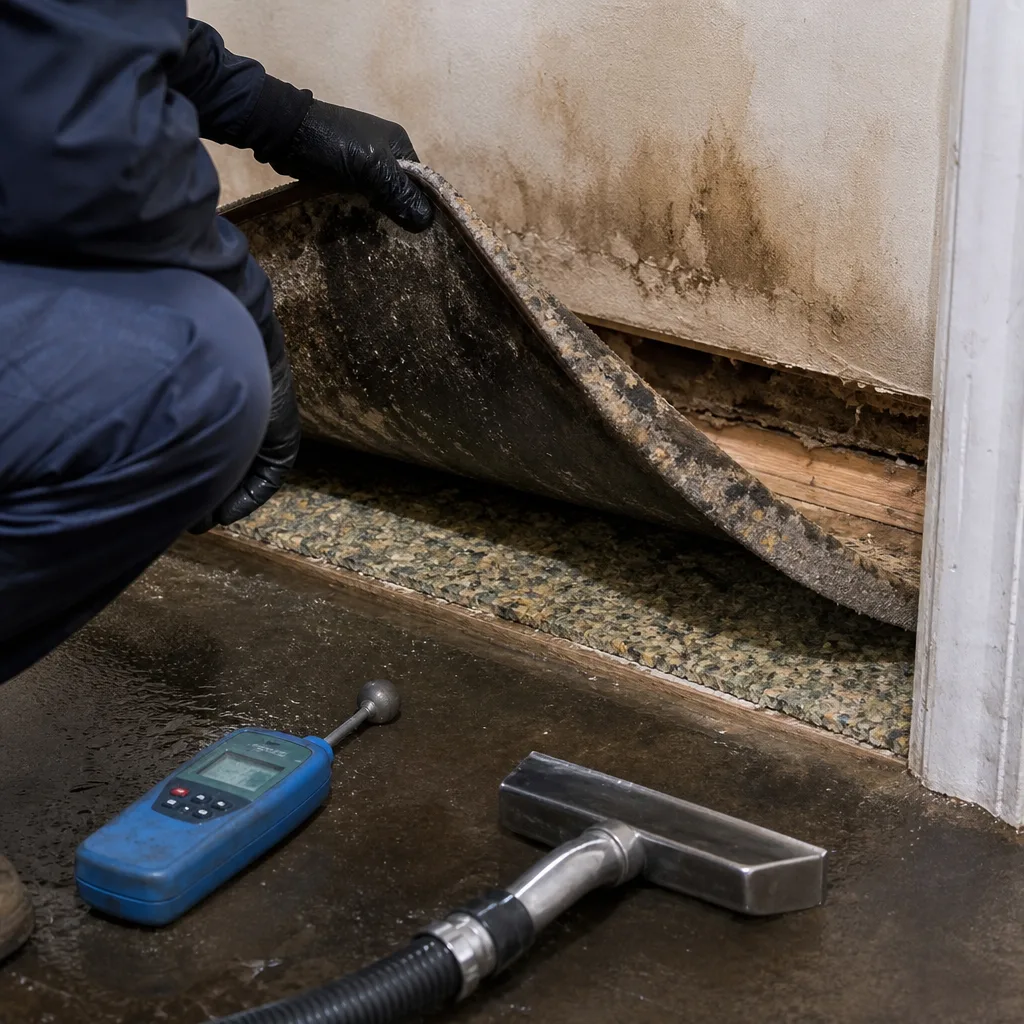
Contents Restoration & Pack-Out
Furniture, documents, electronics, artwork: we inventory, pack, transport, and restore what can be saved. In Lower Manhattan apartments where square footage is tight, getting contents out fast also means getting drying equipment in fast.
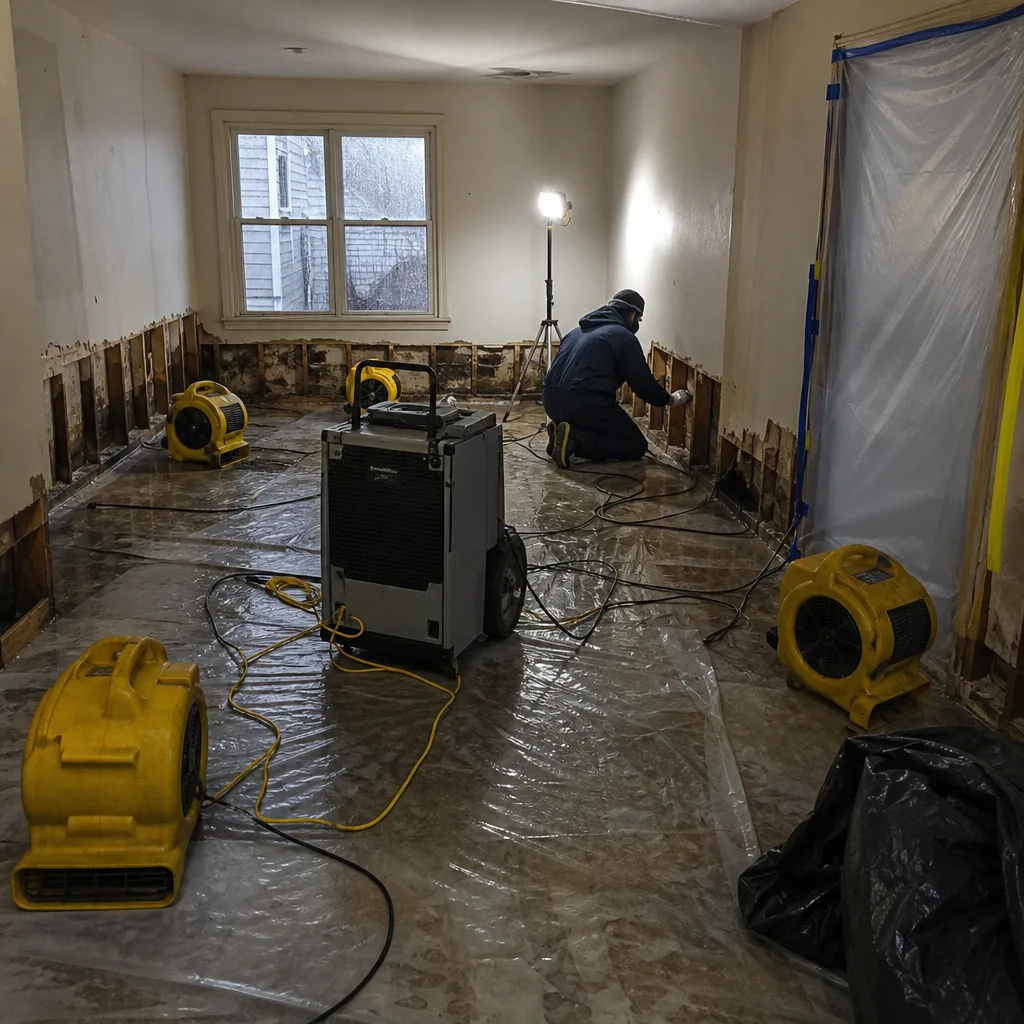
Carpet & Upholstery Cleaning
After a saltwater event, carpets and upholstered furniture trap chlorides that keep corroding whatever they touch. We deep-clean, treat with neutralizing agents, and tell you honestly what’s worth saving and what’s better replaced.
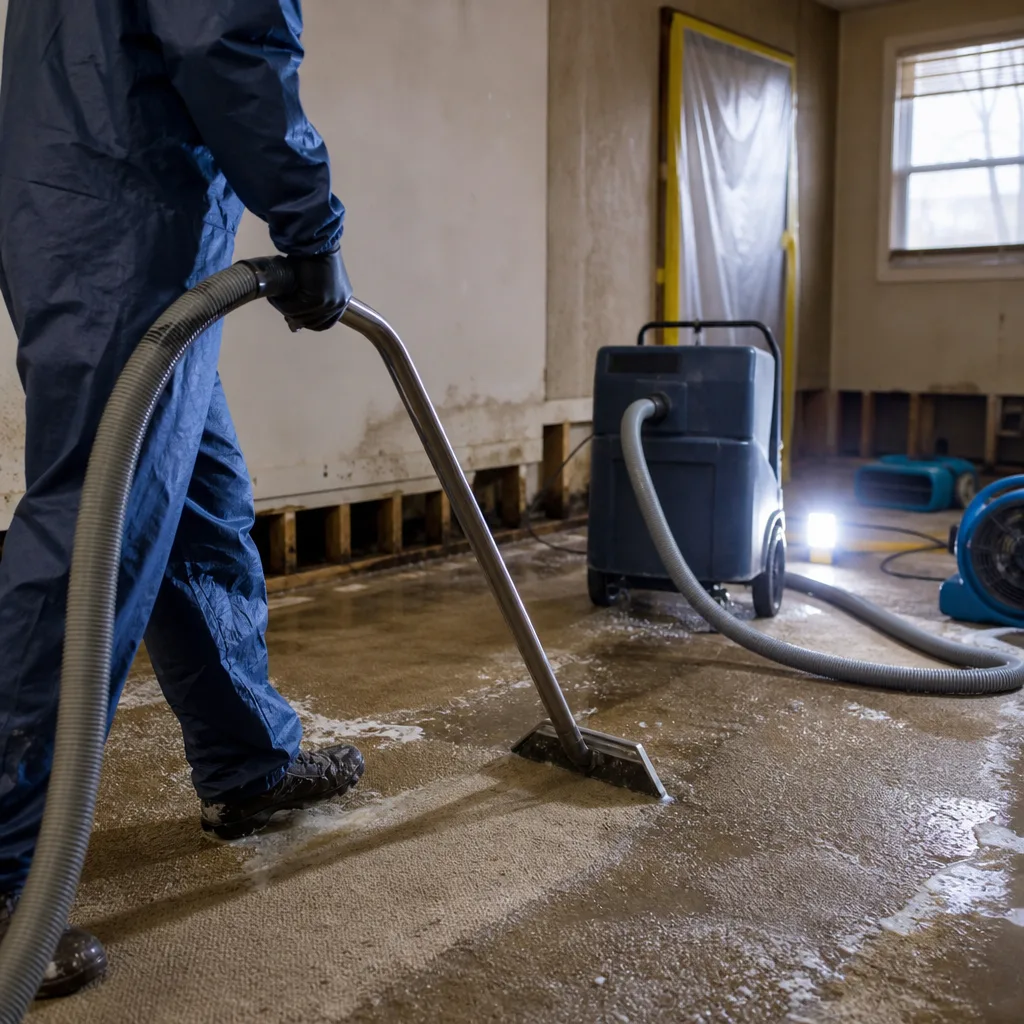
Post-Construction Cleanup
After rebuilds in occupied lower Manhattan buildings, dust and debris from drywall, sanding, and demolition settle into every surface. We HEPA-vacuum, wipe down, and leave the space ready to live in, not ready to clean up.
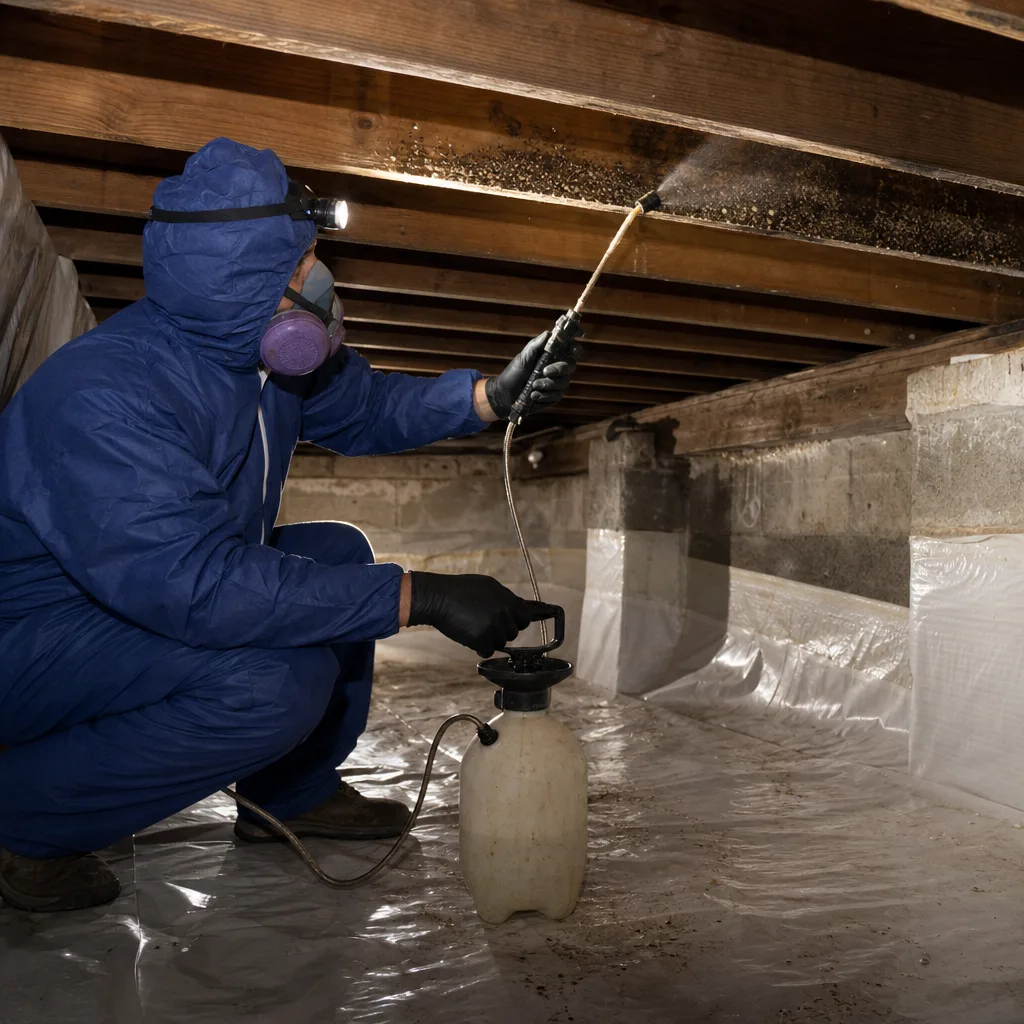
What happens when you call
- 1
A real person answersNo phone trees - you reach a local pro.
- 2
You get an upfront price rangeHonest numbers before anyone is dispatched.
- 3
A background-checked tech heads outLicensed & insured, dispatched right away.
- 4
You approve before work beginsNothing starts until you say go.
Reconstruction & Cleanup Costs in Lower Manhattan, NY
If you’ve dealt with damage restoration before, you know the national chains quote one price on the phone and a different one at the door. Here’s the straight version. A typical drywall and flooring repair after a single-pipe burst in a Lower Manhattan apartment runs $2,800 to $7,500, depending on square footage and whether asbestos-containing fireproofing is involved, which many pre-war high-rises have. Full reconstruction after saltwater surge in a one-bedroom Financial District or Battery Park City unit typically lands between $18,000 and $45,000, driven by chloride neutralization in concrete, electrical replacement, and landmark compliance if LPC review is required. Post-construction cleanup for a gut-renovated loft runs $1,200 to $3,800. Carpet and upholstery cleaning after a Category 1 event starts around $600. Insurance covers most sudden and accidental losses, but saltwater exclusion riders on some policies change that. Call (363) 208-1526 and Wade will inspect free, walk the actual numbers with you, and give you a written scope before any work begins. If someone quoted you less with fewer line items, bring that estimate in. The second opinion is free, no charge for that.
We Also Serve Cities Near Lower Manhattan
If you’re across the river or on the other side of the island, we still answer. Wade’s crews serve Lower Manhattan and the surrounding areas including Astoria, Flushing, Midtown Manhattan, and the Financial District. Same 45-minute response commitment, same live answer at (363) 208-1526, same written scope before any work starts.
Serving Lower Manhattan, NY - Our Local Coverage Area
We’re based in the Lower Manhattan area and know this community well. Use the map below to see our service coverage - if you’re nearby, we can almost certainly help.
Lower Manhattan Reconstruction & Cleanup Questions, Answered
How does saltwater surge damage from storms like Sandy affect reconstruction in Lower Manhattan buildings?
Saltwater surge leaves chloride contamination in concrete, electrical panels, and HVAC equipment that keeps corroding long after the space looks dry. Reconstruction must include chloride neutralization, corrosion assessment, and often full replacement of salt-compromised wiring and mechanical components before new drywall and finishes go in. Skipping this step means corrosion resurfaces in months, not years. Call (363) 208-1526 for a free inspection and a written scope that addresses chloride contamination specifically.
Why do Landmarks Preservation Commission rules affect drying and reconstruction in my Financial District loft?
The LPC reviews any modification to an exterior-facing wall in a designated landmark or historic district, and that includes cutting access holes to dry wall cavities after a pipe burst. Opening those walls without sign-off can trigger fines and stop work, which is why our process includes LPC coordination from day one. Water spreads deeper while you wait, so the sooner we start the paperwork, the sooner drying starts. Call (363) 208-1526 and we’ll handle the LPC piece directly.
What does category 3 water mean after a storm surge in Battery Park City?
Category 3 water is grossly contaminated: sewage, seawater, river water, or any water that sat long enough to grow pathogens. After a Battery Park City surge event that means Hudson River water laced with bacteria and salt, which requires full containment, antimicrobial treatment, and removal of affected porous materials rather than simple drying. We treat every Category 3 job with the same protocol a hospital would expect, and we document it all for your insurer.
How quickly must reconstruction start after saltwater intrusion in a Lower Manhattan high-rise?
Within 24 to 48 hours for mitigation: extraction, chloride neutralization, and drying equipment placement. Reconstruction itself starts after drying is verified with hygrometer readings, usually 3 to 7 days later. In saltwater cases the timeline tightens because corrosives keep working in concrete and wiring even after visible water is gone, so call (363) 208-1526 immediately. Wade’s crew reaches most Lower Manhattan addresses within 45 minutes.
How does your crew handle post-construction cleanup in a landmarked Lower Manhattan building after a pipe burst?
We HEPA-vacuum every surface, wipe down walls and trim, clean vents and ducts, and remove construction debris without touching exterior-facing elements the LPC protects. Dust from drywall and sanding settles fast in compact apartments, so we treat the whole unit, not just the work area. It’s ready to walk into when we leave, and the moisture log goes to you and the co-op board if they want it.
How fast can you actually get to my Lower Manhattan apartment?
Most Lower Manhattan addresses see a crew within 45 minutes of your call. Wade answers his own phone at (363) 208-1526 and heads out himself on many calls. No answering service, no “we’ll have someone call you back.” If it’s an emergency, he’ll tell you what to do in the first 30 minutes while the truck is rolling.
Will my insurance cover saltwater surge damage?
It depends on your policy. Standard homeowners policies often exclude or cap saltwater surge unless you carry separate flood or storm surge coverage. What we provide either way is complete documentation: photos from the first hour, daily moisture readings, and a line-item scope your adjuster can’t easily dispute. Wade talks to the adjuster directly, so you’re never the one relaying technical information between two sides.
What should I do in the first 30 minutes after water damage in Lower Manhattan?
Call (363) 208-1526 first. Then shut off power to affected areas if you can do so safely without stepping in standing water. Move small valuables and paperwork to a dry spot. Don’t run fans or a standard dehumidifier if the water might be saltwater, you’ll just spread chlorides through the air. Wade will walk you through the next steps while he’s on the road to you.
On a Battery Park City co-op after Sandy’s surge, our crew pulled salt-compromised drywall and wiring before structural drying could even be mapped. Using Dri-Eaz dehumidifiers and Injectidry equipment, we stabilized the chloride contamination in the concrete slabs, then rebuilt to pre-loss condition while documenting every moisture reading for the co-op board and the insurer. That’s the work we do down here, and it’s why our Reconstruction & Cleanup team is built around saltwater, landmark rules, and the buildings Lower Manhattan actually has, not the ones a training manual assumes.
If you’re looking at water, fire, or storm damage in Lower Manhattan right now, call (363) 208-1526. Wade Ferris answers. He’ll tell you what he sees, what he’d do if it were his place, and what it costs before any work starts. Free inspection, written scope, and a 90-Day Done Right Promise on every restoration job in writing. Ask anyone on your street. To wade is what you do through a flooded basement at two in the morning, and it happens to be his name.
Written by Wade Ferris, Owner at Wade’s Restoration, serving Lower Manhattan since 2007.