
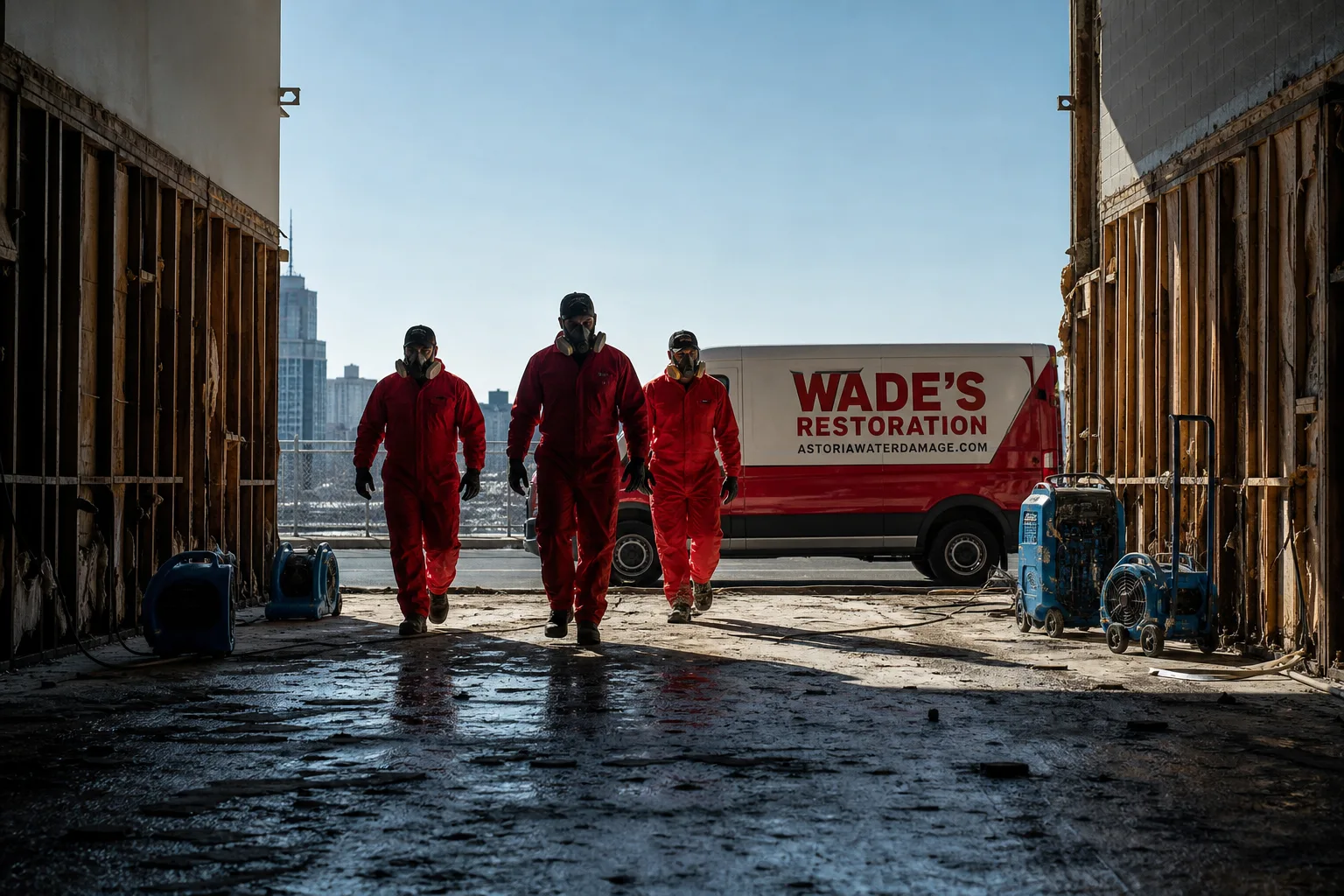
Free visual inspection and a written scope of work before any mitigation begins - photos, moisture readings, and drying logs go in your claim file
The scope we write is the scope we bill. Anything new gets shown to you, in writing, before we touch it.
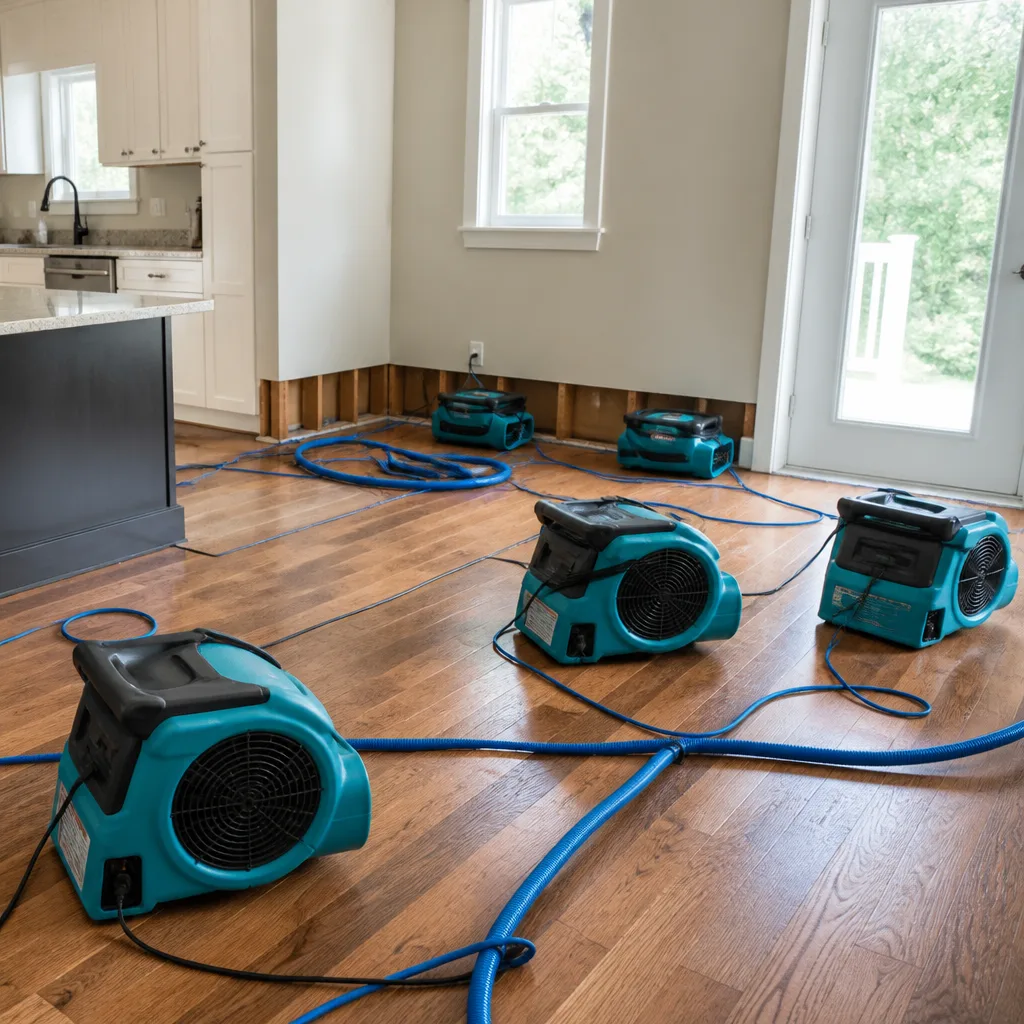
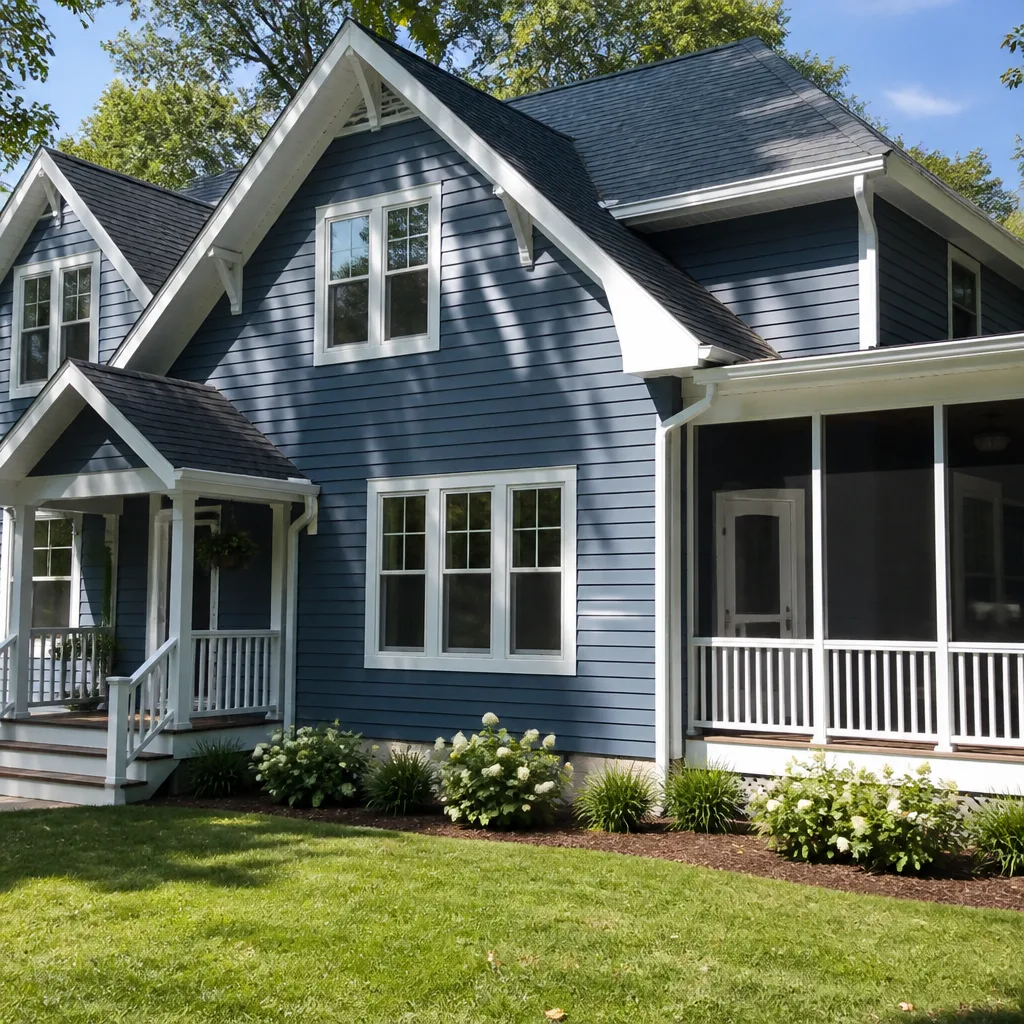
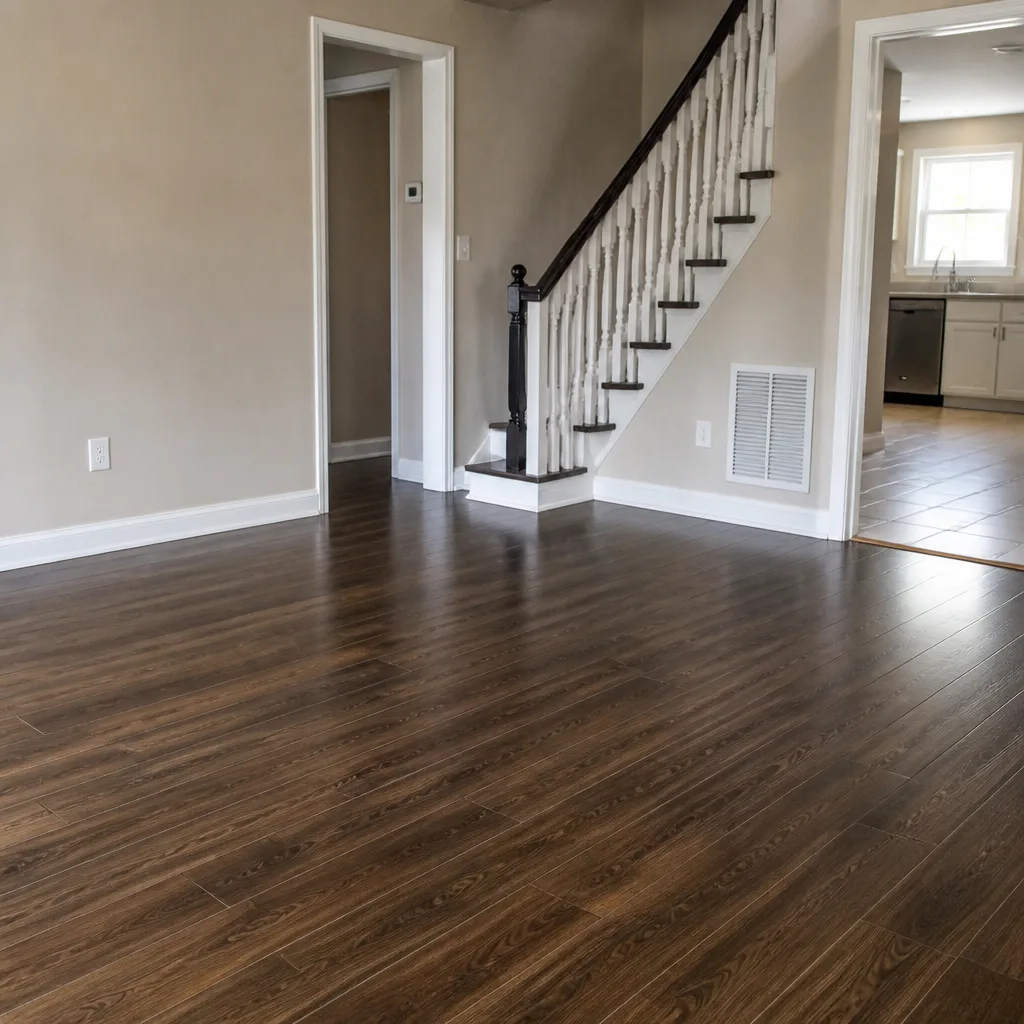
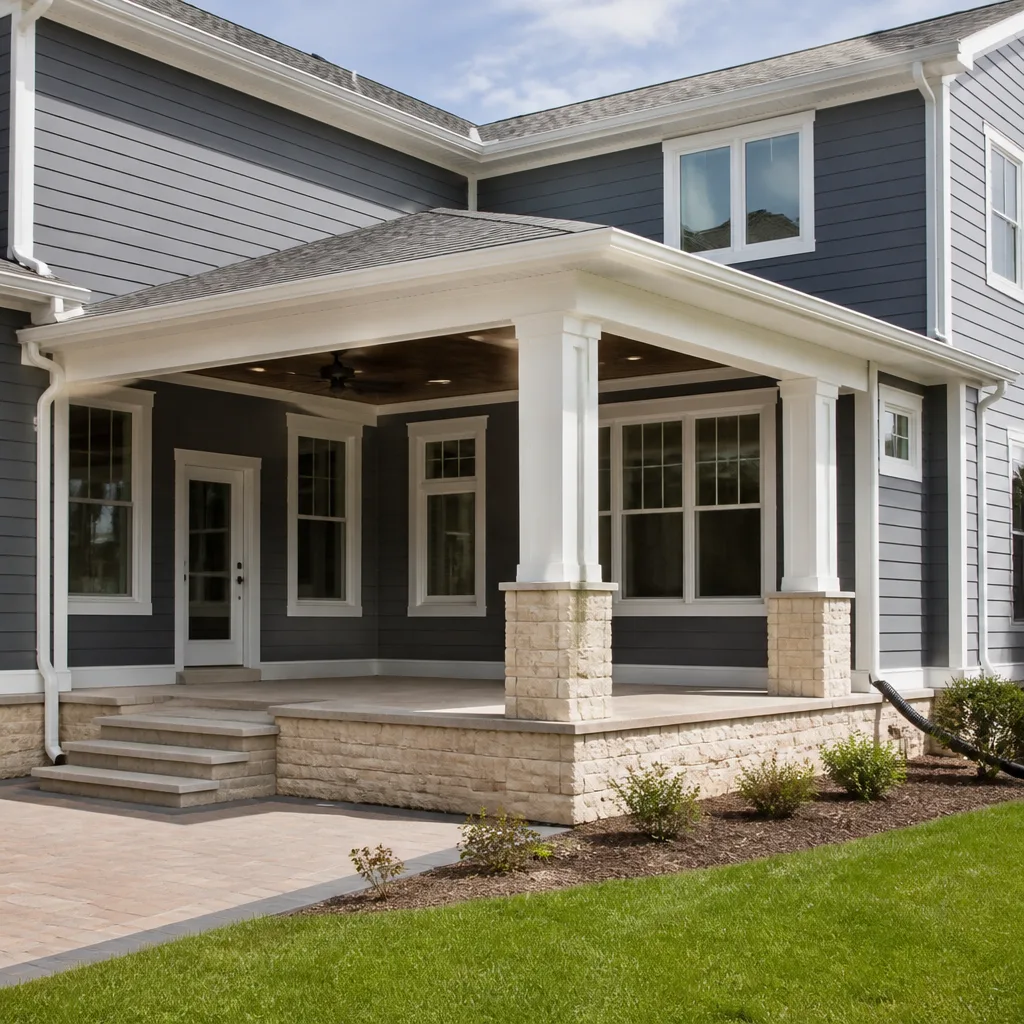
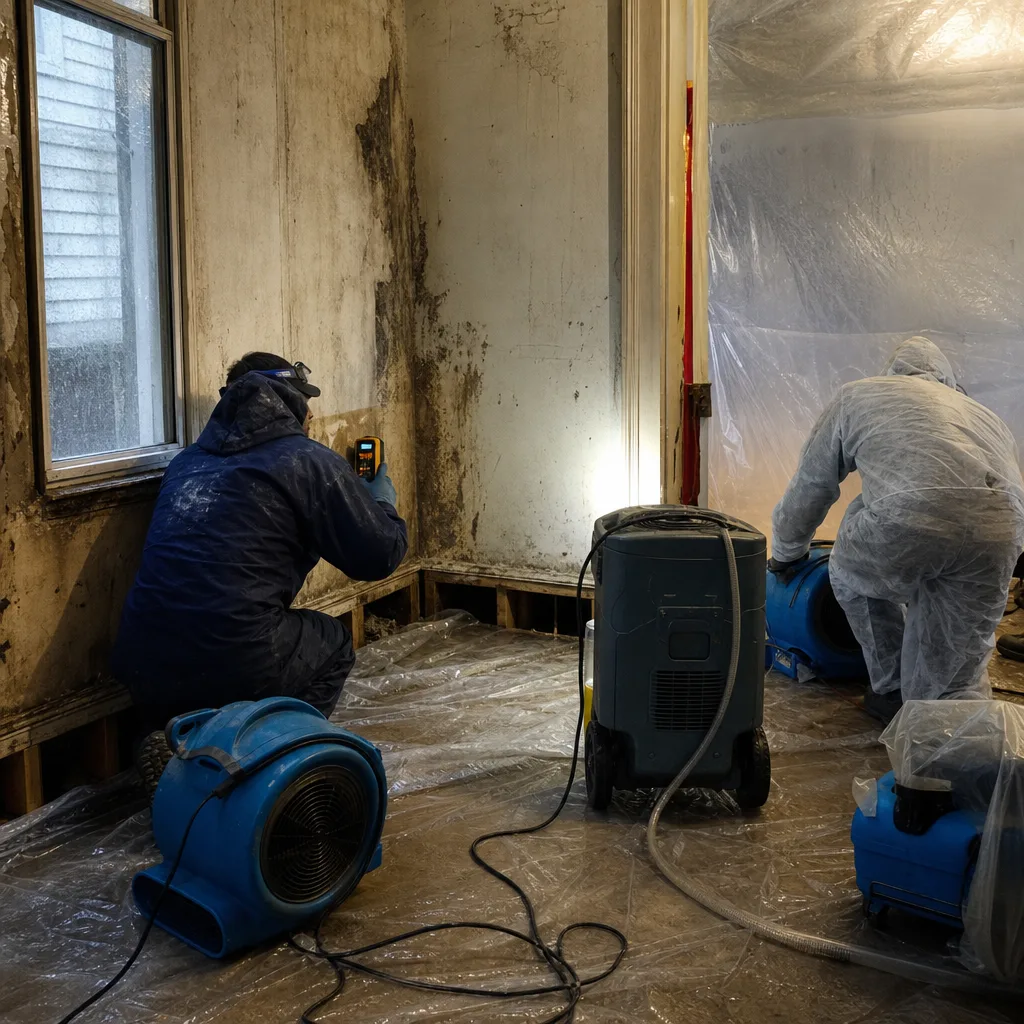 Before
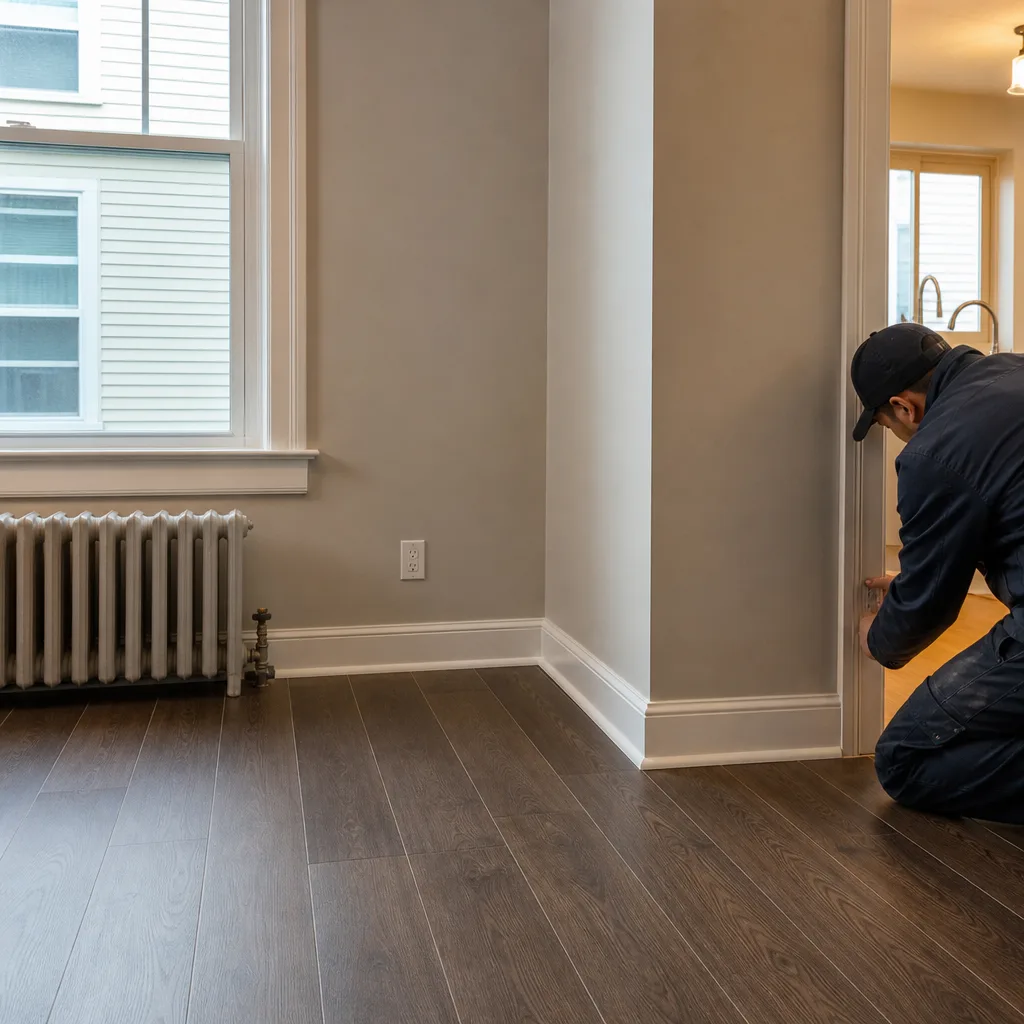 After
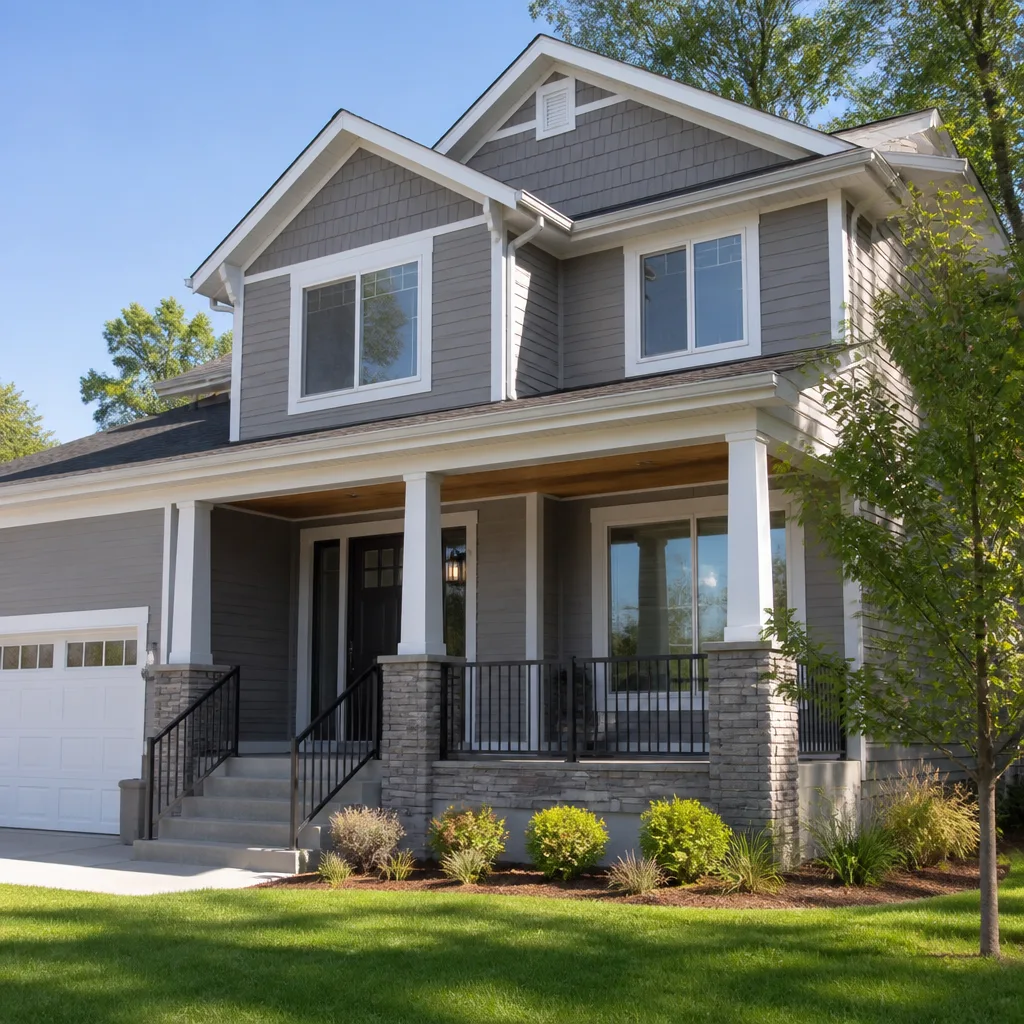
After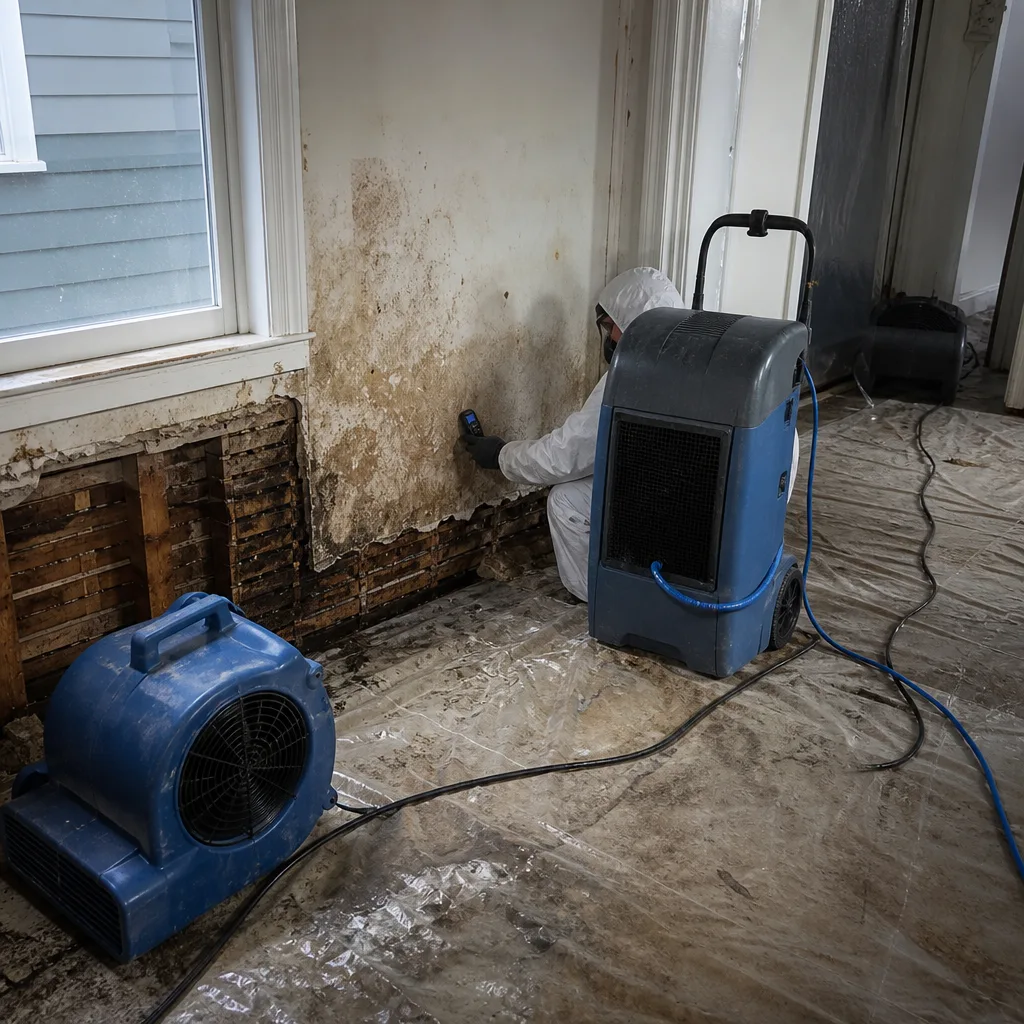 Before
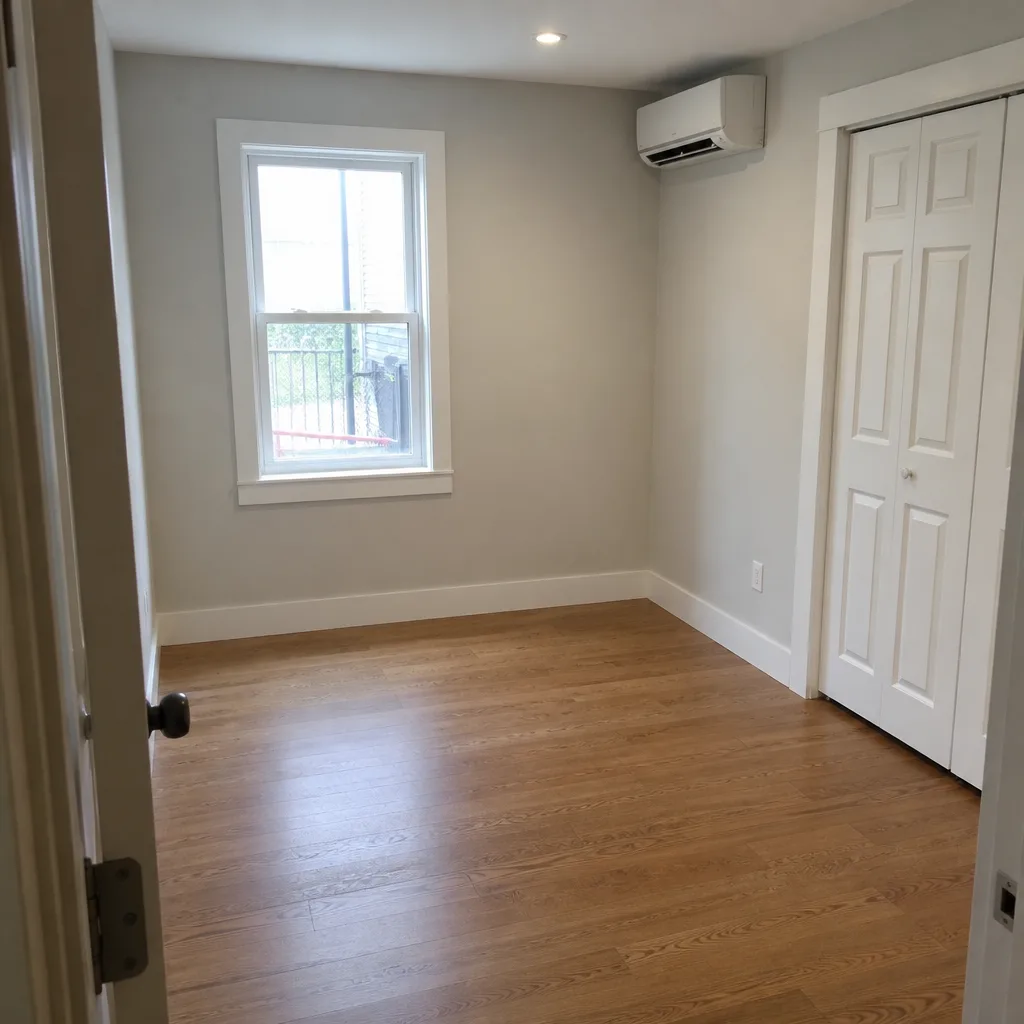 After
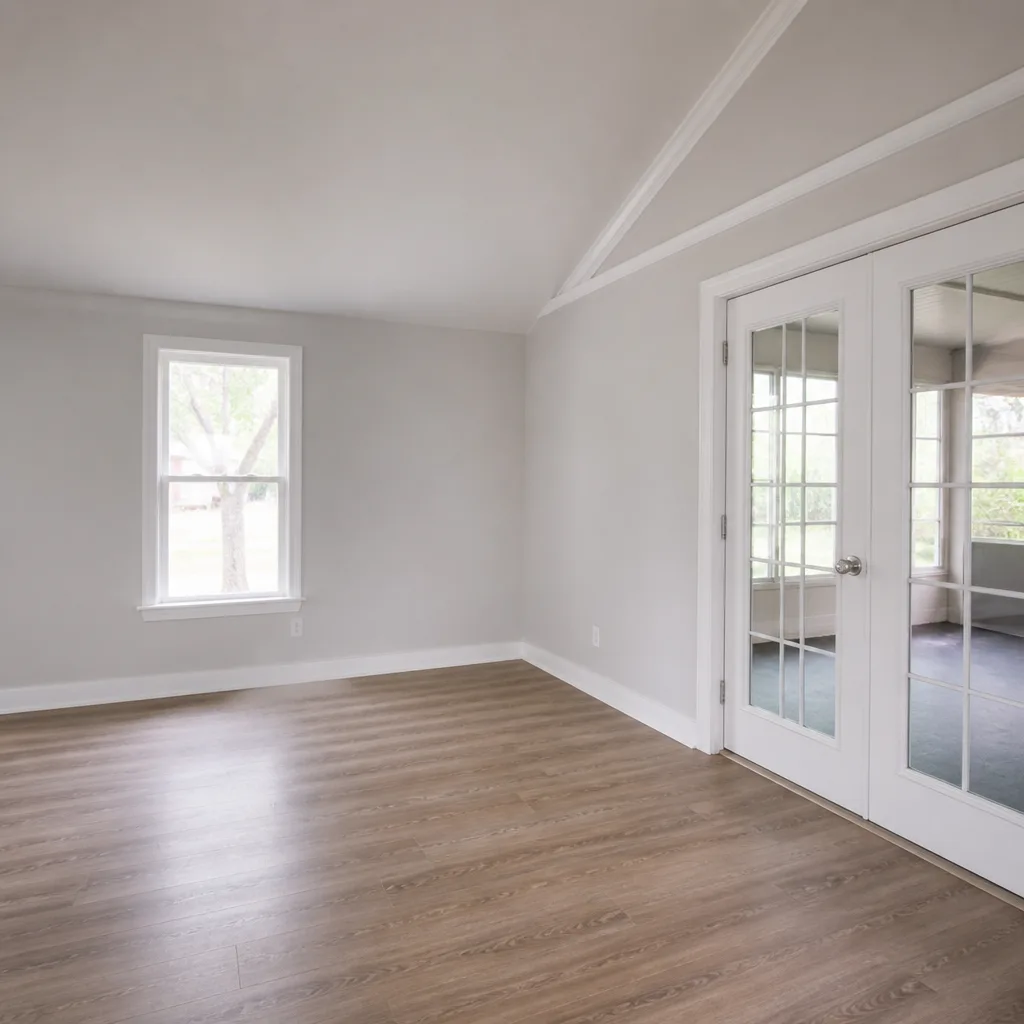
After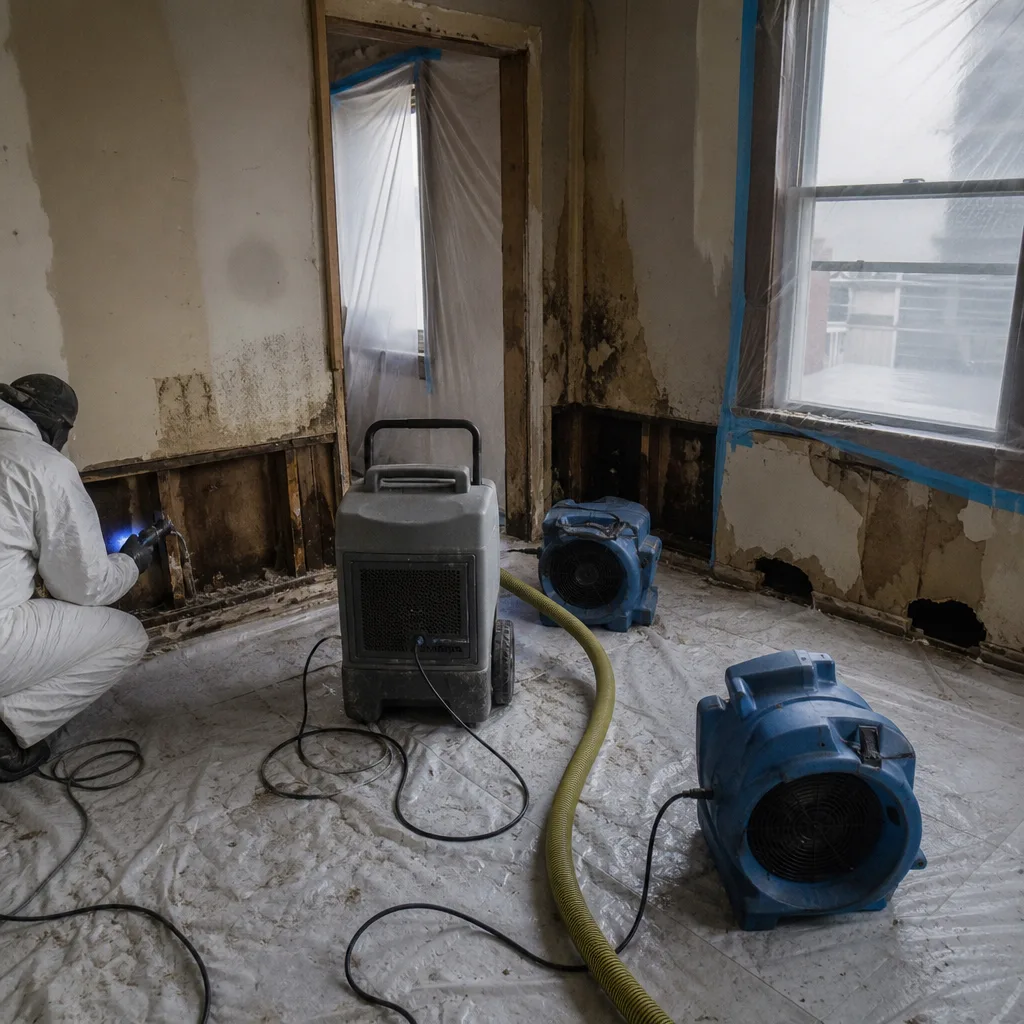 Before
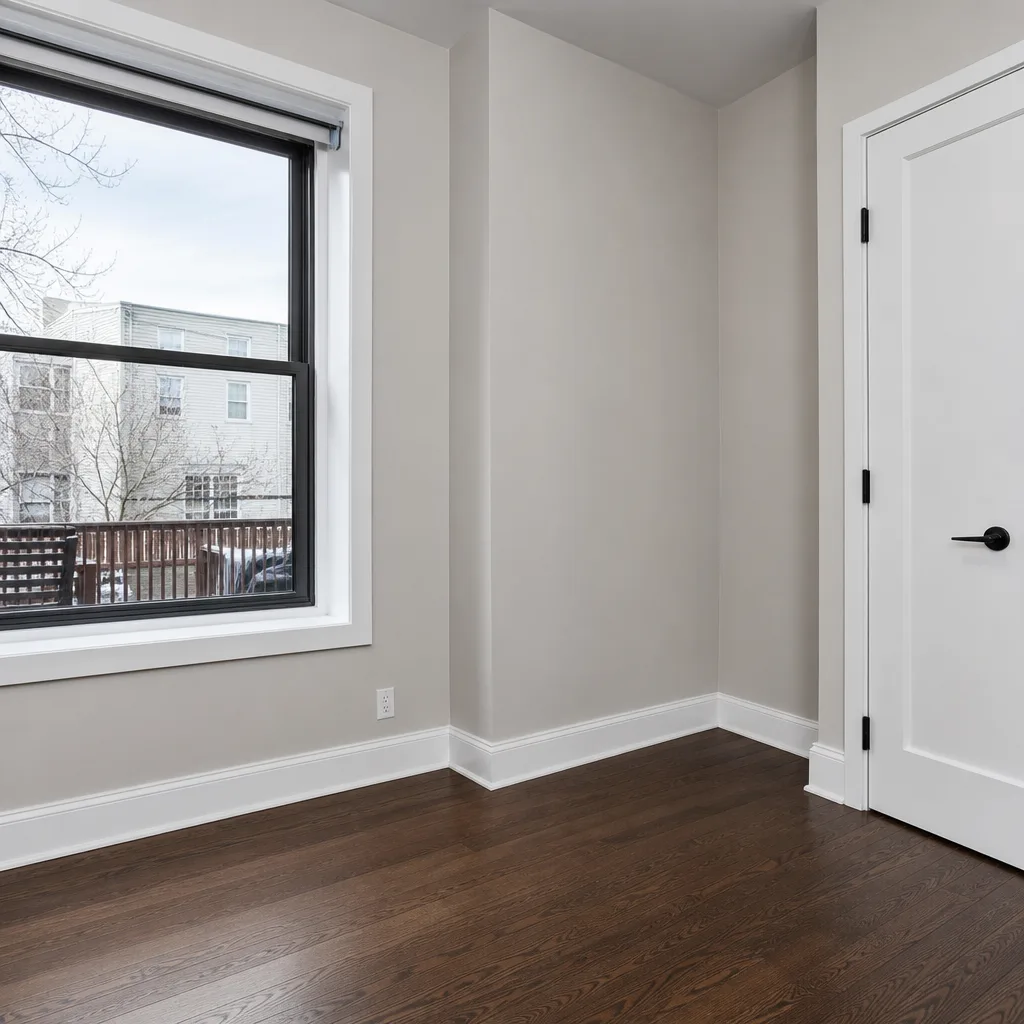 After
After24/7 Emergency Storm & Disaster Restoration in Lower Manhattan
Storm and disaster restoration in Lower Manhattan typically costs $1,800-$8,500 depending on water category, square footage affected, and whether saltwater contamination requires chloride-specific treatment. Emergency response, extraction, and stabilization usually happen the same day you call, with full drying and restoration following immediately after. When tidal surge or wind damage hits a Financial District loft, a Battery Park City condo, or a Tribeca co-op, every hour of delay lets saltwater corrode electrical panels, saturate original timber joists, and soak masonry that has stood for 100 years or more.
Call (363) 208-1526 right now. Wade Ferris answers his own phone, day or night, and he can have a crew running extraction inside the hour across Lower Manhattan. The first call is free, the visual inspection is free, and you will know exactly what you are dealing with before any work begins.
Understanding Storm & Disaster Restoration Severity in Lower Manhattan Properties
Storm damage in Lower Manhattan does not behave like storm damage in a suburban split-level. The building stock here is the oldest and most structurally varied in the city: cast-iron loft buildings from the 1880s along Greene Street, pre-war masonry high-rises in the Financial District, 1980s co-ops in Battery Park City built on Hudson River landfill, and glass towers that went up after 2000. One restoration job can involve Category 3 black water from storm surge, chloride contamination from seawater, and an original timber joist system that requires careful structural drying rather than replacement. When saltwater from a nor’easter pushes through below-grade service entrances, the water carries dissolved chlorides that attack copper wiring, corrode steel studs, and penetrate deep into masonry. That is not a mop-and-fan situation. That requires moisture mapping with thermal imaging, antimicrobial treatment, and documentation of every reading so the insurance carrier sees exactly what happened.
Lower Manhattan’s location at the confluence of the Hudson and East Rivers means nearly all of the district sits within FEMA Flood Zone AE. The western edge, Battery Park City, is landfill and among the most surge-vulnerable real estate in the northeastern US. Wind damage compounds the problem: a damaged roof membrane or broken window on the 14th floor of a converted office building lets rain pour down through original standpipe chases and steam-pipe runs, spreading water across multiple floors before anyone notices. These buildings were not designed for modern restoration access. The problems are older, deeper, and denser than what inland flood crews ever see.
Why Lower Manhattan Property Owners Choose Wade’s Restoration
- 45-minute response commitment. Wade heads out the moment you call, and his crew is working inside Lower Manhattan before most dispatch centers would even confirm a booking. In flood or wind emergencies, that gap is the difference between drying and demolition.
- A live person answers every call, 24/7. Not an answering service, not a queue. Wade Ferris carries his own phone. Ask anyone on your street; when it floods at 2 a.m., you call, he answers.
- IICRC-certified crews with real credentials. WRT, FSRT, and AMRT certifications mean the people in your home are trained for water, fire, and mold the way the industry standard demands. No apprentices handed a fan and told to improvise.
- Free visual inspection, every time. No trip charge inside the county, no pressure. Wade looks at the actual damage, tells you what he sees, and puts a written scope in your hand before any money changes hands.
- Direct insurance billing and adjuster coordination. Wade deals with the adjuster himself. You are not relaying messages between a carrier and a contractor. The paperwork is documented, photographed, and in the insurer’s hands fast.
- One team from extraction to reconstruction. The same crew that pumps out water, dries the framing, and treats the chlorides is the crew that reconstructs the wall. No handoffs, no finger-pointing, no gaps.
Our Storm & Disaster Restoration Process
Inspection & Assessment
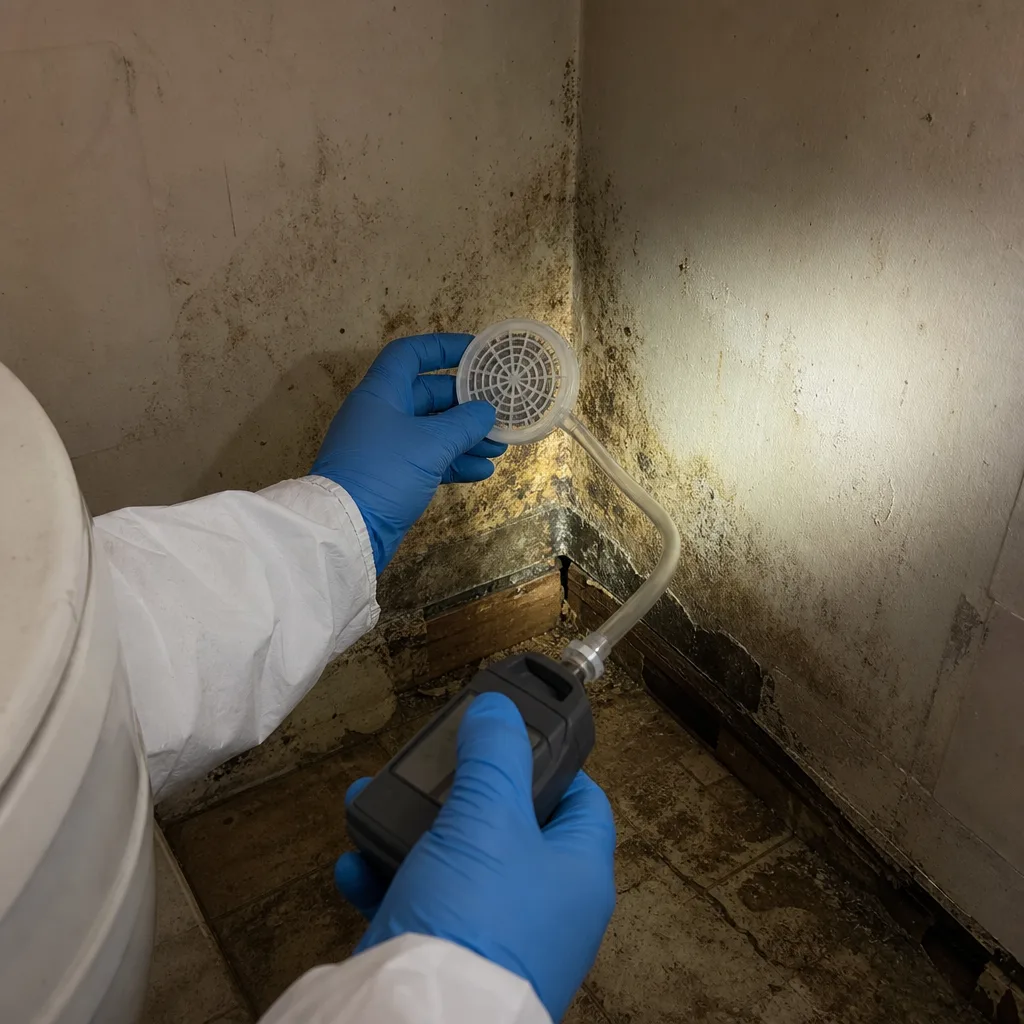
Wade walks the property with a thermal imaging camera and moisture meter. He identifies the water category, maps the migration path, and checks for saltwater chloride contamination in electrical panels, baseboards, and wall cavities. You get a straight verbal readout before anything is touched.
Extraction & Stabilization
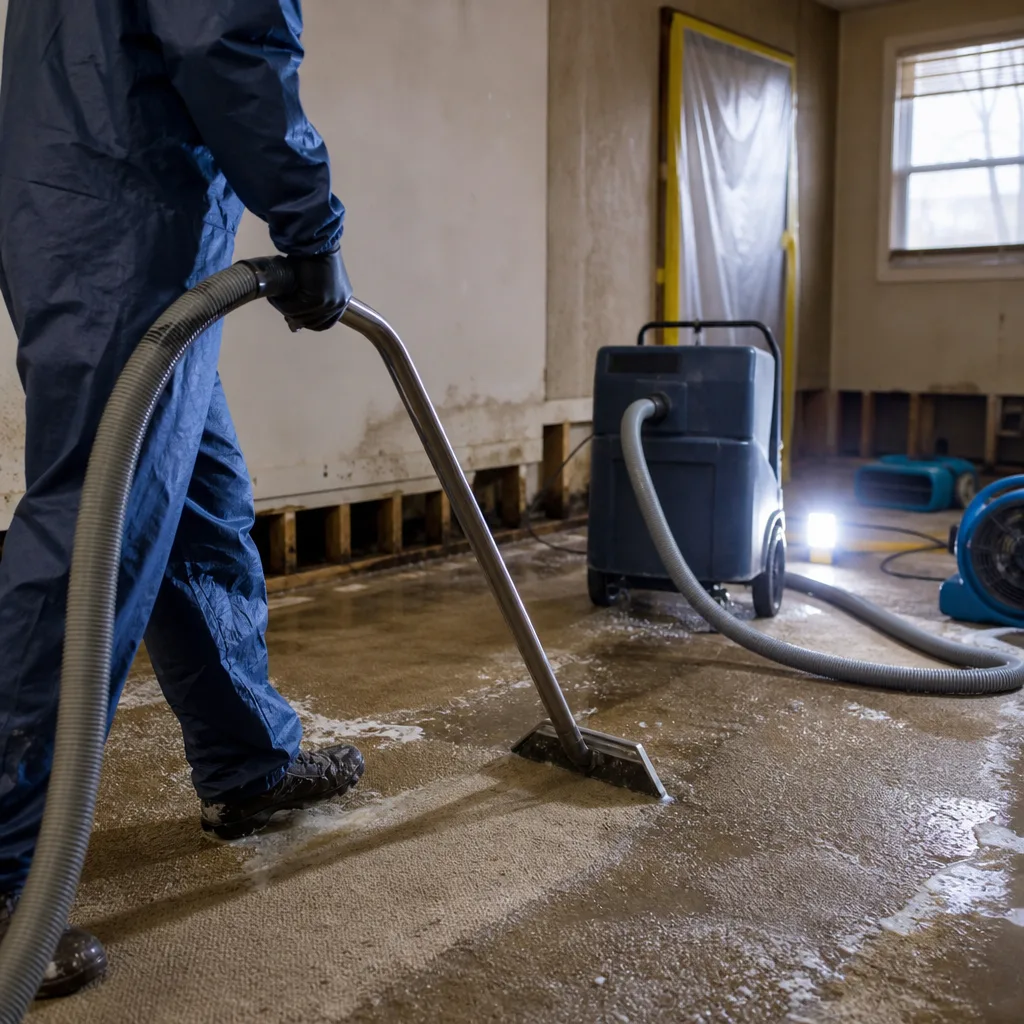
We pull standing water with truck-mounted extraction units and portable pumps sized for high-rise access. Emergency board-up and roof tarping happen here if wind has compromised the envelope. The building is stabilized before it gets worse.
Drying & Dehumidification
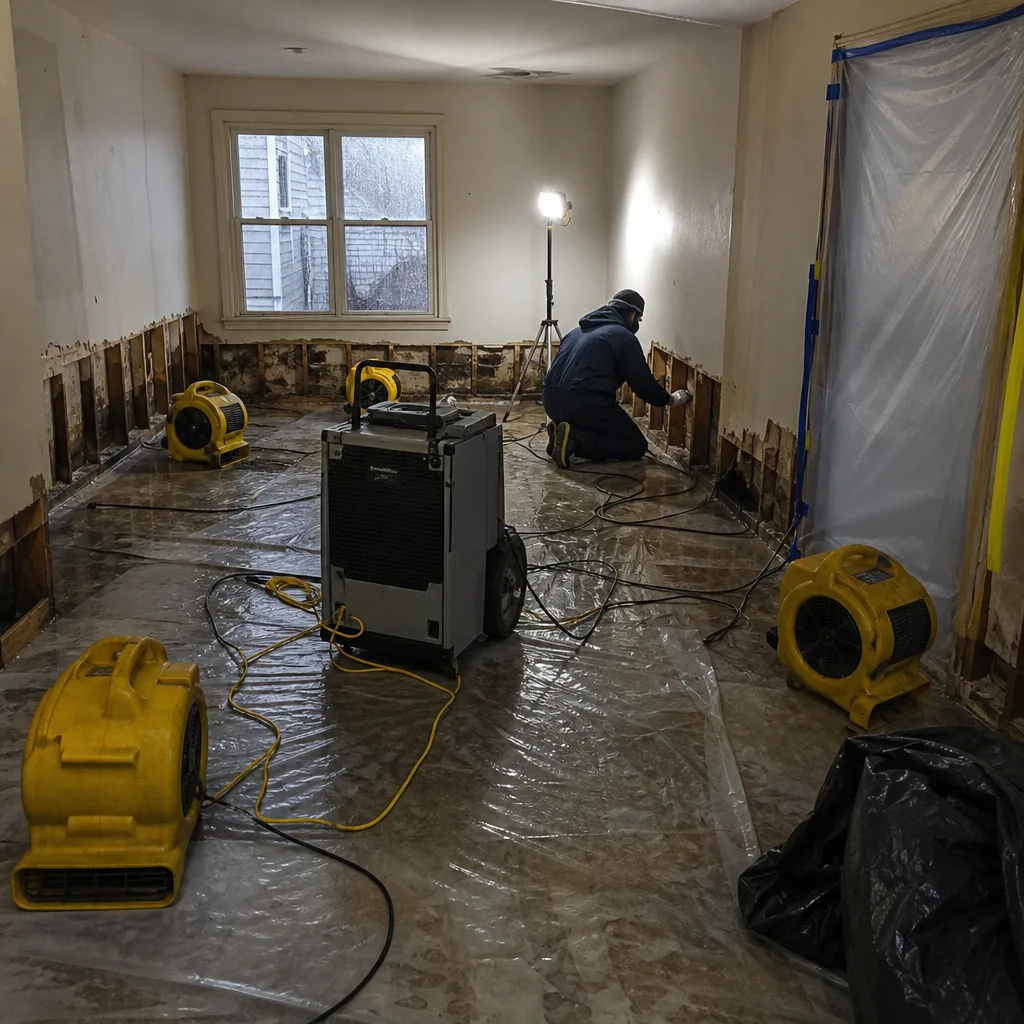
Dri-Eaz dehumidifiers and high-velocity air movers go in immediately, paired with daily moisture readings. In storm surge jobs, this stage includes chloride-neutralizing treatments so salt does not keep eating at the structure for months after the water is gone.
Cleaning & Sanitization
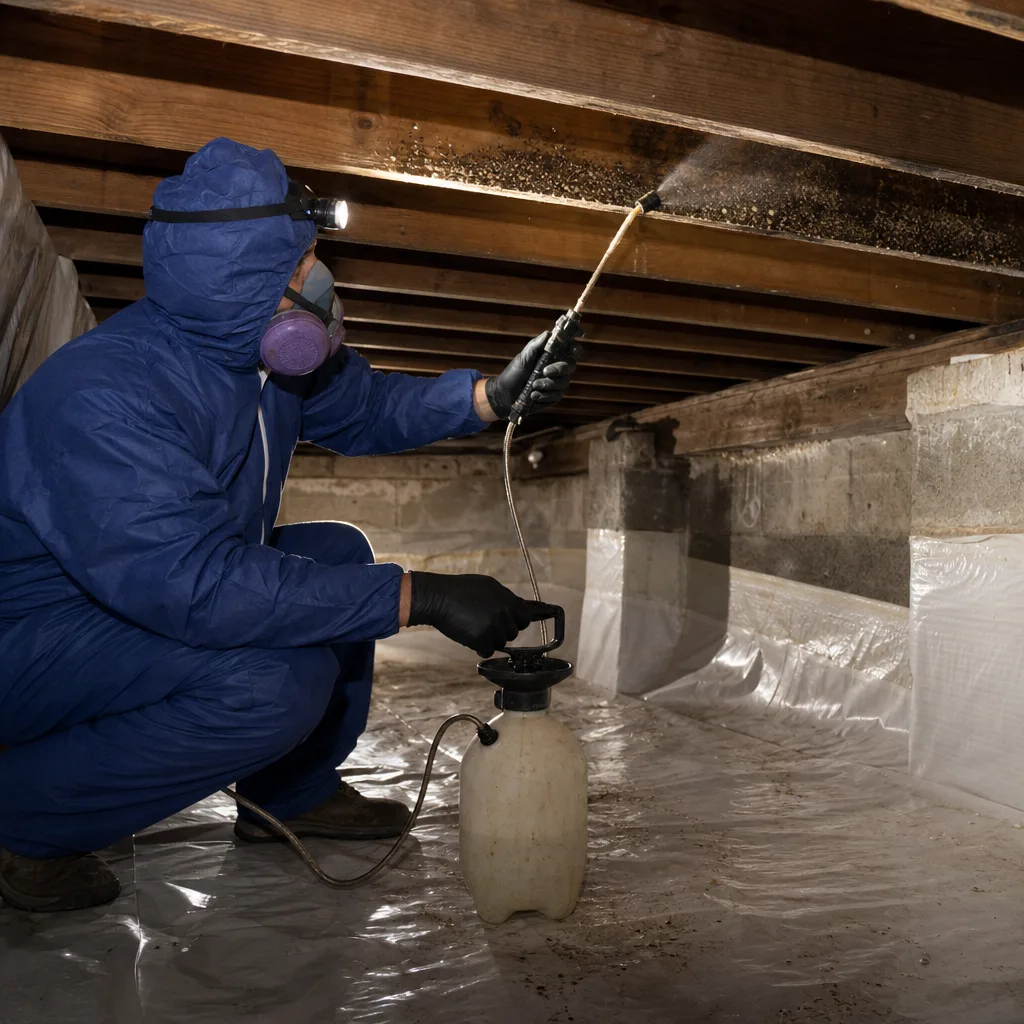
Category 3 black water means full containment, HEPA air scrubbing, and antimicrobial application. In dense co-ops and condos, we isolate affected floors and run negative air pressure to keep pathogens out of neighboring units and common corridors.
Chloride & Corrosion Treatment
This is the Lower Manhattan step most restoration companies never learned. Salt-compromised wiring gets thermal scans and replacement recommendations. Corroded rebar in concrete gets assessed for spalling. Metal studs and HVAC components get treated or replaced. Skipping this means a short circuit six months later in a wall that was “dry.”
Repairs & Restoration
Once readings confirm structural dryness, we reconstruct: drywall, flooring, trim, paint, and any cabinetry or millwork. The same crew that started the job finishes it. Your 90-Day Done Right Promise is in writing before this stage begins.
Need Emergency Storm & Disaster Restoration in Lower Manhattan Now?
Crews minutes away, answering live 24 hours a day. The sooner we start, the less it costs.
Working With Your Insurance Company
Insurance claims for storm damage in Lower Manhattan are not like claims anywhere else. The saltwater question alone changes everything: a standard freshwater drying claim will be denied for under-treatment if the adjuster knows chlorides were present, so documentation matters from the very first hour. Wade’s crew photographs every room, logs every moisture reading, and builds a line-item scope that matches what the carrier’s own software expects to see. Wade then picks up the phone and talks to the adjuster directly. You are not stuck describing contractor jargon to a claims desk. The documentation does the talking, and Wade is on the line to answer the technical questions.
What We Provide Your Insurer
- Thorough documentation of the loss
- Photos of all damage, room by room
- Moisture readings and drying logs
- A detailed, line-item scope of work
- Direct coordination with your carrier
Built for Lower Manhattan’s Loss Calendar
Lower Manhattan’s storm damage season runs year-round, but it peaks in three distinct windows. January and February bring deep-freeze nights when supply lines freeze inside uninsulated perimeter walls of pre-war buildings, then burst when the thaw hits. A frozen copper line on the 20th floor of a Financial District conversion can pour water down through 19 floors of finished space before the first drop reaches the lobby. March through April is thaw and nor’easter season: saturated soils, tidal pressure pushing groundwater through below-grade walls, and the first serious wind events of the year. August through October is hurricane and post-tropical season, when storm surge remains the single biggest threat in the district. Sandy taught everyone in the Financial District, Battery Park City, and South Street Seaport what 14 feet of tidal surge looks like. The buildings that flooded then have been vulnerable ever since, and the chloride damage from 2012 still shows up during routine restoration work more than a decade later.
Storm & Disaster Restoration Across Lower Manhattan’s Neighborhoods
The response routes matter in Lower Manhattan, because the streets were not built for modern emergency vehicles. The Financial District’s narrow canyons, laid out in the 1600s, demand smaller response vehicles and crews who know the loading dock and service entrance access points for every major building. Battery Park City sits on landfill and floods differently: water pushes up through below-grade parking garages before it enters any residential unit, and our crew heads to the garage level first. Tribeca’s cast-iron loft buildings store mechanicals in basements and subcellars that have been below the water table for 150 years; when the river rises, those basements fill fast. South Street Seaport, sitting closest to the East River, takes the first and hardest hit in any surge event. The area between Chambers Street and the Battery is where Wade’s crews spend the most time during and immediately after a storm. We know which buildings have standpipe access on the south elevation, which loading docks clear a box truck, and which co-op boards require advance notice before a crew enters.
Specialized Storm & Disaster Restoration Services We Offer in Lower Manhattan
Storm Damage Cleanup
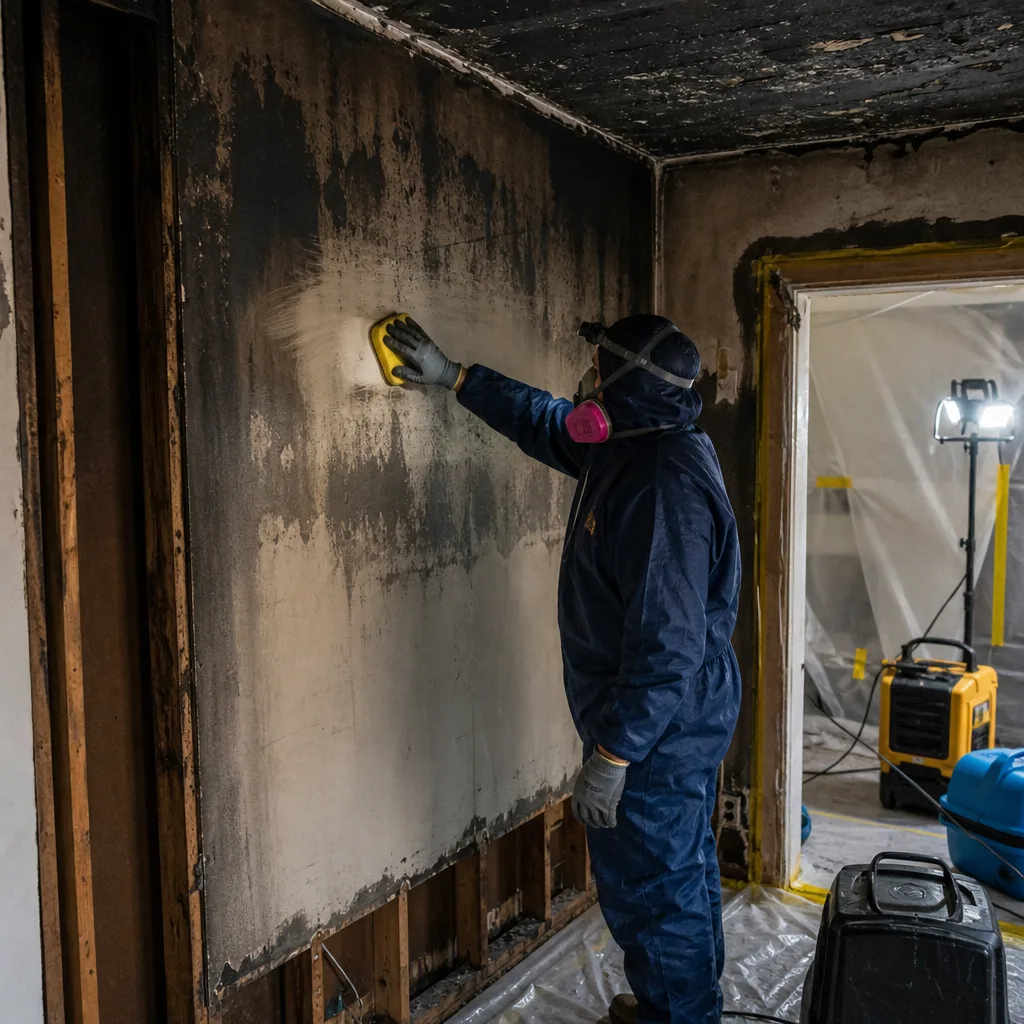
After wind and rain tear through Lower Manhattan, the first job is stabilization. We secure loose masonry, clear debris from roof drains, and get water out of wherever it pooled. On pre-war buildings, this often means working around the original facade and ensuring any temporary repairs do not trigger landmark review issues.
Flood Damage Restoration
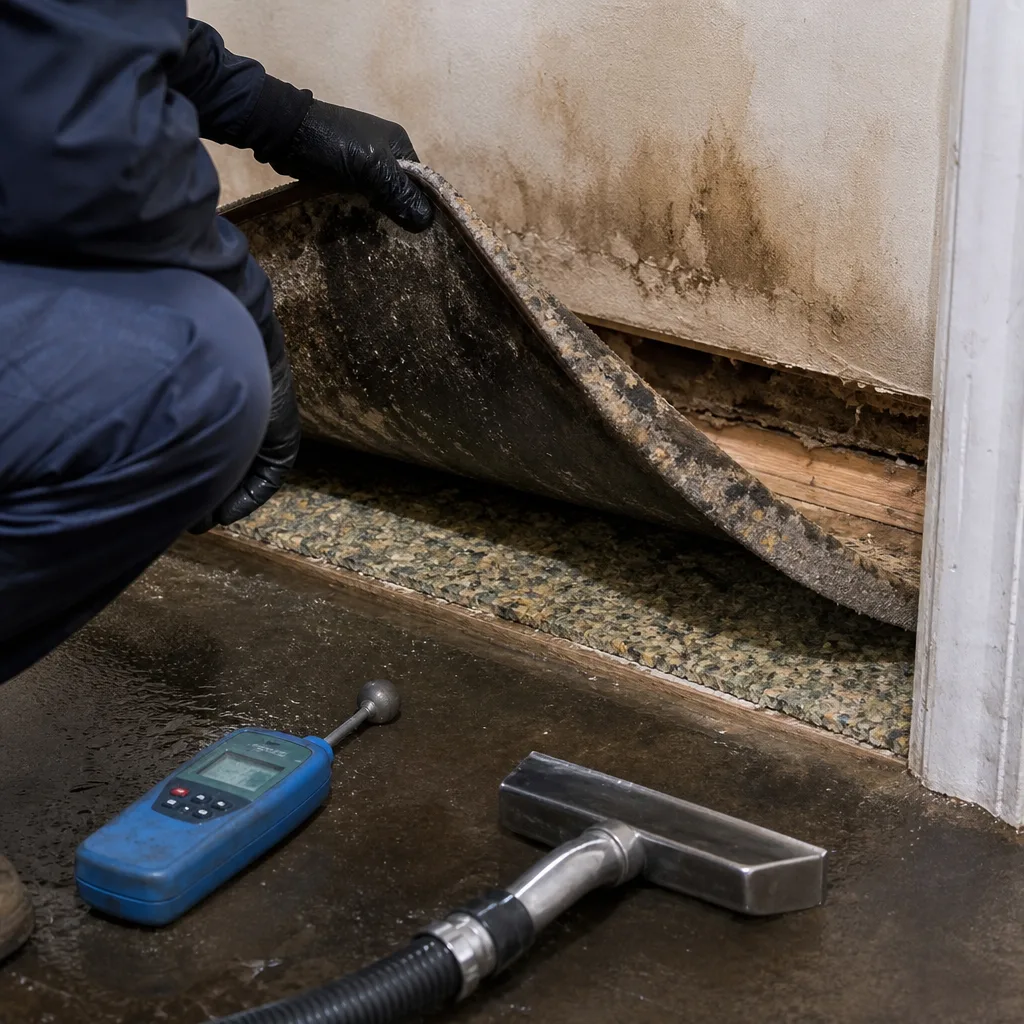
Flooding in Lower Manhattan means saltwater. Freshwater protocols are not enough. We run chloride testing on every flood job, map moisture with thermal imaging, and treat walls, framing, and mechanicals for salt contamination. Our Storm & Disaster Restoration team has handled tidal surge cases in the Financial District since Sandy, and the difference between a proper chloride treatment and a standard water extraction is the difference between a safe building and a slow electrical fire.
Emergency Board-Up
Broken windows on the 18th floor at 11 p.m. with rain coming sideways. A door blown off its hinges on a narrow Tribeca side street. We board up fast, which matters on Lower Manhattan streets where wind funnels between towers and turns a missing window into a pressure differential that blows soaked drywall off the walls.
Roof Tarping
Flat roofs are the standard in Lower Manhattan, and a lifted membrane in a nor’easter lets water pour into the roof deck and down interior chases for hours. We tarp within hours, properly secured for high-wind exposure, not the corner store blue tarp that ends up on the neighbor’s roof by morning.
Debris Removal
Storm debris in Lower Manhattan means more than tree branches. It is broken glass from high-rise windows, roofing membrane peeled off by 60-mph gusts, and masonry fragments off parapet walls. We haul it out safely, with proper disposal documentation.
Wind Damage Repair
Wind in the district channels between buildings, and doors take the worst of it. Entry doors, roof access doors, and mechanical room doors get blown off their tracks or bent past closure. We repair and reinforce them, and we can upgrade to wind-rated assemblies when the building code or common sense demands it.
What happens when you call
- 1
A real person answersNo phone trees - you reach a local pro.
- 2
You get an upfront price rangeHonest numbers before anyone is dispatched.
- 3
A background-checked tech heads outLicensed & insured, dispatched right away.
- 4
You approve before work beginsNothing starts until you say go.
Storm & Disaster Restoration Costs in Lower Manhattan, NY
Honest numbers, based on what we actually see in Lower Manhattan. A Category 1 clean-water extraction in a Battery Park City condo with drying and basic repairs runs $1,800-$3,500. Saltwater Category 3 flooding across two or three floors of a Financial District loft building, with full containment, chloride treatment, HVAC assessment, and reconstruction, runs $6,000-$18,000. Emergency board-up and tarping alone usually runs $400-$1,200 depending on height, access, and the number of openings. What moves the price: how many floors are affected, whether Landmarks Preservation Commission review is triggered, whether the building’s electrical has chloride exposure, and how fast the water was stopped. Insurance covers most of these costs when the loss is a covered peril. For anything not covered, a free visual inspection gets you a firm written scope before you spend a dollar.
We Also Serve Cities Near Lower Manhattan
Our crews work daily in Storm & Disaster Restoration in Lower Manhattan and the surrounding neighborhoods. We also cover Astoria, the Financial District, Flushing, and Midtown Manhattan. If you are in one of those areas and need storm or wind damage help, the same crew, the same standards, and the same live-answer phone number apply.
Serving Lower Manhattan, NY - Our Local Coverage Area
We’re based in the Lower Manhattan area and know this community well. Use the map below to see our service coverage - if you’re nearby, we can almost certainly help.
Lower Manhattan Storm & Disaster Restoration Questions, Answered
How does saltwater storm surge in Lower Manhattan affect concrete and rebar in pre-war buildings?
Saltwater carries dissolved chlorides that penetrate concrete and attack the steel rebar inside, causing it to corrode, expand, and eventually spall the concrete around it. In Lower Manhattan’s pre-war masonry and concrete buildings, this means structural damage can show up months or years after the water is gone. Proper restoration requires chloride testing, targeted treatment, and often removal of salt-saturated concrete before repairs can be made. Call (363) 208-1526 for an inspection if you suspect saltwater has reached your structural concrete.
Why does the Landmarks Preservation Commission slow down storm restoration in the Financial District?
The Landmarks Preservation Commission must sign off before any exterior-facing wall in a designated landmark or historic district is opened, even for emergency drying access. In the Financial District, many converted office buildings sit inside historic districts, which means a 48-hour remediation can stretch into a weeks-long permitting process. Wade’s crew coordinates directly with the LPC, files the paperwork, and keeps the drying moving on the interior while exterior approvals are pending.
What wind rating should storm doors and windows meet in Lower Manhattan?
Doors and windows in Lower Manhattan should meet Miami-Dade County or equivalent high-velocity hurricane zone ratings, meaning they are tested for wind loads of at least 140 mph and impact resistance from flying debris. The wind-tunnel effect between high-rises amplifies gusts far beyond what the National Weather Service reports, so a standard residential door on a 15th-floor terrace can fail under conditions that never touched the ground level. We replace and reinforce doors with properly rated assemblies.
How do you handle emergency board-up on narrow Lower Manhattan streets during an active storm?
Our crews use smaller emergency vehicles and coordinate with building staff for loading dock access, because the centuries-old street grid in the Financial District does not accommodate full-size response trucks. We board up from the interior when exterior access is dangerous or blocked, and we secure openings with plywood that is fastened to resist wind pressure, not just leaned into place. Wade heads out as soon as the call comes in, storm or no storm.
Can you restore original timber floor joists after saltwater flooding in a Tribeca loft?
Yes, original timber joists can be restored after saltwater flooding when they are dried correctly and treated for chloride contamination. We use Injectidry floor mats, Dri-Eaz dehumidifiers, and daily moisture readings to bring timber down to safe moisture content without replacement. The timber’s structural integrity is assessed before and after drying, and the full moisture log is handed to you and your insurer at the end. This is exactly the kind of work Wade built his name on in Tribeca and the Financial District.
How fast can you reach Lower Manhattan when there is active flooding?
We commit to 45 minutes for most Lower Manhattan locations, day or night. Wade answers his own phone, and when he says he is heading out, he is heading out. Overnight and weekend, the call still reaches a live person. Call (363) 208-1526 and you will know within one minute whether we are on the way.
Will my insurance cover saltwater storm surge damage and chloride treatment?
Most homeowner and condo policies cover storm surge damage under windstorm provisions, but standard flood insurance is required for flood-only events and coverage details vary by carrier and building type. The chloride treatment and electrical assessment we perform is often included when the water is a covered peril because it is part of proper remediation, not an optional add-on. Wade coordinates directly with your adjuster and documents every step so the claim reflects the true scope of saltwater-specific work. Estimates are free; call (363) 208-1526 to get a scope in writing.
What should I do in the first 30 minutes after storm water enters my Lower Manhattan home?
Call Wade at (363) 208-1526 before you touch anything, especially if the water may be saltwater or Category 3. Kill power to affected areas only if you can do so from a dry location. Do not use a shop vac or household fans on saltwater: the water moves faster than you can dry it, and every hour lets chloride penetration go deeper. Move small valuables to higher ground if it is safe. Then wait for the crew, who will arrive with the right equipment and start extracting immediately.
Written by Wade Ferris, Owner at Wade’s Restoration, serving Lower Manhattan since 2007.