
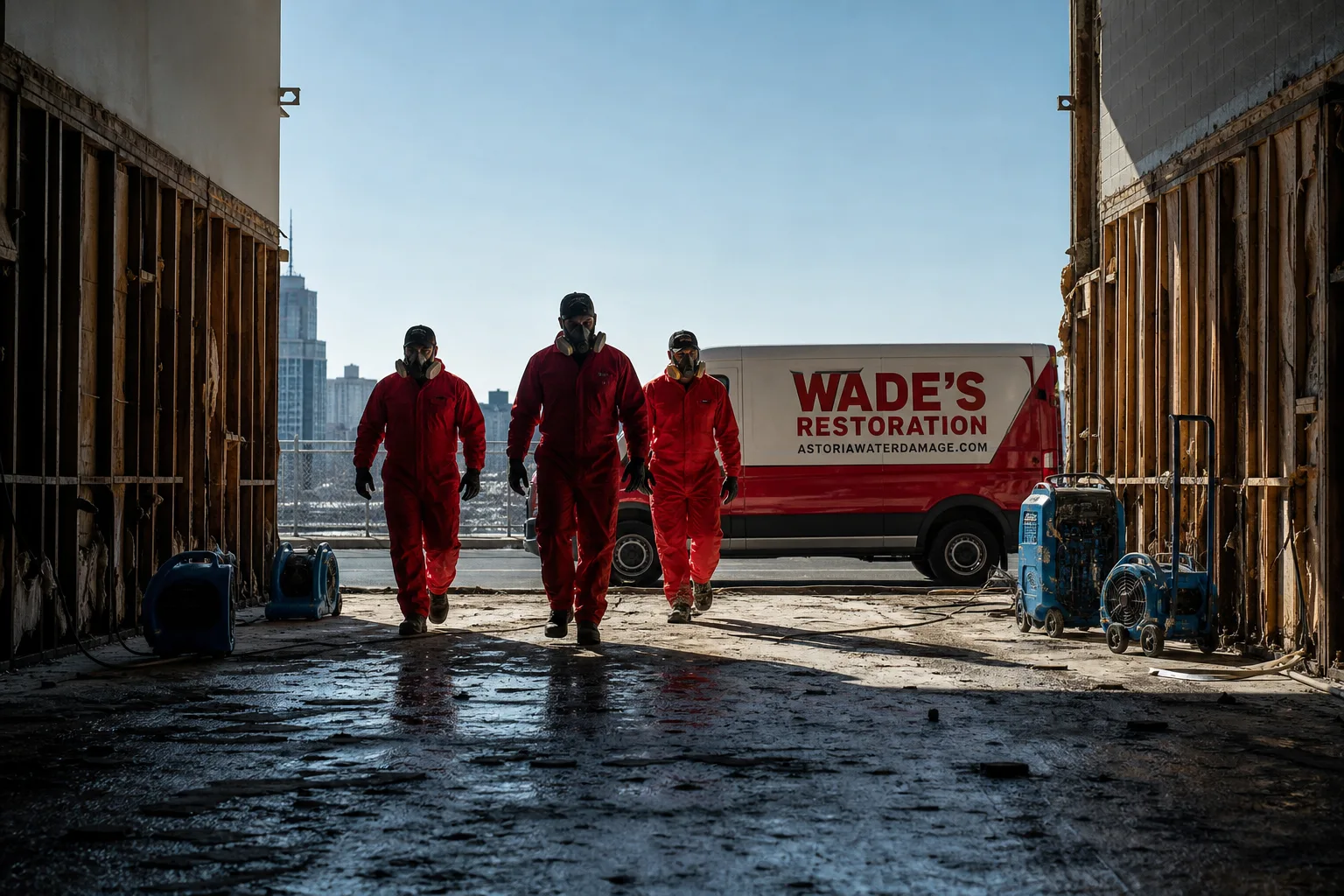
Free visual inspection and a written scope of work before any mitigation begins - photos, moisture readings, and drying logs go in your claim file
The scope we write is the scope we bill. Anything new gets shown to you, in writing, before we touch it.
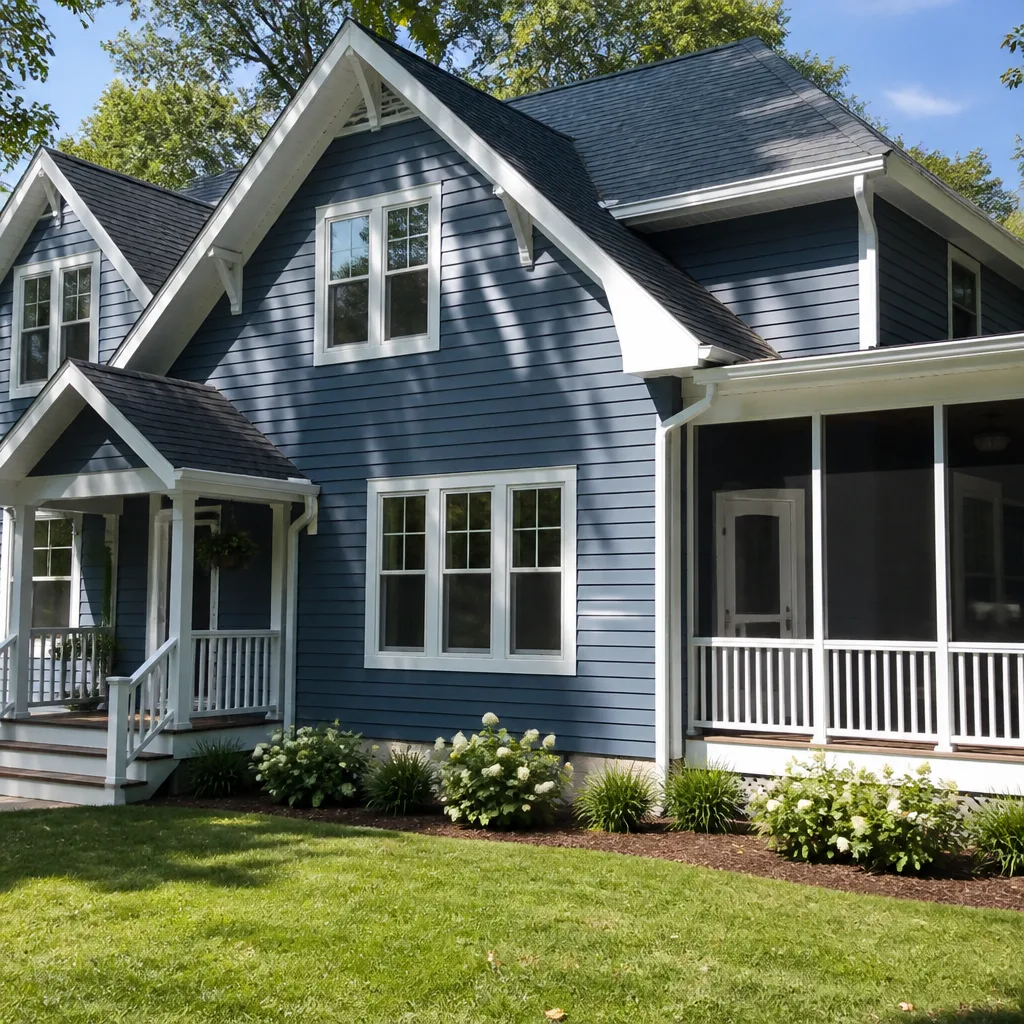
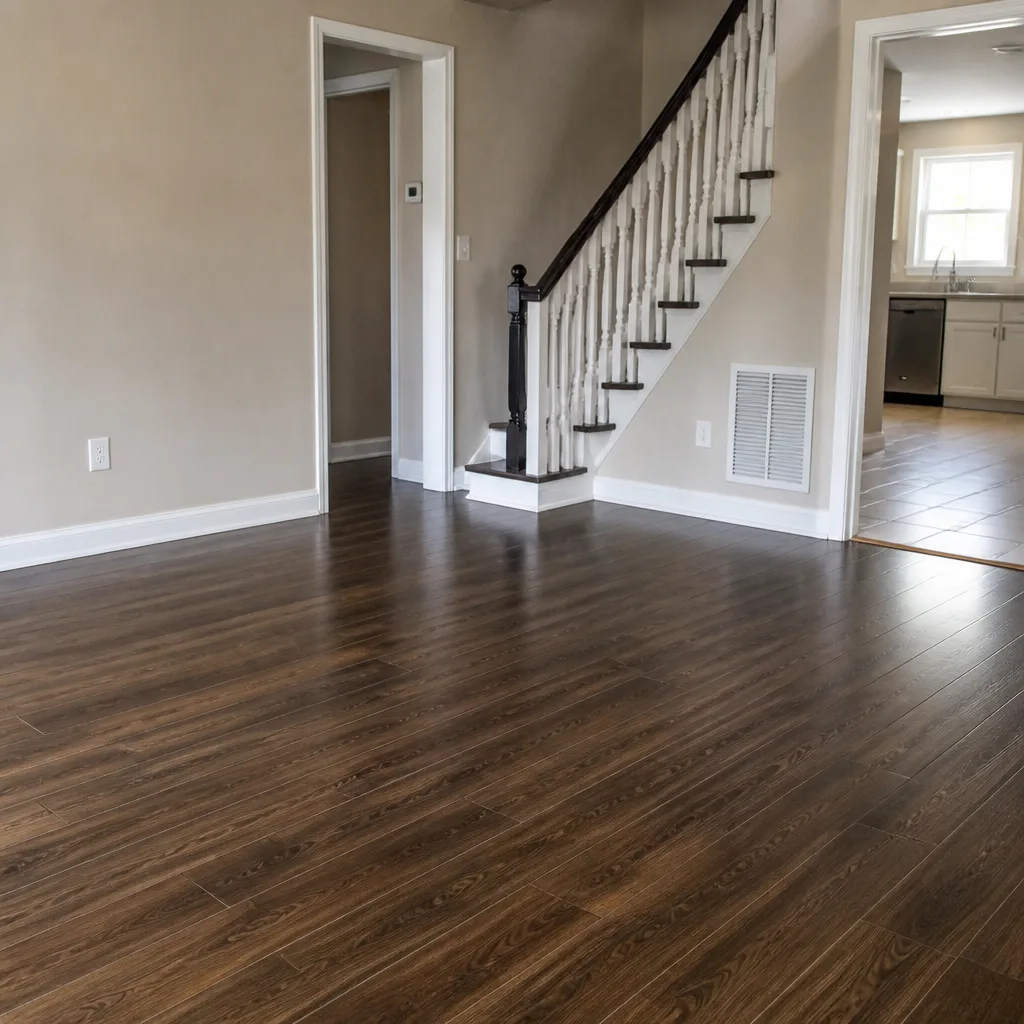
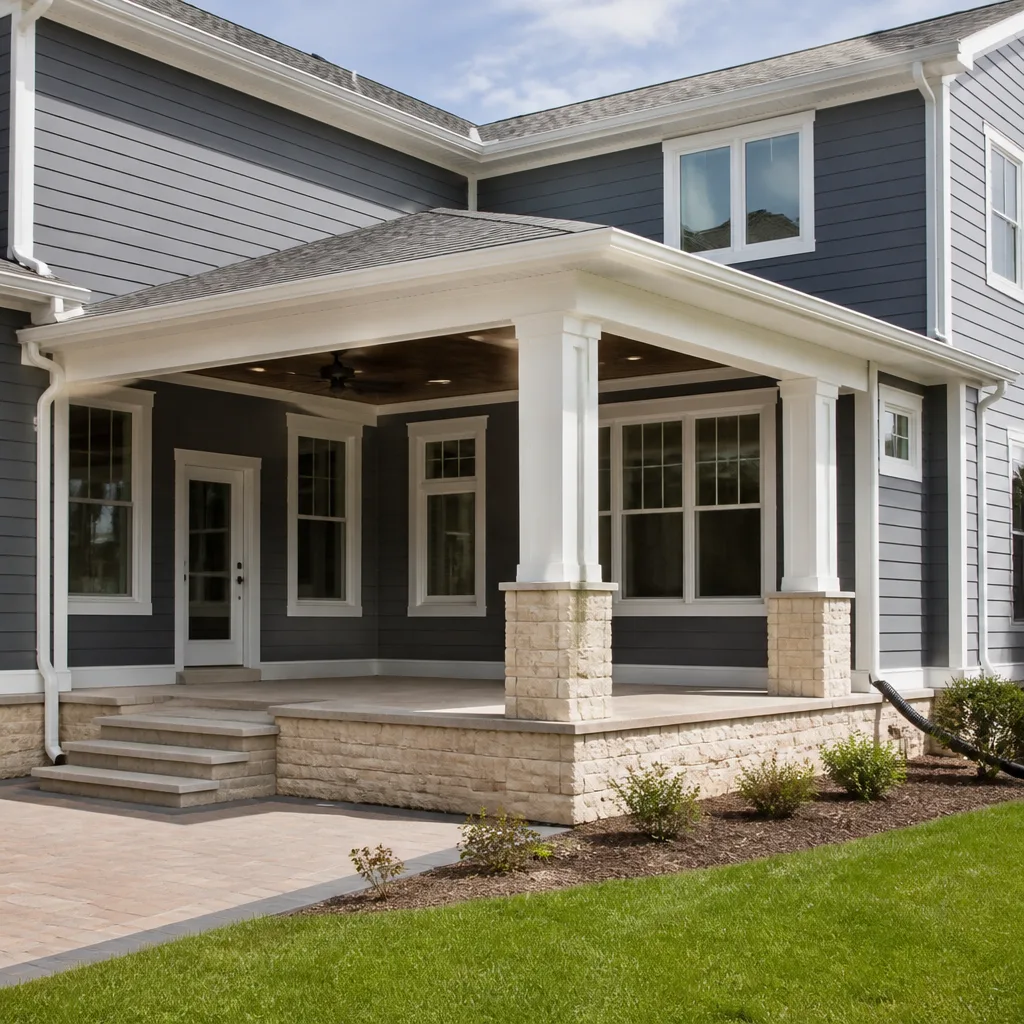
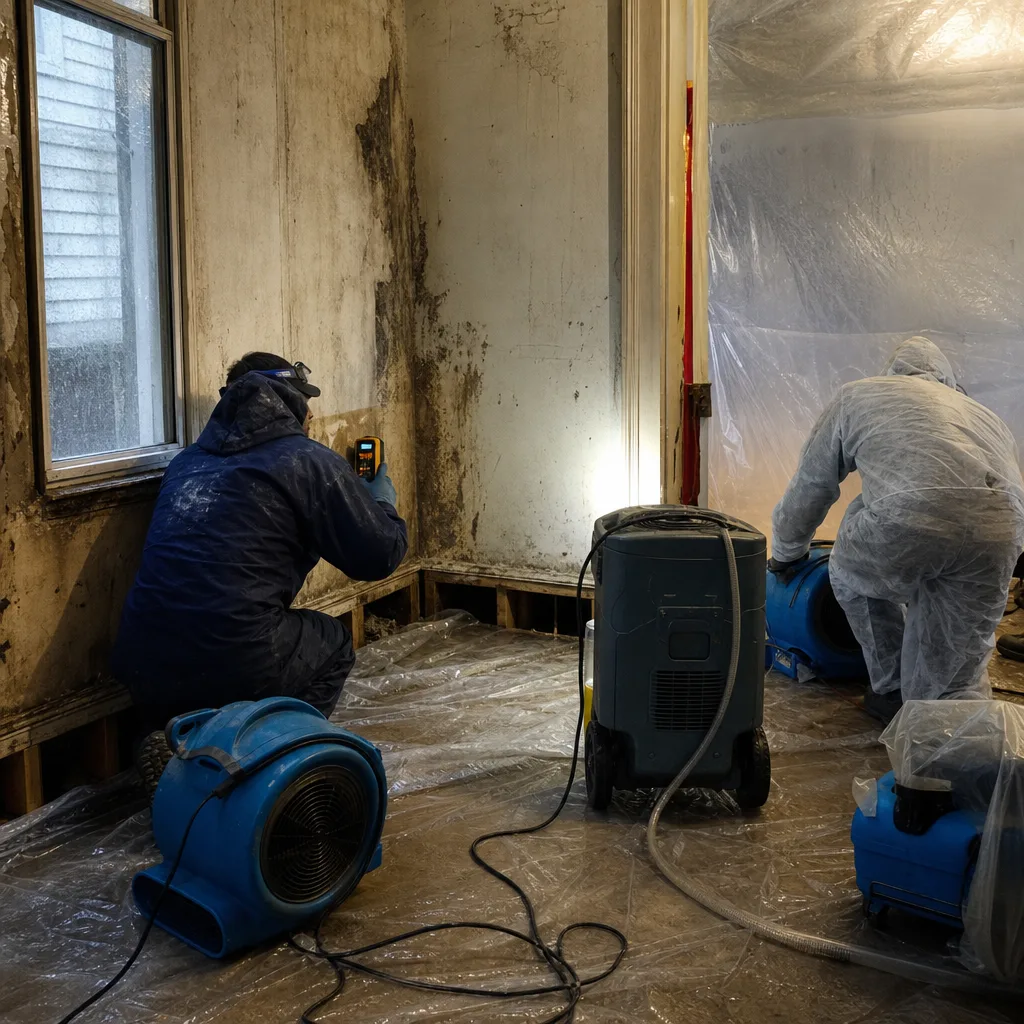 Before
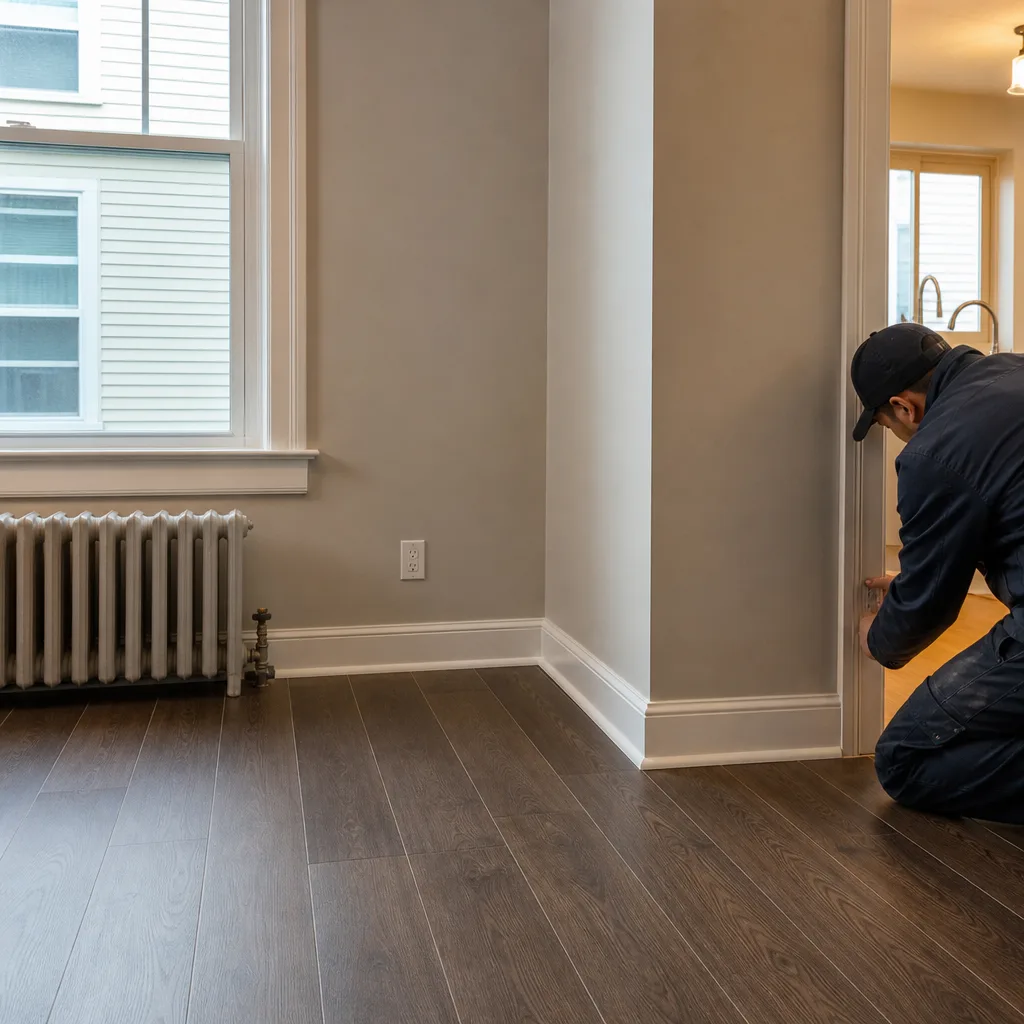 After
After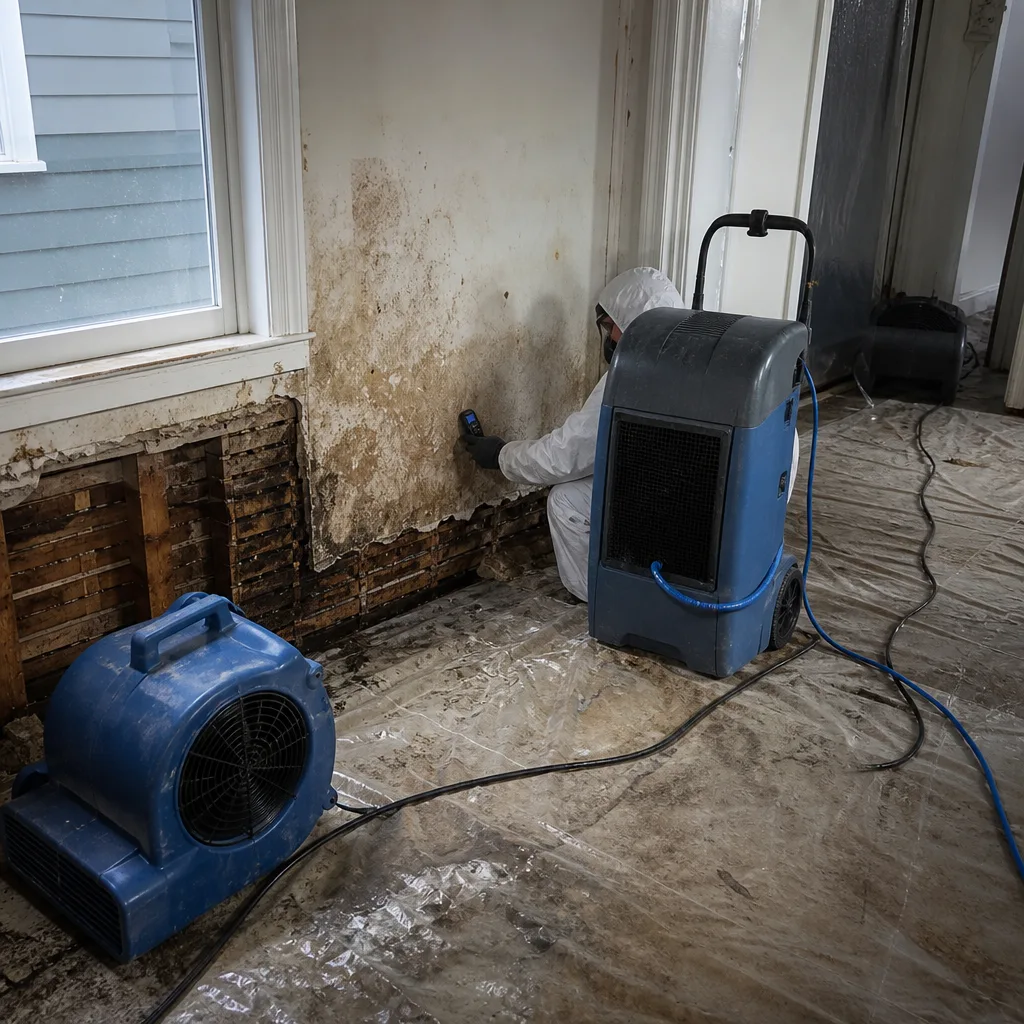 Before
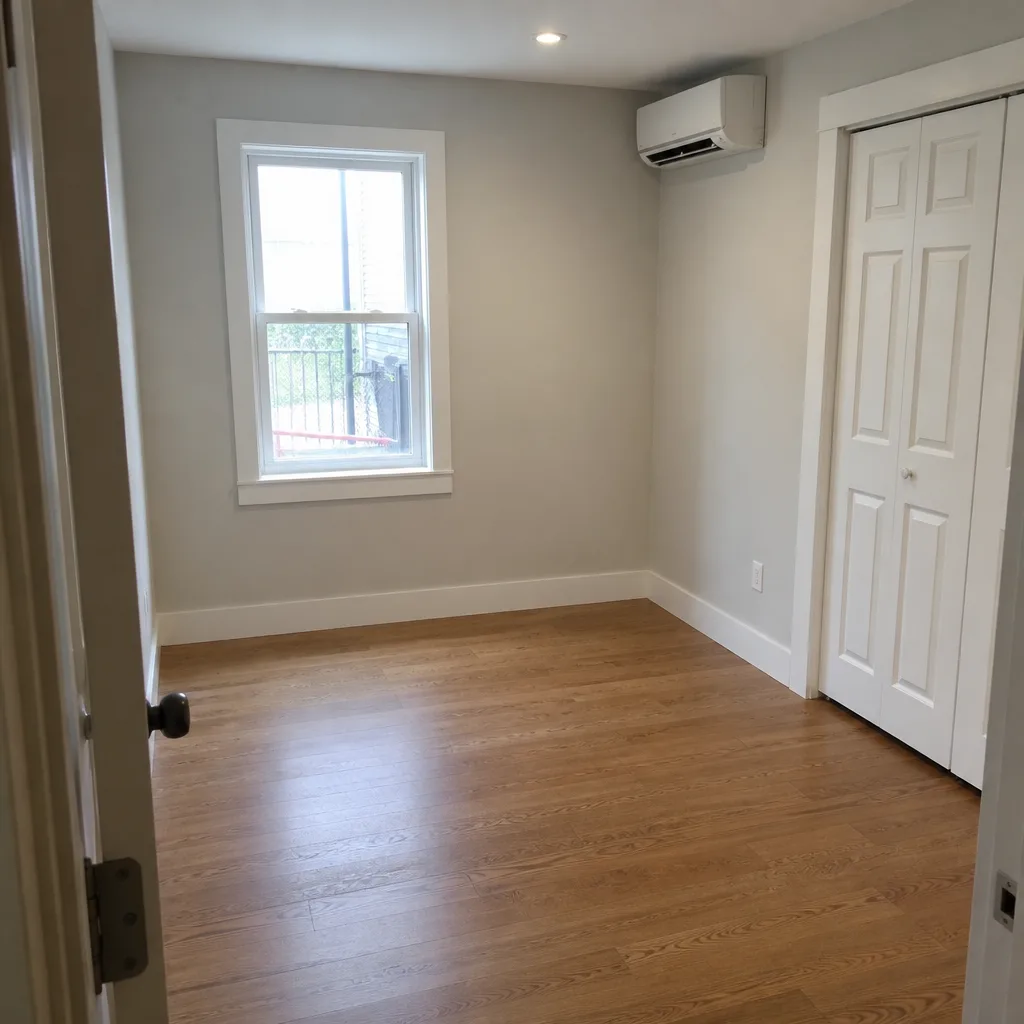 After
After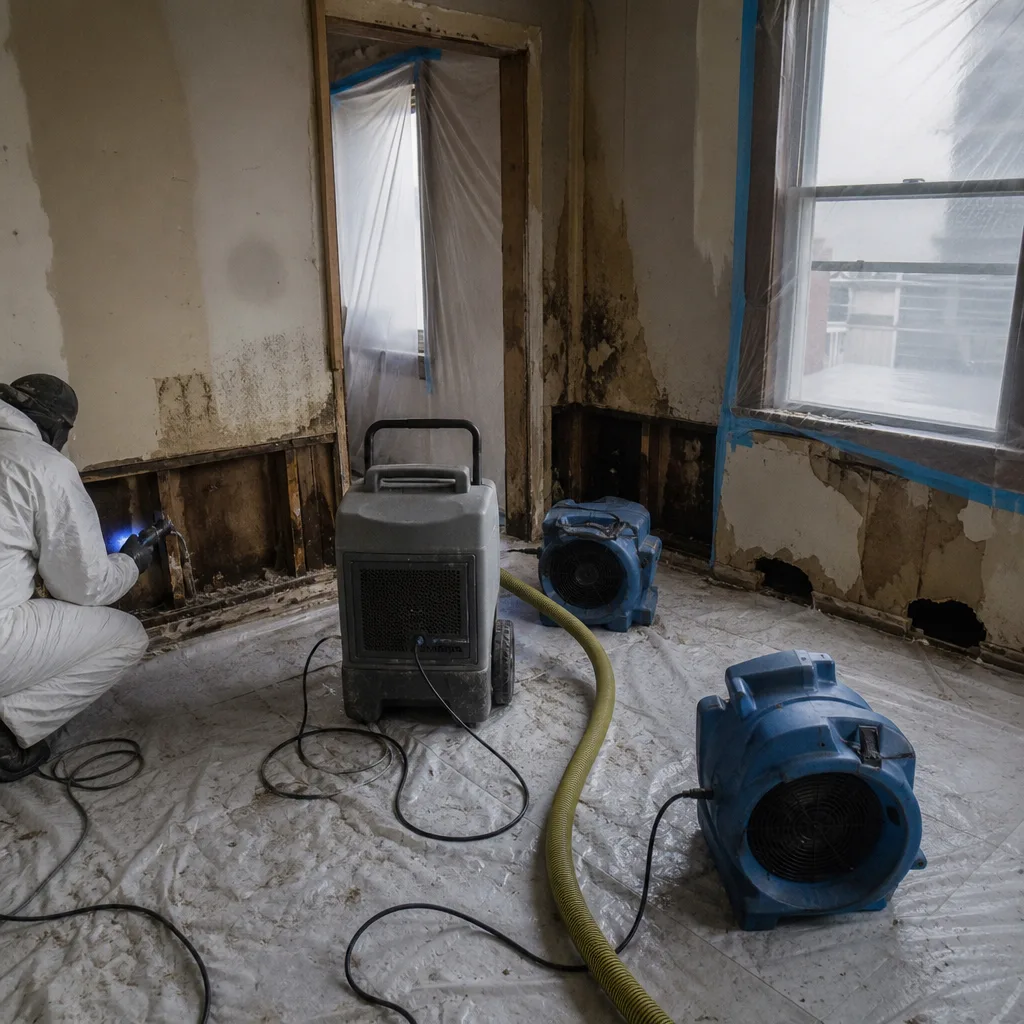 Before
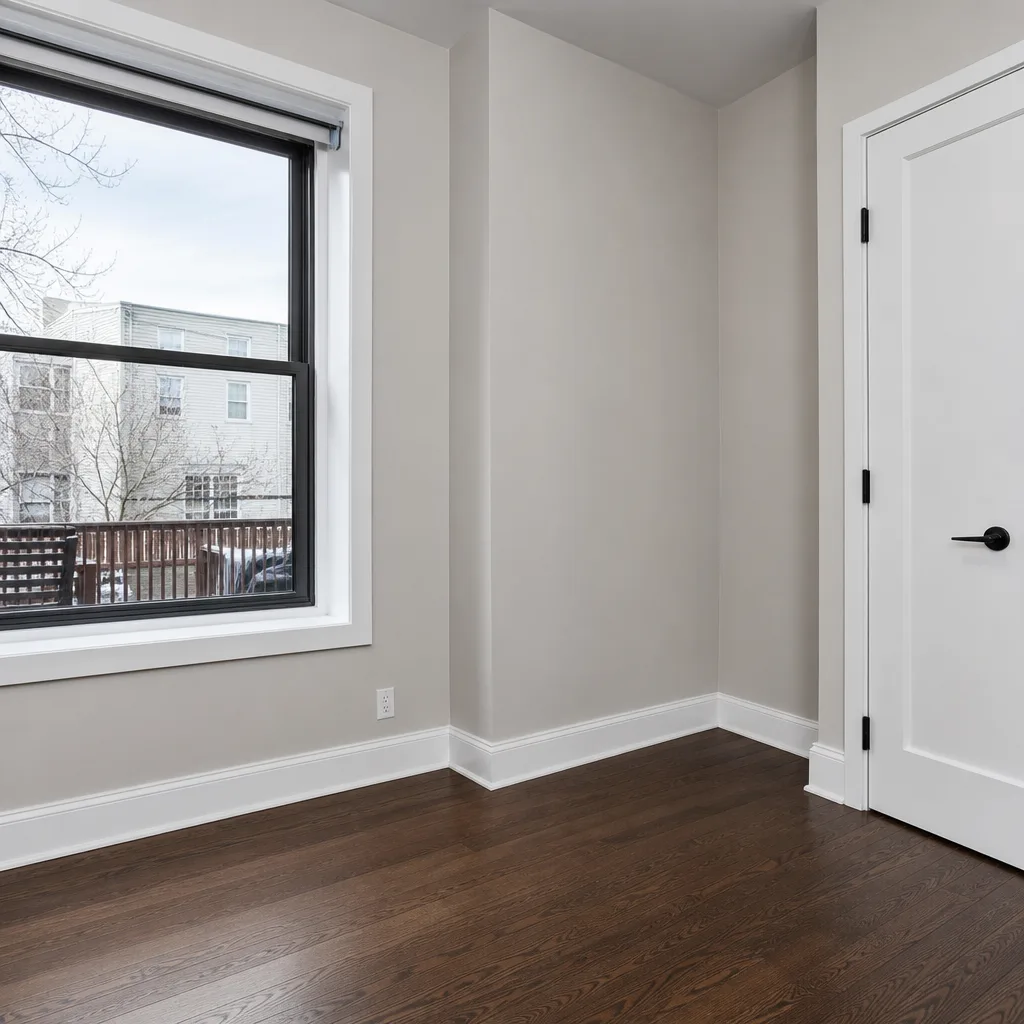 After
After24/7 Emergency Storm & Disaster Restoration in North Bergen
Storm damage in North Bergen needs a fast answer, and we give you one. Call (363) 208-1526 any hour, any day, and a real person picks up. Not an answering service. Not a callback queue. Wade Ferris answers his own phone, and if water is coming through your roof or a window blew out on the Palisades slope, he can have a crew on your block inside the hour. The first 60 minutes after a nor’easter punches through a parapet wall or a wind-blown branch takes out a window are when the real damage gets done: water migrating through shared walls, plaster soaking through, mold taking hold in the warm dark of a rowhouse cavity. We do a free visual inspection before any work begins, so you know exactly what you’re dealing with and what it costs. This is Storm & Disaster Restoration done by people who live with the same weather you do.
Understanding Storm & Disaster Restoration Severity in North Bergen Properties
North Bergen’s housing stock makes storm damage behave differently than it does in spread-out suburban towns. Most homes here are attached or semi-attached brick and frame buildings from the 1920s through the 1950s, two to four families deep, sharing wall assemblies between units. Water does not respect party walls. A roof puncture over one unit funnels Category 2 water (gray water, contaminated with building materials and whatever the storm carried in) into the cavity above the neighbor’s ceiling. Smoke from a lightning-strike fire drifts laterally through original balloon framing, leaving soot residue in rooms that never saw flame. Moisture mapping with thermal imaging and hygrometers tells us exactly how far lateral migration has gone, because guessing is how you lose a wall. Category 3 water, the black water from sewage backup during flood events in the lower eastern slopes near the Hudson, requires full contaminated-material removal, antimicrobial treatment, and clearance testing before anyone sleeps in that space again. The older the building, the more carefully we read the moisture. Plaster hides water longer than drywall does, and original clay-tile footer drains from the pre-war era were never built for the hydrostatic pressure that comes off the Palisades escarpment.
Why North Bergen Property Owners Choose Wade’s Restoration
- 45-minute response commitment: From the time you hang up the phone to the time a crew is rolling up your street, we aim for under an hour. Wade lives this. He is on the road before the call ends when the job is urgent.
- 24/7 live answer: You get Wade or a member of his crew. A human voice, every time. Never an automated system, never “press 1 for emergencies.”
- IICRC-certified crews: Wade’s team holds WRT (Water Damage Restoration Technician), FSRT (Fire & Smoke Restoration Technician), and AMRT (Applied Microbial Remediation Technician) certifications. The training means they know what they’re pulling out of your walls and why.
- Free visual inspection: We come look, we tell you what we found, and we put a number on it before any work starts. No charge for that. Ever.
- Direct insurance billing: We bill your carrier directly and talk to your adjuster ourselves. You are not the messenger between two parties who have never met.
- One team from extraction to reconstruction: The same crew that tarped your roof is the crew that rebuilds your ceiling. Nothing gets lost in the handoff because there is no handoff.
Our Storm & Disaster Restoration Process
Inspection & Assessment
We walk the property with you, thermal imaging cameras reading moisture behind walls and above ceilings. For wind damage, we check the roofline, parapets, gutters, and every window and door for pressure damage. You get a written scope and a firm price before we touch anything.
Extraction & Stabilization
Standing water comes out first, using truck-mounted extraction where access allows. Emergency board-up and roof tarping happen the same day for any storm breach, so no more weather gets in while we work.
Drying & Dehumidification
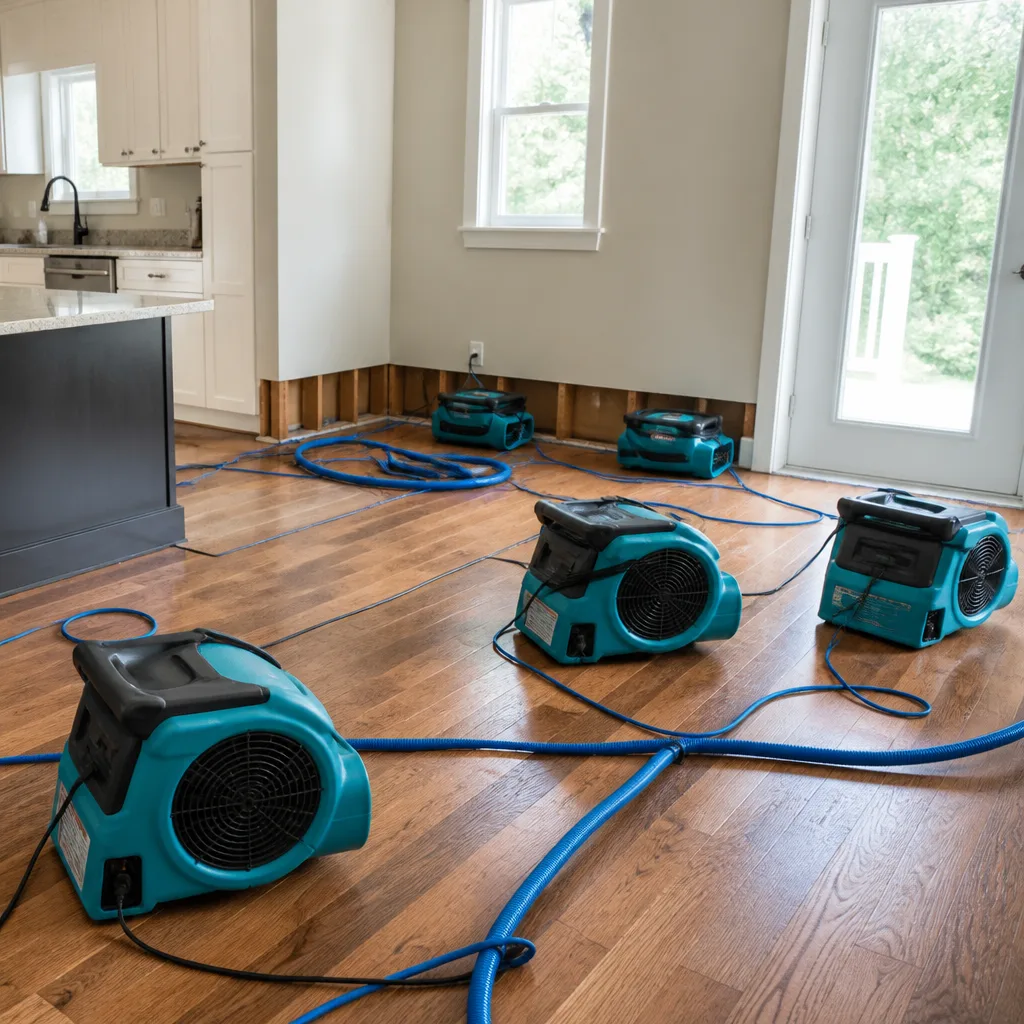
We set air movers and dehumidifiers, usually Phoenix or Dri-Eaz units, and take moisture readings every single day. You get the full drying log at the end of the job. Nobody else in this trade hands over the complete record, but Wade does because it’s your house and your insurance file.
Cleaning & Sanitization
Storm water carries whatever it touched on the way in. We clean, disinfect, and apply antimicrobial treatment where the drying log shows elevated moisture. On shared walls, this step is the difference between a closed claim and a callback from the attached neighbor in six months.
Structural & Specialty Treatment
Wind-damaged framing gets reinforced or replaced to current code. Rooves are patched, parapet caps sealed, and any drainage issue that caused the original failure gets addressed. On lower-slope basements, we bring in a drainage engineer when the water table says the standard sump is not enough. Quoting those jobs without one is how basements re-wet within a season.
Repairs & Restoration
We put it back together, down to paint and trim. The 90-Day Done Right Promise is written into every storm restoration contract: if it’s not done right, Wade comes back and makes it right. No fine print. Just his name on the line.
Need Emergency Storm & Disaster Restoration in North Bergen Now?
Crews minutes away, answering live 24 hours a day. The sooner we start, the less it costs.
Working With Your Insurance Company
Insurance claims on storm damage in North Bergen are rarely simple. Multi-family buildings mean multi-party claims. Wind-driven rain through a parapet wall can get listed as a plumbing leak by an adjuster who never visited the roofline. That is where we step in. From the first hour, we document everything: photos of every room, moisture readings that establish pre-loss condition, a line-item scope of work in industry-standard format. Wade talks to your adjuster directly. He has been doing this since 2007, and he knows what a carrier needs to approve a claim without dragging it out. You never have to relay information between two parties who speak different languages.
What We Provide Your Insurer
- Thorough documentation of the loss
- Photos of all damage, room by room
- Moisture readings and drying logs
- A detailed, line-item scope of work
- Direct coordination with your carrier
Built for North Bergen’s Loss Calendar
Storm and disaster losses in North Bergen follow a rhythm. January and February hammer the pre-war plumbing in 1920s and 1930s buildings along Bergenline Avenue and the numbered streets east of it: deep freezes blow out supply lines, and the water ends up in the basement of whoever lives downhill. Spring thaw pushes groundwater into the lower slopes under the Palisades, and those finished basements off Tonnelle Avenue and below the Turnpike extension start taking on water through original clay-tile drains that were not built for that volume. Summer brings the thunderstorm season: heavy rain on already-saturated ground, flash flooding in the low eastern corridor that was under water during Sandy in 2012, and the sewage backups that follow when the storm system overfills. Fall and winter nor’easters track up the Hudson Valley and hit the exposed ridgeline along Boulevard East and the higher blocks with wind-driven rain that gets behind parapets and under flat-roof membranes on mid-century apartment buildings. If you live in North Bergen long enough, at least one of these finds you. When it does, the answer is the same: stop the water, document the damage, dry it properly, and do not let anyone sell you a sump pump as a complete solution on a hillside.
Storm & Disaster Restoration Across North Bergen’s Neighborhoods
North Bergen is not one place when a storm hits. The response routes and building types change block by block. Down along the lower eastern corridor near the Hudson, off River Road and toward the Edgewater border, we see flood calls from the 2012 Sandy zone: basements and first floors in attached brick buildings, water coming up from the ground as much as from the sky. Up on the ridgeline along Boulevard East and the streets running west toward Kennedy Boulevard, wind is the bigger enemy. Nor’easters peel roof membranes, snap parapet caps, and drive rain through the brick faces of 1950s and 1960s apartment buildings. The old rail cuts running through the center of town, down toward the Turnpike extension, create natural drainage channels that concentrate runoff into a few blocks during heavy rain. And over in the Woodcliff area and the streets off JFK Boulevard East, the aging rowhouse stock from the 1920s means shared wall cavities that carry water two or three units away from the actual breach. Each zone needs a different first move, and we know which one applies to your block before we park the truck.
Specialized Storm & Disaster Restoration Services We Offer in North Bergen
Storm Damage Cleanup
After wind and rain pass through, the mess left behind is more than cosmetic. Debris, broken glass, soaked insulation, and contaminated water all need to come out before drying can start. We clear the affected areas, document everything for your claim, and get the space ready for the drying team. In attached North Bergen buildings, proper cleanup of shared cavities is how you avoid a second claim from the neighbor’s insurance carrier.
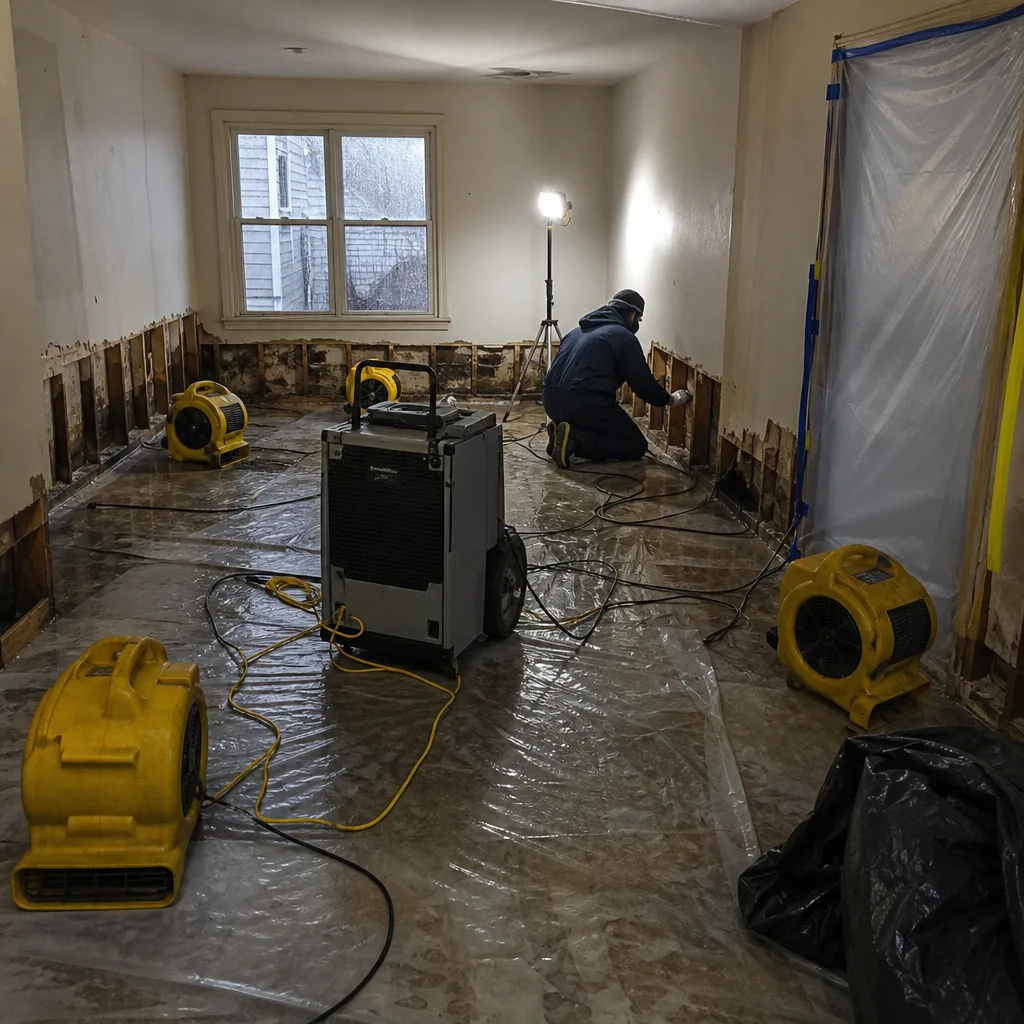
Flood Damage Restoration
Flooding in the low eastern blocks near the Hudson is not a rare event. The FEMA high-risk maps still cover much of that corridor, and the water that comes in during a storm surge or sewer backup is Category 3, black water, unsafe to handle without proper PPE and containment. We extract it, remove contaminated materials, treat the structure with antimicrobials, and dry to the documented pre-loss moisture levels. Then we hand you the drying log, because your adjuster will ask for it.
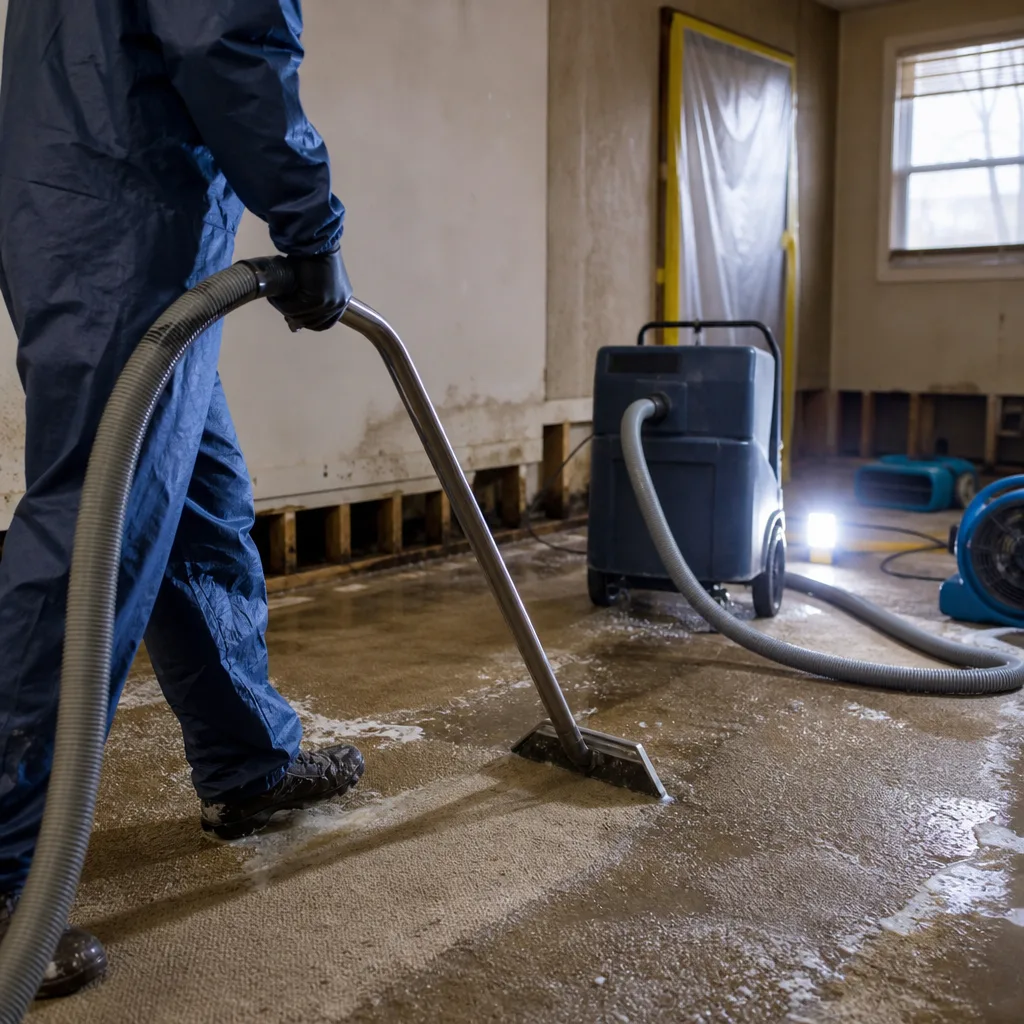
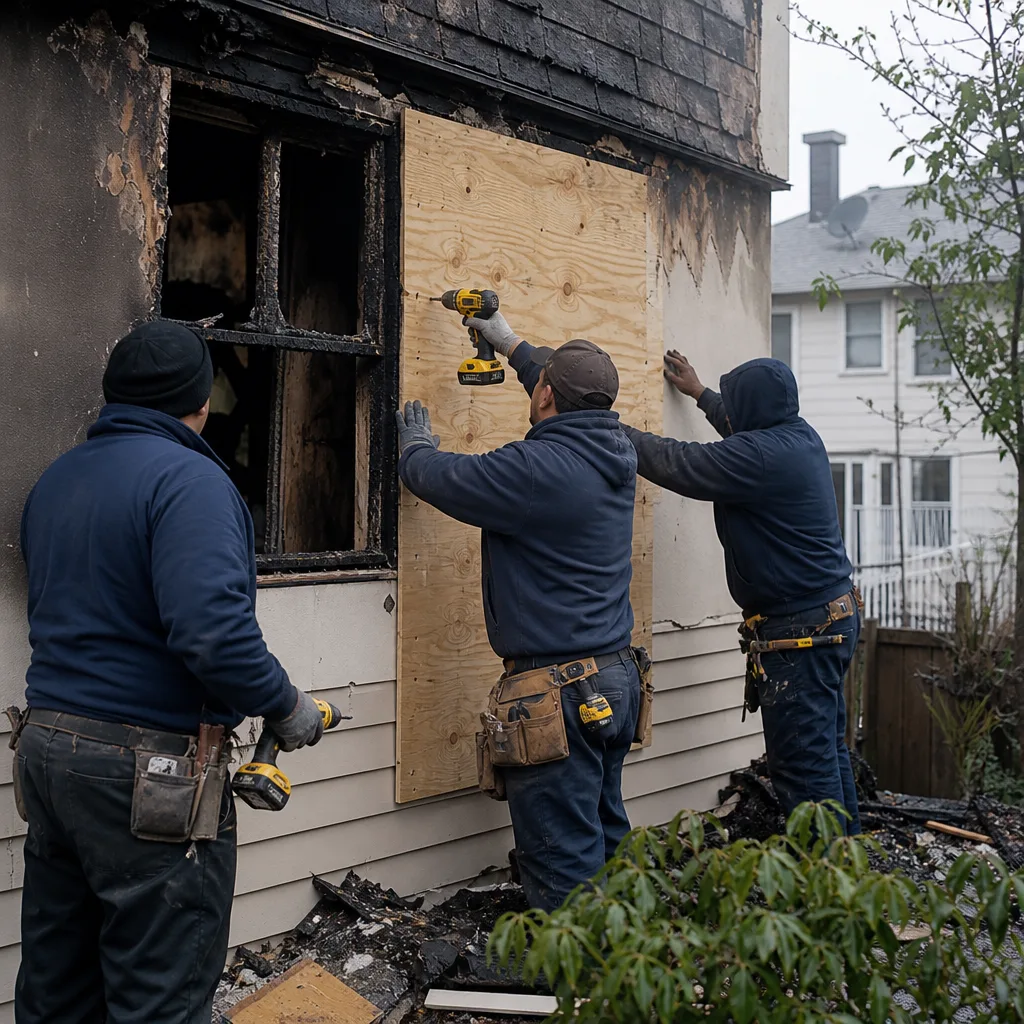
Emergency Board-Up
When a window blows out or a door gets kicked in by the wind, your house is open to the next storm, to the weather tonight, and to anyone walking by. We board up the opening the day you call, with plywood and fastening that will actually hold through the next wind advisory. A loose board-up is almost worse than none. We do it right, and we do it fast, because a rowhouse with an open window on the first floor is an invitation to more trouble than the storm started.
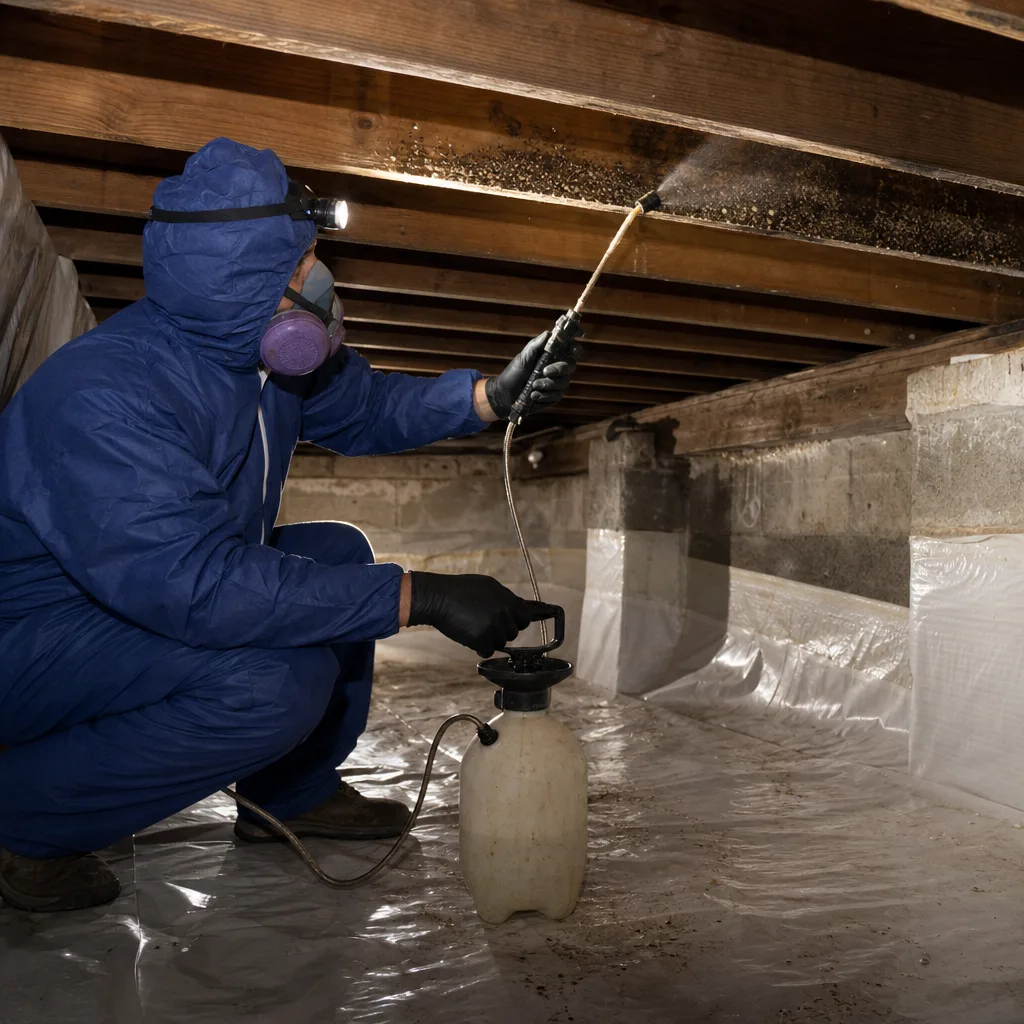
Roof Tarping
Nor’easters tear at flat roofs and parapets on North Bergen’s exposed ridge. A proper tarp job keeps the next rain out while you sort out the full repair. We use heavy-duty tarps, furring strips, and fasteners that will hold through a wind advisory. A tarp that rips off in the next storm was not a tarp job at all. Ours hold.
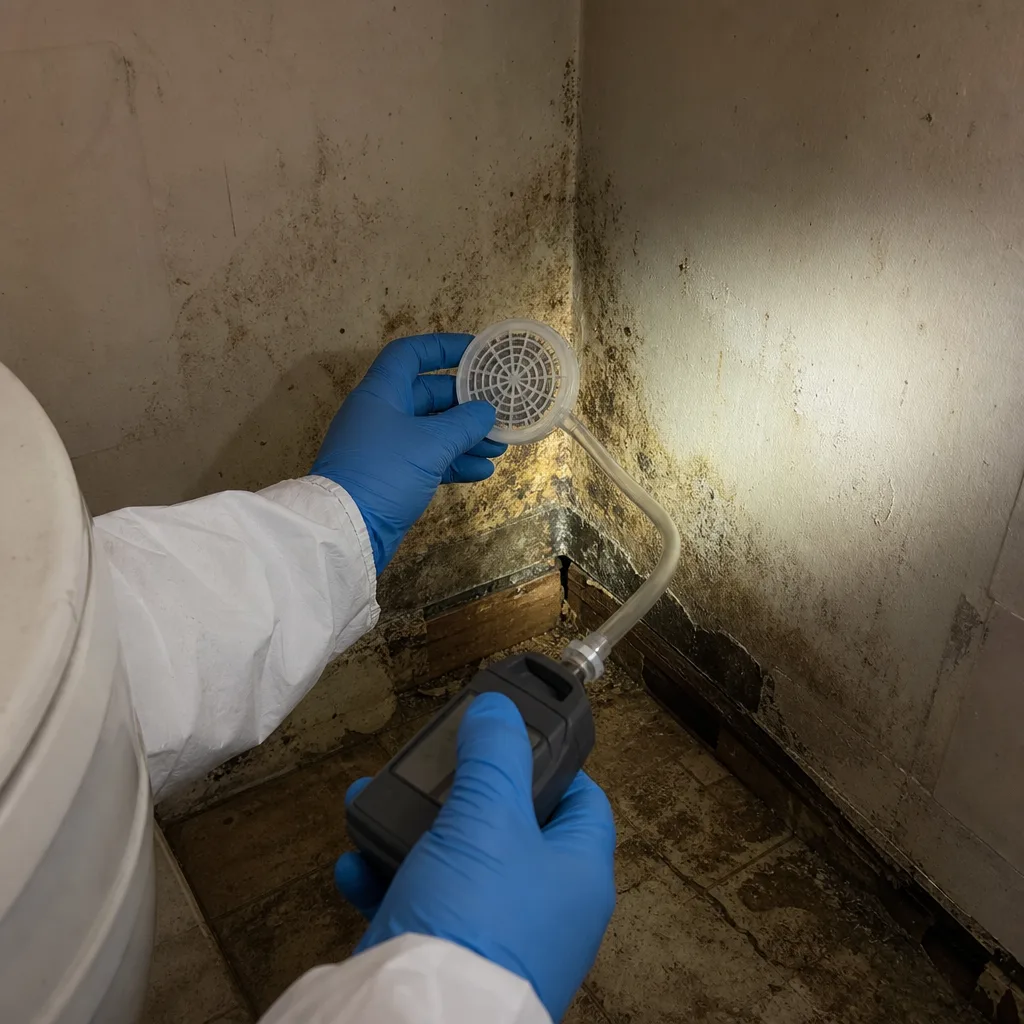
Debris Removal
Storm debris in North Bergen blocks narrow driveways, sidewalks, and the tight alleys between attached buildings. We haul it: branches, shingles, drywall, soaked insulation, whatever the storm left. We separate materials properly, because North Bergen has disposal rules and your insurer has documentation requirements. You get a clean property and a complete record.
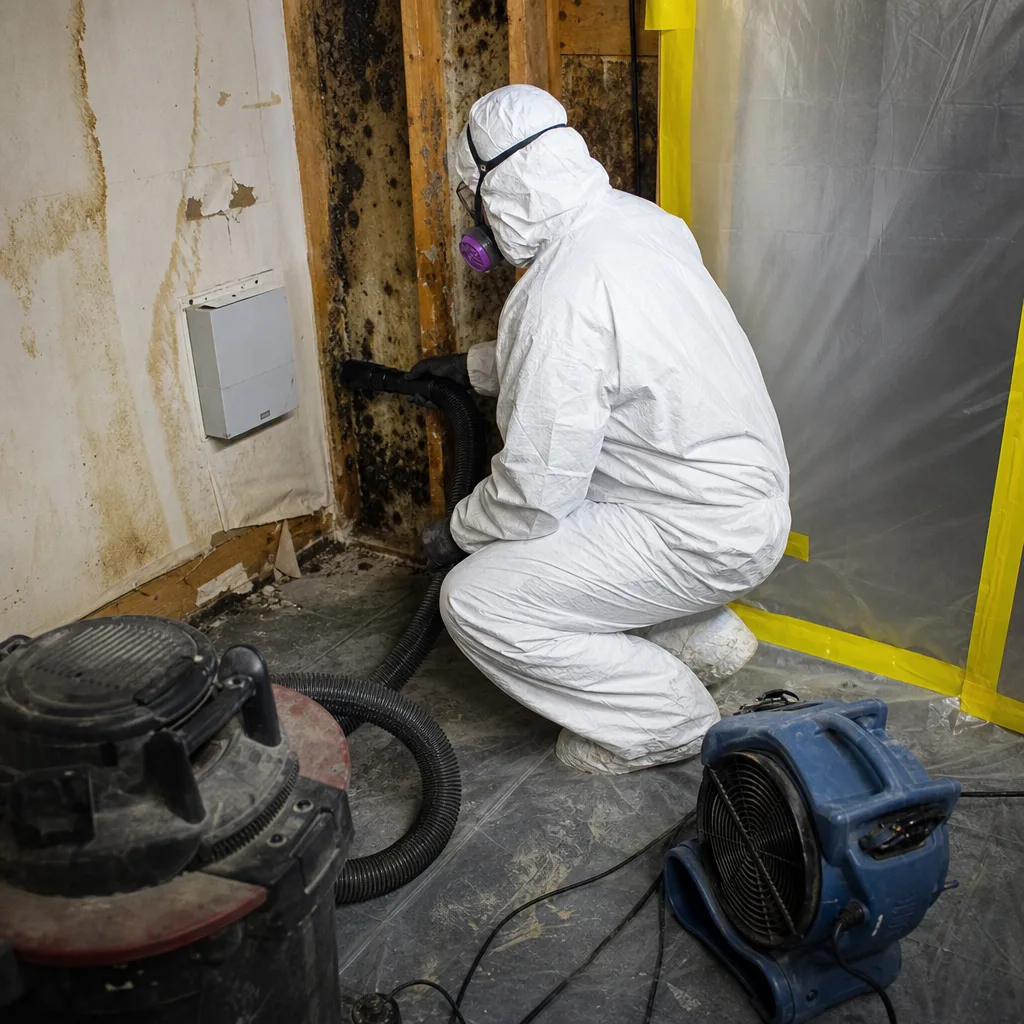
Wind Damage Repair
Wind damage here is rarely just a missing shingle. It’s a parapet cap torn loose, a window blown out of its frame, a flat roof membrane peeled back over a three-unit building, a garage door caved in. We repair all of it, and we do it in a way that meets current code, including wind-rated door replacements where the township requires them.
What happens when you call
- 1
A real person answersNo phone trees - you reach a local pro.
- 2
You get an upfront price rangeHonest numbers before anyone is dispatched.
- 3
A background-checked tech heads outLicensed & insured, dispatched right away.
- 4
You approve before work beginsNothing starts until you say go.
Storm & Disaster Restoration Costs in North Bergen, NJ
What does this actually cost in North Bergen? Here are real ranges, from jobs we’ve done on these streets. Emergency board-up of a single window or door runs $350-$800, depending on size and access. A roof tarp on a rowhouse or small apartment building runs $600-$1,500, and a full flat-roof tarp on a mid-century building with parapet involvement can push to $2,500 or more. Flood extraction and drying in a finished basement runs $2,500-$6,000 when the water came from storm surge or clean rain, and $5,000-$12,000 when it’s Category 3 sewage-affected water requiring full material removal and antimicrobial treatment. Full wind-damage repair, from structural framing to new windows and a new roof membrane, runs $8,000-$30,000 depending on the building size and the extent of water intrusion behind the facade. Insurance covers most storm damage when it’s sudden and documented, and we bill your carrier directly. The free visual inspection is how you get a firm number instead of a guess. Call (363) 208-1526 and we’ll come look.
We Also Serve Cities Near North Bergen
Wade’s Restoration serves the whole North Hudson area. If your property is in North Bergen, or just across the border in Weehawken, Union City, or Hoboken, the same crew answers the same phone. Same 45-minute response. Same owner on the line. Same 90-Day Done Right Promise in writing.
Serving North Bergen, NJ - Our Local Coverage Area
We’re based in the North Bergen area and know this community well. Use the map below to see our service coverage - if you’re nearby, we can almost certainly help.
North Bergen Storm & Disaster Restoration Questions, Answered
How quickly can you board up a North Bergen rowhouse after a wind-damaged window blows out during a nor’easter?
We can have a crew on your block within 45 minutes of your call, and the board-up itself typically takes 30 to 90 minutes depending on the window size and access. Call (363) 208-1526 and Wade will be on the way while you’re still on the phone.
Do North Bergen building codes require wind-rated garage doors for storm damage replacement?
North Bergen’s building department follows the New Jersey Uniform Construction Code, which now requires wind-rated doors in many flood and wind exposure zones. If your garage door was damaged by wind during a storm, the replacement generally needs to meet current wind-load standards even if the old one did not. We check with the township on your specific zone before ordering the door so you don’t end up with a non-compliant replacement that fails the next inspection.
Why does my finished basement in the lower North Bergen slopes keep getting water after every heavy storm, even though I have a sump pump?
North Bergen straddles the Palisades escarpment, and the homes on the lower eastern slopes below the ridge sit under enormous hydrostatic pressure from groundwater moving downhill. Your original clay-tile footer drains from the 1930s or 1940s were not built to handle that volume, and a standard sump pump only removes water that has already entered the basement. It does nothing to relieve the pressure behind the walls and under the floor that keeps forcing water through the original waterproofing. This is why we bring in a drainage engineer on these lower-slope jobs. Without an engineer’s assessment, the basement will keep re-wetting within a season of remediation. That is not a sump problem. It’s a topographic problem, and it’s specific to these blocks under the Palisades.
Can you dry the shared wall between my unit and my neighbor’s after a storm without opening it up?
Often yes, but it depends on the framing and the materials. In older North Bergen brick buildings with plaster over masonry, we can use positive-pressure injection drying through small access points, paired with continuous thermal imaging and moisture readings to confirm the cavity has reached pre-loss condition. If the wall is lath and plaster over wood framing with insulation that has taken Category 2 water, full opening and removal is usually the only correct path. We always read the wall first, then tell you what the readings say. No guesswork, no unnecessary demolition.
What should I do about the roof tarp on my North Bergen apartment building before the next wind advisory?
Call us to inspect it before the next storm. A tarp that has been up for weeks or months through several weather cycles may have worked loose even if it looks fine from the street. Loose furring strips and flapping edges become projectiles in high winds, and a failed tarp lets the next rain into the already-damaged roof assembly. We will re-secure or replace the tarp, document the condition for your insurance file, and advise on the permanent repair timeline.
Will my insurance cover storm damage in North Bergen?
Most standard homeowners policies cover sudden and accidental storm damage, including wind-driven rain, falling objects, and flood damage covered under a separate flood policy. The key is documentation: photos of the damage, a written scope of work, and moisture readings that establish the loss was storm-related and not long-term neglect. Wade deals with your adjuster directly and has been doing so since 2007. We document everything from the first hour and bill your carrier directly.
How long does storm damage drying and remediation actually take in a North Bergen rowhouse?
Most structural drying jobs in North Bergen’s attached buildings take 4 to 7 days, depending on the materials and the extent of lateral migration through shared walls. Plaster and brick assemblies hold water longer than drywall. We take moisture readings every single day, and we hand you the full drying log at the end. You will see the numbers come down to pre-loss condition before we call the job done.
What should I do in the first 30 minutes after storm damage happens to my North Bergen home?
Call us. That is the whole list. Do not touch the water if there is any chance it’s contaminated from sewage or storm surge. Do not enter a room with a sagging ceiling. Do not run fans from your garage on soaked drywall, because all that does is blow mold spores through the house. Turn off power to affected areas from the breaker panel if it’s safe to reach it, and call (363) 208-1526. Then stay out of the affected area and let us start the documentation and extraction.
Written by Wade Ferris, Owner at Wade’s Restoration, serving North Bergen since 2007.