
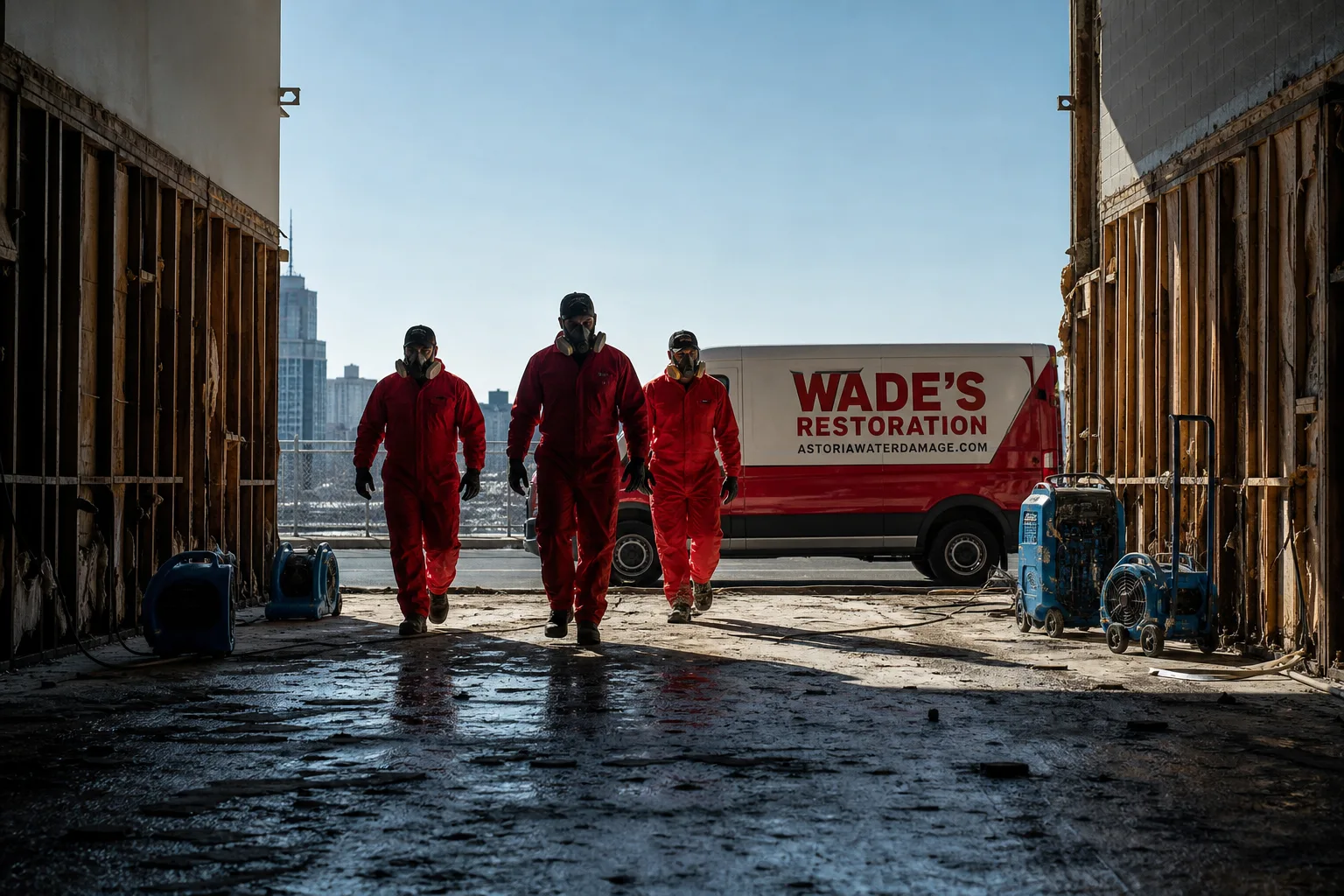
Free visual inspection and a written scope of work before any mitigation begins - photos, moisture readings, and drying logs go in your claim file
The scope we write is the scope we bill. Anything new gets shown to you, in writing, before we touch it.
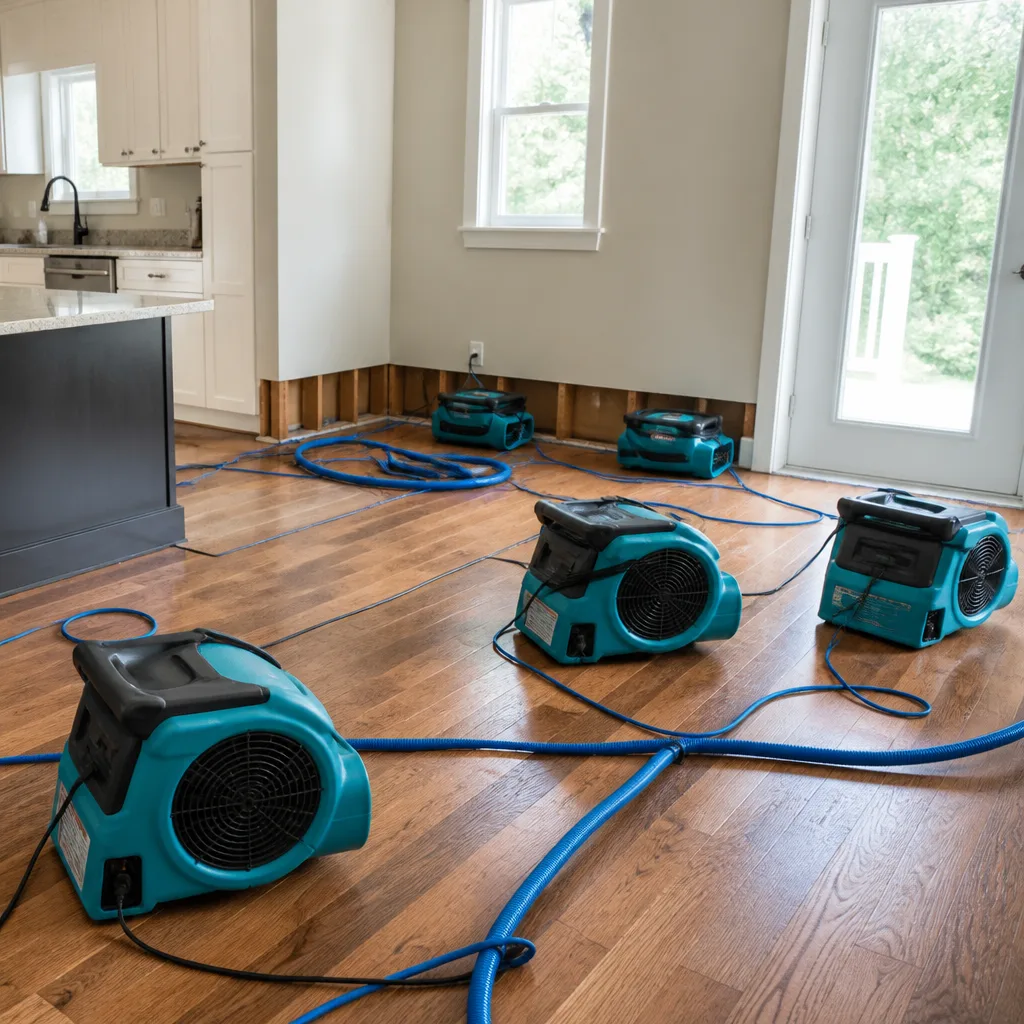
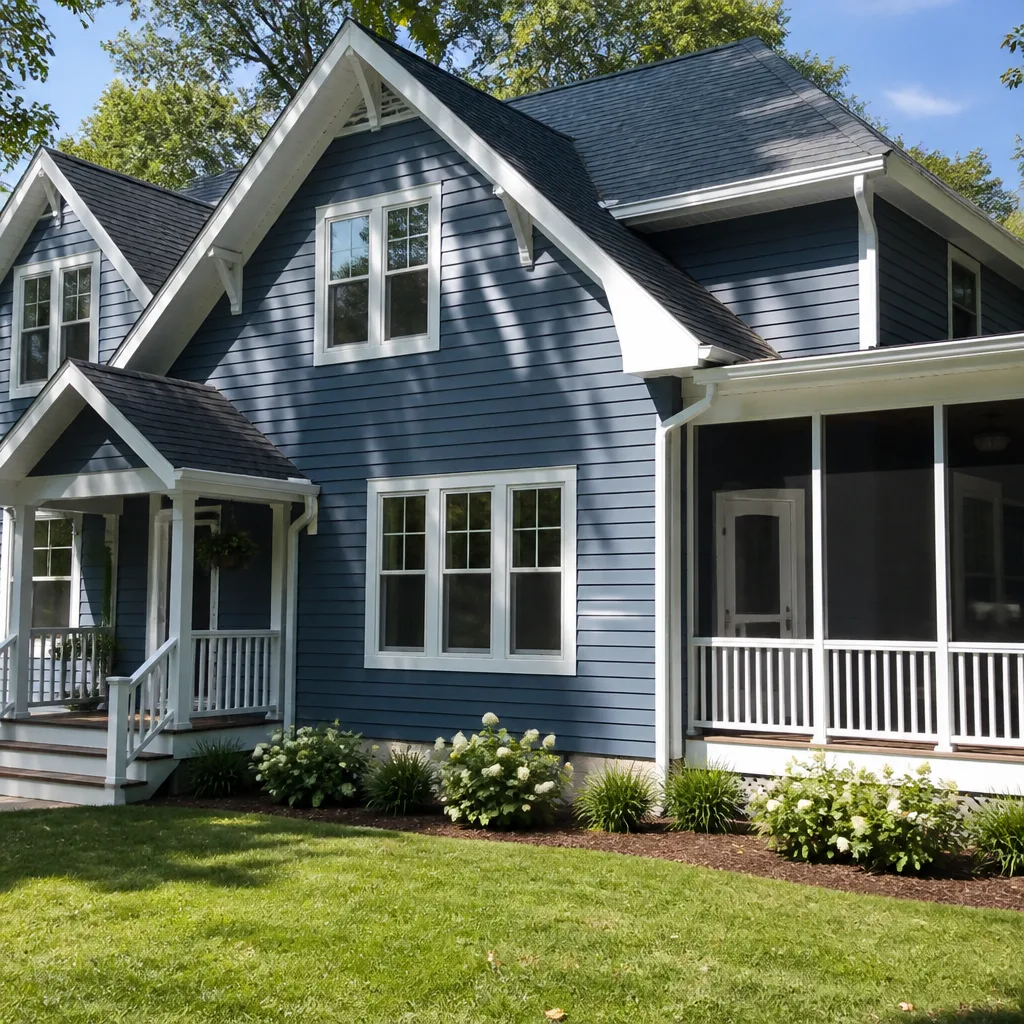
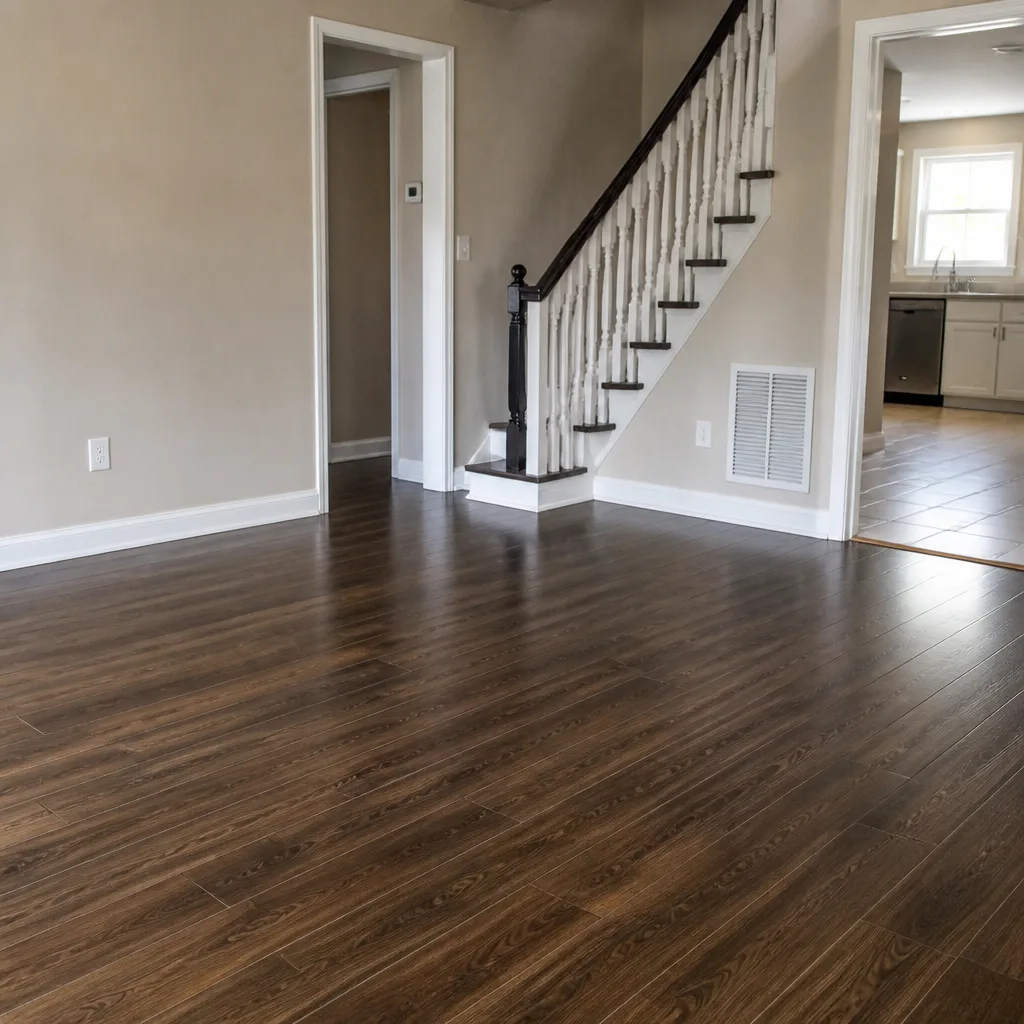
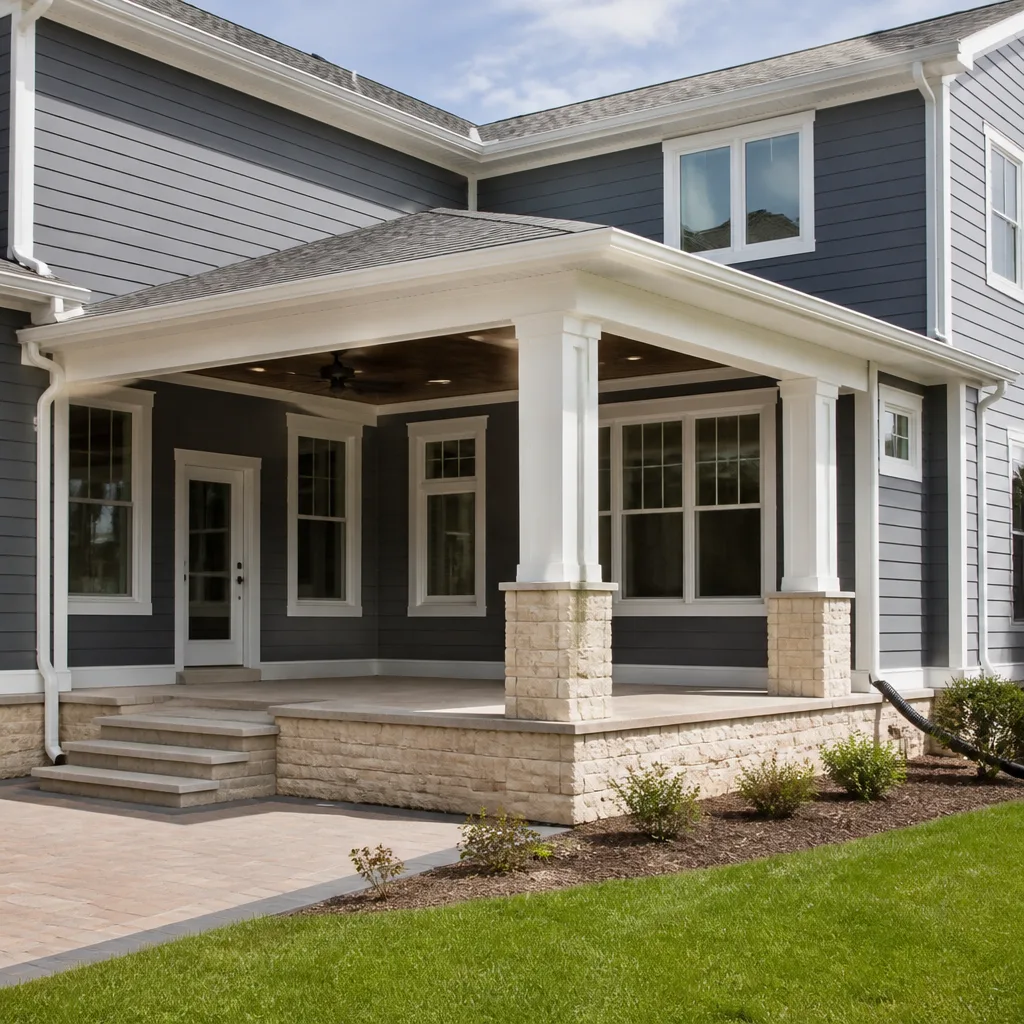
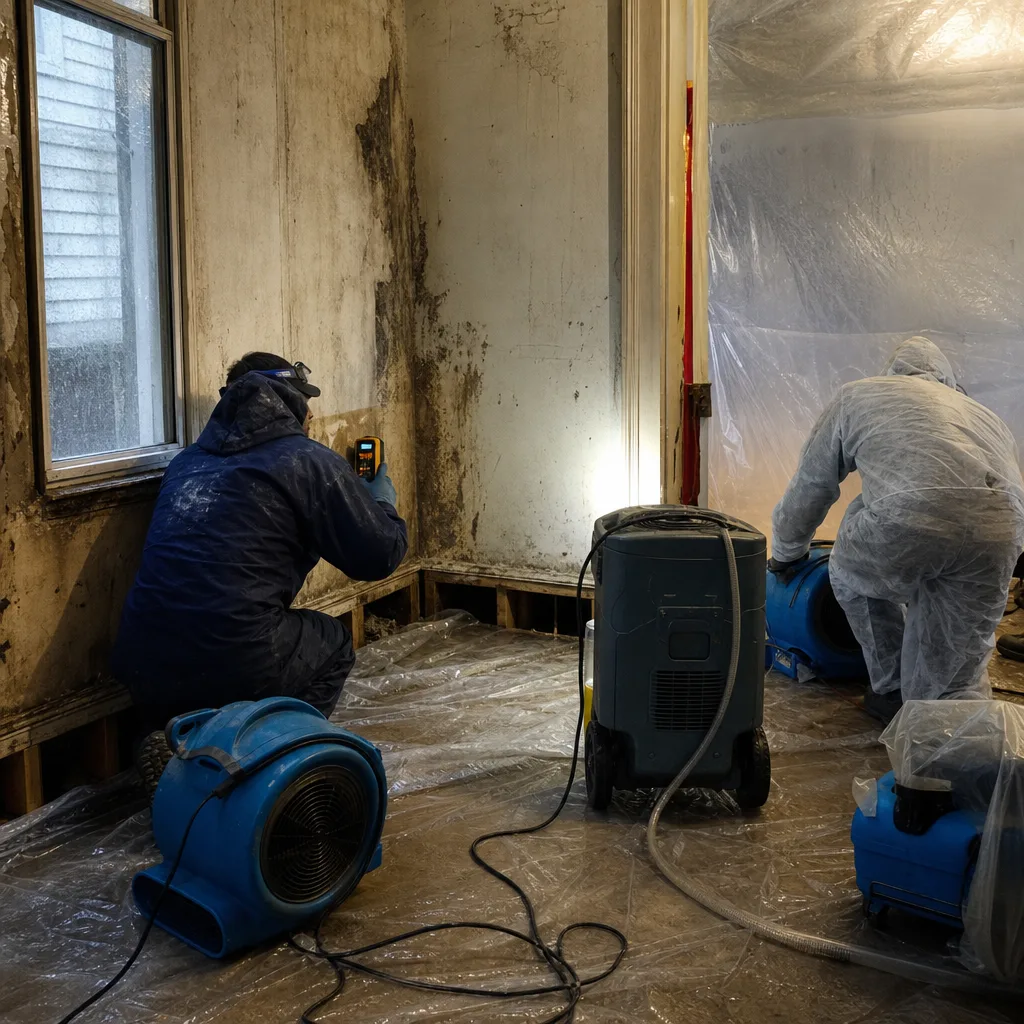 Before
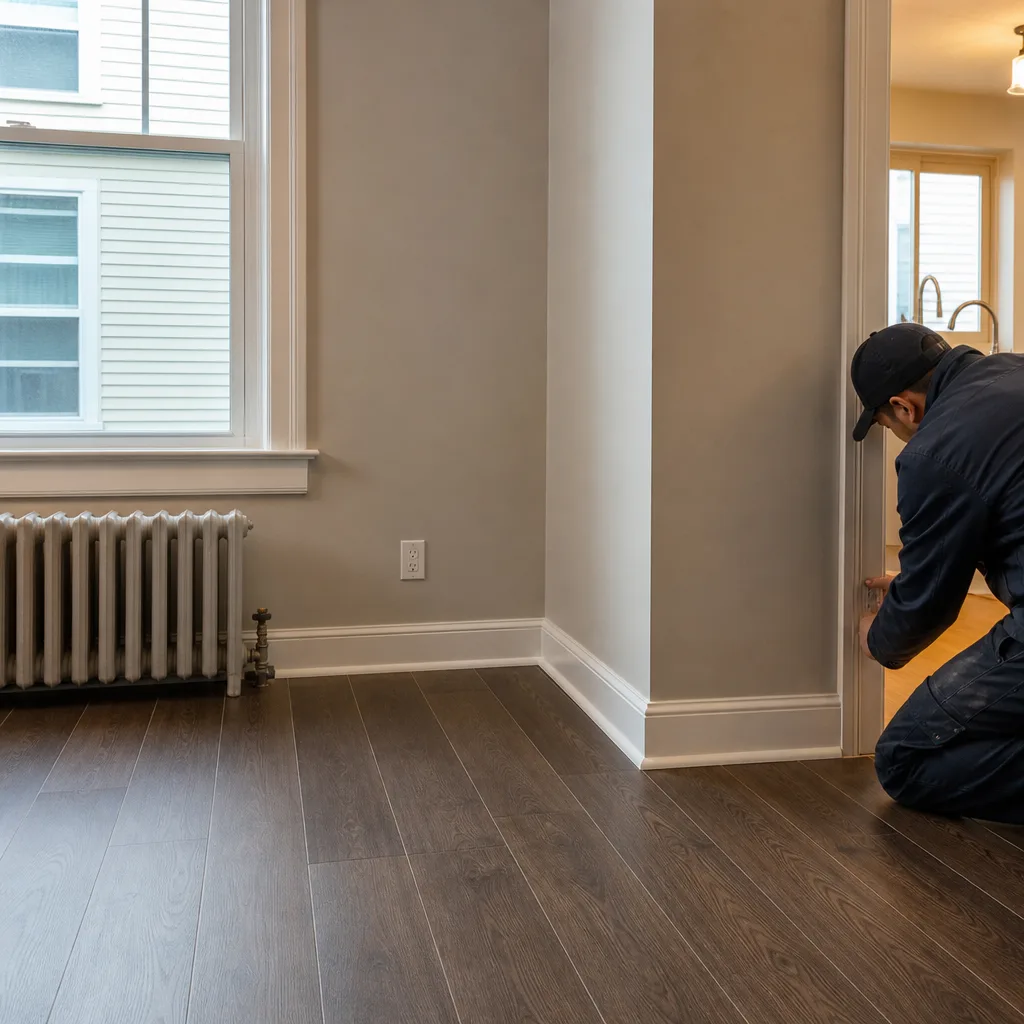 After
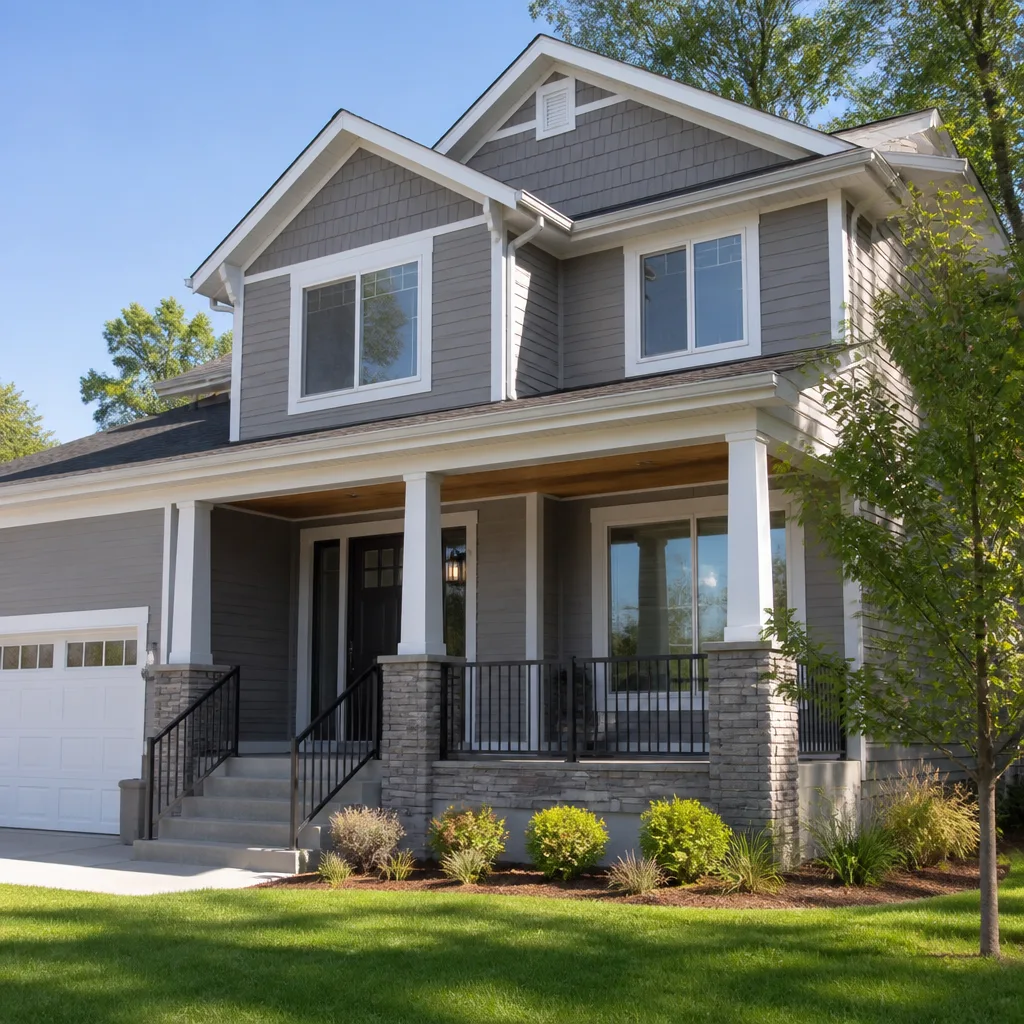
After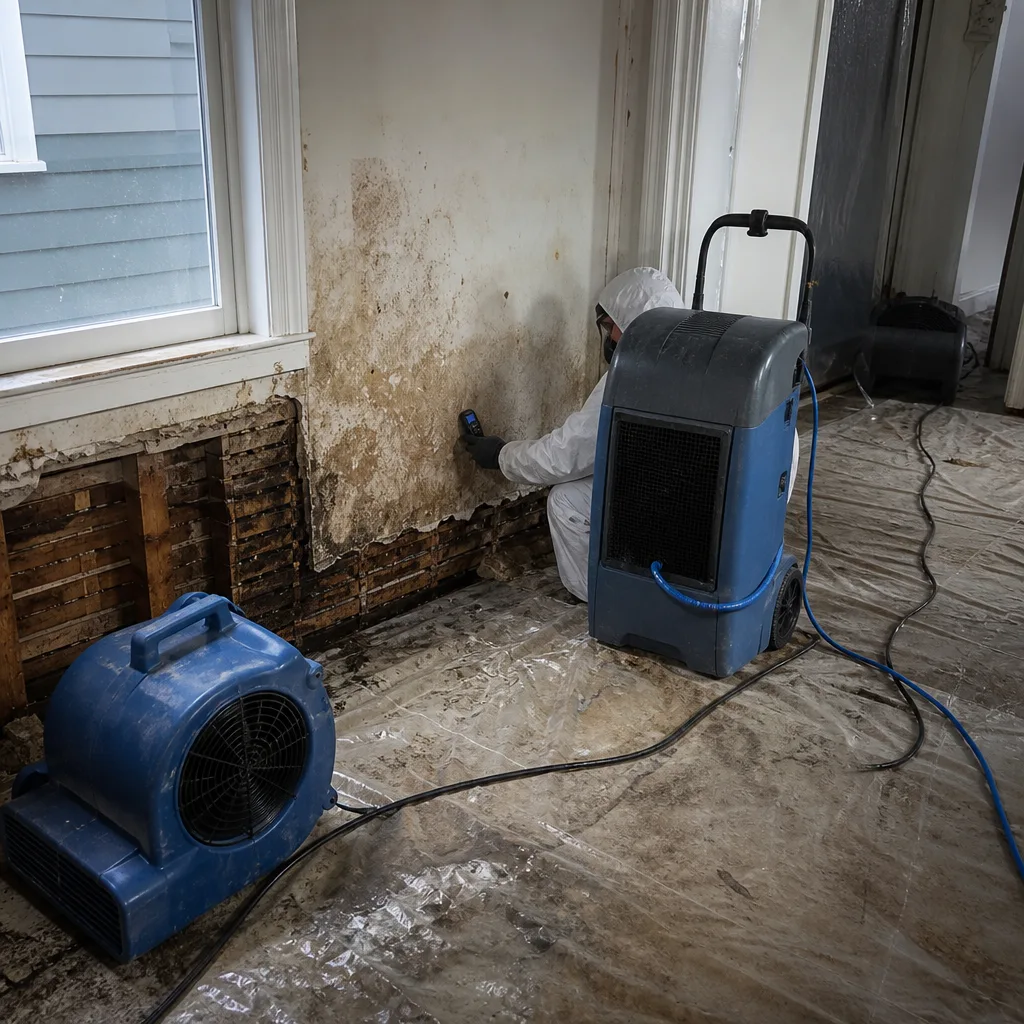 Before
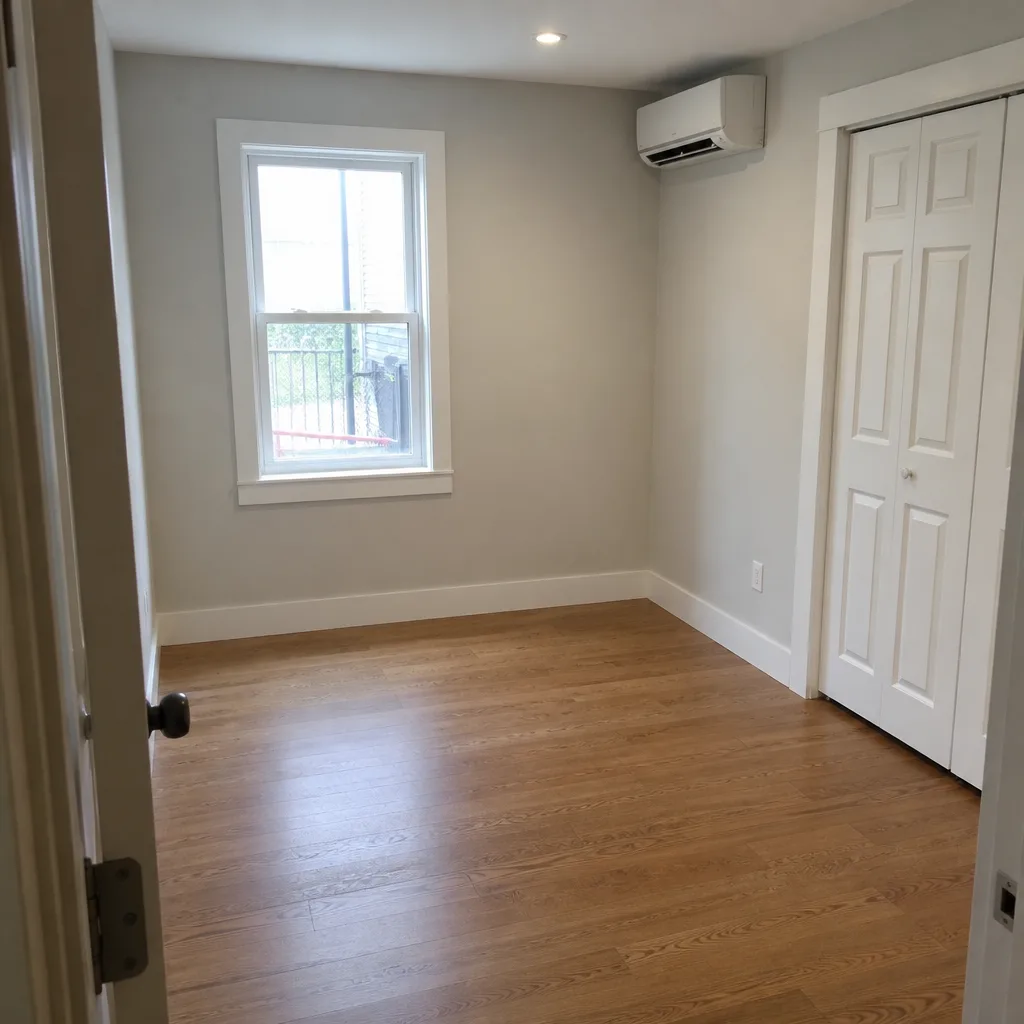 After
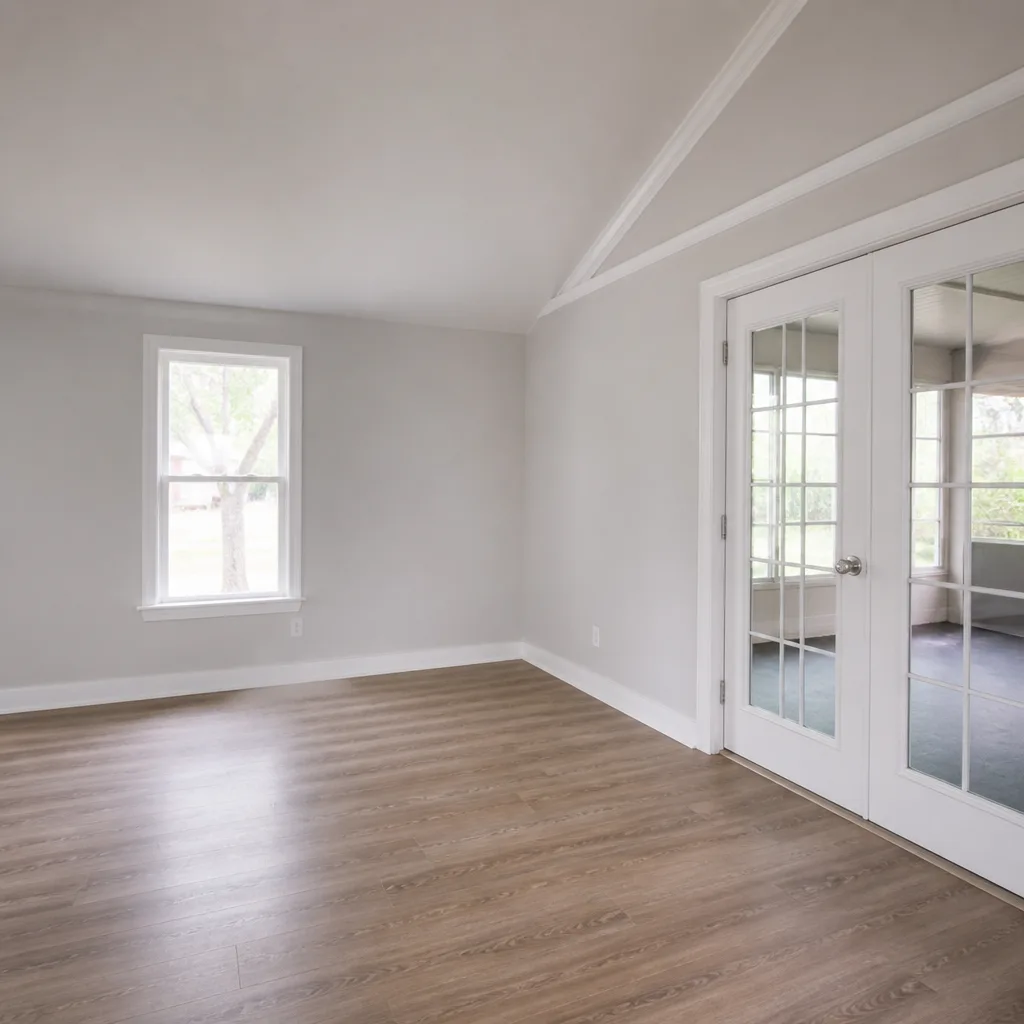
After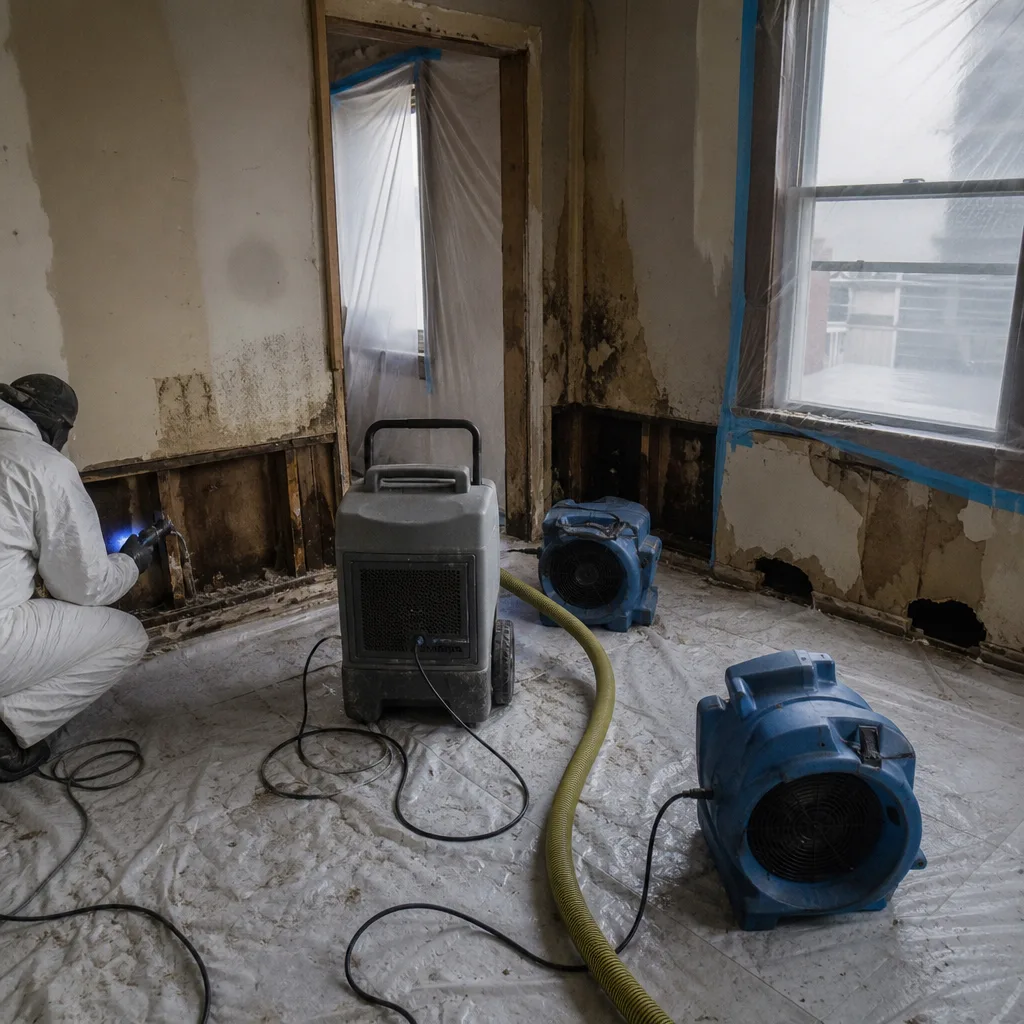 Before
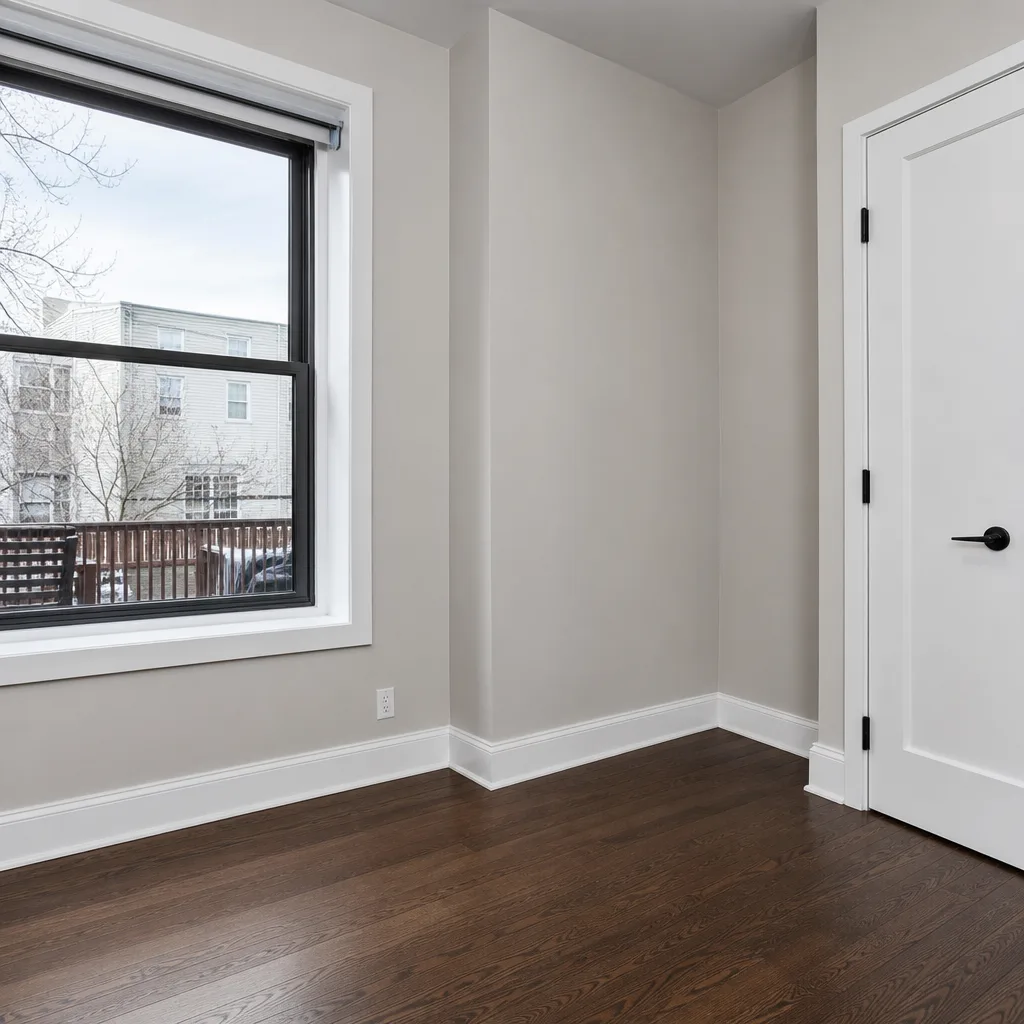 After
After24/7 Emergency Water Damage Restoration in Lower Manhattan
Water damage restoration in Lower Manhattan costs between $1,800 and $9,500 for most residential jobs, with saltwater intrusion from storm surge pushing the high end. Wade’s Restoration answers live around the clock, and Wade’s crew can be extracting water inside the hour. Call (363) 208-1526 right now. The first hour dictates whether your floors, joists, and mechanical systems survive or get torn out.
Lower Manhattan is not a normal water-damage market. We work in buildings that are 100 to 150 years old, converted from commercial use, sitting at sea level next to two tidal rivers. When a supply line lets go on the 14th floor of a Tribeca loft, water moves through original timber joists, cast-iron waste stacks, and steam-pipe chases before anyone notices the ceiling staining the floor below. Speed matters here more than almost anywhere else in the country. One call brings Wade out, 24/7, no answering service.
Every job begins with a free visual inspection, a written scope of work, and honest numbers before equipment rolls in. We’ve been doing restoration since 2007, and Wade Ferris still answers the phone himself. His name is on the truck, his license number is published, and he’s going to run into you at the hardware store, which keeps him honest in a way no national franchise can match.
Understanding Water Damage Restoration Severity in Lower Manhattan Properties
Water losses fall into three categories. Category 1 is clean water from a supply line or a burst pipe. Category 2 carries contaminants, such as washing machine overflow or sump pump discharge. Category 3 is grossly contaminated, including sewage backup and tidal storm surge. In Lower Manhattan, the category changes faster than people expect. An 80-year-old cast-iron drain line can fail without warning, turning a Category 1 basement leak into a Category 3 event in under six hours as sewage backs up through aging infrastructure.
The building stock here complicates every category. Pre-war high-rises in the Financial District often contain asbestos-containing fireproofing around steel members. Moisture mapping with thermal imaging is not optional; it’s the only way to trace exactly how far water traveled through concealed cavities without opening walls blindly. Battery Park City co-ops built in the 1980s sit on Hudson River landfill, and differential settling has already stressed building envelopes and drainage systems. We see water enter through micro-cracks in below-grade walls that freshwater-only crews never check.
Structural drying in a 1920s timber-frame loft is delicate work. Original joists carry a century of expansion and contraction, and decades of salt-laden air from the East River have worked on the end-grain. We use Phoenix and Dri-Eaz equipment with daily moisture readings, and we hand you the full drying log at the end of the job. Almost no one else in the trade does that.
Why Lower Manhattan Property Owners Choose Wade’s Restoration
- 45-minute response commitment. Wade or his crew is on the road within 45 minutes of your call, with extraction equipment loaded and a plan for your building type.
- 24/7 live answer, always a real person. No voicemail, no answering service, no call center. Wade answers his own phone at 3 a.m. and actually shows up.
- IICRC-certified crews. Our team holds WRT and ASD certifications, with RIA affiliation and IFA recognition. We know the codes, and we know saltwater.
- Free visual inspection. Before any work starts, you get eyes on the damage, a written scope, and honest numbers. No pressure, no oversell.
- Direct insurance billing. We work with your adjuster directly and provide the documentation they need from the first hour.
- One team from extraction to reconstruction. Same crew, same accountability, no handoffs to unknown subcontractors.
Our Water Damage Restoration Process
Inspection & Assessment
We walk the loss with a thermal imaging camera and a moisture meter. In a Landmarked building, we identify every wall cavity that cannot be opened without LPC sign-off before we write the scope.
Extraction/Stabilization
We pull standing water with truck-mounted and portable extraction units. In high-rise and below-grade spaces, staging equipment through freight elevators and service entrances is the difference between a 2-hour and a 6-hour start.
Drying & Dehumidification
We set Dri-Eaz and Phoenix air movers, dehumidifiers, and Injectidry panels to dry cavities. Daily moisture readings get logged, and you get the full log. Chloride testing is standard on any past-surge building.
Cleaning & Sanitization
HEPA scrubbing, surface treatment, and antimicrobial application where warranted. For saltwater events, we neutralize chloride contamination on structural steel, concrete, and electrical components.
Specialty Treatment for Lower Manhattan Buildings
Corroded rebar gets treated or encased. Cast-iron drains get camera-scoped. Steam-pipe chases get opened from interior faces only, preserving Landmarked curb-side facades.
Repairs & Restoration
We rebuild to pre-loss condition, matching historic millwork, plaster, and flooring. The 90-Day Done Right Promise is stamped in writing on every water restoration contract: if it’s not done right, we make it right.
Need Emergency Water Damage Restoration in Lower Manhattan Now?
Crews minutes away, answering live 24 hours a day. The sooner we start, the less it costs.
Working With Your Insurance Company
Most Lower Manhattan water damage claims involve one of two scenarios: a sudden pipe burst inside an apartment or condo, or storm-surge flooding that triggers FEMA and carrier involvement. We handle both. From the first hour, we document everything: photos room by room, moisture readings, thermal images, and a line-item scope of work written to industry standards. Our Water Damage Restoration team has spent years building documentation packages that adjusters accept without months of back-and-forth.
Wade deals with your adjuster directly, so you are never the one relaying information between two sides. For Battery Park City residents, we are familiar with the FEMA Flood Zone AE requirements that shape both coverage and building access after surge events. And remember: we never oversell. The written scope is the written scope, and it is agreed before equipment starts running.
What We Provide Your Insurer
- Thorough documentation of the loss
- Photos of all damage, room by room
- Moisture readings and drying logs
- A detailed, line-item scope of work
- Direct coordination with your carrier
Built for Lower Manhattan’s Loss Calendar
January and February bring the deep freezes that burst supply lines in older buildings, especially along uninsulated risers in pre-war Financial District towers. March and April are the thaw months, when groundwater pressure builds behind Battery Park City’s landfill-retained foundations and seeps into below-grade mechanical rooms. Summer thunderstorms dump inches of rain in an hour, overwhelming the combined storm-and-sanitary sewers that still serve much of the district. Autumn nor’easters pile storm surge against the East River and Hudson River edges, and every few years a post-tropical system pushes tidal water through below-grade infrastructure with almost no warning.
All of it happens on a street grid that slows emergency vehicles. The dense canyon streets of the Financial District and Tribeca do not reward a crew that has to navigate an unfamiliar building. We know the freight entrances, the service corridors, and the building supers worth knowing. In any given month, the failure mode here is more likely to be a 1940s steam-pipe chase than a brand-new appliance line, and our approach is built for that reality.
Water Damage Restoration Across Lower Manhattan’s Neighborhoods
In the Financial District, most of our work is high-rise and conversion-related. Standpipe risers from the 1920s and 1930s run inside walls now designated as part of a Landmark or historic district, and one failed riser on the 20th floor pulls water through every unit below. We stage equipment through freight elevators and coordinate with building management from the first call.
Battery Park City is a different animal entirely. These 1980s buildings sit on landfill, and differential settling has already stressed the waterproofing on many below-grade walls. When a nor’easter pushes surge into a mechanical room, standard freshwater drying protocols fall short. We test for chlorides, neutralize salt contamination, and check for the cracked envelope gaps that let the next storm back in.
Tribeca’s cast-iron loft buildings demand a craftsman’s patience. Original timber joists, wide-plank flooring, and Landmark-protected facades mean every extraction and drying decision is a conservation decision. The South Street Seaport historic district combines the worst of both worlds: 19th-century masonry buildings sitting directly on the East River’s edge, exposed to every tide-driven surge.
We move through the whole of Lower Manhattan the same way: real equipment, real documentation, and respect for the building’s bones. NYC’s convoluted permitting and Landmarks process is not a surprise to us at the end; it is part of the scope from day one.
Specialized Water Damage Restoration Services We Offer in Lower Manhattan
Structural Drying & Dehumidification
The core of what we do in Lower Manhattan. We dry timber lofts, cast-iron columns, pre-war plaster, and modern drywall with Dri-Eaz and Phoenix equipment. Daily moisture logs are standard, and we use Injectidry panels to dry wall and ceiling cavities without opening Landmarked exterior faces.
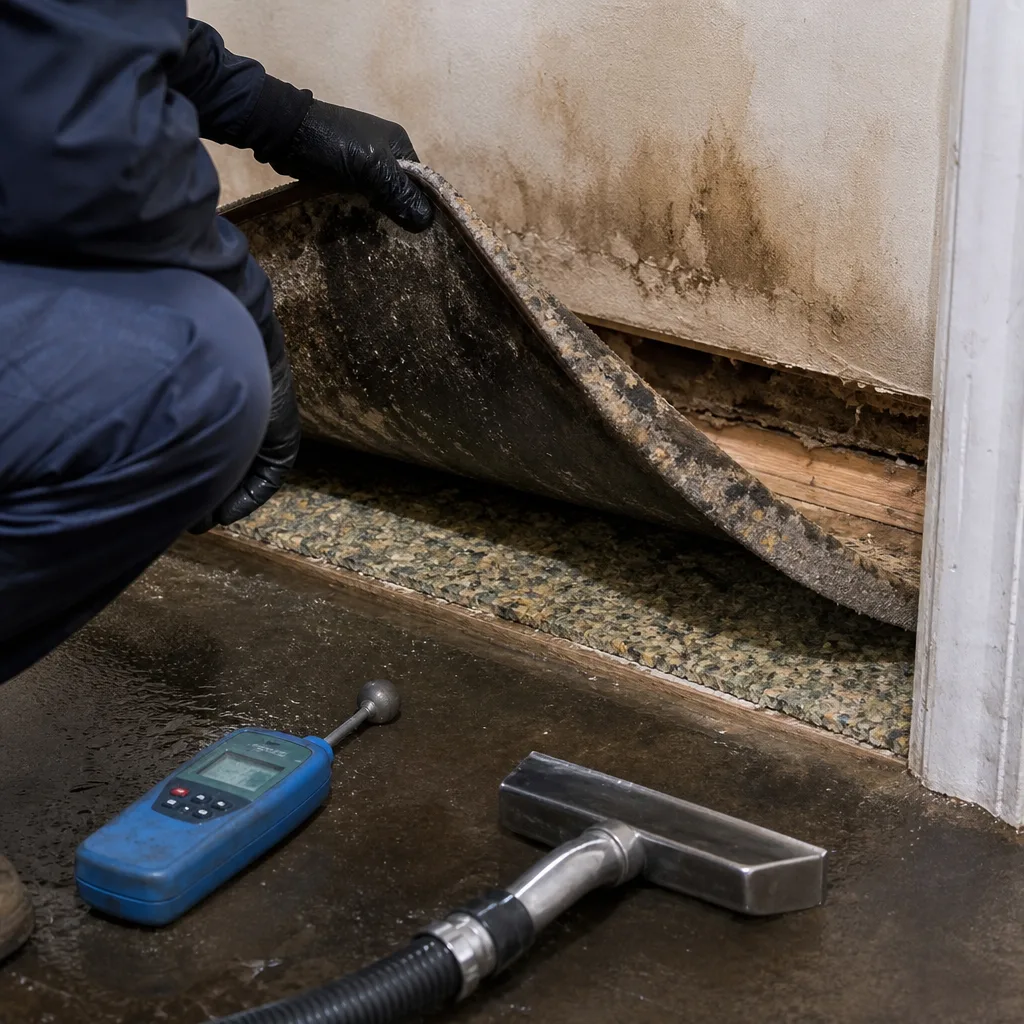
Emergency Water Extraction
Standing water in a converted Financial District office space gets heavier and more destructive by the minute. We extract with truck-mounted and portable units designed for high-rise access, then set containment immediately to stop water vapor from spreading into neighboring units.
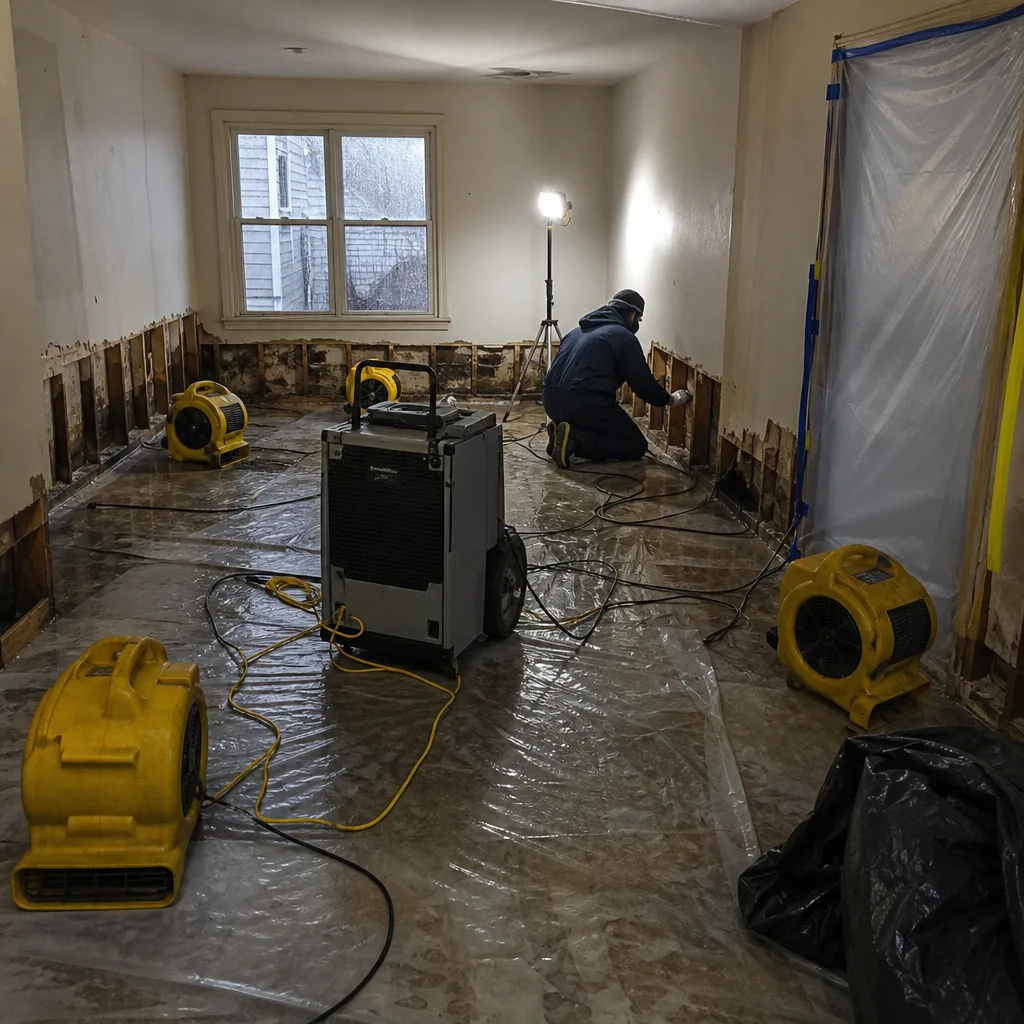
Flood Cleanup
Storm surge and river flooding in Lower Manhattan are saltwater events, and salt changes everything. We remove contaminated debris, pressure-wash structural surfaces, neutralize chloride contamination, and treat corrosion before it spreads. Freshwater-only crews miss this, and the damage comes back months later as failing electrical and crumbling concrete.
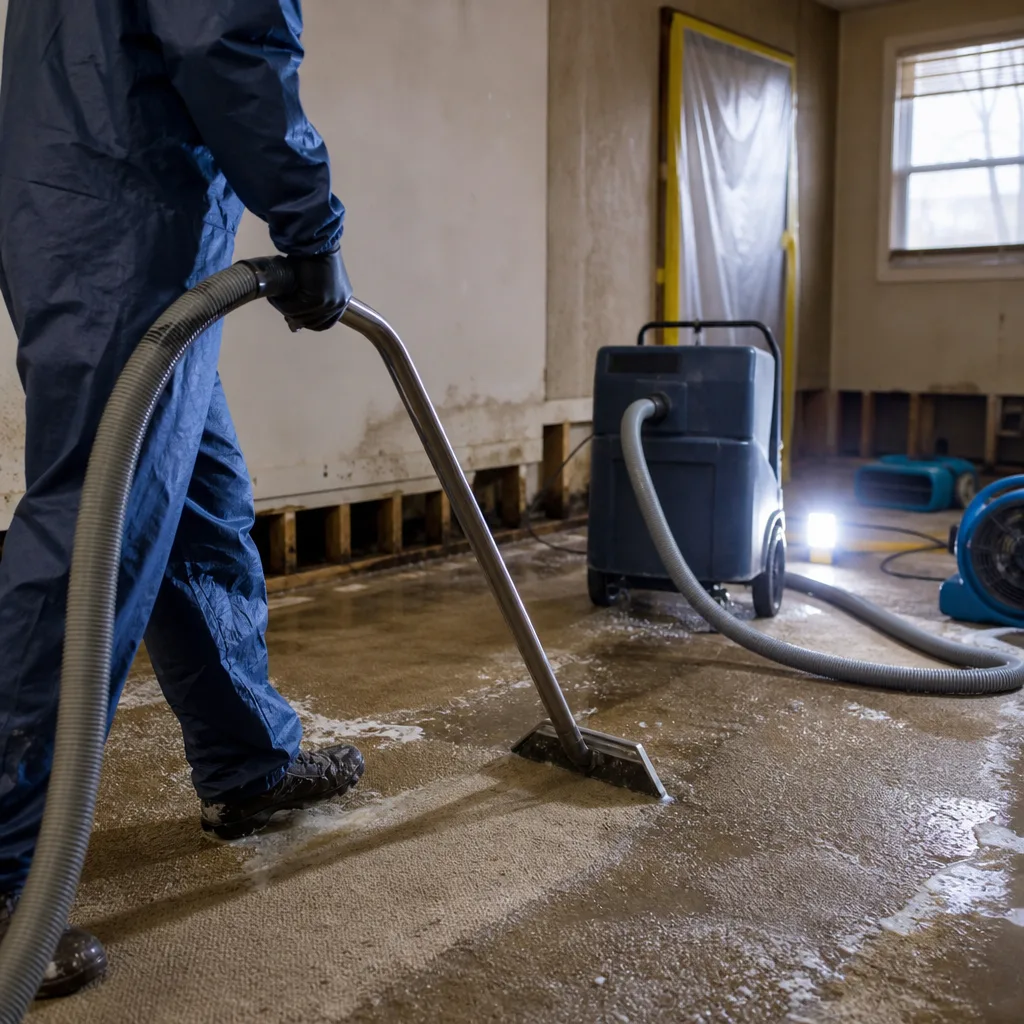
What happens when you call
- 1
A real person answersNo phone trees - you reach a local pro.
- 2
You get an upfront price rangeHonest numbers before anyone is dispatched.
- 3
A background-checked tech heads outLicensed & insured, dispatched right away.
- 4
You approve before work beginsNothing starts until you say go.
Water Damage Restoration Costs in Lower Manhattan, NY
Water damage restoration in Lower Manhattan runs higher than most New York City markets for one simple reason: buildings here are old, dense, and Landmark-protected. A straight Category 1 pipe break in a modern Battery Park City condo might run $1,800 to $4,200, while a three-floor burst riser in a Financial District conversion can go $12,000 to $30,000 once asbestos abatement, Landmarks sign-off, and structural drying of original timber joists come into play. Saltwater surge jobs often land between $8,000 and $45,000 depending on how much chloride corrosion has settled into electrical panels, HVAC equipment, and rebar.
What moves the price: category of water, square footage affected, whether exterior walls can be opened, elevator access, and whether your building sits in a FEMA flood zone. We provide a free visual inspection and a written scope before work starts, so there is no mystery number at the end. Call (363) 208-1526 for straight answers. We also offer $40 off any repair over $200, a free second opinion on any written estimate, and no trip charge inside our own county.
We Also Serve Cities Near Lower Manhattan
Wade’s Restoration serves property owners throughout the surrounding metro. If you are in Lower Manhattan, we are minutes away. We also serve Astoria, the Financial District, Flushing, and Midtown Manhattan. Same live answer, same 45-minute commitment, same written scope.
Serving Lower Manhattan, NY - Our Local Coverage Area
We’re based in the Lower Manhattan area and know this community well. Use the map below to see our service coverage - if you’re nearby, we can almost certainly help.
Lower Manhattan Water Damage Restoration Questions, Answered
How does saltwater storm surge damage differ from freshwater flooding in a Lower Manhattan federalist-era basement?
Saltwater leaves behind chloride contamination that attacks concrete, steel rebar, electrical components, and even original masonry. Freshwater dries out. Saltwater keeps corroding. In a federalist-era basement near South Street Seaport, that means the difference between replacing drywall and treating structural masonry, scoping corroded standpipes, and neutralizing salt in every electrical panel. We run chloride tests on every surge job and write the remediation protocol into the scope.
Can you dry a landmarked Financial District loft without opening the cast-iron exterior walls?
Yes. We use Injectidry structural drying panels and interior-access drying cavities, then generate drying logs for each cavity. When exterior walls do need to be opened, we coordinate Landmarks Preservation Commission sign-off before touching any protected surface. We arrived at an original timber-floor loft on Hudson Street after a burst riser pipe spread across three floors, and the moisture readings told the story: the 1920s steam-pipe chase had carried Category 2 water into every cavity. The building’s cast-iron front and Landmark designation meant we could not open an exterior wall until the LPC signed off. We set containment and drying systems in the interior first, then worked with the LPC to create drying logs for each exterior cavity. The final scope brought the space back to pre-loss condition without ever touching the curb-side facade.
What does a typical Water Damage Restoration scope of work include for a Battery Park City high-rise condo?
A typical Battery Park City condo loss includes: emergency extraction, containment setup, structural drying with daily moisture logs, chloride testing if past surge is even remotely possible, drywall replacement, flooring repair, and direct coordination with your building management and insurer. The landfill-related differential settling in these buildings means we always check exterior wall cracks and drainage paths before declaring the space dry.
How fast does a clean-water basement leak turn into a Category 3 sewage event in Lower Manhattan’s old cast-iron drain lines?
In under six hours, sometimes faster. Many Lower Manhattan buildings still run original cast-iron waste stacks and drain lines. A clean-water leak that starts near one of these can easily become a sewage event when the pipe fails or when combined storm-and-sanitary sewers back up during heavy rain. If you see water rising in a basement with an old drain, call (363) 208-1526 immediately. Do not wait to see if it recedes.
Why do many Tribeca loft sprinkler leaks end up involving the Landmarks Preservation Commission?
Because the water travels inside walls that are part of a designated Landmark district, and you cannot legally open an exterior wall to dry the cavity without LPC sign-off. Interior walls are usually accessible, but any curb-side facade work requires a permit. We handle the LPC process as part of the restoration scope, and our documentation is built to satisfy both your insurer and the Commission.
How fast can someone actually get to my building in Lower Manhattan?
Wade’s Restoration commits to a 45-minute response. Wade or his crew is on the road within that window, with extraction equipment loaded. We know the freight entrances, the service corridors, and the building supers. In a dense district like this, that local knowledge cuts hours off the response time. Call (363) 208-1526 and a real person answers.
Will my insurance cover water damage restoration in Lower Manhattan?
Most sudden and accidental water losses are covered under standard homeowner or condo policies, but saltwater storm surge is a different matter. Battery Park City and coastal-edge properties often require separate flood coverage through FEMA or a private carrier. We provide the documentation your adjuster needs, and we deal with them directly so you do not have to become the middleman. Get a free inspection first, and we will help you understand what your policy is likely to cover.
What should I do in the first 30 minutes after discovering water damage?
Shut off the water source if you can do so safely. Kill power to any affected area if water is near outlets or panels, but do not enter standing water if you are unsure. Move valuables and electronics to a dry area. Then call Wade’s Restoration at (363) 208-1526. Do not wait to see if it dries on its own; in Lower Manhattan’s old buildings, it will not. And saltwater or sewage means you should stay out of the affected area entirely until a professional evaluates it.
Written by Wade Ferris, Owner at Wade’s Restoration, serving Lower Manhattan since 2007.